Weekly tips, affirmations, and small actions to feel your best.

8 Signs You’re Surrounded By Toxic Friends You Don’t Deserve

Everyone deserves to be surrounded by people who are kind and positive and bring out the best in them. Unfortunately, this isn’t always the case with the people we surround ourselves with daily. Pinpointing a toxic individual isn’t always easy, and we often stay friends with people who aren’t good for us much longer than we have to.

Karen Salmansohn pointed out, “The more you stay with and/or complain about a toxic person, the more you’re merely delaying doing the important inner work you need to do – to heal your wounds, expand your limiting beliefs, and show yourself far more love and respect.”

Learning to identify a toxic friend is a skill that everyone should have in their back pocket. You may find that you’re surrounding yourself with people who don’t deserve your company and are making your life much harder and more negative than it has to be.

Here Are 8 Signs You Are Surrounded By Toxic People You Need To Let Go

“Toxic people defy logic. Some are blissfully unaware of the negative impact that they have on those around them, and others seem to derive satisfaction from creating chaos and pushing other people’s buttons.” – Travis Bradberry

1. They break plans and leave you stranded

Sometimes, life gets in the way and we may find that we have to cancel plans with our friends. This is a normal part of life. However, you may be friends with a toxic person if they’re constantly cancelling on you – because something better has come along. This means that they’ll make plans with you so long as there isn’t something better for them to do. Be on the lookout for friends who seem to always be cancelling on your plans together. It’s a good sign that they don’t respect your time.

2. They talk behind your back

Some people will say positive things about their friends to other people because they genuinely enjoy them and are proud of their achievements. However, toxic friends will be saying cruel and hurtful things behind your back. You’ll find out that they may be gossiping about you or making fun of you to others.

These types of people may try to play it off as a joke, but it’s a red flag that you deserve better. But have you ever wondered why they talk behind your back? As Jill Blakeway rightly points out, “When a toxic person can no longer control you, they will try to control how others see you. The misinformation will feel unfair, but stay above it, trusting that other people will eventually see the truth just like you did.”

3. They spill secrets no matter how much it would hurt you

If you tell a friend something in confidence, it’s generally assumed that they won’t tell other people. A toxic friend cannot be trusted to keep your secrets, and you may find that other people already know about something that you told this friend in confidence. This is a toxic behavior and shows that they’re not a trustworthy person. It also shows that they only care about having something interesting to say to other people, even if it comes at your expense.

4. They tell jokes at your expense

Joking around with your friends and teasing one another often comes with having to learn to laugh at yourself a little. However, with a toxic friend, the jokes are always at your expense, and they’re always just a little too mean. But what’s the difference between humor that helps and humor that hurts?

As Joel Goodman from West Side Toastmasters mention, “Many people who use negative humor just don’t know any better – or any alternative. Most of what they have seen, heard and experienced is toxic humor – humor used as a weapon rather than as a tool. It’s no wonder this is the style they adopt. Laughing with others leaves people with whole self-esteem; laughing at others leaves people with a hole in their self-esteem.”

You may also notice that this person won’t ever tolerate jokes at their expense, and that they brush off your feelings when you try to explain that their jokes are harmful.
toxic friend

5. They always leave you feeling used

Friends help one another out, but a toxic friend oversteps your boundaries and never reciprocates. After spending a day with this type of person, you may find that they spent all your money and didn’t even say thank you or seem grateful. A toxic friend is going to leave you feeling used. This is a red flag. If you find that you never feel good after being with them, you might need to cut this person off.

6. They’re never there when you need them

A toxic friend uses up all of your emotional, physical and financial resources without ever being there when you need them. Oftentimes, you never even think to ask them for help because you know that they’re not a reliable person to ask. You may notice that this type of person will become irritated or angry if you’re not around to help them, but seems to disappear when you need them.

Blogger Elizabeth Lee mentions “You can see now why it’s in your interest to avoid these people. They’re not going to make your life happier or more interesting. They’re going to put you down, criticize you, and make you feel miserable. Worst of all, they will never be there for you when you need them, as real friends should be.”

7. They steal your thunder

A toxic person will always have to one-up you. If you have good news to share, they’re always going to have something to take away your moment. This type of friend can’t stand not to be in the spotlight. Whether you’re trying to share an achievement or find support and sympathy after a hardship, a toxic friend is going to have something much more important to talk about. They’re the type of person to get engaged at a wedding.

8. They’re always angry with someone

No matter what day of the week, a toxic friend will have a rotating list of people they’re mad at. Whether it be their significant other, a family member or a mutual friend, they’re always angry with someone. This type of person is perpetually wronged, and they’re always going to be looking to you to validate their feelings – and they’ll even get angry if you try to play devil’s advocate or mediate in any way.

If you have a toxic friend in your life that’s making you feel more negativity than you might otherwise feel, it’s important to know that you don’t owe them your time or energy. Toxic people can change, but it’s not your duty to wait for them to do so. You don’t deserve to be left feeling used, hurt or left behind by a toxic friend.

Relationship expert Alexis Nicole White says, “It is important to relieve ourselves of toxic people in our lives, as individuals with poisonous behaviors tend to weigh us down. It is nearly impossible to grow, evolve, and to become the people that we are needed to be if we are unable to experience the freedom that should come from that particular relationship.”

The best thing to do is stand your ground and cut these types of people out of your life so you can start to heal the damage they’ve done.

(C)Power of Positivity, LLC. All rights reserved
References:
https://www.bustle.com/articles/192319-8-key-questions-that-determine-if-someone-in-your-life-is-toxic-according-to-experts
http://westsidetoastmasters.com/article_reference/moving_from_toxic_to_nourishing_humor.html
https://www.goalcast.com/2017/06/22/6-types-toxic-people-will-drain-energy/

4 Hidden Behaviors An Abusive Person Displays Before Revealing Themselves

Spotting abusive people isn’t always as easy as television and movies make it seem. Most people want to believe that they would be able to tell an abusive person from the crowd after one conversation. Unfortunately, that’s not always the case. Abusive people are often hard to spot and can hide in plain sight from the people in society.

According to psychotherapist Amy Lewis Bear, “Abusers can be highly skilled at projecting an attractive image that convinces others they have solid personal values and wouldn’t be capable of abuse. An abuser’s thoughtful and caring behavior toward others gives their victims more reason to take the blame.

After all, they’re husbands and wives and coworkers and bosses – abusive people fly under the radar more often than not, because they don’t want their abusive tendencies to be front and center. It’s important to know how to spot an abuser before they reveal themselves – or before someone reveals them. It’s important not only for victims of abuse but for the friends and family of those victims.

Four Hidden Behaviors An Abusive Person Displays Before Revealing Themselves

“Just because a person doesn’t put hands on you doesn’t mean they aren’t abusive. Abuse is control, blatant disrespect, and also hurtful words. Don’t settle for emotional abuse, thinking it’s okay because it’s not physical.” – Tony A. Gaskins Jr

1. Abusers are regular people, but here’s the catch…

This is important to remember. It isn’t so much a hidden behavior as it is a fact above abusive people. Keeping an eye out for abusers needs to be more than just looking for the shifty characters late at night, or the husband/wife with a bad temper. Abusers don’t seem like normal people because they’re good at pretending – it’s because they are normal people, who lead completely normal lives outside of their cycles of abuse.

They may have difficulties like money troubles or substance abuse, but those are traits of non-abusive people as well. It’s important to remember: abusers are regular people, and knowing that will make it easier to spot an abuser when they start to show themselves. But what’s the catch? They like playing the blame game.

Author Steven Stosny mentions, “Avoid anyone who blames his negative feelings and bad luck on someone else. Feeling like victims, they see themselves as justified in whatever retaliation they enact and whatever compensation they take. Blamers will certainly cause pain for you if you come to love one.

mentally abusive

2. Abusers don’t abuse everyone

A lot of people don’t believe the victims of abuse because they have only had perfectly pleasant interactions with the abuser. This is a dangerous trap to fall into, and it’s important to remember that abusers will never abuse everyone. They need to be selective of their victims. That’s because if they abuse everyone they come across, no one will get close enough to them for them to manipulate. Thus they”ll have nobody to control and enact their abuse upon.

The victims of an abuser are usually people that they’re close to, like a partner or a family member. If someone’s past partners all have the same story of that person being abusive, it’s a red flag. In fact, it’s more likely that someone is abusive if there are only select people in their life that come forward with stories of abuse.

3. Abusers don’t abuse all the time, but when they do…

This is one of the main reasons that many women who are in abusive relationships stay, or get so caught up that it’s hard to leave. Because if an abuser were mistreating their victims 100% of the time, they wouldn’t have anyone to control or abuse, because everyone would avoid them. The key trait of an abuser is that they’re able to get away with it without driving their victims away.

This means that they may start out with small acts of abuse – manipulation or subtle gaslighting – and then build up to a more controlling nature. Or, they may exact outbursts of violence – such as yelling or hitting – and then immediately become nurturing or loving again.

The thing about abusive people is: these acts of abuse are almost never just a one-time thing, but when they abuse, “they may have elaborate excuses for these incidents or blame the person they attacked by saying they “had to” or that they “were provoked,” states WebMD.

mentally abusive

4. Abusers rush into relationships

Without a victim, an abuser has no one to abuse. This may result in the abuser getting into a string of failed relationships, or immediately seeking out another victim when the first one removes themselves from the situation. This is one of the most overlooked hidden behaviors in an abusive person. An abuser cannot abuse without a victim.

When one victim leaves, the abuser will often immediately be in search of another victim – or, they’ll act as sweet and kind as they can to lure their previous victim back to them. The best way to end an abuser’s reign is to remove the victim safely. Once this happens, an abuser will almost always show their hand – after all, they don’t like their victims to leave.

Final Thoughts on Coping With Abusive People

Abusers can be all kinds of people from all walks of life. They can be race, gender, religion, sexuality, or social class. Keeping an eye out for the traits that all abusers share will keep victims and potential victims safer if their support system is armed with the correct knowledge to spot an abusive person before they can do any lasting damage.

(C)Power of Positivity, LLC. All rights reserved

10 Reasons To Not Give A Damn About Being Disliked

Do you give a damn about whether you’re disliked?

“Care about what other people think, and you will always be their prisoner.” ~ Lao Tzu

“Their prisoner?”

What does one of history’s greatest strategists mean by this?

As human beings, it’s in our nature to want to be accepted and liked. Remember when you were in school? How much did you want to be in some social circle? The “unpopular” kids were always the cautionary tale – do this, and you’ll be alone. Isolation is deeply wounding to the human heart and psyche.

As we age, the desire to be accepted and liked diminishes a bit. But some people still care far too much about what others think.

In turn, this worry can prevent you from living your life to its fullest potential. In the long run, excessively worrying about what others think can disturb your ability to feel at ease with yourself around other people.

So, why shouldn’t you give the slightest damn about what other people think?

Here are ten great reasons:

1. Life is far too short

Yep, this one’s numero uno for a good reason.

You have one life to life, and it’s not very long. Moreover, nobody can predict what will happen next. Control is an illusion.

Live your life without worrying about other people’s thoughts and opinions, and you will be much happier and fulfilled. Provided your actions don’t impede on others right to happiness, do whatever you want and be whoever you want.

2. People don’t think about you that much

Besides your loved ones, people don’t think about you often!

Have you ever been sitting somewhere, your body tense, and your breathing shallow because you believe people’s eyes are on you? They’re probably not. (If they are, it’s super creepy. Get the heck out of there ASAP.)

Humans see the world through their ego. Our minds are so preoccupied with thoughts, worries, responsibilities, and our immediate environment to think much about most people, much less some stranger.

3. People’s minds are always changing

The human brain is in a constant state of change. When we left high school, we (mostly) left the cliquish nature of judgment behind.

As such, we observe someone, form an opinion or two, and move onto something else. Should that person enter your immediate environment, you’ll repeat the process.

We’re in a state of flux. What others think about us (and vice-versa) is no exception.

4. It’s not their business

Ever notice how much the “ruling class” tries to impede on your personal matters? Wants to tell you what to think, what to believe, and what to buy.

It’s none of their damn business! Period, exclamation point.

They’re entitled to whatever ignorant opinion that their ignorant mind conceives, but you’re the only one who needs to approve your own choices.

5. They don’t know what’s best

We learn by making choices, taking responsibility, and living with the consequences. Not someone else.

Only you can possibly know what’s best. The truth is that we should feel offended when someone uses the phrase “it’s what is best.”

How in the heck would they know?

being disliked

6. What’s “right” for them is probably not right for you

Here’s that whole ego thing, again. We all think differently and have different needs. It’s nearly impossible to remove the bias from our thought processes unless we’re some yogi master.

Remember the term “bias frames,” because this is exactly what most people have on their face when telling you what’s “right.”

Speaking of which…

7. It may be the worst thing for you

We’d like to think that people have our best interests in heart and mind when giving us advice. There’s just one problem here: we don’t know that’s true.

Whenever you spend any limited resource (time, money, health), you’re sacrificing something else. In worst cases, this can be the worst thing for you.

8. You have to deal with the results

It’s effortless to advise someone who doesn’t have to live with the consequences of that advice. People will give you an endless number of “suggestions” because there’s no risk on their end.

Let’s use an advertisement from some widget manufactured somewhere.

Here are a few catch phrases “new and improved,” “more productivity,” “faster, better, easier.” So, fork over your hard-earned money or charge your credit card!

Never mind that you pay for it, you have to use it, and you decide it’s worth (which quickly depreciates.) On their end, they count the money coming in.

9. You can’t please everyone

People-pleasers may be among the most annoying folks in existence.

There’s a big difference, by the way, between those who try to accommodate others, people who do the occasional favor, and those who are always seeking attention and validation. A BIG difference.

Here’s the inconvenient truth: we can’t please everyone, nor should we try.

Also, there’s no point in trying to please anyone if you’re not pleased with yourself!

So treat yourself right!

10. Trying to please can have the opposite effect

It’s ironic that people who care too much about what others think end up being disliked.

Worrying too much about what others think of you is a self-fulfilling prophecy. Needing to be liked changes behavior; often, this change is for the worse. We end up becoming too submissive – and this isn’t a trait that people respect, much less like or admire. So protect your own kind heart, and stop caring what others think!

11 Traits of An Unforgettable Woman

There are unforgettable women everywhere – many remain single or lack friendship. Why?

Well, we can’t speak for every woman; but, the odds are that she’s tired. Tired of dating and befriending one mediocre person after another. She’s probably sick of being taken advantage of, lied to, and disrespected.

Women with this quality are usually the good-hearted and trusting types – two characteristics that, unfortunately, are too often exploited.

An unforgettable woman is one whose former partners and friends kick themselves for letting go or losing.

Extraordinary qualities are unappreciated by ordinary people – an unfortunate truth evident throughout life. Happy people are despised by the unhappy. The quiet are mocked by the loud. The overachievers are detested by the underachievers – and so forth.

Exceptional women are no different in this regard.

So, in honor of all the beautiful and extraordinary women out there, here are 11 traits we revere:

“The beauty of a woman is not in the clothes she wears, the figure that she carries, or the way she combs her hair. The beauty of a woman is seen in her eyes, because that is the doorway to her heart, the place where love resides. True beauty in a woman is reflected in her soul. It’s the caring that she lovingly gives, the passion that she shows & the beauty of a woman only grows with passing years.” ~ Audrey Hepburn

1. Your kindness

Your kindness is evident everywhere you go. No matter how many times your consideration, generosity, and friendliness have gone ignored, you persevere.

You are loved by the peoples’ lives you’ve touched more than words can express.

unforgettable

2. Your independence

If you’ve found the right person, chances are they fell in love with your independent nature. We love that you don’t value your worth from a partner but from the unique and extraordinary qualities that you hold to your heart.

3. Your selflessness

An unforgettable woman always gives more than she receives. Think of one or two of the most influential woman in your life, the woman you love more than anything. Now ask yourself this question: did she put the needs of others before her own?

Ask the same question about any woman who has left this world a better place.

4. Your grace

Unforgettable women always seem to carry themselves with grace. Have you ever seen a documentary about Jacqueline Kennedy or Princess Diana? They were the embodiment of elegance and class. Unsurprisingly, they were also victimized for their disdain of everything “tabloid.”

We admire how you personify humility and grace.

5. Your passion

We love your enthusiasm and excitement about the things important to you. We admire that your passion is almost always your purpose. Something else that we love is your passion for things both big and small – an uncommon characteristic nowadays.

6. Your support

Whether it’s your friend, family member, or romantic partner, your support is never feigned, and never appears to cease. While you may not always agree with us, you’ll always have our back 100 percent.

7. Your insight

You know what we’re capable of becoming, even if we don’t. While we may not always appreciate your insightfulness, we understand that your wisdom is deserving of some deep contemplation.

8. Your energy

We love your energy and eagerness to face the world head-on. While you may not be very loud, we feel and sincerely appreciate your positive attitude and wonderful energy. We love how when we’re feeling down; you’re “right on time” to lift our spirits!

woman

9. Your honesty

You may be sweet, but you’re not afraid to mix in some sour if need be. Sometimes, this “sour” comes after someone acts foolish or mistakes your kindness for weakness.

For the most part, you deliver your words in equal parts sweet and serious.

10. Your persistence

As discussed, it’s not easy being an extraordinary woman nowadays. It’s quite remarkable that you’ve been able to keep chugging along to this point. Many good people feel the pull of the undertow of modern society – something that speaks to how unforgettable you really are!

11. Your love

Last but certainly not least: thank you for your love. Thank you for all of the times you’ve called and answered the phone; lent us your ear and heart; told us what we needed to hear, and for allowing us to be part of your beautiful life.

Thank you for your love. Again.

Researchers Reveal 5 Ways to Tell If Someone Can Keep A Secret

It’s pretty sad when we must resort to research in determining whether or not a person can keep a secret. We’d like to think that someone – for the sake of both people’s honor – would treat confidentiality with respect.

Unfortunately, this is not often the case. People who appear trustworthy sometimes are not. A pleasant smile and sweet voice, while attractive, does not necessarily correlate with trustworthiness.

Before we get into the psychology of decoding one’s ability to keep a secret, let’s discuss some obvious outliers.

What Not to Discuss (or Listen to)

As with most other touchy subjects, “secret keeping” also has some caveats. Here are a few examples:

– Infidelity

– Theft

– Slander

– Plans to Harm

In other words, anything unethical.

Of course, if someone’s asking you to stay quiet about them cheating on their spouse, stealing something, smearing someone’s reputation, or committing some other egregious act – you’re under no obligation to comply. In fact, you should end the conversation post haste.

You, of course, know better not to make such a ridiculous request!

Topics of Discussion

Before asking a person to keep a secret, we should take an objective look at why we’re asking in the first place.

The most common scenario is when an individual needs to get something off of their chest – and is trusting you to maintain confidentiality.

For example, let’s say you’re burnt out at work and are considering looking for employment elsewhere. You may wish to discuss your employment situation with someone close. Perhaps your relationship is on the rocks, and you look to your friend for advice.

Both of the scenarios mentioned above require discretion. It goes without saying that such matters should be treated with the utmost respect.

Will They Spill the Beans?

Here are five questions to ask yourself before divulging your secret to someone:

1. Is the person reliable?

Think about the individual’s overall reliability. Are they dependable in most areas of their life? When you need them, are they available? Do other people view them as reliable?

One’s reliability in other areas of life strongly correlates with dependability and trustworthiness. If the individual displays reliability, odds are they make decisions carefully, and with both sensitivity and specificity.

2. Is the person dramatic?

Put simply, drama queens (or kings) are not good at keeping secrets.

Here’s an excerpt from a study undertaken at the University of Texas: “People with drama-prone personalities generally live chaotic lives and inflict contrived crises on family, friends, and co-workers.”

Furthermore, ‘high drama’ people are prone to actively search for and “engage in gossip about others.”

Can’t be much clearer than that.

RELATED ARTICLE: 5 Things To Always Keep Secret

3. Do they actively listen? 

Researchers from the University of Colorado define active listening as “listening and responding to another person that improves mutual understanding.”

Here are a few signs of active listening:

– full attention on the speaker (you)

– repeating or paraphrasing what was said

– asking questions for clarity

– good eye contact

– minimization of distractions

When a person is skillful at active listening, they have a solid understanding and comprehension of what was said. Active listeners are generally thoughtful, logical, and non-impulsive.

In other words, seek out an active listener when it comes to sensitive topics.

4. Do they have a “history”?

While our past doesn’t necessarily define our future, it may be a good indication of a person’s character. Evaluating a persons history should not be undertaken judgmentally or with bias. We’ve all made mistakes!

That said, a secret is a sacred trust. There is little to no room for an error in judgment. As such, we must consider our history with the other person.

People with a “bad history” – however you may define the term– are quite well-known.

Have they violated someone else’s trust? Do they partake in office gossip? Do they regularly display eccentric and unstable behavior? All of these are important questions to consider.

5. What is the secret? 

Consider a couple of things: (a) what is the topic of discussion? (b) why are you choosing to divulge this information?

The purpose of asking these questions is to get you thinking about potential outlets. For example, if it’s a relationship issue, is this conversation better had with someone in a professional setting?

The more personal the matter, the more appropriate it is to seek counsel from someone with the relevant expertise. Most employers offer some kind of employee assistance program (EAP in the United States) that pay for a certain number of counseling sessions.

(As someone who’s dealt with a tough personal issue, the writer can not place enough emphasis on the importance of taking advantage of EAP or other free programs.)

There is also a multitude of online forums in which to express yourself anonymously. Quora is an excellent outlet for asking questions – and (sometimes) receiving expert advice/opinions.

References:
http://www.colorado.edu/conflict/peace/treatment/activel.htm

https://www.psychologies.co.uk/test-can-you-keep-secret
https://www.psychologytoday.com/blog/lifetime-connections/201405/when-friends-reveal-secrets-youve-asked-them-keep
https://www.sciencealert.com/psychologists-have-come-up-with-an-official-test-to-measure-your-need-for-drama

How To Make Detox Foot Pads At Home to Flush Toxins

The foot is an amazing structure.

“The NHS (National Health System) Choices website says there is ‘reasonably good evidence’ that acupuncture is effective in treating a wide range of conditions, including back pain, dental pain, headache, nausea after operations, and osteoarthritis of the knee. And there are plenty of anecdotes from patients…” – David Derbyshire

2000 years later …

And acupuncture is still proving skeptics wrong. If mindfulness meditation is ‘Exhibit A’ for the figurative defense of traditional therapy, acupuncture is ‘Exhibit B.’

Despite the outspoken skepticism from a minority of individuals within the medical community, certain aspects of traditional medicine have proven beneficial.

Foot pads and acupuncture

You may be wondering “What the heck do foot pads have to do with acupuncture?”

Fair question. The short answer is “a lot.”

Research proves that acupuncture is effective, in part, because it improves the body’s autonomic (involuntary) nervous system. Detoxifying foot pads work very similarly.

How detox foot pads work

While we’ll bypass the anatomy and physiology lesson (Thank Heavens); instead, let’s talk a bit about the mechanisms behind these foot pads.

Dr. Dietrich Klinghardt of the American Academy of Neural Therapy says:

“The major (effect) of the foot pads is in the stimulation of the liver and kidney meridians. This increases the metabolic rate at which the liver and kidney cells detoxify the blood and purify the body.” (Emphasis mine.)

The underlying mechanism of detox foot pads is detoxification through reflexology – a traditional healing technique that utilizes reflex points at the foot’s bottom to activate certain areas of the body. Proponents of detox pads (and acupuncture) state these reflex points play a fundamental role in improving health.

Much of society’s work culture is sedentary in nature. The average worker spends a disproportionate amount of time sitting. As most people aren’t particularly enthusiastic about work, they’ll quickly become lethargic. Of course, this leads to the individual being sedentary at home. It’s a bad cycle.

While sitting may be necessary for certain environments, prolonged sitting (and subsequent inactivity) disrupts blood flow to our lower limbs.

This sedentary lifestyle is not good for overall health. One reason for this is that desk-bound/couch potato living habits inhibit blood circulation. When blood doesn’t properly flow, our entire body – tissues, muscles, cells, and organs – are negatively affected.

How To Make Detox Foot Pads At Home to Flush Toxins

One great thing about making detox foot pads is the simplicity. They’re quick, easy, and cheap. Please note that this process should be done at bedtime. You will leave the pads on overnight and remove them upon waking up.

Here’s what you’ll need:

  • ¼ cup of apple cider vinegar
  • 1 tablespoon of finely chopped garlic
  • 1 tablespoon of finely chopped onion
  • A small saucepan
  • Adhesive gauze pads
  • Socks

Here’s what to do:

  • Bring the apple cider vinegar to a boil
  • Add the onion and garlic to the vinegar, and wait 10 minutes
  • Remove saucepan from the stove, allowing it to cool for 20 minutes
  • Saturate (but don’t drench) the gauze pads with the mixture. Be careful not to wet the adhesive.
  • Squeeze the excess liquid from the pads
  • Apply the pads to the center of the each foot’s sole. Ensure the adhesive is firmly in place.
  • Put on a pair of socks.
  • Finish your bedtime ritual, sleep, and peel off the pads in the morning!

Readers: Have you tried a foot detox before? What were the results? Do you plan on trying this method? We’d love to hear from you!

(C)Power of Positivity, LLC. All rights reserved

12 Foods That Make You Smarter

The things we know about our brains have grown by leaps and bounds. In just the past 20 years, we’ve learned more about how the brain works than of all previous years combined.

For instance, we now know that a healthy brain continues to develop new neural connections throughout life (“neuroplasticity”). We also know that intelligence is not fixed. Not so long ago, scientists believed intellect was innate. An “If you got it you got it; if you don’t you don’t” kind of thing.

Which brings us to today’s topic: foods that make you smarter.

That’s right. Choosing the right foods to eat each day can boost your brainpower. Alternatively, eating junk facilitates a “garbage in, garbage out” response from our brain.

The evidence

But you needn’t take our word for it. Here’s an excerpt from a study published in the Journal of Epidemiology and Community health:

“A diet high in fat, sugars, and processed foods in early childhood may result in lower IQ scores, while a diet rich in healthy foods packed with vitamins and nutrients may work in reverse.”

Here’s another one from a 2016 study undertaken by scientists at the University of Illinois, Urbana-Champaign:

Previous studies have found that a person’s lutein (found in spinach, and eggs) is linked to cognitive performance across the life span, [particularly] in the gray matter of brain regions … [preserving] cognitive function in healthy brain aging.”

The importance of the above two studies cannot be overstated. Nutrition affects the cognitive health (thus, intelligence) in people of all ages.

What this means for you…

We know you’re anxious to get to the brain-boosting stuff, so we’ll keep this short and sweet.

If you eat right, and “exercise” your brain (and body!), you can improve your cognitive health. By forming new neural connections, you can learn a new skill faster, feel better, live a happier life, or whatever you’d like!

The Foods

Here’s are the 12 foods to stock up on if you want to give your brain a boost:

1. Eggs

As mentioned in the first study, eggs are a rich source of lutein – a natural carotenoid. Lutein helps to prevent or slow cognitive decline in experimental studies.

Regarding brain power, eggs primary value is in their amino acid content. Eggs also assist learning and memory through assisting in the production of noradrenaline, dopamine, and GABA.

2. Spinach

Spinach is a nutritional powerhouse – literally – it is called a superfood by nutritionists and dietitians. It’s packed with folate, a nutrient that stimulates brain activity.

Spinach is an underrated source of vitamin C. Vitamin C is essential for brain tasks such as learning, memory, and attention.

3. Fish Oil

About half of our 3-pound brain comprises lipids or fatty acids. Fish oil, of course, is rich in all types of fatty acids.

Omega-3’s have a profound effect on our brain’s structure and function. They also boost our cognition, memory and have anti-aging effects.

4. Bananas

Bananas are another superfood, rich in potassium, magnesium, and vitamins C and B6. B6 helps produce the brain chemicals dopamine, serotonin, norepinephrine, and GABA.

Maybe that’s the reason the Minions are so smart. Hmm …

5. Whole Grains

Whole grains are a healthy source of complex carbohydrates, which breaks down into glucose – the brain’s primary energy source. Because whole grains break down slowly, their energy-producing effects last for hours.

6. Dark Berries

Blueberries and raspberries are full of antioxidants, which help fight off free radicals. Antioxidants thereby encourage nerve cell production within the brain and body. Neurons, the brain’s “signaling” cells, require protection; and a handful of dark berries helps with this function.

7. Legumes

Legumes contain grain seeds called pulses. These seeds are rich in all types of essential minerals, including iron, potassium, magnesium, and zinc. They also include a bunch of B-vitamins, including niacin, thiamine, and folate.

8. Avocado

Another superfood, avocados are saturated with healthy fats, vitamin E, carotene and lycopene (the latter two are antioxidants), and other important minerals.

Vitamin E serves some vital functions; not only is it a potent antioxidant, but ‘E’ is also a critical vitamin in producing the brain chemicals acetylcholine (learning and memory) and GABA (the “relax me” chemical.)

9. Coffee and tea

coffee

Coffee and tea are well-known for the stimulant effects, but they have plenty of other benefits as well.

Both beverages have protective effects on the brain. Many studies have shown that coffee and tea aids cognitive function and potentially slows the progress of Alzheimer’s Disease.

10. Shellfish

Seafood and crustaceans are both rich in Vitamin B12 and protein. B12 supports the production of dopamine and serotonin in the brain. Shellfish are also rich in the minerals copper, iodine, lithium, manganese, and zinc.

11. Dairy products

As mentioned, the brain is about 50 percent fat. Deficiency in essential fats is linked to degenerative diseases, including multiple sclerosis (MS).

When eaten in moderation, dairy products can drastically improve brain function. Yogurt, cheese, and milk all contain healthy amounts of calcium, magnesium, protein, and vitamin D.

12. Nuts and Seeds

There may be a reason why walnuts look like a miniature brain. Per numerous studies, walnuts are the most powerful nut or seed for brainpower and brain health. Rich in vitamin E and zinc, virtually any nut or seed can enhance cognitive skills and memory. Their properties also help prevent cognitive decline and promote healthy blood circulation.

Wrapping Up

The fact that nutrition helps brain health isn’t much of a surprise to anyone. However, only very recently did we find just how important a well-balanced diet is for not only brain health, but intelligence, memory, and other cognitive functions.

So, whether you want to boost productivity, feel happier, or give your brain an edge, stocking your kitchen with some of these foods is a great place to start!

Sources:
http://www.foodnavigator.com/Science/Poor-childhood-diet-linked-to-low-IQ-suggests-study

http://www.lifespan.com/14-foods-increase-intelligence/
http://www.telegraph.co.uk/news/health/news/8308726/Food-for-thought-diet-does-boost-your-intelligence.html
https://www.sciencedaily.com/releases/2016/12/161213113142.htm

Researchers Explain What The Shape of Your Lips Say About You

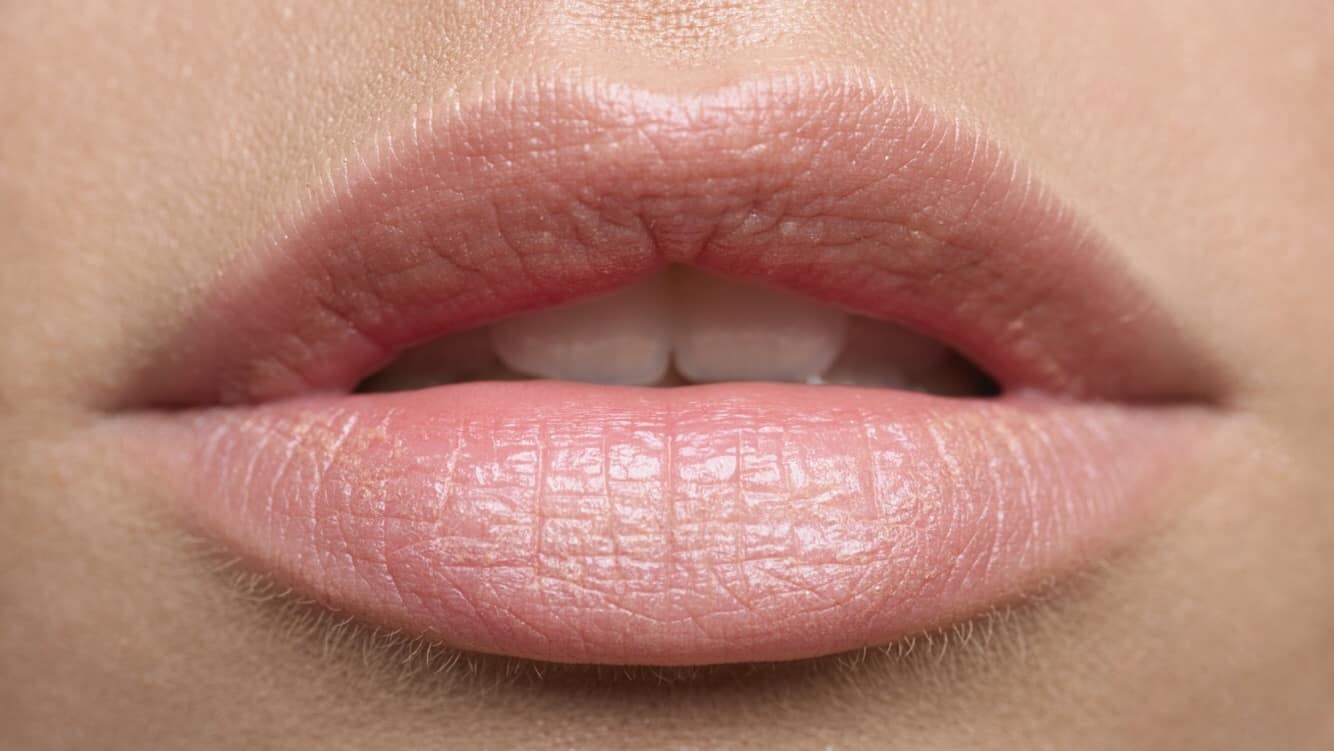
The eyes may be where others are focusing their gaze, but they may also be watching the movement and shape of your lips and subconsciously thinking what your lips say about you. We kiss, talk, eat, and breathe through this important facial feature, but we rarely think about them. Our lip prints are as unique as our fingerprints, but unlike our fingertips, our mouth shapes and fullness may change as we age.

You may not have considered what the shape of your lips reveals about you. What does the shape of your upper lip, lower lip, outer and inner lip edges, outer right and left corners of your mouth, chin point, and upper lip points say about you? The two lip corners and their relative positions to the middle of the lips are used as landmarks to measure the significant lip features, such as the upper and lower points and their symmetry from right to left. Below, we explore some of the more common shapes and what they say about your personality.

Researchers Explain What The Shape of Your Lips Say About You

personality

What the shape of your upper lip points say about you

Philium is the name of the shapely ‘V’ or ‘U’ of the upper lip center directly below the nose, usually a channel from the nose to the center of the upper lip where a defined ridge shape can be seen. The philium is either pointed, like the shape of a letter V, rounded, like the shape of a letter U, or nonexistent.

The philium is the predominant lip shape feature often highlighted or outlined by makeup. The upper points or philium have ten distinct shapes; what they say about you is as unique as your personality.

Here are the mouth shapes and their meanings:

The lip shape is defined by the lower and upper vermillion borders of the mouth. The vermillion border is the borderline separating the skin of the face below the nose and the vermillion zone of the upper lip. The shape of the upper vermillion lip border had distinctive types, which are:

1. Twin peaks (V shape) – Creative
2. Uneven peaks – Sensitive
3. Cantilever bridge (flat line between peaks) – Inquisitive
4. Suspension bridge (U shape) – Outgoing
5. Double convex (two rounded peaks) – Flirtatious
6. Butterfly (softer V peaks)- Kind
7. Dome (single curve) – Outspoken
8. Flying bird (outer edge of peak tapers to corner) – Nurturing
9. Flat (no points) – Logical

In a study of lip shapes and genetic markers, researchers applied the method of high-resolution 3D imaging to test the potential genetic associations of lip and other facial variations. The researchers hoped to be able to predict genetic variations by facial shapes. This study was the first to prove that the human gene rs642961 affects normal facial shape variation, which can be seen in individuals with more protrusive and thicker lips. The human gene rs642961 is the same gene responsible for the cleft lip shape, which reconstructive cosmetic surgery can often correct.

What the shape of your closed lip line says about you

When you close your lips without smiling, the line between your lips has several different lip shapes. Here are a few shapes that lip forensic researchers look for and what they may say about you:

1. Straight – Trustworthy, Conservative
2. Notch or deep wrinkle near the center – Distinctive, Intellectual
3. Upturned – Generous, Attentive
4. Downturned – Self-focused, Moody
5. Sinuous (curvy) – Graceful, Sensuous

What your upper vs. lower lip size says about you

Larger upper lip than lower lip – Charismatic, Talkative, Leader

Larger lower lip than upper lip – Adventurous, Pleasure-seeking, Imaginative

Upper and lower lips equal size – Practical, Impartial, Focused

Research in the journal Plastic Surgery International points to how lip size may also affect a person’s smile. They note that individuals with a thinner upper lip usually show more of their teeth when smiling and have a higher smile compared to individuals with thicker lips.

(C)Power of Positivity, LLC. All rights reserved
Sources:
https://brightside.me/wonder-curiosities/scientists-reveal-what-the-shape-of-your-lips-says-about-you-327210/?utm_source=fb_brightside&utm_medium=fb_organic&utm_campaign=fb_gr_brightside
Lip forensics
https://www.omicsonline.org/lip-forensics-for-criminal-identification-2157-7145.S11-007.php?aid=10718&view=mobile
http://journals.plos.org/ploscompbiol/article?id=10.1371/journal.pcbi.1003375
https://www.omicsonline.org/lip-forensics-for-criminal-identification-2157-7145.S11-007.php?aid=10718

7 Signs of Toxic Kidneys

Our kidneys are always at work. Day and night, they help eliminate toxins and waste products from the body. In addition to the key roles that kidneys plan in toxin and waste removal, they are also responsible for:

  • Regulating the amount of fluid within the body
  • Maintaining internal homeostasis (balance) is crucial to the health
  • Creating urine from by-products

Numerous kidney conditions affect different areas of the organ. Most situations do not impact the whole kidney and its structure. Instead, most disorders stem from problems with the renal artery and renal vein (the blood vessels to and from the kidney), tissues within the kidney, or the ureter, responsible for transferring urine from the kidney to the bladder.

Kidney disorders are unique in that their symptoms are very similar, if not the same. Here, we discuss the seven most common symptoms of kidney disorder.

Let’s go!

7 Signs of Unhealthy Kidneys

kidneys

1. Irregular urine odor

Urine odor can vary from person to person. Much of this has to do with someone’s diet, level of hydration, physical activity level, or the temperature in their environment.

Most people have a sort of “musty ammonia odor” due to the trace amounts of urea in their urine. (Urea is an organic element essential to the process of urination.)

If a kidney malfunction is present, it’s common for urine to give off either a fishy or sweet smell. A change in urine odor can also occur from diabetes, liver disease, and even certain supplements.

2. Changes in urine color

In a healthy person, urine will have a pale yellow hue. Those who drink a lot of water may have lighter-colored or clear urine, both of which are normal. Dehydration may produce a dark yellow color, which is not necessarily dangerous but should remind you to drink more fluids.

Urine that is brown, black, orange, pink, or red is abnormal and could signal an underlying disorder or disease. Blood in the urine (hematuria) produces red to pink-colored urine – and should prompt us to visit a doctor to rule out a serious condition.

3. Visible changes in urine

Urine is composed of approximately 95 percent water. The other 5 percent are a mix of minerals, metabolized drugs, and other substances. The high water concentration usually produces clear to dark yellow urine depending on hydration levels.

When there are visible changes, such as pus or froth in urine, it is necessary to have a check-up. Excess protein in the urine may also signify a problem, but it isn’t always visible. Pus or saliva in the urine may result from an underlying infection.

4. Pain in the abdominal area

As the kidneys are situated in the abdominal cavity, wherein many other organs lie, it can be challenging to pinpoint the source of pain without a doctor’s help. However, kidney pain tends to be located around the edges of the abdomen and the back.

Despite popular belief, a burning sensation while urinating is usually not a kidney problem. Instead, it’s more likely to be a urinary tract infection or UTI. Of course, a UTI necessitates medical intervention and treatment.

5. Urine frequency

Typically, a healthy person will pass from approximately 16 to 100 ounces of water, depending on the water consumed. (It’s considered beneficial to be in the sixty to the hundred-ounce range.)

Kidney problems can produce excess or shortage of urine expelled. An oliguria condition will cause a person to make less than the average amount of urine. Polyuria is when a person expels more than 100 ounces of water daily. Again, water intake has a lot to do this. But sudden changes in urine frequency without altering fluid intake may cause concern.

6. Swelling, nausea, and shortness of breath

Swelling, especially of the legs, may surface as the kidneys cannot expel the average amounts of urine. This condition is more broadly described as “water retention.” Shortness of breath may occur as the blood’s pH levels are erratic, which burdens the respiratory system more. Nausea (a comprehensive symptom) may surface as byproducts accumulate in the bloodstream.

7. Other symptoms

As with many other vital organs, the kidney can produce seemingly unrelated symptoms. Some symptoms reported by medical professionals upon diagnosing a kidney condition include confusion, headaches, fatigue, muscle cramps, seizure, and skin discoloration.

Prevention and treatment

It is also important to mention that certain racial and ethnic groups are at a higher risk for kidney failure than others. Compared to Caucasians, the rate for African-Americans is nearly four times higher; Native Americans and Hispanics, 1.5 times higher, and Asians at 1.4 times higher.

The two most common causes of kidney disease are diabetes (approx. 44%) and high blood pressure (28%). Per kidney.org, the top five ways to protect your kidneys are:

  • Eating healthier foods and having a well-balanced diet
  • Limiting salt and caffeine intake
  • Prioritizing rest (not overworking)
  • Regular exercise
  • Reduction of sugar and fat intake

kidneys infection

Reducing stress whenever possible is the best preventative measure you can take, not just for preventing kidney disease but nearly every other adverse health condition.

Urinary strip tests may be purchased at certain pharmacies. Self-screening is a good idea to rule out the more severe kidney conditions, but it is still advisable to seek a professional opinion.

Treatment depends on whether the condition is acute (short-term) or chronic. A critical kidney condition may be due to many things, and a doctor must order tests to determine the appropriate treatment. Provided treatment is administered correctly. The recovery rate is high.

Chronic kidney conditions generally require dialysis or a transplant. Again, the earlier the situation is discovered, the better.

It is vital to have a comprehensive physical done every year. If you should identify with any of the above-mentioned symptoms, please seek the advice of a medical professional.

10 Ways to Have Healthier Kidneys

If you hope to avoid these issues later in life, make these healthy lifestyle choices.

1. Control your blood pressure

One of the best ways to have healthier kidneys is to control your blood pressure. Normalize your blood pressure with a healthy lifestyle that includes staying physically active and eating well for your heart foods. Heart-healthy foods include foods such:

  • Avocados
  • Beans
  • Berries
  • Dark chocolate
  • Fatty fish
  • Fish oil
  • Leafy greens: Mustard greens, Swiss chard, kale, collard greens, and spinach
  • Walnuts
  • Whole grains

2.  Stay physically active

Exercise lowers your risk of developing unhealthy kidneys. It helps avoid heart disease and high blood pressure, both significant contributors to sick kidneys and related problems. Staying active also enables you to control your cholesterol. Evidence shows that exercising and limiting a sedentary lifestyle leads to healthier, better-functioning kidneys. Choose activities that keep you moving, such as:

  • Aerobic exercising
    Biking-indoors or outdoors
  • Dancing
  • Swimming
  • Skiing
  • Walking

3. Eat a healthful diet

A healthy or salubrious diet includes consuming natural foods instead of processed foods. Choose fresh vegetables and healthy fruits, whole grains, and lean meats. Try low-fat or fat-free dairy products. Avoid fast foods which are loaded with sugar and fat. Try swapping out unhealthy ingredients in your recipes for healthier choices. Some simple healthy food swaps include these:

  • Swap out your white potatoes for sweet potatoes
  • Eat rye bread instead of white bread
  • Choose brown rice rather than white rice
  • Choose olive oil with balsamic vinegar and spices instead of store-bought salad dressing
  • Use Greek dressing instead of sour cream
  • Eat frozen grapes instead of popsicles

4. Get screened regularly

If you have a family history of similar problems, get screened regularly for kidney disease. Screening involves a urine test to look for damage. You may need a blood test to gauge how well your kidneys work—the urine test checks for albumin, a protein. The blood test looks for GFR, and glomerular filtration rate, which checks how well your kidneys filter. Also, if your family history involves heart disease, you need to get checked out because heart disease and kidney disease go hand in hand.

5. Manage your diabetes

Kidney disease develops slowly with few to no symptoms. You can have kidney disease and not know it until it’s advanced. But if you have diabetes, you are at a high risk of kidney disease. Approximately one out of every three adults with diabetes ends up with kidney disease. Your kidneys comprise millions of tiny filters called nephrons. Diabetes damages nephrons, so they don’t work, causing damage to your kidneys.

6. Take medications properly

Anytime you take medication, there is a risk. Even over-the-counter drugs have side effects that can be harmful. Therefore, it’s essential to take any medication properly. Here are the medicines that can be harmful to your kidneys.

  • Pain meds: Pain medications such as naproxen sodium, ibuprofen, and aspirin can cause damage if misused. Many people have unknowingly damaged their kidneys from overmedicating with these drugs. Never take more than the recommended daily dose of these medications. If you want healthier kidneys, find other ways to deal with your pain, such as
    • Acupuncture
    • Biofeedback
    • Chiropractic adjustments
    • Massage
    • Herbal remedies
  • Antibiotics are prescription drugs, but they can still damage your kidneys if taken improperly. Some countries have over-the-counter antibiotics. Never buy online antibiotic drugs. They may contain ingredients that have harmful side effects on your kidneys.
  • Prescription laxatives: Typically, over-the-counter laxatives are okay, but prescription laxatives can harm your kidneys. These laxatives use sodium phosphate crystal deposition, which may cause a sudden loss of kidney function or injure your kidneys. This is called phosphate nephropathy.

If you must take medications, always take them as your medical provider advises to avoid damaging your kidneys.

7. Lose weight if you need to

Extra weight can harm your kidneys. Being overweight ups your risk of diabetes and hypertension. Both conditions can cause kidney disease. If you’re overweight, here are some ways to reduce your risk of kidney disease.

  • Make some lifestyle changes: Start exercising and control your portion sizes.
  • Control your blood sugar to avoid diabetes.
  • Control your blood pressure.
  • Figure out your Body Mass Index (BMI). A normal BMI should be around 18 to 25. If your BMI is 25 to 30, you’re overweight, and if your BMI is over 30, you’re obese. Try to lose weight and exercise to gain muscle, healthier than fat.

8. Curb your alcohol

Alcohol upsets the function of your kidneys, so they can’t filter as well. It also lessens your body’s ability to regulate fluids and electrolytes. Alcohol is dehydrating, and that affects your kidneys.

9. Suspend your smoking

Both smoking and secondhand smoke put you at risk for cardiovascular disease, which harms your body’s veins and arteries. This directly affects your kidney’s ability to filter your blood. Smoking can damage your kidneys in several ways, including:

  • Reduced blood flow to your kidneys
  • Narrowing of your blood vessels, including the blood vessels in your kidneys
  • Arteriosclerosis is the thickening of your arteries, including your kidneys

The CDC says that if you have kidney disease when you quit smoking, it can slow its progression.

10. Drink plenty of fluids

If possible, drink at least a liter and a half of daily water. But you may need to drink more water during the summer.  Some health conditions also require that you drink more water. Other factors that affect how much water you drink include:

  • Gender
  • If you’re pregnant
  • Breastfeeding
  • Hot climates

Water helps clear out the sodium and toxins from your kidneys. When you drink plenty of fluids, you will have healthier kidneys. If you’ve had kidney stones, drinking lots of water to flush out your kidneys is essential.

appendix

Final Thoughts on Toxic Kidneys and How to Improve Them

Your kidneys work day and night to eliminate toxins and waste from your body. These vital organs are worth protecting. Keep an eye out for signs of poor health. Of course, this damage can occur with few to no symptoms, so keeping them healthy is critical. Keeping your weight down, limiting your alcohol consumption, following medication instructions, and suspending smoking are ways to have healthier organs.

Skip to content