Weekly tips, affirmations, and small actions to feel your best.

10 Signs Your Relationship Is Unbreakable

Many people wonder and worry about their relationship. They may find that they’re comparing their relationships to other peoples’ or to past relationships of their own. Questioning how unbreakable one’s relationship is can be a common experience for many people, especially if the relationship is fairly new.

Good, lasting relationships all have similar qualities that make them unbreakable, no matter what life throws at them. Recognizing what your relationship has or lacks can help you make the changes that you need so that your relationship stays strong, healthy, and long-lasting.

Here Are 10 Important Qualities For A Relationship To Succeed

“In finding love, I think it’s important to be patient. In being in a relationship, I think it’s important to be honest, to communicate, to respect and trust, and to strive to give more than you take.” – Kina Grannis

1. Honesty and trust

Being truthful and honest is “an essential foundation on which to build a relationship,” says clinical psychologist and author Lisa Firestone Ph.D. Your significant other shouldn’t hide anything from you, unless they’ve specifically discussed why they don’t want to talk about something. When your partner is honest, you trust them to be truthful with you. Your partner should feel the same. It’s hard to break apart when there’s no suspicion in a relationship.

unbreakable

2. Ready for the relationship

Both partners need to understand how an adult relationship works. If one partner isn’t ready for a mature relationship, that probably means that the relationship will be rocky. One the other hand, a strong and healthy relationship will demonstrate readiness by both partners. While we all have baggage, both partners should be working through that baggage so it doesn’t drag down the relationship.

3. Be ready to compromise

Partners who are able to talk through disagreements or issues while reaching a compromise will have a healthier and happier relationship than couples who are constantly fighting. If one partner is always giving while the other is always taking, it can cause an imbalance in the relationship. Partners who know how to compromise will have a relationship that’s as unbreakable as they come.

As licensed couples’ counselor Aniesa M. Schneberger says, “Do you want to be right or do you want to be alone? Being ‘right’ all the time isn’t always the best for your relationship. Remember compromise is key to success.”

4. Self-awareness

Both partners need to have a sense of self, and to be self-aware of their desires, needs, goals and wants. In some relationships, one partner focuses on the other while completely neglecting what they want out of life. That will only breed resentment.

Relationship expert and co-creator of Inner Bonding Margaret Paul, Ph.D., says, “There is one major cause of relationship problems: self-abandonment… When you decide to learn to love yourself rather than continue to abandon yourself, you will discover how to create a loving relationship with your partner.

Therefore, a strong relationship involves self-aware people who can support one another in their life goals and dreams without giving up their own.

5. Good self-esteem

If one or both partners have low self-esteem, they may rely too heavily on their partner to meet needs that they need to be meeting themselves. Or, one partner may allow the other to control or dominate their life in ways they really don’t want.

Patty Blue Hayes, life coach and author of Wine, Sex And Suicide – My Near Death Divorce says, “Love yourself first. Self-love is the first love. If we do not honor, respect, value and appreciate ourselves, no one else will. Our partner will only mirror back to us how we feel about ourselves. We must look within for our own happiness and fulfillment first and not make the mistake of relying on someone else to make us happy.

A strong relationship involves two people with high self-esteem, who feel good about themselves and don’t allow one personality to overshadow the other.

self-love

6. Have great communication skills to build an unbreakable relationship

One of the most important features in a healthy relationship is good communication skills. If one partner tends to shut down, yell or become passive-aggressive during a discussion or argument, then they make communication almost impossible. Both partners should be able to communicate openly and clearly, even when arguing or disagreeing with one another without resorting to childish tactics.

7. Keeping sexual intimacy alive

Being in a relationship often involves sex. Both partners should have compatibility in their sexual desires, values, and preferences. Physical attraction on the parts of both parties is also fairly important.

Licensed individual, couples, and sex therapist Sari Cooper says, “Many times people become increasingly shy with the person they love the more time goes by. Partners begin to take their love for granted and forget to keep themselves turned on and to continue to seduce their partner. Keep your ‘sex esteem’ alive by keeping up certain practices on a regular basis. This allows you to remain vibrant, sexy, and engaged in your love life.

It doesn’t feel good when your partner enjoys your personality but doesn’t find you physically attractive or finds you lacking. Both partners should be sexually compatible and physically attracted to one another.

8. Partners in an unbreakable relationship share similar values

Both partners don’t have to have identical values, but having similar values will make the relationship a lot stronger than if they hadn’t. Having complementary or compatible values regarding things like the relationship itself or parenting children will keep the relationship strong. If one partner believes in spanking and the other doesn’t, it can cause contention within the relationship.

9. Have patience

Not everyone can have the patience of a saint all the time, but patience for your partner means that the relationship will stay strong even during the most stressful times. Knowing that your partner is coming from a place of good faith, even when they mess up, will make dealing with the fallout much easier and keep the relationship healthy.

10. Spending quality time together

Even if your work schedules are opposite of one another, or if you’re too busy to spend as much time together as you want, being able to manage your time and set aside an evening to spend with your partner will make sure that the relationship stays as strong as it should be. Not spending enough time together can cause both partners to feel neglected and upset.

Matrimonial attorney Regina A. DeMeo says, “Don’t take your love for granted. Love is like a plant, it needs to be nurtured so it will continue to grow. Without water and sunlight, it will die. This is why it is so important to make time for things like date night, whether it is once a week or once a month. The key is to continue to make the other one feel special and loved — to enjoy each other’s company and have fun.

unbreakable relationship

Final thoughts on building an unbreakable relationship

Not all relationships look the same, but all strong and unbreakable relationships share these qualities. A relationship can sometimes be a lot of work, but they’re supposed to bring you a sense of support and joy. Strong relationships come from a place of commitment to making it work, understanding, communication and a lot of love! If you want to ensure your relationship stays strong for the long haul, ensure it checks off all the qualities of an unbreakable relationship.
Researchers Explain Why You Must Face Your Darkest Emotions to Be Happy

No one would include facing their darkest emotions in a day of pampering, but researchers say doing that is the key to our happiness. Often, our emotions in the darkest times of our lives are something we might try to avoid dealing with in favor of the lighter moments, but we can’t always have sunshine and flowers. Here is the research behind why you can’t be happy until you get to know your darkest emotions a little better.

Healing our darkest emotions to heal our bodies

The body may store our darkest emotions as pain locations throughout the body. Facing our negative emotions may help release stored emotional and physical pain from the body. In previous articles, we have explored acupressure and tapping energy meridians on the body to release any stored negative emotions, which can lead us to feel actual physical pain.

Learning about our hidden negative emotions may help us to find relief from physical joint pain, headaches, muscle tension, and many other ailments that could be a result of suppressed or blocked emotions.

How to manage your darkest emotions

Coping is when we take action under stress and a lack of coping is when we fail to act under stress. Emotion regulation is what we do to try to work through our negative emotions. Emotion regulation is different from coping in that it can be either involuntary responses that our body has or an intentional action that we make.

Research in the Australian journal of Psychology looked at coping with our darkest emotions and how we try to manage them when we have these deep uncomfortable feelings. They found three emotion regulation skills to help us manage these disturbing feelings; acceptance, cognitive distancing, and cognitive change.

acceptance

Acceptance training exercises help people be aware of emotions, physical sensations, and cognitive sensations. Cognitive distancing is taught through perspective taking, for example, seeing the events as a narrator of your story would. The cognitive change component of the training encourages a “self-compassionate” perspective by imagining that you are telling a very caring person about your darkest thoughts and feelings. You can also use the imaginary listener to speak to you and remind you of your strengths and coping abilities.

How to accept your darkest emotions

When we fear our emotional state or judge it to be unacceptable, we reject a part of ourselves. Our emotions are a primal part of us. The way our bodies feel as we flush with shame after an embarrassing incident may not be within our control. Instead of accepting the physiological response of blushing in embarrassment, we tend to dissociate from this emotion because it has negative associations that make us feel bad. However, researchers now believe that denial of our negative emotions prevents us from being happy.

UC Berkeley researchers studied the hypothesis that acceptance of our darkest emotions is linked with greater psychological health because acceptance helps keep us from reacting to negative mental experiences. Accepting negative emotional states prevents them being labeled as negative. We accept them for what they are without judging them to be good or bad. The research found that by practicing acceptance of our darkest emotions, we experience a decrease in the bad associations that we have with those emotions and improve our psychological health.

People who are truly happy may habitually accept their emotions and thoughts without judging them. This process is called habitual acceptance. Acknowledging that we have had a negative or dark emotion like fear, anger, jealousy, resentment, frustration, revulsion, etc. is the first part of acceptance. We are not capable of always thinking or feeling positive emotions like joy. Acceptance that we are human and that we sometimes feel dark emotions is the way to face them so that we can be happy.

Sources:
Berkeley study The Psychological Health Benefits of Accepting Negative Emotions and Thoughts: Laboratory, Diary, and Longitudinal Evidence.
https://www.ncbi.nlm.nih.gov/pubmed/28703602
https://www.ncbi.nlm.nih.gov/pmc/articles/PMC4038902/

5 Signs Your Work Is Emotionally Draining You

Most people have had the experience of not wanting to get up and go to work, either because they’re stressed out or overwhelmed by the amount of work they have to do. Usually, this is just situational and passes after the completion of a project or by the end of the day. Sometimes, though, our work causes us more emotional stress than normal.

Have you ever wondered why?

That is people “are often so passionate about what they do, they tend to ignore the fact that they’re working exceptionally long hours, taking on exceedingly heavy workloads, and putting enormous pressure on themselves to excel—all of which make them ripe for burnout,” says psychotherapist and author Sherrie Bourg Carter, Psy.D.

When work is emotionally draining, it can cause a lot of unfortunate and unforeseen consequences. Thankfully, there are ways to pinpoint exactly whether or not work is causing you to be emotionally drained, and ways to turn it back around.

Signs Your Work Is Emotionally Draining You

“Sometimes you’re so emotionally drained that even sleep doesn’t do anything anymore. You wake up still tired. And it just doesn’t go away.” – Unknown

1. You don’t want to go to work

Many people have a job where they would rather be enjoying a nice day outside or spending time relaxing at home. “In burnout, detachment is a general sense of feeling disconnected to people and your environment. But it also can take the form of detaching yourself emotionally and physically from your job and your responsibilities,” says psychotherapist and author Sherrie Bourg Carter, Psy.D.

However, when work is emotionally draining, getting out of the house and going to work feels like an uphill battle every day. Just the very thought of going into the office or the store where you work stresses you out.

2. Your job makes you feel anxious

When you’re at work, you feel nervous and anxious, along with all the physical signs from a racing heart to jumbled thoughts. No matter how hard you work, you feel constant pressure to do more, do better, and nothing ever seems to be enough. Leaving working at the end of the day isn’t even a relief, because you know you have to go back.

3. You have no motivation

When work is emotionally draining, your motivation to do your day-to-day tasks sinks down. It feels like you have to force yourself to answer every email, or talk to every associate or customer. Even the work that you had once enjoyed doing is hard to accomplish, and nothing seems to help.

Or as speaker and author Joe Robinson states, “What used to fuel—pride, service, ambition, challenge, even money—seems meaningless. Belief, in the profession, achievement, anyone else, it’s pointless.

drained

4. You get sick more often

Stress puts a strain on our immune systems and makes them more vulnerable to cold symptoms and physical ailments.

According to Founder and CEO, AudienceBloom Jayson DeMers, “People who are suffering from burnout often don’t have the energy or drive to make healthy lifestyle choices. They may eat too much (or too little), choose unhealthy foods or stop exercising.

Emotional drainage is a type of stress, and when you’re emotionally drained by work, you may experience aches, pains and cold symptoms more often than before. It may feel like you have a cold every other week.

5. Not even clocking out makes you feel better

For most people, clocking out and going home is a time where they can just forget about work until the next day. However, when work is emotionally draining, it means that you’re more likely to take the stress of your work day home with you. When you get home, you still feel anxious, wound up and stressed out.

Here Are Ways To Reverse Feeling Emotionally Drained

If these signs sound like you, then work is definitely starting to be emotionally draining on you. Quitting your job and looking for a new one isn’t always the answer, especially if jobs are scarce where you live. So, learning how to healthily reverse the damage of emotional drainage is the best way to go about it.

Wait it out

If you know that the situation at work is temporary and is likely to change soon, perhaps due to a peak season, you can find healthy outlets while waiting it out. Talking to a counselor, a family member or a friend can help you deal with the feelings while you’re waiting for the situation at work to pan out.

Learn to say no

If your issue at work is that you have too many projects, it’s time to learn how to say no and value your time.

Organic-food pioneer, Paul Huljich says, “The difficulty that we often experience in saying No, in being true to what we really want, can be a significant cause of stress. By learning to say No to whatever is detrimental to your well-being and instead following your innermost feelings, you will experience a strong sense of contentment in your life and in the decisions you make.

If you need help completing all of the work that’s being given to you, making sure that the point is brought across to your supervisors will be beneficial. If you take on more work than you can handle, your emotional state and your work will both suffer.

Learn to be good enough

Perfectionism can be the root cause of your emotional exhaustion. If you’re trying to make every bit of your work perfect instead of getting it done, you may need to learn when to accept that your work is done and move on to the next project. Focusing your energy on the most important tasks can make your work go by easier so you’re less drained and stressed.

Talk to your boss

If the situation at work is due to a co-worker who is making you feel emotionally drained, the best thing to do is talk to your boss in order to rectify the situation. It may not feel good to go to your boss because you may feel as if you’re causing drama, but it’s more important that you’re able to do your job well and not become emotionally drained while doing so.

It takes courage to admit to your boss that you’re not working at full capacity.  Don’t throw yourself on your sword, don’t blame him or her, and don’t wait until it’s too late,” says speaker, author, trainer, and consultant Dr. Steve Albrecht, PHR, CPP, BCC.

Final thoughts

Many people work in a career that they don’t enjoy. But there are more ways to handle it than walking off the job. While it may be an option for some people, it isn’t an option for everyone. Know the signs of being emotionally drained at work. This knowledge will make it easier to figure out how to best deal with it. Once you’re able to come up with a solution, you’ll be able to reverse the situation and continue with your job without the added stress of being emotionally drained.

References:
https://www.psychologytoday.com/blog/high-octane-women/201311/the-tell-tale-signs-burnout-do-you-have-them
http://www.worktolive.info/blog/bid/357306/the-7-signs-of-burnout
https://www.psychologytoday.com/blog/high-octane-women/201205/where-do-you-fall-the-burnout-continuum
https://www.inc.com/jayson-demers/10-signs-you-re-headed-for-burnout.html
https://www.psychologytoday.com/blog/mind-wellness-awareness/201211/learn-say-no
https://www.psychologytoday.com/blog/the-act-violence/201410/burned-out-your-job

Scientists Explain What Happens To Your Body When You Drink Coffee Every Day

“Coffee helps me maintain my ‘”never killed anyone streak.'” – Anonymous

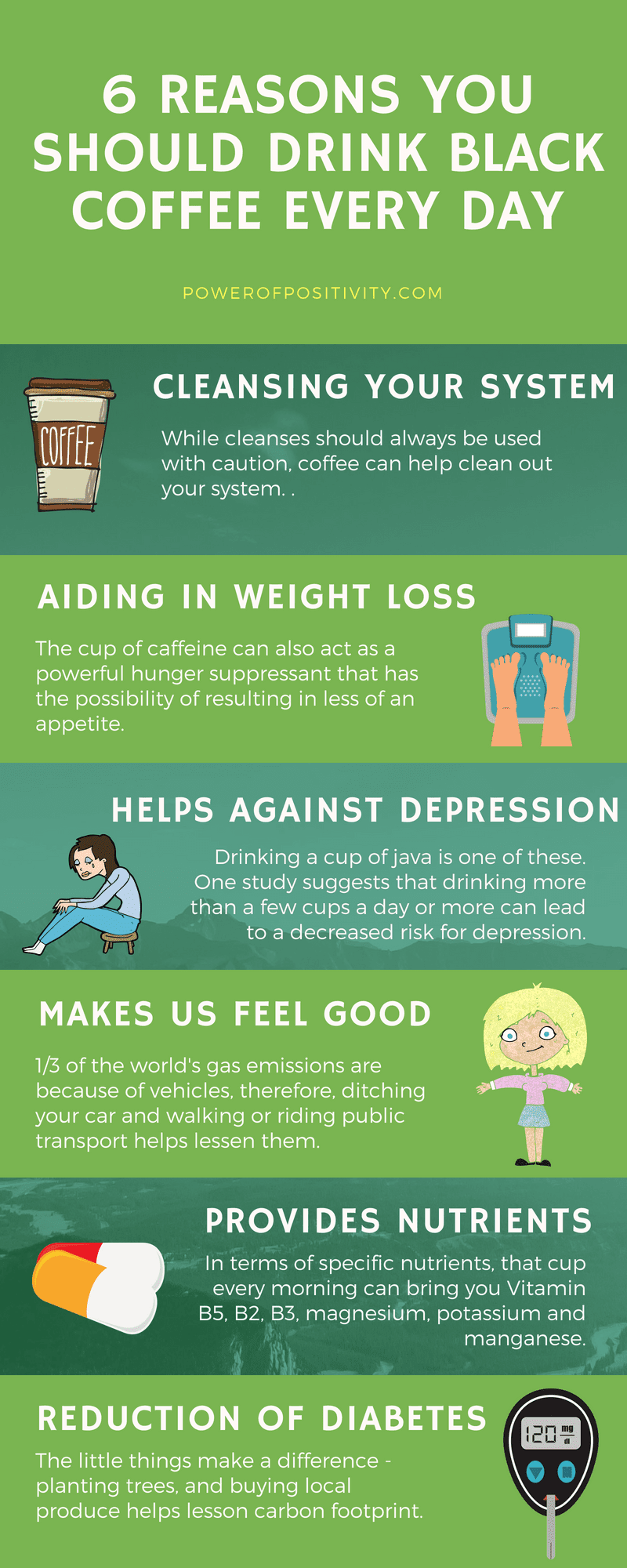
Not only does coffee keep a lot of us sane, but it contains so many health benefits that we question why you wouldn’t want to drink it if you don’t already. Of course, it tastes better with a few teaspoons of sugar and cream, but sadly, the benefits come from straight up black, pure coffee. Sugar and cream don’t hurt every now and then, though.

Before we tell you about what happens when you drink coffee every morning when you wake up, we should mention that if you buy coffee, try to buy organic, fair trade when possible. Also, go for pure coffee without added, artificial flavors, as this will lessen the health benefits you get from drinking it.

So, why is your morning java good for you, you ask? Well, get ready to feel even better about your caffeine addiction when you find out why!

Here’s what happens when you drink coffee every day:

coffee

1. It increases your metabolism.

This is probably the number one reason why people drink the stuff, anyway. There’s nothing quite like getting out of bed groggy and unprepared for the work or school day ahead and then downing a cup of joe and suddenly feeling like an Energizer bunny. While the energy doesn’t last long, it can certainly help us start our day on the right note. Plus, who’s to say you can’t have a refill or two in the afternoon?

Studies have even found that coffee helps increase your metabolism after a workout! A study published in the Journal of Applied Physiology discovered that endurance athletes who had a cup of coffee following exercise had a 66 percent increase in muscle glycogen, which helps the body replace energy quickly after a hard workout.

2. Coffee increases brain health.

Where should we start with all the brain benefits? Well, some studies have found that drinking 3-5 cups of coffee per day can decrease the risk of developing Alzheimer’s disease and dementia by as much as 65% in middle-aged men and women. Other studies have found that a daily cup of joe can decrease the risk of developing Parkinson’s disease by as much as 32-60%.

Also, drinking coffee can inhibit a type of nucleoside in the brain known as adenosine. Adenosine decreases the firing of neurons and the release of beneficial neurotransmitters such as dopamine, serotonin, and norepinephrine within the brain. Because caffeine blocks adenosine, it, therefore, increases the “feel-good” chemicals within the brain.

Finally, other studies have found that coffee increases cognitive performance, mood, reaction time, memory, and alertness.

3. It makes you feel good!

A groundbreaking study performed by researchers at the Harvard Public School of Health found that adult men and women who drank two to four cups of caffeinated coffee each day had a 50% lower risk of suicide compared to those who drank decaf coffee or no coffee at all. 

In addition, coffee contains many antioxidants and beneficial nutrients such as Vitamins B1, B2, B3, and B5, as well as potassium and manganese.

All the nutrients and comfort you get from drinking a few cups of coffee a day will help you feel happier overall!

4. You have a reduced risk of skin cancer.

A study published in the Journal of the National Cancer Institute found that older adults who consumed four or more cups of coffee per day had a 20% lower risk of developing malignant melanoma, the deadliest form of skin cancer in the U.S. Researchers believe that coffee helps to reduce the risk of developing skin cancer because of the many antioxidants and phytochemicals in America’s favorite drink.

5. You also decrease your risk of liver cancer.

Hepatocellular carcinoma (HCC) is the sixth most commonly diagnosed cancer in the world and the third leading cause of cancer deaths. HCC makes up about 90 percent of all liver disease reported. 

Just one cup of joe per day may decrease the risk of HCC by 20 percent; two cups by 35 percent, and four or more cups by 50 percent. (The FDA recommends no more than 400 milligrams of coffee daily – or four cups.)

Dr. Peter Hayes, a medical professor at the University of Edinburgh, says, “We have shown coffee reduces cirrhosis and also liver cancer. Coffee has also been reported to reduce the risk of death from many other causes. (In moderation), coffee can be a wonderful, natural medicine.”

6. Coffee helps reduce the risk of Type 2 diabetes.

According to a study led by researchers at the Harvard School of Public Health, people who had one more cup of java per day than their normal amount over the course of four years had an 11% lower risk of developing Type 2 diabetes compared with those who drank the same amount of coffee as normal. What’s more, the study discovered that those who decreased their coffee consumption by more than one cup per day increased their risk of Type 2 diabetes by 17%. 

Now that you’re armed with all this knowledge about the benefits of coffee, we hope you will continue enjoying this delicious, medicinal drink, or get on the bandwagon and start indulging!

drink coffee everyday

Share this Image On Your Site


(C)Power of Positivity, LLC. All rights reserved
REFERENCES:
CHEN, Y., M.D. (2015, AUGUST 01). LIVER CANCER – HEPATOCELLULAR CARCINOMA. RETRIEVED JUNE 1, 2017, FROM HTTPS://MEDLINEPLUS.GOV/ENCY/ARTICLE/000280.HTM
CICALESE, L., MD, FACS. (2017, MAY 03). HEPATOCELLULAR CARCINOMA. RETRIEVED JUNE 1, 2017, FROM HTTP://EMEDICINE.MEDSCAPE.COM/ARTICLE/197319-OVERVIEW
KENNEDY, O. J., RODERICK, P., BUCHANAN, R., FALLOWFIELD, J. A., HAYES, P. C., & PARKES, J. (2017). COFFEE, INCLUDING CAFFEINATED AND DECAFFEINATED COFFEE, AND THE RISK OF HEPATOCELLULAR CARCINOMA: A SYSTEMATIC REVIEW AND DOSE–RESPONSE META-ANALYSIS. BMJ OPEN, 7(5). DOI:10.1136/BMJOPEN-2016-013739
SHELDRICK, G. (2017, MAY 25). DRINKING JUST ONE COFFEE A DAY COULD HELP BEAT CANCER: CAFFEINE SLASHES RISK. RETRIEVED JUNE 1, 2017, FROM HTTP://WWW.EXPRESS.CO.UK/LIFE-STYLE/HEALTH/808832/COFFEE-PROTECTS-LIVER-CANCER-CAFFEINE-HCC-HEALTH-BENEFITS
http://jap.physiology.org/content/85/3/883
https://www.hsph.harvard.edu/news/press-releases/increasing-daily-coffee-intake-may-reduce-type-2-diabetes-risk/
https://academic.oup.com/jnci/
http://www.tandfonline.com/doi/abs/10.3109/15622975.2013.795243#.VmhziPkrLIU
https://www.ncbi.nlm.nih.gov/pubmed/20182054
https://jamanetwork.com/journals/jama/fullarticle/192731
https://www.ncbi.nlm.nih.gov/pubmed/1356551
http://onlinelibrary.wiley.com/doi/10.1111/j.1467-3010.2007.00665.x/full

10 Conversation Starters For Introverts

Introvert: (psychology) a person who tends to shrink from social contacts and to become preoccupied with their own thoughts.  – vocabulary.com

While introverts draw their energy from internal sources, this doesn’t mean they all have a deep loathing for people. In fact, many of them do enjoy the company of (certain) people. But what makes an introvert truly different from an extrovert is that they have a limited amount of energy to spend on socializing. On the other hand, an extrovert can spend hours at a party and not feel tired in the slightest, feeling energized and excited by the crowd. He might even try to get his introverted friends to stay at the party longer. But his attempts will likely be in vain.

Many introverts are not inherently shy. They just have a smaller tolerance for being around groups of people too often or for extended periods of time. They don’t feel anxious around people, but generally enjoy their own company more than the company of others. However, for the shy introvert, feelings of anxiety arise when others talk to them, making even small talk all the more torturous.

No matter what kind of introvert you are, you probably struggle with conversation topics nonetheless. You probably have so much going on inside your mind that you simply don’t have the energy to engage with others, or maybe, you just really don’t like talking to people and would rather stick with the conversation between you and your mind.
Sadly, we can’t escape the reality that talking is part of human life, and we must interact with humans at some point. I mean, even the most introverted among us might find a human we actually like talking to, which would make conversation totally worth it!

Here are 15 ways for introverts to start up a conversation:

So, if you find yourself struggling with conversation at parties or other social engagements, maybe these icebreakers could help you out a bit.

1. Ask about someone’s job, family, or anything that gets the other person talking.

Since introverts generally don’t like being in the spotlight, ask the other person questions about themselves at any opportunity. This way, you won’t have to spend so much energy thinking of what to say and you can instead do what most introverts do best: listen.

Plus, this is a pretty general question, and will help with small talk until the conversation hopefully takes a turn for the “heavier” topics us introverts would much rather discuss.

2. Talk about travel.

Most people love traveling to far away lands and experiencing new sights, food, and cultures. This bonds people all over the world, because humans used to be nomadic creatures, after all. It’s still in our DNA to have a desire to get up and move, see new things, and have a different viewpoint in life. So, if you can bring up a few of your most recent travels, it’s likely the other person will have stories to tell of their own, too.

3. Anything food-related.

Humans LOVE food, if you haven’t noticed already. We spend hours thinking about what we want to eat next, or reading cookbooks to find a recipe worth making. Our lives revolve around satisfying our hunger, and everyone’s inner foodie quickly comes out when you bring up the topic. Food bonds people, too, so don’t hesitate to mention your favorite restaurant or the latest cake you made.

4. Ask what music someone likes.

Yet another common interest among people is music. I mean, have you ever met someone who said they didn’t like music? I sure haven’t, and if I ever do in the future, I’ll most definitely ask what planet they’re from. With that said, music is another neutral topic to start up a conversation with, and you might just find a buddy to go to concerts with, too.

5. Movies/books/other media.

So, you probably get the idea by now – basically, ask other people what they like. “What’s your favorite book/movie/magazine/TV show/etc?” Even if the person doesn’t read, he or she probably watches movies or TV shows. Either Game of Thrones or Orange Is The New Black is sure to get people talking, and if not those, there are literally thousands of other shows and movies to choose from.

6. “What do you like to do in your free time?”

Hobbies can get people talking for hours, because everyone does something in their off time, even if they don’t have much of it. You can also find common interests this way that could lead to a friendship, perhaps.

7. Show them a funny video or meme online.

If you get to talking about social media, you can always resort to your phone to sort of do the talking for you. It takes the attention off yourself, and gives you a break from thinking of conversation topics for a while. Plus, who doesn’t like to laugh? 

8. Talk about current events.

This is another “safe” topic for the most part, and there’s always something going on in the world to talk about.

9. Ask where they’re from.

People love to talk about their hometown most of the time, but if they hated where they grew up, it might segue into other topics, such as travel, where they moved to after college, or what city they like best. You can talk about your hometown, too, and maybe include some interesting or funny stories about your stomping grounds.

10. Pets, or just cute animals in general.

Even if you don’t have pets, talking about animals (especially cute, fuzzy ones), is a surefire way to get people talking. Most of us have a soft spot for animals, and what makes them even more awesome is that there are so many different types of creatures to have a conversation about!

11. “What’s the craziest/scariest/most awesome thing you’ve ever done?”

Again, this takes the spotlight off of you for a bit and also allows you to get to know the other person a little deeper. People love talking about life experiences, especially those where they conquered a fear or did something most people haven’t, such as skydiving or base jumping.

12. Tell a joke.

Okay, so maybe you aren’t a stand-up comedian, but that doesn’t mean you can’t make people laugh. Jokes always break the ice, because people love to laugh and have a good time. Take one from the Internet if you have to, because no one knows if you made up the joke yourself or stole it from someone (they’ll be so busy laughing at your hilarious jokes that they won’t even question where it came from anyway). 😉

13. Favorite quotes.

This one could make for some stimulating conversation, because usually, two people don’t share the same favorite quotes, which means you can learn some new ones and also teach someone else at the same time. This could also lead to other conversation topics, such as favorite books/movies/etc.

14. Cool places to hang out in town.

Even if the person isn’t from your town, you could tell them of some interesting places to visit while they’re there, and possibly even show them around if you’re up for it.

someone who interrupts15. Interesting things you’ve done recently.

Maybe you tried a new dish you’ve never had before, or swam with dolphins on a recent vacation. Whatever the case, think about what you’ve done lately and tell the other person about it – maybe they had some similar experiences and can keep the conversation flowing about it.

So, there you have it, a nice list of conversation topics when you feel stuck at a party and can’t think of what to say next. Of course, you’ll want to look over this before socializing so you don’t have to research it while at the party, because that would definitely make for a long, awkward silence, or them moving on to another conversation. (Which we’re sure some of you wouldn’t mind, but the point is to sustain a conversation with someone, remember?)

It might feel awkward or uncomfortable talking to people sometimes, but that doesn’t mean you can’t do it with a little guidance and topics at the ready to talk about. Think of the bright side: you might just make a new lifelong friend by bringing up some of these conversation starters the next time you go out!

Let us know if any of these topics work for you at your next social event!

Sources:
http://www.lovepanky.com/flirting-flings/get-flirty/text-conversation-starters
https://www.forbes.com/sites/christinapark/2015/03/30/an-introverts-guide-to-small-talk-eight-painless-tips/2/#7f9ac9e9346b
https://www.psychologytoday.com/blog/the-introverts-corner/201101/chitchat-101-guide-introverts


8 Signs That Predict Your Relationship Is About To End

A lot of people can tell when their relationship is over. There are plenty of tell-tale signs that predict that a relationship that had once been fulfilling for both partners is now not working for one or both. This usually means that the relationship is ready to end. There usually comes one specific point where people realize that their relationship is as good as over.

This doesn’t always have to be a bad thing. If you stayed in every single relationship you’d ever been in, you wouldn’t be able to find the one tailor-made person just for you. Sometimes, people become better friends once the relationship has ended.

Expert in divorce prediction and author of What Makes Love Last John Gottman, Ph.D., says, “People disengage when a relationship is about to end.” Therefore, knowing the signs that signify it’s time to move on can make the transition from being in a relationship less manageable.

Here Are Eight Signs Your Relationship Is About To End

“Relationships survive on trust, and if that is broken at any point, it’s pretty much the end of the relationship. Besides, inability to communicate leads to problems.” – Yuvraj Singh

relationship

1. Your most significant source of stress is your partner

For most people, being around their significant other is a way to relieve stress. However, there may come a time when the thought of hanging out with them or going home to them only adds to the focus of the rest of your day. This is a sign that the relationship has run its course. Feeling stressed or obligated to spend time with your partner only hurts you. When the relationship ends, you’ll find that you’re much happier and able to move on.

2. You’re not in it for the long haul

When you picture your life in a few years, do you imagine your partner by your side? And if you do, does it bring you joy or dread? If the answer is the latter, you’re probably ready for the relationship to run its course.

Dr. John Gottman says, “When the we-ness is lost, partners often describe their history to emphasize how it affected them individually, rather than as a couple. They prioritize getting what they want and ignore their partner’s needs.

It can be a scary experience to realize that the person you’re with isn’t the person you want to be with forever, but once the truth comes out, it’ll be better for everyone involved and cause a lot less resentment.

3. You’re not talking as much as you used to … and you’re okay with it

If you go a few days without talking to your significant other, not even a phone call or a text, and it doesn’t bother you one bit, it’s probably a sign that you’re not as invested as you once were. Going a day without talking can be expected, but most people in a relationship want to at least check in on their partners. If you’re not feeling that desire, you probably need to talk with your partner about whether or not they’re feeling the same way. If they are, it’s probably best to call it quits while you’re ahead.

4. You’re happier alone

Introverts may often feel happy when alone, but even introverts enjoy spending time with their significant others. If you find that the minute you’re alone, you feel euphoria or relief, it’s probably a sign that you’re not enjoying your partner’s attention and presence as much as you used to.

Certified health coach Isadora Baum states, “If you’re not seeing each other as often, by choice, or are even avoiding each other, it could mean you’ve lost interest and should end things. If you’re happy in your partnership, you probably want to be around your S.O. as much as possible. If you aren’t feeling it, it’s time to break up.

You don’t want to be around them, and they deserve someone who does.

5. You think about breaking up

If you have anxiety about breaking up because you don’t want to, it’s probably not a sign your relationship is doomed. However, if you find that ending the relationship seriously crosses your mind, that’s a sign that it’s probably time to let go. A relationship you want to be in forever is one where you don’t even entertain the notion of letting them go.

6. Your partner threatens to break up with you

This is usually a last-ditch effort to win or end an argument. Suppose your partner uses this as a tool in a dispute over something insignificant. In that case, it’s a sign that they’re not as invested in the relationship as you are – and that they’re using it as leverage, holding themselves hostage to keep you in line.

As relationship coach Kira Asatryan states, “Having a constant, nagging feeling that he’s about to leave is a sign of relationship instability. But if you no longer believe he cares, you’ll be trapped waiting, anticipating the minor incident that blows it all up. Is that any way to live?

No, it’s not – it’s not healthy, and it’s best that you go ahead and call their bluff and end the relationship.

7. You’re convenient for them

A sign that your relationship might as well be over is when you realize that your significant other only have you around because you’re there. That isn’t fun and doesn’t build a long-lasting relationship. You deserve someone who wants you for you, not because you’re a convenient emotional or physical comfort source.

8. They’re controlling

A relationship should be two people coming together to form a partnership. However, sometimes we are overrun by our significant others’ influential personalities. When they start to control what we do, who we see, and what we’re allowed to enjoy, it’s probably time to end the relationship. If you wake up one morning and don’t recognize yourself, it’s time to get out and figure out who you are again.

Ending a relationship can be tricky, especially when you think back to all of the good times. There comes the point where those good times don’t outweigh the bad. Ending a relationship can be anything from freeing yourself from a controlling situation or simply transitioning from lovers back to friends. Relationships should be enjoyable, and completing them can be the best way to make them that way for many people.

relationships ending

6 Ways to Repair Your Relationship

How can you repair the rift and move on?

1.     Actively Listen and Communicate Compassionately.

Sometimes, you need to get back to the basics when trying to heal your relationship. We all have a deep longing to feel seen and heard, but communication takes effort from both partners. Throughout the whirlwind of daily life, things can get lost in translation at times, and resentment begins to set in. When this happens, it’s crucial to slow down and make time for one another.

Perhaps a simple misunderstanding led to unresolved issues that have been swept under the rug. Maybe you’ve needed this talk for a while now. So, set aside an evening where you’re both free and lay everything out on the table. Put down your phone, turn off the TV, and tune into one another’s thoughts and feelings.

Research shows that active listening improves relationships by strengthening trust and breaking down barriers. Every relationship requires a safe environment where both people can feel comfortable expressing themselves. Giving the gift of active listening to your partner could help reestablish trust and reignite the flames in the relationship.

You can show your partner you’re listening in the following ways:

  • Turn toward your partner and look them in the eyes when they’re speaking.
  • Listen to understand, not to reply.
  • Ask them to clarify what they mean to show you’re engaged in the conversation.
  • Show empathy and compassion.
  • Avoid getting defensive if they accuse you of something. Instead, remain open about what they have to say, and apologize if necessary. Ask how you can improve moving forward.

2. Spend a Day Together Doing Something Fun.

Perhaps you two need to put your issues aside for the time being and enjoy each other’s company. Plan a movie date, go for a walk in the park, or even plan a weekend getaway if you’re feeling up to it. Throughout life, it’s easy to drift apart from the people we’re closest with due to the strain of modern living. We’re all busy with jobs, chores, families, and other responsibilities so that relationships can become distant.

However, that doesn’t mean you should throw in the towel if you truly love each other. Sometimes, you need a day full of laughter and relaxation to remember the special connection. Allow the stresses of adulting to melt away for the time being, and focus on enjoying your partner. You both deserve it!

3. Remember What You Love About Them.

Something about your partner drew you in enough to call them your boyfriend, girlfriend, or spouse. In the beginning, you only focused on their positive qualities during the honeymoon phase and ignored their flaws. So, what happened? Throughout a relationship, the excitement begins to fade, and you start seeing your partner in a different light. They’re not the perfect human you once imagined them as in your mind; they have weaknesses just like everyone else.

However, that doesn’t mean they’re not worthy of your love and affection. We all have issues we need to work on, but we can build each other up while remembering our strengths. Apply this tidbit of advice to your relationship, and watch it blossom back to life.

If you focus on what you love about your partner, you will have a more satisfying, deeper bond. They’ll feel more appreciated and will return this positive energy tenfold.

4. Practice Empathy.

Maybe you’ve both been so busy that you haven’t made time to connect. Perhaps your partner seems distant or uninterested in the relationship, but it’s because they’re stressed to the max about work.

Work takes up so much of our lives and energy that it can easily drive a wedge between partners. When this happens, and you feel like you’ve taken a backseat, your natural reaction is resentment, anger, and perhaps sadness.

You want to feel important to your partner, and that’s understandable. However, just because they can’t give you their full attention doesn’t mean they don’t love and care about you. Try talking with them and expressing your feelings, and remember to put yourself in their shoes. If you approach problems with empathy and compassion, you can deal with anything together.

5. Have Friendships Outside the Relationship.

Your partner shouldn’t be the only person in your life because one human can’t possibly give you everything you need. Both partners should cultivate friendships and visit family when possible since you need a break from each other sometimes. Plus, it’s normal to have strong social ties to a greater community since it offers a sense of belonging and support.

Taking one or two days per month to visit friends or family will take the pressure off the relationship. It also allows you room to grow and expand your horizons a bit. While your SO enjoys a guy’s night out, you can hang out with the girls, or vice versa.

6. Lower Your Expectations.

This might seem like a strange piece of advice, but hear us out. We often put our partners on a pedestal and expect the world of them, but they can only do so much. They’re not perfect, so having unrealistic expectations will only set you up for disappointment. If you’ve been demanding a lot of your partner lately, try to feel gratitude for what they already do for the relationship. They probably have many beautiful qualities that you overlook when you’re in a rough patch.

This doesn’t mean you should accept someone who doesn’t treat you well, of course.

relationship

Final Thoughts on the Signs of a Rocky Relationship

All relationships will inevitably encounter problems in life, but it’s how you respond to them that truly counts. Sure, some people should split up due to compatibility issues, but it’s possible to salvage a broken relationship. If you truly love one another and value the relationship, you will do whatever it takes to save it. Sometimes, communication and making time for one another can mend the wounds and provide a fresh start.

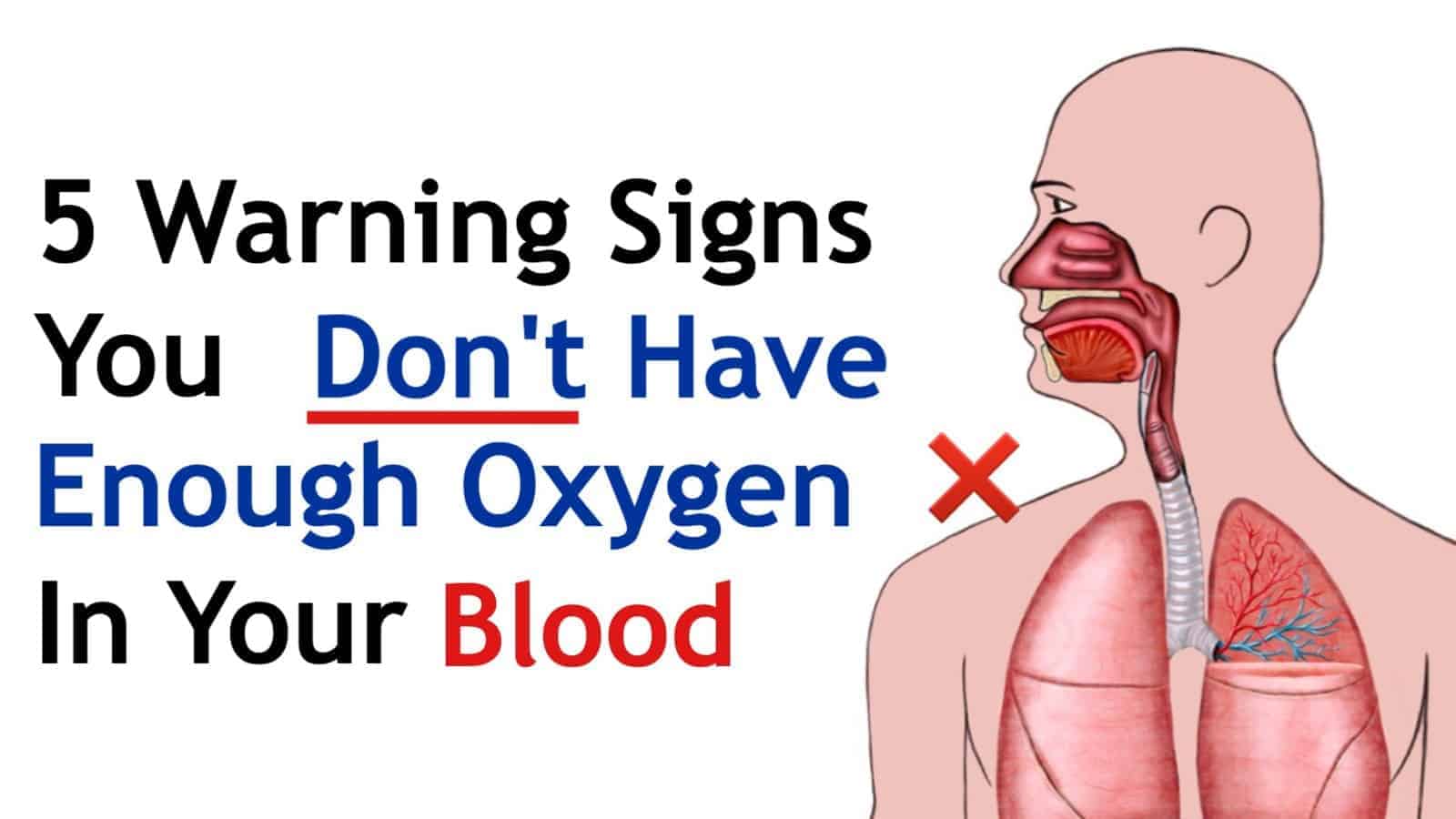
5 Signs You Have A Low Red Blood Cell Count

Red blood cells (RBCs) are round, flat cells that serve an essential function: carrying fresh oxygen throughout the body.

Hemoglobin (‘he-moe-glow-bin’), the protein found inside RBCs, enables the cells to transport oxygen. RBCs also remove carbon dioxide from the body; carrying CO2 to the lungs for exhalation.

RBCs are produced inside bone marrow. The cells typically live for around 120 days before dying.

Chronic and Acute Anemia

Anemia is a condition that is caused by a decrease in the production of either RBCs or hemoglobin. The symptoms of anemia, which we will discuss shortly, are caused by loss of blood, the destruction of RBCs, or the abnormality of hemoglobin in the blood.

Two general kinds of anemia exist: long-term (chronic) or short-term (acute).

The physiology of individuals suffering from chronic anemia may adapt to low oxygen levels, which can make the condition difficult to detect without proper blood tests.

In the case of acute anemia, people often experience a quick escalation of symptoms, even with relatively mild changes in the body’s hemoglobin levels.

Hemoglobin

Hemoglobin, besides enabling RBCs to transport oxygen, also plays an essential role in maintaining the cell’s shape. Naturally, RBCs are round with narrowed and small centers, sort of like a doughnut without a hole.

When the structure of RBCs hemoglobin is abnormal, the cell cannot properly carry oxygen to cells. Also, RBCs ability to flow through blood vessels may be affected.

5 Signs of A Low Red Blood Cell Count

As mentioned, the type of anemia one suffers from may lead to different symptoms.

That said, low RBC count almost always diminishes the capability to deliver oxygen throughout the body. Unsurprisingly, the five primary signs are related to low oxygen levels.

1. Fatigue

Tiredness is the most common symptom of low RBC count. The lack of hemoglobin in the blood – which disrupts the normal functioning of organs – is what causes this sign.

2. Weakness

When organs and essential systems within the body do not receive an adequate blood supply, this inevitably causes the individual to feel weak. Routine activities may prove difficult to get out of bed, walk around, etc.

3. Irregular heartbeat

When we don’t have enough hemoglobin-carrying RBCs, the heart must work harder to transfer blood within the body – as there just isn’t enough of it. This extra activity can take its toll, leading to conditions such as irregular heartbeat – also referred to as an arrhythmia (‘uh- or palpitations.

4. Shortness of breath

Difficulty breathing stems from both the heart and lungs not receiving enough hemoglobin. Both organs require a steady supply of blood to operate correctly. Shortness of breath is often worse during periods of physical exertion.

oxygen blood

5. Miscellaneous symptoms

To illustrate the wide-ranging symptoms of anemia, consider this response to the question “What is it like to have iron-deficiency anemia?” posted on Quora. An anonymous user replied:

Tiring, very tiring [Respondent’s emphasis]… I had awful stamina…(Before treatment) I used to get very out of breath, dizzy, and (have) black spots in my vision. Breathing even without exercise was difficult, and it seemed like I could never get enough air in. My chest also hurt … My parents and friends even said on multiple occasions that my heart was beating rather hard and fast.”

“Awful stamina,” black spots in vision, chest pain, and dizziness are symptoms mentioned in the response above. Indeed, as there exist over 400 types of anemia (reportedly), symptoms may vary widely.

Causes, Diagnosis, Treatment, and Prevention

Anemia is the most common blood condition in the U.S, affecting around 3.5 million Americans.

As for the causes of anemia, WebMD cites three primary reasons:

  • Blood loss.
  • Limited or malfunctioning red blood cell production.
  • The destruction of red blood cells.

Diagnosing anemia requires a physical exam and certain tests.

Tests include:

  • Complete Blood Count (CBC).
  • Examination “to determine the size and shape of (red) blood cells.”

Treatment includes:

  • Iron supplements (for iron-deficiency anemia.)
  • Other dietary supplements (e.g., B-12, folic acid.)
  • Prescription medication.
  • Eliminating certain prescription medications that may be complicating the condition.
  • Oxygen administration.
  • Intravenous (I.V.) fluids.
  • Antibiotics
  • Blood transfusions (serious cases.)
  • Bone marrow transplant (serious cases.)
  • Surgery

As always, prevention is the best medicine. The Mayo Clinic recommends “a diet that includes a variety of vitamins and nutrients, including iron, beef and other meats, beans, lentils, iron-fortified cereals, dark green leafy vegetables, and dried fruit.”

It is also essential to reduce stress, which interferes with the production of hydrochloric acid.

8 Things In Your Home to Throw Away Immediately For Better Health

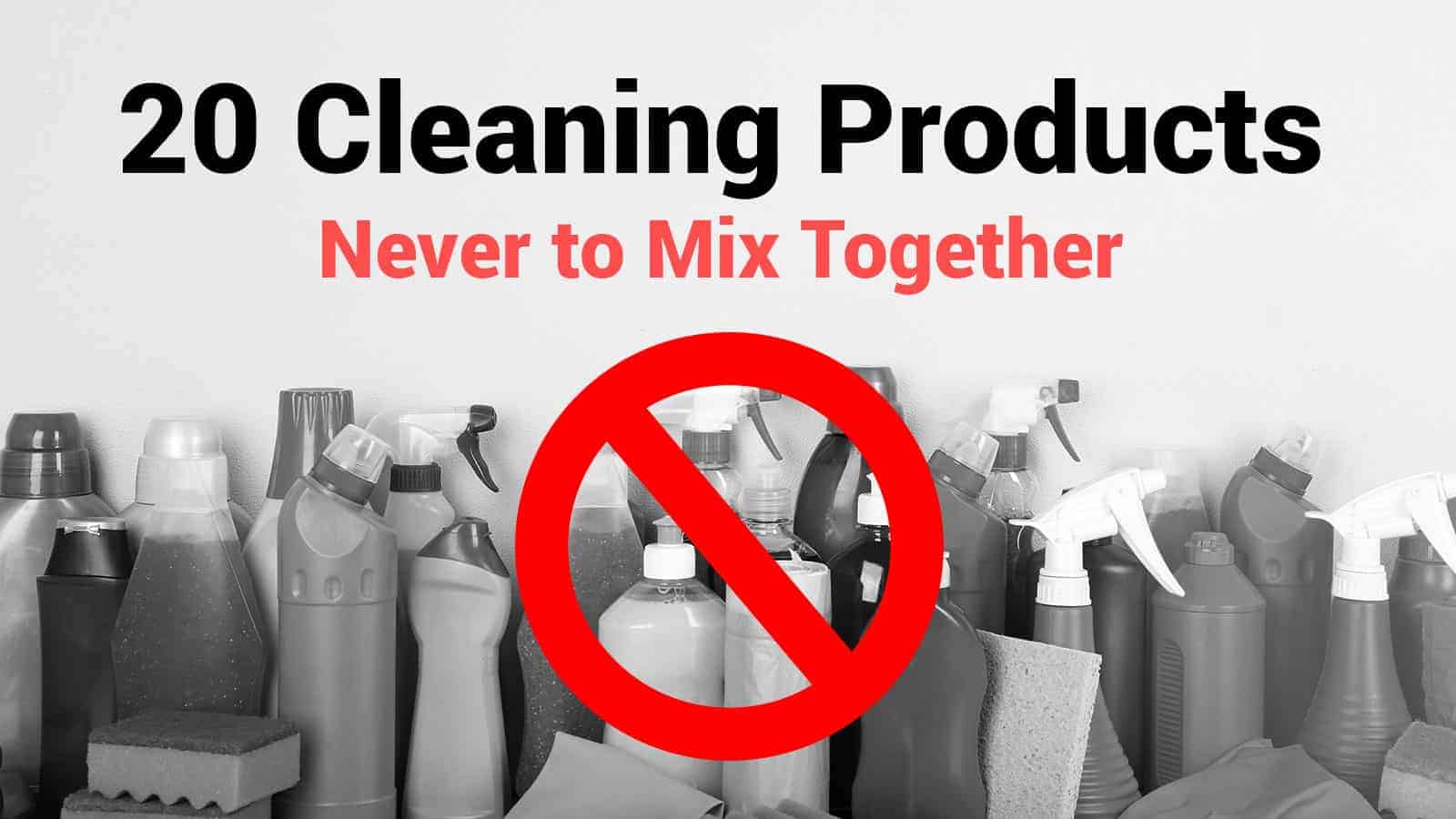
Commercial cleaning products can trigger lung conditions, yet most people overlook this common cause.

“Cleaning products are not required to publish a list of ingredients on the bottle, even if they trigger skin rashes, asthma or are linked to cancer.” – Dr. Joseph Mercola

According to Dr. Joseph Mercola, “Household cleaning supplies are one of several products that may increase your exposure to toxins. In the pursuit of cleanliness and sparkling chrome, you may inadvertently increase exposure to indoor air pollution, inhalation risks, and contact absorption.

Most people don’t think about their household cleaning supplies in terms of whether or not they’re healthy for you. Sure, many people know that they should not ingest cleaning supplies , or given to small children or pets. But a lot of people are unaware that the common household products that we use every day to keep our home clean are actually quite dangerous.

After all, we use those cleaning products under the assumption that they will actually make our homes safer. To most people, a clean house is a healthy house. While that may be true in some ways, in others, an overly clean house can mean that the people doing the cleaning are at risk for serious health issues.

The Organic Consumer Association states that, “In 2000, cleaning products were responsible for nearly 10% of all toxic exposures reported to U.S. Poison Control Centers, accounting for 206,636 calls.” Household cleaning products have chemicals in them that can lead to serious lung disease.

It’s important to know which cleaning products cause what problems. Thus, you can avoid them for more healthy and organic, chemical-free options. In addition, if you need expert help to clean your commercial space, check out the commercial cleaning services in Sandalfoot Cove, Florida. They have the best cleaners to assist your needs.

Here Are Some Common Household Products That Can Expose You To Diseases

cleaning products

Bleach

Many people know that bleach isn’t something to mess around with, but people continue to take the risk when it comes to using it for a clean house. “Bleach is one of the ingredients with links to lung disease, nervous system disorders, burns, and chemically induced pneumonia; mixing bleach with other cleaners may produce deadly gas,” adds Dr. Mercola.

Bleach may be excellent for disinfecting the problem areas of your home. However, studies prove that regularly breathing in bleach can actually increase people’s risk of developing  COPD – chronic obstructive pulmonary disease.

Dr. Orianne Dumas (Ph.D.) from INSERM states, “We found that nurses who use disinfectants to clean surfaces on a regular basis – at least once a week – had a 22% increased risk of developing COPD. Earlier studies have found a link between asthma and exposure to cleaning products and disinfectants at home, such as bleach and sprays, so it is important to investigate this further.”

This is something you usually hear about in long-term smokers. You can mix a natural alternative to bleach with simply water, lemon juice, and hydrogen peroxide. This can help reduce the number of chemicals that one breathes in while using bleach.

Ammonia

According to this study, “Inhalation of highly hydrosoluble toxicants, like ammonia, can be associated with chronic lung diseases, which have been partially characterized.” Ammonia can be found in many common glass cleaners. It’s a common ingredient due to the nature of the chemical, in that it dries clear and doesn’t often leave streaks on the glass. Ammonia doesn’t have the same long-game that some of the other cleaning products have.

Those that get health issues from ammonia are going to feel it almost immediately. People who notice a reaction often have asthma or other lung problems. Strangely enough, a better alternative for window cleaning that has ammonia is actually … vodka! You can also use toothpaste for things like polishing silver, which is another ammonia based cleaner.

Chlorine

Most people don’t realize how much exposure they get to chlorine through their cleaning products. Chlorine is in toilet bowl cleaners, laundry whiteners, and products that can remove mildews. The problem with chlorine is that people can absorb the chemicals by breathing it in, as well as through their skin.

While the health effects of chlorine are relatively minor in comparison, they can be long-lasting. Chlorine can seriously disrupt one’s thyroid function. The healthy alternatives for chlorine are a mile long: baking soda and vinegar work well for toilet bowls and mildew, while vinegar and borax powder whiten clothes.

Sodium hydroxide

This is a chemical present in drain openers. Everyone deals with clogged sinks and drains now and then, and the easiest way through that problem is to get a chemical that eats right through the clog. Sodium hydroxide is extremely, extremely corrosive, which is why it can clear out clogged drains.

When it gets on the skin, sodium hydroxide can cause severe burns. And when someone breathes it in through the nose or mouth, it can cause discomfort, sore throats, or lung problems. Baking soda and vinegar down the drain is a healthier alternative to using a normal drain cleaner, and a mechanical snake tool can help get out nasty clogs.

Final thoughts

Most of us trust our household cleaners to keep our home safe – and many do! But that doesn’t mean we shouldn’t be wary of the chemicals that come in even the most common of household cleaners. You should examine even the most mainstream and popular cleaning products for chemicals that can cause health risks. The health risks that come with using household cleaners with dangerous chemicals may not always be immediate. However, they can be long-term and chronic if you don’t take proper precautions. Alternative cleaning solutions with natural ingredients and non-harmful chemicals can keep households safe and people healthy.

7 Signs You’re Emotionally Drained By Your Partner

No one wants to consider that their partner might feel drained of their emotional well-being. After all, relationships should be a source of emotional wealth and happiness.

But unfortunately, “People we love can sometimes drain us the most. Our mates may not be trying to do this, but life’s demands add up,” adds psychiatrist, intuitive healer, and author Judith Orloff MD. This feeling happens because relationships don’t always work out the way we had envisioned.

Do you find that you’re not feeling quite like yourself after spending time with your significant other? This drained feeling may be a sign that something’s amiss. Your relationship could entirely consume you without even knowing it. Being too wrapped up in your significant other can make it hard to examine whether or not the relationship is a healthy one. There are some tell-tale signs that your partner is a significant drain on your emotional energy, and that something has to give.

“If your relationship is one sided and one person is doing all the giving, don’t be surprised when the other gets emotionally drained and gives up.” – Unknown

Here Are 7 Signs You’re Being Emotionally Drained By Your Partner

toxic partner

1. You can’t stop thinking about your partner

This isn’t the same as that honeymoon stage, where all you want to do is spend time with your significant other. Instead, when you’re unable to function, and these thoughts consume you every waking moment is when the situation gets dire. You may wonder where they are or what they’re doing. Indeed, the answer you know causes you distress and an inability to think about anything else.

While this isn’t necessarily your partner’s fault, it may be a sign that you’re subconsciously unable to trust them.

2. You feel tired all the time

Using up too much emotion uses up our energies. This fatigue isn’t like the one you feel at the end of a hard day because that “kind of exhaustion can be remedied with a couple of nights’ worth of decent sleep,” says art director and herbalist-in-training Catherine Winter.

Giving too much to one person can leave us feeling drained and exhausted, especially when we’re not getting enough back.

Being with your partner shouldn’t leave you feeling like you’ve got all of the energy sucked. When you feel like that, you’re being emotionally drained. It could either be because of them, or you don’t know when to stop giving.

3. You’re eager to spend time alone

A lot of people understand that feeling of enjoying spending time by themselves. However, you may be facing an emotionally draining partner when you feel a sense of relief, euphoria, and excitement knowing that you will be spending some time away from them.

Relationship expert April Masini says, “If you’re all that excited to have a weekend alone, consider that the reason for your joy is that they’re draining you when they’re around. You should be happy to have a break, but not that happy.”

If you’re not missing your partner when they’re gone, it might be a sign you don’t want them around as much as you thought.

4. Your partner does not give you an emotional boost

One of the earliest signs of being in an emotionally draining relationship is whether or not you feel emotionally lifted when your partner is around. “Healthy relationships are supportive. Those in them don’t always agree on plans or next steps, but they hear each other out respectfully,” says psychotherapist and author Abby Rodman.

Therefore, if you feel happy, relaxed, and eager to spend time together, it’s a sign that your partner is doing their job emotionally. On the other hand, if you’re going through the motions and don’t feel much different than tired, this can mean that your partner is more draining than they are uplifting.

emotionally draining relationship

5. Your partner asks too much

This may not be your partner’s fault entirely, but rather how much you can emotionally handle. As Salama Marine, psychologist and online dating expert, explains, “It’s not about your partner’s behavior, but more about how you feel about it. Everybody has their limit.

If you feel like your partner is asking more than you know that you can give when it comes to emotional support, it’s probably a sign that you don’t have enough in you. This can mean that you’re  emotionally drained while your partner is emotionally starved. It can be a sign of incompatible partnership rather than deliberate malicious behavior by either partner.

6. You walk on eggshells

Suppose you ever hold your tongue in a conversation rather than share your opinion or let your partner win an argument because you would rather keep your feelings private than risk upsetting them. In that case, this is a red flag to an emotionally draining relationship. That feeling of walking on eggshells won’t just disappear if you ignore it long enough.

A healthy, non-abusive relationship is built on support, admiration, empathy, balance, and personal responsibility. These elements add to a love built on a respectful mutuality,” adds Rodman.

Therefore, if your partner can’t handle your emotions the way you to handle theirs, it’s an imbalance in the relationship. In fact, that imbalance can cause an emotional drain.

7. Your partner does not meet your needs

You’re doing everything to meet your partner’s emotional needs But you often push aside your own needs–a definite sign of emotional drain. You’ll want to reconsider the relationship if it seems extremely one-sided, and you can’t get them to communicate. It isn’t fair for either partner if they aren’t getting the emotional support they need.

drained

Final thoughts on an emotionally drained partner

Relationships are all about partnership, communication, and compromise. Emotionally draining relationships don’t always have a specific finger to point when it comes to who’s to blame. It can be two partners with incompatible emotional scales and needs or one partner needing more emotional support than their significant other can provide.

Reaching out for a support network for both partners can help balance the emotional labor and keep the relationship balanced and healthy. Other times, the relationship is simply incompatible, and both partners are better off without each other.  Whatever the choice, knowing the signs of emotional drain can help both partners make the right decision.

Skip to content