Weekly tips, affirmations, and small actions to feel your best.

6 Things Couples Do to Survive Infidelity

One of the most devastating events that can occur for those who are in a relationship or marriage is if they experience infidelity with their partner. For many people, it can be difficult to recover and establish trust with their spouse. If you want to strengthen your relationship and survive infidelity, there are a few necessary steps to take to move on from the pain.

Have Patience

Recovering from infidelity takes time, and it’s an overnight process. You’ll need to have patience with your partner as you learn how to trust them again while going to therapy. You’ll also need to have patience with yourself. You need to accept the amount of time that it takes to heal from the pain and avoid thinking about the infidelity each day.

Avoid playing the victim or viewing your partner as a villain, which can make it impossible for the relationship to survive infidelity. Stay away from labels if you want to rebuild your bond. Expect that it will require baby steps instead of leaps to grow and move on from the event if you want to know how to survive infidelity.

Prepare for Growth

Growth is needed from both parties to ensure that you can move forward and strengthen your relationship. You’ll learn new facts about one another and about yourself, which is necessary to keep the marriage intact and have an even stronger bond than you did before the infidelity occurred. Even if you’re not the one who cheated, there are likely mistakes that you made that caused the other individual to make the mistake, whether they felt ignored or neglected. Remain humble and vulnerable to ensure that you can make the necessary steps and improvements to grow in the relationship and become the partner that your spouse needs.

Although you may not have been the one to have cheated, be ready to ask for forgiveness from your partner if you haven’t been treating them well in the relationship to ensure that they can also heal.

Obtain Therapy

Getting therapy is essential to ensure that you have the help of an outside party that can work as the middleman as you attempt to survive infidelity. Working with a professional allow you to have unbiased advice that allows you to each consider the other person’s perspective. Without therapy, it can be easy to become lost in the pain and have direction on how to move forward and heal. The professional will help you to discover underlying causes of the infidelity and how to avoid it in the future to ensure that you can survive infidelity. They can even assist with addressing other problems in the relationship and the necessary steps to take to resolve them.

Find a licensed therapist who specializes in counseling couples to ensure they’re qualified to handle your case when you want to know how to survive infidelity.

Institute Open Communication

Communication is necessary to rebuild your relationship and to maintain intimacy as you work through the issue. Practice fluid speech by remaining open and honest with your partner on a daily basis. Share your personal feelings and also listen to your spouse’s expectations of what they need to be happy in the relationship. You’ll also need to revisit your feelings from time to time to ensure that you’re both satisfied in the marriage, which will require consistent communication to survive infidelity.

Schedule Date Nights

Make it a point to continue dating one another to ensure that you can thrive together and find the spark again that first made you fall in love. Consider a two-hour walk in the park or going on a picnic to keep the relationship exciting and romantic. You should be able to spend time alone together at least once each week to keep the flame arrive and rekindle your romance. You can also make it a rule to turn your phones off to avoid distractions and remain more focused on one another. Incorporating fun and romance into your relationship will make the relationship worthwhile again and can allow you to have hope when surviving infidelity.

Survive Infidelity

Set Aside Quiet Time

Surviving infidelity requires setting aside time to sit in silence as your reflect, pray, or meditate. The time alone or with your partner can allow you to work through the pain and hurt while quieting your mind. Make the decision not to judge your partner but to understand the cause of why they decided to remain unfaithful.

Knowing the right steps to take to regain your relationship and allow it to thrive after infidelity has occurred is necessary to recover with your partner. With professional help, you can also have accountability and the encouragement of an outside party to move forward and begin growing as a couple.

https://www.youtube.com/watch?v=tHMUnm-vDNk
REFERENCES:
HTTPS://WWW.WOMANSDAY.COM/RELATIONSHIPS/DATING-MARRIAGE/A58324/THERAPISTS-SHARE-HOW-TO-YOUR-MARRIAGE-CAN-SURVIVE-AN-AFFAIR/
HTTPS://WWW.HUFFINGTONPOST.COM/2014/04/19/SURVIVING-INFIDELITY-_N_5162798.HTML

10 Signs Someone Needs Help with Addiction (And Doesn’t Know It)

Addiction and drug abuse is one of the leading causes of death in the United States. Research shows that 10% of Americans have had a drug abuse disorder in their lifetime and those percentages are only growing every year. Prescription drug use has even claimed the lives of high-profile celebrities such as Prince and Tom Petty. But how do you recognize that someone needs intervention?

Whether it’s marijuana, alcohol, heroin or prescription drugs, there are several tell-tale signs to look out for in an addict. Remember, people with addictions are very good at hiding them because they’re well aware that if they’re found out, they will have to face the consequences. So, they have to be secretive about it or sometimes downright aggressive. Either way, they need help. Here are some signs to look out for to show that someone needs help with addiction.

Here Are 10 Signs Someone Needs Help with Addiction

1. Deteriorating appearance

This is only really visible towards the later stages of addiction, but it’s still a good one to look out for. You will notice an addict’s appearance rapidly changing throughout the course of their addiction. One day they’ll look like they’re going to a gala, and the next they’ll look like they’ve just crawled out of bed. Look out for disheveled clothes, unkempt skin, and hair (stubble for men). Women often try to hide an unkempt appearance with more makeup, too.

2. Isolation

If someone you know has started closing themselves off from other people, that may be a sign they need help with addiction. Especially if it’s a deviation from their normal behavior – if someone was, at one point, the life of the party, but then has suddenly started warding off all your invitations to meet you or others, that should be a big warning sign. An addict only wants to spend time and energy towards getting their next dose. Everything else takes a backseat to this supreme goal – including their relationships with other people.

high functioning alcoholic

Related article: 9 Warning Signs Someone Is A High-Functioning Alcoholic

3. Unhealthy friendships

Has your friend or family member fallen in with a bad crowd? Whether it’s other people who use drugs or not, a sudden change in the friend group can be a clear sign of a developing addiction. Addicts tend to band together and try and find kindred spirits, which, unfortunately in their case, are other addicts or sometimes even drug dealers. Those friendships encourage their habit and can only worsen their addiction.

4. Bad memory

This is very common with alcoholics, but it can also happen with other kinds of substance abuse. Commonly known as black outs or brown outs, those are episodes that addicts have where they won’t be able to recall certain moments – whether it’s a few hours or a few days. If you notice this symptom, get involved as soon as possible, because it’s a sign of serious addiction as the drugs are already meddling with their brain functions.

5. Neglecting responsibilities

A substance addict only cares about getting their next dose, so all other priorities in their lives start fading away. Absence from work is most commonly the way this goes, or a failure to pay taxes and household bills. Sometimes, it can even take on a dangerous facet of neglecting children and other dependents. If this happens, intervene straightaway. Do not wait because it might not just be the addict’s safety at stake.

6. Withdrawal symptoms

Nausea, increased anxiety, headache, sweating, fatigue – those are all classic symptoms of drug withdrawals. If you see someone exhibiting them all, keep a close eye on them because it might be something more serious than a common cold. A lot of times, addicts try to kick the addiction themselves, leading to debilitating withdrawals. This indicates a physiological dependency to the drug too, so it’s nothing but a desperate cry for help with addiction.

7. Increased number of accidents and injuries

This is especially common with addiction to alcohol and prescription opiates. Opiates are initially used to numb chronic pain. Once a person becomes addicted, they may manufacture injuries or complain of different pains to get their fix of opiates. Alcoholics are also prone to injury, as alcohol dulls the senses and makes pain less noticeable. They’re especially dangerous if they decide to drive under the influence, as then they put other people’s lives in danger, too.

8. Atypical behavior and poor judgment

Drug addiction may push people towards breaking the law or engaging in behavior that’s not typical for them just to get their drug. If someone’s life seems to drastically turnaround from one day to the next, keep a close eye on them, because it might be an aftereffect of their drug addiction and their need to get their fix as soon as possible. If you’re not careful, they’ll continue acting this way – and might even land themselves in jail.

9. Mood swings

If all addicts are one thing, that’s unpredictable. They may be acting like the nice, positive person you once knew and then turn into an aggressive, unfamiliar stranger the next second. Mood swings are incredibly common for substance abuse and are always dictated by their relationship with drugs. Withdrawals and hangovers will cause destructively negative moods, while a high will bring about elation and happiness.

10. Increased tolerance

The more an addict abuses a certain substance, the more their tolerance will grow and they’ll want more. Have you noticed your friend takes longer to get tipsy than others? Or that their headaches last longer and just one pain pill doesn’t do it? It might just be a sign of a serious addiction. Consider talking to them about it carefully and getting to the bottom of it.

Final thoughts

“Caring people help others not because they expect a reward, but because it is natural to show kindness.” – Anonymous

Addiction is a very serious problem that can’t just be solved with positive thinking. At the same time, make sure you remain positive about your ability to help. Addicts need real, physical solutions and interventions to help with addiction. This can only happen if the people around them recognize the tell-tale signs of addiction. If you’re worried that someone you know is developing an addiction, organize an intervention or contact a doctor for help.

References:
http://time.com/4117199/one-in-10-people-in-u-s-have-abused-drugs/
https://www.addiction-intervention.com/addiction-intervention/10-tell-tale-signs-someone-needs-an-addiction-intervention/
https://luxury.rehabs.com/drug-addiction/10-most-common-drug-addiction-signs/

How to Teach Yourself to Relieve Stress Naturally

Is stress controlling your life? If so, you’re not alone. A Gallup Poll conducted in December of 2017 found that as many as 44% of people today reported feeling stress often during their daily lives.  Stress may be the result of your facing too many demands every day or a need to shoulder a humongous workload. A worry about making ends meet or how to take care of your family causes lots of people stress. Stress may be making you feel as if you are constantly being attacked. However, you can relieve stress to prevent it from controlling your life.

Stress in your life is all too often perceived by you to be a threat. The problem of that is the perception of being threatened causes your hypothalamus to set off an alarm system within your body. This alarm system may stimulate your adrenal glands to set off a surge of cortisol and adrenaline hormones. Greater amounts of adrenaline may elevate your blood pressure and increase your heart rate. Both of these can be a health threat for you. The cortisol increase may set off an alarm system that could communicate with your brain’s region that controls mood and fear. Feeling fearful can also be a threat to your health. All of these factors add up to stress being detrimental to your well-being.

For that reason, you simply must decrease the effects of your stress. In just 15 minutes, any of the following practical ways to relieve stress will help you to avoid these threats to your health.

Ways to Relieve Stress

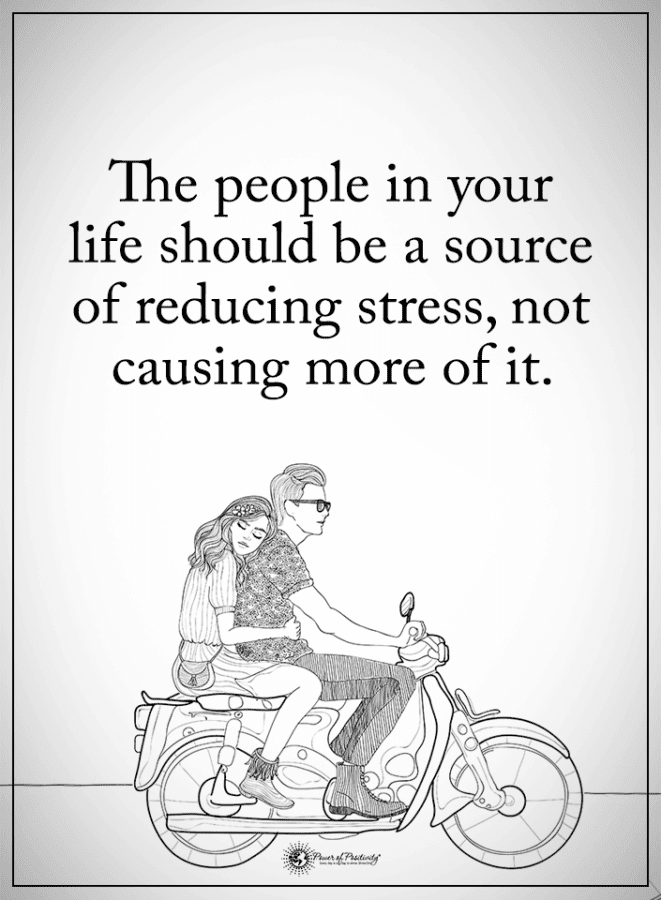
relationship quote

1. Meditation

Meditation is one of the best ways to relieve stress. You can control your stress by practicing meditation just 10 minutes a day. By increasing your capacity for relaxation with meditation, you can not only improve your cardiovascular health, but you can also decrease any anxiety you may be feeling.

When your body is faced with a sudden threat or stress, it responds with an adrenaline rush known as a “fight or flight” response. Up goes your blood pressure and pulse rate. In addition, you breathe faster and an increased amount of blood flows to your muscles.

Meditation instills a deep relaxation state in your body and reverses your body’s reaction to the “fight or flight” response. It slows your breathing, lowers your pulse rate and blood pressure and your metabolism is decreased. This state of relaxation will relieve your stress.

How to Meditate with the Relaxation Response Technique

• Find a pleasant and quiet place to meditate. Repeat a sitlent word or phrase to yourself. The word or phrase should have meaning to you. Sit quietly with your eyes closed and good posture for about 10 to 20 minutes. Breathe in a natural and free way.
• You should focus on the word or phrase. Any worries that burst into your mind should be either dismissed or ignored.
• Before finishing, open your eyes and allow your thoughts to return to everyday reality.

2. Massage Therapy

People have used massage to feel better for thousands of years. Any relaxation technique that has been around for so long must be one of the best ways to relieve stress. In 2007, the American Massage Therapy Association reported the results of a survey they conducted indicated that almost one quarter of American adults had at least one massage in 2006.

With a large variety of as many as 80 therapy styles, you can certainly find the best style to suit your needs. In order for your therapist to know the massage style you will need, you should decide your reason for wanting a massage. If you want a massage to control your stress and provide relaxation, you should tell your therapist. The style can then be determined to decide on the best movements, pressures and techniques for the therapist to use. In addition, an overall feeling of wellness can be gotten from massages.

According to Cathy Benninger, an assistant professor at Ohio State University Wexner Medical Center in Columbus, another option for a massage could be your giving yourself one using a tennis ball. She suggests you should, “Place the ball between your back and the wall. Lean into the ball, and hold gently pressure for up to 15 seconds. Then move the ball to another spot, and apply pressure”.

3. Yoga

Yoga may be one of the fun ways to relieve stress you could enjoy. All yoga styles have only one common goal — to join your mind and body.

One way yoga may get you to relax is by its increasing your breath and body awareness. Yoga has also been found to be effective on a person’s mental health. It has been found to be a mood enhancer and an antidepressant as well. Being an antidepressant, it has been used to treat both anxiety and depression.

At this time, we don’t know how yoga is able to reduce stress and anxiety. However, it does appear that yoga has an effect on the stress response and the nervous system. Many studies have shown that yoga lowers your heart rate, blood pressure and stress hormones including cortisol, the primary stress hormone.

One study followed 24 women who saw themselves as being emotionally distressed. The women participated in a three month yoga program. At the end of the three months, their cortisol levels were significantly lower. Their levels of anxiety, stress, depression and fatigue were also lower. Besides learning yoga, they did learn that they can relieve stress while having fun.

4. Exercise

Exercise is one of the best ways to relieve stress. It may put physical stress on your body, but it does relieve mental stress. It has been found that regular exercise makes it less likely for a person to feel anxious than a person who doesn’t exercise.

Regular exercise can:
• Lower your body’s stress hormones including cortisol.
• Improve your sleep.
• Make you feel more confident and give you a feeling of well-being.

5. Listen to Music

Listening to music is one of the most enjoyable ways to reduce your stress. You can relax by listening to soothing music as it lowers your anxiety, blood pressure and heart rate. Listening to sounds of nature such as a bubbling brook, the ocean or birds may be even more soothing. A great way to blow off steam is to listen to upbeat tunes and rock with them. You can also sing along with them loudly. Isn’t music a great way to relieve stress?

Relieve stress

6. Laugh

Another great way to relieve stress is to simply laugh. Besides relieving your stress, laughing is good for your health. When you’re laughing, you can’t feel anxious. Lighten your load with a good belly laugh.

Laughing:
• Produces oxygen to your organs and body.
• Relaxes your muscles as it relieves your stress.
• Improves your mood and immune system.
• Lowers your cortisol, the body’s stress hormone.

Since laughing can be the answer to how to relieve stress, discover ways to make yourself laugh. Watch a funny sitcom, read funny comics, read a book of jokes or just talk with a person who keeps you smiling. All of these things can relieve stress.

Perhaps you would enjoy one of the above ways to reduce your stress. Meditation, massage, listening to music, exercise, and laughing can help you to “fight the flight” of stress.

https://www.youtube.com/watch?v=VlUfp0uZXvA

(C)POWER OF POSITIVITY, LLC. ALL RIGHTS RESERVED
REFERENCES:
HTTPS://WWW.WEBMD.COM/BALANCE/GUIDE/BLISSING-OUT-10-RELAXATION-TECHNIQUES-REDUCE-STRESS-SPOT#2 
HTTPS://WWW.HEALTHLINE.COM/HEALTH/10-WAYS-TO-RELIEVE-STRESS#5 
HTTPS://WWW.MAYOCLINIC.ORG/HEALTHY-LIFESTYLE/STRESS-MANAGEMENT/IN-DEPTH/STRESS/ART-20046037 
HTTPS://WWW.FORBES.COM/SITES/FORBESCOACHESCOUNCIL/2018/01/29/10-PRACTICAL-WAYS-TO-REDUCE-STRESS-IN-YOUR-LIFE-AND-AT-THE-OFFICE/#41F510E06F88 
HTTPS://WWW.WEBMD.COM/BALANCE/GUIDE/MASSAGE-THERAPY-STYLES-AND-HEALTH-BENEFITS#1 
HTTPS://WWW.HEALTHLINE.COM/NUTRITION/16-WAYS-RELIEVE-STRESS-ANXIETY#SECTION16

5 Reasons To Stay Single Until You Find Someone Worth Your Time

If you take nothing else away from this article, let it be this: The emotional pendulum of a strained relationship is probably more difficult to endure than being single.

Some of you are undoubtedly shaking your heads in disagreement. There are also plenty of people nodding their heads in the opposite direction. Both groups have a good reason for how they think and feel.

Sharing your life with someone else is a human desire– when absent, it can create anxiety, isolation, and sadness. Similar to those who have been in trying relationships, these people also feel doubt, hopelessness, futility, and self-pity.

Please bear in mind that the purpose of this article isn’t to persuade you to feel one way or another! No doubt there are difficulties associated with any relationship decision.

The Goldilocks Marriage Theory

One researcher described marriage data as The Goldilocks Theory of Marriage.

This term refers to the children’s fable Goldilocks and the Three Bears.

But in this context, it points to finding a partner or a relationship that is “just right” for an individual, much like the story of Goldilocks and the Three Bears. In the story, Goldilocks finds three bowls of porridge, three chairs, and three beds, each belonging to a different bear. She chooses the one that is not too hot, cold, big, or small but just right.

As you read on, remember that the Goldilocks theory of marriage is an informal concept and not a scientific or research-backed theory. Ultimately, a successful marriage is unique to each couple and depends on their needs, preferences, and circumstances.deserve


What could a “Goldilocks” marriage look like?

Here are some factors that many people desire in a spouse or partner:

  1. Communication: Open and honest communication is key to understanding each other’s needs and addressing issues.
  2. Emotional support: Providing emotional support to one another and being there for each other during both good times and bad.
  3. Shared values and goals: A strong partnership is built on shared values and goals, which help to guide decision-making and provide a sense of unity.
  4. Flexibility and adaptability: Life is full of changes and challenges, and adapting and growing together as a couple is essential for maintaining a strong relationship.
  5. Trust: Trust is the foundation of any successful relationship. Both partners should feel secure in their commitment to one another.
  6. Balance: Striking a balance between togetherness and individuality while respecting each other’s personal space and growth needs.

Here are five good reasons to stay single until you find someone worth your time:

“We must be willing to let go of the life we have planned, so as to have the life that is waiting for us.” –Joseph Campbell

1. They’ll Accept Your Weaknesses and Strengths

Relationships often end because one person cannot accept the other’s shortcomings. While the other person’s positive attributes were enough to spark attraction; they weren’t enough to override their weaknesses in the long run.

Every one of us has our flaws. Part of a good relationship is having someone who accepts that weakness is part of the human condition. Someone who sees your shortcomings and loves you regardless is worth waiting for.

2. The Relationship is More Likely to Last

This one is kind of a no-brainer: mutual chemistry correlates with relationship longevity. When you have the strength of spirit to wait it out for someone with whom you have good chemistry, the odds that the relationship will last are excellent.

Contrast this stance with someone desperate enough to try and force compatibility. First, forcing chemistry is impossible – whether it is there or not. Second, it’s an exhausting, fruitless, and joyless endeavor. Finally, the relationship is bound to end in heartbreak. Don’t put yourself through misery.

3. The “Cons” of Being in a Relationship Instead of Staying Single

While one may have fanciful dreams about finding his or her soulmate, what’s less appealing is acknowledging some uncomfortable truths. First, when their dream becomes a reality, the amount of freedom they once enjoyed takes a nosedive. Second, fantasy is often much more satisfying than reality.

Do the “pros” outweigh the “cons”? Well, it depends on what kind of person you are.

If you are highly individualistic, the chances are good that the sacrifices required in a relationship will be a challenging lifestyle change. As with anyone, individualists get lonely too – and this is understandable. A fair warning is for everyone, however: those days of spending money as you like, living as you want, and enjoying unbridled freedom are reigned in once in a committed relationship.

4. The Stigma of Singlehood is Ending

We are arguably experiencing the most progressive period in human history. Gay marriage is legal; a woman nearly became president; yes, the perceptions surrounding us are evolving.

Data from Pew Research found that the median age for men and women to marry is at an all-time high, with men getting married around 29 and women at 27. The likelihood of getting hitched before 30 is also at its lowest point in history.

Finally, consider this: According to an 8-year meta-study by sociologists at the University of Utah, people who marry between the ages of 28 and 32 are far less likely to get divorced than those who marry earlier.

single

5. It’s Worth the Wait to Stay Single Until You Meet the Right One

Consider the example of a trusting young couple who marries because both partners want marriage so badly. They made the egregious mistake of marrying without complete compatibility. The devastation of divorce, preceded by nearly three years of continual misery before calling it quits, was enough to send them reeling big time.

Long story short: each partner thought they would never find someone else – the thought hadn’t even crossed either of their minds And they were entirely at peace with it.

Then, that special someone appeared. There is entirely no rhyme or reason – it just happened. Unlike his first love,  the new partner showed love without condition and accepts their human faults. Lesson learned: it is worth the wait.

How to Follow a Gluten Free Diet Plan for Weight Loss

That word is everywhere, on food labels, on the news, and all over our social media feeds. It seems like everyone is starting a gluten free diet plan for weight loss, for health reasons or just to say they did.

A gluten free diet seems like the newest fad diet craze, with shelves now filled with bread and sweets labeled gluten free and it seems like even water now comes with the warning. What is this gluten and why can’t we eat it?

What is Gluten?

Gluten is a combination of two proteins found in wheat, barley, rye and other grains. This protein is what gives bread its chewy texture and helps food keep its shape. It can be used in sauces to add thickness and volume.

What’s Wrong With It?

There’s nothing wrong with bread. In fact, most people have no trouble with bread or other gluten products at all. However, there is a growing number of people who have a grocery list of health issues which all can be connected to one culprit: gluten.

Gluten has only been in the human diet for tens of thousands of years, ever since we stopped hunting and gathering for the life of farmers. That may seem like a long time, but as for our bodies being able to handle these new proteins…not so long after all.

Why Gluten Free?

There are actually a few diagnosed conditions which stem from the consumption of gluten. One is non-celiac gluten sensitivity, another is a wheat allergy, and lastly celiac disease. All three have similar symptoms of varying degrees and intensity. Celiac disease can be life-threatening if left undiagnosed and treated and requires a person to follow a gluten free diet, but likely affects about 1% of the American population.

People suffering from these conditions may have fatigue, constipation, skin eruptions, joint pain caused by inflammation. Most intestinal issues are caused by the incomplete digestion of wheat particles which remain in the body and ferment. It also causes reactions in the soft tissues such as joints. An inability to lose weight may lead to chronic diseases and further medical treatment.

Is Gluten Free Diet Plan Good For You?

A gluten free diet plan will help eliminate a lot of problems, some you may not even be aware of. Even if you don’t have a sensitivity, allergy, or disease, you can still help your body by going gluten free. Most gluten products also contain a lot of refined carbohydrates and sugar which can lead to obesity. Obesity is linked to a number of chronic conditions like diabetes and high blood pressure.

Adopting a gluten free diet for weight loss is certainly possible. Removing gluten products from your diet will also remove a lot of unnecessary carbs and force you to add a lot more good carbs like fruits and veggies. You’ll be cutting out most sweets too, so there goes a lot of empty calories that usually just end up somewhere on your midsection.

I’m Not Seeing A Downside Here

On a gluten free diet plan you’ll find your choices are seriously limited since gluten is in a lot your foods, hidden under different names. And wheat-free is not the same as gluten free, since gluten is part of different kinds of grains. Following a gluten free diet plan is almost impossible if you ever want to eat anything that comes pre-packaged again. Now, if you like to cook and aren’t afraid of fruits, vegetables, and a variety of meats, a gluten free diet is completely possible.

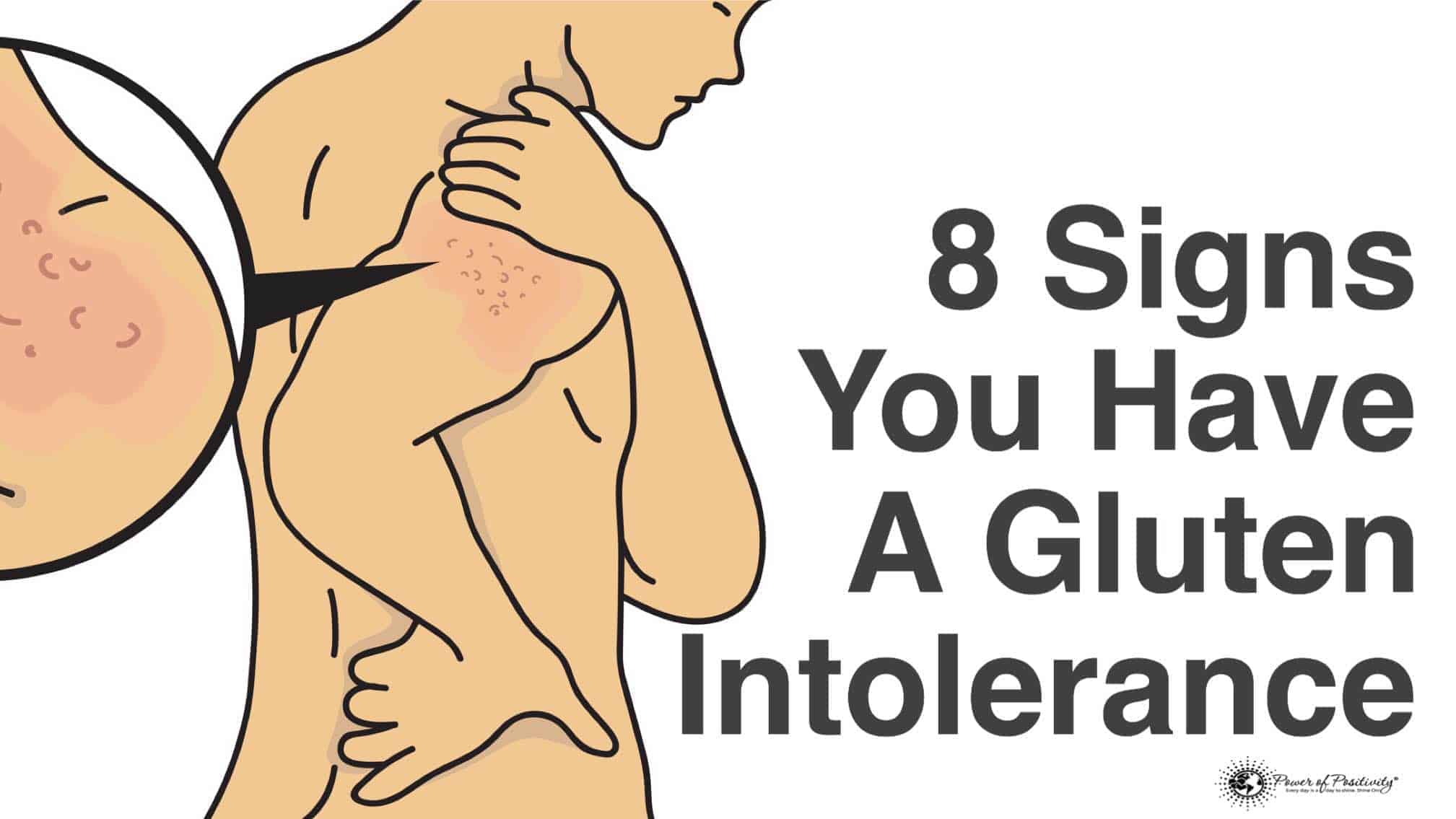
gluten


There are a whole lot of companies jumping on this new gluten free diet plan train. There is gluten free bread, donuts, sauces, and even sweets. However, the process required to remove gluten to the point where it is considered truly gluten free also removes a lot of the flavor and texture. Pre-packaged gluten free foods have a lot of other sugars and empty carbohydrates added to make them more palatable.

Also, most of our highly processed foods are now fortified with essential vitamins and minerals. Removing these from your diet makes you vulnerable to nutritional deficiencies. Several supplements may be necessary to meet these needs.

You don’t have to have a serious sensitivity or disease to choose a gluten free diet plan to try and better your health. You may even see some improvements you didn’t even know were related to gluten, such as clearer skin and renewed energy. If you keep to fresh, unprocessed foods, gluten free can certainly improve your well-being all around.

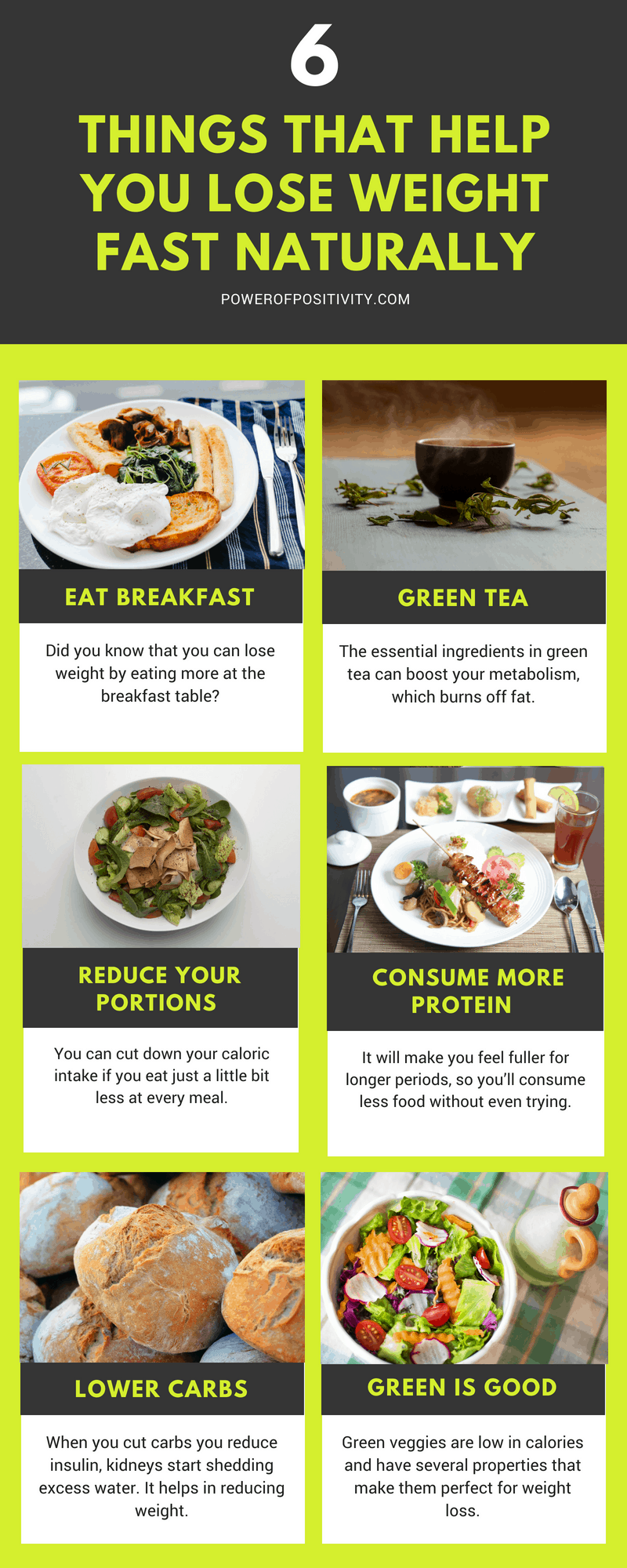
weight loss

Share this Image On Your Site

REFERENCES:
HTTPS://ONLINELIBRARY.WILEY.COM/DOI/FULL/10.1111/JGH.13703
HTTPS://WWW.NEJM.ORG/DOI/FULL/10.1056/NEJMRA071600
HTTP://WWW.MDPI.COM/2072-6643/5/10/3839/HTM
HTTPS://CELIAC.ORG/LIVE-GLUTEN-FREE/GLUTENFREEDIET/FOOD-OPTIONS/

7 Signs Someone Is Trying to Hide Their Anxiety

Anxiety disorders are way more common than most people seem to think. Just in the United States, over 40 million adults suffer from generalized anxiety disorder. With the stigma of discussing mental health in public spaces, it’s no wonder many choose to hide their condition from friends and coworkers.

But why do people hide their anxiety? There are many reasons. The most common one is that anxiety is like an enemy that tries to convince you it doesn’t exist. Many people with generalized anxiety disorder feel like they’re just too sensitive or overreacting to everything – because that’s what they’ve been told all their life. They also don’t want to be looked down upon by their friends and superiors, so they try to cope with their anxiety the best they can. Usually, this means they cope on their own.

It can be a very lonely experience – that’s why the rest of us should try our best to recognize the tell-tale symptoms of hidden anxiety in our friends, so we can offer them the help and support they need. Take a look at some things to watch out for that might indicate your friend is suffering from anxiety.

Here Are 7 Signs Someone Is Trying to Hide Their Anxiety

1. Brain fog

Most commonly recognized as a difficulty focusing on different tasks. People with anxiety are often too distracted by the unpleasant thoughts fluttering through their head to be able to focus on anything else. They can easily zone out in the middle of a conversation or stop mid-way through doing household chores. This mental fog makes everything difficult and it only adds stress to their life because it means they’ll start underperforming at work or in their education.

2. A need for validation

Anxiety is like a sneaky voice in your head, telling you that everyone secretly hates you. No matter how hard you try to think positively, you always hear that voice. You constantly need reassurance that whatever the voice is whispering, is not reality. Anxious people will often ask questions like, “Do you hate me now?” or, “Am I being annoying?” to try and disprove those thoughts. Furthermore, anxious people also have trouble making important decisions and try to offload them to someone else.

“It is very hard to explain to people who have never known serious depression or anxiety the sheer continuous intensity of it. There is no off switch.” – Matt Haig

3. Eating their feelings

Binging on food is an underrated sign of depression and anxiety. The instinct to eat as much comfort food as possible – which often means unhealthy, greasy food – is triggered by the part of their brain that asks for extra fat to calm down anxious emotions. Often, this symptom can have serious results such as extreme weight gain and health conditions, such as diabetes and heart disease, related to weight gain and obesity.

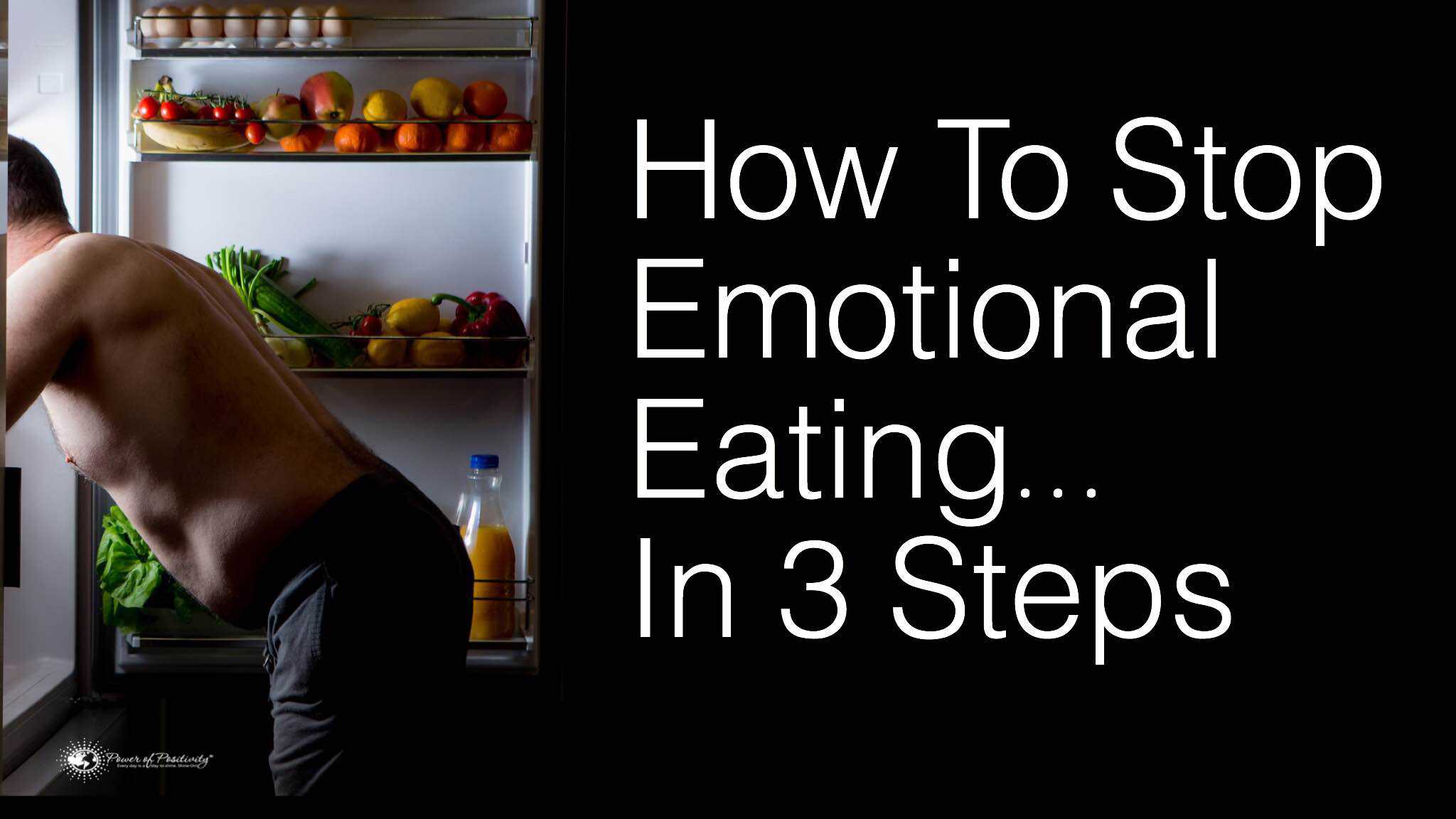
emotional eating

4. Getting sick often

One of the physical effects of anxiety is that it significantly weakens a person’s immune system. Therefore, an anxious person can get sick very easily, especially during the prime time for illness – at the beginning of winter or spring. The effort they go through to hide their stressed emotions from everyone will lead to more stress and an even more strained immune system.

5. Fidgeting

Body language can speak volumes for someone who suffers from anxiety. A nervous tick or any type of fidgeting – like fiddly fingers or a bouncy leg – can betray the anxious thoughts in someone’s mind. That happens because they make every effort to stay calm and composed but the stress levels are so great that they need an outlet, which they find in the fidgeting limb. Additionally, anxious people will often sit and stand in a way that indicates they’re closed off to other people, out of a need to protect themselves.

6. Headaches and migraines

Many people might think that anxiety is a mental illness and doesn’t exhibit any physical symptoms. That’s not true. Scientists are positive about the fact that being constantly anxious adversely affects all parts of the body. Tension headaches and migraines are the most common symptom of anxiety, and they’re caused by the tension of muscles around the area of the head. An anxious person will often want to sleep the headaches away or try to get through them with painkillers – which can lead to dangerous dependencies.

7. Always being late

Once or twice isn’t a big deal, but if someone is consistently late to work or to meetings with their friends, that can be a symptom of depression or anxiety. Anxious people can panic just at the thought of leaving the comfort of their bed and facing the hallway. Much less the great outdoors. For them, their house or room is a safe haven; everything outside of it seems threatening and hostile. That’s why they’ll put it off as much as they can until they no longer can – but they’ll still be late and that will make them even more anxious. It’s a vicious, unforgiving cycle.

Final thoughts

“Just try some yoga, or some positive thinking!” is most people’s advice. Unfortunately, it’s not that easy. Anxiety changes the chemicals in your brain and it makes you believe things that aren’t true. It’s a debilitating condition to live with. If you think someone you know might be suffering from this, reach out to them. Maybe they need a friendly face when they go to their doctor to tell them what they’re feeling. Don’t ignore generalized anxiety disorder, as some cases can digress rapidly and unexpectedly into severe depression or other physical and mental conditions.

References:
https://adaa.org/about-adaa/press-room/facts-statistics

5 Supplements That Can Help Prevent a Brain Stroke

Stroke is the third leading cause of death in the United States and the leading cause of long-term disability. Strokecenter.org estimates that each year, 795,000 people suffer a stroke in the United States. Over 140,000 die and tens of thousands are permanently disabled.

According to the Centers for Disease Control and Prevention (CDC), diabetes, high cholesterol, hypertension, obesity, and smoking lead as risk factors for stroke. Unfortunately, the CDC estimates that one in three U.S. adults has at least one of these conditions.

Because what we put into our bodies plays a critical role, we are going to discuss foods that can improve your chances. Whether you get these ingredients through whole foods (the best source) or through supplements, you can be confident they’re all “heart healthy.”

Let’s do this!

Here are 5 supplements that can prevent a stroke:

1. DPA fatty acid

DPA is a polyunsaturated fatty acid found in fish. You can also get this through fish oil supplements. Studies demonstrate that DPA improves fat metabolism, promotes cell growth, and reduces inflammation.

Long-chain fatty acids, such as omega-3s, improve not only our heart health but also our brain function. As one of the most well-researched supplements in existence, omega-3s play an irreplaceable role in preventing stroke.

Other food sources of DPA include grass-fed beef and seafood. Alcohol consumption is a known barrier to omega-3 absorption; as such, cutting back or abstaining from alcohol should be considered.

omega 3

2. Cacao

Do you occasionally enjoy a chunk or three of dark chocolate? Well, “hear ye, hear ye,” this article is for you. According to a 21,000-person, 11-year study, researchers in England discovered that Brits who ate as much as 3.5 ounces of dark chocolate a day had fewer strokes than those who abstained.

Not all chocolate is created equal, however. When it comes to heart health, choose high-quality dark chocolate that contains at least 70 percent cacao.

3. Fiber

Okay, so … Americans rarely eat enough fiber. The Institute of Medicine prescribes 38 grams of daily fiber for men, and 25 grams of fiber for women. How much fiber do we eat, on average? 16 grams.

Fiber is one of the best ingredients for a healthy heart. Research shows that fiber lowers both blood pressure and cholesterol – two of the main risk factors for stroke we discussed earlier. Additionally, fiber increases satiety or feelings of fullness. As a result, we are less likely to indulge our sugar cravings.

Excellent sources of fiber include apples, barley, beans, berries, carrots, celery, citrus fruits, nuts, oatmeal, and whole grains.

4. Potassium

Potassium is critical to heart health. In fact, without potassium, our heart wouldn’t be able to beat since the nutrient is required for nerve communication. (The heart relies on a vibrant network of nerve cells to communicate with the brain and other parts of the body.)

As many as a hundred thousand times a day, potassium helps the heart effectively distribute blood throughout our body. Potassium also helps our muscles effectively move and promotes kidney function.

You can find potassium in a dietary supplement or from natural food sources. The best foods include avocados, bananas, fat-free yogurt, squash, sweet potatoes, and pure orange juice.

5. Folic acid

Folic acid is an essential B vitamin that assists with breaking down the amino acid homocysteine. If the body contains too much of this, it can trigger a stroke.

A recent study shows that women who take at least 1,000 micrograms (µg) daily have a 46 percent lower risk of developing high blood pressure. Given the amount of folic acid required to achieve these benefits, you should combine supplements with dietary sources.

Good food sources of folic acid include avocados, broccoli, and Brussels sprouts. Dried beans, nuts, okra, peas, spinach, and turnip greens also make the list.

Final Thoughts: Let’s Get Heart Healthy!

We need to consciously do what’s best for our heart, day in and day out. We’d be wise to pay close attention. After all, our “ticker” is (literally) our lifeline. Every cell in our body depends on a healthy and functioning heart to distribute oxygen and nutrients. Every organ requires a constant influx of oxygen-rich blood to work, and this includes our precious and delicate brain.

In conclusion, proactively caring for our heart is an important part of living a healthy and vigorous life. Make every effort to maintain a healthy weight, get regular exercise, and cut back on or eliminate your vices.

Sources:
http://www.strokecenter.org/patients/about-stroke/stroke-statistics/
https://www.cdc.gov/stroke/facts.htm
https://www.health.harvard.edu/blog/sweet-dreams-eating-chocolate-prevents-heart-disease-201506168087
https://www.health.harvard.edu/heart-health/eat-more-fiber-rich-foods-to-foster-heart-health
https://www.ncbi.nlm.nih.gov/pmc/articles/PMC4467567/
https://www.webmd.com/food-recipes/news/…/folic-acid-may-fight-high-blood-pressure

6 Early Menopause Symptoms A Woman Should Never Ignore

Do you or someone you know suffer from early menopause symptoms? By the time menopause hits women in their 50’s, they have already raised their families and are looking forward to putting menstrual cycles and child birthing behind them.

Unfortunately, some women experience signs of menopause long before they should. Women as early as 40 years of age can go into menopause leaving them with hot flashes and an ongoing problem with mood swings. Early menopause symptoms can often be mistaken for a medical condition or a mental health issue. Thankfully, there is testing that can be done to verify your concerns and get you the help you need.

The Early Menopause Symptoms

As a woman ages, the ovaries produce less estrogen than before. The lack of this vital hormone can cause you to feel moody and grouchy, and you can even have hot flashes that can mimic panic attacks. You may experience a loss of periods too. A woman can continue to have cycles during the pre-menopause days, but they will often be heavy or light. In fact, some women choose to have ablation to stop their cycles when they are having excessive clotting and heavy bleeding.

Other problems during this time are even more troublesome. Vaginal dryness can make sexual activities complicated. Experts are not sure why women lose their sex drive, but a loss of libido can be caused from the dryness or the shift in hormones. Bladder control issues become commonplace too. Leaking urine when laughing, coughing, or sneezing is often a new problem that has devastating consequences. Because of all the changes in the body, depression and anxiety are not unusual. If you are experiencing all these different problems, then you may feel that they are falling apart and not as valuable as they once were.

Why Some Women Go into Menopause Early?

Everyone’s system is unique. While one woman may start through the change at 52, a woman who has compromised health may begin at 41 years of age. For instance, a woman that has been through chemotherapy will find their body has been compromised. Early menopause symptoms can start at any age, especially if there is an auto-immune condition underlying. Those with lupus, Hashimoto’s Thyroiditis, and rheumatoid arthritis may experience menopause years before healthy individuals in their age bracket.

Diagnosing Premature Menopause

Most women visit the doctor when they experience early menopause symptoms, but many feel that they have an underlying health issue and are not going through “the change.” A doctor will evaluate your symptoms and run some tests. One of the most important tests to run is one that checks your estradiol levels. When the ovaries begin to fail, these levels will drop below 30.

The FSH level is another important indicator of whether a person is in menopause. The follicle stimulating hormone is what causes the ovaries to produce estrogen. If the level of FSH is above 40, then a person is in menopause. As the ovaries begin to shut down production, the FHS levels increase.

Early Menopause Symptoms

The lack of estrogen in the body can cause all sorts of problems. First, a woman may experience osteoporosis. The lack of this vital hormone also increases the chances of developing uterine or colon cancer. It can even affect things like the gums and teeth too. Menopause starts later in life for a reason. A woman who begins this journey, way too young, has a longer and harder time trying to make up for the loss of the vital hormones.

Treating Early Menopause

If you are experiencing early menopause symptoms, then it is important to be checked out by a doctor. There are many physical and emotional aspects that can be treated to prevent complications. Pre-mature menopause causes infertility to some women still within the child bearing years, but that does not mean that there are not other options.

Though early menopause is not reversible, there are therapeutic treatments that can help ease the lack of estrogen. Do your research and understand your options. Adding estrogen into the body has been linked with breast cancer and other problems. However, your doctor can show you things to do and offer medications that can help you feel whole again. Most importantly, know that you are not alone in this journey. Many women experience menopause long before they should.

https://www.youtube.com/watch?v=nBPkcLRCC8g

REFERENCES: 
HTTPS://WWW.MEDICINENET.COM/PREMATURE_MENOPAUSE_MEDICAL_PROCEDURAL_CAUSES/ARTICLE.HTM 
HTTPS://WWW.CANCER.ORG/CANCER/BREAST-CANCER/TREATMENT/HORMONE-THERAPY-FOR-BREAST-CANCER.HTML 
HTTPS://WW5.KOMEN.ORG/UPLOADEDFILES/_KOMEN/CONTENT/ABOUT_BREAST_CANCER/TOOLS_AND_RESOURCES/FACT_SHEETS_AND_BREAST_SELF_AWARENESS_CARDS/HOW%20HORMONES%20AFFECT%20BREAST%20CANCER.PDF

10 Signs Your Body is Healing (Even If You Think It Isn’t)

After a trauma, it’s difficult to know when the healing process in your body has begun. Not just physically, but also mentally. You might feel like you will never think positively anymore and that you’ll never get better. In fact, when recovering from either a physical injury, an operation, or a mental breakdown, it’s very common to think that you’ll be feeling like this forever.

But that’s not the case at all. As much as it doesn’t seem like it at the moment, your body is healing and processing – and you’re getting better, too. Some of these symptoms may be annoying, and you might think that they’re not pointing towards your healing, but they are. Maintain an element of positive thinking and learn to recognize the signs that your body is healing and getting ready to move on. Take a look at some symptoms that your body is healing the way it should, even if you think it isn’t.

Here Are 10 Signs Your Body Is Healing the Way It Should

1. An itch

Itching is normally one of the most common signs of your body healing, from surface wounds to autoimmune conditions. Itches are never pleasant, and we always try to slather any kind of relief ointment on them whenever we can. However, they are a sign that your blood flow is being directed to the places that need healing most. That’s why tattoos itch so much, too. A tattoo is basically one big open wound that’s healing. If you’ve just had surgery, your skin will itch as well as the wound tries to heal. So, try not to scratch your itches. Persevere with them and remember that they’re a sign of good changes taking place in your body.

2. Weight loss

Another uncommon sign of getting better is losing weight – yes, losing, rather than gaining. In fact, with most injuries and mental illnesses, weight gain is a symptom or sign that something’s wrong. If you start losing weight or getting back into shape, that means that your energy is being used in the right way: towards being productive rather than being stagnant. Losing weight means that your weight is going to the right places to speed up the healing process.

According to nutrition.gov, a healthy weight loss program includes a reasonable weight loss goal, a balanced diet plan, regular exercise, and developing good habits. Another component of weight loss that many people neglect involves looking after mental and emotional health. High stress levels and negative emotions can increase cortisol levels, making you overeat, crash diet, and hold onto excess weight.

Emotional and mental health are just as important to your weight loss goals as physical health, because you cannot have a healthy body without looking after your mind, too. Try to have a daily relaxation practice that includes meditation or yoga, which will help you lower cortisol levels and have a clearer, happier mindset.

3. A desire to be alone

The body heals best in solitude. If you want to be alone, that means you don’t feel dependent on other people anymore in order to feel better. Even if it doesn’t feel like it, that’s very good progress. Oftentimes, people who care about you will get the signals and leave you alone, but sometimes you need to voice your choice. When you’re on your own, you’ll get the chance to sleep, recuperate, rest and not worry about anyone’s wellbeing but yours. Embrace the moments of solitude as they help you make the next steps towards getting better.

If you have a desire to run away into a forest for a few hours, days, or even weeks, that means your mind and spirit need some serious healing. Most people don’t have the luxury of simply running away from their problems in order to heal, but if you do, listen to your spirit’s call to nature. Being alone doesn’t have to mean feeling lonely; it can mean just the opposite, actually. Solitude provides you the clarity of mind and sense of peace you need to tap into your deepest emotions and process them. You can’t adequately engage in contemplation in our noisy, hectic world, so take the time you need to dive into your inner spirit. Maybe you’ll get some long-awaited answers that will guide you on your healing journey.

4. An increase in your pain or other symptoms

Now normally, if you start hurting more, you think that your condition has gotten worse. That’s normal, as at this point, your brain is so used to connecting the pain to your condition that it can’t do anything else. Actually, the worst pain happens right before the healing process starts for good. This is because vital energy is being released to the parts of your body that need it most, whereas the old, hurt parts are being shed. Naturally, they fight it, but not for long.

When it comes to emotional pain, especially, we often go through dark storms before seeing the light again. Going through something traumatic puts your body and mind into a state of shock, so naturally, healing from whatever you went through won’t come easily. It will take time, patience, letting go of emotions, and processing your feelings in order to move on. Give yourself compassion and know that healing doesn’t happen in one day, so take your time to feel better. Life will go on, but you’re allowed to slow down and focus on you if you need to.

5. Your emotions go into overdrive

emotional eating

This is very common with surgery patients. The body releases a lot of endorphins in order to manage the pain, so naturally this will affect your mood. You’ll feel down. You might feel like you’ve made a great mistake and your life has been ruined forever. This emotion is normal, and it gets better. Those thoughts are, once again, a natural part of the healing process that you’re going through. They signify that your body is healing.

Whether you’re healing from an emotional or physical wound, you’ll have to process your emotions either way. Physical injuries take a lot out of you, too, and depending on the severity, you might require counseling to move through your feelings. When we have a lot of heavy feelings, it often signals that we need to pay attention to our inner voice. Maybe our higher self has been trying to communicate with us and give us signs to take a different direction in life or pay more attention to our healing.

Make sure you take time to process your emotions instead of stuffing them away, as this will only slow down the healing process.

6. An increase in appetite

Because your body is using up so much energy, you will feel hungry all the time when you’re recovering. Make sure to keep a balanced, healthy diet, and give your body plenty of energy boosters. Avocados, for example, are great for health, as are fresh greens and pretty much any fresh produce you can get your hands on. Avoid concentrated food and drinks like coffee or alcohol, as those will only confuse your emotions. Stick to organic food for the best results. Also, to get the full effects of healing, stay away from processed foods as well. You’ll want to eat as much natural food as possible in order to get your mind, body, and spirit in a good place.

Also, you might feel hungrier if you just had a major surgery or were in the hospital for an extended period of time because you probably were in a caloric deficit for much of the time. Make sure to nourish your body and give it what it needs to recover.

7. Relaxed muscles

When you’re ill, the one overwhelming (and constant) feeling you get is tension. Your muscles are constantly tense and you’re wound up like a string. After a long healing progress, this will be the symptom of healing you’ll welcome with the most relief. You’ll feel your muscles turn into jelly. Now’s a great time to talk a partner or a family member into giving you a long, much-needed massage. It also shows that your muscles are no longer impeding the right blood flow in your body.

Emotional or physical trauma will cause a lot of tension in your body, which makes your muscles tighten. When you begin to heal, you’ll notice you feel a lot calmer, which will allow your whole body to relax, including your muscles. If you need help in relaxing your muscles, here’s a guide to help you.

8. Time slows down

Stress can make your body feel like time’s going too quickly and you never have time for anything. Because you’re so high-strung and ready to pounce at every moment, your perception of time gets warped. As you start healing, you’ll notice time slowly going back to its normal pace. You’ll feel like you have time for everything again. This is also a part of going back to your normal, healthy routine. One main reason that time will feel like it’s moving slower is that you’ll be solely focused on healing as opposed to juggling a bunch of other responsibilities. You may have other things to take care of, but you’ll minimize your tasks in order to heal quicker.

Maybe you’ll ask others to help you out while you get your mind and body back in tip top condition. Family and friends will gladly assist you during your time of need, especially if you’ve just had a surgery or been sick for a while.

9. A cracking spine

Especially when it comes to healing from inflammation or autoimmune disease, this is a very useful sign that your body is healing. Because the nerves that have been attacking your body are now getting a bit more space to move, you can know they’ll be sending the right messages to the rest of your body. Inflammation can cause a lot of tension in your muscles and bones, so when you begin healing, you might notice your spine becoming looser, causing it to crack. This is perfectly normal and nothing to be concerned about.

However, you shouldn’t try to “pop” your back on your own, as this can lead to a more serious injury. In fact, some chiropractors believe spinal adjustments aren’t even necessary and instead promote exercise as a way to keep the spine healthy. Consult with a doctor if your spine cracks frequently and involuntarily; this could point to a more serious problem that a stiff spine.

10. You feel better

There’s really no other tell-tale sign of healing than the fact that you actually start to feel better. More fulfilled. It hits you unexpectedly one day and it’s great to realize all the progress that you’ve made in a very short time. Embrace it and keep thinking positively about it, and you’ll make it go even faster. Healing is a very personal journey so it’s different for everyone, but no matter how long it takes you to heal, trust the process. Don’t rush it or get frustrated if things aren’t moving along as quickly as you’d hoped.

We all deserve to feel our best, but sometimes, it takes a lot of effort on our part to get there. Especially when it comes to losing weight or healing from emotional trauma, a lot of roadblocks will present themselves along the journey. However, having a support team and believing in yourself will help you achieve success much easier. You might feel like giving up countless times, but just remember your end goal. Remember how great it will feel to finally jump that last hurdle and fully embrace the new you.

Final thoughts

Healing can’t be rushed. Every body heals at its own pace. Remember to take every day one step at a time and embrace the healing when it does arrive, doing everything you can to nurture and support it. Make sure to consume as much fresh food as possible, drink plenty of water, move your body as much as it will allow, and engage in relaxation techniques to look after your mind and spirit. Don’t overindulge in alcohol, sweets, or other substances that will only hinder your progress.

Also, pay attention to the company you keep. The people you surround yourself with can either help or hurt your progress, so choose wisely. Above all, remember your worth and trust in your body to heal. The body and mind can handle more than we give them credit for, and we can usually bounce back from whatever life throws our way.

“The body will continue to heal itself, as long as you provide the environment for it to heal.” – Julie Renee

https://www.youtube.com/watch?v=cHeI3Y_CfMo

(C)Power of Positivity, LLC. All rights reserved
Skip to content