Weekly tips, affirmations, and small actions to feel your best.

15 Vegetables to Never Eat if You Get Inflammation (And 6 To Eat Instead)

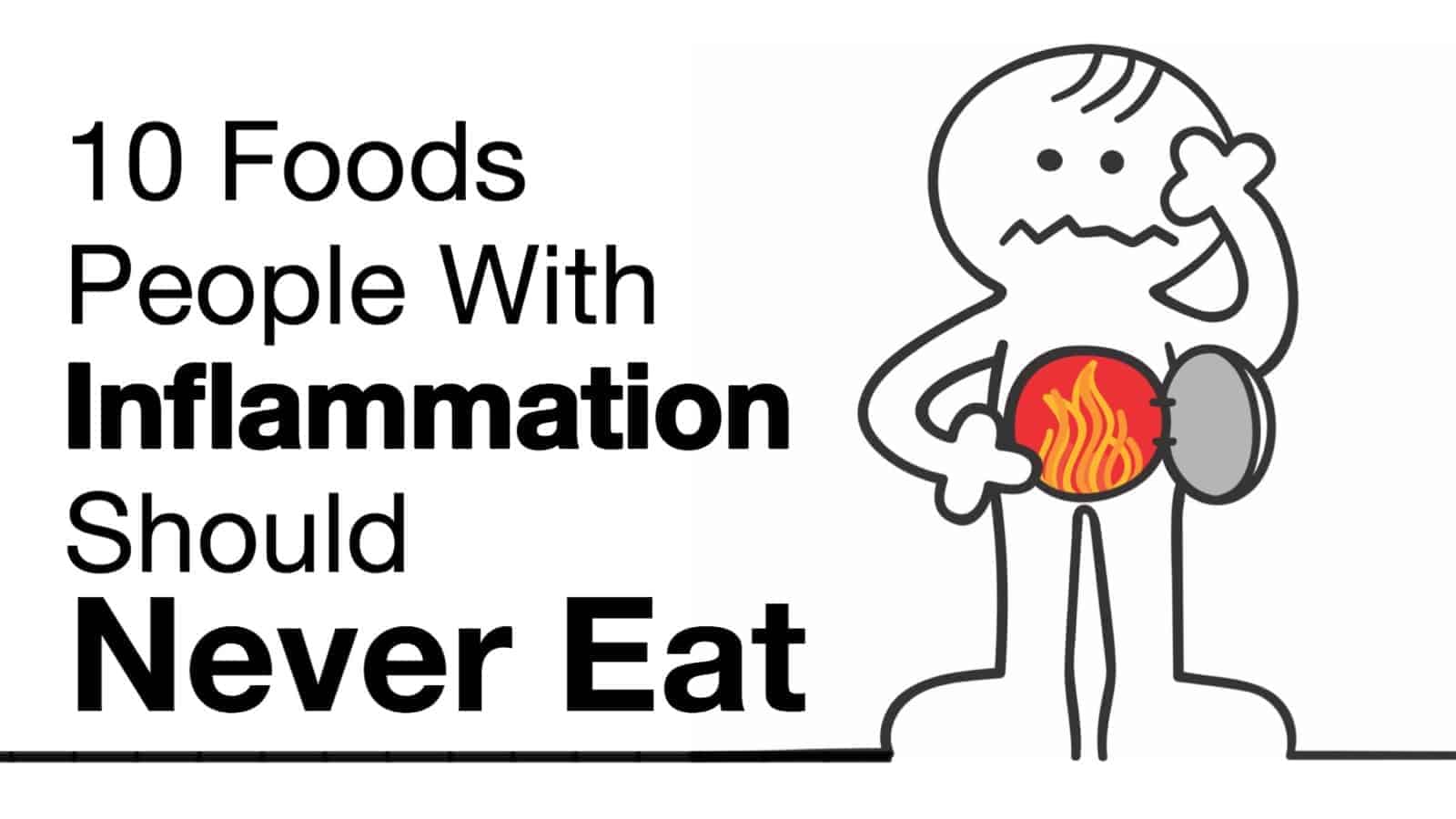
Inflammation can cause an array of ailments and physical symptoms. Most people believe that a healthy, vegetable-rich diet is all that is needed to prevent or reduce inflammation, but there’s much more to it than that.

Certain vegetables might contribute to inflammation. Yet, that’s right. It’s not just processed foods. Knowing which foods to avoid and which ones are best to eat can make a big difference with your total well-being.

What exactly is Inflammation and why is it a problem?

Inflammation: It’s a well-talked-about topic right now,  but do you know the real effects it can have on your health?

Yes, there is such a thing as a positive inflammatory response, and it acts as part of the healing process, and it helps the body battle foreign invaders. However, when it gets out of hand, several symptoms and ailments can occur.

One of the biggest consequences is arthritis which means the joints are inflamed. It is estimated that in the United States, approximately 54.4 million adults have some form of arthritis, says the Centers for Disease Control and Prevention.

When arthritis is severe, it can be hard to walk or complete daily tasks. The Mayo Clinic says that some people develop deformed and twisted joints.
inflammation

The problems with too much Inflammation:

• Harming your gut:

A large amount of your immune cells that fight to keep you healthy are in your intestines. In fact, approximately 70 percent of your immune system is in the gut-associated lymphoid tissue, states a 2008 research paper published in Clinical and Experimental Immunology. These immune cells, under normal circumstances, will ignore the healthy bacteria so that it can thrive. However, the immune cells can start to attack your digestive tract when inflamed. Inflammatory bowel disease is an example of this.

• Heart disease:

A chronic inflamed state can be triggered by fatty plaque in your arteries. White blood cells are attracted to these plaques, resulting in blot clot formation. A heart attack can occur when this happens. Another factor at play is interleukin-6, a type of protein states a 2012 study in The Lancet.

• Higher cancer risk:

Cancer cells are ideal for growth when an inflamed state is present because immune regulation deteriorates. Harvard University did a study in 2014 that looked at obese teenagers and their risk of colorectal cancer in adulthood. When these teens had high levels of inflammation, their risk of this cancer was 63 percent higher than their thinner peers.

• Poor sleep:

Proteins related to inflammation were at higher levels in the blood among people who got less than 7.6 hours of sleep per night, according to Case Western Reserve University and a 2009 study.

• Reduced lung health:

Many significant lung conditions, such as COPD and asthma go along with an inflamed state. When it is present, breathing can become difficult due to airways narrowing and fluid accumulating.

• Difficult weight loss:

Obesity can cause an inflamed state, and then once it is present, it can reduce your metabolism and increase your hunger. Insulin resistance can also be triggered by it, increasing a person’s risk of diabetes, states the National Institute of Health NIDDK.

• Bone damage:

When present, it can potentially trigger bone loss and interfere with bone growth, per a study in the Journal of Endocrinology in 2009.

• Skin ailments:

When present, it can reflect on your skin. When in an inflamed state, your immune system may trigger your skin cells to grow rapidly, contributing to conditions, such as psoriasis. In fact, reducing the inflamed state could improve psoriasis, according to a JAMA Dermatology study published in 2013. An inflamed state might also contribute to premature aging.

15 Veggies to Avoid if You Suffer From Inflammation

The primary veggie choices associated with inflammation are those in the nightshade family. The veggies in this family contain alkaloids, a type of compound. One of the primary alkaloids is solanine. In large quantities, it can be toxic.

Several integrative health specialists and nutritionists state that joint and arthritis pain may be worsened by eating nightshade veggies. They believe that if you eliminate these vegetable choices from your diet, you will experience an alleviation in joint pain due to reduced inflammation in the body.

General practitioner Dr. Sherry A. Rogers has talked about her experience with nightshade vegetables and how they nearly incapacitated her and caused her to suffer. On the Arthritis Nightshades Research Foundation website, Dr. Rogers published a testimonial concerning her experience. Her testimonial said that her joint pain was so severe that she was almost completely unable to use her hands or walk. She states that once she dropped nightshade vegetables from her diet, she steadily improved since they were documented as food to avoid.

The 15 nightshade veggies to avoid include:

1. Banana peppers
2. Chili peppers
3. Eggplant
4. Jalapeno peppers
5. Pimentos
6. Sweet peppers
7. Tomatillos
8. Wax peppers
9. Cayenne
10. Habanero
11. Potatoes (sweet potatoes can be consumed)
12. Tomatoes (technically a fruit, but part of the nightshade family)
13. Wax peppers
14. Thai peppers
15. Artichoke (not a nightshade vegetable, but contains similar alkaloids)

Now that we know what to avoid, it’s important to know what veggies are the best options to help relieve inflammation in the body.

digestion

Top 6 Vegetables that Eliminate and Relieve Inflammation in the Body:

Now that you know which vegetables are a food to avoid, it is time to look at those that will fight the inflamed state. There are several viable health food choices that are easy to work into your daily diet. It is good to eat at least one of the following vegetables per day to reap the anti-inflammatory and other benefits.

1. Leafy greens:

Leafy greens are packed with antioxidants, especially polyphenols. Polyphenols are compounds and they have anti-inflammatory properties. They work to alleviate an inflamed state by fighting oxidative stress due to free radicals, according to a 2016 study in Oxidative Medicine and Cellular Longevity. Five leafy greens are superior to most health food options in reducing an inflamed state and these include:

  • Spinach
  • Kale
  • Broccoli
  • Brussels sprouts
  • Cauliflower

2. Garlic and Onions:

Both of these vegetable options are rich in anti-inflammatory substances. One of the most active is referred to as garlic organosulfur compounds. For centuries, these compounds have prevented and treated numerous health conditions, from cancer to heart disease. Some emerging research shows that the anti-inflammatory properties of these compounds may provide an anti-tumor response, according to a 2014 study in Anti-Cancer Agents in Medicinal Chemistry.

3. Bok choy:

This is a type of Chinese cabbage and it is rich in minerals and vitamins that double as antioxidants. In this vegetable, there are hydroxycinnamic acids as well as approximately 70 additional phenolic substances, all of which act as antioxidants. These work hard to scavenge free radicals to alleviate the oxidative damage that can be done by them in the body, including reducing the risk of free radicals inducing an inflammatory state.

4. Celery:

Celery has positive anti-inflammatory properties. This is largely due to its polyphenol and flavonoid antioxidants. Flavanols, such as quercetin, and other antioxidants, such as caffeic acid, phenolic acid and ferulic acid, may help to benefit a number of inflammatory conditions, such as arthritis, liver and kidney infections, urinary tract infections, gout, irritable bowel syndrome and certain skin disorders.

5. Beets:

This is one of the more nutritionally diverse vegetables available, as well as a prime source of anti-inflammatory antioxidants. One of these, known as betalain, is responsible for the rich hue of beets, but it also has potent anti-inflammatory properties. This vegetable is also rich in magnesium. Research shows that inflammatory conditions and magnesium deficiency are linked, per a 2018 study in the Journal of Inflammation Research.

6. Turmeric:

While not a vegetable, its have valuable anti-inflammatory properties. One of the primary uses for this spice is to combat the inflammation associated with arthritis. In a small 2012 study, it showed that turmeric had the ability to prevent the inflammatory process in the joints, states results published on the Arthritis Foundation website. With arthritis, it seems most effective for the osteoarthritis type. It is best to use the fresh version of this spice to ensure the greatest benefit.

Final Thoughts

If you suffer from inflammation and your favorite veggies are on the list for a high inflammatory response, it doesn’t mean you can’t have them at all. Every is different, consider this list, and experiment with how each food reacts to your body. You know your body best, and if you don’t, it’s time to start.
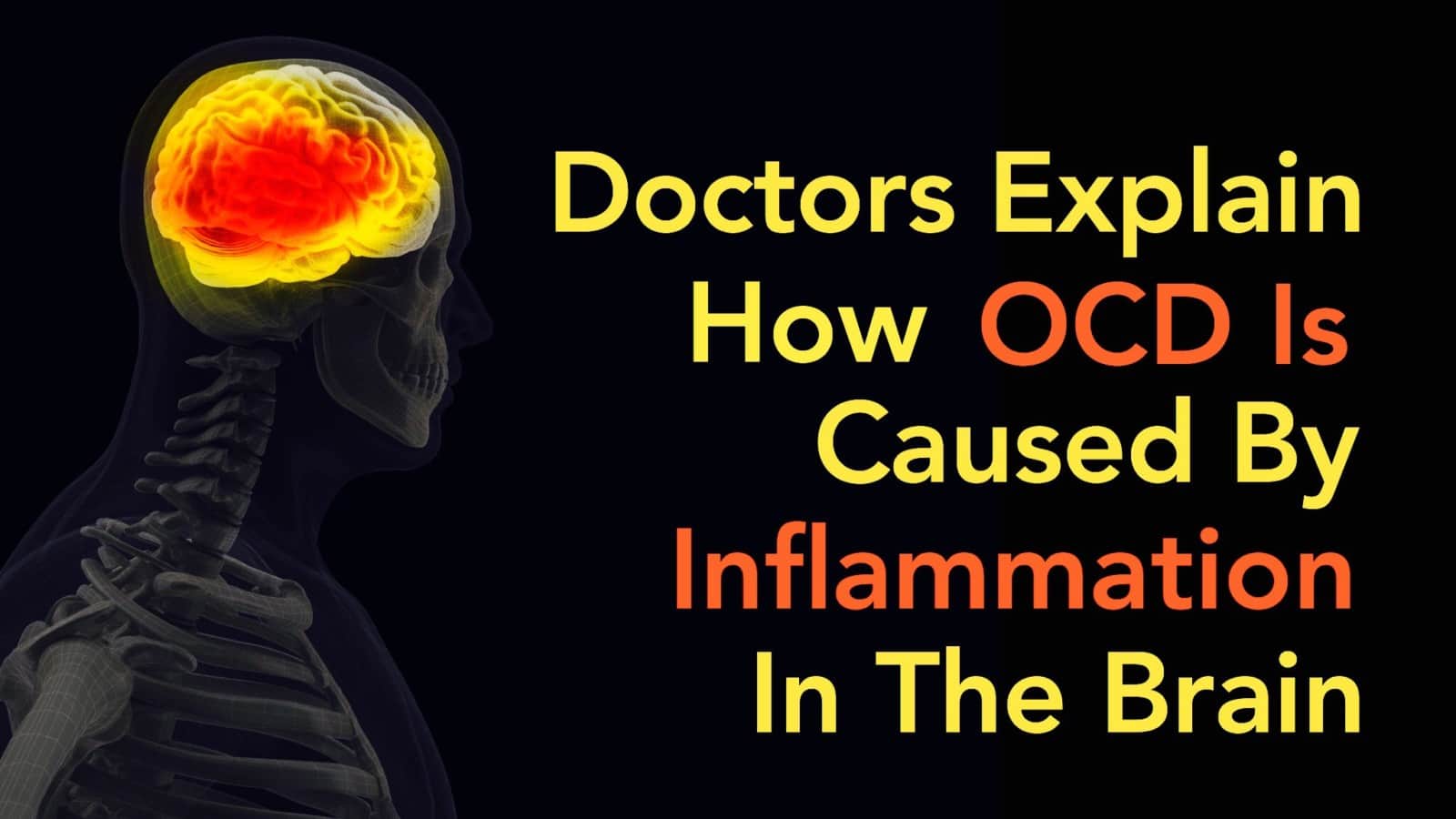
7 Symptoms of OCD (and How to Treat Them)

Obsessive-compulsive disorder, otherwise known as OCD, affects approximately one in every 40 adults in the United States. According to the World Health Organization, this disease is a leading cause of illness-related disability globally.

Obsessive compulsive disorder OCD symptoms are characterized by a set of obsessions which relate to subsequent compulsions. However, some people may only experience one or the other. Although many sufferers may not realize it, these obsessions and compulsions can interfere significantly with their life. This article aims to explore some of the most common obsessive compulsive disorder(OCD) symptoms and what experts in the field say are the best ways of approaching them.

Here are 7 common OCD symptoms (and how to deal with them):

1. Obsessions

An OCD obsession is an unwanted thought that occurs persistently and repeatedly. These thoughts are intrusive to the sufferer, causing them anxiety and stress. Obsessions usually stem from a person’s fears, needs, aggression, or unwanted thoughts.

According to Dr. Debra Kissen, the clinical director of the Light on Anxiety Treatment Center of Chicago, the first step in treating the obsession is acknowledging the fears causing the obsession. ERP therapy, or exposure and response prevention therapy, is the best treatment of obsessions. This therapy requires the sufferer to increase their exposure to their fear slowly. Getting support to treat obsessions is also important, as voicing obsessive thoughts out loud can lessen the power of the thought.

OCD

2. Compulsions

Compulsions generally stem from an obsession, wherein the obsession triggers the compulsion. A compulsion is a repetitive behavior that the OCD sufferer feels strong urges to perform, with the belief that doing so will reduce or prevent their anxiety or fears of something bad happening.

Compulsions often take the form of rules or rituals triggered by obsessive thoughts. Experts in OCD say that preventing compulsions requires individuals to resist performing them. Cognitive-behavioral therapy is the best treatment for OCD. ERP therapy is also generally is successful at helping people resist their compulsions. These therapies enable the individual to gradually build a tolerance to these thoughts and urges.

3. Obsessive Washing and Cleaning

Obsessive washing and cleaning is a very common among Obsessive compulsive disorder OCD symptoms. This can take the form of obsessively cleaning their home, or washing their hands until their skin becomes raw.

Among the best ways to treat this symptom is for individuals to relax before they engage in the compulsion. As the compulsion typically stems from a desire to reduce anxiety. Therefore, taking a moment to relax before engaging in the compulsion can significantly induce its impact. Additionally, the sufferer may examine their wider set of anxieties to target them at the core. This helps to eliminate the need for the compulsion. Doing so should be done step-by-step, as people who suffer from OCD may experience similar symptoms of withdrawal as individuals who are withdrawing from a substance addiction.

4. Checking

Repetitive checking is also quite common among obsessive compulsive disorder OCD symptoms. This may include repetitively and obsessively checking doors and electronic devices to make sure they’re locked or turned off. According to Paul R. Munford Ph.D., of the Cognitive Behavior Therapy Center for OCD and Anxiety, ERPA, or exposure ritual prevention and awareness therapy, is the best way to approach this symptom.

Dr. Munford says the sufferer should practice their exposure to the trigger both in real and/or imaginary circumstances, and then practice refraining from engaging in those compulsions. Lastly, the sufferer should practice acceptance of their thoughts and feelings, and be understanding the relationship between them.

5. Counting

This symptom often manifests itself by suffers feeling an urge to repetitively count to a certain number or in a certain pattern. According to Mark Dombeck Ph.D., this is a very common obsession among OCD sufferers due to its ability to effectively reduce their anxiety. These types obsessive compulsive disorder(OCD) symptoms can be rather complex, and therefore Dr. Dombeck recommends that people experiencing these symptoms seek the help of a professional psychiatrist. Treatment may involve medication and behavioral and cognitive-behavioral psychotherapy.

6. Routines and Rituals

A routine or ritual may manifest itself symptomatically. For example in OCD suffered me repetitively repeat a phrase, prayer, or word. According to AnxietyBC, there are several key ways in which rituals and routines can be interrupted.

First, the sufferer can opt to change the ritual, which shows the OCD that the sufferer is the one who is in charge. This may involve changing how the ritual is done rather than avoiding it altogether. Another way is to shorten the ritual or working to delay the ritual. For example, the individual may choose to engage in the ritual, but opt to do it later rather than immediately, as the OCD demands. Lastly, performing the ritual at a slower rate may also help to build tolerance, as OCD sufferers typically feel rushed to perform these rituals.

7. Reassurance

According to the OCD center of Los Angeles, OCD compulsive strategies are typically implemented by sufferers. That’s because the behaviors make one feel reassurance and certainty that their fear or obsession will not manifest itself. However, seeking this reassurance can worsen OCD symptoms as they reinforce compulsive behaviors. This can create an endless cycle for the OCD sufferer. In a sense, reassurance creates an addictive cycle for the individual.

The OCD Center of Los Angeles suggests that the best approach to treating this symptom is to acknowledge that this cycle is taking place. Then, work to stop it immediately once it is noticed. Cognitive behavioral therapy techniques, including mindfulness and acceptance, can help individuals learn how to cope with their uncomfortable thoughts and feelings without obsessively and compulsively responding to them.

Final Thoughts

The onset of OCD can happen at any time although often starts in a person’s teens or young adults years, and OCD symptoms can become more severe over time. Therefore treatment of this condition is imperative, as this condition can become disabling. A person who is experiencing obsessive thoughts and compulsions that are interfering with or negatively impacting the quality of their life should seek the help of a mental health professional.

If you are undergoing treatment for OCD currently, take caution not to change your treatment or alter your doctors plan without first consulting your healthcare professional.

Science Explains What Happens to Your Body When You Take Digestive Enzymes Daily

Digestive enzymes – proteins produced by the body – aid digestion and help break down the foods that we eat. The pancreas produces digestive enzymes, while the mouth, stomach, and small intestine produce lesser amounts.

Digestive enzymes may also be taken in supplement form, usually as a chewable tablet or pill. Supplement-based catalysts may consist of one or more enzymes, and some are packaged and sold along with probiotics (“good bacteria” that aids digestive health and is essential to the breakdown of foods.)

“(Digestive enzymes) are secreted with beautifully orchestrated precision by your digestive organs to accelerate the breakdown of food so your gut can extract and distribute the nutrients…” ~ Steven Lamm, MD, The Dr. Oz Show

Why are digestive enzymes important?

Put simply, our body could not break down foods (or nutrients, minerals, etc.) without supporting enzymes. Studies show that a lack of digestive enzymes causes the stomach to become more alkaline. When these enzymes become less abundant, it may lead to a host of digestive problems including bloating, excessive gas, food intolerance, and even food allergies!

Some evidence suggests that increasing one’s digestive enzyme intake may reduce abdominal pain. Multiple studies have found a relationship between pancreatic enzymes and the reduced risk of some severe medical conditions, including chronic inflammation and certain types of cancer.

Types of digestive enzymes

There are four classes of digestive enzymes, each with their respective functions.

Amylase. This converts carbohydrates into simple sugars such as glucose. The saliva in your mouth contains amylase, as does your pancreas. The breakdown process begins before you even swallow!

Lipase. This converts fats into molecular form, enabling it to pass through the intestines. Lipase is produced mainly by the pancreas, with the stomach and mouth taking a smaller role.

Nucleases, the building blocks of nucleic acids, break down acids such as DNA and RNA. As these acids reach the lower part of the small intestine, they are digested as sugars and phosphates.

Proteases, also stored in the pancreas, assist in the breakdown of proteins into amino acids. Amino acids are the central building blocks for many physiological functions.

Who should take digestive enzymes?

Optimizing digestive enzyme levels is not necessary for everyone. For normal, healthy individuals, your diet alone will suffice. (A bit of supplementation to be on the safe side doesn’t hurt, however.)

That said, certain people can benefit by taking active measures to boost their enzyme production. Individuals who should talk to their doctor about enzyme supplementation include:

People with liver troubles. A strong correlation exists between people with liver issues (including liver disease) and low enzymatic counts. If you have liver problems (about 15 percent of us do), then consider boosting your digestive enzymes.

People with digestive disorders. Those with conditions such as acid reflux, irritable bowel syndrome (IBS), Crohn’s disease, ulcerative colitis, and others, may benefit from enzymes as they are known to alleviate the gastrointestinal stress of these conditions.

People who are aging. As we get older, the “triggering” mechanisms that help prevent acid from entering the intestine are less responsive. This can lead to a decrease in our normal digestive processes, yet digestive enzymes can help curtail this problem.

Improving digestive enzymeshealth quotes

“He that takes medicine and neglects diet, wastes the skill of the physician.” ~ Chinese proverb

Digestive enzymes are not only a crucial element of healthy digestion, but they also play an important role in for our health and well being. These enzymes help extract essential nutrients that we need to not only survive but thrive.

While we can find a multitude of good digestive enzymes as supplements, we’d be wise always to try a natural way first. The “natural way” being, of course, through food.

Research shows that eating a high-fat, low-carbohydrate diet may boost your body’s natural levels of digestive enzymes by 40 percent when compared to a high-fat diet, moderate-carb diet. A high-fat, low-carb diet also supersedes any other dietary alternative.

If supplements are your thing, you should know a bit about how they work. These helpful supplements come from one of three sources: fruits (pineapple and papaya), animals (ox and hog pancreatin), and plants (probiotics, yeast, and fungi.)

The top 3 brands of supplements we recommend are the following:

  1. Zenwise Labs
  2. Enzymedica Digest Gold
  3. Rainbow Light

Enzymes in pill form are a bit more fragile, as the coating is likely to be dissolved before the contents can be absorbed. Products that are enteric-coated, ensuring that they reach the small intestine, may help.

Sources:
http://gut.bmj.com/content/54/suppl_6/1.full

Scientists Explain 5 Ways to Get More Done (Without Extra Work)

For better or for worse, emotions are a fundamental part of why human beings do what they do. One reason for this is that feelings are impossible to ignore, as evolution dictates that we auto-direct our focus onto whatever it is pulling at us. Emotions also have plenty to do with our productivity – or lack thereof. When motivated, we’ll get more done and crush our to-do list. When bored, we may revert to our not-so-good habits (YouTube binge, anyone?)…

How many times have you made a sweet to-do list, only to put it off until tomorrow? Or resolved to get your butt to the gym just to sit around because you didn’t manage your time well? How many times have you made a schedule only to abandon it soon after?  In each case, you allowed your emotions to supersede your logic.

Don’t fret – we have all done this. Why do you think there are a bazillion “productivity” books out there? How much money do you think publishers make off of indecisiveness? Check out the self-help section of your local bookstore if you want to be floored.

The Science of Getting Things Done

Enter the scientists. While it is easy to get frustrated with their monotonous ways, a scientist’s methodical and uber-logical brain is a perfect example for those who want to be more productive. One reason is that scientists are trained to minimize (ideally, eliminate) emotional subjectivity.

Scientists also have a lot to teach us about getting more done. For one, they are a resilient bunch. You have to be perseverant to trudge through an experimental study despite having failed umpteen times before. While they may be “nerds,” research scientists must also have thick skin; this is often needed to take the criticism that accompanies their work.

Let’s shift our attention to what these same scientists have to say about how to get more done in your work and at home.

5 Ways to Get More Done in a Day

1. Get rid of distractions

Our brain is not only wired for distraction – it rewards itself for it! How many times per day do you drop what you’re doing and check your emails and text messages? Each time you do, your brain produces a bit of dopamine – its primary “feel-good” chemical. Absolutely unfair!

Action Step: It’s time to muster up some self-discipline and put your cell phone away. Designate specific times to check your email and stick with these times. Clear away all visual clutter (this includes digital stuff) while working.

success quote

2. Work During Peak Hours

Research shows that we are at our most alert 2.5 to 4 hours after waking up. We can attribute this increased alertness and productivity to the brain’s natural circadian rhythms – natural cycles it goes through as the day progresses.

Action Step: Save your most demanding work for periods when you’re most alert. When full of energy, plow through your tedious tasks and get them out of the way. As your workday comes to a close, save this time for easy, routine tasks (catching up on email, cleaning your desk, checking voicemails, etc.)

3. Optimize Your Breaks

Breaking away from work is critical to recharging your physical and cognitive energy. A study conducted by the US Army Research Institute found that people work better when taking 15- to 20-minute breaks every 90 minutes. This time frame also happens to match your body’s natural rhythm for alertness and rest.

Action Step: Most companies do a poor job of managing their employee’s break times. Do not settle for a 15-minute break every four hours. If you’re unable to rearrange your break schedule to accommodate for 15 minutes every hour and a half, try a “mini-break” of five minutes every hour. (You have to go to the bathroom, don’t you?)

4. Track Your Time

Robin Sharma, a world-renown writer and motivational speaker, said “Whatever gets measured gets improved.” He’s right. When it comes to productivity, tracking your time can be a godsend. The harsh truth is that many (most?) of us aren’t good at tracking our time. This difficulty in keeping tabs on those swiftly-passing moments can lead to frustration and even burnout.

Action Step: Use a reputable desktop program to track your computer usage. If you don’t like that idea, go old school and use a paper and pencil. Write down when you get distracted and find yourself doing something other than what you should be working on. Review your notes at the end of the week and make necessary adjustments to help you get more done next week.

5. Review Your Daily “Wins”

Listen, it’s not easy to get what needs to be done among the daily din of distractions. So celebrate what you’ve accomplished! You maintained personal discipline while mustering the grit required to get through a long, tough day. How does it feel? Pretty darn good, right?!

Action Step: Go through your “to do’s” and celebrate what you accomplished today! Self-motivation is part of staying disciplined, and the best way to acquire this is by giving yourself props when you deserve them. Honor your wins and inspire yourself to get more done. Then keep it going!

https://youtu.be/vRnJsClMHU0

(C)Power of Positivity, LLC. All rights reserved
Sources:
http://time.com/2933971/how-to-motivate-yourself-3-steps-backed-by-science/

https://www.businessnewsdaily.com/7951-increase-productivity-science-tips.html
https://www.meistertask.com/blog/thinking-like-a-scientist-more-productive/
https://www.njlifehacks.com/productivity-tips-backed-by-science/
https://www.scienceofpeople.com/productivity/

9 Couples That Prove Soulmates Really Do Exist

Soulmates have been a topic of debate and discussion for centuries; do we all really have one person meant for us on this planet whose soul makes up half of ours? Or, could we have many soulmates who come into our lives to teach us different lessons?

No matter your stance on soulmates, these couples show us that maybe we do have a Mr. or Mrs. Right after all.

“People think a soul mate is your perfect fit, and that’s what everyone wants. But a true soulmate is a mirror, the person who shows you everything that is holding you back, the person who brings you to your own attention so you can change your life.” – Elizabeth Gilbert

Here are 9 real life couples who prove that soulmates do exist:

1. They make the Cliffs of Moher in Ireland look so romantic.

soulmates

IG: @amielynn_fit

Who wouldn’t want to kiss and cuddle with their soulmate at this beautiful spot?

2. These soulmates make a great couple, don’t you think?

soulmates

IG: @rockbottom_fit

You can definitely see their connection by the way they look at each other.

3. Aww, what a beautiful photo!

soulmates

IG: @madesann

If this isn’t proof of soulmates, then we don’t know what is.

4. Soulmates + beach = true paradise.

soulmates

IG: @samantha_mariette

Nothing says romantic like a day at the beach!

5. You can’t help but smile at the love these two clearly have for one another.

soulmates

IG: @peternguyenstudio

The genuine smile on his face could make anyone believe in love again!

Soulmates help each other improve and have fun no matter what they’re doing.

6. The love this couple shares is written all over their faces.

soulmates

IG: @love_pic____

You can’t fake a smile like these! Pure love is a beautiful thing indeed.

7. A power nap from time to time helps keep the love alive!

soulmates

IG: @drunk_off_your_love

We all know that commitment takes a lot of hard work and dedication, so a nap is sometimes just what the doctor ordered.

love

8. These two ambassadors for love bring that unconditional love into their relationship, too.

soulmates

IG: @prestonsmiles

The true love soulmates share can help heal the world, like this power couple does.

9. A relationship with the right person can bring pure joy to your heart.

soulmates

IG: @date_relationships_

We wish them a lifetime of happiness as soulmates!

We hope that these pictures show you that finding your soulmate is possible and that everyone deserves love and happiness. Even if it hasn’t happened for you yet, don’t give up; the one meant for you could be just around the corner. Maybe meeting your lifelong love means stepping out of a toxic relationship or getting involved in more hobbies that you enjoy so you can cross paths with the one.

No matter what, just keep doing you and the right person will come into your life when you least expect it.

Have you met your soulmate? Let us know in the comments!

https://youtu.be/eGPrRQYZ-ms

(C)Power of Positivity, LLC. All rights reserved

7 Telling Signs Someone Is Suffering From Chronic Stress (But Is Trying to Hide it)

With some people it is almost impossible to sense that anything is wrong. Many folks just refuse to complain about anything. Others wear their emotions – and their chronic stress – on their well-worn sleeves.

The truth is, stress is normal, and sometimes, helpful. Moderate levels of stress enable us to act with urgency, perform under pressure, and make timely decisions. Stress can boost our concentration, encourage productivity, and even save our lives. On the other hand, chronic stress – a prolonged stress response to real or perceived pressures – can create a variety of problems. The stress response (or, to be more accurate, the fight-or-flight response) can be our best friend or our worst enemy.

What happens during ‘fight-or-flight’?

When our brain senses danger, it signals the body to release a stream of stress hormones mostly consisting of adrenaline and cortisol. Physically, our body “revs up.” Blood pressure rises, muscles tighten, breathing hastens, and senses heighten. As a result, our focus is boosted, reaction time shortened, and our stamina and strength are amplified.

Mental and Physical Effects

The human body, resilient as it is, isn’t designed to withstand constant stress. Physically, heart and lung conditions can arise, as can chronic pain, irritable bowel syndrome (IBS), damage to reproductive organs, and others. Mentally, the brain can remain in a heightened state of arousal, stimulating the release of stress hormones in otherwise unthreatening situations.  This can result in diminished cognitive performance and potential shrinkage to some regions of the brain.


7 Signs Someone is Dealing with Chronic Stress (And Doesn’t Realize it) 

1. Pain and tension

The first thing that happens to our body when exposed to stress is that our muscles tense up. The reason for this is that the body is bracing itself for a shock of some sort. When this automatic response remains “switched on,” over time it can lead to headaches, migraines, and other musculoskeletal problems.

2. Digestive problems

Our gastrointestinal (GI) tract, or gut, is super-sensitive to any changes in the body. We’ve all experienced that knot in the stomach when anxious or stressed, and in many ways chronic stress is the same. However long-term exposure to stress can lead to symptoms that resemble irritable bowel syndrome, such as constipation, diarrhea, nausea, and stomach cramps.

3. Reproductive issues

Chronic stress has the effect of suppressing sex drive. Women may experience irregular and painful periods, while men may produce an abnormally low amount of sperm. It may be more challenging to conceive during periods of chronic stress.

4. Elevated heart rate and blood pressure

The fight-or-flight response is a “shock” to the system. When experiencing the stress response, our heart will pump more blood faster. This results in an elevated heart rate (HR) and blood pressure (BP).

5. Insomnia

For sleep to take place, our body and mind must be in a state of relative relaxation. Someone who is chronically stressed may find it much more difficult to fall asleep and stay asleep; additionally, they may notice that sleep doesn’t have a revitalizing effect on their mind and body.

6. Mental and Emotional Problems

As mentioned during the introduction, the human body – and the brain – is not equipped to deal with prolonged bouts of stress. The brain requires periods of downtime to replenish its energy reserves, something that constant stress makes hard. As our hormones are thrown through a loop during stressful times, it’s typical to experience mood swings such as emotional outbursts.

7. Fatiguestress quote

This last sign is kind of a no-brainer. The chronically stressed are exposed to considerably more worry than the rest of us. Fatigue during periods of stress is not a weakness or shortcoming, but a natural response to an underlying problem.

Help for Chronic Stress

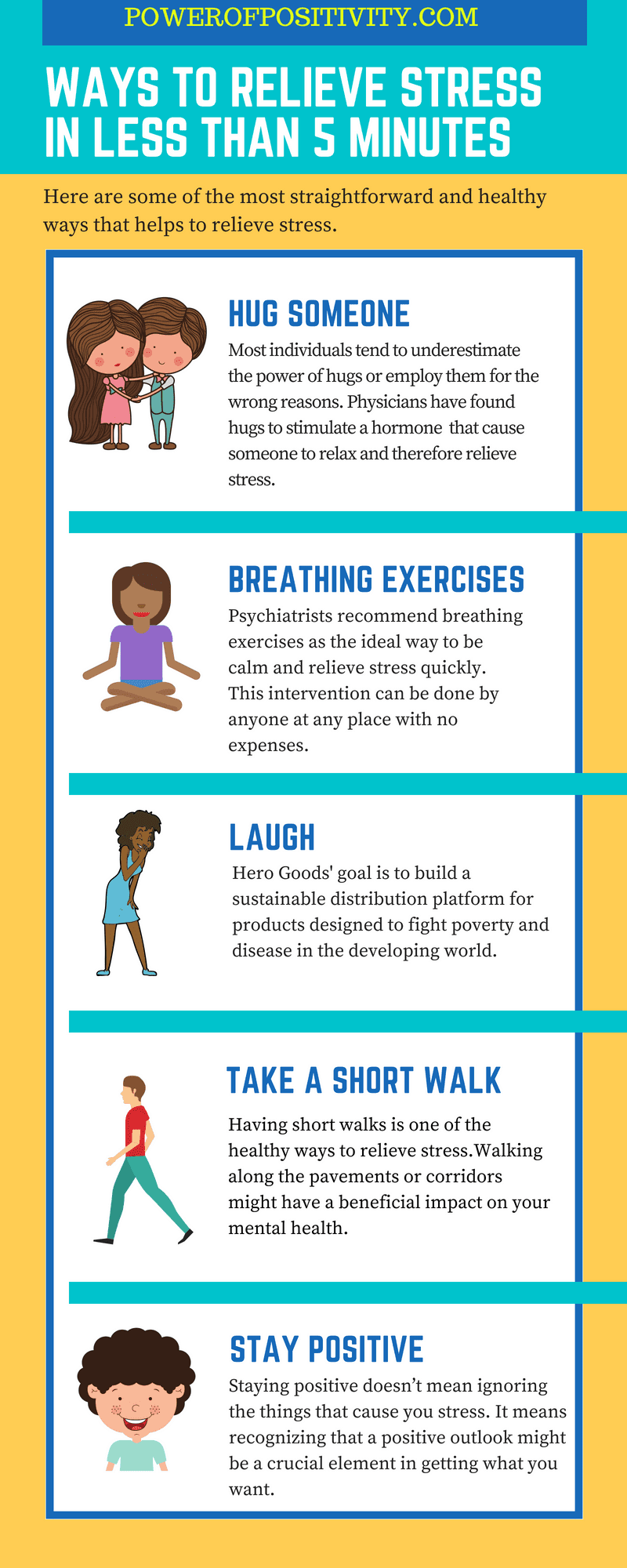
Listen, we are all stressed out from time to time. Regardless of the degree and frequency to which stress affects you, learning how to manage and prevent chronic stress effectively is a wise idea. On this note, here are a few approaches:

  • Exercise: Physical activity can boost your mood and vastly improve your physical health. When it comes to stress-busting, nothing else that you can do comes close to a good sweat session.
  • Talk to someone: A good conversation can boost “feel-good” chemicals of the brain and relieve pent-up stress. On a related note, don’t pay attention to the “keep it all inside” garbage advice. Talk to someone trustworthy and empathetic.
  • Use your senses: Mindfully engaging one or more of your five senses – touch, sight, sound, smell, or taste – can quickly relieve stress. How you go about this is up to you. Ideas: light a scented candle, pet an animal, or eat a snack.
  • Relaxation techniques: Just as there’s an embedded stress response, there is an inherent relaxation response. This is described as a state of deep relaxation and restfulness brought about through activities such as deep breathing, meditation, and yoga.

Relief stress infographic

Share this Image On Your Site

(C)Power of Positivity, LLC. All rights reserved
Sources:
http://www.apa.org/helpcenter/stress-body.aspx

https://en.wikipedia.org/wiki/Chronic_stress
https://www.choosehelp.com/topics/anxiety/the-physical-signs-of-chronic-stress
https://www.helpguide.org/articles/stress/stress-symptoms-signs-and-causes.htm
https://www.webmd.com/balance/stress-management/stress-symptoms-effects_of-stress-on-the-body#2

10 Signs Someone May Be Schizophrenic

What is schizophrenia?

Affecting around one percent of the American population, schizophrenia is a serious mental illness that interferes with a person’s ability to think clearly. A person diagnosed as schizophrenic often has difficulty managing emotions and relating to other people.

Schizophrenia is usually diagnosed between the ages of 13 and 40. The peak ages for male diagnosis are between the late teens and early 20s. Females are frequently diagnosed between their late 20s and early 30s.

Schizophrenia is notoriously difficult to diagnose. Certain mind-altering drugs like meth and LSD can trigger similar symptoms. Some doctors may confuse the underlying cause. This is especially true if the patient is not forthright about past drug use. People with schizophrenia rarely realize they’re developing a mental illness. This lack of self-awareness can further complicate diagnosis and delay treatment.

“The schizophrenic mind is not so much split as shattered. I like to say schizophrenia is like a waking nightmare.” ~ Dr. Elyn Saks, diagnosed schizophrenic, Associate Dean and Professor of Law at the University of Southern California

Causes of schizophrenia

Let’s quickly discuss the potential causes of schizophrenia, of which there are several.

  • Brain Chemistry: Imbalances of brain chemicals, including dopamine, may increase the risk of schizophrenia. Problems with neural networks may also be a factor.
  • Environmental Influences: Exposure to toxins or malnutrition before birth increases the risk of chemical imbalances in the brain. In some studies, this increases the risk of schizophrenia. A compromised immune system, along with one or more of these conditions, can also increase risk.
  • Genetic Predisposition:  While just 1% of the population will develop schizophrenia, this percentage increases considerably for first-degree relatives of someone with the condition.
  • Substance Abuse: Some research suggests that substance abuse between late teens and early adulthood increases the risk of schizophrenia onset. Some studies conclude that marijuana may increase the frequency of psychotic incidents. Importantly, this potentially leads to an earlier onset of symptoms.

 10 Signs Someone Might Be Schizophrenic

Here are ten potential indicators of schizophrenia:

1. Agitation:

People with schizophrenia may feel agitated. Treatment becomes more difficult because of the agitation, which often worsens due to high levels of inner tension.

2. Apathy:

Apathy is a hallmark symptom of schizophrenia, and is characterized by a lack of motivation, low energy, and detachment.

3. Delusions:

Tragically, most people with schizophrenia suffer from delusions – strongly-held beliefs that lack a basis in reality. The most common type of delusion is a belief that they are being followed, tormented, spied on, or ridiculed.

4. Depression-like symptoms:

Also called “negative symptoms,” people with schizophrenia often act or speak in a detached way. They may express hopelessness or sorrow. They may also lose interest in life or show little initiative.

5. Disorganized thinking:

Disorganized thinking is the trademark sign of schizophrenia. “Word salad” is a real psychological term describing a confused or meaningless mix of random words and phrases. This is, at times, characteristic behavior of someone with this condition.

6. Emotional detachment:

As mentioned, depressive symptoms and schizophrenia overlap at times. This may be due to the chemical imbalance in the brain as the disease progresses. In this case, the individual appears aloof and disinterested.

7. Hallucinations:

Though not as frequent a symptom as delusions, hallucinations are a serious sign. At times, the person sees things that are not there. Sometimes, these hallucinations can be extremely disturbing and upsetting to a person with schizophrenia.

8. Isolation and social withdrawal:

As the disease progresses, people with schizophrenia are more apt to isolate themselves from others. Social withdrawal may be both a symptom of the disease and a conscious decision by someone suffering from the disease. Those with schizophrenia are often embarrassed by their behavior when cognizant. Therefore, they choose to limit their interactions with other people.

9. Loss of drive/focus:

Schizophrenia often leaves someone feeling apathetic towards meaningful work. While stories of successful schizophrenics are not rare, they are the exception to the rule. Once again, this lack of drive and focus can be related to depression and withdrawal.

bipolar

10. Out of place behavior/mannerisms:

Schizophrenia may cause someone to act in a way that is inappropriate to the situation. For example, laughing aloud for no reason, or acting with an unmistakable child-like “silliness.” It’s common for someone with schizophrenia to resist simple instructions and act with defiance.

Final thoughts: Getting past the stigma

Stories abound of individuals who have schizophrenia attempting to hide their condition from others. Despite research and mental health outreach efforts, the ignorance surrounding mental health issues is prevalent. This has led to a shameful social stigma attached to conditions like schizophrenia, bipolar disorder, and others.

As global citizens, we must do better. When people who are suffering feel support and encouragement, they are far more likely to seek potentially life-changing treatment.

If you or someone you love is suffering from a serious mental health disorder, please reach out for support. The Substance Abuse and Mental Health Services Administration (SAMHSA) National Hotline can be reached at 1-800-662-HELP.

https://www.youtube.com/watch?v=FnJLrAQrzjw

Sources:
https://www.brainyquote.com/topics/schizophrenia

https://www.nami.org/Learn-More/Mental-Health-Conditions/Schizophrenia
https://psychcentral.com/lib/top-10-signs-of-schizophrenia/
https://www.sciencedirect.com/science/article/pii/S0896627306007227
https://en.wikipedia.org/wiki/Delusion

Science Explains How Stress Damages Your Memory (And 5 Ways to Get It Back)

Our brain is a pretty amazing thing, no doubt. Weighing in at just over three pounds, the brain generates so much energy that it could power a low-voltage light bulb. It is capable of cellular growth throughout life, This almost superhuman ability is known as neuroplasticity. Stretched out, the number of blood vessels in your brain would extend over 100,000 miles – a distance capable of circling the earth four times! Amazing organ. But not without some flaws. Take for example the stress response. The stress response is vital to human survival. Without it, we wouldn’t bother safeguarding ourselves in life. It doesn’t take much brainstorming (unintentional pun) to think of ways this would be problematic. “Oh, an oncoming bus? No problem…” The End.

While our natural stress response – sometimes known as the fight-or-flight response – has been good to us throughout evolution, it has some kinks. For one, we’re not jumping away from every moving bush, fearing it may be a leopard or tiger. Despite the disappearance of predators, our brain is still capable of reaching “high alert” lickity-split.

All of that intelligence, all of those remarkable neurons, all of those years of evolution, and our brain still can’t tell the difference between real and perceived threats!  But don’t worry, because it gets worse (before it gets better!).

Stress and Brain Function

Our brain and body are not designed to sustain a constant state of alert. When in a state of high alert, nearly all of your energy is redirected to your brain and muscles, which is fueled by the stress hormone cortisol. In turn, too much cortisol can damage a vital part of the brain called the hippocampus (pronounced “hippo-camp-us”).

Cortisol has been shown to damage and kill cells in the hippocampus, the brain area responsible for the creation of new memories and retrieval of long-term memories. There is also considerable evidence that chronic stress causes premature brain aging.

Granted, it’s not good news that stress can affect the memory, but keep reading. It’s not all bad!

stress

Clearing the Air

We must make an important distinction between types of stress, because not all stress is negative. There seems to be a proliferation of articles denouncing stress in all of its forms. Here’s an example: did you know some people are claiming to know how to make your life “stress-free?” (Hint, hint: You can’t. And you wouldn’t want to if you could.)

Such information is misleading, misguided, and irresponsible. It’s nothing more than click bait with no reputable evidence or research to back up its wayward claims.

The truth is that moderate stress can benefit both physical and mental health. Mentally, proper stress can ward off boredom and depression. The “right” amount of stress can also fine-tune the brain’s neural networks, helping to improve cognitive performance. Proper stress levels also allow us to exert ourselves physically when necessary.

The “answer” to stress isn’t avoiding or abolishing it, but making efforts to strengthen our cognitive abilities in spite of the stress we face.

How to Improve Memory and Cognition

Here are a few tips for regaining and improving your memory and cognitive abilities:


stressed

1. Eat “brain-boosting” foods

Eat foods high in omega-3 fatty acids (e.g., walnuts and salmon). Other foods shown to improve cognition include legumes, blueberries, cruciferous veggies (broccoli, cauliflower, etc.), and whole-grains.

2. Learn How to Meditate

Our brain has an entrenched negativity bias, meaning that we direct more of our attention onto what’s bad than good. Meditation demonstrates that it is possible to rewire our brain into a more positive state. World-renowned universities such as Harvard and Stanford have built mindfulness meditation centers on campus because of the benefits involved in learning to meditate.

3. Use Repetition

Repetition is the mother of all learning. Studies have repeatedly shown that repeating something over and over again is the most effective method of encoding information into the brain. When you have problems remembering a phone number, for example, try breaking the digits down into 3-digit chunks and repeating them back to yourself.

4. Sharpen Your Focus

Make it a habit to focus your attention on one task (no matter how small) at a time. When washing the dishes, just be thinking about washing the dishes. When talking on the phone, just be thinking about talking on the phone. These practices that can aid your memory power go by another name: mindfulness.

5. Exercise

Exercise is pure magic. Sure, it can be tough to get our collective butts moving, but the benefits are incredible! You won’t be surprised that exercise brings some serious brain benefits. Moderate physical activity increases the blood flow to the brain, enhances overall mood, and protects brain cells. Evidence exists that exercise stimulates the growth of neurons – a phenomenon known as neurogenesis!


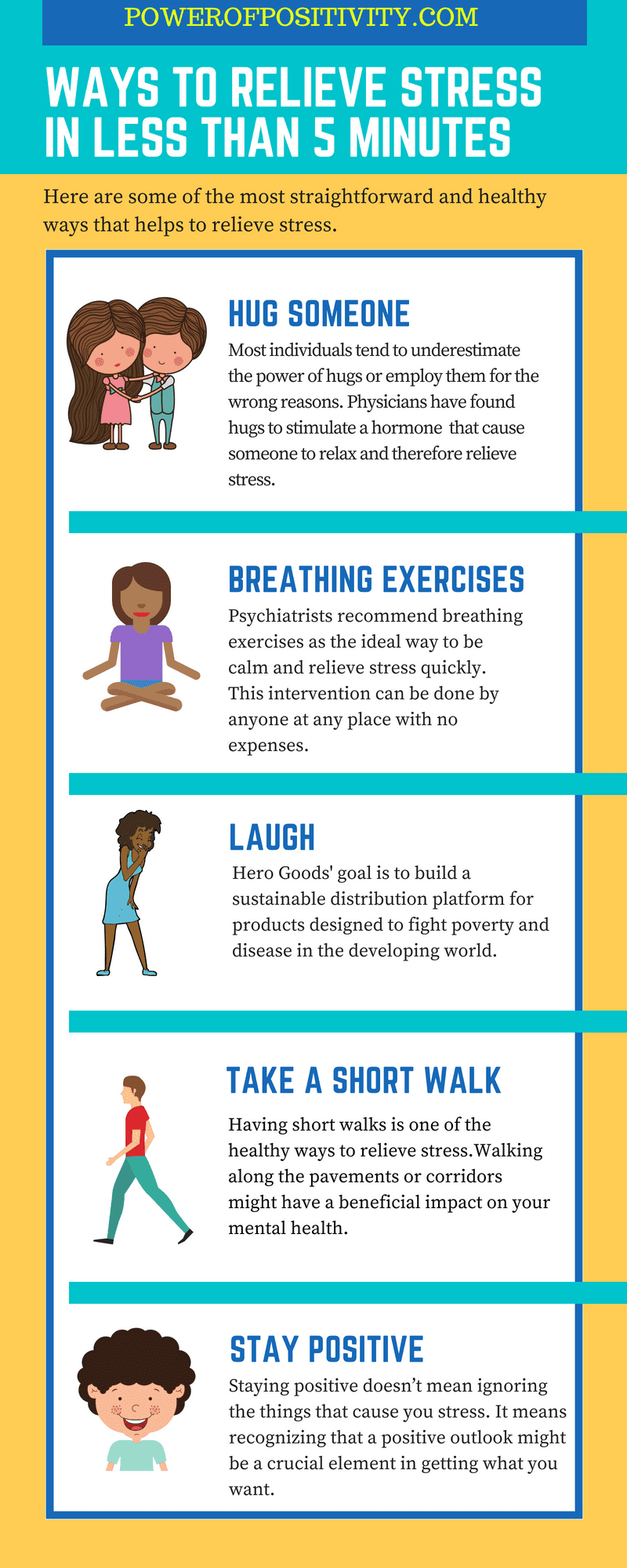
ways to relieve stress

Final Thoughts

The sad truth is that we are too often on “auto-pilot.” Frequently, we are not paying conscious attention to what we’re doing, where we are, and so forth. Unfortunately, this “default” mode of the brain often causes us pain; we’re carried away by negative thoughts and lose our concentration. When this happens, it is more difficult to remember anything.

The best way to improve our memory is by making lifestyle changes. Start exercising, stop smoking, practice meditation, learn to single-task, be mindful, eat right, and engage your brain. Doing just one of these things will drastically improve your ability to store and retrieve more precious memories!

5 Ways to Be Intimate (Without Being Physical)

Intimacy can be a terrifying experience. Whether it’s emotional, or spiritual, being intimate with someone can make you feel extremely vulnerable. We all crave acceptance. As such, opening yourself to someone is scary, especially if you’re worried that they might not be receptive or may even react poorly. This article will give you an insight on how to allow yourself to become more intimate, both with yourself and with your loved ones.

Here Are 5 Ways to Teach Yourself to be More Intimate

“Intimacy is not a happy medium. It is a way of being in which the tension between distance and closeness is dissolved and a new horizon appears. Intimacy is beyond fear.” – Henri Nouwen

1. Make Time for Emotional Conversations

Having these crucial conversations can be anxiety-inducing, especially if you lack practice. Love Life Solved has a three-step formula for helping yourself get better at having emotional conversations in a way that allows your partner to respond with emotion. It takes time to grow comfortable with participating in emotional conversations. Psychology Today suggests that setting a time limit, making a list of things to talk about, and acknowledging your partner’s willingness to talk all help to make emotional conversations easier.

relationship quote

2. Actively Listen to Your Partner

Listen to learn from your partner. Active listening is hearing your partner’s meaning instead of just their words. Try to understand the emotions behind what they’re saying to you. If you can’t do that without more context, ask questions. Phrases like, “To me, it sounds like … , is that how you see it?” are clarifying and helpful. Such open questions also show that you’re trying to understand where your partner is coming from.

3. Become More Intimate with Yourself

Understanding your meaning is as important as understanding your partner’s. In fact, it’s possibly even more important. It isn’t easy to become more open with someone when you don’t know what you’re trying to achieve. There are three types of intimacy: self-intimacy, conflict intimacy, and affection intimacy.

  • Self-Intimacy is about understanding yourself and the reasons behind your feelings. This is an ongoing process for everyone. It’s one thing to understand that you’re upset, but another to unpack why you’re upset. It’s also important to understand how your feelings influence your behavior and how it can affect those around you.
  • Conflict Intimacy is about learning to have important and difficult interactions without becoming defensive or aggressive. It is crucial that you make the environment between you and your partner a safe place for discussions. Authors Joseph Grenny and Kerry Patterson wrote the book Crucial Conversations about this particular subject. Focusing on the facts, recognizing emotion but not letting it take over, and understanding each other’s points of view are critical for having constructive, intimate conversations.
  • Affection Intimacy is the typical intimacy connotation; words of affirmation, expressions of love, and sexual intimacy. Though this is an important part of being intimate with your partner, it shouldn’t be your main focus. Once you begin to be more open emotionally, this form of intimacy will become even more meaningful to you and your partner.

4. Touch Your Partner While You’re Talking

Touch creates a physical connection during conversations. It doesn’t have to be a conversation of heightened emotion; it could be a gentle touch to their hand as you tell them about something exciting or a kiss on the forehead as you say goodbye for work. Touch is one of the first connections we make as infants, and it sticks with us throughout our lives.

Nonverbal communication makes up more of our interactions than verbal communication, so touching is a critical part of our relationships. Making more eye contact and smiling also increases the intimacy of communication nonverbally.

5. End Things on a Good Note

There’s nothing worse than walking away from an interaction still upset. For starters, it’s not constructive. Moreover, unresolved, negative emotions can cause you and your partner to let things build up. This could lead to more hatred and even decrease your intimacy level. Emotional upset leads to a lack of physical connection, which will only harm your connection.

Huffington Posts suggests starting a new ritual of ending things with a kiss or another form of physical affection. This should start with small, positive interactions daily so that during conflicts or heightened emotional states, you won’t forget about it.

intimate

Final Thoughts on Ways to Be Intimate

Intimacy can be hard, but it doesn’t have to be. Letting your partner know that you’re working on how you communicate and show affection is one of the first steps to enhancing your relationship. Working on intimacy together can become a couple of activities as well. Sometimes, the scariest and hardest things are the most important to do.

(C)Power of Positivity, LLC. All rights reserved
Skip to content