Weekly tips, affirmations, and small actions to feel your best.

Scientists Explain How Vitamin D Can Prevent Heart Disease

Everyone knows that Vitamin D is the “sunshine vitamin.” You experience a lack of it if you live somewhere with no access to sunlight all year long. It’s a popular vitamin these days, and many people are constantly looking for the best way to get more vitamin D in their lives. You may have heard that it saves you from depression, migraines, chronic pain, and even damage to your vision – but do you know just how helpful is vitamin D for heart disease?

Despite knowing how useful vitamin D can be for so many things in our lives, research still shows that over 40% of Americans suffer from a vitamin D deficiency. Incidentally, heart disease is one of the most dangerous killers in modern America. So how does monitoring your vitamin D intake actually help your heart?

Vitamin D and Heart Disease

A new study has found out that the “sunshine vitamin” actually has a very big effect on the endothelium, a.k.a. one of the main conductors of the vascular system. By keeping a healthy endothelium, you can ward off many diseases such as atherosclerosis, diabetes, cancer, high blood pressure, and many others. Incidentally, all of these can directly or indirectly lead to heart disease, too, which is how you can ensure you’re staying healthy if you have enough vitamin D.

The scientists from The International Journal of Nanomedicine have found out through a pioneering method of nanotechnology that one of vitamin D’s sub-level variations, vitamin D3 (very commonly found in oily fish) not only decreases the level of stress on the cardiovascular system but it also helps ensure healthy blood flow and battling blood clots, which again can lead to heart and brain disease very quickly.

More importantly, though, the scientists performed tests on people who had already suffered a heart attack – and the results were nothing short of astounding.

They found out that Vitamin D3 not only fed the endothelium, but it also restored any damage to it that was caused by heart disease. So, taking Vitamin D doesn’t only turn into a preventative measure. It helps ensure recovery if you have been through a heart disease.

So, according to science, you can protect yourself from a heart attack with enough vitamin D for heart disease. Or you can even look to restore your health after you’ve had one. But what are some great sources of vitamin D? Take a look at some natural sources of the useful substance that can literally help heal your broken heart.

Here Are 5 Foods That Contain Vitamin D to Prevent Heart Disease

“Vitamin D has a huge contribution in protecting the heart by lowering blood pressure, increasing insulin sensitivity, decreasing inflammation, as well as other fundamental processes that underlie heart disease.” – Dr. Thomas Chaney

1. Shiitake mushrooms

Those straw-like Japanese mushrooms may seem weird to you, but they actually have a very big concentration of vitamin D and are available in most shops. Toss them in a stir fry or in any other dish where you’d normally use mushrooms and you can be sure you’ve got your vitamin dose for the day.

2. Fish

As already mentioned, fish, especially oily fish, is a great source of Vitamin D3. The best fishy choices for adding more vitamin D to your diet are salmon and halibut. But if you don’t like cleaning freshly caught fish, canned tuna is also very rich in the vitamin and can bring the same results. Keep it on hand for salads, sandwiches, and tuna melts and get your daily dose of Vitamin D for heart disease without thinking too much about it!

3. Milk alternatives

That might sound a bit counter-intuitive, but actually a lot of dairy-free milk – like almond milk or oat milk – are fortified with vitamin D, which can sometimes make them a lot healthier than their dairy counterparts! Make sure to do some experimenting to see which one you like best. Once you find the dairy-free milk you enjoy, it won’t be very hard at all to make the switch towards a healthier life.

4. Eggs

Because it is a wonderful natural source of vitamin D, consuming eggs in moderation can be good for your heart. Don’t overdo it though. The positive results only come if you can make sure your intake is well regulated! You don’t want to make your cholesterol too high, after all.

5. Sunshine

Even children know that you get vitamin D from the sun. Of course, prolonged exposure to the sun’s UV rays isn’t healthy for anybody but try and make sure you get at least a bit of sunlight every day, whether while going to work or just sitting on the balcony. It’s not only good for your heart but it also helps with depression.
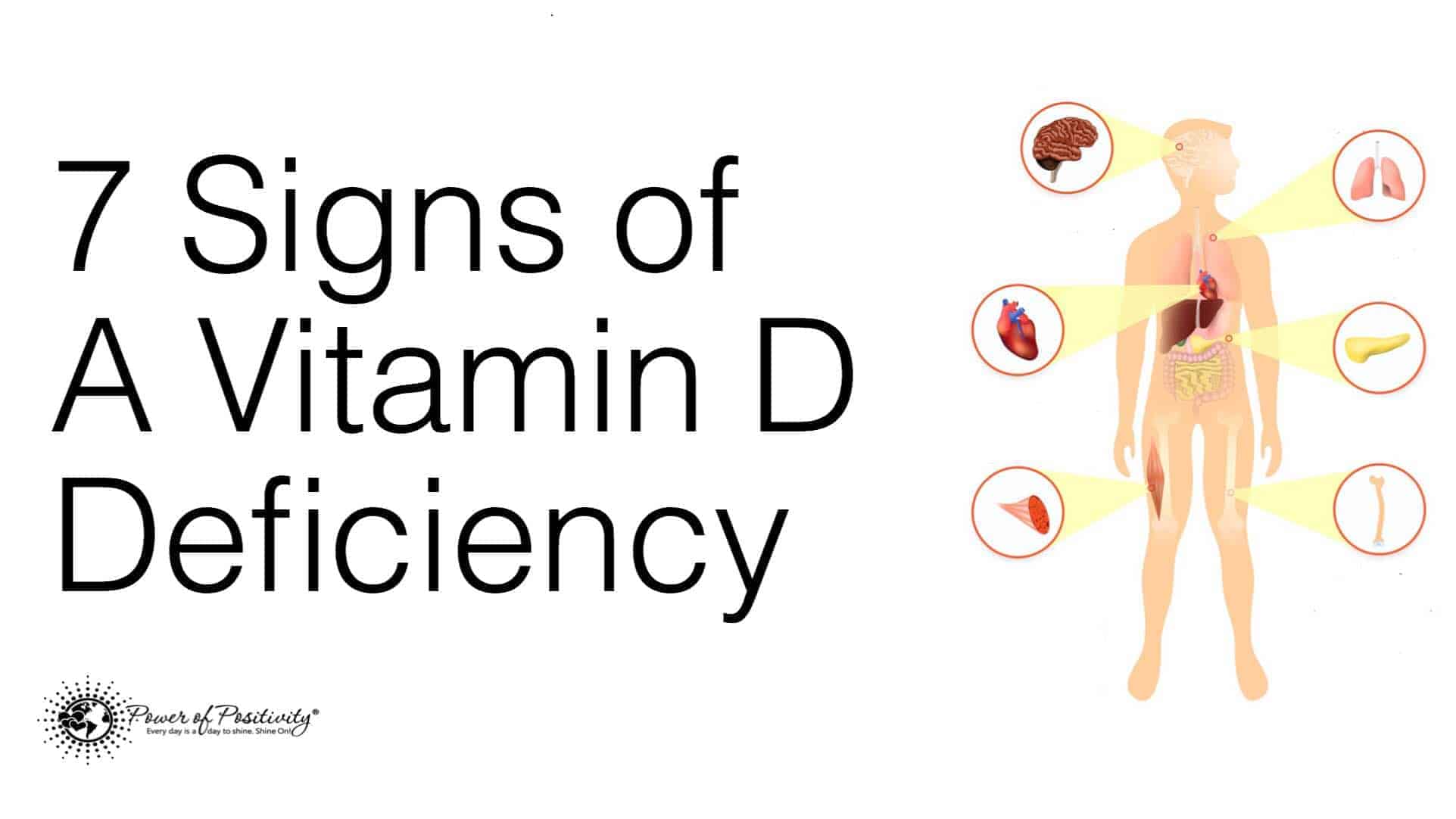
vitamin d deficiency

Final thoughts

Just the power of positive thinking won’t be enough to save you from heart disease. As this research has shown, Vitamin D, and especially D3, have a lot of good reasons to be lauded as the most useful vitamins you can take. Make sure to get tested for vitamin D deficiency and if you do have it, act quick, because you don’t want to put it off for too long.

https://www.youtube.com/watch?v=b6Fq94ZAgjY
References:
https://www.mylivinghealth.com/8-ways-to-keep-your-heart-healthy-through-nutrition-part-1/

https://www.medicalnewstoday.com/articles/320802.php
https://www.bbc.co.uk/news/health-35959556
https://www.sciencedaily.com/releases/2018/01/180130140242.htm
https://www.verywellfit.com/food-sources-of-vitamin-d-2507743

How Your Gut Affects Your Mental Health

As far as we’ve come in studying the human brain, we’re still in the early phases. New information about this fantastically complex organ seems to surface more every day. Need some proof? Read on to learn how a healthy gut increases your mental health.

Bacteria communicate with one another in a similar way to nerve cells in the brain, scientists have discovered. The Daily Mail

Our gut (i.e., bowels) consist of two segments, the large intestine and the small intestine. Within these two segments are over 100 trillion bacteria, collectively called the microbiome or gut flora. Scientists are now discovering that gut flora may affect immune, digestive, and brain function!

The gut’s activity is so intricate that scientists dub the system “our second brain.” This second brain is in the infantile research stage, but an accumulating amount of data is demonstrating the intricate relationship between our “real brain” and our “second brain.”

Here, we discuss how gut bacteria communicate – with each other and our gray matter. Furthermore, we’ll discuss how our gut flora may affect our mental health. Lastly, we’ll provide some suggestions on how to optimize the levels of bacteria within the gut – making us healthier in the process!

The gut-brain axis and your mental health

mental health

Our gut can communicate to our brain through the vagus nerve – a “cranial nerve extending from the brainstem to the abdomen via the heart, esophagus and lung.” Approximately 90 percent of all nerve fibers that constitute the vagus nerve communicate information from the gut to the brain.

The molecules produced by gut bacteria have been found to enter the bloodstream. Scientists have discovered these molecules contain both hormones and neuroactive compounds, which helps explain why the bacteria may possess mood-altering qualities.

Microbes also interact with the immune system, which serves as a communication intermediary for some gut-brain interactions. These connections are vital for the health of the immune system.

Bacteria types

In simple terms, our gut flora consists of “good” and “bad” bacteria. Our good bacteria interact with the brain hormonally, helping to suppress the stress response by switching off the hormones adrenaline and cortisol. In contrast, bad bacteria – caused by Candida (yeast) or parasites – can counteract activities of good bacteria if an imbalance exists.

A serious imbalance of bad-to-good bacteria is a condition known as dysbiosis, which may be linked to various mental health disorders, including anxiety, autism, chronic stress, and depression. Scientists are evaluating the possible link between dysbiosis and neurodegenerative diseases, including Alzheimer’s and Parkinson’s Disease.

Anthony L. Komaroff, the former Editor in Chief of the Harvard Health Letter, summarizes this mind-gut connection:

“A person’s stomach or intestinal distress can be the cause or the product of anxiety, stress, or depression. That’s because the brain and the gastrointestinal (GI) system are intimately connected – so intimately that they should be viewed as one system.”

Healthy gut, better mental health

If this information seems a bit fantastical or overwhelming, don’t worry. Many individuals with the medical and scientific communities are still trying to make sense out of this almost irreducibly complex relationship. Given the discoveries mentioned before, it is important that we actively monitor and, if necessary, improve our gut (and hence, brain) health.

Here are five important takeaways from this information:

(1) The gut and brain and intricately connected through a complex communication network.

(2) The gut’s balance of good and bad bacteria more likely than not has a beneficial or adverse effect on our mood.

(3) We want the “good” kind of bacteria to outnumber the bad, as this balance supports the immune system and improves neurological function.

(4) We must be cautious of dysbiosis – an unhealthy condition wherein harmful bacteria may produce adverse brain conditions – including anxiety, depression, chronic stress, and even neurodegenerative disorders.

(5) We can maintain and restore a healthy gut flora balance through diet and supplementation.

More on diet and supplementation

Food plays a central role in maintaining a healthy balance of gut flora. In this closing section, we’ll explain how what we choose to eat is crucial to a healthy gut-brain connection.

The answer to any disturbance within the gut-brain connection may come down to just two things: prebiotics and probiotics. Let’s quickly discuss the importance of these two substances.

Probiotics are the live bacteria that are good for our health, especially our gut health. Besides being found naturally, probiotics are delivered in certain foods and supplements. Here are some good sources of probiotics: yogurt, kefir, sauerkraut, dark chocolate (yay!), miso soup, pickles, tempeh, kimchi, microalgae, and poi.

Prebiotics are nondigested substances that promote the growth of probiotics and are critical to maintaining a healthy balance of bacteria in the gut. Good sources of prebiotics include onions, raw garlic, raw asparagus, under-ripe bananas, jicama, leeks, dandelion greens, and Acacia gum.

Make prebiotics and probiotics a part of your diet. Cheers to your newfound gut health!

References:
Borreli, L. (2016, March 29). Food For Thought: Gut Bacteria May Influence How The Mind Works, Affecting Mood And Behavior. Retrieved May 24, 2017, from http://www.medicaldaily.com/food-thought-gut-bacteria-mood-behavior-379915

Dr. Axe. (2017). 7 Reasons to Get Prebiotics in Your Diet – Plus Best Sources. Retrieved May 24, 2017, from https://draxe.com/prebiotics/
Ellis, J. (2016, February 23). Can Bacteria Talk to Your Brain? Retrieved May 24, 2017, from https://www.labroots.com/trending/infographics/2515/bacteria-talk-brain
Viccariello, L. (2017). How Bacteria Talk to Your Brain. Retrieved May 24, 2017, from http://www.rd.com/health/conditions/how-bacteria-talk-to-your-brain/

5 Changes I Made This Month That Helped Improve My Self Esteem

It can be hard to live with someone or be in a romantic relationship with someone who suffers from poor self esteem. While you may see a great person with many admirable traits, they have a low concept of themselves. This is the same mode of living you want to avoid by loving yourself more. Why is this important? Read on to find out.

Why Your Self Esteem Matters

Learning to build self esteem is important. People with higher self esteem tend to handle stressful situations better. They are more confident in their abilities to cope with stress. Studies have shown that, even though some people are born with a predisposition to have high self worth, they aren’t necessarily happier or more successful. However, the flip side is that people with reduced self esteem may be more vulnerable to developing the symptoms of depression. Every problem that you face right now will eventually pass. You can just take advantage of these five things I did last month to improve my self perceptions because they really work.

confidence quote

1. Choose with care the statements you make about yourself.

Try to avoid using words that contribute to low self esteem. Words like “forever.” For the past few years, I have worked to build self esteem. But, I’ve also been saying things like: “I will be single forever” and “I will never find a relationship.” The words that you use shape your thoughts and emotions. Your mind tends to create your reality to fit the statements you make, whether positive or negative. Making poor evaluations of yourself can limit your experiences.

2. Attract more positive energies into your life by setting achievable goals.

In the past, you might have suffered from low self esteem because you held poor values about yourself and your worth. However, you have worked on that and you are going to keep building self esteem. This means that you may have to adjust your daily habits. Most importantly, learn to accept your mistakes. Treat your failures with love and understanding. View each day as a new opportunity to achieve your goals.

3. When you face a problem, focus on what’s in your power to change.

People with high self esteem accept their limitations and play to their strengths. They do things based on what is under their control. They don’t belittle themselves for what they can’t change or what they can’t control. People with high self esteem see each problem as something that can be solved, even if that means finding help. They are happy, and they celebrate their successes, both little and big. They read happiness quotes that inspire them.

4. Schedule breaks from work for what you love.

The next time there’s a problem at work and it takes all day to solve it, you need to promise yourself a reward (and keep your promise). “Once I finish this report, I will stop at the yogurt store and have a yummy smoothie.” Or, plan ahead. “Tomorrow, I’m going to get to work a little early and prepare for the meeting with my boss.”

5. Control your reactions to others who try to bring you down.

Dr. Phil once said that we either teach people to treat us with dignity and respect or we don’t. So treat yourself with love and respect; stay focused on daily success and building self esteem. Don’t let negative people steal your energy, put you down, make false statements about you, or hurt you. If you can, correct people who do bad things to you. Choose when to put yourself in difficult situations and how long you will stay in them, even at work. While we explained that people with low self esteem are at risk for depression, this doesn’t mean they must experience it or give into anxiety. In every situation, you can control your reactions.

Believe in yourself. You have the power to solve more problems than you might realize. I texted my HVAC guy on Father’s Day when my cooling system’s condensation leaked all over the laundry room. He didn’t respond all day. Frustrated, I got out the wet vacuum, sucked out the debris from the drain pipe, flushed it out with bleach water, and waited for the system to resume normal function. He never came, and I saved myself $100. I solved the problem by believing I could follow the steps he’d shown me the year before to address the same problem.

boost self esteem

15 Habits Everyone Should Have Before They Turn 30

What habits should one develop to achieve a successful, happy life?

A habit is defined as “a settled or regular tendency or practice, especially one that is hard to give up.” Psychologists define habit formation as “the process by which new behaviors become automatic.”

Every habit that we possess is, literally, a neural pathway that has been inscribed into our brain. We etch these pathways through repetition until we cultivate and form a new habit.

In this article, we discuss fifteen healthy habits worth forming. You’ll notice that each habit falls into one of five categories: diet, etiquette, finances, health, and general.

Here are 15 habits everyone should try to develop:

“Chains of habit are too light to be felt until they are too heavy to be broken.” – Warren Buffett

1. Cut down on your sugar intake

There are numerous reasons to cut back on sugar: it has no nutritional value, accelerates fat storage, increases the risk of heart disease, causes tooth decay and cavities; raises blood pressure, and more.

A better option? Get into the habit of storing fruit and healthy snacks (more on the latter below.)

2. Keep a supply of healthy snacks available

Seriously, get a bunch of plastic baggies and fill them with the healthy stuff. Here’s just a short list: almonds, dried fruit, homemade trail mix, low-sugar granola bars, rice cakes, apple slices with peanut butter, carrot sticks – the list is almost endless.

3. Drink better water drinking habits

There is no other substance more critical to our body than water. Period.

Every cell in our body uses water to regulate body temperature, moisten tissues, lubricate joints, protect organs, ease digestion, flush waste produces, dissolve essential minerals and nutrients, and carry oxygen throughout the body.

The easier way to make drinking water a habit is to buy a large water bottle, keep it filled, and take it with you wherever you go.

4. Put the phone away when someone’s talking

We understand that people use their phones for almost everything nowadays, including business purposes. But did you know that accumulating research shows an overdependence on technology can change your behavior? There are technology addiction therapists for crying out loud!

Anyways, be courteous and stash the phone occasionally.

5. Practice active listening

Active listening is rare, which is precisely why you should make it a habit. To actively listen is to fully concentrate, understand, respond, and remember what’s being said without preparing your response beforehand.

6. Develop random acts of kindness habits

Random acts of kindness are beautiful things. Try to make it a point to do something nice for someone every day. This act of kindness could be a smile, a “Thank You” card, or an email that makes someone’s day.

help people

7. Adopt a simplicity mindset

Practicing simplicity is more than just consuming less – it is a state of mind. We, as Madonna famously sang, “live in a material world.” Consumerism is at the heart of most economies, but we needn’t participate in it.

To be “financially minimalistic” is to keep your values in mind (e.g., social welfare, ethics, spiritual), to spend your money with intent, and to not be guided by impulse.

8. Forget about “Keeping up with the Joneses”

Don’t buy into the misconception that you must have the latest, trendiest stuff. Too many buy into the notion that having the most updated phones, gadgets, and clothing will make them happy. They won’t – collecting these possessions will only leave you with an empty wallet.

Fashion, automobiles, health and wellness products; nearly everything sold today is replaced with “the latest and greatest” – at a premium.

9. Keep your loose change somewhere

No kidding. Buy a dang Piggy Bank if you have to. Will it look ultra-cool carrying 20 dollars worth of quarters, dimes, nickels, and pennies to exchange for cash? Who cares?

If you want to one-up your efforts, stash that 20 bucks into your savings.

10. Don’t underestimate exercise – even in small doses

Simply put, you don’t need to work out seven days per week.

We wrote an article a while back about the Tabata Interval Training Method – a 4-minute high-intensity interval training (HIIT) regimen designed by Dr. Izumi Tabata.

The results of Tabata’s research are extraordinary: short periods of HIIT outperform sixty minutes of moderate exercise in every important measurement (e.g., fat burning, recovery time, muscle generation.)

HIIT training involves short bursts of intense exercises and short periods of rest.

11. Develop better sleep habits

The National Sleep Foundation (NSF) recommends around seven to nine hours of sleep for healthy adults. That said, sleep quality is just as important.

Sleep hygiene – habits that help ensure a good night’s sleep – is critical. Lay off the caffeine, limiting daytime napping, and having an established bedtime routine are three crucial elements of sleep quality.

12. Make your mental health a priority

We often get so wrapped up in physical exercise that we forget our ole’ noggin. The World Health Organization (WHO) has labeled stress warns how is a problem that has spread across the globe.

Stress management is undoubtedly the single best habit to form, and you can employ many strategies. Mindfulness, yoga, meditation, exercise, and deep breathing are just a few ideas.

13. Stay away from drama and gossip

In an ideal world, drama, gossip, and other unnecessary theatrics wouldn’t exist. Nothing can be gained from making too much out of things or participating in gossip sessions.

Mind your business and let others mind theirs.

14. Make your workplace comfortable

If you have to put in the time for “the man,” you might as well be comfortable doing it. Take a look at your desk; can you add something to give it a more “at home” feel? Maybe you love quotes or other motivational stuff. Make them visible.

Trust us; you will enjoy your time at work just a little bit more.

15. Stay in touch with your family

Living far from relatives can take its toll on you and the people you love. Do yourself and them a favor: keep in touch. “Friend” them, text ‘em…or, here’s a novel idea, call them!

Make it a habit of letting the family know you love and think about them as often as possible.

7 ‘Fake’ Foods To Never Eat

The “food industrial complex” may be amongst the most corrupt markets in the world – and, for the most, part, they get away with pumping fake foods into the supermarkets.

Here’s a harsh reality: most people have no idea what they’re eating. Need proof? In a poll taken by the Organic Consumers Association, 75 percent of Americans didn’t know they were eating genetically engineered foods.

Just 29 percent of people say they “trust the FDA (Food and Drug Administration)” according to the same study.

The fast food industry? Ethics aren’t much better there, either. Companies from Red Lobster – busted for selling, well, fake lobster; to upscale steak restaurants feeding customers “100%, grass-fed” beef from cows saturated with drugs and hormones seems to be the norm in the food industry.

In this article, we discuss seven foods known not only to be incredibly unhealthy; but foods marketed to the public – in many cases – as the exact opposite.

7 ‘Fake’ Foods To Never Eat

Paradoxically, Americans are becoming both more obese and nutrient deficient at the same time. Obese children eating processed foods are nutrient depleted and increasingly get scurvy and rickets, diseases we thought we left behind in the 19th and 20th centuries.Mark Hyman, M.D.

1. Diet Soda

We all know the dangerous consequences of drinking sugary soda. Kids drink of choice? Mountain Dew: 77 grams of sugar (12 teaspoons in a 20-ounce serving.)

Along came Diet Coke and Diet Pepsi, and loads of other sugar-free sodas. But something had something must’ve been substituted to give the product its flavor, right? Actually, a few things were added: aspartame, acesulfame K. neotame, sucralose; “artificial sweeteners” for short.

The problem is that most independent, scientific research ties “fake sugar” to several health-related issues. Depression, digestive problems, joint pain, metabolic disruptions, and neurological diseases are all cited as potential issues from consuming the stuff.

2. Canned Tomatoes

Fresh tomatoes are a delicious staple for many dishes. They are also incredibly healthy and loaded with beneficial antioxidants and nutrients.

Canned tomatoes? Not so much. Besides being heavily processed, canned tomatoes contain unhealthy levels of bisphenol-A (BPA) – a synthetic estrogen linked to reproductive problems; to diabetes, heart disease, and obesity.

The high levels of BPA found in canned tomatoes come from manufacturers preferred method of packaging: tin cans. More specifically, the resin linings of tin cans.

A healthier choice: tomatoes in glass bottles, or of the organic variety.

3. Microwaved Popcorn

Back in the day, workers making popcorn developed a strange disease that was called “popcorn lung.” The culprit? A food chemical by the name of Diacetyl.

As with most public health hazards, word eventually got out to the public. Companies responded by eliminating diacetyl; only to replace it with other additives with the same effects as diacetyl: dry cough, shortness of breath, wheezing, phlegm production, fatigue, drowsiness, headache, aches, fever, and nausea.

The better option? Make your popcorn with real butter. No, it isn’t necessarily a “healthy” choice,” but it won’t produce symptoms similar to the black lung either.

4. “Fish” Sticks

Contrary to popular opinion, fish sticks contain little to no fish at all. Rather unsurprising, since the cost of real crab is proportionately much higher.

Instead, these are often a mix of fish, additives (extract, flavor, seasonings, etcetera.) Manufacturers choose the fish used for these sticks just for its texture and color. Texture and color that are meant to resemble the appearance of a real fish. Thus, they confuse consumers.

The result: a high-processed product with loads to additives and preservatives, including monosodium glutamate (MSG), starches, and “food gum” to create texture.

5. Spray cheese (aka, “Easy Cheese”)

Spray cheese, cheese-in-a-can, or whatever one may call it, is an extremely unhealthy, additive-laden product. Sold in a pressurized can, the product appealed to consumers who’d taken a liking to a tasty, convenient alternative to individually sliced or shredded cheese.

Whole cheese, though one may debate its health impact, is a relatively unadulterated product with few ingredients. Spray cheese, as mentioned, is loaded with additives; including substances from canola oil and lactic acid, to milk protein and whey protein concentrate.

6. Chicken Nuggets

Remember that whole ordeal with McDonald’s and their chicken nuggets? In short, the company used no less than 40(!) ingredients to create the product. Sodium aluminum phosphate, monocalcium phosphate, modified food starch, corn starch, thiamine mononitrate, food-colored wheat flour…this doesn’t exactly resemble the “fresh white chicken” commercial, does it?

Well, the “chicken nuggets” contain at little as 40 percent meat. The rest? Artificial mixtures of chicken “parts.” Add in the high fat and calorie content, and the salt and sugar additives, and it’s no wonder why this food makes our list.

7. White bread

Oh yes, the famous Dr. Atkins “no-no” food. Unlike whole grain bread; rich with fiber and complex carbs, white bread is devoid of any real nutritional value.

White bread sold in most places is refined – a process which eliminates many of the nutrients. Rapid absorption of refined bread (or refined flour) spikes glucose levels within the body. Hence, the reason why diabetics and those with digestive issues often refrain from any consumption of white bread.

8 Exercises That Are Perfect For Women Who Want to Lose Thigh Fat

Does it feel like every day is leg day for your friends, but you just can’t find it in yourself to do it? Do you feel that you’ll never lose weight, reduce that thigh fat and reach that thigh gap that you dream of? Well, here’s a tip: when it comes to weight loss, thigh gap is a myth. What you actually need to do to lose weight in your thighs is create muscle and strength by doing leg exercises. That will replace the leg fat and give you a much stronger, more toned look.

Big movements, specialists suggest, are key when trying to get perfect thighs. It’s important to keep your legs moving in a way that mimics natural movement as much as possible. Exercises like hamstring curls or seated leg extensions are too targeted for that. Additionally, they do little to burn the weight off your thighs. Try to do leg exercises that engage all of the muscle groups in your lower body instead and you’ll see results. So, if you’re looking to lose weight, take a look at some exercises that will be indispensable when it comes to losing thigh fat!

Here Are 8 Exercises to Reduce Thigh Fat and Prevent Leg Fat

thighs

“For a lot of people – especially women – their legs are the first place they gain weight and the last place they lose it.” – Yuri Elkaim

1. The lunge

Lunges are very easy to do. You can do them pretty much anywhere and they’re so healthy and useful for gathering lower body strength. Lunges are really effective for all kinds of weight loss as they make your heart rate quicker. That, in turn, helps burn fat, especially leg fat. Make sure to keep your shoulders straight, as that’s the most effective way to ensure you’re doing the exercise right.

2. Squats

You might not like them – I don’t think anyone really does – but froggy squats, sumo squats, or normal squats are all great for your thighs and your general lower body strength. Ask any professional athlete and they’ll tell you that squats are one of the most essential exercises out there. Start slow, and then try including some weights in your squats, because that trains your core strength and not just your legs. Whether it’s dumbbells or something lighter or heavier, you’re guaranteed to feel the change straight away.

3. Straight leg kicks

As we mentioned before, simple leg extensions won’t cut it. You need an exercise that includes all your muscles to help you burn off that pesky thigh fat. Make sure to keep your back straight and your toes pointed towards the wall. Not just for thighs, but this exercise is also excellent for abs. Repeat the exercise ten times, then switch sides for the best results. Leg kicks engage several muscle groups and they’ll also increase your general body tone, making it easier for the leg fat to burn off.

4. Hip raises

To make sure you’re losing weight off the right place in your body, it’s important to engage the right muscle groups. To do a hip raise, lie down flat on the floor with your knees bent and then raise your hips and your knees. Do a few kicks in the air with your hips off the ground, then switch sides. As strenuous as this exercise might seem, hip raises help work the muscles in your thighs and make them stronger.

5. Jumping jacks

Another full-body exercise for weight loss, jumping jacks are particularly great for burning fat off your thighs and increasing your heart rate, making sure you shed the calories. In addition to being really healthy, jumping jacks also condition your heart and lungs, helping you stay fit everywhere in your body. Moreover, they also develop your core strength, so jumping jacks are a great starting point for an exercise if you decide you want to work on any part of your body.

6. Air cycling

If you don’t have an exercise bike at home and don’t feel like spending money on the gym, air cycling is an effective way to achieve even more results than you normally would on an exercise bike. Additionally, if you have painful joints, air cycling is a great exercise because it helps them move in natural patterns. Make sure your legs stay lifted at 90 degrees – it’s tempting to let them fall down, but don’t falter! Experts recommend repeating the set of air cycling about five times per workout.

7. The wall sit

This is by far one of the best exercises you can use to burn off fat. But beware, as it’s slightly more advanced than any of the others because it requires staying in the same position for a good length of time. Make sure your feet are spread at hip width and planted firmly on the ground. Also, ensure your thighs are parallel to the ground, otherwise the thigh muscles won’t get a workout! Stay in that position for 20-60 seconds for maximum results.

8. Jump rope

Feeling like going back to your childhood days? Then grab a jump rope and let it do the work for you. It’s not just for kids, as it’s a great way to start off your cardio workout and have fun at the same time. It’s also a great core exercise and has all the benefits for your lungs and heart. And of course, jump rope exercises your legs and thighs wonderfully, which is crucial for losing all your thigh fat. You don’t even have to jump that high, just high enough to clear the rope. It’s all about the movement, not about how high you can go.

lose weight

Final thoughts on reducing thigh fat

Getting rid of your thigh fat requires a lot of positive thinking and a lot of positive leg exercises to lose weight. Make sure to follow these tips to get the most effective exercise for weight loss in order to reduce leg fat. Unfortunately, we can’t pick and choose where the weight will come off of when we start exercising, but if you’re determined and confident, nothing is impossible.

7 Signs Your Adrenal Glands Are Overloaded

The Adrenal Glands

You have two organs, no bigger than the size of a thumb, located just above the kidneys. These tiny things are called the adrenal glands. Despite their diminutive nature, the adrenal glands assist in the production of more than 50 hormones that impact every function of the body.

Among the various functions of the adrenal glands:

  • Regulation of blood pressure
  • Activating the stress response
  • Burning fat and proteins
  • Controlling blood sugar
  • Coordinating with the HPA axis (more on this later)
  • Producing cortisol

This last function, the manufacturing of cortisol – or, rather, the suppressed manufacturing of cortisol – can produce all sorts of health problems.

Various potential health conditions can result from overloaded adrenals. In this article, we’ll list possible signs of adrenal overload and, to wrap things up, the (natural) treatment and prevention of adrenal disorders.

Let’s get to it!

7 signs your adrenal glands are overloaded

“An overstimulation of the adrenal glands (or “adrenals”) by chronic stress over time could lead to an inconsistent level of cortisol (the stress hormone) in the bloodstream…” – draxe.com

 1. You always feel tired.

First, chronic fatigue is perhaps the most common symptom of adrenal overload. Fatigued adrenals cannot produce enough cortisol, which is a problem, as cortisol is partly responsible for feelings of alertness. A condition called chronic fatigue syndrome (CFS) mimics many symptoms of adrenal fatigue, which frequently leads to the latter being misdiagnosed as the former.

adrenal fatigue

2. You can’t handle stress.

The inability to handle stress is another very common sign of adrenal overload. Besides cortisol, the adrenals also release the hormones adrenaline and norepinephrine. While these hormones often (rightly) bear the blame for too much stress, they allow the body to channel energy and focus during stressful situations. When our body is deprived of these critical hormones, it has a tough time relieving stress.

3. You drink too much caffeine.

Those with adrenal overload often drink caffeine in excess as a desperate measure to generate energy. This is entirely understandable, but the problem is that caffeine taxes the adrenal glands by activating the fight-or-flight response. While the java may serve as a temporary boost, it’s important to understand that the crash is often much worse. It’s a sharp double-edged sword, in other words.

4. You get sick more often.

Among its many benefits, cortisol helps to keep inflammation in check. As you know, too much inflammation hurts the immune system. Tut the problem here is that cortisol – in the later stages of adrenal fatigue – over-aggressively attacks free radicals and other unfamiliar bad guys that it finds. This can cause too much inflammation and, consequently, suppress the immune system. The result? You get sick more often.

5. You have problems falling asleep.

Rapidly transforming into a night owl is not a natural or healthy development. Here again, the cortisol abnormality rears its ugly head. In healthy individuals, cortisol levels are highest during the day and rapidly decline as the day progresses. Those with adrenal fatigue may experience more energy during the evening. This can lead to difficulties falling asleep, or even insomnia.

6. You crave salty snacks.

The adrenal glands encompass a cortex that works in cohort with the kidneys to monitor and correct fluid and mineral levels. This cortex produces a steroid that regulates the concentration of sodium in the blood. Depleted adrenal glands cannot produce enough of this steroid, and that is detected by the super-intelligent body. The body will signal to your brain that salt levels are low and that you should eat some salty foods to make up for it. It’s probably not a bad idea, either.

7. You suffer from brain fog.

Your brain cannot function optimally if it lacks the necessary energy. Out of all symptoms of adrenal fatigue, brain fog may just suck the worst. Why? Because literally everything that we do requires a heavy dose of brain activity. When energy is depleted, our brain is lethargic. This leads to lack of focus, memory problems, and poor decision-making.

Prevention and Treatment

As with every other medical condition, preventing adrenal overload through your diet is far easier than treating it. Fortunately, you can do many things to both ward off and fight the disorder. Consider these few:

  1. Manage your stress: Too much stress results in cortisol deficiency, which is the leading cause of adrenal fatigue. Try stress-relieving activities such as exercise and meditation. Yoga also serves as a great stress-reducer.
  2. Get some magnesium: Magnesium is one of the best nutrients for adrenal health. 80 percent of Americans are deficient in “Mg” – not a good thing considering that it boosts energy, reduces stress, improves sleep, and also supports the nervous system.
  3. Increase vitamin C intake: Adrenal overload can adversely affect the immune system, as mentioned. Getting your daily dose of “C” helps to strengthen this system. Try eating some citrus, dark green vegetables, berries, or broccoli.
  4. Increase vitamin Bs: B vitamins are crucial for adrenal health (and health in general). They fortify the stress response and naturally increase energy levels.
  5. Limit caffeine: Caffeine, while it can provide a nice temporary boost, activates the fight-or-flight mechanism. As a result, our adrenal glands are taxed further which can make any problem in this area worse. Try substituting a cup or two of java for some herbal tea.

https://youtu.be/lFdcCXmGpy4

(C)Power of Positivity, LLC. All rights reserved
Sources:
https://draxe.com/3-steps-to-heal-adrenal-fatigue/

https://www.bodyandsoul.com.au/health/natural-health/exhausted-10-ways-to-prevent-adrenal-fatigue-and-burnout/news-story/99759badc73c5577f614c197e66c7bce
https://www.medicalnewstoday.com/articles/320111.php

Best Quotes About Love That Will Make You Fall In Love All Over Again

“Love is the ultimate and the highest goal to which man can aspire … The salvation of man is through love and in love.”

Viktor E. Frankl penned these quotes about love in his best-selling book, Man’s Search for Meaning, which has sold over 12 million copies worldwide and remains one of the most influential books of our time.

You may wonder how life’s meaning and purpose, often associated with wealth, fame, and fortune, have anything to do with love. After all, isn’t love all about romance and chocolate and date nights?

On some level, yes. Yet on a deeper level, it can be all of those things … and more. After all, as you may know, Frankl’s book includes his experience in a concentration camp. Not an obvious place to be singing the praises of love.

And yet sing he does, just as many of the best love quotes do. Because no matter how you look at it, love, the thought of love, and the pursuit of love, always seems to bring you through a journey of happiness. What is more, they inspire people to pen more quotes about love. Love may begin with the flutter of butterflies in your stomach and then grow into a fullness of your soul.

Enjoy some of the best love quotes for every type of love.

Love quotes can include the romantic kind of love such as these:

“Once in a while, right in the middle of an ordinary life, Love gives us a fairytale.” ~ Unknown

“It’s like, in that moment the whole universe existed just to bring us together.” ~ From Serendipity

“Our love is like the wind. I can’t see it, but I can feel it.” ~ From A Walk to Remember

“He’s more myself than I am. Whatever our souls are made of, his and mine are the same.” ~ From Wuthering Heights

“It was always you.” ~ Unknown

“The best thing to hold onto in life is each other.” ~ Audrey Hepburn

The best thing in life is finding someone who knows all your flaws, mistakes, and weaknesses and still thinks you’re completely amazing.

Love quotes can address the deeper commitment of marriage:

“A strong marriage isn’t two people being strong at the same time. It’s two people taking turns being strong for each other.” ~ Unknown

“The successful marriage is not when you can live in peace with your wife, but when you can’t live in peace without her.” ~ Yasir Qadhi

“Marriage: Love is the reason. Lifelong friendship is the gift. Kindness is the cause. Til’ death do us part is the length.” ~ Fawn Weaver

“Marriage is a mosaic you build with your spouse. Millions of tiny moments that create your love story.” ~ Jennifer Smith

“Love is an ideal thing, marriage is a real thing.” ~ Johann Wolfgang von Goethe

“There are few things in life more beautiful than a couple in love and a marriage in full bloom.” ~ Fawn Weaver

“Marriage, like a submarine, is only safe if you get all the way inside.” ~ Frank Pittman

Quotes about love can be real, and funny:

“It’s the most maddening, beautiful, magical, horrible, painful, wonderful, joyous thing in the world, Love.” ~ Taylor Swift

“Love is like a virus. It can happen to anybody at any time.” ~ Maya Angelou

quotes about love

“I hate men. Never mind … He just texted back. False alarm.” ~ Unknown

“I think making love is the best form of exercise.” ~ Cary Grant

“We are all a little weird and life’s a little weird, and when we find someone whose weirdness is compatible with ours, we join up with them and fall in mutual weirdness and call it love.” ~ Unknown

“We simply can’t abandon ship every time we encounter a storm. Real love is about weathering the terms of life together.” ~ Seth Adam Smith

Love quotes can be bigger than two people:

“Love is the beauty of the soul.” ~ Unknown

“If you judge people, you have no time to love them.” ~ Mother Teresa

“Love is patient. Love is kind. It does not envy, it does not boast. Love is not proud. It is not rude. It is not easily angered. Love keeps no record of wrongs. Love does not delight in evil but rejoices with the truth. It always protects, always trusts, always hopes, always perseveres. Love never fails.” ~ Corinthians 13:4-8

“When someone else’s happiness is your happiness, that is love.” ~ Unknown

“When you love what you have, you have everything you need.” ~ Unknown

“Loving someone is accepting them for who they were, who they are, and who they will be.” ~ Unknown

The best love quotes inspire your own love story. Take the love quotes that speak to your soul off the page and live them. When you look for signs of love, you will see it everywhere.

What are your favorite quotes about love?

https://www.youtube.com/watch?time_continue=1&v=LCiUY7nnVxo

(C)Power of Positivity, LLC. All rights reserved

Why Affirmations May Not Work (And What to Do If They Don’t)

One of the biggest current trends in goal accomplishment is the practice of something called affirmations. A positive affirmation is a word or phrase repeated daily to help train the mind to think positively by directly influencing the sub-conscious part of the brain. This, in turn, is supposed to increase the likeliness of a person succeeding. Why? Because they begin to attract their desires to them without having to struggle as much as they normally would.

For the most part, research has shown that daily affirmations are highly effective when they are used correctly. But, for one reason or another, some people simply can’t get them to work. So it doesn’t take long for them to feel so defeated that they give up on trying to include them as part of their goal-accomplishment process. This only further delays their progress, though. If you have encountered this difficulty, you’ll want to read on.

Here, we share why daily affirmations don’t work for everyone (and what you should be doing instead)

Setting Too Many Goals at Once

Some people, when they begin to use affirmations, make a long list of all the things they want to accomplish. Then, they come up with a word or phrase to match each of them. In the morning, and throughout the day, they try to keep repeating the affirmations for all of these goals. The problem? There are just too many to focus on. They don’t have enough energy left to direct the sub-conscious mind towards accomplishing any of them.

It is recommended to start out with focusing on only a few goals at a time. Once you accomplish those, you can begin to work towards more of the things that you want in life.

create new goals - deal with mid life crisis

High Expectations of Perfection

No one is perfect. And it is impossible to do everything perfectly all the time. Those who have set incredibly high standards for themselves struggle to see this though. So even though they are making small strides towards their goals, all they can see is what they didn’t manage to accomplish.

To combat this type of negative thinking, start making a list of what steps have already been taken towards each of the goals. Take note of how many goals you have already completed. You may be surprised (and impressed) by the results.

Keeping Dated Goals

It is important that a person’s daily affirmations match their goals. That is why most experts recommend that people go through their personal goal-setting list every few months or so to create a new set of affirmations to match those goals. This will ensure that the sub-conscious mind stays focused on achieving the desired results.

Forgetting to Visualize

A person can’t just repeat affirmations and expect the magic to start happening right away. They have to see themselves already accomplishing it successfully. Connecting the imagination to the words that are being spoken activates more parts of the brain to work together to accomplish the desired results.

If you want to do this, you will find it helps to include pictures to go with each mantra.

affirmations

Not Acting

Some people claim that all a person has to do to accomplish their goals is think about them as if they have already been achieved. But you will never reach a goal or bring success into your life if you aren’t doing anything towards attaining it. For example, a person who wants to have their dream job can’t just think about it day after day. They have to fill out applications and go to job interviews too.

As you can see, to get a positive affirmation to work for you, you have to be willing to narrow down your goal list, not expect perfection, keep your goal list current, and use visualization along with your affirmations. Most importantly though, you have to apply actionable steps towards achieving your goals. It is also important to remember that it takes time to attract all the wonderful things that you want. So don’t get discouraged if a few weeks pass by with no results.

https://www.youtube.com/watch?v=apVYj7spM1I

References:
https://www.cmu.edu/homepage/health/2013/summer/benefits-of-self-affirmation.shtml
https://www.psychologicalscience.org/news/releases/self-affirmation-enhances-performance-makes-us-receptive-to-our-mistakes.html
(C)Power of Positivity, LLC. All rights reserved
Skip to content