Weekly tips, affirmations, and small actions to feel your best.

5 Dangers of High Blood Pressure to Never Ignore

Did you know that high blood pressure, or hypertension, is now defined as having a blood pressure (BP) of 130/80? With this new measurement, experts estimate that 46% of U.S. adults have Stage 1 hypertension. Here are what is now defined as ‘normal’ and ‘elevated’ blood pressure and ‘stage 1’ and ‘stage 2’ hypertension:

  • Normal: Less than (<) 120 systolic, and less than 80 diastolic, or <120/80
  • Elevated: 120-129/<80
  • Stage 1 hypertension: 130-139/80-89
  • Stage 2 hypertension: Greater than (>) 140 systolic, and greater than 90 diastolic, or >140/90

The top number, systolic pressure, measures that of your arteries when your heart beats. The lower number, diastolic pressure, measures the pressure of your arteries between heartbeats.

High blood pressure is dangerous and becomes increasingly so as it rises. Here, we are going to talk about the potential dangers of high blood pressure (HBP) and things that you can do to improve your blood pressure health.

Here are 5 Dangers of High Blood Pressure You Don’t Want to Ignore

“High blood pressure (hypertension) can quietly damage your body for years before symptoms develop. Left uncontrolled, you may wind up with a disability, a poor quality of life or even a fatal heart attack.” – Mayo Clinic Staff

Danger #1: Heart attack or heart disease

High blood pressure damages the body if left unchecked. Remember that the health of blood vessels is vital for every part of the body, including organs, to receive the blood-oxygen it needs to function. Hypertension raises the risk of various heart-related diseases and disorders, including:

Coronary artery disease: This disorder affects the arteries responsible for supplying blood to the heart. CAD causes the narrowing of these arteries, cutting off needed blood-oxygen. CAD may lead to heart attack, chest pain, or irregular heartbeat.

Heart failure: The strain that hypertension places on the heart will cause it to weaken. Eventually, the heart may not be able to sustain the extra work required of it, which may lead to heart failure.

Danger #2: Brain damage

The brain requires a steady supply of blood to operate. When this blood supply drops, brain cells may begin to die, leading to potentially life-threatening or debilitating health complications. These complications include:

Transient ischemic attack (TIA): A short-term disruption of blood supply that’s usually the result of a blood clot. A TIA is a big warning that someone may be headed for a full-on stroke.

Impairment: The brain is responsible for cognitive processing, an energy-intensive task which is dependent on blood-oxygen. When blood supply is disrupted, it can no longer function at standard capacity, thus risking impairment.

Stroke: A stroke is the worst thing that can happen to the brain. At this stage, brain cells are rapidly dying. Without medical intervention, a stroke may lead to disability or death.

Danger #3: Kidney damage

Our kidneys’ primary responsibility is filtering waste out of the blood – a process that, in itself, requires sturdy blood vessels. High blood pressure can cause all sorts of kidney problems, including:

Aneurysm: When something obstructs a blood vessel, it may lead to a buildup of fluid which forms a bulge, or aneurysm. When the blood vessel wall can no longer contain the fluid that’s been building up, it may burst.

Kidney scarring: Scarring of the kidneys is usually the final step before kidney failure. Kidney scarring can occur for a variety of reasons, including disease, drug abuse, HIV, or diabetes. Since scarring occurs in a cluster, the kidney may not be able to filter out waste – which may lead to failure.

Kidney failure: When a kidney cannot filter waste from the blood, dangerously high levels of fluid and waste may build up. The organ can only handle so much damage before it fails entirely.

Danger #4: Eye damage

You may have noticed the tiny, web-like vessels in your eyes. Like all other blood vessels, those in the eyes can become damaged by high blood pressure. Such concerns include:

Fluid buildup: Known as choroidopathy, fluid buildup that occurs under the retina – a result of porous blood vessels – can cause eye damage. It may result in blurred vision, scarring, or loss of vision.

Nerve damage: The optic nerve is responsible for transferring images received by the retina to the brain. When damaged due to a restriction of blood, the optic nerve can become damaged. As a result, bleeding of the eye or vision loss may occur.

Danger #5: Systemic damage

While this last danger is broad, it is crucial to understand all of the potential complications of hypertension. These often appear in forms such as sexual dysfunction, osteoporosis (loss of bone density), gout, and insomnia.

Every area of our body depends on a regular flow of blood. While the main complications are listed here, the truth is that high blood pressure can weaken or damage nearly every part of the body.

The Keys to Blood Pressure Health

A balanced diet, physical activity, and a proactive approach to your health can effectively prevent hypertension. Let’s get a bit more specific.

Maintain a healthy weight

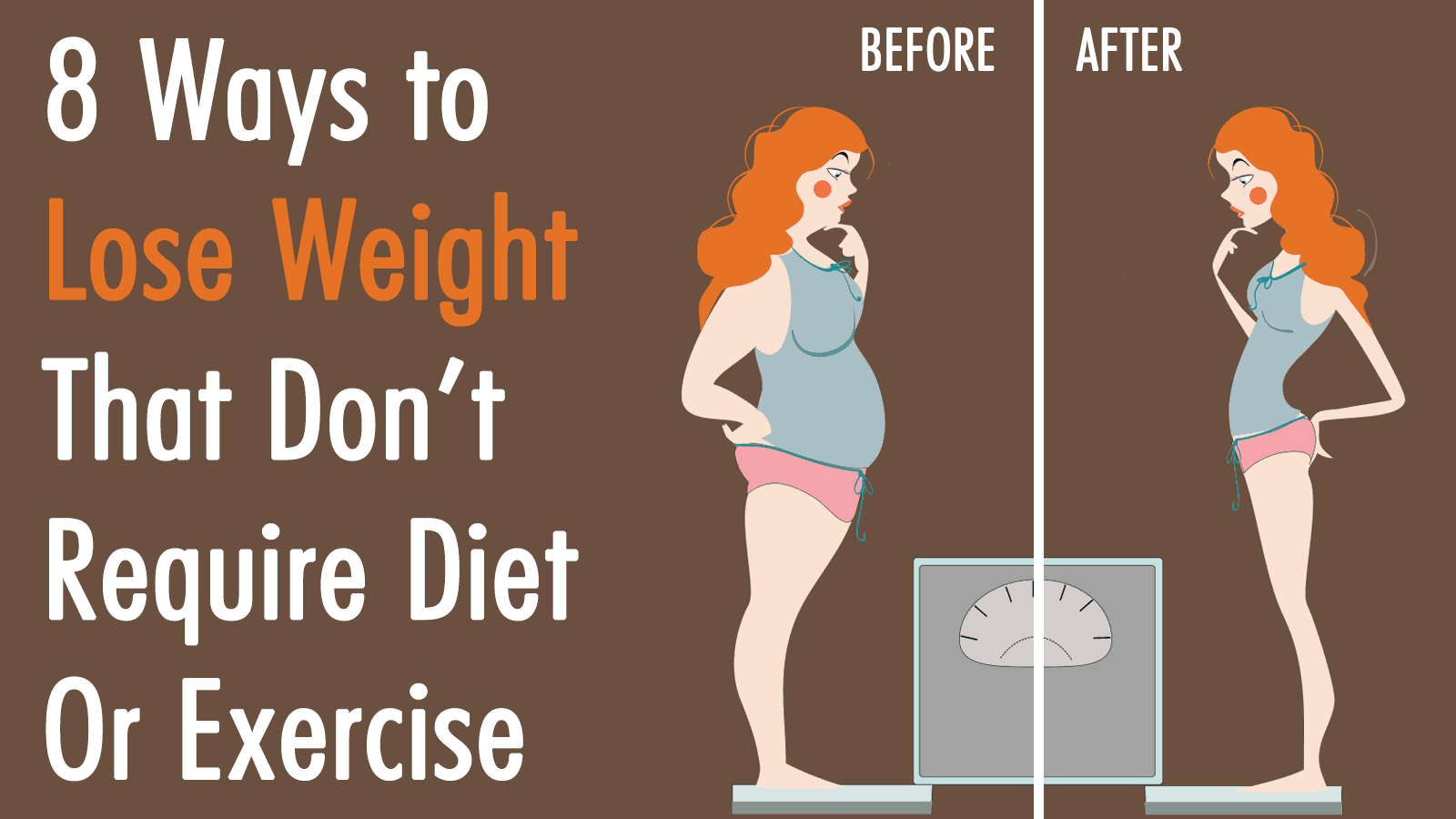
Your weight may be the most crucial factor in determining whether or not hypertension becomes a chronic issue. Losing even five to ten pounds can help prevent hypertension.
high blood pressure

Eat right and exercise

While this advice may sound a bit monotonous, it is nonetheless accurate: eating a healthy and balanced diet is critical, not only to overall health but blood pressure health.

Get your BP checked

Since doctor’s visits cost an arm and a leg, if your BP is a concern to you, think about purchasing a blood pressure machine. By comparison, these portable machines are very affordable. Check if your BP is in the range of 120-129/80-89. If your readouts are higher than average, you may want to consult your healthcare provider.

https://www.youtube.com/watch?v=lFdcCXmGpy4
10 Early Signs of A Tapeworm to Never Ignore

Just in case the title was not enough of a warning, please know that this discussion contains information that’s a bit – how do you put it? – “sensitive” in nature. Yes, we are going to talk about the commonly known, but not often identified tapeworm. In order to keep nausea at a minimum, we will omit as many of the grosser details as possible.

What is a tapeworm?

A tapeworm is a long, whitish parasite that is acquired through the consumption of a tapeworm’s eggs. This can happen for various reasons, the most common being poor hygiene, and certain types of food – such as raw pork, beef and fish – or water containing traces of contaminated feces.

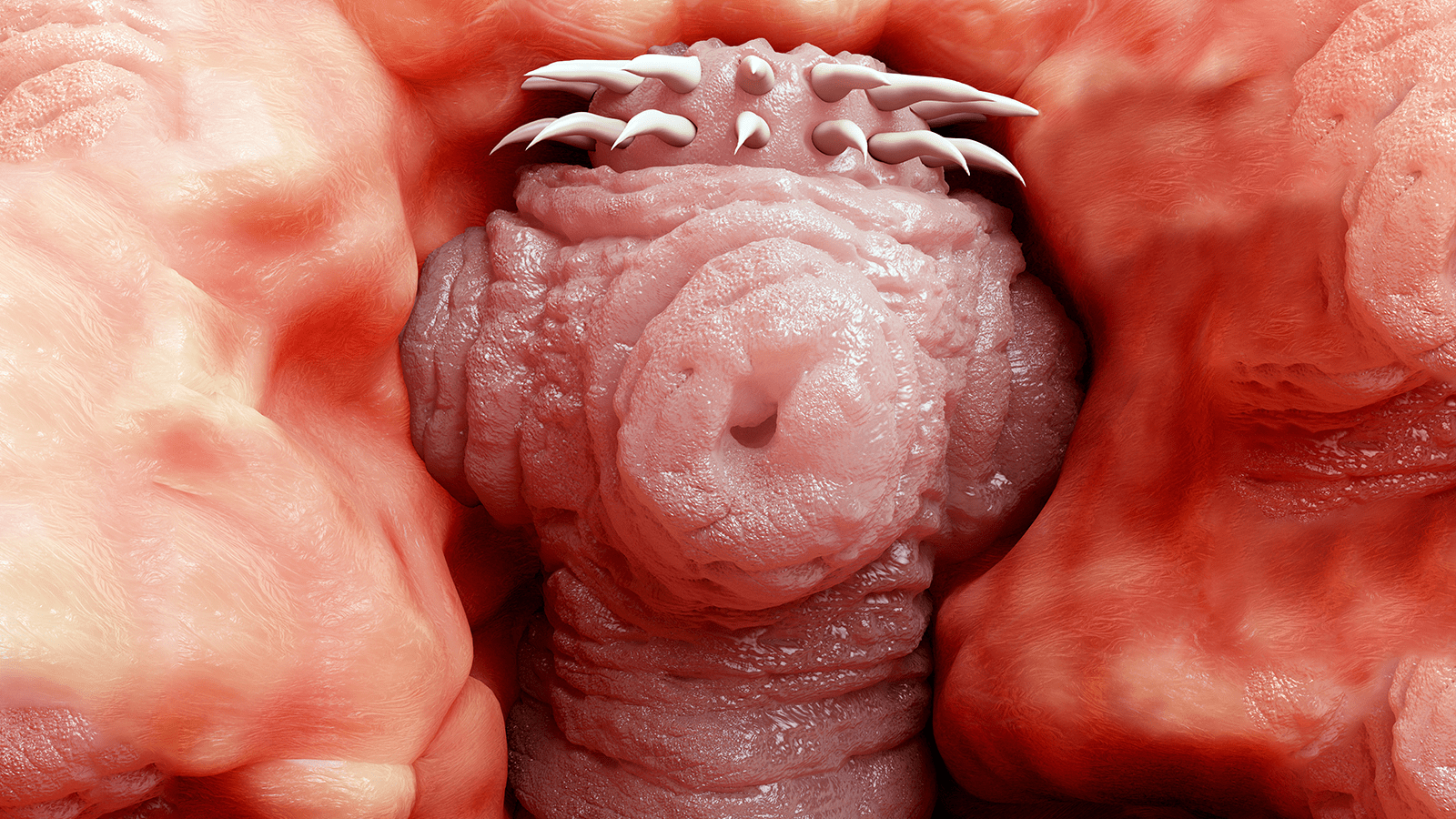
It is estimated that more than 1,000 species of tapeworms (Cestoda) exist. An adult tapeworm, like other worms, have a head, neck, and series of body segments that produce eggs (proglottids).

Tapeworms sustain themselves through the ingestion of food particles within the host’s digestive tract; something made possible through “hooks” used to penetrate the host’s intestinal wall. Astoundingly, tapeworms can live up to 30 years in the host (infected animal or human.)

Ten Early Signs of Tapeworm

The degree to which a person experiences symptoms resulting from a tapeworm infection depends on (a) the size of the tapeworm(s), and (b) the extent of the infection. For the most part, symptoms are either nonexistent or very subtle. Without further delay, here are ten early signs of tapeworm to never ignore:

tapeworm

  1. Abdominal pain

Anytime there is something foreign living in the intestines, it is possible that abdominal pain will result. Abdominal pain from tapeworm infection is often described as sharp, shooting, and sudden pain that lasts for a long period and occurs regularly.

  1. Dysentery

(Remember Oregon Trail? “You have died of dysentery.”)

Dysentery is inflammation of the intestine that usually produces symptoms such as blood and mucus in the feces. The condition is also known to cause chronic diarrhea. Inflammation of the intestines by bacteria or – as with tapeworm – infestation are the two leading causes of dysentery.

  1. Epilepsy

A condition known as neurocysticercosis is caused by the ingestion of eggs from tapeworm Taenia solium or pork tapeworm. Taenia solium is one species of tapeworm that can invade the brain (disturbing!). When this occurs, the person may experience both headaches and seizures, or epilepsy.

  1. Fatigue

Unusual tiredness is often reported by people with a parasitic infection. Experts think that this fatigue is due to loss of energy, caused by the heightened immune response needed to fight tapeworm infection. The loss of nutrients from a tapeworm infection is also a possible cause.

  1. Feces that contain larvae

Hopefully it never gets to this point, but there you have it. Yes, you can excrete worms in fragments or as a whole.

  1. Flu-like symptoms

Irritation of the gastrointestinal (GI) tract can lead to loss of appetite. Worse, a parasitic infection of this type can cause symptoms that mimic those of the stomach flu, including diarrhea, nausea, and vomiting.

  1. Jaundice

Jaundice is a condition that causes yellowing of the skin or the white area of the eyes. As a tapeworm expands and takes up more space in the intestines, it can cause an obstruction of the bile duct. When this happens, it can produce an excess of bilirubin – a yellowish liver pigment – leading to jaundice.

  1. Liver damage

Tapeworm larvae can escape the intestines and invade the liver. Left unchecked, these larvae can interrupt the liver’s function by interfering with blood flow. Per the Mayo Clinic, some of the most common symptoms of liver damage include abdominal pain, swelling of the ankles and legs, skin irritation, dark urine, chronic fatigue, and loss of appetite.

  1. Nutrient deficiency

As mentioned, tapeworms acquire nourishment through the ingestion of food particles. A particularly bad infection can lead to a sizable loss of nutrients, leading to nutritional deficiencies. In fact, a blood test may reveal signs of anemia. Vitamin B12 deficiency, a vital nutrient, is also common.

  1. Weight loss

Yes, tapeworm infection can get this bad. A significant loss of weight is likely due to the combination of nutrient deficiency and loss of appetite over an extended period. (Any inexplicable loss of weight is a potentially dangerous symptom that should be examined by a medical professional ASAP.)

tapeworm

Prevention and Treatment

Common sense measures can greatly reduce the likelihood of acquiring a tapeworm infection. These include:

  • Cooking all food thoroughly (especially pork and vegetables) before eating.
  • Thorough washing of the hands before eating. Also be sure to wash your hands after using the bathroom.
  • Extra care when visiting or living in a developing country.

There are effective treatments, usually in the form of prescription medications, for tapeworm infections. Contact a doctor if you experience the following symptoms:

  • blood or pus in the stool
  • extreme fatigue or dehydration
  • high body temperature that isn’t going down
  • frequent vomiting

5 Natural Ways to Prevent Stretch Marks (And How to Get Rid of Them)

Stretch marks are thin lines that form on the skin following a period of “intense growth,” such as pregnancy, puberty, weight gain, and weight loss. Pregnancy appears to be the leading cause of stretch marks. Per a study published in the Journal of the American Academy of Dermatology, between 52 to 59 percent of pregnant women develop stretch marks while carrying. Some estimates are much higher, citing as high as 90 percent.

Other factors that may increase the risk developing stretch marks include:

  • the use of steroids
  • genetic predisposition (e.g., for thinner skin)
  • hormonal imbalances
  • undergoing breast enhancement surgery
  • medical conditions (e.g., Marfan syndrome and Cushing’s syndrome.)
  • prolonged use of corticosteroids
  • chronic diseases
  • obesity

The abdomen, breasts, buttocks, flank, hips, and thighs are the most commonly affected areas. Stretch marks are not dangerous to physical health and often fade in appearance without medical intervention. However, stretch marks may cause emotional or psychological effects such as anxiety and/or low self-esteem.

Despite the attempts of the pharmaceutical industry to cash in on the prevalence of stretch marks, there is little to no evidence suggesting topical (medicine applied onto the skin) treatment of the condition is effective.

While there is currently no “proven” treatment for stretch marks, they can be prevented or easily covered up. Again, stretch marks are not associated with any known medical condition. They are solely cosmetic in nature.

(Note: It is worth mentioning here that anecdotal accounts of some skin products do seem promising. That is, a particular product may indeed work for certain people; this includes the application of vitamin E products, as well as pharmaceuticals. The “problem” is that medical studies demand both observable and measurable differences for many people to deem a treatment “effective.”)

How to Prevent Stretch Marks

Even though (stretch marks) never really go away, they might fade over time or with help from certain products and procedures.” – WebMD

Here are a few ways to prevent the development of stretch marks:

  1. Exercise: Rapidly gaining weight is one of the leading causes of stretch marks. Exercise along with proper diet (see below) can go a long way in preventing unwanted alterations to the skin’s appearance.
  2. Eat a balanced diet: Along with getting proper exercise, make sure to eat a diet with the right mix of healthy fats, protein, and non-refined carbohydrates.
  3. Get your healthy fats: Consuming healthy fats (poly- and mono-unsaturated) is a sure way to improve your skin’s appearance. Fatty fish, avocados, and walnuts are three favorites.
  4. Avoid “yo-yo dieting”: As mentioned, it is the rapid fluctuation of weight (fat gain and fat loss) that is mostly to blame for stretch marks. Instead of gaining weight, dieting, and repeating the cycle, resolve to eat healthily every day.
  5. Hydrate: The skin is made up of 64 percent water, so drinking 8 to 10 glasses of H2O per day will surely promote skin health. Beyond the skin, proper hydration aids both the digestion and transportation of nutrients, which helps the body eliminate waste, maintain a healthy weight, and normalize the metabolism!

How to “Get Rid” of Stretch Marks

As discussed, stretch marks will generally fade on their own. Getting plenty of water, eating a healthy diet, and working out regularly will make these marks go away faster. And while there is no quick fix to get rid of them, there are ways to make stretch marks less visible. One popular option for improving the appearance of stretch marks is Microneedling Arlington, a treatment that can help stimulate collagen production and reduce the visibility of stretch marks over time.

Here are a few ideas:

  1. Try a coffee, honey, and sugar scrub

A natural ingredient home scrub may be just what the doctor ordered. There are plenty of homemade skin scrubs out there, but coffee and sugar, because they are abrasive, may be the best option. Honey is a wonderful anti-inflammatory and moisturizer, which makes its addition to any homemade scrub a must.

  1. Consider laser therapy

Bad news first: most insurance plans will consider laser therapy for stretch marks a cosmetic procedure and, because of this classification, will not cover any of the expenses. Good news: laser therapy is getting much cheaper, safer, and more effective.

  1. Skin pigment tattoo

Okay, so you’re going to need to find an excellent tattoo artist to pull this off. But if you can find one that’s good enough, they can closely match your skin pigmentation with an available ink. Needless to say, you don’t want to go cheap here.

  1. Get a regular tat

A tattoo can be a real work of art. Seriously, there are some absolutely gorgeous designs that, when inked on with capable hands, can look stunning. Discuss this option with a reputable artist in your area.

zodiac


  1. Speak with a dermatologist

While research on the efficacy of stretch mark treatments is inconclusive at best, dermatological procedures such as microneedling improve all the time. You may want to consult a dermatologist for advice in this domain. Dermatologists are licensed physicians specializing in the diagnosis and treatment of skin disorders. (Just make sure to do your own research as well.)

(C)Power of Positivity, LLC. All rights reserved

Science Explains Why Your Hands Go Numb At Night (And How to Fix It)

Various medical conditions may make your hands go numb or even cause long-term numbness in the hands. The common thread among all of them is that they are characterized by compression, damage, or irritation of the peripheral nerves.

Carpal Tunnel Syndrome (CTS) may be the most widespread of all disorders that fit the following description:

“Hand numbness is usually caused by damage, irritation or compression of one of the nerves or a branch of one of the nerves in your arm and wrist.” – Mayo Clinic Staff

Per the Virtual Medical Center, CTS is a relatively common disorder that affects nearly three percent of the population at some point. CTS is more common in women than in men, with an average age of 40 to 50 years.

Causes and Symptoms of Carpal Tunnel Syndrome

CTS is caused by the compression of the median nerve within the wrist. In the wrist, the median nerve is encompassed by the carpal tunnel, a narrow structure that sits below the wrist at the hand’s heel. Besides the median nerve, the carpal tunnel also consists of various tendons.

The median nerve is quite long, extending from about six inches below the surface of the middle of the shoulder all the way down through the wrist and fingers. The most common CTS symptoms include numbness, weakness, and pain in of the thumb, index, and middle fingers, as well as half of the ring finger. Pain is also usually felt in areas of the wrist.

The link between why your hands go numb and office work

Undoubtedly, one’s work environment can contribute to the onset of CTS. It is very common for people to work on computers nowadays, and bending the wrist – say, when typing on a keyboard – is a leading cause of why your hands go numb.

But it isn’t only how you type, as you will quickly find out. Other lifestyle factors also contribute to the development (and prevention!) of CTS and any arising hand numbness symptoms.

Without further ado, here are some ways to prevent or fix hand numbness:

  1. Wear a splint

If you are currently experiencing troublesome symptoms, it may be best to wear a wrist splint for a time. A brace is helpful because it prevents abnormal bending or contorting of the wrist. A splint is particularly helpful when sleeping or typing. Occasionally remove the splint to check your symptoms and to clean your hands and wrist.

  1. Check your chair’s height

If your office chair is too high or low, you will find that your wrist must bend to carry out routine tasks. While you’re at it, consider the comfort of your chair. Do you need to replace it, or will adding a seat cushion or another accessory make things easier? The support of your chair directly affects not only your posture but your attitude toward work.

  1. Exercise your wrists

Simple exercises and stretching can go a long way in reducing, preventing, or even eliminating your hands. Here is a quick and simple one that you can do at work. While seated, place your hands, palm up, underneath a desk or table. Press upwards and against the bottom and hold for five to yrm seconds. Another easy and quick way is to get a stress or tennis ball and squeeze it for five to ten seconds.

  1. Sit upright

All of us know that sitting up straight is necessary for healthy posture. However, leaning either too far back to too far forward can compress – you guessed it – the median nerve. When this happens, your hands go numb. Make sure to sit with your back straight and your feet flat on the floor.

relieve back pain


  1. Take mini breaks

Get away from your computer. Seriously. Many office jobs require repetitive motions that will eventually tire out your arms, back, hands shoulders, and wrist. Also, the reduction of blood flow from remaining seated likely contributes to hand numbness.

  1. Apply a cold compress

Or ice, whatever. Ice and cold compresses are cheap, effective pain relievers. Soak your wrist in an ice bucket for five to ten minutes if you prefer. Afterward, put your wrist splint back on (you remembered to get one, didn’t you? 🙂

(C)Power of Positivity, LLC. All rights reserved

These Yoga Moves Gave Me Relief From My Lower Back Pain

I began my yoga journey much, much later than I should have. Entering my mid-forties with physical, mental, and emotional exhaustion, I was carrying around at least thirty extra pounds that were nearly impossible to lose. Juggling a career, kids, and a home was an enormous challenge. From the first morning coffee to a glass of red wine each night after dinner, stress management was goal number one, but it was fast becoming a losing battle. Something had to be done.

One fateful fall afternoon, I had lunch with an old high school friend that I hadn’t seen in years. Much to my shock and dismay, she walked into the restaurant looking like she’d come straight off the pages of our high school yearbook. How could this “doll” be so spry and full of life, so youthful, so trim and slim, while I sat on the other side of the table looking schleppy? She told me that she had “found yoga” as a result of needing to manage a diagnosis of rheumatoid arthritis twenty years earlier. Through a combination of regular yoga and healthy diet, she had been able to manage her pain and her weight for years.

Before leaving the restaurant that day, she gave me a few resources to look at, and my journey began. Little did I know how much yoga was going to change my life as a result of that lunch date. I found relief from my back pain, the answer to those stubborn extra pounds, and peace of mind and a strength of resolve I didn’t know existed.

For those of you that are also struggling with “middle-aging” and pains that you can no longer ignore, I wanted to share with you some of the most effective postures that I’ve come to know and love in my practice, and how they have revolutionized the way I approach my health and my life. I encourage you to try these yoga moves as soon as possible; it is a matter of quality life or “death” while living.

Here are yoga moves that help with lower back pain:

Supine twist

Twisting the spine offers great tension relief while easing the muscles around the spinal column. Simply lie on your back, arms extended out perpendicular to your body, and bend your knees in toward your chest. Slowly lower both your knees to one side while keeping shoulder blades in contact with the floor. Stay in this position anywhere from 1 to 4 minutes, then switch sides. This position is great for reducing lower back pain.

Sphinx pose

The sphinx is great for toning up the spine and stimulating the area of the back known as the sacral lumbar arch, which relieves lower back pain typically after one simple stretch. Sphinx pose promotes the natural curvature of the back, which is a very effective lower back pain treatment. Lie on your stomach and bring your elbows underneath your shoulders, pushing your upper body up off the ground. Extend the stretch as far as you can, then lower yourself back down to a supine position. Repeat two to three times, stretching a bit farther each time.

Thread the needle pose

If our hips are tight, they will pull on the muscles across the lower back, resulting in extra lower back pain. Thread the needle pose promotes loose, fluid hips and hip flexers, which will ease up pressure on the lower back. Lie on your back and bring your knees into your chest. Cross one ankle over a bent knee, threading your hands through and grabbing the hamstring, bringing in toward you for a deep stretch. Uncross the ankle and switch legs, pulling the other leg across and threading your hands through to pull the other hamstring toward you. Get ready for some back pain relief!

Cat/Cow combo

With this simple movement, you will be stretching and decompressing the entire length of the spine. Kneel down on all fours. While you inhale, drop your belly toward the floor and lift your tailbone towards the ceiling, and while you exhale, arch your back like an angry cat, extending the spine outward fully. Continue this cycle of movements for 6 to 8 repetitions. This is an all-encompassing move that will relieve even the most stubborn lower back pain.

Triangle pose

Triangle pose is a fantastic strength building stretch for the torso, arms, legs, and back. Especially effective at targeting the muscles along your outer hip, it contributes to a strong and healthy lower lumbar region. Start in a standing position, feet wide and arms fully extended. Stretch your torso out to the side while fully extending your arm out to the side over your leg, reaching down to grab calf, ankle, or floor while your opposite arm goes to the ceiling. Hold this position with legs straight for as long as you can, breathing in slowly and exhaling fully as you stretch, strengthen and lengthen.

Child’s pose

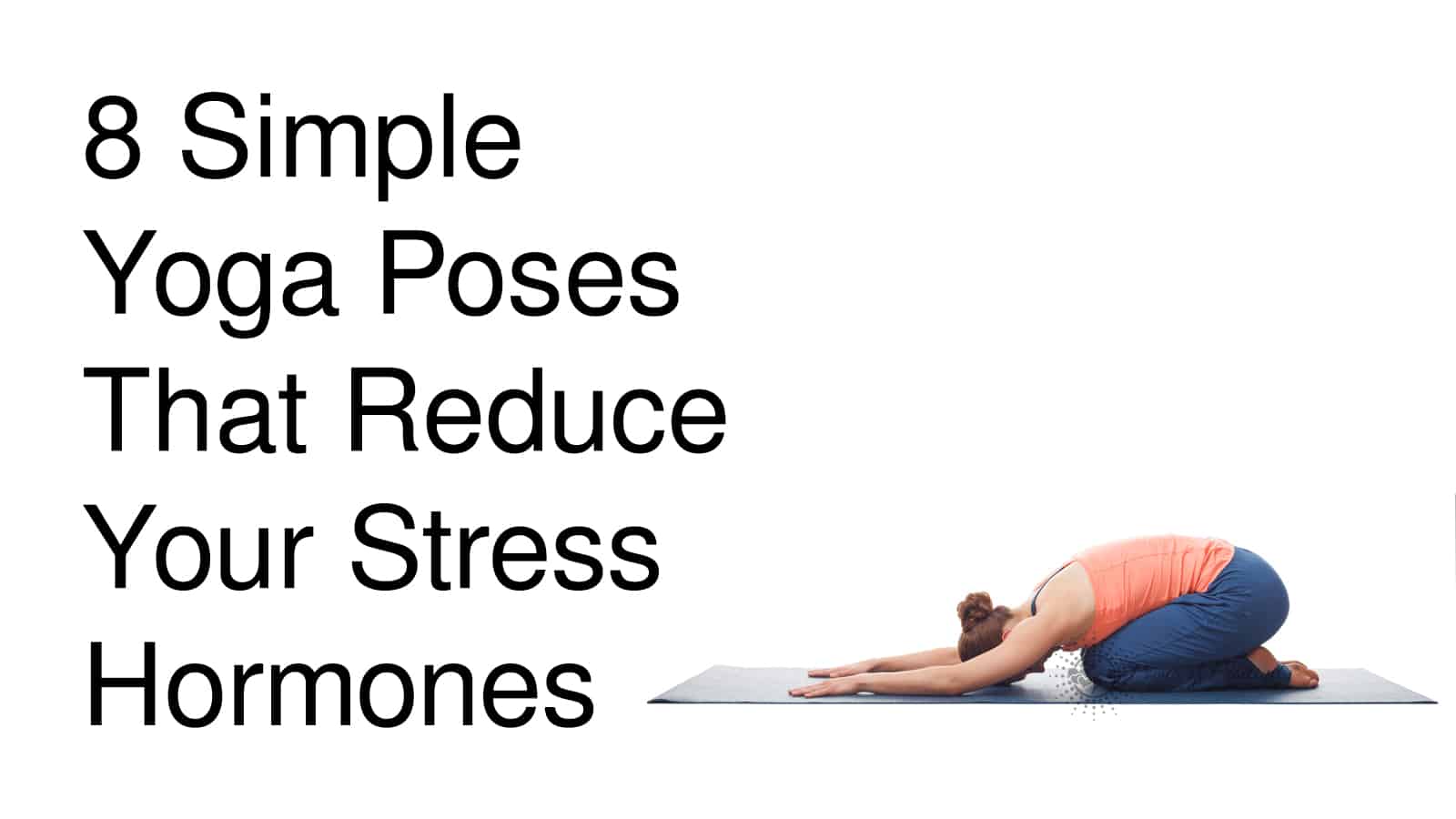
Child’s pose is actually an active stretch that elongates the back while reducing stress and tension all along the spine. Starting on your hands and knees, bring your buttocks down and back so that they are resting on your heels, lowering your forehead to the ground while your arms remain stretched out in front of you. Hold this position for several minutes if possible to stretch tight and sore muscles.

Downward dog

This is perhaps my favorite of all yoga poses. Down dog is an active relaxation pose, it reduces stress while at the same time working all large muscle groups in the body. From a hands and knees position, rise to an inverted V position, hands and feet pushing away from the ground. Your buttocks should be high in the air as you work to expand the area in between your shoulder blades and lengthen your hamstrings, which will aid in decompressing your lower back. Stay here as long as you like!

yoga poses

Pigeon pose

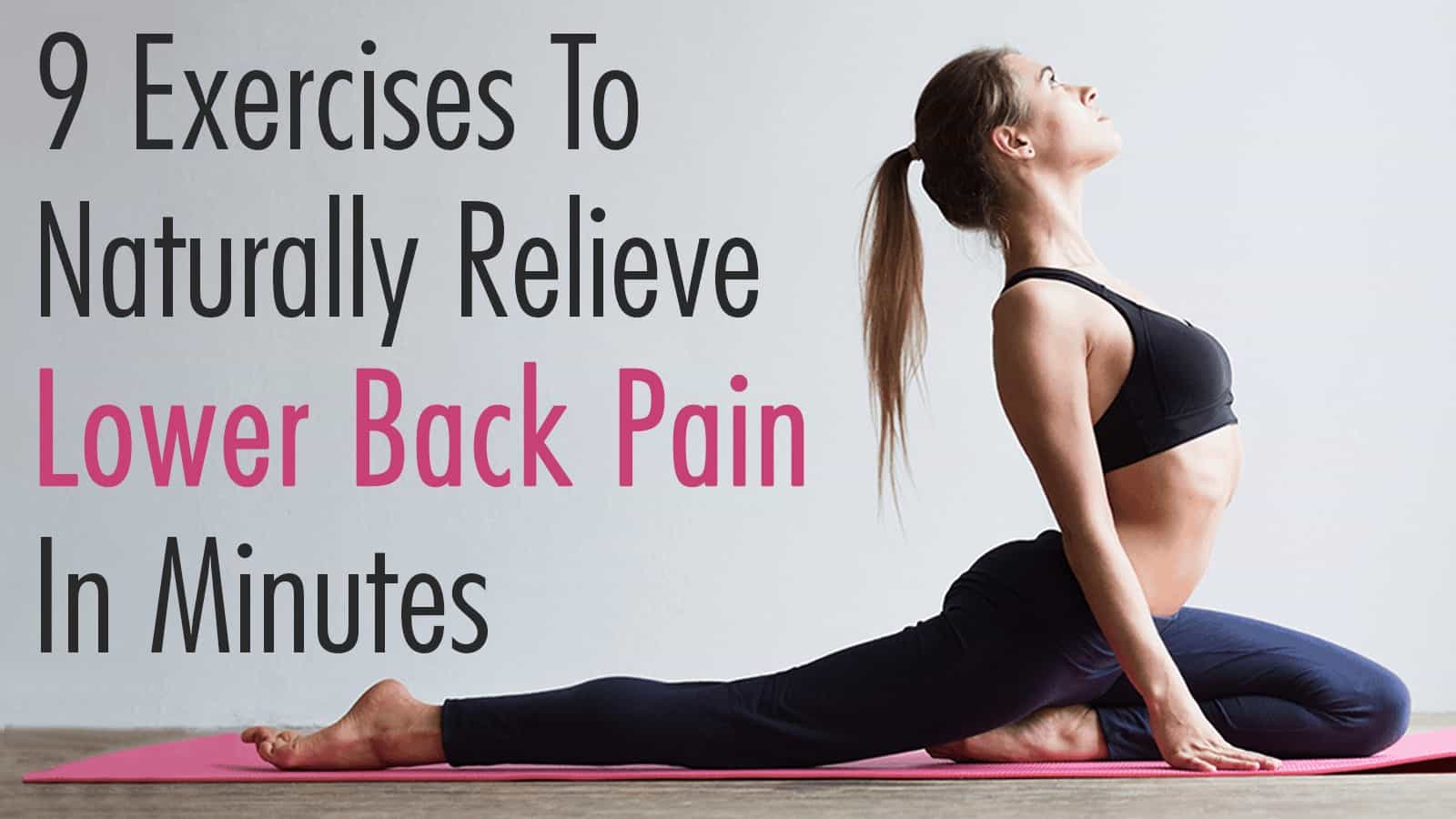
While it may not seem an obvious answer to lower back pain, the fact that pigeon pose stretches out tight hips contributes to loosening out the lower back as well. Start in downward dog position and bring one leg in, bent so that your ankle lands on the floor near your groin area and your knee is facing outward. Your other leg should be stretched out behind you as you push your upper body away from the floor with arms extended. Feel the stretch in your outer hip and groin area for several minutes before switching sides.

For me, finding an effective lower back pain treatment was essential to creating a quality life. I am healthier, happier, slimmer and trimmer than I have been in years, and I owe it all to my friend at that fateful fall luncheon who introduced me to the wonders of yoga. Give it a try–it will change your life!

https://www.youtube.com/watch?v=lFdcCXmGpy4
(C)Power of Positivity, LLC. All rights reserved

Superb Stress Relief Techniques For All The Stressed Out Moms

Are you stressed out? You are in the company of millions.

According to a 2018 study conducted by the Mental Health Organization, approximately 74 percent of those who participated in the study stated that they have been so inundated with stress that they have been unable to cope with their stressors at least once within the last year. As a mother, you understandably are no stranger to feeling stressed out and frazzled. In fact, if you feel intense stress almost daily as a mother, you are not alone.

Stress is your body’s natural reaction to different external stimuli, so it is reasonable to expect to feel some stress level regularly. However, when you constantly feel stressed out and struggle to cope, you need to find realistic ways to relieve stress. Keep in mind that excessive stress can take a toll on your body. Physical effects of stress include fatigue, headaches, chest pain, reduced sex drive, indigestion, irritability, anxiety, depression, and more.

Here are some techniques for all the stressed out moms to relieve the tension:

tired

Meditate

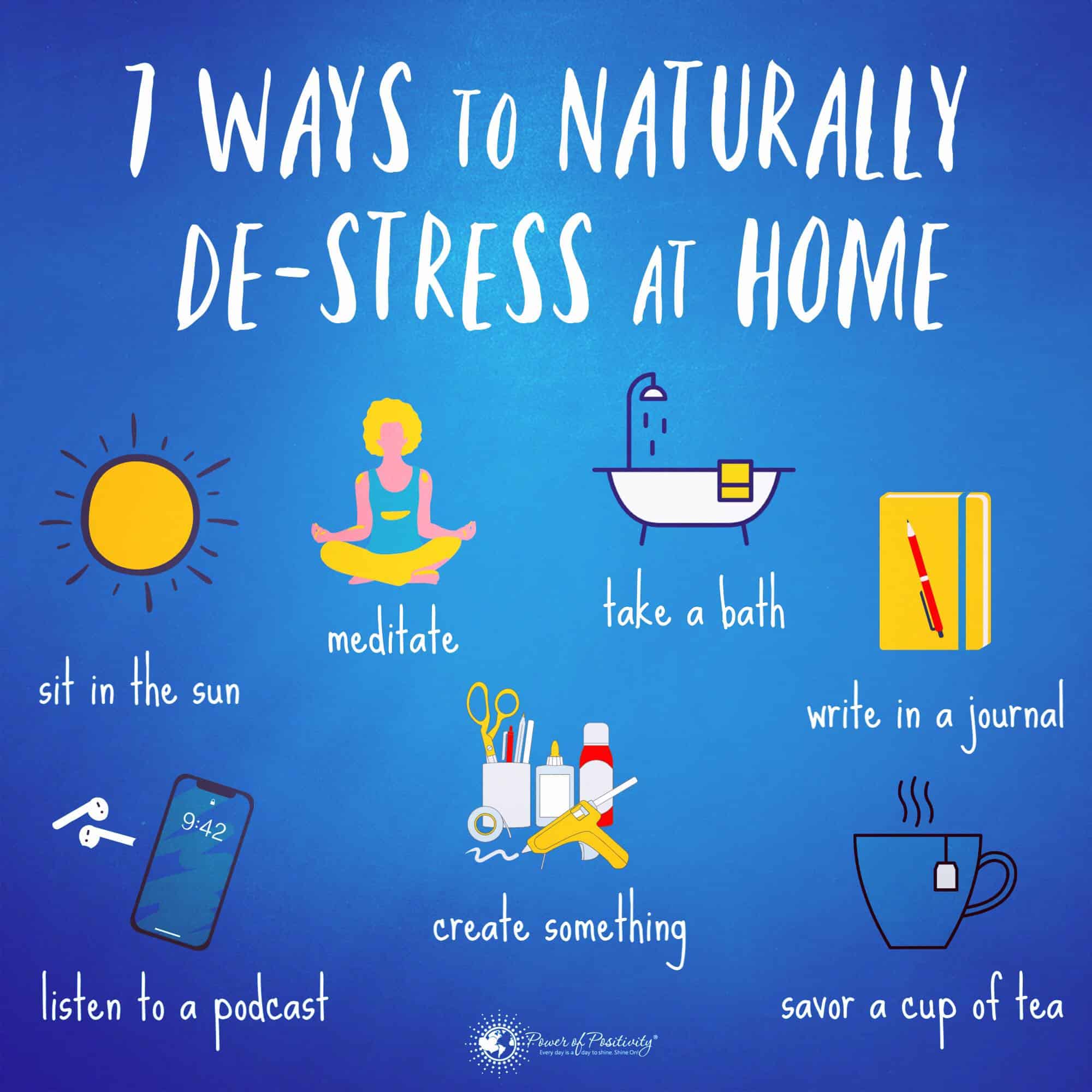
Whether you feel overwhelmed by the sheer amount of things that you have to get done soon or one of your children is having a major temper tantrum, one of the best things that you can do is to close your eyes, take deep breaths and focus on the sensations of your breath for a few minutes. This is an introductory way to meditate, and it can provide you with considerable relief from a stressful situation. You may also want to read a book or download an app to your smartphone that can help you to learn how to take full advantage of the benefits of meditation. Some mothers find that meditating first thing in the morning helps them to feel more centered and better able to cope.

Laugh Freely

Another excellent idea is to laugh. It can seem impossible to laugh when you are severely stressed out, but this simple step may profoundly and positively impact your mood. Try to find something funny about the current situation, or head to a quiet area to watch a few short and funny video clips on your phone. This may only take a minute or two, and it can substantially settle your emotions and relieve stress.

Hug Your Children

Many causes of motherhood stress are linked to your children in some way. When they are acting up or have misbehaved in some way, you may be inclined to send them to their room. Clearly, you need to punish children in some situations. However, you may be able to diffuse the situation by simply reaching out and hugging your children. This also works well even when they do not cause your stress. Physical contact with those you love unconditionally can help you feel more grounded and immediately remind you about the most essential things in life.

Exercise

Some people eat when they are stressed, but this habit can hurt their health. A healthier way to cope with stress is to get moving. You may be able to slide into your running shoes and pound the pavement for a while after your husband gets home. Another idea is to learn a few yoga poses and to practice your poses when you are facing a difficult situation. While you can exercise after feeling stressed, exercising daily can also help you manage stressful situations more easily.

stressed out

Read Motivational Quotes and Books

Another excellent idea is to read positive books or quotes regularly. Some mothers download a few affirmations apps on their phones. Others enjoy reading a few pages in a book about positivity to start their day. Find what works for you, and tap into this source of positive energy regularly to improve your mood.

Improve Your Environment

Your environment can dramatically affect your mood and ability to cope with stress. If you commonly feel stressed out, you may find that a few environmental changes can have a great impact on your life. For example, open the blinds to let natural sunlight into your space. Playing music that you find relaxing at a low level. Burn scented candles or incense. For the best results, take these steps before you begin feeling stressed out.

Final Thoughts: Don’t Be Stressed Out; Try These Techniques Instead!

Your ability to adequately manage stress well as a mother is essential to your health. It can also can have a positive impact on your children in different ways. If you regularly feel overwhelmed by stress, consider adopting a few of these tips into your life. You will better cope regardless of the challenges each new day brings.

(C)Power of Positivity, LLC. All rights reserved

Say Goodbye To Damaged Hair : Essential Oils For Hair Growth

One of the most frustrating things about trying to maintain a lustrous mane of hair is having to battle the damage and split ends. It seems no matter how much we trim and treat our hair; the elusive split end continues to haunt our heads. Over the years we’ve just come to except that damaged hair always comes with the territory of coloring, straightening, and curling.

Sometimes we can combat permanent damage by taking intermittent breaks in-between coloring and putting unnecessary heat on our hair. However, wouldn’t it be great if we could keep our hair healthy and looking great at the same time? It’s a little-known secret that you can achieve this with essential oils.

The following is a list of those essential oils and how to use them to their fullest potential.

Bergamot

Though it may have a bit of an off-putting sent, using the bergamot essential oils for hair growth can be very beneficial. Bergamot oils help to promote a healthy amount of blood circulation. This considerable increase helps to generate hair growth for even the most damaged hair follicles.
In addition to hair growth, this essential oil is mainly used to soothe and calm anxious nerves. It’s a great way to relieve some nervous tension when inhaled through a diffusor if you are prone to anxiety or panic attacks.

Rosemary

Many would not even consider rosemary as anything other than a great spice to season roast chicken. Rosemary oils are a fantastic source of antioxidants that may prevent your hair from turning gray and thinning out.
Rosemary essential oils are also an excellent flake buster. If you happen to suffer from a dry, itchy scalp, you may want to consider this particular oil as it is excellent for clearing pores and evening out the scalp’s production of sebum.

Peppermint

Peppermint is one of, if not the best essential oils for hair growth. Like it’s fellow herb rosemary, it works to unclog pores and prevent a flaky scalp. It’s most predominant power, however, is the amount of blood flow it can generate to the scalp upon application.
It’s also a great stimulator of the mind as well. When inhaled through a diffusor, peppermint can help to wake-up the senses and increase your vigor to get things done.

Chamomile

If peppermint is the go-getter, then chamomile is the ultimate relaxer. There’s nothing better for the soul than a hot cup of chamomile tea right before bed. It’s soothing properties, and faint apple scent are a great bring-me-down after a rather invigorating day.
The oils made from the plant are an excellent conditioning agent that will shield your hair from further damage. You can even use chamomile oils as a leave-in conditioner as it is much less greasy than most oils and does not leave behind a sticky residue.

Lemon

Lemon is a great clarifying essential oil. When we think of lemon, we generally think of clean or sanitized. This is because lemon is an organic antiseptic which will help to clear up any excessive shampoo residue that may be lingering in your hair after washing. When hair is not weighed down by heavy product, it is given the freedom to grow on a more regular basis.

essential oils

Tea Tree

Tea tree oil is probably one of the most commonly used essential oils on the market. When used on the face in diluted portions it can decimate a pimple practically over-night. You must be careful with the level of tea tree oil that you use in any capacity because it is so potent.
When used on the scalp, it can help to prevent hair fall by providing your hair with some much-needed nutrients that it may not be receiving through your everyday shampoo and conditioning routine.

Patchouli

Patchouli is another one of those essential oils with a rather unsavory scent. Unpleasant smells aside, it is one of the most naturally beneficial anti-inflammatory oils out there. Someone who suffers from eczema, for example, would benefit significantly from this oil. When used on the scalp it can prevent inflammation and dandruff, a leading cause of hair loss.

Each of these oils is special in their own way, but they all contribute to the same cause. It is imperative to understand that the only way you will see results with any of these essential oils is to be consistent with your use of them.
You should not expect to see results overnight, apart from the tea tree oil. When used on a regular basis, any combination of these oils is sure to yield results within a month. You must remember that trying to reverse hair damage will take time, but it is entirely possible with the consistent use of these oils.

https://www.youtube.com/watch?v=KKB0jThAfnQ

(C)Power of Positivity, LLC. All rights reserved

The Key To Happiness : Let Go Of Painful Feelings And The Past

Everyone is in the pursuit of happiness. They’re searching for a way to enjoy every minute to the fullest. They want to know the secret of life. What everyone may not realize is the way to unlocking the door to enduring happiness is to let go of the past. Embrace the present. Don’t worry about the future. There’s an old saying. “Yesterday is gone. Tomorrow is a promise of things to come. The only thing you have right now is today.” When you learn how to concentrate on the here and now, your entire outlook will change.

Here’s How To Just Let Go And Be Happy

For many of us, one of the hardest things we will ever do is learn how to let go of past worries, troubles, and cares. Visualize anything negative in the past. It doesn’t matter if it’s a job you lost or a hostile ex-partner. Think of it like stones that are hanging on a chain around your neck. They are weighing you down, making your spirits plummet. It’s exhausting. You need to find a way to let go. One of the best places you can start is to count your blessings that you have right now. Consider others that are in a worse place than you and be grateful for what you have right now. Will Rogers once said, “Don’t let yesterday take up too much of today.” Wise words.

Forgive Yourself

One of the best things that you can do in order to let go of past mistakes is to give yourself a break. Stop beating yourself up. Acknowledge that you are not perfect. Nobody is. Remember you can’t change what has already happened. You can only do something about right now.

Make “It is What it Is” Your Motto

Whatever happened to you before can’t be changed. Whatever guilt or sorrow you carry can’t be changed. What is happening right now can’t be changed. It is what it is truly says it all. If you are going to let go of past trials and tribulations, you need to learn acceptance. You have no control over your past actions. You have no control over other people. There is only one thing that you can control and that is you.

  • Accept who you are
  • Figure out who you want to be
  • Pay attention to your thoughts
  • Walk the path that you want to be on and stay the course

Figure out what things you can do something about right now and take action. For the rest, accept that it is out of your hands.

Have a Positive Attitude

In the end, life is 10% of what is actually happening to you and around you. 90% of it is your attitude. Put the negative behind you. Let go of your anger. And let go of any hard feelings of situations beyond your control. Put away your shame. None of these thought patterns or emotions will help you. Focus on the positive. Look at others who let their troubles roll of their back. You can do it to.

Stop Worrying

Worrying is like standing around outside with your umbrella on a sunny day, just waiting for the clouds to open up and rain on you. It isn’t accomplishing anything. It isn’t going to help you. And it isn’t going to change the outcome in life. Worrying is dwelling on what might happen in your future. Here’s the best thing you can do. Shake off your worries. You have right now. If something worrisome is going to happen, you will cross that bridge when you come to it. If you have learned how to be happy, you will roll with the punches.

Let it Be

Paul McCartney knew what he was talking about when he wrote, “Let it Be.” It focuses on those times when you are troubled and tells you to let it be. Don’t pick at it. Do not keep bringing it up. Don’t mull it over or beat that tired horse to death. If you are going to be happy, you say to yourself, “Let it be.” What will come is going to come. You aren’t going to change it, but your positive energy and attitude of acceptance will help you to deal with whatever lies ahead.

past quote


Be at Peace with Yourself

The beauty of being human is you are a work in progress. Everyone is flawed, but like the diamond in the rough, you are being polished every day. Your past and your mistakes made you who you are. You are being refined by your challenges on a daily basis. You are stronger and better than you ever were before. You’ll continue to more forward to a brighter tomorrow when you can let go of your pain. Dig deep and find that warm inner glow that is inside of you. We all carry a divine spark inside of us. Let yours shine as a beacon for today. The past is over and tomorrow will get here when it gets here.

Overcoming Anxiety: A 7 Step Therapy Response For Anxiety Attack

Have you ever had a panic attack before? If you have, then you are aware that anxiety is an overwhelming feeling. Although there are many descriptions for it, the best one would be that it feels like you are at war with your mind and you are the only soldier fighting against it. You have a feeling of impending doom, your body goes into fight or flight mode and it feels like you are going to die. However, there is a solution. Training yourself is the key to holding any type of panic attack at bay.

With that thought, here are some steps you should keep in mind for guarding against an anxiety attack:

anxiety attack

Education is the first step

Educating yourself about your anxiety attacks can help you a great deal. Simply put, you need to figure out what triggers you and how to avoid it. Some out-of-the-box thinking could possibly be required. For example, if you are in a committed relationship, there is some research that co-sleeping with your spouse or significant other can make a huge difference on your emotional well-being. Furthermore, you should utilize education to help you understand the nature of your panic attacks, what to expect regarding your panic attacks and how to combat them when they occur.

Identify the signs of a panic attack and practice self-talk

Although anxiety can happen at any time of day, one of the keys is to know what to do when you are having one. The signs are generally the same: you have heart palpitations, chest pains or sweaty Palms. Sometimes when you realize you’re actually having one, many people exacerbated by going into full panic mode. However, you can utilize your realization of a panic attack to your own advantage. You can practice self talk, saying something to the effect of, “these are just signs that I’m having a panic attack. Nothing bad is going to happen to me.”

Take deep breaths

Although this can seem really hard, one of the most powerful techniques for overcoming anxiety attack would be to simply breathe deeply. Since this is easier said than done, many medical professionals recommend that you practice, starting with this little as 10 minutes before bed, in the shower or while you’re doing some other type of household activities. The main endeavor is to breathe for 4 minutes, hold for 4 minutes and let out for another 2 to 4 minutes. Focus on the breathing in and breathing out and imagine all of your anxieties and fears going away with it. Increase the time on this technique every time you practice.

Practice grounding yourself

When you are having a panic attack, one way to counter balance it would be through grounding. This is an excellent form of natural treatment because it helps you rationalize your brain and helps you to avoid fighting with it. Moreover, it can be a great distraction tool. Some of these grounding strategies would include focusing on your feet on the ground, placing your hands on the steering wheel, or examining the texture of a wall. This helps you decrease focus on your stressful thoughts and decrease your anxiety.

Use affirmative phrases

Using affirmative phrases is all about replacing your negative thoughts with positive ones. Simply put, do you need to convince yourself of the positive. That means you say such things as, “This is just a panic attack. I’ve been through worse.” if you are not sure what to say, simply Google something to the effect of, “mantras for anxiety” and this will help you promote positive self-talk.

anxiety attack

Get some fresh air

Another great way for overcoming your anxiety attacks will be to simply just get a breath of fresh air. If you are out with friends, all you have to say is something like, “excuse me, I’m going to get a little bit of fresh air.” no one will judge you for it, because everyone, at times, needs exactly the same.

Utilize the “Aware” technique

If you have a considerably serious case of anxiety, this might be the way to go. First of all, be aware that the “aware” technique is simply a literary device (see what I did there?) for conquering an anxiety attack that is made up of the following steps:

A – Accept your anxiety attack symptoms.
W – “Watch over” your attack, playing like you are someone else observing you.
A – Act as if nothing has happened at all.
R – Repeat these steps until you relax.
E – Eliminate negative thinking and expect the best.

Conclusion

Having an anxiety attack is no fun, but diligence is the key to avoiding your panic attacks. Educate yourself on the various techniques and there is no question in my mind that you will find a strategy that will work for you. Above all else, don’t judge yourself; anxiety attacks happen to the best of us.

Skip to content