Weekly tips, affirmations, and small actions to feel your best.

New Technology Might Diagnose Heart Attacks in Under 30 Minutes

A sensor developed by researchers from the University of Notre Dame and the University of Florida can diagnose heart attacks in under 30 minutes. Current methods used to diagnose heart attacks can take up to eight hours.

The new technology may help save countless lives – nearly 700,000 Americans die from heart disease each year, according to the CDC.

Troubling Statistics About Heart Disease

  • Heart disease is the leading killer of men, women, and people across racial and ethnic groups in the United States.
  • Cardiovascular disease kills one person every 36 seconds in the United States.
  • Nearly 659,000 people in the United States die from heart disease each year, accounting for 25% of deaths.
  • In 2016 and 2017, heart disease cost the United States about $363 billion each year. This number includes the cost of healthcare, medicines, and lost productivity.
  • In the US, someone suffers from a heart attack every forty seconds. For one year, this equates to around 805,000 people having heart attacks.
  • Around one in five heart attacks happen without the person even knowing it. Known as silent heart attacks, they occur in men more than women and don’t present with typical symptoms. If left unchecked, it can lead to eventual death from coronary artery disease.

The Need to Diagnose Heart Attacks Quickly
diagnose heart attacksHarvard University researchers believe the number of silent heart attacks may account for up to 45% of all heart attacks. People who experience SMIs (silent myocardial infarctions) often visit their doctor after experiencing persistent symptoms for several months. Doctors can detect an SMI event using an electrocardiogram (EKG) or echocardiogram, the most common way to diagnose heart attacks.

While an EKG can detect heart disease rather quickly, health care professionals still must perform blood tests and analysis to confirm a heart attack. Results from blood samples can take nearly eight hours.

“The current methods used to diagnose a heart attack are not only time intensive, but they also have to be applied within a certain window of time to get accurate results,” said Pinar Zorlutuna, the Sheehan Family Collegiate Professor of Engineering at Notre Dame and lead author of the paper. “Because our sensor targets a combination of miRNA, it can quickly diagnose more than just heart attacks without the timeline limitation.”

New Technology Can Diagnose Heart Attack in Under Thirty Minutes

Researchers targeted three specific types of microRNA or miRNA to develop the sensor. The cutting-edge technology can differentiate between an acute heart attack and a reperfusion injury. These can occur following the restoration of blood flow to a previously ischemic organ or tissue.

In addition, the new tool used to diagnose heart attacks doesn’t require as much blood as traditional methods. The sensor’s ability to distinguish between a reperfusion injury and heart attack brings much-needed improvements to the medical field.

“The technology developed for this sensor showcases the advantage of using miRNA compared to protein-based biomarkers, the traditional diagnostic target,” said Hsueh-Chia Chang, the Bayer Professor of Chemical and Biomolecular Engineering at Notre Dame and co-author of the paper. “Additionally, the portability and cost efficiency of this device demonstrates the potential for it to improve how heart attacks and related issues are diagnosed in clinical settings and in developing countries.”

Results from the study have been published in the journal Lab on a Chip. The National Institutes of Health National Heart, Lung, and Blood Institute helped fund the study.

Researchers have begun collaborating with Notre Dame’s IDEA Center to establish a company to manufacture the sensor hopefully. They’ve also filed for a patent application.

Major Heart Attack Symptoms

  • Chest pain or discomfort. Most heart attacks involve discomfort in the center or left side of the chest that lasts for a few minutes. Sometimes, the pain will dissipate and then come back a few minutes later. The discomfort may feel like pressure, squeezing, fullness, or pain in the chest area.
  • Feeling weak, light-headed, or faint. Also, you may experience cold sweats.
  • Pain or discomfort in the jaw, neck, or back.
  • Pain or discomfort in one or both arms or shoulders. Most of the time, the pain occurs on one side of the body.
  • Shortness of breath. This breathlessness often occurs with chest pain simultaneously, but the shortness of breath may sometimes happen before discomfort.

Common Lifestyle Factors That Can Cause Heart Attacks

According to the CDC, heart attacks or myocardial infarctions occur when blood flow to the heart gets blocked. So the longer the condition goes untreated, the more the heart muscles and arteries suffer. They cite the following as the most common risk factors for heart attacks:

  • Smoking and excessive alcohol consumption
  • Sedentary lifestyle
  • Unhealthy eating habits
  • High cholesterol
  • High blood pressure
  • Diabetes

Besides these, other uncontrollable risk factors include age and family history. Since you cannot change these factors, it’s essential to focus on positive lifestyle changes to decrease heart attack risk. Make sure to eat plenty of fruits, vegetables, whole grains, nuts, seeds, and proteins. Get adequate exercise (at least 150 minutes of moderate-intensity aerobic activity each week). Avoid smoking or drinking excessively, prioritize sleep, and keep your stress in check. Finally, make sure to manage any health conditions you may have with prescribed medications or lifestyle changes.
diagnose heart attacksFinal Thoughts: New Technology Could Help Detect Heart Attacks in Thirty Minutes or Less

Heart disease kills almost 700,000 Americans every year, and sadly, many of these deaths are preventable. While age and family history play a role in heart disease, modifiable lifestyle factors account for most deaths. These include smoking, drinking, lack of exercise, unhealthy eating practices, and poor sleep.

In our world, we seem to prioritize jobs and material gain over our health and well-being. Consequently, we’re dealing with myriad illnesses and diseases that could’ve been avoided by simply slowing down and caring for ourselves.

However, until our world slows down considerably, modern medicine plays a crucial role in improving people’s health. Scientists have recently developed a sensor that can help diagnose heart attacks in under thirty minutes. The invention will not only enhance medical practices but save lives in the process.
16 Ways to Refresh Your Memory When You Forget

Can’t remember where you put your car keys? You’re not alone. Everyone has a lapse in memory once in a while. Your brain is regularly forgetting things. A considerable percentage of what you do is forgotten within a short time. So, it would help if you had clever ways to refresh your memory so you can find those misplaced car keys.

Here are sixteen helpful tips to refresh your memory when finding yourself in a pinch

Do you often wish you knew how to improve your memory? Try these sixteen methods to make it easier to recall things. With some practice, they become second nature.

1 – Turn words into a picture

Pictures are easy to remember. If you need to recall a meeting with someone, try to create an image in your mind. First, visualize the person’s face with 9 AM across their face. This visual picture will refresh your memory so you can remember both the meeting and the time of your appointment.

refresh your memory2 – Come up with a rhyme

You may have memorized the short rhyme to remember how many days are in each month. Similar to that, you can make up rhymes to jog your memory. If you want to remember to buy bread at the store, you can say, “Buy bread at the store because we have no more.” It’s silly sounding. But it works if you’re trying to store a memory. Make the rhymes as silly as possible to make them more memorable.

3 – Use mnemonic devices

A mnemonic device is a learning technique that helps you retain information and retrieve it. Things like acronyms for the names of the Great Lakes-Homes, Ontario, Michigan, Erie, and Superior-HOMES, are simple ways of using a mnemonic device.

Here are a few other memory hacks to help refresh your memory.

  • The Method of Loci: This is one of the oldest forms of memorizing. It was used by the ancient Greeks. First, you imagine a familiar place such as your home. Then you imagine that each room in your home contains the objects you’re trying to memorize. You visualize yourself walking from room to room, placing the objects in each room. When you want to retrieve these objects, you imagine yourself walking back to each room and picking up each item.
  • Singing a song: Music is a great way to jog your memory. Use a simple, memorable tune like “Twinkle, Twinkle Little Star,” then put whatever you’re trying to remember instead of the familiar words. You can learn the names of people, places or things this way.
  • Linking: Sometimes called chaining, the idea is to create a story and add the information you need to remember. Many children play a game listing all things they’re taking on a picnic. Each child must recite what’s already been said, then add something new to the list. You’ll surprise yourself with how much you can remember on your list.

4 – State your intentions

Even if you have regular daily habits simultaneously, it’s easy to forget to do stuff. Some suggest that if you create an intention, you’ll be able to remember something better. For instance, if you say out loud, “I’m going to take my vitamin D supplement every morning after I walk the dog,” you’ll remember it better. Just stating your intentions out loud improves your memory.

5 – Picture that name

Ever forgot a person’s name the moment they said it? It isn’t enjoyable. It’s important to remember names. You show care to people when you say their words. A way to recall a person’s name is to instantly come up with a picture association when they tell you their name. This gives you a better chance of remembering their name. So, if you meet Linda, you think of a picture of Linda linking arms with a limo. Using alliteration helps.

Another way to remember someone’s name is to add a person’s description with the same first letter. So, if you meet Chris, and so you say in your head, “Chris is creative.” If you meet Sherrie, and you say in your head, “Sherrie is shaggy.”

6 – Talk to yourself

Have you ever found yourself racking your brain to remember if you blew out that scented candle on the dining room table before you walked out of the house? It can drive you crazy wondering, and maybe you’ve even had to run home to check. To help avoid these stressful situations, try talking out loud to yourself as you complete a task, so later on, you’ll remember that you did it.  For example, when you’re blowing out the candle, say out loud, “I’m blowing out the candle.” This plants that action in your brain and gives you some peace of mind.

 7 – Keep doodling

How many times did you get in trouble for doodling in class when you were in school?

Studies show that doodlers do better at recalling information than those who don’t doodle. Doodling is a form of fidgeting, which many people feel is a sign of being distracted. But fidgeting or doodling gives your brain a break, making it easier for your brain to receive the information being shared. So, if you’re in a meeting at work, be sure to doodle.

8 – Blow it up

One person suggested there’s a way to never forget your cell phone again. When you lay your cellphone down on the table, stop for a second, take a good look at where your phone is sitting, and then visualize your cell phone blowing up. It’s a pretty dramatic way to remember things, but that’s the point. Good chance if you visualize blowing up your cell phone, you won’t forget where you put it.

refresh your memory9 – Go to sleep

Your memory gets strengthened as you sleep. Sometimes the best way to remember something is to go to bed. This allows your brain to relax and rest. You’re likely to wake up in the morning and remember exactly where you put the missing object.

 10 – Pick a celebrity

When you meet a new person, remember their name by using a clever trick. As you say their name, take a good look at their face. Then consider if they look sort of like a famous person. Not everyone will look like a celebrity, but you make an effort to find someone in history they resemble. So, for instance, you meet a guy named Chris, you say to yourself, “He looks like Chris Evans.” Once you’ve connected them to a famous person, you won’t forget their name.

11 – Grocery store gimmick

Come up with an outlandish story to help you remember a list of things. So, if you need something at a home repair store, you can say something like, “A hammer hit the nail on the lampshade until the battery died.” The crazier the story, the more apt you are to remember it.

12 – Throw it in the backseat

If you’re driving to a store and you suddenly remember something you need, take off your ring and put it on another finger. Or, If you’re not wearing a ring, take your hat or purse and throw it in the backseat of your car. When you arrive at the store, you’ll see your hat or bag in the backseat and remember how it ended up there.

13 – Okay, make a fist

It sounds crazy, but supposedly, if you ball up your right hand and squeeze tightly when you’re trying to memorize something, it’s easier to remember. Plus, when it’s time to pull up the memory, press your left fist tightly, and you’ll remember it. These movements activate a specific part of your brain that stores and recalls your memories. Don’t you wish someone had taught you this strategy in history class?

14 – Picture that in your head

So, another clever way to memorize something is to create a mental snapshot of it. So, if you put your phone on your desk, visualize the desk making a phone call on your cell phone. You’ll remember the silly picture plus where you put your phone.

15Take a short break

Researchers found that taking a short break, such as going for a walk, can improve your memory. Short breaks help strengthen the memory of something you just learned. For instance, they found that taking short breaks while practicing the piano improved a player’s ability to remember the notes of a song.

16 – Chunking

Another way to refresh your memory is to chunk or group things. When you’re memorizing a group of numbers, break them into chunks so you can remember them better. Some people like to come up with a rhythm to the numbers they’re chunking. So, if they’re memorizing a list of numbers, they’ll say, “689-440-276-90.” Combining the grouping of the numbers and adding a rhythm can help your brain retain the list of numbers.

refresh your memoryFinal thoughts on using these recall techniques to refresh your memory

Everyone forgets where they put their car keys once in a while. But it’s embarrassing when you meet someone new and instantly forget their name. Hopefully, these sixteen tips will help refresh your memory in a pinch, so you find those car keys and remember the name of that new person.

15 Kind Ways to Say No to People and Keep Your Sanity

If you struggle to say no to people, you might feel like you’re losing your sanity sometimes. Saying no can be hard to do, but it is well worth it sometimes to save your well-being. However, finding kind ways to say no to people can help make the situation easier for both of you.

You can say no if a friend asks a favor or a co-worker wants to switch shifts. You can stand your ground while being kind, and then you won’t be left with guilt later on. Plus, when you say no this way, it prevents you from being guilted into doing something you don’t want to do.

Helping others can be good, but only if you’ve put yourself first. You don’t have to say yes to everything asked of you, especially if you’re already too busy. Even if you aren’t too busy, you still have every right to say no to something you don’t want to do.

Use These Fifteen Phrases to Say No to People

You can use your best judgment to determine when you’re needed or not. Putting your well-being should come before helping others with things they could do themselves or ask someone else to do. Use these kind phrases to say no to people and keep your sanity.

say no to people1. This sounds like a great opportunity, but I’ll have to pass at this time.

Saying no in this way is beneficial because it starts with a compliment. If you want to elaborate, you could give specific examples about why it sounds like a great opportunity.

However, if you don’t want to go into detail, you don’t have to. You can decide what compliment to give and how much to share or use this phrase verbatim. The goal is, to begin with, a positive statement to make the other person feel good even when you say no.

2. I’m super busy right now, but let’s plan for another time.

Don’t be afraid to establish boundaries if you are short on time. When someone asks you to do something that isn’t time-sensitive, this is a thoughtful way to say no. Explain that you are busy, but make sure the other person knows you want to get together.

Let them know that you want to plan for another time. It might help if you set a date or time right then, or you can tell the person you’ll reach out to make plans.

3. Thank you for thinking of me, but I can’t this time.

Stay positive and thank the person for thinking of you, but make it clear that you can’t do it this time. Even if you can’t help, respect the fact that they asked as it shows they view you as responsible and trustworthy. Take their request as a compliment rather than feeling annoyed or obligated.

4. I’d love to help, but my schedule is full right now.

Don’t complicate the situation as you tell someone no. Let the person know you’d love to help if you could but are overloaded with tasks. Keep it short and sweet, but stick to the point.

If you give a long explanation, it opens you up to prodding and begging. Don’t put yourself in that position by giving too much explanation. Be polite, but keep the conversation as short as possible.

5. I have an appointment that day, so I’ll have to pass.

If you have a valid reason that the other person can’t try to talk you out of, it might help to explain. If you have a prescheduled appointment, it is the perfect excuse to say no, and most people won’t try to sway you. You don’t have to explain what your appointment is for, allowing you to use it in whatever context you want.

6. I can see that you don’t give up easily, but I’m not changing my mind.

Some people will always try to change your mind when you say no. They might not want to accept your refusal, but you should still stick to your answer. By using this phrase, you keep it lighthearted and polite, but you reaffirm your answer.

If they keep needling, you might have to push back. Don’t give in because then the other person will continue the behavior in the future. You aren’t obligated to help, so don’t give in if they keep asking.

7. Although I can’t spend time with you right now, I’d love to get together soon.

If you have to turn down a request for lunch or a get-together, this is a thoughtful way to refuse. Make sure the other person knows that you’d love to spend time together even if you can’t this time. It’s easier to say no when you follow it with a positive point, such as getting together soon.

say no to people8. I wish I could, but I’m busy that day.
While it’s hard to say no to people, you can keep it simple and to the point. Your time is valuable, too, so you can’t always say yes to everything. You aren’t required to give away all of your energy and free time.

Remember that you don’t always have to explain yourself. You can keep it short and avoid sharing details about your plans.

9. I’m spending time with my family that day.

Not many people can argue with you about spending time with your family. They won’t want to interrupt or take away from your family time, so it’s a respectful and kind answer. You don’t have to explain what you’ll be doing with your family, so you can keep it simple.

10. I can’t right now, but maybe I can help out later.

If you’re willing to help the person out at a later time, use this phrase. They might not need help later, but it’s still nice to offer a hand later on. Including the words “right now” gets the point across that you’d like to help but can’t, so it keeps the refusal kind and polite.

11. I’ll think about it and get back to you.

While giving a definite answer is the best option, you might need more time sometimes. By asking for time to think about it, you give yourself a chance to build courage. With courage, you can get back to them a short time later and give them a straightforward and honest answer.

Plus, asking for more time gives you a chance to think about if it’s something you want to do. Either way, don’t wait too long to answer because you don’t want to seem rude. Take the time to think it through, build confidence, and then reach out with an answer as soon as possible.

12. I’m busy, but if I get some free time, I’ll let you know.

This phase is assertive and polite, making it the perfect way to say no to people. Using firm and definitive words leave no room for negotiation, so the other person likely won’t try to sway you. By explaining that you’ll let them know if you get the time, they’ll leave you alone and maybe move on to someone else.

13. I wish I could, but I have a lot going on right now.

Being straightforward rather than trying to make excuses can make the refusal easier for both of you. If you have a full schedule already, don’t add more to it. Likewise, if you haven’t had time for self-care, you should also turn down any other requests.

Take care of yourself first before considering helping others. Don’t be afraid to say that you already have a lot going on. You shouldn’t feel obligated to over-commit yourself or cause unnecessary stress in your life.

14. Sadly, I don’t have the energy for anything else right now.

When you say no to people, you can use this phrase or add more. Remember that you can leave your refusal short and sweet, but don’t be afraid to elaborate if you’re comfortable.

You can tell the other person if you’ve worked a double shift or had a late night. These are things they’ll likely understand. However, if you aren’t comfortable or would prefer not to share, don’t worry about coming up with a reason for not having the energy.

15. I’m not comfortable with that, but I can help with something else instead.

You might find yourself in a situation where you’re willing and able to help, but not with what you’re asked to do. Don’t be afraid to say you aren’t comfortable doing something and asking for a different task instead. If the person truly needs the help, they’ll quickly offer another suggestion.

say no to peopleFinal Thoughts on Kind Ways to Say No to People and Keep Your Sanity
While many people have a hard time saying no, you are allowed to do it, and you don’t have to feel bad for it. Finding kind ways to say no to people can help make the situation easier, saving you from tension or awkwardness. Setting boundaries and learning to set limits is a key to your sanity. Don’t waste your time or energy doing things that detract from your overall well-being.

The next time you find yourself asked to do something, remember these kind ways to say no to people. Helping others and being there for them is gracious, but you don’t have to say yes each time.

UVA Researchers Explain The 14 Genes That Cause Obesity

Researchers from the University of Virginia Health System have discovered 14 genes that cause obesity. They also identified three genes that could prevent weight gain. The findings will hopefully lead to the development of new medicines that target obesity. Since over 40% of Americans suffer from obesity, finding new ways to combat the epidemic is crucial.

“We know of hundreds of gene variants that are more likely to show up in individuals suffering obesity and other diseases. But ‘more likely to show up’ does not mean causing the disease. This uncertainty is a major barrier to exploit the power of population genomics to identify targets to treat or cure obesity.”

“To overcome this barrier, we developed an automated pipeline to simultaneously test hundreds of genes for a causal role in obesity. Our first round of experiments uncovered more than a dozen genes that cause and three genes that prevent obesity,” said Eyleen O’Rourke of UVA’s College of Arts & Sciences, the School of Medicine’s Department of Cell Biology, and the Robert M. Berne Cardiovascular Research Center.

“We anticipate that our approach and the new genes we uncovered will accelerate the development of treatments to reduce the burden of obesity,” she said.

Scientists identify genes that cause obesity

The new findings reveal the complex relationships between obesity, diet, and our genes. In the last few decades, obesity rates have increased dramatically due mainly to our lifestyles. We have access to an abundance of food choices. However, most of them have little nutrition. Instead, they have high amounts of sugar, high-fructose corn syrup, and vegetable oils, which pack on calories. Coupled with our increasingly sedentary lifestyles, it’s a recipe for disaster.

However, even though lifestyle choices play a significant role in the obesity epidemic, we also must consider our genetic makeup. Some people have more genes that cause obesity, making them more susceptible to gaining weight. Our genes help regulate fat storage and impact our bodies’ ability to burn calories for energy.

So, by pinpointing the genes that transform excess calories into fat, scientists could develop drugs to inactivate them. This way, any extra calories won’t turn into fat, and we’d begin to turn a corner in fighting obesity.

cause obesityThe genes that cause predisposition to become overweight
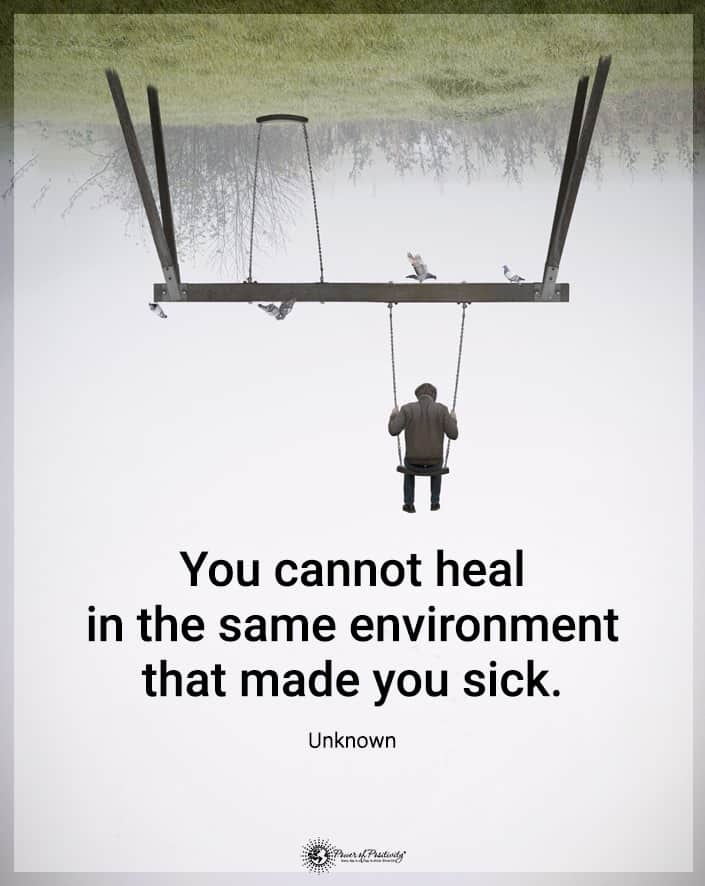
Genomicists have found hundreds of different genes that cause obesity. Compared to people with a healthy weight, overweight people have more of these genes. However, only a handful of these genes directly contribute to or prevent weight gain.

To identify the 14 genes that cause obesity, O’Rourke and her colleagues referred to tiny worms called C. elegans. These worms typically live in decaying vegetation and feed on microbes. Despite the apparent differences between humans and these worms, we share 70% of our genes. Just like people, they suffer from obesity when given a diet high in sugar.

The worms have been incredibly beneficial for scientific research. So far, they’ve been used to figure out the mechanisms behind drugs like the antidepressant Prozac and the glucose stabilizer metformin. In the last two decades, scientists have also discovered cellular processes in the worms that can help treat diseases like cancer and neurodegeneration. In the past 20 years, three Nobel prizes have been awarded for these essential discoveries. Finally, they’ve been crucial to the development of therapies based on RNA technology.

How the worms helped show how people become obese

In new research recently published in the scientific journal PLOS Genetics, O’Rourke’s team tested their theory on the worms. They used them to screen 293 genes linked to obesity in humans to pinpoint which genes specifically triggered or prevented the disease. They created a worm model of obesity to perform the research, dividing the worms into two groups. Then they fed the first group a regular diet, and the others were given a high-sugar diet.

Using the obesity model, automation, and supervised machine learning-assisted testing, they identified the 14 genes that cause obesity. In addition, they discovered the three genes that help prevent it. During their research, they also made other promising findings. When the team inhibited activation of the three genes preventing obesity in the worms, it increased their lifespan and improved their neuro-locomotory function. Hopefully, anti-obesity drugs would replicate these benefits in humans as well.

Of course, they’ll have to do more research to confirm the findings. However, researchers say the initial studies are encouraging. For instance, blocking the activation of one of the genes in lab mice prevented weight gain. It also improved insulin sensitivity and decreased blood sugar levels. The scientists believe replicating this experiment in humans would produce the same results since the genes studied have also been linked to human obesity.

What factors cause people to become obese?

Since obesity can cause other health problems like diabetes, heart disease, and even cancer, it must tackle this epidemic. According to the World Health Organization, these lifestyle factors can help prevent obesity:

  • limit calories from total fats and sugars;
  • increase intake of fruits, vegetables, legumes, whole grains, and nuts; and
  • make physical activity part of your routine (60 minutes a day for children and 150 minutes spread through the week for adults)

“Anti-obesity therapies are urgently needed to reduce the burden of obesity in patients and the healthcare system,” O’Rourke said. “Our combination of human genomics with causality tests in model animals promises yielding anti-obesity targets more likely to succeed in clinical trials because of their anticipated increased efficacy and reduced side effects.”

causes of obesityFinal Thoughts: Researchers have discovered specific genes that cause obesity
Obesity affects millions of people not just in the United States but globally as well. Scientists have even observed weight gain in pets and wild animals over the years! Clearly, it’s become a crisis that warrants urgent action. Luckily, researchers believe they’ve made a breakthrough, at least in regards to human obesity.

A team from UVA recently discovered 14 genes that cause obesity. In their research, they found that preventing activation of specific genes decoupled overeating from detrimental health effects. Also, it had other unexpected results – increased lifespan and improved neuro-locomotory function. The team believes anti-obesity drugs would replicate these findings in humans as well.

12 Habits That Make Attracting Positivity Easy

Do you want to live a more positive life? Attracting positivity doesn’t mean that everything will be perfect, but it means that you choose to find the good in it no matter what comes your way. When you wake up being thankful for breath in your body and getting to see and spend time with your family, it changes your perspective on things.

Being happy means that you look at your problems as possibilities. For every situation in your life, you see an opportunity to learn rather than an obstacle. One of the healthy ways to manage your stress involves being positive.

Did you know that attracting positivity can reduce your depression, increase your lifespan, and you can live a better life? Don’t believe us; that statement comes courtesy of the Mayo Clinic. However, it all sounds good, but being positive is sometimes challenging when negative things come your way. If you want to be more optimistic, you must start first by changing your mindset.

Habits Good for Attracting Positivity

You are in the biggest battle with your mind for attracting negativity. Your mind is a powerful thing, as it can make you believe things that are not true. For instance, if you’ve ever experienced anxiety, you will know that your mind can twist and turn into reality.

You can have intrusive thoughts that make you believe if you drive your car, you’re going to have a wreck, or you can think that you will pass out in front of others if you go to the grocery store. These things are likely not going to happen, but you can become so worked up that you live your life in fear.

So, it would be best if you got your thoughts under control by making a mindset adjustment. You need to put your intrusive thoughts in their place and develop a few other habits so that you can be a pro at attracting positivity. Here are 12 tips that are an excellent place to start.

attracting positivity1. Spend Time Improving You

You’re busy, and you don’t have a lot of time to make yourself a priority. However, self-care is essential, and you need to take time for yourself. When was the last time you’ve read a good book on the back porch or had a glass of wine relaxing in the bathtub?

You need to exercise, journal, practice mindfulness, and read a good book on occasion. Rather than hitting that snooze five times on the alarm in the morning, you need to get up and make extra time for yourself.

2. Be Fully Present to Start Attracting Positivity

Distractions happen all day long. You’re constantly debating your to-do list and engrossed in social media, texts, and playing games online. The sad thing is that you miss so much of the good stuff going on around you when you’re not present in the moment.

To help improve your focus, try meditation for just five to ten minutes each day. It can help you learn mindfulness as well as increase your awareness of your surroundings.

3. Make Gratitude a Daily Thing

When you awake in the morning, start by counting your blessings, and when you go to sleep at night, thank the Universe for all you’ve been given. An attitude of gratitude can do wonders for your outlook on life. When you focus on the good, the bad becomes less significant.

4. Attracting Positivity Flows When You Forgive Others

Did you know that a spirit of unforgiveness can be very detrimental to your health? It’s very unhealthy to hold onto such bitterness, and it’s time you learn how to release these toxic feelings. Forgiveness is not only good for the other person, but it’s also good for you.

Most important, you need to forgive yourself. Stop the negative self-talk and putting yourself down. Instead, you must realize that everyone makes mistakes.

Missteps should be lessons learned so that you can grow and not be viewed as lifetime sentences.

5. Perform Acts of Kindness

It’s always better to give than to receive, and making small, unexpected gestures for people can add positivity to your life. Don’t just do these acts on occasion but make them a part of your routine. Why not give the waitress a bigger tip, or you can pay for the meal of the car behind you in line at a fast-food eatery?

There are so many random acts of kindness that you can do that will help you to attract more positive things rather than negative ones. Get creative and have fun being a blessing to others.

6. Let Go of Expectations

Stop putting such high expectations on yourself and others. Now, it doesn’t mean that you need to live by a common set of standards, but it means that you can’t expect things to look a certain way. Did you know that high expectations stem from fear-based living, part of a negative thought process?

You’re going to have setbacks, and there are times that you’re going to make mistakes. So, you must stay open and be flexible because life is a bumpy ride.

attracting positivity7. Reduce Negative Influences

When it comes to your mindset, those around you have a significant impact on your attitude. If you fill your mind with pessimistic talk all day long, being positive will be challenging. Be careful who you spend your time with, as hostile people have a way of rubbing off on you.

8. Surround Yourself With Positivity

If you surround yourself with optimists, it won’t be long before these things seep into your innermost being.

It would help if you had both positive people and things in your life. The worst thing to hold you back is toxic relationships.

However, some people don’t need such relationships as their mental traps hold them back. When you surround yourself with positivity, you will grow and change into the person the Universe intended.

9. Smile

Have you ever noticed that you feel better when you smile? It’s because smiling causes a chemical reaction in your brain by affecting the amygdala area, according to Science Med Central.

It’s one of the small things that have such a huge effect, as when you smile, you’re tricking your brain into being more positive. Attracting positivity can be easy if you start smiling more.

10. Think Positive

Did you know that your thoughts form feelings? You have emotions that are automatic responses to things in your life. For instance, assume you failed a test. You will automatically have thoughts that you’re a failure for not passing.

However, everyone has bad situations happen, and you’re not defined by what happens to you. You cause a buildup of negative emotions when you don’t have realistic thoughts about a situation. Being more positive can be as easy as managing your thought patterns.

11. Look For the Silver Lining

If attracting positivity is crucial to you, stop looking at the dark storm clouds in your life and look for the silver lining. No matter how bleak things look, there is always some good in the world around you. If you have negative someone in your life, start being a positive force or silver lining they need.

12. Create Psychological Growth With the Power of Reading

School was all about studying and learning for life. However, once many people graduate, they don’t think they need to continue the process. Sadly, this is the wrong mindset as you learn new things constantly.

If attracting positivity is crucial to you, then you need to create a positive mindset by reading. It may sound a bit strange, but you can create psychological growth in many ways in your life, and studies show that reading is one of them.

Did you know that when you’re reading a story and connecting with a character, it can make you more compassionate and empathetic? So, find a good book that can teach you a few things, and it can change your perspective on some once dark and negative areas of life.

attracting positivityFinal Thoughts on Attracting Positivity Into Your Life
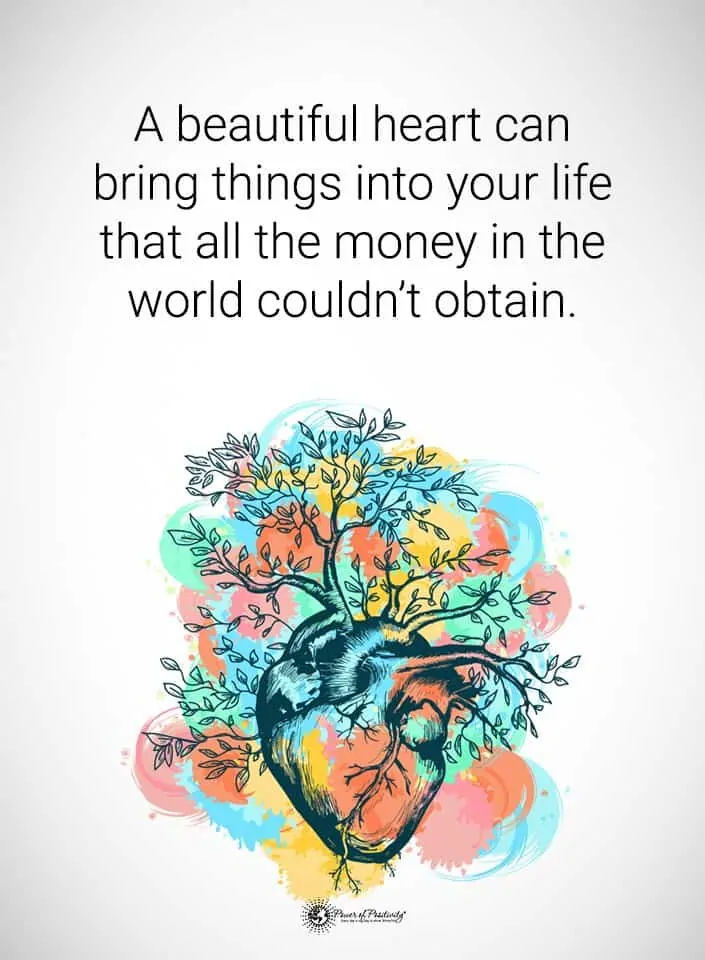

Attracting positivity is essential to living a good and balanced life. It can help you stay focused, keep you motivated, and make you happy. If you allow negativity to penetrate every fiber of your being, it will take over. Have you ever seen mold start in a corner in the bathroom?

The moisture from this area feeds the fungus, and soon it’s uncontrollable. The same thing happens when you let negativity into your being. Give yourself permission to be a positive person and wipe away the oppressive thoughts.

You make a choice every day about whether to be positive or negative, but attracting positivity is so much more attractive than going around with a pessimistic outlook. You get one life, and you get to decide how to live it. Just ask yourself if you’re going through life facing down looking at the darkness, or would you rather face upwards and look at the light?

Researchers Find a Link Between a Racing Heart and Brain Circuits

A  recent study done on brain circuits discovered which ones may lead to a racing heart, a characteristic of specific psychiatric disorders. People who suffer from anxiety, addiction, or other mental illnesses have heightened states of arousal. The heart starts to race, blood pressure increases, and the breath becomes shallow when this happens. In this aroused state, it can lead people to make impulsive decisions they wouldn’t typically make.

Scientists from the Icahn School of Medicine at Mount Sinai wanted to study how these intense states influence decision-making. So, they gathered data from a prior study involving non-human primates. After pouring over the data, they discovered that two of the brain’s decision-making centers might cause a racing heart.

Neurons in these centers may function only as observers of the body’s internal dynamics. During an intense state of arousal, it rewires neurons in one of the centers, turning decision-making neurons into internal state monitors.

“Our results suggest that the brain’s decision-making circuits may be wired to monitor and integrate what is happening inside the body constantly. Because of that, changes in our level of arousal can alter the way that these circuits work,” said Peter Rudebeck, Ph.D., Associate Professor in the Nash Family Department of Neuroscience and Friedman Brain Institute at Mount Sinai. He’s also the senior author of the study published in PNAS (Proceedings of the National Academy of Sciences).

“We hope that these results will help researchers gain a better understanding of the brain areas and fundamental cellular processes that underlie several psychiatric disorders.”

Atsushi Fujimoto, MD, Ph.D., an instructor in Dr. Rudebeck’s lab, led the study. His previous studies involved how the brain controls risk-taking.

The study that found a link between brain circuits and a racing heart

brain circuits and racing heart


Scientists have studied the relationship between arousal and decision-making processes for years. They describe it as a “U-shaped curve.” When the brain becomes slightly aroused, such as after a cup of coffee, performance increases. However, excess or inadequate arousal increases the likelihood that the brain’s decision-making processes will become impaired. In this error-prone state, the brain will make slow or poor decisions.

Findings from this study support this theory. For the study, researchers analyzed data from prior experiments which involved three rhesus monkeys. The scientists tested their ability to decide between two rewards: either a lot or a little juice. While working as a post-doctoral fellow at the National Institute of Mental Health, Dr. Rudebeck performed these experiments.

As he anticipated, the monkeys chose more juice time and time again. On average, the speed at which they made this decision increased when their hearts beat faster. This suggests that being in an aroused state leads to better performance.

The next step involved researchers studying electrical activity recorded from brain circuits. Specifically, they observed neuronal activity in two of the brain’s decision centers: the orbitofrontal cortex and the dorsal anterior cingulate cortex. They discovered that in about 1/6 of the neurons in either area, activity correlated with heart rate. Basically, when the monkeys’ heart rate changed, the action of the cells would increase or decrease in speed.

This activity wasn’t affected by decisions made about the different rewards the monkeys could receive. In addition, the remaining cells in the decision centers seemed to support the decision-making process mostly. In other words, they prioritized this activity above others.

Being in a state of arousal impairs decision-making.

“Brain scanning studies have suggested that bodily arousal alters the activity of these decision-making centers. Our results both support this idea on a cellular level and suggest that the sole job of some of these neurons is to track the body’s internal or interoceptive, states,” Dr. Fujimoto said. “The next question we had was: ‘What might happen during the type of heightened arousal states seen in patients who suffer from anxiety, addiction, and other psychiatric disorders?’”

Researchers then looked at data obtained from the amygdala, the brain’s emotional center, to find the answers. They surgically ‘turned off’ activity in this area of the brain in each animal. This caused heart rates to increase by up to fifteen beats per minute. In this heightened state of arousal, the animals chose rewards more slowly the faster their hearts beat. This implies that being in a heightened state of arousal impaired brain circuits, slowing the decision-making process.

As the team looked at the neuronal activity, they discovered even more surprising information. When animals’ arousal increased, it changed the roles that the neurons played in decision-making. In both areas of the brain, researchers found that the number of neurons involved in decision-making decreased. What’s more, the neurons that tracked internal states increased slightly in the dorsal anterior cingulate cortex. This led to an imbalance of information in this area as if decision-making neurons became “hijacked” by arousal.

Dr. Rudebeck said,

“Although not definitive, our results suggest that a heightened arousal state degrades and takes control of the decision-making circuits in the brain. We plan to continue studying how arousal can influence higher brain functions and how this contributes to psychiatric disorders.”

Scientists know that when a person feels anxious, it triggers a fight-or-flight response in the brain. In that state, the body and mind become primed to make a split-second decision to run or fight. In our modern world, unfortunately, we don’t know the difference between real or perceived threats. This can cause our evolutionary mechanisms and brain circuits to run on overdrive.

Hopefully, this study will lead to more research on the link between arousal and psychiatric disorders. If scientists can better understand the mechanisms driving this response, it could lead to new treatments for mental health conditions.

brain circuits

Final Thoughts on a study showing how specific brain circuits can trigger a racing heart

A new study reveals a surprising link between certain areas of the brain and a racing heart. Expressly, neurons in the decision-making centers turn into internal state monitors during a heightened state of arousal. This change in the way these brain circuits work can lead to poor decision-making. Scientists will need to perform more research on this topic, but they’ve uncovered exciting results so far. Our brains are incredibly complex, and we have a long way to go in understanding them.


10 Hard Love Lessons Everyone Must Learn

Wouldn’t it be wonderful if life and love were how they depicted in fairy tales? Two people meet, they get married, and everyone lives happily ever after. Sadly, life is nowhere near this simple, and you learn many hard love lessons along the way.

With time and experience comes wisdom, and as they say, hindsight is always 20/20. If only you could go back in time and make different choices, you could save yourself some heartache. The good news is that you can learn through the experiences of others and try not to make the same mistakes.

Ten Hard Love Lessons That Are Essential to Learn

Whether you’re just starting in the dating world or you’ve been in the pool for quite some time, there are life and love lessons that you need to learn. Here are some of the most important things to note that can save you some major heartache.

love lessons1. Romance Without Finance Just Isn’t Happening

Finances are a big part of any relationship. It takes two people to support a household. If you see that one person is unwilling to work and contribute right from the start, save yourself the trouble.

The University of Virginia and Dr. Bradford Wilcox researched what they called The Marriage Project.

They wanted to see why marriage has changed so much today. According to their research, they found that about 30 percent of all marriages fail over finances.

While you may love someone with all your heart, taking care of you financially is essential. You can tell when you’re dating if someone is in financial hock, and if things don’t change, it can put a severe strain on your relationship.

2. Slow Down—Don’t Rush Into Things

Why are people so eager to rush things? Many individuals share intimacy on the first date. The first meeting doesn’t give you an accurate indication of whether you will have a long-term relationship or like each other.

The New York Post reported a study conducted by Groupon. The study found that most people sleep together by the time they reach their fifth date. Don’t be so eager to make a home run.

Take your time and enjoy the little things about each other. Once you bring intimacy into the equation, it changes things.

3. Be True to Yourself (One of the Hardest Love Lessons)

Many times, people change when they start dating someone. The changes that happen should be for the better. Alas, there are always those toxic folks that seem to bring out the worst in you.

Don’t change who and what you are for anybody. If you see that someone isn’t making you be your best, it’s not the right person for you. When it’s right, you will both know it because they make you better, not worse.

4. You Don’t Always Get What You Want

Everybody has preferences in what they want from a mate. Perhaps, you’ve got your eye on a blonde girl with blue eyes and a figure that can look good in anything. While that may be your preference, what’s best for you doesn’t always equal the same thing.

People come in all shapes and sizes, and you should never judge a book by its cover. Please don’t get all caught up in the physical appearance as it matters so little in the grand scheme of things. Sure, you want aesthetically pleasing and takes care of yourself, but don’t get roped into settling for one specific type.

Ten years from now, that person is going to change drastically. A woman with few children and becomes a stay-at-home mom might not always have the swimsuit model body. Never get involved with someone for superficial reasons, as those things aren’t lasting.

5. Don’t Take Anything for Granted

Life can change in the blink of an eye, and the things you once held so near and dear can be gone. Take, for instance, Josh and Maegan. On November 2, 2018, Maegan came home to find her husband tried to take his life.

While Josh’s attempt was unsuccessful, the lack of oxygen to the brain caused him to be in a vegetative state. Now in a nursing home, Josh has no quality of life and is unresponsive. Maegan didn’t even know her husband was depressed, and she certainly never expected anything like this to happen.

Their story has been all over television outlets due to arguments between Maegan and her mother-in-law. While the details aren’t necessary, what is essential is that it’s a prime example of how quickly things can change.

Tomorrow is promised to no one, and you should make time to enjoy all the little things today. Being present in the moment is vital for your happiness and living a good life.

love lessons6. You Can’t Change People

One of the most significant relationship mistakes is that people try to change one another. Throughout history, love lessons have proven that you can’t alter someone to conform to your ideas. You need to realize that the person you see today will be the same a month, year, and decade from now.

While life has a way of making subtle changes and humbling you, the person’s core doesn’t alter much. Your beliefs, values, and mannerisms are part of who you are, and you must learn to love the person for what they offer and not what you want to make them.

7. Love is Messy

Few things in life hurt as bad as a broken heart. When you love someone and give them your all, having it taken away from you can be unbearable pain. If you see that things aren’t working out, don’t force something broken back together.

Many people stay in relationships and marriages long past the expiration date. If it doesn’t feel right, don’t stay where you’re not comfortable. There are plenty of people who will love you the right way and complete you, not make you miserable.

8. It’s Not All About You

Relationships are all about to give and take, and you must be willing to consider the other person. When you commit to marriage, you need to put their needs above yours. Being part of a couple means that you consult the other person in most things.

While you don’t lose your sense of identity, there’s another person in the equation to consider. You can’t be selfish if you want to be a couple, as it just won’t work.

9. The Only Thing Worse Than Being Single Is Being With The Wrong One

So many people settle for a relationship that isn’t the right fit for them because they would rather be with someone than alone. It’s okay to be single, and it can be an enjoyable time in your life. Still, some folks are scared to be alone and not have someone to come home to at night.

Simply put, you don’t have to settle for anyone who isn’t right for you. Don’t put up with abusive situations and toxic relationships because you’re afraid to be alone. A pet can provide companionship, and it’s a lot cheaper to keep a dog than go through the pain of divorce.

10. Love Is More Than a Feeling; It’s a Choice

People get caught up in the feelings that love gives them, but these feelings are only superficial. You choose to love someone, and you also decide to stop. When people get married or enter into a committed relationship, they don’t honestly know what love is all about.

However, they soon learn that love lessons like holding someone’s hand when they’re facing surgery, hugging them when they discover a loved one has passed, and staying up all night with them when they’re sick, teaches you the true meaning of the word.

love lessonsFinal Thoughts on Hard Love Lessons That Are Essential to Learn

Love lessons teach you that when things are correct, the relationship can be beautiful. Does it mean that you won’t have troubled times or ups and downs? No. The key is that when you’re with someone who completes you, even the bad times are better because they’re by your side.

Some people look for chemistry or serendipity before entering a relationship, while others jump in because they’re lonely. Why is it that some folks can be committed to one another for 50 or more years, and others only make it a mere five? You can’t be scared to take the risk in life or love, as it’s all a game of chance.

Some of the most significant relationships happen out of nowhere, and some folks know from the start that they’ve met their soul mate. Others start as friends and cultivate a friendship first that blossoms into something more significant. The key is to find someone that makes your heart skip a beat, that gets you on a level that few do, and that’s willing to stay by your side through thick and thin.

If you find just one person in this life to have and to hold, you’ve found a treasure. Don’t be too quick to toss out a good thing just because you hit a rough patch. People who stay married for decades are the ones that don’t give up even though they have every reason to, and they’re better for the love lessons they learn along the way.

15 Habits That Help Make a More Sustainable Planet

Like most people, you want to care for the planet. You know that overuse of energy and a vast amount of waste is bad for the environment. But, you may not know what practical things you can do to make a more sustainable planet. Here is a list of fifteen things you can do to make positive changes to benefit the Earth.

What is a more sustainable lifestyle? Living a more sustainable lifestyle means you try to reduce the use of the Earth’s resources. Even small attempts can have a significant ripple effect.

Try these fifteen things to help make a more sustainable planet

You might want to do your part to create a better planet, but you might be unsure where to start. These sustainability tips can help you begin.

sustainable planet1 – Remove your incandescent light bulbs and replace them with LED bulbs
Traditional light bulbs use more energy and don’t last as long as LED bulbs. The LEDs cost more, but they’re cheaper in the long run because they last so long. Switching out your regular light bulbs to the more energy-efficient LED bulbs is the first step towards a more sustainable planet. The article from Premium Electric points out that by switching to LED bulbs, which are up to 80% more efficient than traditional incandescent ones, households can achieve significant cost savings over time.

2 – Dress appropriately for the weather

When you feel cold, it’s tempting to turn up the thermostat in your house. But a more sustainable option is to put on a sweater and an extra pair of socks to warm up. It’s a simple way to save energy and money.

3 – Use natural light at home

As much as possible, make use of the natural light that comes through your windows rather than turning on lights. Choose window coverings that allow light into your home but still provide insulation from the heat or cold. Blinds work well because they allow light to come into your rooms but help keep your rooms insulated from the heat or cold. If you need professional help with your home insulation, search online for “insulation near me” to find a reliable insulation service in your area.

4 – Turn off lights for a sustainable planet

You can contribute to a more sustainable planet by turning off the lights when you leave your home or work. If you keep forgetting to do this, install occupancy sensors, so the lights go off automatically when you leave a room. If you have decorative lights, turn those off or use a timer that turns them off at a particular time each day.

5 – Reduce using your clothes dryer

When possible, hang your clothes either inside or outside to dry instead of using your dryer. Electric dryers use a lot of energy. Gas dryers use less energy than electric ones, but they’re not as sustainable as allowing your clothes to air dry.

6 – Take shorter showers

Showers waste a lot of water. Researchers say most people take at least an average 8-minute shower. Since showerheads release approximately 2.1 gallons of water a minute, that means your 8-minute shower uses 16 gallons of water. Invest in a water-saving showerhead or a shower timer to shorten your shower and save water. In the United States, we use around one trillion gallons of water every year just for showering. There are energy-efficient showers you can install or use a particular shower head that saves water.

7 – Grow food for a more sustainable planet

Growing your herbs and vegetables is another way to create a sustainable planet. You don’t need a tremendous amount of space to do this. Start with a few pots on your patio or make a raised flower bed. Easy to grow herbs include the following:

  • Parsley
  • Cilantro
  • Oregano
  • Basil
  • Thyme
  • Tomatoes
  • Lettuce
  • Spinach

You can also grow herbs indoors with a plant light for fresh herbs all year long.

8 – Using reusable bags at the grocery store can improve sustainability

Collect reusable bags to use at grocery stores or farmer’s markets instead of plastic bags. This cuts down on plastic litter that ends up in landfills or the ocean. Many cities are banning plastic bags, so why not start using reusable bags instead of paper or plastic bags.

sustainable planet9 – Buy second-hand clothing when possible

Try shopping at thrift stores or consignment shops as much as possible. You often find good quality, well-made clothing, and even designer brands. Avoid falling prey to changing trends that make you accumulate clothes. Fashion trends change so quickly, and you end up getting rid of clothing every year. Instead, buy classic clothing that never goes out of style like these items:

  • Blazers
  • A-line skirt
  • Little black dress
  • Aviator sunglasses
  • Pencil skirt
  • Trench coat
  • Wrap dress
  • Black purse
  • Diamond earrings
  • Turtle neck sweaters
  • White button-down shirts
  • Ballet slippers
  • Flannel shirts

10 – Pare down to a minimalist wardrobe

Researchers say that fashion and the demand for cheap clothing takes a toll on our environment. In the last fifteen years, they say that clothing production has doubled, which means it accounts for 60% of textiles produced. Many people buy trendy outfits only to throw them out by the following season. This quick fashion trend accounts for 73% of clothing ending up in a landfill. This is an alarming statistic. You can change how you think about fashion. Buy more classic clothes because they never go out of style. Pay more for your clothing, so they last for years instead of one short season. Buy sustainable clothing when possible.

  • A growing number of clothing brands are choosing to manufacture clothes in a way that doesn’t hurt the environment. Other minimalist things you can include:
  • Learn to sew on your buttons or fix a hole in your pants instead of throwing them out.
  • Take your clothing to a tailor to let out a hem or add some pleats.
  • Become a clothing minimalist. There are a growing number of people who are reducing the pieces of clothing they own. Most minimalists strive to have no less than fifty pieces of clothing. They build their wardrobe in a way that their clothing goes together for their work and home lifestyle.

The clothing list for your Earth-friendly wardrobe includes the following pieces:

  • Skirt-colorful that goes with different tops
  • Summer dress-Everything pairs with them.
  • 2-Cardigans-A black one and a white one.
  • T-shirts-At least one of your tee shirts should go with your skirt and anything else in your wardrobe.
  • Winter coat-Long enough to stay warm in extra cold weather
  • Pair of flats-They should be comfortable for wearing all-day
  • Sneakers
  • A jacket or blazer-Whichever one you wear more.

11 – Go paperless to be more Earth-friendly

Opt to receive digital bills and pay with auto-pay instead of a paper bill. Ask stores to email receipts instead of printing them out. Use your phone, tablet, or computer for note-taking instead of writing on paper. Send electronic invites or thank-you notes.

12 – Avoid bottled water for a more sustainable planet

Skip buying bottled water. Bottle water is convenient, but it’s harmful to the environment. Disposable plastic is filling up landfills and ending up on beaches. It will take decades for most of the plastic to even begin decomposing. Try to pack your lunch rather than buying single-use packs wrapped in plastic. Purchase each of your family members a washable, reusable water bottle they can use at work or school.

13 – Walk or bike to work for a better planet

Why not try walking or biking to work or school for a month? It may surprise you how much better you feel and how much money you save. If you live too far from work to walk or bike, try riding the bus or train. Arrange to carpool with a coworker. You can split the gas costs and enjoy one other’s company during the commute.

14 – Try making homemade cleaners

Your grandmother didn’t buy household cleaners. She mixed them up using ingredients from her pantry. Here are a few natural things that are great homemade cleaners.

  • White vinegar: It kills bacteria. Use it to shine your mirrors or windows.
  • Hydrogen peroxide: It’s a disinfectant and contains some mild bleaching properties.
  • Isopropyl alcohol: It’s a great germ killer. Use it to shine on your fridge doors and handles.
  • Baking soda: This mineral deodorizes and it’s mildly abrasive, so use it to clean sinks and stovetops.

If you have vinyl or durable, non-porous flooring, make your floor cleaner using vinegar and water. Here’s a simple recipe.

Ingredients:

  • ¼ cup vinegar
  • 4 cups warm water

Directions:

Stir and add to the spray mop. Spray on vinyl flooring and mop. That’s it—no need to rinse with water.

15 – Reuse your glass bottles

Everything from pasta sauce to olives comes in glass bottles. Once you’ve used the contents, the glass bottles are excellent storage containers. Glass jars are better than plastic because glass because they:

  • Don’t absorb smells because it’s non-porous
  • Save money
  • Reduce waste stream in the landfills or the cost of recycling
  • Are easy to clean in the dishwasher
  • Never become cloudy like plastic does over time

Besides that, you can use glass jars for these things:

  • Storing spices and herbs
  • Storing bulk items like flour, sugar, rice, or oatmeal
  • Freezing soups and sauces. Just be sure to leave a little headspace because the soup or sauce may expand when it freezes (check online for which glass bottles are best for freezing)
  • Salad dressing shakers
  • Gifts like cookies, cake, or dry soup mixes

sustainable planetFinal thoughts on doing your part towards a more sustainable planet
There are so many ways to care for the planet. Hopefully, these practical suggestions inspire you. If so, why not get started today doing your part to help make a more sustainable planet.

15 Things That Reveal Someone Is Guilty of Emotional Self-Neglect

Emotional neglect is characterized as being in a relational situation where your needs for affection are disregarded or ignored. This trauma may have happened in your childhood, but it still affects you today. You may be experiencing emotional self-neglect.

Fifteen Signs You Are Guilty of Emotional Self-Neglect

Here are fifteen things that reveal if you struggle with emotional self-neglect.

1 – You feel different from other people

Mental trauma as a child can affect you as an adult. You may feel like something is wrong with you, that you’re different from everybody else. You may not understand why, but this deep sense of being unique haunts you, making you feel as if you’re inferior to everyone else.

emotional self-neglect2 – Emotional self-neglect leads to hollowness or numbness inside

The feeling of being emotionally numb is also characteristic of someone who has experienced emotional neglect. You may have a general lack of emotions or a sense of being isolated from the world. Researchers suggest that there is a decreased development of ordinary emotional skills in environments where there is emotional neglect. This causes a pattern of blunted emotional reactions. Emotional numbness is hard to describe to people who haven’t experienced it. It’s like being in a vacuum with everything empty around you. A side effect of this hollowness or numbness is depression. Feeling this way can cause you to withdraw from the people around you.

3 – Low self-esteem

Low self-esteem can be a result of emotional self-neglect. Signs of low self-esteem include:

  • Focusing more on your negatives than on your achievements
  • The emphasis of others being a lot better than you
  • Being highly critical of yourself
  • Sadness, anxiety, or feelings of being ashamed

If you struggle with low self-esteem, you struggle with relationships at work or school and get very upset if anyone shows you disapproval or gives you criticism. When this happens, you tend to withdraw from people and activities.

4 – Emotional Self-Neglect Leads to a Perfectionist Mindset

Perfectionism tends to set standards that are so high you can’t meet them, or you can only meet them if you work hard. You believe that anything short of your standard of perfection is inferior. You struggle with your imperfections. Making a mistake is a failure in your mind. Or, as a perfectionist, you may believe you never make mistakes. If you admit you made a mistake, it means you’re a disappointment to yourself and others. Perfectionism is exhausting, and over time you begin to feel like you’re not capable of doing anything right.

5 – Easily overwhelmed

When you struggle with emotional self-neglect, you are easily overwhelmed with life. The feelings of being overwhelmed hit you like a giant wave. Stressful things cause you to shut down so that you’re unable to manage your life. Or you may get irritable or angry when you feel overwhelmed and lash out at those around you. Other symptoms of feeling overwhelmed due to emotional neglect include the following:

  • Doubt
  • Panic
  • Helplessness
  • Crying
  • Excessive worry

6 – Not able to ask for help or support from others

If you’re grown-up with emotional self-neglect, you find it difficult to depend upon others for support or care. You avoid asking for help because you assume people will disappoint you. If you reach out for support, you fear your needs will be ignored. This prospect is terrifying for you because that’s what happened to you when you were young.

7 – Inability to articulate your feelings

Emotional self-neglect leaves you feeling unable to express how you feel. You’ll use short, almost childish one-dimensional words to describe your feelings like

  • Sad
  • Mad
  • Happy
  • Okay

This limited emotional vocabulary is characteristic of not understanding what’s going on in your heart. It’s confusing for you to express your emotions to others. When you’re upset, you feel a mix of confusion and frustration because it’s so hard to describe what’s going on inside.

8 – Very sensitive to rejection

Rejection isn’t something anyone enjoys, but some people are susceptible to rejection. If you experienced emotional neglect as a kid, you might be extremely sensitive to rejection. Your sensitivity is rooted in fear of being rejected. You may expect rejection. Because of this, you’re always on the lookout for someone not to like you. You may even push people away to protect yourself from rejection. Plus, it’s a complex cycle for you to see in yourself as an adult, even if others try to point it out to you.

9 – Feel guilty about your emotions and feelings

Because of your emotional neglect as a child, you may struggle with feeling guilty about your feelings. You learned as a kid to push away your emotions. You feel as if emotions are destructive, and you shouldn’t be an emotional person. It’s a twisted way of thinking, but it isn’t easy to see this in yourself unless someone points it out to you.

10 – Self comparison

Self-comparison is a slippery slope. You either feel superior towards others, or you feel inferior to them. You may work hard to be the kind of person you think you should be. So, you act very caring towards others but struggle with self-hate. It’s a double standard of acting one way with other people, and hating yourself.

11 – Unrealistic view of yourself

Due to your emotional self-neglect, you struggle with understanding yourself. You can’t identify your strengths and weaknesses. Self-evaluation is uncomfortable for you. This can be so challenging that you can’t even express your dreams or hopes in life.

12 – Overreact to conflict

If you have a conflict with a friend or co-worker, it can send you into a panic. Growing up with emotional neglect makes you hyper-sensitive to a dispute of any kind. Instead of trusting that the situation will eventually work itself out, you shut down emotionally. Or you may have an outburst that is out of proportion to the conflict. You may feel physically ill due to the conflict.

13 – Blame yourself

You perceive anything negative that happens to you as your fault. You may feel shame or guilt due to the difficult situation because you assume you are to blame. Also, you feel as if bad things will happen to you because you deserve it. Self-blame exaggerates your inadequacies, whether they’re real or imagined.

emotional self-neglect14 – Emotional self-neglect leads to self-doubt

Experiencing emotional self-neglect results in a lot of self-doubts. You doubt your ability to have relationships. You connect with abusive people. It’s a weird self-fulfilling prophecy, thinking you cannot maintain a healthy relationship, so you get yourself into an unhealthy relationship. You may remain in an abusive situation because you don’t trust yourself to do anything else. Your self-doubt also encourages feelings of worthlessness and a lack of self-confidence.

15 – Things trigger you easily

Life situations throw you off. Sudden changes or stresses cause you to tear up and feel overwhelmed. You’re not anchored emotionally, so you can’t navigate difficulties like disappointments, responsibilities, or hardships. You cope by feeling numb inside or lashing out in anger.

Five Things to Help You Recover from Emotional Self-Neglect

If you think you were emotionally neglected as a child, here are some suggestions for how you can find healing and learn how to express your emotions without guilt or shame.

1 – Learn how to distinguish your emotions

When you’re tempted to run or ignore your feelings, step back and try to identify how you feel. These categories may help you figure out what you’re feeling. You can be feeling:

  • Sadness or joy
  • Disgust or trust
  • Anger or fear
  • Surprise or anticipation

2 – Question your mindset

Learn to ask yourself questions to help you understand what’s going on inside your heart and mind. Some questions you could ask yourself include:

  • What just happened that makes me feel like this?
  • What does this emotion make me think about myself?
  • Why don’t I like myself right now?
  • Why do I feel angry, frustrated, or panicked right now?
  • What am I afraid of?
  • Why can’t I let go of this?
  • What do I hate about this feeling right now?
  • Is this true about me?
  • Am I willing to change how I feel?
  • What can I learn about myself right now?

3 – Engage in self-reflection

Learn to understand what you need and take some steps to help yourself.

If you’re experiencing emotional self-neglect, you may not be aware of what you need. You may feel you don’t deserve to get help or what you need. You can begin to learn about different emotions and what they look like.

4 – Deconstruct your old beliefs

Once you realize that emotional self-neglect isn’t healthy, you can begin to imagine what emotional health looks like.

5 – Seek a therapist if you need one

Find a good therapist to help you. Having someone to talk to about your feelings can bring you the healing you need.

emotional self-neglectFinal Thoughts on Knowing the Signs of Emotional Self-Neglect

If you realize that emotional neglect is affecting you, even if it’s challenging, take that first step to get help. You can break free of your emotional self-neglect. Over time, you can find healing and wholeness and be free to have emotions without guilt or shame.

Skip to content