Weekly tips, affirmations, and small actions to feel your best.

Neuroscientist Explains Why Exercise is the Most Important Factor for Brain Health

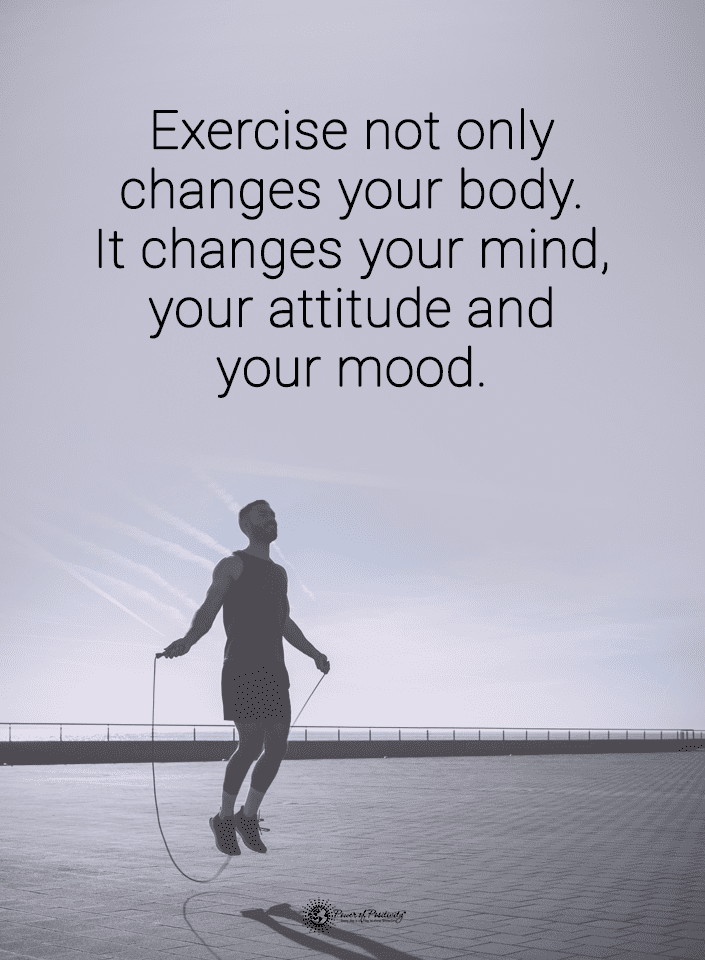
Exercise has long been recognized for its numerous benefits to physical and brain health. Still, it is only in recent years that its positive impact on brain health has been thoroughly researched and documented. Like the rest of the body, the brain requires proper care and attention to maintain optimal functioning. Exercise is a key factor in promoting brain health and improving cognitive function. It even helps to reduce the risk of developing brain-related conditions such as dementia and depression.

Exercise benefits the physical body and the brain in numerous ways. Regular physical activity has been linked to improved cognitive function, including increased memory, attention, and processing speed. It has been associated with reduced stress levels and improved mood, which can lead to a better quality of life.

Exercise also has a positive impact on the body’s cardiovascular system. It can help reduce the risk of heart disease, stroke, and other related health conditions. There’s arguably nothing you can do to benefit you more than physical activity. Incorporating exercise into one’s daily routine is essential for maintaining good health.

Why Exercise is the Most Important Factor for Brain Health?

brain health

1.      Boosts Brain Health by Increasing Brain-Derived Neurotrophic Factor (BDNF)

Brain-Derived Neurotrophic Factor (BDNF) is a protein that plays a crucial role in promoting the growth and survival of neurons in the brain. Exercise has been shown to increase the production of BDNF, which can lead to numerous benefits to brain health. BDNF is essential for forming and maintaining connections between neurons, known as synapses.

This process is vital for learning and memory, enabling the brain to create and strengthen new neural connections. By increasing the production of BDNF, exercise helps to improve the brain’s ability to learn, remember, and recall information. Studies have also shown that BDNF plays a role in neuroplasticity. This is the brain’s ability to change and adapt to new experiences. Exercise has been linked to increased neuroplasticity, which can lead to better cognitive function and improved mental health.

On the other hand, low levels of BDNF have been associated with depression and anxiety. So, by increasing BDNF through exercise, individuals may be able to reduce the symptoms of these conditions. In addition to its benefits to mental health, exercise has also been linked to improved brain function in aging adults. As people age, their levels of BDNF naturally decrease, which can lead to aging in the cognitive processes. Regular physical activity increases the production of BDNF and helps slow down the aging process in the brain.

2.      Improves Cognitive Function

Exercise has been shown to positively impact cognitive function, including memory, attention, and processing speed. This makes exercise essential for maintaining a healthy brain and promoting overall brain health. One of how exercise improves cognitive function is by increasing blood flow to the brain.

The increased blood flow gives the brain essential nutrients and oxygen for healthy brain function. Exercise has also been shown to stimulate the growth of new brain cells, particularly in the hippocampus. That is an area of the brain responsible for learning and memory.

Studies have also shown that exercise can improve executive function, which is the ability to plan, prioritize, and complete tasks effectively. Executive function is essential for everyday activities. Improving it through exercise can lead to improved productivity and overall quality of life. Many types and intensities of exercise can help. But, as for the most beneficial, research suggests that aerobic and resistance training can positively impact.

3.      Stimulates Neurogenesis

Neurogenesis is the growth and development of new neurons in the brain. As we age, this process is crucial for maintaining cognitive function, including memory, attention, and processing speed. As mentioned before, exercise is linked to increased in production of BDNF.

This is a crucial protein that plays a role in promoting neurogenesis. Exercise has also been linked to an increase in the number of neural stem cells in the hippocampus, an area of the brain that is crucial for learning and memory. This increased production of new neurons can help to improve cognitive function and protect against age-related cognitive decline. Chronic stress has been shown to decrease neurogenesis and impair cognitive function.

By reducing stress through exercise, individuals can promote neurogenesis and maintain healthy brain function. Exercise has improved the health and function of existing neurons, including forming new connections between neurons. This improved neural connectivity can improve communication between different brain areas and cognitive function.

4.      Improves Brain Health by Decreasing Stress and Anxiety

Physical exercise is a powerful tool for reducing stress and anxiety levels because chronic stress and anxiety can harm physical and mental health. So, incorporating exercise into your daily routine can help to improve overall well-being. Physical activity has been shown to reduce cortisol levels, a hormone produced in response to stress. This can help to reduce stress levels. Exercise has also been linked to increased production of endorphins.

These neurotransmitters play a role in reducing pain and increasing feelings of happiness and well-being. Endorphins have a calming and stress-relieving effect, which can help to reduce anxiety levels. Exercise has been linked to improved brain function and cognitive ability, which can help to improve focus and reduce anxiety levels.

Physical activity can increase the prefrontal cortex size, an area of the brain associated with decision-making, attention, and executive function. The more developed this area is, the more you’ll be able to focus. Thus, you’ll be able to reduce symptoms of anxiety and depression. Exercise also has a positive impact on mood, which can help to reduce stress and anxiety levels. Regular physical activity has been linked to increased self-esteem and improved overall mental health.
exercise

5.      Increases Brain Health by Improving Blood Flow

Increasing blood flow to the brain can positively impact brain health and function. Increased blood flow to the brain provides it with essential nutrients and oxygen. These nutrients are vital for optimal brain function and health. Physical activity has been linked to increased blood flow to the brain, which can help to improve brain function and cognitive ability.

During exercise, increased heart rate and blood flow can help to deliver more oxygen and nutrients to the brain. So, it provides the resources it needs to function at its best. In addition, exercise leads to the growth of new blood vessels in the brain. This can help to improve blood flow and provide additional support for brain function. This increased blood flow and new blood vessel growth can help improve brain function and cognitive ability.

It can even help reduce symptoms of anxiety and depression and improve overall mental health. Increased blood flow to the brain can help to support brain plasticity, allowing it to adapt and change in response to new experiences and information. This leads to the improvement of overall brain function and cognitive ability.

6.      Reduces the Risk of Brain-Related Conditions

There are many brain-related conditions, such as dementia, Alzheimer’s disease, and stroke, that people need to be concerned with. But one of the things that help you reduce this risk is physical exercise. As mentioned, it has been linked to improved brain function, cognitive ability, and overall brain health.

All of these can help to reduce the risk of brain-related conditions. And studies confirm that regular exercise can improve brain function and reduce the risk of dementia and Alzheimer’s disease. Exercise has been shown to reduce the risk of stroke, which can lead to serious brain damage and disability. Physical activity has been linked to improved cardiovascular health, which can help reduce stroke risk.

As exercise leads to improved brain function, it can help to reduce the risk of stroke and improve overall brain health. Regular exercise can lower blood pressure, improve cholesterol levels, and reduce the risk of other cardiovascular conditions. All of these are factors that can reduce the risk of stroke. Plus, mental health is also a known risk factor for stroke. And, as discussed before, exercise can help you manage it.

7.      Promotes Physical Health

Of course, exercise will mainly improve your physical health. But, by promoting physical health, it also helps promote brain health.  Regular exercise can help strengthen muscles and bones, reducing the risk of injury and osteoporosis. Weight-bearing exercises, such as running and weightlifting, can help to build bone density and reduce the risk of bone fractures.

Exercise can improve your metabolism and promote weight loss. This can help to reduce the risk of obesity, diabetes, and other metabolic conditions. Physical activity has been linked to improved respiratory function, reducing the risk of respiratory conditions such as asthma and chronic obstructive pulmonary disease.

And lastly, it helps boost the immune system, helping to fight off infections and illnesses. All of these factors help you have a better, happier life. And, the healthier your body can be, the healthier your brain will be.

brain health

Final Thoughts on Why Exercise is the Most Important Factor for Brain Health

Exercise is one of, if not the most important, factors for brain health. Regular physical activity has a wide range of benefits for the brain. It helps improve cognitive function, increase neurogenesis and blood flow to the brain, reduce stress and anxiety, and reduce the risk of brain-related conditions. Physical activity also promotes physical health, which in turn has a direct impact on brain health.

Exercise benefits include improved cardiovascular health, stronger muscles and bones, better metabolism, a more robust immune system, improved respiratory function, and better mental health. And all of them can help to improve brain function and overall brain health. Exercise should be a priority for anyone looking to improve their brain health. Whether through a structured exercise program or daily physical activity, the benefits of exercise for the brain are numerous and well-established.

Even though you might find it tedious or complicated, you should try to be more active. You don’t even have to start going to the gym. Something as simple as taking daily walks can do the trick. Making exercise a regular part of your daily routine can help protect your brain health. And ultimately, you can improve your overall quality of life.


Raising Your Partner Causes an Unhappy Relationship

It might seem weird to talk about raising the person you are in a relationship with. Most people would find this idea ridiculous. After all, you can’t raise someone who is an adult and is around your age, give or take a few years. You might be surprised to hear that you are in the wrong if you hold this belief. In fact, your partner might be very unhappy.

You can have the dynamic of a mentor and a mentee in a relationship. One person is the one who is more mature and tries to teach the other how to handle their lives better. And the other is quiet and listens to everything their partner tells them to do. Or maybe the dynamic is not as pronounced, and, truth be told, it usually isn’t.

What people usually do when they are trying to raise their partner is that they try to “fix them.” They are convinced that their partner won’t be able to get their life together without help. And who better to help them than the person in love with them? If you do that, it’s not because you are an inherently bad person. Surely you are just trying to help your partner out.

But, in a romantic relationship, no one should be raised. Of course, you can help your partner grow, but there’s a difference between trying to change them and molding them into something else. Not to mention that many people don’t even realize that they are trying to raise their partner. They just think that they are helping them out.

But, when that turns into you micromanaging their life, that’s a sign that things are going wrong. And this kind of relationship dynamic can quickly lead to unhappiness.

Why Do People Raise Their Partners?

unhappy relationship

A relationship requires a lot of work on both sides. If you and your partner don’t make efforts to work things out, you won’t stand the test of time. Sure, you can have a casual relationship that won’t require too much effort. But those types of relationships aren’t fulfilling. At most, they’re fun to distract you when you don’t have time to commit to something serious–like becoming unhappy.

But people ultimately yearn to find someone to share their life with. Some people will find it easier to be alone and even happier. Most of us just want to find someone to be there when we get home after a long workday. But there’s also a lot of pressure associated with finding the person with whom you can have the perfect relationship.

Plus, most people aren’t necessarily taught how to find the right person. Like it or not, the reality is that many couples don’t work out in the end. This means there aren’t many good role models from which kids can learn. If your parents don’t have a healthy relationship, you’ll struggle with learning how to find the right person, and you won’t know how to act properly.

Maintaining Stability to Avoid an Unhappy Relationship

Plus, there is a lot of uncertainty in this world. People have to struggle with it every day. Even the coziest job could be lost if things don’t work out in your favor. So, people want to have some stability in their relationships. You can understand why people might need to raise their partner.

When they do that, they can mold them into whatever fits their ideal of a perfect relationship. In a way, it can feel like there’s no risk of being unhappy when you’ve made sure that your is exactly the way you want them to be. Another big thing that pushes people to feel like they need to raise their partner is a lack of trust. This is often coupled with the belief that they are immature and need help navigating their life.

Most people convince themselves that they are micromanaging everything their partner does because they love them and want to ensure they are happy. But if that were the case, they would allow their partner to live their life freely. The truth is, some people just don’t trust their partner to be able to take care of even the simplest of responsibilities. This usually reflects that there is a deeper trust issue in that relationship.

Some people, admittedly very few, just want to control their partner and ensure they always know where they are and what they are doing. This also stems from a lack of trust. Lastly, people tend to raise their partners out of a misguided sense of responsibility. They need to “fix them” even if nothing needs fixing. But, as long as they shield them from any harm in the world, that’s not such a bad thing, right?

Why Does Raising Your Partner Cause an Unhappy Relationship?

People need to live their life freely and be allowed to make mistakes. This is the only way they can learn and create a life that will truly make them happy. So, even if someone has only the best intentions, if they raise their partners, they only do them a disservice.

unhappy relationship

1.      It Creates a Power Imbalance

All relationships are built differently, requiring their unique dynamic to work properly. But no relationship built on a power dynamic has ever been successful. When someone holds more power than their partner, there’s always the risk that the less powerful person will get abused. This has been seen in all areas of society. For example, when a boss gets into a relationship with their employee, they hold all the cards.

They can fire the employee to enact revenge for something the employee did in the relationship. So, the threat of losing their job will make the less powerful partner accept all kinds of abuse from the more powerful one. And this is the case for all instances of power imbalance in a relationship.

This same thing can happen in a relationship where one partner raises the other. Again, because they take care of the other’s responsibilities, there’s a high risk that their partner will become dependent on them. Sometimes, this dependency can even become financial, which is when things get that much more complicated.

That means that, in time, some abuse will start to happen. For example, the more powerful partner could threaten to stop helping the other person out if they don’t comply with a particular behavior. For instance, if someone doesn’t even know how to cook because their partner always cooks for them, they will struggle to live independently. Knowing that they will accept almost any request of their partner because they don’t want to end up stranded without anyone to help them.

2.      It Puts a Lot of Pressure on Both Partners

No matter what, the power imbalance will be there if you need to raise your partner. But that doesn’t mean you have to exploit it. And most people won’t take advantage of this and won’t outright abuse your partner. But that still doesn’t mean raising your partner will make you happy.

Even if you have the best intentions, this dynamic will only pressure you and your partner. Think of how most relationships between kids and their parents are. Usually, kids feel loads of pressure to make their parents proud, while the parents feel the need to offer their kids the best life possible. Ultimately, everyone involved is stressed and under loads of pressure.

This is a bit different because parents are legally responsible for the well-being of their kids. This means they should feel the need to offer their kids the best possible life. But this is not how the dynamic between two romantically involved people should be. When two people enter a romantic relationship, they should treat each other as equals and not put added pressure on themselves or their partner.

The minute this pressure starts building up, you will begin having many fights and constantly being unhappy with each other. Plus, you’ll always beat yourselves up when you feel like you’ve failed the other. If you don’t “parent” the other well, you’ll beat yourself up over it. On the other hand, if your partner feels like they don’t live up to your expectations, they will be unhappy with themselves.

3.      It Creates Trust Issues

As mentioned, people need to parent their partners when they don’t trust them to carry out their responsibilities alone. But it also makes the partner feel they can’t trust the other to allow them the freedom they need. Plus, if you are the type of person who always needs to know where their partner is and what they are doing, it will make the other feel constrained and mistreated.

In relationships, people need their space and freedom. They don’t need to feel like the other is trying to change them. This will only make them feel like they are not accepted and can’t even be themselves around the person who is supposed to love them the most. Ultimately, this type of relationship will either end or last, but it will be filled with pain and unhappiness.

unhappy relationship

Final Thoughts on How Raising Your Partner Causes an Unhappy Relationship

In romantic relationships, people need to be able to learn, make mistakes and grow at their own pace. No adult needs to be told what to do and parented, especially not by their partner. While some people have genuine reasons to try to raise their partners, that doesn’t make it moral or beneficial to any party involved. On the contrary, it only causes unhappiness and issues.

When you parent someone you are romantically involved with, it just creates a power imbalance and a fundamentally unhappy relationship. This means there is a higher likelihood of the relationship becoming abusive or toxic. It also puts a lot of pressure on both people, turning what should be a fantastic connection into a burden. Lastly, it creates trust issues that can lead to you breaking up and ruining something that could have been beautiful.

Psychology Explains Why People Are Waiting to Get Married in Their Forties

In modern society, being married is generally viewed as a commitment between two people to build a life together. It is often considered a marker of adulthood and a step towards forming a family. However, how marriage is viewed and practiced can vary greatly depending on cultural and societal factors. Marriage is a traditional and highly valued institution in some cultures and communities.

In others, it is viewed as less necessary or unnecessary. The legal recognition of marriage has evolved and varies across countries and states, with some offering marriage rights to same-sex couples and others not. In many societies, the concept of marriage has become more flexible and diverse, reflecting changing social norms and values. So, it would be expected that more and more people would get married, seeing how progressive the institution has become.

But because it’s no longer imposed on people or viewed as a social obligation, many people wait until later to do it. Some choose not to get married at all. Just a few decades ago, people used to get married in their early twenties. Even as recently as fifty years ago, many marriages were arranged. Or if not arranged, at least kids were expected to get married as soon as they entered young adulthood.

Plus, many women used to be financially dependent on having a husband. There was a time when women didn’t have the right to work and had to be homemakers. Sure, there are still some cultures where these gender norms and dynamics are upheld. But in most cultures and countries, people have freedoms and rights now. And the trend has shifted so that people wait a lot more to get married.

Why People Are Waiting to Get Married in Their Forties

married

1.      Career and Personal Development

Many people today focus on building their careers and achieving personal goals before committing to a long-term relationship and marriage. This is partly due to the changing economic and social landscape, which has led to people working longer hours and having less time for personal relationships.

There is a growing emphasis on individualism and self-fulfillment, which may motivate people to prioritize their personal and professional development over starting a family. Some cultures even encourage people to focus on their education and career before starting a family. People are working longer hours and have less time for personal relationships.

So, they might put off marriage until they feel they have achieved particular career success and stability. As the cost of living continues to rise, many people may feel the need to be financially secure before starting a family. People may prioritize their career over their personal life because they feel that their career is a significant part of their identity and self-worth. Many people want to be successful in that aspect before committing to a long-term relationship.

2.      Achieving Financial Stability Prior to Getting Married

Financial stability is something many people feel they need before getting married. They want to ensure that they can provide for a family. Marriage and starting a family often involve significant financial responsibilities. You might have to buy a home, pay for child care, and save for education and retirement. Financial stability promises they can take care of their family in case of unexpected expenses or changes in income.

Financial stability can also provide security and peace of mind, essential for building a solid foundation for a long-term relationship. Many people put off marriage until they feel they have achieved a certain level of financial stability. They want to ensure that they are in a good place emotionally, personally, and financially before starting a family.

3.      Changing Social Norms

Social norms regarding marriage have been changing over time. This is one reason why some people are waiting to get married. Historically, marriage was often seen as a necessity or a rite of passage. But today, many people view it as a choice that can be made at any point in life. People have become more independent and self-sufficient.

They may not need to get married for financial or emotional support. With more significant social and economic mobility, people are more likely to delay marriage. As mentioned, most wait until they feel they have achieved personal and professional success.

There is more acceptance of different lifestyles and orientations. So, many people choose to live together and form long-term relationships without getting married. The societal view of marriage has become more flexible and diverse, reflecting changing social norms and values. Marriage is no longer seen as a one-size-fits-all institution, and people are taking their time to consider the decision more carefully.

marriage

4.      Greater Independence

As people become more independent, they have more control over their lives. Most people might not feel the need to get married for financial or emotional support. They may also feel that they have the ability to achieve their goals. People today live as they choose, without being dependent on a partner.

With greater economic independence, people can support themselves financially. Thus, they may not feel the need to get married for financial reasons. This independence can also allow people to wait until they find the right person. In the past, they felt pressured to settle down and get married at a young age. People want to live a few years without being tied down.

Marriage is a big responsibility that people in their twenties and thirties might not want to take on. But people in their forties usually don’t feel the need to experiment so much. They have already had their share of fun in their younger years. And they are probably already stable, financially and emotionally. So, for most people, that’s the perfect time to find a partner.

5.      Finding the Right Partner Before Getting Married

Many people today may be waiting to find the right partner before getting married. There are several reasons why this might be the case. There is a greater emphasis on individualism and self-fulfillment. So, people may be more selective about who they marry. They often want to ensure they have found someone with similar values, goals, and lifestyles.

Plus, many people are better positioned to wait until they find the right person rather than feeling pressured to settle down. Not to mention that marriage comes with a high divorce rate, which affects people emotionally and financially. As a result, people may be more cautious about choosing a partner. They want to ensure they have found the right person before making a long-term commitment.

Waiting to find the right partner can ensure that the people are emotionally and mentally prepared for the commitment. Marriage comes with many expectations, such as building a family, so people have to be sure they are ready to take this on. This way, they can avoid going through unnecessary emotional stress and disappointment that could arise from a failed marriage.

6.      Previous Marriages or Children

Not everyone only gets married once. Some go through two, three, or even more. There are many reasons why someone would get married more than once. But having a previous marriage always affects the decision to do it again. Previous marriages can also bring emotional baggage that can make people more hesitant to enter a new marriage.

People who have gone through a divorce may want to take the time to heal and process their emotions before committing to a new relationship. They may also want to ensure that they are in a better place emotionally and mentally before getting remarried. Other factors might be at play, such as having children from a previous relationship. For example, people with children may want to ensure that any new partner is someone who will be a positive influence on their children.

The new marriage would have to be stable enough to bear the responsibilities of raising children. People who have gone through a previous marriage and have children may be more financially stable. They usually have less of a need for marriage for financial reasons. So they can take their time to make sure they are making the right decision for themselves and their children.

7.      People Are More Selective

Selecting who you will marry is a personal choice and can be crucial in ensuring a successful and lasting relationship. You have the freedom to find someone who shares your values, goals, and lifestyle. It’s not just about lust and attraction but about who you believe will be a good partner for you in the long term.

When being selective, consider factors such as compatibility, communication, trust, shared values, and personal and professional goals. It’s also important to have realistic expectations and not to settle for less than you deserve. Being selective may also mean taking the time to get to know the person well before committing.

This can include dating for a significant period and having open and honest conversations about your expectations and goals. Spending time together with friends and family is also essential. Selecting who you will marry can be a healthy and responsible approach to building a long-term relationship. It allows you to find someone truly compatible with you, even if you have to wait to get married in your forties.

married couples

Final Thoughts on Why People Are Waiting to Get Married in Their Forties

There are several reasons why people may be waiting to get married in their forties. Some people focus on career and personal development. Some focus on achieving stability or waiting to find the right partner. The social norms are changing, meaning marriage is not considered mandatory to have a good life. There is greater independence, which allows people to be more selective about who they will marry. And, if they have kids or were in a previous marriage, that will also factor into their decision to get married later.

Everyone has their own experience with marriage and will find the right partner sooner or later. But, for now, that age seems to be somewhere in your forties. So, if you’re young but don’t have a partner, don’t panic. Your younger years allow you to work on yourself and achieve your goals. Then, later, you can start thinking about marriage.

Psychologist Explains 7 Warning Signs A Narcissist Is About to Collapse

Narcissistic collapse is a term used to describe the psychological state of people who have experienced a significant blow to their self-esteem. This is particularly true for individuals with a narcissistic personality disorder, NPD. This is because a narcissist is more likely to build their sense of identity around their grandiosity and self-importance.

A narcissistic collapse can be a challenging and distressing experience. It may involve a loss of confidence, a sense of emptiness, and feelings of worthlessness. It may also lead to depression, anxiety, and even suicidal thoughts or attempts. Various factors can trigger the collapse of a narcissist’s sense of self-worth and identity.

These can include a significant life event, criticism or rejection, or the loss of a source of validation. For individuals with narcissistic personality disorder, the collapse may also result from a shift in their self-perceived grandiosity. Often, they may realize that it’s not based on reality. Or they might stumble upon the inability to maintain their inflated self-image.

In addition to the personal and psychological implications of narcissistic collapse, it can also have social and cultural impacts. Narcissistic individuals may hold positions of power or influence, and their collapse may have significant consequences for those around them. Additionally, the cultural glorification of success, fame, and individual achievement may contribute to the development of narcissistic traits in individuals.

As such, it can lead to the potential for a collapse. Understanding the concept of narcissistic collapse is essential for mental health professionals, individuals, and society. By recognizing the warning signs and causes of a narcissistic collapse, we can provide support and intervention for those experiencing it.

7 Warning Signs of Narcissistic Collapse

narcissistic collapse

1. Narcissistic Collapse Creates Extreme Self-Doubt

Narcissistic collapse can involve a sudden loss of confidence in one’s abilities and self-worth. This can be a challenging and distressing experience. It mainly affects people who have built their sense of identity around their grandiosity and self-importance. During a narcissistic collapse, the individual may experience feelings of shame, guilt, and self-doubt. They may question their past behavior and how they have treated others. This process can be complex, as it may involve a significant shift in the individual’s worldview and self-concept.

During a narcissistic collapse, individuals may also become acutely aware of the impact of their past behavior on others. They may realize that their grandiosity and self-centeredness have hurt those around them. As a result, they may feel remorseful for the pain they have caused. This can be challenging, as it involves confronting and accepting responsibility for one’s past actions. However, it can also be an essential step in the healing process. This is mainly because it allows the narcissist to begin to make amends and repair relationships that have been damaged.

2. Loss of Confidence

When going through a narcissistic collapse, the individual’s confidence and arrogance may be replaced by insecurity, fear, and anxiety. This can lead to various coping mechanisms, including avoiding situations where they may be exposed as fraud. The narcissist may avoid challenges or opportunities for growth. They fear failure and its negative impact on their fragile self-worth.

These avoidance behaviors can be harmful and limiting, preventing individuals from taking risks and pursuing their goals. They may also reinforce the individual’s negative self-image as they confirm their belief that they are incapable or worthy of success.

The avoidance behaviors of individuals experiencing a narcissistic collapse can have long-term consequences. When they avoid challenges and opportunities for growth, they miss out on the chance to develop new skills and build self-confidence. This can limit their career and personal growth, leading to stagnation and dissatisfaction with life.

3. Increased Sensitivity to Criticism

During a narcissistic collapse, the individual may become highly sensitive to criticism and rejection. They may perceive the slightest feedback as a personal attack, feeling hurt and victimized. This hypersensitivity can lead to a variety of defensive behaviors. Among the worst are lashing out in anger, blaming others, or withdrawing from social situations altogether.

The hypersensitivity to criticism and rejection can make it difficult for the individual to form and maintain healthy relationships. They may become defensive or aggressive when others express their opinions or offer constructive feedback, which can alienate friends, family, and colleagues. Moreover, the fear of rejection can make it difficult for the individual to open up to others. As a result, they struggle to form genuine connections, as they may fear being hurt or disappointed.

4. Narcissistic Collapse Increases Withdrawal and Isolation

Narcissists may retreat from social situations and isolate themselves from others if they are experiencing a narcissistic collapse. They may feel that no one understands them and that they are better off alone. However, isolation can be harmful and limit the individual’s opportunities for growth and development.

When they cut themselves off from social situations, they miss out on the chance to form connections and build a support system. The isolation can exacerbate feelings of low self-worth and self-doubt. This is because the individual may begin to believe that they are not worthy of the time and attention of others.

Moreover, isolation can be a self-fulfilling prophecy. When individuals avoid social situations, a narcissist may reinforce their negative self-image. This may lead them to believe they cannot form meaningful connections with others. This can lead to a cycle of loneliness and isolation, which can be difficult to break without outside support and intervention.

narcissist

5. Depression and Mood Swings

Another warning sign of narcissistic collapse is intense mood swings, ranging from anger and irritability to sadness and despair. These mood swings can be challenging to manage and may leave the individual feeling overwhelmed by their emotions. The individual may also feel unable to control their emotional reactions, leading to further feelings of shame and self-doubt.

Various situations may trigger the mood swings experienced during a narcissistic collapse. Often, they are caused by perceived criticism, rejection, or failure. The individual may also be triggered by reminders of past behavior that they now view as shameful or embarrassing. As a result, their emotional reactions can be unpredictable and intense, leaving them feeling out of control and helpless.

These intense mood swings can be challenging for individuals to manage independently. They may benefit from therapy or other forms of professional support. The narcissist can learn strategies for managing emotions and developing healthier coping mechanisms in therapy. With the right support, individuals experiencing a narcissistic collapse can learn to manage their emotions healthily.

6. Feelings of Emptiness and Worthlessness

Individuals who experience a narcissistic collapse may feel like they have lost everything that once gave them a purpose. This loss of identity and purpose can be challenging for those who have built their sense of worth around their achievements. They may feel they have nothing to strive for and that their life has lost meaning.

This loss of identity can be tough to navigate. This is mainly because the individual may feel like they have lost a part of themselves. They may feel lost, confused, unsure of who they are or want to be. This can lead to feelings of depression, anxiety, and hopelessness.

Moreover, a narcissistic collapse can also cause individuals to experience a sense of existential crisis. They may begin to question the meaning and purpose of life itself. They may struggle to find a reason to continue living, as everything they once valued or believed in has been shattered. The individual may feel like their entire worldview has been turned upside down.

A narcissistic collapse can create a ripple effect on other areas of the individual’s life, such as their relationships and career. They may struggle to maintain healthy relationships with others. Their self-doubt and insecurity can lead to feelings of mistrust and suspicion. They may also struggle to perform at work, as their lack of confidence and motivation can impact their productivity and performance.

7. Loss of Interest in Activities They Once Enjoyed

A narcissistic collapse may lead to people losing interest in the things that once gave them pleasure and fulfillment. This can be due to the intense feelings of self-doubt and shame that they are experiencing. The individual may feel like they no longer have the ability or motivation to engage in the activities they once enjoyed.

This loss of interest can significantly impact the individual’s quality of life. They may feel like they are simply going through the motions without real purpose or satisfaction. They may also begin to withdraw from relationships and social activities. Thus, they may start isolating themselves and exacerbating their loneliness and despair.

Furthermore, losing interest in activities may also result in the individual feeling overwhelmed and exhausted. The intense emotional turmoil of a narcissistic collapse can be mentally and physically exhausting. As a result, the individual may feel too tired or emotionally drained to engage in activities requiring effort or energy.

narcissistic collapse

Final Thoughts on Warning Signs of Narcissistic Collapse

A narcissistic collapse can be a distressing experience for individuals with a narcissistic personality disorder. It’s also a concern for those who have built their sense of identity around their grandiosity and self-importance. Recognizing the warning signs of a narcissistic collapse can be important for both the individual experiencing it and those around them.

It is a challenging experience that can impact an individual’s mental and emotional well-being. The warning signs of a narcissistic collapse include a sudden loss of confidence, a sense of emptiness, and feelings of worthlessness. This can lead to depression, anxiety, and even suicidal thoughts or attempts.

Individuals who experience a narcissistic collapse may also exhibit behaviors such as avoidance or isolation. The narcissist may even lose interest in activities that once pleased them. It is essential for individuals who experience these warning signs to seek professional help from a therapist or mental health provider. Proper support and guidance make it possible to recover from a narcissistic collapse and rebuild a sense of self-worth and purpose.

Counselors Explain 5 Links Between Personality Type and Addiction

There have been some implications that specific personality type links to addiction. If this idea is accurate, it could help explain why dependency occurs and how it begins.

Learning about the potential link can help you know what to watch for in yourself or your loved ones. It can also help encourage someone never to use substances if they believe their personality type is more susceptible.

Personality traits could contribute to addiction, and understanding the links can help you determine if you think the correlation fits. Likewise, it can give insight into handling substances, including whether you’ll go around those who use them.

Links Between Personality Type and Addiction

Exposure is essential for someone to become addicted, so it’s incorrect to say personality causes it. Without trying the substance for the first time, dependence and brain alteration won’t occur. However, some personality types are more commonly associated with addiction.

Statistics show more than 22 million Americans struggle with a substance abuse disorder (SUD). Specific traits are often found in those with a SUD, leading some to believe personality links to being addicted. These traits don’t mean that someone will become addicted to something, but they can increase the risk.

While some experts indicate personality traits contribute to developing SUDs, other research doesn’t find a correlation. This research also shows a link between personality and addiction but cannot determine if the traits came before or after the SUD. Even with conflicting information, it’s helpful to understand how personality type contributes.

personality type

1 – Adventurous or Disconnected Personality and the Brain’s Reward Circuit

People at either end of the personality spectrum (adventurous or disconnected) can be more susceptible to SUD. Those who like to take risks or lack impulse control might experiment with drugs more often, making them more likely to develop dependency.

Disconnected or overly cautious people are also at risk of experiencing substance dependency. They often struggle with social relationships or suffer from depression or anxiety. It could lead to self-medication to dull symptoms of depression or ease loneliness and disconnection.

Being addicted affects the brain’s reward circuit, causing high dopamine levels and lower sensitivity. It causes the person to need more to receive the pleasure that their brain associates with it. Their motivation to abuse substances often increases, and it will likely become a high priority in their mind.

Once the reward system gets triggered and someone becomes addicted, their personality can drastically change. They might become self-centered and irresponsible and frequently blame others for personal issues. These traits may have existed before, but addiction can worsen the experience and lead to more problems.

2 – Lifestyle Factors Contributing to Personality Type

Psychological factors can contribute to SUD, but lifestyle and environmental influences can increase your risk. Things can predispose you to substance dependency, and external factors play a role. It could involve peer pressure, a difficult home life, or experimenting with substances at a young age.

Sometimes it includes witnessing a parent or caregiver drinking or taking drugs in your presence as a child. Another lifestyle factor is taking pain medications long-term because it builds tolerance. Likewise, spending time with people with frequent negative thoughts can lead to issues.

3 – Impulsivity and Personality Type

While impulsivity is often considered fun because of its spontaneous nature, it can also be dangerous. Impulsive people are more likely to develop a dependency on drugs or alcohol because they don’t typically consider risks. They do whatever sounds good momentarily without thinking of what will come of their decision.

4 – Lack of Self-Regulation

Some personality types involve a lack of self-regulation and can lead to substance abuse. When they can’t regulate their behaviors, feelings, and thoughts, it can lead to an inability to moderate their substance use.

The anticipation of the reward often diminishes the pleasure when they consume the substance. Then, they’ll need more to receive the reward they hoped for.

5 – Neuroticism and Personality Type

Experts indicate that neuroticism can make someone more susceptible to addiction. This personality type involves experiencing intense effects, including:

  • self-consciousness or self-doubt
  • anxiety or chronic worrying
  • irritability or moodiness
  • panic
  • anger
  • emotional instability
  • depression
  • lack of resilience
  • viewing minor problems as overwhelming
  • jealousy and envy
  • fear or guilt

These people often internalize their problems and try to mask their negative traits. They often experience dissatisfaction with their life and most situations. You might also notice that they quickly become emotional, often leading to overindulgent behavior contributing to substance abuse.

Other Factors That May Lead to Addiction (Besides Personality Type)

Personality type isn’t the only thing linked to addiction. Some of the other things that can contribute include the following:

personality type

Genetics

Studies show that those with a close family member experiencing addiction are more likely to develop dependency. It doesn’t mean the person can’t avoid a SUD, but it increases their risk.

When they also experience other environmental factors linked to substance use, they can quickly develop a problem. The closer the genetic connection, the higher the risk, so pay close attention if a parent, child, or sibling is addicted to a substance.

Childhood Trauma

Experiencing trauma during childhood can make the person more likely to develop a substance dependency. The more adverse experiences the person has, the more likely they are to abuse drugs or alcohol. These events are stressful and often lead to physical and emotional difficulties. Some of the traumatic experiences that can contribute include:

  • physical, sexual, or verbal abuse
  • witnessing violent situations
  • emotional or physical neglect
  • parental abandonment
  • living with someone who has a mental illness
  • having an incarcerated parent or close family member
  • experiencing parental divorce or separation
  • frequently stressing from frequent life changes

Experimenting With Highly Addictive Substances

Some substances can lead to addiction more quickly than others. If someone tries opioids, cocaine, or stimulants, they can become addicted the first time they try. These drugs cause intense symptoms and rewire the brain’s structure sooner than others.

Lacking a Positive Support System

Experiencing strained relationships with friends and family can make someone more likely to turn to substances for comfort. It could be their way of dulling feelings of loneliness or depression or how they handle uncomfortable experiences. Without a positive support system to turn to, it could be hard to find better coping methods.

How to Prevent Addiction Despite Personality Type

While things out of your control can increase your risk of addiction, it is preventable. Preventative measures can decrease the risk and help people think, feel, and act better. Some ideas include:

  • engaging in fun activities or hobbies instead of using substances
  • educating yourself and loved ones about suds and prevention
  • improving the home environment
  • experiencing positive social gatherings
  • speaking with a professional
  • learning or teaching impulse control
  • developing fulfilling connections

Signs of a SUD

If you think you or someone you love might be dealing with substance abuse, you might notice some of the following signs:

  • needing to use the substance daily or several times each day
  • experiencing intense urges to use the substance to block out your thoughts
  • failing to meet responsibility or obligations
  • increasing the amounts that you use or using more than planned
  • obtaining drugs or alcohol in ways that are against your morals
  • spending money on the substance when you can’t afford it
  • putting substance use before social or recreational activities
  • engaging in dangerous behaviors while using the substance
  • being unable to stop using
  • using drugs or alcohol despite knowing it causes problems in your life
  • needing more to experience the effects you used to get
  • spending excess time obtaining, using, or overcoming a high
  • lack of energy or motivation
  • unexplained weight gain or loss
  • lacking interest in appearance
  • unexplained behavioral changes
  • sudden money issues

What to Do When You or a Loved One Struggle

Experiencing a SUD is treatable, and early intervention offers the best results. The sooner someone gets help for their dependence, the more likely they can overcome it. Many programs can help, and insurance companies sometimes help cover the costs.

Behavioral therapy is also an option that can help someone learn positive ways to manage their behaviors. They can learn to self-regulate and cope with their emotions. It also allows them to overcome negative traits that may contribute to addiction.

Once someone is addicted, they always risk a relapse after they overcome the issue. It’s essential to be aware of the situation and acknowledge the importance of avoiding the substance.

Following a treatment plan is the best way to overcome a SUD, no matter how long it’s been since the last use. It might involve attending support group meetings and regularly seeing your therapist.

Avoid high-risk situations, including where you used to get your substance. Please don’t spend time with friends you used drugs or alcohol with because it can trigger a relapse.

addiction

Final Thoughts on Links Between Personality Type and Addiction

The link between personality type and addiction offers valuable insight into the cause of SUDs. It’s not the only risk factor but it may contribute.

Understanding the links can help you avoid becoming addicted or influence your loved ones to make healthier choices. If it’s already affecting you or someone you care about, getting help is essential. There is hope, as prevention and healing are possible, so don’t let it take control.

12 Phrases That Make You Sound Less Confident (And What to Say Instead)

Everyone wants to appear confident, whether they feel it or not. Confidence shows that you’re self-assured and capable, and it helps you feel good about yourself. It can help you succeed at work and in relationships, and your kids will model the behavior, too.

Some common phrases can interfere with efforts at self-confidence, making you appear less confident to others. Communication is essential when showing how capable you are of overcoming obstacles and making beneficial decisions. When you use specific phrases or words, it can make people question your abilities.

Remembering these phrases that make you sound less confident can help you replace them with better options. It requires thinking before you speak so you can consciously shift from a less-confident phrase to a different one.

Twelve Things That Make You Sound Less Confident

Most of the things that make you sound less confident involve negativity. Experts indicate that positivity leads to looking and feeling confident, so it’s essential to consider what you say before speaking. Here are some examples of what you should avoid saying and what to replace it with.

confident

1 – “You can decide what we do.”

This phrase implies a lack of confidence because it indicates you can’t decide. It can make it seem that you need others to choose or are afraid to speak up about what you want. Sometimes phrases like this make it seem like you don’t want to confront your insecurities or say that you want something different.

What to Say Instead: “I want to do this, and it might differ from what you want.”

Consider what you want to do and communicate it to others. Don’t tell those around you to choose everything for you and then go along with it.

If you and the other person disagree on what to do, explain your reasoning to clarify and stand up for your decision. You can also compromise with the other person, so you both get what you want.

2 – “Well that was a failure.”

Failure happens, but that doesn’t mean it should be the aspect you point out. It makes it seem like you lack confidence because it focuses on negativity and implies you don’t think you can do better.

What to Say Instead: “I learned from this experience and can try again.”

When something doesn’t work out, consider all the things you learned. Each time you fail, it’s a learning opportunity that helps guide you through life.

3 – “Never” or “Always”

Using absolutes shows that you’re not viewing things objectively and can’t recognize your potential. Situations don’t have to be one way or another because there is an objective area in the middle that you can consider. Take some time to put things into perspective before forming an all-or-nothing mindset.

What to Say Instead: Nothing. You should eliminate these words.

Eliminating these absolutes is the best way to handle it. When you stop using “never” or “always” you will sound more confident.

4 – “I have to do it.”

When you use phrases like this, it comes across as an obligation rather than an opportunity. Every time you get to do something, it’s a learning opportunity or a chance for growth.

Using a phrase that suggests you have to do something makes it seem like you won’t gain anything from a negative situation. It makes you seem unconfident in your ability to make choices and grow from unpleasant experiences.

What to Say Instead: “I get to experience this and grow from it.”

This slight shift in the phrase can make you sound more confident as you recognize the situation as an opportunity. Being positive about the experience helps you appear better able to tackle problems and learn new things. It also shows others that you’re not afraid to do tasks you don’t enjoy or aren’t comfortable with.

5 – “I shouldn’t have done that.”

Everyone regrets things sometimes, but that doesn’t mean you should use this phrase. Saying this sometimes shows that you don’t have faith in yourself, your decisions, and your learning abilities.

Discussing what you should have done instead has the same effect because it doesn’t show that you’re learning from your mistakes. Sometimes it can even seem like you’re making excuses, leading to sounding even less confident.

What to Say Instead: “Now I know not to do that in the future.”

Rather than saying you shouldn’t have done something, rephrase it to remind yourself that now you know better. If you hadn’t made the original choice, you wouldn’t have learned the lesson, and you may have even learned more than that. You also might have experienced something you wouldn’t have otherwise.

6 – “You’re so much better than me at this.”

This phrase involves self-deprecation to hide insecurities, but it doesn’t work that way. Instead, it shows that you aren’t confident in your abilities and can make it look like you aren’t good at anything.

What to Say Instead: “Maybe I can learn from you and improve my skill.”

Comparing yourself to others highlights your perceived weakness, making you sound less confident. Instead, you can ask if the other person could show you how to do it better so you can improve your skills. Rephrasing shows that you’re open to growth and capable of learning more.

confidence

7 – “What do you think about my opinion on this?”

You can ask questions and listen to varying opinions, but this question can imply you lack confidence. It can lead to people thinking you’re looking for them to solve the problem because you don’t know the answer. Confident people don’t need approval or guidance, so it’s helpful to rephrase.

What to Say Instead: “This is what I think.”

Rephrasing makes you sound more confident because it doesn’t seem you’re unsure of your opinion. It states what you think and gives the other person a chance to offer their thoughts.

8 – “Why does this stuff keep happening to me?”

Sometimes it might feel like everything in your life is going wrong. It can be frustrating and overwhelming, but vocalizing the thought can make you seem unconfident.

What to Say Instead: “I am learning more from each experience.”

You learn something new from every situation you go through. Rather than focusing on negativity and seeming unconfident, you can use this phrase.

It shows that even when things don’t go as planned, you know they’ll improve because you’re learning. This phrase also helps you consider that the situations you’re going through can lead to better things and finding positivity.

9 – “I hope no one judges me.”

You might have thoughts like this, but it’s best to keep them to yourself or risk sounding unconfident. Navigating social situations isn’t easy, and it’s typical to want to be accepted. However, this is a statement better left in your head, and rephrasing it can help you.

What to Say Instead: “I love myself and enjoy life however I like.”

Even when you wonder what others think of you, saying it can make you look less confident than you are. Instead, rephrase your thought to tell yourself and others that you love who you are. Despite what others think, you’re an awesome person who should continue showing your true personality and confidence.

10 – “It’s too hard.”

Saying that things are too complicated makes it look like you don’t have the confidence to improve. When things aren’t easy for you, it’s a sign that you can learn more. The task doesn’t always have to be overwhelming, but this phrase makes it seem like you don’t expect a change.

What to Say Instead: “This is harder than I thought it would be, but I’ll learn.”

Experiencing a difficult situation might be surprising, but it’s not too hard for you to figure it out. With effort, you can learn the task and find it easier in the future. This phrase not only makes you sound more confident, but it also motivates you to understand.

11 – “I should try that.”

When you say you should do or try something, it puts unnecessary pressure on you. The pressure makes it so that you aren’t in charge of your life, whereas rephrasing allows you to make a decision and retain control.

What to Say Instead: “I will (or won’t) do it because it makes the most sense.”

Shifting the phrase and dropping the word “should” allows you to retain control of your life. It makes you the one making decisions rather than creating pressure and relinquishing control.

12 – “This isn’t fair.”

When you vocalize that a situation isn’t fair, it causes you to lose control. It makes you look weak and unconfident because you make yourself the victim. This phrase also makes it seem like you don’t think you can change your situation, and that’s not the case.

What to Say Instead: “This might not be what I wanted, but I can deal with this situation.”

Things happen that we didn’t plan for or didn’t want, but we can deal with them. If you shift your phrase to this one, it shows you can handle whatever comes your way. It allows you to remain in control rather than giving over your power to the experience.

confident

Final Thoughts on Phrases That Make You Sound Less Confident (And What to Say Instead)

You may not have realized that some of these phrases make you sound less confident. However, you don’t have to continue using them when you can quickly shift the thought before speaking it aloud. When you rephrase what you were thinking, it makes you appear more self-confident. Those around you will view you as capable and positive, and you’ll feel the confidence, too.

Neuroscience Explains Why Introverts Are the Most Successful People

Successful people come from all walks of life and have unique talents that drive their ambition. Some believe victory lies in the soul and pursue fewer outward achievements. Others define success as having a thriving company with hundreds of employees working toward the same goal. It takes both introverts and extroverts to run the world, and a healthy balance of both personalities keeps it running smoothly.

Reserved, intuitive people can efficiently run a high-performance company just as well as extroverts. While they may not have extroverts’ charisma and outgoing nature, they possess other skills that make them successful people. Unfortunately, many employers often overlook the capabilities and potential of introverts, falsely believing that extroverts are better equipped for the job.

However, observant people’s quiet, reflective nature allows them to see the bigger picture. They can point out problems and different ways of looking at a situation because of their uncanny intuitive skills. If you’ve ever doubted your abilities as an introvert, this research may help change your self-perception. After reading this article, you’ll see why some of the most successful people in the world have reserved personalities.

Neuroscience Reveals Why Many Successful People Are Introverts

If you think about any profitable business or organization, you probably picture the CEO and managers as talkative, uninhibited people. Usually, extroverts climb their way to the top because of their charisma, charm, and confidence.

But many don’t realize that the calm, collected souls in the background keep the business afloat. Contemplative people may not garner as much attention as their chatty counterparts, but they become successful because of their observation skills.

Numerous studies have shown introverts’ brains are wired differently, causing them to crave solitary, creative activities. This allows them to focus for long periods and brainstorm crucial aspects of a business plan or other venture. Below, we’ll explain a few significant attributes that make introverts successful people.

successful people

1. Introverts have more gray matter in their brains than extroverts.

Successful people have unique brain chemistry that allows them to prosper in their careers. A 2012 study published in the Journal of Neuroscience discovered introverts have thicker gray matter in their prefrontal cortex. This brain region governs decision-making, concentration, and abstract thought processes. So, having denser gray matter increases cognitive functioning and analytical thinking–leading to more success.

Another study revealed that introverts have increased blood flow in the anterior thalamus and frontal lobes. These areas of the brain control essential functions such as learning, memory, organizing, planning, and self-monitoring. The fact that introverts exhibited more significant activity in these areas suggests enhanced cognitive and contemplative abilities.

2. They have strong morals and values that guide their decisions.

Of course, regardless of personality, anyone can have a moral compass. However, a 2020 study found that introverts tend to stick to their values more than extroverts. The research on ethical decision-making and personality traits found that observant individuals made more utilitarian choices under extreme stress. That means they chose an outcome that would have the most significant benefit for the highest number of people.

Introspective people are known for their emotional intelligence, which gives them a huge business advantage. They make outstanding leaders because their empathetic, caring nature and calm demeanor instantly put others at ease. Since they consider the needs of everyone when making decisions, people find them trustworthy and respectable.

3. Introverts excel in specific fields, making them successful people.

While reserved people can become a jack of all trades, they tend to focus intently on one skill set. That’s because they prefer to dissect a subject thoroughly and try to master it if they have a strong interest in something. A study found that most “gifted” individuals lean toward introversion and intuitive thinking.

Being gifted means having exceptional talent or skills in a specific area, such as science, art, or music. Some reports suggest that 70-75% of gifted individuals, or people with an IQ of 160 or higher, have introverted personalities.

4. They can concentrate longer and analyze problems with a high degree of success.

Successful people can only achieve victory through their tenacity and sustained focus on a particular subject. The key to success lies in attention because whatever you concentrate on will expand and lead to new opportunities. Introspective people tend to have the upper hand in focus, as they don’t get distracted as easily.

Because they have different brain chemistry than extroverts, they respond to external stimuli accordingly. One study found that reserved people show higher sensitivity to dopamine, making them more easily overstimulated. While extroverts need more dopamine to feel satisfied, too much of this neurotransmitter exhausts introspective people.

Instead of overly energizing dopamine, observant people prefer another neurotransmitter called acetylcholine. This chemical becomes activated during quiet reflection, tranquility, and relaxation. Therefore, being alone allows an introvert to recharge and mull over problems more efficiently than in chaotic environments.

5. Introverts have superb listening skills, a key trait of successful people.

Another reason reserved people flourish in business and other endeavors stems from a crucial skill often overlooked today. Accomplishing anything requires listening to the input of others on your team to make the best decision. While extroverts prefer to take risks and jump into action, observant people like to weigh their options first. They analyze the situation from every angle and listen to their colleagues’ opinions before deciding. Introverts value the thoughts and feelings of others and want to include them whenever possible.

success

Final Thoughts on the Link Between Introversion and Success

It may surprise you that many successful people have introverted personality traits. Most people associate high-powered executives and managers with extroversion, but introverts have also become an asset in business. They bring crucial brainstorming and analytical skills that allow them to become successful people in almost any field. Introverts also have exceptional listening and concentration abilities, making them well-rounded employees, leaders, and colleagues. Finally, reserved people have more gray matter in their brains, which increases their cognitive power and decision-making skills. Based on the latest scientific research, it’s clear that introverts have what it takes to become successful people.

How to Heal Broken Family Relationships

Look at any statistics on family relationships published in the last couple of decades. The results will undoubtedly point towards one conclusion; families are increasingly broken. It might not seem like such a big deal at first. After all, if two people got a divorce, for example, that’s probably for the better. However, getting a divorce doesn’t guarantee that the couple, their kids, and their extended family will be better off. In these challenging times, having the right legal support can make a significant difference. This is where Sydney’s most compassionate family lawyer comes in, providing not only legal expertise but also understanding and empathy to help families navigate these difficult transitions with care and sensitivity.

Secondly, having a broken family doesn’t just refer to a divorced couple. It also refers to families in which the parents are toxic toward each other or towards their kids. It refers to families where someone refuses to speak to a member of their extended family because of some petty squabble. A broken family can mean a million things and look different from case to case. On the outside, you might see the happiest, most united family ever.

Even if it looks like they have the perfect white picket fence home and the tightest bond, looks can be deceiving. You never know what goes in behind closed doors. So don’t expect things to be what they seem. Sometimes, the families who look like they have everything going right for them are struggling the most. But, just because things in a family aren’t going well right now, that doesn’t mean they can never be fixed. Unfortunately, too many relationships fail because people give up on them.

And it’s a fine line between giving up and holding on too tight. In some cases, family relationships need to be severed for the greater good of the individuals in that family. For example, you should never stay in an abusive relationship with someone because they are the parent of your children. But be careful not to bail out when things can still be fixed. To learn when and how you should try to fix family relationships, keep reading.

Why Do Family Relationships Break Sometimes?

family relationships

Human interaction is one of the most complicated things people have to deal with. Sure, things like quantum physics are impossible. But, no matter how complex these technical fields are, they are no match for juggling relationships. All types of relationships can become toxic and end up destroying your life. Or, if you are not careful, you might end up hurting the people you care about.

And, the thing is, no one ever gives you a manual that can guide you in the pursuit of connecting with others. It’s mostly a trial-and-error thing. Plus, you are not the only element that can affect a relationship. There are always other people involved, whether directly or indirectly. Not to mention how many externalities can hurt your connection with others. And families aren’t protected from these dangers.

How The Environment Affects You

Regarding family relationships, it’s essential to talk about the environment in which the people from that family are raised. In theory, it’s easy. Two people meet, they fall in love, and their families bond, creating a bigger, happy family. Then, the couple has kids, and they live happily ever after. But things are never that easy in real life. The people who fell in love had lives before they met. And those lives affected the way they interact with others.

For example, a person abused as a kid will always struggle to connect with others healthily. So, the way people are raised affects their ability to build a healthy family. The worse someone was treated as a child, the higher the chance their future family will suffer. Plus, family relationships don’t only affect spouses. They also affect relationships between kids and parents or any family members.

It’s important to mention that many people don’t even have the right role models to learn how to build healthy family relationships. That means that, even if their environment was healthy and they didn’t suffer any mistreatment as children, they still could struggle to connect with others healthily. Not to mention that families can grow apart simply because of external factors or because they don’t get along anymore.

If your partner moves far away for a better job, that might end your relationship. Not because you don’t have a love for each other but because the distance is brutal and can break even the strongest couples. If that couple has kids, they will also feel the effects of the breakup, which can eventually lead to a broken family. If so many things can negatively affect family relationships, how can you heal broken family relationships?

How to Heal Broken Family Relationships?

family relationships

1.      Understand What The Issues Are

There are many heartbreaking stories of parents who haven’t talked to their kids in years and have no idea why that is the case. That could be because the kids simply decided one day to stop picking up the phone when the parents call. But often, it’s because there was never a healthy discussion about the issues in that relationship.

Maybe the parents didn’t ask if something was bothering the kid. Perhaps the kid refused to say. And this is the case for many family dynamics, not just between kids and parents. This could also be the case for a couple or someone’s relationship with any other relative.

But it’s easier to say that you need to have a talk and understand why the break happened in the first place than actually talking things out. As a result, some people struggle to communicate healthily. Something that helps is to have a mediator who can help you navigate that talk. This is exactly why there are so many therapists that specialize in family relationships because there’s a need for them.

And seeing a specialist is the safest way to ensure you can talk things through without creating any more issues. If you don’t want a mediator, try to sit down and talk things through yourselves. And make sure to actively listen to what the other person says. Then, when you pinpoint the issues, you can start working towards solving them.

2.      Set Realistic Expectations

Once a relationship is broken, there’s virtually no chance it will return to the way it was. That doesn’t mean you can’t fix it. It just means that when you do, some dynamics will change. For example, say you and your partner broke up. You can get back together if there is still love there. But, sometimes, two people naturally grow apart, and there’s not that kind of romantic love there anymore.

That doesn’t mean you can’t heal that relationship. It will just look different. Of course, you can always stay friends. And, if you have kids, you can work towards having a good co-parenting relationship for the sake of your whole family. But many people make the mistake of believing that solving things means everything will return to the way it was. Or maybe they force themselves to reach that point again. If you need to address financial adjustments related to child support, seeking a good service like child support modification Maryland can help navigate the necessary changes.

And this will do nothing but set you back and prevent you from making any kind of progress. The healthy thing to do is to set realistic expectations and take things slowly. Set small milestones to reach and gradually work towards achieving the bigger goal: fixing those family relationships. If you had a massive falling out with someone, it’s good enough to aim towards being able to have a cup of coffee together once every few weeks.

You don’t need to rush into things. And when you see that you are making progress, you can start seeing each other more often and easing into a new relationship. But always make sure that the new relationship fits both of your needs and doesn’t carry on the same toxic issues that caused the break in the first place.

3.      Enforce Boundaries

Even the healthiest of relationships has to respect the boundaries of the parties involved. But they are essential when trying to rebuild a relationship. Lack of boundaries is one of the reasons why relationships fail and people drift apart. Most people don’t want to hurt the ones they love. They don’t want to risk ever losing important people.

But that happens because they ignore other people’s needs without even realizing it. Unfortunately, this often happens in relationships between parents and children. When kids are still developing, they don’t want to tell their parents everything about their life. Young kids need individuality and privacy, which is perfectly normal.

But that means they will probably not go out of their way to tell their parents about their needs and pet peeves. Ideally, the parent would approach their kid and ask about these things. More often than not, that doesn’t happen, and, as a result, people drift apart. To prevent such issues from happening, you need to enforce boundaries. But, more importantly, boundaries are vital when rebuilding a relationship.

At that point, trust is probably broken, and the people are struggling with dozens of issues. Making sure you don’t invalidate the other’s feelings or aggravate the situation in any way will determine if you can heal. And for that, you need boundaries. Of course, these boundaries don’t just appear from thin air. You need to talk things through, focusing on your needs and wants. Plus, it’s imperative to respect these boundaries at all times.

family relationships

Final Thoughts On How To Heal Broken Family Relationships

Family is one, if not the most important thing in people’s lives. If you can, you must make sure that you hold on tight to those people. If your family abuses or mistreats you, get out of that toxic environment. But if something can still be fixed, you will regret it if you don’t try to make things right.

Relationships can only heal if people try to listen to each other and understand their issues. Setting realistic expectations based on those talks is also an important step. And never forget about the importance of boundaries and being respectful. Remember, family is worth fighting for.

7 Signs You’re Blocking Your Own Growth

Are You Blocking Your Own Growth?  Take the quiz HERE…

Growth is a natural part of life, yet many people find themselves stuck in one place, unable to move forward. This stickiness can be due to limiting beliefs that hold them back from exploring new opportunities and taking risks. Everyone falls into one of three zones. These are the complacent, survival, or comfort zone. 

The Complacent Zone is where someone is stuck and unable to move forward. As a result, they’re often resentful or jealous of others. The Survival Zone shows someone who works tirelessly but doesn’t seem to get ahead. They become dissatisfied and experience burnout. The optimal existence is the Comfort Zone. It is a place where we can challenge ourselves and grow intentionally and at our own pace.

An Illustration of Each Zone, and How They Contribute (or take away from!) Your Growth

Let’s think of growth as a journey–like driving along a dirt road. Sometimes we might hit a patch of mud and get stuck. 

A person in the Complacent Zone reacts by sitting stuck in the mudhole. They start to get irritable, perhaps worrying that another car might venture along the road and crash into them. Still, they don’t have an awareness of how to get unstuck. 

Another driver, someone in the Survival Zone, furiously starts to spin the tires and rev the engine. But that makes them even more mired in the mudhole. They become angry, so upset that they break down in tears of frustration. 

The third driver is in the Comfort Zone. This person knows how to assess the situation, trusting their inner knowledge. They remain calm. While weighing options, they remember they have kitty litter in the trunk from a recent trip to the grocery store. They calmly tear open the bag, apply the sandy material to the road surface for grip, shift to low gear, and gently ease out of the predicament.

While getting stuck in the mud is easy, it’s much harder to recognize when stuck in a limiting belief system. 

growth

Seven Behaviors That Block Your Growth (You Need to Find the Comfort Zone!)

These seven behaviors can block growth. Naming them allows us to shift into our comfort zone. It’s also worth noticing that we can float from one zone to another when we undergo life changes. But the important part is recognizing it, allowing you to return to your Comfort Zone.

With each behavior, we suggest a way to “get unstuck” and move into a growth mindset.

1 – Being a go-getter may mean you are in the Survival Zone.

Some people are proud to be go-getters, and while this might sound like a good thing, it can indicate that they work hard without reaching the desired outcome. Go-getters have an unrelenting drive to succeed, which can lead to burnout. 

For instance, imagine a young professional who wants to climb the corporate ladder quickly. They work long hours, sacrifice weekends and holidays, and are constantly on the go. However, this approach leads to exhaustion and a lack of balance in their life. They may find themselves stuck in a cycle of overworking, unable to enjoy the fruits of their labor.

To break this cycle, set boundaries with yourself. Set an alert on your phone–when the timer dings, it means no more work. You can ease it–try this twice a week at first and gradually increase. You’ll gradually learn to unwind.

2 – Difficulty falling asleep or disrupted sleep patterns may suggest you are in the Survival Zone.

Another behavior that can block our growth is having difficulty falling asleep or often awakening at night. These indicate that someone is in the Survival Zone and fails to “power off” for the night. 

For example, imagine a parent working full-time during the day, taking care of their children in the evening, and staying up late to attend college. Their mind constantly races, focused on what they must accomplish next. They lack the time to take care of their needs. Even worse, all that energy means they struggle to power off at the end of the day. 

In time, these behaviors can lead to a failure to reset for the next day and cause burnout over time.

Adopt a new evening routine. That might be a luxurious bubble bath or meditation before you fall asleep. Self-care activities can ease your mind and help you transition to a restful place. You can do this for as little as ten or fifteen minutes; it will become a habit.

3 – You feel stuck in the past but fearful of the future, indicating you are in the Complacent Zone.

Another behavior that can limit growth is feeling stuck in the past but also fearing the future. This sign reveals that someone is in the Complacent Zone. This positioning holds them back from achieving their goals. It also causes resentment toward those who accomplish great things. 

For example, imagine someone who had a difficult childhood. As a result of a less-than-ideal upbringing, they have a negative outlook on life. They focus on past failures and the hurt that they have experienced. That pattern leads to anxiety about the future. These thoughts can hold them back from taking risks and exploring new opportunities.

Try journaling for three minutes daily. You can craft a gratitude list to acknowledge the best things in your life. While at it, consider your future goals and note how to achieve growth. Don’t worry about perfection. Nobody else will read these!

4 – You only try new things when someone urges you, which suggests you are in the Complacent Zone.

Another behavior that can block human growth is only trying new things when others urge us to. This behavior indicates an existence in the Complacent Zone. That’s where someone lacks self-confidence and intuition. Thus, they don’t experience new joys. 

For instance, imagine someone who always orders the same dish at their favorite restaurant, even though they see other customers trying different dishes. They don’t want to step out of their comfort zone and try something new because they fear they won’t like it. This behavior can prevent them from discovering new experiences and achieving personal growth.

Gently challenge yourself. Make a point of trying one new thing per week. These don’t need to cost you a penny. It might be like our food example, cooking a new dish. Or it could be driving home from work, a new way to see new scenery. You will gradually spur growth, opening yourself to other new things.

growth

5 – You rely on material, tangible goods to make you happy, which might mean you are in the Survival Zone.

Relying on material things or tangible goods for happiness can block our growth. It reveals that someone is in the Survival Zone. External rewards inform this behavior. It doesn’t allow us to take time away from overworking to enjoy the simple pleasures in life. 

For example, imagine someone who works long hours and always buys themselves expensive things as a reward for their hard work. They might buy a new car, a luxury watch, or designer clothing. While these things might bring temporary happiness, they are not sustainable, and they can cause someone to miss out on the simple joys of life, such as spending precious time with loved ones or enjoying nature.

Don’t reward yourself with a purchase the next time you reach a milestone. Instead, find one thing that makes you happy and spend a few minutes indulging in it. That might be puppy snuggles or a quiet meal with your partner. But find something that sparks your inner joy–that’s your reward.

6 – You rarely make long-term plans or commitments, which might indicate living in the Complacent Zone.

Another behavior that can hinder growth is rarely making long-term commitments. This lack of commitment suggests someone is in the Complacent Zone, muddling through life stuck in the same old routine. 

Here’s an example. Imagine someone who always spends weekends at home, watching TV and scrolling through social media. They rarely commit to new social events, like parties or outings, because they are comfortable in their current routine. 

This behavior can prevent them from making new connections, trying new experiences, and growing personally. They don’t benefit from meeting new people or exposure to a broad range of ideas. You guessed it–they limit their growth.

Accept that next invite to a wedding or class reunion. Sign up for a class at the community college. You might enjoy the interaction and find the courage to try one more new thing.

7 – Caring too much about others’ opinions suggests life in the Survival Zone

Finally, caring about what others think about us can be a behavior that holds us back from personal growth. This behavior suggests the Survival Zone, where people are motivated by external factors. These external forces often include the opinions of others. People in the Survival Zone are often people pleasers who go to great lengths to be well-liked. 

For example, imagine someone always seeking validation from others, even when it means sacrificing their values and beliefs. They neglect their internal growth and instead focus on external validation, which can limit their ability to achieve personal success.

Instead of seeking approval from others, seek self-love. Try meditation to delve into your soul and reconnect with your inner self. Give yourself ten minutes two or three times a week. It takes very little time and supports the growth process.

comfort zone

Final Thoughts on Understanding If Your Zone Blocks You From Growth.

Personal growth requires us to challenge our limiting beliefs and behaviors. Recognizing when we are in the Complacent or Survival Zone allows us to trust our intuition, make long-term commitments, and focus on internal growth instead of external validation. Ultimately, the Comfort Zone is where we can intentionally challenge ourselves and grow at our own pace, achieving personal success and fulfillment.

If you’re interested in learning more about which growth zone you’re currently in, please take this quick, fun, and free quiz. This quiz will help you identify whether you’re in the Complacent, Survival, or Comfort Zone and offer tips on how to move towards personal growth. You will answer a few simple questions. You’ll get your results instantly, gaining valuable insight into which behaviors might hold you back from achieving personal success.

So, what are you waiting for? Take the quiz and start your journey toward personal growth today.

Skip to content