Weekly tips, affirmations, and small actions to feel your best.

5 Ways To Find Your Life Purpose Today

One of the very basic definitions of a happy life is a life full of meaning. There is a reason we exist, and everyone has talents that are theirs to share with the world. It’s those talents that give our life purpose. One of the biggest reasons people stay stuck in a life they don’t love is because they have yet to discover the meaning of their life and find their purpose.

Our life purpose is unique to us. What’s not unique is taking on someone else’s purpose. We are beings influenced by the happenings around us. As a result, it is not unusual to take on the things that matter to those around us. This happens because of the pressure around us to find and live our purpose. It can make us feel like we are not measuring up if we are struggling to find our life purpose.

Here are some things to consider as you set about discovering your purpose:

  • Our life purpose is found through our curiosity. Try new things, read books, experiment with life and see what happens.
  • Our purpose can change. As we evolve and grow as human beings, so do the things that bring us joy and feed our soul.
  • Our life purpose is something we will steal time for. It doesn’t matter how tired we are; we will find the time.
  • We are on this earth to support our life purpose; our purpose is not designed to support us.

So how do you know if you are living your life purpose, someone else’s life purpose or living with no purpose?

Here are five ways to find your life purpose today:

(Fair warning, these exercises while appearing simple on the surface, can be challenging as we begin to dig deep. We will get out of them what we put into them. So find some space where you can quiet the world around you and contemplate the big questions).

Exercise #1: The Three Lists

Make three lists. List #1 includes all of the things we are good at; list #2 includes all the things we enjoy doing; list #3 includes everything we do that is meaningful and feeds our soul. List as many things as possible on each list and then look for common themes among them.

Exercise #2: But, Why?

Draw a line down the middle of a sheet of paper. The first column in the “what” and the second column is the “why.” We’ll begin by writing all the things we spend time doing in the what column – work, hobbies, errands, interests, chores, etc. When we have a list that adequately represents our daily life, we’ll go to the second column and start writing why we do it. When we have all the whys, go back over the list and circle the five things that bring us joy and are most important. Our purpose will begin to present itself, but don’t be afraid to keep questioning why.

Exercise #3: The “Four Aims”

In the Hindu tradition there are four aims to progress in life:

  • Dharma or duty
  • Artha or prosperity
  • Kama or pleasure
  • Moksha or freedom

Think of what each of those four aims means and write down five things that would be enjoyable to do in support of each one. Look at the four aims and the lists and rank them in order of enjoyment and personal fulfillment. As we start to prioritize what we enjoy and what brings meaning, we will begin to uncover our purpose.

Exercise #4: Visualize Your Future Self

Let’s start by asking questions about what the future version of ourselves looks like. It might take several days to create our true vision, and we should let it take shape in its own time.

Start by answering these questions:

  • What does she like to do?
  • How does she spend her time?
  • How does she relax?
  • What is important to her?
  • What gives her life meaning?
  • What makes her happiest?

We are creating the man or woman we want to become, and more importantly, the person we want to guide us. When we have a solid vision of this future self, we can begin to seek guidance from her with questions like these:

  • What do I need to know to get from where I am to where you are?
  • What are the biggest lessons you have learned over the past ten years?

It’s okay if our future self evolves and changes over time because we are evolving and changing, and so are our needs. Keep coming back to this exercise to make sure our future self is growing with us.

Make a vision board to envision your future self
click here to learn how to create one

Exercise #5: Watch TED Talks

There is so much inspirational and motivational content on TED, that it isn’t hard to quickly learn what topics we enjoy, which ones we seek out, and what lights the fire within. Not only will we find the things that light us up, but we will also see living with purpose modeled on a large scale.

We shouldn’t put too much pressure on ourselves to find our “one purpose.” We can have more than one, and none of them has to be the reason we go to work each day. Work has its place, but our life purpose is something bigger. Give it time, respect and honor it by not forcing it to do anything other than make us feel whole.


3 Reasons Lonely People Stay Lonely

Loneliness can cause aches and pains far greater than the worst physical ailment you could possibly imagine. A study by Brigham Young University confirmed that loneliness increases a person’s risk of early death just as much as obesity, smoking 15 cigarettes a day, and being an alcoholic.

More people live alone and feel alone than ever before, and if we don’t grasp the causes, we could be headed for a loneliness epidemic in the future. Luckily, researchers of this loneliness outbreak have begun to narrow down why lonely people stay lonely, so that these people can start to make friendships and feel connected to others once again. Because loneliness threatens one’s longevity just as much as obesity, scientists want to get to the root of the problem so that more people can understand their loneliness and break out of the habit.

Like anything you repeatedly do, it forms new pathways in your brain, and you simply act on those impulses. You can create new experiences by changing your mindset first, but many lonely people don’t know where to start with this process. You can beat loneliness and have healthy relationships, but you must do the dirty work first to get to the heart of the problem.

Here are 3 reasons why lonely people stay lonely:

lonely

1. You don’t believe in yourself.

Many people believe the theory that people become lonely because they have inadequate social skills, which makes them self-conscious and leads them further down the road of isolation. Then, they lose their few social skills, making them even more lonely and out of touch. However, new research suggests that lonely people actually have a wonderful grasp on social skills and understand how to connect with people; they just overthink and criticize. themselves. In other words, they don’t put their skills to use in social situations.

Four scientists led different experiments that tested how lonely people would perform when under social pressure, and the study was published in the journal Personality and Social Psychology Bulletin. First, all the students participating in the experiments completed a survey measuring their loneliness. Then, these 86 undergraduates were tested when they had to identify the emotions of 24 different faces on a computer screen.

In short, the lonelier students performed worse on the test than the non-lonely participants, but only when they were informed that they were being tested on their social skills. When the scientists told the lonely students that they were just taking a general knowledge test, they did better than the less lonely students. This confirms the findings in previous studies: lonely people have a keen ability to read people’s emotions, probably because they long for human connection. However, when they actually go out to talk to people and put those social skills to the test, they end up choking and letting their nerves get in the way of forming relationships.

How perspective matters.

Everyone feels lonely at some point, but what exactly discerns temporarily lonely people from those who remain lonely? Perspective.

Could it really be that simple that you could just change how you look at social situations and yourself to overcome loneliness? Precisely. Research by Allison Wood Brooks of Harvard Business School reveals that by simply telling yourself to get excited rather than telling yourself to calm down in scary situations can make a world of difference. Brooks and her colleagues told participants to perform several scary tasks in a series of studies, including solving math problems and singing karaoke. Before they performed the tasks, they were either told to calm down or to get excited. The people told to get excited did better on both tasks than those told to calm down.

These two separate studies show that lonely people can overcome loneliness by simply getting out of their heads more and believing in themselves. Easier said than done, we know, but having more social interactions and getting excited about talking or performing in front of people can get you on the road to recovery.

2. Lonely people often overanalyze themselves.

These studies suggest that lonely people usually lack confidence in their social skills. They have a distorted view of themselves, for some reason believing they’re inferior to others in social settings. At the heart of loneliness lies a lack of self-esteem and a belief that you have something to hide from other people. The more you isolate yourself from social situations, the harder it will become to get back out there and form connections. Lonely people remain lonely because they continue to analyze themselves to such a degree that it becomes simply unhealthy and in many cases, inaccurate.

Realize that you don’t need labels or identities to make it in this world. Don’t worry so much about what others think of you if you stutter or turn red in the face or forget what you wanted to say. Remember, we all are human here, and everyone has more similarities than differences. Start putting your “flaws” on display for others to see; once you realize that your imperfections make you beautiful, you won’t want to hide them any longer. You’ll want to show them off.

3. You always think of the worst case scenario.

Lonely people tend to think of things in black and white. They either think a situation will go fantastically or it will go down in a wall of flames. Usually, they think of the latter scenario, unfortunately. As discussed in the first point, you need to change your perspective. You can’t live a positive life with a negative mind, so you obviously can’t progress with social skills if you constantly think something will go wrong. Lonely people remain lonely by living too much inside their minds and believing all the tales their brain conjures up. In reality, you just need to focus on having more fun and letting go, and all the right people will start to come into your life.

Give yourself a chance to shine, and you’ll start to see that neither you nor other people can put out your light.

11 Signs Your Inner Goddess Is Coming Out

For thousands of years, the logical, headstrong masculine energy has ruled the planet, but now people worldwide have started to get in touch with their emotional, feminine side. No single energy must rule the planet alone, and this convergence will restore balance to uncover the beautiful, nurturing, loving inner goddess.

During this particular time in your life, you might feel a dramatic shift in energy as we once again recognize and celebrate the Divine Feminine within us all. The analytical and passionate masculine energy does serve a strong purpose and will be preserved during these times even while people on Earth tap into their divine goddess energy.

Here are 11 signs you’ve tapped into your inner goddess:

divine-goddess

1. You feel more sensitive and caring to yourself and others.

With the arrival of the inner goddess energy being revealed comes intense feelings of compassion for yourself and others. You will suddenly want to help everyone you meet, and may even put the feelings of others before your own sometimes. You have realized that only caring about yourself in life will lead to despair and isolation, so you’ve stripped away your Ego and found true love in yourself and everything around you. The goddess within also wants you to nurture and help others remember who they are.

2. Your inner goddess wishes to make more female friends.

Of course, males serve a very important and sacred purpose on Earth too, but as the Divine Feminine energy returns to the planet, you will have a deep desire to connect with more females. You know that you need to band together with women in order to stay strong during these turbulent times, and as a group, you can count on one another to get through it. Also, you can practice healing techniques with your female friends, such as Reiki, massage, meditation, and other types of energy work.

3. You know that you came here to be a healer of some sort.

As you have awakened to your inner goddess, you recognize your calling to help people somehow. You know that you manifested on Earth during these times in order to help balance the energies on the planet and bring about peace and love. No matter which path you choose, you know that your destiny as a healer will soon be revealed to you.

4. Your inner goddess wishes to express herself in a creative way.

As you tap into your inner goddess, you will start to notice huge spikes of creative energy. You feel more drawn to the arts, and seek solace in quiet expressions of the soul such as drawing or writing.

5. You have a strong desire to be a part of a loving community.

Since you have started your journey to awakening, you wish to seek out others who resonate with your beliefs and goals in life. You know that you can’t change this world alone, and wish to make friends with people who have discovered the divine goddess within, also. You just long for others who see the world as you do, and know that becoming part of a community could open more doors for you to help others heal.

6. You have no desire to compete with or judge anyone.

The divine goddess feels strong and able to carry herself without tearing others down or feeling jealous of others’ accomplishments. You can stand on your own two feet without having to knock someone else off their own pedestal and simply want everyone in the world to feel happy and fulfilled. You realize that we all play on the same team here, and know that competition only creates separation while collaboration unites a divided tribe.

7. You have realized the importance of self-love and self-care.

Perhaps the most significant sign of awakening to the inner goddess is learning how to love and take care of yourself truly. Before, you may have had toxic habits or thoughts about yourself that inhibited your growth as a spiritual being, but now, you realize that loving yourself is paramount in your journey here. Without self-love and care, you will always feel incomplete because you seek them elsewhere. You have realized your own power and know that you can accomplish anything if you just love yourself first.

8. Your inner goddess energy requires you to clear out old pain.

To advance on your journey, you must clear out heavy energies that no longer serve you. The divine goddess within you will urge you to sit with your pain and let it move through you, while recognizing what those feelings and experiences taught you. Then, as you thank them for the lessons they’ve shown you, you can move on and welcome love and light back into your life.

9. You start to manifest what you want at rapid speeds.

You have witnessed things you simply cannot explain, as the people and places you need in your life simply show up at exactly the right time. Your dreams are starting to come true right before your eyes, and all you did was start to believe in yourself and your connection with the universe.

10. You have a newfound sense of confidence and purpose.

You’ve honored your inner goddess and understood that she will carry you through from here on. You no longer need to feel ashamed of yourself or threatened by others. As a result, you can walk boldly into any situation and feel assured that you can make it through and come out as an even stronger person.

inner goddess

11. You no longer feel afraid of what life will throw at you.

Old energies and thoughts melt away as you continue to develop the divine goddess energy; life suddenly becomes a playground rather than a war zone to you. You have become excited about life instead of scared and unsure of the unknown.

8 Ways To Revive Your Relationship

Naturally, routines become a part of our lives in some way. There are many reasons routines become ingrained in our day – it helps us be more efficient and prevents decision fatigue. The problem with routines is that they become easy and comfortable and spill over into all areas of our lives, including our relationships.

We take our partner for granted and go through the motions until, one day–we realize we’re bored.
If you feel this has happened to you and your relationship, here are eight ways to revive your relationship and help get that spark back.

1. Talk about your relationship honestly.

It happens that routines cause a little stagnation in our lives and relationships. Breakfast is spent looking at the phone, lunch is spent at work, and dinner is separate because of other commitments. Our conversations are short and not meaningful, and even bedtime is different because of our routines.

The crux of it all; we’re tired, and our routines can do that for us. To fix it, it needs to be brought out into the open, and that happens when we talk about it. Relationships go stale because we stop doing what we used to do – communicating is one of the first to go. ?Find the time to talk. Make a date and put it on the calendar and during your date, make more dates to break up the routine.

relationship

2. Don’t talk about it. Make a plan to fix the relationship.

Actress Audrey Hepburn wisely noted:

“The best thing to hold onto in life is each other.” – Audrey Hepburn

If your love is worth fighting for, then it’s time to make a plan to hold on and thrive!

Sometimes we can talk about an issue to death, but talking without action is pointless. Make a plan, organize it, and tell your partner it’s on. They’ll thank you for it. Then, to keep it going – make it a game. Tell your partner that the next event is all down to them, it must be their idea, and they must do the planning.

It doesn’t have to be a huge thing or even expensive. It can be as simple as making a picnic dinner or going on a hike. We should schedule activities we used to love to do together but somehow forgot about in the shuffle of our daily routine. It’s time to bring back the fun.

3. Go on a date.

There was a time when our conversations were about plans and dreams. We used to talk about the things we would do together, the places we wanted to see, and the things we wanted to do. Bring back those discussions and start planning again. Set dates, keep them, and enjoy them to the fullest!

4. Go to bed at the same time.

Bedtime is a routine for all of us, but our morning and work schedules often overlap with those of our partners. If your partner is always in bed before you, follow them at least a few nights a week. Read together, lie together, “and tell me about your day!”

5. Do things together.

As we settle into daily life, we often look for ways to divide and conquer our chores to get them done faster. All that does is heighten the separateness of a couple. It may sound silly but wash the dishes, fold the clothes, or do some gardening. Anything is a chance to chat and be together. Do more things together and use it this time to make chores more fun and to stay close.

6. Think differently about the people you love in various relationships.

It’s not only the relationship with our partner that may need reviving; it may be true for the other important relationships in our lives and for similar reasons. Every relationship benefits when we begin to pay attention to the people that matter most. So take the time to foster all of your relationships by showing how much you care through written notes and random acts of kindness.

7. Think differently about yourself.

It takes two to tango, but only one to change. No one can blame couples for a little stagnation creeping into their relationship; it happens to most couples at some point. Will we blame ourselves, though, if nothing is done about it? Will we look back and think we could have done more? Do that something ‘more’ now!

Being the instigator of change does not make us wrong or anyone else right; it means we care and that we’ll do anything to bolster the foundations of the relationship. We’ll never regret trying!

relationship

 8. Live life the way you think you should.

Becoming a couple happens when two people share similar visions for a life together. As each person grows and evolves, that vision may get lost and forgotten. When a relationship lacks passion and purpose, it’s important to revisit those initial visions and dreams and start living the life you thought you would be living. The initial vision may have changed a bit, but it will be surprising how valid those original hopes for the relationship will still ring true. Celebrate them and make them a priority. Nothing can revive a stagnating relationship better than living the dream.

5 Things That Happen When You Start Loving Your Body

Life can be challenging sometimes, but that has rarely been in doubt. There are both good challenges and bad challenges, and how we rise to meet them is both a true measure of who we are and an indicator of where we find ourselves.

The world around us, though, never stops running, making noise, never stops asking, never stops making demands, and never runs out of energy. Unfortunately, the same cannot be said for us. There is no shame in it, but over time, life can wear us down and tire the very best of us. As a result, we often let one thing slip, just one thing – ourselves, leading to poor choices, bad habits, and a lack of self-love.

Remember, life is a marathon and not a sprint, take just one step at a time. Soon you will be back to that beautiful, confident person you can see in your mind.

5 Positive Outcomes When You  Start Loving Your Body

If you need a little encouragement, here are five things that will happen when you start loving your body and yourself.

self-compassion

1. Things will get clearer.

We can’t be who we want to be until we know who we are today. To find out, we have to stop and take stock of the person we are right now and consider who and what we wish to be tomorrow. We want to be that upright, confident, fit and happy person that we can visualize; it all starts with loving yourself and your body.

We can start by listing the things that are keeping us down, at work, at home, socially, or wherever—give them due consideration and be prepared to let go or just say no!

Just pick one thing to work on this week. Be prepared to consider that it is not always other people who are the problem, sometimes, it’s us. ??A little exercise and fresh air is a wonderful way to clear the head; it gives you time to think properly and separate the issues.

Let’s make a decision today that we are going to get out into nature three or four times every week. Mark the days on a calendar or put it in your planner. Make sure it is noticeable and in a place that you will see it every day.  The “when I have a chance” method is a recipe for failure; writing it down is at least the beginning of a plan.  Just getting outside more will help you learn to appreciate life and yourself as it is today and get you on the right path to loving your body.

2. You’ll eat better.

When we get more air, we get more exercise, making us feel better. When we feel better, we want to eat better. We begin to crave more goodness. Commit properly to that exercise, and it won’t be long before you see poor food choices for what they are – bad choices that offer you no real benefit, internally or externally.

Better food choices also mean less of those predictable ‘slumps’ that drain energy from our mind and body. Now, that’s not to say there is no room for occasional treats; they will taste better and make you feel good—because you earned them. Everything in life tastes a little sweeter when it’s earned, and loving your body becomes much easier when you really care for it.

 3. You will sleep better.

When you get in the mindset of loving your body, you’re more willing to get proper sleep. And when you get a good night’s rest, loving your body becomes almost second nature. Self-care and sleep go hand in hand; you can’t have one without the other.

It’s important to get a full night’s sleep of seven to eight hours. Don’t fool yourself into thinking you don’t need it. Proper sleep also means more rational thoughts, better health, and a more optimistic personality.

Ideally, we’ll create a bedtime routine to get enough sleep before having to wake up in the morning. Waking up before the alarm is set to go off is beneficial to our mood and will start the day off on the right side of the bed.

4. You’ll have more energy.

More energy is the by-product of getting outside, eating better, and proper sleep. And when we have more energy we make better decisions and do better work.  Loving your body is hard when running around on an empty tank. So we must start fueling our bodies properly to sustain a positive mood.

5. You will care less what others think.

This is a natural side effect of bodily love and better health. When we feel good – we look good; simple as that. Feeling good on the inside means better care of the outside, we’ll want to dress it up and show it off. Remember, inner confidence and satisfaction have a glow visible to others, and loving your body will come naturally.

While the above may seem a little obvious, life does not need to be complicated or groundbreaking, it needs to be simple. Simpler choices are good choices. What we are trying to do is highlight the interconnectedness of better habits.  So choose one and get started. Start loving your body; it will show!

avocado

Final Thoughts on Loving Your Body Right Now

Your body deserves your love. More importantly, you deserve self-love. Focus on the positives and reach for these healthy outcomes. You should ask nothing less of yourself than loving your body for all it does for you right now.

5 Signs You’re Not Listening To Your Gut Instincts

“Instinct is a marvelous thing. It can neither be explained nor ignored.” ~ Agatha Christie, The Mysterious Affair at Styles.

Some people use their gut instincts to explain what may seem like a random decision while some people discount their instinct in favor of evidence and logic. A study conducted at ETH Zurich shows that the stomach has a way of talking to us when we are experiencing fear and other negative emotions.  Many believe this “signal” helps us to make the right decisions when faced with conflicting information or perceived danger.

Lead researcher Urs Meyer, says, “The innate response to fear appears to be influenced significantly by signals sent from the stomach to the brain.” He goes on to say, “We were able to show for the first time that the selective interruption of the signal path from the stomach to the brain changed complex behavioral patterns. This has traditionally been attributed to the brain alone.”

So what exactly are gut instincts? Traditionally they are defined as something you just know or sense. A natural, unlearned, predictable response to stimuli.

But more than that, gut instincts help us survive. The problem is we are also thinking beings, and when we feel something is not just right, instead of taking action based on the feeling, we stop and think about it. It’s this pause that can sometimes work against us.

Here are five signs you’re not listening to your gut instincts:

gut instincts

1. You choose to stay where you are even when your instinct says otherwise.

When we are experiencing a feeling of fear in our stomach or the hairs on the back of our neck are standing up, we shouldn’t stay where we are. Instead, leave the area and then try to figure out what is going on, even if you can’t explain it. Remember, the feeling that something is wrong is a gut instinct, and the time we try to figure out whether it is a valid feeling or not, could jeopardize our safety. The adage “better safe than sorry” certainly applies here.

2. You choose to trust someone even when your gut instincts are telling you to question them.

Just because someone has a title or an advanced degree doesn’t mean they have earned our trust. We tend to take someone’s word on something if they have the right credentials even when our gut instincts suggest we question them. Think about a doctor’s visit. We go in because something is wrong, and we’re told we’re healthy. We leave feeling as if something is not quite right, but we put our faith in what the doctor has told us. It’s important that we continue to question our gut instincts until the right answers appear.

3. You are questioning every decision you make.

When we listen to our gut instincts, we are confident in the decisions we make. We may have considered the evidence and listened to varying opinions, and then made a decision that was in agreement with our gut. When we do that, we tend to move forward with comfort and ease. It’s when we take into account evidence and opinions, while choosing to go against our gut instincts that we question the decision. It seems like a good decision on paper, yet we continue to doubt we’ve done the right thing. If we are questioning and doubting the decisions we are making, we need to start listening to our gut instincts more.

4. You are looking for a reason not to do something even though it feels right.

Fear talks through our thoughts even when our gut “just knows.” When we know we should do something, but continually look for reasons not to do it, we are letting fear control our decisions. Personal growth can’t happen if we give into fear. Fear thinks it’s trying to protect us while our gut is telling us to do what’s necessary to continue towards living our best life. If something excites us and makes us feel uncomfortable at the same time, we should trust our gut and stop taking the “safe” option.

5. You avoid taking action even though you know it’s necessary.

To achieve our goals, we must take action. It’s as simple as that. The problem comes that working towards our big goals can be scary because failure is an option. Our gut wants us to take the action in spite of the potential for failure while our head wants to stay and plan to avoid the failure. We must learn to shift our focus from the outcome of the action to doing the action. When we concentrate on doing our best regardless of the outcome, it becomes easier to listen to our gut instincts and take that first step.

The best way to tune into our gut instincts is to find some quiet and really pay attention to the feelings in our gut. The answers may not always seem logical, but they will always be of service.

Why You Need to Start Drinking From A Copper Cup

It might seem like a strange practice to drink out of a copper cup. But doing so actually provides a slew of surprising health benefits. Copper gives water a positive charge, and after the copper leaches into the water, it provides antimicrobial, anti-inflammatory, anticancer, and antioxidant properties. The study that revealed this information also found that keeping contaminated water in copper cups for 16 hours drastically reduces the number of harmful microbes found in the water.

This important revelation could provide clean drinking water for millions of people, especially in developing countries.

In another study, researchers found that copper surfaces in hospitals killed 97% of harmful bacteria that can result in infection. Just because of the copper surfaces alone, infection rates in the hospital dropped by 40%.

“If you hold water in a copper bowl, preferably overnight or for at least four hours, the water takes certain qualities from the copper that are primarily good for your liver, but also for your health and energy in general.” – Sadhguru, Indian yogi, mystic, and philanthropist

So, why else should you start drinking from copper cups? Here are some more important health benefits:

copper-mug

1. Drinking from a copper cup improves the functioning of the digestive system.

For this to work best, drink water from a copper cup first thing in the morning when you wake up. This works wonderfully to cleanse the digestive tract, since you will have the water on an empty stomach. Drinking water from copper cups stimulates something called peristalsis, or the contraction and relaxation of the stomach, which helps food digest and move to the next process of digestion. During detoxification, harmful bacteria is killed, and inflammation is reduced, which could eliminate painful stomach ulcers and infections. If you have regular indigestion, drinking from copper cups could serve as the remedy you’ve been looking for.

2. It strengthens the immune system.

Because of all of the antioxidants and cleansing properties in copper, regularly drinking water from a copper cup can boost your immunity. Copper aids in various enzymatic processes that promote endothelial growth, or the healing of tissues. Other studies have shown that copper can eliminate the growth of harmful bacteria, which further strengthens the immune system.

3. Drinking from a copper cup helps with weight loss.

Copper helps to break down body fat, and can even help heal the thyroid gland, which plays an important role in weight loss. Copper also helps with the synthesis of a vitally important coenzyme in the body called adenosine triphosphate, or ATP. Otherwise known as the “molecular unit of currency,” it helps us have enough energy to get through our day and not feel lethargic halfway through it. Therefore, drinking water from a copper cup can boost energy levels, which can ramp up weight loss.

copper cup for weight loss

4. It can fight off cancer.

Drinking from a copper cup can even do what most people deem impossible without chemotherapy – kill cancer cells. With all of the antioxidants present in copper, this fights off free radicals, giving oxygen to the cells and literally killing cancer. While more studies need to be done to test this on a wide scale, drinking from a copper cup could provide hope for the future and increase the number of alternative therapies available for beating cancer.

5. Drinking from a copper cup can stimulate the brain.

Copper aids in the synthesis of phospholipids, which helps to form myelin sheaths over neurons in the brain. These sheaths allow the impulses to flow from one neuron to another in the brain, and the faster these impulses move, the more efficiently your brain can function. Drinking from a copper cup could also prevent seizures and keep the brain working with clarity and ease.

Other important health benefits include: speeding up the process with healing wounds, slows down aging, maintains cardiovascular health and reduces blood pressure, reduces or eliminates arthritis and inflamed joints, can ward off anemia, and aid in melanin production and promote healthy skin.

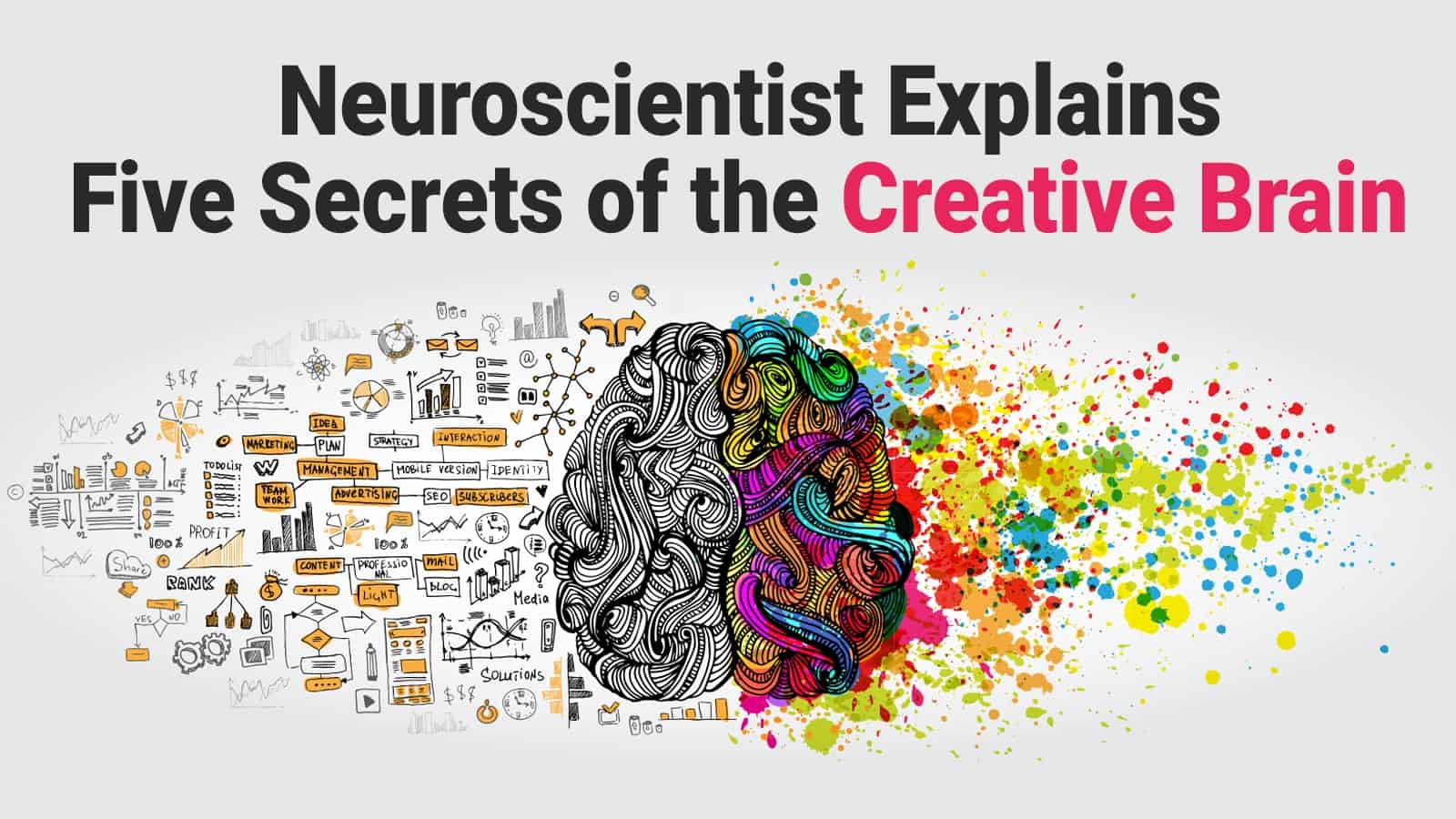
10 Things Creative People Do Daily

Creative skills are unique in advancing society’s essential and joyful facets. Without the ability to conceptualize ideas and create something unique, there would be nothing of value. Think about this: nearly everything we take for granted began with the spark of creativity – roads, phones, computers, video games, food, books, paintings, electricity…and so on.

All great inventors, writers, painters, composers and designers possess incredible creative talent. Strangely enough, our children are increasingly preparing themselves for a lifetime of work that doesn’t fall within the creative realm. Outside of the traditional art and writing classes one takes in a course of study, there’s just not much else. To this end, we should encourage our children to pursue something that will enhance their creativity.

Whether or not you consider yourself to be creative, there are some great ways you can enhance this skill. From creating a PowerPoint presentation to constructing the next Pulitzer Prize winning novel, following these ten tips will ensure that you’re at your creative best.

10 Things Creative People Do Without Even Realizing It

“Logic will get you from ‘A’ to ‘B’. Imagination will take you everywhere.” ­Albert Einstein

1 – Keep an open mind

This is number one for a reason – creative discoveries happen when the mind is relaxed and open. While logic and analysis demand intense concentration and staying power, creative thinking cannot be forced using these ways of thinking.

An open mind is a foundation for innovation and creative insight. This is very simple: keeping your mind open means keeping your options available. The more attuned you are to the options at your disposal, the more you can make connections and create something of value.

creative brain

2 – Listen to ambient noise

Turns out that there is a reason many of us find it easier to pluck away on our laptops in coffee shops. In a Journal of Consumer Research study, scientists used five different experiments to determine if and how noise level affects cognitive cognition. Here is a synopsis of the study:

“Compared to a relatively quiet environment (50 decibels), a moderate level of ambient noise (70 dB) enhanced subjects’ performance on the creativity tasks, while a high level of noise (85 dB) hurt it. Modest background noise, the scientists explain, creates enough of a distraction to encourage people to think more imaginatively.”

3 – Exercise regularly to stay sharp and creative

The benefits of exercise are numerous and have been meticulously documented through various studies and experiments. We can add one more thing to this list: exercise enhances creative ability.

According to a study in the journal Frontiers in Human Neuroscience, regular exercise seems to be connected with enhanced divergent (thinking of multiple solutions to a problem) and convergent (thinking of one solution to a problem) thinking – two foundational components of creative thought.

4 – Get (a little) tired

While analytical thinking is highly difficult with even a slightly sluggish mind, creative thinking seems to improve. The reason is that a tired brain struggles to ignore distractions and solve complex problems. However, this is not the goal in creative thought. The goal in creative thought is to allow our brains to wander off on tangents.

The easiest way to implement this tip is to determine your “non-optimal” times of day. For example, if you’re a night owl, you may consider conducting your creative work during the day. If you’re a rise-and-shiner, you should do most of your creative thinking at night.

5 – Make those brain connections

Consider the words of Steve Jobs:

“Creativity is just connecting thing. When you ask creative people how they did something, they feel a little guilty because they didn’t really DO it, they just saw something.”

In a slightly more scientific explanation:

“Several brain regions and the connections between them, (are the areas) most important to general intelligence.”

To implement this somewhat abstract proposal, make sure you continue in your creative endeavors. If you’re a writer, then write. If you are a painter, then paint. In doing so, your brain does not remain stagnant and will sometimes provide some excellent creative insight.

creativity

6 – Disconnect

While it is an absolute that mild forms of distraction can be good for creative thinking, it is important to understand that constant distractions, especially of the tech variety – email, cell phone, and internet – are not.

If great writers like Tolkien, Hemingway, Angelou, Dickens, or Twain were constantly distracted, would they have produced the work that they did? Maybe, but they may have also found it more difficult and time-consuming. Distractions, especially with technology use, are so commonplace that they’ve become acceptable, even in the workplace.

Consider a “digital detox” on your next creative project. Shut down the cell phone, close the web browser, and focus on your craft. You may find some creative flashes that really make a difference in the finished product.

7 – Dim the lights

Among the more interesting findings: dimming the light around your workplace can boost creativity. This can surprise us, who love plenty of natural light when doing our work.

Consider this study from the Journal of Environmental Psychology; here are a couple of the studies’ findings:

  • Dim illuminations and priming darkness improve creative performance.
  • Perceived freedom and a creativity-supportive processing style explain the effect.
  • Light setting and the stage of the innovation process alter the effect’s emergence.

8 – Change the scenery for creative inspiration

Working at home is necessary for those who create while holding jobs or raising a family. While some of us may do absolutely fine with this arrangement, it is worth considering that an occasional change in scenery can boost our creative thinking.

The rationale is simple: our surroundings sometimes become stagnant and boring. Stagnation and boredom are not a good recipe for creative cognition while switching it up by visiting the library, coffee shop, or local parks can be just what our creative juices need.

9 – Expand your cultural and artistic knowledge

Novelty is the essence of creative thought. As such, it is necessary for those of us with creative inclination to expand our cultural reach.

This doesn’t mean that you need to book a thousand dollar flight to some far-away place (well…if you can, do it!), but expanding your knowledge through simple (read: affordable) measures – reading a book on different art forms studying a new poet, watching a movie on different cultures, and so on.

We’ve established that connections in the brain are important to creative discovery. To this end, plenty of new connections can be made by expanding upon our cultural knowledge.

10 – Embrace uncertainty and adventure

On a personal note, this author loves this quote by German writer Johann Wolfgang von Goethe: “Whatever you can do or dream you can, begin it. Boldness has genius, power and magic in it!”

As creators, we likely have a daring and adventurous aspect of our personality. In a world that encourages the nine-to-five “working for the weekend” culture, this side of us can feel distant and even foreign after a while. However, you are different!

In being someone who creates and, in doing so, chooses to share your creations with the world, you already open yourself up to some level of uncertainty. Good! Uncertainty is growth for the soul, and adventure is its soil.

Uncertainty is adventurous, and being adventurous expands upon those “connections” we discussed earlier. The bottom line? Never lose your sense of adventure – it makes life less fun and dulls your creative side.

creative

Final Thoughts on Some of the Habits of Creative People

Of course, this list is all-encompassing. Furthermore, it may not apply to every creative thinker. Every genius has their own ways of supporting and driving even more creativity. That uniqueness makes artists and creators so fascinating to others–they’re always a surprise!

10 Life Lessons We Can Learn From Buddhist Teachings

Buddhism is a very peaceful religion and Buddhist teachings center around releasing oneself from attachments and feelings of dissatisfaction and embracing liberation through following simple truths and regular meditation practice.

At the core of Buddhism is the development of mindfulness; Buddhists believe that by becoming more mindful and present in everything you do, say, and think, you will eventually enter a state of what’s known as “Nirvana,” or the ultimate liberation and awakening of the soul. In studying Buddhist teachings, we can learn many important life lessons that will help all of us along this sometimes difficult but rewarding journey on Earth.

Here are ten life lessons we can learn from Buddhist teachings:

buddhist

1. Give generously to others

“If you knew what I know about the power of giving you would not let a single meal pass without sharing it in some way.”

“Give, even if you only have a little.”

“If you light a lamp for somebody, it will also brighten your path.”

“In separateness lies the world’s greatest misery; in compassion lies the world’s true strength.”

“Thousands of candles can be lit from a single candle, and the life of the candle will not be shortened. Happiness never decreases by being shared.”

2. Free yourself from attachments

“See them, floundering in their sense of mind, like fish in the puddles of a dried-up stream — and, seeing this, live with no mind, not forming attachment for states of becoming.”

“Whatever precious jewel there is in the heavenly worlds, there is nothing comparable to one who is Awakened.”

“Pain is certain, suffering is optional.”

“The root of all suffering is desire.”

“All conditioned things are impermanent’ — when one sees this with wisdom, one turns away from suffering.”

3. Take the journey within to find answers

“No one saves us but ourselves. No one can and no one may. We ourselves must walk the path.”

“There are only two mistakes one can make along the road to truth; not going all the way, and not starting.”

“It is better to conquer yourself than to win a thousand battles. Then the victory is yours. It cannot be taken from you.”buddhist-teachings

4. Walk a humble path

“Know from the rivers in clefts and in crevices: those in small channels flow noisily, the great flow silent. Whatever’s not full makes noise. Whatever is full is quiet.”

“Even as a solid rock is unshaken by the wind, so are the wise unshaken by praise or blame.”

“Imagine that every person in the world is enlightened but you. They are all your teachers, each doing just the right things to help you.”

5. Conquer the ego (mind) and free the soul

“To conquer oneself is a greater task than conquering others.”

“Wear your ego like a loose-fitting garment.”

“A mind unruffled by the vagaries of fortune, from sorrow freed, from defilements cleansed, from fear liberated — this is the greatest blessing.”

“There is no path to happiness. Happiness is the path.”

6. Release feelings of hate, resentment, and fear

“Radiate boundless love towards the entire world — above, below, and across — unhindered, without ill will, without enmity.”

“It is in the nature of things that joy arises in a person free from remorse.”

“You will not be punished for your anger, you will be punished by your anger.”

“If the problem can be solved why worry? If the problem cannot be solved worrying will do you no good.”

“Let none find fault with others; let none see the omissions and commissions of others. But let one see one’s own acts, done and undone.”

“Remembering a wrong is like carrying a burden on the mind.”

7. Be here now

“If we could see the miracle of a single flower clearly, our whole life would change.”

“The past is already gone, the future is not yet here. There’s only one moment for you to live.”

“As you walk and eat and travel, be where you are. Otherwise, you will miss most of your life.”

“Every morning we are born again. What we do today is what matters most.”

8. You are the writer of your own destiny

“Purity or impurity depends on oneself. No one can purify another.”

“You yourself must strive, The Buddhas only point the way.”

9. Nourish your body with the right foods

“Every human being is the author of his own health or disease.”

10. Don’t resist reality

“The world is afflicted by death and decay. But the wise do not grieve, having realized the nature of the world.”

“Happiness or sorrow, whatever befalls you, walk on untouched, unattached.”

“You only lose what you cling to.”

Skip to content