Weekly tips, affirmations, and small actions to feel your best.

A Note To My Former Self

Dear Former Self,

I write to you from the future, looking out of my window as I write this letter to you now. Life is not perfect, but would you have ever imagined anything like this?

You got home late again. You barely have enough energy to eat, let alone catch up on chores. I am also guessing that you have even more yet that you haven’t thought of because you did not do last week’s leftover chores. People seem to always be coming and going, and to to top it all off, there are many people out there just waiting to watch you fall. Couple this with the fact that your achievements ‘mean nothing’ to some no matter how hard you try. Your only solace is break time when you can attempt to enjoy yourself, but your mind continues to wrap itself around the tasks at hand…

Despite your stubborn ways, fatigue, and costly mistakes, we have come a long way. I know that you will be anxious to know what is happening now but things are looking good. Let me tell you what they are now:

You have had your trials. This has presented some challenges but they have thankfully been overcome. I am in a job that I really love and know I am very good at but you did all the hard work finding out about it, thanks to that keen eye of yours and your innate talent. On the business side of things, I am nearly ready to start after a year of getting things ready. There are some minor obstacles standing in the way of it, but these will be sorted out within weeks. It is a good thing that you learned to be patient because it is a requirement here in business.

I just want you to know that you did a great job, despite the difficulties you endured. I still have the those painful memories at times, but I now use them to become stronger and better. If you feel like asking for help for something that is bothering you, then get out there and ask for it. Remaining silent only makes the problem worse. Do not be afraid to stand up for yourself; defend your position – just like George McFly in the movie “Back To The Future“. If you have not seen it, rent the video tape (as you will not have a clue what Netflix is yet!).
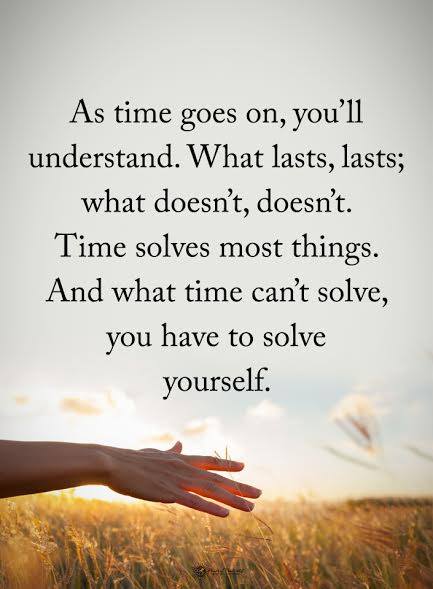
time goes on

All I really want to tell you is to thank you for safely getting me to this point, and to tell you to not worry so much and things are getting better. There are of course more problems now but, as you can imagine, they are of a different kind. You are good enough and strong enough to get through anything, you just have to believe it. Mahatma Ghandi said, “Your beliefs become your thoughts. Your thoughts become your words. Your words become your actions. Your actions become your habits. Your habits become your values. Your values become your destiny.” If that fails, try Rudyard Kipling’s poem “If” for some inspiration.

I love you with every cell in me, as do our Mum and Dad and your future children.

Hang in there.

Lots of love,

The Person You Become
References:
Adame J., “An Open Letter To My Former Self”

Odyssey
https://www.theodysseyonline.com/open-letter-former
Hartzog J., “Dear You (a Letter to my Former Self)”

Elephant Journal
https://www.elephantjournal.com/2015/05/dear-you-a-letter-to-my-former-self/
(C)Power of Positivity, LLC. All rights reserved

21 Things You Should Do When You Can’t Sleep At Night

Did you know that sleep professionals have a term for healthy habits before bedtime each night? Well, they do–and they call it sleep hygiene.

The National Sleep Foundation (NSF) defines sleep hygiene as the following:

“A variety of different practices and habits that are necessary to have good nighttime sleep quality and full daytime alertness.”

Similar to how we all benefit or are hindered by our daily routines. Whether it is work, morning routine, or time management, we are all affected – whether we realize it or not – by our sleep hygiene or lack thereof.

21 Things You Should Do When You Can’t Sleep At Night

Let’s look at some things that can improve our habits and get more rest.

1. Lay off the stimulants before night falls

Stimulants come in various forms, including caffeine, medications, and nicotine–caffeine is the most common. Caffeine, once in the body, lasts for around 12 hours. 12 hours!

The good news is (and it is good news) that we can safely consume up to three 8-ounce cups of coffee per day but no more than six cups.

Also, watch your nicotine and stimulant medication intake, particularly the hours of consumption.

night

2. Tune your environment

Do whatever it takes: buy blackout curtains, eyeshades, earplugs, fans – anything to rectify a poor sleeping environment. Those who’ve lived in a crowded apartment complex can probably relate.

Other tips: keep the bedroom at a cool temperature, check the quality of your mattress, and use comfy pillows. Turn off bright lights from anywhere and everywhere.

3. Limit napping

We all love naps.

But napping, incredible as it is, can hinder regular sleep by disrupting our normal sleep/wake cycle (i.e., circadian rhythm). On the other hand, finding that “sweet spot” – which the NSF defines as between twenty and thirty minutes – can improve alertness, mood, and performance.

4. Get a bit of exercise

Exercise is recommended for just about every ailment in existence. Insomnia, or difficulty falling asleep, is no different.

Even working out for a brief ten minutes can improve our sleep quality. The NSF recommends aerobic exercise to achieve this result – a brisk walk, bike ride, or light jog are all excellent options.

One last thing: intensive workouts should occur during daytime hours. Vigorous exercise four hours or less before sleep can diminish sleep quality.

5. Get enough light

Light preferably from the sun, not the desk lamp. Many of us work in an office environment for 8+ hours a day. By the time we clock out, the sun is often on its way down.

Try getting outside for one of your breaks or eating lunch outside the cafeteria. Use that time to get in a brisk walk out in the sunshine.

6. Know which foods to stay away from

This is especially true for foods that may promote indigestion and heartburn. Foods that fit this description include citrus, carbonated drinks, heavy or rich foods, and fried foods.

Light dishes, consisting of fresh vegetables and lean cuts of meat, are excellent for promoting sleep.

7. Have a regular, relaxing bedtime routine

A regular nighttime routine prepares the body for bed. Routines that fit this description are light on brain stimulation, as in a TV or computer marathon. It is also wise to refrain from activities that evoke negative emotions.

Instead, try reading a hardcover or softcover book (no tablets), relaxing with a warm bath or shower, or doing light stretches, meditation, or yoga.

8. Lay off the alcohol at night

The sleep cycle after consuming alcohol looks like this: it helps knock you out, alcohol levels drop (rate: about one drink per hour), REM sleep quality decreases, non-REM sleep increases, and you wake up.

Here’s the problem with this cycle. Quality REM sleep is needed for proper cognitive function – which suffers from the effects of alcohol. As alcohol levels drop, the body’s internal state begins to “awaken,” although the person is technically still asleep.

This is why we feel groggy and sluggish throughout the following day. Please do yourself a favor and limit alcohol intake during the week or save it for the weekends.

9. Don’t rule out the “small stuff”

Certain supplements and vitamins can disrupt sleep, as can certain oral contraceptives and hypertension pills.

Chronic, minor pains are tempting to disregard but don’t underestimate any pain’s ability to rob you of a good night’s sleep. Consider taking some NSAID, which is well-tolerated more often than not.

Do you have pets in your bed? Does your partner snore or move around, waking you up? Consider your environment and any potential culprits and develop a practical solution.

10. Follow up with your doctor

In rare cases, poor sleep quality could result from an underlying disorder. If this state persists despite making necessary changes to your lifestyle, it’s best to be safe and follow up with a medical professional.

11. Say goodbye to your worries

Getting rid of your fears is easier said than done. Of course, you can’t eliminate all your fears. Still, it’s essential to learn how to manage them so they don’t interfere with your ability to sleep at night. Try these things to say goodbye to your worries so you can sleep at night.

  • Try praying: Prayer can help you relax and relieve your day’s worries. Ask God to help you trust him. Pray about specific concerns of your day. Giving God your worry lets you let go of them so you feel less burdened.
  • Try journaling: Writing about your worries won’t solve them, but you will feel less beaten down by them, so you can let go of them.
  • Make a list: If you have a lot going on, creating lists of what you need to do may be helpful. Once it’s on paper, you don’t need to worry about it anymore.

worrying

12. Take a magnesium supplement

Lack of sleep is harmful to your health. Insomnia can lead to health problems, such as:

  1. Heart problems
  2. Diabetes
  3. Stroke
  4. Depression
  5. Obesity
  6. Lower sex drive
  7. Weak immune system

Magnesium is a helpful sleep aid. Your biological clock is more consistent when melatonin is in your body. It also lowers your mental stress. It’s best to take these supplements before your bedtime to feel sleepy.

13. Relax with a bath or shower at night

Another way to help yourself fall asleep is to take a warm bath or shower before bedtime. A warm bath relaxes your muscles, and aches and pains fade away. As you relax, you’ll feel calm and peaceful. Some suggest a warm shower is the best, but it’s really up to you.

14. Listen to bacon as you fall asleep at night

Yes, you heard right. Listening to the sound of bacon frying will put you to sleep. But don’t bother getting out the frying pan. People say listening to a recording of sizzling bacon puts them to sleep. Researchers say this calming sound is associated with positive feelings that encourage relaxation and sleepiness.

16. Eat some cheese

Cheese contains tryptophan, a natural sleeping aid. Your body uses tryptophan to make melatonin and serotonin. Melatonin regulates your sleep cycle. Serotonin regulates your sleep, mood, and appetite. If you can’t sleep, try munching on some cheese. Choose low-fat cheese, such as cottage cheese. A high-fat cheese will interfere with your sleep.

17. Check your medications

If you take medication, check for side effects to see if insomnia is one. Here are just a few drugs that cause insomnia. If you take one of these or any drug, you must understand the side effects.

  • Alpha-blockers: Alpha-blockers are blood pressure medications. It’s linked to decreased REM (rapid eye movement) sleep. This is the part of your sleep when you dream. Lack of REM sleep causes memory problems.
  • Beta-blockers: This blood pressure medication may cause you to wake up at night. Some people have nightmares that interrupt their sleep. Beta-blockers inhibit your body’s melatonin secretion, which helps you fall asleep.
  • Corticosteroid: This medication is used for various physical problems. It is anti-inflammatory. Corticosteroids stress the body, which can over-stimulate the mind, making sleep difficult.
  • Levothyroxine is used to treat your underactive thyroid gland (hypothyroidism). It controls your metabolism and energy levels. Too much of the medication messes with your ability to sleep. If you’re on levothyroxine, tell your doctor if you have insomnia.

18. Try a brain trick

If you can’t fall asleep after 20 minutes, get up and find a relaxing activity like reading. Then go back to bed to see if you can fall asleep. This little exercise breaks the cycle and tricks your brain into getting sleepy.

19. Experiment with essential oils

Try essential oil scents to help you relax and fall asleep at night. The best sleep-enhancing essential oils include:

  • Lavender oil: Lavender infuses your mind and body with peacefulness. Sprinkle a few drops of lavender essential oil on your pillow to relax you. Lavender lowers your heart rate and blood pressure.
  • Chamomile oil: Chamomile is used in herbal teas. Before bedtime, you can diffuse chamomile essential oils in your bedroom to help you relax as you drift off to sleep.
  • Sandalwood oil: Sandalwood is one of the most effective sleep essential oils. It promotes peaceful sleep. It can also help even out your moods to fall asleep easier.

20. Listen to a story at night

It worked when you were a kid, so why not now? Listening to a soothing story helps your mind and body get sleepy. Of course, there’s an app for that. Check it out. Or, if you’d drift to sleep listening to an audiobook, that’s an option. It’s not the best idea to fall asleep with your iPhone, but this might be your solution if you’re having trouble sleeping and nothing else works.

21. Don’t fall asleep until night

If you can’t sleep, then stay awake. One study found that individuals with insomnia fell asleep faster when told not to fall asleep. This method is called Paradoxical Intention. When you lie in bed with your eyes open, you lose your anxiety about falling asleep. This helps you relax, and you will eventually fall asleep.

night

Final Thoughts on Actions to Take When You Can’t Sleep at Night

Maybe you’ve tried everything to fall asleep at night. If nothing else works, why not try these ideas? They are tried-and-true methods that people swear by. Some suggestions are unorthodox, but they help individuals fall asleep. So, try them to see if they work for you.

Signs You Have A Psychic Power

Psychic science has been disputed as being something unable to be backed by science, yet all of us have had incredible moments where our intuition seemed to drive us toward a certain choice or action which later proved to be the exact right thing for the exact right time. Was it your psychic power? Was it Extra-Sensory Perception (ESP)? This article will discuss how to tell if you possess special psychic powers.

Test your psychic power

Psychicscience.org has an advanced test for ESP where you can take the test to predict which of a series of five shapes you think will be drawn next in the deck of random shapes. It’s a multiple guess test where you can pick from one of the five different cards that appear throughout the deck. At the end of the test, your score will show if you beat the odds for random chance or not.

Physiological awareness or psychic power?

Daryl Bem spent over eight years studying over 1000 participants from 9 experiments before finalizing his results to determine if psychic power is real or imagined. Bem worked at Cornell University from 1978 to 2007.

In his final experiment that proved that humans have psychic abilities, Bem changed the test from a predictive one to one that measures the body’s response to what is displayed. He did this by replacing shape cards with some happy and some disturbing images. Research participants were hooked up to equipment similar to a lie detector that measured emotional arousal. They watched randomly selected images on a computer with some erotic or negative pictures.

“Your physiology jumps when you see one of those pictures after watching a series of landscapes or neutral pictures,” Bem said in a Newsweek article on his research. “But the remarkable finding is that your physiology jumps before the provocative picture actually appears on the screen — even before the computer decides which picture to show you. What it shows is that your physiology can anticipate an upcoming event even though your conscious self might not.”

If we respond in our physiology before an event occurs, it may make sense that a heightened awareness of your physiological response may help you improve your psychic powers. In eight out of nine of Bem’s experiments, he was able to demonstrate similar psychic powers from his subjects These odds are far beyond random chance or statistical error; about 74 billion to 1, according to Bem.

Psychic powers and national security

Although you might not believe in psychic abilities, our government clearly does. Newsweek reports that several U.S. government agencies studied psychic powers as far back as 1979. The Army’s Intelligence and Security Command conducted experiments on psychic powers for the CIA, NSA, FBI and Secret Service. According to one government briefing “Over 85% of our operational missions have produced accurate target information,” and “approximately 50% of the 760 missions produced usable intelligence.”

Here is an excerpt from an Army intelligence briefing on psychic research that has now been declassified:

“OUR MISSION IS AS SHOWN ON THE NEXT CHART. CONDUCT INTELLIGENCE COLLECTION AND COUNTER INTELLIGENCE OPERATIONS UTILIZING ALL PSYCHOENERGETIC PROCESSES APPLICABLE. TRAIN SELECTED PERSONNEL IN STATE-OF-THE-ART PSYCHOENERGETIC INTELLIGENCE COLLECTION AND COUNTER INTELLIGENCE TECHNIQUES, EXPAND OPERATIONAL CAPABILITIES AND TRAINING BEYOND THE CONFINES OF INFORMATION COLLECTION INTO THE FIELDS OF PSYCHOENERGETIC COMMUNICATION AND PSYCHOKENESIS.”

The government believed that psychic powers were worth investigating, especially in the race to keep up with our possible enemies who might possess psychic skills to learn top-secret information. The website psychicscience.org also has ESP training exercises to practice improving your psychic powers. It might be worth your time trying to make an improvement in your psychic powers if you believe it could help you to know what is coming in your future.

(C)Power of Positivity, LLC. All rights reserved
Sources:
http://www.psychicscience.org/esp3.aspx
Humans have psychic powers
http://www.news.cornell.edu/stories/2010/12/study-looks-brains-ability-see-future
Army Intelligence declassified secret briefing re: ESP
http://documents.theblackvault.com/documents/remoteviewing/stargate/STARGATE%20%234%20176/Part0003/CIA-RDP96-00788R001700330002-7.TXT
Newsweek MEET THE FORMER PENTAGON SCIENTIST WHO SAYS PSYCHICS CAN HELP AMERICAN SPIES BY JIM POPKIN ON 11/12/15 AT 6:58 AM
http://www.newsweek.com/2015/11/20/meet-former-pentagon-scientist-who-says-psychics-can-help-american-spies-393004.html

10 Signs Your Life Is Too Complicated

“Life is hard enough, you don’t have to embellish the drama!” – Marianne Williamson

When you take a walk down a busy street some time – stop and look around you. Observe. What do you see around you? Zooming cars? Rushed pedestrians?

What about their faces? Do they look anxious? Hurried?

That’s life. Not only some large metropolis, but life in general. We live in a world where people “ought to stay busy” even if they don’t know why.

When we try to regain some semblance of control, we are too often (and too unnecessarily) filled with overwhelm. When it comes to life’s problems, we too often have a panoramic view at a time when we need to zoom in.

Modern society has regrettably “claimed” many lives by making it all seem too complicated. Unfortunately, too few of us make an attempt to simplify things. Instead, most of us add to the complexities of life by not prioritizing or making poor decisions (or decisions others think we “should” make.)

So, we push ourselves to the point of exhaustion; trying in vain to “keep up.”

This approach fails because there is nothing to “keep up” with – or there wouldn’t be if we became a bit more aware. We must also become more focused, as opposed to allowing the brain to remain on autopilot.

Life is hard enough!

There is a famous Turkish Proverb that goes, “One arrow does not bring down two birds.”  We must acknowledge the complexities of our life before we can shoot the proverbial arrow.

In this article, we talk about ten signs that your life may be too complicated.

Let’s go!

10 Signs Your Life Is Too Complicated

1. You make plenty of excuses

“There are only two options: Make progress or make excuses.”

While this quote may sound a bit harsh, it’s nonetheless applicable to many (all?) of us. Excuses, while convenient, do absolutely nothing for solving a problem. Worse, chronic excuse-making wastes energy we could allocate to solving the problem.

2. You’re procrastinating more

Contrary to popular belief, many of us don’t procrastinate out of laziness. We procrastinate out of a sense of overwhelm. We feel as if we can never catch up, no matter how hard we may try.

Procrastination has two solutions: (1) Take the first step. Hate the thought of going to the gym? Start by putting on your gym clothes, then your shoes, and so on; (2) Write everything down. Everything that needs to be done – and get to work, focusing on one thing at a time.

3. You’re “writing checks your body can’t cash”

In other words, we’re saying “yes” when we should be saying “no.” We all have limits – of time, energy, and patience – and there isn’t any shame in saying no. In fact, this action is often necessary.

It’s enticing to make someone else happy by agreeing to a favor, but we must ask ourselves if we’re up to the challenge. Can we “write that check?”

4. You’re permitting too many distractions

There is no simpler way to put this: distractions breed complexity. Distractions are frustrating, energy-sapping, and time-consuming.

Whether it’s an unnecessary distraction from a colleague, or our inability to pry away from our smartphone, we must nip distractions in the bud if we’re ever going to simplify things.

5. You’re becoming a worrywart

Chronic worrying often breeds from an overcomplicated life. Worrying is a fruitless activity capable of inflicting mental and physical problems.

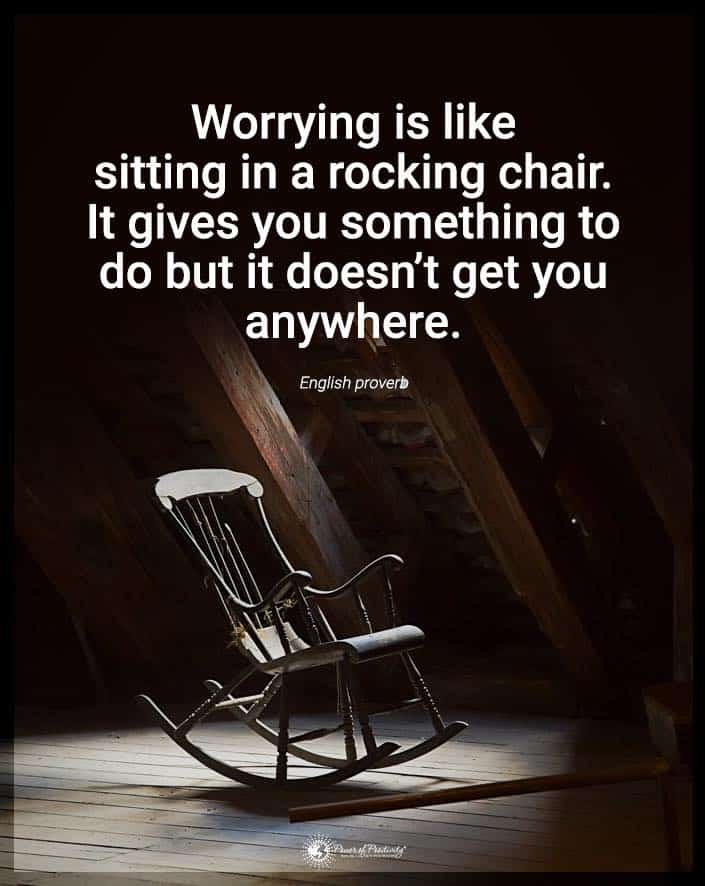
Remember this quote when you’re being a worrywart: “Worrying is like a rocking chair, it gives you something to do but never gets you anywhere.”

Get out of the chair.

6. Your attention is scattered more than usual

“Scatterbrain” isn’t all that uncommon of a “condition.” Our brain hates boredom and craves novelty; which is the exact reason why we should train our attention.

Inattention breeds mistakes; mistakes produce stress, and stress makes accomplishing anything difficult.

Forget everything else – and focus on one thing at a time.

7. You’re complaining too much

When our lives get too complex, we get stressed out. Too often, we “release” this stress by complaining to anyone willing (or unwilling) to listen.

Practice some introspection and be honest with yourself. What are you complaining about? Do your complaints have any merit? If so, what are you doing to address the problem(s)?

8. You’re becoming a brooder

Quite simply, we’ve allowed the weight carried on our backs to trespass into our psyche. We feel a deep sense of unhappiness and want to spend more time alone. (Not to be mistaken with clinical depression.)

The only way out of this mental trap is to reduce this weight by doing what’s needed gradually.

9. You’re not nurturing relationships

When life is hard, we should at least be able to lean on those who love us. But when our mind is so busy trying to untangle life’s knots, we may pay attention to little else. Deliberately or not, some of us fail to prioritize our relationships during this time.

Should you risk falling into this trap, remember two simple words: be present.

simple life

10. You’re not putting your health first

Granted, not everyone ignoring their health is having a complication crisis. That said, when life gets complicated, some of us are inclined to engage in self-neglect.

Make it a point to get a minimum of 15 minutes of exercise per day. These 15 minutes may be a brisk walk, bike ride, or some other simple activity.

With a healthy mind and body, we’re better able to deal with problems as they come along. In doing so, we may just avoid some of life’s complications.

https://youtu.be/yx8zztHlS7M

References:
Whyte, D. 21 Ways We Complicate Life. Retrieved May 12, 2017, from http://www.lifehack.org/387622/21-ways-complicate-life

www.brainyquote.com
(C)Power of Positivity, LLC. All rights reserved

5 Habits That Destroy Your Mental Health

***Disclaimer: This article has no intention of being negative in any way, shape or form. We, at Power of Positivity, would like to warn you of things that may impact your mental health in a negative manner so that you can live your life with a smile on your face. 🙂

Are you livin’ la vida loca or going loco down in Acapulco? Whether you are Ricky Martin or the Four Tops is determined by if you have good mental health or not. Today, we look at five different things we do to suggest that Acapulco is our next destination – and not in a good way!

5 HABITS THAT DESTROY YOUR MENTAL HEALTH

These mental health harming habits are easy to spot from the outside looking in, but maybe not so much if we look more internally. To be partyin’ with Ricky Martin and “go dancing in the rain”, here are the five red flags to consider that could be eating away at your mental health. Therefore, you can detour away from “a whole lot of nothing on your way to nowhere”.

1. Your partner is abusive.

This is a tough cookie because of the sensitive issue in the matter and possible denial that it is actually happening. A person typically is not able to see that a certain person is not good for them and they need to walk in the opposite direction. Naturally, you get used to particular behaviors and it becomes the norm for you. On the off chance they do see it, they are not willing to admit it to themselves. The situation requires you to defend yourself in the proper way so that nobody gets hurt, but most importantly you.

2. There is a bully in your midst.

Although bullies are associated with kids at school, bullies can be anyone, anywhere and they can strike at any time. With someone like this in your life, it is not easy to maintain your mental health and will at the very least cause you some strife. Not unlike the last point, you know who this person is and it is just a matter of defending yourself in the most appropriate manner.

3. No face-to-face interaction with anyone.

Do you remember Crooks in John Steinbeck’s “Of Mice And Men”? He was the stable buck who was isolated from the rest of the group because of the color of his skin. He complained about only having books as company and never talking to anyone. Today, it is precisely the same way. Snapchat DMs, tweets, Instagram followers, Facebook friends, all of this has nothing on a conversation in person. A lack of social intercourse eats away at your self-esteem and drives you insane.

4. You slouch.

Hey, Quasimodo (or Crooks from the last point, of course)! Stand up and sit up straight. Having your head and shoulders facing the floor makes you remember negative thoughts, which is why we say when someone is feeling down in the dumps: “Chin up!” So shoulders back, pump that chest forward, head up, take deep breaths, and be thankful for every second of life.

5. You are a serial procrastinator.

Deadlines are a constant problem for you because you do not feel like doing anything when you have the time to do what needs to be done. However, once the eleventh hour strikes, you are in a rush to get everything finished in time. Start to take life be the horns and engage in a little CONCRASTINATION. Get all your tasks in order so you can actually enjoy your life doing the things you love.

Now you know the route to Acapulco, it is time to head the other way, start livin’ la vida loca and order some French champagne with your new amigo Ricky.

By the way, who would have ever thought that the Four Tops, Snapchat DMs, John Steinbeck, and Ricky Martin could ever be mentioned in the same article? Anything is possible if we put our minds to it…

toxic people

References:
Other A N., “13 Ways you destroy your mental health”

(C)Power of Positivity, LLC. All rights reserved

9 Positive Ways to Deal With Negative People

“Sometimes (well-meaning) people give this advice: “Stay away from negative people.” It always troubles me. I can understand avoiding “toxic people such as bullies, sociopaths, conflict instigators and destroyers of good. (However), negative people, unlike “toxic people,” may be more about vulnerability and less about vice.” – Carrie Barron, M.D.

Human happiness heavily depends on the quality of our relationships, as human beings are predominantly social creatures.  Even the shyest or most introverted person requires some level of human contact; this may help explain why the introverted and shy among us are the most prolific users of social media – a different outlet, but an outlet nonetheless.

A person that apparently exhibits negative behaviors, tendencies, etc. are often victims of circumstance. In other words, negativity – if it is negativity – wasn’t always their natural temperament. Something happened to them. In some cases that “something” is a tragedy.

For many of us, our natural inclination when dealing with a negative person is to find an escape route or lash out. However, this isn’t always the best way to handle the situation.

9 Positive Ways to Deal With Negative People

In this article, we focus on nine ways that us – as compassionate human beings – can positively control or manage a situation involving a “negative” person.

1. Understand their behavior is not personal

Personality traits are hardwired into a person’s brain. The unfolding of events that created their negative state has changed the person. In a way, this transformation is reminiscent of an addict’s – the brain adapts and molds itself from stimuli, positive or negative.

Understanding that there is nothing personal about their negative behavior allows us to approach the situation with a bit more empathy.

2. Lend an ear – if you’re willing

By no means are you obligated to act as a confidante to a negative person. That said, a few of us possess both people skills and a profound sense of empathy to help. Think of a high school guidance counselor or social worker. Why’d they choose that career field? Certainly not for the money or recognition.

So, if you can honestly and confidently say you’re up to the challenge, then – by all means – lend an ear and a voice to someone who may desperately need one.

3. Understand your triggers

We could sit here are preach all day and night about the importance of empathy, understanding, and a bunch of other nice personality traits. However, not everyone possesses this kind of mindset or personality – and that’s okay too.

It’s much better to understand your triggers – in this case, the display of negative behavior – and simply walk away. You’re not contributing to their misery, and probably saving yourself from some by not getting involved.

4. Look for something positive

This author believes– and I know many of you hold this view – that most people are good at their core. Similarly, we believe that even “negative people” have some innate qualities; even if they don’t show them often.

Maybe this “negative” person is generous to those who face or are facing circumstances that led to their predicament. Maybe they go above and beyond at the office. Do they have any pictures on their desk? If so, of what?

Look for something positive amongst all the negative. It may just shift your perspective of the person.

5. Be nice–even with negative people

Granted, this is a simple solution to what is often a complex problem. So why is being nice on this list?

Well, someone that lives with a negative mindset for an extended period often sees others as the reason for their unhappiness. Is this logical? No. Is it understandable? Perhaps, yes.

Not understanding the reasons behind their perceived negativity, we can’t possibly attempt to rationalize it. However, if someone feels rejected, isolated, or betrayed, a simple act of kindness – a quick smile and a “Hello” may be enough to brighten their disposition a little.

That said…

6. Don’t overdo it

On the surface, this may seem contradictory to the previous suggestion, but it isn’t. There is always a chance that a person will mistake your kindness for weakness. Not all negative people are victims; some look for control, love and respect for selfish reasons, for leverage.

In an ideal situation, the person will appreciate your kindness and wish to reciprocate. Maybe they see you as a beacon of hope in the darkness and want to “become better” – whatever “better” may entail. Maybe they’ll initiate a conversation and tell you more out of trust. At a certain point, you’re able to use your best judgment about the person – and decide the next course of action.

7. Offer constructive feedback

Providing constructive feedback is often high-risk, high-reward. Some people are genuinely oblivious to the fact that their disposition affects others around them, and need to be made aware of this. Should you possess the courage and willingness, there is no shame in having a civil, honest, polite discourse with that person.

Unless, of course, they despise any sense of criticism, well-intended as it may be. Should this person display anger or any other negative emotion, simply state “I was just trying to help. Good luck.” Then, walk away.

8. Act confident, natural and positive

negative people

This is an indirect way of showing a “negative” person that a positive attitude is possible and has many benefits. Be authentic and true to both yourself and others around you, including the negative types.

Sometimes, a person with a negative mindset will make a critical or skeptical comment about your behavior. No need to react on impulse and lash out; this will only make things worse. Explain your attitude and outlook, and why they’re important to you. Leave it at that.

Maybe it’ll make a difference; maybe it won’t. But you remained true and tried to help – and that’s all that really matters.

9. Know your tolerance for coping with negative people

While most of us really want to help a “negative” person, such efforts will only work if the person is open to it. We must also decide if WE can do so.

We all have different skills, and this includes our ability to interact with people. Our attitudes are different; our temperaments are different, our view of the world and others is different.

The two takeaways: (1) honestly ask if you’re willing to help someone in a negative state, and (2) be honest about your abilities to do so.

Regardless of your decision to act or standby, remain positive whenever possible.

References:
Barron, C., M.D. (2016, November 24). Taking a Deeper Look at the “Negative Person”. Retrieved May 6, 2017, from https://www.psychologytoday.com/blog/the-creativity-cure/201611/taking-deeper-look-the-negative-person
James, M. Ph.D. (2014). How to Stay Happy Around Negative People. Retrieved May 6, 2017, from https://www.psychologytoday.com/blog/focus-forgiveness/201405/how-stay-happy-around-negative-people
Raghunathan, R., Ph.D. (2013, March 19). Dealing With Negative People. Retrieved May 6, 2017, from https://www.psychologytoday.com/blog/sapient-nature/201303/dealing-negative-people

5 Ways to Catch a Cheater

Disclaimer: This article has no intention of being negative in any way, shape, or form. We, at Power of Positivity, would like to help people become aware of things that may impact them in a negative manner so that they can live their life with a smile on their faces–even when confronting a cheater.

“I have no faith in human perfectability. I think that human exertion will have no appreciable effect on humanity. Man is now more active – not more happy – nor more wise, than he was 6000 years ago.” – Edgar Allan Poe

We are sorry if you are going through the suspicion that your partner might be cheating. It is something many, if not most of us go through at some point.

You have put your heart and soul into a relationship you thought was worthwhile. Unfortunately, something feels off in the relationship and you need to know for sure whether Trixie/Trevor is doing the dirty on you (or you already know but need nailed-on evidence to put in front of your partner’s face to have partner bang to rights.) As you know, cheating can be physical or emotional or both.

Nothing that a cheater does is fair or right, but you could get the famous word “paranoid” if you just blurt it out without proof, and it just lets the cheater know to be more diligent in their deception. Even if you have the evidence in front of their eyes, your research might still be met with denial or possible violence.

emotionally cheating

These are the five ways to catch a cheater:

1. Check their phone and/or computer.

In this day and age, technology reigns supreme and has made it easier to cheat than ever before. The good news is it has also made it easier to catch someone two-timing, if they do not have a password or you know what it is.

As the cellular/mobile telephone is what is hot right now, check all call logs, pictures, internet browser history, all messaging services used, and also watch out if your other half uses “incognito” frequently as it does not show in the browser history. That is not to say that the work laptop is off limits; it could be the very point where the filth is taking place.

2. Use built-in apps.

The iPhone has this built into the phone so that you can find the device easily, however you can use it to know exactly where your life partner is at all times. Are they really working late or is it a pretext to stay out of the house to do who knows what?

Once this is in place, all you have to do is find that location yourself and, if necessary, go there. This leads onto the next point perfectly.

eemotionally cheating

3. Surprise visits or finish work early.

Be warned; this is where you really know what is going on in Trixie/Trevor’s life. Is Trixie being tricky intentionally? Is Trevor forever in the office like he says he is? If nothing bad is happening, your life partner will be glad to see you but be swamped with work.

Of course, the worst-case scenario is that you find them in a bar or hotel room with someone else after having lied to you. If your other half does not work, taking half a day off or going home early is a good way of separating the stories from the facts.

4. Check for suspicious receipts.

If your dearly beloved is cheating on you, a paper trail is always likely. This could be anything from receipts from a hotel or pharmacy (for condoms or the pill) to lingerie or a weekend away, justifying it as “a business trip” or “training, and only employees can attend”.

These receipts can be lying around in the glove compartment of the car or in some kind of pocket or handbag, left forgetfully after a rendezvous or tryst.


emotionally cheating

5. Hire a Private Investigator (PI) to help catch a cheater

If you find nothing but are still sure that something is happening behind your back or if being a super sleuth is simply not your forte, hiring a PI is a great solution. Furthermore, these people are neutral in their opinions so you will not get any emotion or the PI taking sides; you will only get the cold, hard facts.

Remember that, just like the erudite Edgar Allan Poe suggests, no one is perfect or happier or wiser than our ancient counterparts, just busier.

So if your significant other is getting busy, get busy yourself by proving it and stop the horrendous humiliation and crass mickey-taking at your expense.

(C)Power of Positivity, LLC. All rights reserved

8 Behaviors That Lead to Divorce

Divorce hurts. There are no two ways about it. But what happens between two people who used to love each other that cause the dissolution of a marriage? It usually boils down to poor behavior.

“A mere quarter of an hour can often reveal the likelihood of a couple’s future. Expert analysis indicates that within this brief interaction, it is possible to predict with a staggering 90% accuracy whether a couple will remain together after five years,” asserts Dave Elliott, a seasoned Relationship Coach, Divorce, and Behavioral Expert.

The statistical realities of marriage and divorce are indeed arresting.

According to recent data, approximately 44.6% of all marriages in the United States dissolve into divorce. This places the nation as the tenth highest in terms of divorce rates globally.

Some other nations that report high rates of dissolved marriages are the following:

  • France: 55%
  • Cuba: 56%
  • Estonia: 58%
  • Luxembourg: 60%
  • Spain: 61%
  • Czech Republic: 66%
  • Hungary: 67%
  • Portugal: 68%
  • Belgium: 71%

There’s an ongoing debate concerning the accuracy of divorce metrics. While statisticians, researchers, and scientists universally accept no single measure, the divorce-to-marriage percentage ratio provides a reasonable indicator. This metric includes two critical elements in its calculation: the number of marriages and the corresponding divorces expressed as a percentage of these unions.

Beneath these cold, hard figures, some individuals are experiencing, or have experienced, the emotional turmoil of a marriage ending. Such research uncovers stories of human struggle that are profoundly moving and disquieting.

Many couples, it seems, underestimate the intricate dynamics of marriage before they take their vows. The “learn as you go” approach often proves inadequate when navigating the many unforeseen challenges that married life invariably presents.

What then prompts individuals to terminate their marriages? This complex question eludes straightforward answers. Nevertheless, a collection of eight behaviors, gleaned from reliable sources, can offer insights into this conundrum.

divorce

Here are the eight behaviors that often lead to divorce:

So, why do people end their marriages? Of course, this is a very nuanced question with no simple answer. That said, we compiled a list of eight behaviors from reliable sources that may explain why couples call it quits.

1. Accusations can lead to divorce

Relationship experts state that the habit of assigning blame without facts or questioning is “one of the absolute kisses of death in a marriage.” The sad thing is that this behavior is easily correctable by asking a question instead of making a statement. (“Why are you so late coming home?” vs “Out partying with your buddies again.”)

Giving your partner the benefit of the doubt, especially when they’ve earned it, is always good practice. If a behavior is unacceptable, a constructive dialogue is needed.

2. Addictions may lead to ending the marriage

Family lawyers attest that many clients who file divorce papers have a partner with an addiction. Alcohol, drugs, and compulsive behaviors (e.g. gambling) are all often cited on the record.

Alcohol, substance abuse, and compulsive behaviors are all treatable conditions. One consensus that addiction rehabilitation counselors, therapists, and other experts have reached is that treatment is only possible when the addict truly wants to quit.

Unfortunately, the number of untreated or relapsed addicts far exceeds those who remain in treatment or have overcome their vices. Moreover, this often occurs to the detriment of their marriage and family. On a brighter note, treatment options are available if the person is willing to try rehabilitation.

3. Estrangement can cause a broken marriage

Estrangement is displayed in a variety of ways. The most prominent type of alienation is the refusal to confront an issue by ignoring or withdrawing from your partner. Estrangement is also seen as a form of abandonment; for example, getting angry at your spouse without explanation and slamming the front door as you leave.

Resolving issues is an inseparable part of a relationship. Thus, an inability or refusal to engage your partner in solving problems is the personification of immaturity and must be rectified.

4. Invalidation leads to divorce

Invalidation is another relationship-killer that involves “discrediting (your partner) or weakening them in some way.” This behavior is a twisted act of objectification that diminishes a person’s humanity by using any perceived negative aspects, assumptions, and prejudices. The invalidation behavior involves bullying a person you’ve promised to love.

The only solution to invalidating behavior is seeing one’s partner as a fallible human. Despite those faults, you owe them respect. Continuous invalidation is a form of sociopathy and is only present in highly dysfunctional relationships. Professional help and a genuine desire to change is the only recognized solution.

romantic quotes5. Control and manipulation can cause strain on a marriage

Controlling and manipulative behavior is emotional abuse, plain and simple. While marriage does require compromise and willingness to sacrifice, control and manipulation are not ethical means of ensuring this cohesion.

Controlling and manipulative people rarely change their behavior. Unfortunately, this dehumanizing behavior – more often than not – becomes worse over time. Couples therapists and marriage counselors are a potential solution if the issue is handled early.

6. Misplaced priorities may lead to divorce

Family, job, and everything else. Indeed, this is how most individuals in healthy relationships prioritize their lives.

When the family begins to take a backseat to anything, it’s time for a serious conversation. Extenuating circumstances (e.g., a heavier workload) should be clearly stated and understood by both individuals. That’s because marriage often deteriorates without a worthy explanation to the point where divorce is seen as the only option.

7. Poor communication can cause a rift in a marriage

Let’s put it. Good communication is the foundation of any healthy marriage. In fact, many experts agree that many spouses could improve how they communicate to save a rocky marriage.

Erica Kroll, a licensed Marriage Counselor, cites three common communication mistakes between spouses:

  • Yelling at your spouse: “…yelling goes way beyond the line. It sets the stage for an exchange of heated emotions rather than clearly communicated words.”
  • Having a competitive attitude: “A person with emotional insecurities may overcompensate by trying to look superior to his or her spouse. (Some) competition is OK, but anything that isn’t mutual any playful could build a wall.”
  • Making marriage about me instead of we: “Generosity and considerate behaviors can go a long way toward nurturing a great marriage. (But) don’t get caught up in the “what’s in it for me (trap).”

quotes

8. Deception can lead to a divorce

Habitual lying about anything can be detrimental to a marriage. In fact, it doesn’t matter if it’s lying about a small credit card charge, or “forgetting” about the exact time to be somewhere important.

So if you lied about something, be an adult and admit it. However, if you’ve been habitually lying, be an adult and admit it. To be honest, there is no other option – which should have been the first course of action.

9 Signs Someone You Know Is Passive Aggressive

We all exhibit passive aggressive behavior from time to time, and it’s not always a cause for alarm. However, acting this way more often than not can signal an underlying disorder or unhealed trauma.

In general, passive aggressiveness entails behaviors such as giving back-handed compliments, holding grudges, and having poor communication. People who display these traits may indirectly express feelings by giving the silent treatment, sulking, or harboring resentment.

According to the National Library of Medicine, passive aggressive behavior is an unspecified personality disorder in the DSM-V. This diagnosis means that not enough research exists to classify it as a specific disorder, but it does still exist.

It’s not uncommon for passive aggressive people to have dealt with childhood trauma, neglect, or abuse. Perhaps their parents raised them never to question authority, so they had to learn other ways to obey while still rebelling.

Maybe they have an intense fear of rejection, making them prone to people-pleasing. Of course, this leads to resentment after a while. That’s because this person doesn’t feel comfortable speaking up about their desires.

It’s often unpleasant to encounter a passive aggressive person, but try to remember that they’re silently struggling. We all have issues somehow, and everyone deserves compassion and understanding. If you approach the person with kindness and an open heart, they might let their guard down and become more agreeable. We’ll go over a few signs you’re dealing with a passive aggressive person below.

9 Common Traits of a Passive Aggressive Person

toxic people

1.     A Cynical or Stubborn Demeanor

People who are passive aggressive tend to have a negative outlook on life. Their parents likely raised them in a rigid, structured environment where they had little say in anything. They also may have displayed passive aggressive behavior, and the child learned to mimic the parents. In adulthood, this can manifest as resisting authority or being disagreeable.

2.     Frequent Sulking or Giving the Silent Treatment

Another telltale sign of a passive aggressive individual is a tendency to pout or sulk when they don’t get their way. People might describe them as moody, sullen, or withdrawn due to their behaviors. Passive aggression can also entail silent treatment if the person feels unheard of or neglected.

They secretly hope that they’ll eventually come around and admit their mistake by ignoring others. However, if the offender doesn’t budge, it can lead to a standoff for days or even weeks. By this time, the passive aggressive person usually moves on and doesn’t bring up the subject again. They won’t ever forget the situation, though, and will likely harbor resentment. This shows immaturity, as they would instead withdraw than deal with confrontations.

3.     Bitterness or Hostility Towards Others

When someone displays passive aggression, they may act cold or resentful towards family and friends. They won’t act outwardly aggressive, but their words and actions will show their true colors. For instance, they might give backhanded compliments that sound genuine at first but end with a subtle dig. If you recently got a promotion at work, they might say, “Congratulations on your new position; maybe you’ll be at my level someday!”

This behavior masks their insecurity and jealousy, so don’t feel offended if you’re on the receiving end. Passive-aggressive people can only feel powerful by trampling on others.

4.     Purposely Not Following Instructions or Delaying Work

Research shows that passive aggressive people often procrastinate or work inefficiently when they don’t want to do something. It’s not that they’re incapable of following through; they don’t like being bossed around. To rebel, they leave tasks incomplete or finish them at the last minute to push your buttons.

They will always have an excuse ready when you confront them about their lackluster performance. Of course, their goal is to make you so frustrated that you do the work yourself. That way, they can have the freedom to do as they wish and not follow others’ commands.

5.     Complains About Being Misunderstood or Unappreciated

They will frequently complain that others don’t understand them or offer enough compliments. Since they’re a people pleaser at heart, they will go above and beyond to help others. That’s commendable, but their intentions aren’t pure since they want praise for their actions. If other people don’t recognize their efforts, they will play the victim card and give silent treatment.

6.     Poor Communication Skills

Passive-aggressive people don’t like to communicate because they want others to figure out how they feel. When they feel misunderstood, they will sulk until someone notices their brooding and comes running after them. While this may seem innocent enough, it’s a clever manipulation technique they use to garner attention.

7.     Frequent Tardiness At Work or School

While most of us have been late to a meeting, it’s a sign of passive aggression if it occurs often. People who display this behavior may want to gain attention by late walking into an important meeting. They may also not care much about the assignment or people they’re meeting with, so they don’t see a need to show respect.

8.     Insulting People

Aside from backhanded compliments, these people have other tricks up their sleeves to hurt others. For instance, they may be overly critical of coworkers or pessimistic toward their ideas. Passive aggression can also take the form of masked hostility using jokes or sarcasm. They may follow up the insult with “just kidding,” even though they meant what they said.

9.     Holding Grudges

Finally, these personalities will never let go of something hurtful you did or said. They’re incapable of moving on and want to hold it over your head every time you make a mistake. This allows them to play the victim card constantly and feel like they have the upper hand.

Remember, this doesn’t have anything to do with you, but rather, their general pessimistic outlook on life. They’re always searching for the negatives to justify their perspective and find someone else to blame.

passive-aggressive loved ones

Final Thoughts on Signs of Passive Aggressive People

Passive-aggressive people aren’t always apparent in their behaviors, but they can’t hide their true nature. It usually comes out in full force after someone insults them or makes them feel inferior. Remember that their behavior likely stems from painful experiences in the past, so don’t take it too personally. Meeting them with compassion will make your interactions with them much easier to tolerate moving forward.

Skip to content