Weekly tips, affirmations, and small actions to feel your best.

5 Signs Someone You Love is Treating You Poorly (And How To Stop It)

“Sometimes we spend more efforts with people that are strangers in terms of making an impression than the person that’s closest to us. And you just gotta remember not to take for granted that person that’s closest to you.” – Michael Douglas

No one wants to think that their partner is treating them poorly. Sometimes, when we’re being treated like crap, we don’t even notice until it’s far too late. However, the people around us often do notice what’s going on. You may find that your friends and family have tried to discuss this exact issue with you. It’s a hard thing to come to terms with.

There are definite signs that we can keep an eye out for when someone we love is treating us poorly. By recognizing the signs, you’ll be able to make the bad treatment stop, or find a way to get out of that relationship entirely. No one deserves to be treated with anything less than complete respect and love when it comes to their relationships.

5 Signs Someone You Love Is Treating You Poorly

1. You’re being taken for granted

You might not notice right away that this is the case. But consider how much you’re doing for your partner versus what they do for you. Is your relationship equal? Sometimes we have to take on more responsibility in our relationships, but the point is to do so in order to help our partners. But if you find that you’re constantly doing things for your partner and can’t seem to remember the last time they did something for you, you might just be getting taken advantage of.

We wouldn’t wash ourselves with dirt and expect to be clean. We also wouldn’t bang our head against a wall in attempt to cure a headache. So, why do any of us invest in relationships that deplete our energy and self-worth?” says Kimberly Keys, author and past division president of the American Counseling Association.

In order to turn this around, you’ll want to sit with your partner and have a serious discussion about the equality of your partnership. Your partner may not be aware they’re taking advantage of you because you’re always willing to help them when they need it.

2. Your partner doesn’t respect you

If you find that your partner often talks over you or teases you in ways you don’t enjoy being teased, you may be facing a partner who doesn’t respect you. Other signs of lack of respect include your partner exhibiting passive aggressive behavior towards you.

Lack of respect can show up in many different forms. One is the lack of forward-moving actions. Others are verbal or emotional abuse, and passive-aggressive behavior. All of these forms of abusive behavior can be so subtle that it is hard to recognize it for what it is,” says professor of philosophy Berit Brogaard, D.M.Sci., Ph.D.

When these signs start to show up, it’s important to let your partner know that you demand a certain amount of respect in your relationship or it’s never going to work. If your partner refuses to move forward and work on their level of respect for you, it might be a good idea to let the relationship run its course. You deserve to have a partner who will respect you, the choices that you make, and the person that you are.

relationships

3. Your partner oversteps your boundaries

Have you told your partner that certain things bother you, and you would prefer that they didn’t do those things to or around you? I’m sure many of us have had those kinds of discussions. Most adult relationships do! However, if you find that your partner is constantly crossing your boundaries when it comes to the things that you would prefer not to happen, then this is a big sign that your partner is treating your poorly.

Your boundaries should be firm, and your partner should always respect them. If this happens, it’s time to have a serious talk with your partner about your boundaries, and how it makes you feel when they get crossed. If they can’t respect your boundaries, then it’s definitely time to find a partner who can.

When couples are clear about the boundaries for their own relationship, what the rules, goals, and expectations are, the relationship can be stable,” says clinical psychologist Ryan Howes.

4. Your partner doesn’t meet your emotional or physical needs

A sign that your partner is treating you poorly is their inability to meet your needs, whether those needs be physical or emotional. Your partner may be very sweet, but your sex life could be extremely lacking. Or, your relationship may be all about sex and you’re not getting your emotional needs met. Your partner might be entirely focused on themselves in either area, which leaves you without the type of emotional or physical support that you need from them.

Loving relationships are a process by which we get our needs met and meet the needs of our partners too… When it is not, then things turn sour, and the relationship ends,” says psychologist and dating expert Jeremy Nicholson.

Going to a counselor may be a way to get your relationship back on track, especially if you both feel that it’s something you want to keep pursuing.

5. Your partner doesn’t take interest in how you’re feeling

You may notice that you’re the one who always asks how your partner is doing, if they need anything, and how they’re feeling. If your partner doesn’t seem to be able to do the same for you, it’s a sign that your partner is treating you poorly and you’re not getting what you need out of the relationship.

Maybe your partner just never considers that they have to ask to get an answer, or maybe they’re in a very stressful time in their life that makes them a bit inconsiderate. Whatever the reason, making sure your partner knows a relationship is a two-way street may be the way to get this type of behavior to turn itself around.

Final thoughts

It doesn’t feel good to be treated poorly by your partner, especially if it’s something neither of you can control. Sometimes, life gets in the way and we stop putting our best foot forward in our relationships. It happens! But, you should always know that it’s your right to demand to be treated fairly and with respect. If your partner loves you and wants to do what’s best, they will turn their behavior around. If not, you can always find someone who will treat you the way you deserve.
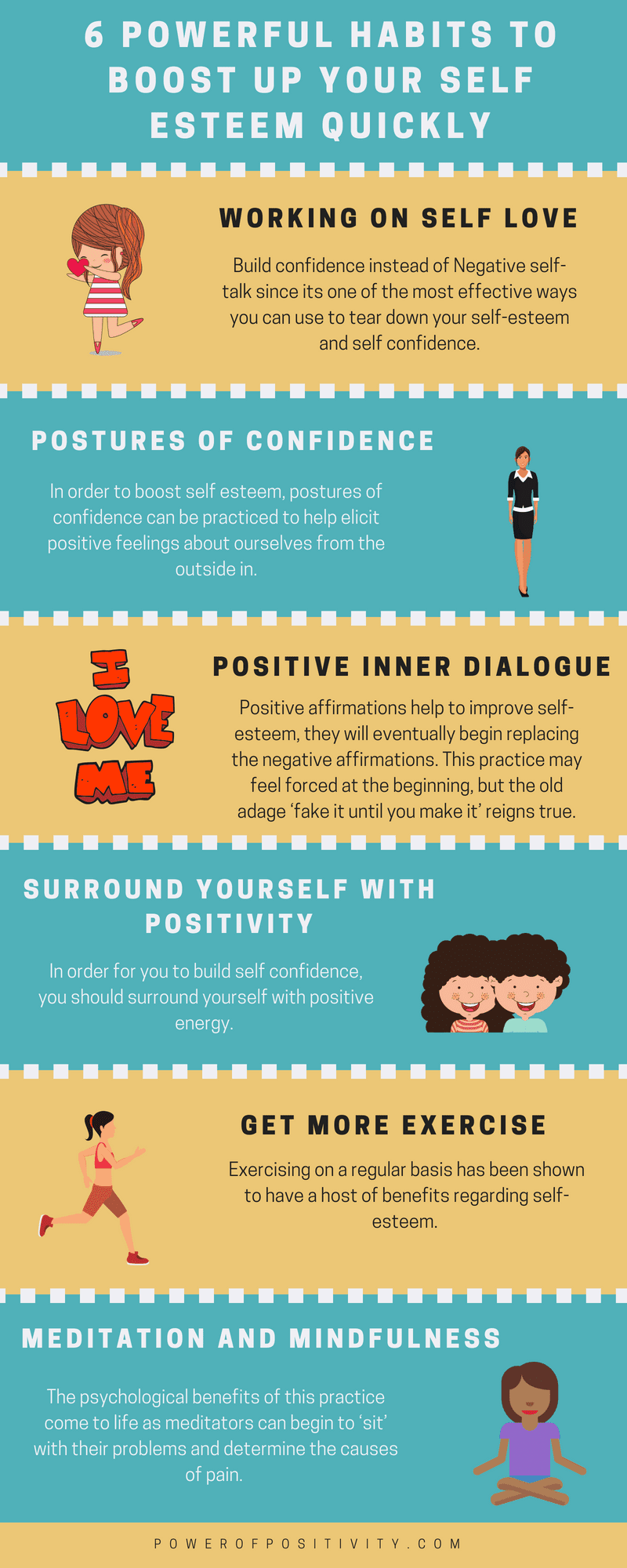
Experts Explain 10 Ways Your Self-Esteem Affects Your Relationship

“Self-esteem is as important to our well-being as legs are to a table. It is essential for physical and mental health and for happiness.” – Louise Hart

Ask yourself honestly: how do you feel about yourself? Could your self-esteem be a little better? All of us struggle with self-esteem issues every once in a while. Unfortunately, some of us have it worse than others when it comes to having low self-esteem. You may feel like your self-esteem only affects you.

After all, it is called self-esteem! But the fact of the matter is, your self-esteem can affect your relationships with other people.

Low self-esteem can make you test or sabotage relationships that have potential, or settle for relationships in which you’re treated in a way that matches your beliefs about yourself,” says clinical psychologist Suzanne Lachmann, Psy.D.

However, there are ways to turn it around. If you’re feeling like your low self-esteem could be affecting your relationships, check the signs and see how to turn it around.

10 Ways Your Self-Esteem Destroys Your Relationship And How To Avoid It

1. You start having limited relationships

When you have low self-esteem, you’re not very confident. This can make it harder for you to approach other people, and for other people to approach you. What happens then?

You’re willing to commit yourself to the person who expresses interest in you. You become much less discriminating about who you choose. You may even be willing to put up with behavior that doesn’t satisfy you, because you feel lucky to have anyone at all, even though you are aware you are not happy,” adds Dr. Lachmann.

When you work on feeling better about yourself and having more confidence, your relationships will branch out. You’ll have more friends and work relationships, as well as romantic ones.

2. You suffer from lack of confidence

The lack of confidence when it comes to low-self-esteem means that you may allow people to walk all over you. You’re not confident enough to assert your boundaries and “you will be unable to ask for what you want or set limits on what you don’t want,” adds relationship coach Deborah Roth.

Learning better communication skills will help turn your confidence around. When your confidence is better, so is your self-esteem. Then, you’ll be able to have relationships with other people without feeling as if you’re being taken advantage of.

3. Self-expression becomes a challenge

When you have low self-esteem, you may have a harder time expressing yourself. When you’re not able to say the things you want to say, and be truthful about your thoughts and feelings, your relationships suffer. Learn how to better express your thoughts and feelings, even if you have to take baby steps to do it. Writing letters or emails can help bolster your confidence in saying what you mean.

4. You’re constantly taken for granted

When you have low self-esteem, people tend to take you for granted. This is because your low self-esteem makes it harder for you to stand up for yourself. Learn how to say “No” and assert your boundaries. It may take some effort, but in the long run you’ll be able to avoid the bad and abusive relationships with people who are looking for someone with low self-esteem to control.

5. Not enough energy into your relationships

When you have low self-esteem, it may cause you to make mistakes in your relationships. One of these mistakes is not putting enough energy or effort into your relationship, because you feel like it doesn’t matter anyway.

You may take on a victim mentality. This means you will blame everyone and everything for how you feel. You will not be able to relate to others well because you will act like a victim rather than an equal,” says life coach Karl Perera.

Learning to build up your self-esteem means that you’ll be able to put the same time and energy into relationships that you deserve to get back. Sometimes, just putting in the effort will help bolster your self-esteem.

self-esteem

6. You have low self-acceptance

Having low self-esteem means that you also have low self-acceptance. If you’re unable to accept yourself, then you won’t be able to be accepted in your relationships, either. Learn to accept your flaws and shortcomings, instead of beating yourself up for things that you can’t control. When you learn to let go, you can learn to accept yourself for who you are.

7. Perception is a mind game

What you believe to be true is often what you perceive. Low self-esteem can make your perception of the world around you way off. If you feel poorly about yourself, you may start to believe other people feel poorly about you as well. Learn to accept what the people around you say, and believe them for what it’s worth. If someone tells you they like you, learn to believe them.

8. Misunderstandings arise in relationships

When you lack self-esteem, you lack confidence, and without confidence, you may be prone to more misunderstandings in your relationships. You may allow people to believe something that isn’t true because you lack the self-esteem to correct them.

It’s important in any relationship to be able to express what you need … If you don’t share those needs because you’re afraid of your partner’s response, you’ll become increasingly frustrated and [they’ll] just feel hurt or confused,” say Shirley McNeal, Ph.D, and relationship coach Nancy Philpott.

Building up your confidence will allow you to correct misunderstandings before they cause rifts in your relationships.

9. Drama becomes inevitable

A lack of self-esteem can also cause drama in a relationship. Misunderstandings, hurt feelings, exhausting arguments … all of these things can stem from one’s low self-esteem. When you’re able to confront the source of the drama, the drama is more easily dealt with. When focusing on building your self-esteem, you’re also able to focus on making sure your relationships stay drama-free.

10. Lack of fun

You may find that you don’t go out as often as you would like, or turn down invitations to have fun with your friends. Low self-esteem can make it so that you’re not having as much fun as you could. A good way to deal with this is to go anyway. Even if you’re feeling low, getting out and being around people who care about you can be a great help.

Final thoughts

Low self-esteem can be frustrating for anyone to deal with. You may not notice at first, but your relationships can suffer when it comes to low self-esteem. It may even be something that can end a relationship altogether.

Bolstering your self-esteem will make dealing with it easier, as well as repairing your relationships. Talking to a trusted friend, family member or therapist can also help put your self-esteem back on the right track.

When you notice yourself thinking you’re not lovable, or that no one will ever find you attractive, you need to stop and talk back to yourself in a positive way. Tell yourself that the negative talk is not realistic, but just a distortion, says social psychologist Heidi Riggio, PhD.

Opening up to people can be just the thing you need to work through whatever it is that’s keeping your self-esteem low, and bring it back up so you can enjoy and experience life.

Boost self esteem

Share this Image On Your Site

(C)Power of Positivity, LLC. All rights reserved
References:
https://www.psychologytoday.com/blog/me-we/201312/10-ways-low-self-esteem-affects-women-in-relationships
http://www.yourtango.com/experts/yourtango-experts/15-ways-your-self-esteem-can-make-or-break-your-relationship-expert
https://www.bustle.com/articles/157502-11-ways-low-your-self-esteem-is-affecting-your-relationship
http://www.more-selfesteem.com/relationships.htm
https://www.everydayhealth.com/sexual-health/how-low-self-esteem-affects-your-relationships/

5 Reasons Strong People Let Karma Do Their Dirty Work

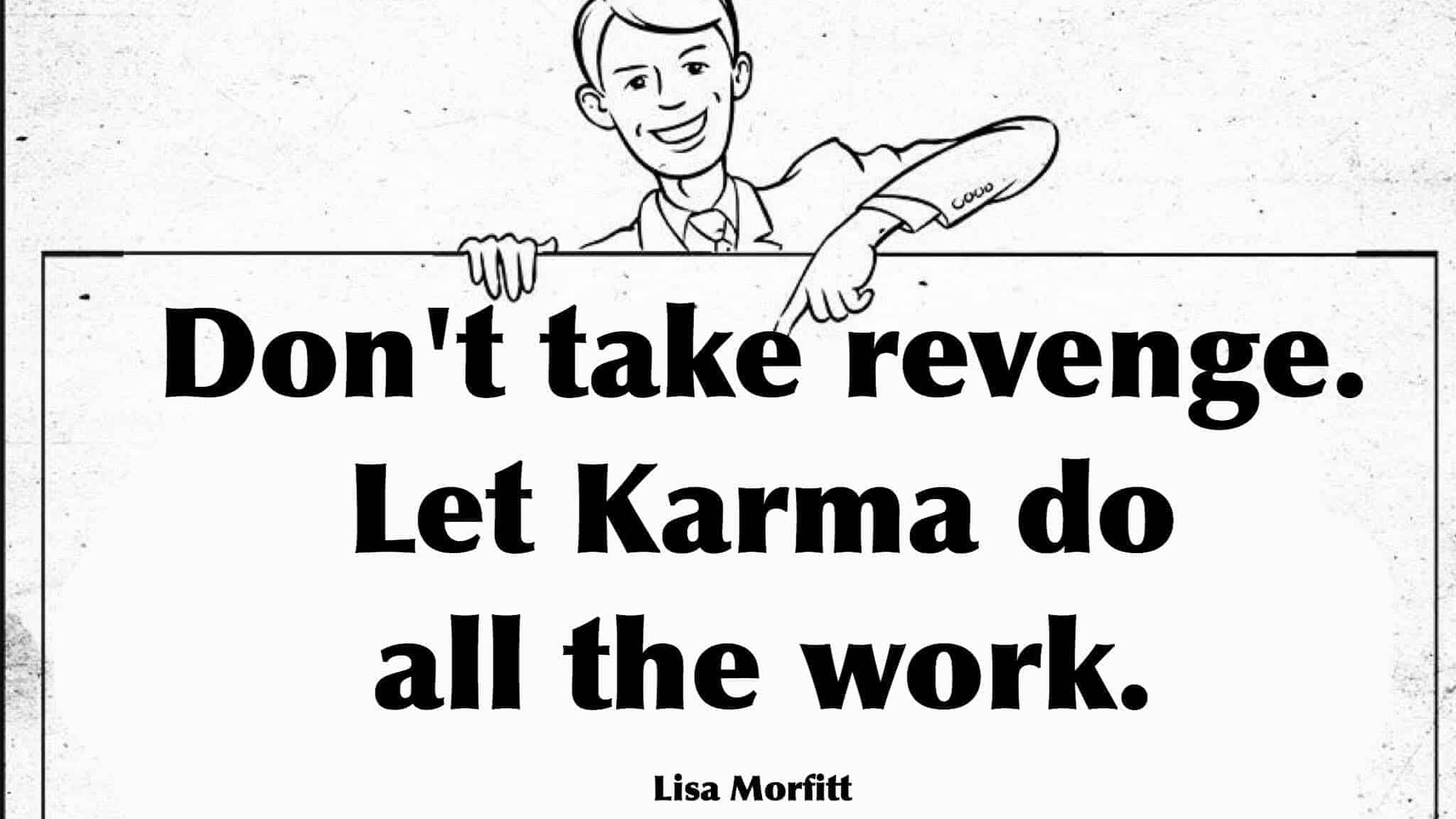
If you’re like most people, you’ve probably been wronged at some point in your life. A friend did you dirty, or an ex-lover caused you a lot of pain and heartbreak. Most people would need to seek revenge against the person that harmed them or did them wrong in some way. But a better option is letting karma do all the work.

Karma is an intense force in the universe, and strong people let karma do their dirty work for them. Because people who have it coming will always get their karmic retribution. But why would someone so strong do nothing?

“Figure out what you’re good at and start helping other people with it; give it away. Pay it forward. Karma sort of works because people are very consistent. On a long enough timescale, you will attract what you project.” – Naval Ravikant

What Is Karma?

Karma is a central concept in many Eastern religions, including Hinduism, Buddhism, and Jainism. The term “karma” comes from the Sanskrit word for action, which refers to the idea that our actions have consequences. According to the law of karma, every action we take has a corresponding result, either in this life or in future lives. Positive actions lead to positive consequences, while negative actions lead to negative consequences. This means that our past actions determine our present circumstances, and our present actions will determine our future circumstances.

Karma is closely related to rebirth, which is the idea that after we die, we are reborn into a new body. In this view, the quality of our rebirth is determined by our karma from past lives. Positive karma leads to a better rebirth, while negative karma leads to a worse rebirth. This cycle of birth, death, and rebirth is known as samsara, and the ultimate goal is to break free from this cycle and achieve liberation, or moksha.

karma

In addition to individual karma, there is also collective karma, which refers to the actions and consequences of a group or society. In this view, the actions of a group can have consequences that affect the entire group, either positively or negatively. For example, a society that values kindness and compassion will experience positive collective karma, while a society that values violence and greed will experience negative collective karma.

While karma is often associated with Eastern religions, it has also been embraced by people in the West to understand the consequences of their actions. By recognizing that every action has a consequence, we can become more mindful of our behavior and make choices that lead to positive outcomes. In this way, karma can be seen as a personal growth and self-improvement tool.

Here Are Five Reasons Strong People Let Karma Take Over

These things prove you should let Karma, the Universe, or whatever you call it, do the dirty work for you.

1 – Revenge doesn’t feel good

It might feel like it does in the moment or just before … but revenge doesn’t feel all that great. Mahatma Gandhi once said, “An eye for eye only ends up making the whole world blind.” And it’s true. According to author and director/owner of the Dialectical Behavior Therapy Center Karyn Hall, Ph.D., “Researchers and theorists believe that revenge is a form of establishing justice and that the threat of revenge may serve as a form of protection, a kind of enforcement of social cooperation.

For a brief moment, you’ll feel better, but it doesn’t stop or erase what has happened to you. Strong people often feel more deeply than others. And revenge may only show a strong person’s sympathy or empathy for the person they got revenge against. And that’s only going to make them feel worse. So, in the end, seeking revenge against someone isn’t worth it. Letting karma do all the work, however, is.

2 – Revenge can get you in trouble

If your partner cheated on you, the tempting thing to do is give them the Carrie Underwood treatment and key their car. Sure, it’ll feel great, but … Carrie Underwood’s song doesn’t talk about the real, tangible consequences of letting your emotions seek out revenge for you.

There’s no reason to get your hands dirty. Karma will make sure that your ex partner’s car gets rear-ended, or they get a flat tire on the way to an extremely important job interview or meeting. Stay out of trouble and let karma do the rest for you.

aggressive people


3 – You can’t face off with everyone

If we were to try and seek revenge against every person who had ever wronged us, we would be spending more time doing that than moving on with our lives! And that’s not good. “Revenge is the desire to get even when someone does you wrong. It’s natural to feel angry… However, revenge reduces you to your worst self, puts you on the same level with those spiteful people we claim to abhor,” says Judith Orloff, M.D., author of The Empath’s Survival Guide: Life Strategies for Sensitive People.

A strong person knows when to walk away, even if frustrating. But a strong person also knows that karma will come back around to whoever has done them wrong. Moving forward and healing from a bad situation is always better than trying to seek revenge against another person. After all, karma doesn’t have a time limit. Karma can go down the list of people who have wronged you – one by one.

4 – Karma comes back around

You might not want to seek revenge against someone who’s harmed you because karma … will come back and bite you in the butt, too! Strong people know this. They know that even if the other person deserves it, it isn’t worth having karma come after them, too. Even if it’s tempting to seek revenge against them, it isn’t worth putting that bad energy into the universe. This strength in the universe is incredibly powerful. There’s no need to get on karma’s wrong side. Just hold your head up and walk away.

Remember, “what goes around, comes around.

5 – The best karma is success

Nothing will get under someone’s skin like seeing you succeed, especially if they did everything in their power to try and make that not happen. A strong person knows that the best karma in the world is simply picking yourself up and moving forward with your life. Healing, succeeding, and reaching all of your goals are going to be the most fantastic karma. Karma isn’t just for bad people, either. While the person who harmed you will be stuck where they are karma has given you that extra boost you need to succeed.

karma

Final Thoughts on Letting Karma Dish Out the Punishment

Some people aren’t big believers in karma, and that’s okay. Even if you don’t believe that karma will come and get the people who wronged you, it’s still a good practice to keep your head high and focus on succeeding rather than getting revenge. You’re not going to be able to control what another person does, but you’ll always be able to control yourself. There is no better revenge than succeeding in the face of people who wanted you to fail.


Harvard Professor Explains What Happens To Your Body When You Meditate Every Day

The word meditation still evokes feelings of uncertainty and discomfort for some.

This makes sense, as most of Western civilization hasn’t been exposed to the practice. Those who have either: (a) think of meditation as “strange,” (b) aren’t interested, or (c) have seen big changes in their lives.

To be clear, meditation is not a religious practice.

Once again, meditation is not a religious practice.

While it’s true that many practicing Buddhists engage in meditation, the actions of meditation are fundamentally non-religious.

To digress for a moment, the intent of Buddhism was not to form an organized religion. Siddhartha Gautama, referred to as The Buddha, told his followers: “Be your own lamp, seek no other refuge but yourself, Let truth be your guide.”

To meditate, for all intents and purposes, is to focus on the breath. Nothing more and nothing less. Thoughts will come. Your job is to allow such thoughts. When you notice your mind wandering, gently bring your attention back to the breath. Gentle discipline is the foundation of meditative practice.

“I regard consciousness as fundamental. I regard matter as derivative from consciousness … Everything that we talk about, everything that we regard as existing, postulates consciousness.” ~ Max Planck

Harvard goes to the Himalayas

Dr. Herbert Benson, Professor of Medicine at Harvard University, embarked on a remote trip to the Himalayan mountains. His task: study monks living in a remote monastery.

“Buddhists believe the reality we live in is not the ultimate one,” Benson explains. “There’s another reality we can tap into that’s unaffected by our emotions, by our everyday world.”

Let’s pause and consider the above quote.

Another reality that’s unaffected by emotions? Think about the potential implications should this notion prove right.

What is the leading cause of death in the world? Stress.

The HeartMD Institute defines stress as follows:

“(The) measure of your mental and physical resistance to circumstances beyond your control … threats, demands, or changes to which you attach (and) with which you may struggle or feel uncertainty.”

Dr. Stephen Sinatra, the founder of the HeartMD Institute, says “Acute stress is the leading cause of sudden death, especially in young healthy people with no evidence of coronary disease.”

Chronic stress causes too many health conditions to count.

Recognizing the stakes, it’s quite clear why Dr. Benson decided to make that dangerous journey into the mountains.

What did Benson discover?

Dr. Benson wanted to know if the near-superhuman abilities reported of the monks were valid. He is especially interested in the claim that the monks could voluntarily raise their own body temperature – once considered an impossibility by many scientists.

The monks used a Tibetan meditation technique called Tummo (pronounced ‘toom-oh’), otherwise known as the “Inner Fire Meditation.”

Following the monks Tummo practice, Benson and his colleagues measured the monks body temperature. It had risen by up to 17 degrees.

In a follow-up experiment, according to Harvard University, “Just using the power of their minds, the monks produced enough body heat to dry wet sheets placed on them as they relaxed in chilly rooms.”

What else can meditation do?

Dr. Benson has published numerous books and scientific publications on his findings. For his breakthrough work, he was named the Director Emeritus of the Benson-Henry Institute (BHI), and Mind-Body Medicine Professor at Harvard Medical School – a position that Harvard created.

Here are a few “hidden” powers of mindfulness or meditation, cited by Dr. Benson:

meditation

1. Induces deep relaxation

Dr. Benson calls the Relaxation Response “an innate or embedded response” and “opposite to the fight-or-flight (stress) response.”

The RR is quite simple:

Sit in a comfortable position, at ease, without movement, and breathe slowly and deeply. Each time your breath is coming out, say out loud a chosen thought, word or phrase. Do this for five minutes.

Secular words include: peace, love, kindness, gentleness, truth.

If you’re of a certain faith, you can choose a textual passage or name associated with your beliefs. The Relaxation Response has demonstrated some incredible benefits, as you will see.

2. Meditation fights disease

Dr. Benson states “We found a range of disease-fighting genes were active in the relaxation practitioners that were not active in the control group.”

Again, this is a groundbreaking discovery. Experts once thought our mind unchangeable – that we were stuck with them. This is not the case.

The Willpower Institute, which thoroughly reviewed Dr. Benson’s work, writes:

“…the benefits of the relaxation effect were found to increase with regular practice … the more people practiced relaxation methods such as meditation or deep breathing, the greater their chances of remaining free of arthritis and joint pain with stronger immunity, healthier hormone levels, and lower blood pressure.”

3. Meditation balances emotions

Emotional balance is a state where one is free of “neurotic behavior,” including anxiety and depression.

It is important to remember that being completely free from “neuroses” is difficult, especially in today’s 24/7, “always on” society. However, with regular meditative practice, numerous individuals have fully recovered from mental health illnesses.

Proper diaphragmic breathing, or “belly breathing,” stimulates the parasympathetic nervous system (PNS). The PNS counteracts the “fight or flight” mechanism, which is crucial for stress reduction.

4. Meditation promotes tranquility

Of all the benefits of meditation, tranquility may be the most pleasant and welcome.

This isn’t to say that meditators don’t experience stress and negative emotions – they most certainly do. However, the meditative mind doesn’t hold onto the negative emotions for nearly as long as the “normal” mind.

The importance of this calming effect cannot be overstated. Fewer and shorter negative emotions mean less stress, better health, and a much, much more positive mindset.

5. Improves efficiency and productivity

“Productivity” and “efficiency.” Eck.

Once you begin practicing meditation, you will assuredly be more productive and efficient. However, you will not be another stress-absorbing workhorse that today’s corporate culture loves to promote.

Instead, you’ll approach work with a Zen-like focus. And you won’t feel as if some jockey is whipping you while you sprint to the finish line.

Who wouldn’t love that?!

10 Things to Remember to Avoid Hurting Someone’s Feelings

Unintentionally hurting people’s feelings is often more painful for the person who did the hurting, whereas for the one who got hurt, it can be just as difficult to heal from as a physical wound. Words can hurt, but you have the power to control what you say to someone else, so read on for 10 rules to avoid causing hurt feelings.

10 Rules You Need To Remember To Not Hurt People’s Feelings

1. They are not you

Before you speak, remember that treating someone as if they should act the same as you do is unfair. They have different experiences, support systems, finances, beliefs, values and other things that make them so different from you that you cannot expect them to behave how you would in the same situation.

2. Your expectations may influence their behavior

What if what you say causes the person to completely change their opinion and do the opposite of what you think they should do? Would you be disappointed that they didn’t listen to your opinion?

3. Check your intentions

When you speak, do you intend to help, to inform, encourage, discourage, support? Or do you even know what your intent is? Most people speak with the goal of helping, but end up with the other person feeling like they were criticized. If you heard the words you are about to say to another from your own parent, would they sound patronizing? How could you best help this person?

4. Some words are just socially negative

If I called you fat and you are not fat, you can either be upset or not upset about hearing that word. Your reaction and response to my words is on you, not me. However, in general, the word ‘fat’ is not a positive or uplifting word in our society. As a test, ask yourself if the words you use are kind, joyful, or something you would say to your boss. If the answer is no, use another word or way to convey your meaning. Again, what is your intention in saying this?

5. Your perception of what hurts is not the same as theirs

You have no way to know a person’s history of pain, even if you know some of the details. Knowing your audience is good, but might not be good enough to avoid hurt feelings.

kind

6. Avoid uncomfortable topics

Family history, health concerns, religious or spiritual beliefs, politics, and intimacy issues are all topics that have unease and emotional sensitivity associated with them. Let the other person have privacy around these topics unless they engage you first.

7. Avoid excluding people

Researchers in the Journal Behavioral and Neural Evidence say that social rejection activates the same brain region as physical pain and that even taking an over-the-counter remedy like acetaminophen can help when we have hurt feelings. Turning your bodies to keep someone out of a conversation is a great way to hurt someone’s feelings. If your discussion is not meant for them, please say that you need some time to talk with so and so alone for just a few minutes, and then you’ll be happy to include them.

8. You aren’t perfect either

No one is perfect and we all make mistakes. Do you find it enjoyable when others point out your mistakes to you?

9. Avoid talking about physical appearance

Other people are still worthy of our respect no matter their appearance. Researchers studying the causes of hurt feelings found that low self-esteem and relationship unhappiness were associated with people who reported having hurt feelings. The perceived experience of having hurt feelings was dependent on the level of intensity of the hurt feelings, their desire to avoid the person who hurt them, and their feelings about how they reacted when they were hurt.

10. Text is no substitute for voice or face-to-face

If you cannot show someone the look of concern on your face, they might be hurt by your words if they are just reading them without knowing your emotional state. If you have something to say and it could be perceived as hurtful, make sure you try to speak in person, by video, or by phone. The additional information of your voice inflection as well as your body language helps avoid hurt feelings as you convey your concern.

5 Tips For Introverts to Deal With Social Exhaustion

Introverts are all too familiar with the daily struggle of forcing themselves to socialize and be a productive member of society when they’d love nothing more than to curl up in bed with a good book. Introverts don’t necessarily dislike people, but they just can’t deal with them in large doses like their extroverted counterparts can. They need more time to decompress, contemplate the world, and have some quiet time away from all the overwhelming noises and chaos of today’s society.

According to research, introverts make up 16-50% of the population. This means that a good portion of the world must try to figure out how to survive in an overly extroverted culture when it doesn’t come naturally to them. Having to act out of character just to fit into society’s expectations can get quite tiring, and can even lead to something called “introvert burnout.”

Yes, this is a real thing and must not be taken lightly. Introverts have a very delicate nervous system which can easily become overtaxed by society. They have limited energy to deal with social situations, but that doesn’t mean they can’t learn to handle them with coping mechanisms.

So, how can introverts deal with burnout, and even spot it before it happens? We have some ways to deal with introvert exhaustion below.

HERE ARE 5 WAYS TO DEAL WITH INTROVERT BURNOUT:

1. Get away from people for a bit.

Introverts must have time to themselves each day in order to maintain some semblance of sanity. They don’t have a high tolerance for all the stimuli in today’s world, so in order to decompress and recharge, alone time is an absolute must. If they go too long without solitude, burnout is almost imminent. Therefore, scheduling even 30 minutes a day to yourself can do wonders for your mental health.

If you work a normal job, try to convince your boss to allow you 5-10 minute breaks a couple times a day in addition to your lunch. Or, maybe you could take lunch outside and enjoy fresh air and solitude for a bit. Once you get home from work, don’t immediately start chores. Take time to unwind by soaking in a hot bath with your favorite essential oils, or go for a walk. Do whatever you need in order to keep your mind calm and healthy.

introvert

2. Don’t do things you don’t want to do with people you don’t like.

While you can’t avoid all social events, such as a family member’s wedding or birthday party, you can pick and choose who you hang out with and where you go, for the most part. Do things that bring you enjoyment with people who make you happy, but remember not to overburden yourself with obligations. Introverts can get social exhaustion from even small hangouts, so pace yourself and listen to your body.

Also, if you have to go to a big event for a family member or friend, try to talk to a few people you feel comfortable around at the gathering – don’t mingle with every single person just to seem friendlier if it tires you. Give yourself a few days before the event to mentally prepare by not scheduling any social activities. Just relish in the silence and solitude for now, because otherwise, you might get overwhelmed at the party if you schedule too many social gatherings in one week.

3. Practice self-soothing techniques when you go out.

You don’t have to talk to people every minute that you go out; take some time to just listen to others and enjoy their company. Talk only when you feel like it, and when you don’t, escape into your mind a little and daydream. Recite soothing mantras that help you feel calmer, or even meditate for a few minutes. You could always use your phone as a tool to escape, even though that might seem a little rude depending on the circumstances.

stay calm

4. Live a life that makes you comfortable.

Don’t try to go against your personality by taking jobs that you have to force yourself to get up for every morning, or having friends that drain your energy, even if they are well-meaning extroverts. Live a life that makes you feel comfortable in your own skin, and never apologize if your definition of happiness looks vastly different from someone else’s.

5. Learn to love yourself.

love-yourself-quote

Introverts have been given a hard time by others just because they don’t seem as “friendly” or outgoing or social as some people. People still don’t fully understand introverts, but that doesn’t mean you have to put on an act just so others will accept you. Learn to love and accept yourself, and just forget what the world thinks. You have the free will to act as you wish (as long as it doesn’t harm others), so stay true to your personality and never change for someone else.

Though surviving in an extroverted world comes with many challenges for an introvert, that doesn’t mean they can’t find happiness and enjoy life in their own way. They might need more alone time than extroverts, but this doesn’t make them hermits who despise society. This makes them human, and introverts should never feel guilty for their natural disposition. It means they’re more sensitive to external stimuli and are just trying to cope with it how they see fit. So, never beat yourself up if you need a few days in your room away from the world. You’re protecting yourself from burnout and taking care of yourself, and that’s nothing to be ashamed of.

So we hope you can use these tips to deal with (or even prevent) burnout and learn to love your introverted self. 🙂

How to Release Attachments to Someone You Used to Love

Breakups hurt in so many ways for both people involved – two lives once conjoined literally become severed, in both physical and mental aspects. Many people don’t know how to release feelings and cope after a breakup, and reach for substances such as drugs, food or alcohol to fill the void. Even though a broken heart takes time to mend, however, covering up the pain with numbing agents will only make the feelings worse once you come down from the high. You CAN get through this difficult time in your life in healthier ways, and we’re here to show you how. We sincerely wish you the best and hope your heart heals quickly and fully.

6 Ways To Heal After A Breakup

break

1. Take the opportunity to practice more self-love.

In relationships, we tend to put ourselves second and cater to our partner’s needs above our own. We love our significant other with all our heart but forget to show ourselves the same love back. Now that you’re newly single, use the opportunity to learn what you love doing and who you really are. Fall in love with life all over again by discovering things about yourself you never knew before. Go deep within and find what makes your heart soar, and then follow that inner guidance. Maybe what you need is a long solo backpacking trip to find yourself all over again. If that’s what your heart wants, follow it. It won’t steer you wrong.

I believe that everything happens for a reason. People change so you can learn to let go. Things go wrong so you can appreciate them when they’re right. You believe lies so you eventually learn to trust no one but yourself. And sometimes good things fall apart so better things can fall together.”- Marilyn Monroe

2. Keep busy.

They say an idle mind attracts demons, and they can strike when you least expect it. Your mind can be your worst enemy if you allow it, and having too much free time will certainly leave the door open for negativity and self-loathing. However, keeping a busy schedule will make sure that you don’t spend all your time dwelling on the past and wondering what you could’ve done differently or how you could’ve saved the relationship. You might want to revisit the relationship again someday, but for now, allow you and your ex to heal. Find purpose in your job, family, or friends, and don’t get wrapped up in negative thoughts about the relationship.

3. Learn to feel all your emotions.

Covering up your emotions with pills, alcohol, or food will only mask your feelings and prolong the pain. Allow yourself to go through the healing process, and realize that grieving is a stepping stone to healing. You must get through the dark nights if you want to see the stars shining, so remember that as you’re reaching for the bottle or driving to the nearest fast food joint. It can be very tempting to forget about the pain and escape into a world of numbness, but it won’t do you any good in the long term. Allow your emotions to come and go, and accept them rather than fight them. Then you’ll see that they don’t have as much control over you as you thought.

broken heart

4. Lean on friends and family for support.

Your support system, no matter who they are, would not want you to go through this difficult time alone. Call them up if you need to talk, because no one deserves to go through heartbreak alone. Hearing their words of wisdom or just simply hanging out when you need a good laugh will help you heal faster. After all, sitting in your bedroom alone mulling over the past will only intensify the pain and fill your mind with unpleasant thoughts.
If you feel you have no one to talk to about it, consider getting professional help. Counselors and therapists can help you work through your emotions so you can get back to living a happy, fulfilling life once again.

5. Move your body.

Exercise has a mountain of benefits, and one of those is helping you get over your ex.

“Wait, whaaaa? How does sweating my butt off help me mend a broken heart?”

Well, for starters, it takes the attention off your breakup and onto something else. It allows you to have goals and get into a flow state where nothing else matters but lifting those weights and getting through that last rep. It releases feel-good hormones that will lift your spirits and make you feel like you’re on top of the world instead of down in the dumps. So, when you feel like you’re in the bottom of hell, go down to your nearest fitness club and get a membership. You can focus on bettering yourself and taking care of #1 rather than someone else for a change.

6. Volunteer.

It’s no secret that taking the attention off yourself and your problems and putting it on others with (probably) far more problems helps immensely with emotional pain. You’re helping someone else better their life while spending an hour or two not thinking about the recent heartbreak in yours – win-win, right? That’s not to say that your feelings don’t matter, because they certainly do, but it’s important to zone out from them sometimes. Plus, seeing a smile on someone else’s face because of the help you’ve given them will make a lasting impact on you and help you see that life is full of beauty, even in the midst of pain.

You might see a breakup as the end of the world, but don’t look at it that way. Instead, think of it as a new beginning – an opportunity for something better down the road. Be thankful for your experiences and memories with your ex, but also allow yourself to remain open (in due time) to other people somewhere down the road. They say when one door closes, another one opens, so make sure to keep following your path, and you’ll eventually find the door you’re meant to open.

Science Explains What Happens To Your Body When You Eat Two Bananas A Day

Why do we choose to eat something? Three reasons: appetite, taste, and nutrition. Bananas are unique in that they’re affordable, tasty, and very nutritious. These qualities help explain why the fruit is so prevalent.

“But what about sugar?”

The natural sugars sucrose and fructose give the fruit its sweetness. Some people abstain from bananas because of their sugar content, but there’s no need to avoid or restrict fruits in reasonable quantities.

The chemical composition of manufactured and natural fructose, for example, is very different. Here’s what Kris Gunnar, BSc., writer at Healthline.com says:

“There is a lot of evidence that large amounts of fructose can cause harm when consumed to excess. However, this depends on the dosages and context and does not apply to fruit.”

Furthermore, bananas are teeming with fiber and water. The former, metabolically-speaking, offsets the sucrose and fructose; the latter helps ease the digestion of the sugars.

Let’s delve right into the health benefits of eating two bananas a day:

1. Cancer-fighting properties

According to Japanese researchers, fully ripe bananas (yellow skin with darkish patches), contain a significant amount of Tumor Necrosis Factor, or TNF.

TNF is a signaling molecule, known as a cytokine, that stimulates a potent immune response when abnormal tumor cells are discovered.

2. Lowers blood pressure

Consuming a diet low in sodium and high in potassium helps maintain a healthy blood pressure. Potassium regulates the dilation of the body’s blood vessels, which decreases blood pressure.

Health experts recommend 4700 milligrams (mg) of potassium daily. It’s estimated that only 2 percent of American adults meet this requirement.

A regular-sized banana contains over 460 milligrams of potassium and is nearly sodium-free.

3. Promotes heart health

Aside from being rich in potassium, bananas contain a rich amount of vitamins B6 and C and a healthy dose of fiber.

In a study published in the journal Today’s Dietitian, researchers concluded that individuals who ate at least 4,000 mg of potassium daily had a 49% lower chance of dying from heart disease compared to those who consumed just 1000 mg.

4. Regulates blood sugar

Should you require further proof that the sugars contained in bananas are naturally healthy, consider the following:

Studies show that type 1 diabetics who consume high-fiber diets have lower blood glucose levels than those who don’t. Type 2 diabetics who consume plenty of fiber test for improved blood sugar, lipids, and insulin levels.

Two regular, medium-sized bananas contain about 6 grams of premium-quality fiber.

5. Eases digestion

Bananas are part of the digestion relieving ‘BRAT’ diet: bananas, rice, applesauce, and toast.

We’ve mentioned that bananas contain a healthy dose of quality fiber, which eases digestion. Bananas are also rich in electrolytes, which helps replace fluid lost from sweating and diarrhea.

Because of their potassium stores, quality fiber and electrolytes, a couple of bananas eaten every day can help maintain a healthy digestive system.

6. Helps oxygenate the body

Iron deficiency is one of the most common medical issues in developed countries, including the United States. Prolonged iron deficiency can lead to anemia, a condition which results in the body not getting enough oxygen.

Bananas are rich in iron, a component of hemoglobin which aids in the transportation of oxygen from the lungs to the rest of the body.

7. Cognitive benefits

Bananas supply potassium to the brain, which helps keep the oxygen levels normalized and strengthens the signaling between neurons.

Banana also contains tryptophan, a mineral precursor to the brain chemical serotonin. Serotonin is our brain’s “stabilizer”  chemical, warding off mood swings and brain fog.

(C)Power of Positivity, LLC. All rights reserved

5 Reasons Difficult Roads Lead to Beautiful Destinations In Life

Life is filled with many obstacles, and sometimes, it seems impossible just to stay afloat. With constant pressure on us to perform at work, keep up with chores at home, and also maintain our personal lives, there’s no end in sight to life’s tests. Every morning many of us wake up with a sense of dread because of the inevitable stress we will have to endure, but if you shift your perspective a bit, you’ll see that every day is another opportunity to change our lives. Every new day brings with it a chance to start anew and maybe see the light shining through the clouds. Maybe we go through hardships in life in order to fully appreciate the beauty surrounding us every day.

So, next time you feel destined to break, try to keep in mind these reasons why the hard times often bring us to better days ahead.

5 Reasons Why Difficult Roads Lead to Beautiful Destinations

“Difficult roads often lead to beautiful destinations. The best is yet to come.” Zig Ziglar

1. We can’t appreciate the good without enduring the bad.

Like we said above, the hard times in life are a blessing in disguise because they allow us to be more grateful for the good times. We must go through a storm to see the rainbow, so remember that next time you want to give up. Once the storm passes, the sun will shine again, and you’ll see that the challenges you faced were worth it. Plus, enduring difficult times makes us more resilient people, which will help us the next time we encounter roadblocks in life.

2. Perseverance leads to victory.

You might have to climb mountains and traverse an arid desert before you reach an oasis, but eventually, you will get your goal. If you want something badly enough, life will reward you with it if you work hard and don’t throw in the towel. Many people may have traveled the road before you and gotten off due to weariness and frustration, but little did they know that if they had walked to the end, they’d find a spectacular treasure. You might only have a mile left to go, but if you call it quits at the end, you’ll never know how close you were to success.

3. It teaches us patience.

Patience is a virtue, and unfortunately, one that many people have forgotten in today’s world. We live in a culture of instant gratification where no one wants to work for anything – they just want it handed to them. However, for those who don’t surrender when the going gets tough, they get to experience the gift of allowing life to happen rather than forcing it. In other words, people who go through the hard times rather than going around them will gain the gift of patience and acceptance for their situation. Once they’ve passed the test, so to speak, they will arrive at a new place in their minds – a place of peace and nonresistance towards whatever is happening around them. Maybe their lives won’t drastically change, but they will have reached a new level mentally, which matters in the end.

beautiful destinations

4. Life is incredibly ironic.

Life requires great sacrifice and an understanding of the duality of the universe. It takes sadness to know happiness, pain to know pleasure, and weakness to know strength. It also takes the hard times to know the good times, which is precisely why the most challenging roads will lead to the most beautiful destinations. For example, if you want to start a business of some sort, you’ll have to work long hours the first few years, but the payoff will be worth it because of the sacrifice you made. Keep things in perspective so that you don’t get discouraged.

5. It shows you what you want and don’t want in life.

Let’s just say that the difficult road you’ve been walking down is a dead-end job. So, it wouldn’t make sense to continue down a road that doesn’t lead to another, would it? Exactly. But, you had to walk that path to know that it wasn’t right for you in the first place. The bumpy roads we often walk down toughen up our feet, but they also help to illuminate our true path. Choosing the wrong path on the fork in the road isn’t a waste of time; it just helps you deepen your understanding of yourself and lead you to the right path.

Final thoughts…

For many, it seems that the hard times never end. They wake up to the same job they hate, the same bills making them broke, and the same people testing their patience. When will it ever get better? Well, to be honest, it might just require a shift in perspective to see that things could be a lot worse, or you might need to change things in your life to find happiness. Whatever the solution, you would’ve never found it had you not gone through trials in life. Remember, you can’t see the stars without the night sky’s darkness.

Skip to content