Weekly tips, affirmations, and small actions to feel your best.

15 Habits That Help People Stop Smoking Forever

You’ve heard it all before…but…How many times have you heard these words. “Smoking is sooo bad for you!

Yeah, like a bazillion or something.

While certainly true, this sentiment doesn’t help much.

On the other hand, providing specific reasons why smoking is bad is not only necessary but effective.

For example:

  • Smoking dulls the senses of smell and taste.
  • Smoking expedites the aging process.
  • Secondhand smoke is repulsive.
  • Smoking is linked to impotence in males.
  • Smoking increases the risk of illness and infections.
  • Cigarette smoke puts other peoples’ health at risk. (50,000 people die annually from secondhand smoke.)
  • Smoking is expensive.
  • Smoking impacts the ability to perform simple physical activities.

Most want to quit…

Smoking is not something people do “just for kicks.” Smoking is an addiction. The substance responsible for this addictive quality, nicotine, is one of the most potent, most accessible stimulants on the market.

Quitting smoking is awfully hard. Quitting is also something that most smokers want to do.

Which brings us to the point of this article!

Here are 15 (effective!) methods for helping you kick the habit:

1. Make a pros and cons list.

Ah, yes, the ole’ pros/cons list.

Draw a line down the center of a piece of paper and write the “pros” (things you like) about smoking on one side, and “cons” (things you don’t like) on the other.

It’s important to be honest with yourself for the method to be effective.

2. Set a date.

A “quit date.”

There’s something about setting deadlines that helps the brain “tune in” to what needs to happen to complete your goals successfully.

3. Cut back

Quitting cold turkey works for some; not so much for others.

For the latter group, cutting back may be the best way to eventually kick the habit.

Try eliminating a couple of cigarettes each week (or whatever period you’re comfortable with) until you hit zero.

4. Do something else

Make a list of things you can do whenever a craving hits. Examples: take a walk, play a game, wash the car, clean up your desk, do some pushups, practice deep breathing … whatever works for you.

5. Hydrate

Drinking water during the day primes your brain to function at its best. We’re also way more relaxed when adequately hydrated.

For smokers – especially those trying to quit – drinking water is a must.
dehydrated

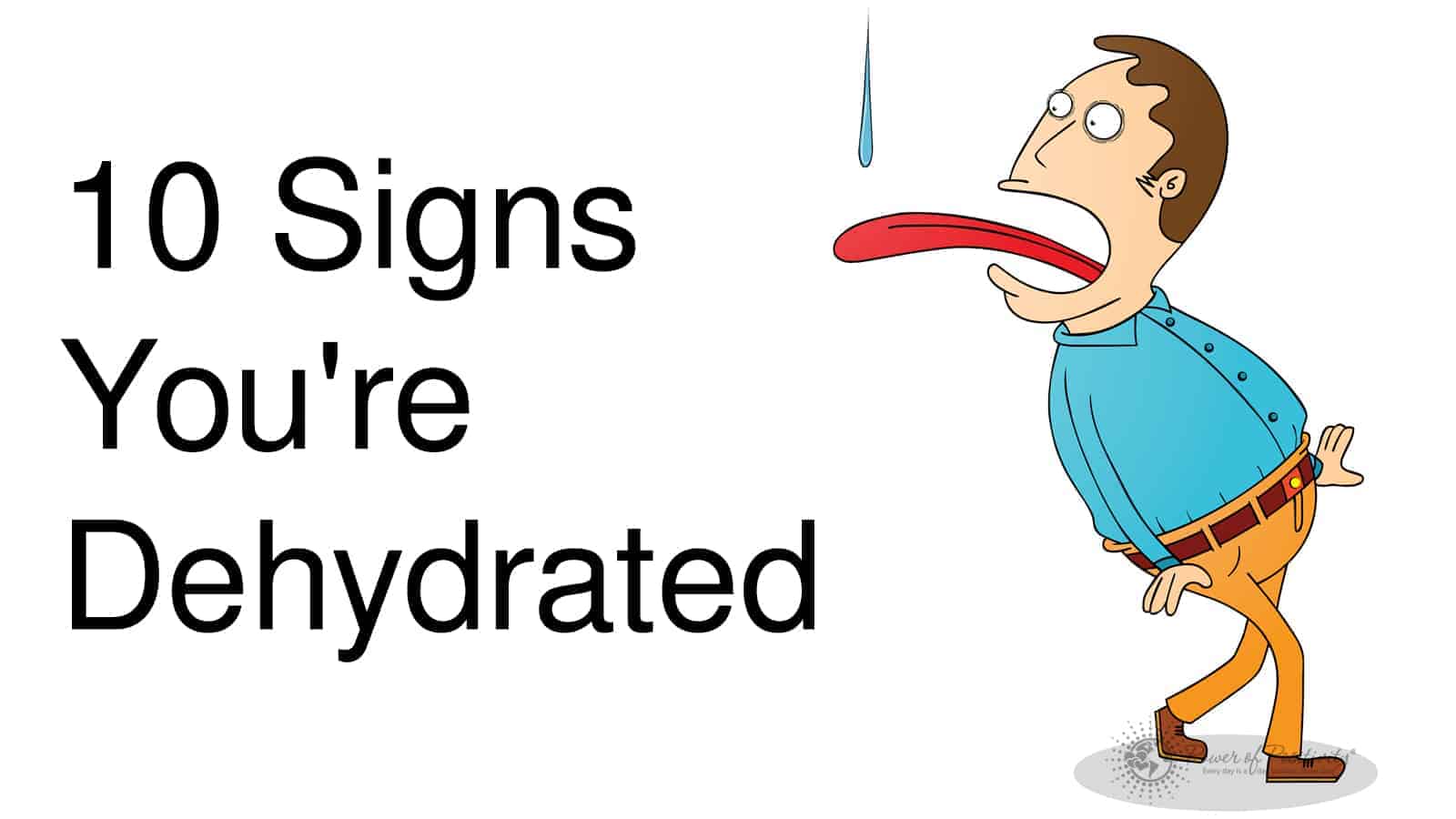
RELATED: 10 Signs You’re Dehydrated

6. Keep a money jar

This one is powerful, as are most financial incentives.

As you cut back on smoking, put the money you save in a glass and place the jar someplace conspicuous. Better yet keep two jars: one for home and one for work!

7. Cut back on caffeine

There appears to be a relationship between smoking and caffeine intake. This correlation is relatively unsurprising, as caffeine is also a stimulant.

Try cutting back on the java during your quitting period.

8. Remind yourself of obstacles overcome

As mentioned, quitting smoking can be a chore. During times of personal trial, it can help to remind ourselves of obstacle we’ve hurdled in the past.

Instant motivation!

9. Carry around healthy snacks

Fueling your body with protein-packed snacks (especially nuts) can help ward off cravings. Protein is a precursor to the brain chemicals dopamine (a “feel good” hormone) and GABA (the “rest and digest” hormone).

10. Voice your commitment

Number ten is not for the faint of heart, but letting people in on your attempt to quit smoking can be a powerful motivator.

Tell your colleagues, friends, and family about your decision to quit. See what your verbal commitment does for your confidence!

11. Practice mindfulness

Mindfulness is the act of being consciously aware of one’s thoughts and emotions without judgment – and allowing them to pass.

Quitting smoking can tax our mind and brain. Moment-to-moment mindfulness – particularly during times of challenge – can help eliminate the stress.

12. Drink some tea

Actually, don’t just drink tea; turn it into a mindfulness exercise. When you’re preparing tea, focus on the task at hand.

When you sit down to enjoy the tea, pay attention to the flavor and temperature.

Then notice how you feel afterwards.
 

ways to quit smoking

13. Do something fun

Distractions are usually not a good thing. But when you’re trying to quit smoking, distractions can be your saving grace.

So whenever a craving strikes, permit yourself to do something you enjoy for whatever amount of time you have.

14. Change your routine

Novelty is a beautiful thing when experiencing hardship.

Making simple changes to your normal routine may stimulate the brain enough to ward off cravings.

15. Get gum or lozenges

Per a study published by the Wisconsin Medical Society, nicotine replacement therapy (NRT) “has been shown to increase smoking cessation rates.”

Researchers cite nicotine gum and nicotine lozenges as effective measures.

Sources:
https://en.wikipedia.org/wiki/List_of_countries_by_cigarette_consumption_per_capita

https://www.ncbi.nlm.nih.gov/pmc/articles/PMC3174063/
https://www.rd.com/health/wellness/quit-smoking/
https://www.webmd.com/smoking-cessation/features/is-smoking-dragging-you-down#1

5 Early Warning Signs of High Blood Sugar (And How to Reverse It)

Hyperglycemia is the medical term for high blood sugar. Per WebMD, there are two main kinds of hyperglycemia:

– After-meal hyperglycemia: A blood sugar readout exceeding healthy levels that occurs approximately two hours after eating.

– Fasting hyperglycemia: A blood sugar readout exceeding healthy levels that occurs after not eating or drinking for a minimum of eight hours.

The Risks of High Blood Sugar

Long-term hyperglycemia can damage blood vessels, nerves, and organs. High blood sugar can manifest into other physical conditions as well.

Frequently indulging in high-sugar foods increases the risk of obesity, which is the catalyst for numerous health problems. High cholesterol, coronary heart disease, stroke, asthma, and metabolic syndrome – a combination of diabetes and high blood pressure – can result.

These risks are mitigated – and possibly reversed – by consuming the right kinds of foods. We will give you plenty of ideas for such foods in the final section!

The Signs of High Blood Sugar

After administering a blood sugar test, doctors categorize a person’s risk according to their readout.

The five signs of high blood sugar vary slightly according to classification (severity).

Mild high blood sugar

Individuals with mild hyperglycemia consistently have blood sugar levels higher than average. People who are mild hyperglycemic and non-diabetic may urinate more frequently when drinking fluids.

Those with diabetes may not notice any symptoms when their blood sugar falls within this range.

The five main signs of mild high blood sugar are:

  • Fatigue
  • Increased appetite
  • Weight loss
  • Increased thirst
  • Increased urination

(Mild high blood sugar is defined as 200 milligrams [mg] to 350 milligrams per deciliter [dl] in adults, and 200 mg/dl to 240 mg/dl in children.)

High blood sugar (hyperglycemia) is most often seen in people who have diabetes that isn’t well controlled. The symptoms of high blood sugar can be mild, moderate, or severe. ~ WebMD

Moderate to severe high blood sugar

Moderate to severe high blood sugar is defined as above 350 mg/dl in adults and above 240 mg/dl in children. The symptoms of moderate to severe hyperglycemia are markedly different than those with mild hyperglycemia. Here are the five most common signs:

  • Blurred vision
  • Drowsiness, restlessness, or difficulties waking up.
  • Extreme thirst
  • Flushed, dry, hot skin
  • Lightheadedness

It’s important to note that, if the body is not producing adequate insulin, additional symptoms may surface. The four other symptoms listed by WebMD include:

  • Abdominal pain
  • Loss of appetite
  • Rapid heartbeat
  • Strong breath odor
  • Vomiting

Eating Right is Critical

All of the evidence-based recommendations for the management and prevention of diabetes from all major worldwide diabetes organizations (in the UK, US, and Canada) “advise people with type 1 or type 2 diabetes to use the GI (as) part of the nutritional management of their condition.”

The University of Sydney’s GI group defines the glycemic index as “a relative ranking of carbohydrate in foods accord to how they affect blood sugar (glucose) levels after eating.”

Foods with a high GI value (70-100+) are rapidly digested, absorbed, and metabolized. These foods markedly increase blood sugar levels.

As a reference, here is a short list of high GI foods:

  • Fruit Rollup: 99
  • White Rice: 85
  • Rice cakes: 84
  • Pretzels: 83
  • Donuts: 76
  • Watermelon: 72
  • White Bread (slice): 70

On the opposite side of the glycemic spectrum are low-GI foods (0-55). Low-GI foods produce smaller fluctuations in blood glucose and insulin levels and are vital to long-term health, maintaining a healthy weight, and lowering the risk of diabetes and heart disease. Unsurprisingly, nearly all fruits and vegetables are listed here.

  • Oatmeal: 55
  • Wheat pasta: 54
  • Corn on the cob: 64
  • Banana: 52
  • Brown rice: 50
  • Green peas: 48
  • Sweet potatoes: 48
  • Carrots: 47
  • Chocolate milk: 40
  • Sweetened yogurt: 33
  • Whole milk: 31

– Fruits less than or equal to 40 GI: blueberries (40), strawberries (40), apples (38), pears (38), raspberries (30).

– Veggies that are less than or equal to 20 GI: tomato (15), cauliflower (12), cabbage (10), broccoli (10), spinach (6), Brussels sprouts (6), kale (5).

Final thoughts on managing blood sugar

High blood sugar is something that you can monitor and mange.

While diet plays a crucial role in the mitigation and regulation of hyperglycemia, other factors (e.g., health status) must also be taken into account.

Individuals with a family history of diabetes are strongly encouraged to seek the advice of a medical professional before implementing any plan to manage their condition.

It’s important to remember that high blood sugar is a potentially dangerous condition; mainly because it can manifest in other states and worsen any underlying medical issues.

Regardless of where you may fall on the blood sugar ‘scale,’ you should consider implementing plenty of low-GI foods in your diet.

Aside from potentially warding off hyperglycemia, a diet rich in low glycemic foods can also help by promoting healthy cholesterol levels and healthy body weight!

Sources:
http://valeriecurrie.com/wp-content/uploads/2015/05/Common-GI.png
https://gofitstayfit.com/14-early-warning-signs-blood-sugar-super-high-eat-foods-reverse/
https://www.nhs.uk/conditions/obesity/
https://www.webmd.com/diabetes/guide/diabetes-hyperglycemia#1
https://www.webmd.com/diabetes/tc/symptoms-of-high-blood-sugar-topic-overview

5 Reasons You Need to Make 2018 Your Selfish Year

“Self-care is never a selfish act – it is simply good stewardship of the only gift I have, the gift I was put on earth to offer others. Anytime we can listen to true self and give the care it requires, we do it not only for ourselves, but for the many others whose lives we touch.”  – Parker J. Palmer

By simply being alive, we must take care of ourselves first. This isn’t selfish; it’s an act of survival. If we don’t look after both our basic and more complex needs, who will? We must live with ourselves our entire lives, so we have no choice but to do whatever is necessary to keep ourselves afloat.

However, life is more than just surviving; it’s also about thriving. It’s about taking time for yourself to figure out what you enjoy, and building a life that you can be proud of. Sadly, too many people are living well below their potential, or living for someone else besides themselves.

You deserve to be a little selfish this year and put yourself first for a change. We’ll explain how “selfishness” can benefit your life in more detail below.

HERE’S WHY YOU NEED TO MAKE 2018 YOUR SELFISH YEAR:

self-care

20 Self-Care Mantras to Brighten Your Outlook on Life

You’ll learn to become your own best friend.

Out of all the people in our lives, we are often most disconnected and out of touch with ourselves. We spend a lot of time trying to make others happy and tending to their needs, all the while neglecting the person we’re with 24/7: ourselves. Many of us don’t even like ourselves and wish we could jump out of our skin into someone else’s life. We see people’s posts on Facebook or Instagram and compare ourselves to them and their “seemingly” perfect lives. We spend so much time hating ourselves, because we’re our own worst critic.

It’s no surprise that so many people feel this way, because we live in a world obsessed with progress. Nothing is ever good enough, including ourselves. However, you don’t have to fall into this vicious cycle. Believe that you’re good enough as you are right now, and truly take the time to get to know yourself. The greatest gift you can give yourself is self-love, because no one can take it away from you.

Being selfish will award you better relationships.

When you focus on self-love and care, the fog that clouds the vision of yourself will start to fade. You will have a totally new perception of yourself, and this positive self-image will attract the right people to you. When we start to operate from a place of love and acceptance rather than a place of hate and rejection, our relationships do a 180. We can give more love, and therefore, receive more of it in return. Being open with yourself and letting go of negative thinking patterns will feel like a breath of fresh air, and other people will definitely notice. 

You will realize what you deserve in relationships, and leave behind any that don’t serve your best interest any longer.

self care

Your physical health will improve.

Slowing down and taking more time for self-care will allow you to destress and detox your body from years of damage. When we don’t love ourselves, we tend to eat and drink the wrong foods, get into the wrong relationships, and simply live too fast. We don’t take the time to decompress and let our bodies heal from the wear and tear of everyday life.

However, putting yourself first will allow you the freedom to explore healthier living practices such as meditation, growing your own food, preparing more meals at home, exercising, etc. Nothing matters more than your health, and when you put in the effort, you’ll start seeing positive results in how you look and feel.

Putting yourself first means having the courage to follow your dreams.

Most people work jobs they hate to pay bills for things they don’t really want, just because everyone else does it. People want a safety net because it’s comfortable, not because it makes them happy. However, living a life full of security usually means giving up our dreams on the off-chance we might follow them later. Most of the time, later never comes. Countless people die with dreams still inside of them, untouched and undiscovered. Don’t just settle in life; follow your heart and don’t seek validation from others that it’s the “right” path – because no one truly knows but you.

Treating yourself better will change your mentality. 

So many people in the world suffer from mental disorders. We don’t claim that self-love and care is a one-size-fits-all answer to the mental health crisis plaguing mankind, but how can treating yourself better HURT? If anything, you’ll start to have a better self-image, which will make you feel more confident, increasing feelings of happiness and well-being. It does take perseverance and willpower, but doing activities that help to improve mental wellness will make you feel better overall. Working out, yoga, meditation, and deep breathing exercises are just a few things that improve mental health.

Final thoughts

We only wish the best for you in this new year, and hope that you live life to your full potential. The only limits that exist are the ones you place on yourself, so just believe that you’re unstoppable, and you’ll be able to do anything you set your mind to!

REFERENCES: 
HTTP://WWW.HEALTH.HARVARD.EDU/MIND-AND-MOOD/YOGA-FOR-ANXIETY-AND-DEPRESSION
HTTPS://WWW.NCBI.NLM.NIH.GOV/PMC/ARTICLES/PMC3768207/
HTTP://WWW.HEALTH.HARVARD.EDU/BLOG/MINDFULNESS-MEDITATION-MAY-EASE-ANXIETY-MENTAL-STRESS-201401086967

6 Habits of Couples That Feel Secure

Insecurity:

  1. uncertainty or anxiety about oneself; lack of confidence.
  2. the state of being open to danger or threat; lack of protection.

~ The Oxford English Dictionaries

Insecurities are something we all have. Similar to any “weakness,” insecurity isn’t something we like admitting or talking about.

Whether our uncertainties stem from money, looks, achievement, or something else, feeling insecure is quite normal – as long as we know how to deal with these feelings.

Allowing insecurities to overwhelm us, however, can negatively affect just about every part of our life.

Including our relationships.

Some seek out relationships because of this insecurity, in hopes that the right partner will bring some semblance of stability and normalcy. Ironically, this desire for the possible security can manifest into its opposite without some due diligence.

How can we prevent insecurity from sabotaging our relationships? Here are six ways:

1. Do some soul searching

If you’re determined to make the relationship work, it’s essential to uncover exactly what’s bothering you. Without this realization, any relationship with be short-lived, unfulfilling, or both.

You must also be willing to acknowledge and work on rectifying your insecurities. We say “work on” because uncovering (if needed) and resolving deeply-rooted insecurities is a process.

Take some time to sit down, alone, and think about things. It may be a wise idea to get a journal where you can write down thoughts as they arise. It’s likely some behavioral thought patterns will emerge.

Another good idea is to consider talking to someone close to you. When it’s their turn to speak, listen attentively. While what they say may not be what you necessarily want to hear, understanding the problem from someone else’s perspective could help tremendously.

2. Understand your worth

Insecurity often causes us to focus solely on individual attributes we feel are lacking. If your partner accepts you for who you are – that which makes you lovingly unique – why overly concern yourself with perceived weaknesses?

The answer isn’t so simplistic, of course.

If we’re in an emotional funk (hey, it happens!), ask someone who loves you. Is this a deliberate attempt to boost your ego? Not from their perspective. You’re seeking honest feedback about the things that endear you to them.

It’s vital – for both individual and relational well-being – to remind yourself of the constituents that make up your self-worth.

3. Boost your self-esteem

Research shows that people with more relationship insecurities possess a lower self-esteem.

It’s human nature to seek external validation when we’re insecure. While this may be okay with friends and loved ones, it may be a bit disconcerting for your partner under certain conditions.

Building up self-esteem, while regularly viewed as very difficult, isn’t actually all that hard.

Make it a habit to practice mindfulness meditation. Even 10 to 15 minutes of (deliberate) daily meditative practice will help quiet your inner critic, bring forth self-compassion, and – perhaps most importantly – instill a much-needed sense of acceptance.

insecurity

4. Be honest

Once you’ve figured out what you personal insecurity is, it’s time to have a conversation with your partner. Too often in relationships, repressed feelings manifest into superfluous arguing and bickering.

Remember the epic scene in Jerry Maguire when Tom Cruise’s character repeatedly pleads with Cuba Gooding, Jr’s? “Help me, help you!!”

Those four words have been repeated many times since that movie came out, and are indeed applicable in this situation.

It isn’t fair to keep your partner in the dark. And if you’re worried about being rejected or looking down upon, do it anyways. If your partner acts unsupportive or judgmental in any way, the relationship may not be worth it.

5. Fix what’s broken

Waiting for when you “feel like” doing something is never a good idea. No matter if this “something” is losing weight, quitting smoking, overcoming shyness, studying harder, whatever, procrastination always follows a Bell Curve (an upside-down ‘U’).

Let’s say ‘discomfort’ is on the Y-axis (vertical) and ‘time’ on the X-axis. As time moves on, the slope of the Bell curve sharply elevates along the Y-axis. After an action is taken – say at the midway point of the Curve – discomfort drops precipitously.

In short, take action, maintain momentum, and you’ll feel relieved.

6. Seek professional help

If insecurities are affecting your physical or mental health, it may be worthwhile to look into speaking with a professional. Consider talking to a counselor, therapist, or someone else who specializes in the area(s) with which you’re struggling.

Here again, it’s important to be honest with your partner if the decision impacts him or her.  Also, be sure to pay attention to their reaction.

Sources:
http://www.healthguidance.org/entry/15892/1/How-Insecurities-Can-Harm-Your-Relationship.html
https://www.psychalive.org/how-to-overcome-insecurity/
https://www.psychologytoday.com/blog/living-forward/201603/4-ways-stop-beating-yourself-once-and-all
https://www.psychologytoday.com/blog/living-forward/201609/4-ways-stop-feeling-insecure-in-your-relationships

5 Signs Your Spirit Guides Are Trying to Contact You

Have you ever felt a lightbulb go off in your mind after being stumped for days about something? Or maybe you intuitively were drawn to a certain decision all of a sudden, as if someone else was telling you the right thing to do. If you’ve ever experienced an “inner knowing” about something, it might have actually been your universal spirit guides pointing you in the right direction!

Guides can come to you at any time and for any reason, especially if they know you’ve been struggling and need guidance in your life. They can appear in all sorts of ways, usually through signs and a gut feeling you get when they’re trying to get in touch with you. We’ll go over some surefire ways to know if the universe is trying to communicate with you.

HERE ARE 5 SIGNS YOUR UNIVERSAL GUIDES ARE TRYING TO TALK TO YOU:

spiritual beings

1. More synchronicities happening in your life

One of the most telling ways that the universe talks to you is through synchronicity. What is this, you ask? Well, it basically means that everything just falls into place, the puzzle pieces start coming together, and you start feeling like you’re on the right track. Two events occur that have no causal relationship, yet seem to be related in a meaningful way. For instance, maybe you’ve been going through a breakup, and “Since You’ve Been Gone” by Kelly Clarkson blasts through your car speakers right when you turn the radio on.

Or, let’s say you have been feeling lonely, and one night, an old friend calls you up out of the blue to say hello. These events can happen at any time, so pay attention. Your universal guides just want to help you out and get you back on the right track. Especially pay attention to numbers, specifically repeating ones. Many mystics believe that seeing 11:11 on a clock, for instance, means your angels are watching over you.

2. You feel an otherworldly presence during meditation

If you meditate, you probably do it to quiet your mind and simply “turn off” the outside world for a while. However, did you know that this is one of the most popular ways to communicate with your guides? When you meditate, you start to increase your vibrational frequency, which literally takes you to greater heights, both spiritually and mentally. Guides operate on higher frequencies as well, which means you’re on the perfect road to cross paths with them. If you feel something “pulling” at you in your meditation practice, it might be your guides trying to contact you.

3. You have strange dreams

Guides love to talk through dreams, because it’s almost like you’re in another world entirely. This dream state makes it easier to contact you. Plus, dreams can get pretty vivid and intense, which allows the guides to use the full spectrum of creativity to convey their messages. They might send you someone in your dreams that you are destined to meet in real life. Or they might show you an image of you in the future. Your dreams are important, so keep a dream journal nearby so you can jot down your dreams when you wake up. You’ll likely have dreams that you can directly apply to your life to help you on your journey.

When you trust your inner guidance and begin moving in the direction of your dreams (aligned with your individual gifts) you will be cloaked in an armor bestowed upon you by your guardian angel.” ~ Charles F. Glassman

4. You face challenge after challenge

How many times have you felt like you just couldn’t catch a break? It happens to all of us, but if we look deeper, there’s a message within the madness. If it just won’t stop raining, maybe our guides want us to change direction, or learn to change our attitude. Challenges help make us stronger, but they often show us that we should change our path since the one we’re on seems to be littered with roadblocks.

5. Your intuition is getting stronger

One way to know if your spirit guides are near is to pay attention to your intuition. Maybe you have a date coming up this weekend, but something doesn’t feel right in your gut. This means that the universe is trying to tell you that the person either isn’t right for you, or that you could be in danger around this person. If something feels “off” to you, that’s your intuition trying to warn you about possible threats.

On the flip side, your spirit guides could also show you something positive in your life that you might’ve overlooked. Maybe you have some job opportunities lined up, and you suddenly feel drawn toward one more than the others. Your guides only want to help you, so keep your senses aware of their presence.

The universe talks to us all the time; we just have to quiet our thoughts and tune into its mysterious ways of communicating. So, pay attention to the signs all around you, because it just might be your guides trying to illuminate your path and help you steer clear of things that no longer serve you.

Scientists Explain What Happens to Your Body When You Eat Too Fast

Do you eat too fast? There’s a high probability that you consume food at an unhealthily fast rate at least some of the time. How do we know? Because most of us, including yours truly, are starved for time (pun intended).

Ask yourself this simple question: “How many times during the average work week do I finish a meal in less than 10 minutes?”

If your answer is anything more than zero, you may want to consider changing things up seriously.

Because, as it turns out, eating too quickly is very unwholesome. Especially considering what too many Americans (and some other Western countries) consider a ‘meal’ – some fat-filled combo or 99 cent item at the local fast food joint.

In this article, we’re going to discuss what happens to your body when you consume your meals too quickly. In the end, we’ll give you some tips to slow your pace.

Let’s get to it!

Scientists Explain What Happens to Your Body When You Eat Too Quickly

“People who eat slowly are less likely to become obese or develop metabolic syndrome, a cluster of heart disease, diabetes and stroke risk factors.”  ~ The American Heart Association

Metabolic Syndrome

At the American Heart Association’s Scientific Sessions 2017 event, researchers from Hiroshima University in Japan delivered the keynote presentation. The topic: the relationship between eating speed and metabolic syndrome.

Metabolic syndrome is an umbrella medical term encompassing the following conditions:

– Increased blood pressure

– High blood sugar

– Excess body fat around the waist

– Abnormal cholesterol or triglyceride levels

Because all of these factors affect heart health, metabolic syndrome increases the risk of heart disease, stroke and diabetes.

The Research

Scientists from Hiroshima University divided 1,083 men and women, the average age of 51.2 years, into one of three groups based on their self-reported eating speed: slow, normal, or fast.

After a five year observation period, researchers reported the percentage of each group who had developed metabolic syndrome:

– Fast eaters: 11.6%

– Normal eaters: 6.5%

– Slow eaters: 2.3%

To put these numbers into perspective:

– Fast eaters have nearly double the risk of developing metabolic syndrome than normal eaters.

– Normal eaters have nearly triple the risk of slow eaters.

“Eating more slowly may be a crucial lifestyle change to help prevent metabolic syndrome,” said Takayuki Yamaji, M.D., study author and cardiologist at Hiroshima University in Japan. “When people eat fast they tend not to feel full and are more likely to overeat. Eating fast causes bigger glucose fluctuation, which can lead to insulin resistance. We also believe our research would apply to a U.S. population.”

Obesity

In a study published in The British Journal of Medicine of 3,287 Japanese adults (1,122 men, 2,165 women) researchers reported the following:

– 571 (50.9%) men and 1265 (58.4%) women self-reported eating until full.

– 45.6% of men and 36.3% of women reported eating quickly.

– The odds of being overweight for eating until full were 200% higher.

– The odds of being overweight for eating quickly was 184% higher.

– The odds of being overweight with both eating behaviors (eating until full and eating quickly) was 313% higher

Higher caloric intake

In a study published in The American Journal of Clinical Nutrition, individuals who ate at a slower pace ingested 12% fewer calories than those who at fast.

Researchers from the study conclude “interventions aimed at improving chewing activity could become a useful tool for combating obesity.”

Chewing more helps to digest your food. Your saliva contains enzymes that loosen the food, which makes it easier to digest.

Slowing down your eating

Here are eight excellent tips for slowing down your eating:

– Sit down to dine in a calm environment with minimal distractions.

– Consume high-fiber foods that take more time to chew, such as fresh fruits and vegetables.

– Put down your utensils between bites.

– Try setting a minimum number of chews per bite. This may feel odd at first, but give it a try.

– Serve your food on smaller plates.

– Use smaller dining utensils.

– If you start rushing to finish your food, put your utensils down and take five deep breaths.

– Set aside time to enjoy your meal – at least 20-30 minutes for each meal, and preferably even longer at dinner.

– Don’t just dine “whenever you get around to it” or treat it as an inconvenience. You’re more likely to speed eat this way.

Sources:
http://www.foodtalk.com.au/contents/en-us/d66_how-to-slow-down-fast-speed-eating.html
https://www.precisionnutrition.com/all-about-slow-eating
https://www.theguardian.com/lifeandstyle/2017/nov/20/is-eating-food-too-quickly-bad-for-health
https://www.webmd.com/diet/obesity/features/slow-down-you-eat-too-fast#1

10 Natural Gargle Remedies to Fix A Sore Throat Immediately

A sore throat is like an itch (literally) that you can’t scratch. Hey, it could be worse. You could have strep throat – so there’s some consolation! We’ve discovered a few homemade sore throat remedies. All the elixirs you will find here are simple to make, quick to use, and cheap!

Here are a few natural remedies for a sore throat:

These easy-to-make home remedies are helpful. However, you should only rely on them for short-term, acute conditions like a cold or allergies. If a sore throat persists, seek aid from your doctor–extended inflammation of the throat may point to another condition.

sore throat

1. Salt and Water

It doesn’t get much more basic than this recipe.

  • Mix ¼ teaspoon of salt with 1 cup of warm water. (Use the hottest possible water temperature that you can comfortably tolerate.)
  • Gargle for sixty seconds.

If you have it, add one tablespoon of Listerine. Listerine will moisturize your throat’s mucus membranes, eliminate acids, and relieve the burning sensation. In addition, the product will enhance the solution’s germ-killing properties.

Ensure to make a new mix for every ‘gargle session.’ Don’t store the solution, as it can become contaminated. Also, cold-rinsing doesn’t work.

2. Water, ginger, honey, and lemon

You’ll need:

  • ½ cup hot water
  • Half a lemon
  • One teaspoon of powdered sugar
  • One teaspoon of honey

Squeeze the lemon and gather the juice. Pour the water over the ginger. Add the honey and lemon juice to the solution. Gargle for sixty seconds. Honey not only serves as an excellent natural sweetener, but also coats the throat and contains mild anti-bacterial properties.

3. Hot sauce and water

You’ll need the following:

  • Five shakes of ground cayenne pepper or hot sauce (the former is a better option.)
  • A cup of hot water

Hot pepper contains capsicum, a flowering plant with both pain-relieving and anti-inflammatory properties. Of course, this remedy isn’t for the sensitive mouth or throat. It’ll burn for a bit, but it may do the trick! Gargle for thirty seconds every fifteen minutes to see if you feel better. If not, discontinue and try something else.

4. Sage and water for a sore throat

You’ll need these things:

  • One teaspoon of sage
  • ½ teaspoon of alum (crystallized potassium sulfate)
  • ¼ of brown sugar
  • ½ cup of vinegar
  • 1/8 cup of water

Mix all of the ingredients and gargle for sixty seconds. Sage contains properties that can ease a sore throat and painful or swollen nasal passages.

5. Turmeric and water

You’ll need these ingredients:

  • ½ teaspoon of turmeric
  • ½ teaspoon of salt
  • One cup of hot water

Curcumin, an active ingredient in turmeric, is a potent antioxidant and anti-inflammatory. (As a side note, curcumin is such a powerful ingredient that scientists are currently studying its effectiveness in eliminating brain tumors and certain cancers!)

6. Wheatgrass juice

Wheatgrass juice contains a high concentration of chlorophyll. Chlorophyll is considered a superfood because of it’s active antioxidant and anticancer elements!
Wheatgrass may also carry the added benefits of strengthening gums and relieving toothaches.

Try holding a ¼ cup of wheatgrass juice in your mouth for about five minutes and then gargling for about sixty seconds.

7. Tomato juice

  • You’ll need the following:
  • A half cup of tomato juice
  • Half a cup of hot water
  • Ten drops of hot pepper sauce

Mix all of the ingredients and gargle for sixty seconds. Tomatoes contain lycopene, a phytochemical and carotenoid pigment. Lycopene is an active antioxidant that can help relieve your sore throat quicker. (Lycopene is also in other red fruits & vegetables, including red carrots, watermelons, gac, and papayas)

8. Green tea for a sore throat

Aside from drinking the soothing beverage, consider using it as a gargle! While the liquid is still relatively hot (but tolerable), gargle with it for sixty seconds to kill throat bacteria. Green tea is renowned for its myriad health benefits, including positive cognitive and brain effects, antioxidant and anti-inflammatory, and weight loss!

9. Apple cider vinegar and salt

apple cider vinegar

You’ll need the following:

  • One tablespoon of apple cider vinegar
  • One teaspoon of salt
  • A glass of warm water

Mix all the contents and use a few times throughout the day until your sore throat clears. Apple cider vinegar neutralizes (kills) bacteria that line your throat.
Add apple cider vinegar and honey equal to a quarter of a cup. This is a bit more gentle on the mouth and stomach. Store and take a tablespoon every four hours.

10. Licorice water

You’ll need the following:

  • One teaspoon of licorice powder or syrup
  • Eight ounces of water

Mix all of the ingredients and gargle for sixty seconds. Licorice root provides two potential benefits for a sore throat. First, the root can lower inflammation and ease the pain. Second, licorice root can eliminate the phlegm that triggers coughing episodes.

sore throat

Final Thoughts on Natural Sore Throat Gargles

These ten sore throat gargles can offer immediate relief from the pain, redness, and scratchiness caused by inflammation. So give them a try for soothing relief–it may offer the short-term relief you need while your body heals. Call your doctor for guidance if the pain continues for over two or three days.

5 Behaviors People Who Had A Traumatic Childhood Display In Their Relationships

Child abuse is one of the most gut-wrenching things a human being can experience. The psychological scars left from abuse can be severe and last a lifetime.

Child abuse or childhood maltreatment (CM) can be defined as “sexual and physical abuse, emotional maltreatment, and neglect.” Furthermore, CM can be inflicted by adults and peers; systematic or random; a one-time occurrence or repeated.

Andrea Brandt, Ph.D., a licensed marriage and family therapist writes in Psychology Today:

“Even if you can’t name the aftereffects (of abuse), you feel them. Whether it’s feeling like a permanent victim even when you’re years removed from what traumatized you, acting passive-aggressively when upset, retreating into passivity, or creating a false, always-happy version of yourself, there are many ways childhood emotional trauma continues to affect you even after you’ve grown up.”

Disturbingly, colleges across America – and, presumably, the world – find themselves flooded with students who suffered abused. Of course, this makes sense, as college is often the young adult’s first “taste” of individual living. Indeed, many students make first reports of trauma in this environment.

Sadly, physical detachment does not provide much relief to deep-seeded trauma. There is perhaps no better example than the following study undertaken by two Israeli professors.

A Traumatic Childhood and Relationships

Golan Shahar and Dana Lassri are professors Ben-Gurion University in Negrev, Israel. They conducted two studies with hopes of determining what, if any, relationship exists between childhood trauma and adult relationships.

The professors hypothesized that the profound nature of childhood trauma does impact interpersonal relationships to some degree. Now, they needed to test their theories. To do so, Sharar and Lassri enlisted the help of college undergraduates.

About the Study:

Before we delve into the five signs, lets bullet point both studies to provide some context:

  • Total number of participants: 190
  • Average age: 24 (1st study), 23 (2nd study)
  • Oldest participants: 33(1st), 39 (2nd)
  • Data were gathered via clinically validated self-report questionnaires.
  • Items on the questionnaires asked about the person’s abuse history. They tracked reports of emotional abuse, emotional neglect, physical abuse, physical neglect, and sexual abuse.
  • Participants in the second study completed a follow-up questionnaire that inquired into the relative health of past and present intimate relationships.

The Five Signs of Childhood Traumatic Events

After analyzing the results and accounting for errors, Professors Shahar and Lassri summarized their findings. Per their report (and other outcomes), here are the five signs of childhood trauma often revealed in relationships:

1. Self-criticism

Of all measured effects, reports of self-criticism were the most pronounced.

Shahar defines self-criticism as:

“an intense and persistent relationship with the self, characterized by (1) an uncompromising demand for high standards in performance, and (2) an expression of hostility and derogation toward the self when these high standards are – inevitably – not met.”

Sadly, victims of abuse will often disparage themselves in front of their partner. Should they lack emotional intelligence (common among the abused), it is likely that the individual will also direct their anger towards their partner.

2. Sexual problems

Predictably, children who have been sexually abused have difficulties with intimacy later in life. Physical and emotional abuse may also induce the same dysfunction – although often to a lesser degree.

Some of the sexual problems experienced include flashbacks to abusive experiences during sexual contact, inability to achieve orgasm, pain or numbing during intimacy, and sexual inhibition or promiscuity.

3. PTSD symptoms

PTSD is an acronym for Post-Traumatic Stress Disorder, a mental health condition that develops following a severely disturbing event. Feeling afraid and anxious are the two most common PTSD symptoms. Thus, you might witness someone with this anxiety disorder experience a panic attack, which may surface with or without an external trigger.

To the observer, someone suffering from PTSD or PTSD-like symptoms display outward signs of discomfort. They may appear overly-reactive or jumpy for no particular reason.

Your partner may attempt to numb their feelings by drinking alcohol to excess or using drugs.

4. Low self-efficacy

In general terms, self-efficacy is the belief in one’s ability to accomplish a task.

Tragically, child abuse can forever damage a person’s belief in their abilities. From a young age, the child is either: (a) explicitly told that he or she is incapable, or (b) feels incompetent due to the mistreatment of others.

Unless the person engages in some self-care or seeks the advice of a mental health professional, there is a good chance that they will fall short of reaching their potential.

So your partner most likely voices harsh opinions of themselves and doesn’t complete tasks to their abilities.

5. Relationship problems

The foundation of Shahar and Lassri’s, along with many others’ research, are the cumulative effects that child maltreatment has on intimate relationships.

The Professors explain “Over this, this tendency (of self-critical thinking) might be consolidated, becoming part of a person’s personality; and ultimately derailing relationships in general and romantic relationships in particular.”

Final Thoughts: Treatment for Childhood Traumatic Events

For obvious reasons, psychological recovery from child abuse is often a long-term process.

So rest assured–recovery is possible. For information, please visit the website of the National Association of Adult Survivors of Child Abuse (NAASC) at www.naasca.org.

References:
http://psycnet.apa.org/record/2016-15316-001
http://www.nicabm.com/could-childhood-trauma-affect-adult-relationships/
http://www.naasca.org/010111-Recovery.htm

7 Foods That Make You Retain Water

Trying to lose weight or watch your weight can be difficult, especially when it comes to knowing exactly the right foods to eat. Everyone has a different opinion on what diets work best, and everyone’s body reacts to food differently. One of the worst things is when your body retains water, which can make you feel bloated and have a negative effect on your body image.

Water retention is also known as oedema or edema. It can occur in any part of the body, or simply all over the body,” says water retention expert and author Linda Lazarides.

Thankfully, we now know there are certain kind of foods that are more likely to make you retain water, due to their unusually high volume of salt. Watch out for those or eat them in moderation to keep an eye on your sodium intake.

Here Are 7 Foods That Make You Retain Water

swelling

1. Cottage Cheese

While a staple and favorite for a lot of people, cottage cheese has 400 mg of sodium per half cup, even if it is full of delicious proteins that our bodies need. Instead of going for the creamy cottage cheese, instead try substituting it for Greek yogurt. You’ll get all the same proteins and nutrients that your body craves, along with the creamy flavor, without having the same amount of sodium. In fact, Greek yogurt weighs in at only 70 mg of sodium per half cup.

2. Instant Oatmeal

Who doesn’t love this quick wintertime morning breakfast! It’s so easy; all you have to do is add hot water and you’ve got a warm and delicious bowl of nutrients that will last you throughout the day. But, a lot of people don’t know that instant oatmeal actually has about 200 mg of sodium in each serving. For an alternative, you can go ahead and just take the time to make old fashioned oatmeal, if you like it hot. Or, if you don’t mind it cool and refreshing, you can make oatmeal with oats, milk and seasoning in mason jars and store them for the week ahead.

3. Sports Drinks

Who would have suspected that sports drinks are the culprit of a large amount of sodium? After all, they’re designed to be hydrating and good for you when you’re out exercising and doing high energy sports! But sports drinks are actually made for intense athletes who are doing high-energy performances for long periods of time.

According to Bungendore Physiotherapy and Sports Care, “It is also important for dieters to know that while sports drinks replace vital electrolytes including salt in the system, those same electrolytes may cause some water retention and all sports drinks should be taken with moderation.

After hitting the gym, try coconut water to get the same effect as you’re getting from sports drinks without the added sodium.

4. Cookies

When one thinks of cookies, the thought immediately goes to the sugar intake rather than the sodium intake. But the truth of the matter is, cookies have a lot more sodium than we give them credit for. “Healthy” versions of sweets and cookies can actually be even higher in sodium than their original unhealthy counterparts. Try looking up other ways to quench that sweet tooth, or just eat them in moderation.

5. Canned Veggies

How could you go wrong with vegetables? Unfortunately, veggies that come in a can have a lot of added salt, which will make them high in sodium. Even though they’re convenient and have a longer shelf life, it’s better to go ahead and buy your veggies either frozen, if you need them to last, or fresh if you intend to use them right away. Buying them frozen or fresh ensures that you’re getting your veggie intake without having all that extra salt to deal with.

6. Cheese

Cheese is a staple to a lot of dishes. Whether we add it in, melt it on top, or simply sprinkle some extra right onto our pizzas… cheese is full of salt. You won’t be able to find much cheese that doesn’t have a high amount of sodium! This is because the added salt helps keep the bacteria in cheese under control, and it also acts as a preservative to help keep your cheese fresh for longer. For other cheese options, take a look at soft cheeses versus hard cheeses, which usually contain less sodium – though, it’s best to just have cheese in moderation.

7. Bread

Bread is one of the basic necessities of food – from sandwiches, to pizza, to hundreds of meals in between. A lot of people try to cut out bread because of the carb issue, but sodium is probably a bigger culprit when it comes to bread. Store-bought bread is going to have triple the amount of salt that any home-baked recipe calls for.

According to registered dietician and health coach Jill Corleone, RDN, LD, “Carbs, found in foods such as bread, pasta, rice, fruit, vegetables and milk, also cause your body to hold onto water… As a source of energy, carbs are stored in your muscles and liver as glycogen. Glycogen requires water for storage. The more glycogen your body has stored, the more water your body holds.

If you want to keep enjoying bread but want to stop retaining the water, try baking your own, or buying from a bakery.

Final thoughts on Avoiding Foods That Cause You to Retain Water

There are so many foods that can sneak in extra sodium that force our bodies to retain more water. Even things that you couldn’t imagine having that much salt in them can be high in sodium. Keeping an eye on your sodium intake and replacing foods with healthier options can help lower your cholesterol, as well as help your body stop retaining water.

References:
http://www.water-retention.net/
https://www.livestrong.com/article/197895-how-to-lose-water-retention-weight-during-your-period/
Skip to content