Weekly tips, affirmations, and small actions to feel your best.

Psychology Explains 5 Ways to Control Your Emotions in an Argument

Arguments can get heated, and it can happen quickly. Within moments, a slight disagreement can turn into a nasty argument. Usually, this is because the emotional states of those involved begin to heighten. You want to be able to control your emotions during any situation, but most importantly during an argument. Not only will controlling your emotions in an argument make you seem more clear-headed and knowledgeable, but it will also help keep the argument from getting out of hand. Here are some of the best ways to control your emotions when a discussion starts getting heated.

Here Are 5 Ways to Control Your Emotions in an Argument

“It’s amazing how issues of hurt feelings or differences can be resolved with a whisper. I counsel couples who are yellers to only communicate with a whisper and it greatly reduces the anger factor in their relationships.” – Barton Goldsmith, Ph.D

1. Don’t react immediately

Even in an argument (perhaps especially in an argument), you should try to take a step back. Take a breath, relax those tense muscles, and try to look at the situation from a calmer or more objective point of view. Dr. Carmen Harra, a clinical psychologist, believes that staving off your immediate reaction is one of the first steps to being able to control your emotions. This is especially relevant during an argument.

Taking the time to breath and center yourself will allow you to react in a calmer and more appropriate manner. Reacting right away can lead to saying things you would otherwise regret if you weren’t in a highly emotional state of mind.

2. Keep breathing

Purposeful breathing will help to take you out of the immediate situation and put you back in your body. Many people use breathing techniques as a way to control anxiety and panic attacks, therefore it’s no wonder that breathing can also be used to manage your emotions in an argument. Breathing is a technique known as “mindfulness,” which is used to keep you in your mind. It assists in keeping you centered.

You don’t have to breathe mindfully for a long time. In fact, just breathing in for a count of five, and out for a count of seven will be enough to calm you down. In addition, breathing can help make sure you don’t react immediately, and it will keep you focused on the more important issues at hand.

3. Keep your voice lowlife quote
Raising your voice can be a gateway to losing control of your emotions in an argument. If you know that you tend to yell when you’re upset, try focusing on keeping your voice low and even. This will force you to keep your mind on what you’re saying and how you’re feeling, rather than letting your emotions control the volume of your voice.

Keeping your cool during an argument is all about being mindful of your emotions and body. Barton Goldsmith Ph.D states that many arguments which often result in raised voices and yelling can be resolved much more easily by whispering.

4. Take a break

When all else fails, it’s time to take a break. Emotions in an argument can get high, even when we’re doing our best to control them. If you feel your emotions starting to get out of control, the most responsible thing to do would be to call a timeout on the discussion. Allow yourself time to sit back, recognize your emotions, and process them.

Never feel that you have to sit and go back and forth in an argument until it’s completely resolved. In fact, taking a break and allowing both parties time to relax and de-stress serves as a major factor in being able to better control your emotions during an argument.

4. Focus on the matter at hand

How many times have you been in an argument and suddenly started getting upset about things that have happened previously? Or gotten into an argument where someone else began to bring up things that you thought were ancient history?

Bringing in these additional (and unnecessary) issues as firepower is a sure way for both people to lose control. To combat this, you want to focus entirely on the argument at hand. Don’t allow yourself to bring up other things that will only feed your negative emotions. Stay focused on what’s happening in front of you.

Final thoughts on controlling your emotions

It doesn’t take much to develop out-of-control emotions in an argument. This doesn’t mean that you’re a weak person. Rather, it means that you simply need more practice controlling your emotions. The above methods are the best ways to get control of your emotions even in the midst of a challenging argument. Psychologist and counselors agree that these methods will help anyone stay in control when a discussion is about to turn ugly, and therefore find solutions more quickly and with far less drama.

https://youtu.be/S9tFe0Zswaw

(C)Power of Positivity, LLC. All rights reserved
Sources:
https://www.huffingtonpost.com/dr-carmen-harra/controlling-your-emotions_b_3654326.html
https://www.psychologytoday.com/us/blog/emotional-fitness/200908/top-10-tools-avoid-ugly-arguments

10 Behaviors That Reveal Someone is a Monkey Brancher

If you’ve ever gone to the zoo or watched a nature program, you’ve seen the way monkeys swing from tree branch to tree branch. Oftentimes, they seem to fly through the air without ever setting foot on the ground.

This behavior can also describe a specific type of serial monogamist: “Monkey Branchers.” They often go from one relationship to the next without giving themselves time to “hit the ground.”

These types of people generally exhibit telling behaviors that set them apart. If you think your partner might be a “monkey,” look out for the following behaviors.

love

Here Are 5 Behaviors That Reveal Your Partner Is A Monkey Brancher

“Some people treat relationship as a video game; they play them, and when they get bored – they cheat.” – Anonymous

1. They have a long line of ex-partners

There is no “good” or “bad” number for having former relationship partners. However, you gain insight into whether someone has a problem with “monkey branching” by considering the total number of relationships (and the length of time between each one).

Serial monogamists tend to have a long line of exes, with very little time between each partner. If your partner can’t remember the last time they were single, they might tend to hop from one relationship to the next.

love quote

2. They’re constantly flirting

A part of monkey branching is flirting with other people while they’re still in a relationship. They want to feel free to swing from one branch to the next. That is to say, they want to move from one relationship directly into another.

If your partner frequently flirts with words or gestures, you might want to watch how seriously they’re flirting with other people. They may be preparing to swing from your relationship to another without giving you any other warning signs.

3. You definitely won’t be meeting their friends

Monkey branchers date so many people and change partners so quickly, they tend not to introduce their new partners to their friends. It will always be just the two of you when you hang out. If you express interest in meeting their friends, they always have an excuse for not meeting them. If you’re dating someone who doesn’t express any interest in introducing you to their friends, you want to be on the lookout for other behaviors of a monkey brancher.

4. They don’t want to meet your friends

For the most part, a monkey brancher is only interested in going from relationship to relationship. They’re always chasing the next “romantic high,” so they won’t put much effort into making the relationship long-lasting. This means you might have difficulty getting them to meet your friends. Meeting friends is a big step in many relationships, and a monkey brancher isn’t equipped to deal with serious commitments.

5. They don’t seem to have boundaries

On the first date, they’re already excited to get the relationship moving. This is because they just ended a relationship or are ready to use you as a “branch” to leave their current one. Most likely, this person may try to rush into the more severe and physical aspects of a relationship right away. Their boundaries tend to be few, and they will have trouble respecting yours.

If it feels like the beginning of your relationship moved too quickly, you’re probably dating a monkey brancher. Andrea Mathews, a licensed professional counselor, suggests that many of us have been taught guilt by overexerting our boundaries. This could be why monkey branchers have such an easy time rolling over other people’s boundaries.

6. They are evasive about past relationships

Monkey branchers usually gloss over their past relationships when asked. This is because they seldom have a healthy or long-lasting relationship that they can proudly discuss. They tend to rush from one partner to another, leaving them with no substantial relationship history to share. So, if your partner is elusive when it comes to discussing their past relationships, they could potentially be a monkey brancher.

breakup

7. Their social media profiles are filled with potential partners

A sign that your partner could be a monkey brancher is if their social media profiles are filled with potential romantic interests. They might regularly interact with these people and seem to maintain an active presence on their profiles. This constant engagement with others on social platforms can be seen as laying the groundwork for future relationships.

8. They seem uninterested in personal growth within the relationship

Monkey branchers are often not invested in the emotional depth and personal growth that a relationship can offer. They are more interested in the excitement of a new romance than in the work required to grow and mature within a relationship. They might shirk deep conversations about feelings or future plans, showing a lack of interest in understanding you on a deeper level.

9. They are always looking for something better

Monkey branchers typically have a restless spirit. They constantly compare their current situation with potential opportunities, giving the impression that they are never satisfied. They might frequently express discontent about their current relationship and daydream about an idealized version of love, often showing a lack of commitment and contentment.

10. Their relationship history features overlapping dates

One crucial sign of a monkey brancher is that they have a history of relationships that overlap. They may admit to having started a relationship before fully ending the previous one, or other clues may suggest this. If your partner’s romantic timelines don’t add up, they might be prone to monkey branching. This means they ensure they have another relationship to swing to before they let go of the current one.

toxic love

Final Thoughts on the Actions of a Monkey Brancher

You don’t want to be caught in a relationship with a monkey brancher. The problem is, most people fail to recognize a term exists for people like this. Watch these signs if you notice something that seems a little off about your partner’s behavior. You will soon know if your partner tends to “swing” from one relationship to the next, often before their current relationship ends. Cutting and running is probably better if you suspect your partner is a monkey brancher!

Experts Reveal 7 Reasons People Under 25 Lose Their Hair Earlier

In a study of 4,000 students conducted by Tsinghua University in Beijing … almost 60 percent of respondents suffered from hair loss to some degree. They estimate that one out of every four men will begin balding by age 30; people are losing their hair from the age of 21, and those with the condition notice an obvious loss of hair by the age of 24 or 25.

What in the heck is going on?

“My feeling is that this generation is losing its hair sooner than previous generations,” says Dr. Fu Lanqin, a dermatologist at the Peking Union Medical College Hospital in Beijing, China.

But this isn’t just a China problem – it’s a global one. (Asians tend to lose their hair at a later age than Caucasians.)

Here are seven reasons why people under the age of 25 experience premature hair loss:

1. Hereditary hair loss

Hereditary-pattern baldness (HPD) is, by far, the most commonly discussed reason for hair loss. Per Harvard Medical School, HPD “is a natural condition caused by some combination of genetics, hormone levels, and the aging process.”

Something that should grab your attention about Harvard’s description about a genetically-related condition is the other reasons for hair loss aside from genetics!

HPD is a perfect example of the conundrum that is balding and hair loss. Such an enigma has resulted in a ferocious push by doctors and companies (cha-ching!) to find a “once and for all” cure for hair loss – if such a thing indeed exists.

2. Stress

Stress from work or study is thought to contribute significantly to hair loss in China. The pressure on young people to study, work and compete in a challenging global economy can have a serious long-term effect on stress levels, according to a research study in the United Kingdom.

Compounding the stress/hair loss problem is the stress-related disorder called Trichotillomania, a recognized medical condition whereby individuals pull strands of hair when under pressure.

3. Diet

When you don’t get the necessary vitamins and minerals from your diet or supplements, hair loss can result. Also, a poor diet and rapid weight loss may lead to balding. Other dietary reasons for hair loss include not getting enough protein, and the eating disorders anorexia and bulimia.

“Eat a well-balanced diet” is a mantra that has been repeated over and over and over … but doing so may just help keep more of that precious hair on your head. So, on that note, make sure to eat plenty of whole grains, fresh fruits, and vegetables.

care for your body

4. Prescription Medication

Various prescription drugs list loss of hair as one of its potential side effects. Medications thought to cause hair loss include: antidepressants, blood thinners, and beta blockers. Birth control medications may instigate hair loss, as well as vitamin A supplements. Certain medicines for the conditions arthritis, gout, and heart disease may also contribute to hair loss.

If you’ve noticed considerable hair loss after being prescribed any of these medicines, consult with your doctor about a possible replacement. If possible, consider gradual withdrawal from the drug or supplement (it’s advisable to wean off of prescription medications only under medical supervision due to the side effects.)

5. Immune Problems

Immune problems, such as autoimmune diseases, often results in a sudden loss of hair. One particular autoimmune disease, alopecia areata, causes the immune system to attack the chemical process that attempts to stimulate hair growth! (What next?)

Fortunately, alopecia areata is treatable. Other diseases – including diabetes, anemia, and lupus – may cause hair loss.

6. Thyroid Disorders

Any disruption to the production of thyroid hormones is a thyroid disorder. When your thyroid is underactive (produces too little hormone) or overactive (produces too much), it may lead to accelerated hair loss. Thyroid diseases (e.g., Hashimoto’s), which are considered autoimmune disorders, can also lead to excessive hair loss.

Treatment is available for both thyroid disorders and thyroid diseases. Proper treatment may help slow down the rate of hair loss.

7. Smoking

Besides linking to over 50 different diseases including heart disease and lung cancer, it turns out that smoking cigarettes worsen hair loss.

According to one Taiwanese study of over 700 men, smoking frequency is directly related to hair loss. Study participants who smoked in excess of 20 cigarettes a day were more than twice as likely to experience moderate to severe hair loss than someone who has never smoked. Physiologically, researchers believe that smoking damages the biological structure of hair follicles – the minuscule pores that stimulate hair growth.

“Can I STOP hair loss?”

Ah, yes, the question that has probably been on many minds! The answer is MAYBE. Ultimately, it depends on what kind of hair loss you’re experiencing.

Bearing in mind that hair replacement technologies are still highly questionable, it’s fair to say that there is no treatment or prevention for hair loss that is genetically programmed.

That said, we can somewhat mitigate hair loss by following the advice of medical professionals:

– Avoid damaging your hair: cut down on the use of dyes and chemicals, limit perming, and don’t pull hair too tight.

– Actively care for your hair: use mild shampoo and use a good hairbrush.

– Eat right(!): Consume a healthy diet full of whole grains, fruits, and vegetables.

– Consume the right nutrients: iron, protein, vitamin C, omega-3 fatty acids, and biotin are particularly important.

– Seek medical intervention if you notice accelerated hair loss.

Sources:
http://www.dailymail.co.uk/health/article-496326/Smoking-turns-men-bald-new-research-claims.html
https://www.health.harvard.edu/diseases-and-conditions/hereditary-patterned-baldness
http://www.scmp.com/news/china/society/article/2127289/chinese-people-losing-their-hair-earlier-ever-research-shows?utm_source=Yahoo&utm_medium=partner&utm_campaign=contentexchange
https://www.everydayhealth.com/hair-loss-pictures/surprising-things-that-cause-hair-loss-0209.aspx#01
https://www.healthline.com/health-news/why-millennials-losing-hair-earlier#1
https://www.wikihow.com/Prevent-Hair-Loss
https://www.wimpoleclinic.com/blog/losing-hair-mid-20s-whats-going/

Science Explains 6 Ways to Lose Weight With Thyroid Problems

While this may not be news to you, weight gain is not always your (or anyone else’s) fault!

Environment plays a role.

Genetics plays a role.

Biology plays a role.

Millions of people – perhaps even yourself – have tried many diets, exercise programs, and lifestyle changes … and have little to show for their efforts.

While the introduction to this article may sound like an infomercial, its message is nonetheless an oft-ignored fact in today’s appearance-driven (shallow?) society: a large number of factors influence weight – and some are beyond a person’s control.

See if you identify with any of the following:

– You’ve tried more than three calorie-restrictive diets.
– You’re gaining weight despite not changing diet or exercise routine.
– You have trouble losing weight regardless of how much you work out.
– You just feel that your metabolism is wonky and slow.
– You could lose weight at one time but not anymore.

Do any of these statements ring a bell?

If so, you may suffer from a condition known as Leptin resistance, also known as “thyroid resistance.”

The terrific news here is you can make changes to reverse leptin and/or thyroid resistance. All you need is the right information – and you’ve come to the right place for that!

Here are six ways to lose weight when your thyroid is resisting:

1. Incorporate a moderate HIIT routine

Many people trying to lose weight are either doing the wrong kinds of exercises or ineffective exercises. Additionally, some individuals actually over-exercise which produces excess cortisol (a fat-storing hormone) and alters insulin levels. Too much activity can actually cause someone who’s thyroid-resistant to gain weight!

High-intensity Interval Training, or HIIT, is perhaps the best type of exercise to boost thyroid hormones and lose weight. Someone just starting out an HIIT routine may want to begin with only one session of 10-30 minutes per week, increasing frequency and intensity as their fitness level permits.

2. Optimize your diet

The standard American diet (SAD) is full of heavily-processed garbage. In fact, Western countries as a whole are collectively bad at eating healthy, fresh foods – opting instead for convenience (hence why fast food joints are so popular.)

Optimizing your diet is critical to counteracting thyroid resistance and losing weight. And for some, ‘optimizing’ may require some serious dietary shifts.

For one, it’s necessary to eliminate all sources of unnaturally adulterated foods and eat a whole food diet, if possible. If you’re unable to do so, start out by quitting fast food and getting rid of the sugar.

This is perhaps the most difficult step, but an absolutely crucial one for reversing thyroid resistance.

care for your body

3. Don’t eat large amounts of protein

While the prior step was the most difficult, this one may be the most controversial. Standard and conventional weight loss advice often includes the consumption of large amounts of lean protein – and, in many cases, this advice is correct.

Not so if you have a problem with your thyroid gland.

The reason is that eating lean protein with every meal boosts leptin levels, which causes the growth of your fat tissues. Less controversial is the reduction or elimination of fructose – otherwise known as sugar.

Just to be clear, lean protein is very healthy and beneficial for our body and brain. In fact, we need protein to function. We just don’t need large servings of protein every day.

4. Beware of calorie-restricted dieting

If your thyroid is out of whack, calorie-restrictive dieting may do more harm than good. Calorie restriction is defined as consuming anything less than 1,500 calories per day.

In a study published in the journal Obesity, researchers found that participants in a weight loss competition who relied on a strict calorie diet tested for severe metabolic damage lasting over six years upon the competition’s conclusion.

The result? The participants’ resting metabolic rate (RMR) – the number of calories burned while at rest – decreased by 35 percent.

5. Improve your sleep

Sleep is one of the most underappreciated factors concerning weight loss.

Poor sleep is linked to an increase in blood sugar levels, insulin levels, and thyroid and leptin resistance. Irregular sleeping patterns and poor sleep hygiene may reduce weight loss results by as much as 200 percent!

If you have difficulty sleeping, consider supplementing with 5-HTP, GABA, and/or melatonin. As always, consult with a registered health professional prior to taking any medication or supplement.

6. Optimize thyroid hormone conversion

Basically, there are two thyroid hormones vital to proper thyroid function: T3 and T4. Ideally, your body converts T4 to T3 without any problems – but this isn’t the case with thyroid resistant folks.

The most natural way to improve T4 to T3 conversion is through adequate supplementation. The most essential of these supplements include selenium and zinc. Selenium helps balance the immune system to reduce inflammation; while zinc enhances T4 to T4 conversion.

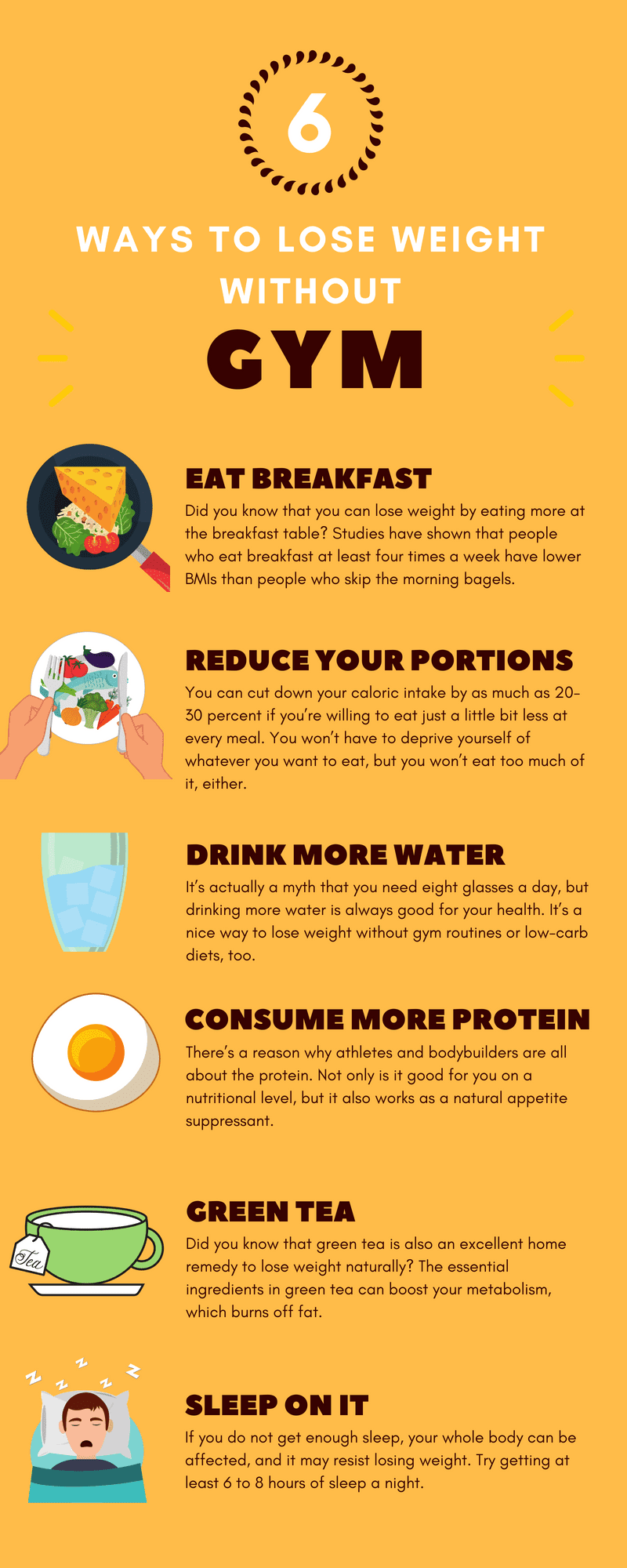
lose weight without gym

SHARE THIS IMAGE ON YOUR SITE

(C)Power of Positivity, LLC. All rights reserved
Sources:
http://onlinelibrary.wiley.com/doi/10.1002/oby.21538/epdf
https://www.restartmed.com/leptin-resistance-thyroid-resistance/

5 Easy Ways to Stop Depression Naturally

According to the CDC, an estimated 50% of Americans will get diagnosed with a mental disorder at some point in their lifetime. Let that statistic sink in for a second. That percentage is staggering, to say the least, and represents only a portion of people suffering all over the world.

Over 300 million people globally have been diagnosed with depression, which is also the leading cause of disability worldwide. Between 2005 and 2015, the number of people living with depression increased 18%. Mental illnesses are also the third most common cause of hospitalization in the U.S. for people 18-44 years old.

There is something clearly wrong here, as mental illnesses seem to be increasing all across the board. We could write a whole book on the causes of depression, but in this article, we’re here to bring you remedies for it. Keep in mind that the treatments we will go over are all natural, prescription-free ways of alleviating depression; however, we do not encourage people to go off of medication without first consulting with their doctor.

With that being said, let’s get into some natural ways to get rid of (or at least manage) depression.

Here are 5 ways to treat depression naturally:

1. Exercise.

You’ve probably heard this one many times before, but we will continue to say it because exercise is one of the best ways to treat both depression and anxiety. It’s a natural stress-reliever, mood-booster, and health-enhancer. Most psychologists recommend some sort of aerobic or weight training exercise for at least thirty minutes, three times per week. Regular exercise can literally rewire the neurotransmitters in your brain and raise serotonin levels.

Many people who struggle with depression do not produce enough serotonin, which helps you feel relaxed. Enter exercise, which helps minimize stress and release other feel-good chemicals that produce an overall feeling of well-being.

exercise

2. Have a mindfulness practice.

You can simply google “meditation research” and find countless studies about the benefits of it for human health. In fact, a team of researchers from Johns Hopkins University in Baltimore, Maryland, found that just thirty minutes of daily mindfulness meditation could treat depression just as effectively as antidepressants. Some studies out there claim that meditation actually rivals antidepressants as a form of treatment for depression. Mindfulness meditation in particular teaches you to get more in tune with your body and mind, and become a quiet observer of yourself. It helps you slow down, focus on your breathing, and quiet your thoughts.

In addition, researchers have found that meditation helps quiet nerve receptors in a part of the brain known as the default mode network. Many studies have linked depression and anxiety with high levels of activity in this area of the brain. If you are a beginner to meditation, try starting out with ten minutes a day, and put on relaxing music or a guided meditation to help you stay focused.

3. Supplement with St. John’s wort.

(Editor’s note: Talk with your physician before taking St. John’s wort if you are currently on any medication).

You can find this natural herb in a variety of forms such as capsules, teas, and extracts such as essential oils. For centuries, people have been using St. John’s wort to treat nervous system disorders like anxiety and depression. While researchers are still studying how St. John’s wort impacts the brain, many scientists have found that St. John’s wort rivals antidepressants for treatment of mild to moderate depression. Similar to standard SSRI’s, or selective serotonin reuptake inhibitors, St. John’s wort increases serotonin levels as well as other feel-good chemicals such as dopamine.

4. Reframe your thoughts.

Called cognitive reframing or restructuring in psychology, this is a very powerful technique that is taught in CBT, or cognitive behavioral therapy. Basically, you take negative thoughts and reframe them into something more positive. Our minds default to negativity because we have evolved to pay more attention to bad things for our survival, but this doesn’t help us much in the modern world. So, any time you have a negative thought, ask yourself these questions:

Is this really true? Question the validity of your thoughts. Try to reason with yourself and see if what you believe is based in fact, or fiction. This will help you realize that your thoughts don’t have to have as much power over you as you think.

Could this really happen? A lot of what we think about never actually happens, because we plan for the worst-case scenario. See if the negative things you’re thinking about could really occur, or if you might just be letting your imagination run wild. Even if something could happen, try to remember that most bad things we think about don’t actually play out in real life.

Would a friend talk to me the way I talk to myself? This one is powerful because it will show you just how badly you talk to yourself on a daily basis. Positive self-talk is essential for climbing out of depression, because it will boost your self-esteem and give you a better outlook on yourself, and therefore, life.

5. Get some sun!

We evolved outdoors, and only in the last few thousand years have we lived mostly inside. This means we don’t get nearly the amount of sunlight we need, which can lead to Vitamin D deficiencies. Not surprisingly, many people with depression have low levels of this vital nutrient. Vitamin D helps bolster our immune systems, promotes strong, healthy bones and teeth, and helps us absorb calcium. In addition, an international team of researchers found that Vitamin D helped synthesize serotonin and dopamine within the brain, two chemicals that help alleviate depression. If you live in an area with little sunlight, take Vitamin D supplements or invest in a “light box” to help you get some sun, even if it isn’t the “real” thing.

https://youtu.be/CU2LlJxEdJ4

(C)Power of Positivity, LLC. All rights reserved
Sources:
https://www.sciencedaily.com/releases/2014/12/141202111148.htm
https://www.cdc.gov/mentalhealth/data_publications/
http://www.who.int/mediacentre/news/releases/2017/world-health-day/en/
https://adaa.org/living-with-anxiety/managing-anxiety/exercise-stress-and-anxiety#
https://www.hopkinsmedicine.org/news/media/releases/meditation_for_anxiety_and_depression
http://www.chiro.org/nutrition/FULL/St_Johns_Wort_Effective_with_Caveats.shtml
https://www.npr.org/sections/health-shots/2017/09/09/549133027/for-teens-knee-deep-in-negativity-reframing-thoughts-can-help

5 Proven Ways To Treat Depression Naturally

Are you searching the internet to learn how to manage depression without relying on chemical drugs?

Zion Research has published a new report titled “Depression Drug Market: Global Industry Perspective, Comprehensive Analysis and Forecast, 2014-2020.” According to the report, the global depression market was valued at USD 14.51 billion in 2014 and is expected to generate revenue of USD 16.8 billion by the end of 2020.” – GlobalNewswire, a Nasdaq company

The National Institute of Mental Health defines depression as: “a common but serious mood disorder. It causes severe symptoms that affect how you feel, think, and handle daily activities, such as sleeping, eating, or working.”

Symptoms of Depression

Symptoms associated with depression are numerous and include the following:

  • Persistent sad, anxious, or “empty” mood
  • Feelings of hopelessness or pessimism
  • Irritability
  • Feelings of guilt, worthlessness, or helplessness
  • Loss of interest or pleasure in hobbies and activities
  • Decreased energy or fatigue
  • oving or talking more slowly
  • Feeling restless or having trouble sitting still
  • Difficulty concentrating, remember, or making decisions
  • Difficulty with sleeping, early morning awakening, or oversleeping
  • Appetite or weight changes
  • Thoughts of death or suicide, or suicide attempts
  • Aches or pains, headaches, cramps, or digestive problems without a clear physical cause and/or that do not ease even with treatment.

Depression is a complicated mental disorder; as such, individuals diagnosed with depression may experience subtle to severe symptoms. Some may experience one symptom, others may experience ten. That’s the nature of this terrible illness.

Worse yet, they don’t know why they feel how they feel and, more often than not, don’t know what to do.

Depression is an almost constant state of sadness, fatigue, emptiness and frustration. In most cases, depressed individuals seek the advice of a family physician or specialist (i.e., clinical psychologist or psychiatrist) in a desperate attempt to find answers.

illness

The “Easy” Solution

The “solution” is all too common: anti-depressants.

Within thirty minutes of consulting with a doctor about their symptoms, most M.D.s will whip out a prescription pad and scribble down a 30 to 90-day supply of Zoloft, Prozac, Celexa, Lexapro, Paxil, or any of the dozens of antidepressants available at the local pharmacy.

To be clear, we’re not disavowing the efficiency of anti-depressants. Given the enigmatic nature of the disorder, it’s only fair for doctors to put a patient through a period of “trial and error” in attempting to resolve the underlying symptoms.

Again, to be fair, sometimes anti-depressants do work. The National Center for Biotechnology Information at the U.S National Library of Medicine reports that 40 to 60 percent of patients “noticed an improvement in their symptoms within six to eight weeks.”

Follow the Money

The problem that many people have is the over-prescribing of depression medication.

Much of this over-prescribing epidemic can be attributed to the aggressive (admittedly effective) marketing campaigns of pharmaceutical companies. Consider the revenue of the five most profitable anti-depressant-producing drug companies in the U.S.:

  1. Novartis (Revenue: $49.4 billion)
  2. Pfizer (Revenue: $48.9 billion)
  3. Roche (Revenue: $48.1 billion)
  4. Merck (Revenue: $39.5 billion)
  5. Astra Zeneca (Revenue: $24.7 billion)

5 Proven Ways That Help Treat Depression Naturally

When under the diabolical influence of depression, it’s so very tempting to walk into a doctor’s office and walk out with a possible solution.

Again, we are not here to tell you what to do in this circumstance. Our only desire is to educate you on possible alternatives. We sincerely hope that you take the time to consider all options carefully.

1. Roseroot (Rhodiola rosea)

Roseroot has been used for centuries to treat stress and mental ailments throughout Russia, China, Scandinavia, and elsewhere. Some scientists are publishing research that this ancient herbal remedy could treat depression better than conventional medicines.

Promisingly, the herb resulted in half the common side effects of traditional anti-depressants. Scientists associated with the study claim that roseroot may provide more favorable outcomes to those diagnosed with mild to moderate (not severe) depression.

2. Green Tea

Green tea is quickly gaining prominence as a “magic elixir.” Some of the world’s most ardent followers of the scientific method (read: cynical scientists) have wholeheartedly embraced green tea as a treatment for various conditions.

The depression-fighting properties of green tea can be traced to its abundance of theanine, a vital amino acid. According to Dr. Shawn Talbott, a nutritional biochemist, theanine “is an amino acid naturally found in tea leaves that provides an anti-stress relaxation benefit to tea drinkers.”

3. St. Johns Wart

St. Johns Wart is one of the most heatedly debated herbal remedies in existence. Its presence on Earth spans thousands of years, and while many studies have concluded that the plant-based herb is highly effective, others have found no observable benefit.

However, if one is seeking a natural solution to depression (or anxiety) symptoms, trying St. Johns Wart may be in order.

4. Meditation

Now that we’ve covered three more popular herbal remedies for depression, it’s time to move to the mental, physical, and spiritual side.

We could write an entire thesis on the proven benefits of meditation, mindfulness, and the myriad of similar practices. In short, meditation has been shown to relieve post-traumatic stress disorder (PTSD) in veterans, generate neural growth in areas of the brain (i.e., brain plasticity), and drastically improve concentration, focus, endurance, and mental clarity.

heal depression with meditation

Institutions such as Harvard University are just now uncovering the tremendous power of mindfulness and meditation, producing several research studies demonstrating the practice’s efficiency. Thanks, Buddha.

5. Yoga

Yoga is another physical, mental, and spiritual practice that has been around for thousands of years. Like meditation, it has proven to be effective In the relief of numerous physical and mental symptoms.

A quote by Dr. Mason Turner of Kaiser Permanente Medical Group: “(Yoga) can be very powerful in the treatment of depression,” as clarity of mind, focus on the mind-body connection, and emphasis on deep breathing are deemed “effective in reducing depressive symptoms.”

Furthermore, Harvard University and several other highly reputable institutions have published study after study on the potential effectiveness of yoga on anxiety and depression.

Just one question: what the heck took us so long?

10 Habits That Guarantee A Good Day

Repeatedly. Do. Excellence. Habit. The truth is there is no magic formula for developing habits. There’s no “hack” or pill to supplant mindful action.

“We are what we repeatedly do. Excellence, then, is not an act, but a habit.” –  Aristotle

That Aristotle guy was pretty smart. Before the thousands of books (and “revisions” to said books) that do nothing but dwell on about the importance of habit, the Greek philosopher summed up the practice in fifteen words. Can you find the key words in the above quote? Go ahead and give it a shot.

If we had to break down habit-forming in three steps, it’d be as follows:

  1. Write down the habit (one at a time) you want to change and why in a journal. Keep this journal accessible by bringing it with you everywhere.
  2. Make the necessary preparations (e.g. scheduling, getting organized, etc.)
  3. When resistance arises, use mindfulness to overcome it – and refresh your memory by re-reading your journal.

Too many people associate the word habit with self-deprivation. Too many people make the formation of consistent behaviors far too complicated.

Please don’t buy into it.

Ten Habits That Support Your Well-being

habits

Let’s take a look at ten habits that make for a better day, every day.

1. Define your purpose, goals, and objectives

What do you want to get done today and why? Here’s a real example:

  • Stop by the store and pick up veggies
  • Message the partner
  • Clean bathroom floor
  • Read work emails and write responses

Of course, every person reading this will have a different set of things to get done.

2. Get up earlier

If you have aspirations and dreams, it’s essential to maximize the 24 hours we’re all given. Watch for some incredible changes soon after implementing this habit: more energy, more productivity, and less stress.

3. Drink H2O

Ladies and gentlemen, water is a magical elixir. Boring and tasteless? Maybe. But consider the reasons to “aim for 64.” Water eliminates toxins, eases digestion, boosts metabolism, increases energy, promotes skin health, and so on.

(Oh, and please do drink 64 ounces.)

4. Single task

For those who do not know, multitasking – or doing more than one thing at a time – has repeatedly been debunked by neuroscientists. We’ve covered this issue repeatedly, but here’s a reminder from MIT neuroscientist, Earl Miller:

“The brain is very good at deluding itself. Switching from task to task, you think you’re actually paying attention to everything around you at the same time. But you’re really not,” Miller said, “You’re not paying attention to one or two things simultaneously, but switching between them very rapidly.”

In short, the human brain is not wired to multitask.

5. De-clutter

Right now, there’s some clutter or useless junk around you. Look at your desk, in your closet, or on your shelves. How much of that stuff do you need? If you don’t need it, get rid of it.

External clutter = mental clutter

choice

6. Lay off the tech

For people who swoon over technology (*shields eyes*), it’s sacrilegious to disavow our e-toys. It’s not necessary to swear off our PlayStations, X-Boxes, PCs, and smartphones, thank Heavens.

The biggest timewaster is probably the internet. (There’s a reason employers block external sites.) Remember, time wasted is an opportunity lost. Have fun, but try and keep yourself in check.

7. Have a routine

“Blech…routines and schedules.” Some people hate the notion of scheduling things – until they realize the oh-so-glorious freedom that comes with it.

People hate schedules because they see them as boring and restrictive. They aren’t. Done correctly, a schedule – such as an evening schedule (e.g. sleep hygiene) – can make for a more independent lifestyle.

8. “Make your bed!”

Does anyone else remember getting screeched at when we “forgot” to make our beds? Perhaps our moms or grandmothers had the right idea. A  tidy space could actually mean a tidier mind.

On a serious note, Gretchen Rubin, author of The Happiness Project, states, “When I was researching my book on happiness, this was the number one most impactful change that people brought up over and over.” The rationale is simple enough: we do one productive thing and feel good, so we continue doing productive things that make us feel good.

9. Take some time to think

Our society is built around productivity – it’s a fact of life. As such, we rush around and do one thing after another until it’s time to hit the sack, only to do the same thing the next day.

Do you have a block of time when you just sit down to think about things? To dream, visualize, meditate, or “space out?” If so, you’re in good company. Bill Gates and Jeff Bezos (CEO of Amazon), despite their crazy schedules, have a dedicated amount of reflection time – a habit that both say has contributed to their success.

habits

10. Remember to have fun while developing better habits

Life is too damn short to take everything seriously. Whatever you find “fun,” whether it’s gaming, reading, journaling, or just “being,” carve out some time during the day to do it.

Having fun is not a luxury, it is a necessity.

Scientists Explain What Happens to Your Body When You Meditate Every Day

Have you ever tried to meditate? Meditation is a huge trend right now and for good reason. Finally the scientific and medical field can agree. meditation has been shown to produce incredible benefits in the body.

To demonstrate just how much meditation has taken the medical community back by its health outcomes, consider that the most prestigious university in the world – Harvard – has an entire research center devoted to the practice. As does MIT, and Yale, and Johns Hopkins, and…well, you get the idea. So lets dive deeper into the subject.

Here is what happens to your body when you meditate every day, according to science:

meditate

Meditation Increases Resilience to Stress

Stress – or, to be more precise, distress – is triggered by the hormone cortisol, which is released once the brain identifies something as a stressor. While the experience of stress is hardwired to ensure species survival, the majority of the available scientific literature concludes that regular meditative practice decreases our emotional reactivity.

In a study published in the journal Social Cognitive and Affective Neuroscience, researchers state that meditation strengthens our resilience to stress by suppressing the activity of the amygdala. Part of the limbic system, the amygdala, is the brain’s emotional center, “responsible for detecting fear and preparing for emergency events.”

Meditation Enhances Our Ability to Focus and Pay Attention

Mindful meditation requires single-pointed attention onto an object or activity, (for example, a religious figure or the breath.) Therefore, it should come as little surprise that the act of meditation enhances our ability to concentrate on everyday events.

Ignoring distractions is part and parcel of attention. In this respect, the scientific literature shows that regular meditative practice inhibits the innate tendency of our brain to function on “autopilot,” that is, without conscious thought. Brain scans of long-term meditation practitioners show increased activity in the region of the brain known as the Lateral Prefrontal Cortex (lPFC), which allows us to pay attention while dismissing non-relevant stimuli actively.

Daniel Goleman, Ph.D. and Richard Davidson, Ph.D., in their book Altered Traits: Science Reveals How Meditation Changes Your Mind, Brain, and Body, say “(meditation) undergirds a huge range of what makes us effective in the real world – everything from learning, to realizing we’ve had a creative insight, to seeing a project through to its end.” All activities mentioned by Goleman and Davidson require the effective utilization of focus and attention.

Meditation Boosts Pain Tolerance

Per Kelly McGonigal, Ph.D., meditators process pain differently than the rest of us, explaining: “Meditators pay more attention to the direct sensation of pain. In laboratory studies that deliver painful stimulation, meditators’ brains show more activity in areas associated with sensory processing … non-meditators (show) more activity in areas associated with evaluation and language.”

But wait! Wouldn’t paying more attention to the pain itself hurt (literally) more than help?

It would indeed seem so! But, alas, this is not the case. It is not the feeling of pain that makes the experience (like stubbing a toe) more painful, but our reaction to the event that enhances the pain response. While undergoing voluntary pain stimulating experiments, the functional brain scans (fMRIs) of meditation experts show decreased activity in the areas of the brain responsible for interpreting pain stimuli.

Meditation Decreases Anxiety and Depression

Some studies show that regular meditation sessions may work just as well, if not better, than prescription drugs for relieving anxiety and depression symptoms. This research suggests that meditation changes the structure and function of some areas of the brain, including those affected by episodes of anxiety and depression.

In a meta-analysis of over 18,000 mindfulness meditation studies, researchers from John Hopkins University conclude that the number one use for meditation is anxiety relief. Other studies demonstrate that meditation helps a variety of anxiety and depression conditions, including addictions, agoraphobia, attention deficit disorder (ADD)/attention deficit hyperactivity disorder (ADHD), binge eating disorders, bipolar disorder, generalized anxiety disorder (GAD), and social anxiety.

In other studies, mindfulness meditation has shown to influence the activity of brain chemicals, including GABA, serotonin, and dopamine. Predictably, all three neurochemicals play a role in anxiety and depression.mind

Meditation Strengthens the Immune System

It is no secret that chronic stress weakens the immune response. A weaker immune system makes one more vulnerable to sickness and disease. As we’ve touched on, regular meditation regulates the stress response – and, in turn, strengthens the immune system.

According to a study published in the journal Brain, Behavior, and Immunity, an 8-week meditation training known as Mindfulness-Based Stress Reduction (MBSR) “resulted in a significantly smaller post-stress inflammatory response” in the participants’ brains.

Prolonged meditative practice does more than strengthen the immune system. Long-term meditators seem to show increased activity in an enzyme called telomerase – known to increase the lifespan of our body’s cells.

“Spiritual meditation is the pathway to Divinity. It is a mystic ladder which reaches from earth to heaven, from error to Truth, from pain to peace.” ~ James Allen

https://youtu.be/CU2LlJxEdJ4

(C)Power of Positivity, LLC. All rights reserved
Sources:
https://bebrainfit.com/meditation-anxiety/
https://greatergood.berkeley.edu/article/item/can_meditation_lead_to_lasting_change
https://www.ncbi.nlm.nih.gov/pmc/articles/PMC4666115/
https://www.ncbi.nlm.nih.gov/pubmed/23092711
https://www.psychologytoday.com/us/blog/the-science-willpower/201109/how-meditation-changes-pain-relieves-depression

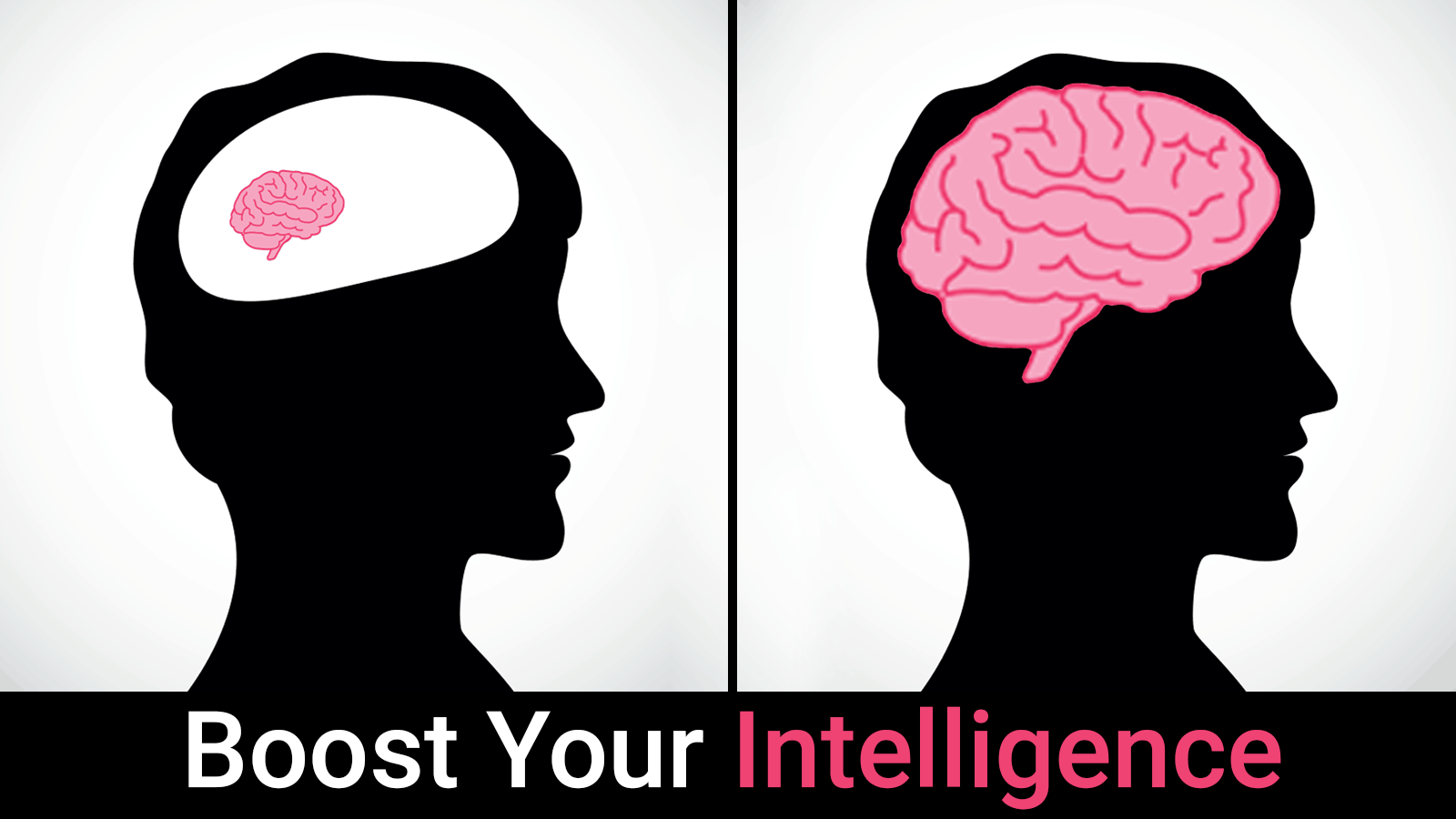
Science Explains 5 Proven Ways To Boost Your Intelligence

“People who boast about their I.Q. are losers.” ~ Stephen Hawking, 1942-2018 (Rest in Peace, Sir)

The word intelligence never fails to spark a debate. Nevermind there are multiple ways to define intelligence; the truth is that there are multiple intelligences (plural) – and the notion of assigning a simple number to something so complex is borderline absurd.

In 1985, Robert Sternberg, a former dean of Tufts University, put forth his Triarchic Theory of Intelligence, arguing that previous definitions of intelligence are too narrow because they are based solely on intelligences that are measured in an IQ test. (I like him already). So in honor or Mr. Sternberg, we’ll define intelligence as:

“The ability to acquire and implement both innate and obtainable knowledge in three domains: analytic, creative, and hands-on.”

The chances are good that some of you reading this article believe that your smarts are fixed and unchangeable. You are not alone: scientists believed this very thing up until about two decades ago. Then, this little thing called neuroplasticity – the ability to grow new neural connections throughout life – changed modern medicine (and a countless number of lives.)

Brainline, an organization that focuses on brain injury and PTSD research, says: “Neuroplasticity is the brain’s amazing capacity to change and adapt. It refers to the physiological changes in the brain that happen as the result of our interaction with our environment … This dynamic process allows us to learn from and adapt to different experiences.”

In other words, we can become more intelligent with the right environment and knowhow.

intelligence

Five Ways To “Get Smart”

1. Do High-Intensity Interval Training (HIIT)

Forget the days of 60-minute workouts five times a week. HIIT gives you all of the physical and mental benefits of cardio exercise in much less time. (Regular cardio is still great if you have the time!)

First, here are the brain-boosting benefits of HIIT and other cardio:

– Improves memory, problem-solving, and decision making
– Relieves stress
– Lowers risk of dementia
– Releases feel-good chemicals such as endorphins
– Reduces levels of the stress hormones adrenaline and cortisol

HIIT training can range in duration from 5 minutes to 45 minutes. Some people do a 5-minute HIIT session and then strength training, for example. The Tabata routine is a textbook example of a short, efficient HIIT workout.

exercise

2. Read

Become a lifelong learner by reading, preferably about a variety of topics – art, science, history, etcetera. Research shows that regular reading increases the brain’s white matter and speeds up the brain’s ability to process information.

Here’s a practical tip: try to work on one perceived “weakness” every three months. Buy a couple of books and implement the knowledge contained within during these 90-day periods. By committing, you are both improving your quality of life and boosting your smarts. Win-win, baby!

3. Learn a Musical Instrument

Regularly playing an instrument, studies show, changes the shape and power of the brain – and may even be useful for therapeutic purposes. It is suggested that critical parts of the brain that control hearing, memory, and motor skills become progressively larger as someone learns to play an instrument.

Lutz Jancke, a psychologist at the University of Zurich in Switzerland, says that increased intelligence from learning to play an instrument also applies to older adults:

“We found that even in people over the age of 65 – after four or five months of playing an instrument for an hour a week – there were strong changes in the brain.”

4. Play Dual N-Back

You’ve no doubt seen the proliferation of brain training games and systems, and neuroplasticity has much to do with this trend. Dual n-back has been scientifically shown to boost both working memory and IQ score – drastically in some cases.

Dual n-back involves remembering the sequence of spoken letters and positions of a square at the same time, and identifying when a letter or position matches at certain intervals. The game gets more difficult as you remember both letter and position at progressively longer intervals.

5. Eat Brain-Boosting Foods

While this last tip for making you a brainiac lacks in excitement, it is nonetheless vital. The foods you eat have a marked influence on your intelligence levels.

Here are these foods in order:

Fish oil: Omega-3 fatty acids are crucial to brain function.

B-vitamins: B’s improve memory and mood – both critical to a highly-functioning noggin.

Matcha: A powdered form of green tea, matcha gives a boost to your mental acuity and alertness.

Antioxidants: Besides protecting your brain against harmful substances, antioxidants also enhance memory and problem-solving abilities.

Blueberries: Lovingly referred to as “brainberries,” blueberries are an antioxidant powerhouse. No food promotes mental function quite like brainberries.

Avocado: Avocado is loaded with (healthy) fats, including monosaturated fat, which increases blood flow to the brain. Gingko Biloba, a supplement, reportedly has similar effects.

https://youtu.be/7BNGVmwxoHI

(C)Power of Positivity, LLC. All rights reserved
Sources:
http://bigthink.com/going-mental/what-is-intelligence-2
http://www.businessinsider.com/exercise-cardio-brain-body-health-benefits-2017-12#cardio-exercise-may-even-help-reverse-some-heart-damage-from-normal-aging-5
https://draxe.com/15-brain-foods-to-boost-focus-and-memory/
https://www.brainline.org/author/celeste-campbell/qa/what-neuroplasticity
https://www.success.com/blog/5-smart-ways-to-increase-your-iq-because-its-not-set-in-genetic-stone
https://www.telegraph.co.uk/news/science/science-news/6447588/Playing-a-musical-instrument-makes-you-brainier.html
Skip to content