Weekly tips, affirmations, and small actions to feel your best.

10 Things You Need to Know Before You Try Low Carb Dieting

Paleo, keto, Atkins – you’ve probably heard of these low carb diet plans and others. Diets that are low on carbohydrates and high on fat and protein have been popular for a while now as a way to lose weight and get healthier. Maybe you’ve even thought about following one of these diets yourself.

If you’re thinking about ditching the carbs, there are some things you ought to know first. Eating low carb can be great for you – but it’s not for everybody, and it’s essential to prepare before starting this diet plan. Here’s what you need to know about low carb dieting.

10 Things to Know Before Starting a Low Carb Diet Plan
health quotes

1. A low carb diet isn’t a magic formula for weight loss.

Contrary to common belief, carbs are not responsible for weight gain – at least, not in and of themselves. It might be easy to gain weight if you eat a carb-heavy diet full of bread, pastries, and soda, but that’s because many high-carb foods are also calorie-dense and unsatisfying. Ultimately, losing weight comes down to how many calories you eat – not how many carbs you eat.

2. However, going low carb could help you drop pounds naturally.

Some people do manage to drop weight easily once they switch to a low carb way of eating. Why? Cutting out carbs means you’ll eat a lot more protein and fat, both of which are very satiating macronutrients. In other words, you’ll feel full more quickly and stay satisfied longer, so you won’t be tempted to overeat or graze on snacks.

3. You’ll probably feel bad for a little while after you cut out carbs.

If you drop carbs, be prepared for the “keto flu.” In a nutshell, when your body is used to using carbs as its energy source, it doesn’t know how to convert fat and protein into energy at first. As a result, many people feel tired and foggy-headed after cutting out carbs. Good news, though: keto flu typically lasts only a couple of weeks before you start to feel normal again.

4. People who exercise frequently may need more carbs in their diet.

Working out and eating low carb doesn’t always go hand-in-hand. Carbs are the best source of quick energy for the body, and if you’re staying away from them, you might feel weaker and less energetic during your workouts.

5. You might be surprised how many foods are high in carbs.

Carbs aren’t just in bread, pasta, and rice. They’re also in everything that contains sugar – and many foods have hidden sugar. Fruit also tends to be relatively high in carbohydrates, and vegetables contain carbs. Because of this, it’s not realistic or healthy to cut all carbs from your diet.
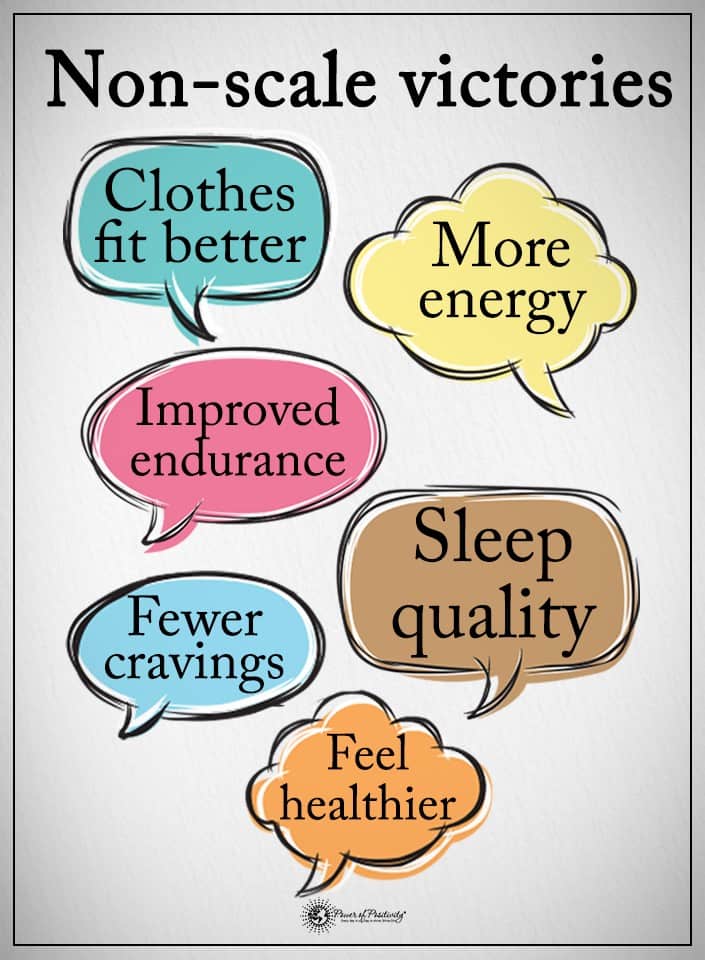
low-carb

6. Cutting carbs will help to stabilize your blood sugar.

If you struggle with frequent cravings or hunger pangs between meals, reducing your carb intake could help. Carbs – especially refined- like bread and soda – cause your blood sugar to spike and then crash. Loading up on protein and fat will keep your blood sugar a lot more stable.

7. Not all carbs are created equal.

A carb is not just a carb, at least in terms of nutrition. For instance, a package of ramen noodles is pretty nutritionally void, while a bowl of oatmeal contains high levels of healthy fiber and protein. A low carb diet isn’t a zero-carb diet, so don’t be afraid of working your favorite healthy carbs into your meal plans.

8. You’ll probably lose a few pounds of water weight quickly in the beginning.

If you lose five pounds during your first week of low carb dieting, don’t panic. It’s most likely just water. Carbs tend to hold onto water as you’re digesting them, so once they’re out of your body, you’ll see a corresponding drop in your weight.

9. You can still reduce carbs if you’re vegetarian or vegan.

A low-carb diet doesn’t have to be heavy on meat. Eggs, dairy, and cheese can stand in for meat if you’re vegetarian. You can fill your plate with vegetables, nuts, seeds, soy, and heart-healthy oils if you’re vegan.

10. Low carb dieting isn’t for everyone.

Some people adapt better to a low carb diet plan than others. After you get past the first couple of weeks, low carb dieting should make you feel good, not cranky or sluggish. If you cut carbs and find that you can’t stop obsessing about how good a bowl of pasta salad sounds, it could signify that your body functions best when you eat more carbs.
low carb dieting

Final Thoughts on Low Carb Dieting

Low carb dieting is popular for a reason. It can be a great solution if you want to stop eating junk food, improve your energy levels, or shed a few unwanted pounds. Of course, it’s always a good idea to check in with your doctor before you start a new diet plan.

Just keep in mind that not everyone functions optimally on a diet that restricts carbs. If you try low carb dieting and it doesn’t work out for you, that’s okay – there are lots of ways to be healthy, and reducing carbs is just one of them. Listen to your body, and you’ll find the perfect diet plan that works for you.

Sources:
https://ketosummit.com/what-is-keto-flu-how-to-cure-keto-flu
https://draxe.com/hidden-sugar-foods/
https://www.healthyeating.org/Healthy-Eating/All-Star-Foods/Grains/Article-Viewer/Article/208/health-benefits-of-oatmeal
https://paleoleap.com/everything-you-need-to-know-about-water-weight/
https://www.healthline.com/nutrition/low-carb-as-a-vegetarian#section5

5 Warning Signs That Reveal It’s Time To Get Help For Anxiety

Anxiety is a touchy subject that sparks serious debate. Some people believe related disorders are over-diagnosed. When considering the statistics, it is easy to see why. Nearly 50 million Americans have been diagnosed with an anxiety disorder. People who remain without diagnosis are not included in these statistics.

Other people claim these cases are rising because more things are vying for our attention. Again, we can find little to argue against this point. Many will agree we work too much, play too little, and rely on our digital devices far too often. As a result, we are overstimulated, which leads to stress and angst.

In reality, anxiety both reflects the times and serves as a normal human reaction to overstimulation. We might find it difficult to distinguish between “normal” and “abnormal” anxiety levels. To help, let’s look at potential warning signs of an anxiety disorder, according to scientists.

Here Are 5 Warnings That Tell You It’s Time to Get Help for Anxiety

1. It Is Interfering With Your Life.

When the symptoms become severe enough to the point of disrupting your life – relationships, work, health, sleep, etc. – it’s time to get help. When you have reached this point, you’ll usually know. If you don’t seek help yourself, don’t be surprised if friends or family bring the behavior to your attention.

Left unchecked, anxiety disorders can wreak havoc on your daily life. The sooner you make an effort to solve this issue, the better.strong quote

2. It Is Making You Sick.

Many of us tend to “separate” brain functions from those of the body. Science shows, however, an inextricable relationship between mind and body (sometimes called the “mind-body connection.”)

Our entire body acts as one big feedback loop. Each part of the body is interconnected. Consider your gastrointestinal (GI) tract or gut. The GI tract is referred to as the “second brain” because of its rich network of neurons. Your “gut feelings” are actual feelings!

If you’re struggling with a bad case of anxiety, you might have noticed it in your stomach, muscles, and elsewhere. Don’t ignore these signs. Get some help.

3. It Is Making You Exhausted.

For a person who experiences normal levels of mental and emotional agitation, the physical symptoms are temporary. The “on-edge” feeling eventually fades, and we regain our normal physical state. People with anxiety disorders typically experience something different.

Individuals with Generalized Anxiety Disorder (GAD), for instance, often complain of feeling a near-constant state of underlying worry and tension – and frequently for no reason. Despite knowing that no threat exists, someone with GAD cannot help but feel on-edge most of the time. Of course, this near-constant state of tension takes its toll on the body’s energy reserves. If your energy is being depleted by stress, you will feel more tired, more often.

4. It Is Making You Hopeless.

Studies show that as many as 85 percent of people with an anxiety disorder suffer from depression – and vice-versa. Depression, which is a serious mental health disorder, can produce symptoms such as:

  • Feelings of guilt, worthlessness, and helplessness.
  • Insomnia, early-morning wakefulness, or sleeping too much.
  • Loss of interest in things once considered pleasurable.
  • Trouble concentrating, remembering details, and making decisions.

Clinical depression can lead to thoughts of self-harm or suicide. Often, a sense of hopelessness and helplessness preempts these thoughts.

5. It Is Changing You.

This last symptom affects nearly everyone with an anxiety disorder. Like depression, this condition alters your brain chemistry. Importantly, this makes you find it more difficult to go through daily life. In short, if chronic and left untreated, these symptoms can make you feel as if your life is being “ruined.”

As one who has suffered from a severe anxiety disorder (PTSD), this author wholeheartedly sympathizes. If you feel your life is being ruined by these emotions, please seek the help of a mental health professional.

Final Thoughts: There ARE Options.

In conclusion, this condition has a way of screwing up your brain chemistry. You can easily reach the point of feeling every day seems like a hopeless endeavor.

First of all, remember that these are just feelings. While recovery is not a simple process, you certainly can achieve it. These treatments, backed by science, can help with anxiety disorders:

  • Cognitive-Behavioral Therapy (CBT): Focuses on changing thought patterns and automatic behaviors.
  • Breathing Exercises: A direct link exists between how we breathe and how we feel.
  • Medications and Supplements: Studies show that certain anti-anxiety medications and supplements can help some people feel better.
  • Meditation and Mindfulness: Many recognize this as a legitimate treatment. Either mindfulness or meditation help regulate levels of disquiet through controlling emotions. You can find one example of this on the web: mindfulness-based stress reduction, or MBSR, an emotional regulation technique. (Google MBSR founder Jon Kabat-Zinn, if interested.)

Most of all, never give up hope. Remain positive that you can find the help you need. While it might seem far, hope and change are sometimes a single step away.

https://youtu.be/VlUfp0uZXvA

(C)Power of Positivity, LLC. All rights reserved
Sources:
http://www.ulifeline.org/articles/439-anxiety-vs-anxiety-disorders
https://www.inc.com/amy-morin/10-reasons-american-teenagers-are-more-anxious-than-ever.html
https://www.self.com/story/when-to-see-professional-anxiety

7 Panic Attack Symptoms you Should Not Ignore

With the high-stress and fast-paced environment associated with contemporary society, panic attacks have become relatively common. However, many people are oblivious to the signs of a panic attack. Having the right knowledge about panic attack symptoms is helpful in understanding the attack. Panic attacks (PA) involve episodes of intense fear and tend to invoke feelings of terror in an individual and often strike without any warning; for example, as one is driving or in a meeting.

In some cases, panic attacks can even occur during sleep. However, the attacks are not caused by real danger and usually have no apparent cause. Although panic attacks do not pose a real danger to one’s life, they can significantly affect an individual’s quality of life.

Frequently, PAs tend to last less than ten minutes. However, in some individuals, the symptoms can persist for longer periods. The risk of having subsequent attacks for individuals who have had PAs is relatively high. If attacks occur repeatedly, and there is a high likelihood of getting more attacks, a person can be considered to have a panic disorder. Research shows that 2.7% of adults in the United States will suffer a panic disorder every year. This article aims to enlighten you on panic attack symptoms you should not ignore.

Panic Attack Symptoms you Should Not Ignore

1. Aggressive Heart Palpitations/Racing Heartbeat

During a panic attack, the heart goes into overdrive. When the sympathetic nervous system is awakened, the heart rate increases in an effort to deliver more oxygen to muscles to prepare an individual to run or fight. Therefore, during a panic attack, the heart palpitates aggressively.

The palpitations can exacerbate the level of panic and cause the person to perceive that the heart has a problem. To identify panic attack symptoms, one should observe whether the heart palpitations are associated with fear, stress, or anxiety. If the heart palpitations are accompanied by an emotional response, then you are experiencing a PA.

2. Dizziness, Weakness, and Light Headedness

Studies show that panic attacks cause dizziness due to the hyperventilation and anxiety accompanied by the condition. During the PA, the irregular breathing causes less oxygen to go the brain; albeit for a short period. Hence, confusion and dizziness can occur. The lightheadedness is also accompanied by a characteristic weakness. Weakness arises from an interrupted blood flow. Due to the lower blood volumes in the hands and feet, you might feel weaker in the legs and arms. This is just as a result of redirection of blood to bigger muscles to prepare you to take any action.

3. Chills and Hot Flashes

At the initial stages of a PA, the body experiences hot flashes for a short period. During the attack, your blood is retracted from areas that the body perceives are not needed including toes, skin, and fingers and redirected to the big muscles that can help you flee or fight. Subsequently, the skin around the feet and hands turns pale and cold.

4. Shortness in Breath

The body responds to panic attacks by causing you to breathe faster and deeper to help your heart deliver more oxygen to the muscles in preparation for the perceived danger in the environment. In some cases, breathing is interrupted and can become irregular leading to breathlessness.

5. Nausea

The digestive system responds to a PA by slowing down to a crawl. The stomach begins to experience a churning feeling because the food is not moving efficiently through the system. Consequently, you might experience feelings of nausea which may significantly affect appetite.

6. Uncontrollable Shaking and Perspiration

Once the body enters an attack cycle, the muscles become tense and you might begin to feel shaky or see the body trembling. The flight or fight response is primarily in charge of this response. Some individuals might see the hands, lips, or shoulders begin to shake uncontrollably. Other panic attack symptoms include sweating profusely during the attack. The sweating serves to cool the overheating body.

panic attack symptoms

7. Aloofness to Reality

One of the common panic attack symptoms is a surreal feeling of reality. You might begin to feel like you are in a dream or like the body has taken over all sense of control. An individual can begin feeling like the present environment is not real or might see dangers that are not real.

Evidently, the level of fear and terror that associated with PA is usually unrelated to the goings on in the environment. One key fact to remember to enable you to differentiate between a PA and a heart attack or other debilitating conditions, is that the PA is caused by “perceived danger.”

Panic attacks are reactions to what people term as fearful and scary and are not caused by real health problems. To overcome panic attacks, it is important to understand that the fear is superficial. There are numerous strategies you can apply to help you overcome PA such as meditation, psychotherapy, regular physical activity, support groups, or medications.

https://www.youtube.com/watch?v=FWMSYeRHWU4

5 Therapeutic Ways to Handle A Mid Life Crisis

Dealing with a mid life crisis is never easy and unfortunately, it’s often dismissed as a ridiculous phase of life in which mid life crisis men buy sports cars and mid life crisis women dye their hair a crazy color. In reality it’s not so comical. Rest assured, almost everyone comes to a point in life where they feel like time has finally caught up with them. It’s what you do with that realization that matters.

They key is to make decisions that contribute positively to your life instead of negatively. Mid life crisis men and mid life crisis women alike can use this phase as an opportunity to make changes in their lives that they wouldn’t have otherwise made before. A mid life crisis can be triggered by many things such as awareness of aging, a big health scare, a sense of emptiness at home or within a career, children leaving home, or regretting certain decisions made or not made during the course of life.

Any number of these things can prompt the desire to make major life-changing decisions for better or for worse. We’d like for you to stay on the better side of things, so here are 5 tips for positively dealing with a mid life crisis!

5 Simple Techniques to Deal with Mid Life Crisis

1. Don’t be afraid to talk to someone
If you’re going through a mid life crisis don’t bottle your feelings up. More people go through it than you may realize and talking to someone about it can be very healing as you find people to rely on and relate to.

Family and friends make for wonderful confidants but if you are feeling hopeless, not doing the activities you used to enjoy, or having negative or suicidal thoughts you should talk to a therapist or go see your healthcare provider as those are signs of depression.

2. Keep a journal
Keeping a journal will not only help you make sense of your thoughts and feelings, it will show you things that occur on a daily basis that you are not happy with and could change.

Alternatively, it can show you the things you’re happy about and you can celebrate those things. When you’ve moved on from this phase in your life, you can look back on it and see how far you’ve come.

3. “The Good Ole’ Days”
Though you may have had a great time in your younger days, there is no reason as to why getting older has to mean that your quality of life lessens. It’s great to look back on your past with a smile but remind yourself of the challenges you also had to face back then. It wasn’t all easy! Instead of thinking that your best days are behind you, ask yourself what you want to change to improve the quality of your life?

4. Audit your life
If you are extremely dissatisfied with your life, take into account your values and sense of purpose. Are you living according to them? Or have you been ignoring them out of fear?

Don’t be afraid to align your actions with your beliefs, one thing a mid life crisis does is show you that you should be happy with the life you’re living and this can be a liberating experience.

5. Create new goals
Commit to the life you want to be living. Setting small goals and achieving them will lead to increased confidence. Sticking to smaller goals will keep you on track with making decisions that will benefit you instead of setting unrealistic goals that can ultimately take you away from the life you want to be living.

If social media makes you feel like you aren’t doing enough, take a break from it and focus on you. Set the goals you want to accomplish for yourself and don’t let pressure from others distract you.

mid life crisis

Going through a mid life crisis is tough. But one thing it can do for you is change things for the better. Remember to be gentle with yourself, make decisions and set goals that positively affect your life, and look to those around you for support. If you show signs of depression, seek help from a professional. Appreciate the life you have, and look forward to many more years of growth and experience!

https://www.youtube.com/watch?v=FnJLrAQrzjw

How to Lose Weight Without Gym and Dieting in 30 Days

The process of losing weight can seem agonizingly slow when you’re in the middle of it. You want to fit into your skinny jeans now, not in three months. But if you’re not a fan of restrictive diets, and if the gym isn’t exactly your favorite place to be, is there anything you can do to lose weight without gym or dieting?

Actually, yes. You can lose weight without gym time or crazy diets – and if you’re disciplined, you can do it quickly. There’s no completely effortless way to lose weight, but these tips will help you lose weight at home with as little suffering as possible.

How to Lose Weight Without Gym and Dieting – Fast

1. Avoid fast food.

If you want to lose weight without gym time, you’re going to need to focus on your food intake, and that means cutting out any obvious sources of empty calories. That includes fast food. Most fast food is loaded with fat and refined carbs, making it a bad choice while you’re trying to lose weight.

2. Steer clear of refined carbs.

Refined carbs – like white bread, table sugar, and white pasta – can cause your blood sugar to crash. This can make you feel ravenous and cranky – a bad combination when you’re trying to shed weight. Reach for whole grains instead.

3. Bring your own lunch.

You can save a lot of calories every day by packing your own lunch. Bring a meal that contains lean protein, vegetables, and whole grains to keep you full all afternoon.

4. Focus on veggies.

You can eat a lot of vegetables for very few calories, so make them a staple of your diet. Salads aren’t your only option – try grilling or roasting veggies, filling your sandwiches with greens, and making your own veggie-packed soups.

5. Get plenty of sleep.

When you’re rested, you’re less likely to give in to cravings. Aim for eight hours of shut-eye a night.

6. Work more physical activity into your routine.

The more you move around, the more easily you’ll lose weight without gym workouts. Try walking to the grocery store or taking the stairs instead of the elevator.

7. Eat with friends.

When you chat with friends over dinner, you’ll naturally eat more slowly, and you’ll feel full more quickly.

8. Use small plates.

This old psychological trick can help you lose weight at home more easily: just stock your cupboard with smaller plates and bowls. Filling your plate up makes you feel like you’re eating more food, even if your portion is actually smaller than usual. Dieting is easier when you incorporate natural appetite suppressants.

9. Say no to that nightcap.

Alcohol packs a lot of empty calories. If you want to lose weight fast, you’re better off skipping that drink.

10. Stay hydrated.

Sometimes hunger pangs can actually signal that you’re dehydrated. Drink plenty of water every day to keep these false hunger signals at bay.

11. Fill up on fiber.

Fiber – which is found in vegetables, whole grains, beans, and nuts – fills you up and keeps you feeling full for a long time. If you tend to get hungry between meals, try eating more fiber-rich foods.

12. Keep healthy options close at hand.

Beat temptation by keeping healthy snacks with you all the time. If you have some fruit or nuts with you, you’ll be less tempted to visit the vending machine when hunger strikes.

lose weight without gym

13. Avoid sugary drinks.

Sugary drinks are a sneaky source of empty calories. Cut out soda while you’re losing weight – or, if you really love bubbly drinks, switch to diet soda. Drink your coffee black, or use a dash of stevia to sweeten it.

14. Try meal prepping.

It’s all too tempting to order takeout or hit the drive-through when you’re tired after work and don’t feel like cooking. To solve this problem, try prepping meals ahead of time on the weekends. It’s harder to make a bad food choice when you know you’ve got an easy, tasty meal waiting at home for you.

15. Take care of yourself in ways that don’t involve food.

Find some rewards for yourself that aren’t food-based. For instance, try de-stressing by writing in a journal or going to a museum instead of making a high-calorie meal.

Final Thoughts

Losing weight doesn’t have to be impossibly difficult. In fact, you can lose weight without gym workouts, meal delivery services, fancy workout clothes, or any of the other things that are “necessary” for weight loss. At the end of the day, losing weight depends on taking in fewer calories than you burn, and simple dietary changes can make a huge difference in how you look and feel.

If you follow all these guidelines for a month, you’ll definitely see improvements. Don’t forget to think long-term, though. In order to keep the weight off, you’ll need to stick with your new good habits for the long haul. Chances are good that after the first month, you’ll be so happy with your progress that maintaining your habits won’t be a hardship!

https://www.youtube.com/watch?v=yG-G9_LOkLA

Sources:
https://www.hsph.harvard.edu/nutritionsource/carbohydrates/carbohydrates-and-blood-sugar/
https://www.hsph.harvard.edu/nutritionsource/what-should-you-eat/vegetables-and-fruits/
https://www.webmd.com/diet/sleep-and-weight-loss
https://foodpsychology.cornell.edu/JACR/Small_Plates_Lose_Weight
http://time.com/5144169/eating-more-slowly-weight-loss/
https://www.livescience.com/55360-water-intake-weight-obesity.html
https://www.health.harvard.edu/blog/making-one-change-getting-fiber-can-help-weight-loss-201502177721
http://www.eatingwell.com/article/290651/a-beginners-guide-to-meal-prep/

The Only Guide You’ll Ever Need to Use: Essential Oils for weight Loss

Let’s be honest, losing weight is hard. Sometimes the fat can be just as stubborn as your sweet tooth. No matter how much time you put in the gym or how much you cut back on food, losing weight just seems to impossible. While some doctors may suggest taking certain medications to promote weight loss, there are always side-effects to worry about. Sometimes those side-effects can be far more troublesome than the weight itself.

So, what can you do? For those who want to utilize a holistic approach, then you might want to consider using essential oils for weight loss. However, you might not be all too clear on what exactly essential oils are. At the very heart of it, essential oils come from plants. These oils have a long history of producing beneficial effects for individuals. They’ve been used for balancing hormones, boosting the immune system, fighting infections, supporting digestion, and yes, helping people lose weight. If you’re interested in a clean, holistic approach to losing weight, then follow this guide to properly utilize essential oils for weight loss.

Here’s how to lose weight with essential oils:

Citrus Essential Oil For Weight Loss

By following this recipe, you can create the perfect recipe of essential oils to stimulate weight loss. You’ll need essential oils of lemon, grapefruit, bergamot, sweet almond or coconut oil, a clear glass bottle, and a medicine dropper. Take the lemon essential oil and extra ten drops of it into the glass bottle. Do the same for the grapefruit essential oil. It is the grapefruit, in particular, that will help reduce fat since it contains limonene, which boosts the immunity and fights fat cells. From the bergamot essential oil, extra five drops and place them into the glass bottle. Then pour two ounces of either sweet almond or coconut oil into the glass bottle.

With the proper mixture in the bottle, you can then mix it up by shaking the bottle for thirty seconds. Once it has been properly mixed, you can use a cotton ball or soft cloth to apply the oil in areas where the fat is stored. Massaging it into the skin always works wonders. In addition to using essential oils for weight loss, you can actually use this particular cocktail to help reduce cellulite.

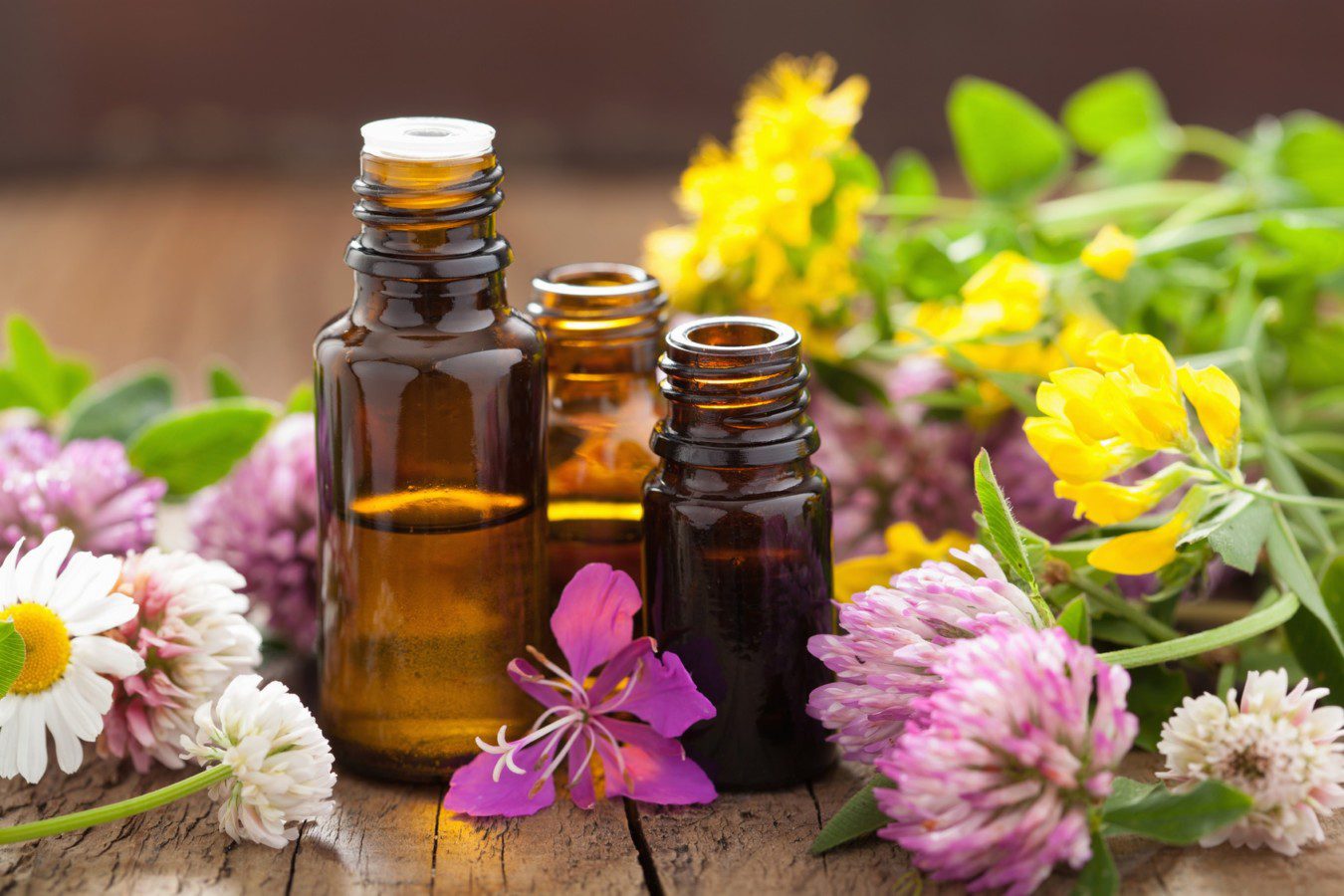
essential-oils

Appetite Suppressant Mixture

If you want to utilize the powers of essential oils for weight loss, then consider making a cocktail that actually serves to reduce periods of hunger. If overeating is a problem you face, this cocktail may be just what you need. You’ll have to gather the essential oils of peppermint, lemon, and similar to before, a glass bottle to mix it all in and a medicine dropper.

First, you’ll need to extract 20 drops of peppermint into the bottle. The same goes for the lemon. With the correct amount in the bottle, mix it by shaking it for thirty seconds. With the essential oils properly mixed, you can keep it with you for every meal time. When it’s time to eat, take the bottle out and inhale the aroma. It will serve to curb your appetite, so you don’t eat overeat. If you’re feeling the munchies for a snack, use the bottle to help your appetite wait until mealtime.

Tea

Essential oils can be ingested just as well! For tea lovers, use these essential oils for weight loss in a delectable beverage. You will require the essential oils of cinnamon, bergamot, and honey. Obviously, you will also require a tea or coffee mug, a bottle to mix the oils in, and a medicine dropper. Two drops of cinnamon are needed in your mixing bottle. Then add a drop of bergamot to the mixture bottle.


Now, it’s time to heat up the water. Fill the tea or coffee mug with water and place it in the microwave to warm. Or you can go old-fashioned and heat a pot up on the stove top. Once the water is hot or warm–whatever your preference–add in the oil mixture to the water as well as a teaspoon of honey. You’re free to drink it up! Again, besides adding a boost to losing weight, this little essential oil cocktail comes packed full of other health benefits to enjoy, too.

Make It Work For You!

Obviously, if you’re not the biggest fan of lemon or peppermint, you can easily substitute some essential oils for others. Do a little research and see what might be a better replacement for the specific oil. Each cocktail can be personalized to your own tastes.

The best thing about essential oils is that you can’t really go wrong either. Because they’re so packed full of health benefits, even if you don’t notice an immediate change to your weight, you’re involved with something exceptionally healthy and holistic.

https://www.youtube.com/watch?time_continue=3&v=yG-G9_LOkLA

(C)Power of Positivity, LLC. All rights reserved
Sources:
https://draxe.com/essential-oil-uses-benefits/
https://organicdailypost.com/how-to-use-essential-oils-for-weight-loss/

If You Have Low Self-Esteem, Repeat These 6 Phrases

Low self-confidence is one of the main problems people face in today’s busy life. It’s difficult to think highly of yourself when there are so many things you normally worry about. And normally, if you don’t engage in some positive thinking about yourself every now and again, you notice your self-esteem starting to wane. When that happens, a low opinion of yourself can affect many aspects of your daily life.

On the other hand, it’s difficult to balance having a good opinion of yourself without seeming self-obsessed or egotistical. However, you can teach yourself several mental habits that help you start thinking better about the way you look and the things you do.

It’s not all about a positive outlook on life; you also need to remind yourself why you’re worth other people’s love and affection. Luckily, practicing high self-esteem is just like exercise – the more you do it, the easier it gets. Take a look at some of the top thoughts that people with high self-esteem have often, and try integrating them into your own daily life as well.

Here Are 6 Positive Phrases That Boost Your Self-Esteem

1. “I am not the things I don’t own …”

In today’s capitalist-driven culture, it’s very easy to build your identity around objects. Of course, if you have these things, it’s absolutely fine to enjoy them. But you’re not the things you don’t have. You’re not your lack of relationship, your lack of a fancy car, or your lack of a high-paying job.

Material things are very fleeting. Money runs out, technology is broken, relationships end. So, it’s best if you don’t attach your identity to them because once they’re gone, you’ll feel lost and like you have nothing to help you define yourself (which isn’t true). Instead, invest in a hobby or a skill. Better yet, strive to get what you really want and what you know will make you happy for a long time.

grateful-morning-quote

2. “I am grateful for what I have …”

When things are going well, it’s easy to get ahead of yourself and forget how you got there in the first place. But never forget how you felt when you were struggling. Never forget to be grateful for what you have. Gratitude is a healthy practice to get into. It’s one of the defining characteristics of people with high self-esteem. Don’t just think how grateful you are, express your gratitude in all sorts of ways – and you’ll see even more good things coming your way.

3. “I am interested in myself …”

People who have a high sense of self-worth don’t just want other people to be interested in them, but they’re also interested in themselves. They keep a diary and go back to reread it regularly because it shows a part of them that they once cherished enough to put to paper. Follow that mindset to raise your own opinion of yourself.

That also encourages you to take better care of yourself and your mind. Find ways to explore the parts of yourself that you might have been afraid of beforehand. You’ll be surprised at what good things you’ll find.

“Self-esteem is made up primarily of two things: feeling lovable and feeling capable.” – Jack Canfield

4. “I don’t put up with mistreatment from others …”

A sign of having high confidence is that you value yourself. That means you don’t let other people bring you down with their actions. To foster high self-esteem, take a good hard look at the relationships you have. If your friends are bringing you down and are being overly critical, remind yourself that you don’t need those attitudes in your life. If your relationship is toxic, end it.

The sooner you surround yourself with positivity, the quicker you’ll learn to be more forgiving and kind to yourself.

5. “I am aware of my response to certain stressful situations …”

For people with high self-esteem, it’s not about what’s happening, yet it is about how they respond and think about the situations they find themselves in. A good habit to get into is to remind yourself that no one but you controls your reactions and to not get stuck in the victim mindset.

Don’t feel sorry for yourself or focus on what’s wrong; rather, focus on how you can make it right. Move forward with positive thoughts and you’ll feel much better about your life altogether.

6. “I don’t take myself too seriously …”

A good sense of humor is essential in overcoming some of the biggest challenges in life. If you look at everything with a smile, few things will be able to bring you down.

Laugh at your failures and mistakes, and when you smile often, the positivity will translate into your way of thinking, too. Learn to take jokes with a laugh rather than offense and you’ll be surprised at the difference it makes.

Final thoughts

These are just a few thoughts you can integrate into your daily life to raise your self-esteem. Don’t forget that sometimes the mind is more powerful than matter and the way you think can influence every part of your everyday life.

Positive thinking about yourself affects every aspect of you. When you take conscious steps towards raising your self-confidence, you’ll find that even doing things you normally dislike will be easier. Just make sure to retain your humility and sense of humor, too – they keep you from growing a big ego!

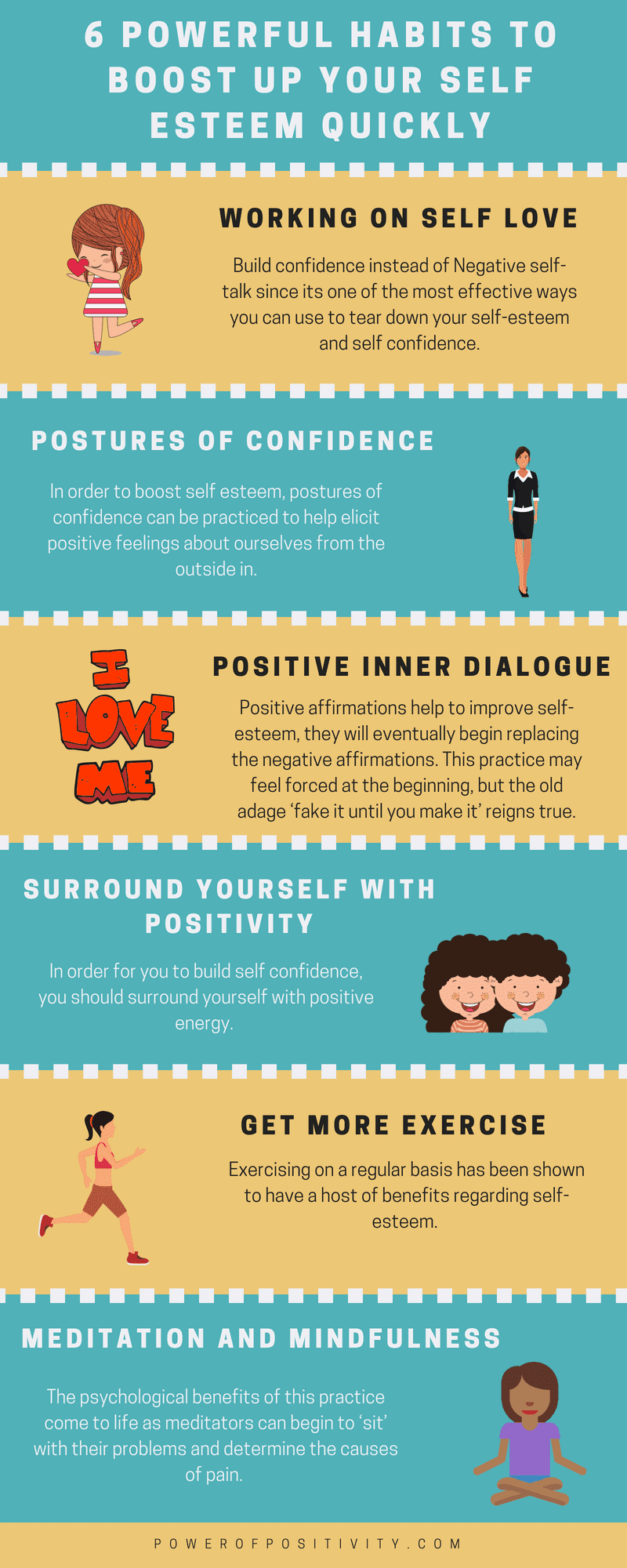
self esteem tips

Share this Image On Your Site

(C)Power of Positivity, LLC. All rights reserved
References:
https://www.mind.org.uk/information-support/types-of-mental-health-problems/self-esteem/
https://psychcentral.com/blog/how-does-low-self-esteem-negatively-affect-you/
https://www.wholelifechallenge.com/the-10-thought-habits-of-people-with-high-self-worth/
http://wmpmagazine.com/10-habits-of-people-with-high-self-esteem/
https://raiseyourvibrationtoday.com/2015/03/07/signs-of-good-self-esteem-2/

11 Natural Antibiotics That Kill Bacteria in Your Body

Not too long ago, medicine looked a lot different. Our ancestors had to rely on the land to provide antibiotics and natural cures, yet today we can walk into a doctor’s office and walk out with a prescription. While we can thank modern medicine for rapidly increasing the human lifespan (no small feat!), there is still a place for natural cures.

In this article, we’ll discuss 11 of nature’s most useful antibiotics.

1. Garlic & Onion

Garlic and onion share common medicinal properties. Both also contain natural antifungal, antibacterial, and anti-cancer agents. According to the journal publication Pharmacognosy Reviews, “At the time when antibiotics and other pharmacy products did not exist, a bulb of garlic itself represented a whole pharmacy industry due to the broad spectrum of effects.”

2. Ginger Root

Ginger, an incredibly versatile plant, can be eaten fresh, powdered, or dried as a spice. You can also consume it as an extract, oil, capsule, lozenge, or tincture. Ginger helps relieve nausea, loss of appetite, and motion sickness. As an antibiotic, ginger is a potent anti-inflammatory and a decent general-purpose pain reliever.

3. Coconut Oil

Speaking of versatility, consider coconut – or in this case, coconut oil. It is a natural antibiotic that helps cure coughs, candida, inflammation, and even warts. Due to its antimicrobial properties, coconut oil can also prevent harmful pathogens from entering your digestive system. Coconut oil is also a good antibiotic because of its antiviral and antifungal properties.

4. Apple Cider Vinegar

You might consider Apple Cider Vinegar (ACV) the most popular item on this list – and for a good reason. Containing acetic acid, ACV is one potent anti-inflammatory. It helps reduce the symptoms of many conditions, including acne, arthritis, and gout. Besides helping ease pain, ACV also provides a good dose of probiotics.

5. Honey

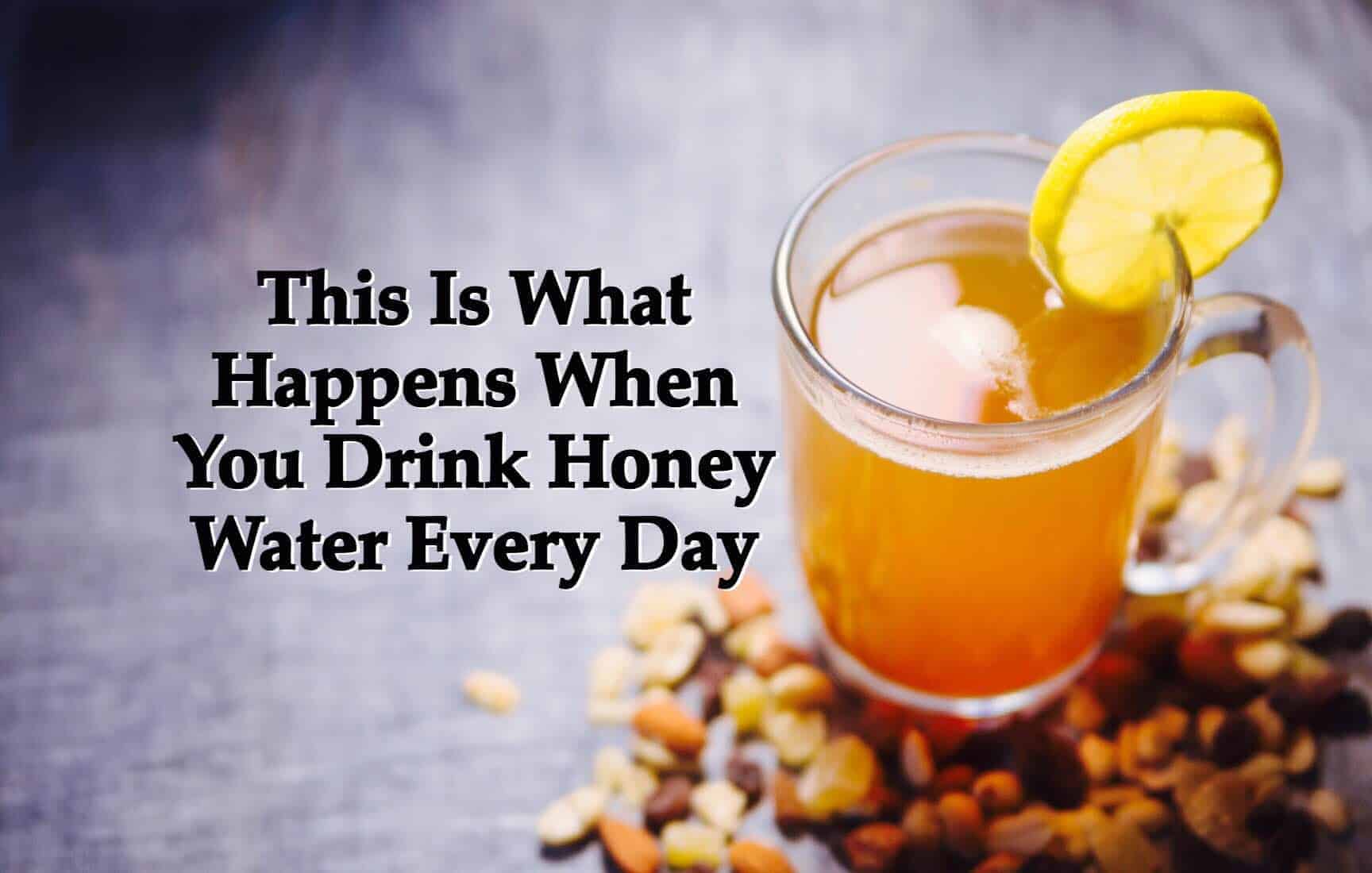
honey

Winnie The Pooh’s favorite food also happens to be an excellent antibacterial. Honey contains hydrogen peroxide, the stuff our parents loved to splash on our cuts (to our dismay!). Also related, research shows that common honey kills over 60 different types of bacteria. Additionally, honey serves as an excellent alternative treatment for wound care.

6. Grapefruit Seed Extract

The use of grapefruit seed extract goes all the way back to the 16th century. At this time, it treated gastrointestinal (GI) tract infections. Besides its natural antibacterial properties, GSE helps boost circulation, reduce joint inflammation, and protect our skin from UV damage.

7. Oil of Oregano

Oil of oregano has anti-inflammatory, antiviral, and antifungal properties. If added to nature’s medicine cabinet, “Triple-O” can treat the common cold, infections, and parasites. Taking oil of oregano as a supplement may help protect the skin against harmful bacteria.

8. Cloves

Massive research efforts are underway to discover cloves’ relatively newfound medical properties. A particular area of interest to scientists is using the spice to maintain and improve oral health. Studies show that cloves effectively kill off bacteria, gingivitis, and plaque, which may help reduce inflammation of the gums. In one study, a homemade mouth rinse consisting of clove, basil, and tea tree oil killed a greater number of oral bacteria than store-bought mouth rinse!

9. Thyme

Thyme, an essential oil, is commonly used in many commercial household cleaners – that’s how powerful this stuff is. Health-wise, thyme is a natural antiseptic and antimicrobial agent. It can even be used to prevent skin conditions such as acne and eczema. Because of its potency, thyme should be diluted with coconut or olive oil before applying to the skin.

10. Echinacea

A sunflower family member, echinacea flower works as one of the best natural antibiotics for the common cold. Studies show that using flower supplements can reduce the severity of cold symptoms by up to 50 percent. Other natural antibiotic uses include: ear infections, athlete’s foot, sinus infections, and hay fever.

9 Signs of Depression in Women to Never Ignore

Anyone with signs of depression knows it’s more than just a prolonged sadness. While sadness can indeed hurt, depression is all the more painful with how it drains you of any feeling whatsoever. It can feel like you’re a stranger to everyone, including yourself.

This article isn’t meant to invalidate men’s mental health experiences in any way. Mental health does not discriminate. Though men and women may experience depression differently, we have chosen to write this article about women. If you are a man or know a man who is also experiencing these symptoms, we hope that you take note, practice self-care, and get professional help if needed.

There are a variety of factors that can be the reason for depression, from heritage to environmental causes. No matter the cause, you need to be aware of the signs of depression.

8 Main Causes of Depression in Women

Depression is a complicated mental health disorder that affects millions of people worldwide. While depression can impact anyone, women are more likely to experience depression than men. 

depression in women

1 – Hormonal changes

One of the leading causes of depression in women is hormonal changes. Women’s bodies undergo hormonal fluctuations throughout their lives, including during puberty, menstruation, pregnancy, and menopause. These changes can lead to fluctuations in mood and increase the risk of depression.

For example, women may experience premenstrual syndrome (PMS) symptoms during menstruation, such as irritability, mood swings, and anxiety. Some women may also experience premenstrual dysphoric disorder (PMDD), a severe form of PMS that can lead to depression and suicidal thoughts.

Pregnancy and postpartum periods can also lead to depression. Many women experience a type of depression called postpartum depression, which can occur up to a year after giving birth. The hormonal changes during pregnancy and childbirth can contribute to this depression.

2 – Trauma and stress

Traumatic events and chronic stress can also contribute to depression in women. Women are likelier to experience sexual assault, domestic violence, and other forms of abuse than men, and these experiences can lead to depression.

Chronic stressors, such as financial difficulties, work-related stress, and caregiving responsibilities, can also increase the risk of depression. Women are more likely to perform caregiving responsibilities for children, elderly parents, and other family members, which can lead to chronic stress and increase the risk of depression.

3 – Genetics

Genetics can also play a role in the development of depression. Women with a family history of depression are likelier to develop the condition. Researchers have identified several genes that may increase the risk of depression, although the exact role of genetics in depression is not yet fully understood.

4 – Body image and self-esteem

Body image and self-esteem issues can also contribute to depression in women. Women hear constant messages about how they should look and act, and these societal pressures can lead to the ideation of inadequacy and low self-esteem.

Women who struggle with body image issues or have experienced negative comments about their appearance may be more likely to develop depression.

5 – Lack of social support

Social support is critical for maintaining good mental health. Women who lack social support may be at increased risk of depression. Women who are isolated, live alone, or lack close relationships with friends and family may be more likely to develop depression.

6 – Chronic illness and pain

Chronic illness and pain can also contribute to depression in women. Women are likelier than men to develop autoimmune diseases like lupus and multiple sclerosis, which can lead to chronic pain and other symptoms. Chronic pain and illness can impact a person’s quality of life and lead to hopelessness and depression.

7 – Hormonal contraceptives

Hormonal contraceptives, such as birth control pills, can also contribute to d a mental health decline for females. While research on the link between hormonal contraceptives and depression is mixed, some studies have found that women who use hormonal contraceptives are likelier to experience depression.

8 – Substance abuse

Substance abuse can also contribute to depression in women. Women who abuse drugs or alcohol may be more likely to develop depression as a result of the substance abuse. Additionally, women who have a history of substance abuse may be more likely to develop depression in the future.

Nine Signs of Depression in Women that you Should Not Ignore

depression in women

1 – Low energy

Depression can be downright exhausting. When you’re going through depression, it can be easy to feel fatigued, even after a full night’s sleep. It’s no wonder, though. Depression is stressful and stress saps us of our energy.

2 – Unhealthy sleep

One’s depression might make them stay up all night or it might make them throw away their whole day in bed. A sign of depression in women is this inconsistency. These unhealthy sleep patterns can wreak further havoc on their mind.

3 – Despair

Feeling hopeless about the past, present, and future is a large sign of depression in women. When one is depressed, they ruminate on things that are out of their control. They try to not think of these things, but that can lead them back to the thoughts.

4 – Irritability

Not only does depression make one feel sad, it can also make them feel angry. When depressed, one can develop a particularly short fuse. You might not mean to lash out, but the stress on your mind overwhelms you. This sign of depression can make relationships very difficult to maintain.

5 – Eating difficulties

Just like with sleeping, eating habits can shift with depression. Some find themselves eating much more in order to fill some void, while others have no appetite to speak of. Depression in women can cause eating habits to become very inconsistent and unhealthy.

6 – Loss of interest

A large sign of depression is when things that used to excite you no longer do. Previously enjoyable activities such as creative arts or sex can become mundane and difficult. This is a sign of depression in women that is particularly difficult to deal with, as many can worry they’ve lost their love for their passions forever.

7 – Suicidal thoughts

When depressed, one can feel like no hope is left for them. The world can seem so bleak and uninviting that they believe suicide is their only viable option. Even if one doesn’t attempt or have any serious intention to commit suicide, they might still find their thoughts shifting to what it would be like if they were no longer around.

8. Feeling empty

Depression can feel like a part of you has been permanently excavated. You can seem like everything that made you who you are is gone. Because there’s such a pall of discontent riding over you, everything can seem worse than it is.

9 – Trouble focusing

Are you spacing out in conversations, unable to remember what the other person said a minute ago? Depression can make concentration extremely difficult. One might want to distract themselves from negativity, but it’s easier said than done.

depression

Final Thoughts on Recognizing the Signs of Depression in Women

Now that you know how to recognize a sign of depression in women, the most important thing to do is to understand and accept them. If you believe you are depressed, you should seek professional help. A trained therapist will provide the absolute best in helping you cope with your depression.

Recognizing each sign of depression in women should not make you feel any further guilt or shame. Instead, it should help you realize how much strength you have. By taking the time to understand your mind, you’ll be even closer to recovery. Just ensure you are willing to go through vital self-care, such as eating properly and getting enough exercise. Depression can feel like it will forever consume you, but you can learn to keep it at bay.

Skip to content