Weekly tips, affirmations, and small actions to feel your best.

Saturated Vs Unsaturated Fat: Which One is Better? The Answer Will Blow your Mind

Though fats have gotten a bad name over the years, the fact is few living things would be alive without them. There are essential fatty acids that the body doesn’t make and must come from the diet. Fat makes up the membranes of cells, insulates internal organs, regulates body temperature, makes skin and hair soft and supple, helps the body use fat soluble vitamins and provides fuel during lean times. What’s bad about fat is that too many people eat too much of it, or they eat too much of the “wrong” kind of fat. But it’s not really our fault. Fat makes foods taste even better than they do anyway, and they are everywhere, at least in the United States. The consequences of this are explosions in the rates of cardiovascular disease, type 2 diabetes and obesity.

Facts About Saturated vs Unsaturated Fat

There are two main types of fat. One is unsaturated, and the other is saturated. These are further broken down into subgroups.

Unsaturated fats can be monounsaturated fats or polyunsaturated fats. Technically, this has to do with whether the bonds in the long chains of carbon that help to make up fats are completely filled, or saturated with hydrogen molecules. If the carbons can stand to be attached to more hydrogen atoms, it is an unsaturated fat.
toxic health foods

When people eat these fats in moderation instead of saturated fats, the levels of “bad,” or LDL cholesterol goes down. This is the cholesterol that helps to form plaque on the walls of arteries ad contributes to cardiovascular disease. Polyunsaturated fats tend to be found in vegetable oils, though one type of important fat, the omega-3 fatty acids, are found in cold water fish and fish liver oil as well as the oil pressed from flaxseeds. Monounsaturated fats such as olive and canola oil also help to lower the risk of heart disease. They’re found in other foods such as avocados and many varieties of nuts and seeds and have good amounts of vitamin E. Vitamin E is an antioxidant that protects the body from damage by free radical molecules.

Most animal fats such as lard or tallow are saturated fats. Even some vegetable fats, such as coconut and palm kernel oil are saturated fats. These fats have a higher melting point than unsaturated fat, so they tend to be solid at room temperature. Ingesting too much saturated fat and trans fat can boost LDL cholesterol levels, which can put a person at greater risk for cardiovascular disease. When it comes to saturated vs unsaturated fat, nutritionists recommend that saturated fats be no greater than 10 percent of the total calorie count a person has every day, though organizations such as the American Heart Association recommend that saturated fats be kept at even lower levels. The AHA recommends no more than 7 percent saturated fat in a person’s total calorie count.

Not only do saturated fats increase the risk of heart disease, but they might even increase the risk of prostate and colon cancer.

Trans fats can be especially devastating to health. Indeed, in 2015 the Food and Drug Administration determined that trans fats are so dangerous that they were simply not safe to eat and should be phased out.

Trans fats can be natural or synthetic. They are naturally found in meat and dairy products but in small amounts. The synthetic kind occur when oils that are usually liquid at room temperate are partially hydrogenated to make them solid. Hydrogenation means that hydrogen has been added to these fats, and transfats are often found in snacks and store-bought desserts.

What Can Be Done?

One way to win the battle of saturated vs unsaturated fat is to cut down on saturated fats and replace them with unsaturated fats. For example, instead of using butter to cook, a person can use olive, canola or another oil that contains unsaturated fat. They can replace that tub of ice cream with a container of Greek yogurt, and swap out those processed snack foods with fruits, nuts and veggies.

It’s also important to read the labels on foodstuffs before they’re brought to the checkout counter at the grocery store. Be wary of packages that proclaim “Reduced Fat,” on the cover. The label may reveal that the fat that has been cut out has been replaced by carbohydrates and sugars, which may be even worse than the fat.

The problem of saturated vs unsaturated fat does not have to be daunting or condemn a person to a life of tasteless silage. It’s surprisingly fun figuring out new ways to plan and enjoy healthier meals that are low in saturated fat.

https://youtu.be/yG-G9_LOkLA

(C)Power of Positivity, LLC. All rights reserved

5 Amazing Tips to Practice Acceptance and Live a Peaceful Life

Have you ever looked at someone else and envied his life? Perhaps he has a great job, positive attitude, wonderful family, and everything seems to be working for him? You probably imagine that you would feel so much more peaceful if your life was like his.

However, this is not true. Living a peaceful life is not so much about having the perfect set of circumstances. Living a peaceful life is about finding acceptance of your limitations and life events. This can be challenging when you are facing troubling circumstances. The power of acceptance means that you can rise above your life’s challenges and keep a joyful soul no matter what.

Tips to Practice Acceptance and Live a Peaceful Life

Change What You Can Change

Some people believe that self acceptance means that you just stop growing, changing, and striving toward your goals. “I’ve always been overweight. I’ll never be healthy,” or, “I’m just a hot head. I never will master this temper,” and similar comments both reflect the idea that life is inevitable and nothing can be changed.

However, some things are within your control. You can practice self acceptance by appreciating your own special gifts and using them to gain control over factors that you are able to master. Perfection is impossible for anyone, but you can strive for imperfect progress.

Self acceptance appreciates the steps that you have taken to improve yourself and takes joy in achieving small victories.

change life quote

Let Go of What Is Unchangeable

Gaining acceptance of the fact that some things are out of your control is difficult. However, not all things can be changed. When people face illness, disability, job loss, and other challenges, often these things are nothing that could be avoided. Rather than continually trying to figure out ways that the problems could have been avoided, just accept the circumstances and give grace to your past self. Chances are, in the past, you just did the best that you could. That has to be enough for anyone.

It is okay to mourn your losses. Some pills are quite bitter ones to swallow. But don’t mourn too long. Try to spend more time looking forward to the new possibilities that life might bring you.

Focus on Everyday Beauty

Those who have gained acceptance of their limitations and circumstances learn to find joy in everyday beauty. Even when things are tough, noticing the beauty that is right in front of you can bring you smidgens of joy during depressing times.

Whether it is the smile of a child at the grocery store, the delicate veins on a leaf, the brilliance of your friend’s red sweater, the flavor of a hot cup of tea, or the sound of the birds singing each day, these small moments of beauty can give you peace and lead to acceptance of the bad along with the good.

No one’s life is ever completely awful or completely good. In each person’s life there are some hard things. But when you take on the practice of finding beauty everywhere, the power of acceptance will help you rise above negativity.

Visualize

Imagine yourself as a calm, strong, confident person overflowing with acceptance of your circumstances. Now, picture that person dealing with the circumstances you are facing. If you were that person, how would you react to that irritating circumstance, that trying person, or that limitation on your life?

Strive toward behaving that way, even when you don’t feel like it. Over time, you will gain the habit of behaving with serenity when hard things crop up. As your behavior changes, so will your feelings.

Open Up to the Possibilities

So perhaps you are financially or physically limited in some way. Perhaps your life looks nothing like you pictured it. Perhaps someone you trusted let you down. Yes, it is tough, but look at each challenge as a doorway to a new life. The options may not be what you ever expected, but if you allow yourself to be open to new possibilities, you can still accomplish great things.

Stewart O’Nan wrote in his book The Odds, A Love Story, “You couldn’t relive your life, skipping the awful parts, without losing what made it worthwhile. You had to accept it as a whole–like the world, or the person you loved.”

The key to finding peace in your life is to acknowledge that both the good and the bad will make you who you are. Even the dark times will lend depth to your soul and resilience to your character. You can approach life with a measure of serenity and enjoy each moment as it comes.

(C)Power of Positivity, LLC. All rights reserved

5 Simple Ways to Appreciate What You Have

What makes it so difficult to appreciate the simple pleasures of life? Why do we so often focus on the things we want, instead of reflecting on what we’re given? It seems we’re in a constant state of yearning for things not yet achieved, spinning our wheels in a never-ending pursuit of that one special tonic we believe will make us happy. But as we furiously chase that shiny new object, we spend less and less time enjoying our life.

Most of what we’ve attained in our lives were once dreams or goals. Perhaps you longed to have the beloved children you now call your own. Or maybe your deepest desire was to be a homeowner. Maybe you hoped you’d finally land a decent job. Yet so often, when we achieve our goals, we still find it difficult to appreciate life. Taking the best things in life for granted is not new, but you can recognize the magic of daily tender mercies with five principles to help you live a joyful life.

5 Simple Ways to Appreciate What You Have

1, Live in the Moment 

Being mindful is a state of focused attention on the present. When you live in the moment, you’re able to fully appreciate all the details of your life. The morning sunrise, a chirping bird, your child’s smile, and even your food becomes more enjoyable. Tasks that once seemed tedious will be more fulfilling when you focus on the present. In fact, research has shown that being present in your daily activities allows you to appreciate life and be more effective in the pursuit of your goals. But being mindful takes practice; therefore the best way to start is by doing one thing at a time. Single-tasking helps you remain focused on the present. So take ownership of your time, and remember the Zen Proverb: “When walking, walk. When eating, eat.”

life quote

2. Embrace the Power of Giving 

We’ve all heard the phrase, “It’s better to give than to receive.” But this adage is more than just a religious axiom parents use to induce small children to share. Throughout history, scholars and philosophers have agreed that true happiness lies in helping others. Lending a helping hand to someone less fortunate enables you to appreciate what you have in a more meaningful way. Studies have shown that the act of altruism releases pleasurable endorphins known as a “helper’s high.” Whether you’re giving your time or your resources, helping others can increase life-expectancy, reduce stress, and improve your mental health. Doing good things for others elicits strong feelings of self-worth and satisfaction, which can help you appreciate yourself and your current situation in life.

3. Develop a Gratitude Mindset 

Gratitude is a mindset and emotion that enables us to view our lives through the lens of hope and positivity. Developing a practice of being thankful allows a stuck mindset to release itself from the burden of focusing on the half-empty glass. Not everyone is instinctively appreciative, but you can develop a grateful mindset with a daily practice of acknowledging the blessings in your life. Making gratitude a habit will enable you to focus on your goals without dwelling on your failures. Keeping a nighttime gratitude journal or practicing a morning “thank you” mantra are great boosters that will help you sustain a positive mindset and appreciate your life. Once you’ve established a gratitude habit, you’ll develop a deeper satisfaction with your life, and feel less anxiety about your future.

4. Embrace Your Challenges 

No one’s life is perfect. As we navigate through the bumpy roadblocks in life, we all deal with failure, loss, and sometimes tragedy. Yet if we allow ourselves to view these struggles as character-building opportunities, we can experience tremendous growth during the unexpected detours on our journey. One of the surest ways to find contentment is to be thankful during the most difficult times in your life. When we understand and appreciate life’s challenges, a peaceful security emerges from knowing that the inevitable trials we face can ultimately be endured.

5. Accept Yourself 

Becoming comfortable with your life is not just about being grateful for the things you have. Accepting yourself unlocks the magic that comes from honoring the real you. Celebrate your uniqueness, and never compare yourself to others. Show yourself compassion, and explore your inner power by taking time every day to appreciate yourself and recognize your greatness.


Often we find ourselves frantically chasing our goals and planning for the future without stopping to appreciate the pleasures of the here and now. Taking for granted our health, family, and freedom have become the norm. But we can experience the serenity of inner peace by simply appreciating the good things in our life.

Living with a grateful mindset takes practice. Yet focusing on the present will allow you to be more productive and have a happier existence. Acknowledging the grace around you through these five principles will reveal the magic panacea that comes from openly embracing your life.

(C)Power of Positivity, LLC. All rights reserved
References:
https://www.rd.com/health/wellness/mindfulness-tips/
https://www.goodnet.org/articles/7-scientific-facts-about-benefit-doing-good
https://www.psychologytoday.com/us/blog/out-the-darkness/201407/the-power-appreciation
http://ninaamir.com/how-improve-your-life-gratitude-mindset/

10 Fabulous Books About Body Positivity You Should Read

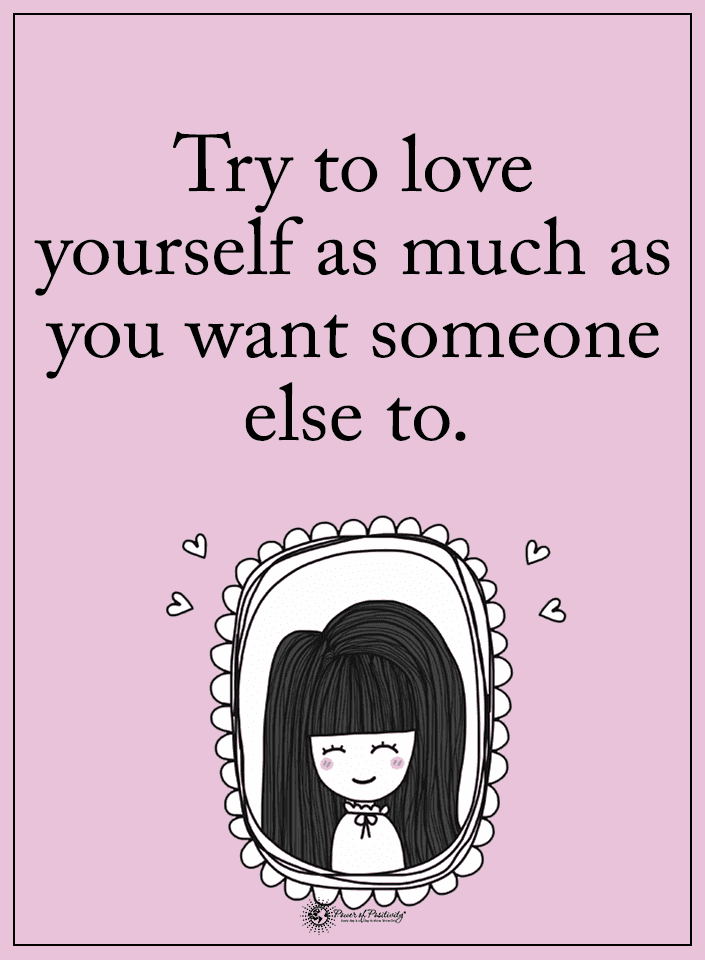
Body positivity means being comfortable with your shape, no matter whether you are slim or curvy. The media and popular perception project an unrealistic and sometimes dangerous image of the “perfect” body. Rather than working to fit within society’s ideals, body positive people work to accept themselves just as they are. When you practice body positivity, you will find that you have a better view of yourself both inside and out.

Body positive books help the reader by reinforcing ideas of self-acceptance. Many of these books also promote mindfulness, a state where the reader accepts his or her own thoughts and feelings. No matter your body shape, you will be able to find an affirming, positive book in this article. These books contain many helpful body positivity quotes that will help you on your journey to better health.

10 Body Positivity Books that will Change Your Outlook

1. Things No One Will Tell Fat Girls by Jes Baker

This book has a revolutionary approach to body positivity. Popular blogger and activist, Jes Baker, wrote this book as a rebuttal to society’s constant stream of negativity toward plus-size women. She emphasizes that larger women are attractive and appealing just as they are. They slay and look stunning in plus size homecoming dresses at Peaches Boutique. The book also has a number of essays from other writers, including male writers, touching on the issues of body positivity for men as well. Anyone would benefit from reading this book and adopting Baker’s philosophy.

self love quote

2. Celebrate Your Body (and Its Changes, Too!) by Sonya Renee Taylor

This is one of the first body positive books written specifically for young girls going through puberty. This is an affirming, informative book for young girls. Medically accurate, it walks young girls through the changes that are happening in their bodies. Girls of all body shapes and sizes feel welcomed by the inclusive text and illustrations.

3. Radical Acceptance by Tara Brach

Brach’s book provides a comprehensive view of accepting yourself. She works to help people come to terms with themselves, both mentally and physically. She is concerned with breaking down the feelings of self-loathing that are all too common in today’s society. Her book is not specifically about body positivity, but the topic is a major part of the text.

4. Health at Every Size by Linda Bacon

This book provides medical evidence that larger people are not necessarily unhealthy. Bacon breaks down what is wrong with popular diet fads and promotes a healthy lifestyle. She tells her readers that dieting for the sake of major weight loss can be hazardous to your health.

5. Intuitive Eating by Evelyn Tribole and Elyse Resch

First published in 1995, this book was ahead of its time. The book has been updated with each new edition. The authors seek to reshape people’s ideas about food. The book details how to eat healthfully while respecting the size and shape of your body. A major part of the book deals with people’s emotional relationship to food and body positivity.

6. Body Kindness by Rebecca Scritchfield

This book provides strategies to transform readers’ mental and physical health. The author relies on behavioral psychology to help people change the way they think about their bodies. The book promotes healthy living through common sense principles.

7. The Gifts of Imperfection by Dr. Brené Brown

This book contains ten “guideposts” for changing your attitude toward yourself. This book promotes positive thinking and compassion toward yourself. The author provides many body positivity quotes that the reader can think back on after the book is finished.

8. MegaYoga by Megan Garcia

The yoga world is dominated by thin instructors. Garcia provides concrete tips for practicing yoga in a larger body, including modified poses. She emphasizes that yoga is beneficial for everyone, not just stereotypically slender people. Garcia has also produced a DVD with yoga instruction.

9. Hot & Heavy: Fierce Fat Girls on Life, Love & Fashion by Virgie Tovar

This book is a compilation of essays by many authors. The book shows examples of how to practice body positivity. It also covers finding friends and emphasizing the importance of fashion in body acceptance.

10. Wild Feminine by Tami Lynn Kent

This book is not specifically about accepting your body shape. It encourages all women to get in touch with their powerful female essence. This alternative health book provides another way for women to reach self-acceptance. The book teaches important lessons in overcoming self-loathing and trauma.

Final Thoughts

These ten books will help the reader achieve a healthier sense of self. These books provide a path to health and self-acceptance while staying body positive. These books will help anyone who is struggling to accept themselves just as they are.

6 Things to Never Do When You’re Having A Panic Attack

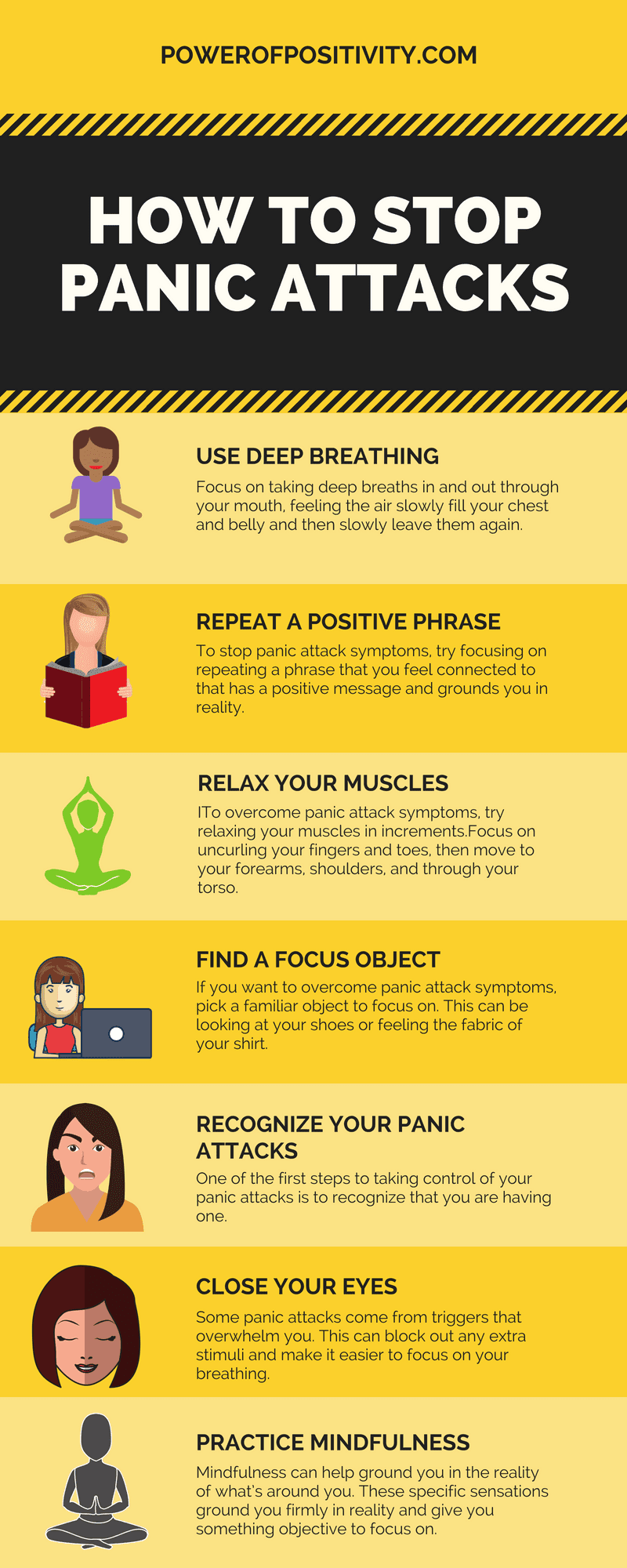
A panic attack can be a dreadful experience. It can cause you to feel breathless and make you think that you are going to suffocate. A panic attack can also make you think that you are not in control of your life.

You can overcome a panic attack through positivity. What we mean here are positive thoughts. A panic attack stems from anxiety, which in turn often stems from stress and negativity. The key is to be positive and eliminate the fear and stress found in your life. Here are tips to help you get through the next panic attack you may suffer.

1. Reflect and Write Down Your Thoughts Instead Of Focusing On Them.

Reflections can help you overcome panic attacks. John Tsilimparis of the Anxiety and Panic Disorder Center of Los Angeles suggests that you write down your negative thoughts in a journal. By doing this, you help create distance between your negative thoughts and the reality of your situation. Don’t let your racing and negative thoughts and emotions overwhelm you. Write them down on paper instead.

It is easy to see how irrational your thoughts are when they are written down on paper. No, you are not going to die or fall breathless to the ground as you may imagine. So, try writing down how you feel the next time you feel a panic attack setting in. It may just calm you down.

2. Avoid Shallow Breathing. Try A Deep Breathing Technique To Calm Yourself Down Instead.

Deep breathing is another technique you can use to overcome panic attack. People often have rapid, shallow breathing during a panic attack. This often makes anxiety worse and can add to the feeling of breathlessness. Breathe slowly and deeply. Mara Wilson has a great video on how you can use deep breathing to help calm yourself down. Give it a try and watch your anxiety dissipate slowly.

3. Do Not Suppress Your Thoughts; Let Them Flow Naturally.

If you are suffering from a panic attack, you should try not to suppress your thoughts. Suppressing your thoughts only makes the panic attacks and anxiety worse. Clinical research has shown that when you try to suppress a thought, you end up thinking about that thought much more frequently. It may seem counterproductive, but try to let the thought or emotion flow. The feeling or thought may subside by itself. At the very least, it will bother you less than if you tried to repress it.

4. Don’t Add Additional Stress; Remove Negative People From Your Life.

Stress is another contributing factor to panic and anxiety. It can serve as a trigger for a panic attack. You should try to remove as much stress from your life as possible. The less stress you have in your life, the better off you will be.

Not only can stress cause a panic attack, but it can make a panic attack worse. Limit or avoid stress when you are feeling anxious or panicky. You do not want to add any more stress or worry into your life when you are trying to overcome panic attack.

panic attacks

To help with this, you should try and eliminate negative people from your life. They often add stress, anxiety, and worry to your life. This can cause a panic attack outbreak or make an existing one even worse. Try to surround yourself with positive people who support you and will cheer you up. Keeping good company will help you overcome panic attack.

5. Don’t Validate Your Fears. Face Them Head-On Instead.

Validating your fears is another no-no when you are suffering from panic attacks. What we mean here is trying to add validation to your fear by finding material that may support the fear and anxiety. For example, let us say you are deathly afraid of going to public squares. To add validation to your fear, you seek out news articles on public square kidnappings and muggings. This only reinforces your fear and does not make you feel any less anxious when you have to go to a public square.

Don’t reinforce your fear. Instead, try to face it head-on. That way, you will see that your concerns are unfounded. Validating your worries makes you more scared and anxious. Stop feeding your fears. Instead, take that scary but powerful first step in confronting your fear and anxiety.

6. Don’t Binge Out, Deprive Yourself Of Sleep, Or Isolate Yourself From People

Anxiety and panic attacks often go hand-in-hand with insomnia, inactivity and a poor diet. Exercise can help you overcome anxiety and achieve a good night’s sleep. A healthy diet will help you feel more energetic and strong. When you are healthy physically, you tend to feel better mentally as well. There are strong links between good mental health and nutrition and exercise.

Don’t deprive yourself of sleep or eat junk food when facing a panic attack. Often, this can make symptoms such as indigestion and fatigue even worse. Try to eat healthy foods and get some much-needed rest. It will be good for your body and your mind. Do not isolate yourself or lock yourself up in a room either. While you may need some time alone, it is a bad idea to withdraw from others completely.

Don’t Let Anxiety And Panic Get The Better Of You.

There is much you can do to overcome those dreaded moments of panic and anxiety. Write your thoughts down, breathe deeply, get some exercise, and avoid new sources of stress. At the same time, you want to avoid suppressing your thoughts, adding new stress, isolating yourself, or giving into sleep deprivation and negative people and thoughts. By incorporating these things into your life, you will be well on your way to managing and preventing future panic attacks.

panic attack

Share this Image On Your Site

50 Health Tips That Will Improve Your Wellbeing

“Many cultures have used the concept of energy to help people achieve a more complete type of health. Energy helps us to see new ways in which the emotional, spiritual, mental and physical aspects of healing relate to one another.” – Astrid Pujari, MD

When you think about it, personal energy contributes to everything that we do – for better or for worse. When our energy is positive, we’re capable of doing just about everything and doing it well. On the other hand, when it’s negative, everything becomes that much more difficult.

Going a step further, when our energy is good, so is our health. Indeed, health and energy levels are inextricably linked. When we’re healthy, we’re brimming with positive energy and that’s why is important to feel healthy, but if you suffer from anxiety, using cannabis products from http://www.bulkcannabis.cc/ can help you feel better and more healthy. We’re more inspired, creative, driven, and bold. We’re ready to take on the world! The wonderful thing about good health and positive energy is that you can choose to create them. This fact should give you a sense of empowerment and joy!

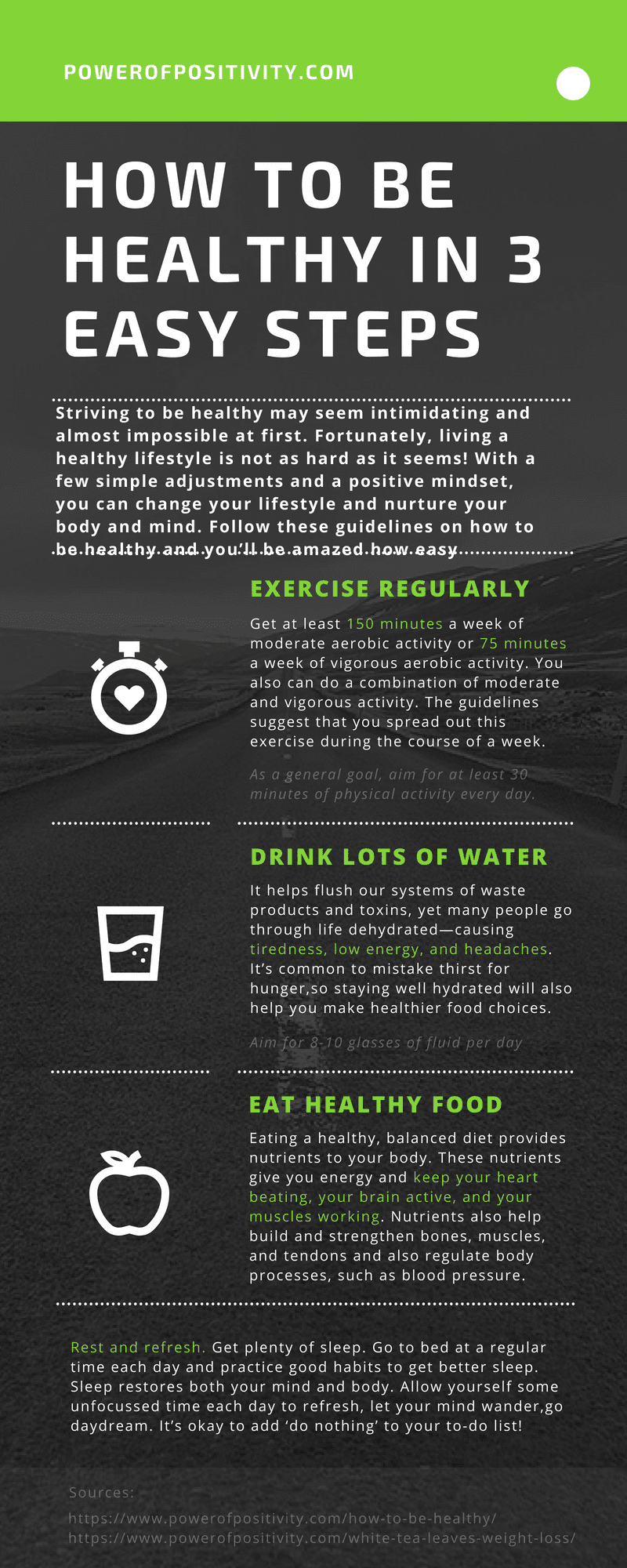
Part of having high levels of positive energy – and good health – is embracing and prioritizing health-boosting habits.

Here we’re going to give you not one, not ten, but fifty health-boosting habits that will improve both your positive energy and sense of wellbeing!

Let’s do this!

Here are 50 energy-boosting tips to increase wellbeing:

  1. Breathe.

This is number one for a good reason. Too many of us are shallow chest breathers. Deep breath = deep energy. Shallow breath = shallow energy.

  1. Walk whenever and wherever possible.

Take the stairs, park away from the building, get outside during your breaks, etc.

  1. Abstain from junk food.

Listen up, sugar is possibly the worst substance ever invented.  It is nothing but empty calories that results in a nasty energy crash.

  1. Eat good carbs.

Forget all of the nonsense about “zero carbs.” Good carbs – from fruit, veggies, etc. – are key to health.

  1. Eat healthy fats.

Like carbs, some fats are better than others. The fat in pizza? Bad. The fat in an avocado? Good. Eat the good ones.

  1. Chew mindfully.

Take manageable bites of food and learn to savor the taste and texture of each bite.

  1. Drink water.

Most of our body is made up of H20 – and we need lots of it. Aim for at least eight, 8-ounce glasses of water daily.

  1. Cut back on meats.

If you chow meat like Homer Simpson does donuts, dial it back a notch.

  1. Do fun exercise.

Gosh, it’s annoying when people insist that exercise should be joyless and painful. Find something fun that also breaks a sweat. That’s exercise!

  1. Don’t weigh yourself so much.

Perhaps nothing kills the motivation to live healthily than living by the scale.

  1. Get to bed.

Yes, smartphones and all that are fun – but they can be harmful. Put them away when it’s lights out.

  1. Try a digital sabbatical.

Building off #11, many of us use our phones way too much. Try going a day (or two) without them. (It’s glorious, by the way.)

  1. Get outside.

Did you have parents who told you to “go outside and play”? Same thing goes as an adult! Sunshine and fresh air are good for you.

sunshine-quote-inspirational-emerson

  1. Meditate.

Meditation has demonstrated numerous benefits for your mental and physical health.

  1. Keep learning.

Keep your brain active by doing crosswords, Sudoku, or other similar activities. Your brain spawns new connections throughout life if you keep it active!

  1. Do something nice.

A random act of kindness has a way of generating feel-good energy.

  1. Refuse toxic company.

People who drain your positivity while consuming your time are energy vampires – stay away.

  1. Practice gratitude.

Regardless of your lot in life, there is always something for which to be grateful.

  1. Connect with family.

Or reconnect; family is life.

  1. Forgive.

Holding grudges drains your energy whether or not you realize it. Forgiveness is letting go, moving on, and freeing your energy to focus on the important things.

  1. Play a kids game.

While this one may sound wacky, give it a go! You may just rediscover some long-lost youth! (Twister, anyone?)

  1. Give thanks.

Thank the people you meet on your daily journey, even if it’s for something small.

  1. Smile at a stranger.

No, it’s not just you. The transfer of energy between two human souls is very real.

  1. Do something you fear.

Confronting something you’re afraid of has a way of giving you massive confidence, and confidence begets energy.

  1. Forget the chair.

Try standing and working whenever possible. You’ll feel a big energy boost!

  1. Make alone time.

Too much interaction can drain your energy. Yes, extroverts, this even applies to you!

  1. Take a power nap.

Even a 20-minute snooze can do some real good. Your brain will thank you!

  1. Sit up straight.

Maintaining a straight posture encourages healthy blood flow.

  1. Laugh at something.

Humor is the spice of life. Anyone who has watched some ridiculous animal video on YouTube when down, you know you agree.

life quote

  1. Write things down.

Folks, we drain A LOT of mental energy by trying to remember stuff. Write it down instead.

  1. Read a good book.

Reading a good old-fashioned book is still the best brain-booster.

  1. Play with Fido.

Pets are great, aren’t they? Make sure you’re playing with yours on the regular.

  1. Splash cold water.

A bit old-school? Perhaps. But nonetheless effective.

  1. Get out and explore.

Our brain craves novelty. One of the best ways to give it what it wants is to go someplace new.

  1. Cut back on the caffeine.

Caffeine is a serious double-edged sword. Used in moderation, it can provide excellent cognitive benefits. In moderation.

  1. Try green tea.

While we’re on the subject of beverages, try drinking green tea. It is loaded with antioxidant and nutrients that have powerful effects on the brain and body.

  1. Stop with the selfies.

Seriously, folks. You already know what you look like. Go for a walk or do some pushups. Do anything else, really.

  1. Take a warm bath.

And add some Epsom salt. ‘Nough said.

  1. Wake up earlier.

You shouldn’t be rushing around in the morning – it drains a LOT of energy. Solve this little problem by waking up 10 minutes earlier.

  1. Darken your screen.

If you must work late, save your eyes by using an app like Flux. Too much computer time can disrupt your sleep and strain your eyes.

  1. Take a few days off.

Why are you not using those vacation days? Seriously. Waiting…

  1. Do yoga.

Or meditation. Anything to take your mind off auto-pilot.

  1. Single-task.

Okay, folks, this one is absolutely critical. Multitasking, besides being near impossible, is a huge energy cipher. Do one thing at … a … time.

  1. Get a physical.

See a doc at least once a year and put your mind at ease.

  1. Take probiotics.

Most Americans do not pay enough attention to their gut. Believe it or not, your gut has a big impact on how you feel (read: energy levels.)

  1. Get a massage.

According to the Mayo Clinic, regular massages may be helpful in reducing anxiety, easing digestion, preventing headaches, eliminating joint pain, and curing insomnia.

  1. Try acupuncture.

Meditation, yoga, and now acupuncture. Even the most cynical scientists are being forced to cop to the benefits of age-old health practices.

  1. Get rid of clutter.

The places where you live and work should be as minimalist as possible. Disorganization breeds frustration, which drains energy.

  1. Manage your time.

You can’t effectively manage your energy if you don’t know where your time goes.

  1. Practice gentle self-discipline.

Recognize when you’re off on a tangent and gently bring yourself back. No need to be too harsh with yourself.

how to be healthy

Share this Image On Your Site

(C)Power of Positivity, LLC. All rights reserved
Sources:
https://www.pujaricenter.com/
https://www.lifehack.org/673363/healthy-habits-that-will-improve-your-overall-well-being-and-make-you-feel-good

https://www.mayoclinic.org/healthy-lifestyle/stress…/in-depth/massage/art-20045743

10 Women Who Prove Being Skinny Isn’t Always Better

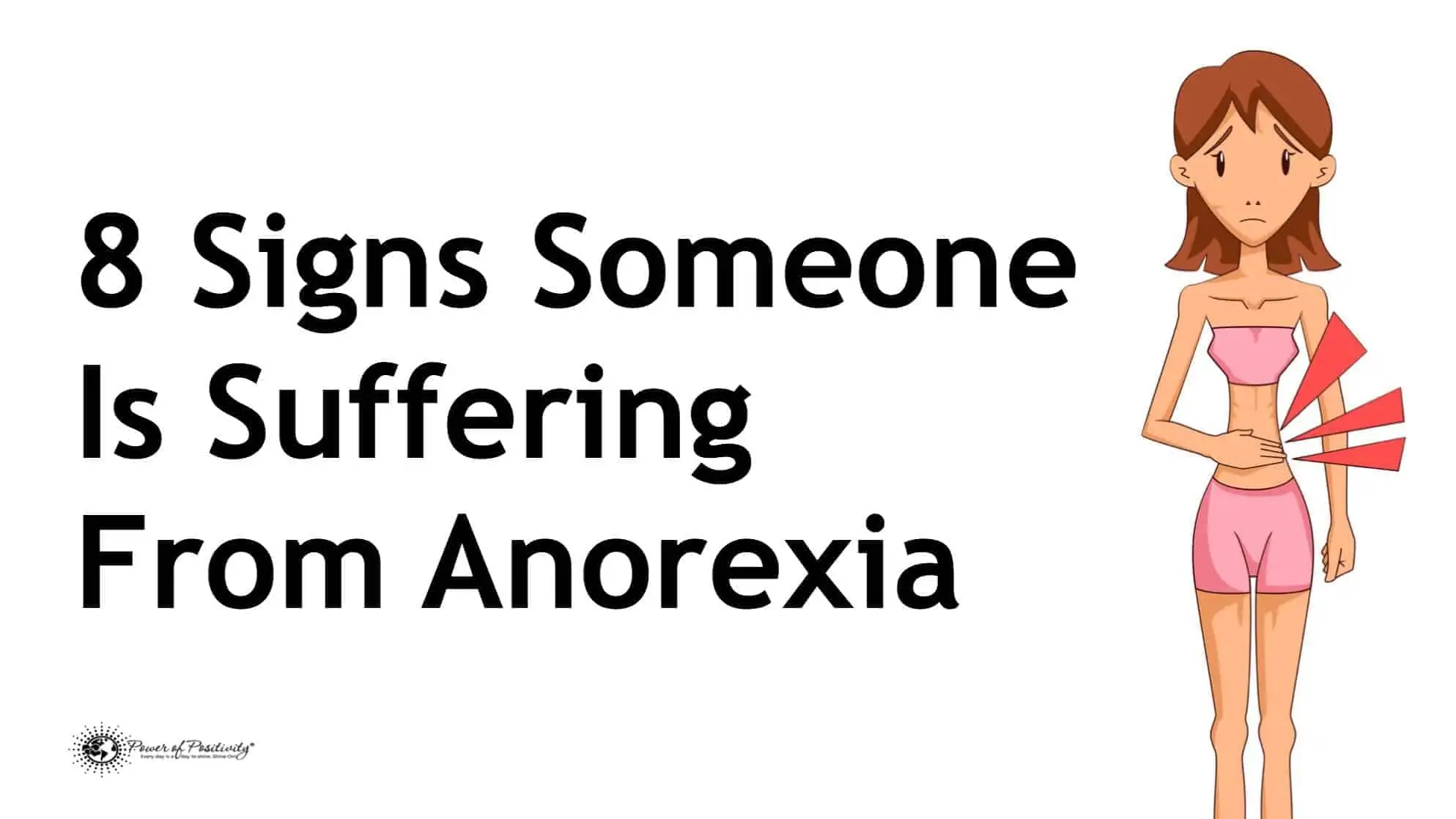
People always think that only overweight people get bodyshamed, but skinny shaming happens, too. While some people can maintain a healthy weight being skinny, others might need to gain some weight; for example, those in recovery from anorexia. Anorexia is a serious mental disorder that requires medical and psychological treatment, but it can be overcome.

We hope these photos below prove to all women (and men) out there that being skinny does not always mean being healthier.

Here are 10 women who prove being skinny isn’t always better:

1. This beautiful woman went from 83 to 110 lbs and looks healthier than ever.

A post shared by JULIA BAESSLER (@juliabaessler) on

2. She looks great in both pics, but she’s definitely gained strength and fitness levels. Way to go!

A post shared by Emma (@emlouisefitness) on

anorexia

3. Strong is the new sexy.

4. Sure, she gained weight, but she also gained happiness and health, and that is much better than being skinny.

5. From 85 to 140 pounds, this warrior woman’s motto is “food is fuel!”

6. Weighing less is not always better, and this woman proves it.

A post shared by Claire Guentz (@claireguentz) on

7. Happiness is not a number on the scale or a number of calories to eat every day. Happiness can only be measured by how you FEEL.

8. From 102 to 138 lbs on a healing journey to love her body and ignore disordered thinking.

She definitely proves being skinny is not always better.

9. The woman on the right is much happier than the one on the left, and that’s what really matters.

A post shared by Julie J (@confidentlyjules) on

10. 30 pounds gained and a mindset transformed between the first and second picture.

We truly hope these pictures inspire women everywhere to start their journey toward health and happiness. Being skinny might be more socially acceptable than being overweight, but remember at the end of the day that it doesn’t matter what people think of you. Only how you feel about yourself matters, so give yourself the gift of self-love and remember that food is your friend.

All of us at Power of Positivity wish you health and healing on your road to recovery. 🙂

https://youtu.be/cHeI3Y_CfMo

(C)Power of Positivity, LLC. All rights reserved

3 Things That Happen to Your Brain When You Eat Turmeric Every Day

“Studies show that curcumin, a bioactive compound in turmeric, can treat depression, anxiety, brain aging, and more.” – Dr. Deane Alban

Recent studies attest to the amazing benefits of ancient herbs and spices. If you are an herbalist or otherwise well-versed in holistic medicine, these findings may not surprise you in the least. The rest of us, however, find these discoveries equal parts fascinating and exciting!

We needn’t rehash the disturbing trend of the over-prescribing of pharmaceutical drugs in the U.S. and other areas of the world. One look at the opioid crisis gripping the States reveals enough. But a subtle revolution of sorts may be taking place. You can find an illustration of this transformation in a survey conducted by researchers from Harvard. They discovered that between 40 to 50 percent of people either use supplements regularly or participate in some kind of alternative therapy. In other words, more people are climbing on the natural health bandwagon.

In this article, we discuss three of the most amazing discoveries about turmeric and its main ingredients – curcumin and a-turmerone. You may not fully grasp the nitty-gritty details. No problem. (You are not alone in this regard.) Suffice it to say that turmeric is just one of the many natural herbs and spices revolutionizing the state of “modern” healthcare as we know it.

The Magic of Turmeric

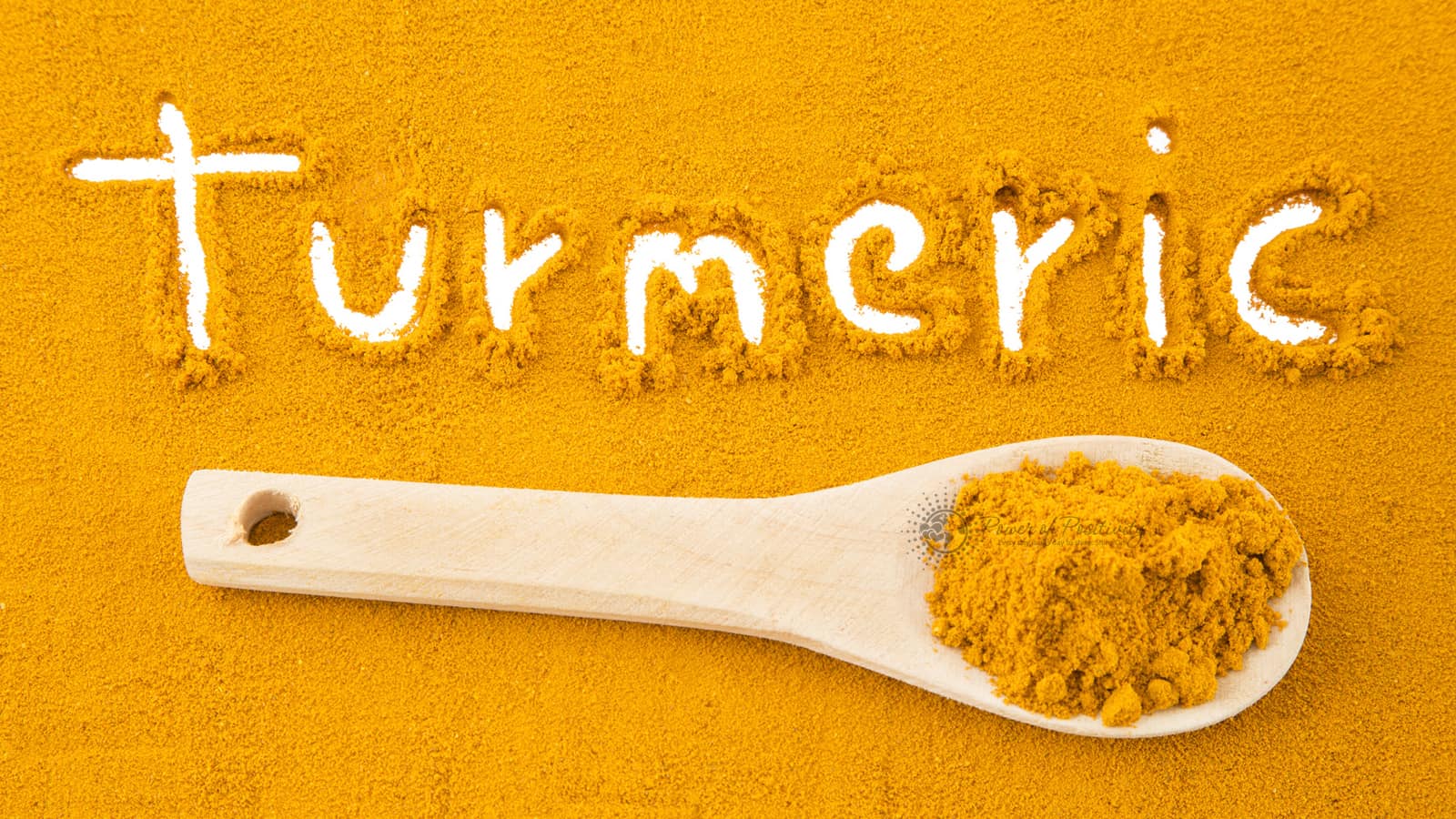
Turmeric is a yellow-orange, aromatic powder acquired through the rhizome of a plant. You will find it commonly used as a spice in Asian cuisine – particularly the broad variety of Indian curries. Unsurprisingly, turmeric belongs to the ginger family. (Unsurprising because ginger, as it turns out, is known as perhaps nature’s most powerful and versatile medicine.)

Curcumin, one chemical compound of turmeric, gives it that unmistakable goldish hue. Curcumin also provides nearly all of turmeric’s impressive health benefits. Other components of turmeric benefit the human body. However, curcumin is indeed the most promising and, by far the most widely researched.

Scientific studies repeatedly demonstrate turmeric’s anti-inflammatory, antiviral, antibacterial, and anti-fungal properties. Widely used as a preventative treatment alternative for various chronic and acute conditions, it also helps treat Alzheimer’s disease and dementia, allergies, arthritis, and diabetes.

Until relatively recently, the health benefits of curcumin did not extend to the brain and nervous system. Advances in medical technology – especially brain imaging – bear partial responsibility for this trend. The wider embrace of secondary therapies also plays a part. Additionally, more medical professionals, including brain scientists, brain doctors, and brain surgeons, have climbed on board. They are realizing the very real and promising benefits of alternative-type therapies.

Here is what science says happens to your brain when you eat turmeric every day!

You protect yourself from Alzheimer’s.

Alzheimer’s disease (AD) involves the slow decay of natural mental processes, stemming from the loss and breakdown of neurons in the brain. The World Health Organization (WHO) estimates that approximately 5 percent of men and 6 percent of women are affected by AD globally. Family members attest to the emotionally and psychologically devastating effect of this disease. The devastation increases because we have found no known cure for AD or dementia in general.

In a study published by the journal Annals of Indian Academy of Neurology, two prominent brain scientists discovered that turmeric has been found to both fight the common signs of Alzheimer’s disease and improve the memory of AD patients. The positive effects of curcumin lowers inflammation and fights disease-causing free radicals. The study’s authors conclude that curcumin “will lead to a promising treatment of Alzheimer’s disease.” Nanocurcumin, the only type of curcumin sufficiently absorbed by the body, appears particularly promising.

You boost your brain cells.

Various studies shows that an active ingredient in turmeric, called aromatic-turmerone (a-turmerone), may increase the growth of neural stem cells by as much as 80 percent.

Pause. Read the previous statement one more time. Take it in. 80 percent.

In other words, taking a supplement of turmeric shifts the natural growth of brain cells into overdrive. Now, we cannot overstate the importance of such a finding. We know that most peoples’ cognitive abilities tend to decline as time passes. What does such a finding say about the potential of supplementing our daily diet with an active form of turmeric?

Simply this: if these studies are accurate, it may mean a cognitive evolution of sorts. Active forms of turmeric may prevent and potentially reverse cognitive decline, including the inevitable weakening of brain functions that results from dementia.

You heal your brain.

turmeric

Perhaps the most powerful benefit of turmeric is as a protective agent of the brain. Most people do not realize the potentially damaging stuff that the brain contends with every day. When we breathe in toxins, and they go to the brain. If we get hit in the head, the brain is damaged. When we drink alcohol, brain cells die. Okay, you get the point!

Put simply: our brain needs more protection than we realize. Amazing though your brain may be, it is still made up of soft and delicate tissue. As with the tissue that lies underneath the surface of the skin, the brain is vulnerable to physical trauma and damage.

More is at stake when damage occurs in the brain.  This is because your brain is what makes you, well, you. In your quest to take care of it, you may want to look into some quality turmeric. Or, just make some homemade Indian curry!

https://www.youtube.com/watch?v=KKB0jThAfnQ

References:
https://articles.mercola.com/sites/articles/archive/2014/10/13/turmeric-curcumin.aspx

https://www.ncbi.nlm.nih.gov/pmc/articles/PMC2781139/

7 Morning Habits That Make It Harder to Lose Weight

Why are morning habits so important? Well, the way your morning starts often dictates how the rest of your day will go. If you get up on the wrong side of the bed, then your whole day may feel horrible.

It’s more or less the same with weight gain. No matter how hard you try to lose weight, some morning habits contribute to weight gain and tune your body towards consuming more calories.

Body fat accumulates on our bodies from many sources in our daily routines. It’s not as simple as having a healthy breakfast every day – although, as we’ll see, that does help a lot. If you’re serious about your weight loss, there are specific habits that will always keep you from achieving your goals.

Here Are 7 Morning Habits That Make It Harder to Lose Weight

“Cutting back on calories is not the answer to successful weight loss and successful health … you have to increase the quality of what you eat, not just reduce the quantity.” – Joel Fuhrman

morning habits routine

1. You don’t drink a glass of water after you wake up.

Many people don’t do this whether it’s because you forget or didn’t know. Good news! It’s a simple routine to include in your morning activities. If you need a reminder, set a glass of water on your nightstand before you go to sleep. In the morning, first thing after you wake up, drink it. Many people think you should drink water during breakfast; however, that’s wrong. Water’s function accelerates your metabolism and makes processing breakfast much easier. It’ll also help you get rid of the unhealthy toxins in your body. So, no matter whether you feel it or not, make sure you drink that glass of water every morning and you’ll see your body fat decrease more quickly!

2. You don’t let the sunshine in (one of the most critical morning habits)

And no, we’re not talking about listening to the song. Sunlight is good for you any time of the day, but it’s perfect when you wake up. If you like sleeping with closed curtains, it’s time to train yourself out of that habit. The sun’s rays will help you kickstart your metabolism and prepare your body for eating breakfast and processing it correctly. You’ll also be surprised by the burst of energy a little bit more sunshine will give you. Just 20 or 30 minutes of sunshine in the morning will be great for your BMI and weight loss journey.

3. You add too much to your morning cuppa.

This is difficult for people who want to lose weight, especially those for whom caffeine is a necessary ingredient to start the day. But it’s not really about the coffee itself. In fact, coffee is a natural antioxidant and great for your digestion. No, it’s if you have coffee with sugar, milk, or other additions. All those sugars in the morning will do the exact opposite of aiding digestion. They’ll add calories, and you’ll start behind on your weight loss goals. Drop the sugar and go for a black cup of coffee. Or even better, switch to green tea, a natural antioxidant that tastes better than black coffee, with the added benefit of keeping you awake enough to start your day.

4. You skip breakfast.happiness quotes - lose weight without gym

Even if you don’t feel like eating early in the morning, there’s a reason why people say breakfast is the most important meal of the day. You absolutely cannot afford to skip breakfast if you’re trying to lose weight. That said, try to avoid eating anything sugary – like cold cereal – or anything with many preservatives. Instead, go for a light but nutritious breakfast. A smoothie is a lot of people’s go-to choice because it’s easy to make, and you can have it on the go. But something as simple as a bowl of oatmeal or some yogurt with berries will be enough to get you started for the day.

5. You skip on the morning exercise.

Whether it’s yoga or a quick jog, try to incorporate exercise in your morning routine. I know it’s difficult. You might still be feeling tired or sleepy, but the positive effects of incorporating exercise into your weight loss routine are numerous. Exercising is a great way to wake up, increase your metabolism, and decrease your appetite. Normally, you’d eat to wake up, but if you exchange your calorie-filled breakfast for a 15-minute yoga session or a quick jog, you’ll feel much more inclined to eat a healthy breakfast afterward.

6. You read the news in the morning.

It might sound counter-intuitive, but reading the news can harm your weight loss routine. When you wake up, your cells work quicker than normal to try and get your body up to normal speed. Often associated with reading the news, stress will turn your stem cells into fat cells and make you gain body fat. The same goes for getting a lot of work done the moment you wake up. Instead, try listening to relaxing music or reading a book when you wake up. The less stressed you are in the morning, the easier it will be to lose weight.

7. You oversleep.

You should always try to get 7 to 8 hours of sleep every day, but not more than 10 hours. When you oversleep constantly, your BMI and belly fat will increase with that, too. That’s because your body will expect to be fed, and when you sleep instead, it’ll produce more fat cells for sustenance. Additionally, oversleeping will affect your metabolism and breakfast schedule; keeping meal times consistent is important in losing weight.

morning habits

Final Thoughts on Embracing Good Morning Habits to Help Promote Weight Loss

It might seem that weight loss is difficult and almost unachievable – but don’t lose your positive thinking. It’s easy to make those simple lifestyle changes in your morning habits. Once they turn into habits, you’ll see how much easier it’ll be for you to shed your body fat and continue the weight loss journey you’ve always wanted.

Skip to content