Weekly tips, affirmations, and small actions to feel your best.

30 Positive Quotes That Inspire Future Success

Take heed of these positive quotes that inspire so many.

Success is a journey marked by perseverance, passion, and the relentless pursuit of dreams. Throughout history, influential figures from many different backgrounds have shared timeless wisdom that inspires and motivates us. These positive quotes that inspire encapsulate the essence of striving for greatness, encouraging us to embrace challenges, seize opportunities, and believe in our potential.

In the following collection of positive quotes that inspire you, you’ll find words of encouragement from visionaries, leaders, and trailblazers who have shaped our world. Let their insights guide you toward a future of success and fulfillment.

How to Use These Positive Quotes That Inspire Success in Your Daily Life

Here are five tips for the practical application of inspiring quotes:

  1. Daily Affirmations: Start your day by reading an inspiring quote that resonates with you. Write it down and place it somewhere visible, such as your bathroom mirror or workspace. The prominent location can help remind you of its message throughout the day. This daily practice can set a positive tone and keep you motivated.
  2. Goal Setting: Frame your goals and intentions using quotes. For example, if a quote emphasizes perseverance, incorporate it into your goal-setting process to remind yourself to stay committed, even when challenges arise. This activity can help maintain focus and drive.
  3. Reflection and Journaling: Take time to reflect on quotes that inspire you. Write about how they relate to your experiences and aspirations in a journal. This practice can deepen your understanding of the quote’s significance and help you internalize its message.
  4. Incorporate Positive Quotes That Inspire into Conversations: Share inspiring quotes with friends, family, or colleagues during discussions. Sharing not only spreads positivity but also reinforces the message in your mind. Applying quotes in real-life scenarios can make them more meaningful and actionable.
  5. Create Visual Reminders: Design posters, wallpapers, or screensavers with your favorite quotes. Surrounding yourself with these visual reminders can keep you inspired and motivated throughout the day. Visual cues can serve as constant prompts to stay aligned with the wisdom and guidance of the quotes.

Positive Quotes That Inspire

Thirty Positive Quotes That Inspire You to Succeed

1 – “Success is not final, failure is not fatal: It is the courage to continue that counts.” – Winston Churchill

This quote reminds us that neither success nor failure is permanent. The key to achieving greatness lies in our perseverance and determination to keep progressing every day despite challenges.

2 – “The only way to do great work is to love what you do.” – Steve Jobs

Passion is the foundation of extraordinary achievements. When you genuinely love your work, it fuels your creativity and drive, leading to remarkable success.

3 – “The best way to predict the future is to create it.” – Peter Drucker

Instead of waiting for opportunities, take initiative and shape your destiny. By taking proactive steps, you can build the future you desire.

4 – “I have not failed. I’ve just found 10,000 ways that won’t work.” – Thomas Edison

This quote emphasizes the importance of resilience and learning from mistakes. Each failure brings you closer to finding a successful solution.

5 – “Success usually comes to those who are too busy to be looking for it.” – Henry David Thoreau

Focus on your work and stay committed to your goals. Success often follows those who are dedicated and hardworking, rather than those who are merely seeking it.

6 – “Don’t watch the clock; do what it does. Keep going.” – Sam Levenson

Time should not be a limiting factor. Like a clock, keep moving forward and remain productive regardless of the obstacles.

7- “The future belongs to those who believe in the beauty of their dreams.” – Eleanor Roosevelt

Dreams are the seeds of future achievements. Believing in your dreams gives you the strength to pursue them and turn them into reality.

8 – “It does not matter how slowly you go as long as you do not stop.” – Confucius

Of the positive quotes that inspire success, this Confucius might be the oldest. But even today, it still rings true. Progress, no matter how slow, is still progress. Persistence and continuous effort are what ultimately lead to success.

9 – “Believe you can and you’re halfway there.” – Theodore Roosevelt

Self-belief is a powerful motivator. Once you have confidence in your abilities, you’re already on the path to achieving your goals.

10 – “Your time is limited, don’t waste it living someone else’s life.” – Steve Jobs

Live your life authentically and true to yourself. Don’t be swayed by others’ expectations; follow your own path and make the most of your time.

11 – “The secret of getting ahead is getting started.” – Mark Twain

Taking the first step is often the hardest part of any journey. Begin now, and you’ll set yourself in motion toward achieving your dreams.

12 – “You miss 100% of the shots you don’t take.” – Wayne Gretzky

Opportunities are missed if you don’t take action. Embrace chances and take risks to realize your potential and reach success.

13 – “Don’t be afraid to give up the good to go for the great.” – John D. Rockefeller

Settling for comfort can hinder exceptional achievements. Sometimes, you need to step out of your comfort zone to achieve greatness.

14 – “Success is not the key to happiness. Happiness is the key to success. If you love what you are doing, you will be successful.” – Albert Schweitzer

True success stems from finding joy in what you do. When you’re happy with your work, success naturally follows.

15 – “What you do today can improve all your tomorrows.” – Ralph Marston

Every action you take today has the potential to impact your future positively. Make choices that pave the way for a better tomorrow.
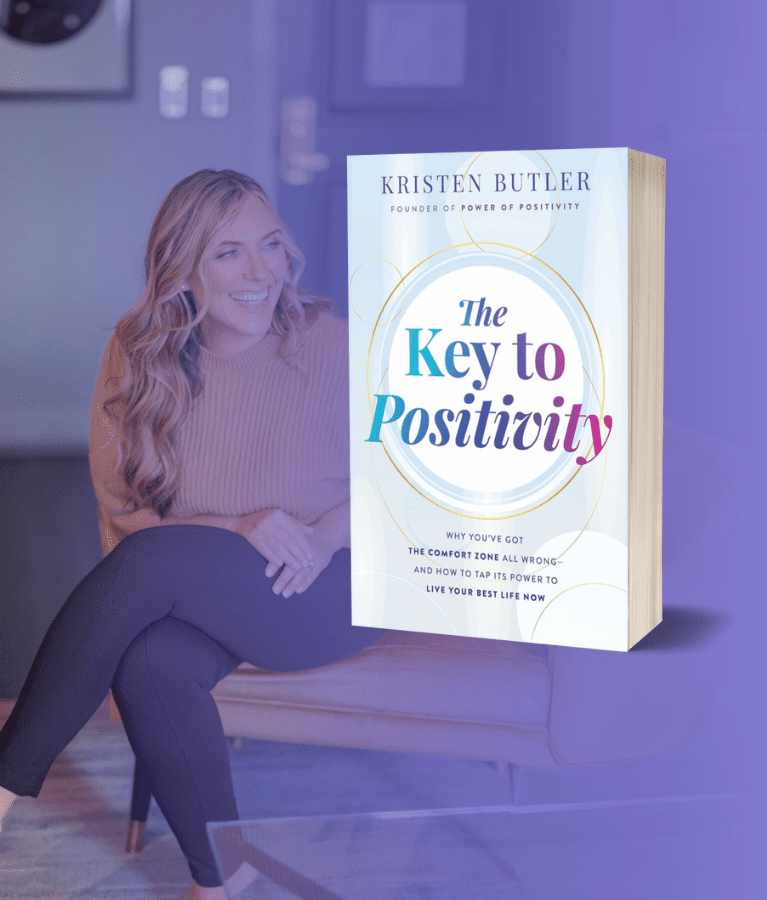
key to positivity book

16 – “Dream big and dare to fail.” – Norman Vaughan

Embrace bold dreams, and don’t fear failure. Taking risks and aiming high can lead to extraordinary outcomes.

17 – “Act as if what you do makes a difference. It does.” – William James

Your actions have a significant impact. Approach everything with the belief that you can make a positive change.

18 – “I attribute my success to this: I never gave or took any excuse.” – Florence Nightingale

Accountability and determination are crucial for success. Avoid excuses and stay focused on your goals.

19 -“You are never too old to set another goal or to dream a new dream.” – C.S. Lewis

Age should never be a barrier to pursuing new aspirations. It’s always the right time to dream and achieve new goals.

20 – “The most effective way to do it, is to do it.” – Amelia Earhart

This advice might be the most common sense of these positive quotes that inspire success. Action is the most powerful way to achieve your goals. Instead of overthinking, start doing and make progress.

21 – “Success is liking yourself, liking what you do, and liking how you do it.” – Maya Angelou

True success is rooted in self-respect and satisfaction with one’s work. When one enjoys and takes pride in what one does, success is inevitable.

22 – “The question isn’t who is going to let me; it’s who is going to stop me.” – Ayn Rand

Self-determination and confidence are key to overcoming obstacles. Believe in your ability to achieve despite potential challenges.

23 – “You may encounter many defeats, but you must not be defeated.” – Maya Angelou

Life may bring many challenges, but perseverance is essential. Stay resilient and continue striving for success.

24 – “I had to make my own living and my own opportunity! But I made it! Don’t sit down and wait for the opportunities to come. Get up and make them.” – Madam C.J. Walker

Create your own pathway to success. Take initiative and actively seek opportunities rather than waiting for them to come to you.

25 – “Every great dream begins with a dreamer. Always remember, you have within you the strength, the patience, and the passion to reach for the stars to change the world.” – Harriet Tubman

Dreams are the starting point of all great achievements. Trust in your inner strength and determination to turn dreams into reality.

26 – “The only thing we have to fear is fear itself.” – Franklin D. Roosevelt

Fear can be a major obstacle to progress. Overcoming fear allows you to take bold actions and achieve success. Let these positive quotes that inspire and motivate you be the nudge you need.

27 – “I can’t change the direction of the wind, but I can adjust my sails to always reach my destination.” – Jimmy Dean

While you can’t control everything, you can adapt to circumstances. Flexibility and resilience help you stay on course to achieve your goals.

28 – “You are your best thing.” – Toni Morrison

Recognize your inherent value and worth. Embracing self-love and confidence is key to achieving success.

29 – “If they don’t give you a seat at the table, bring a folding chair.” – Shirley Chisholm

Don’t wait for opportunities to be handed to you. Create your own opportunities and make your voice heard.

30 – Challenges can’t stop you. People can’t stop you. Time can’t stop you. Your own negative thoughts can. Stay positive.” ― Kristen Butler

This quote underscores the power of positivity in achieving success. While external obstacles and adversities may arise, our negative thoughts often pose the greatest threat to our progress. By maintaining a positive attitude, you can overcome any challenge and continue progressing to success.

Positive Quotes That Inspire

Final Thoughts on Reading These Positive Quotes That Inspire Greatness and Success

As we reflect on these powerful quotes, it’s clear that the path to success is paved with resilience, determination, and an unwavering belief in oneself. These words of wisdom from diverse and inspiring individuals serve as reminders that greatness is within reach for all who dare to dream and act.

Let these quotes be a source of motivation and guidance as you navigate your journey toward success. Embrace the challenges, celebrate the victories, and remember that each step brings you closer to realizing your full potential. The future is yours to create, and with the right mindset, anything is possible.

Here’s Why Some People Stay With an Unloving Partner

Learn why sometimes partners stay together, even when the embers cool down.

Relationships are complex, and the reasons people stay in unloving partnerships are multifaceted. It’s easy to look from the outside and wonder why someone would remain in a relationship that seems devoid of love and affection. However, the intricacies of human emotions, dependencies, and societal pressures often weave a complicated web that isn’t easy to unravel. This article delves into the specific, detailed reasons why some individuals choose to stay with an unloving partner, exploring the psychological, financial, and social factors that play a significant role in these decisions.

1 – Emotional Dependency May Mean Staying With an Unloving Partner

Emotional dependency is a powerful force in many relationships. It occurs when one partner relies heavily on the other for emotional support, validation, or self-worth. This type of dependency can make leaving an unloving partner incredibly difficult. You might find yourself clinging to the emotional crumbs your partner occasionally throws your way, convincing yourself that this sporadic attention is better than nothing.

When you become emotionally dependent, your self-esteem often takes a hit. You might start believing that you are unworthy of love and that no one else would ever want you. This fear of being alone can be paralyzing, making leaving your partner seem insurmountable. The psychological impact of emotional dependency is profound, often leading to a vicious cycle where the dependent partner continuously seeks validation from the very person who withholds it.

unloving partner relationship

Example: Lorenzo and Maria have been together for eight years, and their relationship has grown increasingly distant. Despite Maria’s frequent emotional neglect and dismissiveness, Lorenzo cannot leave. He relies heavily on her for validation and a sense of self-worth, constantly seeking her approval even when it’s seldom given. Maria’s sporadic displays of affection keep Lorenzo clinging to the relationship, hoping for more consistent love. His fear of being alone and the deep-seated belief that he is unworthy of a better relationship trap him in a cycle of emotional dependency, unable to imagine life without her despite the ongoing pain.

2 – Low Self-Esteem Might Cause Someone to Stay With an Unloving Partner

Low self-esteem is a common reason people stay in unloving relationships. When you don’t value yourself, it’s easy to believe that you don’t deserve better than what you currently have. You might rationalize your partner’s behavior, telling yourself their lack of affection is your fault. This mindset can trap you in an unending cycle of self-blame and acceptance of poor treatment.

An unloving partner can perpetuate low self-esteem by consistently undermining your confidence and self-worth. They might use subtle forms of emotional manipulation, such as gaslighting, to make you doubt your perceptions and feelings. Over time, this erodes your self-esteem, making it increasingly difficult to muster the strength to leave. The cycle of low self-esteem and staying in an unloving relationship becomes self-perpetuating, each feeding into the other.

Example: Robin and Taylor have been married for five years, but Robin’s low self-esteem keeps them tethered to the relationship despite Taylor’s continual disregard for their feelings. Taylor often makes belittling comments about Robin’s appearance and career, which erodes Robin’s confidence over time. Robin internalizes these criticisms, believing they aren’t worthy of love or respect. This low self-esteem convinces Robin that leaving Taylor is not an option because they fear they will never find anyone better. The constant self-doubt and lack of self-worth keep Robin in the unloving marriage, accepting Taylor’s mistreatment as something they deserve.

3 – Financial Dependence May Keep Couples Together

Financial dependence is another significant barrier to leaving an unloving partner. In many relationships, one partner may control the finances, leaving the other without the resources or financial knowledge to support themselves independently. If you find yourself in this situation, the fear of financial instability can be overwhelming.

The prospect of losing your home, struggling to pay bills, or being unable to provide for your children can make leaving seem impossible. Even if you are employed, the disparity in income between you and your partner might be substantial enough to create a financial barrier. The economic reality of starting over on your own can be daunting, especially if you lack a strong support network to help you through the transition.

Example: Annie and Stephen have been married for ten years, and throughout their relationship, Annie has been financially dependent on Stephen. Annie left her job to care for their children, and Stephen has always managed the family finances. As Stephen’s affection and support dwindled, Annie was trapped in the marriage due to her lack of financial independence.

The prospect of leaving Stephen seems impossible to Annie, as she worries about affording a place to live, covering everyday expenses, and providing for their children independently. This financial dependence creates a significant barrier, making Annie feel stuck in an unloving relationship with no feasible way to escape.

4 – Fear of Change and Uncertainty

Humans are creatures of habit, and the fear of change is a powerful force that can keep you stuck with an unloving partner. The comfort of familiarity, even when not ideal, often outweighs the fear of the unknown. You might rationalize that staying with your partner, despite lacking love, is better than venturing into an uncertain future.

This fear of change is closely tied to the psychological concept of the “status quo bias,” which refers to the preference for the current state of affairs. The unknown can be scary. The prospect of starting over can bring up fears of loneliness, failure, and judgment. These fears can create a mental barrier that keeps you in a stagnant relationship, even when it’s clear that leaving would be in your best interest.

Example: Jovan and Nicole have been together for seven years. Despite the growing emotional distance between them, Jovan is terrified of leaving. He has always been resistant to change. In fact, he takes comfort in the familiar routines of their life together. The thought of starting over alone fills him with anxiety and dread. Jovan worries about the uncertainties of a single life. He worries about finding a new place to live, navigating the dating scene, and potentially facing loneliness. This fear of the unknown keeps him anchored in an unloving relationship. Jovan chooses the comfort of the status quo over the daunting prospect of change.

unloving

5 – Children and Family Dynamics

Children are often a primary reason people stay in unloving relationships. As a parent, you might believe that maintaining a stable home environment is crucial for your children’s well-being. The fear of disrupting their lives and the potential emotional impact of a separation or divorce can be significant deterrents to leaving.

Family dynamics and societal expectations can also influence your decision to stay. You might feel pressure from extended family members to keep the family unit intact, regardless of the lack of love between you and your partner. This pressure can be extreme in cultures or communities that stigmatize divorce. The desire to protect your children from the pain of a broken home can lead you to sacrifice your happiness and well-being.

Example: Rick and Reba have been married for fifteen years and have three children together. Despite their lack of love and growing resentment, they stay together for the sake of their kids. Rick believes that a stable home environment is crucial for their children’s well-being, fearing that a divorce would disrupt their lives and cause emotional harm. Additionally, both Rick and Reba face pressure from their extended families to keep the family together. This belief in providing a united front for their children and adhering to family expectations keeps them in an unloving and tense marriage.

6 – Societal and Cultural Pressures May Make Some Feel Obligated to Their Unloving Partner

Societal and cultural expectations around relationships and marriage can influence your choice to stay with an unloving partner. In many societies, there is a strong emphasis on the sanctity of marriage and the idea that staying together is a moral obligation, regardless of the quality of the relationship. This can create a sense of duty or guilt about leaving, even when it’s clear that the relationship is unfulfilling.

The stigma of divorce can be another significant barrier. You might fear being judged by friends, family, and your community if you decide to leave your partner. This fear of judgment can be extreme if you come from a background where divorce is viewed negatively or as a failure. The pressure to conform to societal norms and avoid the label of a “divorced person” can keep you trapped in an unloving relationship.

Example: Jonathan and Amy have been married for nine years, and despite the absence of love, they remain together due to societal and cultural pressures. In their religious tradition, marriage is seen as a lifelong commitment, and divorce carries a significant stigma.

Friends and family expect them to uphold the sanctity of their marriage, regardless of their happiness. Jonathan and Amy fear being judged and ostracized by their community if they separate. This intense pressure to conform to cultural norms and avoid the label of “divorced” individuals traps them in an unloving relationship, prioritizing societal approval over their emotional well-being.

7 – Hope for Change May Keep The Partners in the Relationship

Hope is a powerful emotion that can keep you in a relationship long past its expiration date. The belief that your partner will change or the relationship will improve can be a significant reason for staying. You might hold on to memories of happier times and convince yourself that things will eventually get better.

This hope is often fueled by intermittent reinforcement, a psychological phenomenon where sporadic positive behavior from your partner keeps you invested in the relationship. These occasional moments of affection or kindness can create a false hope that things will change for the better. You might also invest significant time and effort into the relationship, making it harder to walk away because of the sunk cost fallacy – the idea that leaving would mean all your efforts were for nothing.

Example: Tate and Jacqueline have been in a rocky relationship for six years, but Tate holds on to the hope that things will improve. Despite Jacqueline’s consistent emotional unavailability, Tate remembers the happier times and believes their love can be rekindled. He clings to Jacqueline’s occasional moments of affection and kindness, interpreting these as signs of potential change. This intermittent reinforcement keeps Tate invested in the relationship, hoping Jacqueline will return to being the loving partner she once was with enough time and effort. His belief in the possibility of change prevents him from leaving despite the ongoing pain and disappointment.

8 – Fear of Judgment May Keep Someone With an Unloving Partner

The fear of judgment from those around you can be a powerful reason for staying in an unloving relationship. You might worry about how friends, family, and acquaintances will perceive you if you decide to leave your partner. This fear can be rooted in the desire for social approval and acceptance, which are fundamental human needs.

Leaving a relationship often involves sharing your reasons with others, which can open you up to criticism or unwanted opinions. You might fear being labeled as the “bad guy” or being blamed for the relationship’s failure. The fear of judgment can be powerful if you live in a close-knit community where everyone knows each other’s business. This fear can keep you in a relationship long after it has ceased to be loving or fulfilling.

Example: Kareem and Amira have been together for ten years. Although their love has faded, they stay together out of fear of judgment. Amira worries about what their friends, family, and community would think if they were to divorce. She dreads being labeled a failure and fears the gossip and criticism that would follow. Explaining the reasons for their separation from others and facing their disapproval is overwhelming for her. This fear of judgment and the desire to maintain a respectable image in the eyes of others keep Kareem and Amira in an unloving marriage, sacrificing their happiness to avoid societal scrutiny.

unloving partner relationship

Final Thoughts on Staying With an Unloving Partner

The reasons why people stay in unloving relationships are complex and multifaceted, encompassing emotional, psychological, financial, and social factors.

Understanding these reasons can provide tremendous insights into individuals’ struggles when contemplating leaving an unloving partner. Still, it is essential to approach this topic with empathy and compassion. We must all recognize that deciding to stay or leave is deeply personal and often complex. Do you find yourself in an unloving relationship? It may be helpful to seek support from your most trusted friends, family members, or a professional therapist. They can listen as you explore your options and prioritize your well-being.

Remember, you deserve to be in a relationship where you feel loved, valued, and respected. Taking the first step toward change can feel daunting. However, your happiness and mental health are worth the effort.

23 Causes of Snoring (and How to Stop)

Here are the conditions that make people snore.

Snoring is more than a nightly nuisance. Instead, it’s a widespread sleep phenomenon that affects countless sleep-deprived people worldwide. You might be familiar with the sound from a sleeping partner or recognize it in yourself. While often considered a minor annoyance, a snore can significantly impact sleep quality for the person and those around them.

If you find it loud enough to disturb sleep or you wake up feeling tired, it’s important to consult with a physician. Persistent or severe snoring could indicate underlying health issues that require professional attention. Remember, while the insights shared here aim to inform and guide you, they are no substitute for the tailored advice and treatment a physician can provide based on your specific condition.

Understanding Snoring

This nighttime noise happens when airflow through the mouth and nose is partially obstructed during sleep. As you drift off, the throat muscles relax, narrowing the airway. The more constricted the airway becomes, the more forceful the airflow becomes, causing the tissues in the mouth, nose, or throat to vibrate, resulting in the snoring sound.

The reasons for this airway obstruction can vary widely, ranging from anatomical peculiarities, such as the shape of your nasal passages or the size of your tonsils, to lifestyle factors like obesity, alcohol consumption, and sleeping position. Medical conditions, including allergies, sinus infections, and sleep apnea, can significantly affect how and why people snore. This broad range of causes suggests that the solutions are equally varied, necessitating a holistic approach to managing or eliminating your issue. Let’s explore these causes more deeply and discuss actionable ways to tackle them, enhancing your sleep quality and overall health.

Anatomical Factors That May Cause Snoring

snoring

1 – Narrow Air Passages

For many, the structure of their airway naturally predisposes them to snoring. A narrow throat, for instance, can significantly amplify the likelihood of airway obstruction during sleep. This physical trait causes the air to rush through the tighter space, leading to increased tissue vibration, which produces the snoring sound.

Solution: If snoring affects your daily life, consider speaking with an Ear, Nose, and Throat (ENT) specialist. They can assess your throat, nose, and mouth to determine if anatomical features like narrow air passages contribute to snoring. An ENT can make recommendations to widen the airway and alleviate snoring.

2 – Enlarged Tonsils

Enlarged tonsils are a frequent cause in both children and adults. When tonsils are oversized, they can block the airflow during sleep, leading to snoring. This is particularly noticeable if snoring worsens over time or starts suddenly.

Solution: A consultation with a physician can determine if your tonsils cause snoring. If so, a tonsillectomy—surgical removal of the tonsils—may be recommended. This procedure can open up the airway and significantly reduce or eliminate snoring.

3 – Deviated Septum

deviated septum occurs when the nasal septum—the structure that divides the nasal cavity in half—is significantly off-center or crooked. This can make breathing difficult and cause you to breathe through the mouth while sleeping, contributing to snoring.

Solution: Corrective surgery, known as septoplasty, can straighten the nasal passage and help alleviate breathing issues and snoring. This surgery is typically recommended after a thorough evaluation by an ENT specialist.

Lifestyle Factors That Often Lead to Snoring

4 – Obesity

Excessive body weight, especially around the neck, can compress and narrow the airway, increasing your risk factor. Fat deposits around the upper airway can also obstruct normal breathing during sleep.

Solution: A healthy diet and a regular exercise regimen can help reduce body weight, which can, in turn, reduce snoring. Even a small amount of weight loss can open the throat and improve symptoms.

5 – Alcohol Consumption

Alcohol is a potent muscle relaxant that reduces the natural defenses against airway obstruction. Drinking alcohol, especially before bedtime, can relax the throat muscles excessively, leading to snoring.

Solution: Limiting alcohol consumption, particularly in the hours before you go to sleep, can help reduce snoring. Aim to have your last drink at least four hours before bedtime.

6 – Smoking

Smoking irritates the mucous membranes and can cause swelling and narrowing of the airways. It also decreases lung function, which can exacerbate snoring.

Solution: Quitting smoking can have immediate benefits for your overall health, including a reduction in snoring. Various cessation programs and tools are available to help you quit, including counseling, medications, and nicotine replacement therapies.

7 – Sleep Deprivation

Not getting enough sleep can lead to deeper sleep when you do rest. Thus, it further relaxes the muscles in the throat and increases the likelihood of snoring.

Solution: Establishing a regular, healthy sleep schedule, allowing for 7 to 9 hours of sleep each night, can help reduce the intensity of snoring. Keeping a consistent bedtime and wake-up time also stabilizes sleep patterns and improves sleep quality.

Sleep Environment and Habits May Cause Snoring

8 – Sleep Position

Sleeping on your back might be comfortable, but it can also exacerbate snoring. This posture allows the base of the tongue and soft palate to stick to the back wall of your throat, causing a vibrating sound during sleep.

Solution: Switching to side sleeping can help prevent this. Using body pillows for support can make side sleeping more comfortable and sustainable throughout the night. Additionally, special pillows designed to keep snorers on their sides are available and can be an effective remedy.

9 – Bedding

The type of pillows and mattresses can also significantly affect how well you breathe at night. Old or overly soft pillows might not provide enough neck support, leading to a kinked airway.

Solution: Investing in firmer pillows that elevate your head and align with your spine can reduce snoring. Similarly, a supportive mattress with a proper sleeping posture can help minimize snoring by keeping your airways open.

Health-Related Issues and Snoring

10 – Allergies

Allergies can swell the nasal passages and restrict airflow. That forces you to breathe through your mouth, increasing the likelihood of snoring. Pollen, dust mites, and pet dander are frequent irritants that can lead to this condition.

Solution: It is crucial to consult with an allergist for testing and diagnosis. Depending on the type of allergy, your doctor can find an effective treatment to reduce symptoms. Keeping your sleeping area clean and free of allergens can also help alleviate snoring caused by allergic reactions.

11 – Cold and Sinus Infections

Colds and sinus infections can cause temporary snoring by blocking the nasal passages with excess mucus. This forces you to breathe through your mouth, which can lead to less airflow.

Solution: Over-the-counter decongestants and nasal sprays can reduce nasal congestion, making breathing easier and potentially reducing snoring. It’s important to use these medications as directed and consult a doctor if snoring persists or the infection seems severe.

12 – Respiratory Conditions

Chronic respiratory conditions like asthma can also contribute to snoring. Asthma inflames and narrows the airways, not just in the lungs but also in the nasal passages, which can lead to snoring.

Solution: Proper asthma management is critical. This includes using prescribed inhalers correctly, avoiding asthma triggers, and regularly consulting with your healthcare provider to ensure your asthma remains well-controlled. Improving asthma symptoms can help reduce snoring, especially if the snoring is a secondary result of an exacerbated condition.

Age and Biological Factors Leading to Snoring

snore snoring

13 – Aging

As we age, the muscle tone in our bodies, including the throat, naturally decreases. This reduction in muscle tone can cause the throat to be more likely to collapse during sleep, leading to snoring.

Solution: Throat exercises designed to strengthen the muscles around the airway can be beneficial. Simple exercises such as repeating vowel sounds, practicing tongue curls, and even singing can help tighten the throat muscles and reduce snoring.

14 – Gender

Research indicates that men are more prone to snoring than women, primarily due to differences in airway anatomy, fat distribution, and hormonal differences that influence the likelihood of airway obstruction.

Solution: Awareness and routine check-ups can help manage snoring issues early. Men should be particularly vigilant about changes in their snoring patterns and discuss these with a physician during regular health assessments.

15 – Genetic Factors

Genetic predispositions can influence the shape of airway structures like the jaw, throat, and nasal passages. These add to snoring risks inherited from family members.

Solution: Understanding your family’s health history can provide insights into potential risks. Combining this awareness with managing other controllable factors, such as weight and alcohol consumption, can mitigate some of the inherited risks of snoring.

Medications and Other Substances May Mean Snoring

16 – Sedatives

Sedatives impact the central nervous system, causing excessive relaxation of muscles throughout the body, including the throat muscles. This relaxation can exacerbate or lead to snoring, allowing the airway to narrow or collapse during sleep.

Solution: If you suspect your medication contributes to snoring, discuss this with your doctor. Adjusting prescriptions or the timing of your dosage might be necessary to reduce the side effects of snoring.

17 – Muscle Relaxants

Like sedatives, muscle relaxants can decrease the natural tone of muscles around the throat, increasing the risk of snoring due to partial airway collapse.

Solution: It’s important to review all current medications with your doctor to determine if they could be contributing to snoring. Alternative medications or adjusted dosing schedules may help alleviate this issue.

Miscellaneous Factors

18 – Eating Late at Night

Large meals closer to bedtime can lead to snoring by pushing up on the diaphragm, affecting your breathing patterns while you sleep.

Solution: Avoiding heavy meals within two to three hours of going to bed can prevent this type of snoring. Opt for lighter, easier-to-digest meals in the evening to improve sleep quality and reduce snoring.

19 – Dehydration

Inadequate hydration leads to thicker nasal mucus and dryness in the throat, which can increase snoring by creating more friction in the airway during breathing.

Solution: Ensuring adequate daily water intake is simple yet effective. The NIH recommends 9 fluid cups of water daily for women and 13 for men. However, this amount can vary based on individual needs and activity levels.

20 – Menopause

Menopause can often lead to snoring due to hormonal changes that affect the throat’s muscle tone and nasal passages. These changes, combined with the general weight gain often associated with menopause, can increase the likelihood of airway obstruction during sleep.

Solution: Hormone replacement therapy (HRT) may help some women manage the symptoms of menopause that contribute to snoring. Additionally, lifestyle adjustments such as healthy weight, regular physical activity, and creating a conducive sleep environment can be beneficial. Consult your physician to determine the best strategies for individual needs during this life stage.

Advanced Medical Concerns

21- Sleep Apnea

Sleep apnea is a sleep disorder in which breathing repeatedly stops and starts during sleep. This condition often leads to loud snoring and chronic fatigue. Snoring can occur when the airway becomes obstructed during sleep as the body struggles to breathe.

Solution: Continuous Positive Airway Pressure (CPAP) machines are one of the best options for alleviating sleep apnea. These devices keep your airway open during sleep by providing a constant air stream through a mask. Other treatments include lifestyle changes or dental devices. In fewer cases, doctors may suggest surgical remedies.

22 – Hypothyroidism

Hypothyroidism can lead to snoring by reducing muscle tone and contributing to the relaxation of the airway. Low thyroid levels can also lead to weight gain, another contributor to snoring.

Solution: A simple blood test can diagnose thyroid function. If hypothyroidism is contributing to your snoring, thyroid hormone replacement therapy may help. Managing your thyroid levels can significantly reduce snoring.

23 – Pregnancy

Weight gain and hormonal changes during pregnancy can lead to increased snoring. Swelling in nasal passages and weight gain around the neck can narrow the airways and change sleep patterns.

Solution: Regular prenatal check-ups will monitor for gestational diabetes and high blood pressure that can exacerbate snoring. Sleeping on the side, using extra pillows for support, and maintaining a healthy diet and exercise regime can also help manage snoring during pregnancy.

Practical Tips and Tools to Help Reduce Snoring

Here are some things that can help decrease the likeliness someone will expereince this problem.

Snoring Devices

Various over-the-counter snoring aids can help alleviate mild to moderate issues. These include nasal strips, which help open nasal passages from the outside, and mouthpieces, which hold the jaw or tongue in a position that keeps airways open.

Try different devices to find the best one for you. Some people may benefit from a custom-fitted device made by a dental specialist, while others find relief with simpler solutions like nasal strips.

Lifestyle Adjustments

Comprehensive lifestyle changes can have a positive effect. Reducing stress, increasing physical activity, and managing weight are all beneficial.

Yoga and mindfulness reduce stress, improve overall body awareness, and encourage better sleep habits. Consistency in your sleep schedule, avoiding alcohol before bedtime, and staying at a healthy weight can also help.

snoring snore

Final Thoughts on Determining the Cause of Your Snoring…and How to Stop

Addressing snoring is about improving the quality of your sleep and enhancing your overall health and well-being. While the solutions offered here cover many possibilities, every person’s situation is unique. Getting professional medical advice for a tailored treatment plan is crucial.

We encourage you to explore these solutions and discuss them with your physician to find the most effective strategies for your needs. Remember, taking steps to manage your condition can lead to better sleep, improved health, and greater happiness. Let this motivate you to tackle your health concerns head-on and move towards a quieter, more restful night.

20 Ways to Attract the Power of Positivity

Here are the secrets to a thriving, positive life.

In a world filled with challenges and uncertainties, attracting the power of positivity can transform your life. A positive mindset isn’t just about feeling good. In fact, it can increase your mental and physical health, help your relationships, and boost your overall well-being. This article will explore twenty ways you can harness the Power of Positivity in your life. You will discover twenty practical tips and insights to help you make lasting changes to achieve a lifetime of positive thinking.

Understanding the Power of Positivity

Positivity is more than just a passing moment of happiness. Rather, it’s a mindset that shapes how you view and interact with the world. Positive thinking can reduce stress, improve cardiovascular health, and, as a result, even increase your lifespan.

Dr. Richard J. Davidson, a neuroscientist at the University of Wisconsin Madison, says this about the power of positivity and its connection to brain health:

“Individuals who are able to savor positive emotions have lasting activation in the ventral striatum. The longer the activation lasts, the greater his or her feelings of well-being.”

When you focus on the good, you attract more good into your life, creating a cycle of positivity that feeds itself.

20 Tips to Attract the Power of Positivity

power of positivity book

1 – Surround Yourself with Positive People

The people you spend time with greatly influence your thoughts and attitudes. Surrounding yourself with positive, supportive individuals can uplift your spirits and encourage you to adopt a more optimistic outlook. Positive people can encourage you during tough times and celebrate your successes. Thus, being around optimists boosts a positive mindset.

2 – Practice Gratitude Daily

Gratitude is a powerful tool for growing your positivity. By acknowledging and appreciating the good things in your life, you shift your focus from what you lack to what you have. See? Just like that, you’re doing positive thinking!

Start a daily gratitude journal. You can purchase my journal to follow my daily positivity-promoting exercises and prompts. Or, you can list three things you’re thankful for each day. Over time, this practice can train your brain to recognize and appreciate the positive things in your life.

3 – Set and Achieve Small Goals

Setting and achieving smaller goals can build confidence. It can also reinforce a positive mindset. Break down those larger tasks into manageable bites and celebrate each small victory. This approach makes big goals seem more attainable and provides regular positive boosts as you progress.

4 – Engage in Physical Activity

Physical activity is good for your body and your mind – and for inviting the power of positivity into your live. Exercise releases endorphins, our body’s natural mood lifters. Incorporating regular physical activity into your routine, whether it’s a brisk walk, a yoga session, or a gym workout, can significantly enhance your positive thinking.

5 – Meditate and Practice Mindfulness

Meditation and mindfulness practices help you stay present and reduce stress. By focusing on the present moment and observing your thoughts without judging yourself, you can cultivate a sense of calm and positivity. Start with a few minutes each day and gradually increase the duration as you become more comfortable with the practice.

6 – Engage in Positive Self-Talk

How you talk to yourself has a tremendous impact on your mindset. Negative self-talk can undermine your positive thinking and foster a pessimistic outlook. Practice positive self-talk by replacing negative vibes with affirming and supportive statements. Over time, this practice can help rewire your brain to focus on the positive.

7 – Limit Exposure to Negative Media

Constant exposure to negative news on TV or in online media can affect your mood and thoughts. While staying informed is essential, managing your media consumption is equally crucial. Set boundaries for your time on news websites and social media. Additionally, seek positive and uplifting content to balance the negativity. Spend more time on uplifting podcasts or learning something new and less time on the 24-hour news cycle.

8 – Reconnect With Your Innermost Creativity

Doing your favorite creative activities can be an excellent way to boost your positivity. Creativity allows you to express yourself and can provide a sense of accomplishment and joy. It doesn’t matter if you prefer painting, writing, playing music, or any other creative outlet. The key here is to find something you enjoy and make time for it regularly.

9 – Use the Power of Positivity to Help Others

Acts of kindness and compassion benefit others and enhance one’s well-being. Helping someone in need, offering a kind word, or simply being there for a friend can create a sense of connection and positivity. These small acts can make a big difference in one’s outlook on life.

10 – Cultivate a Healthy Lifestyle

A healthy lifestyle supports a positive mindset. Ensure you’re eating a balanced diet, getting enough sleep, and caring for your physical health. When your body is well-nourished and rested, your mind is more likely to stay positive. Simple changes in your daily habits can profoundly impact your overall well-being.

positive thinking

11 – Find Your Purpose

Having a sense of purpose can strongly encourage the power of positivity to enter your life. Purpose gives your life direction and meaning. As a result, it helps you stay motivated and focused. Reflect on what you’re passionate about and want to achieve. Pursue activities and goals that support your values and bring you fulfillment.

12 – Build Resilience

Resilience is the ability to bounce back after setbacks and challenges. Developing resilience can help you maintain a positive mindset even during difficult times. Practice resilience by shifting how you think of challenges. Instead, view them as opportunities for growth, staying flexible, and seeking support when needed. Resilience can be built over time through consistent effort and a positive attitude.

13 – Focus on Solutions, Not Problems

Shifting your focus from problems to solutions can enhance your positivity. When faced with a challenge, try to identify potential solutions rather than dwelling on the problem. This proactive approach helps you overcome obstacles and fosters a sense of empowerment and positivity.

14 – Embrace Change and Adaptability

Change is inevitable. So, learning to embrace it can lead to a more positive outlook. Instead of fearing change, view it as an opportunity for growth and new experiences. Adaptability and openness to change can help you navigate life’s uncertainties with a positive mindset.

15 – Write in a Journal Every Day

Journaling is a powerful way to have mental clarity and positivity. You can gain deeper insights into your feelings and behavioral patterns by writing down your thoughts, feelings, and experiences. A positivity journal, where you focus on positive experiences and reflections, can help reinforce a positive mindset and provide a source of encouragement during tough times.

16 – Practice Deep Breathing to Unleash the Power of Positivity

Deep breathing exercises can lower your stress levels and help you relax. When you feel better, you are supporting positivity.

Simple techniques like diaphragmatic breathing or the 4-7-8 method can be practiced anywhere and only take a few minutes. Regular deep breathing can help calm your mind and enhance your well-being.

17 – Laugh Often

Laughter truly is the best medicine. It releases endorphins, reduces stress, and fosters a sense of connection with others. Find ways to incorporate more laughter into your life, whether through watching comedies, spending time with funny friends, or simply allowing yourself to see the humor in everyday situations.

18 – Stay Connected with Nature to Increase Positive Thinking

Spending time outdoors has numerous mental health benefits, including reducing stress and uplifting your mood. Whether you take a walk in the park, a hike in the mountains, or simply sit and admire your garden, connect regularly with nature. The natural world can provide peace and positivity that is hard to find elsewhere.

19 – Learn to Forgive

Holding onto grudges and resentment can weigh you down and hinder your positivity. Learning to forgive, whether it’s others or yourself, can free you from negative emotions and promote inner peace. Forgiveness doesn’t mean forgetting or excusing wrongs; it’s about letting go of the anger and finding a way to move forward with a lighter heart.

20 – Seek Professional Help When Needed

Despite our best efforts, we sometimes need additional support to cultivate positivity. Therapy can provide invaluable tools and strategies for managing negative thoughts and cultivating a more positive mindset. Don’t hesitate to reach out for help when you need it.

power of positivity positive thinking

Final Thoughts on Reaping the Rewards of the Power of Positivity

Attracting the power of positivity is the journey of a lifetime. Yes, it requires effort and commitment. However, you will undoubtedly learn that the rewards are immense. When you incorporate these practices into your daily life, you can create a positive mindset that enhances your general well-being and helps you navigate life’s challenges with grace and resilience.

Remember that positivity is not about ignoring the negatives. Instead, it is all about finding the good in every situation and focusing on what you can control. Start today and experience the transformative effects of positivity in your life. Shine on!

20 Signs of Stress and Burnout (and How to Beat it)

Never ignore these key signs of exhaustion.

Stress and burnout have become all too common in our very busy lives. Recognizing the signs can make an enormous difference in managing and mitigating their impact on your life.

This article will help you identify specific signs of stress and burnout. Then, it will provide practical strategies to overcome them.

What Are the Signs of Stress and Burnout?

stress burnout

1 – Constant Fatigue

Feeling constantly tired is one of the most telling signs of burnout. Even after a whole night’s sleep, you may wake up as tired as when you went to bed. This persistent exhaustion can make it challenging to get through your day, impacting your personal and professional life. It’s not just about feeling sleepy. Instead, it’s about a deep-seated fatigue that never seems to disappear.

2 – Insomnia

While constant fatigue is one side of the coin, insomnia is the other. Feeling constantly overwhelmed often leads to difficulties with falling or staying asleep. Your mind races with thoughts of what you didn’t accomplish today and what you need to do tomorrow, making it nearly impossible to relax enough to sleep. Insomnia not only exacerbates fatigue but also heightens anxiety and decreases your ability to function effectively during the day.

3 – Frequent Headaches

Another common sign of stress is frequent headaches. These can be anything from mild tension headaches to debilitating migraines. Stress-induced headaches can be so severe that they affect your ability to concentrate and complete daily tasks. The tension from stress often manifests in the muscles around your head and neck, leading to these painful episodes.

4 – Muscle Pain

Stress affects your mind and body. Many people experience muscle pain, particularly in the neck, shoulders, and back, when they are stressed. That is because stress causes your muscles to tense up. Over time, that tension can lead to chronic pain and discomfort. Over time, this tension can become so ingrained that it feels like a normal part of your life.

5 – Digestive Issues

The gut-brain connection is powerful, and stress can wreak havoc on your digestive system. You might experience stomach aches, irritable bowel syndrome (IBS), or other gastrointestinal problems. These issues can be particularly frustrating because they add a physical dimension to your mental stress, making you feel even worse.

6 – Changes in Appetite

Stress can lead to significant changes in appetite. Some people find themselves overeating, using food as a comfort mechanism. Others may lose their appetite entirely. They find it hard to eat even when they know they need to. These changes can affect weight, energy levels, and overall health. Thus, they set up a cycle of stress and poor nutrition.

7 – Frequent Illness

Your immune system can take a hit, thanks to stress. You’re more likely to catch colds, get infections, and generally feel unwell. Chronic stress weakens your immune system. It makes it harder for your body to fight off illnesses. Stress could be the culprit if you get sick more often than usual.

8 – Difficulty Concentrating

Stress can make it incredibly hard to concentrate. You might find that you’re easily distracted or that your mind feels foggy. Tasks that used to be simple now demand much more effort and time. This difficulty concentrating can affect every aspect of your life, from work to personal projects, creating a frustrating cycle of decreased productivity and increased stress.

9 – Increased Irritability

Another sign of stress is increased irritability. You might get angry or frustrated over minor things that wouldn’t bother you. This irritability can strain your relationships with friends, family, and coworkers, increasing stress levels. It’s important to recognize this behavior as a symptom of stress rather than a permanent change in your personality.

10 – Feeling Overwhelmed

Feeling constantly overwhelmed is a hallmark of burnout. There’s too much on your plate and insufficient time or energy to handle it all. This sense of being overwhelmed can make it hard to prioritize tasks and manage your time effectively. That means a vicious cycle of stress and feeling even more overwhelmed.

11 – Loss of Interest in Activities

When you’re burned out, activities that used to bring you joy may no longer interest you. You might find yourself avoiding hobbies or social events because they feel like another thing you must do. The loss of interest can lead to feelings of isolation and depression, further exacerbating your stress.

12 – Procrastination

Procrastination is a typical stress response. When you’re feeling overwhelmed, it can be tempting to put off tasks, thinking you’ll get to them when you feel better.

However, as tasks pile up, this usually creates more stress. Procrastination can lead to an awful cycle of avoidance and increased stress, making it harder to break free from burnout.

stress

13 – Decline in Work Performance

Your work performance will likely suffer if you’re experiencing stress and burnout. You might find it hard to stay motivated, meet deadlines, or maintain the same level of productivity you once did. This decline in performance can lead to increased stress and anxiety about your job, creating a negative feedback loop that’s hard to escape.

14 – Negative Thinking

Stress often brings with it a wave of negative thinking. You might focus on what’s going wrong rather than what’s going right, or you might struggle with self-doubt and pessimism. This negative thinking can affect your mental health, making it even harder to cope with stress and burnout.

15 – Emotional Numbness

Burnout can lead to emotional numbness, where you feel detached or disconnected from your emotions. You might find it hard to feel joy, sadness, or anger. This numbness can affect your relationships, as it’s challenging to connect with others when you’re not in touch with your own emotions. Recognizing this as a sign of burnout is crucial to getting your needed help.

16 – Social Withdrawal

You might withdraw from social interactions when you’re stressed and burned out. You might avoid friends and family because you’re too tired or overwhelmed to engage. This social withdrawal can mean loneliness and isolation, increasing your stress levels. It’s essential to recognize the value of social support in managing stress.

17 – Changes in Sleep Patterns

Stress can significantly change your sleep patterns. You might find yourself sleeping too much or too little. Irregular sleep schedules can make it even harder to cope with stress, as a lack of restorative sleep affects your overall health and well-being.

Paying attention to these changes can help you address the underlying stress causing them.

18 – Physical Exhaustion

Feeling physically exhausted without doing much physical activity is another sign of stress. This exhaustion goes beyond feeling tired. Rather, it’s a deep, pervasive feeling of being drained.

Stress can sap your energy levels, making completing even the simplest tasks difficult.

19 – Anxiety and Panic Attacks

Stress and burnout can lead to increased anxiety and even panic attacks. These episodes of intense fear can be debilitating, with symptoms like rapid heartbeat, shortness of breath, and a feeling of impending doom. Some individuals find that using indacloud delta 9 can help alleviate anxiety and promote relaxation during these episodes.

Recognizing and managing these symptoms is crucial for reducing stress and improving your life’s quality.

20 – Increased Substance Use

Turning to harmful alcohol or drugs to manage your emotions is a dangerous sign of burnout. While these substances might provide temporary relief, they can lead to addiction and worsen existing health problems.

It’s essential to find healthier ways to cope with stress to avoid the negative consequences of substance use.

Self-Care Techniques to Beat Stress and Burnout

Now that we’ve identified the signs of stress and burnout let’s examine some practical strategies for managing and overcoming them.

Time Management Techniques

One of the most effective ways to beat stress is to improve your time management skills. This can help you feel more in control of your responsibilities and reduce overwhelming feelings. Try breaking tasks into small, manageable steps and prioritizing them. Tools like to-do lists or planners can also help you stay organized and focused.

Relaxation and Mindfulness Practices

Adding relaxation techniques into your day can help reduce the impact of your stressors. Practices like deep breathing, meditation, and yoga can calm your mind and body, making it easier to handle stress. Mindfulness, which involves being present at the moment without judgment, can also help you stay grounded and reduce anxiety. For those seeking alternative ways to enhance relaxation and mindfulness, you can Buy Shrooms in Toronto to help with mental relaxation.

Exercise and Healthy Eating

Regular physical activity is a wonderful stress reliever. Exercise releases endorphins, the body’s natural mood lifters. Try to do at least 30 minutes of moderate exercise on most days of the week.

Also, maintaining a healthy diet can give your body the nutrition it needs to cope with stress. Avoid excessive caffeine and sugar, and focus on organic, whole foods—think fruits, vegetables, lean proteins, and whole grains.

Seeking Professional Help

If stress and burnout significantly impact your life, it may be time to seek professional help. Therapists and counselors can provide you with tips and tools to manage your stress effectively. Don’t hesitate to reach out for support if you need it. Sometimes, just the act of talking to someone who understands can make a big difference.

Journal Writing

Journal writing is a powerful tool for overcoming burnout. Taking a few minutes each day to write about your thoughts and feelings can help you process and release pent-up emotions. It allows you to reflect on your experiences, identify stress patterns, and clarify what’s truly important.

Journaling can also be a place to brainstorm solutions to challenges and set goals for managing stress more effectively. Making journal writing a regular habit allows you to create a personal sanctuary for self-expression and healing, ultimately fostering resilience and well-being.

happiness journal

Final Thoughts on Recognizing the Earliest Signs of Stress and Burnout

Recognizing and addressing the signs of stress and burnout is crucial for mental and physical health. By identifying these signs early and taking proactive steps to manage stress, you improve your quality of life and prevent burnout from taking a toll. Remember, asking for help and taking time for yourself is okay. Prioritize your well-being, and you’ll be better equipped to handle whatever life throws your way.

10 Signs of Thyroid Eye Disease (and How to Help it)

Here’s how doctors diagnose and treat TED (thyroid eye disease).

Thyroid Eye Disease (TED) can be a challenging condition that affects vision and quality of life. Understanding the signs and symptoms of TED is crucial for early detection and effective management. 

This article will tell you about the key signs of TED and offer practical advice on managing this condition.

What is Thyroid Eye Disease?

Thyroid Eye Disease (TED) is an autoimmune disorder. The disease affects the muscles and tissues around your eyes. It’s most commonly associated with Graves’ disease, a type of hyperthyroidism. However, it can also occur in people with normal thyroid function or even hypothyroidism. 

TED occurs when the immune system mistakenly targets the tissues around the eyes, causing inflammation and other symptoms. 

thyroid eye disease

What Are the Key Risk Factors for Thyroid Eye Disease?

  • SmokingSmoking is among the most prominent risk factors for developing TED. It can worsen symptoms and lead to a more severe progression of the disease. Quitting smoking is strongly recommended to help manage TED effectively.
  • Having a family history of thyroid disorders. If your family members have thyroid issues, you are at a higher risk of developing TED. Genetic predisposition plays a crucial role, and it’s essential to monitor your thyroid health regularly if you have a family history of thyroid disorders.
  • Being female makes it more likely that someone will develop this condition. Women are more prone to developing TED than men. Hormonal differences and autoimmune responses may contribute to this increased risk. Women should be particularly vigilant about early signs and symptoms of TED.

Ten Key Signs of Thyroid Eye Disease

According to the American Thyroid Association, these are the key signs someone is developing TED:

Sign 1: Bulging Eyes (Exophthalmos)

One of the most noticeable signs of TED is bulging eyes or exophthalmos. This condition occurs because the tissues and muscles behind your eyes become swollen and push your eyes forward. This can make your eyes look more prominent and can affect how you close your eyelids. Exophthalmos can also lead to symptoms like dryness and irritation because your eyes might not close completely, exposing them.

Sign 2: Gritty Sensation in the Eyes

Many people with TED experience a gritty sensation, similar to having sand in their eyes. This feeling is due to inflammation and swelling in the tissue around the eyes, which can affect tear production and lead to dryness. The gritty sensation can be very uncomfortable and make it hard to focus on tasks.

Sign 3: Pressure or Pain in the Eyes

Pressure or pain in the eyes is another common symptom of TED. This can be a dull, constant ache or sharp, intermittent pain. The pressure comes from the swelling of the tissues and muscles around the eyes, which can also affect your vision. If you experience significant pain or pressure, it’s essential to seek medical advice, as these symptoms can indicate worsening of the condition.

Sign 4: Puffy or Retracted Eyelids

TED can cause your eyelids to become puffy or retract. Puffy eyelids occur because of fluid retention and inflammation, making your eyes look swollen. Retracted eyelids, on the other hand, are when the upper eyelid is pulled back, exposing more of your eye. Both conditions can make your eyes more vulnerable to dryness and irritation.

Sign 5: Reddened or Inflamed Eyes

Reddened or inflamed eyes are also typical symptoms of TED. The inflammation can make your eyes’ whites appear red and cause discomfort. This redness is due to the increased blood flow and swelling in the tissues around the eyes. The inflammation can worsen if left untreated, leading to more severe symptoms and complications.

Sign 6: Light Sensitivity and Thyroid Eye Disease

Many people with TED become sensitive to light, a condition known as photophobiaThis happens because the swollen tissues around your eyes can affect how your eyes react to light. Light sensitivity can make it hard to be outside on sunny days or in brightly lit rooms. Wearing sunglasses and using dim lighting indoors can help manage this symptom.

pop meme

Sign 7: Double Vision (Diplopia)

Double vision, or diplopia, occurs when swelling affects the muscles around the eyes. The swollen tissue causes the eyes to become misaligned. This misalignment can make it difficult for the eyes to focus on the same point, leading to double vision. Diplopia can significantly impact daily activities, making reading and driving challenging.

Sign 8: Vision Loss

In severe cases, TED can lead to vision loss. This decreased eyesight occurs when the inflammation and swelling compress the optic nerve, which is crucial for vision. Early detection and treatment are paramount to preventing permanent damage to your vision. If you observe any changes in your eyesight, see a healthcare professional.

Sign 9: Dry Eyes

Dry eyes are a common symptom of TED, resulting from the inability to close the eyelids fully or decreased tear production due to inflammation. When your eyes don’t produce enough tears or when tears evaporate too quickly, your eyes can become dry and uncomfortable. This dryness can lead to a gritty sensation, redness, and a feeling of having something in your eye.

Sign 10: Excessive Tearing

Excessive tearing may seem counterintuitive if you also experience dry eyes, but it’s a common symptom of TED. When irritated or dry, your eyes may produce more tears in response. However, these tears often do not lubricate the eyes effectively, leading to a cycle of dryness and excessive tearing. This can be very uncomfortable. Moreover, it can affect your daily life.

How to Help Manage Thyroid Eye Disease

Managing TED effectively requires a combination of medical treatments and self-care strategies. Working closely with your healthcare professional to monitor your eyes’ condition and adjust your treatment plan whenever needed is essential. Here are some general eye health tips to help manage TED:

  • Medical Treatments: Depending on the nature of your symptoms, your doctor may recommend medications to reduce inflammation, such as corticosteroids or immunosuppressive drugs.
  • Regular Check-Ups: Regular visits to a qualified specialist are crucial for monitoring the progression of TED and adjusting your treatment plan. These check-ups can help you detect any changes in your condition early and allow for prompt intervention.
  • Lifestyle Changes: Making specific lifestyle changes can help alleviate TED symptoms. Quitting smoking is one of the most critical steps you can take, as smoking can worsen TED. Protecting your eyes from wind and bright light, using lubricating eye drops, and keeping your head elevated while sleeping can help reduce symptoms.

Self-Care Tips for Thyroid Eye Disease

In addition to those medical treatments, self-care strategies can help manage TED symptoms and improve your quality of life:

  • Eye Protection: Wearing sunglasses outdoors can protect your eyes against bright light and wind, worsening symptoms. If your eyes don’t close completely, using an eye mask while sleeping can help keep your eyes moist.
  • Lubricating Eye Drops: Over-the-counter lubricating eye drops or gels can help alleviate dryness and irritation. Regular use can keep your eyes comfortable and reduce the gritty sensation.
  • Healthy Diet: Enjoying a balanced diet rich in vitamins and minerals can support your general health and help manage TED. Foods high in antioxidants, including fruits and vegetables, can reduce inflammation and support eye health.
  • Exercise and Relaxation: Regular exercise can improve your overall well-being and reduce stress, which can worsen TED symptoms. Relaxation techniques, which often include meditation or deep breathing exercises, can also help manage your stress levels and promote a positive outlook.

Additional Medical Treatments for Thyroid Eye Disease (if Previous Efforts Have Not Worked)

If you have tried but those self-care tips don’t help, your doctor will likely suggest additional measures to relieve the discomfort. These medical treatments can help you manage the symptoms of TED:

  • Medications: Corticosteroids like prednisone can reduce inflammation and swelling around the eyes. Other medications, such as teprotumumab, can target specific pathways involved in the inflammation process. Immunosuppressive drugs may also be used to control the immune response that causes TED.
  • Surgery: According to the Mayo Clinic, surgical options may be necessary to correct thyroid eye disease. Orbital decompression surgery involves removing bone from the eye socket, thus creating more space for the swollen tissues and relieving pressure on the optic nerve. Eyelid surgery can also correct the position of the eyelids to improve their function and appearance. Eye muscle surgery can help align the eyes and reduce double vision.

thyroid eye disease

Final Thoughts on a Thyroid Eye Disease Diagnosis

Recognizing the signs and symptoms of Thyroid Eye Disease is critical for early detection and effective management. If you experience any symptoms described in this article, it’s important to seek medical advice promptly. With the right combination of medical treatments and self-care strategies, you can manage TED effectively and maintain a good quality of life. Stay informed, work closely with your healthcare professional, and take proactive steps to care for your eyes and overall health.

Why Do Narcissists Attract Empaths?

The toxic combination of a narcissist + empath leads to heartbreak.

Why do narcissists attract empaths? Have you ever wondered why certain people seem to attract each other despite the obvious potential for a toxic relationship? One of the most intriguing and frequently discussed dynamics is the relationship between narcissists and empaths. This peculiar attraction often leads to intense, emotionally charged connections that can be captivating and damaging. Understanding why these two personality types are drawn to each other can shed light on the complexities of human interactions and provide valuable insights for anyone caught in this intricate dance.

This article looks at the reasons behind the undeniable attraction between narcissists and empaths. We will delve into the characteristics of each personality type, examine the dynamics of their interactions, and discuss the impact of such relationships on both parties. Our goal is to comprehensively understand this phenomenon and offer practical advice for empaths on protecting themselves from potentially harmful relationships.

Understanding Narcissists

Narcissism is a personality trait best known for its excessive focus on oneself, often to the detriment of others. Narcissists are typically self-centered, crave admiration, and have a profound need for validation. They often exhibit a lack of empathy, making it difficult for them to connect with others on an emotional level genuinely. Instead, they view relationships as opportunities to bolster their self-esteem and maintain control.

empaths narcissists

What Are the Key Traits of Narcissists?

Critical characteristics of narcissists include:

  • A grandiose belief in their own self-importance.
  • The preoccupation with fantasies of unlimited success and power.
  • A strong sense of entitlement.

They often exploit others to achieve their goals, believing they deserve special treatment. This behavior can present itself in various ways, from subtle manipulation to overtly controlling actions.

Narcissists can be charming and charismatic in relationships, especially in the beginning. They have a knack for making others feel special and valued, which can be incredibly appealing. However, this charm is often superficial and serves as a means to an end. Once the narcissist feels confident in the relationship, their true colors may emerge. This phase leads to manipulation, emotional abuse, and a constant need for control.

The impact of selfish behavior on relationships can be profound. Partners of narcissists often find themselves feeling drained, undervalued, and confused. The narcissist’s lack of empathy and constant need for admiration can create a lopsided dynamic where the partner’s needs and feelings are consistently ignored. Understanding these characteristics is crucial to recognizing the patterns of narcissistic behavior and the potential dangers they pose in relationships.

Understanding Empaths

An empath is someone with a heightened ability to sense and absorb the emotions and/or energies of those around them. This trait goes beyond ordinary empathy; empaths often experience the feelings of those around them as if they were their own. This deep sensitivity allows them to connect with others profoundly, offering support, understanding, and compassion.

What Are the Key Traits of Empaths?

Key traits of empaths include:

  • A strong intuition
  • Nurturing inclinations
  • Intense emotional depth and innate empathy
  • High sensitivity

Empaths often choose “helping” professions and find fulfillment in aiding others. Empaths are excellent listeners and can quickly put themselves in others’ shoes. However, this heightened sensitivity also makes them vulnerable to emotional overwhelm, especially when exposed to negative energies or environments.

Empaths perceive the world emotionally, constantly picking up on subtle cues and undercurrents. This ability can make them incredibly supportive friends and partners, but it also comes with challenges. Because they feel so profoundly, empaths may struggle to distinguish their own emotions from those they absorb from others. This sensitivity can lead to emotional exhaustion and burnout if they do not set proper boundaries.

In relationships, empaths are typically giving and selfless, often prioritizing their partner’s needs above their own. Their natural inclination to look after others can sometimes lead them to attract individuals who take advantage of their kindness. Understanding the unique qualities of empaths is essential to appreciating why they might be drawn to, and simultaneously susceptible to, relationships with narcissists.

Why Are Empaths and Narcissists So Attracted to Each Other?

The initial attraction between narcissists and empaths can be incredibly intense. Narcissists are often charming and charismatic, qualities that can easily captivate an empath. To the empath, the narcissist’s confidence and magnetism are alluring. At the same time, the narcissist is drawn to the empath’s nurturing and compassionate nature. The empath’s ability to offer unwavering support and understanding is what the narcissist craves.

This dynamic creates a seemingly perfect match: the narcissist’s need for admiration is met by the empath’s desire to help and heal. The narcissist’s charm can make the empath feel unique and valued, fulfilling their deep-seated need to make a positive difference in someone’s life. This mutual fulfillment of needs forms the basis of their attraction.

However, the dynamics of this attraction are often rooted in imbalance. The narcissist’s need for validation can lead them to exploit the empath’s giving nature. The empath, in turn, may find themselves constantly trying to please the narcissist, hoping to maintain the initial warmth and admiration they received. It creates a cycle where the empath gives, and the narcissist takes, reinforcing their roles in the relationship.

The narcissist’s behavior can fulfill the empath’s need to care for others, but it often comes at a cost. Over time, the empath may feel drained and undervalued as their efforts go unrecognized or are taken for granted. This dynamic, while initially satisfying, can ultimately lead to an unhealthy and emotionally taxing relationship.

narcissists

What Happens When Narcissists and Empaths Fall in Love?

When a narcissist and an empath enter into a relationship, the dynamics can be both captivating and tumultuous. Initially, the relationship is often characterized by a phase known as “idealization.” During this period, the narcissist showers the empath with attention, affection, and admiration, making them feel exceptional and valued. The empath, who thrives on deep emotional connections, is drawn in by this intense display of love and validation.

However, this idealization phase is typically short-lived. As the narcissist begins to feel secure in the relationship, their true nature starts to emerge. This shift marks the beginning of the “devaluation” phase. The narcissist’s charming facade fades, revealing manipulative and controlling behaviors. They may criticize the empath, make unreasonable demands, and use tactics like gaslighting to undermine their confidence and sense of reality.

This shift is confusing and painful. The person who once made them feel cherished now seems to undermine their self-worth constantly. Empaths, who naturally want to heal and support their partners, may work even harder to regain the initial affection and harmony. They might blame themselves for the relationship’s deterioration, not realizing that the narcissist’s behavior is a calculated manipulation.

The emotional rollercoaster created by these alternating phases of idealization and devaluation keeps the empath hooked. The intermittent reinforcement of affection and criticism can create a trauma bond, making it difficult for the empath to leave the relationship despite the emotional toll it takes. The struggle with setting boundaries exacerbates this situation, as they may continually sacrifice their own needs to appease the narcissist.

The Impact of Loving a Narcissist on the Empath

The emotional and psychological toll of a relationship with a narcissist can be devastating for an empath. Over time, constant giving without receiving adequate appreciation or support can lead to emotional exhaustion. The empath may start to feel drained, both mentally and physically, as the narcissist’s demands and manipulations constantly deplete their energy.

One of the most significant impacts on the empath is gradually erasing their self-esteem. The narcissist’s devaluation tactics, such as criticism, blame-shifting, and gaslighting, can make the empath question their worth and abilities. This can lead to a profound sense of inadequacy and self-doubt, undermining the empath’s confidence and sense of self.

Additionally, the empath’s deep emotional sensitivity makes them more susceptible to the psychological effects of the narcissist’s manipulations. They may experience anxiety, depression, and a combination of mental health issues as a result of the constant turmoil. The empath’s natural inclination to absorb others’ emotions can exacerbate these effects, as they not only deal with their own distress but also the negative energies projected by the narcissist.

The long-term effects on the empath’s mental health can be severe. Chronic stress from the relationship can lead to conditions like insomnia, chronic fatigue, and even physical health problems. The empath might also struggle with feelings of isolation and loneliness, as the narcissist’s manipulations can alienate them from friends and family who might otherwise offer support.

Understanding the impact of these relationships on empaths is crucial for recognizing the need for self-care and boundary-setting. By acknowledging the emotional toll and seeking support, empaths can begin to heal and protect themselves from further harm.

Breaking the Cycle of Abusive Love

Breaking free from narcissistic abuse can be challenging for empaths, but it is crucial for their emotional and mental well-being. The first step in shielding oneself is to recognize the earliest signs of narcissistic behavior. Understanding the typical traits and patterns of narcissists can help empaths identify red flags before becoming too deeply involved.

Setting boundaries is essential for empaths. Because they naturally prioritize others’ needs, empaths must learn to assert their limits and protect their emotional space. This might involve saying no to unreasonable demands, limiting contact with the narcissist, or even ending the relationship if it becomes too toxic. Empaths should remember that setting boundaries is not selfish; it is a necessary act of self-care.

Self-care practices are vital for empaths to maintain their well-being. Regular activities such as meditation, journaling, and time in nature can help empaths recharge and stay grounded. Engaging in hobbies and interests that bring back joy and fulfillment can also counterbalance the emotional drain caused by the narcissist.

Seeking support from trusted friends, family, or professionals is crucial. Talking to someone who understands and validates their experiences can provide much-needed emotional relief and perspective. Therapy can be particularly beneficial, offering strategies to cope with the narcissist’s manipulations and rebuild self-esteem.

Empaths should also discover more about healthy relationship dynamics. Understanding what a balanced, respectful relationship looks like can help them recognize and seek healthier connections. Learning to value and prioritize their needs and emotions is critical to breaking the cycle of toxic relationships and finding fulfillment in their interactions.empaths

Final Thoughts on Why These Ill-Suited Personalities Attract One Another

The attraction between narcissists and empaths is a complex and often tumultuous dynamic. While the initial connection may seem magical, it often leads to an imbalanced relationship where the empath gives and the narcissist takes. Understanding the characteristics of both narcissists and empaths helps to shed light on why they are drawn to each other and how their interactions unfold.

Empaths, with their deep sensitivity and desire to help, can find themselves trapped in the narcissist’s web of manipulation and control. The emotional rollercoaster of idealization and devaluation can take a significant toll on the empath’s mental and emotional health, leading to feelings of exhaustion, self-doubt, and isolation.

However, by recognizing the signs of narcissistic behavior, setting firm boundaries, practicing self-care, and seeking support, empaths can protect themselves from harmful relationships. Breaking the cycle of narcissistic attraction is challenging but essential for empaths to reclaim their sense of self and find healthy, fulfilling connections.

Ultimately, understanding this dynamic empowers empaths to safeguard their well-being and highlights the importance of healthy relationships with mutual respect and genuine care. By prioritizing their own needs and learning to recognize healthy relationship patterns, empaths can create a more balanced and joyful life.

15 Things That Prove Positivity Is the Key to Your Best Life

Here’s what happens when you put the power of positivity to work in your life.

Have you ever noticed how some people radiate happiness no matter what life throws their way? There’s something infectious about their zest for life that goes beyond mere circumstance. This essence, often rooted in a positive outlook, isn’t just about feeling good—it’s a powerful tool that can transform your entire existence. Embracing positivity isn’t just about seeing the glass as half full. Instead, it’s about reshaping your interactions with the world to lead a healthier, more fulfilling life. This article explores fifteen transformative effects of positivity, showing how this mindset is not just a choice but a key to unlocking your best life.

Fifteen Reasons Positivity Is the Key to Your Best Life

positivity is the key

1 – Positivity is the Key to Mastering Stress with a Smile

Stress is inevitable, but did you know that your attitude toward it can drastically alter its impact on you? Positivity, as a buffer, can help you manage stress more effectively. When you approach stressful situations with a positive mindset, you’re more likely to view them as challenges you can overcome rather than insurmountable problems. This shift in perspective reduces the physiological effects of stress on your body, preserving your health and well-being. Imagine how much better you could handle a stressful situation at work or in your personal life if you approached it with a positive mindset.

The real-life benefits of this approach are not just substantial, they’re deeply fulfilling. For instance, individuals who adopt a positive outlook tend to experience less anxiety and feel more in control of their lives, even during tough times. They also maintain better work-life balance and report higher satisfaction levels in both personal and professional realms. Mastering stress with a positive attitude not only brightens your days but also fills them with a sense of contentment and fulfillment.

2 – Bouncing Back with Brilliance

Resilience is the art of recovering from inevitable setbacks, and positivity is its secret weapon. By cultivating a positive mindset, you enhance your ability to recover from difficulties more quickly and effectively. For example, when faced with a challenging project at work, a positive outlook can help you focus on finding creative solutions rather than dwelling on issues. This shift in perspective fosters a sense of hope, which is crucial during tough times.

The importance of resilience cannot be overstated, especially in how it enables individuals to navigate life’s ups and downs without losing momentum. Those who maintain a positive outlook are quicker to recover and less likely to succumb to the pressures that often overwhelm others. This resilience is a testament to the power of a positive perspective, making it easier to confront and overcome life’s hurdles.

3 – Shielding Health with Happiness

Scientific studies consistently support the link between a positive mindset and a strong immune system. Positivity doesn’t just boost your mood—it can make you feel secure. By fostering positive thoughts, you can help fortify your body’s defense against illnesses. This is particularly significant in today’s fast-paced world, where maintaining physical health is a top priority.

To foster this beneficial mindset, start by practicing gratitude; focus on the good in your life. For example, keep a gratitude journal and note three things you’re grateful for daily. Regularly engaging in pleasurable activities, such as playing a musical instrument or gardening, and maintaining a supportive social network can also enhance your positivity. These practices uplift your spirits and contribute to a healthier immune system, effectively turning happiness into a shield against diseases.

4 – Positivity Is the Key to Longevity

If living a long, vibrant life is your goal, positivity might just be the secret sauce. Two recent studies have shown that individuals with a positive outlook tend to live longer. This correlation might be due to how positive emotions act as a shield against the harmful effects of stress and lead to healthier lifestyle choices.

The influence of positive emotions extends beyond mere mood enhancement; they can deeply impact your physical health over time. By adopting a more optimistic view, you’re not just improving your quality of life but potentially extending it. It makes positivity not just a tool for living better but also for living longer.

5 – Guarding the Heart with Good Vibes

Positivity doesn’t just keep your spirit high; it keeps your heart healthier, too. A positive outlook has been linked to a reduced risk of cardiovascular diseases, primarily because it helps manage stress and its impact on the heart. Maintaining a joyful and hopeful state helps protect your heart against the wear and tear of everyday stressors. In simpler terms, being positive can help keep your heart healthy and lower your risk of heart disease.

To integrate this heart-healthy practice into your life, try cultivating positive relationships, engaging in regular physical activity, and adopting a balanced diet. Each of those is conducive to a positive outlook. These habits contribute to cardiovascular health and enhance your overall well-being, proving that good vibes do keep the heart strong and spirited.

6 – Positivity Is the Key to Soothing Pain

Pain, whether physical or emotional, is a part of life we all experience. However, the way we experience pain can be influenced by our mental state. A positive outlook can help manage pain and change our perception of it. By adopting a more optimistic view, individuals often report feeling less pain and being able to tolerate it better. This is partly because positivity promotes the release of endorphins, which are natural painkillers our bodies produce.

Integrating positivity into your daily health practices can be simple yet effective. Start by practicing mindfulness and positive affirmations each day. Engaging in activities you enjoy and feel good about can also be crucial in managing pain. Regularly connecting with nature, listening to uplifting music, or participating in light exercise are all ways to enhance positivity and, in turn, help soothe pain.

7 – Magnet for Meaningful Connections

Positivity enhances your well-being and makes you a more approachable and likable individual. I remember when I started practicing positivity, I noticed a significant change in how people responded to me. This approachability is key in building and sustaining strong, meaningful connections. When you exhibit a positive demeanor, people are naturally drawn to you and more likely to communicate openly and honestly. This leads to deeper relationships and a supportive network, which is essential to a happy life.

To nurture positivity in your social interactions, try to be genuinely interested in others, offer compliments, and express gratitude regularly. These actions make others feel valued and reinforce your positive feelings and connections. Remember, the energy you emit is often the energy you attract, so maintaining a positive outlook can greatly enhance your social life.

8 – Positivity Means Climbing the Career Ladder with a Smile

In the workplace, positivity can be a powerful tool for career advancement and job satisfaction. A positive attitude not only improves your work performance but can also influence the entire team’s morale. Employers often recognize and appreciate employees who bring positive energy to the workplace, as it enhances teamwork, drives productivity, and fosters a more enjoyable work environment. Imagine a workplace where everyone is positive and supportive, and how that could boost your career and job satisfaction.

To practice positivity in the workplace, focus on collaborative efforts, celebrate small victories, and maintain a solution-oriented approach to challenges. Encouraging your colleagues and recognizing their efforts can create a more positive work environment. These practices improve job satisfaction for you and your peers and can pave the way for career advancement.

key to positivity book

9 – Positivity is the Key to Creativity 

Positivity and creativity are intimately connected. A positive mindset facilitates an open and expansive way of thinking that can enhance creative output. When you feel positive, your brain is more likely to explore new possibilities and take creative risks without fearing failure. This freedom is crucial for innovative thinking and problem-solving.

To foster a creative and positive work environment, encourage brainstorming sessions that welcome all ideas without judgment. Providing a supportive space where creativity is celebrated, and failures are learning opportunities can significantly boost creative output. Also, incorporating flexible work hours and creative workshops can stimulate positivity and creativity across the team.

10 – Energizing Life with Laughter

The link between positivity and energy levels is undeniable. Positive emotions can dramatically increase your vitality, giving you the energy to tackle daily chores and challenges more effectively. Laughter, in particular, is a powerful energizer that reduces stress hormones and boosts endorphins, enhancing mood and energy.

To inject positivity and laughter into your daily routine, indulge in joyful and relaxed activities. This could be watching a funny movie, spending time with friends who uplift you, or engaging in hobbies you love. Simple habits like starting the day with a smile or finding humor in everyday situations can also significantly boost your energy and overall outlook.

11 – Taking Wise and Decisive Action

A positive mindset does more than make you feel good; it significantly enhances your decision-making capabilities. When you approach situations positively, you’re more likely to see opportunities instead of obstacles, leading to clearer and more effective choices. Positivity reduces the noise of pessimism, allowing you to focus on the most important information and outcomes.

To cultivate a positive mindset for better decision-making, start by reaffirming your successes, no matter how small, and maintain a journal to reflect on positive experiences and decisions. Regularly setting clear, attainable goals can also help maintain a positive outlook, as achieving these goals reinforces your decision-making confidence.

12 – Positivity Is the Key to Better Mental Health

Positivity is a formidable shield against mental health challenges like depression and anxiety. By cultivating a positive mindset, you can alter brain function, specifically in areas linked to emotional regulation and stress response. This change reduces the intensity of negative emotions and increases your capacity to handle stress and recover from emotional setbacks more quickly.

To integrate positive thinking into your mental health strategies, engage in mindfulness practices that focus on the present and cultivate gratitude. Establishing a routine that includes physical activity, which naturally boosts mood-enhancing chemicals, and connecting regularly with supportive friends or family can reinforce your mental health shield against depression and anxiety.

13 – Positivity Supports Building Wealth with Well-being

The intersection between positivity and financial success is often underestimated. A positive outlook can significantly influence your financial decisions, encouraging persistence, innovation, and a proactive approach to financial challenges. Positivity leads to better financial planning, fostering a long-term perspective and the resilience to stick with financial strategies even in tough times.

To make positive financial decisions, start by setting realistic financial goals that align with your goals and provide a sense of achievement. Regularly reviewing and celebrating progress towards these goals can sustain a positive mindset. Additionally, please educate yourself on financial matters to build confidence and reduce anxiety around money, making it easier to make informed, positive financial choices.

14 – Learning with Lightness

Positivity can dramatically enhance learning abilities by fostering an environment where new information is readily absorbed and retained. A positive emotional state prepares the brain for learning, making it more receptive to new information, which enhances both the efficiency and effectiveness of learning.

To apply positive thinking in educational or learning settings, create a supportive learning environment that celebrates curiosity and resilience rather than perfection. Emphasize the value of the learning process over the outcome. Also, incorporating cooperative learning activities can boost positivity among learners, facilitating more effective learning interactions.

15 – Positivity Is the Key to a Purpose-Driven Life

Living a life aligned with your values and passions is not just fulfilling but transformative. Positivity helps bridge the gap between your actions and values, guiding you to live authentically and purposefully. When you are positive, you are more likely to engage in activities that reflect your true self, leading to greater personal fulfillment and life satisfaction.

To live a purpose-driven life, regularly reflect on what matters to you and make decisions that align with those values. Engage in activities that bring joy, deepen connections with others, and actively seek ways to contribute positively to your community. These steps will enhance your own life and enrich the lives of those around you.

positivity is the key to best life

Final Thoughts on How Positivity Is the Key to Our Best Life

Living your best life isn’t about waiting for perfect conditions; it’s about making the best of your conditions. When faced with challenges, remember that a positivity is the key that can lead to resilience, creativity, and deeper connections. This choice not only brightens your path but also illuminates the paths of those around you, proving that the true power of positivity extends far beyond the individual.

So, as you move forward, carry with you the wisdom that positivity isn’t just about seeing the world through rose-colored glasses. It’s about coloring the world with the brushstrokes of your optimistic outlook, creating a masterpiece uniquely yours. Embrace positivity not as a fleeting emotion but as a way of life. Then, sit back and watch as the world opens up in ways you had never imagined.  Shine on!

15 Signs of Couples Who Love and Respect Each Other

These are the keys to a more fulfilling, long-lasting relationship.

In a world where relationships often face numerous challenges, understanding the signs of true love and respect can make all the difference. Imagine being in a relationship where you don’t just coexist but thrive together. In this ideal world, you feel deeply connected and genuinely happy. How do you know if your relationship is built on a strong foundation of love and respect? 

Let’s look into fifteen specific signs that reveal the true depth of your bond, helping you recognize and nurture these essential qualities in your relationship.

What Are the Signs of Couples Who Have Mutual Love and Respect?

love respect

1 – A Silent Understanding Between Partners

Have you ever exchanged a glance with your partner and instantly understood what they were thinking or feeling? This silent understanding is a powerful indicator of a deep emotional connection. It goes beyond words, relying on eye contact and body language to convey messages. 

When you and your partner can communicate without speaking, it shows a profound level of trust and intimacy. This unspoken communication allows you to feel understood and supported, even in the absence of words.

2 – Sharing Inside Jokes

Laughter is a crucial element in any loving relationship, and inside jokes are a testament to the unique bond you have with your partner. These private jokes, born out of shared experiences and memories, create a sense of exclusivity and connection. 

Whenever you and your partner laugh at the same things, it brings joy and strengthens your relationship by reinforcing the special moments you’ve shared. These inside jokes become a language of their own, a reminder of the fun and happiness you bring into each other’s lives.

3 – Providing Unspoken Comfort to One Another

One of the most comforting feelings in a relationship is sitting in silence with your partner without feeling awkward or pressured to fill the void. This unspoken comfort signifies a deep understanding and acceptance of each other. 

This comforting silence means you are at ease in each other’s presence. It can also prove that silence can speak volumes about your connection. Whether reading together, enjoying a sunset, or sitting side by side, these silent moments are filled with a profound sense of peace and companionship.

4 – Secetly Supportive Touches

Physical touch is a potent way to express one’s love and support. Small, spontaneous touches like a reassuring hand on the back, a gentle squeeze of the hand, or a hug can convey more than words ever could. 

These gestures show that you are there for each other, providing comfort and reassurance in times of need. Supportive touches constantly remind you of your physical and emotional presence, strengthening your bond and making your partner feel valued and cared for.

5 – Improving Communication with Active Listening

In a loving relationship, listening goes beyond merely hearing words. Active listening involves:

  • Paying full attention to your partner.
  • Understanding their emotions.
  • Remembering the details of their stories.

When you listen intently, you show that you genuinely care about what they say. This listening style can open up deeper conversations and strengthen your emotional connection. It also demonstrates respect for your partner’s thoughts and feelings, making them feel heard and valued.

6 – Mutual Admiration

Expressing admiration for each other’s strengths and achievements is a key sign of a loving and respectful relationship. When you genuinely celebrate your partner’s successes, big or small, you reinforce their self-worth and show that you are proud of them. 

Mutual admiration creates a positive atmosphere where both partners feel valued and appreciated. It’s about recognizing and vocalizing the qualities you love and respect in each other, fostering a supportive and encouraging environment.

7 – Both Are Willing to Sacrifice and Compromise

A willingness to make sacrifices and compromises for each other clearly indicates love and respect. In a healthy relationship, both partners prioritize each other’s joy and well-being, even if it means adjusting their own needs or desires. 

This selflessness reflects a deep commitment to the relationship, showing that you are willing to go the extra mile to support each other. Balancing individual needs with the relationship’s needs ensures that both partners feel loved and valued.

journal-book-img

8 – The Couple Has Shared Dreams

Discussing and planning your future together is a sign that you see a long-term commitment with your partner. When you share your dreams and goals, you align your visions and work towards a common future. 

This collaboration strengthens your bond as you support each other in achieving these aspirations. Whether planning a trip, discussing career goals, or dreaming about your future home, shared dreams create a sense of unity and purpose within your relationship.

9 – They Perform Random Acts of Kindness

Unexpected acts of kindness are a beautiful way to show your partner you’re always thinking of them. These small gestures, like making their favorite meal, leaving sweet notes, or surprising them with a thoughtful gift, demonstrate your love and care. 

Random acts of kindness keep the spark alive in your relationship, reminding your partner that they are cherished and valued. These thoughtful actions make everyday moments special and reinforce your affection for each other.

10 – They Take Genuine Interest in Each Other

Showing a genuine interest in each other’s hobbies and passions is a sign of respect and love. Even if you don’t share the same enthusiasm, learning about and supporting your partner’s interests shows that you care about their happiness. 

This genuine interest helps you connect deeper as you understand and appreciate what makes your partner unique. It’s about being there for them, cheering them on, and celebrating their individuality.

11 – When They Argue, They Have Respectful Disagreements

Every relationship encounters disagreements, but how you handle them can make all the difference. Respectful disagreements involve arguing with a focus on resolving issues rather than winning. It’s about listening to each other’s perspectives, staying calm, and finding a compromise. 

When you argue respectfully, you show that you value your partner’s feelings and are willing to work together to overcome challenges. Understanding and forgiveness are crucial in maintaining a healthy relationship, ensuring that conflicts don’t damage your bond.

12 – The Each Encourage Personal Growth in the Other Partner

Encouraging each other’s personal growth is vital to a loving and respectful relationship. Supporting your partner in pursuing their interests and self-improvement shows that you want them to thrive and be happy. 

Whether taking up a new hobby, advancing in their career, or working on personal development, your encouragement fosters growth and fulfillment. This mutual support strengthens your relationship, as both partners feel empowered and motivated to become their best selves.

13 – Physical Affection Is Evident Between Partners

Consistent physical affection is a cornerstone of a strong emotional connection. Holding hands, hugging, cuddling, and other physical touch powerfully convey love and affection. These behaviors create a sense of closeness and security, reinforcing your emotional bond. 

Physical affection is a way to express love nonverbally, showing your partner that you are cherished and adored. These small, everyday gestures build a foundation of intimacy and connection.

14 – These Couples Display Loyalty and Trust

Loyalty and trust are the bedrock of any successful relationship. Feeling secure in your partner’s loyalty and honesty allows you to be vulnerable and open with each other. When trust is present, you can confidently share your thoughts and feelings, knowing your partner has your back. 

Loyalty means standing by each other through thick and thin, providing a stable and reliable foundation for your relationship. These qualities are essential for an everlasting and fulfilling partnership.

15 – Daily Check-ins Keep Them Tuned in to Each Other

Making a habit of daily check-ins is a simple yet incredibly effective way to stay connected with your true love. These check-ins involve discussing your day, feelings, and experiences, keeping you in tune with each other’s lives. They allow sharing joys, concerns, and thoughts, fostering a deeper understanding and connection. 

Daily check-ins help maintain open lines of communication. This habit ensures that both partners feel heard and supported. It’s a practice that reinforces your commitment to each other and keeps your relationship strong.

love respect

Final Thoughts on Couples Who Show Love and Respect to Each Other

Recognizing and nurturing these signs of love and respect can significantly enhance your connection with your partner. Focusing on these specific behaviors and actions creates a supportive, loving environment where both partners can thrive. 

Remember, a successful relationship comes from a place of mutual understanding, admiration, and trust. Embrace these behaviors, and your bond will grow stronger and deeper with each passing day.

Skip to content