Weekly tips, affirmations, and small actions to feel your best.

9 Blessings Most People Ignore

Many people count their material blessings and forget about the rest. However, remembering that material blessings aren’t everything can help you remember all the other positive parts of your life. Many non-material aspects of your life leave room for gratitude and thankfulness.

Social media might make you believe you must have what others have. Watching others live and develop can make you think you aren’t keeping up or experiencing as many benefits. However, turning away from the highlight reel of social media can help you embrace the best parts of your life.

Taking time to embrace the things you usually take for granted can boost your positive thoughts and happiness. You can have dreams and ambitions while still slowing down and appreciating your daily blessings. It helps you discover what matters on your life journey and see the abundance in your blessings.

When you consider your blessings, you can instantly shift your mindset. It’ll help you turn your day around when things aren’t going well. The shift can help change your life as you focus on positivity and finding happiness in the things that mean the most.

Nine Blessings Most People Ignore

Many parts of your life are worth celebrating and expressing gratitude for. While things don’t always go the way you’d hoped, you still have things others would be thankful to have.

You might believe many things in your life are a given, but that’s not the case. Sometimes you might forget to express gratitude or find the blessings in your life. Either way, knowing the blessings that many people ignore can help you focus on them a little more.

blessings

1 – Count Having a Safe Home Among Your Blessings

You might not love where you live, but it’s still a safe place to take refuge from the world. Remember that your home protects you from the elements when you struggle to find positivity in your living situation.

Without your home, you might have to live outside without protection. Many people find themselves stressing about where they live without thinking of the blessing of safe shelter.

2 – Being Able to Make Choices

You can choose what you eat, wear, and marry, giving you a luxury others don’t have. When you have the freedom to decide, it’s a blessing you shouldn’t ignore.

You might take it for granted if you were born with the ability to make choices, but it’s not something everyone experiences. Thinking of it this way helps put into perspective that being able to make your choices is a blessing.

3 – Having Resources at Hand

Life would be hard without all the resources you have at hand. You can quickly search for how to do something online or find answers using your phone.

There are also powerful tools that help you do things you aren’t strong enough to do alone. You have many resources available that people in the past didn’t have, and it’s always a blessing to consider how these resources help.

4 – Friends and Family Are Always Blessings

Your friends and family are sometimes your favorite people and other times the ones who make you upset. However, no matter what happens, you know these people will be there for you when things get hard.

Your friends and family being there whenever you need them are a reason you might take them for granted. When you know they’ll show up for you, it’s easy to be hard on them or forget about how great their presence is in your life.

You might sometimes let little things interfere with these relationships. However, you must do whatever you can to protect these relationships because your family and friends are a blessing.

Rather than letting minor irritations disrupt your relationship, you can remind yourself that your people bring light to your life. Making room for their mistakes and faults can help you cherish each moment with those you love. No one is perfect, and part of appreciating those you love is understanding and supporting one another no matter what you go through.

So, when spending time with your friends and family, focus on having a good time. Laugh, talk, and share your positivity with them when you’re together. You can also cry together as you talk about your problems.

Whatever way you want to spend time with your friends and family, make sure you view them as the blessing they are. They’re the ones who will be there to offer support or cheer you on.

5 – Good Health

Having good health is a blessing that many people take for granted. If your body works as it should, and you experience positive physical benefits that others don’t, it’s one of life’s blessings. Examples of this include the following:

  • being able to walk or exercise
  • having clear vision
  • breathing without issues
  • not being prone to overthinking
  • being able to speak

These things we do each day are actions others wish they could have. When you can’t find any blessing to be grateful for, you can consider your good health.

6 – Having Distant Friends and Family Are Blessings

It might seem unfortunate when you have friends and family who live far away. However, it’s a blessing because it reassures us that we’re not alone when someone from afar reaches out. It likely makes your day when they send a message or call you to see how you’re doing.

While you’d rather have them nearby, it’s a blessing to hear from your distant loved ones. Your loved ones far away still care about you, love you, and remember you.
positive

7 – Having Food and Water

Not everyone has food and clean water, making it a blessing most of us ignore. The World Health Organization states that nearly 820 million people worldwide are without enough to eat. It’s a part of your life that many dreams of.

Having access to clean drinking water is a blessing, too. Many of us have never gone without, so it’s hard to think of it as something to be thankful for. However, many people don’t have easy access to clean water.

8 – Aging

You might dread getting older, but aging is something you should be thankful for. Viewing aging as a blessing can help you embrace each day of your life.

While you might wake up and think of your to-do list, sometimes thinking about the blessing of waking up is better. It can help you focus on positive thoughts throughout the day, seeing the good in the world around you.

Many people view aging as a fearful time of diminishment, powerlessness, and loss. You might even think of it as a time of pain and loss of dignity. However, it can be a joyous part of your life that not everyone gets to experience.

9 – Time

One major life blessing most people ignore is time. You have time to work toward your dreams, to plan and act, and to spend time with people you love. No matter what changes in life, you still have 24 hours each day to make things count.

You might not accomplish everything you planned, and things might take longer, but it is still a blessing that you have those 2 hours to do what you can. Having the opportunity to do something is something to be grateful for.

Don’t waste a moment because even using your time to relax and enjoy leisurely activities is worthwhile. Spend the time how you think is best, and it’s sure to be a blessing that never stops giving.

Why You Must Stop Ignoring Your Blessings…Embrace the Positivity

Focusing on your journey to finding wealth and success can interfere with your present. It can cause you to ignore your blessing and forget the essential things in your life. Your goals can cause you not to appreciate the things you already have and what others only dream of.

Gratitude can help you celebrate and find happiness in the present. Sometimes, your life goes so well that you don’t realize how well you have it.

You sometimes won’t notice the blessings in your life until you lose something or someone you care about. However, when focusing on the good in your life, you’ll recognize how good things are before it’s too late. You’ll be able to make the best choices to help you keep the things that mean the most to you.

How You Can Learn to Appreciate Your Blessings

Having a hard time seeing your blessings often means you should slow down and take time to reflect. Consider the things you have that make your life easier, more enjoyable, or more comfortable. Some of the ways you can learn to appreciate the blessings in your life include the following:

  • make a list of everything you take for granted
  • read gratitude quotes
  • set aside time this week to tell people how they’ve been a blessing to you
  • focus on nutrition and exercise to promote your health
  • repeat positive affirmations
  • find the good in all situations

blessings

Final Thoughts on Acknowledging the Blessings Most People Ignore and Embrace the Positive

Life isn’t always perfect, but you have blessings you might not consider. Don’t waste time believing that you don’t have anything worthwhile when you have many things to be grateful for.

You can always find something good about your life, and it’s best to focus on those blessings. Embrace the good things and positive people you have around you. There are more blessings than you might realize, and it’ll help you find happiness and focus on positive thoughts.


California Became First State to Offer All School Children Free Breakfast and Lunch

California became the first state to implement the Universal Meals Program this school year, offering free meals to all school children. The state launched a universal meal plan in 2021, funded mainly by the federal government. 

In 2022, state law mandated that public schools (including charter schools) provide all school children with two nutritious meals daily. State taxpayers fund the program this time around. 

The Universal Meals Program builds on the foundations of the federal National School Lunch Program (NSLP) and School Breakfast Program (SBP). The plan includes three essential features designed to ensure its’ success. 

First, state officials expanded the program to include a nutritious breakfast and lunch for all school children daily. Second, the state expects high-poverty schools to adopt a federal universal meal service provision. Third, the California State Legislature provided additional state meal reimbursement to fund the Universal Meals Program.

California started the lunch program during the pandemic to ease the financial strain on families. However, with the economy still recovering, one out of five school children don’t know where their next food will come from. So school districts in California wanted to do their part to ensure no student experiences hunger. 

Under California’s Universal Meals Program, all school children in grades K-12 qualify for complimentary breakfast and lunch. The Los Angeles Unified School District will offer an additional free meal to students each day. Rising food prices and inflation have left kids in L.A. especially vulnerable to food insecurity. 

Over 81% of students in the school district come from families who meet the income requirements for the federal school meal program. Estimates reveal that 60% of public school students throughout the state qualify for the free meal plan. 

California Provides All School Children With Free Meals

school children

Before the pandemic, L.A. Unified families with incomes between $27,560 and $39,220 had to apply for the National School Lunch Program. To qualify for meal assistance, they had to complete an application at least 30 days before the next school year began. 

However, district officials asserted that the qualification process didn’t consider the city’s high cost of living. Therefore, it kept many families from getting the necessary help. Since the pandemic caused widespread financial hardship, many school districts began offering children free meals regardless of their parent’s income.

Even though school campuses closed throughout 2020, many districts worked hard to keep providing school children free meals. The Families First Coronavirus Response Act permitted the USDA to issue waivers to school districts. The legislation allowed schools to continue offering free meals to students, even off-campus. 

L.A. Unified went above and beyond to ensure students received two free meals daily. In March 2020, the district collaborated with the Red Cross to prepare 60 sites where needy families could pick up meals. When the next school year began, California allocated extra funds so that all school children, regardless of socioeconomic status, could have free meals.

Since the state launched the Universal Meals Program, parents won’t have to worry about budgeting their children’s meals. They can feel assured knowing that all school children will have at least two nutritious meals at no cost. 

School districts will automatically enroll students in the program, but students’ participation is optional. Cafeteria workers will serve any students who ask for the program. 

 School breakfast and lunch must meet specific nutritional requirements. For instance, current nutrition guidelines recommend consuming no more than 30% of daily calories from fat and less than 10% from saturated fat. Regulations also mandate that lunches provide one-third of the dietary intake of protein, Vitamin A, Vitamin C, iron, calcium, and calories. 

While ensuring access to nutritious meals is crucial, education remains equally important in fostering a well-rounded development for children. Prep schools emphasize a holistic approach to education, blending academic excellence with social and emotional learning. They recognize that a child’s growth extends beyond the classroom, integrating life skills, critical thinking, and creativity into their curriculum.

Programs like the Ohio 22+ program aim to provide additional support to older students, ensuring they have the necessary resources to thrive academically and personally, paving the way for future success. Moreover, prep schools often offer extracurricular activities that enrich students’ experiences, from sports to arts and community service. These opportunities allow students to explore their interests, develop teamwork skills, and build confidence outside of academic settings.

By creating an environment where both education and nourishment are prioritized, prep schools help children not only excel in their studies but also grow into well-rounded individuals prepared for the challenges ahead. Balancing academics and essential life skills sets the foundation for lifelong learning and success.

California School Districts Don’t Skimp On Taste 

While meals must meet federal nutrition requirements, individual school districts can decide what foods to serve and how to prepare them. Café LA, L.A. Unified’s food services division, said it surpasses USDA requirements for balanced, healthy nutrition. 

 The district explained that all foods are low in sodium and have no trans fats, nitrates, or sulfites. They also come with a serving of fresh vegetables and fruit, which ensure school children receive essential nutrients. 

 Students seem to enjoy the healthier offerings, including mango smoothies, ramen, berries, and a turkey, ham, and cheese croissant. 

 Other California school districts have also started providing students with more nutritious options. Merced Union High School District (MUHSD) became one of the first districts statewide to implement the Universal Meals Program. According to MUHSD’s Director of Nutritional Services, Erin Tassey, the school district believes all school children deserve access to healthy food. 

In an interview, Tassey told ABC 7 News, “When a student would come through a lunch line, and they were considered to be a free student, it would create definitely a barrier with getting meals during the day.” Now, students can enjoy two nutrient-dense breakfasts and lunches daily without worrying about how to pay for the food. 

 Yohan Zuzlewski, a student at the district, used to pay for his school lunches. Since the Universal Meals Program was established, he feels thankful for the opportunity. “I remember when I was in elementary school, I had to pay for lunch and I really did not like that,” he told ABC 7 News. “It is nice to know that this benefits everyone overall.” 

During the first week of school in 2022, he enjoyed a hearty, delicious slice of pizza baked with whole-grain bread. Luckily, students don’t have to sacrifice taste with healthier dining options. 

meals

Final Thoughts on California Offering All Students Free Meals

California became the first state nationwide to offer all school children complimentary breakfast and lunch. They will receive free meals regardless of their parent’s income or ability to pay. The program is a massive relief for middle-class families who previously didn’t qualify. Many families have struggled to keep up with rising food prices and inflation, putting children at risk of food insecurity. Thankfully, the Universal Meals Program in California ensures children can focus on learning instead of where their next meal will come from.

Researchers Find Link Between IBS and Depression

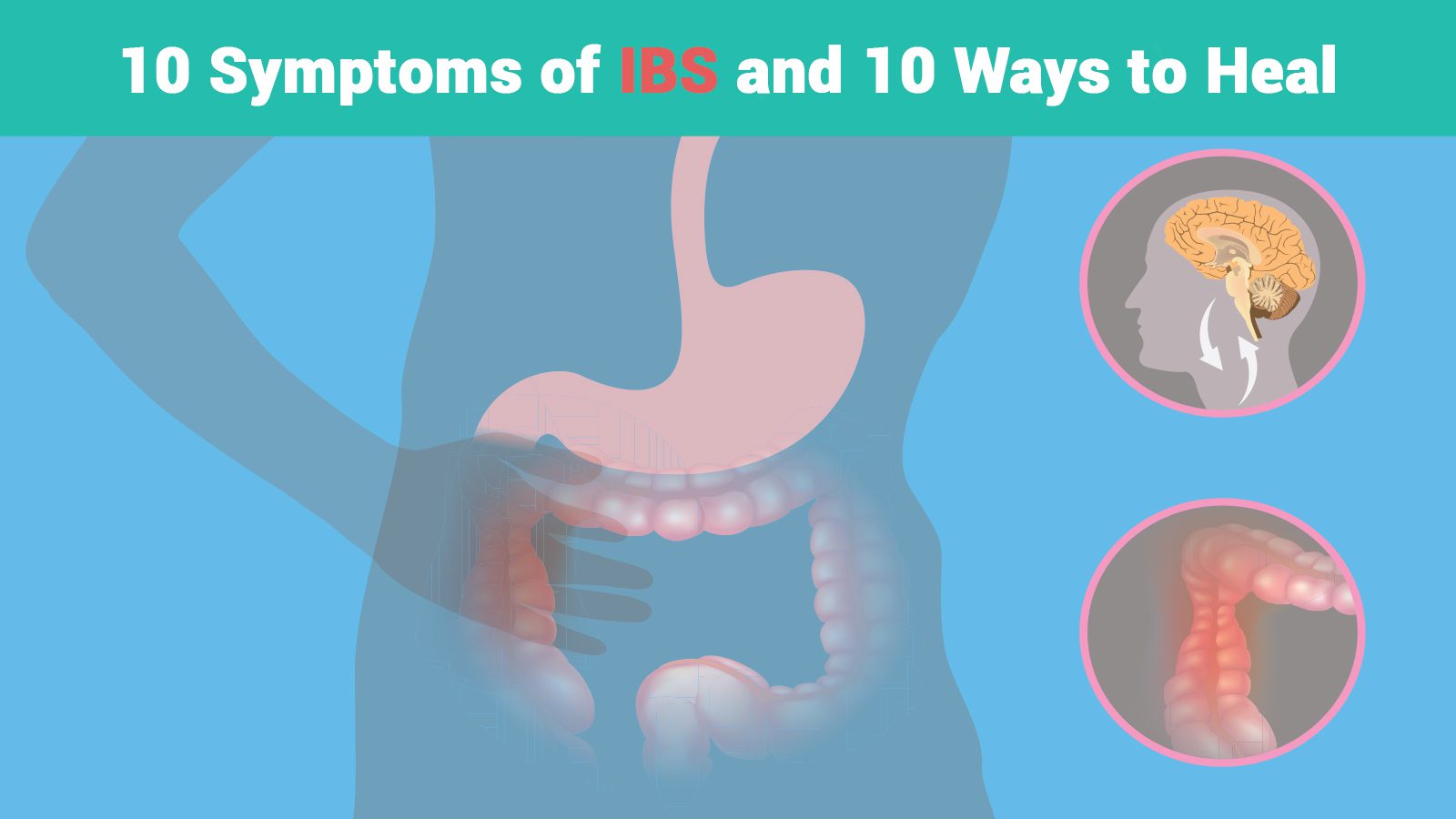
A Tokyo University of Science study found that psychological stress and depression can contribute to IBS symptoms. That’s not surprising since the gastrointestinal system and mind are intricately connected via the gut-brain axis. Therefore, any mental distress will inevitably affect the body and vice-versa. The toxic amount of stress in today’s world contributes to numerous diseases, including IBS.

However, researchers did not find a clear link between IBS and chronic stress until this study. According to research, irritable bowel syndrome affects about 11% of the worldwide population. This relatively common condition impacts the stomach, intestines, and gastrointestinal tract. While symptoms vary, most people experience the following signs of IBS:

  • abdominal pain and cramps
  • bloating
  • gas
  • diarrhea or constipation
  • increased mucus in stool
  • incomplete bowel movements
  • changes in frequency and appearance of bowel movements

While IBS is a chronic condition, most people can manage symptoms and lead a typical life. Lifestyle and diet changes, stress management techniques, and medication can help alleviate symptoms. However, some people experience more severe symptoms such as vomiting, weight loss, rectal bleeding, and anemia. If you notice any of these signs, please make an appointment with your doctor immediately.

IBS symptoms can range from unpleasant to debilitating, but the latest study yielded promising results. The research published in Frontiers of Neuroscience found that mice subjected to psychological stress had IBS symptoms but did not experience inflammation or damage to the gut. Researchers also discovered possible treatments for the condition that warrant further research.

What the Study on IBS and Depression Revealed

depression

The study’s author, Akiyoshi Saitoh, Ph.D., a professor at Tokyo University of Science, revealed more about the groundbreaking research. In an interview, he said the animal model study marks the first to link diarrheal IBS-like symptoms with mental stress. In the study, researchers found that mice that experienced chronic social defeat were more depressed.

Chronic social defeat stress (cSDS) describes a model of depression where mice are subjected to repetitive bouts of defeat during fights. The mice who experienced higher psychological stress showed increased visceral pain-related behaviors and altered gut motility. Interestingly, the mice that directly experienced physical stress showed no IBS symptoms. Only the mice that witnessed aggressive encounters exhibited gastrointestinal irritability.

After observing repetitive instances of social defeat, the rodents began displaying depression-like symptoms. For example, they isolated themselves from the group and had a reduced ability to experience pleasures. Researchers believe that disruptions in the communication between the brain and intestine may explain these troubling symptoms. The gut produces 95% of the body’s serotonin, and stress can easily prevent the digestive system from functioning correctly.

For example, high cortisol levels triggered by chronic stress put you in a heightened state of awareness. As your body prepares to respond to a perceived threat, it redirects blood flow away from the digestive system to the brain and large muscles. So, if you experience persistent stress, your gut health will inevitably suffer because the body prioritizes more essential functions.

Psychological stress can also lead to mental health conditions such as anxiety and depression. People with IBS suffer from mental disorders at a higher rate, suggesting dysregulation of the gut-brain axis.

The Impact of Emotional Stress on Gut Health

depression

For the study, scientists used the chronic vicarious social defeat stress (cVSDS) model to analyze the effects of psychological stress. This model focuses only on emotional stress and eliminates possible effects of physical stress on gut health.

Next, the Japanese research team used this model to study 5 to 6-week-old adolescent mice. Researchers subjected the mice to either cSDS or cVSDS for 10 minutes daily for ten consecutive days. On the day after the study ended, the mice subjected to both forms of psychological stress had elevated stress hormone levels.

Also, animals exposed to only cVSDS during the experiment showed altered intestinal motility. Specifically, they exhibited increased intestinal peristalsis — intestinal muscle contractions that help food pass through the digestive tract. Rodents that experienced heightened emotional stress also had greater instances of IBS with diarrhea than the control group.

Possible Treatments for Symptoms of IBS

Scientists have not been able to establish the physical cause of irritable bowel syndrome. However, they believe animal models that include features of IBS and mental disorders like depression can help uncover the causes of both ailments. Animal studies can also help establish connections between mental and gastrointestinal disorders.

The new mouse model will help explain the mechanism behind IBS by connecting the nervous system and the gut. Researchers are currently exploring the brain regions that contribute to developing IBS. They hope their findings will lead to improved treatments for the condition.

In the meantime, they wanted to investigate the impact of herbal medicines on irritable bowel symptoms. For this study, researchers examined how a traditional Japanese herbal medicine called keishikashakuyakuto impacted intestinal motility in mice. The herbal mixture contains ginger root, cinnamon bark, jujube, peony root, and glycyrrhiza.

Two days after exposure to cVSDS, the mice treated with keishikashakuyakuto had fewer IBS symptoms and reduced intestinal motility. However, researchers noted that future studies involving humans are necessary to validate the findings. Still, the results are promising for those who suffer from IBS-related depression and other mood disorders.

IBS

Final Thoughts on Study Linking IBS and Depression

You might not think gastrointestinal disorders like IBS have anything to do with depression. However, the gut-brain axis makes the two conditions more interconnected than you might imagine. The gut houses almost all of the body’s serotonin, so our gastrointestinal health directly impacts brain functioning. Many of the diseases in the modern era stem from gut dysbiosis due to poor gut bacteria diversity.

We have less robust microbiomes because of elevated stress levels, nutrient deficiencies, sedentary lifestyles, and urban living. Therefore, all the diseases we see today, including IBS, are symptoms of one overarching problem: a disconnection from nature. If you want to reduce symptoms of depression and other diseases, focus on healing from the inside out. Herbal remedies such as the one listed above, along with adequate sleep, a balanced diet, exercise, and stress management, can help restore your health.

How to Train Your Brain to Crave Healthy Food

So, you want to eat more healthy foods, but the cravings for snacks and junk seem overwhelming. We’ve all been there, trying to improve our lives and health with so many temptations calling our names.

It seems easier to give in to our vices in modern society, but they only provide temporary happiness. Long-term fulfillment comes from self-control and discipline, which doesn’t sound very enticing to many people.

However, by eating healthy foods and taking care of yourself, you’ll feel a subtler, more permanent type of happiness. Sense pleasures, such as food, drinks, TV shows, and even relationships, are all fleeting in nature. The only permanence lies in the soul; believe it or not, eating well takes you closer to your inner self.

As spiritual beings having a human experience, we owe it to ourselves to care for our temporary vessels. Eating fresh, light foods like fruits and vegetables will make your inner light shine much brighter. Even if you don’t care about spirituality, nutritious foods also enhance mental and physical health.

If you struggle to follow a balanced eating plan, please don’t give up. Below are a few tips on rewiring your brain to crave nourishing foods.

How to Rewire Your Brain For Health

Whether you realize it or not, your brain requires immense energy to function correctly. In fact, the brain uses more energy than any other organ, accounting for roughly 20% of the body’s total consumption. That equates to around 400-500 calories per day, although it varies from one activity to another. Simply put, it takes a lot of energy to think! That’s why most people crave high-calorie, dense foods after a long day of mental exertion.

Unfortunately, these fatty, high-carb foods don’t promote optimal health in the long term. While they provide a quick burst of energy, they come with many downsides, such as an increased risk of heart disease, strokes, diabetes, and more. The mind and body need balanced energy sources from carbs, fat, and protein to function properly. Most Americans eat far too much of the first two and not nearly enough of the latter.

However, protein helps with many critical functions in the body and promotes weight loss. Protein takes longer to digest than carbohydrates, so your body will have a stable, long-lasting energy source. Not to mention, a high protein intake increases metabolism and reduces hunger signals. So, one way to reduce cravings and train your brain to eat healthy involves upping your protein consumption.

Foods that contain the most protein include the following:

  • Eggs (6 grams per large egg)
  • Almonds (One ounce = 6 grams of protein)
  • Chicken breast (26g for 1/2 a breast)
  • Cottage cheese (One cup provides 28g of protein)
  • Greek yogurt (7oz provides nearly 20g of protein)
  • Dairy milk (One cup contains over 8g)
  • Lentils (About 1/2 cup of cooked lentils contains 9g of protein)
  • Lean beef (A 3oz serving provides about 25g)
  • Salmon (1/2 a fillet offers 30g of protein)
  • Cod (A whole fillet provides 41g)
  • Turkey breast (A 3oz serving contains 25g of protein)

Learn to Associate Healthy Food With Positive Outcomes

Another way to rewire your brain for healthy eating involves changing your perception of nutrition. Equating nutritious foods with rewards such as weight loss, compliments from friends, and enhanced energy motivates you to adopt healthier habits. One study confirmed that we could train our brains to desire nourishing foods with this simple trick.

For the study, researchers showed photos of healthy and unhealthy foods to overweight and obese adults. The healthy foods included lean meats, fruits, and vegetables, while harmful items included burgers, chips, and cakes. Next, the research team analyzed their brain activity using an fMRI machine.

Not surprisingly, brain areas associated with rewards lit up when participants looked at the photos of unhealthy foods. The participants also said they craved these foods more than the nutrient-dense options.

For the next portion of the study, some participants went on a low-fat, high-fiber diet for six months. The participants also had counseling sessions to help them practice positive lifestyle habits. After the follow-up period, many participants lost weight compared to the control group.

Researchers scanned their brains again to see how they would react to the food pictures. This time, when they showed participants unhealthy food photos, their brains’ reward centers had less activity. However, viewing healthy foods activated their reward regions more than before they began the diet.

Scientists believe that since the participants experienced positive changes associated with healthy foods, they no longer craved anything else. They saw firsthand how the greasy, fattening options created disease in the mind and body. Therefore, burgers and fries seemed less appealing once they noticed the benefits of eating salads, fruit, and other nutrient-dense foods.

Lessons to take away from the study:

Participants began attributing the unhealthful foods to adverse outcomes, such as weight gain, energy loss, and low self-esteem. Healthy foods became more enticing as they associated them with positivity, compliments from friends, and looser-fitting clothes. So, this study offers several important lessons to remember if you want to rewire your brain for health.

  • Change the way you think about natural foods. Most people think of fruits and vegetables as bland or unpalatable. However, offering gratitude to the universe for providing foods to maintain your body puts things into perspective. It also will make unhealthy foods less desirable over time.
  • Remember that small changes lead to significant results. In the age of instant gratification, it helps to remember that nothing worth having comes easily. It takes consistent effort over a long period to see results, which turns many people away from healthy lifestyles. They want rewards quickly, not realizing they won’t gain anything by giving up before they’ve even started. So, make sacrifices now if you want to reap the benefits down the road. Your hard work will pay off eventually!

Final Thoughts on How to Crave More Healthy Foods

Sadly, many people quit their diets and exercise routines before seeing results. The modern era has ruined the idea of willpower because we’re obsessed with instant gratification. However, if you want to rewire your brain for health, you must consider long-term results. By sacrificing destructive habits and remaining persistent, you can achieve improved well-being.

13 Signs of Dependent Personality Disorder

Dependent personality disorder is real, but few understand how it affects them. Do you feel you lack the knowledge, agency, and confidence to navigate the world independently? Do you often experience anxiety and panic when there are no other people around you to turn to? Does your loved one seem overly reliant on you and exhibit signs of distress when left alone? These co-dependent behaviors could be early red flags.

If this is the case, you or your loved one might have an anxious personality disorder known as a dependent personality disorder (known as DPD). While it is normal for everyone to be somewhat dependent on others, researchers and psychologists categorize it as a mental health disorder when this dependence reaches a level of extremity.

Suppose you are mindful that this disorder may impact you or your loved one. That is already a big step towards further research and determining if you should take the next step in seeing a professional to get a diagnosis or further insight. Seeking help can be scary, and it is less intimidating when you have done some background research about the obstacles you face in your daily life. Read on to learn about some critical signs of dependent personality disorder.

13 Signs of Dependent Personality Disorder

dependent personality disorder

1.      Codependent Personality Disorder Fears Separation

Most people can feel the fear of separation at some point in their lives. Whether entering a long-distance relationship or sending their child away to summer camp, it can be hard to be separated from your closest loved ones. However, people with dependent personality disorder feel this fear to the extreme. Like other anxiety disorders, such as separation anxiety, a dependent personality disorder can cause individuals to panic when they are separated from those they love. In addition, those with a separation anxiety disorder might also experience co-dependent behaviors that indicate a dependent personality disorder.

2.      Difficulty Making Decisions Without Input From Others

Life runs its course due to a series of decisions we make as individuals. Although this gives us the power to shape our future, it can be daunting for those with a dependent personality disorder. While it is normal to feel nervous when making a life-altering decision, experts say that those with dependent personality disorder have difficulty making simple decisions like what to eat for dinner or where to hang out with a group of friends. Often this leads individuals to rely on those around them to make simple decisions.

3.      Difficulty Starting And Maintaining Close Interpersonal Relationships

Those dealing with the symptoms of dependent personality disorder are not the only ones who might experience the negative impact of these symptoms. It is normal for friends, family, and romantic partners to struggle if their loved one is diagnosed with this disorder. Studies show that many people with this disorder experience relationships differently than people who do not have this disorder. It can drain loved ones when you and they feel you cannot be left alone. Most people need personal space and time alone to reflect and re-energize. Because of this, relationships often do not last long, adding to the fear of abandonment experienced by many with this disorder.

4.      A Co-Dependent Person May Transfer Responsibility To Others

According to the World Health Organization’s International Classification of Diseases, people with dependent personality disorder tend to transfer responsibility to those around them. Not only does this mean that they will avoid taking responsibility for their past actions due to fear of consequences and rejection, but they will also delegate matters that require a responsible adult to deal with to other people in their lives.

5.      Lack Of Confidence In Their Judgment And Abilities

Several measurements of dependent personality disorder include a lack of confidence as a sign of the disorder. This can manifest in a variety of ways. Some might lack confidence in their judgment of conflicts, other people, or new situations. This is closely related to the inability or difficulty to make decisions. Another way that lack of confidence could exist is by doubting your abilities. If you feel that you are ill-equipped to do jobs that you have been trained to do or speak on a subject you know a lot about, this can be a sign. It might be as drastic as a lack of confidence regarding your identity and what kind of person you are.

6.      Codependent Personality Disorder Causes Difficulty Expressing When They Do Not Agree With Someone

Because people with dependent personality disorder place so much value on the other people in their lives, this can lead to fear surrounding speaking up during disagreements. This is also known as passivity in interpersonal relationships. The fear of separation and being alone can lead to them avoiding conflict because they do not want the other person to leave them. Unfortunately, this can lead to unhealthy and toxic relationship dynamics.

co-dependent

7.      Doing Things That They Do Not Want To Do To Make Other People Happy

Like avoiding disagreements, people with a dependent personality disorder might take it as far as acting in ways they do not wish to make those they depend on happy. This can be extremely harmful to both parties. For example, if your friend wants you to do an activity that you are uncomfortable with, it is not an option to sit this one out. You feel like your co-dependent friend relies on you to do everything they ask of you.

8.      Co-dependent Personality Disorder Means Deep Fear Of Being Alone

For people with this disorder, dependency leads to the fear of being alone. This fear can take several shapes and forms. Not only will a person be fearful when faced with being alone, but even the prospect of being alone in the future can cause significant distress. They might frequently and actively fear the death of their loved ones or the end of a relationship.

9.      The Fear Of Rejection

All of us are familiar with the feeling of being rejected. Whether it is a job that we are not hired for, a school program we did not get accepted to, or our crush not wanting to go out on a date, it is normal for rejection to be upsetting. However, people with a dependent personality disorder might avoid trying new things or accomplishing their goals due to their constant fear of rejection. Someone without this disorder might be able to overcome the feeling of rejection within a few days. However, the negative impact on someone with a dependent personality disorder or a co-dependent personality could be crushing and have a long-lasting effect on their confidence and self-worth.

10.  You Find It Difficult To Start New Projects

People with dependent personality disorder frequently have difficulty starting new projects, especially if they create them independently. If you want to do something as simple as a DIY home decor project or as complex as writing an in-depth novel and feel an impending dread when faced with the idea of starting it, that could be a sign of this disorder.

11.  The Need To Always Have At Least One Close Relationship

Because it is so difficult for people with a dependent personality disorder to be alone, they enter co-dependent relationships. A co-dependent relationship occurs when two people involved in a relationship rely on each other to function in everyday life. In the case where one of those relationships ends, it will not be long before a person with dependent personality disorder finds someone else to depend on if they can. If you find you are frequently cycling through romantic partners or close friends with no breaks for self-reflection in between, this could be an indicator of dependent personality disorder.

12.  A Co-Dependent Person Readily Trusts Others, Even If There Are Signs They Are Untrustworthy

This is one of the signs of dependent personality disorder that lead to many individuals with this disorder being taken advantage of. If you quickly trust people you have just met and don’t recognize when someone does not have your best interest in mind, that may be a sign. People with dependent personality disorder are so quick to trust because of the fear of being alone and rejected.

13.  Difficulty Completing Daily Tasks Without The Help Of Others

Sadly, a dependent personality disorder can negatively affect the quality of life and daily functionality. A lot of people with this disorder have trouble taking care of themselves. It can be challenging to perform basic tasks such as cleaning, cooking, exercising, and sleeping. The results of this can also make it difficult to maintain steady employment. Unfortunately, this symptom of the disorder can further exasperate dependency on others.

dependent personality disorder

Final Thoughts On Some Signs Of Dependent Personality Disorder

You might have this disorder if you could relate to any signs of dependent personality disorder covered in this article. However, it is essential to note that not everyone with dependent personality disorder experiences all of these symptoms. This disorder can impact two individuals in entirely different ways. For example, you might rely on others and lack self-confidence but can still function daily.

On the other hand, you might have difficulty with everyday tasks and maintaining relationships, but you can function pretty well in your day-to-day life. For someone to be diagnosed with dependent personality disorder, they must exhibit five or more of the signs listed in the Diagnostic and Statistical Manual of Mental Disorders. If you only have one or two of these symptoms, then you might be experiencing a different mental illness or a level of anxious feelings that are not out of the ordinary for the average person.

Acknowledging that these symptoms may also be related to other mental illnesses is valuable. If you suspect you might have this disorder, the best action is to see a mental health professional for an assessment. It is also worth it to do further research on this disorder and see if there’s any way you can alter your daily habits to mitigate your signs and symptoms until you find a course of treatment that works well for you.

12 Tips to Be More Romantic with Your Partner

Having a loving relationship where you care for one another is beautiful, but it doesn’t automatically make it a romantic connection. Showing love and romance is more important than vocalizing it. You can say many things to your partner, but your actions will always speak much louder than your words.

When you first started dating, you wanted romance, love, and the butterflies to go along with it. However, things change after you’ve been married for a while or in a committed relationship. You get into a comfortable groove because you’ve been together for so long, and you no longer need to do extraordinary things to get them to love you.

Twelve Ways to Show Your Partner More Romance

Showing love and affection shouldn’t stop whether you’ve been together two years or fifty. Your partner needs to know how you feel about them, and you want to keep those romantic fires burning. Here are some simple ways to give your partner more romance and enhance connection.

romance

1. Whisk Them Away for a Romantic Weekend Excursion

There’s not a loving relationship around that couldn’t benefit from some alone time. Why not plan an impromptu trip and make all the plans for a weekend with just the two of you? Get a babysitter for the kids, take personal days at work, and carve out some time in your crazy schedule to be together.

An old-fashioned road trip is good for the soul and is very romantic. Sometimes you must get away from all the noise and the daily grind and spend time together.

2. Make Romance With Your Partner Your Highest Priority

Schedules are always chaotic, and you might be unable to devote the time to one another you would like. However, you must be flexible and show up when they need you.

Give your partner the courtesy of making them a high priority. They need to know that you will be there when they get an award at work or a company holiday party. Showing up means more than all the verbal flattery you give because you make sacrifices on their behalf.

3. Shower Them with Compliments

Complimenting your partner is something you should do every day. When you’re in a loving relationship, you want to ensure they know how you think and feel about them. You can certainly go overboard with the compliments, and they can come across as fake.

Consequently, you need to pay attention if they’re trying a new hairstyle or have a new outfit. Make a conscious effort to notice all those little things and tell them when they look stunning. Showing love doesn’t always have to be some grand gesture, and sometimes it’s just the simple things that mean so much.

4. Have Technology Free Periods to Increase Romantic Time

Showing love and being romantic is challenging when your nose is buried in your cell phone. Learn to put the phone down and go for periods without technology, as it will do wonders for your connection.

A loving relationship is one where you give your partner your undivided attention. Sure, there are times when you need to use your phone, but it’s best to have spaces where there’s no technology. An article published by the Greater Good Science Center discussed a study regarding cell phones ruining relationships.

These little devices disrupt present-moment, in-person connections. You’re good at connecting with people on social media and through texts, but how do you do when you’re in person? Nothing is more aggravating than trying to talk to your partner, but they’re too busy on their phone.

5. Place Random Sticky Notes Around the House

Romance doesn’t have to cost much money or take time. You can do small things that have a huge impact. One thing you can do to impress your partner is to leave sticky notes around the house for them. Remind them of your feelings and how much they’re adored by putting random notes from the heart around the home.

6. Star Gaze

There’s something powerful about laying under the stars on a blanket with the one you love. They will love a romantic date where you look up into the heavens and dream about all the places you can go and see together.

Many people are amazed at the sky above them, as its vast size and stunning beauty are too much for words. Showing love doesn’t require you to say a word, as you can gaze and dream together.

romantic

7. Do Extra Chores to Give Them More Free time

When you think of romance, you don’t think of chores. However, it’s often nice to help take some of the load from the other person. When you pitch in and help more, they will have more time to spend with you.

You should take on their chores for a day or two, so they can reconnect with you. If your partner is stressed out because they feel overloaded, romance is the last thing on their mind. A loving relationship means you help one another out when the burden gets too heavy.

8. Use the Power of Touch

There’s a lot that can be said about the power of touch. Did you know that communication is often called “energy therapy?” According to the University of Minnesota, people are energy fields, and you constantly interact with those around you and your environment.

You can use this energetic interaction to help bring harmony and peace to your partner. If you’re having a bad day, have you noticed that your partner’s touch makes everything seem alright? When you touch your partner in some gentle way, you’re helping them to release feel-good endorphins that bring calm.

It doesn’t have to be a hug, as something as sweet as holding their hand can often be just as beneficial. Touch should always be incorporated into any loving relationship.

9. Steal a Romantic Kiss

You can’t steal affection if it’s someone you’re romantic with, but it certainly takes things to another level when you give them a quick kiss. When you whisk them to the other room and steal a kiss while the children are none the wiser, it puts some excitement into your relationship. Tell them that you couldn’t wait a moment longer and wanted to feel the touch of their lips.

10. Take Charge and Be Decisive

Every couple has decisions that they must make. If you’ve struggled over a sure thing, why not take charge, and make the decisions? Some people find it very sexy when their partner removes them from the stress of the decision-making process and takes control.

This will only work in some situations, as you can only choose to move across the country with their input, but you can take control of the more minor things that weigh you down. It’s very romantic when you take charge and remove mental stress from your relationship.

11. It’s Romantic to Try Exciting Ways to Say You Love Them

Saying “I love you” is necessary for any romantic relationship, but you don’t always have to use the same verbal expression. What if you changed things up a bit? Why not find new and exciting ways to tell your partner how you feel about them?

Showing love sometimes means thinking outside the box and looking for new and innovative ways to tell them what your heart feels. Sending flowers, cards, and candies and drawing them a picture is a way to express your feelings. Additionally, there are many other ways that you can explore to let them know you’re crazy about them.

12. Tell Them All the Reasons You Love Them

Relationships are never easy, and romantic ones require the most work. When was the last time you sat down and told your partner all the reasons you love them so much? You can show love by taking them on a weekend getaway, but you need to vocalize why they’re so special.

Tell them you see a twinkle in their eye when they look at you. Make sure they know your heart still skips a beat when they walk in the room. You want to help increase your partner’s self-esteem, and you want them to know that all those little things they do still make them so attractive in your eyes.

romantic

Final Thoughts on Being More Romantic

If you’re in a loving relationship, consider yourself lucky. Some people search all their lives trying to find what they’ve discovered. If you want to keep your partner happy and have a healthy, loving relationship, you must put real work into your connection.

Showing love takes effort; sometimes, you must think outside the box. Some folks believe that romance happens in the bedroom behind closed doors, but you should know by now that being romantic is far beyond what happens in bed. If you want your relationship to stand the test of time, you will turn off the cell phones periodically, go away for romantic weekends, help relieve their stress, and ensure them every day of how much they mean to you.

7 Signs of Low Self-Confidence (and How to Fix It)

Building self-confidence is not an easy or simple feat. Although some people appear to be naturally confident, most of us struggle with feeling confident in some aspects of our lives. Whether you lack confidence in your appearance, abilities, success in life, or another facet of yourself, it is essential to recognize when this is happening to build your confidence.

Low confidence can harm our happiness and well-being, one of those being a decrease in self-esteem. Read on to discover the signs of low self-confidence and how you can work on fixing these signs.

7 Signs of Low Self-Confidence (and How to Fix It)

self-confidence

1.      Low Self-Confidence Means You Feel Like You Cannot Do The Things You Want To Do

Whether you dream of traveling the world, achieving your dream career, finding a loving relationship, or going back to school, low self-confidence can get in the way of achieving these goals and aspirations. If you frequently underestimate your ability to make your desires come true, that feeling of inadequacy likely stems from issues revolving around confidence.

Sometimes these feelings manifest in ways that make us feel like no matter how hard we try. We will never be good enough. Fortunately, there are some ways to counter these negative thoughts and feelings. One thing that might help is looking into strategies that experts have developed, such as cognitive behavioral therapy. Cognitive behavioral therapy is a form of retraining our thoughts and replacing negative thoughts with positive ones.

For example, if you feel like you should not go on a social outing because you will make things awkward, replace that thought with something along the lines of “I am a valuable and interesting person, and my friends are excited for me to go with them.” The idea is the more we catch these thoughts and correct them, the more our mind will automatically gravitate toward them in the future.

2.      You Are Always Worried About What Other People Think Of You

We can’t please everyone. It is implausible that you will go through life and not meet at least one person who does not get along with you. Therefore, it is harmful to place our worth on what other people think of us. A sign of low confidence is if you care more about what outside people think of you than what you think and know of yourself. This can lead to other problems, such as anxiety and the need to change yourself to suit different people’s expectations.

The best way to mitigate these emotions is to remind yourself of what you love about yourself. Of course, it does not hurt to listen to outside advice when necessary, but it should not be the main component of your identity. Another helpful skill is to imagine that you are a close friend instead of yourself. Would you think poorly of your friend the way you think poorly of yourself? Sometimes this can put it in perspective that other people are not always judging you.

3.      Low Confidence MeansYou Frequently Experience Negative Thinking, Anxiety, Self-Blame, And Depression

One of the tell-tale signs of low self-confidence is experiencing negative, anxious, or depressive thoughts related to your self-worth. Often these mental health challenges make it difficult to cultivate a healthy amount of confidence. But, simultaneously, one of these things usually leads to the other.

Most people who have anxiety have issues with self-confidence and vice-versa. Experts note that this is especially poignant in those with social anxiety, as it can be challenging to socialize when you lack confidence. In addition, if you struggle to see what you bring to the table, it can indicate that you do not value yourself the way you should.

There are many ways to cope with these mental illnesses. Whether it is trying meditation or mindfulness, seeing a healthcare professional, talking through it with a loved one, or researching more about it to see if you might be experiencing the symptoms, taking the first step in addressing these issues may help your overall sense of confidence.

4.      Low Self-Confidence Means You Use Your Smartphone Frequently In Social Situations

Carrying a smartphone with us wherever we go is the perfect excuse to check out of reality for a little bit. However, if you are reluctant to leave the house without your phone or find that you frequently use it in social settings, that can indicate low self-confidence. Studies show that people with increased cell phone usage are likelier to experience low self-esteem.

This is vital to note because low self-confidence leads to higher phone usage, which often results in low self-confidence. This idea expands beyond using your phone in social situations as well. Spending excessive time on our phones, particularly on social media, can give us feelings of inadequacy and cause us to compare ourselves to others more frequently.

The simplest solution to this issue is to minimize your screen time. If you are meeting up with friends, try putting your phone at the bottom of your bag or shutting it off once you arrive at your destination. This is a tiny step in building your self-confidence, but it can help you realize that people enjoy your company with or without a screen between the two of you. They probably feel even closer to you without the phone between you!

confidence

5.      Low Self-Confidence You Do Not Have High Expectations Or Hopes For The Future

It is common for people with low self-confidence to feel stuck. This is because they don’t believe they have the strength, smarts, or skills to make it far. Even confident people have trouble persevering through challenges. Low confidence can make it so that you do not even attempt to chase your goals in the first place. Think about where you see yourself in ten years.

Is it with a successful job? Will you be living a life that makes you happy? If you answered “no” or “I doubt it” to any of these questions, it is essential to ask yourself why you don’t believe in yourself and your capabilities. How do we raise our expectations for the future when we have difficulty believing in ourselves? One easy change is to implement positive affirmations in your thought patterns. Then, when you doubt yourself, try challenging that thought.

Remind yourself daily why you are proud of yourself and how far you have come. Think about your accomplishments and all the people who care about you. Positive affirmations are messages of kindness and positivity we give ourselves. For example, if your thought is, “I have been unemployed for two months I will never be successful,” try changing that thought to something like, “This period of unemployment has given me a chance to catch my breath and realize that I am motivated to find a job that I enjoy soon.”

6.      Low Confidence Means You Get Upset When You Receive Constructive Criticism

It is normal for criticism to be challenging to digest, but hearing a piece of well-intentioned constructive criticism ruins your day and makes you question your self-worth, which is a big sign of low self-confidence. But on the other hand, constructive criticism is an important way for us to know the areas we can improve our work, creativity, and habits as individuals.

Typically, it is crucial to consider delivery when providing criticism because there is a line where it is not constructive and rather destructive. But people with low confidence often react similarly to any form of criticism. For example, let’s say your boss politely lets you know that your work performance might be better if you implement a certain skill set more often.

If you have low confidence, you might take this criticism as an attack on your abilities at work. You might have thoughts that your boss does not think you are hard-working or that your typical work style is not good enough. In reality, you are probably doing a great job, and they only suggested a small way to improve.

One way to overcome this problem is to remind yourself that this is an opportunity to improve in areas where you lack confidence. Try to pause for a moment and think of the person’s intentions when they are telling you things you can improve on. Most of the time, there is nothing wrong with your abilities or who you are. They are simply letting you know something you can implement to do even more amazing things than you already do.

7.      Low Self-Confidence Means You Have A Difficult Time Accepting Compliments

For most people, receiving compliments is a great feeling. However, someone with low self-confidence might be unsure how to react when they receive praise. They might not know how to accept the compliment or, in some cases, outright deny it. This can create an awkward situation for you and the person trying to compliment you. It can reveal that you do not feel worthy of compliments and have difficulty believing that the other person is genuine.

The best thing to fix this issue is to start accepting compliments. Force yourself to say “thank you” when someone compliments you. Not only does this make that person happy they praise you, but if you accept it, that can help build your self-confidence. For example, if someone compliments your outfit and you take their compliment to heart, it can help you feel good about your style choices and confident in choosing different outfits that speak to you.

self-confidence

Final Thoughts On Some Signs Of Low Self-Confidence And How To Fix It

Now you know just a few signs you might have low self-confidence and how to begin fixing it! There are a lot of ways to feel better about yourself. Continuing to work on your self-confidence as part of your daily routine can be a fantastic way to feel better about yourself, be more outgoing, and pursue what you want most. Don’t let low self-confidence stop you from reaching your goals and aspirations.

6 Signs Your Heart Is Ready For Love

Are you ready to invite love back into your life? After a devastating breakup, it takes time to heal your heart and process painful emotions. Some people feel ready to return to the dating game after a few months, but others need more time. No matter how long you need to get over your former flame, it’s important to grieve the relationship at your own pace.

You should only feel inclined to seek a new relationship when ready. You can still find fulfillment in other ways, such as through friends, family, a career, and hobbies. It’s best not to search for love but let it find you when the time is right. The best relationships begin when two people meet unexpectedly and form a friendship.

With that said, once you have moved on from your ex and have rediscovered yourself, you might feel open to love again. If this sounds like your situation, read on to find out if you’re truly ready for a new flame.

6 Signs It’s Time To Welcome Love Into Your Life

love

1. You have a healthy relationship with yourself.

You might wonder what self-love and how you see yourself have to do with a romantic relationship. But your self-image influences your love life more than you’d think. For instance, if you have a negative outlook on yourself, it will reflect on your relationships. Life acts as a mirror, so whatever we think about the most becomes a reality, which includes our relationships with others.

If you have learned to love and extend compassion to yourself, you’re probably ready to invite love into your heart.

2. You know what you’re looking for in a new love.

Before you begin dating again, it’s essential to have some idea about what you want in a relationship. If you’re ready for a new flame, you probably have reflected on what went wrong in your past romances. By doing some soul-searching and introspection, you can understand what caused you and your ex to part ways. And you can take this knowledge and emotional intelligence into your next relationship should any issues arise.

Knowing what you want and don’t want in a new partner can easily weed out anyone who doesn’t fit your criteria. Most people have a solid idea about what they’re looking for in a partner, especially with failed relationships as a comparison. If you know what personality traits to avoid, you’ll have more success when you feel ready to date again.

3. You’re ready for love when the past no longer bothers you.

If you’re still hung up on your ex, that’s a surefire sign you need more time to grieve and heal. Remember, getting into a new relationship when you’re still hurting will only end in heartbreak and disappointment. It’s best to treat yourself with compassion and only look for loving relationships when you’re ready.

However, if you don’t have any baggage from past relationships and have moved on, a new partner can add value to your life. Studies show that women who have supportive relationships after a painful breakup reported greater life satisfaction. If you’ve allowed yourself sufficient time to mend wounds from the past, love might be in the cards for you.

love

4. You’re not looking for someone to complete or save you.

Many people feel that a loving, supportive partner will take all their problems away and complete them. Unfortunately, the reality isn’t a fairytale like the movies would have us believe. In real life, relationships require sacrifice, effort, and commitment from two mature people to survive. Healthy relationships can provide comfort and happiness, but toxic partnerships can have the opposite effect.

Therefore, going into a relationship with the idea that it will remedy your problems isn’t wise. However, if you already lead a rewarding life and want a partner as a bonus, that’s a good sign you’re ready for love again. Relationships always feel more satisfying when you don’t have unrealistic expectations, anyway.

5. You have the energy and time for a new love.

Believe it or not, many people today aren’t interested in dating or marriage. They have other priorities, such as their careers, families, friends, traveling, and other obligations. Many don’t have the extra energy or time to commit themselves to a partner, but they don’t feel deprived. They have a different outlooks on love and don’t need a long-term relationship to feel complete.

However, if you desire a serious relationship, you should ensure you have the emotional and mental energy for a partner. Relationships take tons of work, especially after the honeymoon phase wears off and reality takes over. If you feel ready to both give and receive love, it’s time to dip your feet back into the dating pool.

6. You have a strong identity and won’t compromise core values.

That doesn’t mean you won’t compromise about minor things, such as where to go on a date. However, sacrificing your personal beliefs and values for someone else should set off alarm bells. If you want a healthy relationship, you should have a solid sense of self beforehand. Otherwise, the relationship might become codependent or one-sided, which will end up hurting both you and your partner.

Most people want a relationship with someone who shares their general outlook on life. You’re ready for a new relationship if you know your core values and won’t allow someone else to influence them.

relationship

Final Thoughts on Signs You’re Ready For A New Love Relationship

Do you feel ready to open yourself to love and romance? It can seem scary and intimidating to jump back into dating at first, especially after a divorce or painful breakup. However, the signs above can help you realize if you’re ready to welcome a new partner into your life. Generally, you’ll know if you feel comfortable dating based on your gut instincts. If the idea of love makes you excited rather than scared or nervous, it’s a sign that you’re ready for that special someone.

6 Emotional Wounds Men Carry Into Relationships When They’re Unloved as Children

Whether we like it or not, what happens to our emotional wounds in our childhood does not disappear when we enter adulthood. Childhood trauma and neglect can impact our well-being and interpersonal relationships. Sometimes these lasting effects can explain our present behavior, emotional health, and inner struggles. It is easy for childhood troubles to seep into our everyday lives when we do not realize that is what is happening. This can have an incredibly harmful impact on our romantic relationships.

When a child does not receive enough love growing up, that can affect how they experience love in their adult years. Two major ways this occurs is in seeking out the love they never got to experience or shying away from love because the feeling of not deserving of love has never been healed. Read on to learn more about the six emotional wounds men carry into relationships when they’re unloved as children and how to begin healing your inner child.

NOTE: Because women display different behaviors than men, we address the emotional wounds carried by women in a separate article.

6 Emotional Wounds Men Carry Into Relationships When They’re Unloved as Children

emotional wounds

1.      Attachment Issues Come From Emotional Wounds

Attachment is one of the most prevalent issues that can spawn from lacking the love you needed as a child. There are many different kinds of attachment issues that one might experience in their relationships. Some common forms connected to childhood neglect are avoidant attachment and anxious attachment.

Avoidant attachment occurs when you have trouble letting people close to you, being intimate and vulnerable. This can make it hard to develop deep and meaningful romantic connections. Anxious attachment is almost the opposite of this. People who deal with anxious attachments are usually clingy and have low self-confidence. Both of these styles of attachment can be significantly harmful to any romantic relationship.

One study found that individuals with abusive and neglectful parents often developed anxious attachments, and individuals with parents who were not supportive often developed avoidant attachments. Both styles of attachment can put a strain on your relationship. Space is healthy in any relationship, whether romantic or platonic. But people with attachment issues feel great distress when separated from the one they love.

One of the most important things you can do if you have these problems is to date women with more stable attachment styles. From there, you should begin to work on yourself and get to the bottom of these issues. There are plenty of ways to heal attachment issues, and this is made even easier when you have a loving, supportive partner by your side.

2.      Anger And Aggression Problems

Research illustrates a clear link between childhood trauma and aggressive behavior into adulthood. Emotional wounds from childhood can have detrimental effects on adult romantic relationships, and extreme cases, lead to abusive and toxic situations. Often, when we are not given enough love as children, it is more difficult to find healthy outlets for expressing emotions than for the average person.

People who deal with anger and aggression problems can be scary to be around. They might be a wonderful, good person most of the time, but when these problems come out, they can be damaging and even frightening. Therefore, it is essential to remind yourself that these issues do not make you a bad person if you intend to heal from them.

Don’t lose hope if you struggle to manage your anger or lash out at loved ones. There are plenty of things you can do to curb this behavior. Some options include going to therapy, learning breathing exercises, developing a meditation practice, incorporating physical exercise in your routine, and finding healthy hobbies that serve as an outlet for your emotions.

Not only will this make your relationships healthier and happier, but it will likely make you feel much better. Wounds from childhood are often something we do not realize we are living with. So when we embark on the healing journey, it is like a weight being lifted from our shoulders.

3.      Struggles With Emotional Intelligence

Not being nurtured and loved as a child can negatively affect emotional intelligence as an adult. Emotional intelligence is your ability to understand your emotions and the emotions of those around you, express, control, and interpret emotions in particular situations. Of course, everyone has a different level of emotional intelligence. Still, those who were not taught stable and loving emotions by their parental figures may struggle more to grasp these essential aspects of emotion.

Experts reveal that when a child is not raised in a loving and supportive environment, they are likely to have more struggles with articulating and understanding emotions. This may be accompanied by feelings of inadequacy, lack of trust in your thoughts and strengths, low self-confidence and self-esteem, and inability to communicate emotions. This is harmful to romantic relationships for many reasons. One of the most important aspects of a relationship is emotional connection. Low emotional intelligence can make you and your partner distant, unloved, and misunderstood.

Luckily, there are many ways to develop a higher emotional intelligence. Simply paying attention to your feelings and tuning into them is a great and simple place to start. From there, try having conversations with others about your feelings. If you want more guidance navigating your emotional intelligence, there is no shame in reaching out to a professional for suggestions.

emotional wounds

4.      Trust Issues

Another common symptom men experience due to being unloved as children is trust issues. Trust is an integral part of any relationship. Men who suffered from neglectful or unsupportive parenting may have difficulty opening up to potential partners and trusting them. There are some levels to this. It can be as minute as not trusting your partner with your most embarrassing moment or knowing the code to get into your phone.

Or it can be as extreme as not trusting your partner to stay faithful to you and not trusting them to share important parts of your life. This can lead to anxiety, distance, and paranoia clouding your relationship. If you are hoping to have a long-lasting relationship, trust issues can make this difficult. Comfort and security are essential aspects of any relationship, and when you do not fully trust your partner, it can prevent these feelings from developing.

Trust is something that needs to be built in any new relationship. One piece of advice to overcome trust issues is slowly building trust between your partner and yourself. Start small by sharing a secret or something you keep hidden about yourself. If they are a supportive partner, they will likely be kind and pleased that you opened up to them.

It can feel scary to start trusting your partner because when you choose to trust someone, there is always some risk involved. However, building a solid and trusting relationship becomes easier once you start trusting your partner. Eventually, you will be surprised by how great it feels to be your authentic self in romantic relationships.

5.      Low Self-Esteem

Clear connections exist between people lacking love as children and people with low self-esteem. Low self-esteem is not only harmful to individual mental health, but it can manifest in unhealthy ways in romantic relationships as well. Often these kinds of self-esteem issues come from feeling undervalued and unheard in childhood.

You might have the most supportive and loving partner in the world and still feel like you are not worthy of them or happiness. Low self-esteem can display in several ways. Perhaps you feel bad about how you look, your position in life, or how others perceive you. Low self-esteem might look like a steady stream of negative thinking in a romantic relationship. You might believe you are undeserving of your partner’s love, you are an inadequate romantic partner, or your person does not enjoy spending time with you.

Most of the time, these thoughts are not based on reality but on negative experiences we have endured in our past and childhood. If you are struggling with self-esteem, research ways to uplift your confidence. This may include positive affirmations, implementing an exercise regime, counseling, or focusing on the aspects of yourself that you love.

6.      Anxiety And Excessive Fears Come From Emotional Wounds

Every human experiences a certain level of anxiety. However, experts say that the anxiety experienced by men unloved as children is likely higher than the average person. Feeling a lack of love in childhood can lead to the development of clinical anxiety disorders. Fear and anxiety wreak havoc on the everyday lives of those who experience them. But it also severely impacts relationship behavior and success.

Some common symptoms of anxiety experienced by men unloved as children include fear of failure, abandonment, difficulty making decisions, gravitation towards co-dependent relationships, social anxiety, and chronic stress. When you experience anxiety regularly or have an anxiety disorder, this puts strain on romantic relationships. Anxiety can make you dependent on your significant other for comfort and reassurance.

Although it is great to receive comfort from your lover, depending on their constant presence and help can be burdensome. In addition, developing a reliance on others can make the anxieties worse. No matter how close you are to your partner, there are some things in life that you will have to do without them. To get help with anxiety and excessive fears, the best thing to do is see a professional.

Feelings of anxiety exist on a large spectrum. While some people have elevated anxiety from the average person, they might not necessarily have an anxiety disorder. In addition, there are many different kinds of anxiety disorders, so it is helpful to get a professional opinion to figure out what works best for you.

emotional wounds

Final Thoughts On Emotional Wounds Men Carry Into Relationships When They’re Unloved As Children

Love is something that parents must offer to every child in abundance. But unfortunately, not every child receives the love and care they need. This can lead to many problems later in life, especially if you lock away feelings instead of addressing and working through them.

And these issues undoubtedly cause us to bring baggage into our romantic relationships. Now that you know the six emotional wounds carried into relationships that stem from childhood, you have the knowledge to move forward,  identify these problems, and heal your inner child.

Skip to content