Weekly tips, affirmations, and small actions to feel your best.

10 Signs You’re Dehydrated

Did you know that 25% of kids and teenagers are dehydrated because they don’t drink ANY water as part of their fluid intake?

Like kids, a surprising number of adults don’t drink enough water, as well. In fact, one study found that half of Americans don’t get their recommended daily intake of water. Not drinking enough water can cause serious health problems, including digestive issues, urinary tract infections, anxiety, and chronic fatigue.

Not surprisingly, 75% of Americans suffer from chronic dehydration, according to a report by CBS.

Here are 10 signs you’re dehydrated:

Because water composes about 60% of our bodies, 75% of our muscles, and 85% of our brains, you should take dehydration very seriously. Dehydration can inhibit the function of many parts of the body, leaving you feeling lethargic, sick, and even depressed. However, if you know what to look for, you can stop dehydration before it leads to more serious complications.

1. Your mouth, skin, and eyes feel dry when dehydrated.

One of the biggest signs you’re dehydrated appears on your skin, believe it or not. If you don’t drink enough water, you won’t sweat out all the internal and external toxins in your body, which means you will be prone to clogged pores, resulting in breakouts.

Also, if you have trouble producing tears, a lack of water could be the culprit. Obviously, having a dry mouth signals to your brain that you need more water, also. Water does so much for our bodies, and in general, that parched feeling you get in your mouth can be felt in other areas of the body, too.

2. You use the bathroom infrequently, and when you do, your urine is dark yellow or brown.

This is a big red flag that you’re dehydrated. Many people don’t eliminate waste enough times throughout the day, which means the toxins just accumulate inside their bodies. Water helps flush out these toxins, not to mention, keep your renal system running smoothly.

If you make trips to the bathroom only a couple times a day, you should really consider drinking more water.

Also, the color of your urine will paint the true picture of how much water you’re consuming. If your urine isn’t clear at the end of the day, make sure to drink a glass or two of water before bed. Yellow or brown urine is a big sign that you’re dehydrated, and means that your body is retaining fluids in order to maintain vital bodily functions.

3. Your back and joints hurt often.

Since your body’s cartilage is composed of nearly 80% water, replenishing water after sweating is essential for keeping bones and joints healthy. Water keeps joints lubricated in order to protect the body during strenuous activities or unexpected movement, such as falling or tripping.

In addition, back pain could indicate a kidney infection due to being dehydrated, so if you have frequent back aches, drink more water throughout the day.
care for your body

4. You feel exhausted and have wild mood swings.

Water brings oxygen into the body. The more oxygenated your cells, the more alive you will feel. However, if you don’t drink enough water, the body must get oxygen from your blood to compensate, which will suck your body of oxygen. This will make your whole system slow down, and make it harder for your body to function properly.

This will inevitably make you more tired, moody, and downright lethargic.

5. You’re ravenously hungry, even if you’ve just eaten.

This might seem confusing, since hunger pangs usually indicate that you need to eat. However, it can also mean that you’re dehydrated. Dehydration tricks the body into thinking it needs to eat, when really, you just need water. Hunger and thirst cues come from the same part of the brain, which could explain this confusion.

Try drinking a glass of water the next time you feel hungry, and if the pain goes away, that means you were just dehydrated. If it persists, it probably means you need to eat something, as well.

6. You have high blood pressure.

Dehydration causes the blood to become thicker, resulting in slower blood flow and a higher sodium content in the blood. All of these factors combined provide the perfect environment and conditions for high blood pressure, which can result in some of the other health problems on this list.

7. You have high cholesterol.

Being dehydrated means that your body will hold onto any water it can find so more water loss doesn’t occur. In this study, 15 people completed a fast under two different circumstances: once without fluid replacement, and another time with salt and water supplementation. The researchers found that when the participants fasted with no fluids, their total serum cholesterol levels were much higher than when they were provided with salt and fluid supplementation.

While most people still drink water during a fast, drinking sugary, nutrient-lacking drinks in place of water throughout the day can cause dehydration, and therefore, higher cholesterol levels.

8. You have trouble digesting food.

Water gets things moving throughout your entire body, including your digestive system. Water serves as a wonderful way to cleanse and detoxify the body. But without enough water, waste moves through the colon much more slowly. As a result, that scenario can lead to constipation or other digestive disorders.

Water helps to get things moving in the digestive system, but when the body is in a dehydrated state, the large intestine soaks up the water from the foods you eat. This increases the likelihood of constipation, acid reflux, ulcers, and other digestive issues.

9. You have frequent rashes on your skin.

The effects of dehydration normally appear on the outside of our bodies, because water detoxifies and hydrates every part of the body, including the skin. Without adequate water, toxins build up on our skin, resulting in many different skin disorders. Acne, psoriasis, eczema, and discoloration can all occur as a result of dehydration.

10. You have migraines and can’t think clearly.

Dehydration actually causes our brain tissue to lose water, resulting in the brain shrinking and pulling away from the skull. In turn, this sends alarms to the pain receptors surrounding the brain, which gives you that nasty midday headache. Being dehydrated decreases blood volume, which means less blood and oxygen will flow to the brain. The blood vessels in the brain dilate to keep the blood flowing, resulting in inflammation and a pounding headache that many people are unfortunately all too familiar with.
(C)Power of Positivity, LLC. All rights reserved

10 Ways To Improve Your Brain Health

It’s become a cultural trend nowadays to postulate how the human brain can be improved. We’re beginning to think of how we can make the brain smarter and healthier, while making ourselves more intelligent. Hollywood has even caught onto this cultural trend, making films about maximizing brain potential (‘Limitless’ and ‘Lucy’, for example).

What many people don’t know is that there are actual, proven methods for improving our brain – many with verified scientific studies behind them. So, we’ve decided to create a list of 10 ways to improve brain health. As we move down the list, we’ll include some techniques that are considered to be backed by more concrete evidence.

Here are 10 ways to improve brain health:

10. Don’t smoke

Smoking is a bad habit, especially for its physical effects. However, evidence accumulated from over 20,000 smokers and published in an Archives of Internal Medicine study showed that those who smoked between a half and one pack a day had a 44% higher chance of developing dementia (specifically, Alzheimer’s Disease).

For those who used to smoke but quit, they showed no increased risk of dementia and had normal brain function into old age. So, quitting apparently showed as good of results as not smoking in the first place.

9. Think positively.

Well, you’re already on the right site for this! Thinking positively helps with brain health and also helps us function to our highest capability.

Consider this famous study, titled “Believing You Can Get Smarter Makes You Smarter.” This research study published by the American Psychological Association suggests that by setting high expectations and standards for ourselves, we then believe that achieving them is possible and are much more likely to have success. On the other hand if we feel inadequate or unworthy, we’re much less likely to achieve our potential.

8. Have positive relationships.

The positive, diverse relationships that you have in life often help strengthen certain cognitive areas. For example, if a friend that you know has a good memory for faces, they’ll often dispense some knowledge about it. This is seen often in married couples, where the woman may have a tremendous memory for remembering someone’s name, job, taste in music, etc. while the man may not. They’ll often work together and are much more skillful in social situations.

The more diverse that your friends are in kind, the more they will expand your creative thinking. In other words, our friends can make us more well-rounded people and keep our minds open.

7. Get good sleep.

Our brains are very active, whether we are awake or asleep. When we sleep, our brains are consolidating the information that we’ve taken in and attempts to sort and store valuable knowledge. This is where the term “sleep on it” came from – we actually make more sense of information if we get a good night’s rest.

Something to consider: when we don’t get a good night’s sleep, it’s a two-edged sword. First, we can’t assimilate knowledge and make sense of the valuable information that we’ve taken in throughout the day. Second, this negatively affects the brain’s ability to perform at its cognitive best the following day.

6. Eat healthy.

No shortage of research on this fact: eating healthy increases cognitive ability. So, let’s get to the meat of the matter. Here are some foods and their respective effects on the brain:

– Ginkgo Biloba: has a good effect on memory.
– Veggies: improve memory and overall brain function.
– Omega 3 oils: improve learning and memory; protects against mood disorders.
– Protein: helps neurons produce the important transmitters’ norepinephrine and dopamine – both responsible for mental alertness.

5. Meditate.

More research continues to accumulate noting the positive effects that meditation has on our physical and mental health. While meditative techniques have a tendency to vary somewhat, they generally focus on three areas: stillness, deep breathing, and staying calm.

Here’s what the research has shown so far:
– Meditation improves concentration and memory.
– Meditation allows the brain to process information quicker.
– Meditation strengthens executive functions of the brain (planning, behavior control, etc.)
– Meditation reduces stress and improves the ability to learn new information.

4. Exercise.

The magical effects of exercise have contributed to significant research findings. Scientists have discovered that the positive effects of exercise extend beyond the physical – to our emotional and mental lives as well.
These positive effects are thought to exist for a couple reasons: (1) exercise increases the amount of blood flow, oxygen and glucose to your brain, (2) exercise stimulates the growth of new brain cells and strengthens the connections between existing ones.

Some research has even been done tying physical exercise to gains in intellectual quotient (I.Q).

3. Challenge your brain.

Neuroscientists have suggested that challenging games such as crossword puzzles and Sudoku stimulates your cognitive abilities. Perhaps something a bit more interesting: even when we struggle with certain mental activities – from putting together a piece of furniture to understanding directions to some place – we actually gain from this struggle cognitively.

A good thing to do is give your brain one challenge a day. Try reading a difficult topic or solving a perplexing crossword. When you’re inpatient or are tempted to quit, just remember that your brain is thanking you!

2. Never stop learning.

Research is coming out that suggests that our intelligence is not fixed. As we continue to learn, we can increase something called ‘fluid intelligence’, which relates to the ability to think logically and solve problems independently of acquired knowledge.

A couple of scientists from Norway wanted to test the hypothesis that intelligence increased with further education. At the end of the study, the scientists discovered that Norwegian males IQ had risen nearly four points for every extra year of education received.

The takeaway is this: don’t stop learning. Read books, learn a new skill, or learn a second language…whatever to advance your knowledge. And remember, this can be fun too!

1. Brain train.

There has been a big uptick on the number of brain training games, and for good reason: these games may actually improve cognitive skill levels. For example, some of these games focus on memory, attention or decision-making speed. When we focus on a specific cognitive skill, and work on advancing that skill, there are real, measurable changes that are made to cell density in the brain area responsible for these skills.

Note that some neuroscientists are somewhat skeptical on some of these brain training games. But one thing that nearly all of them agree on: training your brain in a specific cognitive area – attention, memory, etc. – will result in increased ability and higher cognitive functioning.

Little Girl Whose Entire Family Got Killed In An Act of Arson Wants Cards For Christmas

Two years ago, A 5 year old girl named Sa’fyre, lost her entire family in a suspected arson fire. This heinous crime murdered her father David her 3 year old sister Layah and her 2 brothers Micheal (2 yo), Donavan (11 mo).  Sa’fyre survived, but had suffered burns on 75% of her body.

Despite the turmoil and severity of trauma, Sa’fyre asked for only one thing for Christmas this year, and that’s enough cards to fill her card tree.

Let’s make a Christmas wish for Sa’fyre come true…

We’ve sent ours. If you possibly can take the time to write and send Safyre a Merry Christmas card that she can hang on her card tree, we would be very appreciative to have this community support her wish….

Please mail Sa’fyre’s christmas card to:

Safyre
P.O. Box 6126
Schenectady NY 12306

Thank you!

5 Reasons To Forgive People Who Don’t Apologize

“The weak can never forgive. Forgiveness is the attribute of the strong.” – Mahatma Gandhi

When people apologize for doing something wrong, forgiving them is much easier. But, what happens when you don’t get an apology? 

Many of us would find it hard to go up to someone and grant them forgiveness when they haven’t accepted fault for what they did. However, holding a grudge or plotting revenge against the person will only burden you in the end, and will use up valuable energy. Not to mention, many studies have found that the act of forgiveness can actually benefit your health!

Researchers have found that forgiveness can reduce pain and blood pressure, eliminate or greatly ease anxiety, depression, and stress, lower the risk of a heart attack, and even improve cholesterol levels and sleep quality.

If better health doesn’t inspire you to forgive those who have wronged you, we have found a few more reasons to extend your forgiveness as well.

Here are 5 reasons to forgive people who don’t apologize:

1. People aren’t perfect.

Even though the fact that they didn’t say sorry might make you livid, confused, and hurt, understand that people make mistakes sometimes. Not apologizing doesn’t mean that they don’t love or care about you, but maybe they genuinely don’t see what they did wrong. Or, maybe they have a lot on their plate right now and simply took out their frustrations on you. You have no idea what goes on inside people’s heads or in their lives at all times, so show compassion. Ask if they need help. Offer an ear to listen.

Just because they wronged you, doesn’t mean they deserve a punishment of some sort. Try to put yourself in their shoes and look at the issue from a wider perspective.

2. Forgiveness will improve your life, as well as theirs.

Holding a grudge will only weigh you emotionally, mentally, and sometimes, even physically. Any negative emotions we harbor can quickly transform into physical sickness, so keep this in mind the next time you avoid forgiving someone.

When you do choose forgiveness, you also choose happiness. You have taken responsibility for your emotions and realized that you don’t have to hold on to negative emotions. You can let them go by forgiving someone, regardless of if they have apologized to you or not. In turn, when you forgive someone, you set them free, too. You tell them, “Even though you hurt me, I value our friendship and want to give you a second chance.”

Hearing this will make them understand your friendship or relationship’s importance, and the experience will strengthen your bond.

3. It isn’t your place to judge them.

Judgment only divides people further – when you label someone as a “bad person” just because they haven’t apologized to you, you invite negativity and fear back into your energy field. You allow your ego to consume you, and you only stoop down to their level when that happens. Remember, two wrongs don’t make a right, so instead of judging them for their mistake, use your compassion and understanding. Forgive them anyway, and ask if you can help them with anything.

Your job as a spiritual being having a human experience is simply to love – as much as possible, as often as you can.

4. Karma will take care of their actions anyway.

You don’t have to get revenge on someone who hurts you; karma will do that for you. Karma provides balance to the universe; every action bears a consequence, so any wrongdoing must, by law of the universe, have a repercussion. Don’t trouble your soul with thoughts of getting back at them – let time and the universe do their part, and keep living according to your own truth.

5. When you forgive, you allow a relationship to heal and grow.

Holding grudges and harboring feelings of resentment will only stunt the growth of a relationship. On the other hand, forgiveness acts as the water that nourishes the seed, sprouting it and bringing it to life. So, using this metaphor, holding a grudge causes a relationship to die, while forgiveness breathes life into the relationship. Make sure you do your part to keep your relationships healthy; this way, you can live light-hearted and accessible, knowing you have lived in a way that embodies love and compassion.

However, this doesn’t mean you must let people walk all over you. Suppose you have chosen to forgive the person, but they continue to repeat the actions that hurt you. In that case, you should either walk away from the relationship or sit down and talk seriously with them about their behavior.

10 Plants That Work Better Than Pills

Before the advent of modern medicine, ancient cultures used what they had readily available to them out in nature to heal their bodies of various diseases and ailments. They couldn’t go to a pharmacy and pick up anti-anxiety medication or decongestants. Instead, they used their instincts and best judgment to work with plants to heal themselves naturally. Prescription medications might get rid of the problem. But they come with a slew of unwanted side effects that even include death, in some cases.

Not to mention, a study published by the UK-based group Alliance for Natural Health International revealed that you have a 900 times greater chance of dying from food poisoning from taking prescription drugs rather than supplements and a 62,000 times higher chance of dying from adverse reactions to pharmaceutical drugs compared to supplements. Drugs also have a 7,750 times higher chance of killing you than herbal remedies.

Here are 10 plants that work better than pills:

So, with that knowledge in mind, you might want to throw out the prescription painkillers and other medicines you have lying around the house and turn back to nature’s plants for healing instead.

plants1. Cannabis

Medical marijuana can treat and heal many different ailments and disorders, making it one of the most versatile, powerful plants known to man. According to studies, it can treat glaucoma, improve lung health, stop seizures, heal cancer, decrease anxiety, slow down the progression of Alzheimer’s, eases pain, stops muscle spasms, helps people with PTSD, eases arthritis pain, and much more. Other studies have even found that marijuana can help heal broken bones. As you can see, cannabis has the potential to cure people of many different ailments and without the nasty side effects from prescription medications.

2. Cacao

Originally, ancient cultures such as the Aztecs used cacao for medicinal purposes, and they even used it as currency because they considered the seeds highly valuable. The Guna people of northeastern Panama drink cacao up to five times per day and have almost no recorded cases of hypertension. In America and other westernized nations, most people recognize cacao from candy bars. But unfortunately, most candy today contains 10% or less cacao, and most of the ingredients have been heavily processed.

If you want to get the full benefits of cacao, which include everything from lowering blood pressure to preventing cardiovascular disease to reducing stress, make sure to buy either raw, pure cacao powder or buy candy bars that have the highest amount of cacao you can find, with few other added ingredients.

3. Red Yeast Rice

In Chinese culture, people use red yeast rice as both a food and medicine. Red yeast rice contains some of the same properties as prescription statin medications used to lower cholesterol; one of these chemicals is called monacolin K, which has the same chemical properties as the drug Mevacor. Many studies have shown that red yeast rice can effectively lower cholesterol levels and triglycerides in the blood.

4. Ashwagandha Plant

This Indian herb is an adaptogen. This term means that it can help people adapt to their environment and process physical and mental changes better. It can relieve brain fog, reduce stress and anxiety, and increase one’s overall energy levels. Ashwagandha aids in cell replenishment, which means that it can boost vitality.

5. Echinacea

Echinacea contains many compounds that have been proven to boost the immune system and protect against colds and the flu. Some studies have even found that taking echinacea can reduce your chances of contracting a cold by as much as 58%. Echinacea can also treat wounds and heal upper respiratory infections.

6. Turmeric

Turmeric originates from India and contains many antioxidants that can heal the human body. Studies have found that it can fight cancer, stop the formation of free radicals, stop inflammation, prevent heart disease, ease arthritis pain, stop indigestion and heartburn, and even prevent diabetes.

7. Lavender

Lavender is probably best known for its incredible calming effect on the mind; many people use lavender oil to rub on the skin when they feel stressed or anxious. In addition to helping with mental problems, lavender may ease pain all over the body. This herb works wonders for ailments from headaches to sprains to minor burns. Other studies have even found it to be effective in treating digestive issues and fungal infections.

8. Oregano

Oregano, a powerful antimicrobial plant, contains many vitamins and minerals, as well as antioxidants. Studies have found that it can boost immune system health, kill superbugs, reduce inflammation, treat upper respiratory infections, and even fight menstrual pain.

during a period9. Black Peppermint

Black peppermint, the most potent form of peppermint, is most commonly used to heal gastrointestinal problems. Still, it can also ease headaches and muscle pains, treat the common cold, and even ward off mosquitoes.

10. Butterbur Plants

Finally, butterbur, found growing in very moist environments, can treat headaches and allergies, break up congestion, eliminate hay fever, reduce anxiety, and even treat insomnia.

5 Things Couples Who Stay Together Do Often

‘Till death do us part is a commitment that takes more than a little effort from both partners. If you’re hoping to stay together with your partner long-term, then hopefully you’re up to that challenge. Arming yourself with a positive attitude, devotion and a willingness to put in the effort to make it work is a good part of what keeps couples together.

Couples who are successful at staying together have found a way to blend two unique personalities into one united family. Whether you yourself are part of a long-term couple or you’d like to be, here are 5 things that couples who stay together do often.

5 Things Couples Who Stay Together Do Often

couples who stay together

1. Embrace New Experiences

Couples who play together stay together.

A German study found that couples who were more open to new experiences were more likely to be married longer term. The researchers looked at openness as a personality trait which both members of the couple shared. Personality similarity seemed to be an important factor for couples who stay together.

One of the challenges that long-term couples face is maintaining the spark that initially brought them together. When they choose to seek out new experiences, the excitement of that challenge helps them to bond in a new way. For example, couples who try a sport together for the first time learn good sportsmanship which can help them during their next argument.

2. Communicate Positively.

No one wants to stay in a relationship where arguing happens too often. Anger and resentment are emotions that drive couples apart. Disagreements will happen in any partnership, but fighting fairly in a positive way is something that couples who stay together have learned to do. You can read more about how to fight fair here.

Even if you aren’t fighting with your partner, the way in which you communicate can help or hurt the likelihood of you staying together. A positive communication style is one where each person acknowledges, respects and learns from the other. Couples who stay together don’t use demeaning language or make their partner feel like they are less than themselves.

Not only is positive communication important when speaking, it is also important non-verbally. In a study in the journal Human Communication, researchers found that communicating non-verbally in a positive way also increased relationship satisfaction and longevity. These non-verbal behaviors include touching, smiling, nodding, and making eye contact.

3. Listen For Understanding.

“It’s not at all hard to understand a person; it’s only hard to listen without bias.” – Criss Jami

It’s difficult to listen to someone without automatically thinking of what we want to say in response. Couples who stay together long term work to understand their partners, then after they know their partner’s meaning, they work on being understood themselves. Listening to understand someone fully requires us to put aside our own agenda until we really know what feelings and meaning our partner is trying to communicate.

Rather than being a give and take, listening deeply is a gift that you give to your partner. Your full attention should be focused on your partner when they speak. Your body language should also show that you are listening with eye contact, nodding and appropriate facial expressions. You can read more about effective listening here.

4. Find a Win-Win Compromise.

Couples who stay together know that neither of them can have things their way all the time. When disputes pop up in a relationship, it’s time to find a compromise that works for both partners. Couples who stay together compromise effectively to make sure that both of them have their needs met. They may sacrifice a little in the negotiating process, but they work together to make sure that both of them are happy in the end.

Compromise is a way for couples to solve problems creatively. They ask themselves, “How can we solve this so we are both happy?” By having a discussion that is focused on solutions, they can often find one that will benefit both partners.

5. Enjoy Spontaneous Fun.

Couples who stay together know that quality time that they spend together is more important that the quantity of time together. When they are together, loving partners make an effort to pack as much teasing, playing, flirting, touching, smiling and laughing into each hour as they possibly can.

You know these couples when you see them because they have inside jokes that no one else could possibly understand. They share a laugh over burning the dinner and having to order take out. Other people admire the playful way that they tease each other as they tell their shared stories.

Final Thoughts on the Things Couples Do to Stay Together for the Long Haul

For couples who stay together, fun is its’ own reward; the more fun that couples have, the more often they want to spend time together. The positive interactions that they share work like a reinforcement of their behavior. They feel good when they are with their partner, so they want more of that positive emotion. The reward for both of them is a stronger relationship.

6 Foods That Make You Lose Sleep

Most people know that drinking two cups of fully caffeinated coffee before bed will leave you tossing and turning all night. However, many don’t realize that even healthier foods can keep you up for hours past your bedtime. Thus, some foods might cause you to turn to higher fat, higher calorie foods to compensate for excess stress caused by sleep deprivation.

According to a study, a survey on sleep deprivation and insomnia in more than 1.1 million participants revealed that regularly getting less than 7-8 hours of sleep resulted in a higher BMI. Therefore, you can infer that getting a good night’s sleep can help you stave off unwanted pounds, and also, avoid cravings for unhealthy foods.

In order to maintain a healthy weight and feel good overall, you will need to get adequate sleep. Unfortunately, many people indulge at foods at night that do anything but send them off to dreamland, instead, keeping them alert and awake well into the night.

Here are 6 foods that are making you lose sleep:

1. Cruciferous vegetables may cause sleep loss

Who would’ve ever guessed that broccoli and cauliflower could cause you to pull an all-nighter? These types of veggies have tons of important minerals and phytochemicals that greatly benefit your health, as well as tryptophan, an amino acid that helps to produce serotonin. Thus, they induce sleep. However, cruciferous vegetables are among the hardest to digest, containing a high amount of insoluble fiber. Of course, these veggies take longer to move through your system. By eating these veggies too close to bedtime, your body will have to work on digesting the food instead of getting you ready for sleep, meaning hours of potential sleep time down the drain.

2. Dark chocolate

While dark chocolate contains tons of antioxidants and minerals, lowers the risk of heart disease, decreases blood pressure, and even protects the skin from the sun, eating it too close to bed will leave you staring at the ceiling all night long. Some dark chocolate contains almost as much caffeine as a regular cup of coffee, with the darker varieties having the most caffeine. They also contain tyrosine, an amino acid that stimulates the body, making it even more difficult to fall asleep.

3. Cured meats and aged cheeses

Many people snack on these foods at a party or other special event, but while they taste good, they don’t do much for your beauty rest. Cured meats and aged cheese contain an amino acid called tyramine which releases norepinephrine, another stimulant that will do anything except make you feel sleepy.

4. Tomato sauce can cause you to lose sleep

Tomato sauce accompanies many dishes, especially Italian ones such as spaghetti, pizza, lasagna, or other similar favorites. While most people love a steaming bowl of pasta covered in marinara sauce, indulging in this delicious comfort food could keep you awake longer than you’d intended. Tomatoes contain a slew of important vitamins, minerals, and antioxidants that reduce the risk of heart disease and cancer. However, they also are very acidic. Therefore, they may lead to heartburn and indigestion late at night. Try to consume tomatoes a few hours before bed to avoid any symptoms of acid reflux.

5. Red meat

According to research, high fat foods such as red meat take longer to digest than high fiber, high carbohydrate foods because fattier foods send signals to the stomach to empty it slowly. On average, it takes meat-eaters 24 hours longer for food to exit their digestive system due to their higher fat intake. However, if you do choose to eat meat, try to avoid eating heavier meats, such as beef and pork, close to bedtime. Opt for chicken or fish instead, which are much easier to digest. Keep in mind that high-protein diets have been linked to sleep apnea, however, so make sure to eat an adequate amount of fiber to keep your diet balanced.

6. Spicy foods

Just like tomatoes, spicy foods can trigger heartburn and indigestion, making it very difficult to get a sound sleep. They also boost the metabolism and raise your body’s core temperature. So that makes for a very uncomfortable situation when you get ready to drift off at night. If you do eat spicy foods, make sure to eat them at least a few hours before bed, to give them time to digest properly.

5 Signs You May Have An Iron Deficiency

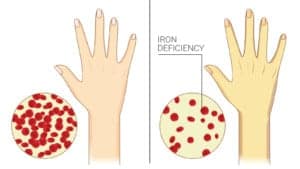
Did you know that a staggering 2 billion people, or 30% of the world’s population, have anemia caused by an iron deficiency?

Iron plays a vital role in many bodily functions. Primarily, they carry oxygen in the blood to all cells in the body. Additionally, iron helps maintain healthy skin, hair, and nails. Iron makes up an important part of the protein hemoglobin, which carries oxygen from the lungs to other parts of the body.

Women, especially during childbearing, have the highest risk of iron deficiency because of blood loss during menstruation. The Centers for Disease Control and Prevention recommends 18mg of iron per day for 19-to-50-year old women and 8mg per day for men.

You can get iron from two different sources: plants and animals. Animal-based sources contain heme iron, and plant-based sources contain non-heme iron. While heme iron gets absorbed more easily by the blood, some studies have found a link between heme iron consumption and coronary heart disease.

Plant-based sources of iron include the following:iron deficiency

  • Fortified cereals
  • White beans
  • Dark chocolate
  • Lentils
  • Spinach
  • Tofu
  • Chickpeas

Add a serving of one of these foods to your menu each day to keep from becoming deficient in this vital nutrient.

Here are 5 signs you may have an iron deficiency:

With so many people worldwide showing signs of iron deficiency, you should know what to look for to prevent any serious health problems from occurring.

1. You constantly feel tired.

Extreme exhaustion can signal many different ailments and conditions. So consider having your iron levels checked if you feel this way for prolonged periods of time. According to the National Heart, Lung, and Blood Institute, fatigue is the most common symptom associated with iron deficiency and occurs because the body can’t efficiently carry oxygen to your blood. If you don’t have enough oxygen in your blood, you will quickly become lethargic and weak.

In addition, the red blood cells in your body may contain less hemoglobin than normal, and this can cause fatigue as these cells will have trouble carrying oxygen from the lungs to the rest of the body.

2. You notice significant hair loss.

Another telltale sign of iron deficiency is hair loss; while losing around 100 strands per day is normal, a significant amount of hair loss can point to a serious underlying problem. According to Marilyn Murr, MD, clinical assistant professor of family and community medicine at the School of Medicine at the University of Texas Health Science Center at Houston, “When hair follicles don’t get enough oxygen, they go into a resting stage, and hair falls out and doesn’t grow back until anemia is improved.”

If you notice excessive hair loss, make sure to up your intake of iron-rich foods, or consider taking iron supplements.

time to relax3. You frequently become ill.

When our bodies have any nutritional deficiency, our immune systems naturally become weaker, because they don’t have what they need to fight off infections efficiently. Dr. Murr said that red blood cells assist in carrying oxygen to the spleen, a key location where the body fights off infections. Not having enough iron in the blood can severely inhibit the body from warding off infections. Also, red blood cells carrying oxygen to the lymph nodes contain powerful infection-fighting white blood cells.

If you have an iron deficiency, your body won’t produce enough white blood cells. This nutritional lack might make you more prone to infections.

4. You have pale skin.

Though many people have pale skin and no illnesses or deficiencies, a lack of color in the skin could point to an iron deficiency. Hemoglobin in the blood contributes to the skin’s rosy color. So having low levels could make the skin appear ghost-like. Dr. Murr says this:

“When red blood cells become low with iron, they become smaller and paler in the center so skin also becomes paler.”

In particular, keep an eye on the inside of the bottom eyelid. You can pull it down at home to examine this area of your eye. If it looks red, you probably don’t have an iron deficiency. You might want to schedule a doctor’s visit for further testing if it’s white or pale.

healthy well balanced5. Your tongue is swollen.

When the body doesn’t have enough oxygen, the muscles can become swollen and sore. You might also notice cracks along the side of your mouth if you have this deficiency.

Remember, if you think you have an iron deficiency, you’ll want to see a doctor first and foremost. He or she can help you figure out which nutrient-dense foods to include more of in your diet, or suggest some iron supplements to help you restore your body’s natural levels.

7 Signs You Need To Chill Out

Unfortunately, most people feel an enormous amount of stress in today’s world, with mounting responsibilities and not enough time in the day to take care of them all. According to the American Psychological Association, more than half of working adults in America feel that they cannot manage their stress levels effectively. Not only do stress and anxiety take a toll on one’s mental health, but they can also make their presence known in the body.

The stress epidemic in this country, and all around the globe, seems to only keep growing as time wears on. Some people feel stressed the majority of the time, but don’t even realize it because they now run on an operating system of fear and anxiety. Because it seems normal to them now, they don’t recognize the warning signals that their body and mind need a break. If this sounds like you, read on for the most common warning signs of excess stress.

Here are 7 signs you need to chill out:

chill out

1. You have nightmares often.

Having an occasional nightmare is a normal part of being human; however, having bad dreams most nights of the week can signal a serious imbalance in your nervous system. Some people believe that our dreams mirror our dominant thoughts in our everyday lives, so if your dreams consist of mostly darkness and negativity, this means that your thought processes need some tending to. Stress presents itself in our lives in a variety of ways, but most people don’t think about stress interfering with our dreams.

Nightmares can wake us up in the middle of the night, making it difficult to go back to sleep. Try to spend some time each day in meditation or some other form of relaxation to counteract excess stress. This will help you have a more restful night’s sleep.

2. You have trouble falling asleep at night.

Even if you don’t have nightmares, you might just have a lot of difficulties getting to sleep at night. Maybe you lie awake for hours, thinking about all the bills you have to pay or the speech you have to give for school or why and how the universe came about and what we have to do with it all. It seems many people’s brains become most active at night, maybe because they can finally have some alone time with their thoughts after a long day of work or school.

However, if your thoughts inhibit your sleep too often, the lack of sufficient rest can take a serious toll on your health.

3. Your mind constantly feels clouded and foggy.

Brain fog occurs when we don’t give our minds the rest they deserve. With all the responsibilities, noise, and chaos in everyday life, our brains seem to absorb it all and make our mental clarity fade. However, the noise in the outside world doesn’t have to replicate itself within your mind; you can control the state of your brain by taking time for self-care and relaxation. If you find it hard to focus or think clearly, this is a clear sign you need to chill out.

4. You get sick a lot.

Getting sick frequently means your immune system is overwhelmed and cannot do its job to eliminate harmful toxins and bacteria. Many people attribute sickness to just “something going around,” but often don’t think about how their mental state plays a part in contracting a cold or flu. If you experience stress for prolonged periods of time, it can weaken your immune system, inhibiting the function of cortisol in the human body. Cortisol helps to regulate immune cells during a stressful situation, but if the stress continues, it loses its effectiveness over time.

5. You use food to drown out your problems.

So many people eat food not when they’re actually hungry, but when they feel too many negative emotions that they cannot process or deal with. Emotional eating can become a very detrimental habit, and using food as a crutch will only exacerbate the real problem at hand. Feeling full acts as a way to temporarily forget about emotions and problems in life, and gives us a quick dose of dopamine to make us feel relaxed and happy. However, many foods people reach for to appease their emotions are highly addictive and harmful to the human body in large quantities.

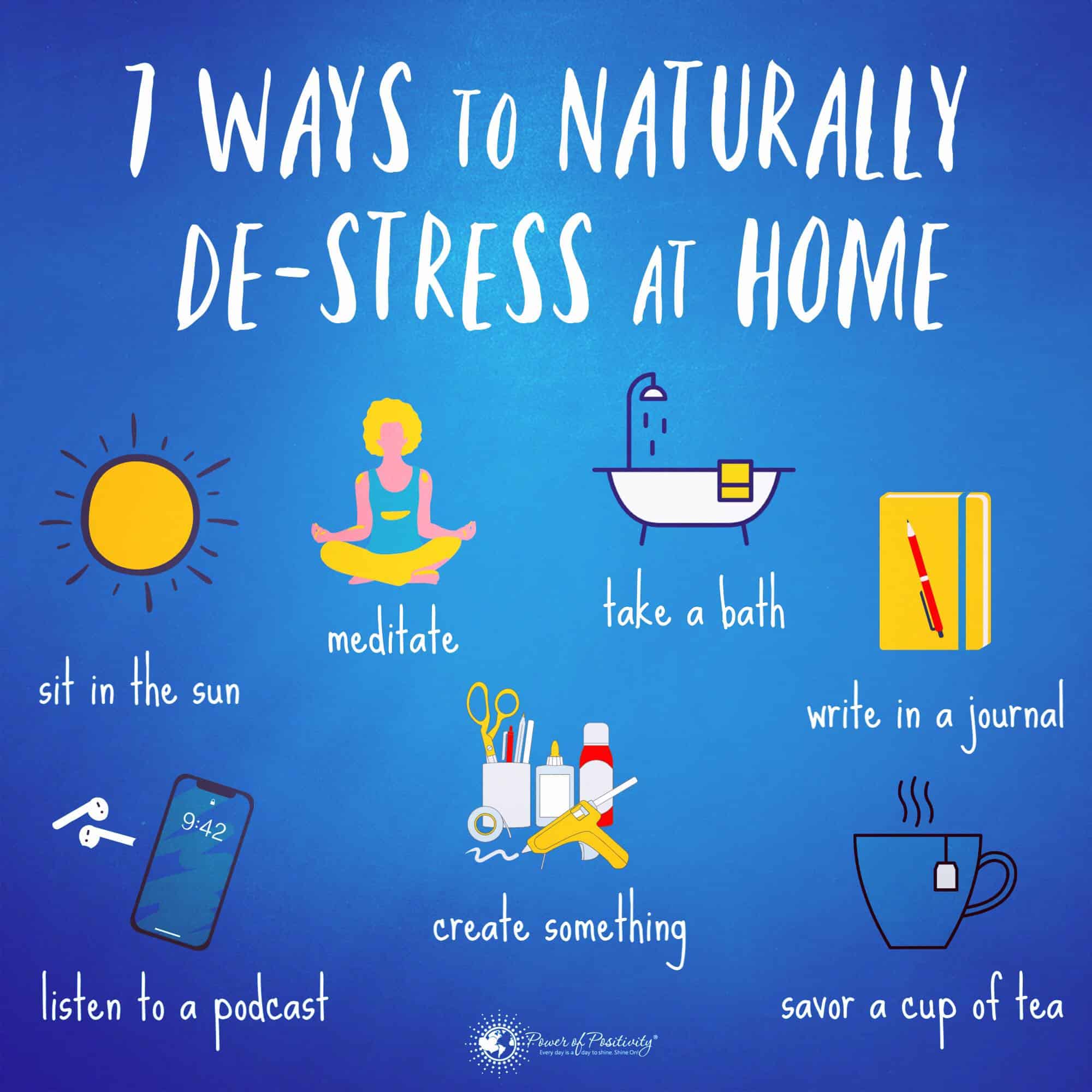
Next time you feel stressed, make some hot tea, take a bubble bath, meditate, or do something to truly relax your mind and nourish your soul.

6. When you actually have time to relax, you don’t know how.

With cell phones constantly beeping and buzzing, and hundreds of shows we can binge-watch on Netflix, many people don’t even know what it means to relax anymore. To truly clear the mind, surrender to the nothingness when the mind is quiet, and just breathe. Relaxing doesn’t mean drowning out your thoughts and emotions in food, shows, social media, or other distractions; it means giving in to the now and enjoying your own company. If you don’t enjoy alone time, and instead feel stressed or anxious when you have time alone with your own thoughts, this might mean that you have too much stress in your life.

chill out

7. You have frequent skin flare-ups.

Like we said before, stress can show up anywhere in the body, including on the skin. According to WebMD, stress causes your body to produce excess cortisol and other stress hormones, which in turn, signal to your sebaceous glands to produce more oil. Excess oil can lead to acne and other skin rashes, so if you feel stressed, make sure to exercise regularly, eat a balanced diet, practice mindfulness, and relaxation techniques, and remember to always make time for yourself!

Skip to content