Weekly tips, affirmations, and small actions to feel your best.

10 Foods To Avoid That Help Cancer Grow

When it comes to cancer, an ounce of prevention is worth a pound of cure. Cancer can infect almost any system of the body, from our skin to our bones and everything in between.

Causes of cancer are either biological factors that we can’t control, like our genes, or environmental factors that we can influence, like the amount of solar radiation that we expose ourselves to. One of the ecological risks affects us daily is the food we eat.

We are ingesting harmful chemicals in a society of better living through chemistry. Chemicals in our diet are an environmental exposure that we can eliminate as a risk factor for cancer. Avoid the following ten cancer-causing food additives and treatments to reduce cancer risk.

10 Cancer-Causing Foods You Need To Avoid

cancer self-exam

1. BPA-lined canned goods

Manufacturers are beginning to switch their cans to non-BPA plastic lined ones following a Harvard study that compared eaters of canned soup to homemade. They found that a couple of hours after eating, the people who had canned soup had BPA levels in their urine twelve times higher than the people who didn’t.

BPA is an endocrine disruptor, and according to the study, it ‘has been linked with cardiovascular disease, diabetes, and obesity in humans.’ In another study, BPA was also linked to breast cancer.

2. Pesticide sprayed produce

According to the EPA, ‘Relatively small amounts of ethylene oxide are used as a sterilant for food (spices).’ The chemical is also used as a spray pesticide for crops. The EPA also says ‘Some human cancer data show an increase in leukemia, stomach cancer, cancer of the pancreas, and Hodgkin’s disease in workers exposed to ethylene oxide.’

In a study of workers exposed to ethylene oxide, researchers found an increased risk of malignancy in individuals with extended and intermittent exposure to low concentrations of ethylene oxide. At the grocery store, look for organic produce and avoid unnecessary exposure to these possible causes of cancer.

3. Preservatives that mimic estrogen

Some food additives, such as propyl gallate and 4-hexylresorcinol are xenoestrogenic substances, affecting estrogen receptors in the body. These hormone disruptors link to a higher risk of breast cancer.

4. Microwaved food

When you buy a microwave dinner, the plastic tray that it comes in can take the heat of your appliance. However, plastic packaging that gets heated can release plastic into the food you consume. Some may contain BPA, which we have already listed as a connection to cancer.

Microwave meals also often contain preservatives and additives to enhance their appearance. Steam your broccoli on the stovetop rather than buying the convenient microwave steam package and avoid the heated plastic.

5. Nitrites in processed meats

The Cancer Treatment Centers of America says ‘During the process of cooking certain meats, sodium nitrites combine with naturally present amines in the meat to form carcinogenic N-nitroso compounds. When ingested, these compounds are associated with cancer.’ Consumption of processed meat increased pancreatic cancer risk in one study, and other research has suggested links between hot dogs and brain cancer.

6. Milk from cows treated with hormones

Cows that receive Recombinant Bovine Growth Hormone (rBGH) to increase milk production pass the growth hormone IGF-1 on to consumers when they drink the milk. According to the American Cancer Society, ‘The evidence for potential harm to humans is inconclusive. It is not clear that drinking milk produced using rBGH significantly increases IGF-1 levels in humans or adds to the risk of developing cancer.’

Consumers now demand organic milk that does not come from cows consuming rBGH. You can find rGBH-free milk by reading labels. When it comes to this avoidable additive to your food supply, it may be best to avoid it.

7. Meat treated with hormones

A World Health Organization report says that following an animal study, ‘the group concluded that there is sufficient evidence for the carcinogenicity of estradiol in experimental animals, noting that: Administration to mice increased the incidences of mammary, pituitary, uterine, cervical, vaginal, testicular, lymphoid and bone tumors.’

8. Irradiated fatty food

An FDA report says that ‘Irradiation of foods is intended to improve the quality, variety, and safety of foods. For example, food products are irradiated to sterilize or disinfect them, improve their sprouting, delay ripening, eliminate food-borne parasites, or enhance their appearance.’

Meat, poultry, and eggs can all be irradiated foods. A study found that irradiated food that contained fat produced a compound that caused DNA damage when applied to both rats and human colon cells. The FDA requires irradiated food to display a “treated with radiation” label. So avoid foods with this on the label.

9. Fast food

Fast food is not good food for us. The cancer risks at chain restaurants include charred meat, high temperatures applied to oils, preservatives, and mass-produced food treated with hormones and pesticides.

Acrylamide is known to cause cancer by damaging DNA. This substance is produced when starchy foods climb to high temperatures. You can find it in foods such as potato chips and French fries.

According to cancer.gov, we can avoid acrylamide in our food by boiling potatoes, reducing cooking time, blanching them before cooking, or drying them in a hot oven after frying.
food toxins

10. Artificial sweeteners

The low-calorie chemicals that mimic the sweetness of natural sugar have been controversial. Aspartame had mixed results with lab rats but has been deemed safe for human consumption. Say that a small percentage of a tiny animal got cancer when it received a dose of the stuff. Is that something that you need to consume?

7 Superpowers of Sensitive People

Did you know that empaths, or highly sensitive people, make up 15-20% of the population? Although many people who identify as empaths may feel as though they have been cursed by their natural abilities and personality traits, being able to feel deeply can actually serve as a blessing. While these people might get ridiculed or rejected by some who simply can’t understand them, empaths have an incredible gift that shouldn’t be understated.

We all have seas of emotions within us, but empaths experience them more intensely. To find out if you are a highly sensitive person, read one of our previous articles on the subject here.

Here are 7 superpowers of sensitive people:

sensitive people

1. Sensitive people can easily read people’s emotions without them saying a word.

A sensitive person can sense how someone feels without them having to utter a word. They simply pick up on their energy when they walk into the room, so you can’t hide anything from an empath. Your body language and overall aura and energy will tell them everything they need to know about how you feel. Their intuition and psychic abilities give them insight into people’s innermost worlds, and therefore, they can offer a shoulder to cry on or ear to listen for those who struggle or feel alone in life.

Sensitive people might not fit in with others, but they don’t care. They understand their true purpose here, and know they incarnated here in these times to connect deeply with others and remind them of their soul journeys.

2. They can understand and relate to a multitude of perspectives.

Sensitive people don’t just mindlessly listen to someone talk about their problems and offer a textbook solution. They stop everything they’re doing to fully engage with you, and try to look at the situation from many different perspectives. Sensitive people have fought many battles in life, including countless ones with their own egos. They know pain, struggles, depression, anxiety, and anger, and therefore, can relate to other people’s problems quite easily.

They see the world through many lenses, and therefore, other people feel drawn to them for their compassionate and open-minded perspective.

3. Sensitive people make some of the best friends you will ever have.

Because of their innate ability to feel emotions deeply, sensitive people make incredibly loyal, faithful, loving friends and romantic partners. They will stand by your side through every storm you face, and will never make you feel like you’re undeserving of love and compassion. They will sit with you for hours and listen to your pain, hardship, struggles, philosophical musings, and whatever else you feel like talking about. Sensitive people have been to the darkest rooms of their hearts, and therefore, can help you walk through yours when you need company.

4. They have a high level of self-awareness.

Sensitive people spend a lot of time alone, just trying to regain their composure and recharge their batteries. This world is an intense arena for empaths, and they need ample time to recover from absorbing all of the conflicting and chaotic energies out there. Because they spend much of their time in solitude, they have been able to reflect on their deepest and darkest thoughts, and have a heightened awareness about themselves. They can easily detach from their thoughts, feelings, and ego altogether, and simply become the voiceless, yet curious observer behind them.

This awareness helps them to become more aware and compassionate of others, helping them to form deeper, more meaningful bonds with people.

5. Sensitive people make incredible leaders.

Maybe empaths don’t strike you as the most capable, effective leaders. However, their wonderful listening skills, introspective, contemplative nature, and ability to relate to people deeply make them very powerful leaders. They don’t jump to conclusions, hearing every person out before they make a decision. They give people the respect they deserve. Thus, they empower others to voice their opinions and feel like an important part of an organization or business. They treat others well, and don’t just steamroll them to reach a goal.

Simply put, they don’t let their egos get in the way of them leading a team to success, because they know that getting to the top requires a joint effort. They don’t see themselves as any better than those around them, and because of their humble, yet steadfast approach to leadership, they absolutely excel in high-level positions.

6. Sensitive people have so much love to give to others.

They feel everything deeply, including love. They have been through so much inner turmoil. As a result of this, they are humble and have a new lease on life. They can understand other people’s struggles so much more intricately and will love you unconditionally just the same. Just come as you are, as they will not judge you. They will wrap their arms around your every insecurity, and make you feel more loved than you could ever imagine.

sensitive people

7. They are very artistic, creative people.

Sensitive people don’t accept reality; they create new ones in their minds all the time. If you catch them staring off into space, they are likely conjuring up a whole new world, thinking of how they can bring it to life. They can create beautiful art, whether in the form of music, paintings, poetry, stories, sculptures, or anything else creative. Without empaths, we wouldn’t have a lot of the books and drawings and TV shows and poetry and architecture you see around you. Many things in this world require creativity, and highly sensitive people are masters of the artistic realm.

How To Access Your Psychic Ability to Read Minds

You knew what was going to happen before it happened and the fact that you had psychic ability and could read minds surprised you. This experience of being right on with your intuition about things that haven’t happened yet is more common than you might think.

It’s possible that psychics don’t have any skills beyond what we possess ourselves. Psychics have simply learned to be excellent observers. With practice, you can learn to develop your psychic abilities so that reading someone’s mind becomes a powerful tool.

Predicting someone’s thoughts is easier the more that you know about reading people. In learning to detect the small, observable things that people do with their bodies and words when speaking to you, you can pick up on what is not being said.

If you could read minds, it would make your life much easier, so let’s explore how to access your psychic ability to read someone’s mind. Here are a few suggestions to practice with.

How To Access Your Psychic Ability to “Read” Someone’s Mind

Reading body language

Hands in fists on hips, a furrowed brow and slightly downturned mouth are pretty universally understood as angry body language. If you were tying to read this person’s mind, their thoughts would sound like “I can’t believe you did that. I’m so frustrated with you!”

Now let’s try another one. If a person is resting their chin in the palm of one hand, has slightly pursed lips, and their eyebrows are raised slightly while they are looking up at you, what would you guess their thoughts would be? This is a typically bored posture. So their thoughts might be “I wish I was somewhere else doing what I want to do.”

Reading facial expressions

An easy trick for determining what someone’s facial expression means is to mimic their face yourself. One your facial muscles repeat what theirs are doing, you can sense the emotion that they are feeling because you know what corresponding emotion goes with that set of facial movements.

For example, if someone is raising their eyebrows near the bridge of their nose and opening their mouth slightly, they are probably trying to plead with you for something that they want.

Withholding the truth can be seen in people’s facial expressions. One study found that when people are withholding their emotions, they tend to blink faster. The study also found that people who are hiding something have facial expressions that are inconsistent with their emotions, for example smiling when they are angry.

You can read more about how to tell if someone is lying to you here.

Reading into language

Ask yourself, “What aren’t they telling me?” The things that a person says are almost as important as what is left unsaid. Leaving things unspoken could mean that the person is trying to keep their options open or attempting to deceive you by failing to be specific. They could also be trying to be diplomatic by only telling you what you want to hear.

Lie-spotting author Pamela Meyer says that people will gloss over details when they are lying. For example, if you ask what they were looking at on their computer and they say “Oh just some stuff that somebody posted,” they are probably hiding something from you.

Trusting your intuition

Your intuition is that inner voice that is very important for reading minds. The intuition is picking up on cues from our environment when we may not even notice them. It uses all of this information that it has gathered to come to a conclusion.

The intuition is particularly important for making trust decisions. When your safety is on the line, your intuition will tell you whether a person can be relied on to keep you from harm. Reading someone’s mind when it comes to protecting yourself is an important use of your psychic abilities.

Learn to tell the difference between your expectations and reality

Ask yourself what you hope you will read in the other person’s thoughts. This is one possible thing that they are thinking, but it is more likely that your desires are clouding your ability to perceive clearly.

Learning to calm your thoughts is helpful with accessing your psychic ability to read someone’s mind. Your own thoughts can interfere with what you are trying to pick up on. Clearing your mind through meditation, deep breathing, and spending quiet time in nature can help you to be more receptive.

You can read more about how to prepare yourself for mind reading here.

Get more Oxytocin

In a study of mind reading skills, that is people’s ability to read the mental state of someone by interpreting subtle social cues, data suggests that oxytocin helps. Oxytocin is released by the brain when you receive a hug, do something exciting, or have an orgasm as well as during other pleasurable activities.

Researchers found that oxytocin improves the ability to infer the mental state of others from social cues of the eyes. Giving someone a hug before you try to read their mind might be the boost that your intuition needs to get the right answer.

The future for mind reading holds some promise for technology that can reconstruct your thoughts. Researchers studying how the brain maps information have discovered that they can reconstruct images based on what areas of the brain are activated as seen in an MRI. Once they know how mental representations map onto patterns of neural activity, they were able to demonstrate several impressive feats of mind reading.

What Is Your Personality Color?

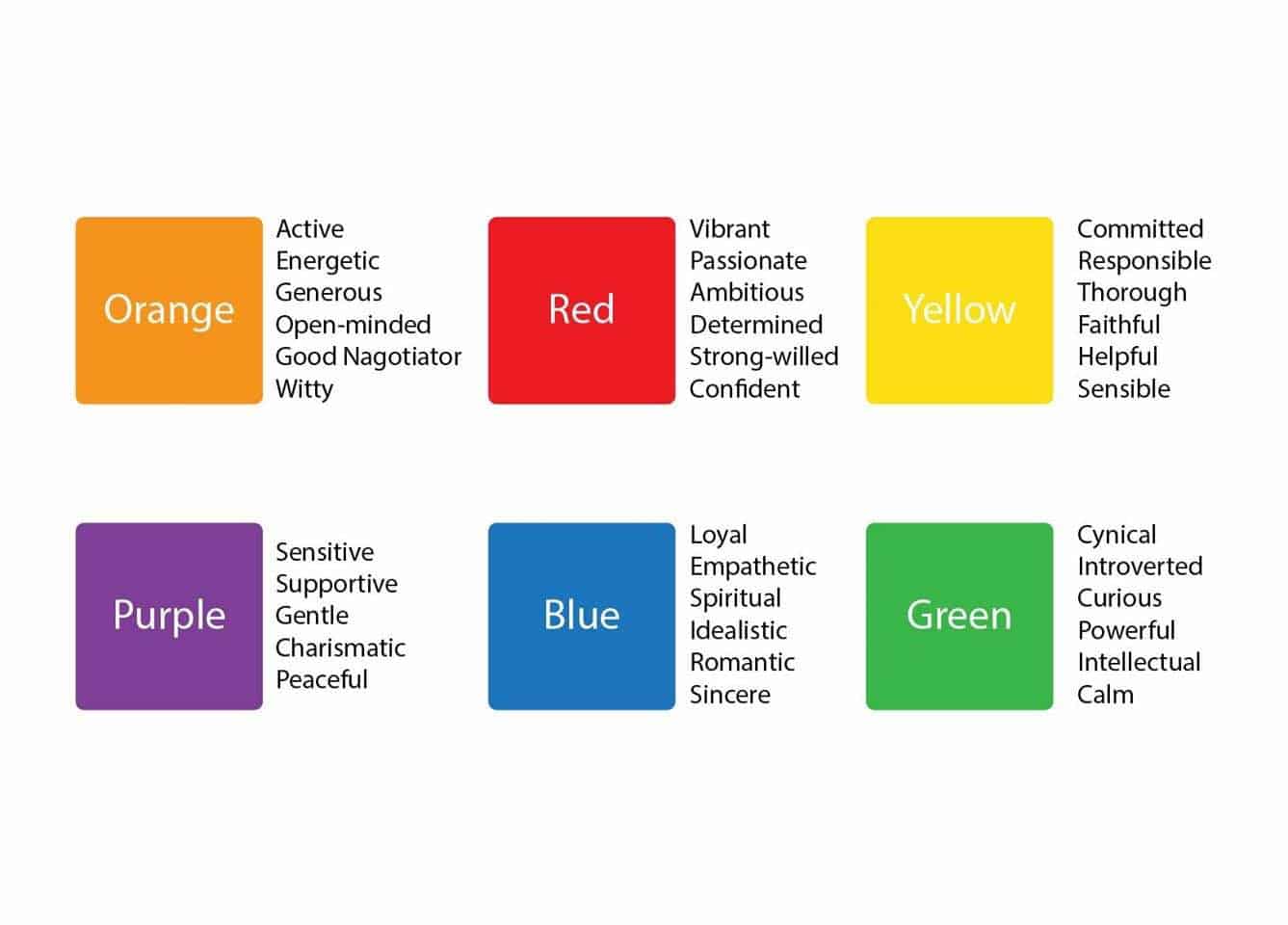
Many types of personality tests exist out there, but did you know that the colors you’re drawn to can say a lot about your personality? Colors make up everything around us and influence our decisions as well as our overall outlook on life. For example, a person who likes the color yellow might have an optimistic, energetic disposition, while a person whose favorite color is purple might have a more mellow, reserved, gentle personality.

Read below to find out which color reveals your dominant personality traits…

What is your personality color?personality-colorRed

If you got red, you probably have a very dominant, fiery, passionate personality. You have great confidence, ambition, and direction in your life, and let nothing stand in the way of achieving your goals. You probably have many friends, but only a few close friends know the real you. You remain loyal to your friends and family and would do anything for them. People with a red personality color have a strong will, and don’t go down without a fight.

People have probably called you a “firecracker” or something similar in the past due to your boisterous, no-nonsense personality.

Yellow

If you have a yellow personality color, you have a bubbly, chipper, optimistic outlook on life. Nothing gets you down, and if you fall, you get right back up again and continue on your merry way. You don’t listen to other people’s negativity, because you know that as long as you believe in yourself and spread kindness wherever you go, life will treat you well. You care deeply about others, and want to offer your help in any way possible. While you tend to have an idealistic view of the world at times, you also approach life very practically, and have a good head on your shoulders. You take care of your responsibilities and earn people’s trust easily.

Orange

People with an orange personality color have a playful, childlike personality. They have high energy, and enjoy an active lifestyle so they don’t bounce off the walls and go crazy from all the pent-up energy. They are natural givers and look out for others before they look out for themselves. They would give you the shirt off their back if you needed it. They also have a warm, open spirit, and make great listeners as well as speakers. People with this personality color also enjoy the spotlight and thrive on being the center of attention. They are drawn to a career in performing of some sort.

Purple

Highly sensitive, psychic, and emotional, people with a purple personality color enjoy spending lots of time alone. They are creators, dreamers, and artists, seeing the world through the eyes of their imagination. They tend to go off into their own world during conversations, not because they don’t care, but because their minds run a mile a minute. They have so many ideas, and long to spend time in solitude each day to create from their own passions. They have a peaceful, gentle personality, and are very approachable. They will listen to you for hours and offer you a shoulder to cry on if you need it.

Green

People with a green personality color are drawn to nature, likely because they have a very grounded, sensible approach to life. They are usually introverts, and have an endless curiosity about the world around them. Because of this, they like to explore as much as possible, so you will probably find them outdoors the majority of the time. They are highly intellectual, and enjoy stimulating, thought-provoking conversations. They have a very sarcastic, cynical sense of humor, and maintain friendships only with those who can appreciate them in their raw, honest glory.

personality

Blue

Those with a blue personality are hopeless romantics, and unshakable idealists. They can’t stand the atrocities that happen in the world, so they turn instead to the hope and faith inside their hearts to keep them going. They are very kind, sincere, sympathetic people, and do as much good as they can in this world. They are very sensitive, but don’t let too many people see it. They are also very calm, and enjoy being around water, as this relaxes them more than anything else. They have a deep connection to nature, and spend time outdoors whenever they feel imbalanced.

3 Ways to Stop Overthinking Immediately

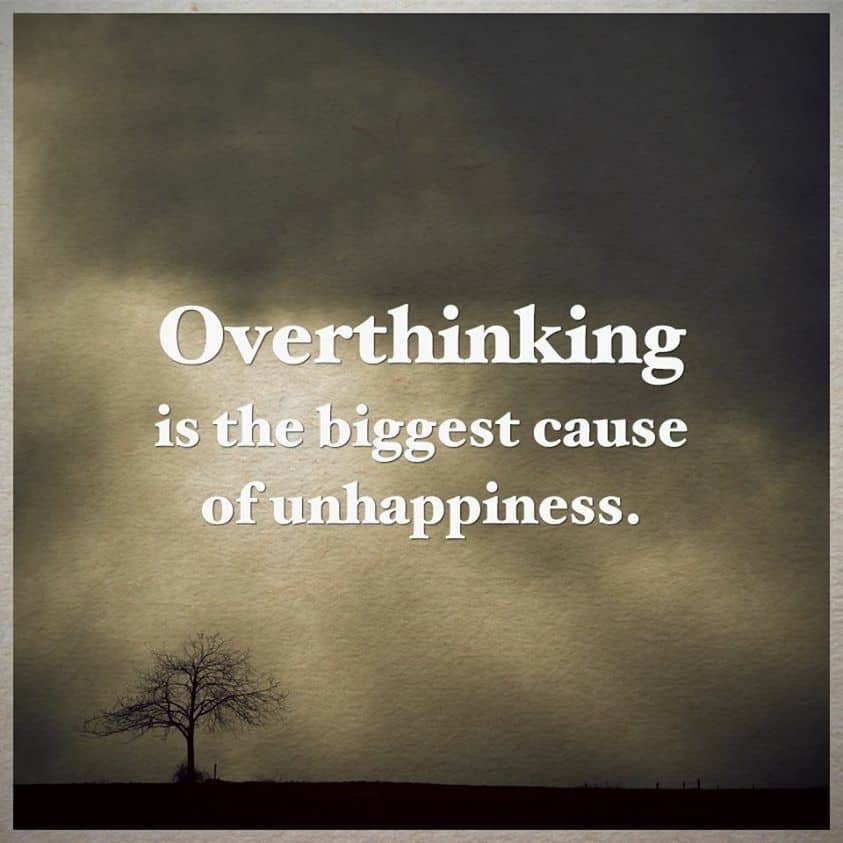
The mind loves to think and it always seems to want your full focus. In fact, the mind sometimes resembles a five-year-old child. That’s because it wants its way and it never wants to sit still. Sometimes, it’s even so reckless that it makes us think and even say things we normally wouldn’t if we were in a more relaxed and quiet space. We call this overthinking.

If you allow your brain to continuously run a mile a minute without ever interjecting, it will only press on with the madness until you discover that your mind has slowly become a prison. Learning to take time to quiet your mind, instead of distracting it, can be one of the healthiest things you can do for yourself. It seems so simple, yet it’s life-changing.

overthinking

3 Techniques to Stop Overthinking Immediately:

1.  Connect with nature.

If you don’t live or work in nature, then you need this the most. Take time to get out in nature. This could mean going on your lunch break in a nearby park or going on a vacation to getaway. Anything you can do to strengthen your bond with nature will greatly benefit your mind and stop overthinking immediately.

You can focus on the beauty in the trees, a leaf, a waterfall, the sky, mountains, a lake or whatever you gravitate towards. This will immediately stop your mind.  When you allow yourself to do this, you will find that you will think more clearly throughout the day.

2. Repeat peaceful words to yourself.

Pay attention to your brain at this very moment…what kinds of thoughts do you observe? Most likely, you will notice that the majority of your thoughts center around what you have to do today, or what someone said that made you angry, or even degrading thoughts about yourself. Don’t feel bad, though; with so much negativity around us, maintaining a consistent positive mindset isn’t always easy. However, you can actually counter the negative words and overthinking with the repetition of peaceful words.

Anytime you notice you are overthinking or you feel anxiety or worry coming on, stop those thoughts in their tracks as soon as you realize it with calming words.

Examples are as follows: Peace. Love. Light. It’s ok. Life is Good. I’m ok.

While this isn’t completely quieting your mind, it does stop overthinking and will allow your mind to slow down and focus on what really matters in this moment.  Words carry a lot of meaning and power, so use them to your advantage whenever you feel stressed out.

3. Meditate.

We suggest meditation a whole lot on our website, but for good reason. When you meditate, you stop the flow of overthinking and negative thoughts bombarding your consciousness every second, and instead move into a space where stillness takes precedence.

While you don’t have to turn off your brain to meditate, many people feel that their thoughts slow down incredibly and overthinking stops immediately.

If you try it and find you still cannot stop thinking, try a guided meditation or yoga. These practices bring awareness into the body and make it much easier to cope with daily challenges.

If you want to stop overthinking and cultivate more peace in your life, these three habits done consistently will bring that. There are 1,440 minutes in a day; take at least 10 minutes a day for one or all of these activities. You will find that overall, you will do less overthinking and feel more relaxed. In turn, you will be even more productive.

overthinking

JOIN THE DISCUSSION: Do you practice these habits daily? Do they work? Let us know, you could help someone else who is struggling with overthinking.  

5 Signs You’re Experiencing a Spiritual Shift

People go through many stages of development in life. But when people think of development, usually, material things come to mind. We typically see growth as getting a better job, making more money, and buying a better house or a finer car. Though those things can also be considered growth, they are surface-level developments. But one part of the human experience that doesn’t get enough attention is the spiritual side.

When people hear the term spiritual, they automatically associate it with religion. Spirituality is a big part of all religious doctrine, spirituality doesn’t equal faith. Spirituality is recognizing the feeling that there’s something greater than ourselves. Even atheists can be in tune with their spirituality. You don’t even need to acknowledge the existence of a deity for that.

And spirituality is not something you reach logically or intentionally. It happens to you most of the time because of specific behavioral shifts or even shifts in perception. There can be many reasons people experience spiritual shifts, and most of the time, you don’t even know you are going through that change. So, here are five of the signs you might be going through a spiritual shift.

Spirituality and What Is a Spiritual Shift

Dr. Maya Spencer of the Royal College of Psychiatrists documented one of the more recent accounts of spirituality a few years ago. In her research, she defined spirituality as the feeling or belief that there is something more significant than the individual. Additionally, she stated that the whole of which people are part is cosmic or divine. That doesn’t mean a particular religion is the answer to every unanswered question humanity has ever asked. Instead, spirituality is not directly related to religion. While it’s true that beliefs appear as a way for people to act on these spiritual impulses, you can be a spiritual person without adopting a religion.

spiritual shift

In simpler terms, spirituality is knowing that people’s lives have a meaning beyond the satisfaction of biological needs. Those natural impulses are selfish, and they often lead to aggression. That’s precisely why people live in societies governed by laws and moral codes; so that our biological impulses don’t take over. Spirituality takes a person on a journey of self-discovery, exploring themes like love, death, wisdom, truth, and more. It can guide you towards creating a moral compass and finding meaning in life.

5 Signs You’re Experiencing a Spiritual Shift

A spiritual shift, or awakening, refers to the experience of rising to a higher state of consciousness. This idea comes from psychiatrist Carl Jung, who theorized that spiritual awakening means returning to the original self. He believed that a higher state of consciousness is intrinsic to all humans and needs to be unlocked. This shift changes how you see the world and brings you closer to your true self. Most of the time, this shift is involuntary. But people who possess a more profound knowledge of spirituality can even trigger this shift themselves.

1.    You Begin Feeling Deeper Emotions

Before an individual goes through a spiritual shift, they are usually egotistical people who don’t care much about emotions. They care more about material possessions and their image and are not in tune with their feelings. That doesn’t mean they are bad people. It just means that the emotions they feel are shallow. That’s because they never take the time to reflect and understand their feelings to their fullest potential. Or, they are just not connected with their mind and body in a meaningful way.

You will start feeling a whirlwind of emotions when going through a spiritual shift. This can be overwhelming at first, as you are experiencing emotions you’ve never felt before. It can be hard to understand what and why you are feeling. You might find that your mood often fluctuates without apparent reason. You might relive some traumatic events from the past.

But that’s just because you have unhealed wounds, and your body is just trying to guide you towards healing them. All these emotions appear because you start forming a deeper connection with your mind, body, and soul. Even if you can’t make sense of them at first, don’t worry. Just make sure you take some time to feel those emotions. Once you internalize them, you can begin making sense of them.

2.    The World Starts Looking Different

A spiritual awakening will fundamentally change who you are. Part of that is that your perceptions and views of the world will shift. If you were a selfish person before the awakening, you would potentially become altruistic. This fundamental change in your core values will alter how you see the things around you.

Depending on their views, people see the world differently. If you make two people with opposite values give their opinion on the same situation, they will provide you with entirely different answers. For example, someone might see a person asking for money and immediately believe they are just a scammer. But someone else could see the same person and help them, no questions asked.

That’s because one believes people need to prove they are worthy of help, while the other thinks everyone deserves support. As you embark on your spiritual journey, you will become more generous and empathetic. You lose interest in material possessions instead of focusing on finding accurate, spiritual meaning.

This will make the word seem like a completely different place. At first, this won’t be very clear. Your wants will change drastically. But in time, you will get used to this new state of being.

spiritual shift

3.    You Will Want to Be Alone More

People who haven’t yet gone through a spiritual awakening are the ones who always feel like they need to be surrounded by others. That’s because they don’t know how to make themselves happy. It can also be because being alone might seem scary. It means that you don’t have any distractions from your thoughts, and you have to face them, good or bad.

Being forced to think about all the bad parts of your day, or even life, is intimidating. But someone in tune with their emotions won’t feel the same. If you are going through a spiritual awakening, you will find that you’ll start valuing your own company more than the company of other people. That’s not to say you won’t enjoy being around people.

But you are more likely to focus on being with the people you genuinely care for. You’ll find that being around people who mean little to you will drain you. That’s because you realize that your time is valuable. Because of that, you’d rather spend it working on yourself and focusing on family and loyal friends.

4.    You Will Want to Have a Healthier Life

Many people who have not yet gone through their spiritual shift are partly hedonistic. That means they primarily care about feeling good at the moment, with little regard for how their future will turn out. They care little about consequences. Most young people go out and party without caring how hungover they will be in the morning.

That’s why people smoke, do drugs, or have other addictions. Because they feel good momentarily, it doesn’t matter to them if they’ll only live until they’re thirty. This also happens because they don’t have a clear meaning in life. But someone who is going through a spiritual awakening will find a purpose. They will start to value living a good life for a long time. They will start having a more holistic perspective of life. They will want to live, not just survive.

Also, your body is practically begging you to take care of it. You will want to care for yourself as you get more in tune with your mind and body. You may start letting go of bad habits. You will drop negative people. You might even feel the need to change your diet and start exercising. If what you’re doing isn’t satisfying you, you might change your career. Your decisions will reflect what you want for your future, not just for the present.

5.    You Start Being More Intuitive and Empathetic

You are stuck in your bubble if you haven’t gone through a spiritual awakening yet. You don’t pay much attention to the world around you. You go through the same routine day after day, without stopping to take in the world. You can’t develop an empathetic personality because you ignore details.

As you go through your spiritual shift, you will start noticing more details about the world. You’ll start paying attention to the people around you. This will give you a better understanding of their needs and wants. As you begin understanding people better, you will start being more empathetic. This, along with a better understanding of the world around you, will make you more intuitive. People won’t need to tell you they need help; you will pick up on it yourself and offer your assistance.

spiritual shift

Final Thoughts on Some Signs You’re Experiencing a Spiritual Shift

Spirituality is a concept that most people don’t know much about. That’s mainly because modern society values material things over a connection with one’s mind, body, and soul. Still, even if you don’t fully understand the concept, that doesn’t mean you can’t go through a spiritual shift. A spiritual transformation simply means that you start feeling like there’s something bigger than you out there. It doesn’t have to be through religion. The simple belief that something out there can make life meaningful is enough to go through the shift.

As you go through the shift, you will start experiencing apparent changes. Your emotions will be more profound than ever before. You will feel things you’ve never felt before. You will start seeing the world in a different light. As your perception changes, you will begin to value finding a valid meaning over having material possessions. You’ll start wanting to be alone more and focus on spending your time working on yourself. Having a healthy and long life will begin to be desirable. All of these changes might confuse you. But, you will find peace after you make sense of everything going on.

Science Explains 5 Things That Happen To Your Body When You Stop Exercising

Getting in shape is hard work, so who wouldn’t want some downtime? But don’t quit moving just yet because letting all your hard work go down the drain is not your goal. When you stop exercising, your body goes through many physical changes that can be unhealthy.

This is What Happens to Your Body When You Stop Exercising

A body at rest tends to stay at rest, while a body in motion tends to stay in motion. Although this is a tenet of physics and momentum, it happens to be true for physical activity as well.

Those who make a healthy habit of exercise reap the rewards of feeling better, so they tend to keep up the work. Once you slack off and stop exercising, your body experiences several changes for the worse.

Fitness Level Changes When You Stop Exercising

For an athlete, the effects of not exercising are more profound than those of a recreational exerciser. Stopping a fitness regimen for a regular person might show health decreases over a month or two. However, an athlete will experience these negative health changes almost immediately.

exercising

What Happens to Heart Health When You Stop Exercising

Your blood pressure is higher on the days that you don’t work out compared to the days that you do. If you go even longer without exercise, after a month of not exercising your blood pressure will return to where it was before starting any fitness routine.

It can take you longer to get back into your routine once you start due to the need to start slowly. When you go from a period where you have stopped exercising to beginning again, you increase your risk of cardiac events, such as heart attack. The Centers for Disease Control recommends starting a fitness program slowly after a period of inactivity to reduce this risk rather than going into an intense cardio workout.

Effects on Your Blood When You Stop Exercising

VO2 Max, or your maximum capacity to carry oxygen in your blood, is one of the most immediate changes that doctors can measure in the body when you stop exercising. Your breathing rate increases as you exercise, increasing your VO2 Max. Without the increase in respiration, your ability to oxygenate your blood decreases.

“There are studies indicating a decline of 7 to 10% of VO2 after 12 days of sudden inactivity, 14 to 15% after 50 days, and 16 to 18% after 80 days,” says Andreas Bergdahl, an assistant professor in cardiovascular physiology at Montreal’s Concordia University. “Maximal values for cardiac output, stroke volume [the amount of blood pumped out of the heart during each contraction] and ability of mitochondria to extract oxygen each decline along the same lines while the heart rate increases.”

Your blood sugar or glucose also increases when you stop exercising. Without muscles working to use up the excess sugar in your blood, that glucose stays in the blood. As a result, staying sedentary increases your risk of diabetes and heart disease.

Effects on Muscles and Joints When You Stop Exercising

When you exercise your muscles, tiny tears make them grow bigger and stronger as they heal. Without exercise, your muscles begin to atrophy, causing you to lose muscle mass and strength. Regular exercise gives you benefits of flexibility and coordination as well as strength.

When you stop exercising, you lose mitochondria which are the cells within your muscles that convert that oxygen into energy. In a British study, 2 weeks of immobilization decreased muscle mitochondrial content as much as 6 weeks of endurance training increased it.

Without that fat burning function of your muscles, your metabolism slows down. This can lead to weight gain or even just a change in body fat percentage. In findings published in the Journal of Strength & Conditioning Research, a 5-week exercise break boosted collegiate swimmers’ fat mass by 12 percent.

exercising

Effects on Your Brain When You Stop Exercising

Your brain releases endorphins when you exercise, so quitting exercise means no more pleasure sensations from the runner’s high. The positive mood-regulating effects of exercise will disappear once you stop exercising.

According to the CDC, “Regular physical activity can help keep your thinking, learning, and judgment skills sharp as you age. It can also reduce your risk of depression and may help you sleep better. Research has shown that doing aerobic or a mix of aerobic and muscle-strengthening activities 3 to 5 times a week for 30 to 60 minutes can give you these mental health benefits. Some scientific evidence has also shown that even lower levels of physical activity can be beneficial.”

Regular activity also helps memory function in the brain. A study published in the Proceedings of the National Academy of Sciences demonstrated that exercise in older adults increased the size of the hippocampus, an area of the brain that helps with memory. Stopping for as little as a week results in fewer brain cells growing in this area of the brain.

Avoid the negative health and fitness consequences of retraining your body by sticking with your workout. If you do need a break from exercise, try to get a brisk walk still in at least once per week to maintain some of the health benefits of exercise.

5 Ways to Deal With Toxic People

Have you ever just wanted to slug toxic people? If you walk away from a conversation and you shake your head trying to gain clarity after being bombarded with a wave of negativity, you’ve encountered a toxic person.

The goal of a toxic person is to be a thorn in your side, and they are happy when they can see by the look on your face that they’ve succeeded. It’s easy to spot a toxic person by how they try to make you feel bad about yourself.

A toxic person blames others for their disruptive behavior and never takes accountability for their mistakes. They are the first to point out someone else’s mistakes, they gossip, they butt in where they don’t belong, belittle others, and distrust anyone with authority.

The costs of toxic people

A study by the Academy of Management Executives on incivility in the workplace found that toxic people have an economic impact on businesses. Researchers surveyed people who reported being victimized by toxic people. The victims reported that the toxic people caused the following declines in their productivity:

  • 12% of victims of toxic people quit as a result
  • 48% had a decreased effort at work
  • 47% decreased their time at work
  • 38% decreased their work quality
  • 68% said their performance declined
  • 80% said they lost time worrying about it
  • 63% lost time avoiding the person
  • 78% said their commitment to the organization declined

toxic people

On the other hand, the authors of Emotions and Organizational Dynamism say that positive communication tools, such as humor, can boost productivity and group cohesiveness and also can be effective at increasing motivation. In the workplace where the bottom line is important, there is a clear financial impact of toxic people versus positive people.

Toxic people have an emotional impact on our personal relationships as well. If we allow their negative behavior to influence our mood, that can also affect how we act. A study in Psychological Science on the effects of negative mood found that when our mood is negative, our ability to think coherently is worse than when we are in a positive mood.

5 Ways to Respond to Toxic People

Most of us have worked with or known someone who fits the description of a toxic person. Their behavior is unacceptable for those who seek positivity in their lives. It seems impossible to get them to change, so we tend to avoid them.

What if you could help a toxic person to reform their negative ways? It would benefit you and everyone who comes into contact with them. Let’s explore 5 productive ways to respond to the toxic people in our lives.

1. Explain your expectations to toxic people.

Let the toxic person know that you expect civility and respect, and that you want them to stay solution focused when they speak to you rather than focus on problems. Establish a boundary with the toxic person. For example, you might say, “Negative emotions are normal, but the way you expressed your frustration by kicking the chair when you didn’t like what I told you is unacceptable to me. I’d like you to offer a solution that is preferable to you instead.”

At this point, you can also set a timeframe to avoid talking to them until they are willing to change. You might say “Until you can discuss this with me without belittling me, I will refuse to speak to you. When you are ready to speak more respectfully, I will happily talk with you again.”

2. Confront them and describe their unacceptable behavior.

In the first stage of dealing with a toxic person, we confront the negative behavior by naming it. Stay aware of your emotions as you speak because you might accidentally start to express anger in your voice. Try to breathe deeply and keep your thoughts positive.

Use specific, observable behavior to illustrate the actions that you find disrespectful. For example, you might say “When you roll your eyes at me while I’m speaking to you, I feel unvalued.”

3. Tell them that you will be watching for signs of their willingness to change

Provide feedback on their ability to manage their negativity. For example, you might say, “I appreciate that you supported my suggestion rather than shooting me down.” You can also tell them that you’ve noticed that their body language is less closed off, and their facial expressions have not reflected contempt.

If they haven’t improved, you must also tell them that. “When you hold your arms over your chest when I speak to you it gives me the impression that you’re closed off to what I’m saying. Let’s talk later when you feel more willing to listen.”

4. Follow through with the consequences for their behavior.

If the toxic person is unwilling to change, let them know that you aren’t ready to speak with them. For example, you might say “Since you haven’t made any progress with being more positive in the ways that we discussed, I will decline to speak with you until you are able to change.”

As you follow this process with toxic people, remember to protect yourself from their negativity mentally. Their toxic thoughts are theirs, not yours. Don’t take it personally.

toxic people

5. Set a timeframe for returning to your regular relationship with toxic people.

Depending on your relationship with the toxic person, set a reasonable time to return to speaking with them. If this is a coworker that you need to deal with daily, you might say “Let’s give this a couple of hours so that we can try to return to a more positive discussion.”

If it’s someone toxic that you can avoid for a while, like a neighbor, you might say, “Let’s give ourselves a break from each other for a week. I’d like to be able to talk to you when you are ready to be more positive in your interactions with me.”

10 Signs Your Soul Has Reincarnated

Reincarnation means “to become flesh again.” Some religions, particularly Hinduism, believe that the soul moves on to exist within another life form after death. In other words, one has reincarnated

While we may never know what happens after we die, many of us feel we have lived many lives here on Earth. If you have ever wondered whether you have had more than one existence in this universe, you can use these signs to find the answer.

Here are 10 signs your soul has reincarnated:

highly sensitive people

1. You have a powerful intuition.

People who have reincarnated before just have an ability to know things before the rest of us do. They can go deep within to access knowledge otherwise hidden to the public, and have a way of sensing things before they happen. Intuitive souls may have connections to other dimensions and worlds and have the ability to talk to beings from other planets and galaxies. They spend a lot of time in quietude, mulling over the information they have been given and trying to make sense of it all.

2. A reincarnated soul experiences déjà vu often.

If you have reincarnated before, you may have an eerie sense that certain events have happened to you before. For example, if you take a road trip across the country and feel you have driven those roads before (even though you haven’t), this may indicate that you have lived here at one point in time in another body. Certain people, places, or events may seem oddly familiar to you, even if you can’t remember seeing or meeting them before.

3. You’re highly sensitive.

Reincarnated souls have a high level of sensitivity and empathy. They feel everything to the core, and feel that they have a mission in life to help bring peace and healing to the planet. They have a very hard time dealing with the conflicting and turbulent energies of the world sometimes, and need a lot of time to rebalance themselves and do inner soul work. Empathic people hate being in crowded, noisy places, and avoid them as much as possible.

4. You feel like you don’t belong here.

A reincarnated soul also feels out of place here on Earth. They search forever for their home. But can’t find it. They feel like an alien here. So they watch in perplexity as people go about their daily lives. They can’t seem to understand why or how, and don’t have any desire to engage in “normal” activities here. They would rather spend time alone just laying under the stars, contemplating life and avoiding things that don’t have meaning to them.

Reincarnated souls have a deep longing to connect once again with their soul family, and have a hard time fitting in or feeling comforted on this planet.

5. You have a strong urge to visit faraway places.

You might have memories of living in a particular country or city in a past life. Thus, you have an insatiable desire to go there once again in this life. You have a wandering soul. That’s because you realize that home isn’t a physical place, but a feeling in your heart, you want to go anywhere and everywhere on this Earth.

However, you might feel drawn to a particular location or culture, possibly because you lived there in a past life. Don’t hesitate to immerse yourself in a new land or way of living; you might take away valuable lessons about yourself and your soul mission.

6. Reincarnated souls live for deep conversations and connections.

You have no appetite for small talk and an undeniable, relentless hunger for raw, real connections. For conversations that keep you on the edge of your seat, the kind that you could engage in for hours without getting bored. Many people have called you an old soul because you enjoy having meaningful conversations, possibly about the universe, science, history, philosophy, art, nature, or something of the sort. You get bored easily with conversations about gossip, jobs, fashion, or anything else superficial.

7. Reincarnated souls remember parts of past lives.

You can’t shake the feeling that you’ve lived here before, and the memories might come to you in your dreams, through a song on the radio, a line in a book, or some other mysterious way. However, you don’t recall these events or people from this lifetime, so you can’t quite place these memories on a timeline. You just know they happened, and wish to uncover more about your past lives. Children can usually recall more about their previous existences because they have just come from a past incarnation.

8. You don’t feel closely connected to your parents.

Even though you care for and adore your family, you might feel like the oddball, the black sheep, the misfit. You don’t have a close connection to your family, and sometimes wonder if you have another family out there somewhere. You might have dreams about having other parents, and feel like you’ve met them before. This might mean that you had these parents in a past life, as vivid memories and visions such as these usually point to previous incarnations.

9. You crave solitude regularly.

As we said before, the way this world works sometimes confuses and overwhelms you. You feel frustrated and imbalanced at times by the fast pace and superficial world we live in. So you go within to find true meaning. You simply need some time and space to recharge and recuperate from dealing with society. You probably get lost in nature as often as possible, often spending a few days at a time away from technology and other people to heal your mind and soul.

quotes of acceptance

10. You have fears that seem very real.

Our fears can often point to bad things that may have happened in a previous incarnation. For example, a fear of water might mean that you drowned in a past life. On the other hand, a fear of fire might mean that you died in a fire of some sort before. In order to dispel these fears and prevent your soul from having them over and over, try to face them head-on and defeat them. Otherwise, your soul will keep reincarnating on this planet until you learn certain lessons and overcome your fears.

Skip to content