Weekly tips, affirmations, and small actions to feel your best.

5 Questions To Ask Yourself Before A Relationship

There is a famous Greek mythological story about the perception of love in a relationship. The myth of Pygmalion and Galatea has been brought down through centuries as a love story. Pygmalion was a gifted Greek artist who created beautiful sculptures. Pygmalion was disappointed with the women he met, especially the prostitutes. He was so disgusted by their reactions and behaviors that he decided to create the perfect woman, thus the sculpture of Galatea made out of ivory stone.

Pygmalion spent countless hours making her into his ideal woman, chiseling carefully the curves and creating a beautiful body while speaking to it. He would dress her up. He would tell stories. Then one day, Pygmalion went to Aphrodite’s temple and begged for the love of this woman. Aphrodite took pity on the artist and made the statue come to life, and shortly thereafter, Galatea and Pygmalion married.

This story has several metaphoric clues to relationships. There might be signs that we are trying to manipulate our desires into creating the perfect love carved in stone.

Here are 5 questions to ask yourself before you begin a relationship:
relationship myths

1. Are we trying to create flawless love in our partners?

Relationships are not perfect. Oftentimes, our counterparts mirror our imperfections. It’s in those enhancing moments that we try desperately to chip away the characteristics that we don’t want. In all the negative light, we become lunatics trying to create something that we cannot change. We are human beings. Sometimes we enter into relationships blindly with an irrational belief that “this is the perfect person.” Later on, the blinders come off and what was once lust is no longer part of the love equation.

2. Are we holding on to a myth?

Society has implanted an idea of “perfect fairytale love.” From the time we are children we watch and listen to romantic fairy tales. It’s difficult to see what’s an illusion and what’s actually real. Love is NOT carved in ivory stone. It’s not perfect. It requires work. It expects nothing more (or less) than patience and acceptance. You create that which you are. In order to attract the desired partner, you have to consider your own imperfections.  You have to be willing to look at the dark and the light in yourself.

3. What happened to love at first sight?

We are creatures of determining beauty by first glance. Hormones flare and exude our animal instincts. But, does this hold on forever? Beauty is not just in the eyes of the beholder. Beauty resides deeply in the heart. Just like Pygmalion, many of us spend countless hours searching for the ideal mate that we have created since childhood. We have formed a “type,” and when that type enters the room, we are left drooling for attention. How often do we actually get the type that is in our heads?  Age takes care of making sure we return to reality.  Outside beauty doesn’t last forever.

4. Can we survive relationships through what is called the Galatea and Pygmalion effects?

The Galatea effect is a psychological theory that states that people can overcome anything by raising their self-worth. The Pygmalion effect is a phenomenon relating to motivation: people can conquer anything when they are supported and encouraged. In relationships can we be Galatea and Pygmalion?

One person has to be the motivator and the other the doer. There has to be a balance of giving and taking. Unfortunately in our society, we forget the partnership theory in relationships. It starts with clear intentions of how we will support, love, and respect our mate. Life wears us down and we no longer motivate the other. Galatea and Pygmalion are perfect examples of belief and ultimate love through perseverance.

5. Is there a way to manifest the perfect mate for me?

We have the power to create anything we want in life, including a partner who brings out the best in us. But, while you continue having a false idea of what is perfect, you might not see what’s right next to you. Relationships work on trust, forgiveness, love, acceptance, and awareness. It’s important to understand that if you aren’t being treated to your highest worth and potential, then it’s time to move on. When people tell you who they are, believe them from the beginning. You cannot change anyone. You are only responsible for you.

Pygmalion created what he needed. He chiseled and prayed and spoke to the Gods. He didn’t settle for the other women. You have the capacity to bring the love of your life into your life…but first you must be honest with what you want. Love is not written in stone, but it is written in the heart.  Follow your heart, but take your mind with it too.

“Love is not something that happens just once and lasts uniformly throughout your lifetime. No, that kinda love can only exist in fictional stories.  But if you fall in and out of love with the same person, for countless number of times, each time rediscovering those feelings that you thought you had long lost in past and somehow it still feels as fresh as the morning dew… That’s the real deal, that’s how it happens in real life.” – Seekerohan
This Is What Happens To Your Brain When You Eat Junk Food

“Nobody had ever told me junk food was bad for me. Four years of medical school, and four years of internship and residency, and I never thought anything was wrong with eating sweet rolls and doughnuts, and potatoes, and bread, and sweets.” – Robert Atkins

Science has since reaffirmed most of Dr. Atkins’ apprehensions about junk food, yet there remains an unexplainable absence of scientific study in one very important area: how junk food affects the human brain.

As Dr. Fernando Gmez-Pinilla, professor of neurosurgery and physiological science at UCLA puts it: “Food is like a pharmaceutical compound that affects the brain.” Gmez-Pinilla would know – she’s spent numerous years studying the cause and effect relationship of food and the brain.

Since conducting her research, Gmez-Pinilla has significantly altered her own diet – a testimony to the wide-ranging effects of food, particularly sugar, on the human brain. Specifically, Gmez-Pinilla eats much less fast food and junk food since her studies. And yes, most fast food is considered junk food because of the high calories and low nutritional value that the vast majority of fast food contains.

Here’s what happens to your brain when you eat junk food:

The brain’s synapses – chemicals responsible for transferring information from one cell to another – are negatively impacted by junk food. As a result, the brain’s ability to learn and memorize are diminished.

In addition to reducing the brain’s learning and memory functions, junk food negatively alters cognitive and body function in other ways.

First, junk food creates the tendency to eat too much food, too quickly. All junk food lacks nutritional value and essential nutrients, including fiber. As such, the innate sense of satiety (feeling “full”) dullens when eating junk food. This results in eating more and more to obtain any feeling of fullness – all while ingesting “food” saturated with sugar and refined carbohydrates and of no nutritional value.

Second, junk food can negatively affect our mood. In one study, researchers discovered that people who ate fast food are 51 percent more likely to have depression. Dr. David Katz, director of Yale University’s Prevention Research Center, says: “Higher intake of fast food may very well increase risks of depression by causing poor health in general.”

Third, the human brain can get addicted to sugar. The chemical makeup of sugar activates brain receptors that correlate with addictive behavior. Physiologically, brain scans have revealed that neural activity when eating sugar is similar to that of an alcoholic or drug addict. Dopamine (the brain’s “reward” chemical) levels also ebb and flow in a way that mimics addictive tendencies. These discoveries have led to many calling for sugar to be labeled as a “toxic substance;” one to be regulated in a way similar to alcohol and tobacco.

Next, sugar can initiate episodes of “brain fog,” a general term used to describe periods of mental confusion and lack of clarity. Researchers at the University of California, Los Angeles hypothesize that sugar causes the formation of free radicals in membranes and inhibits the nerve cells’ ability to communicate properly. The study’s author explains that these physiological alterations can lead to a diminished ability to “remember instructions, process ideas, and handle our moods.”

Perhaps most troublesome is newfound evidence that suggests sugar can actually cause our brain to shrink. Researchers at Deakin University and the Australian National University discovered that Australians with unhealthy diets – including excessive intake of sugar (see results of the study) – can decrease the size of the hippocampi. The hippocampus area of the brain is believed to be vital to learning, memory and mental health. Further, researchers discovered older adults that have maintained a healthy diet have larger hippocampi.

The results of the study:

– Older adults who ate more unhealthy foods, such as sweet drinks, salty snacks and processed meats, have smaller left hippocampi.

– Older adults who ate more nutrient-rich foods, such as vegetables, fruits and fish, have larger left hippocampi.

– Findings of the study are deemed to be relevant to both dementia and mental health research.

Professor Felice Jacka, the lead author of the study, summarized the findings: “…it points to the importance of diet for brain health in (all) age groups. As the hippocampus is critical to learning and memory throughout life, as well as being a key part of the brain involved in mental health, this study underscores the importance of good nutrition for children, adolescents and adults of all ages.”

In conclusion, various scientific studies have determined that sugar and junk food: shrinks the brain, limits learning and memory, impairs cognition, is addictive, negatively impacts mood, and promotes overindulgence. Of course, the complete elimination of sugar from our diet is unnecessary (although ideal, health-wise). Instead, we should aim to strictly limit the amount of sugar in our diet. Those of us with children would be wise to monitor their sugar habit, as well.


This Ancient Medicinal Tea Can Cure High Cholesterol and Diabetes

Many fruits contain a variety of essential nutrients for the body, but few have as many vitamins and minerals as the mighty guava fruit. This fruit recently became dubbed “the ultimate superfood” because of both its medicinal and nutritional benefits. Guavas grow in Mexico, Central, and South America, and have a tangy, sweet, tropical flavor. They contain many antioxidants, and in ancient cultures, they would actually use the leaves from the guava fruit to make healing, medicinal tea to cure a variety of ailments.

To give you a little history on the medicinal use of the guava, it may have originated in Peru several thousand years ago; Peruvian archaeological sites have unveiled guava seeds found stored with beans, corn, squash, and other cultivated plants. The Tikuna Indians use the leaves and bark of the guava as a cure for dysentery, and in fact, many tribes throughout the Amazon use it for this purpose, as well as for sore throats, nausea, vomiting, vertigo, and to ease menstrual cramps. The Dutch Pharmacopoeia lists guava leaves for the treatment of diarrhea, and Latin America, Central and West Africa, and Southeast Asia also employs the leaves for use in treating diarrhea. In Peruvian herbal medicine today, they use the guava plant for conditions such as diarrhea, gastroenteritis, intestinal worms, gastric disorders, vomiting, coughs, menstrual pain and hemorrhages, and edema.

The guava fruit contains important vitamins and minerals as well, making it incredibly beneficial to include in your diet. If you haven’t ever tried guava tea, we’ll give you a few reasons to start brewing it below.

Here’s how this ancient medicinal tea can cure diabetes and high cholesterol:

Drinking guava leaf tea may cause cholesterol and triglyceride levels to decrease. Study participants who drank guava leaf tea had lower total cholesterol, low-density lipoprotein levels and triglycerides after eight weeks of consuming the tea whether or not they underwent medical treatments for high cholesterol, according to an article published in “Nutrition & Metabolism” in February 2010.

In addition to treatment for high cholesterol, guava leaf tea is used in Japan as one of the Foods for Specified Health Uses to aid in preventing and treating diabetes. Compounds in the tea stop the absorption of two types of sugars, maltose and sucrose, which therefore keeps blood sugar levels under control following meals. The article published in the aforementioned journal “Nutrition & Metabolism” summarized two studies that demonstrated this effect. The first study described short-term results, as participants who drank guava leaf tea after consuming white rice showed greater decreases in blood sugar after 30 minutes, 90 minutes and 120 minutes than compared with a study where participants drank hot water instead. In the second, longer-term study, participants with either prediabetes or mild Type 2 diabetes who drank guava leaf tea with every meal over a period of 12 weeks had lower fasting blood-sugar levels than they did before consuming the tea.

While we initially only mentioned the benefits of guava tea regarding cholesterol levels and diabetes symptoms, drinking guava leaf tea can help loosen the bowels to treat diarrhea. In a 2008 study published in the Journal of Smooth Muscle Research, researchers tested the anti-diarrheal properties of guava leaves on rats. They found the extract delayed the onset of castor oil-induced diarrhea, as well as lowered the frequency and severity of the diarrhea. This evidence shows that guava leaf tea can effectively treat a variety of conditions and ailments.

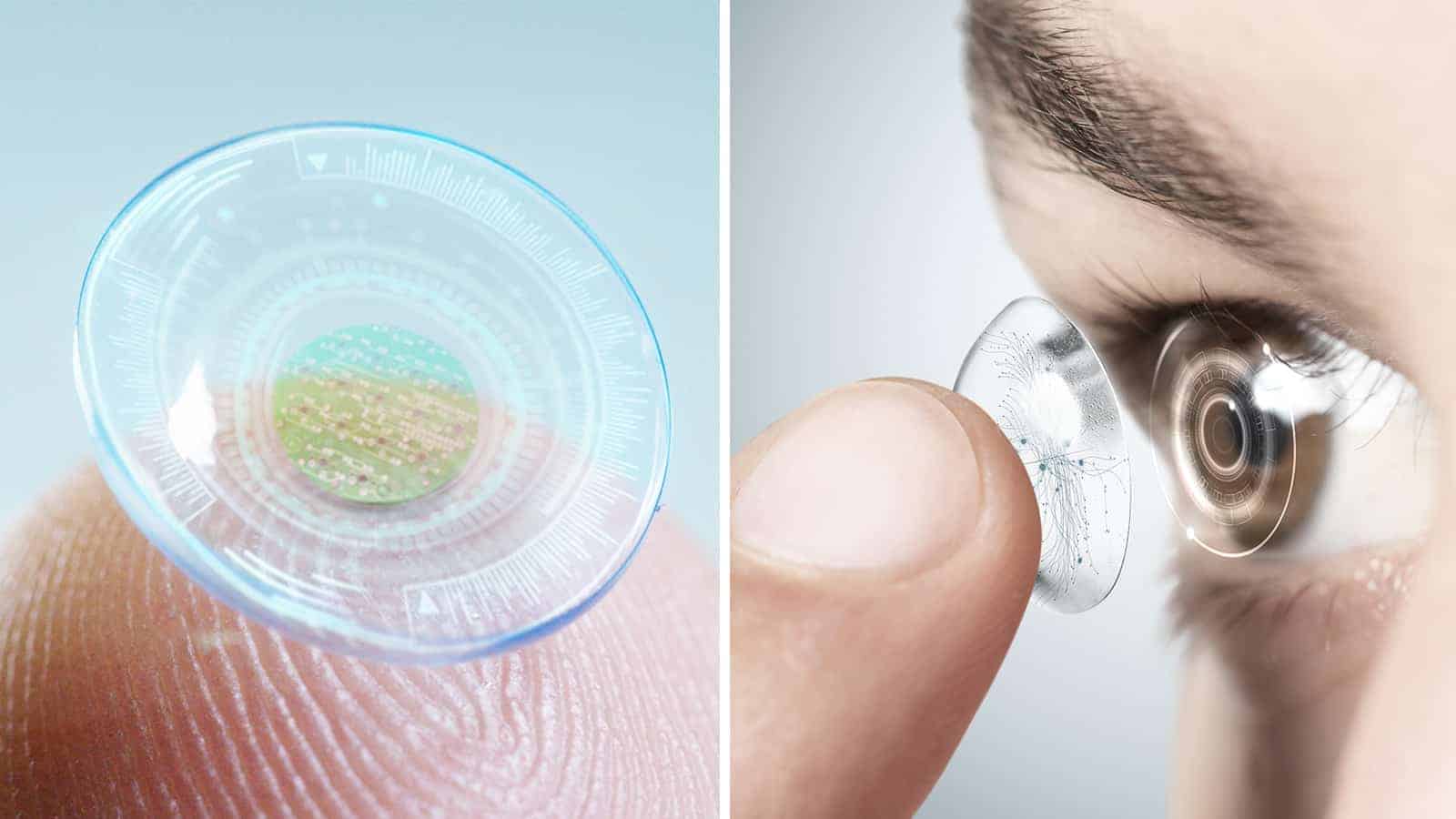
diabetes contacts

These incredible contact lenses can detect and monitor diabetes.

Guava leaf tea contains so many antioxidants that it can also treat patients with gastric (stomach) cancer. Its anticancer and antitumor properties come from compounds, like lycopene, quercetin, and vitamin C, which work to eradicate free radicals in the body. A 2011 study published in the journal Food Chemistry found that when people consume the tea leaf extract, it leads to apoptosis, or gastric cancer cells attacking themselves.

If you don’t have any tea on hand, however, guava essential oils can also inhibit cancer growth in the body. A 2006 study published in the journal Cancer Letters showed that guava essential oils could halt cancer activity in patients with stomach cancer, due in part to its rich concentration of nerolidiol, caryophyllene, beta bisabolene, p-selinene, aromandreno, tannins, beta sitosterol, leucocyanidins, and triterpenoids.

4 Ways To Let Go Of Political Stress

The constant news about the election is a great reason to find a healthy way to let go of any political stress that you feel.  Candidadates speak angry words. Then the media repeats it in a relentless news cycle. This repetition can take a toll on your own emotions, even though they are the emotions of someone else.

News is only one source of possible political stress for you. Your friends, coworkers, and family members may have strong opinions about their own political views. Moreover, they might want to discuss them with you. Not only do they want to discuss their views, but they also want to convince you why their candidate is the one you should be voting for.

Maintaining your composure in the face of political views that conflict with your own is a challenge. But this discussion is one you can handle with grace. Let’s look at healthy, positive, and socially conscious ways to let go of political stress and respond to contrary political views.

4 Ways to Let Go of Political Stress

Most importantly, remember that other people’s emotions are their own, not yours. Anger and fear are the most common emotions that we encounter when dealing with political debate. People may feel anger over what is currently broken in our government and what they believe needs to be fixed. People may also experience fear about the uncertainty of how each candidate will handle the problems that our nation faces.

Anger and fear are negative emotions, just like sadness. As you may have read in our article New Research Reveals You Only Have Four Emotions, Not Six, the only other emotion is happiness. Letting go of political stress is similar to how positive people handle any kind of stress; they choose happiness.

In that moment after we hear someone speak, we have a choice of whether to respond or react and also how we will communicate our meaning to the speaker. Positive people choose their own well-being and they respond calmly, with happiness in their voices over reacting with anger and fear.

1. Educate yourself

When you hear conflicting information, take a moment and Google a reliable, trustworthy source of information on the topic. Not everyone understands the subtleties of international relations in diplomacy and how best to solve the crisis there.

It’s easier and less stressful to deflect a political argument by acknowledging that you are not an expert on the topic. So explain you will be happy to read more about it so that you can have an intelligent discussion in the future.

2. Trust your gut

If something feels wrong in your gut when you hear it, for example when a candidate uses the words ‘always’ or ‘never,’ trust your gut that these are overgeneralizations. In fact those statements are rarely true all of the time. When you hear words that you dislike, listen to your gut and trust your initial judgment of ‘good’ or ‘bad.’

Avoid political stress by limiting your time spent listening to anyone who frequently gives you ‘bad’ gut feelings. Ask yourself, ‘Is this person using words that are intended to scare or anger me?’ If the answer is yes, use that information to help you sort through truth versus emotionally inciting words.

3. Know your limits

In a study of voter cortisol levels during the 2008 election found that those whose candidate lost the election had higher levels of the stress hormone in their saliva afterwards. By choosing how you respond to political ‘bad news,’ you can limit the negative health impact of stress on your body.

Excess cortisol is bad for your health, period. High cortisol levels can lead to numerous diseases and even premature death. Avoiding conversations or situations that raise your cortisol levels may be best for your health.

Alternatively, you can find a productive way to respond to angry political discussions by reading our article 7 Ways to Respond to Verbally Aggressive People. Reducing stress by responding calmly is one way that you can take control of your health this political season.

stress

4. Avoid getting into a dominance competition.

An election is a competition of two or more people vying for dominance. Voters often feel as though they are also engaged in this competition. They respond by defending their candidate of choice to others and demonstrating why their choice is the better one.

Just like in the cortisol study, researchers studying the effects of elections on testosterone levels in men and women found that the levels of the aggression and dominance hormone were lower for men whose candidates lost the election. Women showed no difference in testosterone levels before or after an election, even though they naturally have small amounts of the hormone.

11 Things To Remember When The World Feels Overwhelming

We are not exempt from having bad days. They are part of our growth and learning. Just because some weeks are more difficult than others, we cannot throw in the towel, curl over, and stay in bed indefinitely. While you might feel like doing that during challenging times, it’s important to keep focused on the positives, and face the world bravely despite feelings you might have within telling you to do otherwise.

Here are 11 things to remember when the world feels scary:

world

1. Sometimes you have to get lost in order to find yourself.

You are not alone in this struggle. Everyone has issues, problems, and obstacles. What feels like a deviation from plan is actually a redirection for something better. You are only responsible for this moment. Allow for the light to cast out the darkness.

2. This is all part of the illusion.

You make your own reality. What seems to be perceived as sad, anxious or fearful may be your soul letting you know that something in the plan is not for you. Take note and do something joyful to get you out of the funk. Go to a park. Take a hike. Watch a comedy. Shifting awareness is a way to recreate your mood.

“The world as we have created it is a process of our thinking. It cannot be changed without changing our thinking.” ~ Albert Einstein

3. You don’t need everyone’s approval.

Not everyone is going to agree with your choices. One or two people who disagree with you do not make it a bad decision. Your beliefs change over time and most likely so do your friends and family.

4. You have evolved and you are okay.

Your choices can change from day to day. You are not the same person that you were yesterday. Each day gives you the opportunity to grow. Take on a hobby, a sport, or just find a spiritual practice that can enhance your authentic evolution.

5. Turn one day a week into a mini retreat.

Get offline. Turn off the news. Disconnect from the world. It’s important to take time for you. How can you be helpful to anyone else if you cannot pamper yourself? You need moments of recharging your energy while being away from everything that is a constant bombardment in your life.

6. It’s not a breakdown, it’s a breakthrough.

We have become a society of labels. We are constantly labeling everything in order to make sense of things. When we breakdown we immediately go to find a quick fix. Are you depressed? Suicidal?Bipolar? Sometimes a breakdown is just a simple breaking through a huge challenge or obstacle. There is no need to label it.

7. As soon as you begin to do something, the world starts to shift.

Not doing something, or obsessing about a problem, causes anxiety to escalate. Whenever it begins to feel like hopelessness that’s when you need to do something.

“Yesterday I was clever, so I wanted to change the world. Today I am wise, so I am changing myself.” ~ Rumi

8. Be grateful for everything.

There’s a lesson in each event. Gratitude is a mood shifter. Make a list of at least three things that mattered that day every day. Some days there will be more than three. It’s as simple as, “I am grateful for the sun today.”

9. There are others with the similar problems.

You will not reinvent the wheel. You are not going through something that someone else hasn’t overcome. Sure the events may be different, the obstacles a bit unrelated, but in the end we are driven by similar problems and lessons.

10. Use breathing exercises, visualization, and mantra to help you through this moment.

As per Dr. Herbert Benson in his book, The Relaxation Response, there are three basic mechanics of controlled breathing: (1) inhaling deeply through the nose for a count of five or so, making sure that the abdomen expands; (2) holding breath for a moment; (3) exhaling completely through the mouth for a count longer than that of inhaling. Using a mantra and visualization during the process can shift your mood.

world

11. Reconnect with friends and family.

We need others. You were not put here on this earth alone. Whenever the world feels scary, you can reach out. Friends and family members help in allowing us to be ourselves. Laughter is the best medicine. Allow for them to be there to help with joy.

Life is a gift that we get to create, reinvent, and live to the fullest of our abilities. Shifting your senses and perception are amazing tools to overcoming the scary days ahead. You are not alone.

“And above all, watch with glittering eyes the whole world around you because the greatest secrets are always hidden in the most unlikely places. Those who don’t believe in magic will never find it.” ~ Rumi

10 Ancient Beauty Rituals Used By Cleopatra

The legendary beauty of Cleopatra is so renowned that her natural beauty rituals are sought after by women who want to look just as attractive and desirable as she was. We know that Cleopatra was able to seduce two powerful Roman leaders, Julius Ceasar and Mark Antony, and others wrote of her beauty as well.

As we turn to more natural sources of health and beauty products, looking back at history to recreate the products used by beautiful women is one way for us to incorporate organic Earth wisdom into our daily lives. According to heritagedaily.com, Roman historian Cassius Dio described Cleopatra as ”a woman of surpassing beauty’ who was ‘brilliant to look upon.”

Dio also writes of Cleopatra that she ‘had an irresistible charm, and her presence, combined with the persuasiveness of her discourse and the character which was somehow diffused about her behavior towards others, had something stimulating about it.’

Here are 10 ancient beauty rituals that we have collected for you and which were likely used by Cleopatra in her Egyptian palace.

10 Ancient Beauty Rituals Used By Cleopatra

1. Milk bath

Hippocrates wrote that Cleopatra used the milk of 700 donkeys to bathe in. Milk contains lactic acid, which is useful as a mild exfoliant. Not having 700 female donkeys around like Cleopatra did, we can recreate this ancient beauty ritual by adding a half-gallon of whole goat milk to a typical bath.

Increase your Cleopatra-like bath quality by adding some fragrant essential oils like jasmine and sandalwood. You can also add some raw, unrefined honey to dissolve in your bathwater. Add up to 1 cup of honey per bath and you should not feel sticky afterwards.

2. Salt scrub

A sea salt scrub down is a great way to invigorate the skin and remove dead skin cells. Cleopatra would have had access to salt mined form caves, as well as that from the sea. Find a good quality, fine grain salt and add some drops of your favorite essential oil. Wet your skin in the shower, then scrub and rinse to recreate this ancient beauty ritual.

3. Royal jelly

The royal jelly collected from bees is an incredibly nourishing ingredient to add to your beauty routine. Nutritional Physician Dr. Cass Ingram says that royal jelly has an ‘immense nutritional and biochemical profile, it aids in the natural regenerative processes by supplying precisely what the body needs. Thus, it helps the cells heal themselves.’

Look for beauty creams containing royal jelly to benefit from this ancient beauty ritual. Royal jelly can help reduce the appearance of dark circles under the eyes, reduce the appearance of dry skin and help reduce the severity of wrinkles.

4. Rose water

Rose water is a delicate astringent that can be sprayed on the face after cleaning, like a toner. You can make rose water by boiling one cup of rose petals to two cups of water and cooling the mixture. You can also purchase rose water from organic product companies like Inflora Botanica.

5. Clay mask

Bentonite clay is a popular cosmetic and health ingredient as we return to ancient beauty treatments. According to BurtsBees.com, ‘clay has skin-softening properties and helps exfoliate dead skin cells and draw out impurities from the skin.’

6. Hemp seed oil

Another ancient beauty treatment would have been the use of hemp seed oil as a moisturizer. BurtsBees.com says that hemp seed oil is excellent for skin due to the ‘high content of proteins and essential fatty acids. The fatty acids in hemp closely resemble our own skin’s lipids, so they are readily absorbed into the skin. The oil is said to help slow skin’s aging and provide a healthy moisture balance. Additionally, it offers relief to acne, minor abrasions, psoriasis and eczema.’

7. Aloe leaf juice

There is evidence that Cleopatra contributed to a book of medical remedies and one of her recipes was for alopecia or hair loss. Recipes.hypotheses.org says that Cleopatra suggested that those suffering from baldness shave daily and rub the bald area with a linen cloth, and then anoint the area with a mixture of reed canary grass, (arundinis) an ounce of potassium nitrate (spuma nitri or saltpeter) and a solution of picis liquida (tar water).

Rather than trying to recreate Cleopatra’s hair growth recipe, look for products containing aloe juice. Aloe vera is a centuries-old hair and scalp beauty treatment. Aloe juice is also a good source of fatty acids.

8. Unrefined Shea butter

Cleopatra would have access to raw, unrefined African shea butter. Shea butter and other moisturizing ingredients would have been important for her in the desert climate of Egypt.

9. Tallow soap

Tallow is an animal product, and if you are against the use of animal products, try an olive oil, hemp oil or alternatively vegan soap. Organic, hormone-free, grass-fed beef tallow soap has skin-nourishing ingredients such as Vitamin B12, Omega 3’s and CLA (a potent antioxidant) that Cleopatra would have loved as a part of her beauty routine.

10. Beeswax

Beeswax still goes into many cosmetics today from lotion to lip balm to mascara. The skin smoothing, hydrating, moisture-locking power of beeswax is an excellent ancient beauty ingredient that you can add to your own homemade cosmetics. Even those who have allergies to bees or to pollen have few allergic reactions to beeswax.

What Does Your Aura Reveal About Your Health?

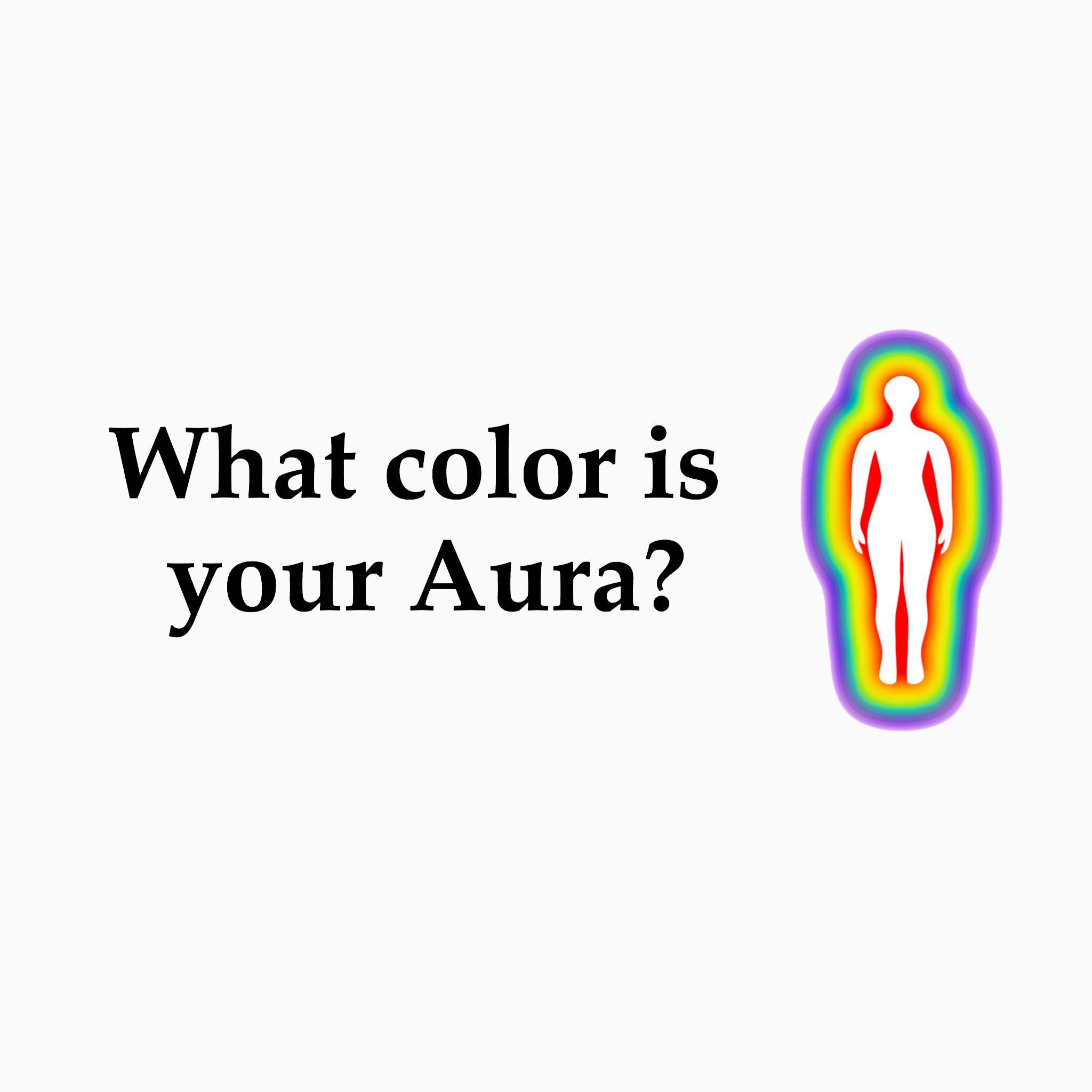
The energy surrounding our bodies is known as our aura, emitted from our body and spirit based on our own vibrational frequency. Auras can be seen as rays or ovals of light around a person, but not everyone can see them. Scientists have made significant breakthroughs on the subject of auras, and have been able to successfully document this phenomenon and what it can actually reveal about your health and state of mind.

Aura colors and strength vary from person to person, depending on their own specific energy. Your aura can change from day to day, even moment to moment, depending on the experiences you have and the emotions you feel. Thoughts can also affect your aura, as they largely determine your energy field.

Around the world, at Russia’s St. Petersburg State Technical University, Dr. Konstantin Korotkov is building a bridge between auras and a person’s health. So far, he’s created a unique device that reads the bioenergy of organisms and their surroundings. This device (GDV) takes an electron cloud snapshot of the subject in a millisecond and prints out the results. When the image prints out, he compares it to images from other healthy subjects. With this comparison, specialists can track diseases and potentially stop them before they become lethal.

aura-color

Click here to find out what color Aura you have!

YELLOW

The main traits of those with a predominantly yellow aura are intelligence, logic, and a quick wit. They think with their heads, not their hearts, and can quickly put their emotions aside to deal with problems that arise. They can sometimes work too hard, however, as they are Type A’s who thrive on reaching their goals.

RED

As you might have guessed, people with a red aura have a fiery, feisty nature, and cannot be tamed easily. They love freedom, adventure, and excitement, and get bored quickly. People with a red aura have a high level of confidence in all areas of life, and don’t normally suffer from mental or physical illnesses. This is probably because they don’t live in their heads much; they thrive on action, and don’t mull over decisions too long.

PINK

People with a pink aura have a very generous, sweet, approachable energy. They give love freely, and are a hopeless romantic. They also are empaths, with an uncanny psychic ability and creative talents. People with this color aura are idealists, which makes it hard for them to see the world as it is. They want to change it somehow, and feel like it’s their mission in life to do so. They have a bubbly, charismatic personality, and have many friends because of it.

GREEN

If you have a green aura, then you have an unwavering love for the outdoors, and consider yourself a true nature lover. You also care a great deal about health, and strive to eat nutritious, wholesome foods most of the time. You’re very grounded and logical, and people always come to you for advice because of your no-nonsense approach to life. Your home and car are spotless, reflecting how you look after yourself. You enjoy safety, good mental health, and stability, and don’t deal well with changes. However, sometimes you can be too rigid in your approach to life, so try going with the flow more.

ORANGE

People with an orange aura love the spotlight and enjoy activities with many people around them. They are charismatic, funny, loud people, and usually the party’s life. However, they have an innate ability to sense other’s emotions, and care deeply for how people feel. Due to their passionate nature, they can sometimes lose their temper but will quickly apologize if they’ve been out of line.

PURPLE

This color signifies great psychic abilities and high sensitivity to emotions and energies. People with a purple aura have a mysterious, quiet, contemplative nature. They are considered empaths due to their ability to feel things deeply. They live a lot inside their own minds but have a beautiful soul. People with this color aura tend to spend a lot of time alone in nature, as they feel misunderstood by most humans. They don’t have many friends, but they adore and cherish the ones they do have. Sometimes, people take advantage of their open, loving nature, so people with this aura need to do a lot of self-care to protect their energy.

BLUE

This color aura is the rarest of them all, but it symbolizes strength in communication and a balanced persona. As you might have guessed, this aura represents a calm, soothing nature, and so these people make wonderful peacemakers and solvers of problems. They can smooth things over quickly in an argument, and have an honest, highly eloquent way of talking with people. These people seem to have the perfect balance of thinking and feeling and always say the right thing at the right time. They are very intelligent and have a gift of communicating in any means necessary.

GOLD

People with a gold aura love the finer things in life. They thrive on being the center of attention and have a colorful social life. They love to entertain people and show others a good time. They have a strong independent streak, and don’t usually ask anyone for help. These people can sometimes come across as superficial due to their extravagant tastes, but they simply enjoy giving people nice things, and decorating their living space with them as well.

WHITE/SILVER

Highly talented and versatile, people with this aura can adapt perfectly to any situation. They are chameleons, able to change quickly based on their environment, and excel in many different areas of life. They attract success easily, and usually make very good leaders and teachers. People are drawn to them because of their inner and outer beauty, but people with this aura need to take care to keep their egos in check.

BROWN

People with a light or dark brown aura tend to be lost souls, wandering around aimlessly searching for a place to call home. They might fall back into bad health habits, and have a negative self-image. They tend to focus so much on other people’s flaws, that they forget to address and fix their own.

BLACK

Black points to blockages in the energetic field. It can also signify deep, unresolved health issues, depression, anger, rage, stagnation, discontentment, or any other negative emotion. People with this color aura need to make time for self-care, and not be so hard on themselves.

8 Negative Emotional Patterns You Need to Avoid

As humans, we tend to beat ourselves up for things we’ve done in the past. We carry embarrassment, guilt and memories like a giant sack of potatoes across continents on our backs. Every so often, we sit the sack down and let things go to no sooner pick it right back up with regrets, anger, jealousy, resentments, and shame. We feed the emotional patterns while giving power to them.

Here are 8 emotional patterns you need to avoid:

emotional recovery

1. Shame.

This is the ego’s way of dictating your worth. It will recreate past stories and use them to make you stay stuck in a place of infinite hell. Shame is one of those emotions that is quiet. It won’t speak up. It sits churning its nasty grip while making you feel that you are not entitled to happiness. The cure for shame is complete vulnerability to step up and be authentic in your power and gifts.

We cultivate love when we allow our most vulnerable and powerful selves to be deeply seen and known, and when we honor the spiritual connection that grows from that offering with trust, respect, kindness and affection.” ~ Brene Brown

2. Jealousy is a harmful emotional response.

The ugly green monster shows up when you expect something to be yours and it hasn’t happen. Expectations are the fueling energy to jealousy. Jealousy is a disease that the immature mind believes to surpass in love. What we want and how we wanted our affected by this emotion? It is a child-like tantrum that serves nothing but vile. If you want to succeed be happy for another. Allow them to excel and in that moment you will find that helping another is the best gift for your peace of mind.

3. Regrets.

The things that ache the most are usually the ones we can never grasp again. They are the memories that have been placed on some pedestal of romanticism. Regrets are painstakingly dangerous. They are the obscure longing of impossible things that we did not do, or did wrongly. They are the nostalgia cues of a drunken mind full of living in the past.

4. Resentments.

Carrie Fisher says, “Resentment is like drinking poison and waiting for the other person to die. ” Just like regrets, resentment is built on the unapologetic gesture of past events. You cannot return back there. You cannot change what has happened, but you have the complete capacity and opportunity to make things right as of this moment.

5. Judgment is an adverse emotional pattern.

Criticism is self-sabotaging. When you judge another it comes from fear of not understanding them. Judging arrives through ignorance, childhood programming, and the idea that you are in control of all. In order to release judgment you must make peace with your own choices. You must be willing to stand and detach while accepting that we are never going to be perfect. And, while you are at it embrace your own imperfections.

The ability to observe without evaluating is the highest form of intelligence.”~ Jiddu Krishnamurti

6. Unforgiving of yourself and others.

This is a big one! Forgiveness is not for anyone else but yourself. When you forgive another for their wrongdoing you are allowing the space for freedom. When we hold on to anger, hatred, and unloving emotions, the only one being hurt is you.

The weak can never forgive. Forgiveness is the attribute of the strong.”~ Mahatma Gandhi

7. Depression.

There comes a point in everyone’s life where there’s no return. You pass the point of certainty and assurance. The doors close. The windows are nailed shut. Surviving is too much. The darkness embraces you in a warm blanket of despair and it just feels better to stay there. Depression hits anyone. It doesn’t care about social status, gender, age, race, or ethnicity.  Depression doesn’t care that you are “tight with God,” a church goer, a monk, or even the most spiritual being out there. It’s a dark hole that doesn’t understand rational analysis. Get help. Do not allow the claws of this emotion to bring you into complete despair. Do not sit with it until it controls every part of your life. There is always a way!

8. Fear is an emotional response.

Fear paralyzes us. It holds us captive and imprisons everything we know to be true. But without fear there is no courage. We can use this emotion to gather strength. Fear doesn’t let us see truth. It’s up to us to remove it, through baby steps, or complete plunges into the unknown. It requires the tenacity of a positive outlook. To read more about how to overcome your fears, refer to our related article here.

Do yourself a favor…stop the self-sabotaging. Drop the past. Start today. You are beating yourself up for no reason but as punishment for what happened to you eons ago. Find something outside of you to sustain you, like the wisdom of divinity, faith, belief or whatever you want to call it.  Stand in your glory and light. Embark in the mysteries and mysticism of this clarity. Do not allow Ego to dictate your worth. Do not allow the media and others to put a price on you. Get out of your own way. Stand up! Stand in gratitude for all that you’ve overcome. Own your part in your drama. Be responsible for it all but let it go.

Stimulating This ONE Nerve Relieves Fatigue, Anxiety And Brain Fog

Every organ in your body is connected to the vagus nerve, so there’s little wonder that stimulating your vagus nerve helps relieve fatigue, anxiety, brain fog and more. The vagus nerve is important to your sense of intuition, or your gut sense. This knowledge can help you to pay attention to tiny but important details that help you make good decisions.

Vagus means ‘wandering’ and this nerve reaches all the way from your brain to your intestines. The vagus nerve also connects the brain to many other vital organs. The nerve sends information from the brain and receives information from the organs. In turn, the data gets sent back to the brain in a feedback loop.

Think about your fight or flight response for a moment. Your sympathetic nervous system is responsible for getting you ready to face danger. Once the danger has subsided, your parasympathetic nervous system resumes normal, relaxed bodily functioning.

The vagus nerve is responsible for digestion, rest, and recovery from environmental stress. Anything from a hectic day at work to coming back from a run is when your parasympathetic nervous system takes over by activating organs to begin the ‘rest and digest’ mode.

Clinical Psychologist Dr. Arielle Schwartz says that the vagus nerve helps with ‘regulation of nervous system states [and] is critical for the treatment of mental health conditions.’ Anything from mild anxiety to post-traumatic stress disorder (PTSD) and depression are likely liked to the functioning of the vagus nerve.

7 Ways to Stimulate Your Vagus Nerve to Relieve Fatigue, Anxiety And Brain Fog

By stimulating the vagus nerve, we are sending a message to our body that we are ready to relax and we want our organs to go into a relaxed state as well. Learning to stimulate your vagus nerve is another tool in your fight against stress and anxiety.

anxiety

1. Meditation to Alleviate Anxiety

Researchers believe that there is a connection between mood disorders like anxiety and depression and problems in the vagus nerve function. Researchers studying the vagus nerve and its connection to mood, memory, and learning believe that ‘understanding the neurobiology of emotional regulation and dysregulation’ when these emotional states cannot be ‘turned off’ will lead to powerful and exciting new treatments for mood and anxiety disorders.’

Stimulating the vagus nerve is one way that we can teach our bodies to turn off arousing emotional states, such as anxiety. Researchers found that a specific type of meditation, called the ‘Loving Kindness Meditation’ helped reduce heart rate variability. Specifically achieving a positive emotion and a positive social connection to others in combination with meditation changed the activity of the vagus nerve.

2. Massage

You can manually stimulate your vagus nerve by massaging several areas. A foot massage can stimulate vagus nerve activity, as can massaging your neck. A neck massage along the carotid sinus (the right side of your throat near where you check your pulse) can also stimulate the vagus nerve.

3. Cold

Drinking cold water or splashing cold water on your face may be enough to stimulate your vagus nerve. You can also take cold showers, take a swim in an unheated pool or try cryotherapy.

4. Fasting to Reduce Anxiety

The vagus nerve is responsible for digestion when your brain says that you are in a safe environment. Otherwise, your body might deprioritize digestion when dealing with stress. By fasting, an empty stomach sends signals back to the brain that digestion is unnecessary. Thus, your body will use your energy resources for relaxation instead.

5. Breathing techniques

Deep breathing is always relaxing to your body, but you can use other breathing techniques to stimulate your vagus nerve. If you are interested in ways to relieve anxiety, you may have already read our article called This Ancient Breathing Technique Can Help Relieve Anxiety. Alternate nostril breathing or yogic breathing is a great way to stimulate the vagus nerve.

Another breathing technique that you may never have tried is inhaling deeply and then closing your airway while pushing your breath against the inside of your chest and bearing down with your abdominal muscles (like you are trying to pass gas). This method of applying internal pressure from the lungs out to the surrounding organs stimulates the vagus nerve as it connects your heart, spleen, lungs, stomach, and small intestines.

6. Chanting

Om. That single chant in the key of somewhere between B, C, and C# on the musical scale creates internal vibration in our throats. It sends smaller vibrations to the lungs and other organs.

anxiety

7. Laughter with friends

Researchers in the journal of psychological science found that more social connections led to more opportunities for positive emotions, which also increased stimulation of the vagus nerve. The researchers say ‘This experimental evidence identifies one mechanism – perceptions of social connections – through which positive emotions build physical health.’ Laughter makes you feel good and stimulates your vagus nerve, which helps produce overall good health and well-being.

For more information on your intuition and trusting your gut, read our article called 5 Signs You’re Not Listening to Your Gut Instincts.

Skip to content