Weekly tips, affirmations, and small actions to feel your best.

5 Things A Narcissist Will Try To Do To Take Advantage Of You

The DSMIV cites as an “essential feature” of the narcissist a “lack of empathy that begins by early childhood and is present in a variety of contexts.” If lack of empathy isn’t a hallmark of an antisocial individual, then what is? – Stanton E. Samenow, Ph.D.

For the layperson, the word “narcissist” is often used without proper context. Associated with self-absorption and selfishness, the textbook definition of narcissism is used in a way that can apply to pretty much everyone with a pulse. However, some people are much more inclined to narcissistic behavior than others.

Perhaps there is no other way this misconception can be illustrated better than a narcissist’s relationship with others. This relationship – a word used in the loosest way possible – commonly involves deceitfulness, lack of empathy, and deliberate exploitation. These relationships are usually harmful to the well-intentioned person. But you place misguided trust in a person lacking the ability to reciprocate such an emotional investment.

As decent people, it is beneficial that we’re able to identify and understand the traits of narcissists. None of us want to be exposed and abused, especially by a person whose preconceived actions and behaviors are designed to provoke the same.

It is our right to be loving and courteous, not doubtful and hesitant. We have the utmost right to protect ourselves from those who wish to harm us, whether such harm is intentional.

With this in mind, we believe it is beneficial to present certain scenarios that one may encounter with a potential narcissist. One of the things for which narcissists are well-known is taking advantage of people; hence, the purpose of this article.

Here are five ways that a narcissist may try to take advantage of you:
female narcissist

1. Cognitive Dissonance

It is common for a narcissist to mask his/her true identity with a false self. Basically, this is designed to be a sort of presentation to the world – a well-designed impetus to acquire much-needed attention and admiration. Never mind that such attention and admiration is undeserved; in fact, it’s quite likely the opposite.

Unfortunately, this deceptive tactic often works. People are frequently unable to fully understand the true nature of a narcissist – as a person that lacks empathy and interest in other human beings. Instead, they see someone that is charming, sweet and caring.

As a result, victims of narcissists are likely to suffer a good deal of cognitive dissonance. They often try and rationalize the “charming, sweet and caring” person with the outlandish and hurtful behaviors that the narcissist constantly subjects them to. The end result is that victims may end of blaming themselves while overlooking the narcissist’s true identity.

2. Emotional Puppeteering

Also known as triangulation, narcissists often manipulate emotions via the insertion of another person into the relationship. In essence, this alters the relationship dynamic and is an attempt to both provoke jealousy and maintain control.

Triangulation generally works as follows: another problem arises in the relationship, and the narcissist doesn’t feel obligated to help solve anything. Seeing an opportunity, the narcissist will (often) manipulate the emotions of another in order for them to communicate with the “problem person” – aka, the victim.

The objective? To make the victim feel as if they must “compete” for their affections. Narcissists commonly say, “I wish you’d be more like him/her,” “He/she would never treat me like this.” Such statements provoke feelings of insecurity and uncertainty in the victim; often leaving them wondering where exactly they fit into the narcissist’s life.

3. “Shape-shifting”

Narcissists love when someone strokes their ego. Besides that they often keep around a “collection” of people to do just that. Even a narcissist realizes that – for people to “accommodate”  you – you must maintain some goodwill. To achieve this goodwill, a narcissist will often “shape-shift,” or embody a new persona to please people and get what they want. Namely, constant admiration and stroking of their ego.

Quite simply, it is not normal behavior to alter personas from one person to the next. Observing this tendency should be a telltale sign that the person is unauthentic and best, and narcissistic at worst.

4. “It’s not me, it’s you”

Narcissists will do any say anything to cloud another’s judgment on their abnormal behavior. After subjecting their victim(s) to abuse – emotional and/or psychological, most likely – they’ll seek to invalidate and criticize any resistance to their actions. Common phrases include “You’re too sensitive,” “You’re too serious,” or “You’re misunderstanding me.”

Narcissists pride themselves on being emotional chameleons. When it comes to abuse, they’d like nothing more than for the victim to dwell in negativity and misguidedly blame themselves for the narcissist’s actions. The ultimate goal of a narcissist is to evoke a sense of self-doubt within their victims; as this self-doubt permits them more time to inflict their will.
advantage

5. The Idealization-Devaluation-Discard Cycle

Narcissism encompasses antisocial views and behaviors. This is most evident in relationships with romantic partners, of which there are often many. In nearly every case, the narcissist will put their partner through a cycle of idealization, devaluation, and discarding.

Idealization involves making their partner the centerpiece of their life. During this phase, they’ll be charming, courteous, and praising. They’ll flatter someone with this phase, and make their victim think they found their soulmate. In return, they’ll receive the admiration and attention that they constantly need.

Suddenly, the narcissist will begin to create feelings of “hot and cold,” where they continue the idealization phase to a small extent while criticizing their victim and often withdrawing from them. Predictably, the narcissist will manipulate the victim’s emotions in an attempt to maintain control. This period is often wrought with emotional and psychological abuse.

Finally, the narcissist believes their job to be done and subsequently pulls out of the relationship. But not before demeaning and disrespecting their victim in some terrible way; often by leaving them for someone else, humiliating them in front of others, or simply ignoring them for days on end.
Sources:
Hill, MS, LPC, T., posts, V. all and ?LPC (2015) Triangulation: The Trap of the Problematic Person. Available at: https://blogs.psychcentral.com/caregivers/2015/10/triangulation-the-problematic-family-member/ (Accessed: 19 November 2016).
Samenow, Ph.D, S. (2011) Narcissistic Personality Disorder and the Antisocial Personality Disorder — A Lot in Common. Available at: https://www.psychologytoday.com/blog/inside-the-criminal-mind/201107/narcissistic-personality-disorder-and-the-antisocial (Accessed: 19 November 2016).
(C)Power of Positivity, LLC. All rights reserved

10 Things You Need To Do Every Day Before 10AM

Mornings can be tough for some people. But you really should get up ready to face the day before 10AM.

People who like the silence of the late night. People who relish in the lack of distractions. Inevitably, the sun comes up and we have to get up out of our warm beds and face the world. This can be extremely tough if you are fighting emotional pain, trauma, or depression. The allure of laying in bed and watching Netflix can be overwhelming if you don’t have children who need you or a morning job to get to.

If you want a positive, healthy and emotionally balanced life, then there are some things you need to get up and do in the morning.

Here are 10 things you should do before 10AM:

1. Get Out Of Bed Before 10AM

The journey of a thousand steps begins with a lot of complaining. If you are suffering from depression or sleep disorders, just getting out of bed can be tough. You aren’t going to slay your personal dragons by laying in bed. No matter how tired you are, you aren’t going to feel better by lounging around in the bed. Get your butt up and moving around.

2. Wash Yourself

You are exhausted and you feel like crap. We get it. One of the signs of emotional pain is that you start neglecting personal hygiene. It is easy to skip the shower and bum around all day surfing the web. Getting a shower and washing yourself from head to toe will not only clean your body, but rinse off your soul. The warm water soaks into you and refreshes your mind. This small act of devotion to yourself can work wonders on your perspective.

3. Make Your Bed

Little things in life matter. Making your bed is the first task completed for the day. After completing that first task, you will be encouraged to complete another and another. If you have a really crappy day, then when you get home, you can slip into a well-made bed – a bed that YOU made. It will give you hope that maybe tomorrow will be better.

4. Eat Breakfast

Some people skip or ignore breakfast. It is the most important meal of the day for many biological reasons. Eating breakfast will fill your body with much-needed nourishment that will give you the energy and stamina to tackle the rest of your day. If you wait until lunch to eat anything substantial, you might find yourself snacking on empty calories to give you a boost. Those calories will go right into fat storage as the body thinks it is in a environment of low food availability. If the body thinks it is starving, then it will store energy rather than use it. Eat something nutritious and you will find you are less distracted with hunger and in a better mood throughout your day.

5. Get Dressed

Even if you don’t have to be anywhere special like work or meeting someone, get dressed like you are going out. When you work from home, it is a temptation to bum around all day in your pajamas. Getting dressed reminds you that you have stuff to do today. Like showering, it is an act of self-love that can lift your spirits just a little bit.

6. Make A List

Make a short list of the things you want to get done that day. It doesn’t have to be exhaustive. Just make either a mental or physical note to yourself that you have a goal for the day. Setting a goal or goals pushes you to get moving and stay moving until the task/s are complete. A body in motion stays in motion, and a list can give you some early momentum to work with for the rest of the day.

7. Get Out of the House Before 10AM

Get out of the house and go do something. It doesn’t have to be important or critical; just getting out of the house gets you out of your head a little. Get some fresh air. Go for a walk. In a world of social media and telecommuting, it is easy to physically isolate ourselves from others. Getting out of the house and spending time working on your laptop at a coffee shop or a park can help energize you.

15095646_10153986313012371_785532757319900647_n

8. Talk To A Friend Before 10AM

Another symptom of emotional pain is for someone to isolate themselves from others. Make it a habit to talk with friends or family even when you don’t have to. People are social creatures and need social interactions. When we let ourselves become isolated, we cut off mental and emotional lifelines to other people. Talking with friends and family can get us out of our own heads and break unhealthy loops of negative thoughts.

9. Listen To Some Music

Put on your tunes. Rock out for a few minutes to something happy and upbeat. Avoid music with depressing themes, as these will suck away your energy or turn your thoughts to negative subjects. Sing something silly with your kids. Crank up the music on your way to work and sing along. Music can energize you and put you in a better mood for the rest of the day.

10. Do Something Physical

Do something to get the juices flowing. Get on the floor and do some yoga stretches. Go for a short run before your shower. Dance with your kids in the kitchen to silly music. Get your heart pumping and your energy levels up. Getting the body active releases hormones in your brain that will raise your mood. Free your butt and your mind will follow.

References:
http://www.storypick.com/successful-people-in-the-morning/
http://www.inc.com/business-insider/14-things-successful-people-do-first-thing-in-the-morning.html

(C)Power of Positivity, LLC. All rights reserved

The Singlemost Important Thing Married Couples Can Do To Stay In Love

Young love is a magical place to be and makes for some very exciting and thrilling memories. The emotional rush. The longing to be with each other when you are apart. The excitement and anticipation of seeing them again. It is very addictive and some people chase that feeling all of their lives. They want to feel the warmth of that bonfire of emotional energy. Bonfires are just not sustainable over a very long time. Like huge stars, they burn hot and fast but then collapse into a black hole of pain and anger. Other stars, like other loves, burn on for a long time. They are stable in their warmth and in their intensity. Married couples who last are like this second kind of star.

They may not burn as bright, but they burn for far far longer than their counterparts.

How do married couples stay in love for the long haul?

They are grateful to have one another in their lives. They do not take each other for granted. Every little thing their partner does is a gift to them. No act is too small to warrant appreciation because they know that these little things are small manifestations of their love for one another. Every dinner is a banquet, no matter how small or hastily prepared, because it was made with love and devotion for your partner. Every chore completed is a vast burden off of your back.

When you are grateful, you really appreciate every little thing that someone does for you. You don’t sweat the little stuff, and you don’t complain because things are not perfect. You are deeply grateful for everything your partner does for you, your family, and your friends.

married couples stay in love

The Single Most Important Thing Married People Can Do To Stay In Love

These small acts of love and devotion every single day put fuel on the fire of your love. They feed the flames with small acts of kindness, empathy, and forgiveness. It is easy just to throw wood on the fire, right? You have obviously never had to keep a fire going in the middle of a fierce winter storm. It is when the simple and the easy things become hard that the fire needs tending the most. In the wilderness, letting the fire go out means death in some cases and mutilation through frostbite in others. In a loving relationship, it can mean the same things.

If you neglect the fire, then the love will die as it slowly burns what fuel remains until, eventually, the love is all burned up. And when the fire goes out, the relationship is just as dead as a cold campfire. But, instead of losing fingers and toes, you lose a chunk of your heart that you can’t get back.

Just like that campfire in the darkness of the wilderness, you have to feed the fire of your relationship. You do not feed it out of fear or out of love of the flames but in gratitude for its warmth and security. You are thankful for the light, the warmth, and the security that it provides. When you are both feeding the fire of your relationship and are grateful for what it gives, then the fire stays alive even in the harshest weather. But if you get lazy or neglectful, it is easy to let the fire burn out, and once it is out, you may not be able to ignite that fire again.

Life will bring many storms that will try to snuff out your fire. You can spend your time trying to keep yourself warm and dry and let your partner fend for themselves, or you can snuggle with your partner by the fire and share the only poncho you have. If you want love to last a lifetime, then you have to share your warmth and tend the fire together as a team.

married couples

Final Thoughts on the Habit That Keeps Married Couples Together

When genuinely grateful for your partner, you will sacrifice for them instead of sacrificing them for yourself. When you are grateful for your partner, you will share your meager supplies with them rather than hoard them all for yourself in a vain attempt to survive. And when you are grateful, you realize that you are stronger together than apart and appreciate your partner sticking with you through the rough times. You might carry them today, but when you are grateful, you know they might just as easily be carrying you tomorrow.

“Do not spoil what you have by desiring what you have not; remember that what you now have was once among the things you only hoped for.” ~ Epicurus

6 Things People With A Healthy Gut Do Differently

Scientists have long studied the link between our genes and our health. Now, in a growing area of scientific research, they’re studying the link between a healthy gut and the bacteria in our intestines to virtually every disease that ails us. – WebMD

Our gut is comprised of many individual parts: the mouth, esophagus, stomach, and intestines all make up our gastrointestinal system – the ‘gut.’ The gut is mainly responsible for the processing of food and absorption of nutrients. It is also very important to our health to have a gut that is in working order.

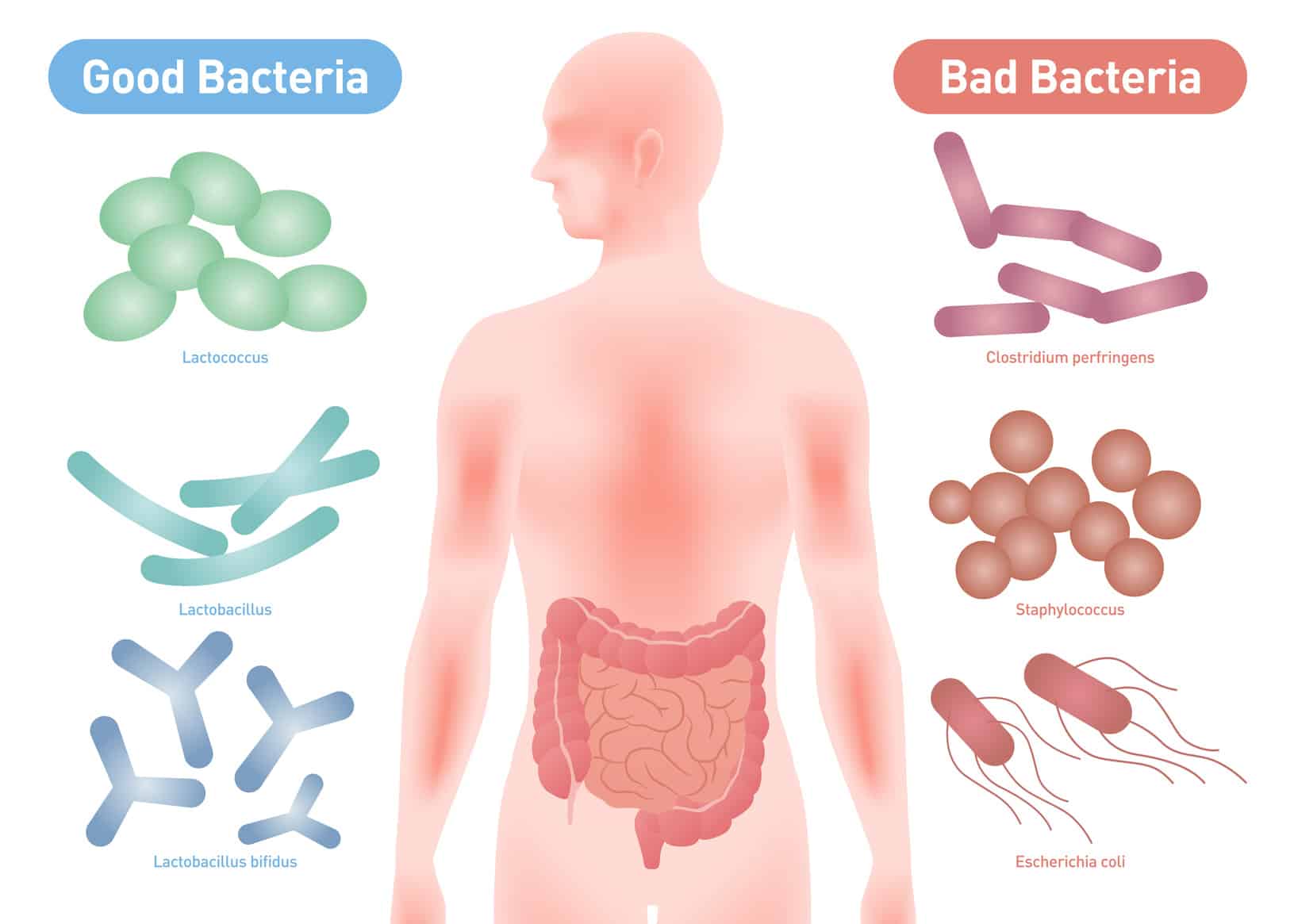
One important characteristic of the gut – relating to good health – is the proper functioning of good bacteria or microbes. The human body contains millions of microbial bacteria, residing pretty much everywhere.

Consider this. For every one of the billions of cells we possess, there are approximately 10 microbial cells. Furthermore, these microbial cells are active in each part of the body: inside the mouth, on the skin, genitalia, nose, and intestines.

Why is gut health important?

In the past, scientists have generally understood the important role if microbes on our health. It wasn’t until recently, however, that scientists discovered the crucial impact that a healthy microbiome – the body’s collection of microbes – potentially has on diseases.

Michael Snyder, the director of the Center for Genomics and Personalized Medicine at Stanford University, states: “There’s a good chance your microbiome is associated with every disease you can think of – diabetes, cancer, autism. And the area where bacteria have a huge impact is your gut.”

Our gastrointestinal system, or “gut,” performs several functions that contribute to health and well-being. As such, the state of our gut’s health has a direct impact on how we feel at any given time.

Among the functions of our gut include:

– Regulation of the immune system

– Absorption of vital nutrients

– Protection against toxins and pathogens

– Managing inflammation

What people with a healthy gut do differently

Now that we’ve got a pretty good understanding of what constitutes the gut, along with why gut health is important, we can focus on achieving/maintaining gut health. There is perhaps no better way to accomplish this than to discuss the personal habits of those with a healthy gut.

Here are 6 things that people with a healthy gut do differently:

healthy gut

1. They consume probiotic foods

Probiotics are “live bacteria and yeasts that are good for your health, especially your digestive system,” per WebMD. These good bacteria are found naturally in our bodies, but should be consumed in the form of foods to ensure an adequate supply.

Indeed, many foods provide these healthful benefits. Fermented foods – such as kefir, kimchi and sauerkraut – are great sources. Other sources include artichokes, bananas, garlic and raw onions. Whole, natural foods are certainly recommended for someone looking to add probiotics to their diet.

2. They have a healthy eating schedule

For the digestive system to work properly, it is important to maintain a healthy eating schedule. The reason is that our gut must “cease” digestive functions to perform the work of eliminating waste and bacteria – a process that generally takes between 1.5 – 2 hours. Naturally, when we eat, the digestive system kicks into gear and all other digestive functions are halted.

For this reason, it is encouraged to take breaks between meals and maintain a healthy eating schedule.

3. They remain hydrated

As mentioned, the gut performs routine cleanup duties of undigested waste and bacteria. Of course, water is important element of this maintenance. That’s because the gut requires H2O properties to effectively cycle waste and bacteria through the digestive tract.

Additionally, staying hydrated wards off unwanted digestive problems such as bloating, constipation and inflammation. Conversely, slight dehydration can alter the balance of good bacteria in the gut and complicate digestion.

4. They watch the processed foods and sugars

Bacteria that does not serve any digestive purpose, aka “bad bacteria,” feast on unnatural, unhealthy foods. Excessive consumption of refined, processed, or sugary foods provides sustenance for bad bacteria, potentially resulting in overgrowth of bad bacteria and disrupting the bacterial equilibrium within the gut.

5. The monitor stress levels

As probably all of us know, the mind/body connection is a real thing. Stress adversely affects a myriad of physiological and psychological functions. Of course, this includes digestion. That’s because stress initiates the brain’s “fight or flight” response, obstructing normal flow and slowing the digestive process.

Related article: 10 Things Healthy People Do Differently

Stress that is chronic (long-term) in nature can wreak particular havoc on our gut. Therefore, it is important to research and seek out activities that can reduce stress.

healthy gut

6. Use prebiotic supplements

Given that many probiotic foods are available, supplementing with probiotics may not be necessary. However, probiotic supplements are very convenient and generally effective. There are a vast number of supplements available, so conducting some research to make an educated decision may be advantageous.

References:
Collins, S. (n.d.). What Is Your Gut Telling You? Retrieved October 27, 2016 from http://www.webmd.com/digestive-disorders/news/20140820/your-gut-bacteria#1
DiLonardo, M. (n.d.). What Are Probiotics? Retrieved October 27, 2016, from http://www.webmd.com/digestive-disorders/features/what-are-probiotics#1
Glover, L. (2015, June 2). All About Flora: How Important Gut Health Really Is. Retrieved October 27, 2016, from http://health.usnews.com/health-news/health-wellness/articles/2015/06/02/all-about-flora-how-important-gut-health-really-i
(C)Power of Positivity, LLC. All rights reserved

Is Social Media Good Or Bad For Your Mental Health?

Social media is everywhere you look, from products with dedicated Facebook pages to politicians and celebrities with twitter accounts. Most of us use social media for what it was intended to be used for – connecting with people we don’t see every day. We use it in moderation and as a way to coordinate activities across multiple social groups such as friends, family, coworkers and acquaintances. For some, it becomes a weird parallel life with total strangers. But is social media inherently good or bad for your mental health?

Here are some ways social media is both good (and bad) for us:

Addictive

Social media is incredibly addictive. It is so addictive, in fact, that researchers created a scale, the Berge Facebook Addiction Scale, to measure how addictive social media is. Research shows that around 63% of Americans log onto Facebook daily, with most of those logging on multiple times a day. While most people keep a tab open for Facebook all the time to alleviate boredom, the constant positive feedback from likes and comments on posts can make it difficult to step away from the site for long periods of time. People want to be validated and praised, and that is easy to achieve on a site where you can easily create a bubble of like-minded people and close friends who reinforce your own bias and beliefs.

Everyone’s Highlight Reel

Social media has essentially become every user’s highlight reel. It only shows the things we want it to show. We never or rarely show ourselves in a negative light. We post pics of ourselves having a great time in interesting places. We post pics of ourselves that accentuate our attractive qualities or at least minimize our unattractive ones. It becomes very easy to unfairly compare your real, day-to-day life with other people’s highly edited one. We don’t see their horrible bed hair in the morning or smell their pungent morning breath. Instead, you see meticulously crafted avatars that represent what we want to be or look like rather than the real people we are.

People get depressed or become unhappy because they feel that they are missing out on life. They feel that people are having fun without them. You might be having a great, but very normal, day and then see a friend on a trip to Paris and suddenly feel your mood drop out from under you. You start asking yourself questions like, “Why aren’t I in Paris?” “Why am I not wealthy/successful enough to take two weeks off and go to Europe?” You start making false assumptions as you have no idea what they sacrificed to be able to go on that trip. Maybe it was a once in a lifetime trip they spent their savings on because they learned they have cancer. The thing is, you don’t know the whole story behind the trip. Instead, people make an unfair comparison between themselves and somebody else.

Multitasking

Social media can lead to multitasking, which lowers productivity and increases errors as the human mind finds it impossible to focus on two things at once. Our work suffers because we are constantly distracted by tweets, notifications and messages. Our train of thought is constantly derailed by a constant stream of information.

Cyberbullying

In the last decade or so, bullying has entrenched itself in the internet arena, from common comments trolls to people you know from school or work bullying you over social media. We are all connected through our phones, computer, tablets and television that we can easily connect to other people. Malicious people will use that incredible resource to make other people’s lives miserable for their own entertainment.

Staying Connected

It isn’t all bad, though. Social media has allowed us to share in the enjoyment and lives of our friends, even though we are separated by oceans and continents. Our friends and family can check in with us and get text and photo updates of the milestones in our lives they might otherwise miss out on. You can instantly congratulate folks on their successes and express condolences on their losses. You can make friends with people and share a connection you might not otherwise have been able to meet. You can quickly share ideas and knowledge all over the world. Groups allow you to indulge in your hobbies with other like-minded folks you would have been unable to connect with a decade ago. You can sell things to a wider customer base than ever before.

Despite the pitfalls and temptations, social media really can have a positive impact on your mental health if you indulge it in moderation. Don’t get too caught up in keeping up with the Jones’s and their too perfect highlight reel.

(C)Power of Positivity, LLC. All rights reserved

10 Things You Never Want to Tell A Sensitive Woman

We all likely know a sensitive woman. She shelters us from harm, helps us to get through our toughest storms, nurture us, and always offers an ear to listen and a shoulder to cry on. For many of us, life would prove much more difficult without these beautiful souls around to help us out. They feel things on a very deep level, and although they seem like complicated creatures, they simply get overwhelmed by stimuli very easily.

They don’t mean to make things more difficult, and they certainly don’t want attention or sympathy. Highly sensitive women, in a nutshell, simply feel more. They process things slower, and don’t resonate with the fast-paced lifestyle of today’s world. They often feel like outcasts in this world because they have so many emotions and thoughts at any given moment that it makes life very overwhelming at times. However, they try their hardest to live a normal life, at least on the surface. Beneath the calm waters, though, is a turbulent, ever-changing sea of emotions that most people will never get to see.

Sensitive women already have so much on their plate that they definitely don’t need extra stress or pressure from the following statements or ask them these questions.

10 Things You Never Want to Tell A Sensitive Woman

quotes of acceptance

1. “Why are you so emotional?”

Sensitive people definitely don’t need to hear this. High sensitivity is, in fact, a real, biological trait that about 20% of the population has, according to Dr. Elaine Aron, the leading psychologist behind the study of HSP’s.

So, next time you talk with a highly sensitive person, remember that they can’t help the trait they were born with, and they just want to live a normal life like everyone else.

2. “Why does it take so long for you to get things done?”

Highly sensitive people also process things slower, so they need to take more time to get everything done. They also need frequent breaks, as even small tasks can feel overwhelming. Don’t hound them about how long it takes them to do things; just allow them the time they need to accomplish a task.

3. “Why do you need so many breaks?”

Again, HSPs get tired and overwhelmed easily. They aren’t lazy, attention-seeking, or incompetent. They actually are very intelligent, capable people, but they simply work in a different, slower-paced manner than others. Don’t make them feel bad for following their natural instincts.

4. “You just make life so difficult.”

They don’t make life difficult; they just are more aware and sensitive to the difficulties that make up life. They don’t wake up each morning and strive to make their day any harder than it needs to be – in fact, they wish for the opposite. Sensitive people just have a different “struggle” than some others, but they don’t play the victim and demand sympathy. They just want love, understanding, and support, just as we all deserve.

5. “You just sound like a whiny brat.”

Again, you don’t want to use such harsh language with a sensitive person. If they complain, it’s likely an occasional thing, and they just need to get something off their chest. You have to realize that literally, everyone complains or vents at some point, so don’t make them feel bad for simply being human. Everyone deserves a chance to voice what’s weighing them down, and all they need in that moment is someone to hear them out.

6. “Sensitive people just want attention.”

Actually, sensitive people usually want the opposite of attention. Most sensitive people identify as introverts, and as you might know, being in the spotlight isn’t typical of an introvert. HSP’s just want to live happy, normal lives without being looked at as some sort of alien species. They get stressed out easily by the strain of a fast pace, so understand this before you start putting them down.

7. “You feel/think too much.”

Sensitive people wouldn’t be their true selves if they didn’t think or feel in excess. This is looked at as both a curse and a blessing by many highly sensitive people, but most wouldn’t want to change if they had the opportunity. Being able to think and feel deeply gives them a richer, fuller experience of life as a whole. They get to feel the absolute rush and satisfaction that comes with the good times, and the despair and turmoil in the bad. They get to feel it all, which helps them appreciate the positives in life even more. So, don’t tell them to get out of their head or feelings, because it simply doesn’t work that way with HSP’s.

8. “No wonder you don’t have any friends.”

HSPs can be a bit reclusive, but many have an active, healthy social life. Many highly sensitive people love having relationships with others, but they often have a close circle of friends, and that’s fine with them. Don’t assume things about their life, because it likely isn’t true. Even if they don’t have many friends, this is probably by choice, not because others have found them to be a bad friends.

9. “You make too big a deal out of things.”

They really don’t try to; it just might seem this way to others who don’t have the sensitive trait. Sensitive people feel everything to their core, so yes, a lot of aspects of life seem like a big deal. They have to process so many stimuli all day, every day and decompress after exposure to it all. Sound exhausting? Speaking as a highly sensitive person myself, it definitely is, so please don’t put us down just because we feel more deeply.

heightened sensitivity

10. “Just suck it up and deal with it.”

Perhaps one of the worst responses to give to a sensitive person, this will likely result in getting ignored or getting the door slammed in your face. Sensitive people “deal with it” in the best way they can, and don’t appreciate being told otherwise. Treat them with respect and offer to understand, and you’ll keep your highly sensitive friend around much longer.

(C)Power of Positivity, LLC. All rights reserved

Researchers Reveal Dogs Understand Better Than People

Are you a dog lover or dog owner? If you are, you have probably asked yourself this question. How much does my dog really understand me? Sure, they’re affectionate and loving. That is something you can ascertain from their behavior – but what about communication? Experts say that dogs understand not only what we say but how we say it.

Research Reveals Dogs Understand You Better Than You Think

Researchers at Eotvos Lorand University (ELU) in Budapest, Hungary have answered that question in a groundbreaking new study. It turns out that our canine friends understand both the meaning and the intonation of the words we speak. In other words, dogs understand both the content of our words and their desired meaning.

We’ll discuss this study and relevant discoveries. Dog lovers, prepare to be overjoyed!

How They Did It

Attila Andics, the study’s lead scientist, and her colleagues at ELU wanted to examine the dogs neural activity to test how they understood communication. To do so, Andics and her team recruited 13 family dogs, mostly consisting of border collies and golden retrievers. Other species included Chinese crested dogs and German shepherds.

To measure brain activity, the team opted to use an fMRI machine. That’s a neuroimaging unit that measures brain activity via blood flow. These imaging devices are commonly used in hospitals that examine the brain.

Researchers determined that the animals needed to remain stationary in the imaging machine for a minimum of seven minutes in order to obtain sufficient measurements. Of course, dogs don’t naturally sit still for that long…especially in some weird-looking tube amongst strangers. To make this possible, the research team brought in trainers who then taught the dogs to remain still in the machine.

Once the dogs were positioned inside of the fMRI machine, the team played a recording of their trainers’ voices. This recording included multiple combinations of both vocabulary words and intonation, including speech that was both neutral and adulatory (e.g. exciting or high-pitched).

Perhaps most importantly, trainers mixed praise words and neutral words with a neutral tone or praising tone. For example, trainers said praise words with a praising tone and a neutral tone; likewise, they verbalized neutral words with a neutral tone and a praising tone. The point was to get a glimpse into whether or not dogs understood the intended meaning.

What Was Discovered

Words are a human invention, and are rarely discovered – in any form – among other species.  Certain species, such as the bottlenose dolphin, make certain noises that function similar to words, for example. However, the production of words, as the term is generally defined and understood, is thought to be limited solely to human beings.

But that doesn’t mean other creatures cannot comprehend what we say. As it turns out, dogs are extremely capable of doing so. Even more impressive, it turns out that dogs process speech in ways that mirror humans. As one researcher states: “The human brain not only separately analyzes what we say and how we say it, but also integrates the two types of information, to arrive at a unified meaning. Our findings suggest that dogs can also do all that, and they use very similar mechanisms.”

The scientist quoted above is referring to the discovery that the left and right hemispheres of the brain – responsible for different speech functions – work the same in both humans and dogs. In humans, the left hemisphere processes words (i.e. what the word means) and the right hemisphere processes intonation (i.e. the “feeling” behind the words.)

It wasn’t until this groundbreaking research that we found that dogs do the exact same thing.

health benefits of sleeping with dog

Great…so what does this mean?

Well, in the simplest terms, this experiment proves that “Man’s best friend” understand human communication exceptionally well. In practical terms, it means that our dogs will often react to our speech depending on not only what we say, but how we say it.

Much like humans, dogs assign the “value” of words (e.g. praise) according to the assigned meaning behind them.

For scientists, this is a breakthrough study of the highest magnitude. “Our research sheds new light on the emergence of words during language evolution. What makes words uniquely human is not a special neural capacity, but our invention of using them,” says Andics.

By the way, dogs are the only known species that understands human communication at such a level…perhaps explaining why they are indeed man’s best friends. Would you agree?

Why Pisces Is The Most Difficult Sign To Understand

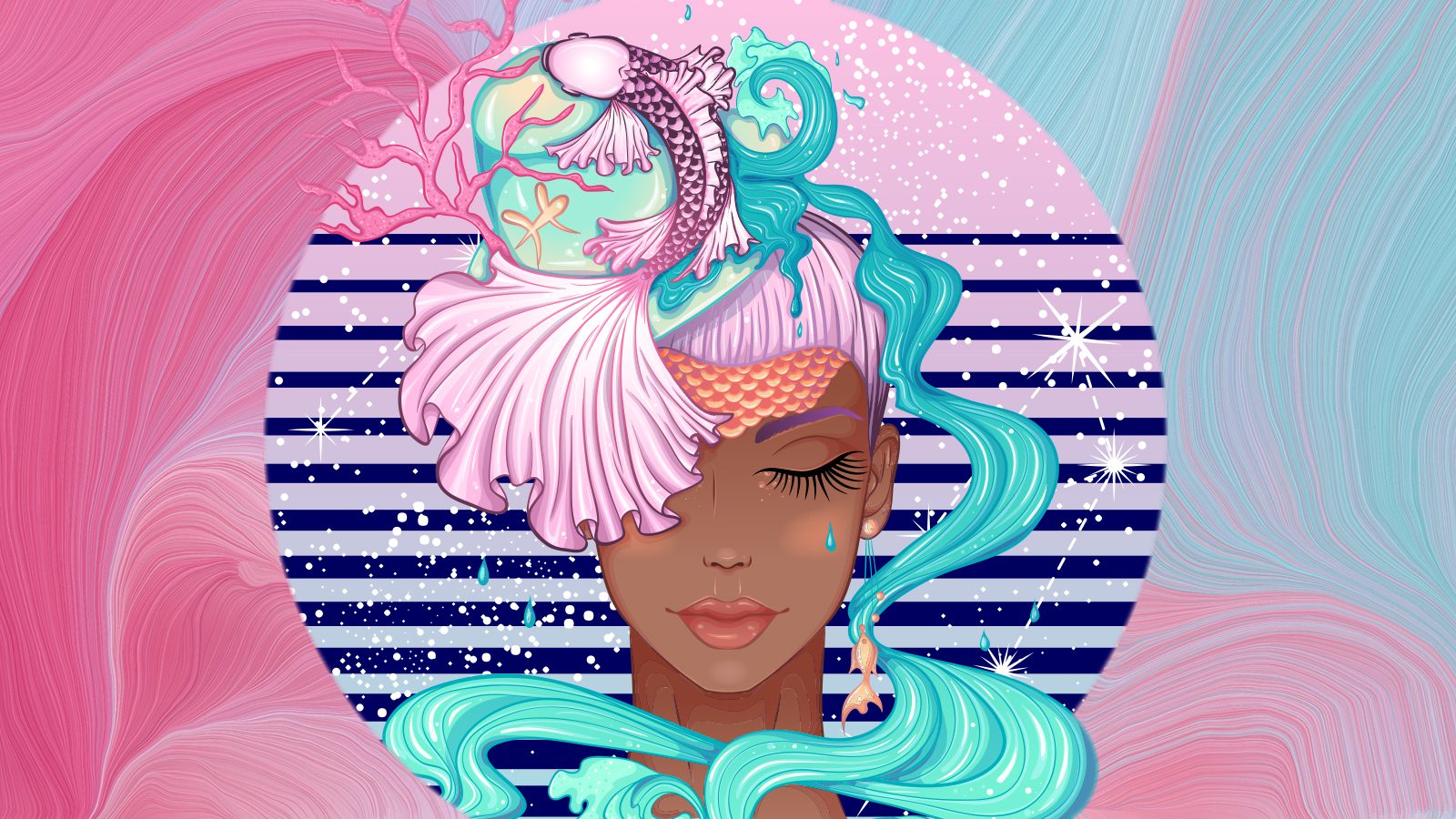
Pisces have an imaginative, emotional disposition, often keeping their thoughts hidden from the world. They are gentle, loving, caring folks with a heart of gold but can easily get trapped by their conflicting emotions and thoughts. They live inside their heads a lot and love to escape reality since they have such a deep inner world to explore. Pisces are the zodiac’s dreamers and have a strong creative streak. However, they often feel misunderstood by the people around them, and can easily become depressed if they feel their voice isn’t heard.

Pisces have a lot to offer the world, and we could learn a lot from this highly intuitive sign if we attempt to understand them.

This is the twelfth astrological sign of the zodiac that celebrates its month on the calendar between February 19th and March 20th. Pisces is a water sign associated with sensitivity, compassion, intuition, and creativity. Pisceans are often known for their empathetic nature and their ability to connect with others on an emotional level. They are imaginative and often possess artistic talents, as well as a deep appreciation for the beauty and mysteries of the world.

As with all zodiac signs, the sun sign (Pisces, in this case) is one aspect of an individual’s astrological profile. Other factors such as the moon sign, rising sign, and placements of other planets also influence a person’s unique characteristics and traits.

Why Pisces Is The Most Difficult Sign To Understand

pisces

Pisces keep to themselves a lot.

They long for people to understand them. But they don’t always have the words to express their feelings or needs. They certainly spend a lot of time in their heads. That fact makes it hard for others even to contact them. Pisces do open up eventually but give them some time. Treat them with love, respect, and understanding; you’ll have their trust in no time. They just get overwhelmed easily by the world and find solace in their creativity and imagination. Start talking about fantasy, art, or some other creative endeavor; you will see them come to life and join in the conversation!

Pisces like to escape reality quite often.

Pisces can become quickly disinterested in the modern world. That’s because it seems so regimented and exhausting to them. The world moves so fast that they have a hard time keeping up, so they often like to escape into the comfort of their thoughts. Pisces don’t mean to seem aloof or rude, but the world tires them and drains them of their inspiration. Understand this about them, and you’ll have a much easier time hanging around your Pisces friends when they enter their dream worlds.

They want to get close to people, but feel afraid of getting hurt.

Because Pisces have such a nurturing, caring nature, people often take advantage of their kindness. They want close relationships, but because they’ve been burned so much in the past, they can’t seem to rid themselves of the fear of getting hurt. If you give them a chance, however, you will open yourself up to the possibility of a beautiful, fulfilling relationship with them, whether romantic or platonic in nature.

They wear their heart on their sleeve.

Pisces are highly emotional creatures and give their heart away to whoever they feel deserves it. They fall in love easily, and because of this, they get hurt easily, too. They try to see the best in people and continue to do so even after they’ve been hurt. However, once you do get on their bad side, they will forgive but never forget. Pisces have high expectations in relationships and get let down often due to their standards. They want to believe in the good in people, but after getting burned so many times, their patience and hope start to dwindle.

The Pisces needs a lot of alone time.

Pisces get drained very easily by all the stimuli in today’s world. They need plenty of time to decompress and recharge from all the conflicting energies out there. However, they also crave connection, support, and love from others. So they need a healthy balance of alone time and social time. No matter if you’re a friend or lover of a Pisces, remember to never let them get too far away. After all, Pisces wouldn’t survive without their relationships but wouldn’t function properly without solitude. Honor their need for quiet time, and remind them that you’ll be around when they feel like coming out of their blissful sanctuary.

pisces

8 Things You’ll Only Understand if You’re a Pisces

They’re highly independent.

Pisces loves close relationships, but at their core, they function best alone. The expectations in relationships can cause overwhelm them sometimes. So they need time away to recharge and focus on what makes them happy. They don’t want to alienate themselves from others. But sometimes, they don’t have the energy available for anyone but the person looking at them in the mirror. They don’t like to rely on others. Instead, they prefer to use their own resources and energy to get things done.

5 Signs You Love Someone Who Doesn’t Deserve You

You never appreciate what you have until it is gone sometimes. Some people never appreciate you, even when you are gone. They are so self-serving and self-centered that anything that isn’t of direct and immediate benefit to them does not even appear on their radar. Indeed, they are so in love with themselves that none is left over for you.

No matter how hard you try, no matter how flexible or understanding you are, and no matter how much you love them, they will never change who they are. They will not magically wake up someday and fully appreciate what a wonderful person they are with. They will never embrace and reciprocate your love because they have nothing left over for you after their enormous love of self.

All of their time, interest, love and affections are turned inward on themselves. Like a black hole, they suck you in and devour the emotions of everyone around them.

Here are 5 signs that they don’t deserve you:

love

1. They Lie To You and Cheat On You

They break your trust and they lie to you, never revealing where they are going or who they are seeing.

Undoubtedly, they lead a double life and use you to support the other. They lie to you because you are not important to them. Only they are important to themselves. Everyone else is to be used and discarded to further their pleasure.

They don’t love you enough to be honest with you and are not considerate enough to end one relationship before starting another.

2. They Are Takers and Not Givers

People in a mutually loving relationship, to some extent, are givers. They give their time, resources, love and space to their partners. With a giver, everyone is taken care of and happy. With a taker, only half of the relationship gives everything while the other partner mooches off them.

Like a black hole, they suck in resources and give nothing back in return. It is a one-way street with them. It is either their way or the highway.

You need someone who can accept that you are your own person with your desires, emotions, and needs. You need someone who gives back to the relationship more than they take away from it.

3. They Belittle You

They are so wrapped up in their own life and desires that they are unimportant in their internal world. Most of the time that is kept inside their heads. That lack of respect leaks through in belittling comments when they are emotionally unstable or upset.

It is one thing to tease your partner a bit and be teased in return, but when they are mean-spirited comments solely intended to hurt you, it is time to go. Someone who loves and respects you isn’t going to tear you down, and they certainly would never think of doing it in front of other people.

A black hole, however, will tear you apart and break you down because that is in their nature.

choose a partner

4. They Cannot Be Counted On

They cannot be counted on to support you or to be where they are supposed to be, when they are supposed to be. These black holes live in their own world and cannot see past their own massive ego. They will forget important dates. They will miss special activities like your children’s sporting events or plays because they are wrapped up their world.

If you need them, they will not be there for you because it is an inconvenience to them. You need someone you can count on to be there when it matters. You are there for them, so why can’t they be there for you?

5. They Are Selfish Rather Than Team-Oriented

You are a team. You will succeed or fail together. If one person on the team wins, then the team as a whole wins. We perform individually but win as a team, or at least, that is how it should be. A black hole is called a singularity for a reason. Nothing can get close to them without being destroyed in the process.

These people are so self-oriented that they need to win to puff up their ego – an ego so fragile that it cannot stand seeing someone else do well even if it’s their significant other.

You need someone pulling in the same direction as you and willing to put in the effort to see the team succeed, even when they will get no glory from it.

(C)Power of Positivity, LLC. All rights reserved
Skip to content