Weekly tips, affirmations, and small actions to feel your best.

The Dark Side of Empathy: How Absorbing Emotions Can Drain You

Empaths, or highly sensitive people, know all too well the struggle of trying to balance their emotions in a world full of conflicting and intense energy. Most people would view empathy as a positive trait in an individual. But for an empath, they know the dark side of this innate characteristic. Being able to empathize with what another person goes through and offering support and understanding can literally save someone’s life, in some cases, but empaths take on the energy and feelings from every person they encounter. This gets deeply embedded into their consciousness, and can drag them down for weeks, even months, after the interaction.

What’s more, empaths don’t just absorb emotions from people they talk to. They can also take on the energy of their environment based on the sounds, lights, conversations, and overall frequency from each place they go to. Empaths sometimes view their gift as a curse, because it comes at a cost.

While we do need empaths, or highly sensitive people, in this world to help heal it, we also need everyone to look after themselves, too. Empaths tend to neglect themselves in order to take care of everyone else, and this is where the gift of kindness can quickly turn into a negative thing.

The Dark Side of Empathy: How Absorbing Emotions Can Drain You

Sensitive people just want to save the world, honestly.

They can’t stand the pain, suffering, violence, and oppression any longer. Instead, they want to see a world full of peace, love, and success for all, and because they must endure a reality that holds much of the opposite for many people, they get tired and lose faith easily. They have to take plenty of time to deal with the harshness of the world and process it on their own terms, and when they help others with their own problems, this cycle continues.

They absorb the emotions from everyone around them, and must take time for themselves in order to restore their energy. When any part of an empath feels imbalanced, it seems like an internal battle that they just can’t win. In a way, taking on the feelings and emotions of the world can burden them even more, which explains the curse of the empath in a nutshell. They want to save the world, but don’t want to lose themselves in the process. It’s a delicate balance that needs constant fine tuning and reworking in order to function, for both parties involved.

To give you a simple idea of how empathy truly works in the human mind, take this experiment done by Dr. Tania Singer, a neuroscientist, for example. In 2004, she and her team performed an experiment in which sixteen couples were placed in an MRI scanner. They gave a painful electric shock to the subjects, which caused physical and emotional pain. For the volunteers who had to watch their significant other in pain, the areas of their brains that control empathy lit up like fireworks.

However, many people feel empathy for those not even related to them. Take caregivers, nurses, and others who must cater to others’ needs on a daily basis for a living, for example. Many studies have shown that people in these professions often experience “secondary traumatic stress” as a result of dealing with patients regularly. They inevitably take on the pain and suffering of patients in the process of treating them, which can lead to emotional burnout.

However, how can people who are naturally more sensitive to other’s emotions and the world around them cope in an increasingly stressful reality?

Well, based on Singer’s research, the answer might be quite simple. Multiple studies done by her and her team suggest that compassion, not empathy, can help for people who feel especially affected by other people’s energy and emotions. Compassion means that you still care about another person, but that you don’t absorb their emotions and feelings. You care for them, but not with them.

Related article: Why Empaths Freeze Around Fake People

While this might seem harsh in a way, empaths must protect their energy and not spread it too thin. Empathy does no good if the people expressing it or feeling it must suffer in order for another person to have help.

“It’s not at all clear the world needs more empathy if that means experiencing another person’s suffering as your own,” says Michael Poulin at the State University of New York. “Doing that may simply double the world’s suffering.”

These Beautiful Photos Truly Capture What It Means To Be A Father

Many first-time parents get a little terrified before their first child is born, and rightfully so. All those little insecurities begin to pop into their heads about if they’re truly cut out for parenthood and if they’ve prepared enough for the tough but extremely rewarding journey ahead. However, unlike most stories you’ll hear in mainstream media about modern parents, plenty of dads out there give 110% for their children every single day, even if they have to wing it sometimes.

Dads might not know the little things, like how to put their daughter’s hair in a ponytail or how to get their son to stop crying in the middle of the night, but they always pull through for their little bundle of joy.

Give it up for these dads below, because they show us the beauty of fatherhood and prove that good parents still exist in the world today.

These Beautiful Photos Truly Capture What It Means To Be A Father

1. This Dad makes sure his daughter is fully ready for her dance recital by helping her put on makeup.

278905-10-600-53c212670e-1473437385

He may not know the ins and outs of applying makeup, but this Dad still tries his best to get his daughter ready for her big debut. He shows his daughter the importance of helping the people she loves to succeed, no matter what she must do in the process.

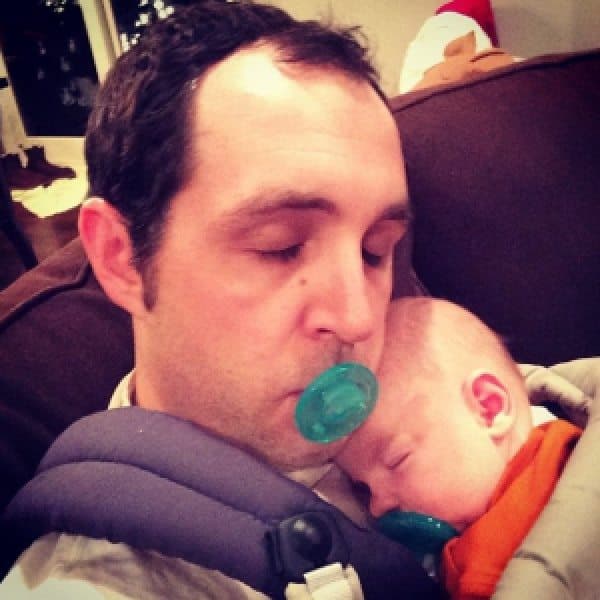
2. This father looks like he needs a good nap, too.

278955-11-600-53c212670e-1473437385

Both Dad and baby are tired, so why not take a nap together? He shows his baby that even adults need rest, too, and to always take time for himself even as he gets older. And, you’re never too old to wear a pacifier, apparently.

3. Cribs aren’t just for kids, right?

279055-13-600-53c212670e-1473437385

This Dad just wants his son to get a good night’s sleep, and doesn’t mind being uncomfortable if it means his son will get to bed quicker. This teaches his son that sometimes, you have to get out of your comfort zone in order to help others. He might also enjoy sleeping in the crib – I mean, it looks mighty cozy in there!

4. Even Dads need a fresh pedicure sometimes.

279205-16-600-53c212670e-1473437385

Dads will do anything for their little girls, even if it means getting their toenails painted bright pink and having to clean polish off the towels. He’s teaching his daughter that you sometimes have to let go a little in order to have fun in life and bring happiness to others.

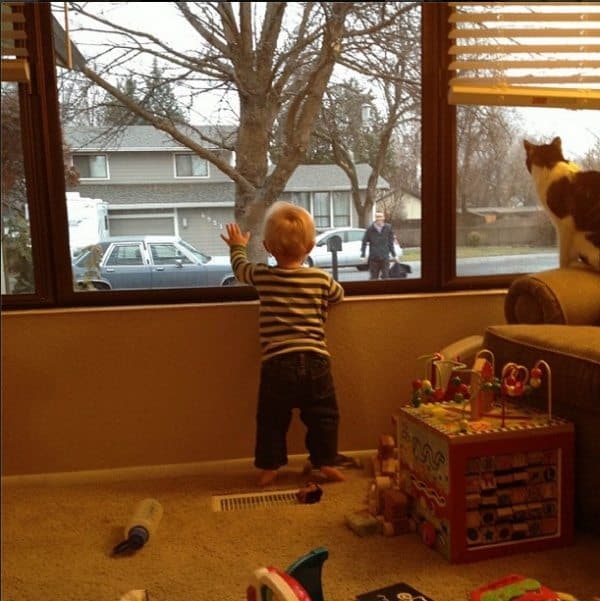
5. This little boy can’t wait for his Dad to come home.

279255-17-600-53c212670e-1473437385

This Dad clearly spends a lot of time with his son, because look how excited he is for his Daddy to come play! This shows the deep bond between father and son, and illustrates the fact that even when you have to be apart, your son or daughter will always miss you if you’ve given them the love and attention they deserve.

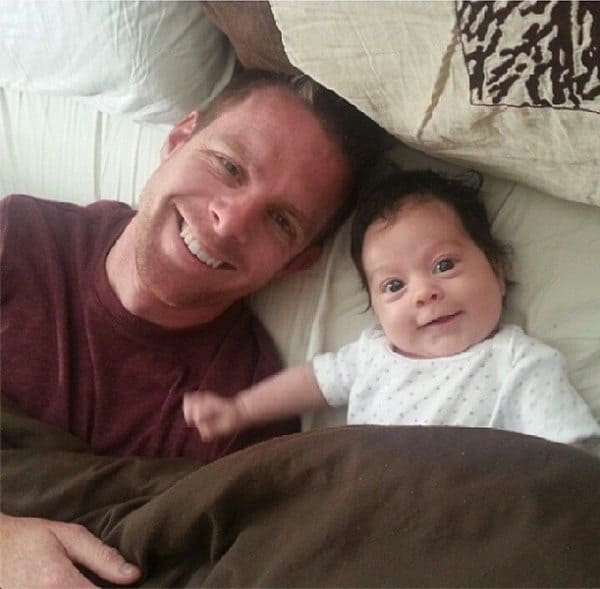
6. Big smiles from both Daddy and baby.

279305-18-600-53c212670e-1473437385

This Dad is showing his bundle of joy what bonding truly means. You don’t have to do anything special; as long as you’re together, that’s what really matters.

7. You can just feel the love between this Dad and his daughter.

279355-19-600-53c212670e-1473437385

Dads and daughters have a very special bond, and these two are clearly best friends. This Dad is teaching his little girl the value of having a close relationship with your parents, even if you may not see eye-to-eye all the time.

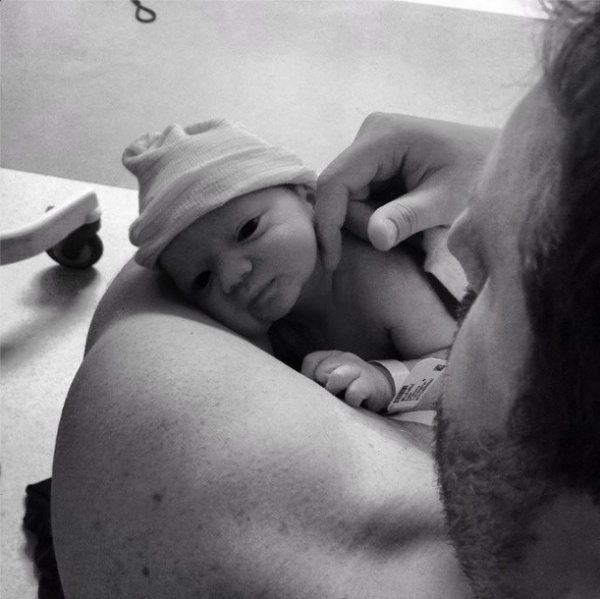
8. Holding his newborn baby tight.

279405-2-600-53c212670e-1473437385

Newborns need even more love and care than older infants, and this Dad doesn’t hold back on love and affection. Truly a beautiful moment captured, as father and son get to know each other in those first precious moments of life. Erika Parker Portraits is a newborn photographer New Orleans.

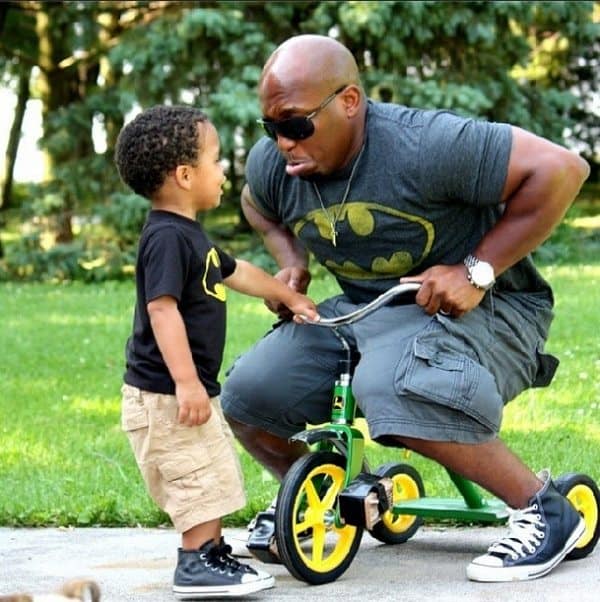
9. Dads know how to be silly and make their kids laugh.

279505-22-600-53c212670e-1473437385

This Dad shows his son to never take life too seriously, and never stop being a kid. Take note of their matching Batman shirts, too – how adorable is that?!

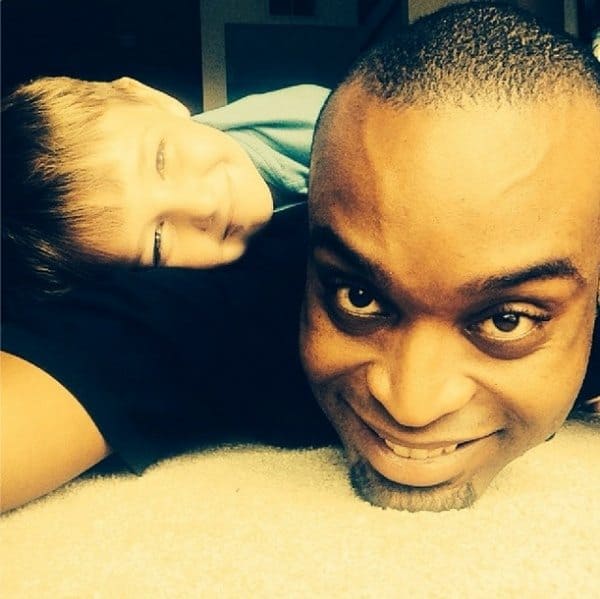
10. This Dad loves his son just as much as any other father would, even if they don’t share the same genetics.

279555-23-600-53c212670e-1473437385

You don’t have to have similar DNA to have a strong bond, and that’s exactly what this Dad is showing his son. Love doesn’t know race or ethnicity – it surpasses all of those labels and constructs.

11. This Dad takes his baby everywhere, even to work.

279605-3-600-53c212670e-1473437385

Work doesn’t stop, but neither does raising a child. This Dad doesn’t neglect his fatherly duties, even if work calls. He’s showing his baby to never forget family, even in the midst of other responsibilities.

12. Music is meant to be shared, especially with your kids.

279705-5-600-53c212670e-1473437385

This Dad knows how important it is to expose kids to music at a young age, and he puts on a private concert for his baby to do just that. It doesn’t get much cuter than that, folks.

Related article: 10 Parenting Behaviors That Create Empathetic Children

Sources: https://www.instagram.com/daddydoinwork/
http://www.huffingtonpost.com/doyin-richards/21-photos-that-depict-true-modern-fatherhood_b_5718727.html?ncid=fcbklnkushpmg00000063

These Things Happen To Your Body When You Drink Enough Water

Water is life. Literally. Life as we know it currently is improbable without this precious liquid. All life on Earth requires water to one degree or another. Water is so integral to life that astronomers look for liquid water as a sign of potential habitats for extraterrestrial life. A human being can die as quickly as 24 hours from the lack of hydration.

Assuming perfect conditions, you might live up to 3-4 days without water to sustain you. You can go 30-40 days without food but water is more integral to our physiology. All of the chemical processes in your body require water to either carry out or facilitate. When you’re dehydrated, your blood changes from a thick red kool-aid into something closer to jello. As the blood thickens, it becomes increasingly more difficult for your heart to push that thicker fluid around your body.

Another property of water is its ability to incorporate chemical substances into its own makeup. If you have ever added a powdered mix to your water, then you have experienced that property first hand. Your body also incorporates a lot of chemicals into your body’s water. That balance of chemicals and water is necessary to carry out key biological functions like moving nutrients across the cell wall or from the blood vessels into the cells themselves. Your brain needs this fluid to facilitate the transmissions of electrical impulses throughout the brain and nervous system.

When you get enough water in your diet, some very positive things can happen:

health

Most of us feel we drink enough on a daily basis to keep hydrated, but the things we drink often dehydrate us instead of hydrate us. Coffee, tea, soda, and energy drinks often contain caffeine. Caffeine is a diuretic. What that means is that those drinks encourage the body to eliminate water from the body. Sports drinks can have a similar effect as they contain electrolytes, and drinking too much of sports drinks, can cause an imbalance in the chemical composition of your body. For every sports drink you have, you need an equal amount of straight water.

Increased Energy

Your body needs water to produce the sugars your body uses for fuel. When dehydrated, the body has trouble synthesizing these sugars and you feel tired. When you get enough hydration, your body’s power plant can run at full steam and you will feel energized.

Less Constipation

Your digestive processes need water to operate at full effectiveness just like the rest of your body. Water lubricates the bowels and facilitates the transfer of nutrients from the bowels to the bloodstream. Water also keeps the waste products moving on down the line. Less hydration means more waste gets slowed down inside the colon and small intestine. Digestive disorders often have their causes traced back to chronic dehydration.

Fewer Stomach Ulcers

The stomach is lined with mucus to protect itself from its own stomach acid. The mucus that protects the stomach is made up of 98% water and 2% sodium bicarbonate. When dehydrated, the mucus becomes thinner and less effective, thereby causing an increase in ulceration as the stomach acid starts to eat the stomach lining away.

Weight Loss

Sometimes when we are thirsty, we eat instead. If you drink plenty of fluid each day, your body will be able to process the food more efficiently and use the energy quicker, and you will fill your stomach with water and cause the sensation of being full. If you feel full, you will eat less. Water has no caloric value, and substituting hydration for a snack will decrease your caloric intake and boost your energy level. If you are more energetic and eating fewer calories, your body will be forced to retrieve energy from long-term storage and burn fat instead. You need about two or three liters of pure water a day to stay hydrated. Drinking more water will help your body flush toxins easier and facilitate your body’s normal chemical reactions.

weight loss with water

Better Mood

Your body needs balance, and when the hydration balance is off, you will feel tired, sluggish, and depressed. Your brain needs water to work just like the rest of the body. When dehydrated, you feel lethargic, apathetic and you will have a hard time thinking straight. This lack of energy can translate into a lack of enthusiasm for life, which can slowly slip into depression. By drinking water, you kickstart your metabolism, and with increased energy often comes an increase in mood. Your body will feel better, and so your mind will start to feel better as well.

How to Tell If You Should Stop Eating Gluten

A gluten-free diet is beneficial to some people, but not everyone needs to follow it. However, if you think that you might have gluten sensitivity, there are some signs and symptoms that you can watch for.

Gluten is a protein found in wheat, barley, and rye. Those who are sensitive to gluten in their systems have what is known as Celiac Disease. What actually happens in the body is that the body’s normal immune system sees that protein as an intruder. Thus, the immune response attacks it.

In the long term, this immune response can cause significant problems:

  • Damage to the lining of the intestine.
  • Inhibits its ability to absorb nutrients
  • Can cause bloating, diarrhea, weight loss, fatigue, and anemia.

Celiac can lead to more serious complications if left undiagnosed.

The good news is that Celiac Disease is pretty rare and only affects about one percent of the population in western countries. The exact cause of the disease is not known, but what is known shows a correlation between the genes, the gluten protein, and environmental factors. You cannot catch Celiac from someone, though it could be passed on to you in your genes from a family member. But, how would you know if you had Celiac Disease and needed to go gluten-free?

Signs and Symptoms of Gluten Sensitivity in Adults

going gluten-free

Signs and Symptoms of Gluten Sensitivity in Adults

Adults with celiac often experience diarrhea, vomiting, fatigue, and weight loss and feel bloated, nauseous, constipated, or have generalized abdominal pain. Celiac can also cause some issues with the body not associated with the digestive tract but that stem from the body’s inability to absorb nutrients effectively.

More than half of adults with Celiac often have or experience:

  • Anemia
  • Bone density loss
  • Bone softening
  • Damage to tooth enamel
  • Itchy or blistery skin rash
  • Joint pain
  • Ulcers in the mouth
  • Headaches
  • Fatigue
  • Heartburn or acid reflux
  • Nerve damage including numbness and tingling in the hands or feet
  • Cognitive impairment
  • Balance issues

Signs and Symptoms of Gluten Sensitivity in Children

Young children under two years old may experience vomiting, nausea, diarrhea, poor appetite, or muscle wasting. They may also experience a swollen belly, like a potbelly.

Older children may experience diarrhea, constipation, weight loss, irritability, and neurological issues like ADHD, learning disabilities, headaches, seizures, and lack of muscle coordination. Short stature and delayed puberty are also signs in older children.

Itchy Blistery Rash

Dermatitis herpetiformis is a rash that forms from changes within the small intestine lining. It is associated with Celiac Disease, and a person may experience an itchy, blistery rash on their elbows, knees, torso, scalp, or buttocks.

When to See a Doctor to Confirm if You Have a Gluten Sensitivity

If you suspect you might have a sensitivity, see your doctor, and they will be able to test you for it and diagnose you properly. If you suspect you are and go off gluten for a significant time before seeing your doctor, it can be difficult to tell whether you are sensitive or not.

Only if your doctor diagnoses you with Celiac will you know to avoid foods with gluten protein. Then, you can prevent any nutritional deficiencies that may arise from such a dramatic dietary change.

Giving Up Gluten When You Don’t Have a Sensitivity

Lately, it has become all the rage to go gluten-free in your diet. Medical evidence suggests that this diet only benefits if you have Celiac Disease or a sensitivity. Giving it up without a diagnosis is unnecessary, although it is a common practice.

Unless you have Celiac Disease, you will likely derive zero benefits from a gluten-free diet. The Placebo Effect might convince you that you feel better, but your body chemistry and health will likely remain unchanged.

The biggest thing you should do is have a serious discussion with your doctor. Let them run some tests and accurately diagnose you before significantly changing your diet.

If you change your diet without good guidance from a doctor or nutritionist, you could experience vitamin deficiencies. Most wheat products in the US are fortified with vitamins, especially vitamin B.

Reducing or eliminating wheat and rye can also reduce your fiber intake. The average American already has a diet low in fiber and reducing that further could cause other digestive issues on their own. When in doubt about any aspect of your health, see your physician and get some expert advice.

10 Foods to Add to Your Diet if You Go Gluten-Free

If you have Celiac, you must change your diet. Giving up wheat and rye might cause you to lose essential nutrients, but you can replace them with other foods.

gluten

1. Dairy and Eggs

Some people with celiac disease are also lactose intolerant, but not all. If you’re not lactose intolerant, milk, eggs, and dairy are safe for a gluten-free diet. You can also have yogurt and cheese, which are great sources of vitamin D, calcium, and B vitamins.

If you are lactose intolerant, you can still have eggs. Eggs are a great source of protein, so don’t miss out on their power.

2. Chocolate

You’ll be happy to know that you can eat chocolate, and it doesn’t matter which kind. Make sure you check the ingredient label of packaged chocolate for hidden ingredients that you shouldn’t have. Otherwise, feel free to enjoy dark chocolate, milk chocolate, bittersweet chocolate, and white chocolate.

3. Almonds

You can consume almonds as a snack, mixed in with your breakfast, or in a delicious salad. You only need a handful to help you on your nutrition journey. Almonds are available in many delicious forms, including:

  • Natural almonds
  • Roasted almonds
  • Flavored almonds
  • Lightly salted almonds

Studies show that eating almonds reduce hunger and improve nutrient intake. You’ll take in more vitamin E and monounsaturated fat without gaining weight.

Almonds also lower LDL cholesterol and reduce heart-damaging inflammation. Plus, they lower the impact carbohydrates have on your blood sugar.

4. Alternative Grains

When you cut out wheat, rye, and other foods, you’ll need to replace them with something. Turn to alternative grains like quinoa, brown rice, amaranth, buckwheat, and millet.

Flavor the grains with herbs and cook them in broth to give more flavor. These grains make a great side dish, and they can help increase your calorie intake.

You can also purchase gluten-free bread, waffles, cereals, and pasta. In place of regular flour, other options include rice, soy, potato, corn, and nut flour. Learning the ingredients that you can easily swap can make your new diet much easier.

5. Fruits and Vegetables

Dietary guidelines recommend two cups of fruit and two and a half cups of vegetables each day. They are safe for Celiac diets and packed with vitamins and nutrients. You can add vegetables to your meals, choose them as a snack, or eat them as a side dish.

Another benefit is that many vegetables are high in fiber. The most fiber-rich vegetables include:

  • Winter squash
  • Green peas
  • Potatoes
  • Corn
  • Sweet potatoes with skin
  • Asparagus
  • Mushrooms
  • Leafy greens
  • Brussels sprouts
  • Cabbage
  • Cauliflower
  • Broccoli

Fruits are an optimal snack, giving you a sweet but healthy treat during the day. They are full of vitamins, minerals, and antioxidants that you can’t get elsewhere. Many fruits are also a good source of fiber, including:

  • Berries
  • Cherries
  • Avocados
  • Bananas
  • Citrus
  • Apricots
  • Mango

6. Packaged Gluten-Free Foods

Many grocery stores carry packaged foods that are safe for those with Celiac disease. They often have options for baked goods, pasta, and bread. It’s important to note that these foods cost more, so be prepared for the difference.

You must be careful, though, because many packaged foods contain high amounts of sugar. If you make them a major part of your diet, you could gain weight. Use them as a treat, instead, so you can make sure to get your essential nutrients.

7. Corn

Corn is high in fiber and contains polyphenols and carotenoids, including lutein and zeaxanthin. These carotenoids act as antioxidants, lowering your risk of developing degenerative diseases. Lutein also decreases your risk of developing cataracts and macular degeneration.

8. Beverages

With Celiac disease, you must be careful of what you drink. Some of the beverage options you can choose from include:

  • Tea
  • Fruit juice
  • Coffee
  • Kombucha
  • Vegetable juice
  • Water
  • Wine

9. Kidney Beans

These beans contain carbohydrates, fiber, and protein. Kidney beans also contain folate, iron, magnesium, zinc, phosphorous, and potassium. They are low in fat and are cholesterol-free, as well.

The beans are highly nutritious and make you feel full longer. They prevent weight gain and constipation and help regulate blood sugar levels.

10. Poultry, Meat, and Seafood

When you stop eating gluten, you must find healthy protein choices. Poultry, meat, and seafood are all great sources of essential vitamins and nutrients. Plus, they are filling and give you many meal options.

gluten

Final Thoughts on Going Gluten-Free

Celiac disease is rare, but it can happen to you. Watch for the signs that you should stop eating gluten. Then, you can improve your health and feel better.

You might have to give up some of your favorite foods, but you can replace them with other delicious options. It’ll be hard to make dietary changes, but it’ll quickly become a habit. Once you see how much better you feel, it becomes even easier. You deserve to feel good, so do what it takes to improve your health.

5 Ways To Stop Being Overstressed

Being overstressed for a prolonged period can wreak havoc on your physical, mental, and spiritual health. We need a certain amount of stress to reach our goals or run from an immediate threat. However, since our bodies and minds haven’t yet evolved for modern life, most of us deal with chronic stress.

We can handle the physical, acute stress caused by an encounter with a wild animal or natural disaster instinctively, for instance. All the mental stressors and overstimulation in our society can quickly become overwhelming, leading to stress that never goes away. Despite all the challenges of modern life, we can still take our power back and learn to manage stress.

5 Easy Steps to Stop Feeling Overstressed

Below, we’ll describe a few ways to control stress and feel calmer in daily life.

1.     Only Focus on What You Can Control to Stop Being Overstressed.

If you feel overstressed, perhaps you’re focusing too much on things outside your immediate control. For instance, politics, the state of the economy, or other world events might cause you to distress if you watch the news often. However, we don’t have much control over things happening outside ourselves for the most part. All we can do is decide how we react or respond to situations.

So, instead of directing all your energy outwards, learn to explore and control your inner world. If you can conquer yourself and your emotions, that’s all that truly matters in the end. Focus on improving your physical, mental, and emotional health and let go of everything else. When you do that, you’ll feel the world’s weight disappear.

overstressed

2.     Meditate or Practice Deep Breathing.

Countless research studies prove that a regular meditation practice can stop you from being overstressed. A comprehensive meta-analysis on mindfulness-based therapy revealed that meditators also had lower levels of anxiety and depression. Researchers have found that mindfulness triggers positive changes in two different stress pathways in the brain, thereby lowering cortisol levels.

Furthermore, psychologists discovered that people who received mindfulness-based therapy had fewer negative thoughts during heightened stress. Deep breathing exercises work in the same way to reduce stress and cortisol levels, helping you become more aware of your breath.

You could try pranayama, the ancient yogic practice of controlling the breath by breathing in specific patterns. One 2013 study found that people who felt overstressed had lower perceived stress levels after practicing pranayama.

In general, becoming more mindful will help you live a happier, more peaceful life by repairing the connection between the mind and body.

3.     Beat the Overstressed Feeling by Simplifying Your Life.

Maybe you feel overstressed because you’re juggling too many things in life. There isn’t much time left for yourself between work, kids, chores, and other responsibilities. Unfortunately, most adults must fulfill an obligation toward society, which requires at least 30-40 hours per week. But, you can choose what type of work you wish to perform.

For example, if you own a business, you have greater control over your schedule, giving you more autonomy. Or, maybe you can ask your boss if you can work from home, eliminating commuting time. You could even sell everything and buy land if you’re able to do so. If you look deeply enough, you can always find a solution to being overstressed.

4.     Avoid Dwelling on Negative Thoughts or Circumstances.

Much of our stress comes from our minds, which isn’t always easy to tame. The reason can create chaos or peace in life, but it requires training to weed out negative thoughts. So, if you’re feeling overstressed, try focusing on the positive aspects of life, even if it’s just the little things.

Seeing a beautiful flower on the way to work, or playing with your kids after a long day, can easily lift your spirits. When it feels like you’re drowning with no lifeboat in sight, turn your attention to the beauty and innocence that often gets overlooked in daily life.

5.     Make Time For Nature and Exercise.

Sadly, most people spend their days in air-conditioned offices or other buildings, rarely stepping foot into the great outdoors. This lack of nature time may partially explain the mental health crisis, as we need to connect with Mother Earth for overall wellbeing. Not only does nature help us feel grounded – it reminds us where we came from and restores depleted energy levels. In short, it’s medicine for the soul, and we don’t get near enough of it.

Exercise also can help if you feel overstressed because it releases feel-good hormones and endorphins. Our bodies require some movement each day to function correctly and remove toxins built up from the previous day. It’s also beneficial for mental health, as researchers explain a link between exercise and reduced anxiety and depression.

If possible, it’s even better to exercise in nature since you’ll receive even more mental and physical health benefits. Studies have shown that ‘green exercise’ can boost self-esteem and mood, along with reducing symptoms of mental disorders.

So, if you’re feeling overstressed, please remember that you’re not alone and that you have tools at your disposal to relieve stress. Exercise, mindfulness, nature, and positive thinking can do wonders for your overall wellbeing. Only focus on what you can control or change and block out all the rest.

Life doesn’t have to be inherently stressful; we’ve just made it that way. But, you don’t have to succumb to the mass psychosis of modern life; you can rise above and take your power back.

overstressed

Final Thoughts on Methods to Stop Being Overstressed

If you feel overstressed lately, you’re hardly alone; stress affects millions of people worldwide, and more so in recent times. However, you can combat the effects of stress with natural remedies like meditation, yoga, mindfulness, exercise, and time in nature. Getting back to the basics can always restore your mental and physical health.

Today, many people feel overstressed about finances and responsibilities but forget all that for a while. You can’t pour from an empty cup, so it’s about time to start putting yourself first. You’re worth it!

5 Ways To End Your Relationship With Stress

Stress is not a physical thing you can go out and pick up or buy. Neither can you put it down or throw it away. Stress exists solely in your own mind as a response to things, people or actions in your environment. Stress happens when you react to a perceived threat, whether real or imagined, to your person or to resources you need to survive. You generate stress as a response to your environment, which means that it is completely within your means to reduce your stress. You have complete control over yourself and how your respond to things.

Here are five things that you can do to finally end your relationship with stress:

1. Learn To Say No

Time is a precious resource. You only have so much of it in a day, or a lifetime. Just because someone asks you to do something for them doesn’t mean you have to say yes. Saying no doesn’t mean you don’t like them or that they are not important to you. You are not saying no to them. You are saying yes to something else higher up your priority list. Saying no can be incredibly liberating and if people truly love you then they will understand when you respectfully decline. Work can be difficult to say no to because you depend on them for your paycheck. If they value you as a person and as an employee, they will understand if you have obligations outside of work that are important to you.

Saying no can be incredibly liberating and if people truly love you then they will understand when you respectfully decline. Work can be difficult to say no to because you depend on them for your paycheck. If they value you as a person and as an employee, they will understand if you have obligations outside of work that are important to you.

2. Face Your Fear

“Fear is the mind-killer, fear is the little death that brings total obliteration.” Frank Herbert knew what he was talking about when he wrote those lines. A little fear is a good thing and prevents us from doing really stupid stuff that could get us or others hurt, but fear has been used to manipulate you all your life through various forms of media. You fear not having enough money. You fear losing your job to someone else. Perhaps you fear criminals and terrorists on the other side of the globe.

Fear is the reason stress exists in the first place. Stress gets the mind and body ready to either face their fear or run from it. If you run, you will always be afraid. But if you face your fear and conquer it, then your stress goes away because now you know it cannot harm you. If you truly want to reduce your stress, then stare your fears down and deal with them before they overwhelm you.

Fear is the reason stress exists in the first place. Stress gets the mind and body ready to either face their fear or run from it. If you run, you will always be afraid. If you face your fear and conquer it, then your stress goes away because now you know it cannot harm you. So if you truly want to reduce your stress, then stare your fears down and deal with them before they overwhelm you.

3. Eliminate Negative Thoughts

Fear causes stress and negative thinking recirculates and reinforces those fears. Those negative thoughts and fears will chase each other around your head until you are overcome with panic. When you identify negative thoughts like, “I am going to fail” or “I am never getting out of this mess” you are one step closer to reducing your stress. Once you identify those thoughts, stop and call them out for what they are; irrational fears and self-doubt. Replace them with positive and courageous thoughts like, “I’ve got this.” or “I am going to get through this.” Be your own cheerleader. There are no unsolvable problems – just complex solutions. Once you look at your problems as just obstacles to be overcome instead of inescapable prisons, then your stress level will come down to a normal level.

Replace them with positive and courageous thoughts like, “I’ve got this.” or “I am going to get through this.” Be your own cheerleader. There are no unsolvable problems – just complex solutions. Once you look at your problems as just obstacles to be overcome instead of inescapable prisons, then your stress level will come down to a normal level.

15283994_10154013646067371_5902811895962627459_n

4. Let’s Get Physical

Sex and exercise are both physical activities that are great at reducing stress hormones and releasing other hormones like dopamine that increase your mood. By getting physical exercise in, you can increase your heart rate and flush those stress hormones out of your body. Everyone has a different form of physical activity that works best for them. Find yours and watch your stress evaporate in a cloud of sweat.

Related article: 9 Signs You’re Overstressed And Don’t Know It

5. Take Care of Mind and Body

The mind and the body are linked. Eating an unhealthy diet can cause physical disability or discomfort. When we are uncomfortable physically, we tend to get irritable mentally. When your body is healthy and well taken care of, then your mind tends to be more optimistic and positive in its outlook. Likewise, when you feel better emotionally, your body will be less tense, your heart rate and blood pressure will lower and your digestive tract will be more at ease. Both your mind and body have to be healthy and relaxed for your stress level to be reduced. If you want to live stress-free, then feed your body healthy food and your mind healthy thoughts.

11 Ways Men And Women Think Differently

Men and women are different–and they think differently, too!

There are some good biological reasons for that. Studies of brain scans of men and women show that women tend to use both sides of their brain because they have a larger corpus callosum. This is the bridge between the two hemispheres of the brain and allows women to share information between those two halves of the brain faster than men. Men tend to use the left side of the brain which is the more logical and rational side of the brain.

Scans also reveal other interesting ways in which men and women do things differently or process information differently from each other.

Here are 11 ways men and women think differently:

strong women

1. Perception

Women have smaller brains that are more tightly packed with connections. This allows them to perform better at tasks involving the bigger picture and situational thinking. A man’s brain tends to perform better at spatial thinking involving recognizing patterns and problem solving with objects in a spatial environment.

2. One Track Mind

Men tend to excel better at singular tasks while women are better at juggling a number of tasks at once. This may stem from the primordial male role of the hunter who is fixated on a singular objective while the traditional female role of manager of the home forced her to juggle many tasks simultaneously.

3. Social Interactions

Women tend to perform better in social situations than men do. Men tend to excel at more abstract thinking and task-oriented jobs. Again, this may stem from the traditional gender roles whereby women had to work together to accomplish more complex tasks while men spent more time alone stalking prey.

4. Dealing With Emotions

Women have a larger limbic system in their brains which allows them to be more in touch and expressive about their emotions. Men tend to be a little oblivious with emotions that are not explicitly verbalized. Men tend to be more logical in their thinking and dismiss information that is not directly involved with the issue they are tackling. Women tend to be much more empathetic and susceptible to emotions influencing their thinking.

5. Do the Math

Men tend to have larger inferior parietal lobules than women. This area of the brain is thought to control mathematical ability and processes. Men tend to do better with math because of this. This isn’t to say that there are not women who are great at math, but that men have a small biological advantage when it comes to math and logic based skills.

6. Dealing With Pain

The amygdala is the area of the brain responsible for pain. Pain is activated in either the right (men) or left (women) hemispheres. The right side is more connected with external stimuli, while the left is more connected to internal stimuli. Women tend to feel pain more intensely than men do because of this.

7. Learn Languages

Women tend to be better at learning languages and are more attuned to words and sounds. This may be why men tend to find it harder to express themselves verbally. It may stem from the increased demand on women over millions of years to cooperate and organize in order to manage large complex tasks.

8. Women Remember Better

Women tend to have higher activity in their hippocampus, the region responsible for forming and storing memories, than men do. Studies have shown that women tend to remember faces, names, objects and events better than men.

9. Ask for Directions

Men tend to have better spatial-reasoning skills and are better at remembering geographic details. They tend to have a better innate sense of direction and remember where areas and locations are. This ability most likely stems from their days as hunters when men had to navigate long distances without the aid of a map and compass.

10. Risk Taking

Men tend to be more likely to take risks. Women tend to be more risk-averse. Men get a bigger dose of endorphins when they take risks. The bigger the risk, the larger the pleasure derived from the risky behavior. Men may be specialized to take more risks because of early human’s need to hunt down food which may be larger, stronger, and more dangerous than a single man. Hunting is also inherently dangerous as you think some predator may be stalking you while you are stalking another prey animal.

calming your mind

11. Sex

Men tend to be more visual in what arouses them, while women tend to be turned on by a combination of things like ambiance, emotions, scents as well as visual perceptions.

While equal, men and women have different biological strengths and weaknesses. These differences may stem from a very long period of specialization between genders. Humans have been hunter/gatherers much longer than we have been civilized farmers and tradesmen. This long period of adaptation to changing environments may be responsible in some small part for traditional gender roles based on biology and physical specialization. Men and women, while different, are complementary like a knife and a fork.

(C)Power of Positivity, LLC. All rights reserved

7 Reasons Why It’s Never Too Late in Life

It is never too late to find happiness and fulfillment.

“You must live in the present, launch yourself on every wave, find your eternity in each moment. Fools stand on their island of opportunities and look toward another island. There is no other land; there is no other life but this.” – Henry David Thoreau

Our life is limited – at least in the number of years spent on Earth. As such, many individuals try to fit in as much “living” into those finite number of years as possible. Sometimes, a person begins to take on a should’ve/could’ve/would’ve mindset. Some of these people experience a deep sense of regret, with some actually developing depression or other health conditions. Others go through temporary phases, such as the dreaded “mid-life crisis.”

But what does this type of thinking ever accomplish? It’s natural that we experience regret from time to time; however, the hard truth is that the past is unchangeable. Sure, we can change ourselves as a result of the past. We can maybe even mitigate the damage done a little bit.

We cannot add or subtract years from our life…we can only live for the moment and try to make the best out of it. With that said, we segue into the topic of this article.

7 Reasons Why It’s Never Too Late in Life

late

1. All that exists in the present

Think about this for a moment. How many of us get so wrapped up in what was done in the past, and what we’re going to do in the future…all the while abandoning the present? How many of us really live in the moment anymore?

Some prolific scientists have posited that time – as a construct, along with its finite nature – is an illusion. Whether it’s an illusion or not, most of us agree that life is just a series of events, or moments, that we experience.

So why not focus on the only thing we can truly experience right now…the present moment?

2. We can change one thing at a time

There is one blunder that many of us make as we experience regret later in life. Instead of concentrating our efforts on changing one aspect of us, we instead dwell on everything we perceive to have done wrong. As a result, we are overwhelmed and experience “analysis paralysis.”

When we’re too busy thinking about the things we need to change, it’s impossible to take constructive action. When we focus on one thing about us to improve, it’s much, much easier.

We don’t need to address everything at once…we just need to focus on one thing and do our best!

3. We can take baby steps, it is not too late

Sure we may be a bit older now, but that doesn’t mean that we need to change everything overnight (remember that whole ‘moments’ thing?) Not to mention, when we try to progress too quickly our results suffer. What’s the point of rushing in this case?

Much better to slow down and really change what you want! You’ll be much happier with the results.

4. The future is uncertain

Of course, nobody knows what will happen in the future! Think about how much better life would be if we lived each day like it was our last…

While it may seem that we’re rehashing a bit of what was discussed earlier, it is very important to remind ourselves of this fact. This is especially true if one is trying to make positive changes in life.

15073532_10153986293997371_7681317142540898521_n

5. We still have our will

“Where there’s a will, there’s a way!” How many times have we heard this? But how true it is. Without our will, we are nothing.

If you’re breathing, your will is active and ready to be put to use. One could argue that our will is one of the most important human elements of being human… perhaps second only to the soul.

You have your mind, you have your soul, and you have your will…act on them!

6. Self-improvement doesn’t expire

Almost without exception, some of the regret experienced later in life is a result of not “achieving” something. When one feels that haven’t fulfilled their true potential, it can leave a painful mark. But the ability to improve oneself does not expire.

But perhaps this point is better explained with one woman’s story. Doreetha Daniels, an elderly woman with vision and hearing problems, and a multiple-stroke victim – received her college degree at the age of 99 from College of the Canyons in Santa Clara, California.

One faculty member said: “Doreetha is a living testament to the saying ‘if there is a will, there is a way…”

7. It’s never too late to change you legacy

Ah yes, then there is the matter of what we leave behind. How will future generations think of us when we’ve long departed this Earth? Will they be inspired and heartened by your life? Or will they be neutral…maybe even a bit disappointed?

It’s quite surprising that few people think of legacy until very late in life. But what we leave behind for our descendants is one of the greatest gifts we can give.

Related article: The Top 10 Regrets of the Dying

Once again, we go back to a quote about 99-year old Doreetha Daniels:

“She is truly an amazing woman who has impacted my life and I feel so fortunate that I was able to experience her journey alongside her.”

In essence, this faculty member is discussing Daniels’ journey…her inspiration…and her legacy.

Will we be able to say the same? It is not too late.

10 Things You Should Do Every Day Before 10PM

Do you hit the bed around 10pm with the feeling that you did not complete all that you should have?

Days are busy with work and family obligations, and it’s increasingly harder to get everything done within those 24 precious hours. We get up, get the kids dressed for school, prepare breakfast and lunches, get ourselves ready, go to work, pick up the kids from school or soccer practice, make dinner, clean up, get ready for bed, and hope we sleep well enough to do it all over again the next day. Nighttime is sacred; it’s a time for rejuvenation, relaxation, and restoration. So, before you hit the sack tonight, make sure to attend to a few things first.

Here are 10 things you should do before 10pm:

10am

1. Clean Yourself

You are exhausted and you feel like crap. We get it. One of the signs of emotional pain is that you start neglecting personal hygiene. It is easy to skip the shower and collapse onto the couch. Getting a shower and washing from head to toe will clean your body and rinse off your soul. Let the warm water soak into you and refresh your mind. This small act of devotion to yourself can work wonders on your perspective. Besides, who wants to go to bed dirty? Jump in the shower real quick. You will feel better.

2. Make a To-do List

Make a shortlist of the things you want to get done the next day. It doesn’t have to be exhaustive. Just make either a mental or physical note to yourself that you have a goal for tomorrow. Setting a goal or goals pushes you to get moving and stay moving until the tasks are complete. A body in motion stays in motion and a list can give you some early momentum to work with for the rest of the day.

3. Talk To A Friend

Another symptom of emotional pain is for someone to isolate themselves from others. Make it a habit to talk with friends or family, even when you don’t have to. People are social creatures and need social interactions. When we let ourselves become isolated, we cut off mental and emotional lifelines to other people. Talking with friends and family can get us out of our own heads and break unhealthy loops of negative thoughts.

4. Listen To Some Music

Put on your tunes. Rock out for a few minutes to something happy and upbeat. Avoid music with depressing themes as these will turn your thoughts into negative subjects which could interfere with your sleep. Sing something silly with your kids. Plat something nice and relaxing to help you transition from a busy day to a relaxing sleep. Music can improve your mood and help you drift off to sleep.

5. Do Something Physical

Do something to get the juices flowing. Get on the floor and do some yoga stretches. Go for a short run before your shower. Dance with your kids in the kitchen to silly music. Get your heart pumping and burn off some of the stress from the day. Getting the body active releases hormones in your brain that will raise your mood. Free your butt and your mind will follow. Just ensure you exercise before 7 pm, or you might be wired when it comes time to hit the hay.

6. Make and Eat Dinner As a Family

Making and eating dinner as a family helps you to bond and share your experiences. Make sure the television is off and everyone isn’t surfing the web instead of talking and hanging out. Just make sure dinner is light as you do not want to load up on carbs right before bed.

7. Get Chores Done

Make sure you resolve any lingering issues before heading off to bed. Leaving things undone could cause stress and anxiety of the uncompleted tasks. Getting those things knocked off the list or at least letting someone know you will follow up with them in the morning can relieve stress and allow you to relax.

8. Unplug

We are bombarded with so much information daily that sometimes we need a break from the information overflow. Turn off the television. Put away your phone or tablet. Pick up a book. Listen to some soothing music. Talk with your partner. Sit on your porch or balcony and watch the sunset. Enjoy the moments of quiet and stillness.

9. No Caffeine After 7 PM

Make sure you cut off the caffeine early. Otherwise, you might be up half the night. Caffeine is a mild stimulant and can prevent you from getting a good night’s rest.

10pm

10. Dim The Lights

People are tied into the cycle of day/night, and the amount of light in our spaces can affect our ability to sleep and wake at the right times. Bright lights from room lights to tablets, phones, computers, and television can adversely affect our circadian rhythm. Dimming the lights tricks our bodies into thinking that the day is over and it is time to sleep.

Skip to content