Weekly tips, affirmations, and small actions to feel your best.

5 Ways To Give Your Relationship The Love It Deserves

Are you waking up smelling the roses? Or is the flower of your love on the brink of death?

Allow yourself to further strengthen the bond you have with your other half or give your relationship the kiss of life it really requires.

Without further ado, let us dive straight into what these ways may be.

5 Ways To Give Your Relationship The Love It Deserves

1. Be in the here and now for your future together.

Being available in a relationship is vitally important, in every sense of the word. Gents, that means actually listening to your lady. Hearing her words does not count here. Ladies, that also goes for you. Let their success be yours as well. Share your problems with each other. Tell each other things you find emotive in some way and give an honest reaction. Through the course of time, these things add up and you will feel closer to your chosen partner in crime (not that we would ever advocate committing a crime other than stealing the heart of said partner in crime every day!).

2. Physical touch in your union is paramount.

Any romantic relationship without physical touch is like a ticking timebomb. Our faithful friend Oxytocin gives us a lift from touching to help our emotional situation, so give your emotional situation a lift with some touching via our faithful friend Oxytocin. According to educational Psychologist Ludwig Lowenstein, that means four hugs a day. Do not forget to throw in some kissing and other kinds of touching, for all this not only makes you feel better but it also makes you healthier. For those of us with years and decades behind us with the same handsome guy or gorgeous gal, do you remember when you first got together and you could not keep your hands off each other? We rest our case.

3. Mutual appreciation gives a great sensation.

Another one of those things we do when we start a romance with someone new. We tell each other how amazing we are and everything we say and do is good. Of course, we tend to stop doing that as the years go by but the love will flow so smoothly if we keep doing it. Why not try complimenting on something small? Then how about complimenting more frequently? Lastly, surely it sounds good to turn this into a habit? Give it a go, and then watch your relationship go – from strength to strength. So be each other’s cheerleader, but please be advised that pom-poms are optional!

4. Go on a date with your mate…

…without any distractions. You could be taking the fishing rods and bait or having a night out on the tiles until late. Does that not sound great? Seriously, you should want to spend some quality time with your Dearly Beloved and not have to worry about any outside interference, such as work or kids. If you are feeling particularly amorous, you can go on a weekend away with Joy to recharge those love batteries. Enjoy!

love

5. Be a friend as well as a lover.

Could you ever imagine being in a relationship with your worst enemy or a stranger? The logical answer is obviously no. This has everything to do with how connected we feel with our life partner. You need to ask yourself: “Is my attachment to Trixie/Trevor a healthy one?” If the answer to that is no, then you can overcome this by taking on the role of friend. Not to worry, you are not demoting yourself, you are simply adding another string to your Cupid’s bow. If you feel like the connection to your significant other is like trying to charge your iPhone with a Samsung phone charger, then you can ask him/her questions about different things about him/her. That way you show your life partner that you are not withdrawing from the relationship. Just remember that a relationship is a two-way street.
References:
Averill F., “Top 10: Proven Ways To Improve Your Relationship”
Ask Men
http://uk.askmen.com/top_10/dating/top-10-proven-ways-to-improve-your-relationship.html
Alleyne R., “How hugs can make you feel better”
The Telegraph Newspaper
http://www.telegraph.co.uk/news/health/news/8299253/How-hugs-can-make-you-feel-better.html
(C)Power of Positivity, LLC. All rights reserved

5 Reasons To Never Ignore Gray Hair

Jennifer Lopez began sprouting gray hairs around the age of 23. Taylor Hicks, the former American Idol winner, had a full thatch of grays when he won the contest at age 29. By all accounts, both individuals are healthy and prosperous.

In the vast majority of cases, gray hair pops up naturally. “Caucasians typically start going gray in their mid-30’s, Asians in their late 30s, and African-Americans in their mid-40’s,” according to WebMD.

Age-wise, “A white person is considered to be prematurely gray if his or her hair turns gray by age 20; gray before 30 is early for African-Americans,” per WebMD. Using this measure, we can deduce that Asians are considered prematurely gray in their mid-20’s.

Surprisingly, scientists are unsure about what causes premature graying, although genetics are believed to be a key determinant. David Bank, MD, the director of the Center for Dermatology, Cosmetic and Laser Surgery, says: “Premature graying is genetically determined for the most part. Graying is natural. We all do it eventually.”

Other theories have been put forth, but haven’t gained any traction.

Although there are few underlying health issues associated with grey hair, the fact that a link exists should be enough to warrant some caution. Hence, the reason for this article.

Here, we discuss the links between the rapid or premature development of gray hair, five possible health issues, and each condition’s related symptoms.

5 Reasons to Pay Attention to Gray Hair

Do you have other symptoms that point to these concerns?

gray hair

1. Hypothyroidism

Hypothyroidism is a medical condition in which the thyroid gland does not produce necessary hormones in sufficient amounts. Early symptoms of the disorder include fatigue and weight gain. It is also common for patients to experience cognitive impairment and sensitivity to cold.

Patients diagnosed with hypothyroidism display premature greying at a higher rate than the general population. Although the symptoms are similar, this disorder is more common in women than men.

The Mayo Clinic recommends seeing your doctor if you’re experiencing a sudden onset of fatigue, excessive dry skin, paleness/puffiness of the face, constipation, or a hoarse voice.

The good news is that the doctor can diagnose this condition with a simple blood test. Treated early, the patient often experiences a sudden reduction in their symptoms.

2. Anemia

Anemia is a condition that occurs when blood lacks enough healthy blood cells or hemoglobin. The latter binds oxygen to compounds within the blood, allowing efficient oxygen delivery throughout the body.

Anemia often develops from an iron deficiency – a problem worsened when trace nutrient elements cannot be delivered appropriately. This deficiency and inadequate amounts of B12 can expedite hair whitening.

Fatigue and other symptoms of anemia occur because organs are not receiving the necessary elements that allow them to function correctly. Rapid heartbeat, shortness of breath, brain fog, dizziness, pale skin and insomnia are potential symptoms.

Anemia is a complex condition with many variations. Please schedule time to see your doctor if you experience a sudden onset of any of the abovementioned symptoms.

3. Risk of Coronary Artery Disease

Coronary Artery Disease (CAD), or heart disease, is a severe medical condition resulting from plaque buildup in the arteries. This plaque narrows the lining of the arteries, restricting blood flow to the heart and increasing the risk of heart attack or sudden cardiac death.

In a study published in the journal European Society of Cardiology, researchers administered a CT coronary scan on 545 men for suspected CAD. Patients were divided into five groups according to their amount of grey or white hair.

Controlling for age and known cardiovascular risk factors, patients diagnosed with CAD had a “statistically significant higher ‘hair whitening score’… than those without coronary artery disease.”

Chest pain, shortness of breath, health palpitations, weakness or dizziness, nausea, and sweating are common symptoms.

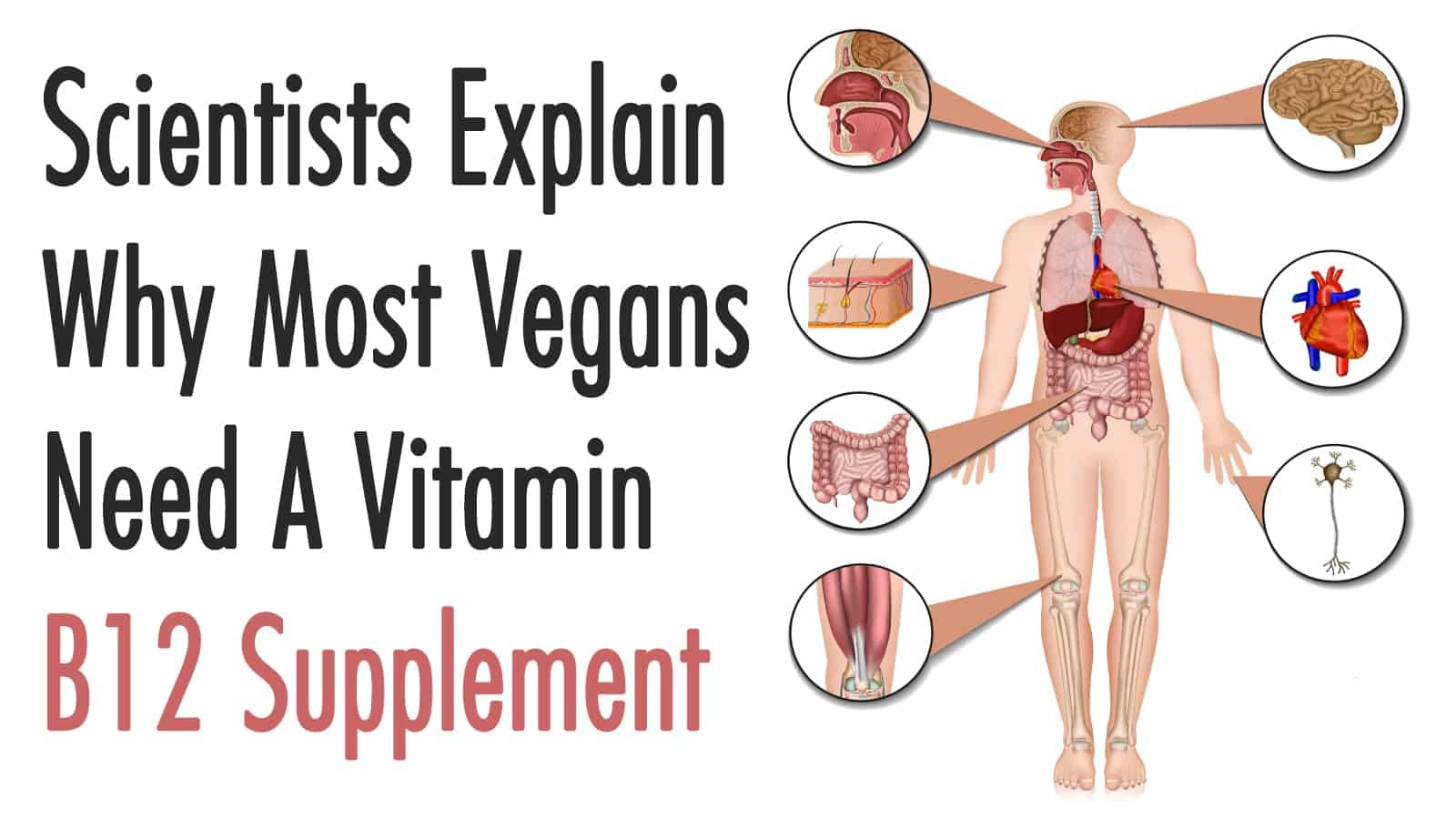
4. Vitamin B12 deficiency

Not getting enough B12 may manifest into premature or sudden growth of grey hair. The effect is systematic; B12 deficiency can lead to melanin deficiency – the pigment that gives your hair (skin, and eyes) their color. Folate deficiency may produce the same effect.

B12 is considered an essential vitamin for normal bodily function. Although grey hair is not considered a primary symptom of B12 deficiency, pay attention to premature or sudden growth of grey hair.

Adequate consumption of B12 is vital for several reasons. It keeps the blood cells healthy, helps make DNA, and prevents megaloblastic anemia.

The body does not produce B12; we must acquire the vitamin through our diets. Good sources of B12 include: liver, mackerel, sardines, fortified cereals, red meat, salmon, fortified soy, low-fat dairy, cheese, and eggs. Of course, you can also take B12 supplements if you abstain from these foods.

vitamin b12 deficiency - grey hair5. Vitiligo

Vitiligo is a disease that causes the loss of skin color that, similar to a B12 deficiency, results from inadequate melanin production. The disease can affect the hair, inside of the mouth, and eyes.

Vitiligo patients often see their hair color quickly transition from grey to white. Other signs of vitiligo include: loss of color in tissues inside of the mouth and nose, loss or change in color of the retina, and discolored patches around the armpits, genitals, navel, and rectum.

Promisingly, scientists believe they have discovered a biological pathway that – when manipulated the right way – may reverse vitiligo. These same scientists also think that their discovery may lead to pharmaceuticals that reverse the greying process!

10 Signs You Need A New Career

Do you feel like it’s time to shift focus and find a new career?

Throughout the last 10-plus years, little has changed concerning American attitudes in the workplace.

We’ll refrain from delving into the myriad statistics gathered over the years, and instead, explain workplace trends in a (kind of long) paragraph.

First, most Americans are “disengaged” at work – a term used to describe those who have “checked out.” These folks are going through the motions because they have no other choice (read: money for bills.) Second, two in every 10 employees are “actively disengaged” – or disengaged-squared. These workers are not just dissatisfied, they’re miserable – and are undeterred from letting everyone else know this. (Think of Peter Gibbons and crew in the movie Office Space.) If you’re planning to start a career as a professional hvac technician, you may take classes and training and even seek HVAC Test Preparation services to help you get your certificate.

We can accept that ‘work’ is called such for a reason. The word is literally defined as “a job or activity that you do regularly in order to earn money.” Your career – in other words – is a means to an end. So, how do we determine when an activity not designed to create happiness has become harmful to our mental, spiritual, and physical health?

“Just as there was little movement in the percentage of engaged employees from 2014 to 2015, there was little change in the percentages of not engaged and actively disengaged employees. In December (of 2016), 50.3% of employees were not engaged, while 16.8% were actively disengaged.” – Gallup

Here are ten signs it may be time to look for a new career:

To help answer the question mentioned above, we’ve created a list of ten potential indicators.

1. You’re less productive and more bored than ever.

Though we may despise work sometimes, we’ll still take some pride in our efforts. When you no longer feel more productive, it’s inevitable that your performance will suffer – and the dreaded boredom you feel at work will soon become apparent, not only to you but to those around you.

Try to remain mindful on the “here and now,” such as the task in front of you. Don’t dwell on negative thoughts.

2. Thoughts of work are interfering with your sleep.

When your job begins affecting the quantity and quality of your sleep, it’s an infallible sign that its time for a change. Sure, you can try and “will” yourself through the next day – and while such an effort is noble, it often fails. The end result is that you’ll dislike your job even more, and your overall health and well-being will suffer.

Sleep is critical for health in every imaginable way. Until you find a permanent solution to the job situation, research some ways to get better quality sleep. Schedule an appointment with the doctor, if necessary.

3. You’re arguing more frequently with co-workers or your boss.

First thing, don’t get fired by going off on your boss. Recognize that it’s in your interest to keep on the best possible terms until you’ve looked for a new position. “Yelling away” your worries and stresses never works.

If possible, walk away from the situation. Take a few deep breaths, close your eyes, and wait for the tension to subside.

 4. You’re turning to unhealthy coping mechanisms.

Unhealthy coping mechanisms include alcohol, nicotine, and yes, drugs. A beer or glass of wine after work can help us unwind and is an enjoyable routine for many. When the number of drinks after work reaches or exceeds your average intake, it’s time to examine your professional situation.

Difficult as it may be, try finding other outlets to release stress. Learn some mindfulness techniques, read a good book, or find something that motivates you.

5. You’re getting sick more often

Stress suppresses our immune system, and a job your hate is a reliable supplier of stress hormones. As such, it isn’t unusual to feel sick more often – and it should signal to you that change is needed.

If you find your health to be suffering to a significant degree, it’s advisable to schedule a doctor’s appointment and get things checked out.

6. Relationships with your loved ones are deteriorating.

Unfortunately, stress acquired by spending eight hours (or more) at a job you despise has a way of negatively affecting your home life. Time at home is meant to be enjoyed with your loved ones – a reward for a hard day’s work. If the stress you experience at the office is adversely affecting your home life, it’s past time to move on.

Until you find something that makes you a bit happier, try practicing mindfulness when with your loved ones. Enjoy the moment.

7. You spend too much of the weekend thinking about Monday.

Ah, the weekend. Time to enjoy a little R&R and unwind from the long work week, right? Absolutely. Unless you’ve gotten to the point where you’re spending time off thinking about the upcoming 40-plus hours at “that place.”

Don’t dwell on the upcoming week – it’s not here yet. Relax your body, release the negative thoughts, and engage 100 percent with whatever you’re doing.

8. You’re eating more and exercising less.

Many people turn to food in the same way others resort to alcohol and drugs. (The phrase “comfort foods” exists for a reason!) If you’re into fitness, yet you’ve found yourself navigating to the couch more frequently than the gym, it’s a double-whammy.

As mentioned, until the job situation is resolved, the only thing you can do is try to remain focused on one thing at a time (i.e. “single-tasking.) Get rid of junk foods lying around, and put your gym shoes on. Simple steps will help get you back into the routine of things.

9. You don’t like what you’re doing and/or what the company is doing.

How many of us went to college and studied something interesting either to (a) discover it isn’t really interesting, or (b) end up working in a different field, anyways. Just as our perspective on what we’re doing can change for the worse, so can our view of the organization we’re working for. (Otherwise, there wouldn’t be lists like the “10 Worst Companies to Work For.”)

One beautiful thing about the internet is that learning has become incredibly democratized. There are plenty of free or cheap courses online that make it possible to learn a new trade.

10. You’re already looking for a new job!

Not much to say here. Well, maybe one thing: if you’re job surfing on the company’s time – this is bad. If you’re planning to start a career in the healthcare industry, you may want to consider becoming a nurse assistant or dental assistant by completing a dental assistant training program.

(Please do yourself a favor and don’t use the company’s computer for your job search!)

References:
Comen, E., Stebbins, S., & Frohlich, T.C. (2016, June 10). The Worst Companies to Work For. Retrieved May 10, 2017, from http://247wallst.com/special-report/2016/06/10/the-worst-companies-to-work-for-2/

Doyle, A. (2017, January 06). Top 10 Warning Signs You Need a New Job. Retrieved May 10, 2017, form https://www.thebalance.com/top-warning-signs-you-need-a-new-job-2063029
McKeever, K. (2014, January 31). 3 Types of Employees; How to Spot the Silent Killer. Retrieved May 10, 2017, from https://www.recruiter.com/i/3-types-of-employees-how-to-spot-the-silent-killer/
Merriam-Webster Dictionary. (2017). Definition of Work. Retrieved May 10, 2017, from https://www.merriam-webster.com/dictionary/work
Smith, J. (2013, September 04). 14 Signs It’s Time To Leave Your Job. Retrieved May 10, 2017, from https://www.forbes.com/sites/jacquelynsmith/2013/09/04/14-signs-its-time-to-leave-your-job/#6beeef1f1da8
(C)Power of Positivity, LLC. All rights reserved

This Is What Happens to Your Body When You Try Acupuncture

Did you know: The theory and practice of acupuncture dates back to around 6000 B.C.? 2000 years before the modern era – ancient history in other words. In this period, needles did not exist; instead, sharpened stones and bones were used for acupuncture treatment.

Fast-forward 8,000-plus years, and – in addition to being far more advanced – acupuncture is gaining ground as a complementary therapy in modern medicine.

The Theory and Practice of Acupuncture

While we’re not going to incessantly dwell on the theory and practice of acupuncture, it is nonetheless helpful to understand the basics of both.

Back (way back) in the day, the founder of Chinese Medicine, Huang Di Nei Jing, theorized that the human body possessed an internal energy force, called Qi (pronounced “chee”). The book containing Jing’s theories, Yellow Emperor’s Classic of Internal Medicine, is said to be the oldest textbook in the world.

Jing postulated that “all essential life” – the emotional, mental, and spiritual elements – is affected by the flow of energy. Furthermore, that any disturbance to this internal flow of energy manifests into pain and suffering.

Qi travels throughout the human body through pathways, or meridians, in pairs along both sides of the body. In total, there are 14 “main meridians” that run vertically along the body’s surface, comprising 28 total pathways. Of this total, 24 pathways run through the body’s main organs.

Acupuncture points are locations on the body’s where the Meridians surface (on the skin). These points are accessible for “needling,” the method of inserting a needle along a predetermined meridian. There are 350 acupuncture points where needles may be inserted. The purpose of needling is to redirect the flow of energy – to bring Qi back into balance. Correctly done, this needling procedure may alleviate numerous illnesses and symptoms.

Per the World Health Organization (WHO), acupuncture is “effective” for treating 28 conditions, though evidence suggests it may have therapeutic qualities for several others.

Acupuncture Uses

Pain

In a 2014 study published in the Journal of the American Medical Association (JAMA), researchers conclude:

Acupuncture is effective for the treatment of chronic pain and is therefore a reasonable referral option. Significant differences [among study participants] indicate that acupuncture is more than a placebo.

As mentioned, acupuncture is recognized as a treatment method for various conditions. Board Certified Acupuncturists cite the procedure as tremendously useful for those experiencing “pain that results from repetitive strain and stress.” Aside from headaches and migraines, acupuncture has proven to be helpful in combating neck and shoulder pain.

Mental Disorders

Aside from being an excellent treatment option for pain, acupuncture may also be helpful in treating mental ailments. Anne Adametz, a Board-Certified Acupuncturist, explains that the procedure is an excellent option for individuals suffering from anxiety and depression. She attributes the stress-relieving properties of acupuncture as a catalyst for the relief of body tension, sleep disorders, and anxiety disorders.

Acupuncture has also demonstrated to be a potential treatment for fibromyalgia patients. This discovery falls in-line with the previous conclusions made from the abovementioned JAMA study, as fibromyalgia is classified as a chronic pain disorder.

Fibromyalgia

Fibromyalgia symptoms include: moderate or severe fatigue, muscle stiffness, insomnia (or other sleep pattern disorders), muscle symptoms, headaches or migraines, and mood disorders. Chronic muscle pain and extreme fatigue are the predominant symptoms of fibromyalgia – and may significantly benefit from acupuncture.

In a 2006 study by the Mayo Clinic, the authors conclude:

 “We found that acupuncture significantly improved symptoms of fibromyalgia. [Improvement] was not restricted to pain relief and was most significant for fatigue and anxiety.”

Irritable Bowel Syndrome (IBS)

IBS is a common disorder that affects the large intestine and colon. The symptoms of IBS are numerous and include: abdominal pain, bloating, constipation, cramping, and diarrhea.

A chronic condition, IBS is diagnosed to nearly 45 million Americans annually. Two-thirds of IBS patients are women. Though traditional treatments (diet changes, stress management, medication) have been effective for some, others continue to suffer a diminished quality of life.

Fortunately, acupuncture has shown some promise for this disorder as well. A meta-analysis (analysis of multiple studies and treatment outcomes) of research studies spanning nearly 50 years found that acupuncture demonstrates “clinically and statistically significant control of IBS symptoms.”

Other Potential Uses

Acupuncture has also shown tremendous promise in the treatment of various other conditions; all of which are backed by scientific studies. Some of these conditions include:

– Increased fertility

– Reduction of Parkinson’s symptoms

– Treatment of Generalized Anxiety Disorder (GAD)

– Treatment of arrhythmia (irregular heartbeat)

– Improvement of muscular atrophy

– Treatment of hypertension (high blood pressure)

One Final Note

Aside from the conditions listed above, researchers continue to evaluate the efficiency of acupuncture for many other ailments.

If you are inclined to give acupuncture a shot (pun not intended), take the proper precautions when choosing a practitioner. Below are some recommendations from Board-Certified Acupuncturist, Anne Adametz:

– Avoid practitioners who offer “dry needling.

– Inquire about the practitioner’s educational background. (Adametz recommends a Master’s degree in Acupuncture and 3 to 5 years’ experience.)

– Ask if the practitioner is board certified.

– Ensure that you “feel comfortable” with the practitioner and that he or she is a “good fit for you.”

References:
Vickers AJ, Cronin AM, Maschino AC, Lewith G, MacPherson H, Foster NE, Sherman KJ, Witt CM, Linde K, Acupuncture Trialists’ Collaboration FT. Acupuncture for Chronic Pain: Individual Patient Data Meta-analysis. Arch Intern Med. 2012;172(19):1444-1453. doi:10.1001/archinternmed.2012.3654
Tellander, H. (2017, March 21). Acupuncture – A Complementary Therapy With Promise. Retrieved from Therapy
Singer, J.A. (n.d.). Acupuncture, A Brief Introduction. Retrieved April 25, 2017, from http://www.acupuncture.com/education/theory/acuintro.htm
Nordqvist, C. (2016, February 17). Acupuncture: How Does Acupuncture Work? Retrieved from http://www.medicalnewstoday.com/articles/156488.php
Mayo Clinic Staff. (2014, July 31). Irritable Bowel Syndrome. Retrieved from http://www.mayoclinic.org/diseases-conditions/irritable-bowel-syndrome/basics/definition/con-20024578
Martin, D. P., Sletten, C. D., Williams, B. A., & Berger, I. H. (2006). Improvement in Fibromyalgia Symptoms With Acupuncture: Results of a Randomized Controlled Trial. Mayo Clinic Proceedings, 81(6), 749-757. doi:10.4065/81.6.749
Mandal, A., M.D., (2013, April 26). Retrieved from http://www.news-medical.net/health/Acupuncture-History.aspx
WebMD Medical Reference. (2017, April 02). Symptoms of Fibromyalgia. Retrieved from http://www.webmd.com/fibromyalgia/understanding-fibromyalgia-symptoms
(C)Power of Positivity, LLC. All rights reserved

7 Reasons People Gain Weight (And How to Lose It)

Tell people that biology and the environment cause obesity and they are offered the one thing we have to avoid: an excuse. As it is, people who see more fat people around them may themselves be more likely to gain weight. – Andrew Lansley, Former Health Secretary to Great Britain

Mr. Lansley, who for years served in a central role to the National Health Service in the United Kingdom, hit the nail on the head. Indeed, biology and genetics affect one’s ability to gain or lose weight. However, he may also have a point that too many people use genetic, environmental, or biological excuses to rationalize their weight gain.

Lifestyle choices significantly influence whether or not we’re able to maintain a healthy weight. Making the conscious choice to eat deliberately, exercise regularly, and get enough sleep are all within our control – and, consequently, determine if we’re able to maintain a healthy weight over the long term. As in, getting to a healthy weight and sustaining that all-important measure.

In this article, we discuss 7 reasons why people gain weight. By no means is this list all-inclusive, but it does recognize the most common behaviors contributing to weight gain.

7 Reasons People Gain Weight (And How to Lose It)

If you are engaging in these behaviors, you may be putting your health at risk.

pop meme

1. Skipping meals can cause weight gain

Contrary to popular opinion, abstaining from regular meals (3 to 5 per day) does not hasten the weight loss process. In fact, skipping meals is incredibly unproductive to weight loss – not to mention, a very unhealthy choice of action.

In a 2015 study published in The Journal of Nutritional Biochemistry, researchers made the following conclusions:

Temporary food restriction initiated gorging behavior that persisted during refeeding; consequently, metabolism-related measurements (showed) metabolic abnormalities…restriction-induced gorging mice had increased intraabdominal fat accumulation, (and reduced) insulin sensitivity.

In short, skipping meals promotes fat growth – a fact proven by science.

THE FIX:

Instead, eat three whole or five healthy, small meals through the day. Drink plenty of H20, as well.

2. Not eating a nutritious breakfast

“Breakfast is the most important meal of the day.” How many dozens of times have we heard this throughout our life? Well, there’s a reason why the axiom is repeated so much: it’s absolutely true.

A clear distinction must be made here. It is much, much better – in terms of maintaining weight – to eat a light, nutritious breakfast than the equivalent of a buffet. Eating a healthy breakfast can kick-start your metabolism.

THE FIX:

Breakfast with whole grains, low-calorie orange juice, and fresh fruits, is a perfect combo for getting your day started off right.

3. Sleeping too much or too little

Yes, too much or too little sleep can cause weight gain. The simple reason: your metabolic functions dramatically slow either way.

THE FIX:

The National Sleep Foundation (NSF) recommends the following sleep durations, classified by age:

School-age children (6-13 years): 9 to 11 hours per night

Teenagers (14-17 years): 8 to 10 hours per night

Young adults (18-25 years): 7 to 9 hours per night

Adults (26-64 years): 7 to 9 hours per night

Older adults (65+ years): 7 to 8 hours per night

4. Not checking the scale

This one’s going to generate some debate, which is good!

Here’s the thing – if you don’t know where you’re at, you have no idea where you’re going. Does this mean that you should step on the scale every day? No. Every other day? No.

Why is checking the scale on an occasional basis important? Because it can indicate disproportionate and unexplainable weight gain. Because it can indicate that you’ve been feasting a bit too much.

THE FIX:

Check the scale no more than one – at the max, twice – on a weekly basis. Record this number and make the necessary lifestyle changes.

5. Major life changes

Change is the one constant throughout life. Career changes, having (and taking care of) a baby, financial challenges, etc.

Nutritionist Carolyn Brown says “Any kind of major life shifts, even the positive ones, cause stress, anxiety, and very often unconscious comfort eating.” Anytime our brain is confronted with a new challenge, it (sometimes subtly) alters the mind-body connection, which can lead to weight gain in some scenarios.

THE FIX:

When faced with a new challenge, the key to a smooth transition is stress management. Fortunately, there are several stress management techniques and practices out there to help. Meditation, exercise, yoga, and mindfulness practice are just a few examples.

6. The passing of time impacts your weight

As we age, our metabolic activity slows – something that’s inevitable. As such, it is necessary for us to “outsmart” time to maintain a healthy weight. This, of course, means changing up our diet, exercise regimen, and even how we keep ourselves entertained.

THE FIX:

Be honest about your lifestyle. Are you getting some light exercise on a regular basis? Are you willing to abstain from “guilty pleasures?” Instead of watching your favorite T.V. programs, can you find another method of relaxing that incorporates activity (ex: going for a nature walk)?

Adjust to time is key to keeping a healthy weight.

unbalanced hormones weight gain

7. Losing muscle connects to your weight

A correlation exists between loss of muscle and weight gain. The former initiates nutritional and metabolic changes.

“Starting in our 30’s, we lose muscle mass every year,” says Maryann Jacobsen, Registered Dietitian. This process is often slow and thus difficult to recognize.

THE FIX:

Similar to “outsmarting” time, in a similar way we must “outsmart” physical changes. We accomplish this by allocating some more time to activities that promote strength; lifting weights, resistance training, and yoga are all viable, useful options.

(C)Power of Positivity, LLC. All rights reserved

10 Things Smart People Never Say In Public

The words that come out of our mouths can be interpreted in four ways: positive, negative, neutral, or unclear. Smart, emotionally-mature folks tend to speak in public in a deliberate, transparent manner; crafting their words to minimize a negative or enigmatic response.

But the truth is that we’ve all said something we’ve regretted. Perhaps our words deeply hurt someone, whether intentional or not. We’ve all had to deal with the horrible “I want to stick my dirty foot into my dirty mouth” feeling.

Yeah, it sucks. It really sucks.

Emotional intelligence (EQ) is defined as “the capacity to be aware of, control, and express one’s emotions, and to handle interpersonal relationships judiciously and empathetically.” One’s level of EQ is often determinative of how our words are interpreted by someone else. Indeed, this perception is essential in public.

Furthermore, it is this type of intelligence – not “book smarts” or IQ score – that plays the predominant role in deciding what to say and, just as important, what not to say. EQ is intrinsically linked with social awareness – the ability to decipher the emotions and experiences of other people. In other words, our ability (or inability) to be empathetic.

To avoid the dreaded thoughts and feelings that accompany an impulsive, erratic string of words, it helps to have a basic understanding of things not to say in public.

“Wise men speak because they have something to say; Fools because they have to say something.” Plato

Here are 10 things that emotionally intelligent people refrain from saying in public:

public

1. “It’s not fair!”

Well, life isn’t fair – something most mature adults understand. Perhaps what happened is not fair; it may even be an egregious injustice. The thing to remember is that people surrounding us are often unaware of the “incident,” and even if they are privy to the scenario, proclaiming “It’s not fair” does absolutely nothing to solve the problem.

As difficult as it may be, focus your attention and efforts on resolving the issue. You’ll feel better about yourself, maintain your dignity, and may just solve the problem!

2. “You look tired.”

Here’s the thing: we have absolutely no idea what is going on behind the scenes of a person’s life. Saying “You look tired” – no matter how well-intentioned – signals to the person that their problems are on display for everyone to see.

Instead, phrase your statement or question in an empathetic fashion. For example, “Is everything okay?” suggests that you’re concerned about what’s going on.

3. “For your/a…” statements

Examples: “You look great for your age,” or “For a woman, you’ve accomplished so much.”

As we all (or should) know, age and gender biases still exist. The chances are that the person you’re speaking to is well aware of such biases, and are offended by the very mentioning of them.

No qualifiers needed. Just compliment the person.

4. “As I’ve said before…”

Who hasn’t forgotten something said from time to time? This phrase implies that you’re insulted for having to repeat yourself, or that you’re somehow “better” in some way than the recipient.

To be fair, repeating the same thing over and over again to the same person is frustrating. Refrain from verbalizing this frustration, and attempt to clarify what you’re saying.

Do the decent thing and remind them from time to time.

5. “You never…” or “You always…”

The truth is that no one ever does or doesn’t do anything. Usually, these words are spoken disingenuously, dishonesty, or dramatically. Too often, they’re used to hurt someone else out of anger or contempt.

Substantiate what the other person did – and provide specifics. An example: “I’ve noticed that you continue to (such and such), is there anything I can do to help/something I should know?”

6. “Good luck.”

This one is going to be a source of discussion, and rightfully so.

Here’s our rationale: luck takes an outcome out of the person’s hands, and subjects it to outside influences or chance. Has anybody ever leveraged their aptitude to win the lottery? No. It’s luck.

Again, this phrase is subtle, often well-intended, and is certainly subjective to one’s own interpretation. But saying something along the lines of “I know you have what it takes,” or “You’ve got this in the bag” may bolster someone’s confidence to a higher degree than the notion of luck.

7. “It doesn’t matter to me.”

When someone seeks out your opinion, they do so expecting constructive feedback…any feedback. Saying “it doesn’t matter” – in a way – suggests that either (a) their situation is of no consequence to you, or (b) that taking the time necessary to provide feedback isn’t a priority.

Instead, be cognizant of the person’s situation. If pressed for time, suggest another where you can actively listen.

8. “With all due respect…”

Stop. Are words about to come out of your mouth truly influenced by a measure of respect for the recipient? If you can honestly answer “yes,” then carry on. Just know this: how you frame your words; your body language, and your voice intonation will quickly make it apparent whether or not due respect was given.

On the other hand, if this is phrase spoken in “auto-pilot” mode, in an attempt to “ease into” a discussion that has nothing to do with “respect,” it’s best to pump the brakes.

9. “I told you so…”

This phrase is bursting with conceit and superiority. How many of you read this phrase and imagine two elementary-aged kids playing in some sandbox or playground? The reason is that the phrase “I told you so” is childish and immature. No intelligent, mature adult should utter such words on their lips.

You may have warned someone of the consequences of a certain action. Maybe they had it coming, whatever “it” is. Maybe they’re even beyond the point of constructive criticism.

Find some way to interact with someone who’s made a bad decision that doesn’t involve contempt. Maybe they need some help that we can’t provide. Consider your options and act (and speak) intelligently.

public

10. “I give up.”

Raise your hand if you’re guilty of saying this in public…

I GIVE UP

(Raises both hands.)

Joking aside, saying “I give up,” while seemingly harmless, it an affirmation that we’re incapable of overcoming something in front of us. Maybe it’s a terrible boss, a difficult assignment/project, a disdainful co-worker, or any countless number of things.

But remember: you are much stronger/smarter/capable than you think. There is absolutely nothing that you cannot overcome. “I can do this” are the only words you need–especially when in the public eye.

Believe in yourself!

A Note To My Former Self

Dear Former Self,

I write to you from the future, looking out of my window as I write this letter to you now. Life is not perfect, but would you have ever imagined anything like this?

You got home late again. You barely have enough energy to eat, let alone catch up on chores. I am also guessing that you have even more yet that you haven’t thought of because you did not do last week’s leftover chores. People seem to always be coming and going, and to to top it all off, there are many people out there just waiting to watch you fall. Couple this with the fact that your achievements ‘mean nothing’ to some no matter how hard you try. Your only solace is break time when you can attempt to enjoy yourself, but your mind continues to wrap itself around the tasks at hand…

Despite your stubborn ways, fatigue, and costly mistakes, we have come a long way. I know that you will be anxious to know what is happening now but things are looking good. Let me tell you what they are now:

You have had your trials. This has presented some challenges but they have thankfully been overcome. I am in a job that I really love and know I am very good at but you did all the hard work finding out about it, thanks to that keen eye of yours and your innate talent. On the business side of things, I am nearly ready to start after a year of getting things ready. There are some minor obstacles standing in the way of it, but these will be sorted out within weeks. It is a good thing that you learned to be patient because it is a requirement here in business.

I just want you to know that you did a great job, despite the difficulties you endured. I still have the those painful memories at times, but I now use them to become stronger and better. If you feel like asking for help for something that is bothering you, then get out there and ask for it. Remaining silent only makes the problem worse. Do not be afraid to stand up for yourself; defend your position – just like George McFly in the movie “Back To The Future“. If you have not seen it, rent the video tape (as you will not have a clue what Netflix is yet!).

time goes on

All I really want to tell you is to thank you for safely getting me to this point, and to tell you to not worry so much and things are getting better. There are of course more problems now but, as you can imagine, they are of a different kind. You are good enough and strong enough to get through anything, you just have to believe it. Mahatma Ghandi said, “Your beliefs become your thoughts. Your thoughts become your words. Your words become your actions. Your actions become your habits. Your habits become your values. Your values become your destiny.” If that fails, try Rudyard Kipling’s poem “If” for some inspiration.

I love you with every cell in me, as do our Mum and Dad and your future children.

Hang in there.

Lots of love,

The Person You Become

References:
Adame J., “An Open Letter To My Former Self”

Odyssey
https://www.theodysseyonline.com/open-letter-former
Hartzog J., “Dear You (a Letter to my Former Self)”

Elephant Journal
https://www.elephantjournal.com/2015/05/dear-you-a-letter-to-my-former-self/
(C)Power of Positivity, LLC. All rights reserved

21 Things You Should Do When You Can’t Sleep At Night

Did you know that sleep professionals have a term for healthy habits before bedtime each night? Well, they do–and they call it sleep hygiene.

The National Sleep Foundation (NSF) defines sleep hygiene as the following:

“A variety of different practices and habits that are necessary to have good nighttime sleep quality and full daytime alertness.”

Similar to how we all benefit or are hindered by our daily routines. Whether it is work, morning routine, or time management, we are all affected – whether we realize it or not – by our sleep hygiene or lack thereof.

21 Things You Should Do When You Can’t Sleep At Night

Let’s look at some things that can improve our habits and get more rest.

1. Lay off the stimulants before night falls

Stimulants come in various forms, including caffeine, medications, and nicotine–caffeine is the most common. Caffeine, once in the body, lasts for around 12 hours. 12 hours!

The good news is (and it is good news) that we can safely consume up to three 8-ounce cups of coffee per day but no more than six cups.

Also, watch your nicotine and stimulant medication intake, particularly the hours of consumption.

night

2. Tune your environment

Do whatever it takes: buy blackout curtains, eyeshades, earplugs, fans – anything to rectify a poor sleeping environment. Those who’ve lived in a crowded apartment complex can probably relate.

Other tips: keep the bedroom at a cool temperature, check the quality of your mattress, and use comfy pillows. Turn off bright lights from anywhere and everywhere.

3. Limit napping

We all love naps.

But napping, incredible as it is, can hinder regular sleep by disrupting our normal sleep/wake cycle (i.e., circadian rhythm). On the other hand, finding that “sweet spot” – which the NSF defines as between twenty and thirty minutes – can improve alertness, mood, and performance.

4. Get a bit of exercise

Exercise is recommended for just about every ailment in existence. Insomnia, or difficulty falling asleep, is no different.

Even working out for a brief ten minutes can improve our sleep quality. The NSF recommends aerobic exercise to achieve this result – a brisk walk, bike ride, or light jog are all excellent options.

One last thing: intensive workouts should occur during daytime hours. Vigorous exercise four hours or less before sleep can diminish sleep quality.

5. Get enough light

Light preferably from the sun, not the desk lamp. Many of us work in an office environment for 8+ hours a day. By the time we clock out, the sun is often on its way down.

Try getting outside for one of your breaks or eating lunch outside the cafeteria. Use that time to get in a brisk walk out in the sunshine.

6. Know which foods to stay away from

This is especially true for foods that may promote indigestion and heartburn. Foods that fit this description include citrus, carbonated drinks, heavy or rich foods, and fried foods.

Light dishes, consisting of fresh vegetables and lean cuts of meat, are excellent for promoting sleep.

7. Have a regular, relaxing bedtime routine

A regular nighttime routine prepares the body for bed. Routines that fit this description are light on brain stimulation, as in a TV or computer marathon. It is also wise to refrain from activities that evoke negative emotions.

Instead, try reading a hardcover or softcover book (no tablets), relaxing with a warm bath or shower, or doing light stretches, meditation, or yoga.

8. Lay off the alcohol at night

The sleep cycle after consuming alcohol looks like this: it helps knock you out, alcohol levels drop (rate: about one drink per hour), REM sleep quality decreases, non-REM sleep increases, and you wake up.

Here’s the problem with this cycle. Quality REM sleep is needed for proper cognitive function – which suffers from the effects of alcohol. As alcohol levels drop, the body’s internal state begins to “awaken,” although the person is technically still asleep.

This is why we feel groggy and sluggish throughout the following day. Please do yourself a favor and limit alcohol intake during the week or save it for the weekends.

9. Don’t rule out the “small stuff”

Certain supplements and vitamins can disrupt sleep, as can certain oral contraceptives and hypertension pills.

Chronic, minor pains are tempting to disregard but don’t underestimate any pain’s ability to rob you of a good night’s sleep. Consider taking some NSAID, which is well-tolerated more often than not.

Do you have pets in your bed? Does your partner snore or move around, waking you up? Consider your environment and any potential culprits and develop a practical solution.

10. Follow up with your doctor

In rare cases, poor sleep quality could result from an underlying disorder. If this state persists despite making necessary changes to your lifestyle, it’s best to be safe and follow up with a medical professional.

11. Say goodbye to your worries

Getting rid of your fears is easier said than done. Of course, you can’t eliminate all your fears. Still, it’s essential to learn how to manage them so they don’t interfere with your ability to sleep at night. Try these things to say goodbye to your worries so you can sleep at night.

  • Try praying: Prayer can help you relax and relieve your day’s worries. Ask God to help you trust him. Pray about specific concerns of your day. Giving God your worry lets you let go of them so you feel less burdened.
  • Try journaling: Writing about your worries won’t solve them, but you will feel less beaten down by them, so you can let go of them.
  • Make a list: If you have a lot going on, creating lists of what you need to do may be helpful. Once it’s on paper, you don’t need to worry about it anymore.

worrying

12. Take a magnesium supplement

Lack of sleep is harmful to your health. Insomnia can lead to health problems, such as:

  1. Heart problems
  2. Diabetes
  3. Stroke
  4. Depression
  5. Obesity
  6. Lower sex drive
  7. Weak immune system

Magnesium is a helpful sleep aid. Your biological clock is more consistent when melatonin is in your body. It also lowers your mental stress. It’s best to take these supplements before your bedtime to feel sleepy.

13. Relax with a bath or shower at night

Another way to help yourself fall asleep is to take a warm bath or shower before bedtime. A warm bath relaxes your muscles, and aches and pains fade away. As you relax, you’ll feel calm and peaceful. Some suggest a warm shower is the best, but it’s really up to you.

14. Listen to bacon as you fall asleep at night

Yes, you heard right. Listening to the sound of bacon frying will put you to sleep. But don’t bother getting out the frying pan. People say listening to a recording of sizzling bacon puts them to sleep. Researchers say this calming sound is associated with positive feelings that encourage relaxation and sleepiness.

16. Eat some cheese

Cheese contains tryptophan, a natural sleeping aid. Your body uses tryptophan to make melatonin and serotonin. Melatonin regulates your sleep cycle. Serotonin regulates your sleep, mood, and appetite. If you can’t sleep, try munching on some cheese. Choose low-fat cheese, such as cottage cheese. A high-fat cheese will interfere with your sleep.

17. Check your medications

If you take medication, check for side effects to see if insomnia is one. Here are just a few drugs that cause insomnia. If you take one of these or any drug, you must understand the side effects.

  • Alpha-blockers: Alpha-blockers are blood pressure medications. It’s linked to decreased REM (rapid eye movement) sleep. This is the part of your sleep when you dream. Lack of REM sleep causes memory problems.
  • Beta-blockers: This blood pressure medication may cause you to wake up at night. Some people have nightmares that interrupt their sleep. Beta-blockers inhibit your body’s melatonin secretion, which helps you fall asleep.
  • Corticosteroid: This medication is used for various physical problems. It is anti-inflammatory. Corticosteroids stress the body, which can over-stimulate the mind, making sleep difficult.
  • Levothyroxine is used to treat your underactive thyroid gland (hypothyroidism). It controls your metabolism and energy levels. Too much of the medication messes with your ability to sleep. If you’re on levothyroxine, tell your doctor if you have insomnia.

18. Try a brain trick

If you can’t fall asleep after 20 minutes, get up and find a relaxing activity like reading. Then go back to bed to see if you can fall asleep. This little exercise breaks the cycle and tricks your brain into getting sleepy.

19. Experiment with essential oils

Try essential oil scents to help you relax and fall asleep at night. The best sleep-enhancing essential oils include:

  • Lavender oil: Lavender infuses your mind and body with peacefulness. Sprinkle a few drops of lavender essential oil on your pillow to relax you. Lavender lowers your heart rate and blood pressure.
  • Chamomile oil: Chamomile is used in herbal teas. Before bedtime, you can diffuse chamomile essential oils in your bedroom to help you relax as you drift off to sleep.
  • Sandalwood oil: Sandalwood is one of the most effective sleep essential oils. It promotes peaceful sleep. It can also help even out your moods to fall asleep easier.

20. Listen to a story at night

It worked when you were a kid, so why not now? Listening to a soothing story helps your mind and body get sleepy. Of course, there’s an app for that. Check it out. Or, if you’d drift to sleep listening to an audiobook, that’s an option. It’s not the best idea to fall asleep with your iPhone, but this might be your solution if you’re having trouble sleeping and nothing else works.

21. Don’t fall asleep until night

If you can’t sleep, then stay awake. One study found that individuals with insomnia fell asleep faster when told not to fall asleep. This method is called Paradoxical Intention. When you lie in bed with your eyes open, you lose your anxiety about falling asleep. This helps you relax, and you will eventually fall asleep.

night

Final Thoughts on Actions to Take When You Can’t Sleep at Night

Maybe you’ve tried everything to fall asleep at night. If nothing else works, why not try these ideas? They are tried-and-true methods that people swear by. Some suggestions are unorthodox, but they help individuals fall asleep. So, try them to see if they work for you.

Signs You Have A Psychic Power

Psychic science has been disputed as being something unable to be backed by science, yet all of us have had incredible moments where our intuition seemed to drive us toward a certain choice or action which later proved to be the exact right thing for the exact right time. Was it your psychic power? Was it Extra-Sensory Perception (ESP)? This article will discuss how to tell if you possess special psychic powers.

Test your psychic power

Psychicscience.org has an advanced test for ESP where you can take the test to predict which of a series of five shapes you think will be drawn next in the deck of random shapes. It’s a multiple guess test where you can pick from one of the five different cards that appear throughout the deck. At the end of the test, your score will show if you beat the odds for random chance or not.

Physiological awareness or psychic power?

Daryl Bem spent over eight years studying over 1000 participants from 9 experiments before finalizing his results to determine if psychic power is real or imagined. Bem worked at Cornell University from 1978 to 2007.

In his final experiment that proved that humans have psychic abilities, Bem changed the test from a predictive one to one that measures the body’s response to what is displayed. He did this by replacing shape cards with some happy and some disturbing images. Research participants were hooked up to equipment similar to a lie detector that measured emotional arousal. They watched randomly selected images on a computer with some erotic or negative pictures.

“Your physiology jumps when you see one of those pictures after watching a series of landscapes or neutral pictures,” Bem said in a Newsweek article on his research. “But the remarkable finding is that your physiology jumps before the provocative picture actually appears on the screen — even before the computer decides which picture to show you. What it shows is that your physiology can anticipate an upcoming event even though your conscious self might not.”

If we respond in our physiology before an event occurs, it may make sense that a heightened awareness of your physiological response may help you improve your psychic powers. In eight out of nine of Bem’s experiments, he was able to demonstrate similar psychic powers from his subjects These odds are far beyond random chance or statistical error; about 74 billion to 1, according to Bem.

Psychic powers and national security

Although you might not believe in psychic abilities, our government clearly does. Newsweek reports that several U.S. government agencies studied psychic powers as far back as 1979. The Army’s Intelligence and Security Command conducted experiments on psychic powers for the CIA, NSA, FBI and Secret Service. According to one government briefing “Over 85% of our operational missions have produced accurate target information,” and “approximately 50% of the 760 missions produced usable intelligence.”

Here is an excerpt from an Army intelligence briefing on psychic research that has now been declassified:

“OUR MISSION IS AS SHOWN ON THE NEXT CHART. CONDUCT INTELLIGENCE COLLECTION AND COUNTER INTELLIGENCE OPERATIONS UTILIZING ALL PSYCHOENERGETIC PROCESSES APPLICABLE. TRAIN SELECTED PERSONNEL IN STATE-OF-THE-ART PSYCHOENERGETIC INTELLIGENCE COLLECTION AND COUNTER INTELLIGENCE TECHNIQUES, EXPAND OPERATIONAL CAPABILITIES AND TRAINING BEYOND THE CONFINES OF INFORMATION COLLECTION INTO THE FIELDS OF PSYCHOENERGETIC COMMUNICATION AND PSYCHOKENESIS.”

The government believed that psychic powers were worth investigating, especially in the race to keep up with our possible enemies who might possess psychic skills to learn top-secret information. The website psychicscience.org also has ESP training exercises to practice improving your psychic powers. It might be worth your time trying to make an improvement in your psychic powers if you believe it could help you to know what is coming in your future.

(C)Power of Positivity, LLC. All rights reserved
Sources:
http://www.psychicscience.org/esp3.aspx
Humans have psychic powers
http://www.news.cornell.edu/stories/2010/12/study-looks-brains-ability-see-future
Army Intelligence declassified secret briefing re: ESP
http://documents.theblackvault.com/documents/remoteviewing/stargate/STARGATE%20%234%20176/Part0003/CIA-RDP96-00788R001700330002-7.TXT
Newsweek MEET THE FORMER PENTAGON SCIENTIST WHO SAYS PSYCHICS CAN HELP AMERICAN SPIES BY JIM POPKIN ON 11/12/15 AT 6:58 AM
http://www.newsweek.com/2015/11/20/meet-former-pentagon-scientist-who-says-psychics-can-help-american-spies-393004.html
Skip to content