Weekly tips, affirmations, and small actions to feel your best.

10 Behaviors That Build Trust In A Relationship

“Most good relationships are built on mutual trust and respect.” – Mona Sutphen

Depending on the person and situation, the word trust can take on different meanings.

For example, a person with a good heart who has never experienced betrayal is far more likely to confide in someone who’s reeling from an abusive relationship. Situationally, in a business environment, trustworthiness may be harder to earn than in a personal relationship.

Nan S Russell, an educational psychologist, sums up the word ‘trust’: “People mean different things when they use the word trust. Ask five friends and you’ll get five definitions. (There) are various kinds of trust – confidence trust, competence trust, relationship trust, basic trust, authentic trust, organizational trust, self-trust, situational trust, and leadership trust – to name just a few.”

While trust may indeed be fluid by definition, there is one near-absolute truth: certain behaviors build trust faster than others.

Here are ten behaviors that can build trust quickly:

traits in a long-term relationship

1. Admit your mistakes

Mistakes – everyone makes them, but not everyone owns up to them. But if your objective is to create trust, admitting when you’ve screwed up is not an option. Ever heard the adage “The coverup is worse than the crime?” Well, this is especially true when you’re seeking to establish a reputation for trustworthiness.

2. DWYSYWD

Do What You Say You Will Do. Consistent, dependable and reliable behavior is one of the most expeditious ways to earn trust. If you make a promise, keep your word and follow through to the best of your ability. Most of us try, but sometimes things fall through the cracks. Minimize these mistakes and you’ll quickly build trust.

3. Give trust

Commitment and trust is a reciprocal action. Ever seen the movie Meet the Parents? Robert Deniro’s character (Jack Burns) lectures Ben Stiller (Greg) on the “Burn’s Family Circle of Trust” which he prides himself on: “I keep nothing from you and you keep nothing from me – and round and round we go.”

Trust is like that (just less funny).

honest

4. Listen mindfully

Mindfulness is observation without judgment. For illustrative purposes, think of the people you consider to be the most trustworthy in your life. The chances are that they’re willing to listen to you no matter your state of mind. Mindful (or active) listening is rare nowadays – a fact that makes the practice invaluable for establishing trust.

5. Show interest

Demonstrating interest helps build relationships and reinforce trust. Showing interest is also critical to developing and maintaining rapport. You show interest in someone through being inquisitive and curious. If the person senses your sincerity, you’ll quickly earn their trust.

6. Be self-aware

Self-awareness is defined as “conscious knowledge of one’s own character, feelings, motives, and desires.” Renowned behavioral psychologist Nan S. Russell calls self-awareness “the missing ingredient’ for building trust. “(Too) often people don’t realize the messages that their actions send,” says Russell, “You can’t adjust your actions to communicate what you intend without self-awareness, ” and you can’t establish trust when the signals you send are the wrong ones.

7. Be prompt

Chronic poor time management should be considered personally inexcusable. It’s also certainly viewed as a sign of disrespect by others. The odds are that if you don’t hold yourself accountable, then someone else will. In the meantime, you’ll initiate a sense if doubt in others, which will call into question anything you do or say – no matter how well-intended.

8. Communicate openly

Sometimes being open and honest can be a bit uncomfortable. This is especially true if you’re conflict-avoidant, which many people are – and that’s okay. Open communication is easier when you define your intentions during the onset, act politely, and listen intently. Effective communication may be the most important aspect of developing trust.

9. Resolve conflict swiftly

Conflict, in any form and to any degree, is counterproductive to establishing trust. Thus, it’s incredibly important to quash any conflicts as they arise and to do so quickly and efficiently. It is not necessary to approach conflict with a “conflict-like” mindset. Here’s an experiment: the next time someone gets angry with you – it doesn’t matter if it’s in traffic or at the office – smile politely and nod. You’ll be astonished at some of the responses you get (most will be positive!)

10. Be exemplary

There’s no better way to establish a culture of trust in a relationship than to exemplify the behavior. If this sounds like a “blanket solution” for reciprocating trust, that’s because it is. Quite simply, making the conscious decision always to tell the truth, be sincere, be responsible, refrain from gossip, and so forth will communicate to others that they can trust you. In return, you may find it’s much easier to trust them. Indeed, it is a “Circle of Trust.”

(C)Power of Positivity, LLC. All rights reserved
References:
Russell, N.S. (2013, October 23). The Missing Ingredient for Building Trust at Work. Retrieved June 22, 2017, from https://www.psychologytoday.com/blog/trust-the-new-workplace-currency/201310/the-missing-ingredient-building-trust-work

http://4h.missouri.edu/showmecharacter/trustcc
https://leadingwithtrust.com/2013/09/01/five-ways-to-rapidly-increase-trust-in-your-relationships/
https://www.mindtools.com/pages/article/building-trust-team.htm

The 10 Most Destructive Human Behaviors (And How to Avoid Them)

“If you don’t find some way to discuss what’s going on inside you, it can come out in other ways that are self-destructive.” – Viggo Mortensen

Human beings often engage in behaviors that aren’t entirely beneficial, either to ourselves or to those around us. There’s a host of reasons that this occurs: socialization, societal pressure, stress, to name a few.

Destructive behaviors can also be learned through a home environment, or by formative interactions with other people. There are many signs of a destructive person, and if you recognize them in yourself, there are ways to change your behavior and make your life more positive, fulfilling and healthy.

THE 10 MOST DESTRUCTIVE HUMAN BEHAVIORS AND HOW TO AVOID THEM

1. LYING

People lie for a variety of reasons. Sometimes the lies are little white lies and done for good reasons. Other times, people will lie to boost their own self-esteem, and tend to lie more often when they feel that other people’s perception of them is not as flattering as they would like it to be. The best way to combat the need to lie is to ask yourself what you are gaining, and whether the consequences for when the truth comes out are worth the risk. Connecting with people on a genuine and truthful level will garner longer lasting relationships than ones built on lies.

2. VIOLENCE

Researchers believe that a need for violence has evolved with human beings’ need for survival. However, we are no longer hunters and gatherers, and our ability to dispute calmly has evolved with our ability to engage in language and social interactions on a more intimate level. Neuroplasticity is a powerful tool for rewiring the brain from receiving dopamine in response to an aggressive situation or event. Allowing yourself not to engage or take pleasure in violence such as fights or harassment will do wonders for your disposition.

3. STEALING

While theft can often be a desperate person’s act of survival, human beings also engage in stealing for purely selfish reasons. Some people do it to get a high or excitement. If you find yourself tempted to steal for any reason when you don’t have to, you may be indulging in a self-destructive behavior. Analyze where the need comes from, and ask yourself if the consequences are worth the thrill.

4. CHEATING

If you are in an unhappy relationship, or find yourself no longer engaged with your partner or spouse, you may feel yourself tempted to stray from the relationship. While the act at the time may seem justified, you will only be hurting both your partner and yourself by destroying the trust that they had in you and the relationship you built together. Open and honest communication can help heal any rifts you may be feeling without the need to become unfaithful.

5. BAD HABITS

Everyone has a bad habit that they have trouble kicking. However, it becomes destructive when someone clings to the habit as an excuse or with justification that it’s just too hard to quit. Seeking outside help, or support with friends or family, can make kicking a bad habit easier. You will feel better once you do.

6. BULLYING

Children and adults both engage in bullying behaviors. It can be tempting to engage in this type of behavior, especially when others around you are encouraging you to do it, and it seems like the other person “deserves” it. But bullying is a destructive behavior for both ourselves and the people around us, and feeds on nothing but negativity. Standing up against bullying can be the first step to dismantling this particular behavior, and turning the situation around.

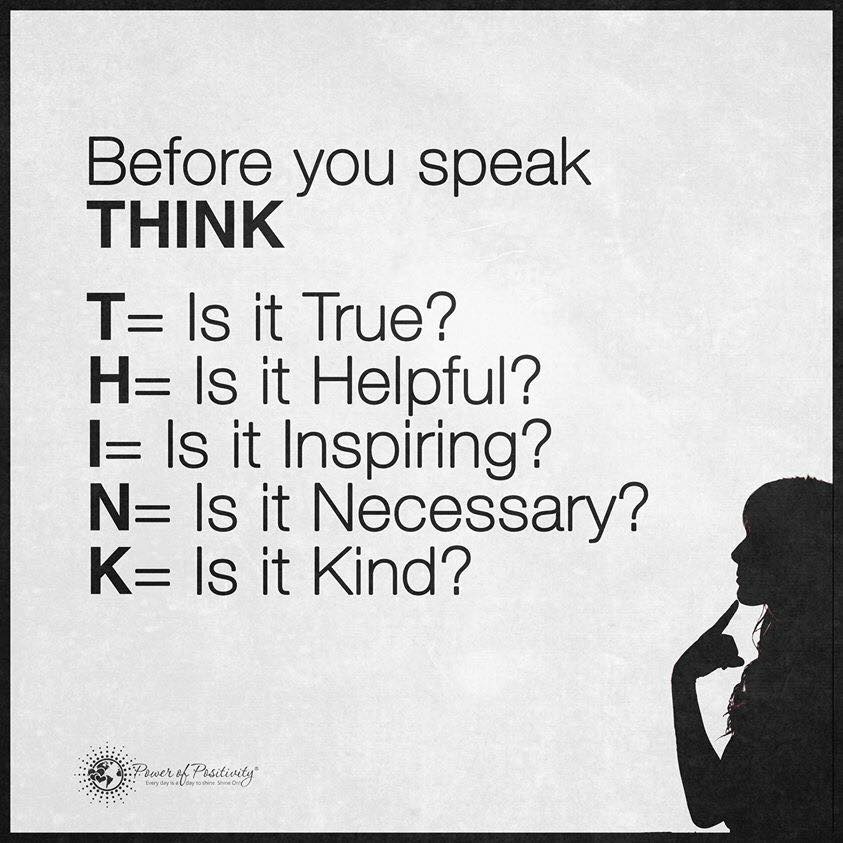
think before you speak

7. COSMETIC SURGERIES

Self-esteem issues are common among children, teenagers and adults. Society often tells us that we have to look a certain way to be attractive. In the end, it can be tempting to schedule a non-essential cosmetic surgery to fix your nose, or tighten your jawline, or get rid of wrinkles. Unfortunately, what society deems and pushes as “beautiful” often changes within a few year’s span. Learning to love yourself just as you are is the best way to combat this particular destructive behavior. Not only is it destructive for our self-esteem and mental health, but for our bodies as well.

8. STRESS

Sometimes, stressful situations happen and we can’t avoid it. However, sometimes we indulge the stress rather than taking steps to alleviate it. It can feel good in the moment to complain and go on and on about how stressed you are, and to feed into it. But once that’s over, you will be left feeling even more stressed out, and with no energy to destress. Taking the time to figure out a game plan for stress and self-care when it happens can make your life ten times easier, and nip this particular destructive behavior in the bud.

9. GOSSIP

Humans are social creatures, and connecting with one another is the main purpose of language and social interaction. The goal of gossip is often to establish the boundaries and exclusivity of a certain group. It can be a powerful bonding tool, but at the expense of other people who are singled out to be gossiped about. Don’t engage with gossip if you find yourself in a situation where others are doing so. Changing the subject, or questioning the validity of the gossip can break you out of this habit.

10. GAMBLING

People love to feel a rush, and gambling provides that rush. It can also be gravely addictive. This addiction can cause people who feed it to become self-destructive, as well as destructive to those around them by making it far more likely for the gambler to lie, cheat or steal in order to feed his addiction. If you have an addictive personality, do your best to limit your exposure to gambling, or seek help if you find it to become a problem. Play responsibly and enjoy the games joker123 hack apk, in which you can experience fun and enjoyment.

A destructive person will inevitably end up surrounded only by other destructive people. Once you become aware of these behaviors in either yourself or others, you can learn how to combat them. Taking charge of your life, your social interactions, and your behaviors are the first invaluable steps to turning your life around, or helping others in the same way. It’s important to recognize the destructive behaviors that we exhibit in our daily lives, so we can work to change how we interact with people and how we treat ourselves.

25 Reasons Why You Should Eat A Whole Avocado Every Day

Although the term “superfood” doesn’t exist medically or legally, everyone from fitness experts to doctors uses the term to describe “nutrient powerhouses that pack large doses of antioxidants, polyphenols, vitamins, and minerals.”

“The myriad of healthy fats and nutrients found in an avocado – oleic acid, lutein, folate, vitamin E, monounsaturated fats and glutathione among them – can help protect your body from heart disease, cancer, degenerative eye diseases, and brain diseases.” Dr. Frank Lipman

Indeed, Dr. Lipman “ranks” avocado as the #3 superfood (behind leafy greens and cruciferous veggies.)

In this article, we give you not one, not two, but 25 reasons to eat an avocado daily!

Let’s get going.

25 Reasons to Eat An Avocado Daily

#1 Avocados are nutrient-dense

Avocados are among the richest sources of vitamins and minerals; offering up nearly 20 in each serving. In a small 3.5 ounce (100 gram) serving, an avocado contains the recommended daily amount (RDA) percentages of these vitamins and minerals: vitamin K, 26%; folate, 20%; vitamin C, 17%; potassium 14%.

#2 A rich source of healthy fats

Avocados are a “fatty” food. The good news is that nearly all this fat is healthy, or monounsaturated fat.

#3 Helps maintain a healthy weight

Avocados, despite being “high in fat” may actually promote and help maintain a healthy weight. One reason is the fruit is high in fiber, which promotes feelings of satiety (fullness).

#4 Fights inflammation

As avocado is high in oleic acid – a fatty acid that reduces the inflammatory response – the fruit is effective at fighting off inflammation.

#5 Promotes eye health

Avocados contain the nutrients lutein and zeaxanthin, two nutrients that fight macular degeneration.

#6 Prevents diabetes

Studies show that people who eat half an avocado with lunch stabilize blood sugar levels.

#7 Increases nutrient absorption

Eating a lot of minerals, nutrients and vitamins is all well and good, but your body needs to absorb them too! Avocados help with this, as well.

#8 Lowers bad cholesterol levels

Research shows that avocados reduce total cholesterol, blood triglycerides, and LDL (bad) cholesterol.

#9 Promotes hair and skin health

Everyone wants fabulous hair and skin health. A combination of the fruit’s high vitamin E and healthy fat content can help create more youthful-looking skin and hair.

#10 An effective pain reliever

Much of the pain we experience is due to inflammation. As mentioned, avocados suppress the inflammatory response. This, of course, helps to mitigate pain caused by inflammation.

#11 Strengthens your bones

Avocados contain good amounts of copper, folate and vitamin K – all important nutrients for bone strengthening.

#12 May help fight off cancer

The cancer-fighting properties of avocados are still being researched. However, some research has been promising; this includes the slowing of cancerous prostate cells.

#13 Improves digestive health

Fiber is a critical nutrient for ensuring proper digestive health. Fortunately, avocados have plenty of this nutrient to spare!

#14 Regulates blood pressure

Potassium sources serve an important role in regulating blood pressure, and one avocado contains 28% of the RDA of potassium.

#15 Helps ensure a healthy newborn

Vitamins B6 and C, and folate and potassium are some of the most important nutrients of expecting mothers. Avocados, of course, are rich in all four.

#16 Enhances your state of mind

Potassium and folate are known “brain foods.” Lack of both nutrients has been linked to depression and like-symptoms. As mentioned, avocados are rich in both.

#17 Provides an energy boost

This is an oft-overlooked benefit of avocado. Of all macronutrients (carbs, fat, and protein), fat is the most concentrated for boosting energy – this is particularly true of healthy fats. Thus, an avocado provides a slow but steady supply of energy that can last a full workday.

avocado

#18 Fires up the immune system

C vitamins, along with B and E, are all natural immune boosters. An avocado provides plenty of all three.

#19 Helps brain power

Copper is a brain stimulant that is often disregarded. It is no surprise, then, that many people have a copper deficiency. An avocado contains 20% RDA of copper, which may help with your cognitive functions.

#20 Is an incredibly versatile fruit

There are so many ways to enjoy an avocado. You can slice, peel, mix, or dice it; it can be added as an ingredient or a side dish. As you probably know, that tasty guacamole (which can be made healthily) is almost all ‘cado.

#21 Can be enjoyed in many ways

It’s worth mentioning again the different ways an avocado can be eaten. Here are some more creative avocado dishes: banana and avocado bread, pineapple/avocado smoothie, avocado hummus, avocado pesto, avocado/tomato bruschetta, and chilled cucumber & avocado soup.

#22 Protection benefits are wide-ranging

Eye, skin and hair, brain, immune and arthritis protection are just a few protective benefits of avocado. For such a delicious fruit, the multiple protective benefits are astonishing.

#23 More potassium than bananas

Yeah, this one is quite surprising. Most people’s primary potassium source is a fresh banana. One avocado has more than twice the amount of potassium than a banana (975 milligrams). Even a few slices will probably beat the Minion’s favorite fruit in potassium count.

#24 Very heart healthy

As avocado consumption is linked to lower blood triglycerides and LDL measurements, has potent anti-inflammatory properties, and helps normalize blood pressure; it’s one of the most heart-healthy foods around.

#25 Regular avocado eaters are healthier

According to an analysis of over 17,500 people, regular avocado eaters were found to be much healthier than others. More specifically, the former group had lower rates of heart disease, diabetes, and obesity.

https://youtu.be/KKB0jThAfnQ

(C)Power of Positivity, LLC. All rights reserved
References:
Gunnars, K. (2017, June 04). 12 Proven Health Benefits of Avocado. Retrieved June 23, 2017, from https://authoritynutrition.com/12-proven-benefits-of-avocado/

Leonard, J. (2015, October 26). 20 Reasons Why You Should Eat An Entire Avocado Every Day. Retrieved June 23, 2017, from http://www.naturallivingideas.com/avocado-benefits/
Lipman, F. (2013, January 17). The Top 9 Superfoods. Retrieved June 23, 2017, from https://www.bewell.com/blog/the-super-7-foods-with-benefits/

Teacher Punishes Entire Class, But Never Expected The 11-Year-Old Girl’s Response That Followed

“No protected person may be punished for an offence he or she has not personally committed. Collective penalties and likewise all measures of intimidation or of terrorism are prohibited.” – Geneva Convention (IV) relative to the Protection of Civilian Persons in Time of War. Article 33: ‘Individual Responsibility, Collective Penalties, Pillage, Reprisals’

The Geneva Conventions and an 11-year old’s words to her teacher

You are probably wondering what the heck the Geneva Conventions has to do with an 11-year old girl, right?

Sit tight. It’s a kicker.

Per Cornell University’s School of Law, the Geneva Conventions “is a body of Public International Law, also known as the Humanitarian Law of Armed Conflicts, whose purpose is to provide minimum protections, standards of humane treatment, and fundamental guarantees of respect to individuals who become victims of armed conflicts.”

Well, a smart 11-year old girl believes Article 33 of the Fourth Geneva Conventions applies to a classroom of young kids as well. Come to think of it, would a parent want their child to be punished for something another kid did? (Tell us your thoughts).

Young Ava Goes Viral

When a teacher gives their students a survey, it’s probably wise for them to refrain from using collective punishment as a disciplinary technique. Mason Cross, an acclaimed and award-winning author, posted a snippet of the survey on Twitter. Here it is, verbatim (grammar errors gladly overlooked):

ava

Source: Mason Cross/Twitter

Mason Cross @MasonCrossBooks

“My daughter actually submitted this feedback at school. Not sure if I should ground her or buy her ice cream…”

(Survey) Things my teacher(s) can do better.

Ava Cross: “Not use collective punishment as it is not fair on the many people who did nothing and under the 1949 Genva (sic) Conventions it is a war crime.”

Replies: 8,500

Retweets: 122,000

Loves: 398,000

Creativity and Smarts: Plenty

Ice cream…a lot of it

As for Mr. Cross’ predicament over grounding or buying young Ava some ice cream, the public was quite clear. Here were some (G-rated) responses:

“The ice cream. For sure.” (@KiranManral)

“I’m game to crowdfund her entire year’s ice cream needs tbh.” (@PedestrianPoet)

“Buy her ice cream for the full school year…” (@calamur)

“That is BRILLIANT. Buy her ice cream. Biggest one in the shop.” (@katehelencarter)

“Ice cream and a framed copy of the convention mate.” (@NW6Penguin)

“I say bonus points for her creative thinking and excellent example. I say ice cream sundae, which she deserves.” (@loverofmusic9)

 “Why would you ground her for speaking her mind – and frankly I agree.” (@ron_miller)

“Serious question – why would you ground her? Teacher asked for feedback, she gave it. Can’t see even theoretically what’s punishable here?” (@karinjr)

And the whipped cream with a cherry on top – pun intended:

“Ava for Prime Minister!” (@GenStans)

teacher

It didn’t end on Twitter

Let’s look at the following media outlets that featured a story on young Ava:

– BBC (yeah, that BBC!)

– Mashable

– Teen Vogue (which she was apparently really proud of, being as she’s not a teen)

UK Mail Online

– Independent News

– Huffington Post UK

– ABC (Australia)

– Business Insider

– Miami Herald

– New York Daily News

Ava, ever the class act, adamantly explained that she loves her teacher – but is not a fan of group punishment. Duly noted.

Mr. Cross’ Reply

“I thought [the online response] was really funny and absolutely typical of Ava, who I haven’t managed to beat in an argument since she turned six.”

Cross, a writer who’d just received widespread acclaim for his series of books, later pictured Ava holding two large ice cream cones. The caption? “The people have spoken.”

The fact that the 11-year old is absolutely adorable probably helps.

Psychologists Explain How to Get Rid of Relationship Stress

“Happiness is a choice. You can choose to be happy. There’s going to be stress in life, but it’s your choice whether you let it affect your relationship or not.” – Valerie Bertinelli

Being the social creatures that we are, seeking out a relationship is only natural. Relationships can be a great source of strength, happiness, and positivity. Like everything, though, relationships can become stressful. Maybe the stress is from an outside source, like long work hours or business traveling.

Stress can also form internally within the relationship and cause health concerns. Tension in relationships can be a daunting thing to deal with, but there are ways to effectively handle that stress and make sure your relationship continues to stay a source of strength and love for both you and your partner.

SEVEN POSITIVE WAYS TO DEAL WITH RELATIONSHIP STRESS

Here you’ll find seven useful techniques to work out your relationship stress and build a stronger relationship.

1. YOU ARE IN THIS TOGETHER

Situations that arise in relationships that cause stress and tension can make it easy to feel like one or the other is to blame. When it gets tempting to put the blame on your partner, or even yourself, take a moment to reflect on if either of you has done something worth blame, or if the situation is out of your hands. Dealing with stress means that you are dealing with it together. You and your partner are both on the same team, and remembering that can help both of you continue to be sources of strength for one another.

2. BE FLEXIBLE

Being open to change in your relationship can go a long way to dealing with stress. If you find yourself too set in your ways, completely rigid and unwilling to change, it can create even more problems on top of the ones you already have. Being flexible in your relationship, whether that means changing plans to meet or expending emotional labor to help your partner through a difficult time, can work wonders in a stressful situation. Relationships work through communication and compromise. Find what works best with both you and your partner.

3. STAY CONNECTED

When stress hits a relationship, it can be hard to feel emotionally or physically connected with your partner. Practicing small ways to stay connected can help both you and your partner weather the storm of stress. This could be taking time at the beginning or end of your day to be physically affectionate or intimate, or doing something small like sending a text to remind your partner that you are thinking of them and sending good and positive thoughts their way. Staying connected with your partner is the most important thing in dealing with relationship stress.

relationship stress

4. ASK YOURSELF: IS THIS A RATIONAL REACTION?

When something stressful happens, it can be easy to allow your emotions to take over the rational part of your brain. No matter what the situation is, try taking a moment to pause and ask yourself if you are dealing with the situation at hand in a rational way. Allowing yourself to have an emotional reaction is important, but it’s also important to make sure that emotional reaction isn’t superseding the most logical course of action to dealing with the stressful situation.

5. PRACTICE TOLERANCE AND COMPASSION

People deal with stress in different ways, and you and your partner are not always going to have the same reaction to a stressful situation. While one partner may be able to roll with the punches, the other may react with fear and anxiety. Understanding how one another deals with stress can make it easier to help each other through the current situation.

6. MAKE A PLAN–AND STICK TO IT!

Sitting down together and making a concrete plan of what needs to be done can turn a stressful situation around within hours. Make sure that both you and your partner are aware of each other’s expectations, and whether or not you can meet them. If you can’t, then you’ll need to adjust your expectations and make compromises. Figure out what can wait until the situation passes. Having a game plan can turn any stressful situation on its head, and give both you and your partner some much-needed relief.

7. HAVE A SUPPORT SYSTEM

Even though the stress is stemming from your relationship, you and your partner don’t have to be the only ones to handle it. Remember, you have an outside support system as well through family and friends. Utilize your support system. Being able to go to someone else outside your relationship for help, comfort, and advice will take some of the emotional strain off your partner and ultimately allow you to better deal with the stress together.

Stress in relationships happens. It’s an unavoidable reality in adult relationships. But it doesn’t have to be overwhelming, and it doesn’t have to be detrimental. Learning how to deal with stress properly can make your relationship stronger than ever. It can also make the situation less stressful in the first place.

You and your partner will benefit from learning how to deal with stress in your lives, both individually with internal stress as well as stress that happens from outside situations, like a job loss or a busy schedule. Don’t let your worries get the better of you. You have the capabilities to deal with anything that life throws at you, and if you don’t, then you have a partner who can help share the burdens.

4 Reasons People Procrastinate (And How to Avoid It)

Definition of ‘procrastinate’:

(procrastinated; procrastinating)

: to put off intentionally and habitually

: to put off intentionally the thing of something that should have been done

– Merriam-Webster Online Dictionary

We’re all guilty of it; we’ve all felt the dreaded presence of some unfinished task seemingly chipping away at our very consciousness. It’s uncomfortably persistent – this is procrastination.

So why do we subject ourselves to such emotions?

Well, there are a couple of big reasons. For 99 percent of the population, work sucks. Work is the antonym of fun or freedom. Work is often viewed (neither rightly or wrongly) as a means to an end – nothing less and nothing more. We have bills and responsibilities, both of which require money. Money requires work – it’s a catch-22.

The good news is that we needn’t feel this way. We need not feel the chronic, internal pain that procrastination manifests. How is this possible? By understanding the rationale behind why we procrastinate and doing something about it.

The above paragraph brings us to the topic of this article. We’ll discuss four main reasons why we procrastinate and (most importantly) what we can do about it.

Let’s go!

Here are four big reasons why we put things off:

1. We’re unorganized

Not having any semblance of structure to our routine breeds procrastination. Even in today’s “organized” workplace, it’s easier than ever to choose delay over decision making. Needless to say, technology (read: social media, smartphones, and the internet) dangles the carrot of self-gratification closer to our collective faces.

The point? We’ll sometimes override the rational mind, which subtly whispers, “get this done” for a quick shot of endorphins (via IM, YouTube, web-surfing, etc.)

This, of course, is not an organized way of living. It is also counterproductive to the utmost.

Solution: (This from a self-proclaimed impulsive who learned the hard way. Schedule things. Keep a clock or watch on your desk – and resolve to go one day at a time diligently keeping on track. This is a habit, and one that you’ll learn quicker than you think!)

2. Boring tasks

Any work that’s perceived as boring, uninteresting, or unpleasant is ripe for deferment. We’ll even attempt to rationalize why something should be put off (“I’ll have plenty of time tomorrow morning/afternoon/evening, right?”) Meanwhile, our logic is face-to-face with the sexiness of base desires.

Think of the handsome and beautiful bachelor or bachelorette who realistically knows and feels when someone is not right for him or her. Yet, this “someone” creates an inexplicable sense of exhilaration and novelty they’ve never experienced. So, they “rationalize” and “compromise” with themselves. Maybe they’re sick of dating. Maybe they’re getting older, etc.

A redundant task, whether it’s work or dating, is so easy to put off – and many of us do just that.

Solution: Gentle discipline – that’s all. Listen, we all have jobs, duties, and responsibilities that we don’t like doing. But you can make a choice to move forward in any case. Gentle discipline is nothing more than concentrating your mind on the task at hand – and (most important) gently redirecting your mind’s focus when it strays off course. Over time, your self-discipline will become stronger – and you’ll reap incredible rewards!

procrastination

3. Anxiety

Procrastination (i.e., avoidance) is a method of coping with anxiety and stress. Perhaps we feel an impending sense of failure or fear, which is the case more often than not.

Stress sucks and is potentially harmful to both mind and body. It’s only natural, then, that we seek reprieve from anxiety, stress, and worry. We all attempt to liberate ourselves of stress – in its myriad forms – to some degree or another.

Once again, our basic instincts will try to control decision making. We’ll look for immediate rewards and all the “benefits” that such rewards bring. Of course, “Option B” is often worse than if we faced the source of anxiety in the first place.

Solution: Understand that anxiety is nothing but a theatricality of the mind. Second, it is important to find an outlet to reduce anxiety that’s in the best interest of both you and your aspirations. Self-gratification is too often a recipe for both regret and lower self-esteem.

4. Lack of ability or confidence

Another universal propensity of human beings is self-doubt. For people with low levels of self-confidence, this is a potentially debilitating experience. So, rather than get to the root of the problem, some of us will avoid it altogether.

Once again, this is another certain facet of life. Some experiences, though they may be painful, often reap more (sometimes intangible/unnoticeable) rewards than not having gone through them in the first place.

Solution: Set small goals and do the best you can to achieve them. Acknowledge that you’re lacking confidence and move forward despite it. One of two outcomes is a certainty: (a) you’ll “succeed” and gain more confidence, or (b) you’ll “fail,” but become a stronger person as a result. Notice that option (b) is still a success!

A great quote to remember:

From legendary writer Hunter S. Thompson:

“A man who procrastinates in his choosing will inevitably have his choice made for him by circumstance.”

Choose YOUR circumstance – as this is where real freedom lives.

The 6 Most Attractive Behaviors (And How to Have Them)

“When you have confidence, that’s what becomes attractive to other people and makes them want to work with you and spend time with you.” – Emmanuelle Chriqui

Being attractive is more than just about looks – after all, those are subjective and subject to change at the whim of the latest trends of society. Attraction also greatly depends on how you act, and the types of behaviors you exhibit day to day when interacting with people. Someone can just as easily fall madly in love with your personality as they do the way you look.

After all, you are a whole person, made up of traits and flaws that round you out to be a human being. There are a number of behaviors that are attractive in a person, whether you are a man or a woman. Learning how to harness these types of behaviors can make you both more attractive, as well as an all-around more positive and happier person.

6 OF THE MOST ATTRACTIVE BEHAVIORS AND HOW TO HAVE THEM

1. GOOD LISTENERS

People love to feel heard and understood. Being a good listener is one of the most attractive qualities a person can have, because it ensures you will be able to make connections with people. When you can listen to what other people are saying and not just wait for your turn in the conversation, you will be able to create meaningful moments between you and another person.

Being a good and active listener means that you are taking in what the other person is saying, making them feel heard and understood. It’s an attractive quality, and it forms strong bonds and connections.

2. KINDNESS

This seems like a no-brainer, but being kind is another highly attractive quality that a person can have. When you exhibit kindness, people will feel drawn towards you, because you will radiate the kind of positivity that makes people feel loved and appreciated.

People are more attracted to those who engage in behaviors that are selfless, thoughtful, and kind, rather than those who are mean-spirited and cruel. You will be surprised to find that when you engage in more behaviors that are altruistic, you will feel more positive, which will make people gravitate into your orbit.

kind

3. SMILING

This one is easy, and it’s proven to make you feel better even when you are having a rough day! Smiling is one of the most basic and easiest things that a person can do to make themselves more attractive to people around them.

Smiling releases endorphins, which will heighten your mood, which will make you more positive, which will cause you to smile more – it’s an endless cycle! When people see you smile, they will also feel a sense of positivity, and they will associate you with those happy feelings.

4. LAUGHTER

Hand-in-hand with smiling, laughter will also help draw people in and make you more attractive to them. Laughter is another act that releases endorphins just by doing it, and it’s also healthy for both your emotional and physical health!

It will lower your stress levels, and with low-stress levels you will have better moods. And, people are drawn to those who laugh, and who make them laugh in turn! It feels good to laugh, which means people will automatically find themselves drawn to those who make them feel good.

5. CONFIDENCE

As they say, confidence is key! Being confident will make you both attractive to others, while also making you feel better about yourself. Being confident in yourself, your looks, your abilities, and your work will draw people in. If you project an air of self-shame or self-loathing, you are likely to put people off of interacting with you.

On the other hand, when you own yourself, you will be more likely to make others feel good and confident about themselves as well. People who exhibit radiant confidence are much more alluring to the people around them.

6. UNDERSTANDING NONVERBAL CUES

Being a good listener is important – but what about the things that people aren’t saying? Being able to read someone’s body language will help you be a better listener, as well as show that you are capable of understanding how they are feeling even without them having to tell you.

Empathy is an attractive quality, and empathy is all about nonverbal cues. When you are able to read someone’s nonverbal cues, you can give them what they need without them having to ask, which will bring about interactions that are healthy, positive, and long-lasting.

As you can see, beauty may be in the eye of the beholder, but behavior can be universally attractive. Taking the time to study your own habits and choices, and change them to more attractive behaviors, can do wonders for all of the social interactions you have in your life. You will not only attract people to you in a romantic sense, but also platonic, life-long friendships as well. You will also find that your attitude towards life can change to a much more upbeat and positive one once you start engaging in behaviors that are designed to make you a more empathetic, kind and compassionate person.

(C)Power of Positivity, LLC. All rights reserved

Childhood Trauma: How to Heal And Move On

Therapy is traditionally one way you might choose to heal your inner child, but it is actually not the only way to do so. Discovering the best healing for you involves some self-knowledge. What works for you is going to be based on your preferences. The important thing is to keep trying until you find the right healing technique for your inner child.

Here are 5 ways to heal your inner child:

inner child

1. Read about healing your specific inner child’s wounds

In her book “Will I Ever Be Good Enough? Healing the Daughters of Narcissistic Mothers,” author Dr. Karyl McBride focuses on the emotional wounds of daughters who had to be their own parent as they were vulnerable. What was that like for you as a child to have needs or wants that no one paid attention to? How did you choose to respond when that happened?

Self-analysis means being able to see your own repeating patterns of behavior from childhood to now. As a child, you didn’t know how to get your needs met when no one would listen. Now, you have skills to communicate your needs and wants. Check your own behavior now to see if you are expressing those needs effectively. If you cannot be self-reflective of your behavior, you may need a therapist to help you step back to see how your wounds are affecting you.

If you have unmet needs or wants, you may be repeating your ineffective patterns from childhood. For example overreacting, whining, or giving others the silent treatment are poor ways of saying what you need or want. The adult ‘us’ knows that when the inner ‘child’ speaks, they are not going to be effective. See? Nobody listens to us and our adult needs are not being met.

2. Work it out, physically

You have painful emotions when you have a wounded inner child, so heal your inner child by getting physical. Exercise, especially in nature, can help you to become present-moment focused. You are making a positive choice right now to heal your inner self because dwelling in the past will not help you move beyond it.

3. Work it out, emotionally

Emotions can physically reside in our bodies as pain. Healing emotional pain could also help you heal from physical pain. One example of how emotional healing works in the body is the Emotional Freedom Technique (EFT) or tapping therapy. Nick Ortner of the Tapping Solution shows us how easy it is to heal our negative emotions in this video. EFT as a therapy is supported by medical professionals. Henry Altenberg, MD of the EFT Advisory Board, says ‘In my 50 years as a practicing psychiatrist, EFT has proven to be one of the most rapid and effective techniques I’ve ever used.’

4. Become your own amazing parent now

Although you didn’t have the loving supportive childhood that you should have had, you can still have a good parent; yourself. Be the mother that you wish you had by being kind and loving toward yourself. Be the kind of father that you wish you had by telling yourself how proud you are of what you’ve overcome so far.

younger

5. Look back sparingly and think big picture

John Bradshaw, author of “Homecoming: Reclaiming and Healing Your Inner Child,” says that we can find our inner child by writing a letter to the person we hold responsible for our childhood wounds and tell them why we felt hurt. However, living in a negative past that cannot be changed is what can lead down a hole to depression. Don’t go there. Instead, tell your inner child that you survived the past, which means you have surviving and thriving skills to put to work now.

It’s those who have overcome hardships who usually have the most drive to succeed, seemingly to prove their worthiness either to themselves or those who have doubted them. Let your past motivate you to exceed, not just succeed. Clearly, through surviving the pain you’ve experienced, you were meant to move past your past. To heal your inner child is to fulfill your purpose. If you haven’t figured out what your purpose is yet, maybe it’s time. Ask yourself who can benefit from your story and then help them to heal as you heal yourself.

5 Hidden Behaviors Aggressive People Display Before Revealing Themselves

“Whenever you’re aggressive, you’re at the edge of mistakes.” – Mario Andretti

In life, people who are confident and go-getters tend to be well-received. A certain kind of positive and healthy motivation is expected, the kind that gets things done in a timely manner and motivates others to work at a desired pace with a positive outcome. However, sometimes that positive motivation can turn negative, unhealthy and toxic aggression.

There’s a way to sort out those whose attitude in life, in the workplace, and with friends tips the scales from self-motivation and goal-orientation into harassment and toxicity. Aggression is reserved for negative interactions. Someone who is aggressive with not have positive interactions while acting on that emotion.

Aggression is often against someone or something, and is not a healthy motivator. Being able to spot an aggressive person means that you will be able to navigate interactions with them, and maybe even spin a negative and aggressive situation into a more positive outcome.

5 Hidden Behaviors Aggressive People Display Before Revealing Themselves

1. GOSSIPING

Aggressive people will be the type who can’t help but gossip. Stirring the pot and turning their friends, family or co-workers against one another with gossip can be one of the hallmark signs of an aggressive person. The goal of gossiping is to spread discontent, and to be able to spin and control a situation by telling half-truths or outright fabrications.

They will often try and get other people to engage in gossiping with them, so they can continue to justify their toxic behavior to themselves. If you find yourself in a situation where someone is encouraging you to gossip, refuse to engage. Change the subject, and keep doing so until they lose interest. Encourage the people around you not to gossip as well.

2. COMPLAINING

People who tend to be aggressive also tend to be constant complainers. They never have anything good to say about a situation, and will always find something to complain about. People who tend to complain about everything also tend to be angry about those things as well. Anger goes hand-in-hand with aggression.

Aggressive people who complain will often try and get others to go along with them, and encourage other people to agree with their negative outlook. When faced with a constant complainer, turn the conversation around to all of the good things that are happening. Sometimes people need to complain, but allowing them to complain will only feed into their toxic behavior.

3. MOBBING

This behavior often goes hand-in-hand with gossiping. An aggressive person may pick out someone they don’t like and use gossip and other aggressive behaviors to turn friends, family or co-workers against one specific person. They will encourage others to act just as aggressively as them, effectively “mobbing” the person they have chosen to single out.

People who exhibit this particular toxic behavior will justify it to themselves and others, by continuing to spread gossip about the person or people they have singled out. If you find yourself in a situation where you are being encouraged to mob another person, be the first to stand up and point out that this behavior is toxic and unacceptable.

aggressive people

4. SABOTAGING

Aggressive people will often sabotage others. They will deliberate cause harm to other. They may justify this toxic behavior to themselves by saying that the other person had it coming. Or, they may simply not want others to have what they don’t.

They may go so far as to sabotage a co-worker’s project, or they may sabotage relationships between people by using the gossiping or mobbing techniques. If you, or someone else, are the target, point out that you are aware of what the aggressive person doing. Sometimes, that is all it takes to ruin their fun.

5. POTENCY

Aggressive people often view the world and interactions with other people in black and white terms. They will see everyone as either “winners” or “losers”, with a desire for themselves to be one of the “winners”.

Even when there is nothing material for them to gain, aggressive people will treat many of their social interactions with people as if they need to come out on top. Refuse to engage with this type of thinking when faced with an aggressive person who seems to be treating your conversations like a competition.

If you find yourself interacting with someone who exhibits a few or all of these toxic behaviors, you may be dealing with an aggressive person. Once you are able to spot these types of behaviors, you will be better equipped to turn the situation around and keep the peace between yourself, as well as everyone else. Refusing to engage with an aggressive person’s brand of manipulation is the first step in being better prepared to resist their negativity.

https://youtu.be/B4hPwao5a3U

(C)Power of Positivity, LLC. All rights reserved
Skip to content