Weekly tips, affirmations, and small actions to feel your best.

7 Behaviors That Reveal A Child May Have Autism

Autism spectrum disorder (ASD) is not as mysterious as it used to be ten or twenty years ago. Now, we better understand the spectrum, and with that understanding comes empathy and support. Children on the autism spectrum see and process the world differently than children who don’t.

They may also have a more challenging time socializing and understanding social cues than other children. Without knowing what autism is or how to stop the signs, these children can often end up with unfair expectations put on them by parents, teachers, and their classmates.

As the name suggests, autism spectrum disorder exists on a spectrum of different behaviors and things that a child can or may have a more challenging time doing than most, including auditory processing, speaking verbally, and communicating. How can you know when your child might have autism?

There are some classic signs, and once you get a diagnosis, you can help your child better interact safely and comfortably.

7 Frequent Behaviors That Can Reveal a Child on the Autism Spectrum

“Autism is a severe neurodevelopmental disorder that is characterized by social withdrawal, by repetitive behaviors and by some kind of focal attention in its classic form. Basically, it’s an inability to relate to others.” – Harvey V. Fineberg

sensory processing disorder

know the key signs of a sensory processing disorder.

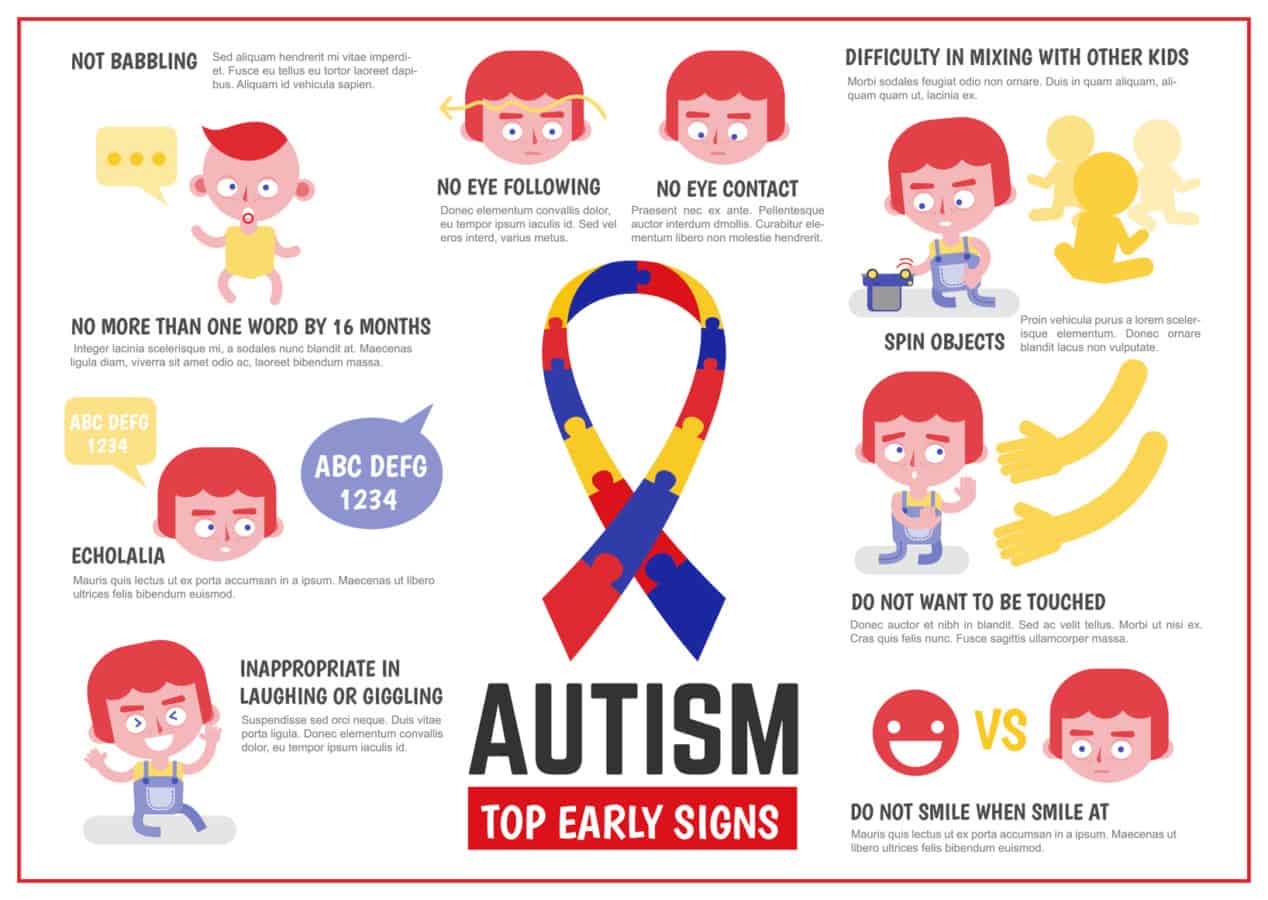
1. A child on the autism spectrum often has difficulty responding appropriately

Children not on the autism spectrum often begin interacting with their parents and the world around them almost immediately. They respond to voices, and they track movement with their eyes. Babies that have autism, however, may have difficulty interacting and responding to interaction. If your child has autism spectrum disorder, you can consider enrolling them in a therapy center. This can help them better understand and learn how to interact with different people.

A child with autism may not respond to the sound of their parent’s voice or words and may avoid eye contact.

2. Verbal delays

Babies begin babbling before they start learning to speak. Before they hit the one-year mark, most children will begin to make noises with their mouths as a form of communication. Children with autism will tend to have delayed development when it comes to verbalizing and babbling.

If your child isn’t reaching the same milestones when it comes to babbling or even talking as the children around them, they may be considered for diagnosis with autism.

3. Difficulty socializing

As your children grow from a baby to a toddler, they may have difficulty socializing with the other kids or even socializing with their parents. Most children show an interest in interacting with other people. Children with autism will be disinterested or may find interacting with people, especially strangers, complex and overwhelming. Autism can affect how children understand socializing. It may not be that they don’t want to – they don’t know how.
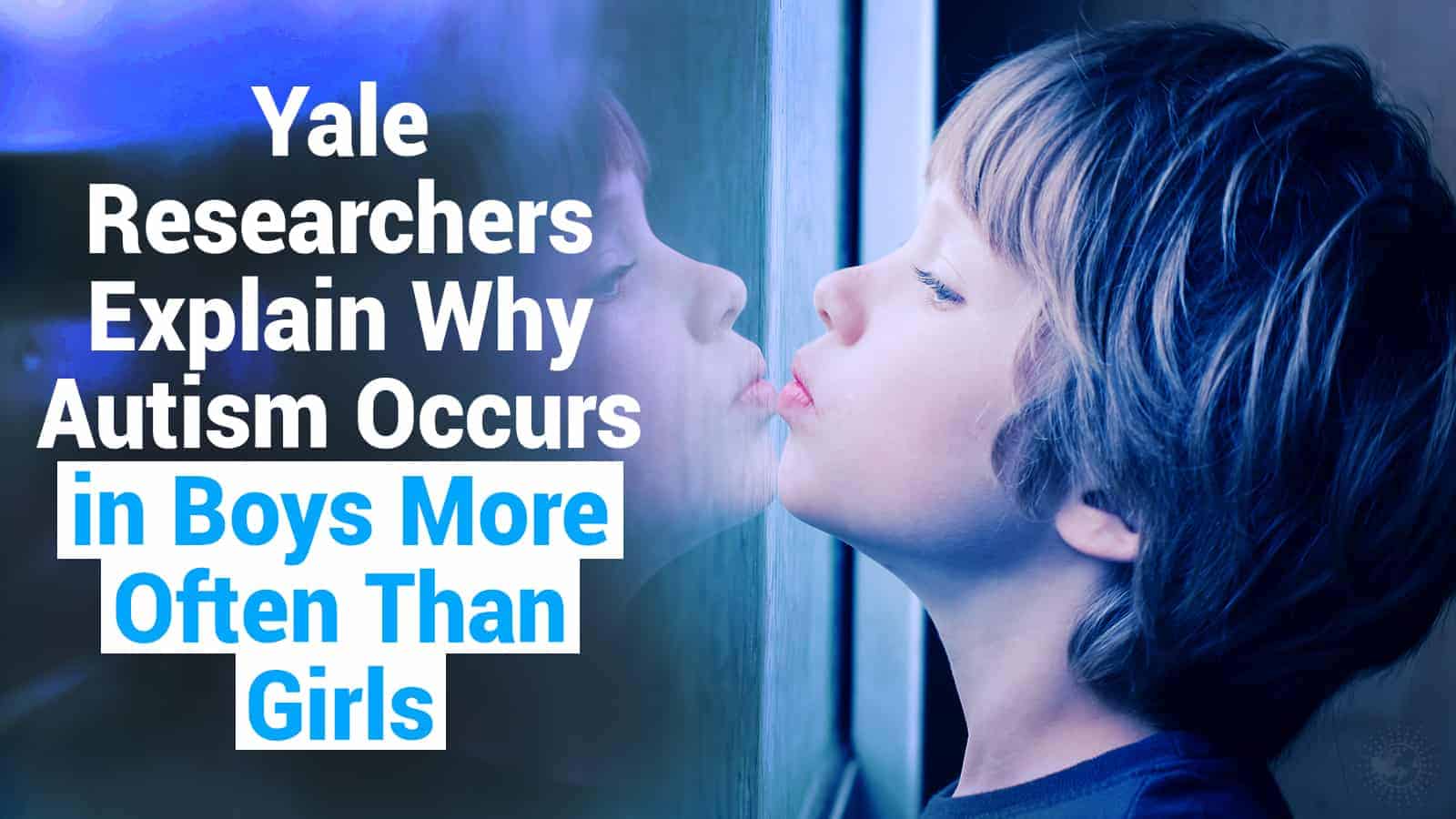
Autism can affect how children understand socializing. It may not be that they don’t want to – they don’t know how.

autism4. Self-soothing behaviors

This behavior is called ‘stimming,’ and it’s not a bad thing and shouldn’t be discouraged as long as it is not self-destructive or harmful to the child or others. Children with autism have trouble verbalizing their feelings the way other children might be able to do. This results in self-soothing behavior. An upset child who needs to calm down may take to rocking back and forth.

A happy child may express that feeling by wagging their hands or flapping their arms. Self-soothing helps children deal with their emotions at their own pace.

5. Lack of imitation

Most children learn through imitation. Children will repeat what their parents say and make the same kind of gestures that their parents do. They’re learning critical social skills through this act of imitation. A child with autism, on the other hand, may feel disconnected from their parents or other adults and children. They often do not respond to smiling by imitating the smile or waving back when waved to.

The autism spectrum affects how they understand and see the world. However, they may not know that you expect them to wave back.

6. Children with autism might not respond to their names

Children will often recognize and respond to their name by a year old. They’ll also understand the names of other household members, such as Mama and Dada. Children with autism may struggle to identify the name with themselves more. It may be a sign to be tested for autism if they’re not responding to their name when they reach a year old.

7. Disinterest in people

Generally, babies and children will look to adults for what to do. They’re interested in the people around them and take part in interacting with them – babbling, pulling hair, grabbing jewelry, responding to sounds and voices. Children with autism show a marked decreased interest in other people. They have very little interest in interacting with people around them and often avoid eye contact and nonverbal.

12 Self-Care Tips for Caregivers of Someone On The Autism Spectrum

You cannot take care of your child until you learn how to care for your own needs.

Self care tips

1. Move forward

When your child is diagnosed with autism, you might feel your world stops. Perhaps you knew something was going on but never expected autism. These are normal feelings. Your life will be different. Now that you understand what’s going on don’t stay in this stop mode too long. Now is the time to move forward. Get your child involved in autism therapies and activities right away. You’ll be managing your child’s appointments and treatment programs. Research to educate yourself so you can advocate for your child.  Once you move forward in all these things, you’ll build a team of people who care about your child and want them to succeed as much as you do.

2. Get help for your marriage

Research shows parents of a child with autism spectrum disorder have increased marital conflicts, resulting in a loss of marital love and higher stress levels in the union. This points to the need to get help for your marriage if you are a caregiver of a child with autism. As a couple, get together with a counselor to discuss marital conflicts you’re experiencing because of autism. Keep your marriage a priority. Schedule weekly dates for some time alone together. Talk about other things besides autism.

3. Write in a journal

Journaling gives you a way to express your feelings about life. Journaling improves both mental health and physical stamina. There’s something cathartic about writing your deepest thoughts. It is a natural outlet and helps you get perspective. Whether you use a paper journal or an online site is up to you. Find quiet time during your day, sit down, and write.

4. Trust your gut

As a parent, you know your child best. When you’re in the midst of your child’s treatments, trust your gut about what is and isn’t working. It would be best if you learned everything you can about autism treatments. Ask good questions about why your child is receiving specific treatment. Find ways to implement these same strategies at home. Trust your gut and speak up if you don’t feel like your child is getting the care they need. You are your child’s best advocate.

5. Don’t hesitate to ask for help

As a parent of a child with autism, don’t hesitate to ask for help. If the people around you offer to help you, accept their help. Perhaps they offer to take your other kids to a park, cook a meal or fold your laundry. Don’t feel guilty about getting help. Parenting a child with autism is time-consuming. Having the extra help from friends may be necessary for a few years until your child’s treatments work.

6. Find someone to talk to

Be sure to have a trusted friend to talk to. You need someone who knows how you feel and what you’re going through. They don’t need to have all the answers for you, but having them listen can be an essential source of strength for you. Perhaps you have great support from your family.

7. Train family caregivers

Perhaps a couple of your relatives are especially in tune with your autistic child. Train them on how to work with your child. Teach them about autism so they can cover for you if needed. You may want to schedule times for them to come over to play with your child. These regular times build trust for your child and help them learn about your child. Family members who understand your child and can be short-term caregivers are essential for your peace of mind.

8. Take breaks

Parenting an autistic child is exhausting emotionally and physically. Getting some time away every day would be best to refresh your mind and body. While your child is at school, take a walk or get coffee with a friend. You should never feel guilty about taking a break. Remind yourself that you will be a better parent when you get some rest.

9. Get some rest

One of your most significant needs right now could be to rest. As a parent of an autistic child, you’re always on the go, heading to doctor appointments, treatments, or other activities. At home, it’s up to you to oversee your child’s care and routine. You need to schedule your rest because your life doesn’t allow for rest periods. When your child is at school, it could be the best time for you to take a nap or read a book. These brief rest periods help recharge your mind and body.

10. Check out after-school programs

Ask your child’s teacher or your child’s autism treatment center workers about after-school programs for autistic children. Many groups provide parental respite care for those with disabilities. Some school systems provide supervised after-care programs for kids with autism. These groups are fun for kids and help them with their social skills, plus give you more time at work or home.

11. Join a support group

When you’re a parent of an autistic child, it’s helpful to talk or listen to other parents going through a similar experience. Support groups are fantastic resources for information about services or activities for kids with autism. A support group will give you the encouragement, support, and comfort you need to get through the most challenging days of parenting your child.

12. Do not neglect self-care

It’s easy to allow autism to loom so largely. You barely take time for yourself. Self-care is crucial for you to stay healthy with so many demands. Don’t forget to schedule regular check-ups with your dentist or family doctor. Have a weekly spa treatment, get a massage to reduce stress, or have a weekly lunch appointment with friends. As a parent of a child with autism, you need to stay focused on your physical and mental health.
autism

Final Thoughts on Raising a Child on the Autism Spectrum

If you suspect your child has autism, reading up and learning everything you can is best. Your child is just as intelligent and capable as any of the other kids – they need a little more help figuring out how to navigate the world around them! Getting them tested is a good plan, just in case any of the symptoms of autism could also be caused by something else.

Children with autism don’t always present the same way. Autism may present with more behaviors than others. Eith r way, your child looks to you for love, guidance, and support.

7 Signs of A UTI (And How to Prevent It)

Urinary tract infection (UTI) occurs when germs penetrate the urinary system – bladder, kidneys, urethra, and ureters. Bladder infections, including UTI, are quite common and are treatable. Without medical intervention, the infection may spread to the kidneys and further compromise health.

Women have about a 50 percent chance of developing UTI at some point in their life – a significantly higher percentage than men. Treatment of UTI commonly involves prescription or over-the-counter (OTC) antibiotics. However, steps can be taken to reduce your chances of getting UTI, which we will discuss later on.

First, we’re going to talk about the most common symptoms of UTI.

The seven most common symptoms of UTI are:

– Burning sensation while urinating

– A persistent, strong urge to urinate

– Urine that is red, bright-pink or dark

– Frequently passing small amounts of urine

– Urine that smells pungent

– Urine that appears opaque, cloudy

– (In women) pelvic pain, particularly in the center pelvic area around the pubic bone

Types of UTI

Now that you have the 7 most common symptoms of UTI, we’re going to break the illness down by type. The reason is simple, in that each type’s symptoms and treatments can vary widely.

1. Kidney infection (acute pyelonephritis)

Acute pyelonephritis (pie-lone-eh-fry-tis) is a kidney infection both sudden and severe in nature. The infection causes the kidneys to swell, which carries the risk of permanent damage. Pregnant women have a higher risk of developing the condition, which may be life-threatening.

Less common is chronic (long-term) pyelonephritis, which causes “repeated or persistent attacks.” The chronic form of pyelonephritis is more common in children, or those with a history of urinary tract problems.

In addition to the seven common symptoms of UTI listed above, pyelonephritis may cause:

– a fever at or above 102° F (about 39° C)

– pus or blood in the urine

– a fishy smell when urinating

2. Bladder infection (cystitis)

Cystitis is considered a more common form of UTI, especially in women. This condition is less severe than a kidney infection, but still requires medical intervention if symptoms should persist.

Cystitis typically encompasses the seven common symptoms of UTI, but also may include:

– a fever at or above 100.4°F (38°C)

– flu-like symptoms (aches, fatigue, malaise)

Medical intervention is necessary if:

– you’re unsure whether you have cystitis

– worsening or non-improvement of symptoms

– severe symptoms arise (blood in urine, fever, or flanking pains)

– you’re pregnant and have similar symptoms

– your child has like symptoms

Treatment generally involves antibiotics, which begin to have a noticeable effect after one or two days. OTC medications include ibuprofen or paracetamol, and may negate the need to see a medical professional if ineffective. All at-risk demographics mentioned above should see a physician.

3. Urethra infection (urethritis)

Urethritis (yur-eth-rye-tis) is the inflammation of the tube that carries urine from the bladder to outside of the body. The predominant symptom of urethritis is pain during urination.

Urethritis differs from the preceding two UTI conditions in that it is caused by bacteria which penetrates the skin. Additionally, urethritis can be acquired through sexually transmitted diseases (STDs). The herpes simplex virus (HSV-1 and HSV-2), gonorrhea, and chlamydia are three STDs that may cause urethritis.

Symptoms of urethritis, some of which are gender-specific, include:

– discharge from urethra opening or vagina

– blood in semen or urine (men)

– pain during intercourse

– the urgent need to urinate

– difficulty starting urination

Treatment of urethritis depends on the way in which the condition was acquired. Bacteria-induced urethritis is generally treated through prescription drugs (no OTCs.) Treatment of STD-induced urethritis involves special types of antibiotics and occasional checkups (usually every three months) to ensure the condition has been eliminated.

Preventing Urethritis

“Prevention is the best cure,” and UTI infections are certainly no different. Per the Mayo Clinic, the following precautions sharply reduce the risk of developing UTI:

– Drink plenty of water.

Water dilutes the urine and encourages frequent urination. This allows bacteria exit from the urinary tract before any infection takes over.

– Wipe from front to back (women).

Wiping from front to back after using the toilet helps prevent bacteria around the anal cavity from entering the urethra or vagina.

– Empty the bladder soon after intercourse.

This flushes any acquired bacteria. Drink a glass of water to help with urination, if necessary.

– Avoid potentially irritating feminine products.

Certain feminine products, such as deodorant sprays or douches, can irritate the urethral area.

– Change your birth control method.

According to the Mayo Clinic, “Diaphragms, or unlubricated or spermicide-treated condoms, can all contribute to bacterial growth.”

10 Signs You’re In An Unhealthy Relationship

An unhealthy relationship can be easy to spot from the outside, but more difficult to recognize when you’re in the middle of one. You may have friends or family coming to you with concerns, but you’re able to easily justify or sweep away trouble behaviors.

“You can put all your effort in trying to make someone happy… but there comes a time when we become tired of trying to fill a bucket that is leaking from the inside.” – Steve Maraboli

Unhealthy relationships don’t always have to involve physical or emotional abuse – though both are immediate red flags that the relationship is unhealthy. Being able to pinpoint the ways your relationship is unhealthy will be able to allow you to take steps to change it, or give you a sign that it’s time to leave.

10 SIGNS YOU’RE IN AN UNHEALTHY RELATIONSHIP

1. CONSTANT CRITICISM

Unhealthy relationships involve one or both partners being endlessly criticized by the other. This criticism doesn’t have to be fair or just, either. Sometimes, it’s simply a way for one partner to control the other. This may happen in front of other people, as a way to show their power. Be honest with yourself and whether or not your partner is criticizing you fairly or whether they’re doing it to gain emotional control of you. Being able to stop this sign can give you the knowledge to get out of the unhealthy relationship.

2. POOR COMMUNICATION

Communication is the backbone of all healthy relationships. Being able to discuss your feelings and communicate with your partner is one of the best ways to make a relationship work. Unfortunately, a relationship becomes unhealthy when the communication is lacking, or only one partner is putting in any effort. Ask yourself honestly if you feel comfortable expressing your emotions to your partner, and if the answer is no, you may want to figure out why. Counseling can help give a safe space for both of you to work on your communication issues.

3. PASSIVE AGGRESSIVE BEHAVIOR

Everyone has known someone who is passive aggressive. When your partner begins to display this type of behavior, it is a show of manipulation and an attempt to control what you do by giving you a choice between either doing what you’re told or facing a cold shoulder. Passive-aggressive behavior can also manifest in purposely failing to do something that was asked of them, or purposeful procrastination in anything from cleaning the fridge to displaying and withholding affection.

4. CODEPENDENCY

When you’re unable to separate yourself from your partner, this is a sign of codependency. Codependent behavior enables negative traits in one another, such as the support of addictive behaviors, irresponsibility or mental illness. Being codependent is not the same as having a support system. Codependency is a way for one party to control the other by making them dependent on their validation. The best way to break free of codependent behavior is to have a support system outside of your relationship, whether that’s friends, family or a counselor.

negative

5. VERBAL ABUSE

Verbal abuse is a type of emotional abuse that stems from one partner trying to manipulate and control the other through shame, degradation and manipulation. A verbally abusive partner indicates that your relationship has turned unhealthy, and you should leave. Confide in friends, family and counselors who can help you take the steps you need to end the relationship. Verbal abuse is not something anyone should have to endure to feel worthwhile, and will only eventually make the relationship unsustainable.

6. PHYSICAL ABUSE

When your partner becomes physically abusive, there’s nothing left in the relationship for it to grow. A healthy relationship is not possible when one partner uses threats of violence, or actual violence, to control and manipulate their partner. Physical abuse can be anything from smacking, hitting, slapping, kicking, punching, shoving, or even forced sex. Physical abuse can start slow, but even if the first sign was just a rough shove, you don’t deserve it. Make a plan with your support network to get out as soon as you can. One-time incidents are rare, and are usually a precursor towards the abuse getting worse.

7. DISHONESTY

Being honest and open with one another is a major component of healthy relationships. If you don’t feel safe sharing with your partner, your relationship is going to suffer. And if your partner is keeping things from you, then the relationship won’t work, either. It’s so easy to lose trust when your partner finds out that you’ve been keeping things from them, even things you don’t think matter. If you don’t feel safe sharing things with your partner, it may be a sign that your relationship isn’t going to work in the long run.

8. SEXUALLY FOCUSED

Sometimes, relationships can be casual and sex can be fun. However, if you have a long-term relationship that you’re putting emotional effort into, and find that your partner is only putting in the physical intimacy, the relationship becomes unbalanced and unhealthy. Lasting relationships need both emotional and physical intimacy. Sometimes, it’s better to forgo the fun of sex to seek out a relationship that will be longer-lasting and emotionally satisfying.

9. THREATENING TO LEAVE

When one partner threatens to leave as a means of controlling the other, the relationship is no longer balanced. Without a balanced relationship, it becomes immediately unhealthy. You will not be able to feel secure in the relationship if you’re constantly walking on eggshells worrying if something that you do will cause them to threaten to leave you. The best thing to do is to take the matter into your own hands, and end it as quickly and safely as you can.

10. TRYING TO CHANGE YOU

Your relationship won’t go anywhere if your partner doesn’t like you exactly the way you are. Using threats, passive aggressive behavior and manipulation to try and change you means that your partner sees you as something they can control. Relationships thrive on love and acceptance, not on one partner being a project to be fixed up and remedied. You deserve someone who will accept you exactly the way you are.

If you see any of these signs in your relationship, it may be time to evaluate what you want out of a partnership and whether or not you see that happening. Ending relationships can be tough, especially unhealthy ones. However, if you have a support system in place and are able to do so, ending a relationship that’s unhealthy is better for you and your partner in the long run, so that you can both get the help you need to move forward.

10 Signs of Relationship Addiction

What is relationship addiction?

To answer this question, let’s first define addiction. Per the American Society of Addiction Medicine:

“Addiction is a primary, chronic disease of brain reward, motivation, memory and related circuitry. Dysfunction in these circuits leads to characteristic biological, social and spiritual manifestations. (As a result) an individual pathologically (pursues rewards and/or relief) by substance use and other behaviors.”

Relationship addiction is the very real cycle of personal and intimate attraction, bonding, rejection, panic, reconciliation and rejection. Let’s take a look at a real-life example of relationship addiction:

“I can’t stop myself from going back to him,” Sherry – a 40-year-old woman and mother of a 12-year old, says, “even though all I get is rejection and put downs. He reels me in with false promises that he’ll be there for me if I just shape up. (He) criticizes me and I start to feel worthless and want to pull away. (But then) I start to panic and frantically (phone or text) him. It’s almost like he’s my life line and I have to prove myself to him. But it’s a life line to hell. I feel like I’m possessed.”

Fear of Abandonment and Relationship Addiction Go Together

What Sherry is describing is a premature form of abandonment anxiety. Notice that she begins to “feel worthless” and wants to “pull away” but can’t bring herself to do so – this is a textbook state of addiction. She experiences intense feelings of reward during the initial phases of exposure; a dysfunctional mechanism causes her to fear separation from the stimuli (the man), and she repeats the devastating cycle despite the negative consequences.

Relationship addiction is an incredibly unfortunate and sad situation. Anyone who has even gone through what Sherry has can probably relate to her sense of confusion, desperation, and fear.

In this article, we discuss ten potential signs of relationship addiction – and also some professional advice for overcoming it.

relationship addiction

1. Look inside yourself to acknowledge a relationship addiction

Knowing the relationship is not good for you, but making no effort to end things. You’re capable of knowing that things are not right; yet, it’s you can’t bring yourself to end things for whatever reason.

2. Understand why you stay

Attempting but failing, to come up with a rational reason for staying in the relationship. This is quite often because there is no logical reason to stay – and your anxiety and fear of being alone take center stage.

3. Acknowledgment

Refusing to acknowledge or ignoring any thoughts that the relationship is risky. This is a phase when the precariousness of the relationship is brought to the forefront of your attention, and you refuse to engage in any interpersonal examination.

4. Relationship addiction brings anxiety

Feeling over-anxious and over-stressed when thoughts of ending the relationships arise (see “abandonment anxiety” in the introductory section.)

5. Own it

You’re in denial about any adverse effects the relationship is having; this may include any emotional, psychological and/or physical abuse. This is dangerous territory, particularly when you’re being abused and/or mistreated.

6. Don’t mistake sex for love

Misinterpreting sex for genuine, lasting romance. Following the act, further repression of painful emotions and thoughts is common. Of course, your partner never changes after their immediate needs are met.

7. Stop making excuses

Accepting your partner’s criticism as “normal” behavior. Make no mistake; this behavior is anything but normal – it’s a chronic, sick, mind game is almost always to keep you under their control.

8. End the relationship addiction

When you try to end the relationship, you quickly feel a sense of withdrawal – including physical discomfort and tension. Psychological symptoms, including depression and anxiety, often accompany the physical signs.

9. Listen to those who love you

Ignoring – or attempting to ignore – advice or concerns from your family and friends about the relationship. Disregarding pleas from family and friends risks isolating yourself further – and at a time when you may need their support the most.

10. Stay away once you break things off

Desperately trying to reestablish contact immediately after the other person ends things. In most cases, the other person will terminate the relationship before you do. This is when rationality goes AWOL, and one kicks into desperation mode.

rejection

There is Hope for Recovering from Relationship Addiction

Per the Counseling Center at The University of Illinois at Urbana-Champaign (UIUC), “it is often very hard to end an (addictive relationship) even when you know it is bad for you.”

UIUC counselors distinguish between a “bad relationship” and what often unfolds during stages of relationship addiction:

(a) A “bad” relationship is “not the kind that (goes through) the usual periods of disagreement and disenchantment that are inevitable when two separate people come together.”

(b) A genuinely bad relationship, as in one where a person is at the mercy of another, involves constant frustration and, yet, the victim is remains attached.

(c) The attachment felt by the victim is often the result of being attracted to someone “who is ‘unattainable’ in the sense that he or she is committed to someone else, doesn’t want a committed relationship, or is incapable of one.”

Expert Advice for Recovery From Relationship Addiction

Ann Smith, a renowned relationship therapist of over 30 years, provides six different steps one can take to break the pattern of relationship addiction:

#1 Begin to observe your own behavior. This requires taking an honest look at all past and current relationships, taking a personal inventory of your shortcomings and dysfunctions, and refraining from romantic behavior for at least six months.

#2 Notice any commonalities in your relationship experiences with those of your childhood (abuse, fear of abandonment, neglect, etc.) Should there be a link between your relationships and childhood experiences, this may require the help of a therapist.

#3 If you’re in a non-abusive relationship, abstain from making any significant decisions or requests until you’ve settled things. If you’re not in any romantic relationship – or in an abusive relationship – please consider getting some help. (The latter requires the intervention of authorities and the legal system.)

#4 Most importantly, Smith says: “Ask yourself how life would be if you took responsibility for your own happiness, successes and failures and loved yourself the way you want to be loved.”

Researchers Reveal The Best Sleep Positions For Chronic Pain

Chronic pain is a Catch-22.

You have this aching chronic pain that needs rest to recover and a body that can’t sleep because of the pain. Having to deal with chronic pain can be a burden, especially when shut eye time arrives.

Knowing body positions which are, if not comfortable, at least compatible with persistent aches and pains, is both a mental and physical relief. In the case of chronic pain sufferers, this basic knowledge can change a person’s life.

Dr. Rich Bakir, a chiropractor at Las Vegas Recovery Center, says it perfectly, “Sleep is when you heal. You need to give your body adequate time to heal itself, and if you’re never sleeping, this can worsen your symptoms. The less sleep you get, the more pain you feel.”

With this in mind, we’re going to discuss some of the best sleep positions for chronic pain.

The Most Harmful Sleep Position for Chronic Pain

But not before we discuss the sleeping pose.

The stomach.

Sorry to break the bad news to stomach sleepers. Fortunately, this group is a rare one, making up less than 7 percent of the population.

Sleeping on your belly is a bad position for two main reasons:

(1) Sleeping face-downwards puts pressure on the stomach which, in turn, places pressure on the curvature of the spine and lower back. Not only does this position worsen chronic pain, but it can also be a stimulus to pain.

(2) Stomach sleeping places the head in an unnatural position: at a 90-degree angle. When in this position, one risks instigating chronic (and acute) pain by putting too much unnecessary strain on the neck and upper spine areas.

A rather unconventional way of breaking this habit is to sleep with a tennis ball in a sleeping shirt. If you should roll over on your stomach, the uncomfortable feeling of a tennis ball pressing into your stomach will cause you to switch positions naturally.

bed sleep

The Best Sleep Positions For Chronic Pain

Naturally, the best sleeping position is one that creates the greatest amount of comfort and encourages restful sleep. With that in mind, here are the five best sleeping positions (and alternatives, when applicable) for five common pain-afflicted areas of the body.

1. Neck Pain: Back or Side & pillow between knees

There are two good sleeping positions for neck pain: on your back or on your side, whichever is more comfortable.

To help ensure proper recovery, Harvard School of Public Health makes some recommendations for both. For back-sleepers, it is necessary to support the natural curvature of the neck by using a rounded pillow, and “a flatter pillow cushioning your head.”

Back and neck-sleepers may also benefit from using different pillow types. A “memory foam” pillow naturally forms to the shape of your head and neck. A feather pillow also allows you to “shape” the cushion a bit more than a traditional pillow.

Side-sleepers: it is advisable to position your pillow at an angle where the neck rests higher than the head. This helps keep your spine straight.

2. Shoulder pain: Back (ideal) or Side

The solution for shoulder pain is quite simple: don’t sleep on the shoulder that hurts. (You’re welcome.)

Joking aside, sleeping on your back is considered ideal – if it’s comfortable for you. If not, sleeping on the side opposite of your pained shoulder is fine, too.

3. Lower back pain: Back & pillow under knees

“Huh? I reduce my back pain by sleeping on … my back?”

The proposition doesn’t seem logical, but hear us out. Lying on your back while using a pillow for support is, far and away, the best way to expedite the recovery process and (hopefully) get a good night’s rest.

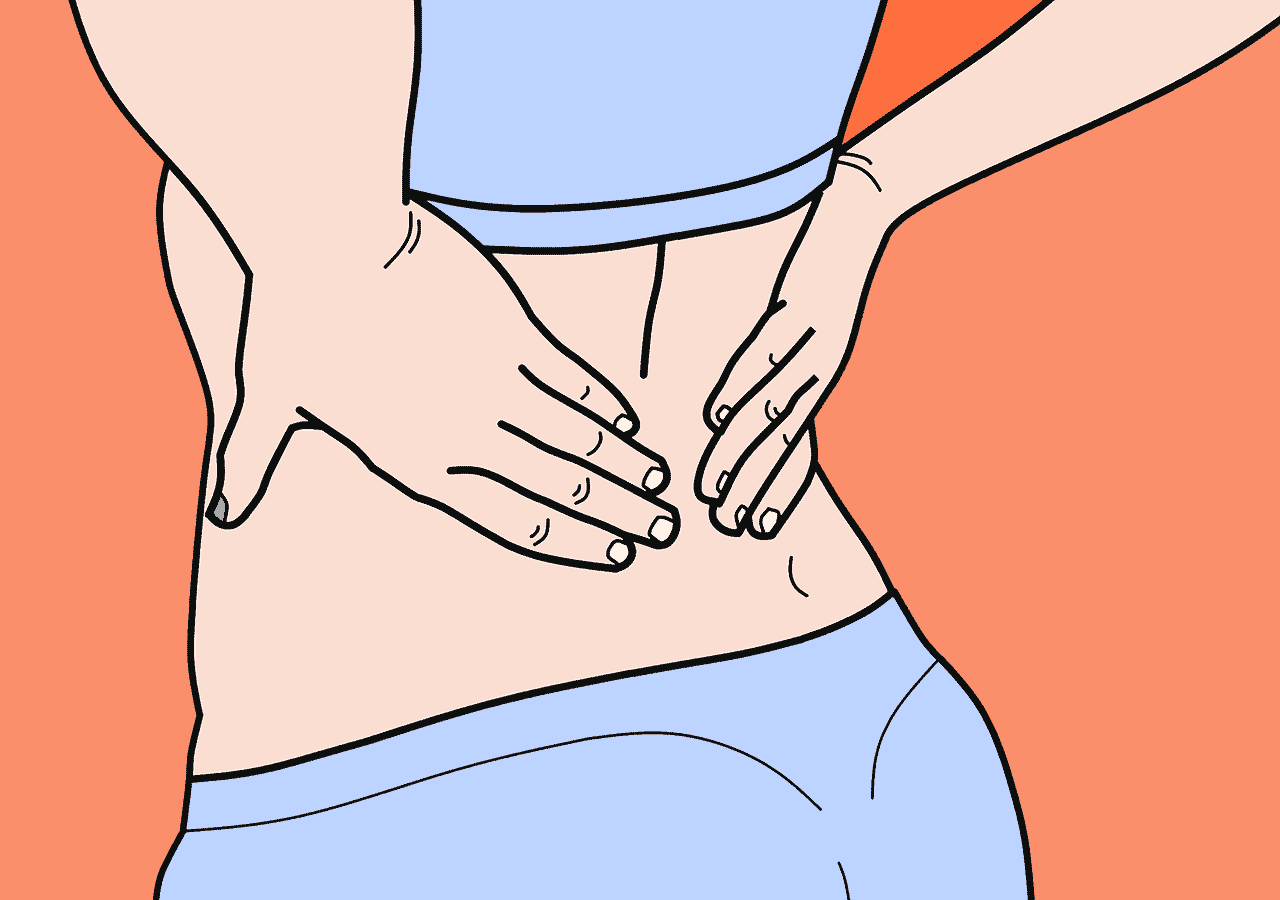
sleep positions for back pain

“Lie flat on your back and place a pillow under your knees,” Dr. Bakir explains. This position supports the spine and “allows the hamstring muscles to relax.”

If sleeping on your back is intolerable, don’t fear: “If you can’t sleep on your back, sleep on your side. And place a pillow between your knees,” says Bakir.

4. Hip pain: Side & firm pillow between knees

For dreaded hip pain, side-sleeping is an accommodating position for better rest.

Sleeping on your side with a firm pillow between your knees allocates your weight evenly through your body. This helps to keep the pressure off of the hip joints and pelvis.

(Acute hip pain is often caused by inflammation. In this case, a NSAID such as Aleve [generic: naproxen] or Advil [generic: ibuprofen] may help.)

5. Headaches or jaw pain: Back & arms at side

Jaw pain and/or headaches are among the most frustrating types of pain, particularly when one is attempting to sleep.

Lying on your back with both arms at your side helps keep the body naturally aligned. This position also supports the head, neck, and shoulders, which may help reduce some of the tension-related symptoms. Tension headaches are the most common, which makes this position ideal.

8 Reasons People Don’t Lose Weight (And How To Fix It)

Trying to lose weight can be tricky, especially when you’re older or have always carried some extra weight. Changing your diet to something healthier and exercising regularly might not show the results you’re looking for.

There can be a myriad of reasons why you’re unable to lose weight despite changing your eating habits and hitting the gym. Certain lifestyle habits or underlying factors can make putting on the weight easy. Still, shedding it can be more difficult.

8 Reasons People Don’t Lose Weight (And How to Fix It)

“When you lose weight, it doesn’t begin in the gym with a dumbbell; it starts in your head with a decision.” – Toni Sorenson

1. Poor sleeping patterns and habits

When you’re not getting enough sleep, your body isn’t going to be working the way it’s supposed to. Not to mention, when you’re hit with a bout of insomnia, you might be heading to the kitchen for a midnight snack, which can lead to putting back on the weight you’d been trying to work off during the daylight hours.

Lack of sleep can also lead to a lack of motivation, making hitting the gym harder. Fixing your sleep schedule will do wonders for your mind and body.

weight loss

2. It’s too light at night

According to studies, when animals are exposed to light while their food intake and exercise levels remain constant, they can still gain weight. We live in a world now that’s constantly lit up – from city lights to television screens to our mobile phones. Electronic devices can mess up our sleep levels, and exposure to blue light makes it harder to fall asleep. While it may not make you gain weight directly, it’s harder to keep off weight when you’re not getting your best night’s sleep. Shutting off electronics before bedtime can help put your sleep patterns back on the right track.

3. You might not lose weight due to chronic stress

Stress is a well-known cause of weight gain. Not only can stress mess with your hormone levels, but it can also make emotional eaters out of all of us. Stress drives overeating, which can undo any progress you’ve made with diet and exercise. When stress starts to get high, focus on exercise and yoga to help calm you down. Or, if you know the best way to eat, keep healthy snacks in the house that will keep you on the right track with your eating.

4. You might now lose weight when taking medications

Many medications can cause your metabolism to screech to a halt. They can also cause cravings and an increase in appetite. For many medications, weight gain is a side effect, but one that can be avoided. Asking your doctor about different alternatives for your medication that don’t have a weight-gain side effect can help keep you both healthy and medicated and be good for your weight.

5. Negative self-talk

Nothing can make you lose the motivation to exercise and diet faster than not believing in yourself. When you slip up or when you skip a day at the gym, it can be easy to berate yourself and talk negatively about yourself in your head. This will make you lose the motivation to keep trying. The best thing to do is to change how you talk to yourself. Be kind to yourself and use statements in the third or second person: “You can do it,” or “It’s okay that you skipped today, you’ll try again tomorrow.” The psychological effects on your motivation will be absolutely stunning.

lose weight

6. Chemicals and pollution

We’re surrounded by all kinds of chemicals every day. Indeed, we even experience a few we don’t even think about, in the air, our gardens, and our homes. These chemicals can often promote weight gain, especially if you’ve been exposed to them for long periods during your formative growing years.

The best way to cut these chemicals out of your life is to make sure you’re buying fresh foods and cutting down on how much plastic you have in your home. Filtering your water with carbon filters will also help you cut the harmful chemicals out of your life.

7. You might not lose weight due to medical conditions

Several medical conditions can have weight gain as a side effect – for example, thyroid conditions can make you gain weight without showing any other symptoms. If you find yourself gaining weight and unable to lose it no matter what you do, try talking with your doctor and getting checked out for any number of health conditions that can cause a drastic spike in weight.

Once you get it under control, you’ll find it easier to keep the weight off and stay healthy and active.

8. Chronic depression

Sometimes, people can have depression and not even know it, because they’re just used to living that way. Unfortunately, depression can also cause weight gain from inactivity and over-eating. Talk to your doctor about how you’re feeling, and they may be able to help you manage your depression so you can take control of your life and your body once more. Being free of a heavy cloud of depression will make exercising and managing your diet much more effortless.

A few changes in habits and lifestyle can make losing weight more possible. Even if you’re doing everything right when it comes to eating and exercise, there can still be some key factors that make keeping that extra weight off hard. The most important thing to know is never to give up; making mistakes is okay. Once you’ve figured out the habits that work for you, you’ll be amazed at how much easier it is to keep up with exercise and diet and keep your weight down.

lose weight

Final Thoughts on the Factors That May Block You When You Want to Lose Weight

Trying to lose weight for optimal health is a commendable decision. But it’s essential to recognize that the path isn’t always straightforward. As highlighted in the article, there are numerous factors, both internal and external, that can hinder your progress. From disrupted sleep patterns to the silent effects of light pollution, from the mental battles of negative self-talk to the physical challenges posed by certain medications, each factor plays a significant role in determining the success of your weight loss efforts.

It’s crucial to remember that weight loss is not just about diet and exercise. It’s a holistic process encompassing mental, emotional, and environmental aspects. The journey is as much about understanding and managing these factors as it is about counting calories or steps.

Moreover, it’s essential to approach weight loss with patience and compassion. Negative self-talk, for instance, can be a significant roadblock. Instead of being hard on oneself, adopting a mindset of perseverance and self-love can make all the difference. Remember, setbacks are natural, and every individual’s journey is unique.

So, while the road to weight loss can be riddled with challenges, understanding these obstacles is the first step to overcoming them. With determination, awareness, and the proper support, anyone can navigate these challenges and achieve their weight loss goals. Remember, it’s not about perfection but progress. Stay informed, stay positive, and most importantly, believe in yourself.

(C)Power of Positivity, LLC. All rights reserved

8 Bizarre Reasons People Break Up (and What They Teach Us About Love)

Breakups are tough, but occasionally the reasons behind them sound almost unbelievable.

While many couples part ways over familiar issues like money or trust, others split because of quirky disagreements—from hobbies to politics.

These bizarre stories may sound lighthearted, but they reveal something important: even small differences can expose deeper cracks in love.

In this article, we’ll explore eight unusual reasons people broke up—and the lessons they teach us about building stronger relationships.

best relationships

💔 Why Relationships End in Unusual Ways

Most breakups happen for big reasons like trust issues or constant conflict.

But sometimes, the final straw is surprisingly small—a movie, a quirky habit, or a secret revealed too late.

These unusual stories remind us that breakups rarely happen overnight.

Even when the reason sounds silly, it usually reflects something deeper: respect, unmet expectations, or clashing values.

Before we dive into the stories, let’s take a quick look at how the usual breakup reasons compare with some of the more bizarre ones.

Bizarre Breakup Reasons

💔 Infidelity
🎲 Gambling on love (literally betting a relationship away)
💰 Money Problems
🗳️ Splitting over a political vote
😶 Lack of Communication
❄️ A fight over a movie or hobby
⚖️ Different Life Goals
👻 Conflicts over unusual beliefs or superstitions

🎲 When Love Becomes a Gamble

Some people treat relationships with the seriousness they deserve, while others roll the dice—literally.

There have been cases where partners gambled away more than just money; they wagered their entire relationship.

At first glance, it may sound like a joke or an exaggerated story, but for the person on the receiving end, it was a wake-up call.

When love is treated like a game, it reveals a lack of respect and commitment.

Relationships are built on trust, and once that trust is broken, it’s difficult to restore.

Whether it’s a literal bet or risky, reckless decisions, these kinds of actions leave the other person feeling undervalued and betrayed.

Lesson: A healthy relationship thrives on respect. If one partner doesn’t value the other’s worth, no amount of charm, romance, or apologies can hold it together.

❄️ Disagreements Over Entertainment & Hobbies

It might sound silly, but couples have broken up over music, movies, or hobbies.

What starts as playful banter can quickly spiral when one partner feels dismissed or unheard.

These disagreements aren’t really about the movie or the hobby itself—they’re about respect.

When someone feels mocked or belittled for their passions, trust and connection begin to fade.

✨ Lesson: Love doesn’t require you to like the same things—but it does require respecting what matters to your partner.

👻 Clashing Over Beliefs or Superstitions

Beliefs can be a powerful force in relationships. While shared faith or traditions can bring couples closer, differences in spiritual or even superstitious views sometimes push them apart.

There are real cases where partners separated because one claimed the other was “possessed” or acted in ways they couldn’t accept.

To outsiders, it may sound bizarre, but inside the relationship, it became impossible to reconcile.

These kinds of breakups remind us that values and worldviews are not just background details—they shape how we live, love, and make decisions.

If one partner feels their beliefs are mocked, dismissed, or fundamentally incompatible with the other, resentment builds quickly.

Lesson: Respect for each other’s beliefs, whether spiritual, cultural, or personal, is essential.

Even if you don’t share the same worldview, honoring it can be the difference between harmony and heartbreak.

🍳 “Too Much of a Good Thing”

Most of us dream of a partner who is kind, attentive, and thoughtful.

But sometimes, even positive traits can feel overwhelming if they aren’t balanced.

There have been cases where people ended relationships because their partner was “too” nice—constantly doting, giving, or showing affection to the point where it felt suffocating.

What seems sweet at first can become a burden when it leaves little room for individuality or space to breathe.

Overindulgence, whether it’s constant gifts, nonstop attention, or never allowing a moment of independence, can create an imbalance.

Love thrives when it flows freely, not when it feels like pressure.

Lesson: A strong relationship requires balance. Showing love is vital, but so is respecting boundaries and giving each other space to grow.

🗳️ Politics and Strong Opinions

Few topics spark more heated debates than politics.

For some couples, differing political views can be a healthy source of discussion.

But for others, discovering that their partner supports a candidate or cause they deeply oppose is enough to end the relationship.

One partner may feel betrayed, misunderstood, or even unsafe when political values clash.

While it may seem bizarre to outsiders—breaking up “just because of a vote”—politics often reflect deeper personal values, beliefs, and visions for the future.

When these differences run too deep, it can feel impossible to build a shared life together.

Lesson: Respecting differences is vital, but some values are non-negotiable.

For long-term harmony, couples need either shared political views or mutual tolerance strong enough to weather those divides.

💰 Money Secrets & Surprises

Money may not buy love, but it can certainly end it.

Finances are one of the most common sources of conflict in relationships, yet some breakups stem from money issues in truly bizarre ways.

Financial dishonesty, which can range from secretly hiding lottery winnings to concealing entire debts, often shocks the other partner.

The real problem isn’t the money itself—it’s the secrecy.

When one partner hides financial truths, it signals a lack of trust and transparency.

Even a joyful surprise, such as winning money, can swiftly transform into a betrayal if it remains hidden.

Trust is like currency in a relationship: once spent recklessly, it’s difficult to earn back.

Lesson: Financial honesty is just as important as emotional honesty. A relationship rooted in secrecy is bound to collapse, no matter how much money is involved.

Healthy Money Habits
Unhealthy Money Habits

💬 Open conversations about income & expenses
🤐 Hiding debts, winnings, or spending habits
📊 Setting shared goals (savings, investments)
💸 Secret accounts or hidden big purchases
🤝 Respecting different spending styles
🙅‍♂️ Using money to control or manipulate

🤹 Personality Quirks That Became Deal-Breakers

Everyone has quirks—the little habits, routines, or personality traits that make us unique.

In most relationships, these quirks become part of the charm.

But occasionally, what’s endearing at first can become overwhelming or irritating over time.

There are stories of couples breaking up over odd habits like obsessively organizing, unusual eating preferences, or even peculiar daily rituals.

To outsiders, it may sound petty, but for the partner living with it, the quirks felt impossible to handle.

In reality, no individual is flawless. However, when quirks surpass the threshold from “adorable” to “unbearable,” they can reveal a lack of compatibility or patience within the relationship.

What matters most isn’t the quirk itself but how couples handle it—with humor, understanding, or criticism.

Lesson: Accepting your partner means embracing their quirks. But knowing your limits is equally important—because love thrives when respect and tolerance are stronger than frustration.

🌍 Life Goals That Don’t Align

Sometimes the most bizarre breakups happen not because of something small, but because of a major life choice revealed too late.

One partner may want children while the other doesn’t.

One may crave a traditional, settled life, while the other longs for freedom and adventure.

These mismatched goals can linger unspoken for years, only to surface when decisions must be made—and by then, it often feels too big to compromise.

What makes these stories seem unusual is that couples sometimes end relationships suddenly, after years together, once the truth becomes unavoidable.

To outsiders, it looks strange: “They broke up after 10 years just because one didn’t want kids?” But at the heart of it, the issue was always there, quietly eroding the bond.

Lesson: Long-term love isn’t just about how you feel today—it’s about aligning on the future you want to build.

Without shared vision, even the strongest love can break.

📝 What These Stories Reveal About Modern Love

On the surface, these breakups seem bizarre—ending over a movie, a quirk, or even a vote.

But they highlight something deeper: relationships don’t fail because of the small thing itself, but because of what it represents.

When respect, trust, or shared values are missing, even minor differences can become deal-breakers.

Takeaway: A healthy relationship isn’t about avoiding disagreements. It’s about handling them with patience, understanding, and respect.

❤️ How to Protect Your Relationship from Needless Breakups

Even the happiest couples face differences.

The key is learning to manage them before they turn into resentment. Talk openly about values, goals, and expectations.

Respect each other’s quirks. And when conflicts arise, focus on solutions, not blame.

Pro Tip: If you hit a roadblock, counseling or coaching can turn tension into growth.

FAQs

Can small differences really end a relationship?

Yes — small issues often reflect larger incompatibilities.

How important are shared values in long-term love?

They’re crucial. Without them, relationships struggle to last.

Do bizarre breakup stories mean relationships are weaker today?

Not necessarily—they show how modern love reflects personal choice.

be with someone


🔑 Conclusion

Bizarre breakup stories may make us laugh or shake our heads, but they carry real lessons.

They remind us that love isn’t just about romance—it’s about trust, honesty, and shared vision.

When couples respect each other’s values and handle differences with care, even the strangest disagreements don’t have to lead to goodbye.

5 Traits Men Love About Women (More Than Good Looks)

Everyone appreciates someone with good looks. Appearance isn’t everything, though. There are things that men find particularly appealing in women that go beyond their looks. Of course, many men are drawn in first by what they see on the outside. On the other hand, some men become attracted to women by things other than their looks.

Some men find these particular traits more appealing than their appearance altogether. If you’re wondering what draws men to you – or, even if you’re wondering what you can do to attract more positive men into your life – consider enhancing or working on these traits within yourself. They’re all positive. So you’ll feel better about yourself, and your relationships will benefit!

“Anyone who says he can see through women is missing a lot.” – Groucho Marx

5 TRAITS MEN LOVE ABOUT WOMEN (MORE THAN GOOD LOOKS)

These are the things that matter most…

women

1. GOOD PERSONALITY

This seems like a no-brainer because everyone likes someone with a good personality. However, a charming personality with a sense of humor can supersede men’s interest in outward appearances. Connecting with someone is a basic human need, and having a personality that meshes with your own is a great way to form a real and lasting connection.

A sense of humor goes hand-in-hand with a good personality. Being able to laugh at yourself (or him) – in a good-natured manner will make the both of you feel good and more comfortable around one another. If you’re laid back, like to joke, and love to laugh, many men will be charmed, and you’ll start forming a good connection.

2. GOOD LISTENER

Listening requires more than just hearing what a person is saying and waiting for your turn to enter the conversation. An active listener takes in what their partner is saying, and processes it, and offers feedback and conversation on the words that were said to them. Some men have trouble with this, too, but all men appreciate a woman who is a good listener.

When you demonstrate active listening skills, your partner will be more likely to reciprocate because they feel they’re being heard. Being a good listener will benefit your love life and all areas of your familial and spiritual relationships.

3. COMPROMISING

Men appreciate women who are willing to compromise and negotiate on an issue. Staying rigid in something is a good way to cause stress and tension in any relationship, especially a romantic one. Compromising doesn’t mean giving up your stance altogether, however. It also doesn’t mean conceding to everything your man wants!

Compromising is working together to find a solution that benefits both parties – and compromising works both ways! Compromising benefits a relationship in the long run and gives you the skills to communicate and work through your problems.

4. SPONTANEITY

If you’re the type of woman who needs to make lists and schedules and have everything planned for the second, you might want to consider loosening up just a bit. Being able to roll with the punches and take mishaps in stride is a trait many men adore in a woman.

A spontaneous spirit is also about random acts of love, kindness, and appreciation. It’s also about enjoying when your man plans a surprise vacation or shows up with flowers at your office. Being spontaneous is one of the ways to keep all the spark alive in a relationship.

5. ACCOMPLISHED

Women who own what they do and proudly wear their accomplishments are the kind of women that men find attractive regardless of outward appearance. This doesn’t mean you have to have a prestigious job or an impressive CV – it just means that you know what you want and aren’t afraid to go out and get it. Being happy with who you are and feeling fulfilled in your life is enough to pique a man’s interest.

There’s nothing more appealing than a woman who knows who she is and what she wants out of life, regardless of what that may be. Knowing that you’re capable of achieving your dreams will also make you feel good! Being confident in who you are will boost how you feel, and be a positive force in all your relationships.

model

FINAL THOUGHTS ON THE TRAITS MEN SEEK IN A WOMAN (THAT HAVE NOTHING TO DO WITH THEIR GOOD LOOKS)

Men may be notorious in media and pop culture for only caring about looks – but that couldn’t be further from the truth. There are plenty of things about women that men adore, and they’re all traits that can be found in anyone, regardless of gender! Recognize the things in yourself that make you attractive beyond your appearance. Once you’re able to harness them, you’ll be irresistible to the men in your life, and you’ll attract more positive influences to surround yourself with.

(C)Power of Positivity, LLC. All rights reserved

8 Causes of Major Depression (And How to Avoid It)

“A big part of depression is feeling really lonely, even if you’re in a room full of a million people.” – Lilly Singh

Depression can be an overwhelming thing to deal with. It can make you feel exhausted, worthless, helpless and hopeless. Depression can affect your eating habits, your sleep schedule, your work, your relationships – everything. When you’re dealing with major depression, your whole life seems to come to a stop and it feels like there’s no way to work around it or get free.

Fortunately, there are ways to help avoid this feeling before it even begins. Sometimes, depression is in the brain – chemicals misfiring, or not firing at all. Other times, depression can be triggered by outward events. Understanding the common causes and learning how to avoid them can help keep your outlook on life a positive one.

8 CAUSES OF MAJOR DEPRESSION (AND HOW TO AVOID IT)

1. FEELING TOO STRESSED OR OVERWHELMED

If you find yourself constantly overworked, with work deadlines, chores, family problems, relationship issues – you may be on your way to not being able to deal with any of it at all. Knowing your limits is the perfect way to stop this particularly trigger of depression right in it’s tracks.

Being able to say ‘no’ to certain things to keep your workload manageable is something everyone should learn to do, for their own mental health. If something becomes obligatory, like a work deadline, break it up into manageable pieces and only work on what’s in front of you, then move on to the next portion.

2. POOR HEALTH

Being diagnosed with a health condition can worsen or trigger depression, especially if the health concern is serious and requires immediate attention. It can seem like nothing else in your life matters but dealing with whatever you’ve been diagnosed with. On the other hand, depression can also cause different types of illnesses, and even that can worsen or lengthen your depression. To minimize this trigger,

On the other hand, depression can also cause different types of illnesses, and even that can worsen or lengthen your depression. To minimize this trigger, focus on your health first. Having a treatment plan in sight can help take some of the stress off, and alleviate your depressive symptoms.

3. MONEY PROBLEMS

Anyone can struggle with financial problems. Money issues are a major cause of stress and anxiety in many adults, regardless of their history with depression. Perfectly mentally healthy adults can deal with an overwhelming amount of stress when it comes to money.

The best way to stay on top of money problems without letting the stress drag you into a depression, is to be proactive. Make a budget, make a savings plan, and stay connected with a support network of friends and family. Try to spend time with people in ways that are free or low cost so that you don’t isolate yourself from having a community, which can further worsen your depression.

depression

4. WEIGHT PROBLEMS

Being overweight can worsen a person’s depression. The issue with depression is that sometimes, we overeat to deal with it. Stress and anxiety can cause overeating as well. This will bring you back into the same cycle of being overweight, being depressed, and then overeating to compensate for those feelings.

The best way to break the cycle and get yourself out of this particular depression trigger is to make a long-term plan for yourself in regards to lifestyle changes such as a healthy diet and eating habits, as well as exercise. Exercise will make you feel more energized and help combat the symptoms of depression, while also helping you maintain your weight.

5. LIFE CHANGES

Major life changes that cause strain and stress in our lives can be a major cause of depression. A death of a friend or family member, or the end of a marriage or long-term relationship, can cause anyone to fall into a major depression. The important part is to still allow yourself to grieve that loss without allowing it to turn into a depression.

Stay connected with your friends and family. Build a support system that will help you in your time of great emotional need. If you allow yourself to stay isolated, you may be at risk of allowing your grieving period to become never-ending in the form of major depression. Even seeking out a therapist for a short amount of time while you’re dealing with this major life event can be helpful.

Even seeking out a therapist for a short amount of time while you’re dealing with this major life event can be helpful.

6. BAD SLEEPING HABITS

The tricky thing with sleep is that depression can cause poor sleeping patterns, and poor sleeping patterns can cause depression. Trying to figure out which way it goes can be difficult. However, fixing your sleeping habits will help alleviate some of your depressive symptoms altogether, and maintaining a good sleeping pattern will ensure you don’t trigger another depressive episode.

major depression

The best way to do this is to go to bed and wake up at consistent times. You should also make sure all electronics are off when you get into bed, and perhaps even beforehand, because they can be stimulating in ways that stop your brain from falling asleep.

7. SUBSTANCE ABUSE

Allowing yourself to use drugs or alcohol as a way to alleviate feelings of depression may only trigger your depression more. The buzz of being drunk or high on drugs can feel good for a little while, but in the end, you’ll just be right where you started.

The best way to deal with this if you think you may be struggling with substance abuse is to talk with your friends and family and create a support network – then, speak directly with your doctor and have them help you come up with a plan to combat your substance abuse problems.

8. LOSS OF JOB

Losing your job is a major life event that can trigger a lot of different things that can cause depressive episodes: the loss of the job itself, money problems from losing your steady income, a major life change. Losing your job suddenly can be a daunting situation, but being able to look to the bright side will help keep your depression at bay.

Update your resume now that you have this past job experience under your belt, and look forward to all the things that you can do in the future. Stay connected with your support network of friends and family who can help you during this difficult transitional period.

Life can throw us a lot of curveballs, and sometimes our own bad habits can be our downfall. The most important thing to remember is that depression doesn’t last forever, and even if it feels like you’ll never be able to lift yourself out of those feelings, there are ways to alleviate the symptoms. Taking every day one step at a time is the most important factor in avoiding major depression.

References:
Kristin Koch; 17 Ways to Avoid Depression Relapse; http://www.health.com/health/gallery/0,,20431660,00.html#don-t-take-on-too-much-0
Mikel Theobald; Avoiding 10 Common Depression Triggers; 
http://www.everydayhealth.com/hs/depression-pictures/avoiding-common-depression-triggers/#02
Skip to content