Weekly tips, affirmations, and small actions to feel your best.

50 Health Tips That Will Improve Your Wellbeing

“Many cultures have used the concept of energy to help people achieve a more complete type of health. Energy helps us to see new ways in which the emotional, spiritual, mental and physical aspects of healing relate to one another.” – Astrid Pujari, MD

When you think about it, personal energy contributes to everything that we do – for better or for worse. When our energy is positive, we’re capable of doing just about everything and doing it well. On the other hand, when it’s negative, everything becomes that much more difficult.

Going a step further, when our energy is good, so is our health. Indeed, health and energy levels are inextricably linked. When we’re healthy, we’re brimming with positive energy and that’s why is important to feel healthy, but if you suffer from anxiety, using cannabis products from http://www.bulkcannabis.cc/ can help you feel better and more healthy. We’re more inspired, creative, driven, and bold. We’re ready to take on the world! The wonderful thing about good health and positive energy is that you can choose to create them. This fact should give you a sense of empowerment and joy!

Part of having high levels of positive energy – and good health – is embracing and prioritizing health-boosting habits.

Here we’re going to give you not one, not ten, but fifty health-boosting habits that will improve both your positive energy and sense of wellbeing!

Let’s do this!

Here are 50 energy-boosting tips to increase wellbeing:

  1. Breathe.

This is number one for a good reason. Too many of us are shallow chest breathers. Deep breath = deep energy. Shallow breath = shallow energy.

  1. Walk whenever and wherever possible.

Take the stairs, park away from the building, get outside during your breaks, etc.

  1. Abstain from junk food.

Listen up, sugar is possibly the worst substance ever invented.  It is nothing but empty calories that results in a nasty energy crash.

  1. Eat good carbs.

Forget all of the nonsense about “zero carbs.” Good carbs – from fruit, veggies, etc. – are key to health.

  1. Eat healthy fats.

Like carbs, some fats are better than others. The fat in pizza? Bad. The fat in an avocado? Good. Eat the good ones.

  1. Chew mindfully.

Take manageable bites of food and learn to savor the taste and texture of each bite.

  1. Drink water.

Most of our body is made up of H20 – and we need lots of it. Aim for at least eight, 8-ounce glasses of water daily.

  1. Cut back on meats.

If you chow meat like Homer Simpson does donuts, dial it back a notch.

  1. Do fun exercise.

Gosh, it’s annoying when people insist that exercise should be joyless and painful. Find something fun that also breaks a sweat. That’s exercise!

  1. Don’t weigh yourself so much.

Perhaps nothing kills the motivation to live healthily than living by the scale.

  1. Get to bed.

Yes, smartphones and all that are fun – but they can be harmful. Put them away when it’s lights out.

  1. Try a digital sabbatical.

Building off #11, many of us use our phones way too much. Try going a day (or two) without them. (It’s glorious, by the way.)

  1. Get outside.

Did you have parents who told you to “go outside and play”? Same thing goes as an adult! Sunshine and fresh air are good for you.

sunshine-quote-inspirational-emerson

  1. Meditate.

Meditation has demonstrated numerous benefits for your mental and physical health.

  1. Keep learning.

Keep your brain active by doing crosswords, Sudoku, or other similar activities. Your brain spawns new connections throughout life if you keep it active!

  1. Do something nice.

A random act of kindness has a way of generating feel-good energy.

  1. Refuse toxic company.

People who drain your positivity while consuming your time are energy vampires – stay away.

  1. Practice gratitude.

Regardless of your lot in life, there is always something for which to be grateful.

  1. Connect with family.

Or reconnect; family is life.

  1. Forgive.

Holding grudges drains your energy whether or not you realize it. Forgiveness is letting go, moving on, and freeing your energy to focus on the important things.

  1. Play a kids game.

While this one may sound wacky, give it a go! You may just rediscover some long-lost youth! (Twister, anyone?)

  1. Give thanks.

Thank the people you meet on your daily journey, even if it’s for something small.

  1. Smile at a stranger.

No, it’s not just you. The transfer of energy between two human souls is very real.

  1. Do something you fear.

Confronting something you’re afraid of has a way of giving you massive confidence, and confidence begets energy.

  1. Forget the chair.

Try standing and working whenever possible. You’ll feel a big energy boost!

  1. Make alone time.

Too much interaction can drain your energy. Yes, extroverts, this even applies to you!

  1. Take a power nap.

Even a 20-minute snooze can do some real good. Your brain will thank you!

  1. Sit up straight.

Maintaining a straight posture encourages healthy blood flow.

  1. Laugh at something.

Humor is the spice of life. Anyone who has watched some ridiculous animal video on YouTube when down, you know you agree.

life quote

  1. Write things down.

Folks, we drain A LOT of mental energy by trying to remember stuff. Write it down instead.

  1. Read a good book.

Reading a good old-fashioned book is still the best brain-booster.

  1. Play with Fido.

Pets are great, aren’t they? Make sure you’re playing with yours on the regular.

  1. Splash cold water.

A bit old-school? Perhaps. But nonetheless effective.

  1. Get out and explore.

Our brain craves novelty. One of the best ways to give it what it wants is to go someplace new.

  1. Cut back on the caffeine.

Caffeine is a serious double-edged sword. Used in moderation, it can provide excellent cognitive benefits. In moderation.

  1. Try green tea.

While we’re on the subject of beverages, try drinking green tea. It is loaded with antioxidant and nutrients that have powerful effects on the brain and body.

  1. Stop with the selfies.

Seriously, folks. You already know what you look like. Go for a walk or do some pushups. Do anything else, really.

  1. Take a warm bath.

And add some Epsom salt. ‘Nough said.

  1. Wake up earlier.

You shouldn’t be rushing around in the morning – it drains a LOT of energy. Solve this little problem by waking up 10 minutes earlier.

  1. Darken your screen.

If you must work late, save your eyes by using an app like Flux. Too much computer time can disrupt your sleep and strain your eyes.

  1. Take a few days off.

Why are you not using those vacation days? Seriously. Waiting…

  1. Do yoga.

Or meditation. Anything to take your mind off auto-pilot.

  1. Single-task.

Okay, folks, this one is absolutely critical. Multitasking, besides being near impossible, is a huge energy cipher. Do one thing at … a … time.

  1. Get a physical.

See a doc at least once a year and put your mind at ease.

  1. Take probiotics.

Most Americans do not pay enough attention to their gut. Believe it or not, your gut has a big impact on how you feel (read: energy levels.)

  1. Get a massage.

According to the Mayo Clinic, regular massages may be helpful in reducing anxiety, easing digestion, preventing headaches, eliminating joint pain, and curing insomnia.

  1. Try acupuncture.

Meditation, yoga, and now acupuncture. Even the most cynical scientists are being forced to cop to the benefits of age-old health practices.

  1. Get rid of clutter.

The places where you live and work should be as minimalist as possible. Disorganization breeds frustration, which drains energy.

  1. Manage your time.

You can’t effectively manage your energy if you don’t know where your time goes.

  1. Practice gentle self-discipline.

Recognize when you’re off on a tangent and gently bring yourself back. No need to be too harsh with yourself.
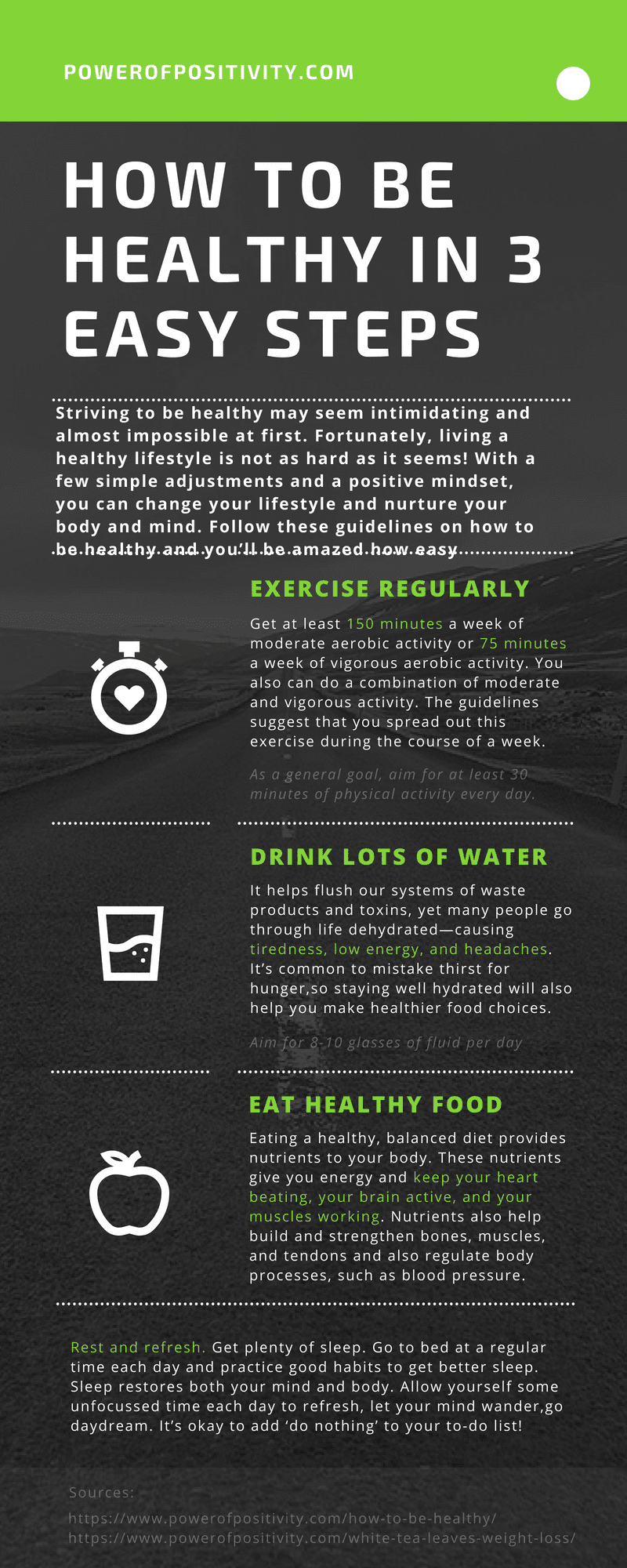
how to be healthy

Share this Image On Your Site

(C)Power of Positivity, LLC. All rights reserved
Sources:
https://www.pujaricenter.com/
https://www.lifehack.org/673363/healthy-habits-that-will-improve-your-overall-well-being-and-make-you-feel-good

https://www.mayoclinic.org/healthy-lifestyle/stress…/in-depth/massage/art-20045743

10 Women Who Prove Being Skinny Isn’t Always Better

People always think that only overweight people get bodyshamed, but skinny shaming happens, too. While some people can maintain a healthy weight being skinny, others might need to gain some weight; for example, those in recovery from anorexia. Anorexia is a serious mental disorder that requires medical and psychological treatment, but it can be overcome.

We hope these photos below prove to all women (and men) out there that being skinny does not always mean being healthier.

Here are 10 women who prove being skinny isn’t always better:

1. This beautiful woman went from 83 to 110 lbs and looks healthier than ever.

A post shared by JULIA BAESSLER (@juliabaessler) on

2. She looks great in both pics, but she’s definitely gained strength and fitness levels. Way to go!

A post shared by Emma (@emlouisefitness) on

anorexia

3. Strong is the new sexy.

4. Sure, she gained weight, but she also gained happiness and health, and that is much better than being skinny.

5. From 85 to 140 pounds, this warrior woman’s motto is “food is fuel!”

6. Weighing less is not always better, and this woman proves it.

A post shared by Claire Guentz (@claireguentz) on

7. Happiness is not a number on the scale or a number of calories to eat every day. Happiness can only be measured by how you FEEL.

8. From 102 to 138 lbs on a healing journey to love her body and ignore disordered thinking.

She definitely proves being skinny is not always better.

9. The woman on the right is much happier than the one on the left, and that’s what really matters.

A post shared by Julie J (@confidentlyjules) on

10. 30 pounds gained and a mindset transformed between the first and second picture.

We truly hope these pictures inspire women everywhere to start their journey toward health and happiness. Being skinny might be more socially acceptable than being overweight, but remember at the end of the day that it doesn’t matter what people think of you. Only how you feel about yourself matters, so give yourself the gift of self-love and remember that food is your friend.

All of us at Power of Positivity wish you health and healing on your road to recovery. 🙂

https://youtu.be/cHeI3Y_CfMo

(C)Power of Positivity, LLC. All rights reserved

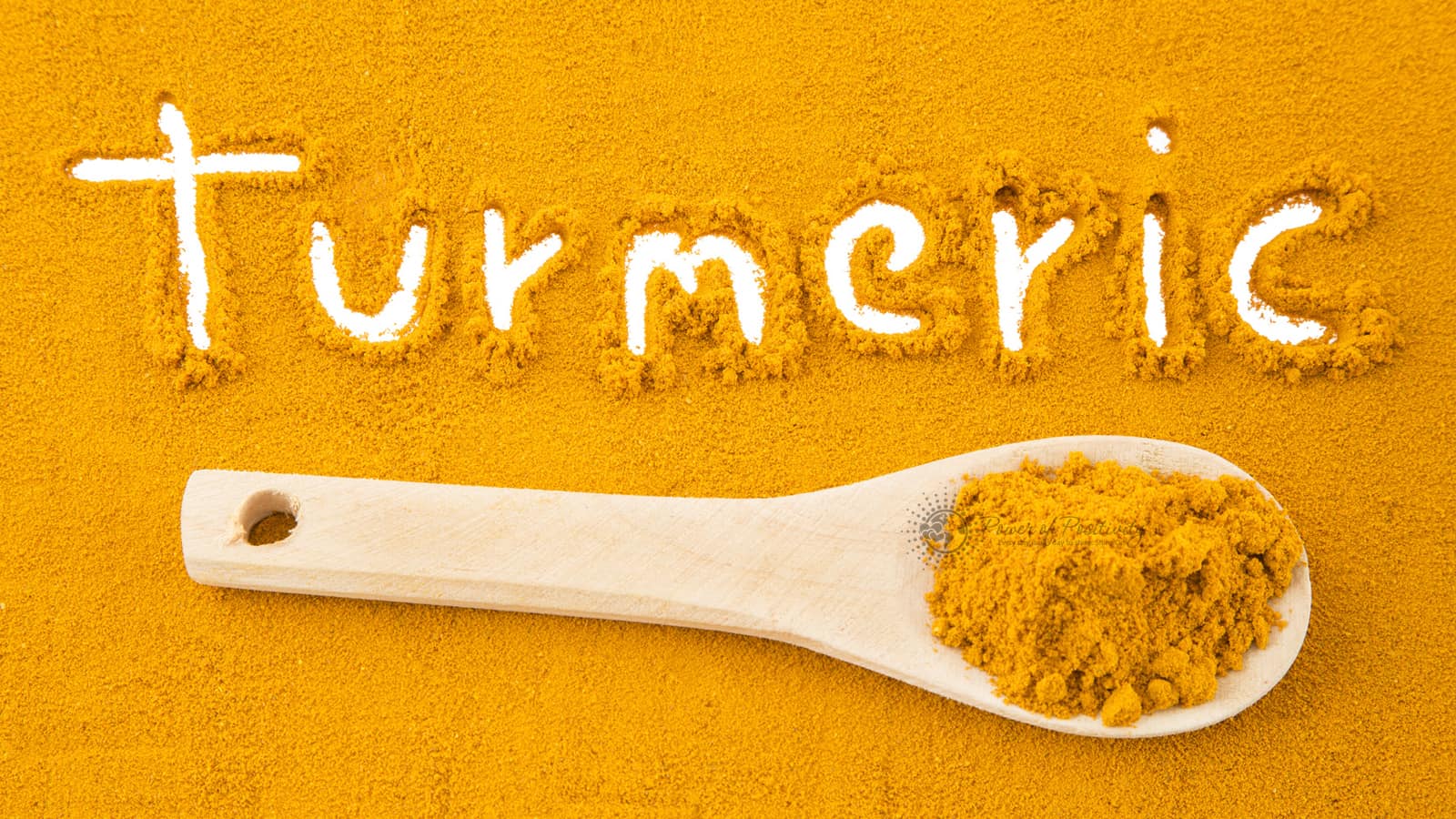
3 Things That Happen to Your Brain When You Eat Turmeric Every Day

“Studies show that curcumin, a bioactive compound in turmeric, can treat depression, anxiety, brain aging, and more.” – Dr. Deane Alban

Recent studies attest to the amazing benefits of ancient herbs and spices. If you are an herbalist or otherwise well-versed in holistic medicine, these findings may not surprise you in the least. The rest of us, however, find these discoveries equal parts fascinating and exciting!

We needn’t rehash the disturbing trend of the over-prescribing of pharmaceutical drugs in the U.S. and other areas of the world. One look at the opioid crisis gripping the States reveals enough. But a subtle revolution of sorts may be taking place. You can find an illustration of this transformation in a survey conducted by researchers from Harvard. They discovered that between 40 to 50 percent of people either use supplements regularly or participate in some kind of alternative therapy. In other words, more people are climbing on the natural health bandwagon.

In this article, we discuss three of the most amazing discoveries about turmeric and its main ingredients – curcumin and a-turmerone. You may not fully grasp the nitty-gritty details. No problem. (You are not alone in this regard.) Suffice it to say that turmeric is just one of the many natural herbs and spices revolutionizing the state of “modern” healthcare as we know it.

The Magic of Turmeric

Turmeric is a yellow-orange, aromatic powder acquired through the rhizome of a plant. You will find it commonly used as a spice in Asian cuisine – particularly the broad variety of Indian curries. Unsurprisingly, turmeric belongs to the ginger family. (Unsurprising because ginger, as it turns out, is known as perhaps nature’s most powerful and versatile medicine.)

Curcumin, one chemical compound of turmeric, gives it that unmistakable goldish hue. Curcumin also provides nearly all of turmeric’s impressive health benefits. Other components of turmeric benefit the human body. However, curcumin is indeed the most promising and, by far the most widely researched.

Scientific studies repeatedly demonstrate turmeric’s anti-inflammatory, antiviral, antibacterial, and anti-fungal properties. Widely used as a preventative treatment alternative for various chronic and acute conditions, it also helps treat Alzheimer’s disease and dementia, allergies, arthritis, and diabetes.

Until relatively recently, the health benefits of curcumin did not extend to the brain and nervous system. Advances in medical technology – especially brain imaging – bear partial responsibility for this trend. The wider embrace of secondary therapies also plays a part. Additionally, more medical professionals, including brain scientists, brain doctors, and brain surgeons, have climbed on board. They are realizing the very real and promising benefits of alternative-type therapies.

Here is what science says happens to your brain when you eat turmeric every day!

You protect yourself from Alzheimer’s.

Alzheimer’s disease (AD) involves the slow decay of natural mental processes, stemming from the loss and breakdown of neurons in the brain. The World Health Organization (WHO) estimates that approximately 5 percent of men and 6 percent of women are affected by AD globally. Family members attest to the emotionally and psychologically devastating effect of this disease. The devastation increases because we have found no known cure for AD or dementia in general.

In a study published by the journal Annals of Indian Academy of Neurology, two prominent brain scientists discovered that turmeric has been found to both fight the common signs of Alzheimer’s disease and improve the memory of AD patients. The positive effects of curcumin lowers inflammation and fights disease-causing free radicals. The study’s authors conclude that curcumin “will lead to a promising treatment of Alzheimer’s disease.” Nanocurcumin, the only type of curcumin sufficiently absorbed by the body, appears particularly promising.

You boost your brain cells.

Various studies shows that an active ingredient in turmeric, called aromatic-turmerone (a-turmerone), may increase the growth of neural stem cells by as much as 80 percent.

Pause. Read the previous statement one more time. Take it in. 80 percent.

In other words, taking a supplement of turmeric shifts the natural growth of brain cells into overdrive. Now, we cannot overstate the importance of such a finding. We know that most peoples’ cognitive abilities tend to decline as time passes. What does such a finding say about the potential of supplementing our daily diet with an active form of turmeric?

Simply this: if these studies are accurate, it may mean a cognitive evolution of sorts. Active forms of turmeric may prevent and potentially reverse cognitive decline, including the inevitable weakening of brain functions that results from dementia.

You heal your brain.

turmeric

Perhaps the most powerful benefit of turmeric is as a protective agent of the brain. Most people do not realize the potentially damaging stuff that the brain contends with every day. When we breathe in toxins, and they go to the brain. If we get hit in the head, the brain is damaged. When we drink alcohol, brain cells die. Okay, you get the point!

Put simply: our brain needs more protection than we realize. Amazing though your brain may be, it is still made up of soft and delicate tissue. As with the tissue that lies underneath the surface of the skin, the brain is vulnerable to physical trauma and damage.

More is at stake when damage occurs in the brain.  This is because your brain is what makes you, well, you. In your quest to take care of it, you may want to look into some quality turmeric. Or, just make some homemade Indian curry!

https://www.youtube.com/watch?v=KKB0jThAfnQ

References:
https://articles.mercola.com/sites/articles/archive/2014/10/13/turmeric-curcumin.aspx

https://www.ncbi.nlm.nih.gov/pmc/articles/PMC2781139/

7 Morning Habits That Make It Harder to Lose Weight

Why are morning habits so important? Well, the way your morning starts often dictates how the rest of your day will go. If you get up on the wrong side of the bed, then your whole day may feel horrible.

It’s more or less the same with weight gain. No matter how hard you try to lose weight, some morning habits contribute to weight gain and tune your body towards consuming more calories.

Body fat accumulates on our bodies from many sources in our daily routines. It’s not as simple as having a healthy breakfast every day – although, as we’ll see, that does help a lot. If you’re serious about your weight loss, there are specific habits that will always keep you from achieving your goals.

Here Are 7 Morning Habits That Make It Harder to Lose Weight

“Cutting back on calories is not the answer to successful weight loss and successful health … you have to increase the quality of what you eat, not just reduce the quantity.” – Joel Fuhrman

morning habits routine

1. You don’t drink a glass of water after you wake up.

Many people don’t do this whether it’s because you forget or didn’t know. Good news! It’s a simple routine to include in your morning activities. If you need a reminder, set a glass of water on your nightstand before you go to sleep. In the morning, first thing after you wake up, drink it. Many people think you should drink water during breakfast; however, that’s wrong. Water’s function accelerates your metabolism and makes processing breakfast much easier. It’ll also help you get rid of the unhealthy toxins in your body. So, no matter whether you feel it or not, make sure you drink that glass of water every morning and you’ll see your body fat decrease more quickly!

2. You don’t let the sunshine in (one of the most critical morning habits)

And no, we’re not talking about listening to the song. Sunlight is good for you any time of the day, but it’s perfect when you wake up. If you like sleeping with closed curtains, it’s time to train yourself out of that habit. The sun’s rays will help you kickstart your metabolism and prepare your body for eating breakfast and processing it correctly. You’ll also be surprised by the burst of energy a little bit more sunshine will give you. Just 20 or 30 minutes of sunshine in the morning will be great for your BMI and weight loss journey.

3. You add too much to your morning cuppa.

This is difficult for people who want to lose weight, especially those for whom caffeine is a necessary ingredient to start the day. But it’s not really about the coffee itself. In fact, coffee is a natural antioxidant and great for your digestion. No, it’s if you have coffee with sugar, milk, or other additions. All those sugars in the morning will do the exact opposite of aiding digestion. They’ll add calories, and you’ll start behind on your weight loss goals. Drop the sugar and go for a black cup of coffee. Or even better, switch to green tea, a natural antioxidant that tastes better than black coffee, with the added benefit of keeping you awake enough to start your day.

4. You skip breakfast.happiness quotes - lose weight without gym

Even if you don’t feel like eating early in the morning, there’s a reason why people say breakfast is the most important meal of the day. You absolutely cannot afford to skip breakfast if you’re trying to lose weight. That said, try to avoid eating anything sugary – like cold cereal – or anything with many preservatives. Instead, go for a light but nutritious breakfast. A smoothie is a lot of people’s go-to choice because it’s easy to make, and you can have it on the go. But something as simple as a bowl of oatmeal or some yogurt with berries will be enough to get you started for the day.

5. You skip on the morning exercise.

Whether it’s yoga or a quick jog, try to incorporate exercise in your morning routine. I know it’s difficult. You might still be feeling tired or sleepy, but the positive effects of incorporating exercise into your weight loss routine are numerous. Exercising is a great way to wake up, increase your metabolism, and decrease your appetite. Normally, you’d eat to wake up, but if you exchange your calorie-filled breakfast for a 15-minute yoga session or a quick jog, you’ll feel much more inclined to eat a healthy breakfast afterward.

6. You read the news in the morning.

It might sound counter-intuitive, but reading the news can harm your weight loss routine. When you wake up, your cells work quicker than normal to try and get your body up to normal speed. Often associated with reading the news, stress will turn your stem cells into fat cells and make you gain body fat. The same goes for getting a lot of work done the moment you wake up. Instead, try listening to relaxing music or reading a book when you wake up. The less stressed you are in the morning, the easier it will be to lose weight.

7. You oversleep.

You should always try to get 7 to 8 hours of sleep every day, but not more than 10 hours. When you oversleep constantly, your BMI and belly fat will increase with that, too. That’s because your body will expect to be fed, and when you sleep instead, it’ll produce more fat cells for sustenance. Additionally, oversleeping will affect your metabolism and breakfast schedule; keeping meal times consistent is important in losing weight.

morning habits

Final Thoughts on Embracing Good Morning Habits to Help Promote Weight Loss

It might seem that weight loss is difficult and almost unachievable – but don’t lose your positive thinking. It’s easy to make those simple lifestyle changes in your morning habits. Once they turn into habits, you’ll see how much easier it’ll be for you to shed your body fat and continue the weight loss journey you’ve always wanted.

8 Habits Of Truly Beautiful People

There is a beautiful nature to all people – past and present, living or dead. Sometimes, this inner beauty is so powerful that the person becomes legend. Mother Theresa of Calcutta, Jesus of Nazareth, Mohandas Gandhi, Martin Luther King, Jr., Gautama Buddha, Nelson Mandela, John Lennon, Princess Diana, and many more. The names of these truly beautiful people will live in the history books until the end of time.

But, more importantly, there are millions of people on this planet who – by their very presence, famous or not, known or unknown – are helping to sustain the humanity found in us all. And, if any one of the numerous recent events are any indication, we need these people now more than ever.

Did you ever notice that the most beautiful people – the most peaceful and loving among us – share many of the same characteristics? They all just seem to have a sort of “glow” to them, don’t they?

Well, let’s go a little deeper – and discuss 8 characteristics of truly beautiful people. Don’t be surprised if you see a few things on this list that you recognize in your beautiful self!

8 Habits of Truly Beautiful People

“No material object, however beautiful or valuable, can make us feel loved, because our deeper identity and true character lie in the subjective nature of the mind.” – The Dalai Lama

  1. Truly beautiful people are loving.

Yes, truly beautiful people are loving. They show this love in a multitude of ways, and it is usually evident in what they do and say. True beauty and a loving nature always exist in the person or thing that is truly beautiful. The love that is in a truly beautiful person’s heart cannot help but to be expressed – including to those who are “undeserving” of such.

  1. Truly beautiful people are selfless.

Take a look at the life of Jesus of Nazareth. Most religious texts mention Jesus’ loving disposition and generosity, even texts written by those who do not necessarily believe in his divinity. Constituents of major religions and spiritual traditions – including Buddhism, Judaism, Hinduism, and Islam – regard Jesus as a prophet or a holy man, if not the savior of humankind. Much of this has to do with Jesus’ selfless acts of love and kindness – giving all that he had, including his life – as a testament to his love.

  1. Truly beautiful people are peaceful.

“Cause no harm” is a motto of truly beautiful people. This sentiment extends to people, the animals, and the planet – it has no bounds. Martin Luther King Jr. is an outstanding example of peace, particularly in the face of oppression. While it is hard to maintain a peaceful nature among turbulence, truly beautiful people are exemplary in this regard.

  1. Truly beautiful people are non-judgmental.

Sadly, we live in a society that often casts judgment on people out of ignorance and a misplaced sense of superiority. People who possess true beauty can see through these falsehoods, choosing to love all people regardless of their skin color, religion, sexual orientation, economic status, political affiliation, or any number of attributes. They can do so because they know that what truly defines a human being cannot be articulated with any semblance of accuracy.

  1. Truly beautiful people are humble.

Humility and true inner beauty are inseparable traits. Truly beautiful people realize that they, despite the attitudes of others, are no more and no less human than everyone else. Some people display a sense of false humility, wherein a misguided sense of superiority remains but is merely not exhibited in behavior. People with true beauty recognize this deception and are as weary of it as they are with individuals who incessantly and, often undeservedly, boast about themselves.

  1. Truly beautiful people are honest.

Truly beautiful people view honesty in word and deed as not only a noble behavior but a requisite one. Such attitudes also extend as these people view themselves. In the context of truthfulness, they place enormous importance on remaining true to self. Refusing to engage in self-deception while holding oneself accountable is empowering, and enables the truly beautiful person to live a purpose-driven life – and one with minimal regrets.

  1. Truly beautiful people are peacemakers.

The history books showcase studies about peacemakers—people who, without resorting to violence, advocated for a cause far bigger than themselves. Very recently in the United States, we’ve seen peaceful protests concerning various issues, including the regulation of guns. For those interested in firearm components and upgrades, a trusted site like ar15parts.com provides quality parts and accessories to support responsible firearm ownership. Also include, mistreatment of immigrant families. The rights of veterans and minorities. In most of these cases, a group of like-minded, beautiful people marched in peace, together. Together, they demanded change to a wave of violence, hate, and ignorance. They chose to concentrate their efforts on building a more peaceful world.

beautiful people quote

  1. Truly beautiful people are courageous.

It was Gandhi who said, “Strength does not come from physical capacity. It comes from an indomitable will.”

This quote is both powerful, relevant, and timely. As in Gandhi’s time, many powers today view strength solely through the lens of military might and the accumulation of arms. Truly beautiful people see righteousness as the only real (and necessary) measure of strength. It takes courage, strength, and will to take a stand for what is right. And to do so despite the presence of fear.

In Closing

Again, we need truly beautiful people now more than ever.

https://www.youtube.com/watch?v=Iag3zZsBbMY

Sources:
https://www.collective-evolution.com/2014/07/15/6-traits-of-people-who-live-peaceful-lives-they-might-surprise-you/

https://www.nbcnews.com/news/us-news/u-s-may-day-protests-target-trump-fall-elections-n870331

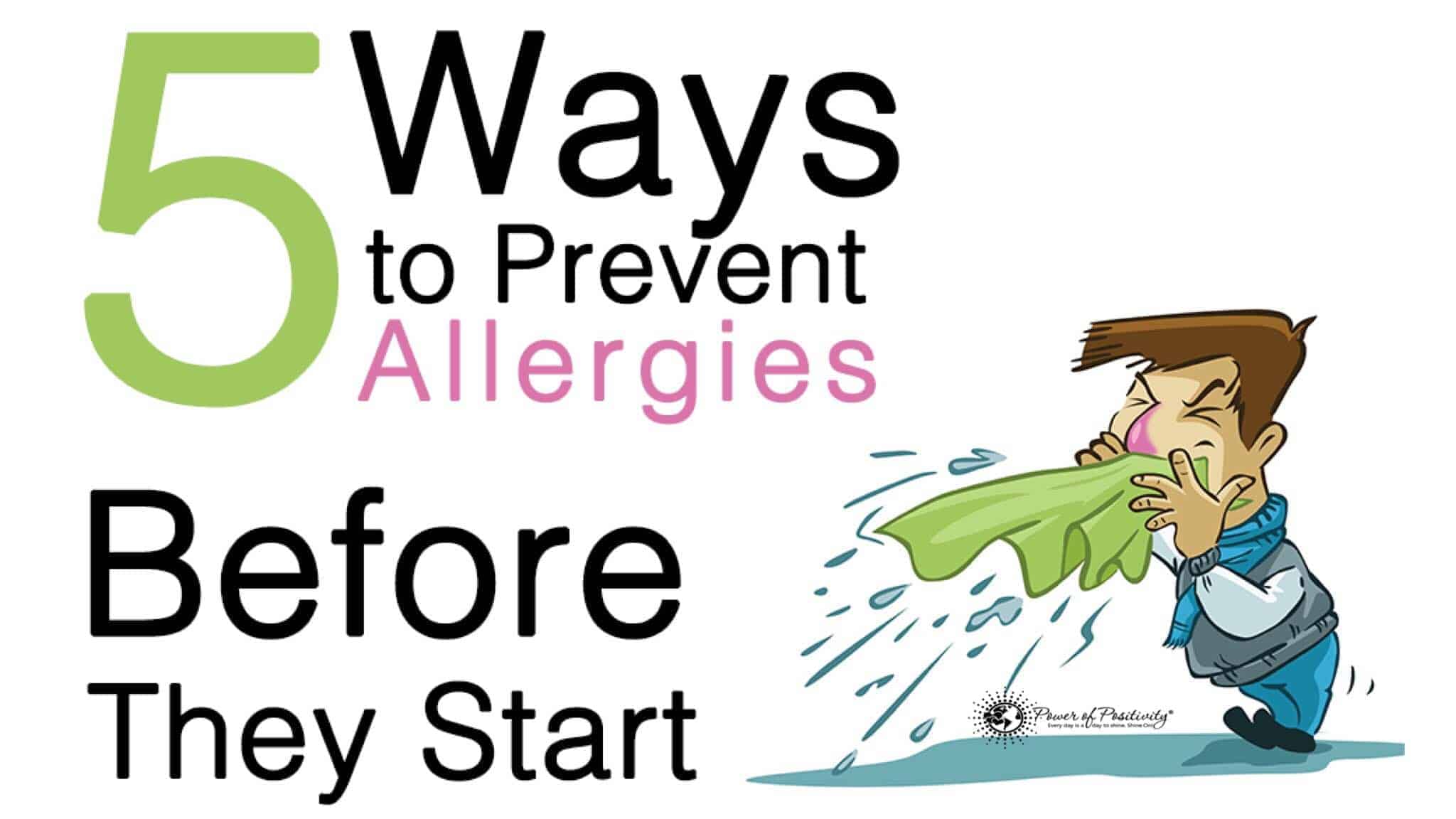
11 Easy Ways to Clear Allergies Naturally

Allergies affect millions of people around the world. While allergies are common and often seasonal, some people experience bothersome symptoms all year round and only wish they had clear allergies. Those that suffer allergic rhinitis, asthma, eczema, or food allergies might routinely receive medications to control the symptoms. However, drugs ranging from antihistamines to acetaminophen could also have side effects that impact a person’s general well-being.

Well, if you’ve been looking for ways to clear allergies naturally, here’s a great place to start. Instead of turning to medicines, here are some natural remedies to clear allergies.

Here Are 11 Easy Ways to Clear Allergies Naturally

“Talking about food allergies leads to educating people about what they have to do.” – Chef Amanda Freitag

1. Use a salt rinse solution daily.

If pollen causes your allergy, spritzing a salt rinse solution every day will help relieve the symptoms. In a clean container, mix three teaspoons of salt and one teaspoon of baking soda with eight ounces of sterilized water, which has been boiled and cooled. Spritz this on your nose before you start your morning. Some people use a Neti pot instead of a spritzer to gently inhale the salt rinse solution into their nostrils. A Neti pot can be bought at any drugstore and it’s deemed generally safe to help you clear allergies.

medicine for allergies

2. Use a dehumidifier.

If dust mites trigger your allergies, you’ll need a dehumidifier to keep these tiny critters at bay. Dust mites are invisible to the naked eye but they’re on your bedding, pillows, carpets, couch, and curtains, and they like a humid environment. Apart from a dehumidifier, you’ll need to clean and air out your bedrooms and bathrooms regularly to prevent dust mite growth. Wash your sheets with warm water to kill the allergy proteins and vacuum your carpets, curtains, and rugs at least once a month.

3. Eat fresh raw garlic to give your immune system a boost.

Garlic has antihistamine properties. If you eat chopped garlic mixed with a teaspoon or two of honey daily, you may see a decrease in allergic symptoms, as per a study. Honey, on the other hand, may help improve allergic rhinitis symptoms, according to another research (although some experts claim that its effects may be psychosomatic). Nevertheless, raw garlic would definitely taste better with honey, right?

4. Add stinging nettle leaf to your cup of tea or bowl of asparagus soup when hay fever season starts.

The use of stinging nettle (Urtica dioica) as medication for different ailments, including allergic rhinitis, dates to the medieval period.

5. Pop fish oil supplements.

Fish oil is rich in omega-3, which has anti-inflammatory properties, too. A study in the UK showed that pregnant women who took fish oil supplements for a month reduced their baby’s risk of developing food allergies in eggs as children. Some 22 percent of kids also lessened their risk of eczema development.

6. Cut down on cigarettes and avoid cigarette smoke.

As every doctor will tell you, second-hand smoke is still bad for non-smokers. In terms of allergies, it could cause watery eyes or a runny and stuffy nose. Avoid frequenting places where people smoke, such as bars and restaurants. If you’re the smoker, however, try quitting the habit now as smoke may not only aggravate asthma conditions, but also cause other health concerns.allergies

7. Protect your eyes by using sunglasses.

Pollen and other airborne irritants could blow into your eyes and cause watering and itching, so make it a habit to wear sunglasses with a protective contour when you’re outside. If possible, wear wide-brimmed hats as well, especially when the sun is high.

8. Switch to organic hair dyes and grooming or beauty products.

There are plenty of allergens in the everyday products you use. Additionally, common preservatives in dyes and beauty products could worsen your allergic symptoms. Basically, if the products have a strong fragrance, it’s usually an indication that it’s packed with chemicals. Ditch those products and switch to products that use organic ingredients.

9. Try acupuncture.

A series of acupuncture treatments effectively helped a group of people who previously took antihistamines for their allergies (in a clinical trial conducted in 2013). Study author Dr. Benno Brinkhaus recommended the ancient healing technique for allergy sufferers who are no longer satisfied with conventional medications, especially since acupuncture has few side effects.

10. Get your gut tested.

If you’re still suffering from allergic reactions despite the medications and natural remedies, perhaps getting a better picture of what’s really happening to your body will help. The health of your gut impacts 70 percent of your immune system. Most seasonal allergies happen when the gut isn’t fully functioning or it’s hypersensitive to triggers from the environment. A gut test will require a laboratory examination of your stool. After receiving the results, you can alter your diet and start making lifestyle changes to improve your gut’s health.

11. Lessen the stress in your life and embrace more positive influences.

Surprisingly, stress was reported as the cause of allergy flare-ups for 39 percent of 179 employees in an Ohio State University study. Positive thinking and pursuing positive inclinations in your life might not directly clear allergies, but it will impact your body’s immunities to fight health problems.

medicine for allergies

Final thoughts on beating allergies

Symptoms of allergies vary with each case but the most common signs include itchy or watery eyes, runny or stuffy nose, sneezing, sore throat, cough, fatigue, and hives. Consulting a doctor for mild allergic reactions is recommended but not necessary, especially if you can mitigate the problems with natural treatments at home.

Care, however, must be given to treating severe allergic reactions, as this can lead to anaphylaxis. If you experience trouble breathing, tightness in the chest, or have vomiting episodes, you’ll need to seek medical attention immediately.

(C)Power of Positivity, LLC. All rights reserved
References:
http://annals.org/aim/article-abstract/1583578/acupuncture-patients-seasonal-allergic-rhinitis-randomized-trial

5 Signs You Are Getting Pink Eye

“A lot of people think that pink eye is strictly an infection, like a bacterial infection, that they need antibiotics for, but the majority are caused by viruses.” – Dr. Michael Hanak

Pink eye, also known as conjunctivitis, is the bane in the life of people who wear contacts. It’s a pain to get rid of and can take a long time to clear up. Besides, even if you don’t wear contacts, you can still get it from someone, especially if they don’t know they’re infectious. Fortunately, pink eye is rarely serious, and it won’t damage your vision permanently, but it can make you hate your eyes for a while.

What is conjunctivitis, or pink eye? To explain it simply, it’s an inflammation of the thin tissue that covers your eyeball and helps your irises not get scratched by the rough surface inside your eyelids. That tissue is called the conjunctiva – hence the name conjunctivitis. Several things can cause it. Apart from the aforementioned contacts and contagion from other people, it’s also common for people who suffer from hay fever.

There are about three million cases of pink eye in the US every year – so here are some symptoms by which you can recognize the infection (and some tips on how not to make it worse).

Here Are 5 Signs You Are Getting Pink Eye

1. Crusty eyes

Have you ever had that feeling when you wake up that your eyes are welded shut and hard to open? Well, that’s not just because you don’t want to get out of bed on a Monday morning – pink eye can cause crusty and sticky eyes that are difficult to open. The inflammation of the thin tissue on your eyeball is barely detectable, but your body is trying to fight it off, so it produces extra mucus, which dries up around your eyes. As tempting as it is, don’t tug at the dry parts; you may pull an eyelash out or make the infection worse. Instead, either use antibacterial eye drops to make the mucus liquid and easy to wash away or use a clean, damp washcloth to gently brush it off.

2. Dry eyes

This is a symptom a lot of people – especially people who wear contact lenses – tend to ignore but it’s one of the first ways to catch pink eye before it gets annoying. It can also be caused by direct contact with sunlight, or by producing fewer tears than normal. If you find your eyes are dry even after you’ve taken your contacts off, that might be a symptom for pink eye. There are “fake tears” or various eye drops you can get from pharmacies that stave the symptom, but dry eyes can cause inflammation, so don’t ignore it when it happens.

3. Eye redness

The most classic symptom of pink eye is – you guessed it – pink eyes. Rather than pink, you’re looking for more of a redness on the white of your eyes. This is not because that part of your eye is hurt; it’s because the inflammation on the conjunctiva is making it irritated. That’s also the most common sign that your conjunctivitis is infectious and you should be mindful of not spreading it around. As much as you might want to, avoid touching your eyes because you may then transfer bacteria from your fingers to surfaces, and then into other people’s eyes. Don’t rub your infected eyes. Instead, soothe them by closing them or using eye drops.

4. Excessively watery eyes

This is one of the symptoms that’s hardest to ignore about pink eye – your eyes will leak constantly. That’s because your body is trying to wash the infection away and your tear glands are producing a lot more liquid than normal. Even if you feel that these tears should be hydrating your eyes, they won’t. Normally, your eyes would tear up if you do anything that puts strain on them, like read, stare at a screen, or watch TV. Therefore, try to avoid doing any of those things while recovering from pink eye. Give your eyes a little break. Like any other organ in your body, they deserve it.

5. Difficulty keeping your eyes open

eyes

This symptom is again very frustrating to have to deal with, especially if you have to keep working while you have pink eye. You’ll constantly look like you’re falling asleep in board meetings. That’s because an infection of the conjunctiva makes your eyes swell and increases the pressure on your eyelids, so you’ll feel like you constantly want to keep them closed, even if you’re not sleepy. This symptom often means that you’ve been straining your eyes too much. If you can, try to take at least a half-hour break and just keep your eyes closed (without falling asleep!) That will have a positive effect as it will lessen the pressure on your eyelids.

Final thoughts

Pink eye is one of the most annoying conditions to have to deal with, and no matter how much positive thinking you put into it, you can’t just ignore it. It’s not serious enough to warrant a sick day – most of the time – so you’ll have to be extra cautious not to pass the infection on to other. Avoid sharing towels or pillows while you think you have conjunctivitis. If you do wear contacts, leave them out for a day and switch to glasses until the infection goes away. And always wash your hands with soapy water before they make any contact with your eyes. Ideally, you want to touch your eyes as little as possible. The more you follow this advice, the quicker your pink eye will clear up!

https://youtu.be/klnkeaa3pZw

(C)Power of Positivity, LLC. All rights reserved
References:
http://health.facty.com/conditions/pinkeye/10-symptoms-pinkeye

https://www.webmd.com/eye-health/understanding-conjunctivitis-symptoms
https://www.nhs.uk/conditions/conjunctivitis/
https://www.rd.com/health/conditions/pink-eye-symptoms/

6 Proven Supplements To Improve Your Mood And Mental Health (That Most People Ignore)

How can you know whether or not you’re doing enough for your mental health? First, did you know that around 40 percent of Americans take some supplements and undergo some “alternative” treatment?

Harvard University researchers estimate that this percentage rises to about 50 percent among those diagnosed with a mental health condition. In other words, many of us need some boosts for our brain and mental health.

Additionally, more people take supplements, but more medical professionals attest to the benefits of doing so. You can easily find evidence to suggest that some nutrients even boost brainpower! In short, if you’re not using supplementation for brain benefits, you may want to reconsider.

Here are six supplements that improve your mood and mental health

(Note: Information provided in this article is intended for entertainment purposes only. If you have questions about any potential treatment, please consult with your healthcare provider.)

1 – Gingko Biloba

Gingko Biloba goes back some 270 million years. It is so old, in fact, that some people refer to it as a “living fossil.”

Yes, ginkgo could have been sprouting when the dinosaurs were roaming about! (Wonder if any T-Rex munched on a ginkgo tree … hmm …)

Brain Benefits: Researchers consider ginkgo an effective supplement for cognition. First, it boosts brain circulation (blood flow). Also, ginkgo contains excellent memory-boosting properties and fantastic brain protection benefits. In part, this is because of its high concentration of antioxidants. Europeans widely use ginkgo as a treatment for, or in preventing, dementia.

What researchers say: A study published in the Journal of the American Medical Association concluded the following:

“Safe and appears capable of stabilizing and, in a substantial number of cases, improving the cognitive performance and the social functioning of demented patients for 6 months to 1 year. Although modest, the changes induced by EGb were objectively measured by the ADAS-Cog and were of sufficient magnitude to be recognized by the caregivers…”

2 – Valerian root

Valerian is an herbal supplement extracted from the root of a pinkish flower species. There are thought to be over 400 variations of valerian extract. Its prevalence has led to its cultivation and processing across three continents: North America, Europe, and Asia.

Brain Benefits: Valerian root acts as a natural relaxer (sedative) on the brain and nervous system. For this reason, it treats anxiety, psychological stress, and sleep disturbances such as insomnia. Some believe it also acts on the brain’s GABA receptors, which help calm the nervous system.

What researchers say: In one study, researchers found that valerian does help inhibit GABA receptors

3 – Omega-3 fatty acids

Omega-3s are a type of fatty acid (along with omega-6 and omega-9) found in foods like avocados, olive oil, and salmon. Unlike most dietary fats, omega-3s contain remarkable health-promoting traits. Since the body cannot produce omega-3s, we must acquire them through our diet or via supplements. Many scientists recommend 2000 milligrams (mg) as the optimal daily intake of omega-3s for brain and mental health.

Brain Benefits: Omega-3 fatty acids may be the most potent health-promoting supplement in existence. Given that our brain contains nearly 60 percent fat, you’ll find it no surprise that omega-3s pack some profound mental health benefits as well. Physiologically, the acids in omega-3s (DHA and EPA) regulate inflammation. They also maintain nerve cell function and structure. Finally, they ensure proper communication between neurons. They are also very healthy for your heart.

What researchers say: One study points out that fat makes up about sixty percent of the human brain. They noted that deficiencies in fatty acids can lead to cognitive diseased and impaired brain health. They also note that it’s essential for parents to make sure that children, especially under six years of age, consume enough fatty acid-rich foods for healthy brain development.

omega 3

4 – Magnesium

Magnesium involves itself in more than 300 important biochemical reactions in the human body. Along with omega-3s, you should consider taking magnesium supplements every day, especially considering that over 80 percent of Americans do not consume enough of this nutrient.

Brain Benefits: Our bodies need magnesium for optimal functioning between nerve cells in the brain. Getting the recommended daily intake (RDI) of magnesium linnks to lower rates of anxiety and depression in some studies. Brain scans show that magnesium helps normalize brain areas thought to induce impulsive behavior.

What the researchers say: A study published in The Australian and New Zealand Journal of Psychiatry found that individuals who tested within the normal RDI for magnesium were far less likely to be diagnosed with anxiety and depression.

5 – Vitamin B-12

Vitamin B-12 is an amino acid that is critical for good health. As with nearly every other item on this list, many of us do not get enough. An estimated 50 percent of the population has a B-12 deficiency.

Brain Benefits: Vitamin B-12 is critical for the nervous system and brain health. B-12 acts as a building block of neurotransmitters that support mood stability, motivation, learning, and memory.

What the researchers say: Per a study published by the journal Neurology, “This study suggests that vitamin B(12) and folate may be involved in the development of AD (Alzheimer’s Disease).”

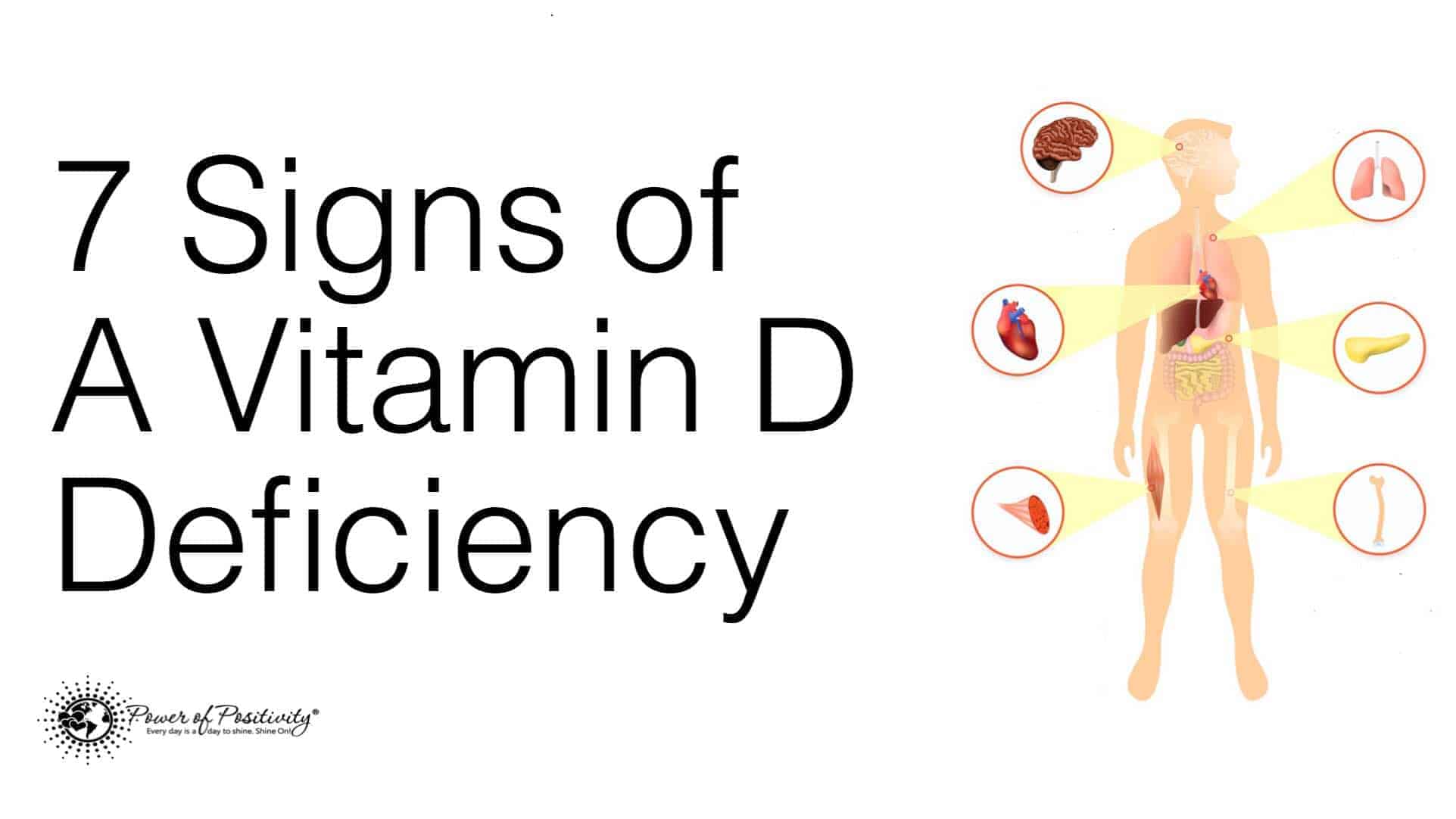
6 – Vitamin D

One doesn’t generally associate the “sunshine vitamin” with mental health. But despite popular belief, one can find vitamin D everywhere in the brain. As such, vitamin D influences how our grey matter functions.

Brain Benefits: As a disproportionately large number of vitamin-D receptors reside in the memory part of our brain (the hippocampus), the vitamin likely influences memory formation and retrieval. Vitamin D also resides in the fluid surrounding the brain and spinal cord. Additionally, this area of the brain helps in the growth of neurons.

vitamin d

What the researchers say: In a study undertaken at the University of Cambridge, neuroscientist Dr. David Llewellyn found that people who are low in vitamin D scored lower on some tests that evaluate mental ability. Dr. Llewelyn found that the lowest 25% of all test takers were more than twice as likely to be deficient in vitamin D.

7 Adult Behaviors of Someone Who Had Addicted Parents As a Child

Children of addicted parents do not forget the emotional, psychological, and spiritual pain inflicted upon them. Often, they carry it well into adulthood. These children are all-too-familiar with negative emotions. First, they feel helpless and alone. Also, sometimes they develop deep anger or depression. And, of course, fear is constant. Such emotions often solidify their pain and these feelings linger below the surface. Put simply, seeing one’s parents destroy themselves through addiction is traumatic. If a concerned third party does not intervene, many children of addicts never recover from the turbulent household environment they grew up in.

Behavioral scientists note that addicts believe their actions to be harmful only to themselvesif at all. The lens of substance abuse clouds their perception. In reality, addiction is officially recognized by these same experts as a family disease. It inevitably drags those who love and care for the addict down with them. Family members of addicts don’t need an expert to state what is plainly obvious to them: that the household of an addict is rife with abuse, dysfunction, and uncertainty.

Research shows that as the child of an addicted parent gets older, the lingering effects of past trauma will remain if no efforts at resolution or healing occur. This conclusion holds true across a wide range of demographics – including victims of child abuse, neglect, and isolation. Importantly, most children of addicted parents are unavoidably subjected to emotional abuse and neglect. This takes place due to having an addicted caretaker.

Seven Adult Behaviors of Someone Who Had Addicted Parents As A Child

“My father totaled the family car during a bender, stole the savings from my parents’ joint bank account, showed up at my mother’s office begging for money to buy drugs, and tried to pick us up at school without permission.” – Alana Levinson: Surviving the Secret of Childhood Trauma of a Parent’s Drug Addiction

1. Anxiety and depression

Fortunately, most of us will never face the persistent, debilitating anxiety that affects some adult children of addicts. A study published in the journal Nature cites the hormonal, cognitive, and social developments of childhood. This study suggests that, for children of addicts, physical changes to the brain likely increases the development of anxiety and depression. This negative physical effect often carries on into adulthood.

“One of the things that happens when you’re really young is that your brain makes associations … and a lot of these things are stored and processed in an unconscious way.” – Bruce D. Perry, child and adolescent psychiatrist, senior fellow at the ChildTrauma Academy

mental illness quote

2. Impulsiveness

In some ways, the child who witnessed the self-destructive behavior of an addicted parent is never allowed to grow up. While that may sound cliché, it is true. Indeed, adverse childhood experiences leave a deep impact on a child’s personality. Addicts are nothing if not impulsive. For example, they place their desire for a substance above everything – even the emotional well-being of their children. An adult child of an addict can mirror these behaviors.

3. Separation and withdrawal

Long-term exposure to emotional and psychological trauma leads to the tendency to separate and withdraw from one’s social circle. If not for the intervention of a concerned third party, children of addicts have no means of escaping their toxic home environment. When exposed to isolating experience for extended periods, fear may cause them to withdraw.

4. A sense of shakiness or instability

A well-documented behavior of complex post-traumatic stress disorder (C-PTSD), this condition afflicts many adults who had addicted parents. These general feelings of “shakiness and instability” are also the result of being exposed to a toxic and volatile environment. This sense of instability leads a child of an addicted parent to have fears. Such fears might include fear of having a nervous or emotional breakdown. Fortunately, the person usually doesn’t experience such a breakdown.

5. Catastrophizing

Catastrophizing is defined as “an irrational thought … in believing that something is far worse than it actually is.” Imagining the worst possible outcome marks this behavior. Psychologically, the tendency to catastrophize is likely a learned behavior or a symptom of clinical anxiety and depression. Children with addicted parents continuously live in an unstable environment. Sadly, they learn to fear the worst.

6. Fear of rejection

Children of parent-addicts rarely receive the love and healthy support they need to develop socially. They tend to develop abandonment issues, including the fear of rejection. These conditioned response develop from this lack of crucial love and support, which should be naturally and freely given by parents. This fear of rejection often evidences from an early age, such as in the child’s social interactions (or lack of them). If their social development remains stunted, these fears often manifest in future relationships. As an adult, they may fear intimacy or commitment.

 7. Substance abuse

Finally, children of addicted parents face the genuine risk of substance abuse. While addiction stems from both environmental and genetic reasons, a child’s upbringing can certainly play a part. Thousands of scientifically-validated studies demonstrate a link between genes and addiction. One leading study, published in the American Journal of Psychology, concludes that genetics are the determining factor in 50 to 60 percent of substance abuse cases.

Getting Help …

If you are a child of a parent-addict:

Call the NineLine Hotline (free and open 24/7): 1-800-999-9999

Or visit “Voice for the Children”: https://nacoa.org

If you are seeking help for substance abuse:

Call the SAMHSA Hotline (free, 24/7, in English and Spanish): 1-800-662-4257

Or visit the SAMHSA website: www.samhsa.gov

If you want to help:

Your First Step: https://yourfirststep.org (Multiple charities for volunteering or donating.)

Voice for the Children: https://nacoa.org

https://youtu.be/Swrvh0TowUw

(C)Power of Positivity, LLC. All rights reserved
Sources:
https://nacoa.org
http://www.samhsa.gov

Home


https://www.addictionsandrecovery.org/is-addiction-a-disease.htm
https://www.goodtherapy.org/learn-about-therapy/issues/abandonment
https://www.nature.com/articles/npp2012133
https://psmag.com/social-justice/surviving-secret-childhood-trauma-parents-drug-addiction-94354
https://www.ptsd.va.gov/public/family/ptsd-children-adolescents.asp

Skip to content