Weekly tips, affirmations, and small actions to feel your best.

5 Signs You Have a Magnesium Deficiency

Magnesium is a mineral that supports muscle and nerve function and energy levels. If your magnesium levels drop too low, you’re at risk for heart disease, Type 2 diabetes, and osteoporosis. It’s easy to overlook the early symptoms of low magnesium. But it’s worth paying attention if you notice any of these five signs because they could indicate a magnesium deficiency.

Magnesium is the fourth most abundant mineral in your body. It activates approximately 600 enzymes and affects your body’s calcium levels. Without it, your body couldn’t maintain cellular functions that combine DNA and RNA, and maintain your antioxidant levels in your cells. Additionally, it helps your body metabolize energy. Magnesium is in your bones, teeth, and cells.

Five signs you might have a magnesium deficiency

Magnesium deficiency is difficult to diagnose because many of these types of deficiency symptoms mimic other health problems. Here are the most common signs of a magnesium deficiency.
magnesium deficiency

1 – Magnesium deficiency may cause a loss of your appetite

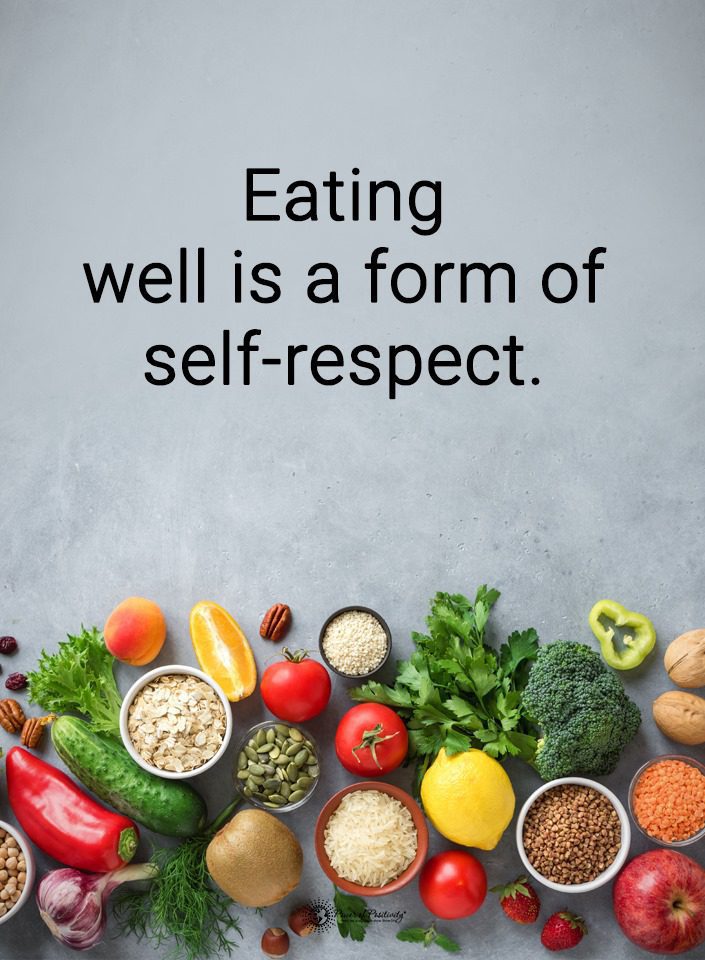
Loss of appetite is often the first symptom of low magnesium. Along with your lack of hunger, you may lose weight without trying. Food doesn’t appeal to you. Low appetite also causes you not to eat enough magnesium-rich foods. Here are twenty foods high in magnesium that, when added to your daily diet, can help your magnesium levels go up.

Pumpkin seeds Almonds
Cashews Peanuts
Shredded wheat Black beans
Edamame Peanut butter
Baked potato Brown rice
Kidney beans Oatmeal
Salmon Banana
Halibut Milk
Avocado Raisins
Chicken breast Broccoli

So if you recently lost your appetite, load up on some of these foods. You might see if your appetite improves and you feel better.

2 – Muscle spasms may come with a magnesium deficiency

If you work out, you may feel occasional muscle aches and spasms. But if the muscle cramps continue, it could signal you’re low in magnesium. This mineral helps your muscles relax and contract properly. As you age, this cramping is common. Some people have tried magnesium supplements to eliminate muscle cramps and twitches. Magnesium deficiency also causes low calcium, contributing to muscle spasms and cramps.

3 – Irregular heartbeat and high blood pressure

Irregular heartbeat and high blood pressure are two common signs of low magnesium. Low magnesium causes you to be at risk for developing heart disease. This mineral is critical for your heart’s rhythm because it helps move the electrolytes, calcium, and potassium to your cells. Electrolytes help the function of your nerves and muscle contractions for a normal heartbeat. Magnesium offsets calcium in your heart muscle so it can relax instead of contracting too much.

4 – Nausea and vomiting

If you’re nauseous, you may assume you have a stomach bug. If your nausea persists, it could signify that you’re low in magnesium. Keep an eye on how long your sickness lasts, especially if you have vomiting with it. Vomiting can lead to dehydration. This adds to your loss of magnesium since vomiting throws off your electrolytes. Be sure to contact your healthcare provider if your symptoms last more than a week. They can do blood tests to identify low magnesium or other conditions.

5 – Magnesium deficiency can cause fatigue

Fatigue hits everyone once in a while. If you’ve had a busy season of life, you may not pay much attention to your fatigue. It’s easy to assume you’ll feel better once life slows down. But if your fatigue continues for several weeks, it could signify a magnesium deficiency. Don’t ignore fatigue. It’s a sign of low magnesium and also other health problems. Be sure to tell your healthcare provider about what you’re observing, so they can run blood tests to see what’s happening.

What are some other symptoms of a magnesium deficiency?

Although these five symptoms are often the first ones you may notice, you may have different symptoms. Never ignore these symptoms or talk yourself out of getting medical help. These symptoms will progress and can lead to more severe health problems. Other symptoms of low magnesium include these:

  • Seizures
  • changes in personality
  • Irregular heartbeat
  • Osteoporosis
  • High blood pressure
  • Tremors
  • Poor coordination

What causes magnesium deficiency?

Low magnesium can be a severe condition. It can be a result of several things, such as the following:

  • Poor diet: If you’re not eating whole grains and other natural foods high in magnesium, you can develop a deficiency.
  • Alcoholism: Drinking too much alcohol depletes your body of magnesium.
  • Diarrhea: If you’re prone to diarrhea, watch for signs of magnesium deficiency. Magnesium is one mineral that affects your electrolytes that keep your body hydrated. There are unique waters that contain magnesium that can help boost your electrolytes and increase the magnesium in your body.
  • Certain medication: Some medications reduce this mineral from your body. For example, diuretics undermine your magnesium levels.

magnesium deficiency

Who is most at risk for magnesium deficiency?

Specific individuals are at risk for magnesium deficiency. This is usually because they don’t consume enough magnesium-rich foods, have a medical condition, or take medication that prevents magnesium absorption.

  • People with digestive illnesses-Digestive diseases like Chrohn’s disease, irritable bowel disease, and celiac disease can lead to low magnesium.
  • People with Type 2 diabetes-Individuals who are insulin resistant or have type 2 diabetes have low magnesium due to increased urinary excretion. They also have more glucose in their kidneys because of increased urine.
  • Older adults-Once you reach a certain age, you’re more prone to magnesium deficiency. This is because older adults eat fewer magnesium-rich foods. Plus, older adults often take medication that interferes with magnesium absorption.

How much magnesium do you need per day?

Depending upon your age, gender, whether you’re pregnant or nursing, the daily requirements for magnesium change. Here is a list of magnesium requirements.

Age Male Female Pregnancy Lactation
birth to 6 months 30mg 30mg
7 to 12 months 75mg 75mg
1-3 years 80mg 80mg
4-8 years 130mg 130mg
9-13 years 240mg 240mg
14-18 years 410mg 360mg 400mg 360mg
19-30 years 400mg 310mg 350mg 310mg
31-50 years 420mg 320mg 360mg 320mg
51+years 420mg 320mg

What is the best treatment for low magnesium?

If your health care provider determines you’re low in magnesium, they may prescribe oral magnesium supplements. You’ll get an intravenous magnesium infusion for quick absorption when you’re extremely low in this mineral. You may also need an intravenous potassium infusion since low magnesium and potassium go hand in hand. Low magnesium is common for individuals staying in the hospital.

Supplementation

Magnesium supplements include magnesium citrate, magnesium glycinate, magnesium threonate, magnesium threonine, or magnesium malate.

You may have side effects such as diarrhea from taking oral magnesium supplements. Magnesium oil rubbed into your skin helps you avoid these side effects. In fact,  studies found that when you apply magnesium to the skin, it is absorbed through your sweat glands. Ask your doctor if it’s possible to get a prescription for topical magnesium rather than oral supplements to avoid side effects.

Also, be sure to discuss these supplements with a pharmacist or doctor before you start taking them.

Over-the-counter magnesium drugs

Over-the-counter medications such as Epsom salts can boost your magnesium levels. Be careful to follow the guidelines on the package since taking too much can lead to complications.

Another over-the-counter drug to discuss with your doctor is Phillips Milk of Magnesia. It’s a magnesium-based laxative that provides 500 mg magnesium per tablespoon. This is a high dose of magnesium, but your body won’t absorb all the minerals because it’s a laxative. Also, other over-the-counter medications for heartburn or upset stomach have some magnesium.

So be aware of getting too high of a dose of magnesium from these medications. They can cause side effects such as stomach cramps, diarrhea, or nausea.
magnesium deficiency

Final thoughts on overcoming a magnesium deficiency

Low magnesium is difficult to diagnose because many symptoms mimic other health problems. Because this deficiency isn’t easy to spot, it’s important to note these five signs. So if you’re experiencing fatigue, loss of appetite, muscle spasms, irregular heartbeat, or nausea, be sure to talk with your healthcare provider. Resist the urge to explain away your symptoms and assume everything is okay. No one else will watch over your health, so be proactive in discovering why you have these symptoms.


(C)Power of Positivity, LLC. All rights reserved

Why Sensitive People Are Natural Leaders

When you think about a leader, you may think of something that’s charismatic, headstrong, courageous, and probably intimidating. However, a high level of sensitivity can make a person an even more effective leader, according to psychologist Sherrie Campbell. Sensitive people just see the world through a different lens and feel every emotion much more deeply than their counterparts. They possess a certain level of empathy as well, and can sense when someone else is hurting.

Sensitive people make wonderful friends for these reasons, but what makes them natural-born leaders, as well?

Sensitive people listen to others without interrupting.

highly sensitive people

“Most people do not listen with the intent to understand; they listen with the intent to reply.” –Stephen R. Covey

If you think back on your former bosses, you probably remember most of them talking more than they listened. Talking is very common in today’s world, but actually listening to the other person’s perspective has become a dying art, unfortunately. However, sensitive people have a knack for listening to another person without having to interject or get the upper hand in the conversation.

Research also shows that employees feel happier and more fulfilled with their jobs when they have kind, sensitive, and empathetic bosses.

Many bosses today only think of what’s best for themselves and their brand but don’t regard their employees similarly. Sensitive people make better leaders because they put their egos aside and care deeply about how others feel. They want others to express their feelings because they know transparency makes for happier people, and, therefore a thriving business or organization as well.

 Sensitive people take others’ feelings and opinions into consideration.

Unfortunately, many bosses today take their powerful position to the head, which further inflates their ego and causes a lot of dissatisfaction and tension in the workplace. Many people who hold high-level positions possess a great deal of insecurity, because they place their value only in how much money they can make, not in how they treat others.

Sensitive people care about how others feel and would never dream of deciding without getting feedback from their employees. They truly understand and live by the saying “There’s no I in team,” and know that to lead others, you must get on their side. You must consider all parts of the whole, not just your own piece of the pie. Sensitive people are well-aware of this, and execute this ideology in their everyday lives.

The introspection and high self-awareness among sensitive people helps them understand others better.

Sensitive people spend a lot of time trying to understand themselves. As a result, they can understand the inner workings of others much better. Because they know themselves so well, they have a high level of confidence, which makes working with them much more painless and enjoyable than working for an insecure, egotistical boss.

Sensitive people know that their gift does not make them weak or a doormat but makes them stronger and more cooperative. They know dictatorial leadership only results in unhappy, fearful, and apathetic employees. They want people to feel comfortable opening up to them and sharing their thoughts and opinions. Even though they might hold a higher position, they see everyone on an equal playing field, including themselves.

Sensitivity plays a huge role in their mindset and attitude about leadership because without their knowledge and understanding of their own strengths and weaknesses, they wouldn’t have any clue what others can do well and what they need to work on.

Highly sensitive people know they must first master themselves if they want to lead others successfully, so they have done extensive self-development to achieve this. Self-aware people make better leaders because they can keep their feelings in check and control their emotions before they get out of hand.

They don’t take their frustrations out on others; rather, they take note of how they feel and deal with the feelings in a calm manner. They don’t want their own storms to affect someone else’s day or performance at work, so they consciously try to transmute those feelings into a passion for what they do.

sensitive

Final thoughts on sensitive people and leadership

Sensitive people are a wonderful treasure in our world, and when they become leaders, they have the ability to create an immense amount of positive change. They see others not as a problem to solve or an obstacle in their way but as human beings who just want others to understand them. We must attempt to see the perspectives of others so that our world includes the feelings of everyone, not just ourselves.

Great leaders know that respect, the ability and willingness to listen, and compassion for others create a positive environment and strive to achieve this in everything they do.

50 Psychology Facts Everyone Needs To Know

The power of positivity is real, and the discussion around related psychology facts is here to stay. There seems to be a big shift happening in the world that has people looking for ways to make their life happier and more meaningful.

It’s because of this shift that more and more research dollars are going into studies that show the impact of the power of our mind and the choices we make have on changing our lives for the better.

Here are 50 psychology facts everyone should know, and some of them might surprise you.

power of positivity quotes

  1. Research has found that good relationships are more important to a long life than exercise.
  2. Your brain does more creative work when you’re tired.
  3. Falling in love has a similar neurological effect as getting high on cocaine.
  4. Optimistic beliefs about the future can protect people from physical and mental illness.
  5. Holding hands with someone you love can alleviate physical pain, stress, and fear.
  6. Volunteers are significantly more satisfied with their lives than non-volunteers.
  7. The risk of catching a cold or the flu and having a particularly severe infection drop if you exercise moderately.
  8. The placebo effect is getting more powerful over time. As medical technology improves, our faith in medicine becomes stronger.
  9. People who view TV crime shows consistently overestimate the frequency of crime in the real world.
  10. People with low self-esteem tend to “try” and humiliate others.
  11. Seeing others positively reveals our positive traits, seeing others negatively reveals our negative traits.
  12. Opposites don’t attract. You’re more likely to be attracted to someone who looks and thinks the same as you.
  13. Memories get distorted over time. The average human has at least one false piece of memory.
  14. Around 80% of humans talk in groups, is complaining.
  15. We seem to ignore the ones who adore us & pay more attention to those who ignore us.
  16. Depression is the result of overthinking. The mind creates problems that didn’t even exist.
  17. Being with happy people makes you happier.
  18. Convincing yourself, you slept well tricks your brain into thinking it did.
  19. Smart people underestimate themselves, and ignorant people think they’re brilliant.
  20. When you remember a past event, you remember the last time you remembered it.
  21. You can’t multitask
  22. You want more choices and information than you can process
  23. The ability to delay gratification or not starts young
  24. Your unconscious knows first
  25. You are hard-wired for imitation and empathy
  26. Our “strong tie” group size is 150 people
  27. Bite-sized chunks of info are best
  28. People assume it’s you, not the situation
  29. Even the illusion of progress is motivating
  30. Your mind wanders 30% of the time
  31. Your most vivid memories are wrong
  32. The more uncertain you are, the more you dig in and defend your ideas
  33. Your mind “rewrites” monotonous speech of boring people to make it sound more interesting.
  34. Your favorite song is probably your favorite because you associate it with an emotional event in your life.
  35. The type of music, you listen to affects the way you perceive the world.
  36. Romantic love is biochemically indistinguishable from having a severe obsessive-compulsive disorder.
  37. Phobias may be memories passed down through generations in DNA, according to a new research.
  38. Researchers are debating on adding Internet addiction to the list of mental disorders.
  39. The brain treats rejection like physical pain.
  40. 68% of the people suffer from Phantom Vibration Syndrome, the feeling that one’s phone is vibrating when it’s not.
  41. The average high school kid today has the same level of anxiety as the average psychiatric patient in the early 1950’s.
  42. Religious practices, like prayer and attending services, lower your levels of psychological distress.
  43. No one born blind has ever developed schizophrenia.
  44. Your decisions are more rational when thought in another language.
  45. Human behavioral studies suggest that a person who loses their cell phone experiences a panic similar to a near-death experience.
  46. A hug longer than twenty seconds will release chemicals into your body that make you trust the person you’re hugging.
  47. People are more honest when physically tired. This is why people confess things during late-night conversations.
  48. Chocolate discharges the same chemical into your body produced when you start falling in love.
  49. Happiness, anger, sadness, fear, disgust, and surprise are six universally expressed emotions.
  50. People tend to be happier when they stay busy, as this prevents them from thinking about the negative things in life.

The important thing to remember when reading a list like this is to pay attention to how you feel. If you let it, your inner guide will keep you moving toward a happier life.

Did you learn anything new? Which psychology fact surprised you the most?

Sources: Psychology Today, Wired, Science Daily, New York Times, Forbes

Why Crying A Lot Means You’re Mentally Tough

We need never be ashamed of our tears. – Charles Dickens

Did you know crying is actually good for you? According to neuroscientist and tear researcher Dr. William H. Frey II, PhD, “crying is not only a human response to sorrow and frustration, it’s a healthy one. Crying is a natural way to reduce emotional stress that, left unchecked, has negative physical effects on the body, including increasing the risk of cardiovascular disease and other stress-related disorders.”

Research shows that 85 percent of women and 73 percent of men feel less angry and sad after crying than they did before. Many people feel that crying makes them weak and unable to cope with their lives and emotions, when in reality, crying represents the exact opposite!

Here are 5 reasons why crying a lot means you’re mentally tough:

crying-quote

1. You meet your emotions head on.

When you release negative emotions that don’t serve your best interest, this means that you don’t run from your feelings. You stare them right in the eyes and invite them in, allowing them to totally take you over. After you feel them and let them run their course, however, you let them go and don’t dwell on them for too long. Crying does not mean you have no capability of handling life; it means you have even MORE ability to deal with anything that comes your way, because you don’t try to escape. You stand strong and show up for the moment, no matter what it may bring.

If you must cry, you know that your body needs to flush out excess energy, or replenish itself after a stressful event. And you embrace this fact without feeling ashamed or apologetic about it.

pop quote

2. You don’t care what others think about you.

Crying is the ultimate display of vulnerability; it takes a lot of guts to show that side of yourself to others, and not care what they might think. We live in a far too structured world, where we are almost discouraged from showing emotions because it will disrupt the workday, make us less productive, or some other absurd reason.

Crying means you have overcome these societal norms and realized that showing emotions makes you human. Without feeling emotions, we would simply be machines, cogs in the wheel, robots performing our duties in an orderly, mundane, calculated fashion. However, our ability to cry means we are much more than machines, and you have realized this. Crying a lot means you have broken out of the prison of what others think, and have risen above the confines of social norms. You know crying is a big part of being a balanced, emotionally healthy person.

3. You know that crying helps you release pent up feelings.crying

Suppressing emotions only leads to big blowouts in the end, where you release everything you’ve felt for months all in one setting. Usually, this means either an emotional breakdown, or a big fight with someone else because you had to take out all that frustration on somebody. Neither of these situations are ideal, and can cause a lot of emotional damage in the long run. Crying regularly helps you keep your nervous system in check, and also helps you get out any stale emotions that don’t belong in your emotional body any longer.

4. You know that crying makes you healthier overall.

Crying offers many benefits beyond just emotional ones; it actually releases feel-good hormones by lowering manganese levels, which can cause extreme anxiety and stress if too much builds up in your system. Crying also helps lubricate your eyes and prevent dehydration; without tears, we wouldn’t even be able to see properly! Finally, crying kills bacteria and remove other harmful toxins from the body. Without tears, we would have much poorer health, not to mention, drive ourselves crazy from our suppressed emotions!

unhealthy food choices

5. You help others feel more comfortable expressing themselves.

It takes a mentally strong person to help others free themselves from the fear of what others think. By crying and showing your vulnerable side to people, you not only liberate yourself, but help others feel more comfortable doing the same. Many people lock their emotions away, fearing what others may say or thinking that showing themselves in the purest form will scare people off or be deemed inappropriate. However, by you not inhibiting your emotions and crying in front of others when you need to, you automatically contribute to a much more authentic, free, and healthy society.

10 Ways To Make Life Exciting Again

How do we go about getting excited about life again? It seems like it should be an easy question to answer, but the reality is it can be a challenge.

Before we can tackle getting excited again, we must understand where our energy is drained. Everything not in alignment with our highest truth drains our energy, makes us irritable, and wears us down. I bet if you thought about it, you could start a pretty significant list of stuff that annoys you and yet needs to get done. This is the stuff that sucks the excitement out of our lives. Getting excited about life is about how you approach “the stuff.”

Here are ten ways to make life exciting again:

life

1. Claim your joy.

When life seems a little boring, realize it’s because of us, not because of a task, our job, or the lack of nightlife. We have the ability to create joy and excitement in everything we do, and it starts with our thoughts about the situation. It is not so much about trying to fix the situation or ourselves as it is about learning new things, finding the good, and focusing our energies on activities that have personal meaning.

2. Free your mind of the negative things in your life.

We need to take the time to look after our emotional well-being by putting time aside every week for a yoga class or a little meditation. The relaxing breathing strategies will help eliminate stress and reduce anxiety. We will feel better and will look at things differently.

3. Make little, positive life changes.

When we make small changes to our daily routine, it brings back excitement. Take a new exercise class, read a book, or doodle – these can get you out of a rut and ignite your creative self. You will soon realize that starting and doing something new can give you the confidence to continue creating.

4. Reframe negative thinking.

Negative thinking is common, but how we handle the thoughts will either drain our excitement for life or build on it. We can’t stay amid negativity and hope to be our best selves. Understanding our negative thoughts and reframing them into thoughts that better serve us keeps us from getting stuck.

5. Practice optimism.

An optimist is more excited about everything, not just life! If you’re not an optimistic individual, don’t worry – optimism may be learned. And it’s not whether the glass is half full or half empty, it’s knowing you can fill it up.

Teach yourself to see another side, even with the small setbacks, little adversities, frustrations, disappointments, and letdowns in daily experiences. Look for the lessons and trust things will work out. When you do, it’s easy to get excited about the possibility.

6. Eliminate wasted time from your life.

When we look at our day, we’ll probably notice a lot of time wasted on non-value-added activities like Candy Crush, Facebook, or mindless television. Wasted time is energy draining; as mentioned earlier, it’s hard to get excited when your energy is drained. When you know deep that you need to do something, you will find the time and the energy. But beware because time fillers have a way of creeping in.

7. Stop caring what other people think.

One of the major reasons we don’t follow through with our desires is that we care a lot about what other people think about us. As a result, we get discouraged and don’t pursue things that might fill us with joy. We should focus on finding the courage to do things that make us happy regardless of what others think. We owe ourselves to be who we are, not what others want us to be.

8. Do not let fear control you.

Life is unpredictable, and we can embrace our fears or let them hold us back. Fear is at the heart of many of the feelings we have that make us uneasy. If we aren’t feeling apprehensive or scared, we aren’t trying hard enough. And it’s hard to get excited when we’re just doing what we need to get by.

9. Spoil yourself.

Everyone should be finding ways to bring a little indulgence into their life. Go out with friends, massage in the middle of the day, see a movie all by yourself, or curl up on the sofa and read a book. When we spoil ourselves it breaks up our daily routine and adds an element of excitement and pleasure.

10. Say yes to interesting life events more regularly…

And NO when you need to. Understand where you are – if something feels right, then do it. And when something feels wrong, don’t. When we stop answering the way someone else expects us to, we claim our power and are true to ourselves. It’s living in our truth that brings excitement back to our life.

Final Thoughts on Living a More Fulfilling Life

The adage tells you how you’ve only one life–and that is more than just a saying. It’s the truth! Enjoy every moment by making these changes that will help you find the drive to make the most of your time in this amazing Universe.

10 Ways to Open Your Third Eye

Can it be that ancient civilizations knew what they were talking about with the mention of “the third eye?” If so, then they were talking about the pineal gland.

The pineal gland, also known as the “third eye” is a pea-sized endocrine gland located near the center of the brain where the two hemispheres of the brain come together.

The pineal gland is comprised of rods and cones just like the eye and is directly wired to the visual cortex in the brain. A fascinating design since the pineal gland is denied direct access to light due to its location.

The pineal gland is best known for the production of melatonin. Melatonin regulates the body’s circadian timing and allows us to adapt to seasonal changes and a significant change in time zones. Melatonin is also responsible for our sleep patterns including the quality of the sleep we get.

It also plays a role in other bodily functions by working with the hypothalamus gland that controls thirst, hunger, sexual desire, our sense of direction and the biological clock.

What makes the connection of ancient civilizations reference to the “third eye” interesting is that throughout history the pineal gland has been referenced to as the intuition organ. While not scientifically proven, it is thought to be the connection between the body and spirit and provides a direct line to our inner wisdom.

Pineal Gland Calcification

Pineal gland calcification can begin at a very young age. The buildup of calcium phosphate crystals eventually hardens which causes the pineal gland to lose much of its functionality.

There is a great deal of speculation as to how calcification buildup occurs in the pineal gland with the most common claim being excess fluoride that is found in tap water and toothpaste.

The National Research Council of the National Academies of Science states that “fluoride is likely to cause decreased melatonin production and to have other effects on normal pineal function, which in turn could contribute to a variety of effects in humans.”

There may be other causes that contribute to the calcification of the gland. Food additives, artificial sweeteners, and even cell phones have been thrown around as possible culprits. This is all theory, however, as significant studies have not been able to substantiate the claims.

Decalcifying the pineal gland is important to keep the the third eye working optimally, which, of course, is important for restorative sleep, productive awake hours and weight control. Not to mention that since it is thought to play a role in spirituality, a decalcified pineal gland can help make the voice of intuition clearer and contribute to feelings of happiness.

Here are 10 ways to open your third eye by decalcifying your pineal gland:

1. Avoid Flouridated Tap Water

Since fluoride is a known common cause of calcification, avoiding tap water that has fluoride added is a great place to start.

2. Change your Toothpaste

Another common source of fluoride that we can eliminate is in our toothpaste. Most commercial brands of toothpaste contain fluoride, but there are natural options without this element.

3. Reduce Meat Intake

Heavy meats, like beef, are high in acid, and contribute to an imbalance in our bodies pH levels which can foster calcification of the gland. Reducing your meat intake can help maintain a healthy pH balance and help in the decalcification process.

4. Shed The Sunglasses

Sunglasses block the ultraviolet rays that travel through the eyes to the pineal gland. Only 3-5 minutes of exposure to the sun’s rays daily are needed to be beneficial.

5. Eat More Plant-Based Meals

Besides being good for our overall health, a plant-rich diet of alkaline foods feeds the pineal gland.

6. Avoid Mercury

Since mercury is toxic, it seems obvious we should avoid it. However, dental work such as fillings can often contain this substance. Many dentists today use mercury-free fillings, and you may want to consider replacing old dental work for the safer option.

7. Use Natural Lighting

Since the pineal gland is light sensitive, you want to create an environment that mimics natural light whenever possible. This includes when you sleep, which you can achieve by making the room as dark as possible.

8. Take Supplements

Melatonin, apple cider vinegar and chlorophyll-rich supplements like blue-green algae will all help in the boosting of pineal gland function and aid in its decalcification.

9. Try Essential Oils

Lavender, oregano, sandalwood, and frankincense essential oils may be helpful in the decalcification process. Add to a warm bath, dilute with oil for a massage or use in a diffuser to help stimulate the gland.

10. Meditate

Meditation may help decalcify the pineal gland by stimulating the gland through vibrations that occur in our breath.

Many of the things that can help decalcify the pineal gland are also good for our health. A fully functioning pineal gland is important for many things, the most important of which is sleep. That alone is worth paying attention to keeping this gland healthy.


10 Skin Care Tips You Need To Know About

Do you love the skin you’re in? 

The simple truth is that everyone loves healthy, clear skin, and we wish we could maintain our youthful appearance forever. As we age, unfortunately, our skin ages too, and in a beauty-obsessed society, that can make us feel less than who we are.

Obviously we can’t stop the aging process, but we can do things to slow it down at least where our beauty routine is involved.

Here are ten tips for having more radiant, healthy skin:

1. Get your vitamins.

The most important thing for maintaining your glowing skin is feeling good. A healthy body leads to healthy skin and a healthy mind.

Vitamin C, Vitamin D, Vitamin E, and Vitamin K are probably the most important vitamins we can take to promote healthy skin. The best way to get vitamins is naturally through your diet (and sunlight in the case of vitamin D). Simple tricks to getting more vitamins are to spike your water with lemons or limes, make spinach and berry smoothies, and eat plenty of fruits and vegetables.

While vitamin D is absorbed into the body by spending time in the sun, there is a fine balance between using sunscreen to prevent sunburn and going without it to get your vitamin D. Going out earlier in the day is recommended because the sun’s rays aren’t as strong. Regardless, too much sun can cause premature aging, so be cautious.

vitamin d deficiency

2. Nourish regularly.

It’s important to nourish your skin just as you nourish your body. Read the labels of your facial care products and try to buy products with more natural ingredients. Many commercial products are primarily water that evaporates before your skin has a chance to absorb it. Seek out natural butters and oils. They make good cleansers and properly moisturize your skin.

3. Cleanse properly.

Your skin cleansing routine is very important in order to maintain its health. However, most of society over-cleanses their skin. It’s true you should do a deep cleanse after a day of wearing makeup and other products, but there is usually no need for a deep cleanse in the morning. Just a light wipe down is usually all that’s needed. The more you cleanse, the more you strip your skin of its natural oils, robbing it of its barriers to dirt and grime.

 4. Hydrate often.

Hydration is very important for the skin, and our best source of hydration is water.  The liquid that comes from energy drinks, soda, and even coffee can be dehydrating to the skin. Stay away and drink water instead. The recommended amount of water for proper hydration is half one’s weight in grams. You may even require more on hot days or long workouts.

5. Get good sleep.

Sleep is vitally important to our overall well-being. It is recommended that we get between seven and eight hours of sleep a night. It’s how our body recovers from the stress we put on it. Our skin is an organ, and our organs require the ability to heal and regenerate, which happens when we sleep.

6. Exfoliate occasionally.

Slowly exfoliate your face and body about 1 – 2 times every week to wash away built-up dead skin cells, dirt, and oil. Gentle motion is key, because exfoliating too roughly could damage delicate skin. You can even create your natural personal exfoliant by making use of sea salt, sugar, coffee grounds, cinnamon, oatmeal or raw honey.

7. Tone daily.

Toners help the skin absorb moisture, tighten skin pores and eliminate any last traces of makeup or other toxins. Choose your toner wisely, using ones made of natural ingredients. Be wary of alcohol-based toners as they can be drying to your skin.  There are many natural toners you could create at home utilizing items straight from the kitchen, such as rosewater, lemon, salt, vinegar, and honey.

8. Chill out.

As calming as a hot shower can be, too much hot water can dry the skin. The hotter the water, the more damaging to you skin. Try turning down the temperature a bit and make sure to properly moisturize while your skin is still damp.

9. Keep moving.

Whether it is yoga, dancing or jogging, scheduling a daily activity that gets the heart pumping will assist you in slowing the aging process and boosting blood circulation to the skin. So get up and get moving!

10. Change with the seasons.

Our environment is the biggest cause of stress on our bodies, and as the climate changes, our skin’s needs also change. Understand how the weather, the sun, humidity levels, and pollution levels change in your area and adjust our skincare accordingly. Dry, cold locales may require heavier butters while humid, hot areas will require something lighter. When applying natural butters and oils, the skin will absorb what it needs and leave the rest on the surface.

Observing how your skin responds to your routine is a good indication of when you should consider changing things up.

10 Things to Avoid Telling Someone With Anxiety

Anxiety is one of the most common conditions among people. In the United States alone, studies estimate that the number of people suffering from an anxiety condition is around 40 million. This number is likely to be higher, as it only includes the individuals that have been diagnosed by a medical professional.

To be clear, occasional anxiety is a normal state of mind. We all feel anxious when going on a first date, studying for an exam or going on a job interview, for example. However, chronic (long-term) anxiety can interfere with routine, day-to-day activities.

The Mayo Clinic uses the following symptom checklist to discover and diagnose Generalized Anxiety Disorder (GAD), one of the most common types of anxiety:

  • Persistent worrying or obsession about small or large concerns.
  • Inability to set aside or let go of worry
  • Inability to relax, restlessness, or the feeling on edge.
  • Difficulty concentrating or feeling the mind “going blank”.
  • Distress about making decisions for the fear of making the wrong decision.
  • Carrying every option in a situation all the way out to its possible negative conclusion.
  • Difficulty handling uncertainly or indecisiveness.

What shouldn’t I do to deal with anxiety?

anxiety

When we or someone we love is affected by chronic anxiety, it can be a difficult time. Of course, we’ll feel at times that there is no control over the situation. However, while there are elements of the condition that can cause us to feel this way, there are things that we can do – and, just as importantly, not do – to help our loved ones.

It’s important to understand that people don’t feel that they can control their anxiety. Indeed, chronic anxiety is a chemical imbalance in the brain; as such, there are pathways that are set within the brain that make it difficult to alleviate their own symptoms – although it is possible.

When someone you know is affected by chronic anxiety, there is often a sense of guilt and hopelessness. To make matters more difficult, some people don’t understand the science behind the illness and could (often unintentionally) be judgmental and hurtful.

“Anxiety does not empty tomorrow of its sorrows, but only empties today of its strength.” – Charles Spurgeon

With that said, here are 10 things that people with anxiety do not want to hear.

#1 – “Calm down”

Oh, yes, if it were only that simple. Not only is this unhelpful, but hurtful as well. You’d better believe that if someone with an anxiety condition could just “calm down”, they very well would have done so by now. Remember, this is not just a “phase” or a “moment”, it’s a condition. Just as someone with a fever can’t just cool their temperature, someone with anxiety cannot just “calm down”. Something that may be helpful instead is to just kindly instruct the person to “breathe”…this shows compassion and can be very helpful.

#2 – “It’s not serious”

Yes, it is serious. Mental disorders – chemical imbalances in the brain – are serious conditions. For a person with chronic anxiety, there are often physical symptoms associated with the disorder – trembling, aching, insomnia, headaches, heart palpitations, etc. The noise going on in the person’s head – along with the physical symptoms that often follow – feels quite serious. Looking for the right words? Try “It’s only temporary”.

#3 – “At least you’re healthy/have your health”

While the person may not be suffering any severe physical ailments, there is more to overall health than just the anatomical. Indeed, a mind/body connection is becoming more and more accepted among the scientific community, and anxiety disorders are a perfect example of this connection. How else can one explain the racing heart, sweaty hands, and body aches that often accompany anxiety? Prolonged stress, including the stress caused by anxiety, can have a negative effect on a person’s body.

#4 – “You’ll get over it”

This statement is not acceptable to someone that has an anxiety disorder. Instead, this statement is likely to be interpreted as an equivalent of a shoulder shrug or an “eh”. Anxiety disorders can be overcome using both natural and medical intervention, but that doesn’t mean that someone can “get over it”, as “it” is often not in their control.

#5 – “Why are you anxious?”

It’s important to understand that the afflicted person often does not know why they feel the way that they do. As mentioned, anxiety is strictly a chemical imbalance. The brain is a complex organ; something that is still to be discovered. Until we fully know how the brain receives, processes and interprets all stimuli, there will likely not be a concrete answer to the “why” for many mental disorders.

#6 – “Think about something else”

This is often easier said than done. While someone may be able to divert their anxious thoughts for a short period of time, it is difficult to sustain such diversion. One important note: meditation and mindfulness practice has been shown to alleviate some symptoms of anxiety and depression. Instead of saying “think about something else,” perhaps suggest that the person study meditation. Remember: suggest, but don’t insist.

#7 – “You look bad/terrible/sick”

Granted, nobody likes to hear this, but this is even truer if someone has chronic anxiety. Already self-conscious and on-edge, this is a statement that can really hurt. If you know that someone you care for has anxiety, do them a favor: stay away from using these kinds of statements.

#8 – “Everyone gets anxious sometimes”

We’ve established this fact. However, it doesn’t take away from the severity of the person’s situation. Saying something like this simply makes the afflicted feel more inadequate than they already do. Taken the wrong way, this can result in the person feeling isolated and unwilling to discuss their situation, which is the exact opposite of what we want as their loved ones.

#9 – “I have problems too”

Sometimes say this out of empathy; sometimes it just said out of outright selfishness. Regardless of the motive, this statement doesn’t help anyone – you’ll still have your own problems and they will compound their anxiety with worrying about your problems…this is unhelpful to say the least. Also, they are not oblivious to the problems of other people. We are all mature enough to understand that most of us – all of us? – have problems.

#10 – “There’s nothing to worry about”

Again, this is a statement that can be misinterpreted as either empathetic or crass. Anxiety is not a conscious choice, therefore it’s not as simple as someone deciding that there’s “nothing to worry about” and eliminate their condition. Besides, how do we know if there’s nothing to worry about? Maybe there is indeed something to worry about that we are unaware of. Instead, just lend an ear and make yourself available for them to talk if they wish.

Final Thoughts on Helping a Loved One With Anxiety

It is important to note that there are ways that you can help. The purpose of this article is not to dissuade anyone from reaching out to someone that is suffering. Indeed, mentioning things like meditation, prayer, rest, seeing a doctor, etc. – especially if you’ve benefitted – are all great ways to show the person that you care. Just remember, that we cannot force someone to study meditation or seek treatment, as this must be the individual’s decision.

Again, suggest don’t insist while making yourself available for them. This way, your loved one with feel cared for and you will have done something essential: demonstrating your love and compassion.

10 Signs You Think Too Much About What Other People Think

Most people tend to care what other people think about the things they do, how they look and the choices they make. There is nothing wrong with wishing to project a good, positive persona to the world.  However, when we focus on what other people think about us, we diminish a bit of our authenticity and truth. We worry about the opinions of others, but we are the only ones that should define what is acceptable for us.  It’s time to stop making choices in the hopes of seeking approval from others and start making choices for what truly makes us happy.

Ten Things That Prove You Worry Too Much About Others

Here are ten signs you worry too much about what other people think:

better listener

1. You are trying to please everybody.

People who worry a lot about what others think will devote too much of their time trying to please everybody. The issue with this is when we try to win everyone over, we are choosing to value their opinion over our own. Seeking outside opinions is important, but not when it compromises what you know to be true. A common saying says, “if you are trying to please everyone, you are sure to please no one.”

 2. You put everyone’s needs ahead of your own.

If we always try to satisfy everybody, we will not spend the required time on ourselves. When we do not put a priority on our needs, we are emotionally telling ourselves that everybody else matters more than we do. That’s just not the case. We are more likely to be able to help others if we meet our needs and keep our self-care as a priority.

3. You worry that your hobbies are selfish.

It’s important that we continue to feed our soul with activities that light us up. Hobbies keep our creative mind working for us so we can do bigger and better things. Unfortunately, though, our hobbies and the things we do for fun often get tossed aside for the responsibilities of daily life.  Hold on to the things that make you smile.

4. You turn into a social chameleon.

You know people who alter their personality, look, and even political party each time they are in a crowd? Finding ourselves morphing into something just to fit into a social environment probably means we care too much about what others think and are not aware that we are losing our truth in the process.

5. You tell white lies.

When we don’t feel our opinions and ideas are respected, it’s not uncommon to tell some white lies to fit in.  Nobody wants to feel like they don’t belong, but when we compromise our beliefs, we sell ourselves short. We should focus on staying true to our values. Who wants to belong to a group that doesn’t understand or care who they really are?

6. You constantly try to read people’s minds.

Worrying about what other people are thinking is different than seeking their approval. It’s a mind game we play with ourselves usually while drumming up the worst-case scenario. For our mental health, we must stop wasting our time wondering what is going on and just ask. Most of the time, we will save ourselves a whole lot of worrying for nothing. And if our worst fears become true, we can begin to take action to find a solution. Either way, the time spent worrying doesn’t serve us, because when we care what other people think, we inhibit our true nature.

7. You cannot say no.

There is a time for yes and a time for no, and some people are afraid of both. However, their fear of what will happen if they say no is greater, so they wind up saying yes more than they should. Both are equally important, and we should be comfortable using both. Take the emotion out of the no and stay true to doing what is best for you. Don’t care what others think about your decision if you know you made the right choice for yourself in your heart.

8. You worry and feel guilty when things go wrong.

worry

When we worry too much about what others think, we tend to feel guilty when things go wrong – even when we aren’t at fault. We take the bad result and make it about us instead of about the result because we don’t want others to be disappointed. We should accept responsibility when it’s appropriate; otherwise, we should focus on being part of the solution instead of the problem.

9. You worry too much about what you say.

If we are trying to say the right things at the right times, it probably means we are censoring ourselves.  Of course, censoring can be good and even necessary at times, but not when it means misrepresenting our truth.

10. You have a hard time asking for help.

Asking for help is often seen as a sign of weakness from people who aren’t secure in their strengths. Asking for help is the opposite of weak; it shows we are comfortable and secure with who we are and realize we can’t be everything to everyone.

Skip to content