Weekly tips, affirmations, and small actions to feel your best.

6 Reasons Men Leave The Women They Love

Love is tricky. Why do men leave women when it takes so much courage to fall in love in the first place? For men, it might be more difficult to deal with falling in love than for a woman. When a man falls in love, he must take into account the suffering that might occur by opening up all of himself to her. Is the risk worth it?

A man rarely dives in fully but steps little by little into the world of second-guessing and ups and downs. Men know they are not born with an innate understanding of how women operate.

Sometimes a few simple factors can go a long way in increasing understanding. This can go both ways.

Here are 6 reasons why men leave the women they love:

men leave

1. He feels that she’s trying to fix him.

When a man starts to feel that he’s not enough, that his flaws are massive, or that he cannot be himself without judgment, he starts looking for the exit. Women, often without realizing it, tend to emasculate men by making them their projects and trying to change or “improve” them.

Albert Einstein said, “Men marry women with the hope they will never change. Women marry men with the hope they will change. Invariably they are both disappointed.” What a man really needs is a woman who offers wholehearted encouragement so a man can discover who he truly is.

This is what we all need in a relationships. A man can grow and mature with the help of a loving and supportive partner.

2. He is threatened by the woman’s success.

In a study conducted by the University of Florida, men experience a huge blow to their self-esteem when their female partners experience success, even when they are not in direct competition.

A woman’s success also negatively impacts how the man views the future of their relationship.

If the man has not been able to attain the success he feels he deserves, this is often a pivotal reason he might leave a relationship. He cannot join her in her success or support her because he is inwardly comparing her success to his failures.

3. He feels bothered too often.

Men can zone out sometimes, but not more often than when a woman repeatedly says the same thing to him. Constant bothering and belittling can destroy a relationship. Men may play like children, but they are not kids. They rarely tolerate constant whining and complaining. Men need to feel appreciated and uplifted. They will ignore and avoid this type of ‘nagging’ because it adds to negative reinforcement or even passive-aggressive conflict.

If he knows she will give him grief, he will not respond well to requests or comments. If he feels she will complain no matter what he does, he realizes there is no satisfaction in doing what she wants. To a man, a nagging woman is not a supportive or enjoyable partner to have.


4. He suffers a lack of intimacy.why men leave women

Believe it or not, men crave intimacy just as much as women. If a man has to beg for it while the woman withholds it to get him to do things, he may leave the relationship to seek that connection with someone else.

A man will not stand by too long with a woman who will not participate in intimate encounters with her partner. A man falls in love with a woman for many reasons, but he also needs to feel that he is the most desirable person in her life.

5. She compares him to other men.

There is nothing more annoying to a man than listening to a woman talk about past relationships. When the woman compares him to an ex, that’s the beginning of the end. Men do not want to analyze their partner’s past relationships and intimate connections.

A man wants to believe he is the only one that matters right now. He doesn’t want to hear that a previous lover did this or that. He wants to know that what he is doing right now is enough.

6. Her emotional co-dependency.

Men need their space. Men also need their friends. A man doesn’t want to be treated as a possession or feel like he is a babysitter. When a man feels that he has lost his freedom to participate in sports, outings, or social gatherings with his friends, he might leave. A healthy relationship requires both parties to have their own friends and hobbies. Co-dependency tarnishes the spark of a relationship.

Men don’t over-analyze this feeling of being imprisoned. The moment they feel their lives have drastically been high-jacked, that’s when they break up. Men deeply fear losing their freedom.

why men leave women ansd vice versaFinal Thoughts on Why Men Leave Women They Love

Men fall in love with the expectation of being appreciated, respected and supported. If a man no longer feels like he is the hero of the story, he will naturally face a serious decision in whether or not he should change his relationship status.

(C)Power of Positivity, LLC. All rights reserved

What Is Your Social IQ?

Our ability to connect meaningfully to another person is one of our greatest gifts as humans, and it is what defines social IQ. How well can you connect to another person?

Social intelligence is responsible for some of our planet’s most essential and well-paying jobs. We pay more to people who are well-skilled in social interactions because society highly values those skills.

Here are just a few examples of some highly paid careers that are people-focused and which require a high level of Social IQ:

  • Lawyer
  • Politician
  • Sales Rep
  • Public Relations
  • Human Resources
  • Psychiatrist
  • Marketing

The ability to persuade others and the ability to be sensitive to the needs of others are also skills that people with a high Social IQ have.

How do we measure social IQ?

On a basic level, social intelligence is your level of skill at getting along with many different types of people. Picture it like this; if you were placed in a room with 10 people, only one of whom spoke your language, would you be able to make a connection with one of the nine people who couldn’t communicate verbally with you? Would you connect with the one person you could talk to, or would you be alone?

One well-known test of social intelligence is the George Washington University Social Intelligence Test (GWUSIT). This specific test was created to ‘measure certain factors of judgment, information, and memory related to dealing with people and carrying on social relationships.’

In a study of the use of the GWUSIT, researchers found a sex difference in Social IQ for women and men. They discovered that women seem to have a higher Social IQ and they tested on average 5 points higher than men. The reason behind women’s higher Social IQ may be genetically encoded into our chromosomes and DNA.

Related article: 7 Ways to Show Emotional Intelligence

Evolutionarily speaking, women who could discern the subtle differences between a potentially successful mate and a mate who was less likely to provide for a family were able to have children who survived to pass on the Social IQ genes. Women seeking a suitable mate would have had to be able to tell intelligence, trustworthiness, reliability, and probably looked for stamina or energy as well.

What Is Your Social IQ?

Let’s look at some of the essential traits of someone with a high level of interpersonal intelligence.

Communication skills

Listening and speaking are both equally important here. Communicating your needs well means that you can ask for what you need to be happy. Listening is possibly more important though and could be expanded upon to include the ability to pick up non-verbal cues.

For example, when you are listening, can you tell what someone gets excited about? If so, this means that you can detect what motivates a person. This information comes in handy when you are trying to negotiate for something you want with someone with a high Social IQ.

Knowledge of and ability to follow social rules

Most people know that ‘double dipping’ their chip at a party is a social faux pas. But if you don’t know the rules and offend someone, it could reduce your likelihood of an invitation to party with those people again.

Rejection from a social group is a fear that many people have, and with good evolutionary reason. In our evolution, rejection by the group meant having to fend for yourself without the relative safety of a group to scare off predators.

Managing impressions

When a person wants to be accepted into a specific social group, they learn about that group and begin to mimic the traits of the group. Taking control of the image you portray to others while still keeping your authentic self is something that most of us have done at one time or another. For example, who you are in a job interview is very different from who you are at the bar on Friday night.

For example, someone who wants the acceptance of a wealthier group of people might try to be seen by members of the group while wearing designer label clothes. They would also behave like those they wanted to be accepted by, in their way of speaking, hand and facial gestures, posture and other movements.

Role flexibility

Being able to change what you focus on now versus what you will focus on when you have a small child clinging to you is one example of role flexibility with Social IQ. Real-self versus parent-self is one role switch that we have to make.

Roles that most of us have all experienced at some point include:

  • Teacher
  • Student
  • Beginner
  • Expert
  • Lover
  • Rejected romantic partner
  • Driver
  • Passenger

Related article: 5 Reasons Introverts Make the Best Relationship Partners

5 Signs Your Relationship Is Toxic and Needs to End

George Pratt, a clinical psychologist, author and licensed marriage and family therapist associated with Scripps Health, says that a toxic or unhealthy relationship can exist among married couples, and people who date. Moreover, it can also impact former couples after a breakup.

So no matter what the nature of the relationship, Pratt said, they have one thing in common:

“Toxic relationships can exist in any kind of relationship, and they are bad for your health.” He has stated that most people don’t even acknowledge that they are in a toxic/negative relationship that needs to end. Depression, anxiety, stress, and a weakened immune system can be present in these negative experiences.

Here are 5 signs that your relationship might be toxic:

Related article: 10 Critical Things You Should Never Tolerate In A Relationship

1. Conflicts and arguments are ever-present.

There is one person who needs to always be right. This need often stems from narcissism and egotistical behavior. Of course, this person has little empathy and understanding for their partner. They must have the last word. So consider these questions if you don’t know that you are in an unhealthy relationship: Are you challenging one another with productive discussions? Are these one-sided arguments? Does one person in the relationship always find a way to make it the discussions about them?

2. You are being emotionally bulldozed.

Sometimes we don’t notice what is happening. However, we know that something doesn’t feel right. Are you constantly being put down? Is your partner humiliating you in front of others? Does that other person utilize passive-aggressive behavior by saying one thing and then doing another? Anger is very present in these negative conversations. Toxic relationships are abusive, verbally and at times physically. Once you submit to that type of relationship the person will find a way to degrade you to stay with them while feeding on your fears and insecurities.

3. You are co-dependent on each other.

There is a difference between a loving-supportive relationship and one that is based on possessing a person. If your partner is jealous and constantly accusing you of cheating, this is a sign of destructive behavior that should not be tolerated. Love and respect are healthy. Co-dependency is not. Can you detach your dreams from that of your partner’s? Do you have your own friends? Do you spend time away from each other? What about your own goals? A co-dependent relationship does not allow for healthy boundaries.

4. Your faults are often magnified.

If your flaws and imperfections are being expressed on a daily basis, this is a sign of a toxic relationship. In fact, it is detrimental to end it because the more time passes the easier it becomes a habit. Your self-worth and self-esteem will take giant blows. Thus, you may begin to ask yourself these questions: Do you feel mentally and physically healthy with this person? Are they bringing out the best in you? Are you enriching each other? Is your partner your cheerleader?

5. You are literally sick and tired.

In a research study by Dr. Roberto De Vogli including over 10,000 participants, it showed that toxic and negative relationships have a correlation to heart disease. Your body is being affected in elevated stress levels that can cause the immune system to shut down. As a result, the emotional body takes a beating and starts to affect the physical body. The first place that stress affects is the heart, and the second is your sleep pattern. Are you losing sleep and worrying about issues with your relationship? Is your weight fluctuating? Do you feel exhausted all the time? If you are in a toxic relationship you will feel aches on many levels.

Relationships serve as great lessons in the evolution of life. In fact, we grow from these experiences. You do not have to stay in these relationships forever. Setting boundaries and putting yourself first is important. So always remember that healthy relationships are based on mutual love, respect, encouragement, and security. If this is not present, you might have to make a life-changing decision.

“The only relationships that exist are based on truth. Everything else is just a mutual and isolating delusion.” ~Stefan Molyneux

5 Signs Ego Is Ruining Your Relationship

Psychologist Carl Jung said, “The first half of life is devoted to forming a healthy ego, the second half is going inward and letting go of it.” It’s not such an easy concept. Sometimes ego is a huge part of a relationship. It becomes a tug of war between spirit and emotional stability. When it comes to love, we often turn to our egos to make decisions, play the blame game, and manipulate.

Here Are Five Signs That Ego Is Destroying Your Relationship:

Know these signs that you must humble yourself.

1. Constant blame reveals an inflated ego

If you are constantly blaming your counterpart for everything, you need a reality check. Ego is controlling your relationship and using manipulation to do it. Do you take any responsibility for your actions? Can you step aside and analyze the situation without blaming the other? The ego loves to blame and criticize. It will do everything and anything to transfer and reprimand another. Unfortunately, that which we avoid is usually what we get in relationships. When we don’t take responsibility for our actions the ego will utilize this to project onto another.

ego

2. Your ego tells you that everyone else is better than you

Are you playing the victim card in your relationship? Do you compare yourself to your partner? Are you always putting yourself down in order to get a rise? The ego will partake in negative reinforcements rather than positive ones. It will engage in negative chatter and magnify your imperfections. If you are doing this it is definitely time to step back and recheck your relationship. You are not a martyr. If this is a role you are fulfilling it is time to be accountable for what you are bringing to your love life.

3. Jealousy

The green-eyed monster is the greatest platform for drama in a relationship. Ego feeds on self-worth and lack of acceptance. A loving relationship is based on mutual respect and awareness of another. It doesn’t contribute to the comparing, put-downs, and ridicule that jealousy creates. This is a drama that becomes the highest form of toxic energy in relationships. If you are in an abusive relationship, the ego will keep you there through jealousies. What is causing you to entertain these thoughts? Is your partner causing you to question the relationship? This is a red flag to step back and be honest with abuse in a relationship.

4. Fear of rejection

This sort of fear stops you from moving on and achieving any goals. When you stop yourself because of this fear you are doing an injustice to your relationship. Shifting your perception rather than being paralyzed by the ego’s anxiety and nagging is a constructive way to gain self-worth. Your ego shines when you have negative self-talk. Are you giving up your authentic truth to make another happy, as not to rub their ego in the wrong way? This is not a healthy boundary. Loving relationships are based on mutual admiration and acceptance. If you are being driven to feel rejection perhaps it’s time to analyze your commitment to this person.

5. You must have the last word

Ego has a way of turning everything about you into a one-man play. If you find that you or your partner talks excessively without asking about the other, well you are in a huge ego-driven relationship. The ego plays a wonderful role in keeping us from achieving complete peace and happiness. It is the mind’s way of controlling. It will also create scenarios that don’t exist. If you find that you must have the last say in everything, it’s time that you step back and find the root. Do you feel superior, or inferior? Do you lack self-assurance and, therefore, have to prove that you are worth it? Ego has a way to disguise inferiority by over-talking. If you are in a relationship that is argumentative ego might just be fueling it. Is this how you want to be loved?

Try These Six Habits if Your Ego Is Ruining Your Relationship

It’s easy to get so caught up in your own head that you sacrifice the people you love. If you find that your ego is too big, it is time to get back to the person you know you should be. Here are some suggestions to humble your ego.

1. Stop your ego from controlling your life

One early sign that your ego is too large is that you feel you need to have everything figured out before you do correct yourself. When you’re trying to control even the minute details, you set up for stress and unrealistic expectations. That’s because you can’t control everything in life, no matter how hard you try. So now is the time to let go of your control and relax. You’ll set yourself free from your own unfair expectations.

ego

2. Embrace correction of your ego

When your ego rules your life, you don’t like it when a loved one or co-worker points out your faults. As a result, you become quick to blame others or every situation you land in. To get back to a kinder version of yourself, you need to embrace correction. Don’t resist criticism. Allow the correction to sand the rough edges off your character so you can become kinder.

3. Drop “I”

Your ego needs to feel special. Thus, you feel jealous when others get praise or credit for things. There’s a desire to draw attention to yourself, to say, “Look at me, see what I did.”

To become a better version of yourself, it’s best to drop “I” and look outward. So begin praising others and encouraging them. Focusing on yourself is one of the best techniques to hush your ego and reset your life.

4. Stop trying to please

Do you always crave approval from others? Wanting to please people or receive approval is a sign your ego could destroy your relationships. There’s nothing wrong with wanting to encourage others or help people. However, if your are not helping your life’s journey if you engage in this behavior. If you have sincere motives for helping other people, you should receive satisfaction whether or not they show appreciation. The difference is that you render aid to them because they need it–not because you want them to like you more.

5. Look outside yourself

If your ego is ruling your life, it destroys more than your relationships. Indeed, it also places your will above God’s will for your life. Finding help and putting faith in God is a way of looking for help outside yourself. Trusting a higher power brings you comfort and confidence. That’s because you can relax knowing there’s someone bigger than you ruling over your life. You can take the focus off yourself and look outward.

6. Choose kindness over ego

An inflated ego blinds you to how poorly you treat other people. One way to quiet an inflated ego is to focus on being kind. Kindness means you are always considerate and generous to others. You build up others rather than tear them down.  So show kindness to the people around you; it will help you feel happier about your life and who you are.

ego

Final Thoughts on Identifying When Your Ego Might Ruin Your Relationships

At any point in your relationship, you must step back, breathe, and take accountability for your actions. You are your thoughts. You are your actions. If your ego is driving you to these negative challenges it is also screaming for attention. Loving another requires complete vulnerability. Let go of the chit-chat and be honest with yourself and others. You get to choose your words and actions. You get to change and shift the way your relationship should be. It all starts with you!

5 Things Respectful Relationships Do Differently

Respect is an incredibly important word in the context of a relationship. We can hardly begin to imagine a happy romantic relationship without it.

You may define respect in various ways, but most of us would agree that we know respect when we receive it and when we don’t. We also know that respect includes having your needs met and also being considerate of another person’s needs.

A relationship without respect often feels wrong in your gut, whereas a respectful relationship feels energizing and uplifting. Whether you have a respectful relationship or are looking for how to build one, this list of five things that respectful relationships do differently is for you.

5 Things Respectful Relationships Do Differently

relationship myths

1. Forgive the past

Forgiveness is part of the key to trusting in your partner, which one of the most important things that respectful relationships do differently. Trust means to trust your partner going forward, even if you couldn’t trust your partner in the past. A study in the Journal of Personality and Social Psychology defined a secure, respectful adult relationship style as one where partners are ‘comfortable with closeness and being able to depend on others.’

Your relationship with your parents can also impact how you relate to a romantic partner. If your parents were not respectful and accepting, it is unlikely that you behave respectfully at all times toward your partner. Adults who struggle with having respectful relationships often experience ’emotional highs and lows, jealousy, and obsessive preoccupation with their partner’ according to a study of relationship quality in couples.

2. Compromise on anything that isn’t your utmost priority

You have your core values, which you should never compromise on, and then there’s the stuff that’s slightly less important. Within a respectful relationship, partners know that they have to act selflessly. In turn, the partners empower each other to be happy.

Giving to get creates a win-win situation for a respectful relationship. Willingness to compromise is important to respectfully meeting the needs of two people in a relationship with different preferences, tastes, thoughts, feelings, and expectations.

3. Communicate immediately

Our bond to another human being, romantic or otherwise, is based almost entirely on our ability to communicate with that person. Maybe you’ve said ‘I’m not a mind-reader’ to your partner before in anger over a misunderstanding.

When it comes to conflict, you have two choices in a respectful relationship:

1) Say something right away if something is bothering you or,

2) Let it go.

If you wait, your partner is likely to be resentful over you having saved up a laundry list of reasons that you are upset. Address each incident that hurts your feelings as soon as it happens and with kindness.

Beyond saying what upset you, the next step is to ask your partner for how you would prefer to be treated next time. For example, ‘Honey, I wish you would have just told me that you prefer the other brand of coffee rather than telling me how much you dislike this one.’ A positive focus to communication with a partner is always a thing that respectful relationships do differently.

Related article: 7 Things You Deserve in a Relationship

4. Separate but together

How can you hope to keep the spark of interest alive in a long-term relationship if you already know everything there is to know about each other after a year of being in a relationship? Out of respect for the fact that your partner has different interests, tastes, and preferences from your own. So make sure to keep at least one separate activity that your partner does not participate in.

Having separate interests from your partner provides two huge benefits:

1) While you do what you like to do, your partner has time to themselves to do what they like to do when they are alone.

2) You’ll have done something that is a mystery to your partner and that will spark your partner’s interest.

In a respectful relationship, you would never exclude your partner intentionally from your time away from them. Offer to include them, but be honest if you prefer them to not come with you.

5. Honor each other’s dreams

Before you met your partner, you had dreams of your own. Now you have together dreams. There’s nothing wrong with that as long as your heart continues to be fulfilled.

When your memories of the dreams you used to have are bigger than the dreams you have now, you need to let your partner know. You deserve all the chances to be your most amazing self in life. If your partner does not see the same future as you do, however, you might find yourself faced with a difficult, but respectful, decision.

These Things Happen to Your Body When You’re On Your Cell Phone Before Bed

Many of us use a cell phone more now than ever, and they certainly have their benefits. However, plenty of people have pointed out the flaws of our plugged in world, such as losing our social skills, suffering from depersonalization, getting lazier, and even losing sleep.

Technology can serve as a wonderful tool to help us stay connected and learn new information. But that convenience comes with a price, and when it comes to our health, how much are we truly willing to sacrifice? Did you know that using your smartphone before bed can not only disrupt sleep? In fact, it can even make you feel hungover the following day?!

Here’s what happens to your body when you’re on your cell phone before bed:

smartphone

According to a new study from Michigan State University, people who stayed up after 9PM finishing up work felt notably more tired and less productive the next day compared to those who didn’t get on their cell phone at night, the Telegraph reports.

“Smartphones are almost perfectly designed to disrupt sleep,” Russell Johnson, MSU assistant professor of management, told the Telegraph. “Because they keep us mentally engaged late into the evening, they make it hard to detach from work so we can relax and fall asleep.”

While this study only focused on those who stayed on their phones to do work, it can easily apply to people doing other activities on their phones, such as playing games, checking emails and scrolling through social media accounts.

The study also stressed that the “blue light” emitted from smartphones disrupts the body’s production of melatonin, a chemical that helps induce sleep. Countless studies have shown that the bright lights emitted from phones and computers can delay sleep for hours past your bedtime.

The bright blue lights from tablets, phones and computers basically tell our brains that we need to stay awake, not go to sleep. Artificial light can severely inhibit your body’s ability to produce melatonin, and research even found a link between disruptions to the circadian rhythm and a higher risk of cancer. We need darkness in order to produce melatonin, so especially at night, staying off electronics is vitally important.

Natural darkness helps to protect the body from damage, and keeps your sleep patterns intact. The suppression of melatonin also links to immune system deficiencies, type 2 diabetes, metabolic syndrome, obesity and heart disease.

Final Thoughts on Using a Cell Phone Before You Retire to Bed

Out in nature, the sun tells our bodies to wake up and start the day. So, with all these artificial lights today, we stay awake longer and longer. That’s because our brains don’t know the difference between natural and unnatural light. However, you can make things easier on yourself by turning off electronics a few hours before bed. Then, keep them off during the night so they don’t awaken you with notifications.
Our society seriously needs to remember to slow down and take time to look after our health. You can do other things before bed. For example, try reading a book, practicing meditation or yoga, writing in a journal, or taking a nice, warm bath. Our world puts so much emphasis on plugging in. So remember to tune out a little bit each night. Instead, tune into your body’s desires and needs.

5 Ways To Increase The Serotonin In Your Brain

Serotonin is a neurotransmitter that is vital in regulating mood, appetite, sleep, and other bodily functions. It is produced in the brain and other parts of the body, such as the gut, and acts as a chemical messenger between nerve cells. Serotonin works by transmitting signals from one nerve cell to another and affects the brain’s mood centers, including the hypothalamus and the prefrontal cortex.

Low serotonin levels are associated with depression, anxiety, and other mood disorders. In these conditions, a lack of serotonin in the brain can cause feelings of sadness, irritability, and a lack of motivation. Conversely, increased serotonin levels can lead to happiness, relaxation, and well-being.

We should consider that we can naturally increase this vital brain chemical to be exciting! Many ailments, acute and chronic, are believed to be due – at least in part – to low levels of serotonin in the brain. We encourage our readers to use this valuable knowledge included in this article to enhance their physical and mental health.

Here are 5 ways to increase serotonin in the brain:

self care plan

1. Get some 5-HTP

This little “hack” is a terrific way to help ward off the blues. Formally called 5-Hydroxytryptophan, this substance has been found effective in treating anxiety, depression, fibromyalgia, insomnia, and hypertension. 5-HTP accomplishes these things by stimulating the production of the chemical serotonin.

In addition, 5-HTP positively affects weight levels – a trait derived from the substance’s appetite suppression. In a study at an Italian University, female participants who ingested 5-HTP lost an additional 10 pounds over two weeks, in contrast to the placebo group who lost just two pounds over the same time period.

To realize the serotonin-boosting benefits of 5-HTP, try a dosage of 100 to 400 milligrams per day in multiple doses (i.e. at breakfast, lunch and dinner). Anticipate a time period of 4 to 6 weeks before any 5-HTP supplementation begins to demonstrate tangible benefits.

B6

Dietitians explain the dangers of a B6 deficiency (and how to beat it!).

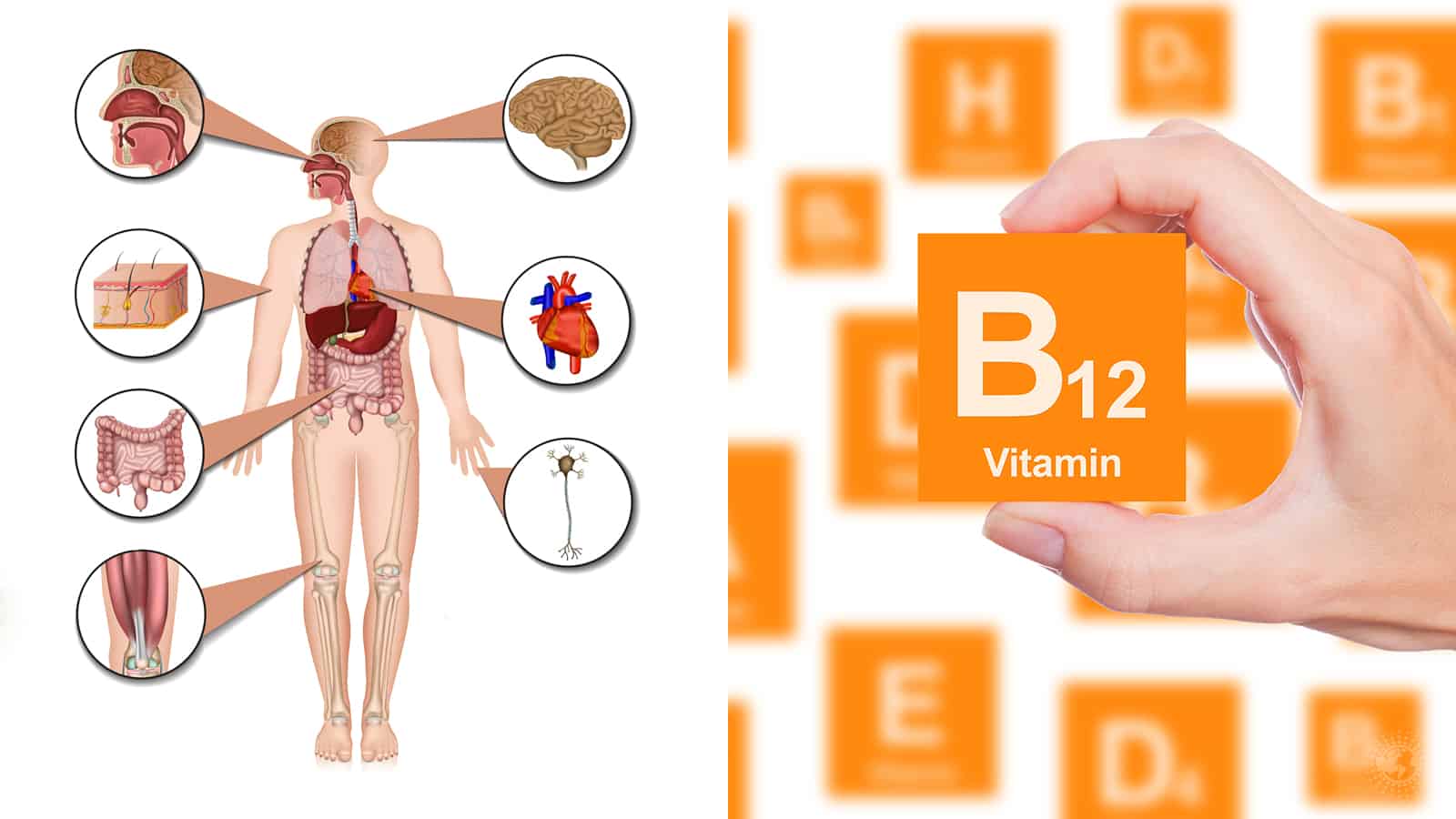
2. Take some B vitamins

Vitamin B6, in particular, aids in both the development and function of serotonin in the brain. Those prone to stress should consider supplementing their diet with a B-complex product, due to its myriad effects on brain chemicals.

Both vitamin B6 and vitamin B12 effectively reduce depressive symptoms while inhibiting erratic neural activity in the brain. According to a study published in the American Journal of Clinical Nutrition, older adults diagnosed with depression or who experienced depressive-like symptoms improved after supplementing their diets with B vitamins.

The recommended intake of a B-complex product, such as a supplement, is 50 to 100 mg daily. Those with additional symptoms, including fatigue/exhaustion or chronic stress, should consider adding a pantothenic acid – a twice-daily 250 mg dose of B5 vitamins- often sufficient for alleviating such symptoms.

3. Embrace the light

Ever wonder why opening the shades on a sunny day has a distinctive way of improving our mood? Well, it may be because our brain self-injects itself with serotonin chemicals. Even on a frigid or cool day, sunlight has a noticeable positive affect on our mindset.

A productive and healthy practice is walking briskly for fifteen to twenty minutes at least once (or even twice) a day. Regardless of frequency, it is best to walk in the morning for two reasons:

  • You will burn more calories, and
  • You’ll mentally prepare ourselves for the day ahead. Not only will your brain reward you with a serotonin kick, but you will also burn off some calories in the process.

beauty hacks

4. Get a massage

Massages feel really good…pretty much everybody knows this already. What most of us probably do not know is that massages have a direct effect on our serotonin levels. Physiologically speaking, messages effectively reduce the stress hormone cortisol – a chemical that actively blocks the production of serotonin.

Researchers have discovered that professional massages decrease cortisol levels by about 31 percent. When cortisol production drops, our brains are in an optimal state to produce serotonin chemicals. As an added benefit, massage therapy can increase the “reward and pleasure” brain chemical dopamine production.

Experts quickly point out that undergoing guided massage therapy is the premier method of boosting serotonin and dopamine levels in the brain, in addition to other sought after health benefits. However, a simple massage by a close companion will suffice for many. Those experiencing turmoil (including trauma) should consult a licensed massage therapist, whose expertise will be invaluable in counteracting psychological stressors.

5. Meditate

Ah, yes…no “serotonin-boosting” article would be complete without including meditation. Simply put, the proliferation of scientific studies that prove meditation’s physical and psychological benefits are mind-boggling. Numerous forms of meditative practices exist, and all of them are beneficial in increasing the production of serotonin.

Perhaps the most impactful form of meditation on serotonin levels is Transcendental Meditation, or TM. Researchers believe that TM is a powerful stimulant on serotonin levels due to elevation of one of serotonin’s building blocks: 5-HIAA. Science has discovered a direct correlation between increasing concentrations of 5-HIAA and elevated serotonin levels in the brain.

Like massage therapy, meditation reduces cortisol levels in the brain. Additionally, meditation is particularly adept at invoking a relaxed response in the brain. Additionally, it suppresses the brain’s natural “fight or flight” reaction.

Mindfulness-based stress reduction (MBSR) is another meditation type linked to elevated serotonin levels, partially because MBSR further sensitizes serotonergic receptors, an important variable in producing serotonin. Interestingly, MBSR is the meditative technique utilized by military personnel with Post-Traumatic Stress Disorder (PTSD).

how to meditate

Final Thoughts on Increasing Serotonin in Your Brain

Serotonin is a crucial neurotransmitter that plays an important role in regulating mood and emotions in your brain. Low serotonin levels can lead to feelings of sadness and anxiety, while an increase in serotonin levels can result in happiness and well-being. Maintaining healthy serotonin levels through exercise, a balanced diet, and antidepressant medications can help to improve mood and overall emotional health.

In other words, serotonin sends a signal to your brain, increasing happy thoughts and positive vibes. Try these five hacks, and you may decrease feelings of depression and experience a more joyful life.

(C)Power of Positivity, LLC. All rights reserved

How To Rebuild Trust In A Relationship

If we all closed ourselves off after getting hurt, could we ever truly engage in or trust relationships again?

Broken trust and betrayal has occurred in many of our lives, both in romantic relationships and friendships alike. Even family members can break our trust. However, difficulties arise in any relationship, and we must learn how to work through any issues that may come up and keep the lines of communication open.

Unfortunately, getting hurt comes as part of the package deal in this human experience, but we don’t have to let this keep us from building positive relationships with others. Broken promises and compromised feelings can make us want to push others out and never trust again, but if your relationship means anything to you, please keep reading to learn how to rebuild trust in that person.

Here’s how to rebuild trust in a relationship:

liar

1. Say how you feel.

Your first reaction might be to ignore your partner until they come to you and say sorry, but you might have to be the bigger person and make the first move. They might not realize they even did anything wrong, so make sure you make it clear to them how you feel. Remember to talk in a calm, rational manner, and try not to sound accusatory. Take the first point into consideration and tell them you understand that no one is perfect. However, make sure you lay everything on the table and tell them exactly how you feel.

Part of learning to trust again means opening up to the very person that hurt you. Even if you go different ways, you can at least find solace in the fact that you were honest about your feelings, and left no stone unturned.

2. Look at the bigger picture.

Can you justify your feelings by their actions, or could you be overreacting just a bit? Though trust must be earned in a relationship, you need to discern serious breaches in trust from minor ones.

For example, if the person cheated on you, you and your partner need to have a serious talk about your relationship. However, if your partner forgot about your dinner plans for the evening, you might want to hold back your feelings for a bit and listen to his or her explanation. They might have had to stay late at work, or just honestly forgotten about your plans.

Try to see the situation as it is, and don’t make it something more. Listen to your partner or friend and decide if the situation merits a strong reaction or not. Most importantly, keep the lines of communication open, and let your partner fully speak their mind before you give your reaction.

3. Give them a second chance (if warranted) while also keeping in mind your own value.

Essentially, you have to find the middle ground here. If you’ve given someone a chance to earn your trust but they have consistently disrespected and betrayed you, you should probably let them go. Trust is a two-way street, and the other person has to meet you halfway. Learning to trust again involves paying attention to your feelings, and discerning if the person deserves to be in your life or not.

A breach of trust usually means the person needs time to deal with personal issues; when other people hurt you, their own hurt is spilling over, causing them to hurt others. Understand their pain, but also know when it’s time to call it quits. You have to respect yourself enough to discontinue any relationship that doesn’t serve you in the best way, but know when to give others a second chance.

4. Don’t bring up the past.

Most of us have had a turbulent, painful past, because we’ve had to go through certain situations in order to grow as a person. Learn from the rough waters of the past, but don’t let them steer your vessel. Take charge and realize that the past should stay in the past, and that you have to let people in if you want to continue to grow.

The past doesn’t have to define your future; you can take ownership of your feelings and choose to let the past make you a better person, not a bitter person. People will always hurt you in one way or another, but some relationships will be worth the pain. Any relationship requires effort, but you’ll know in your heart who needs to stay in your life to help you blossom into your best self.

10 Phrases People With Chronic Illness Want To Tell You (But Are Afraid To)

Let us acknowledge this fact right at the beginning. Perhaps nothing is more anguishing than knowing that someone you love is mentally or physically hurting from chronic illnesses.

As human beings, we are inescapably connected to each living, breathing person on earth. Now, when we actively love and care for a person, such a connection is also inexplicably intimate. With such a connection, we share each other’s emotions: love, joy, despair, heartache.

It’s painful to admit you may have to live with a diagnosis for an extended time – or forever. However, to acknowledge and dwell on the difficulties of such suffering is a disservice to the one that you love and care for. Ask yourself this: would the person you love and cherish want you to think or feel what you’ve been thinking or feeling?

There is no doubt that we will think or feel things that are not necessarily agreeable to those afflicted. The overarching premise that we need to examine is whether or not we should suffer “in silence,” or to be outspoken and animated with such thoughts or feelings. So, let’s not pretend to understand what is best for every individual circumstance; however, it is encouraged that every person examines his or her motivations and reasons for such thoughts or feelings. Be advised that such examination involves a rational and minimally emotional discourse.

Here are 10 things people with chronic illness wish you knew:

We are all visitors to this time, this place. We are just passing through. Our purpose here is to observe, to learn, to grow to love…and then we return home. – Aboriginal Proverb

We encourage each person, whether or not they know anyone with chronic illness, to listen to both the spoken and unspoken desires of people that have been diagnosed with chronic illnesses to understand their perspective. In the end, what these people say may surprise you.

inspirational quotes

1. “Understand that I often feel guilty.”

Simply because someone is diagnosed with a chronic condition doesn’t mean that they shed their sense of responsibility. In fact, it is fair to say that those stricken with such a condition often feel an enhanced obligation to participate so as not to use their health problems as an excuse. The lesson: don’t underestimate or pity this person, regardless of how you may feel.

2. “Please try to understand my illness.”

People with chronic conditions have to deal with a number of frustrating things. Among them is the fact that not many people will, nor attempt to, understand the condition for which they were diagnosed. Well-meaning (but useless) sentiments include “get better soon” or “this is just temporary/a phase.” How ignorant this is! It’s obvious that such people have not made the effort to understand the condition. How are they supposed to sympathize with it?

3. “Don’t take my time for granted.”

Sadly, some people that are diagnosed with an incurable illness face a lifespan shorter than what they anticipated. Over time, such people come to accept their fate. Perhaps most difficult for them is their family and friend’s inability to accept such a fate. Many of those with chronic illnesses want their loved ones to embrace and enjoy each remaining moment, no matter how difficult it may be.

4. “Don’t take my illness for granted.”

Somewhat related to both #2 and #3: we shouldn’t ignorantly proclaim how good someone looks or that they “don’t seem sick.” Granted, this is a fine line between ignorance and sympathy, but resisting the temptation to verbalize such abstractions of someone’s condition obliviously shouldn’t be too difficult. Just stay away from expressing sentimentalities of which you’re not knowledgeable.

5. “I hate asking for help.”

chronic illness

Most people that are diagnosed with a chronic condition understand the inherent limitations that’ve been placed upon them. Furthermore, those that are not physically or mentally handicapped understand the need to ask for help, no matter how uncomfortable it may make them feel.

Make no mistake about it, many people – especially those with health conditions – dread having to ask for any type of assistance.

6. “I miss your company.”

As with any minority group, people with chronic illnesses often feel isolated and lonely. Despite of our innate and natural inclinations to “leave a person be,” that is often the direct opposite of what they truly want. They want company, support, comradery and…most of all…love.

7. “Don’t forget about my partner.”

Someone with a chronic illness often has an unrelenting advocate by their side 24/7: their partner. These people are “behind the screen” doing whatever it takes to support and comfort the person that they unconditionally love. When we see such devoted people, we should ask how they are doing.

8. “Please let me vent.”

Everyone deals with situations in their way, including people with chronic conditions. The fact is that some people feel the need to vent their frustrations while others do not.

For those in a supportive role, the bottom line is this: listen to such frustrations without acting upon the inclination to interject or digress. These folks have earned that right.

9. “Pity is not welcome here.”

If there is one thing that those with chronic illnesses will not tolerate, it is excessive and unwelcome pity. Our brothers and sisters remain our brothers and sisters regardless of what they’ve been diagnosed with. We can argue, “This is unfair!” until our faces are sky blue, but all we’ve accomplished nothing in the end.

People don’t want to feel pity; they want to feel accepted, loved, and cherished.

chronic illnesses

10. “I love you, no matter what.” (A personal note)

I can say that none of us are perfect – and this includes our loved ones. People who have chronic illnesses don’t expect you to monitor and evaluate  every step.

Instead, we must simply follow this “rule:” love each other, respect each other, and leave the pity behind…and just do the best you know how.

Skip to content