Weekly tips, affirmations, and small actions to feel your best.

Psychologist Reveals These 4 Behaviors Are The Biggest Predictors of Divorce

The divorce rate for couples in the U.S. is between 40 and 50 percent, so it is important to understand the 4 behaviors that psychologists say are the biggest predictors of divorce. Knowing these four behaviors is not the same as fixing the problems that may or may not be present in your marriage, but we also have some advice on what you can change to avoid the unfortunate ending of what was once a happy beginning.

Psychologist Reveals These Four Behaviors Are The Biggest Predictors of Divorce

By no means is this a comprehensive list of all the things that can go wrong in a marriage, but science backs up these behaviors that can lead to the demise of your relationship. This is an excellent place to start with for what to do less of or avoid if you want to live happily ever after into your golden years.
divorce

1 – A lack of communication may indicate a couple heading toward divorce.

The first sign is a lack of communication. Stonewalling is when one partner withdraws from the conversation, either to avoid conflict, or to avoid discussing an uncomfortable issue. Shutting off communication with your spouse by ignoring them as you check your phone, or watch TV, is obnoxious behavior that can lead to divorce because it makes your partner feel unappreciated.

See behavior number four (below) for more about communication problems and how to solve them. If you feel that tightening in your gut and chest when your partner brings up a topic that you’d rather not discuss, face your fears, put down the phone, and give them a listen. Of course, the hope is that they will do the same for you because marriage is a partnership and it’s going to take both of you working on things to make it successful.

2 – Unhealthy relationships may be fraught with negativity

The second sign is exclusively expressing negative feelings. Bottling up your emotions is unhealthy, but expressing only negative ones toward your partner might be one of the most significant predictors of divorce.

Do you nitpick at your partner’s behavior? Do they nitpick at yours? These petty, negative discussions may predict whether or not your divorce. Of course, you dislike things about your partner and vice versa, but bringing them up does not change your behavior. It only makes your partner resentful that you don’t seem to love them just as they are.

Instead, you might try a more positive approach. For example, ‘I appreciate it when you put your dirty laundry in the hamper’ versus ‘Do you have to leave your smelly socks on the living room floor every day?’ You can see the difference. Catch your spouse doing something right and praise them a lot. Try to stop making negative comments and ask them to do the same. A lifetime of these negative statements can wear away at the love and intimacy you once felt for each other.

3 – Changes in physical affection may be a divorce warning sign.

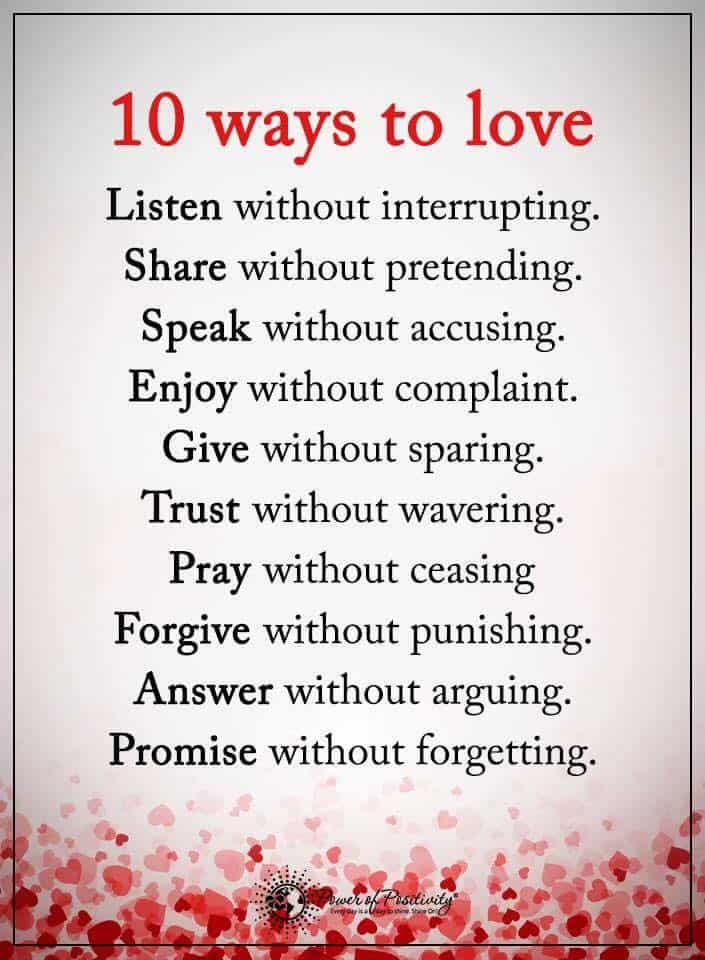
The third warning sign is a noticeable decrease in affection toward your partner.  Sure, you love your spouse, but do your actions and words show them this daily?

No one wants to feel taken for granted, and when they do, they start to wonder if they are in the right relationship for them because they could get more affection elsewhere. Research has found that not showing affection toward your partner could lead to divorce.
love

4 – Couples on the rocks are less responsive to each others’ needs.

The fourth and final warning sign of divorce is a lack of responsiveness to your partner. Active listening is a skill that is often overlooked by most people when it comes to maintaining harmony in a relationship and avoiding divorce. Researchers at the Department of Psychology at the University of Washington were able to predict divorce accurately 83% of the time and marital happiness 80% of the time based on several factors, including those we have already mentioned.

In addition to the above factors, actively listening and engaging with your spouse is important. When your partner speaks, listen as if your marriage depended on it, because it does. Put away distractions, turn your face and body toward your partner, make eye contact, and quiet your inner thoughts and judgments about what they are saying. Calm your emotional state as well and pay full attention.

When your partner speaks, nod, and say things like ‘I understand.’

No matter what your partner says, try to summarize what you understood from their words.

For example, you might say this.  “I can understand why you might be upset that I left my socks on the living room floor, and I appreciate that you would prefer them in the laundry basket.”

Even if you choose not to pick up your socks right then, actively listening, demonstrating understanding, and acknowledging your partner’s negative emotions alone will help your partner feel understood and appreciated, which can help you avoid divorce.

(C)Power of Positivity, LLC. All rights reserved

Happy vs. Unhappy: 10 Things Happy People Do Differently

What makes happy people love life? What is their secret to living in joy? Is it that they see the glass is half full, or that the glass is actually refillable? Happy people attract more of the things that make them content. They know not to sweat the small stuff, and when to walk away from those things that are toxic.

We have been taught to believe in several myths about happiness: Money makes you happy; being in a relationship makes you fulfilled and happy; the older you get, the less happiness you will find. But, these are myths that have been debunked by truly inspiring and happy folks. Visionary and inspiring author, Dr. Wayne Dyer, knew the secret to happiness. He said, “Change the way you look at things and the things you look at change.” Happiness is a shift in perception.

Here are ten things that happy people do differently

happy people

1. Compassion versus animosity

Happy people love to help others. They know that by giving to the less fortunate, they feel they’ve made a difference in someone’s life. And, this brings joy. A person who has no compassion is merciless and cannot see the joy in giving. They are selfish. Empathy pulls and tugs in the heart of a happy person. They enjoy giving more than receiving.

“If you want others to be happy, practice compassion. If you want to be happy, practice compassion.” ~Dalai Lama XIV, The Art of Happiness

2. Accept versus resist

These beautiful souls accept life as it appears. They aren’t always in perfect harmony with their circumstances, but they learn to find lessons in all challenges and evolve from there. An unhappy person resists, and we know that whatever we resist will persist. Happy people go with the flow. They know that things happen for the higher knowledge of growth and the expansion of our soul.

3. Love versus apathy

Joyful people love everyone. Love exudes from their being. They are able to see the best in anyone. Because of this, they can find qualities in others that aren’t visibly there. The person who carries hate in their heart is always miserable. They are full of apathy, anger, and intolerance. They judge from a place of fear. But, love is what makes a happy person shine.

4. Forgiveness versus unforgiving

14095835_10153748885302371_44746357805522229_n

Happy people don’t hold onto grudges. They don’t regret things and carry them around. Indeed, they release resentment because they know that it damages the mind, body, and spirit. They let go of the past. They know that in order to continue finding joy, they have to release whatever has happened. People who are unforgiving tend to attract misery, negativity, and illnesses into their lives. Rubin Khoddam wrote in Psychology Today, “Forgiveness is not saying what happened was okay. Forgiveness is not saying you accept the person who wronged you. Instead, forgiveness is choosing to accept what happened as it happened rather than what could or should have happened. Forgiveness can mean that you let go. Forgiveness can mean you love from a distance. Forgiveness can mean you step into your present rather than anchoring in the past.” And, this is how a happy person forgives.

5. Admiration versus criticism

Happy people struggle like everyone to reach their goals, but they don’t hold on to self-judgment or criticism. They believe that you reach your dreams by staying positive. They know that family is the highest thing on their priorities. And, they treat everyone with dignity and respect. The unhappy person judges and criticizes another in order to feel better about themselves. They live in a state of insecurity.

6. Obstacles versus problems

Happy people aren’t exempt from struggles. They still have major financial issues, relationships that end, and other life challenges. However, these type of positive people cultivate happiness even in moments of deep life-changing struggles. Oftentimes, they see a challenge as an opportunity to do something different. If they lost their job, they might take the time to find something else that calls for their passion. If a relationship ended, they might see it as a chance to travel alone. They see the silver lining in the horizon and run towards it.

7. Abundance versus poverty

The positive person attracts an abundance of all types. It’s not just money. They attract a wealth of information, people, and health. They are able to witness how wealth is attracted by positive thinking. The negative person lives in a poverty and scarcity mindset. They live in fear of not having, lead by tremendous anxiety. Happy believes in the power of manifesting dreams.

8. Strengths versus weakness

Happy folks utilize their strengths to get ahead. They don’t focus on weakness and the lack of anything. They know that when you work hard, you see results. Whereas the negative, unhappy person tends to live in victimization mode. Joy is a high-frequency vibration in the body and it strengthens everything around you. The happy person utilizes this as much as possible.

9. Gratitude versus ingratitude

French novelist Marcel Proust said it beautifully, “Let us be grateful to the people who make us happy; they are the charming gardeners who make our souls blossom.” Happy people look at everything with rose-colored glasses, opening up perspectives and being fully conscious of their world. They live in gratitude. It’s not just about being grateful with others. They are grateful with just being in this world, navigating all sorts of rocky waters. They don’t take things for granted. The happy person makes sure they give thanks as much as possible. They are humbled and full of humility.

happy people

10. Positivity versus negativity

We all know that one person who is always saying positive things. Life may be difficult for her, but she still remains faithful to seeing the good in everything. Positivity is not just an attitude, it’s a way of life. Happy people also take responsibility for their decisions and actions without blaming others. They live in a state of high awareness that there are sudden fluctuations in the journey, but there is a deeper reason for things that happen.

Happiness arrives from within. No job, relationship status, destination, or circumstance can provide it for you. It is an inside job. The moment you shift your awareness and raise your vibration to joy, you will find a solution to your problems. Expect the miracles. Happy people live through serendipity and the magic of chances.

(C)Power of Positivity, LLC. All rights reserved

How to Tell If Your Partner Is Your Soulmate (Or Not)

Do you have a mental list of what you expect and desire in a soulmate? Does your current partner match up to that list, or some of those characteristics?

We often attract our partners in an unconscious manner that does fulfill what we want in a life partner. Sometimes it’s enough, while other times it doesn’t come close to what we desire. When you meet your soulmate, you know it. There is an undeniable attraction that goes beyond that list that has been mentally creating itself since childhood. But what happens when some characteristics or qualities don’t appear in our partner? How do we know what to look for?

Here are 11 qualities that let you know if your partner is your soulmate or not:

1. Will they support your heart’s desire?

Not only does your partner support your dreams, he or she makes it possible for you to reach them. This person is your number one cheerleader and supporter of what makes you happy. Your partner doesn’t just give you a helping hand, he or she helps you build the path towards reaching whatever you desire. And, this person doesn’t criticize how you get there either.

2. Do they add purpose to your own path?

Your partner enriches you with love. He or she brings out the best in you while giving you confidence, security, and respect. Your partner is a constant source of nourishment. It’s not that you can’t live without this person, but that you shine because of his or her presence. Your partner reinforces the fairytale story of being in love.

14192508_10153754518977371_8168847311655894983_n

3. Do they make you laugh from the inside out?

Can you be silly with your partner? Do you have fun with your significant other in ways that are absolutely childish and fun? Is he or she the most amazing person to get you out of a bad mood? If your partner makes you laugh, rather than make you cry and depressed, you have a gem. This person is the joy that makes your heart skip a beat. Keep that person close to you.

4. Can they compromise?

Mark D. White, PhD, writes in Psychology Today: “A healthy relationship should affirm who each partner is and allow each person to meet his or her needs together with the other. A lesser relationship demands that one or both partners change in a deep and meaningful way to meet the needs of the other, which compromises one or both of the persons involved. In such cases, the compromise serves the relationship, which is backwards—the relationship should serve the persons in it.”

A healthy partnership has the ability to compromise without hurting one another.

5. Can you trust them?

It’s believed in our society, that betrayal is inevitable. However, when you are in a loving and trusting relationship, it is never an issue. If your partner isn’t giving you reasons to distrust him or her, then you are in a secure and nurturing relationship. Your partner should be giving you the confidence to trust and be trusting. It is a two-way street. When there is no insecurity in a relationship, then there is no need to distrust.

6. Are they forgiving?

We all make mistakes. It’s part of being human. At some point in a relationship, there will be disagreements, heavy compromises and then forgiveness. If you and your partner can easily forgive, then you are in a beautiful soulmate relationship. If your partner isn’t constantly bringing things up from the past, or rehashing old fights, this person is a keeper. The most rewarding characteristic in a loving relationship is the ability to let go of the past.

7. Does your partner show you gratitude and appreciation?

Your partner values your thoughts and opinions and shows gratitude for them. He or she appreciates the little things you do. And, because of your partner’s behavior, you give of yourself even deeper. Nothing says acceptance more than feeling seen, heard and appreciated. We all want to be acknowledged, and your partner should be the number one source of this feeling.

8. Do they love (all of) you?

You partner loves you wholeheartedly with all quirks, eccentricities, and neuroses. You both accept one another unconditionally and bring out the best qualities in each other. And, because he or she accepts all of you, he/she accepts your family and friends (which are a part of your life). We all have flaws, so your partner should be the one person to never magnify what the rest of the world tends to already do for you.

9. Can you safely be vulnerable?

You don’t have to be afraid of your partner running away from your emotions. He/she can assist you through emotional waters. Vulnerability is not feared in your relationship. You can be at your weakest and your partner will help you find your strength. There is an unsound ability to being raw and not feel judged. If your partner allows you to shed your soul without criticism, he or she is a gem.

10. Can you be your authentic self around them?

Partnership is the union of two souls coming together in a contract to love and support one another. This doesn’t mean that you lose yourself in the process. A real soulmate allows you to be who you are without needing to fix you, reshape you, or restructure your characteristics. He or she indulges in your authentic power and grows from there. You both can have different needs, desires, abilities, friends, hobbies, and creativity without feeling responsible or making excuses for the other. There is no jealousy or sense of worthlessness.

11. Do you feel they bring out your best?

Your partner wants nothing more than to journey this life with you. He or she wants to experience life to the fullest with you. Your soulmate is your navigator through all the deep and rocky waters. This person enhances the most wonderful parts of you. If your lover is able to help you navigate through life with joy, stability, and loyalty, he/she is a soulmate.

“When you’re in love, you’re capable of learning everything and knowing things you had never dared even to think, because love is the key to understanding of all the the mysteries.” ~ Paulo Coelho

(C)Power of Positivity, LLC. All rights reserved

6 Behaviors People Think Are Negative (That Are Actually Positive)

Do you ever find that you beat yourself up over a certain action or behavior? For example, maybe you broke down and cried about something recently and later felt weak or inadequate. We all get these feelings sometimes, but we should never apologize for showing our authentic selves. Humans are emotional creatures, and all too often in this world, we must put on a happy face and pretend for the sake of others. However, you should never feel sorry for showing your emotions.

Here are 6 behaviors people think are negative (that are actually good for positive):

behaviors

1. Feeling lost

In this world, finding your way seems more difficult than ever. People constantly want to tell you the next step to take, or how to improve your life, or what you should go to college for. However, confusion and loneliness can ensue if you don’t have the answer in your own heart. We’ve always been told what path to take, but we’ve never been told to question that path. Feeling lost is a part of growing up, and it’s all part of your journey home.

Remember, no one truly knows what they’re doing here; it’s all just a game, and we’re still learning all the rules. So, embrace feeling lost. Own your behaviors. You never know what you might discover when you leave the paved trail and carve one on your own.

2. Expressing anger or frustration with negative behaviors

While many people think of anger as volatile and destructive, anger is still a natural human emotion. What you do with that anger however, is an entirely different story. When you express anger about something, you release that emotion from your body. You probably have noticed that after an argument or big confrontation, you feel much lighter and more clear-minded afterwards. So, expressing anger can liberate you from what weighs you down, as long as you do it in a way that doesn’t verbally or physically harm others.

Anger happens when we’ve been wronged, and showing that emotion can bring about positive change. For example, by showing how you feel to the other person, they’ll get to hear your point of view and could possibly change their ways based on your side of the story. Holding in anger usually leads to more severe problems, while releasing that emotion can emancipate you from emotional prison.

While you should never yell at or physically hurt someone, you can firmly hold your ground and let the other person know how you feel. Never apologize for your emotions; they exist for a reason.

3. Turning on the tears

Just like other emotions, many people normally suppress feelings of sadness because they don’t like to cry. Of course, no one likes to feel sad, but tears serve a significant purpose. They help us to release pent-up emotions and feelings while lowering stress levels. Tears can show others how we feel so that they can attempt to help us. No one can figure out all the answers here, and sometimes we get so frustrated, lost, confused, and depressed that all we can do IS cry. So, don’t look at crying as the enemy; it can help you heal, release, and fill your body and mind with positivity again.

In fact, a 2008 study from the University of South Florida found that crying helps to boost moods and self-soothe more effectively than any antidepressant. Crying helped to improve the mood of 90% of participants, while only 8% said they felt worse. 

4. Solitude

We live in a social world, so it’s easy to feel pressured to do things with others constantly. However, spending time alone has its benefits. First, you’ll never truly feel comfortable around others until you can learn to enjoy your own company. We must go deep within and channel higher energies to honestly know and love ourselves. Only then can we feel comfortable with solitude, and only then can we feel comfortable amongst others. The world can be overwhelming, and there’s no harm in taking the time to recharge alone in the tranquility of your own home or favorite place.

5. Challenging the mainstream

We all wanted to fit in as children, but now that we’ve gotten older, we all want to stand out. We want to be someone, to leave our mark, and to become our truest selves. To do this, we must question the world around us and determine whether we agree. Most people disagree with something about this world, but actually taking action against it and coming up with something better takes courage and innovation. However, those who challenge the mainstream and carve their own way have followed their heart and intuition.

Challenging mainstream behaviors means listening to your inner voice over the many voices of others telling you how to live, and you should never apologize for living your truth. Trying to fit in will only take you as far as the crowd; being yourself will take you past it.

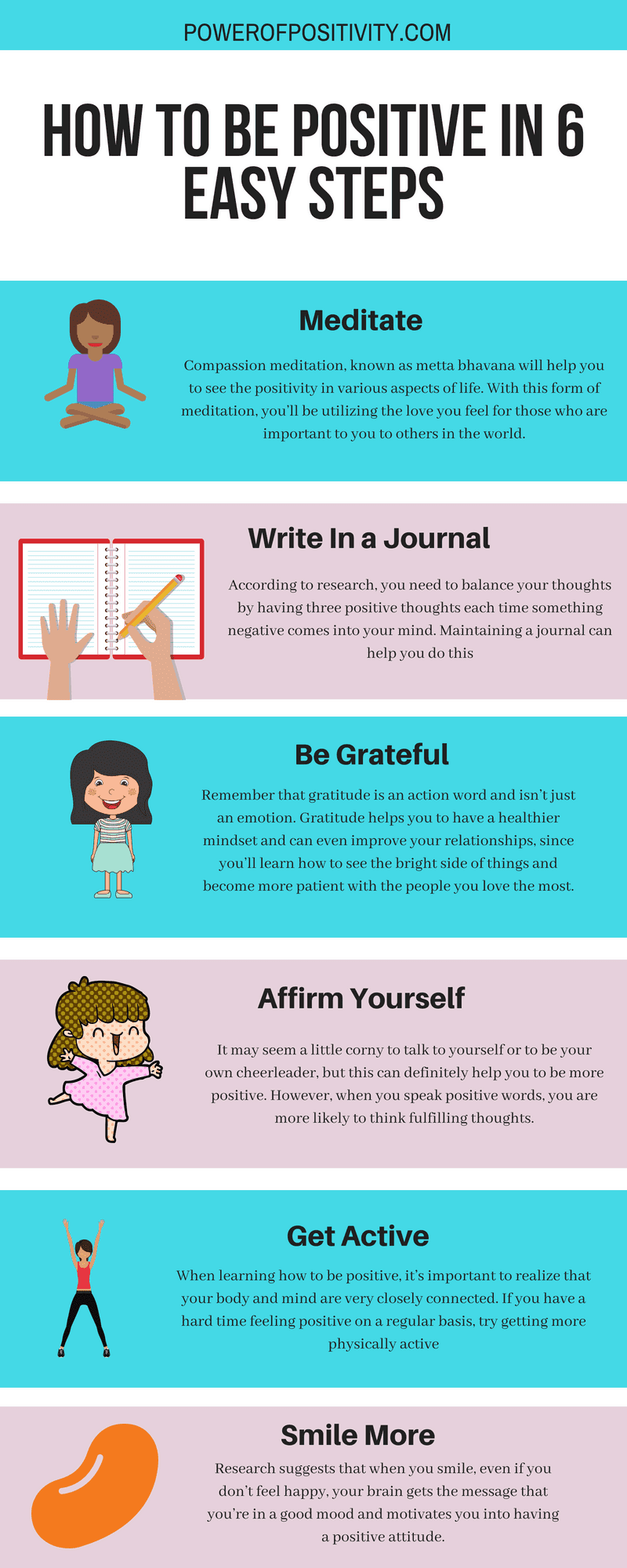
How to be positive

6. Being stubborn and other harmful behaviors

People tend to view stubbornness as a negative trait, but being stuck in your ways doesn’t always have to be bad. For example, if you want to travel the world but your parents and friends see it as irresponsible and entitled, you will probably stand your ground and list all the positives of taking time off to explore. Being stubborn just means that you know in your heart what you want and that others would never have any idea what behaviors and outcomes  you truly desire.

5 Habits of Highly Productive People

When we think of highly productive people, we tend to imagine the ‘workaholic’, with no intact social life. However, highly productive people can manage their days and affairs and get things done. They can be artists, writers, and CEOs of corporations. They’re the risk-takers and inventors. They know what need doing and when they can take a break to play. These productive individuals have positive attitudes, can focus for long periods, and follow through with any given task.

What makes them so special? Perhaps it’s their positive outlook and can-do attitudes.

Here are five daily habits of highly productive people:

Adopt these habits and watch your productivity skyrocket.

productive

1. They make a winning game plan from the start.

These energetic people have their days planned out. They keep schedules, make appointments, write them down, and follow-through. Before they go to bed, they already know what’s going to happen the next day. The Wharton School’s teacher and psychologist, Adam M. Grant, wrote a book about these types of people, which he calls “Originals.” They are the ones who move past the everyday matters and, even with some deviation, they tend to return to whatever project they are working on. Grant discusses the ability to even use procrastination as a tool to step away from something and return with clear eyes. The productive individual gives himself plenty of time to do things, and can also acknowledge when they can’t get them done. These people also know that no play makes them stressed, so they make time to exercise and have fun.

2. They know what they are doing

Even if they deviate from a plan or are distracted by someone, the highly productive individual can return to what they were doing. They have focus and they appreciate others giving some input. They don’t let overwhelming emotions of doubt or uncertainty dictate their days. These people know that they own their time. They can manage it however they need to in order to work for them. Sociologist, Christine Carter, Ph.D., of UC Berkeley’s Greater Good Science Center, put it this way: “Busyness is not a marker of intelligence, importance, or success. Taken to an extreme, it is much more likely a marker of conformity, powerlessness, or fear.” These types of people don’t see being busy as a waste of time, and they also know when to stop what they are doing. They aren’t obsessed, but they can become overly focused on certain projects.

3. They know what comes first.

The productive individual knows how to follow through with projects, deadlines, and tasks. They also know when to say “no” and when to set healthy boundaries. They are moved by integrity and have an outstanding work ethic. Finally, they don’t step over anyone. The highly productive person works hard to achieve their goals and expects others to do the same. Adam Grant says that “To become original, you have to try something new, which means accepting some measure of risk.” It’s in taking risks and following them that new ventures unfold. These types of individuals know what it is to create and continue creating from the same place. They also know how to find new resources and never give up.

4. Brick wall? They’ve got a hammer.

The best person to have on your team is a highly productive go-getter. They will find solutions to all problems, usually by looking outside of the issue. They believe that there is always a different way to everything. These folks have positive attitudes. They don’t allow others to bring them down to negativity. Productivity coach and author, Hilary Rettig, says, “Highly productive people respond to barriers, problems, and challenges with much more of a problem-solving orientation. On the other hand, people who are unproductive try to shame and blame themselves into productivity, which only causes more paralysis.”

5. They know what goes where, when.

Highly productive people do not tolerate chaos around their work spaces. They need organization. Even their thoughts come out as bullet points. They tend to be methodical in nature, and love to put things in order. These folks are visual in nature. They may seem as if they are multitasking, but these types of people get things done in a timely manner. They can be juggling several things at once. But there is always one that takes priority until it’s finished. They know how to manage their time wisely and also get help.

The highly productive individual wants to see others succeed. They help others move up the corporate ladder. They also know that it takes coordination, cooperation and collaboration to get things done. It’s not just having a goal or a plan. Things get accomplished when you have other responsible-focusing individuals on a team. It takes a village! And this simple motto is what makes them so likable and productive.

Related article: 7 Habits of Inspired People

George Bernard Shaw said it perfectly in describing this type of individual: “The reasonable man adapts himself to the world; the unreasonable one persists in trying to adapt the world to himself. Therefore all progress depends on the unreasonable man.”

The highly productive individual is the unreasonable man who takes “no” for an answer and enjoys the risks ahead.

10 Dreams People Have Often (And What They Mean)

Did you know that, on average, people have 1,460 dreams per year? This equates to 4 dreams per night!

According to The Dream Encyclopedia, the word “dream” comes from the German word draugmas, meaning deception, illusion, or phantom, or from the Old Norse word draugr, meaning ghost or apparition. Some believe it could also be related to the Sanskrit word druh, which means seek to harm or injure.

Though the origin of the word dreams seems a bit dark, our dreams can tell us alot about ourselves, our lives, and even our futures. Of course, everyone interprets dreams differently, but the following dreams occur too often for people to just dismiss them as nonsense.

Carl Jung, the founder of analytical psychology, believed that dreams help us tap into the unconscious mind and offer us advice, sort of like a therapist or counselor. The universe tries to talk to us in many different ways, and dreams just serve as one medium that it uses. The following dreams seem to occur frequently for many people, so we’ll discuss what they wish to divulge to you below.

10 Dreams People Have Often (And What They’re Trying To Tell You)

1. Falling

Easily one of the most common dreams people have, dream experts actually believe that having this dream means you feel you have no control over a certain aspect of life, or you’ve failed at something important. Usually, the dreamer never hits bottom, instead waking up before they get the chance to touch solid ground again. This dream may also mean that you need to let go of something that holds you back.

2. Being chased

Another very common dream, being chased can mean several things. The most popular interpretation is that you need to face something head on rather than constantly running from it. Your subconscious wants you to tackle those fears and face those demons, instead of trying to outrun them. It could also mean that you feel threatened by someone or something, and want to run from danger.

3. Being naked in front of people

Many of us have probably had this dream at least once, and as you might have already guessed, it means that you feel vulnerable and exposed. The fear of others seeing you naked actually symbolizes embarrassment about a certain part of your soul that you wish to hide from others, or a secret that you don’t want anyone else to know. It normally has nothing to do with body image, but rather, an insecurity about how other people perceive you. If you have this dream often, take it as a sign to work on self-confidence and feeling comfortable in your own skin, despite what others may think.

4. Flying

Flying is probably one of the most fun dreams to have, especially if you’ve mastered lucid dreaming. This dream normally means that you want freedom, whether mentally, spiritually, emotionally, or physically. Maybe you feel trapped in your life and want a way out. It can also serve as a symbol of success, suggesting that you have recently achieved one of your goals and now look down on the world with a feeling of accomplishment and pride.

5. Sexual fantasies

While this dream could just symbolize unfulfilled wishes of intimacy with someone, it can also mean that you desire emotional closeness with someone. It can mean that you feel isolated or lonely, and crave connection with other people. Furthermore, it might mean that you need to develop your relationship with your own self, especially if you’ve been neglecting yourself lately.

6. Death

While this dream can actually represent an impending death, it usually means something quite positive. Normally, death represents something far less literal, something like a rebirth of the self. It normally means the end of one chapter in your life, and the beginning of another. If you have felt stuck in your life recently, this dream could signify a new start for you in the near future.

7. People

People that you have a close relationship with may appear in your dreams often, and while this just might mean that you have lots of great memories together, try to look at it on a deeper level. It may mean that you wish you had the aspects of their personalities that come out in the dream. In other words, a part of you wants to be like them in some manner. Take this a sign to work on yourself more.

8. Taking a test in school

Some people view life as one giant test, where we continually learn lessons and pass mini-tests before the big one at the end. If you dream about taking a test in school, you might feel that you’re being closely analyzed, and you fear disappointing others or being seen as a failure. Tests usually point to our own insecurities, and our need to compare ourselves to others. We don’t want to feel left behind or shunned from the pack, so dreaming of taking a test could mean that you have doubts about your own abilities and strengths.

9. Traveling

Whether by car, bus, train, or plane, this dream signifies your desire for movement, and a break from the routines. You feel restless and bored with your life, and long for something more exciting. It could also mean that you want to run from yourself in fear of what you might uncover.

Related article: 10 Dream Symbols You Should Never Ignore

10. Being in an uncontrolled car

Just like the falling dream, this one symbolizes a lack of control in your life. It means you have let others take the reigns, giving up your own power to create your world. This dream means you need to take back your life, and start working on those aspects of it that you feel you can’t control.

Here’s Why You Need to Stop Using Sunscreen…

We often hear warnings about the dangers of UV light and the risk of skin cancer so much that many of us apply sunscreen daily. But after you read this article, you may want to stop using sunscreen immediately. Sun protection products are fairly new to human existence and only began to be regulated by the Food and Drug Administration (FDA) as recently as 1978.

Here’s Why You May Want to Stop Using Sunscreen…

Potentially harmful ingredients, overrated levels of protection, and preventing you from receiving the health benefits of the sun are just a few reasons why you may want to stop using sunscreen immediately. In this article, we will look at some of the problems with sunscreens that are on the market today, why you might not need them, and some healthy alternatives to use instead.

Hazardous ingredients and unsupported claims of protection in sunscreen

The nonprofit consumer safety organization The Environmental Working Group (EWG) lists two major sunscreen ingredients that are a big concern and may be why you want to stop using sunscreen immediately. These two ingredients are retinyl palmitate and oxybenzone.

Vitamin A is commonly listed on the ingredient labels of sunscreens as retinyl palmitate or Vitamin A palmitate. This ingredient has been banned for use in cosmetics by the German government. It is a common ingredient in sunscreen that can cause damage to the skin when exposed to sunlight. Retinyl palmitate can actually accelerate the development of skin cancer when it is applied to skin and exposed to sunlight.

Oxybenzone is another sunscreen ingredient that is concerning because it can penetrate the skin and according to EWG, it is detectable in the urine of 97% of people who use sunscreen products. The chemical is a known hormone disruptor which can affect fertility and it can also causes allergies for some people. This biochemical can cause cellular changes and have negative effects on the immune system.

Many sunscreens also claim to have high SPFs of over 50. The products claiming these SPFs are rated for protection from UVB damage. UVB is the radiation that causes sunburn, however, they do not have the same rating for their level of UVA protection.

Skin cancer statistics

Humans have been on this planet for over 10,000 years and most of those were without the benefit of sunscreen. However, we are living longer lives now than we have ever lived before, and we want those years to be healthy ones. Most of our ancestors never used sunscreen, but protected themselves form sunburn with clothing if they had to work outdoors most of the day.

These days, our modern lives have allowed most of us the luxury of working indoors and spending time in the sun on vacations. Still, even our limited sun exposure can cause cancer, especially in those who are fair skinned and who have a family history of skin cancer.

Non-melanoma skin cancer diagnoses are one of the most common of all cancer types according to the American Cancer Society, and this year there will be 5.5 million new cases diagnosed. Of those, only 76,000 will be the most serious form of skin cancer, which is melanoma. Sunscreen can help reduce our exposure to UVA and UVA radiation from the sun, which helps reduce skin cancer risk, but how do we protect ourselves when sunscreen products are not safe either?

Health benefits of the sun

Sun exposure is healthy for us in many ways, so although we have been encouraged to protect ourselves by using sunscreen, the health benefits of sunlight may be yet another reason to stop using sunscreen immediately. Exposure to sunlight increases the production of melatonin, serotonin, and helps the body to naturally produce vitamin D.

Related article: These Things Happen To Your Body When You Don’t Get Enough Sun

A lack of sun exposure can cause health problems such as infertility, depression and, more surprisingly, cancer. Researchers studied vitamin D exposure and breast cancer survival rates and found that high vitamin D levels were weakly associated with low breast cancer risk but strongly associated with better breast cancer survival rates. So once a diagnosis of breast cancer has been made, high levels of the sunshine vitamin can help people to survive.

So why not take vitamin D supplements? The supplement version of vitamin D is a fat-soluble version which is very different from the water soluble version that our bodies naturally produce.

Healthy alternatives to wearing sunscreen

From author Alex Raye and her natural beauty website almostexactyblog.com here are some healthy alternatives to store bought sunscreen:

  • red raspberry seed oil – SPF between 30 and 50 (seriously!)
  • carrot seed oil – SPF 30
  • wheat germ oil – SPF 20
  • hazelnut oil – SPF 15
  • coconut oil – SPF 10
  • soybean oil – SPF 10
  • shea butter – SPF 6-10
  • zinc oxide
  • titanium dioxide

You can make a homemade sunscreen out of any combination of these ingredients that will help protect your skin from the harmful effects of the sun. That’s because you will be able to stop using sunscreen with unhealthy ingredients immediately.

Related article: 7 Signs of a Vitamin D Deficiency

You can check your over-the-counter sunscreen products for safety as rated by the EWG with the use of their phone app called Skin Deep. This app allows you to scan the barcode of your favorite products and check for hazardous chemicals, allergens and hormone disruptive ingredients.

(C)Power of Positivity, LLC. All rights reserved

10 Things Financially Successful People Do Differently

Financially successful people do things a little differently than the rest of us. They typically have a more positive mindset, take personal responsibility for their wealth and business success. Additionally, they are willing to sacrifice short-term benefits for longer-term gains. They are lifelong learners and surround themselves with positive people who also believe in the benefits of education and a good work ethic.

They come from all walks of life and all income brackets, but they share a similar set of attributes that set them apart from the rest of us.

10 Things Financially Successful People Do Differently

inspiring quote

1. They Don’t Waste Time Watching Television

Wealthy people watch very little television a day and almost no so-called “reality TV”. They spend their time wisely working on their business and not wasting it on the couch.

2. They Make Sacrifices

Wealthy people live frugally at first in order to invest their limited income and resources into something that will make them more money. Some wealthy people, like Warren Buffet, live this way their entire lives. They have modest-sized houses, drive used cars, like one of those used cars in Norco, and don’t waste money on flashy status symbols like boats or expensive sports cars.

3. They Aren’t Victims

People who see themselves as victims complain and blame their failures on others. Successful people take their misfortunes or bad decisions and analyze what happened and how they could change the outcome in the future. They learn from their mistakes rather than complain about them.

4. They Save and Limit Debt

Successful people pay off debts quickly to save money on the interest which accrues over time. So, if you pay off the principal of the loan faster, then interest on that loan is less over time. They also make saving money a priority. Even if it’s only $20 a month, saving money and developing it into a habit will pay off later when an emergency strikes, This way, you can cover it with savings rather than paying off an emergency loan which will cost significantly more in the long run. The best way to save effectively is to automate it. Set up a recurring transfer from your checking into your savings. Before you know it, you will have a lot of change to invest in. Please resist the temptation to spend it on a new car or television or expensive clothing.

5. They Don’t Blame Others For Their Situation

Successful people take responsibility for their actions and their fortunes. Rather than waste time and energy blaming someone else who might only be marginally responsible, they accept that their fate is theirs. If they want to succeed, they must do something about it themselves.

6. Long-Term Planning

Successful people make and stick to long-term financial planning rather than spending their money as fast as they make it.

7. They Make Things or Provide Services of Value

They aren’t just consumers of other people’s ideas and products. Instead, they produce things. They do things, things that other people are willing to pay for.

8. They Believe Education is Important

Wealthy and successful people believe in education and lifelong learning. They read books of educational value or that are work-related. When they commute, they listen to audiobooks or news programs.

9. They Do More Than the Minimum

Successful people do more than show up to work, do their job, and go home. They get up early and they stay later at work. They go above and beyond to achieve their goals.

10. They Are Passionate About What They Do

Financially successful people get a thrill from making something new, making a customer happy, or fulfilling a client’s order. They care more about the creative process they are involved in than the money they are making.

Financially successful people are disciplined savers who start saving early and often. They live frugally most of their lives. They love their work and do as much as they can, the best way they can. Thus, they limit their debts, take responsibility for their wealth, and plan long-term. They don’t waste time or money. Furthermore, they take every chance to better themselves and their abilities.

financially successful people

11. They are savvy at a young age

Financially successful people think about their financial future when they’re young. They may open a savings account when they start their first job as a teenager or start investing in a retirement plan while in college. These folks know that every bit they save makes a difference in the future.

12. They pay off their debts

Financially savvy people refuse to drown in debt. They make it a priority to pay off their debts. Of course, certain types of debt are inevitable. Financially successful people are strategic about what kind of debt they incur or don’t incur.

13. They make savings a priority

Saving more money than you spend will lead to a financially secure future. Most financially successful people put some of their money aside for savings. Having a certain percentage of your paycheck deposited directly into your savings account is easiest. This way, you’re not as likely to spend the money.

14. They keep monthly expenses to a minimum

Besides being good budgeters, financially successful people are careful to keep their monthly expenses to a minimum. They avoid spending unnecessarily on things like

  • Unneeded insurance
  • Pricey gym memberships
  • Expensive gifts
  • Expensive cell phone plans
  • Delivery meals or takeouts
  • Cigarettes

 15. They stay on budget

Financially successful people believe in budgets. When they create a monthly budget, they work hard to stick to it. They understand not only setting limits but spending wisely when needed. This is because they’re disciplined, yet flexible in their view of spending.

16. They are financial learners

Financially successful people don’t assume they know everything about money, investment, or finances. They read books, listen to podcasts, and ask other people questions. They believe in education and encourage others to learn as much as they can to get the best financial benefits.

17. They don’t compare themselves

Comparing yourself to others is rarely helpful. If you compare your financial investments, savings, or budget to someone else, you’re apt to make a poor decision. Stay focused on your goals. This is best for you to be financially successful.

 18. They are slow to make financial decisions

Financially savvy people don’t make quick financial decisions they might later regret. They take the time to research and consider the financial risks versus benefits before spending or investing. They believe in taking financial risks but take calculated risks rather than making a knee-jerk decision.

19. They have lived frugally

Some of the richest people in the world lived frugally for many years. Those lean years allowed them to stash away money into savings so today, they can buy a penthouse or a fancy car.

financially successful people

20. They’ve learned from their financial mistakes

Being financially successful doesn’t mean they never made a financial mistake. It’s something that everyone does once in a while. The big difference is that financially successful people learn from their financial mistakes and take note the next time to be more careful.

(C)Power of Positivity, LLC. All rights reserved

Reference: https://bestwallet.com/en/how-to-buy/buy-matic

5 Things Only People With Social Anxiety Will Understand

For those that suffer from social anxiety, everyday life can feel like a neverending nightmare. The smallest tasks, from going grocery shopping to calling the doctor, can seem totally overwhelming and terrifying. In our technological world today where we do more and more behind computer screens, it doesn’t come as much of a surprise that social anxiety is on the rise. However, living with the disorder every day can seem utterly exhausting, when no relief is in sight. Social anxiety usually begins with one awkward encounter and escalates from there. People with social anxiety have an extreme fear of interacting with others in certain environments, and this can cause the sufferer to become reclusive and withdrawn.

5 Things Only People With Social Anxiety Will Understand

Many people, unfortunately, have no idea what people go through who have social anxiety, so hopefully, this list will shed some light on the disorder. If you have social anxiety, you will likely relate to the following scenarios.

1. Being afraid to speak up in a room full of people.

People with social anxiety don’t like big crowds, but even speaking in a room full of five or more people can seem overwhelming. Basically, those with this mental illness don’t like attention being drawn to themselves, and they avoid it at all costs. However, in a classroom or work environment, staying to yourself isn’t always an option. If you have to give a presentation, for example, you know the feeling of dread you get from simply hearing the assignment. You begin to plot out the worst-case scenario, even if you plan on starting the assignment weeks ahead of time.

14051748_10153716508242371_2682359986350145769_n

Only people with social anxiety can understand the sheer terror, sweaty palms, and increasing heartbeat that come from speaking in public.

2. Going to parties(and not really wanting to).

For those with social anxiety, going to a social event isn’t exactly paradise. We have to plan out what we’ll say to people, what we’ll wear, how to keep the conversation going, how to politely say goodbye(even if it’s hours before the party ends), and even how to get there. We have to plan out every detail (or at least try) in order to feel somewhat okay about going. Not to mention, we have to figure out how to tune out those annoying anxious voices in our heads while we talk to people, so we at least seem interested.

It takes a lot of energy for those with social anxiety to go to a party, even a small one. Just showing up at all is a huge step in the minds of a socially anxious person.

3. Being misunderstood by pretty much everyone.

Socially anxious people didn’t choose to have a disorder. They might try to overcome it through various techniques, but it may not ever go away completely. According to the Anxiety and Depression Association of America, social anxiety disorder affects 6.8% of the U.S. population or 15 million people. These 15 million people live in varying degrees of discomfort with social situations, and try their best to live normal lives. Not everyone can tell if someone feels socially anxious, but the sufferer can definitely feel it.

The mental health issue doesn’t just stop if we tell it to; it takes time and effort to learn how to overcome it, or at best, learn to live with it comfortably. Only those with social anxiety can understand the frustration that comes with people saying “just get over it,” because if we could, we certainly would.

4. Awkwardness in conversations.

Now, this doesn’t mean that people with social anxiety can’t carry on a conversation; it just means that they have a harder time doing so. People with social anxiety tend to be introverted, so they naturally want to keep to themselves more. Making conversation just doesn’t come easily for those with social anxiety, and the slightest slip-up in conversation can make them embarrassed.

Only those with social anxiety can understand the feelings of shame and inadequacy that come with awkward social interactions.

5. The terrible physical symptoms.

Many people don’t know that social anxiety comes with a slew of physical symptoms as well, and these just add to the discomfort of the disorder. People with social anxiety don’t like the spotlight being on them.. So they desperately want to hide these physical symptoms to avoid any attention. People who struggle with this can suffer from blushing, excessive sweating, pounding heart, weak muscles, confusion, upset stomach, vomiting, diarrhea, and even fainting, to name a few.

Please show them love and support if you know someone with this condition. Also, please try to understand how they feel. You don’t have to have a disorder to empathize with others who suffer from it.

social anxiety tips

Eight Primary Causes Of Social Anxiety

Social anxiety, or social anxiety disorder as it’s called, is having a consuming fear of being in social situations. The person struggling with a social anxiety disorder has a fear that’s irrelevant to the situation. Situations that cause this outcome can include:

  • Meeting people
  • Talking in a group
  • Starting a conversation
  • Talking to an authority figure
  • Eating or drinking in public
  • Being seen in public
  • Using public bathrooms
  • Going to school
  • Any public performance

8 causes social anxiety disorder

This mental illness causes the individual to dread future events. They will often worry weeks in advance about the event and feel physically sick on the day of the event.

1 – Genetics

Genes can play a part in a person’s struggle with this mental illness. They influence the probability of someone ending up with social anxiety disorder. There are higher rates of social anxiety disorder in families with relatives who struggle with social anxiety disorders than families whose relatives don’t struggle with a social anxiety disorder.

2 – Stressful social situations

If you were bullied, experienced abuse at home, or public embarrassment as a child, you are more likely to develop a social anxiety disorder. Sexual abuse experienced when you were young is a common cause of a social anxiety disorder among adults.

3 – Parenting

If one or both of your parents modeled fear of being in social situations and were overprotective of you, you’re more likely to develop a social anxiety disorder. Parents who are overprotective exhibit behaviors such as

  • Controlling-Won’t allow the child to make their own decisions
  • Restrictive-Strict rules
  • Anxious-Assuming the worst will happen
  • Worried-Constantly thinking about all the bad things that will happen
  • Fearful of kids getting hurt or sick
  • See normal things as dangerous-playing outside, taking part in sports, etc.

4 – Brain structure

Different parts of your brain get activated when you’re in a threatening situation. People with this disorder have hyperactive reactions to settings that cause an imbalance in their brain neurotransmitters. This results in a deficiency of serotonin, dopamine, glutamate, and oxytocin.

5 – Social media

Technology meant to help you stay connected can increase your social anxiety disorder risk. Today, there are fewer in-person interactions and more social media interactions using these platforms:

  • Texting
  • Facebook
  • TikTok
  • Facebook
  • Video games

There is evidence that spending too much time on online communication can cause people to feel uncomfortable and anxious about in-person interactions.

6 – Physical events

Some physical events can trigger anxiety. You may experience shortness of breath or a racing heartbeat when you’re in certain physical situations. Physical events that may trigger social anxiety include the following:

  • Interacting with strangers in an unfamiliar setting
  • Large crowds
  • Moving away from home
  • Job interviews where you worry about being judged
  • Feeling disapproved by someone

7 – Your temperament

Some people have timid, shy personalities. These individuals are more prone to feeling socially anxious. Facing new situations can be very difficult, causing them to withdraw from social situations.

social anxiety

8 – Having an appearance that draws attention to yourself

Certain physical features or illnesses make you self-conscious and anxious to be in social settings. Things such as

  • Facial disfigurement
  • Stuttering
  • Parkinson’s disease
  • Being extremely tall or short

(C)Power of Positivity, LLC. All rights reserved
Skip to content