Weekly tips, affirmations, and small actions to feel your best.

7 Amazing Health Benefits of Farting

Society today is rapt with acceptable and unacceptable social behaviors. Most people will not point and stare at someone for farting, for example, as it is considered rude. Same goes for spitting, littering, yelling or otherwise acting uncouth in public.

Then, there is flatulence, what is most commonly referred to as farting. The majority of society views farting as gross – which it can be, and an absolute social no-no. Pretty much everyone that has ever cut an audible fart in the company of others will testify that its perhaps one of the most embarrassing moments of their life.

But, passing gas is a completely natural bodily function. Furthermore, it is absolutely necessary for a number of health reasons. Farting is a vital part of digestion, specifically when the gut needs to break down foods and eliminate certain by-products.

Here, we discuss 7 important health benefits of farting.

We’ll try to keep the cackles to a minimum.

“Although hydrogen sulfide is well known as a pungent, foul-smelling gas in rotten eggs and flatulence, it is naturally produced by the body and could in fact be in a healthcare hero with significant implications for future therapies for a variety of reasons.” – Dr. Mark Wood, Professor and Researcher at University of Exeter (UK) Medical School

1. It’s Good For The Colon

“Holding” any type of natural bodily reaction is not good for health; whether it’s urine, bowel movement, or gas.

In social situations, there likely isn’t much harm to holding in an embarrassing toot. Those with digestive issues, however, should know that holding in the body’s attempt to release byproducts of the gastrointestinal system is potentially dangerous.
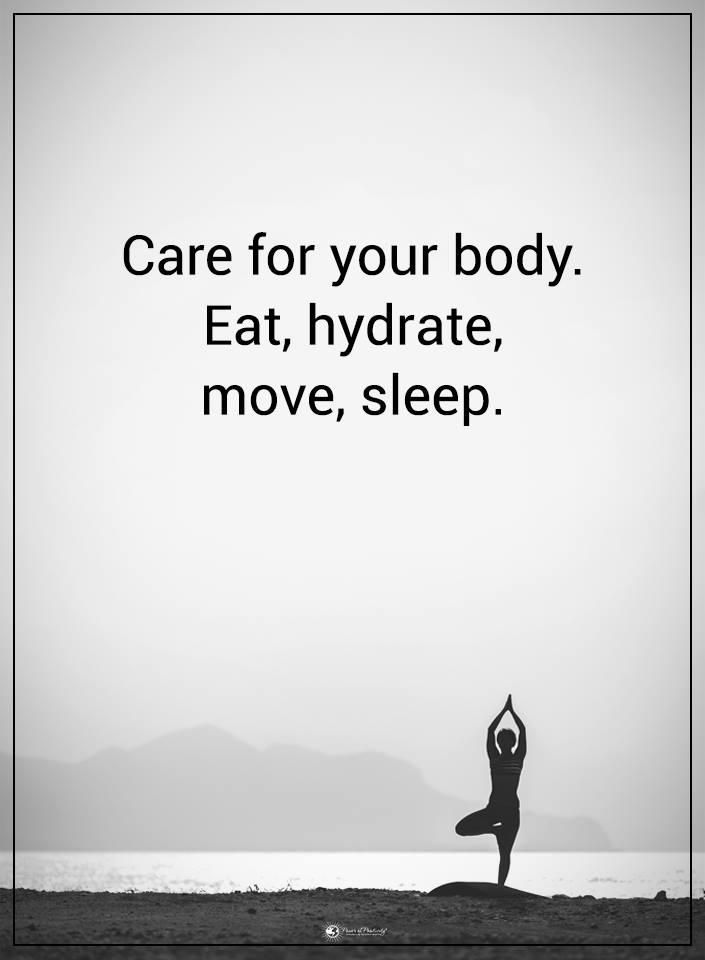
care for your body

2. It Helps Bloating

The feeling of being bloated is genuinely uncomfortable. This symptom is often experienced shortly after eating a meal, particularly a large one. It can lead to some uncomfortable stomach aches and pains, too.

Bloating may also indicate a buildup of gas that needs to be released. While the buildup of such gas isn’t usually harmful or dangerous, it can bring about much discomfort. This is where passing gas can immediately lessen bloating and associated symptoms.

3. The Smell Is Actually Healthy

Alright, so this one is kind of uncomfortable to explain…it’s actually kind of gross. But, again, it’s a natural, healthy benefit of passing gas.

Here’s why. When we pass gas, we release a small amount of a substance called hydrogen sulfide, which may be beneficial in thwarting off future illnesses. Studies suggest that the compound may also prevent cell damage and even prevent heart attack or stroke.

4. It Means Both A Healthy Gut and Bacteria Composition

According to Purna Kashyap, a doctor of gastroenterology at the Mayo Clinic in Rochester, Minnesota, “Eating foods that cause gas is the only way for the microbes in the gut to get nutrients. If we didn’t feed them carbohydrates, it would be harder for them to live in our gut.”

Dr. Kashyap refers to foods that are rich in fiber, such as beans and lentils, broccoli, cabbage, and kale. These foods improve our digestive functions, and also produce more gas.

5. It Can Help With A Balanced Diet

Yes, the gas that we pass may indicate the type of foods our stomach needs. Conversely, it may also indicate foods that we may be overeating.

For example, when we don’t consume enough fiber, we rarely pass gas. When overindulging on meat, our gas may give off a very unpleasant odor, indicating that we need to cut back a little.

6. It Can Serve As A Health Alarm

This is one of the more important benefits of farting. Interestingly, the characteristics of farts can actually help predict health issues in some cases.

Unhealthy characteristics of farts include: extreme odors, pains when passing gas, and an increasing frequency. These symptoms may help diagnose anything from food intolerance to colon cancer.

7. It’s Instant Relief

Okay, so this one isn’t all too groundbreaking…but it’s true, isn’t it?!

Gas buildup, bloating, and stomach pains can all be alleviated or reduced simply by letting out a fart. It may be embarrassing if we alert the coworker next to us, granted.

So, the next time you feel an extreme need to let one loose, go on ahead! Please, just don’t do it around me…


References:
Trionnaire, S. L., Perry, A., Szczesny, B., Szabo, C., Winyard, P. G., Whatmore, J. L., . . . Whiteman, M. (2014). The synthesis and functional evaluation of a mitochondria-targeted hydrogen sulfide donor, (10-oxo-10-(4-(3-thioxo-3H-1,2-dithiol-5-yl)phenoxy)decyl)triphenylphosphonium bromide (AP39) [Abstract]. Med. Chem. Commun. MedChemComm, 5(6), 728. doi:10.1039/c3md00323j
(C)Power of Positivity, LLC. All rights reserved

Do You Swear? Here’s Why It Might Mean You’re A Genius

“Yeah, there are 400,000 words in the English language and there are 7 of them that you can’t say on television. What a ratio that is!” – George Carlin

Please note that there will be no curse words in this article! You may continue reading!

*Or, if you’re looking for said curse words, please click on another one of our fab articles. Which there are plenty of, if we may say so.

Many of us know who George Carlin is. Many have an opinion on whether he was funny. He was certainly “vulgar, vile, rude, crude, lewd,” in his own words. Something that most people – fans and critics alike – will agree on about the late comedy legend is that he was brilliant with words.

Some call him a comedic genius.

And he swore…a lot.

Now, are we implying that every person who swears is a genius, or even intelligent? No. In fact, it may just mean the exact opposite. But there is a connection between cursing and intelligence –  at least according to science.

One of the very interesting things about this apparent correlation is that popular mythology implies the exact opposite: people that swear like sailors are dumb.

Do You Swear? Here’s Why It Might Mean You’re A Genius

Well, many interesting things. In fact, the research conducted by psychologists Kristin Jay of Marist College and Timothy Jay of the Massachusetts College of Liberal Arts appears to contradict the old mythology that “people who swear are dumb.” This, despite the fact that both researchers hypothesized – as many do – that a propensity to curse does not have any linkage with intellect; and may just mean the opposite.

The study, published in the journal Language Sciences, may effectively disavow many of the previously-held notions about a person’s intelligence in relation to their swearing habits. Labeled as “taboo words,” the researchers made the following conclusion:

“A voluminous taboo lexicon may better be considered an indicator of healthy verbal abilities rather than a cover for their deficiencies. People who use taboo words understand their general expressive content as well as nuanced distinctions that must be drawn to use slurs appropriately. The ability to make nuanced distinctions indicates the presence of more rather than less linguistic knowledge, as implied by the POV [Poverty of Vocabulary] view.”

The researchers supplement this explanation with an overview of three main observations derived from their experiments:

– ‘Taboo word fluency is correlated with general fluency.’

– ‘Taboo fluency is correlated with neuroticism and openness.’

So, in other words. These smart folks reached the following conclusions:

– A wide-ranging “taboo” vocabulary is more likely to correlate with intellect than not.

People who swear a lot often possess a  rare, unique talent for self-expression.

– People who swear a lot often possess an aptitude for integrating curing words as a higher-level means of communication.

Advanced knowledge and practice of “taboo words” indicates a presence of extensive verbal knowledge, per previous research on the topic.

– BUT, people that swear often have a propensity for neurotic thoughts and behavior.

Another interesting facet of the study: people that were able to conjure up the most curse words in 60 seconds tended to score higher on subsequently administered Intelligence Quotient (IQ) tests.

So…what does this mean?

Pretty convincing stuff. And potentially impactful.

It’s been known for years that language aptitude correlates highly with intelligence. Now, two prominent researchers may have effectively dispelled the myth that “people who swear are dumb.” Not only that, but they’ve taken it a step further by linking smarts with swearing.

Related article: Do You Get Anxiety? Here’s Why It Might Mean You’re A Genius

What if this mindset catches hold? Will parents allow their kids to swear freely? “Aww, Charlie dropped the ‘F-bomb’…our little boy is all growed-up!”

Taken a step further, will such knowledge further challenge the traditional “societal norms” that are already undergoing a type of evolution? Do such findings potentially advance the capabilities and innate traits of future human beings?

It’ll be interesting.

child genius

Meet a 12 year old who enrolled in college and plans to join NASA.

George Carlin would be proud, indeed.

References:

Jay, K. L., & Jay, T. B. (2015). Taboo word fluency and knowledge of slurs and general pejoratives: Deconstructing the poverty-of-vocabulary myth. Language Sciences, 52, 251–259. doi:10.1016/j.langsci.2014.12.003

(C)Power of Positivity, LLC. All rights reserved

How to Flush Toxins From Your Fat Cells

Our bodies accumulate toxins every day – it’s a natural, common, and everyday occurrence. From the food we eat to the air we breathe, we internalize and accumulate toxins. The levels of toxins can vary from person to person, of course. But even the healthiest person on the planet has some level of toxins internally.

Toxin: a poisonous substance that is a specific product of the metabolic activities of a living organism and is usually very unstable, notably toxic when introduced in the tissues, and typically capable of antibody formation.– Merriam-Webster.

The question then becomes: how do we get rid of them? And we should be asking that question.

Because toxins have the ability to disrupt, and negatively impact normal physiological and bodily functions. Whether we’re talking endotoxins – the toxins that line our bacterial cell wall; or exotoxins – those secreted by bacteria – they can cause all types of ailments, including diseases. Toxins can also increase the risk of cancer.

Red Flags That May Reveal a Buildup of Toxins in the Fat Cells and Body

toxins

Here are just some symptoms and effects of toxins in the body:

  • Blurred vision
  • Memory loss
  • Acid reflux
  • Central Nervous System (CNS) disorders
  • Weight gain
  • Back pain
  • Low testosterone in men
  • Joint inflammation and stiffness
  • Irritable bowel syndrome (IBS)
  • Increased risk of cancer
  • Headaches; low energy; depression; bowel irregularities; digestive problems; skin problems

Water-soluble vs. Fat-soluble Toxins

Water-soluble toxins are those expelled from the body via the blood and kidneys. Our body has the capability of eradicating water-soluble toxins effectively via urination.

Fat-soluble toxins are a different story altogether. These toxins which include food additives, pesticides, pollutants, preservatives, and even metals, must undergo a chemical transformation is order to be eradicated from the body. For this to process to be optimally effective, it is important that components of the gastrointestinal system – particularly, the liver – are healthy and functioning properly.

Prevention

Preventative practices are crucial for just about every known adverse health condition or element, and toxins are no different. While accumulation of toxins can’t be avoided altogether, mitigative actions can limit the body’s toxicity levels.

Here are a few ways to reduce our exposure to toxins:

1. Eat whole foods

As the major source of chemicals and toxins comes from food, it is important to know which foods to eat. Whole foods – those free from additives, preservatives and other artificial ingredients – can help reduce toxin levels.

2. Use chemical-free products

These include body care (e.g. soap, toothpaste), cosmetics, and cleaning products. There are products on the market that are either chemical-free or contain few toxins.

3. Use a water filter

Water treatment has come a long way, but it’s still not perfect. Unfiltered water can contain a number of harmful elements that contribute to the body’s toxicity levels. Industrial and agricultural processes have further tainted the water supply.

4. Perform a cleanse of the toxins

A number of natural body cleanses that exist can expel some of the toxins within our body. There are also prescriptive cleanses available that may be effective.

How to Release Toxins at Home

In normal circumstances, a healthy liver will eliminate most toxins through bile immersion. Bile is secreted by the liver and feeds the toxins to the gallbladder for emulsion. The small intestine then filters and absorbs most nutrients and refeeds the fats containing toxins back to the liver for removal.

If any of the abovementioned mechanisms is out of whack, the body will not effectively eliminate fat-soluble toxins. This is where flushing can help solve the problem. More specifically, we want to cleanse the liver and gall bladder. According to the Functional Wellness and Chiropractic Center, this method is effective.

Ingredients:

To do this, we’re going to use some ingredients with potent cleansing properties. Here’s what we’ll need:

1 large grapefruit OR seven lemons

½ cup of extra virgin olive oil

4 tablespoons (TBSP) of Epsom Salt

Directions:

(Note: please ensure that you follow the directions below carefully)

Step 1:

– 4-6 days before starting this cleanse, drink as much apple juice (or eat as many apples) as possible. On the last two days of this time window, drink 8 ounces of apple juice every 3 hours.

Step 2 (first day):

Between 2 to 3 pm, dissolve 4 TBSP of Epsom salts with 2-3 glasses of water. DO NOT DRINK. Pour into a container suitable for refrigeration.

DO NOT EAT anything after completing Step 2.

Step 3:

Approximately 4 hours after completing Step 2, drink a ¾ cup of the Epsom salt/water mix. (Optional: add ¼ TBSP of Vitamin C powder to sweeten the flavor). Read Step 4.

Step 4:

Repeat Step 3 approximately 2 hours later. Read Step 5.

Step 5:

3-4 hours after completing Step 3, pour a half-cup of extra virgin olive oil. Squeeze the grapefruit or lemons into the oil. Close the jar and mix well. DO NOT DRINK, but immediately continue to Step 6.

Related article: 7 Ways To Put Your Metabolism In Fat-Burning Mode

Step 6:

15-30 minutes after completing Step 5, drink. For optimal results, this entire mixture should be consumed within 5 minutes. Sleep.

Step 7:

Upon waking up, drink another ¾ cup of the Epsom salt/water mix and rest. Wait 2 hours and then read Step 8.

Step 8 (final):

Drink what remains of the Epsom salt/water mix. Wait 2 hours. Afterwards, you may continue your normal eating routine except for fruits.

(C)Power of Positivity, LLC. All rights reserved

How to Deal With Narcissistic Parents

Opinions differ on the topic of narcissism. Is it a personality trait? Or is it a flaw? Do we inherit it? Indeed, the still-enigmatic nature of narcissism evokes many of these questions and more. In fact, narcissistic behavior is a mix of all the aforementioned.

But one thing that almost everyone can agree on is that loving a narcissist – heck, even being associated with one – is a tough thing. If you were to ask a person what either of these experiences are like, they’d likely not have too many good things to say.

Now, imagine being the child of a narcissist. How about the worst-case scenario? Being a child of two narcissistic parents? It goes without saying that this would be a tricky thing to endure. Almost assuredly, the child will receive emotional and psychological abuse, potentially resulting in psychological scars they will endure for the rest of their lives.

The  Scars Resulting from Narcissistic Parents

Dr. Seth Meyers – a nationally-recognized clinical psychologist – elaborates on the somber reality in being a child of narcissistic parents:

“The reality of narcissistic parenting couldn’t be sadder: The child of the narcissist realizes early on that he exists to provide a reflection for the parent and to serve the parent – not the other way around.”

Dr. Meyers further elaborates:

“The problem with being a child of a narcissist is that it takes these children so many years of frustration and anguish to figure out that Mom or Dad isn’t quite right; until that point, these children are merely dancing as fast as they can, trying to please the impossible-to-please narcissist parent.”

narcissistic parents

Finally:

“It takes years to finally see that the type of parenting they’ve been receiving is wrong – if not emotionally abusive.”

In other words, children of narcissistic parents really have no childhood to speak of. They’re there to make the parent look good, and are predestined to servitude until independently able. The children experience years of psychological “anguish” before (hopefully) reaching the painstaking conclusion that something is very wrong. Of course, one can only hope the child can have some semblance of peace after such an ordeal.

How to Deal With Narcissistic Parents

People who endure the hardships of narcissistic parents often require some assistance. They might also need therapy to heal. That is those victims that actually realize it. Tragically, some of these individuals never fully comprehend the inherent damage from the abuse.

For those that did “recover” – or at least feel better – how did they manage to do so? As is the case with most (all?) types of psychological trauma, there is no one framework for recovery. This is especially true when the suffering originates from parental figures. This said, some guidance does exist that may help a person deal with the situation.

One particular type of therapy that has gained widespread approval from professionals is called Dialectical Behavior Therapy, or DBT for short. The basis of DBT is formed from Buddhist meditation practices and techniques. Professionals quickly point out that DBT – as is the case with nearly all therapies based on Buddhism – is secular and non-religious. Further, one must not be well-versed in meditation to benefit from DBT.

Three specific practices form the basis of DBT: acceptance, dialectical, and mindfulness. We’ll touch on each one.

Acceptance

Applied in the context of DBT, acceptance is the realization that one cannot change past events. DBT states that humans prolong unnecessary pain and suffering by reliving the past.

Acceptance does not mean approving, forgiving, or overlooking the situation. Instead, acceptance teaches that if the past will not change, the future can– and for the better. With this in mind, the victim can move forward and enjoy a happy and prosperous life.

Dialectical

One definition of dialectical is “concerned with or acting through opposing forces.” DBT instills the belief that victims can improve while acknowledging and discussing the trauma experienced, in this case, emotional and psychological abuse.

The primary purpose behind this technique is to teach an individual to cope. More specifically, to cope safely and productively.

Mindfulness

The practice of mindfulness is perhaps the most ubiquitous in all of Buddhism and in all practices derived from Buddhist tenets. The University of California at Berkeley provides an excellent and comprehensive explanation of mindfulness:

Mindfulness means maintaining a moment-by-moment awareness of our thoughts, feelings, bodily sensations, and surrounding environment…we pay attention to our thoughts and feelings without judging them – without believing, for instance, that there’s a “right” or “wrong” way to think of feel in a given moment.

Perhaps most importantly:

When we practice mindfulness, our thoughts tune into what we sense in the present moment rather than rehashing the past or imagining the future.

As Dr. Meyers so eloquently states, being a child of narcissists is a tragic situation that often has life-changing consequences. The genuine trauma formed from years of parental abuse most often requires recognition and subsequent treatment.

To this end, results from DBT practitioners – including victims of narcissistic parental figures – look promising.

narcissistic children

Final Thoughts on Growing Up With Narcissistic Parents

People who grew up with narcissistic parents often need support and understanding. In addition, they might require therapeutic interventions to heal the past pain. Dialectical Behavior Therapy (DBT), rooted in Buddhist meditation practices, presents a secular and accessible avenue for healing. The method is also good for those unfamiliar with meditation. By emphasizing acceptance, dialectical approaches, and mindfulness, DBT empowers individuals to confront their past, accept its very nature, and learn to cope productively. Whether one is striving to move beyond the traumas of the past or simply to understand their emotions without judgment, these techniques offer a transformative path toward a healthier and more fulfilled future.

10 Signs of a Midlife Crisis

It may sound cliché, but life can be an arduous journey. From of our birth to the time of our death, any number of things can happen. “That’s life,” as they say. We will all encounter challenges – both internally and externally, often beyond our control – that will either define or defeat us. A midlife crisis is no different. This time of challenge and uncertainty can be transformative, terrifying… or even a bit of both.

Oftentimes, this period encompasses a range of emotions, thoughts, and/or physical changes that indicate some transformation is occurring.

The point of this article is this: to elaborate on some signs of a mid-life crisis in order to make it more easily identifiable. But also provide some hope…explaining why this period of life can be an overwhelmingly positive experience. We are confident it will do just that.

“Midlife crisis begins sometimes in your 40s, when you look at your life and think, ‘Is this all?” And ends about 10 years later, when you look at your life again and think, ‘Actually, this is pretty good.” Donald Richie

10 Signs That May Indicate Someone Is Having a Midlife Crisis

midlife crisis

1. Starting to panic about health problems

It’s perfectly natural, as we get older, to pay more attention to our health – including any “signs” of potential trouble. We’re intelligent and logical beings, so we understand that the impermanence of life is mitigated – at least a little bit – by being healthy.

So, not really a big surprise that a mid-age crisis often evokes constant thoughts of health and wellness.

2. Comparing ourselves to friends and other peers

The perception of success drives many people. As a barometer, these same people will compare themselves – money, clothes, cars, homes, etc. – with that of their friends, peers, and even relatives! Middle age is when most people will “peak” in terms of career, achievements, and other measures of success. When we realize this, we’re more likely to conjure up “compare and contrast” thoughts with other people.

3. Obsession with losing weight/getting into shape

Desiring strongly to lose weight or get into shape is always a good thing, no matter at what age. For those experiencing a midlife crisis, this can often come in the form of an epiphany; when an unfortunate sense of regret often clasps on. We start thinking “What could I have done?” or “How can I be better?”

These questions are common…especially for those undergoing a midlife transition.

4. A heightened sense of self-worth

As mentioned, a midlife crisis often entails comparing oneself with others. We also do this with our own selves, questioning whether or not we “measured up” to our expectations. Is our true potential being realized? What have we failed at? What have we succeed at? Is it too late to change?

5. Wanting to quit a job – even if it’s a good one

Ask almost anyone that has to work for a living…jobs pretty much suck. A lucky few have found ways to make an income and enjoy the source of that income. This, however, is the exception and not the rule. When we’re in our 40’s or 50’s and hate our work, we begin questioning why we’re putting up with it. Can’t we enjoy our later years?

14955880_10153950665492371_4357548584749811045_n

6. Bouts with depression (or similar symptoms)

According to mental health experts, depression rarely develops in middle-aged years. Sadly, some people experiencing a mid-life crisis experience a loss of identity. This loss – and it is perceived as a “loss” in a severe way – can change the brain’s chemistry. This cumulative series of unfortunate events can result in depression or similar symptoms.

7. Thinking more about death/”purpose of life”

Innately, we know that death is unavoidable…even if some of us choose to ignore the fact. The simple ( but still uncomfortable?) truth is that we are closer to death as we age. The term “mid-life” implies we’ve reached what is likely to be the midway point of our lives. Not so unsurprisingly, those experiencing a mid-life crisis are more likely to contemplate death and/or the “purpose of life.”

8. Buying lavish items on impulse

This does happen, and it happens more that you may think. Research shows that at least one-third of 40 to 59-year-old males purchase some lavish item, most commonly – an expensive car. Many women also engage in this behavior, opting for plastic surgery, Botox, or some other cosmetic alteration.

9. Unexpected behavioral changes

One of the more obvious indications of a mid-life crisis is erratic behavior. A person club-hopping at 45 can probably expect to raise some eyebrows. Someone that’s 50 stumbling into the office reeking of alcohol can probably expect the same. The truth is that this type of behavior stems from a belief that one doesn’t have much else to lose.

10. Someone says “You’re having a midlife crisis!”

Ok, so this rarely happens. But sometimes, an outsider’s perspective is exactly what someone experiencing a mid-life crisis needs…and it can be very important. People struggling with the crisis are often hurt, lost and searching for answers. They desperately want to know what’s happening. Sometimes, all it takes is someone to make an honest and accurate assessment.

aging

Final Thoughts: Midlife Crisis or Just Living in the Moment?

The good news is that even someone experiencing a mid-life crisis can find solace, refuge, and even enlightenment.

A mid-life crisis attempts to reignite one’s life at a transitional period. Nothing more and nothing less. And it can be done, regardless of circumstance. We don’t have to experience or carry out the negative thoughts, emotions and actions that seem to derail so many.

It can be done in a way that is positive and illuminates the soul.

After all, the soul is not defined by “success” – it cannot be encapsulated in such a way. The soul is not defined by appearance or possessions. Even depression cannot defeat it. Our soul transcends all of these things. Indeed, the soul transcends our very existence.

So remember to cultivate and appreciate the moments in life. In doing so, we evolve for the better.

In the end, isn’t this everything?

Therapists Reveal The 7 Most Ignored Relationship Issues

When couples have issues, most of us assume it is because of some pretty obvious causes like infidelity, financial issues, sex or lack of it or disagreements with members of the extended family. Most of the very serious problems within a relationship are ones you might not immediately categorize as life-threatening to the relationship. Things that we take for granted can be corrosive to a healthy relationship and we don’t even know it. But, therapists know that these are just symptoms of more difficult problems within the couple’s relationship.

Here are 7 of the most ignored relationship issues according to therapists:

relationship myths

1. They Are Emotionally Closed Off From Each Other

Couples who are together for a long time will sometimes overreact to something or refuse to accept any feedback from their partner about their behavior. Don’t blame the messenger and refuse to listen. Try to accept that maybe their outside point of view is just as valid as your own point of view about your actions. Take the opportunity to learn about yourself, admit that you are human and that you have failings from time to time. Take that feedback and grow as a person.

2. They Assume They Know Everything About a Partner

Everyone lives in their own world of thoughts and feelings that do not get expressed to anyone but themselves. No matter how long you know your partner, they will still be able to surprise you. Leave a little mystery because desire thrives on the unknown. Understand that no matter how well you think you know someone, you will never know everything about them.

3. Personal Space

It is easy to fall into a relationship and spend all of your time with your significant other. But, outside interests and hobbies are very important to the individuals inside the relationship and they are important to making that relationship strong and successful. Rather than becoming codependent on one another, couples should see a relationship as a mating of equal and independent partners in life.

4. Abusive In a Fight, Doesn’t Apologize Afterwards

All couples fight over things, but the successful ones apologize and make up afterward. People who are nasty and vindictive during an argument can really wreck their partner’s emotional balance. When they refuse to apologize for the mean things they said during the fight, the other partner might feel that the other person cares more about their own ego and being right than they do about their partner’s feelings. When you own up to your own failings, then you can come to a relationship from a more honest place.

5. Shame

People who don’t love themselves will have a very hard time loving someone else or accepting that they are worthy of being loved in the first place. You have to come to love yourself before you can love anyone else. Your past is your past and it can’t be changed. Let it go and let someone love you. You have to believe that you are worthy of love. People who don’t believe that tend to act out, have affairs or struggle with addiction. You cannot have a healthy relationship with someone else until you have a healthy relationship with yourself.

6. Housework

Housework has traditionally been the domain of women, but recently, with so many women moving into the workforce, couples have begun sharing the domestic chores. Successful couples take a more team oriented approach and make sure the housework is carried evenly by both partners. Couples who split the housework have reported better sex and that they are having it more frequently. By sharing the housework, you are pulling the same load together as a team. You are building your shared world together. By doing your share of the housework, you are telling your partner that you love them and that they are important to you.

Related article: 10 Things Relationships Need To Survive

7. Too Dependent on Each Other

When couples do everything together and rely on each other to be everything to them from lover to chef, accountant to best friend, it can be a drain on the relationship. Therapists suggest that couples develop outside relationships with other family members or friends and create some space within the relationship. People with interests and strong friendships outside the relationship can create a well-rounded and independent person.

(C)Power of Positivity, LLC. All rights reserved

15 Things Independent Women Do Differently

A strong and independent woman is something to behold. Her independence means she can command the room when she walks in but does not seek the attention for its own sake. She knows what she wants and that she is more than capable of getting it on her own.

She has opinions and beliefs that she is not afraid to express.

Of course, she isn’t a princess waiting in the tower for someone to save her. Indeed, she left that tower long ago and saved herself.

The independent woman has a plan, a mission, a purpose and she will not be diverted or distracted from achieving it. She is powerful because she does things differently. She stands conventional wisdom on its head. Make no mistake about it…she stands out from the crowd.

Here are 15 things independent women do differently:

1. Independent Women Make Decisions

She isn’t afraid to be decisive. She doesn’t worry that she will hurt someone’s feelings. When she has a problem, she decides what to do about it. She doesn’t wait around for someone to decide for her. She knows what needs to be done and then does it.

2. She Does Things Alone

She isn’t afraid to do things by herself. Not only does she wish to see that movie, but she also doesn’t have anyone available to go with her right now. She has time, and so, she goes and sees it. She isn’t going to wait around for someone else to hold her hand while she does it.

3. Independent Women Get It Done

Once she has decided what needs to be done, she goes out and does it. She isn’t waiting for anyone’s permission or to see if someone else does it first. She sees something that needs doing and does it.

4. She Doesn’t Complain

This lady doesn’t waste time complaining that something isn’t done. She does it herself. She understands that complaining doesn’t actually accomplish anything and that the task isn’t going to do itself. So, she gets it done and moves on to the next thing.

5. She Tells It Like It Is

If something is screwed up, she is going to let you know. If you are over the line in your behavior, she is going to call you up short. She isn’t afraid to call someone out on their BS. She doesn’t have time for beating around the bush or letting you down easy, because she has things to do.

6. She Is Confident

She knows her strengths and weaknesses. Indeed, she believes in herself and she doesn’t fall into the trap of a negative self-image. She knows she is the bomb, but doesn’t let it go to her head. She is calm and in control.

7. She Is Self-Reliant

She doesn’t wait for others to do things for her. While she may not know how to do it, she will find a way to learn how to do it if that means she can get it done and move on. She doesn’t expect others to solve her problems for her. She would rather just do it herself than wait around.

8. Independent Women Are Self-Motivating

She doesn’t need someone to tell her it is okay to go do something. Instead, she tells herself she can do it and encourages herself and makes herself get going. She generates her own energy and enthusiasm. And in that mode, she inspires others to follow her as well.

9. She Doesn’t Need Constant Validation

She doesn’t need the likes or constant validation from social media. She’s too busy getting things done and respects herself too much to need others to hold up her fragile ego. Nor does she attention seek to raise her self-esteem. She is too busy making things happen.

14937181_10153947936107371_7820292046818436840_n

10. She Is Goal Oriented

She’s a goal-getter who knows what she wants to do and she has a plan to do it. She just needs to push the obstacles out of her path so she can carry on with her purpose.

11. She Makes Things Happen

In the absence of leadership, she leads. She doesn’t wait around for things to happen to her. Instead, she is proactive rather than reactive. She is a born leader.

12. She Takes Risks

She isn’t afraid to take calculated risks. This woman isn’t foolhardy, so she doesn’t rush into a dangerous situation. But, she weighs her options and the rewards against the pitfalls and makes a decision. She goes for it.

Related article: 20 Things to Remember If You Love A Strong Woman

13. She Doesn’t Play The Victim

Things happen. They don’t happen to her. She doesn’t let adversity or struggle define who she is. She doesn’t fall into the trap of negative thinking and blame others for her situation. The situation just is what it is, and she finds a way out of it.

14. She Invests in Herself

This bold lady isn’t afraid to invest time, money and energy into bettering herself. She understands that in order to help others, she has to help herself first. She is a valuable commodity that appreciates over time.

15. She Waits For No Man

Time waits for no man, and neither does an independent woman. If she wants a job, she goes out and gets one. On the other hand she creates a family if that’s what she desires.. If she wants a partner, then she goes out and finds one. She doesn’t wait around for love to find her. She goes out and discovers it for herself.

(C)Power of Positivity, LLC. All rights reserved

How to Raise Less Entitled Children, According To Science

Entitlement: the belief that one is inherently deserving of privileges or special treatment (ex: “no wonder many kids feel entitled today).

It can be argued that today’s kids are not the same.

Perhaps they have too much; maybe they respect too little. Instead of showing due respect to that hardworking teacher, they’re too busy planning out their next Facebook post or selfie…maybe a Facebook post with a selfie.

Regardless, this isn’t a good path that today’s kids are heading down. Are we being hyperbolic? Perhaps to a degree; but isn’t there some element of truth to this scenario? Can we, as adults, honestly survey the attitudes and behaviors of kids today and tell ourselves that nothing is amiss?

It’s not that parents don’t care, of course. Mothers and fathers love their children. The problem is that they’re often the catalysts – or, at the very least – the enablers of such attitudes and behaviors. And yes, neutrality is a catalyst and enabler. “Standing by” and protesting ignorance is no excuse.

So, what is a parent to do, then? Obviously, don’t rail against social media if you’re posting a status update on Facebook. Don’t scourge a child for wanting a toy when you’re perusing for some useless item (e.g., the “next” iPhone).

In other words, practicing what you preach is a good first step.

Aside from this, we’re kind of out of ideas. So, we call on some very smart folks to explain what we can do to curb this entitlement epidemic.

It’s kind of funny how behavioral science works. The recommendations our readers will see are based on the scientific method, research, analysis. But really, take a look. Couldn’t these scientific conclusions also be a byproduct of just plain ole’ common sense?

Here’s what science says you should do in order to raise less entitled, friendlier, better children:

Experts explain how to curb entitlement in children.

1. We’re not entitled to a great life

The standards that parents set are particularly influential on children. When we show that something is readily available, our kids will act on this suggestion. The result is that children will think more things are available for them than is actually true. This is a direct path to an entitlement mindset.

Make them work for things. Give chores and responsibilities. Show them the dignity that manifests when one must work for something. Responsibility, not entitlement.

2. Teach that expediency is a right that none of us have

Somewhat relative to the first topic, the notion that things are available at-will is a stimulus for entitlement. How many parents have heard the following: “I want this toy,” “I’m want to eat NOW,” “Why do I have to wait?”

In developed societies, acquiring anything that is desired has become so easy. We have 2-day shipping on Amazon, and the nearest Walmart is probably no more than a ten or fifteen minute jaunt in the car. Why? Because people don’t like to wait. We expect the ability to demand what we want, when we want it. It’s a right to most people. That is, unless we’re willing teach and demonstrate that it isn’t.

3. Compare and contrast lifestyles

Regardless of what we may think about our home country, citizens of developed nations have it pretty darn good. Sure, money may be tight and luxuries few and far between. That said, most of us aren’t not starving or lacking the basic necessities of life. Contrast this with some village in Africa somewhere, in which people are forced to walk miles to find the nearest clean water source. Or, where children often die from lack of access to basic medicine.

Sure, these are uncomfortable points of discussion. But teaching children the realities of life in other places can bring about newfound appreciation for the life they already enjoy.

4. Get your kid to think about someone else

Empathy is a wonderful antidote to entitlement. When we’re children, we have the tendency to believe that we’re at the “Center of the Universe.” Is this bad? Not really. Not in and of itself…we simply don’t know any better.

So, how do you teach a child empathy? Well, it requires demonstrable effort from parents, of course. Bring the child to a cause in which you volunteer, for example. Have them watch a video on some person that selflessly have of themselves. There are a ton of ideas, here. The point is to get the child thinking about someone or something other than themselves.

5. Lay off the bribing

For this one, think in terms of an employer with a lot of money on the line. You must hire one of two people to oversee an important role within the organization. Candidate ‘A’ wants and needs the money your company offers, which is their sole reason for wanting the job. Candidate ‘B’ likes the money, of course, but also wants to work for what the company stands for. They’re socially-motivated and maybe a bit money-motivated.

Related article: Researchers Reveal Parents of Successful Children Have These Things In Common

Science says that social motivation is far more impactful than money. For parents, this means tying some reward to behavior that is not money. In other words, don’t give into a child’s root materialism.

Find something else – anything else, really – that stimulates a child’s sense of purpose. Many scientists believe that this motivation to better society lies within the very nature of most human beings. As parents, it’s simply our responsibility to uncover that nature.

17 Traits of Truly Authentic People

Being authentic has become somewhat of a catchphrase for people, but what does it mean? What is it to be authentic as a person? Authenticity is genuine. It is easy to create a wholly fake or misleading life on social media and carry that over to your actual life with people who do not know you intimately.

Being authentic means that not only do you not present a false face to the world, but you are comfortable and happy with yourself as you are. Being authentic means having the courage to be yourself regardless of what people think about you or what they say behind your back. Genuine people are easily spotted by their traits, their actions, and the way that they interact with the broader world.

Seventeen Telltale Traits That Reveal a Genuine, Authentic Person

Here are ten traits among truly authentic people:

1. Authentic People Are Self-Reflective

They spend time looking at themselves and trying to understand who they are, what they want out of life, and what kind of person they want to be along the journey. They study their mistakes without obsessing over them and use those experiences as a springboard to be a better person.


past

2. They Are Not Judgmental

Because they look at themselves and their mistakes regularly, they do not judge others for theirs. They understand that mistakes are to be learned from and are a precious tool for growth and change. They take others as they are regardless of color, orientation, national origin, religion, or anything else.

3. They Live in the Present

They do not dwell on their past, regrets, or mistakes. Likewise, they do not spend all day fantasizing about the future either. They live in the present, and they take things day by day. Someone authentic understands that everyone changes and that life is a day-by-day struggle to make the most of our short lives here.

4. They Focus on the Long-Term

While they live in the present, they plan for the future. They are focused on long-term goals and not on the short-term gains they could make by lying to, cheating on, or stealing from others. So they invest their time for long-term benefits and do not follow the mercurial crowd of trend chasers. They know who they are and what they want, so make a plan to achieve that in a reasonable amount of time.

5. Authentic People Have Character

They value their character or honor more than they love making a fast buck. So they will do what they said they would do when they said they would do it. They are dependable and honest. You can count on someone authentic because they hold themselves accountable for their actions.

6. They Listen

They want to hear what you say if they are talking with you. Otherwise, they would not waste their time. You can tell because they are not just waiting to reply with their thoughts or opinions but are trying to digest what you are telling them.

7. Authentic People Are Consistent

Because authentic people reflect on their actions and hold themselves accountable for their actions, they are much more emotionally consistent. They know what they want already. That’s because they know who and what they are. They are on the path they have set for themselves and do not chase ephemeral things like wealth or status. Thus, they are grounded in the here and now while entering the future. They have planned for themselves. There is no flip-flopping or indecision because they have already decided where they want to be.

8. They Are Honest

Because they are honest with themselves about what they want out of life and who they want to be, an authentic person has little choice but to be completely honest with everyone. They don’t hold back. They call them as they see them. Indeed, they are brutally open and honest about their opinions and thoughts. They see no need to deceive others about their intentions because they are not insecure about themselves or compete with them. The only thing that drives them to excel is themselves.

authentic

9. Authentic People Respect Themselves

Because they are honest with themselves and spend time self-reflection and value their character, they respect themselves. They do many things revolve around ensuring they can still appreciate themselves afterward. They won’t compromise their beliefs because they wouldn’t be able to look at themselves in the mirror the next day. They respect themselves and hold themselves accountable for their actions which gives them integrity and strength of character, which they value more than money.

10. Authentic People Are Courageous

They dare to be themselves and to be true to their ideals even when those things are not popular. These folks have the courage, conviction, and strength to stick to their guns even when the whole world tries to shout them down and bend them to their will. They do not succumb to societal pressure and instead march to their drumbeat. Authentic people stand out because they refuse to conform to what others think they should be doing. They dare to be the unique individual that they are.

11. Sense of Well-being

According to studies, authentic people have a higher sense of well-being than others. Individuals are viewed as original, live, and act in a way that emphasizes honesty and self-awareness. The same study found that authenticity positively affects a person’s view of their life.

12. Not Materialistic

Materialism doesn’t enamor authentic people. They are content with very little in life. As their friend, you may find it challenging to convince them to buy new clothes or a new car because their stuff is worn out. An authentic person prefers experiences instead of material things. They’re hard workers, but money and things don’t appeal to them.

13. Authentic People Have Simple Needs

An authentic person is straightforward in their preferences. You won’t need to buy them an expensive gift for their birthday. They would be happy to be with you rather than go out for a nice dinner at a fancy restaurant. Their simplicity is refreshing to you, or it may be challenging if you’re trying to buy them a gift. This tendency towards simplicity is attractive to the people around them. It’s a calming way of life that makes being around an authentic person fun.

14. Encourage Others

If you know an authentic person, you’ve probably experienced their encouragement. Genuine people like to encourage their friends, family, and co-workers. They want to motivate others to do good. They notice the little things people do and are quick to praise them without worrying about what people think about them. Their encouragement is contagious and might motivate you to encourage others more.

15. Don’t Follow Trends

An authentic person doesn’t follow the latest trends. They may know about the newest smartphone but don’t feel compelled to buy one. They have strong convictions about buying used clothing, books, and dishes. You may feel irritated that your authentic friend isn’t on Instagram or TikTok, but they won’t change. You’ll need to learn how to accept them the way they are.

16. Enjoy Their Own Company

If you have an authentic friend, they probably love being alone to read, write, or relax. They need time alone to recharge. They would rather be alone than hang out with you or other friends. This is sometimes misunderstood as being distant or unfriendly, but it’s just the way they are. As a friend, you’ll need to respect their need to be alone as part of who they are.

authentic

17. Authentic People Like Deep Conversations

Authentic people don’t like to have shallow, meaningless conversations. They won’t talk about the weather, sports or the traffic. They care about deeper conversations and want to connect with you more emotionally. Authentic people ask probing questions to understand others better. They are sometimes viewed as intense. People who don’t like deep conversations will feel uncomfortable around a genuine person.  An authentic person will be drawn to people who also want to have deep, meaningful conversations. If you have an original friend, be prepared to have deep conversations with them.

(C)Power of Positivity, LLC. All rights reserved
Skip to content