Weekly tips, affirmations, and small actions to feel your best.

19 Surprising Things That Damage Your Eyesight According to Ophthalmologists

Your eyes are a complex part of the human body, so you must take care of them. There are many things that damage your eyesight, and knowing about them is the first step to taking care of your eye health. Surprisingly, many of these eye-damaging habits can harm your vision.

Research shows that 80% of your memories and the things you learn occurs through your eyes. Plus, most vision-related problems could be cured or prevented with proper care of the eyes. With this being the case, protecting your eyes can make all the difference in your life.

You can’t always control changes in your eyesight, but you can avoid damaging it further. Once you know the things that damage your eyesight, you can make the necessary changes to improve your health.

19 Surprising Things That Damage Your Eyesight

Protect the health of your eyes by knowing what can affect eyesight negatively.

things that damage your eyesight1. Rubbing Your Eyes

Rubbing your eyes, particularly when itchy, can damage your eyesight by exposing your eyes to germs. Plus, rubbing causes unnecessary pressure and can cause damage to the surface of your eyes. Research shows that excessive eye rubbing can cause corneal damage and break the vessels around your eye.

Check to make sure there is nothing in your eye, and flush them gently with water. Rubbing your eye when something is in it can cause the debris to get further into your eye. If you need some relief, use a cold compress instead of rubbing your eyes.

2. Excessive Screen Time

Most people look at a screen multiple times each day. It’s a normal part of life, but spending too much time can cause eyestrain. When you’re looking at a screen, you are less likely to blink, causing you to have dry, red, and itchy eyes.

Vision problems related to screen time have become so common that experts have started calling it Computer Vision Syndrome. If you have to look at a screen for an extended time, take frequent breaks to rest your eyes.

3. Smoking

Smoking causes many health problems, and damaging your eyesight is one of them. The chemicals found in cigarette smoke can damage tissue and cause macular degeneration, leading to vision loss. It can also cause cataracts and glaucoma.

While it isn’t always easy to stop smoking, doing so is essential to your health. Start by decreasing the amount you smoke each day until you can quit.

4. Unhealthy Diet

Your eyes need specific nutrients and vitamins to stay healthy, including vitamin C, zinc, vitamin E, and omega-3 fatty acids. Nutrient deficiencies can cause blindness as it damages the optic nerve.

Some of the foods that contain nutrients for eye health include:

  • leafy greens
  • seafood
  • nuts
  • fruits
  • vegetables
  • beans

5. Not Wearing Eye Protection

Not wearing eye protection is a sure way to damage your eyesight. When swimming, wear protective goggles to keep chemicals, dirt, and anything else out of your eyes. You should even wear eye protection when doing yard work like mowing the lawn.

Anytime debris can potentially get into your eye, take precautions and use eye protection. Some other instances that require eye protection include:

  • working on home improvement projects
  • using chemicals
  • working on a vehicle
  • using cooking oil
  • playing sports
  • while at work

6. Lack Of Sleep

Not getting enough sleep can make your eyes red, puffy, and itchy. A lack of sleep will cause eye twitching, dry eyes, blurry vision, and pain. These symptoms will cause temporary damage to your eyesight, but the damage can become permanent.

If your lack of sleep goes on for too long, your eyesight can become permanently damaged. It can even lead to popped blood vessels and light sensitivity.

7. Excessive UV Exposure

UV rays damage your eyes just as much as they damage your skin. Make sure to wear sunglasses when you go outside, even if it is cloudy, and never look directly at the sun. Please pay attention to the sunglasses you get, though, because not all of them offer protection from UV rays.

8. Missing Regular Eye Doctor Checkups

Skipping eye doctor appointments is one of the biggest things that damage your eyesight. Preventative care can prevent and treat many vision problems. Make sure you get your eyes checked once each year and visit the ophthalmologist anytime you think something is off.

9. Wearing Contact Lenses Too Often

Keeping contacts in for too long can cause loss of vision and scarring. Experts say that leaving them in for too long also restricts oxygen exposure that can damage your eyesight. Damage also occurs when you wear contact lenses too often, as you don’t give your eyes a chance to breathe.

things that damage your eyesight10. Sleeping With Your Makeup On

When you don’t remove your makeup at night, it increases your risk of eye damage. It allows bacteria and parasites to grow along your eyelids and eyelashes. Then, the organisms secrete toxins that get into your eye and cause irritation, redness, and itching.

If this process happens too often, it can cause permanent damage to your eye. It can damage the area that secretes tears, causing chronic dry eye and other problems.

11. Overusing Eye Drops

Eye drops can offer temporary relief occasionally, but overusing them can damage your eyesight. These drops constrict your blood vessels, and overuse can lead to even more redness. The American Academy of Ophthalmology explains that eye drops don’t improve your eye health and can cause irritation when used too often.

12. Wearing Contact Lenses In Water

Swimming with contact lenses in your eyes can cause an infection because it allows bacteria to get in. You can develop a rare infection from an acanthamoeba, which is a microorganism that lives in freshwater. This infection can cause permanent damage to your vision.

If you can’t see when you’re swimming, try using prescription swimming goggles instead of wearing your contacts. Take your contact lenses out before you take a shower, too.

13. Sleeping With Your Contact Lenses

You might be tempted to fall asleep with your contacts in when you’re exhausted, but it can damage your eyesight. Sleeping with your contact lenses in your eyes can cause infection, chronic dry eye, and microscopic damage to your cornea. Ophthalmologist Benjamin Bert at MemorialCare Orange Coast Medical Center explains that sleeping with contacts in your eyes can also cause ulcers.

When you sleep with contact lenses in your eyes, bacteria can cling to the lens. Plus, it limits the amount of oxygen that can get to your cornea. A lack of oxygen causes the growth of abnormal capillaries as an attempt to replenish oxygen levels.

14. Undiagnosed Medical Conditions

Many medical conditions can cause vision loss and other eye problems. When the health concerns are undiagnosed and untreated, it can lead to complicated issues for your eyes.

Diabetes can cause diabetic eye disease, which is one of the leading causes of blindness. Additionally, high blood sugar can cause blood vessels to leak into your eye. A study published in The Journal of Ophthalmology explains that sleep apnea can also cause damage, as it increases the risk of developing glaucoma.

These medical conditions aren’t the only ones that damage your eyesight, either. Visit your doctor regularly to keep up with your health and get the proper treatment.

15. Not Following The 20-20-20 Rule

The 20-20-20 rule is a method to relieve eye strain for people that sit in front of a computer all day. The American Academy of Ophthalmology recommends that for every 20 minutes of screen time, you should shift your eyes to an object 20 feet away from you. Then, keep your focus on that object for at least 20 seconds.

This rule helps with readjusting your eyes and giving them a moment to relax. As you look at the object, remember to blink. Blinking cleanses and lubricates the surface of your eye, promoting eye health and protection.

16. Using Expired Makeup

Use fresh makeup to preserve healthy eyes.

Wearing expired makeup can spread bacteria and increase your risk of developing an eye infection. Expired makeup can also cause eye irritation and redness. Consider replacing your mascara and other makeup items every three months.

17. Stress

Research shows that chronic stress increases cortisol, a stress hormone that negatively affects the nervous system. When your nervous system isn’t functioning correctly, it can affect your eyes and brain, causing vision problems.

Find healthy coping techniques to help you overcome stress in your life. Consider things like exercise, spending time with your friends or loved ones, or practicing meditation.

18. Excessive Drinking

Drinking too much alcohol can cause vision problems related to dry eye. Many reasons factor into this, but watch for the signs and consider if you’re drinking too much. Symptoms of dry eye include:

  • stinging or burning sensations
  • light sensitivity
  • redness
  • eye fatigue
  • discomfort when wearing contact lenses

19. Dehydration

If you aren’t drinking enough water, your eyes are often one of the first things to suffer. When the eye surface is dehydrated, it can cause damage to your vision. If the dehydration lasts too long, it can cause cracks and scar tissue development.

things that damage your eyesightFinal Thoughts on Surprising Things That Damage Your Eyesight According to an Ophthalmologist

There are a surprising number of things that damage your eyesight. Knowing and understanding potential risks can help you maintain or improve the health of your eyes.

Every time you do one of the things that damage your eyesight, you are causing further problems. If your lifestyle habits are damaging your eye health, protect your eyes before the condition worsens.

Psychologists Reveal The Singlemost Important Trait Needed to Be Highly Attractive

“Humans interacting with other humans must be able to understand their interaction partner’s affect and motivations, often without words. We examined whether people are attracted to others whose affective behavior they can easily understand.” – Anders, S., et. al: “A neural link between affective understanding and interpersonal attraction.”

Ask someone what they find attractive in another person, and you’re likely to get a wide array of answers; from the physical – eyes, shoulders, legs, butt, hair, etc., to the internal – ambition, sweetness, sense of humor, intelligence, spontaneity…and so on.

Attraction, as with most anything psychological, is a very mysterious thing. Attraction involves a mix of physical, mental and emotional components that is inordinately difficult to articulate.

Here’s what researchers had to say about attraction, and what you need to be attractive to others. Some of the finer details of the study are absolutely fascinating.

Let’s get to it then!

The Study

“…the neural mechanisms that control human interpersonal interaction and the selection of cooperation partners are not well-understood.”

This short snippet concisely explains the research study’s rationale. Noting the importance of social interaction and collaboration – in both relationships and other interactions – scientists and professors from the University of Lubeck wanted to understand the brain mechanisms involved in interpersonal communication.

Here’s a short overview and explanation of the study:

– The research team recruited 92 volunteers (49 women, 43 men)

– Two experiments were conducted. Experiment One comprised a behavioral study; Experiment Two used a combined behavior-fMRI (functional magnetic resonance imaging) to measure brain activity

– Both groups of participants watched short video clips of six different female “targets,” who had “experienced and facially expressed two emotions, fear or sadness.”

– After the video clips had ended, researchers asked each participant to evaluate each of the six female targets affective state (sadness or fear); along with how confident the participants were in their evaluation.

– In Experiment One, researchers measured interpersonal attraction using both a motivational-behavioral framework and the participant’s self-reported attraction to each target.

– In Experiment Two, researchers measured the participants’ brain activity during each clip. fMRI imaging was used to observe neural activity in areas associated with the brain’s “reward system.”

– An “emotional experience task” was administered after Experiment Two, allowing researchers to compare the self-reported experience task results with observed neural activity

Emotional Understanding = Attraction

Fascinatingly, the research team discovered that participant confidence in perceiving, or successfully reading, the woman’s emotional state directly correlated with increased activity within the brain’s reward system. More specifically, fMRI scans displayed increased activity within the ventral striatum – the region associated with interpersonal attraction.

Silke Anders, author of the study and professor of Social and Affective Neuroscience, had this to say about the findings:

“What I believe makes our findings really exciting is the fact that understanding and personal attraction seem to depend on both the sender’s brain and the perceiver’s brain, and on how well they match.

In addition to an emotional connection, Anders states, similar brain circuitry between two individuals attracted to each other may exist as well. Surprisingly, the study doesn’t note any observable difference in brain activity between positive and negative affective states. As Dr. Anders puts it: “If the emotional signals sent by a sender – for example, a facial express of fear or sadness – can efficiently be processed by the perceiver’s brain, then their reward system will fire and they will feel attracted to the sender.”

Conclusion: Three Important Discoveries

The study concludes by elaborating upon three “important findings” relative to neural mechanisms and interpersonal attraction:

1. “Confidence Signals in the Brain’s Reward System.”

Authors cite the observation of confidence-related factors – and its activation of the brain’s reward system – as the first significant discovery. Researchers interpret this observation as a potential link between one’s ability to decipher another’s emotional state and level of attraction.

Related article: 5 Scientifically Proven Ways To Be More Attractive

2. “Common Coding’” and Success of Affective Communication”

The second important finding pertains to neural activity observed in the anterior insula cortex (AIC) – the region of the brain associated with emotional awareness. Researchers found that neural activity within the AIC and ventral striatum (the “reward system”) were very similar. In other words, activity within the brain’s reward and emotional awareness regions appear to mimic one another when there’s a possible attraction between two people.

3. “Success of Communication and Interpersonal Attraction.”

Lastly, the research team posits that emotional understanding when evaluating potential mates may be equal in importance to “genetic fitness and fertility.” In a way, this challenges prolific evolutionary research that cites perceptive reproductive abilities, such as genetics and fertility, as (by far) the most important factor.

Resources
Anders, S., Jong, R. D., Beck, C., Haynes, J., & Ethofer, T. (2016). A neural link between affective understanding and interpersonal attraction. Proceedings of the National Academy of Sciences, 113(16). doi:10.1073/pnas.1516191113
Sifferlin, A. (2016, April 4). This Factor Is Key to Your Attractiveness. Retrieved December 30, 2016, from http://time.com/4280521/what-causes-attraction/
(C)Power of Positivity, LLC. All rights reserved

4 Signs Someone Has Postpartum Depression

The birth of a baby can trigger a jumble of powerful emotions, from excitement and joy to fear and anxiety. But it can also result in something you might not expect – depression. – The Mayo Clinic

With postpartum depression, feelings of sadness and anxiety can be extreme and might interfere with a woman’s ability to take care for herself or her family. – The National Institutes of Mental Health

The birth of a child is an event in a woman’s life that often brings a sense of overwhelming joy. An elated feeling of creating something beautiful and precious. This joy, despite any difficulties that may arise prior to or after birth, is likely to remain throughout the woman’s life.

But as is well known by now, complications prior to and after birth are possible. These complications can be tremendously difficult, perplexing, frustrating, and even dangerous. Difficulties throughout pregnancy and after birth can tax the woman’s physical and/or mental health, sometimes to a very unhealthy level.

A few new moms experience what is known as postpartum depression (PPD), which is the topic of this article. More specifically, we focus on the signs that someone may be suffering from the condition.

Here, we discuss four of the main signs of PPD as recognized by medical professionals. We’ll also provide some professional recommendations pertaining to treatment of PPD.

Difference between PPD and “Baby Blues”

It is vital to make a distinction between two similar yet very different conditions.

“Baby blues” is a common term used to describe the feelings of “worry, unhappiness and fatigue” that many women experience after giving birth. The National Institutes of Mental Health (NIMH) estimates that up to 80 percent of women experience “baby blues.” The abovementioned feelings are mild in comparison, and generally dissipate after a week or two.

PPD also evoke these feelings, but the degree to which they are experienced is magnified. Also, other symptoms will often surface.

Also important to understand that PPD is a recognized medical and mental health condition, and one that is less common than “baby blues,” but more common than one may think.

To understand the prevalence of PPD, consider that the condition exceeds annual (male and female) new cases of: Alzheimer’s disease, epilepsy, leukemia, multiple sclerosis, lupus, leukemia, Parkinson’s disease, and tuberculosis.

According to the Centers for Disease Control and Prevention (CDC), 11 to 20 percent of women who give birth each year experience PPD symptoms. Using a base average of 15 percent, this number equate to about 600,000 cases of PPD in the U.S. alone.

Here are 4 signs of postpartum depression:

1. Inability or unwillingness to make decisions

Anxiety is a near-universal symptom of those with PPD – and it is often extreme. For first-time mothers, this anxiety can even seem debilitating; making it much more difficult to make any decision.

But decision-making for those with PPD often involves fear, too. A woman with PPD is already have a tough time making choices, but when it comes to having to decide on something relating to baby care (e.g. feeding, nourishing), a sense of fear can take hold too. Mostly a fear of doing something wrong.

2. Fits of crying or emotional outbursts

Anyone that has experienced the onslaught of negative emotions brought on by depression can relate to this one. As with all PPD-related symptoms, the depressive feelings felt by those with the condition are magnified, making the person more susceptible to its effects.

Severe depression drastically changes the chemical makeup of the brain, including serotonin – the neurotransmitter responsible for mood stabilization. For mothers with PPD, this chemical alteration of the brain – combined with the inevitable stress that motherhood brings – can result in an overwhelming flood of emotions. This emotional buildup can manifest into fits of crying, anger, verbal outbursts, and other “erratic” behavior.

3. Exhausted, yet unable to sleep

To begin with, new mothers often do not get an adequate amount of sleep. Feeding and taking care of the child throughout the night is a common routine, after all. In most circumstances, when the child is asleep, the new mother will compensate for any sleep deficiencies by falling asleep herself.

However, due to a myriad of reasons (including those on this list), PPD patients often report the inability to fall asleep – a condition known as insomnia.

When the woman finally can fall asleep, the quality of sleep is often poor. Of course, the (already overtaxed) brain does not recharge thus; this unhealthy cycle further complicates an already difficult situation.

4. Thoughts of hurting self or baby

Although this sign is likely just a byproduct of abnormal brain activity, further exacerbated by extreme stress and anxiety, it is considered serious by medical professionals. Unfortunately, many PPD patients are too ashamed or embarrassed to seek out guidance for these thoughts.

But psychiatrists and clinicians are adamant in that there is no shame to seeking help. In fact, many women that have sought help received prompt reassurance, not to mention a treatment plan that can help them through this difficult time.

Treatment of PPD

Fortunately, several treatment options exist for someone suffering from PPD. The most common treatments of PPD involve talk therapy, counseling, medication, or a combination of the three.

Related article: 5 Ways to Stay Mentally Healthy

Per the Mayo Clinic, postpartum depression generally resides within six months with appropriate treatment. As with any other mental health condition, it is essential to continue treatment for the prescribed amount of time, even after feeling better.

References:
Learn About PPD & More | Postpartum Progress. (n.d.). Retrieved December 16, 2016, from http://postpartumprogress.org/learn-about-ppd-more/

Postpartum depression. (2015). Retrieved December 16, 2016, from http://www.mayoclinic.org/diseases-conditions/postpartum-depression/basics/treatment/con-20029130
The Facts on Postpartum Depression | Postpartum Progress. (2013). Retrieved December 16, 2016, from http://postpartumprogress.org/the-facts-about-postpartum-depression/
The National Institute of Mental Health. (2016). Postpartum Depression Facts [Brochure]. Retrieved December 16, 2016 from https://www.nimh.nih.gov/health/publications/postpartum-depression-facts/postpartum-depression-brochure_146657.pdf
(C)Power of Positivity, LLC. All rights reserved

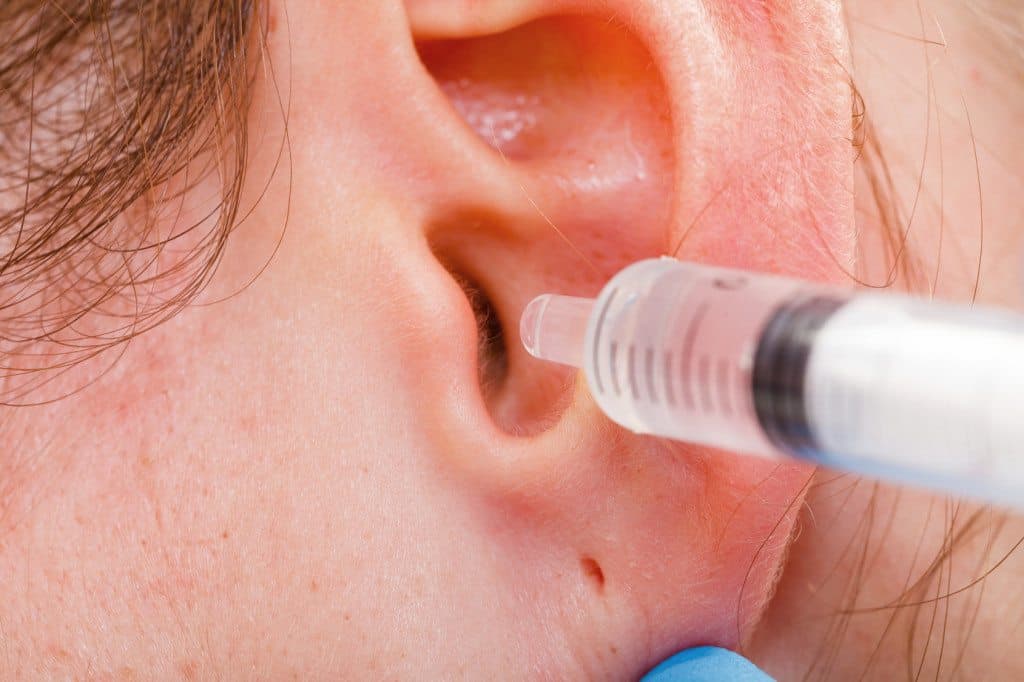
What Does Your Earwax Reveal About Your Health?

Ear wax is a completely natural wax-like substance secreted by special glands in the skin on the outer part of the ear canal. Earwax assists in repelling water and trapping small dirt and dust particles from entering your inner ear canal.

When you think about it, it’s weird how much the “gross stuff” our bodies produce can tell us about our health. A saliva sample can detect anemia; feces can pinpoint various types of cancer; urine can detect problems of the bladder, kidney and prostate…and so on. Turns out that our earwax can also tell us quite a bit.

First, we’ll talk a bit about the stuff and why it’s there. Then we’ll discuss what earwax tells us our health.

What is earwax?

As its name implies, earwax is a yellow waxy secretion of the ear. It is produced by the cerumen (suh-roo-mun) glands underneath the skin of the external ear canal (the part located between the fleshy and middle parts of the ear).

When most of us think of earwax, we just think of it as some nasty byproduct that needs a cotton swab once in a while. Actually, earwax is quite important. In fact, it serves these roles:

  • Moisturizes and protects the skin.
  • Prevents dry, itchy ears, especially within the ear canal.
  • Contains chemicals that ward off potential ear infections.
  • Helps prevent damage to the ear drum by suppressing outside noise.
  • Traps dirt, dust, and other foreign agents that enter the ear canal.

What Does Your Earwax Reveal About Your Health?

earwax

The color and consistency of earwax (as with the other “gross stuff”) is important. As with pee, poop, and spit, earwax should appear and feel a “certain” way. With that in mind, if your earwax looks like this…it may mean this…

1. It’s dry or sticky

This one is kind of cool, and it’s less about health than it is about genetics (though the two aren’t always mutually exclusive.) In an article published in the journal Nature Genetics, researchers discovered that the consistency of our earwax can clue us in on our ancestry. More specifically, the climate (thereby, location) in which our ancestors lived.

The authors explain: “Human earwax consists of wet and dry types. Dry earwax is frequent in East Asians, whereas wet earwax is common in other populations.” It all depends on the ABCC11 gene, which has a dry consistency. This gene increases according to geographic location, observed as a “north-south and east-west” downward trend.

2. It’s absent

If you notice an almost complete lack of earwax, which is usually noticeable when trying to clean your inner ear, there’s probably not much to worry about. However, it feelings of pain or stuffiness are present, it could indicate a rare condition known as “keratitis obturans.” This condition causes a hard buildup of wax deep within the ear canal.

As a precaution, it may be worth taking a trip to a family physician (FP) or an ear specialist – an otolaryngologist.

3. It’s leaking

When debris accumulates within the ear canal, it usually discharges through natural mechanisms or cleaning of the ear canal. When this debris noticeably leaks from the ear, it may indicate an abnormal skin growth called “cholesteatoma.”

Other symptoms of this condition include feelings of pain or pressure within the ear. These symptoms result from a “cyst-like” growth creating pressure within the canal.

It’s a good idea to see a specialist or FP in this case.

4. It’s scaling or flaky

This is no big deal, really. As with many other glands, the cerumen loses moisture as it ages. As a result, our earwax will also scale or flake.

Chalk it up to getting older.

5. It’s quite pungent

Earwax that gives off a strong and nasty odor may indicate either damage or infection in the middle part of the ear. The medical terminology for symptoms resulting from a damaged or infected middle ear is “otitis media.”

Aside from some nasty smelling earwax, you may notice some other symptoms of (acute or chronic) otitis media, including: fever, earache, fatigue and/or hearing loss.

The good news: most symptoms of acute otitis media will reside within a couple of days. However, it is advisable to seek medical attention if there is no noticeable sign of improvement.

earwax

6. It’s green and watery

There are one of two reasons why your earwax appears green and watery. First, if you’ve been sweating for any reason (e.g. exercise), it’s natural for the perspiration to make its way into the ear canal and mix with the wax, resulting in a watery, green discharge.

Or, you have an ear infection. Aside from a greenish tint, an ear infection may produce a lovely dark yellow liquid mixture. Here’s another time when it’s probably a good idea to see the doc.

7 Things To Never Do During Yoga

To begin this article, we’re going to provide a (real) quick overview on what yoga is. It’s likely that some of our readers haven’t learned about or practiced yoga, so we’d like to clear things up.

Quick overview

Yoga is generally recognized as an “ancient system of philosophies, principles and practices derived from the Vedic tradition of India.” The foundational tenets of Yoga are believed to have been discovered over 2500 years ago.

People unfamiliar with yoga may associate the practice with the mastery of difficult poses. This is partially accurate; but yoga encompasses – and in fact, prioritizes – mental and spiritual discipline before the physical. For example, a period of meditation and/or breathing exercises is/are integral to many yoga practitioners.

The Bhagavad Gita, the Hindu religious text, describes the practice: “Yoga is the journey of the self, through the self, to the self.” In theory, yoga practitioners associate this journey with the mastery and connection of body, mind, and spirit.

The purpose of this article is to discuss what not to do while practicing yoga. The aim is to educate and inform both practitioners and non-practitioners, alike. We also provide recommendations from yogi teachers and instructors on what to do instead.

“For those who have an intense urge for spirit and wisdom, it sits near them, waiting.” – Pantajali, Yoga Sutras

Without further delay, here are the 7 things to refrain from when practicing this ancient spiritual science:

spiritual benefits yoga

1. Don’t allow distractions

You’ll have plenty of other opportunities to be distracted. To effectively practice yoga, your mind must be in the present moment. This is not only to encourage proper technique. Mindfulness is a vital precept to the practice.

Further, if you permit distractions while practicing yoga, you’re much more prone to injury. Yoga is a difficult science to master, and it requires synchrony of the body and mind.

Solution: mindfully acknowledge distractions (including mind-wandering), and gently bring attention back to the breath and body.

2. Don’t force results

Mastery of various poses in yoga is considered a high priority. That said, experienced yogis too often see new practitioners trying to rush the process; specifically, trying to contort their body into a pose for which they are not ready. Of course, doing so drastically increases the risk of injury.

Yoga teachers adamantly teach against forcing things and being too goal-oriented.

Solution: focus inward (i.e. the mental, spiritual); doing so will naturally advance physical abilities and permit the practice of more difficult poses.

3. Don’t forget about props

For the uninitiated, a yoga prop is “simply an object that is used to aid the practice of yoga poses.” These objects include things like wooden bricks, foam blocks, yoga bolsters, “sticky mats,” belts and blankets.

The purpose of yoga props is to develop the bodily alignment and strength necessary to further advance proficiency. Of course, developing these physical attributes helps to prevent injury as well.

Solution: try not to view use of props as a crutch; they are there to encourage proficiency, advance understanding, and prevent injury.

4. Don’t forget about strength

Any quick internet search will yield pictures of yogis in some amazing poses, and we immediately think about the amazing flexibility required to get into such a position – and this is indeed part of it. While instructors preach flexibility, they also note the importance of strength. In fact, most teachers prioritize strength over flexibility.

You must prioritize strength for a couple of reasons. First, it allows the body to develop the alignment necessary for poses. Second, it significantly decreases the risk of injury.

Solution: focus on each individual pose, seek advice, and engage in activities that strengthen areas of the body you may consider to be “weak.”

5. Don’t forget proper breathing

The practice of good breathing techniques should be constant throughout the entire yoga session. Mindful, deep breathing accomplishes a couple important things: (1) it suppresses the “fight or flight” response and relaxes the mind, and (2) it reduces physical stress by transferring more oxygen to the muscles.

Solution: think of deep breathing as a “constant” throughout yoga practice, not as a “session” to be completed before or after.

6. Don’t test your pain threshold

One of the most asinine yet commonly-accepted human actions is to “fight through the pain.” Many believe that such actions are an essential component of mental and physical toughness. It’s not…it’s an ignorantly-held belief that accomplishes nothing.

Many yoga teachers remind students about the mental and spiritual elements–one of which is non-violence. Relatedly, fundamental yoga tenets teach non-suffering, which includes self-imposed pain.

Solution: ask for advice, use a prop, or adjust the body in a way that does not result in pain.

lotus flower

See someone with a lotus flower tattoo? Here’s what it signifies.

7. Don’t worry about hard poses

Again, there are some absolutely stunning pictures of yogis in seemingly-impossible poses (e.g. “the lotus”). Naturally, many practitioners want to master these poses sooner rather than later.

This is another situation where tenets of the practice are reinforced: patience, acceptance, safety, and inner-focus. Practicing yoga is not a competition – it’s about mastery of mind and spirit.

Solution: turn attention inward; only practice poses that feel comfortable.

These Things Happen To Your Brain When You’re Anxious

When you feel anxious, it can seem like the world is crashing down around you. Your heart begins to race, your palms feel sweaty, and you can’t seem to catch your breath. You also have a million thoughts running through your mind, making it difficult to think clearly. Anxiety affects the mind and body in many ways and can cause significant impairment for some people.

Of course, feeling anxious isn’t always a negative thing. In the past, anxiety activated our fight-or-flight response as a survival mechanism to keep us safe from threats. Fast forward thousands of years, and we still have ancient brains designed for living in the wild. We’re still learning how to navigate modern society, and our brains can’t always keep up.

Emotional events or trauma can trigger brain changes that lead to full-blown anxiety disorders in some cases. Even though everyone feels anxious sometimes, it becomes a disorder when it affects everyday functioning.

And scientists have proven that people with anxiety disorders have different brains than those without anxiety. We will go over some of these brain changes below and hopefully help end the stigma surrounding mental illnesses.

Anxiety Causes Changes in Primary Cortex and Amygdala

Sadly, some people still believe that people with mental illnesses exaggerate their symptoms. In other words, they say it’s “all in their head,” but this isn’t entirely untrue. A 2016 study in the journal Current Biology discovered that anxiety sufferers view the world differently due to structural brain changes. So, the sufferer doesn’t choose to feel anxious; instead, they respond to genetics and environmental factors.

Researchers from the Weizmann Institute of Science in Israel found that people with anxiety have difficulty differentiating between safe and unsafe stimuli. They tend to lump all experiences into one basket, called “overgeneralization.” When the brain operates under chronic stress, it can exacerbate mental illnesses such as anxiety.

Neuroplasticity, or the brain’s ability to change and form new connections throughout life, can explain why some people feel more anxious. The researchers discovered that people suffering from anxiety have lasting plasticity in brain circuits long after new experiences. Their brains may perceive threats when none exist, priming them for a fight-or-flight response. This inability to distinguish between new, safe stimuli and familiar experiences causes anxiety.

Researchers added that the anxious brain could not react any other way to stimuli since it’s wired differently.

anxious

What the Study Revealed

Researchers trained participants to associate three different sounds with one of three outcomes: money loss, money gain, or no consequence. Then, participants listened to around fifteen tones, and researchers asked if they recognized them. If participants could differentiate between the first and second set of sounds, they “won” the game. The authors discovered that anxious participants mistook the new sounds for old ones more than the other group.

The anxious participants didn’t have any learning disabilities or hearing problems that would explain their reactions. Instead, they confused the tones they heard, linking the sounds associated with money loss or gain to the other sounds.

In addition, the team found that people with anxiety showed heightened activity in the amygdala during the game. This part of the brain controls our response to fear and other emotions. According to the researchers, the study results may explain why some people are more vulnerable to developing anxiety disorders.

Higher Cortisol Levels Measured in Anxious Brain

Studies have shown that people with anxiety have higher cortisol levels, the primary stress hormone. A separate study published in the journal Neurology discovered that young and middle-aged adults with high cortisol had smaller brains. Researchers gathered brain data from 2,231 participants and gave 2,018 MRIs to measure brain volume. Next, they took cortisol measurements in the morning before participants ate breakfast.

The team found that people with anxiety and higher cortisol levels had cognitive impairment and structural brain changes.

Specifically, they had “lower total cerebral brain and occipital and frontal lobar gray matter volumes.” These parts of the brain help with cognitive functioning, memory, and visual perception. Also, women had more profound differences in brain structure than anxious men.

These studies prove that no one asks to have an anxious brain or any mental illness, for that matter. Genetics, environment, and other psychological factors can cause significant changes to the brain that affect daily functioning. So, don’t apologize or feel ashamed for having anxiety; it isn’t your fault!

Your brain works on overdrive, trying to spot threats before they can harm you. This would have been an evolutionary advantage in the wild, helping you and your family stay alive. So, the next time anyone says “it’s all in your head,” don’t take that as an insult. They’re correct, in a sense, because of the structural changes in the anxious brain.

Three Ways to Combat Anxiety

  • Make time for nature. Going for walks in the forest or trips to the beach can help you destress and calm your nervous system. Studies show that nature-based activities have a positive effect on all aspects of mental health.
  • Meditate or do yoga. One great way to find peace involves meditation, yoga, or deep breathing exercises. Many studies have shown that meditation can lower anxiety and stress levels, especially long-term practitioners.
  • Exercise regularly. Many of us don’t make time for working out in our hectic world, but research proves it can reduce anxious feelings. Even thirty-minute walks a few times per week can have notable benefits.

anxiety

Final Thoughts on How Anxiety Changes the Brain

If you have anxiety, you may feel that no one truly understands what you go through. It can feel incredibly isolating and lonely to cope with the symptoms while trying to maintain responsibilities. However, remember that you didn’t ask for a mental illness and don’t owe any explanations. You’re simply doing your best to navigate this world with an anxious brain, fighting battles with your mind each day. So, practice self-care techniques and love yourself despite the anxiety because it’s only trying to ensure your survival. If you can view anxious feelings positively, it may help you become more accepting and compassionate towards yourself.

Research Suggests The Most Telling Sign Someone Will Become Depressed

Depression can rear its ugly head when you least expect it, perhaps due to stress or revisiting past trauma. Maybe you had a bad day or week, which triggered negative thoughts that led to a downward spiral. When you have a depression relapse, you might blame yourself for how you feel. You may even sink into hopelessness, thinking that you can never totally leave the depression in the past.

However, please remember that feeling depressed doesn’t make you weak or inferior. Society might make you feel that way, but you don’t owe anyone an explanation. Focus all your attention on self-care and love when you feel down because you can’t pour from an empty cup.

Also, try to pinpoint what caused your depression relapse. Could negative self-talk be the culprit, hiding in plain sight? Sadly, many people with depression engage in self-criticism, which can exacerbate mental health disorders. Even people with high self-confidence criticize themselves, though not as often.

 When we repeatedly think negatively about ourselves, we start to believe these insidious thoughts. These deep-seated opinions create pathways in the brain that become very difficult to change. After a while, our new reality looks grey and lifeless because we’ve conditioned our minds in this manner.

 We may not even realize how self-criticism can impact our health, but it heightens our stress response over time. Chronic stress causes huge spikes in cortisol, which can cause numerous mental and physical health problems.

 Below, we’ll talk about how a negative self-image can lead to recurring depression. Your thoughts are powerful, so learning how to shift your perception will promote mental wellness. Improving your self-talk doesn’t happen overnight, so we will provide tips to get you started on a self-love journey.


depression

Frequent Self-Criticism Predicts Depression Relapse

In a study published in Clinical Psychological Science, researchers from Stanford University and the University of Southern California examined the relationship between negative thinking and depressive symptoms. They measured four main variables: negatively biased self-referential processing, adverse life events, baseline depressive symptoms, and pharmacological effects.

Self-referential processing refers to how individuals relate external information or experiences to themselves. Researchers theorized that participants who viewed themselves negatively would have higher instances of recurring depression.

To analyze the potential relationship between negative self-image and depression relapses, researchers recruited 100 women diagnosed with Major Depressive Disorder MDD. Participants reported a “full remission,” not having experienced a depressive episode in two months.

The research team developed a multi-step process with the participants to test their theory:

  1. Researchers “induced a negative mood state” by having the women watch random film clips. They instructed the participants to visualize the characters in the adverse situation and rate their moods on a 5-point scale.
  2. Researchers then “encoded” self-referential attitudes using a computer program to gauge how participants described themselves.
  3. They also gave the women questionnaires to self-record any depressive symptoms.
  4. Finally, researchers performed psychological assessments once every 18 months for three years.

What the Study Revealed

Not surprisingly, scientists found that women with more negative self-perceptions had an increased risk of relapsing over the next three years. This discovery held across other variables such as age, ethnicity, income, education, and marital status. Among the four variables measured in the study, researchers observed disproportionately higher rates of recurring depression from a negative self-image.

However, researchers say further research is necessary for the future to confirm these findings. They concluded by saying this: “Identifying negative biases in self-referential processing as a risk factor for recurrence has important implications for intervention efforts.”

So, if psychologists can identify these negative thinking patterns early on, it could lead to improved treatments for depression. Psychiatric medications and therapy have improved or even saved the lives of millions with mental health disorders. In addition, self-care techniques such as positive affirmations, exercise, and other lifestyle changes can help avoid a relapse into depression.

Other Tips on Avoiding a Depression Relapse

If you’re struggling with depression, please remember to show yourself kindness and listen to your higher self. You deserve to take up space on this planet just like anyone else and have a unique purpose in this lifetime. You’re a fragment of consciousness itself, an essential piece of the grand puzzle. When negative thoughts haunt you, follow these tips to scare them away for good.

  • Question your thoughts. Frequently, we believe what our thoughts tell us without second-guessing them. If the voices in your head have self-defeating things to say, ask: “Is that true?” If you confront your thoughts and explore potential alternatives, the negativity loses its power. You realize that you can believe whatever you choose about yourself, whether uplifting or demeaning. With practice, you can start to weed out the negative thoughts and replace them with positivity!
  • Create distance. Take a break from your mind and be for a while. It’s difficult to remember that you’re not your thoughts if you constantly focus on them. So, pretend they aren’t there for a bit and put your attention on something else. Step back from your negative self-talk. When you’re engaging such thoughts, talk to them like you would a third party.
  • Get active. Exercise, explore nature, hang out with friends, or do anything that involves moving your body. When your body is in motion, you don’t focus on your mind as much. Plus, studies have consistently shown that exercise releases feel-good hormones that promote a healthy mind. Exercise may not eliminate depression, but it can certainly make the bad days more tolerable!

depression relapse

Final Thoughts on One Major Sign of a Depression Relapse

A study found that constantly critiquing oneself may worsen depression symptoms and even cause a relapse. Researchers discovered that the participants with more negative self-perceptions had a greater risk of relapsing in 3 years. They hope that their findings will lead to improved treatments for depression.

However, even if you have severe depression, it’s still possible to boost your self-esteem through positive thinking. While changing your mindset requires great patience, you will reap the benefits by becoming your own best friend. Remember, there’s nothing wrong with you – only your mind tricks you into believing that. You’re perfect already, so repeat that each day to yourself and watch what happens!

4 Reasons Your Hair Is Turning Grey Early

“When your body stops generating melanin, hair presents itself as grey, white, or silver.” – U.S. News and World Report

We all age…it is the natural evolution of life itself. Some choose to navigate through this process with a sense of acceptance. Others choose to “fight,” unable to accept this natural evolution. In truth, there is nothing wrong with either perspective, as we all try to come to grips with the inevitability of aging in different ways.

Which leads us to our hair going grey…

One physical aspect of this natural aging process is the proliferation of greys in our hair – and not everyone likes it. The follicles based underneath our skull age just as we do. When we advance in years, our hair follicles produce less melanin – the pigment that gives our hair its natural color – and grey hair is the natural by-product.

Not everyone develops this physical trait around (or even near) the same time – and scientists still don’t have a good explanation. One consensus that has been reached: genetics probably has much more to do with accelerated greyness of hair than anything.

Racial demographics actually have a lot to say about this trend. Typically, Caucasians begin greying in their mid-30s; Asians in their late 30s; African-Americans in the mid-40s. According to WebMD, over half of all people have “a significant amount of grey hair by the time they turn 50.”

For whites, ‘prematurely grey’ indicates growth of grey hair by 20; for blacks by 30.

As the citation preceding the article’s intro notes, premature greying is mostly genetic. There are, however, catalysts that may expedite the alteration from ones “normal” hair tone to one that conspicuously displays the natural aging process.

Which actually brings us to the point of our article: why some people prematurely grow grey hair. Contrary to popular belief, this physical change of appearance can – in some ways – be attributed to lifestyle and other characteristics.

Here are 4 main reasons why your hair is turning grey earlier than expected:

1. A medical condition

Autoimmune diseases effectually attack cells within the body, and this includes hair follicles, which makes it possible for premature greying to occur. There are other medical causes, as well.

According to WebMD: “a vitamin B-12 deficiency or problems with your pituitary or thyroid gland can cause premature aging.” The good news is – if the condition is treated –  that the physical effects of premature aging (including greying of hair) can be reversed. This said, premature greying of the hair due to medical reasons is thought to be rare.

2. Smoking

According to one prominent dermatologist: “Smoking is one of the worst things you can do for your skin and hair…you may not be able to see wrinkles on the scalp but it’s still affecting all the (hair) follicles.” 

Despite the potential effects of smoking on the aging process, it doesn’t have near as much of an impact as genetics. If premature greying is not a trait that runs in your family, it is recommended to see a doctor to evaluate thyroid health, vitamin levels, and to rule out anemia – a deficiency of red bloods or hemoglobin in the blood.

3. Chronic stress

While there is a bit of a debate on this, some research has uncovered a correlation between stress and grey hair. In a study conducted by cellular biologists at New York University – and published in the journal Nature Medicine – researchers observed the diminution of hair follicles via stem cell reduction in mice placed under stressful conditions.

Again, an abundance of research on the effects of stress and premature greying does not exist. However, there is plenty of anecdotal evidence to suggest that there may indeed be a strong link.

4. A Vitamin Deficiency

As mentioned, a vitamin B12 deficiency can accelerate the greying of hair. Vegetarians and vegans, due to their dietary restrictions, may also be at a greater risk for premature greying. Individuals that take birth control pills, and those with gastrointestinal or digestive issues may also be at a higher risk for premature greying.

Related Article: Are You Aging Too Quickly?  These Signs Will Tell You…

References:
Chou, W. C., Takeo, M., Rabbani, P., Hu, H., Lee, W., Chung, Y. R., . . . Ito, M. (2013). Direct migration of follicular melanocyte stem cells to the epidermis after wounding or UVB irradiation is dependent on Mc1r signaling. Nature Medicine, 19(7), 924-929. doi:10.1038/nm.3194
Martin, L. H., MD, MPH. (2014, October 27). Aging changes in hair and nails: MedlinePlus Medical Encyclopedia. Retrieved December 09, 2016, from https://medlineplus.gov/ency/article/004005.htm
Sashin, D. (n.d.). Premature Graying: Reasons, Options. WebMD. Retrieved December 10, 2016 from http://www.webmd.com/beauty/features/abcs-premature-graying#1
(C)Power of Positivity, LLC. All rights reserved

Can You Go 24 Hours Without Complaining? Here’s How. . .

The definition of the word “complain” and relative forms (complaining, complainable, complainer, etc.) according to dictionary.com is: “to express dissatisfaction, pain, uneasiness, censure, resentment, or grief…to find fault.

The uncomfortable truth is that the majority of us find some “justifiable” reason to complain. Whether or not the situation is warranted or not is irrelevant. Complaining is an attribute associated with weak character, period. A painful truth? Yes, it is… but it doesn’t make it any less of a fact. Why? Because complaining all too often results in an outcome for which we gain nothing. To make it worse, the act of complaining is usually over something for which we can’t control.

About 99.99% of all human beings to have ever existed is guilty of complaining at one time or another. Why? Because it’s human nature.

Humans don’t like discomfort in any way, shape or form. Unfortunately, one of the most common ways to express our discomfort is by voicing our discomfort to anyone who is willing (or, in many cases, unwilling) to listen.

Here’s the root of the problem: complaining achieves absolutely nothing. It’s a worthless behavior with a zero-sum outcome. Nothing is gained, but much can be lost. We’re going to (with our best effort) describe some alternatives to this natural predisposition.

Here are 11 ways to stop complaining:

“If you have time to whine and complain about something then you have the time to do something about it.” – Anthony J. D’Angelo

complaining

1. Don’t let other people influence your mood.

This one is easy to explain, but difficult to practice. Allowing others to alter your positive state of mind is incredibly easy. Whether it’s your acquaintances, coworkers, and yes, even your friends and family, permitting an individual or group to affect your mindset adversely is a personal liability. Please don’t allow it to happen.

2. When a situation is less than ideal, take a deep breath and look for a solution.

It’s human nature to react to a bad situation impulsively. This is when the conscious decision to inhale deeply can benefit. Deep breathing automatically sets your mind and body at ease; permitting you to make rational decisions to help resolve any situation.

3. Remember that sometimes, being kind is better than being right.

When conflict arises, our inner pride often encourages us to “be in the right.” However, when attempting to resolve an unideal scenario amicably, sometimes it benefits ourselves and others to do so with a positive attitude.

4. Fit some physical activity into your day.

Exercise is one of those activities proven to reap both mental and physical rewards. As it pertains to the topic at hand, exercise is undoubtedly the most advantageous action one can take to balance their state of mind. This includes the mental fortitude often required to resist the temptation to complain.

5. Be kind, loving, understanding, and patient with yourself. You’re doing the best you can.

Self-compassion is critical to avoiding self-criticism. Too often, we discipline ourselves far too harshly, whether this reaction involves complaining about oneself or others. Be compassionate with yourself and with others.

6. Intentionally search for things to feel good about.

Also called gratitude, the gift of recognizing the good things in your life is also key to refraining from the impulse to complain. It’s rather simple. When we are consciously aware of the blessings bestowed upon us, we’re less likely to focus attention on the not-so-good things.

7. Do things that bring you joy.

We all require happiness in our lives. The lack of which often manifests into attitudes of bitterness and contempt. Of course, this often results in us finding fault wherever and whenever we can, justified or not. We must set aside time to do things that bring about feelings of joy.

8. Do something kind for someone else.

Mother Teresa once said: “Do not think that love in order to be genuine has to be extraordinary. What we need is love without getting tired. Be faithful in small things because it is in them that your strength lies.”

Small acts of kindness go a long way. Not only for the recipient but also for the benefactor. We find gratefulness in such actions, which puts us in a state of mind that is less inclined to participate in criticism and other negative thought patterns.

15727041_10154099989892371_4853306640065179842_n

9. Don’t forget about nutrition. Bring water and health snacks to keep a positive mood.

Our physical health is intricately woven into our psychological health. When we’re eating right – hydrating, snacking healthily, and consuming nutritious foods – we’re positively impacting our state of mind. When our mind is in equilibrium with our body, we’re much less inclined to engage in counterproductive behavior such as complaining.

10. Allocate time to relax and rewind (R&R)!

A tired mind and body is an underprepared mind and body. Similar to dietary habits, neglecting the need to rejuvenate the mind and body leaves us susceptible to negative behavior. We must prioritize R&R.

11. Make sleep a priority

Proper sleep is arguably the most important of all eleven things on this list. Our brain will not (cannot) rejuvenate or reorganize. As such, we are unable to reason – a scientifically proven fact. This goes without saying; If we are unable or unwilling to practice proper sleeping habits, our judgment is severely impaired. The impulse to complain is just one among many other byproducts of sleep deprivation.

Skip to content