Weekly tips, affirmations, and small actions to feel your best.

Sociologists Explain 8 Ways To Help A Shy Person Come Out Of Their Shell

Being shy isn’t always a bad thing. Different people are comfortable with different levels of social activity, and being shy is natural. However, some people tend to miss out on great opportunities, moments and experiences, just because they’re too shy to put themselves out there.

But why?

Professor of psychology Barry Schlenker says, “Many shy, socially anxious people report the fear of being unable to make a desired impression on others.

Do shy people want to interact?

According to director of the Outpatient Psychotherapy Treatment Program at Emory Healthcare and author Jennice Vilhauer, Ph.D., “Shy people want to be close to others but fear being rejected or criticized, so they avoid even social events they want to attend. They often end up feeling lonely and isolated, which increases their risk for developing other problems like depression or anxiety.

If you know someone like this in your life, you may be thinking of ways to help them come out of their shell and feel more confident. Check out these methods by sociologists that explain how to best help a shy person out of their shell.

“There was a combination of shyness and just fear of looking stupid that kept me out of a lot of interesting creative conversations that I could have had at an early age.” – Ron Howard

Here Are 8 Ways To Help A Shy Person Come Out Of Their Shell
shy

1. Have other people start with an introduction

Introducing shy people to new and outgoing people can be difficult. Instead of trying to change a shy person’s behavior, ask the more outgoing person to change the way they approach the shy person. Have them start with a simple introduction, followed by a question that your shy friend can easily answer.

For example, “Hello, my name is ___. Who are you?” They’re introduced to the new person, and then given a question they can easily answer – their name!

John Stoker, president of DialogueWORKS and author of “Overcoming Fake Talk” says that, “Asking questions is the easiest way to deepen or create a relationship with someone.

2. Affirmations for a shy person to say

People who are shy can often become self-conscious after meeting new people. When you introduce them to someone new, make sure that the person that you introduce them with affirms their meeting. For example, have them tell your shy friend how happy they are to have met them.

“It was so nice meeting you”, or “It was a pleasure getting to talk to you!” are great ways to give affirmations to a shy person. This can work with introducing shy people to more outgoing people, or introducing yourself to shy person as well.

If you make the first move by introducing yourself and taking an interest in the person, you will help to set them at ease, which will help you to establish a relationship with the person that could pay huge returns,” adds Stoker.

3. Use their name

People, as a general rule with a few exceptions, enjoying hearing their own name. Not only that, but repeating the use of a shy person’s name can help with affirmations. It lets the shy person know that you, or someone else, really heard and listened to them introducing themselves, and that you care about them enough to remember and use their name.

According to WikiHow, “People love to hear others say their own name because it brings a personal touch to an otherwise general situation or conversation. Not only will saying his name strengthen the bond between you and the shy guy, but it will also quicken the bonding process.

If you’re in a group conversation, shy people can tend to retreat into their shells. Thus, using a shy person’s name can help continue to include them in the group when you want them to contribute to the conversation.

4. Explore their interests

What are they interested in? People love to talk about the things that they love – even shy people! This can be one of the best ways to get a shy person talking. As them about the things that they’re passionate about, and then ask follow-up questions. If you’re going to ask what books they like to read, also ask them what their favorite book is, then ask them what it’s about, and why they like it. This is one of the best ways to get a shy person to open up to you or other people.

recharge your positivity

5. Offer to help them

If a shy person needs help, they may not feel comfortable reaching out to other people and asking for assistance. The thought can be very anxiety-inducing, which means that they may put off asking for help as long as possible. To make sure this doesn’t happen, always offer your assistance whenever you can. Instead of making them reach out to you, make sure that they know that you’re there to help them.

According to WikiHow, “Bringing a guy out of his shell is not an overnight process, but takes time. It’s not always as simple as being super kind or asking the right questions. You may need to help him build additional social skills, depending on his personal situation and experiences.

6. Build their self-esteem

Eleanor Roosevelt once said, “You wouldn’t worry so much what others think of you if you realized how seldom they do.

Sometimes, shyness can be due to someone’s low self-image. While you can’t be the one to completely turn someone’s self-esteem around, you can definitely help them feel more confident. Compliment them on their clothes, or their new haircut.

Make sure you notice when something about them changes so that you can give them a compliment on it. Shy people don’t make big changes very often because they’re self-conscious about it – so when they dye their hair or wear new clothes, make sure to point it out and tell them how much you like it.

7. Start conversations with someone shy

It’s no surprise that shy people often don’t want to be the first to start a conversation. They may feel like people don’t really want to talk to them, or they may just be too shy to make the first move. There’s no harm in starting the conversation with someone that you know is shy. It can take a while, but it’ll build up a rapport and having them starting to reach out to you, first. Shy people just need to know that their company and conversation are wanted, so make sure to reach out to them every once in a while.

8. Be yourself!

Funnily enough, this is a great way to get shy people to come out of their shells, especially if you’re a more outgoing person. Just being who you are can be an inspiration for shy people. When they see you having fun and having conversations without the world crumbling around you, they’ll start to realize that they, too, can have the same type of experiences when it comes to being more outgoing.

shy children

Final Thoughts on Helping a Shy Person Break Out of Their Shell

While you may feel like just forcing them to be more social is the right way to go, that can actually cause a shy person to become overwhelmed and overstimulated, which will only cause them to retreat further. Here are some tried and true methods to help a shy person come out of their shell and live life to the fullest.
6 Things To Remember If Your Partner Was Abused As A Child

Was your partner abused as a child? If so, they probably have scars they still carry today. And good for  you for diving in to learn more about how you can help them heal.

“Individuals who reported six or more adverse childhood experiences had an average life expectancy two decades shorter than those who reported none. Ischemic heart disease (IHD), Chronic obstructive pulmonary disease (COPD), liver disease and other health-related quality of life issues are tied to child abuse.”  – Childhelp.org

The statistics

According to childhelp.org:

  • “Every year more than 3.6 million referrals are made to child protection agencies involving more than 6.6 million children (a referral can include multiple children).
  • The United States has one of the worst records among industrialized nations – losing on average between four and seven children every day to child abuse and neglect.
  • A report of child abuse occurs every 10 seconds.
  • As many as two-thirds of the people in treatment for drug abuse reported being abused or neglected as children.”

Here are a few more statistics about child abuse in America from americanspcc.org:

  • 4 million child maltreatment referral reports received.
  • 3.4 million children received prevention & post-response services.
  • 207,000 children received foster care services.
  • 75.3% of victims suffer from neglect.
  • 17.2% of victims receive physical abuse.
  • 8.4% of victims receive sexual abuse.
  • 6.9% of victims are psychologically maltreated.
  • Highest rate of child abuse in children under one (24.2% per 1,000).
  • Over one-quarter (27.%) of victims are younger than 3 years.
  • Almost five children die every day from child abuse.
  • 80% of child fatalities involve at least one parent.
  • 74.8% of child fatalities are under the age of 3.
  • 49.4% of children who die from child abuse are under one year.
  • Almost 60,000 children are sexually abused.
  • More than 90% of juvenile sexual abuse victims know their perpetrator.
  • Child abuse crosses all socioeconomic and educational levels, religions, ethnic and cultural groups.”

We now know that there are marked differences in the brains of those who have suffered child abuse and those who had a healthy upbringing. Referring to the quote at the beginning of the article, we also know that child abuse can cause physical damage to the body, which shows the lasting effects of being abused as a child.

What we experience as children largely dictates our personality and behaviors as adults, and people who have been abused as children lack love, support, and stability from their parents. As a result, they’re much more likely to develop psychological disorders and have a harder time developing and maintaining healthy relationships.

If you are in a relationship with someone who received this mistreatment as a child, there are a few things you need to remember.

Here are 6 things to keep in mind if your partner has suffered from child abuse:

1. Your partner might lash out at you.

It isn’t that your partner mistrusts you. But they struggle with flashbacks from their childhood and direct those intense emotions at you. They might get angry at you for no obvious reason. Or, they might burst into tears stemming from painful memories. Prepare your mind to help them through these memories. Nevert push them to talk about the abuse if they don’t feel ready. You might need to walk away and come back at a later time when they’ve had a chance to calm down.

2. You might need to seek out counseling.

Your partner may have never gotten treatment for the psychological harm they experienced as a child, which undoubtedly left its mark on him or her. If they seem to be having frequent flashbacks or trouble functioning in their daily life, you might want to suggest therapy. Talking through painful memories and learning coping skills is often the only way to move on from such traumatic experiences. You can even go with them to offer your support, and you might want to seek couple’s therapy if you feel it necessary.

3. They might have intimacy issues.

Experiencing abuse, especially as a child, will have lasting consequences regarding interpersonal relationships. People who suffer child abuse often have trust issues, which means that you’ll have to exercise extreme patience in your relationship. It might take them a lot longer than others to open up. If they suffered from sexual abuse, they might show little desire to have sex. Remember that how they feel has nothing to do with you, and everything to do with their childhood memories. If your relationship is suffering due to the psychological damage they’ve endured, keep in mind that a therapist can help you work through these issues together.

4. Your partner might suffer from a mental disorder.

Due to the trauma they experienced, your partner may suffer from anxiety, depression, PTSD, or other mental illnesses. Anxiety and depression are the two most common mental illnesses worldwide. Of course, these increase significantly in adults who suffered child abuse.

5. They will likely have trouble communicating their emotions.

Children who suffer neglect or abuse often don’t learn the skills necessary to manage and work through their emotions. They also don’t learn how to interpret and respond to other people’s emotions. Those crossed wires can lead to poor emotional intelligence as an adult.

6. Your partner may be impulsive and aggressive.

Several studies found a link between child abuse and behavioral problems later in life. In a study published in Child Maltreatment, researchers chose 676 abused or neglected children and 520 non-abused children at random from birth and school records.

The 1,296 participants interviewed with researchers when they reached the average age of 29. The study found the following results:

  • Adults suffering from mistreatment were 38% more likely to have an arrest record for a violent crime.
  • Abused or neglected participants were 53% more likely to have been arrested as an adolescent.
  • Prolonged maltreatment or neglect (per child protective service records) is “related to delinquency, drug use, and other problem behaviors” throughout adulthood.

Also, abused children show higher impulsiveness as adults due to the constant fear of physical or mental abuse growing up. This constant fight-or-flight response changes the brain, making them more prone to anxiety and poor decision-making.

Final Thoughts

No one should have to suffer from child abuse. No one deserves that kind of pain and mental anguish, especially in the most vulnerable years of life. If you’re in a relationship with someone who has been abused, just remember that you are not alone. It’s not your job to fix what happened, and you don’t have to carry the burden all by yourself. Counseling is available to help both of you through it. This help means that you can have a healthy, happy relationship, and your partner can learn to heal their deep wounds.

Just remember to be patient with your significant other, and be there for them in whatever way you can. People who suffered this mistreatment do want a healthy, stable relationship. However, they just need the tools to both give and receive love.

References:
HTTPS://WWW.CDC.GOV/VIOLENCEPREVENTION/CHILDMALTREATMENT/DATASOURCES.HTML [PDF FILE]

HTTPS://WWW.NCBI.NLM.NIH.GOV/PMC/ARTICLES/PMC2771618/
https://americanspcc.org/child-abuse-statistics/

Child Abuse Statistics


8 Behaviors Someone With a Personality Disorder Displays to Reveal Themselves

What is a personality disorder?

Everyone possesses their own unique personality that makes them different from others. Our personality is formed from a combination of genetics and upbringing. While studies vary, many agree that our personality is fully developed between the ages of 5-7. Personality is our own way of behaving, thinking, and feeling. These characteristics make us human. Without a personality, we would basically be robots, simply moving through life without emotion or thought.

Unfortunately, the personality can go awry based on genetics and negative childhood experiences. Personality disorders cause a person to have a distorted view of himself and others, and impact the way he responds to other people and control his emotions. Depending on the severity, these types of disorders can greatly impede a person from living a normal life. Plus, they can affect everything from jobs to financial stability. Without treatment, the person will become used to their negative behaviors and thought patterns, and may even begin to think nothing is wrong.

Personality Disorder Clusters

“A personality disorder is a way of thinking, feeling and behaving that deviates from the expectations of the culture, causes distress or problems functioning, and lasts over time.” – American Psychiatric Association

The current Diagnostic and Statistical Manual of Mental Disorders (DSM-5) recognizes 10 different personality disorders grouped into three categories, or “clusters.” They are as follows:

Cluster A: Odd, Bizarre, Eccentric

  • Paranoid Personality Disorder
  • Schizoid Personality Disorder
  • Schizotypal Personality Disorder

B: Dramatic, Erratic

Cluster C: Anxious, Fearful

  • Avoidant Personality Disorder
  • Dependent Personality Disorder
  • Obsessive-Compulsive Personality Disorder

Even though psychology differentiates the 10 personality disorders based on behaviors, they often overlap, making a diagnosis difficult. Some psychologists today believe that, instead of specific personality disorders, the maladaptive behaviors that make up the disorders lie on a spectrum, or continuum.  In a new version of an old approach to coping with these illnesses, professionals focus on “style” rather than distinct disorders, University of Minnesota psychologist Sylvia Wilson and colleagues looked at the different interpersonal styles that make up each disorder.

As they note in their research, “Interpersonal style is defined by one’s characteristic approach to interpersonal situations and relationships” (p. 679). This would include everything from how you behave in relationships, to how you view relationships, to how you interpret what happens within your relationships. People with personality disorders typically have very turbulent and unstable relationships due to how they perceive themselves and others in their relationships.

Wilson and her colleagues proposed that all personality traits fall on a spectrum between agency (ranging from domination to submissiveness) and communion (ranging from warmth to coldness). The eight specific traits identified in their research are domineering, vindictive, cold, socially avoidant, nonassertive, exploitable, overly nurturant, and intrusive.

With that said, we will go over these eight traits in further detail and explain which disorders would fall under them.

Here are 8 traits of someone with a personality disorder:

1. Domineering

As you might expect, individuals with antisocial and narcissistic personality disorders scored high on this trait. Antisocial disorder is a pattern of disregarding or violating the rights of others, and people with this disorder may not follow laws or social norms. People with narcissistic personality disorder also don’t have empathy for others, and feel the need to be in the spotlight frequently or show off their achievements. They may take advantage of others due to their sense of entitlement. In addition, people who have histrionic personality disorder scored high on this trait. Excessive displays of emotion and attention-seeking behavior characterize histrionic personality disorder.

2. Vindictive

People with paranoid, schizotypal, antisocial, dependent, narcissistic, and borderline personality disorders scored high on this trait. People with paranoid personality disorder view others’ motives as suspicious and spiteful, and those with schizotypal personality disorder have distorted thinking and extreme discomfort in close relationships. Dependent personality disorder, as you might guess, is a pattern of feeling helpless and needing care. People with this disorder often fear being alone and display clingy behavior. Those with borderline personality disorder have great instability in their self-image, relationships with others, and emotions.

3. Cold

Paranoid, schizoid, schizotypal, narcissistic, and avoidant personality disorders are high in this trait. People with schizoid personality disorder detach themselves from relationships and usually don’t display much emotion. They prefer being alone, and may not respond to others’ emotions, especially to praise or criticism. However, those with avoidant personality disorder are very sensitive to criticism and may avoid social activities due to feeling inferior or inadequate. Individuals with this disorder obsess over what others think about them and have poor self-esteem.

4. Socially avoidant

Obviously, people with avoidant or antisocial personality disorder scored high in this trait. People with schizoid personality disorder also scored highly here, as they don’t tend to form close relationships with others.

5. Nonassertive

People with schizoid, schizotypal, and avoidant personality disorders are most likely to be nonassertive. On the opposite end, however, those with narcissistic and antisocial personality disorders score high in assertiveness.

6. Exploitable

Narcissistic, antisocial, and dependent personality disorders scored high in this trait, as all three center around using others for personal gain in some manner.

7. Overly nurturant

People with dependent personality disorders display this trait, as they need to form close bonds with others in order to get them to take care of them.

8. Intrusive

The people that scored highest here are those with narcissistic, borderline, histrionic, dependent, and antisocial personality disorders.

Interestingly, those with obsessive-compulsive personality disorder had fairly stable interpersonal personality traits, as this disorder does not usually affect relationships either positively or negatively.

Final thoughts on Personality Disorders

While people with mental illnesses may struggle with simple tasks in daily life, treatment is available, and many therapists specialize in treating these individuals. So if you or someone you know has a mental illness, please don’t hesitate to seek help. It does not make you weak or less than others; it simply means you’re doing what you need to do to feel better.

While there are no medications that specifically treat personality disorders, many psychiatrists prescribe antidepressants, anti-anxiety medications, or mood stabilizers to help with the symptoms. The most effective treatment for personality disorders is either cognitive behavioral or dialectical behavioral therapy, as well as self-care and coping strategies.

7 Morning Habits That Make People Happier

Everyone (at times) struggles in the morning because, well, the brain is partially asleep in the wee hours of the day.

Enter coffee (see coffee consumption; United States).

Even “morning people” sometimes struggle to get moving. It just doesn’t take them (nearly) as long to adjust.

Habits are a powerful thing.

We can incorporate habits – many of which are validated by research – to improve the quality of our morning hours.

Here are seven such habits:

“Morning is wonderful. Its only drawback is that it comes at such an inconvenient time of day.” ~ Glen Cook

1. Wake up earlier

You probably knew this one was coming. But yeah, waking up earlier, while it may sound nightmarish at first, has some real benefits.

According to a study by the University of Toronto, “people who wake up early in the morning are generally happier and have higher satisfaction overall in their lives.”

It’s easy to understand the relationship between happiness and waking up earlier when you think about it: We’re less rushed; therefore, less stressed; which makes us more productive, which leads to happiness … and so on.

Start simple. Wake up 20 minutes earlier for a week or a month (personal preference) and get into your routine. If needed, compensate for this by going to bed earlier in the evening.

2. Eat a good breakfast

You don’t need to eat a big breakfast.

Why the emphasis? Because, for some reason, a “healthy breakfast” is often misinterpreted as a gorging session. This perception is incorrect. In fact, a large-sized breakfast will probably make you want to head back to the rack.

A couple of pieces of wheat toast and an egg, a bowl of whole-grain cereal and a bit of fruit, a cup of yogurt, and some granola. All of these will work just fine.

You brain and your body will thank you. (For a real boost, down 12 to 16 ounces of water.)

3. Get your body in motion

Last checked, the number of research studies linking exercise to positive mood are somewhere in the gazillions (don’t quote me on this.)

On a serious note, we get over our innate resistance to exercise when we make it routine. Additionally, its magical effects on the body make creating a fitness routine easier.

Usually, mood-enhancing effects can be felt in the first five minutes of exercise.

morning habits

4. Have a mindfulness practice

Though this challenge may sound intimidating, applying a mindfulness (or meditation) practice can be incredibly simple.

Here are some examples:

– While eating breakfast, focus all of your attention on your food’s taste and smell.

– When commuting to work, practice some diaphragmic breathing. Breathe into the count of four, and slowly exhale to the count of four.

– While reading the paper, just read the paper. Try not to think about anything else.

5. Be grateful

We’re going to add a bit of substance behind the all-too-cliché “Be grateful!” advice that helps exactly no one.

Whether it’s while enjoying a cup of coffee, in the shower, or getting your kids ready for school, remind yourself of 3 things for which you’re grateful.

Write them down if you’d like.

Experience the positive feelings that these items of gratitude produce; bask in them, even if it’s just for a brief moment.

6. Don’t rush

If you examine how you live your life, you may just conclude that you’re in a perpetual state of hurry.

Now, there’s a vast difference between rushing and productivity. If the work you’re doing – no matter at what rate – makes you fulfilled, that’s awesome. Stick with it.

Rushing, on the other hand, produces no tangible benefits. Rushing around is nothing other than stress on fast-forward. In a state of rush, the only thing busier than your frenzied movement is your frantic state of mind.

If need be, create a schedule that includes some buffer time for each activity.

But whatever you do, slow down. Be present.

7. Learn the fine art of detachment

Consider the lifestyle of a U.S. Navy SEAL.

For the unaware, SEALs are America’s preeminent special forces group. It’s fair to say that they undergo the most intense military training in the world.

They’re elite warriors. But they’re also human beings. Human beings are placed in situations that would be unimaginably stressful for even the toughest among us.

When asked about how he handles such stress, he merely replied: “I detach from it.”

Detachment is viewing the stressor, whatever it is, from the perspective of a third-party observer. You won’t, you can’t, not feel the stress – that’s impossible.

See the stress, acknowledge it, but don’t dwell.

But don’t dwell.

Remain steadfast yet kind to yourself. The pain is only temporary.

Sources:
http://www.lifehack.org/articles/communication/10-morning-habits-happy-people.html

10 Adult Behaviors of Someone Who Was Raised By Narcissists

What is narcissism? What are narcissists like as parents? How can children who grow up in such a family thrive?

The Mayo Clinic describes narcissism in the context of Narcissistic Personality Disorder (NPD):

“Narcissistic personality disorder is a mental disorder in which people have an inflated sense of self-importance, a deep need for admiration and a lack of empathy for others. But behind this mask of ultra confidence lies a fragile self-esteem that’s vulnerable to the slightest criticism.”

A therapist’s experience

“Often, children of narcissists are overly-sensitive, deeply insecure, unable to see themselves as good, worthy and lovable.” ~ Kathy Caprino

Kathy Caprino, an author,  life coach, licensed marriage and family therapist, and former corporate executive, has seen her fair share of narcissists.

“I saw firsthand (that) adult children of narcissists can live their whole lives (unless they get help to heal and overcome it) thinking they’re not good enough, and seeking validation and recognition at every turn, yet never feeling they get it.”

Caprino, perhaps not so surprisingly, met a few narcissists in the corporate world.

“One example was a supervisor, who, on the day of the 9/11 attacks, went around the office pretending to care about how the employees were feeling, when in fact, he was completely devoid of feeling … if you watched his eyes and his “effect” as he spoke to grieving and frightened people, you’d see clearly that he felt absolutely nothing…”

narcissists

The child’s brain and narcissists

Young children learn from what they see and hear.

Lacking critical thinking skills, a kindergartener exposed to violence may walk into a classroom and – without a moment’s hesitation – whack some poor classmate in the face. When asked “Why?,” the kid may say something along the lines of, “I say my (mom/dad/brother/sister) do it.”

Here are two facts about the extremely impressionable nature of a child’s mind:

  1. A child’s brain is 80 percent formed by age four.
  2. 95 percent of our subconscious is programmed by age six.

Most of the who, what, when, where, why decisions – even well into our adult years –  form almost entirely from this subconscious information.

In other words, the“forgotten years” can profoundly influence who we become. Sadly, this is terrible news for children of narcissistic parents.

Now Imagine…

Being the child of one (sometimes two) people who:

  • Believes they are “special” and unique and can only be understood by (other) special or high-status people.
  • Is obsessed with fantasies of unlimited beauty, power, or success.
  • Always needs to be the center of attention.
  • Has an extreme sense of entitlement.
  • Exploits and takes advantage of others to achieve their ends.
  • Has a complete lack of empathy.
  • Is excessively arrogant and self-righteous.

Ten Things to Understand About the Children of Narcissists

Let’s discuss some shared thoughts and behaviors of those who had the misfortunate of narcissists as parents. Here are ten:

1. They’re isolated and rejected

Children of narcissists have feelings of isolation and rejection from early on. While the child’s higher-level thinking processes aren’t yet mature, they can intuitively grasp that they’re emotionally deprived.

The narcissist’s inability to nurture their child instills a feeling of alienation and rejection.

2. A child of narcissists may possess very low self-esteem

Children of narcissists are often victims of shaming. Unless the child lives up to the parent’s standards – which is almost impossible – they may hear that they’re dumb, worthless, lazy, or some other terrible thing. This low sense of self-esteem often carries on into adulthood.

children

3. They’re incredibly self-conscious

Children of narcissists face constant scrutiny over every detail of their young life – from how they act, look and speak. The child never hears any encouraging words that would inspire a sense of confidence. This ever-present sense of inadequacy inevitably continues into adulthood.

4. They have an intense fear of abandonment

When the child receives the love and nurturing their parents withheld, they are often oblivious to how to act or respond. Their brain tells them to “Hold on!” which, sadly, often pushes the other person away.

5. They don’t accept compliments well

Again, the inability to accept compliments (or appreciate achievement) stems from the deprivation of any sense of self-worth. They heard they’re not good enough hundreds of times. Thus, it’s no real surprise that compliments and other things they should take some pride in are foreign to them.

6. Children of narcissists often feel inferior

Answering my question earlier, it turns out that narcissists have children to “mold” them into what they, now as parents, failed to live up to. Unable to grasp the absurd nature of placing demands on a child incapable of carrying them out, they’ll vent frustration by bullet-pointing every one of the child’s perceived “failures.”

Too often, these children – and eventual adults – live with a profound inferiority complex.

7. They are afraid to speak up

“You don’t speak unless spoken to” is a directive issued to inmates, military trainees…and children of narcissists. Forced silence throughout childhood – combined with a deep sense of inferiority – often leaves a person unwilling or unable to voice their opinion or knowledge over the fear of appearing stupid.

8. They don’t feel worthy of love or respect

Throughout their first two decades, love was an emotion that the most influential person in their world withheld from them. Predictably, once this child steps into society, they have only a vague notion of how love and respect feel. And they’ll have a difficult time receiving both.

9. They’ll self-sabotage relationships

Being the child of a narcissist is a drama-laden, roller-coaster affair. Children who experience years of psychological turmoil will almost assuredly experience problems in platonic and intimate relationships. Worse, they may (subconsciously) gravitate towards relationships that cause further harm.

10. Children of narcissists frequently feel depressed and anxious

As mentioned, a young child’s mind is super impressionable, especially during the first six years of life. As such, it’s commonplace for the child of a narcissist – because of the extreme mental anguish experienced – to develop anxiety and depression later in life.

narcissists

Final Thoughts: Children of Narcissists Can Heal

Growing up with narcissistic parents can be a challenging and heart-wrenching experience, and the effects can follow the individual well into adulthood. These repercussions may manifest as low self-esteem, social anxiety, a fear of abandonment, difficulty accepting compliments, and a tendency to self-sabotage relationships, among other things. Additionally, there is a heightened risk of developing depression and anxiety disorders due to continuous stress and emotional neglect.

However, it is crucial to remember that these are not definitive life sentences. The strength and resilience of the human spirit, coupled with the right support and guidance, can bring about healing and transformation. A victim of narcissistic parenting can still create a fulfilling life, nurtured by healthy relationships and a solid sense of self-worth. There are many available resources, from professional therapy to support groups, self-help books, and online platforms, which can serve as valuable tools on this journey toward recovery and self-discovery.

If you or someone you know has experienced this form of parental abuse, know that awareness is the first step toward healing. Realize that you’re not alone, and it’s never too late to seek help and begin repairing the damage done. With time, patience, and self-compassion, overcoming these adversities and flourishing beyond the shadow of narcissistic parenting is possible.

5 Things Women Do That Men Will Never Understand

Women know that men might never understand some of the things we do, so it is fun to torture them with the stark contrasts in our behavior and keep them guessing. Below we explore five of the top things women do that men find puzzling about our sex.

NOTE: We recognize that sometimes the opposite is true–that women do things that men can’t comprehend. We covered that topic separately, as the behaviors somewhat differ.

5 Things Women Do That Men Have A Hard Time Understanding


why men don't understand women

1. Intentionally subjecting ourselves to emotional or physical pain

If a tissue box is required for watching, you can bet that men do not understand a woman’s need to watch movies that make us cry. Why do women put themselves through these emotional roller coasters? Researchers say it is likely because we are seeking to understand how to achieve romance in a relationship. However, ‘chick flicks’ affect relationship expectations, beliefs, and overall relationship experiences for both women and teenage girls.

Seeking to understand the suffering of others in sad movies could be related to the reason women wear uncomfortable fashion; wearing those heels isn’t comfortable, but being comfortable is not the point. There will be times when we have to face difficult emotional and physical feelings. Subjecting ourselves to pain is a way to adapt to our own difficulties since a broken heart is nothing compared to a shoe strap that digs in to your foot all day.

2. The ladies’ room party

Revealing what happens when a group of women go to the restroom together feels like a betrayal to the female sex, but men may never otherwise understand this thing that women do. From sharing feminine hygiene products to talking about our dates to planning an escape from a bad date or trading makeup tips, there are many reasons we need a partner or three in the ladies room.

3. Asking trick questions

“Does this make me look fat?” or “Why don’t you just marry your friends since you spend all your time with them?” are trick questions that men know they should not answer, and yet women do this in conversation. Women are very good at expressing emotions, but sometimes we struggle to say “I’d like a compliment from you” or “I wish you enjoyed spending time with me as much as you do with your friends.” So before you answer, take a moment to realize that she needs some loving attention, and then give it to her.

4. Saying the opposite of how you feel

“Nothing’s bothering me, I’m fine,” is not the truth, but saying the opposite of what we mean is one thing that women do that men cannot understand. Body language, tone, facial expression, and context are what she is hoping you can interpret when a woman doesn’t tell you what is wrong. Most likely, she doesn’t think you are capable of understanding why she is so frustrated with you.

5. Complain when guys hit on us

For most men, getting upset about constantly receiving sexual advances is something that they will never understand. But for women, it means bringing our ‘A’ game of diplomacy. Tactfully, yet assertively declining your offer and continuing to put you at ease all the while. There is an art to rejecting advances, and most women have had a lot of practice at it. Unfortunately, men don’t see their assertive pickup lines as a problem like women do.

Researchers in 2001 at the Women’s Studies International Forum say that sexual harassment is not a broad enough term for what women deal with in some oppressive environments. There were instances of sexism reported where although the women did not interpret these experiences as sexual harassment, they were not saying that they welcomed these experiences, either.

Equality between the sexes may have made social advances, but the differences between us can leave a vast cavern of misunderstanding. Improving emotional intelligence and ability to empathize with women’s emotions is a path to help men understand these 5 mysterious things about us women.

Sources:
http://www.thelist.com/79698/stuff-girls-guys-just-dont-get/
Chick flicks and relationship expectations
http://www.ncurproceedings.org/ojs/index.php/NCUR2013/article/viewFile/658/340

Relationship Expert Explains What to Never Say to Your Partner When They’re Upset

When your partner is upset, you may immediately need to try and say something to improve it. Or, if they’re upset with you, you may feel the need to defend yourself. That’s natural! We all have the same human instinct to defend ourselves and make our loved ones feel better.

Unfortunately, things don’t always come out the way that we planned. In fact, sometimes we say things that can be taken the wrong way, or say things that we don’t mean at all. This can lead to even more upset between ourselves and our partners. Thankfully, relationship experts are here to tell us exactly what not to do when our partner is upset.

“Whenever you’re in conflict with someone, there is one factor that can make the difference between damaging your relationship and deepening it. That factor is attitude.” – William James

Here Are 3 Things You Should Avoid Saying To Your Partner When They’re Upset

Avoid saying these things to someone who is upset.

1. “Come on, tell me what’s wrong.”

When your partner is upset, it may be hard for them to talk about what’s on their mind or what they’re feeling. Talking about emotions doesn’t come easily to everyone, and sometimes people may feel better keeping things to themselves until they calm down rather than talking about what’s upsetting them in the heat of the moment.

Psychotherapist and author Tina B. Tessina says, “Ask if you can help, then give your partner space to figure himself or herself out. Later, when it’s all OK again, ask what your partner would like you to do in those situations. Some people like to be left alone to work it out, some like to talk, some just want silent company.

Therefore, trying to force your partner to talk to you by nagging them to tell you what’s wrong is one of the significant things you never want to do when your partner is upset. Not only will it make them feel like they can’t refuse or else risk upsetting you in the process, but it will make them feel upset that you’re not respecting their boundaries of communication. So, when your partner is upset, the best thing to do for them is to wait it out until they feel ready to tell you what’s wrong.

2. “I just want to help.”

This may be a true statement, and you may genuinely want to help … but, in the end, they’re the ones who are feeling upset. It’s their emotions that need validation right now. When you try to get your partner to talk to you and tell you what’s wrong, pulling out “I just want to help” shifts the focus off your partner’s genuine distress and onto your own feelings.

Psychologist Nicole Martinez says, “It all depends on how your partner handles their moods and what they need during these times… Some people need time and space, and if they do, let them have it, no matter how badly you want to help. This way, they can openly talk about their feelings, and you can either be there to support them, or the two of you can come to resolutions together…”

Wanting to help is a great thing, and so is feeling poorly when you’re unable to – it means that you have a great deal of empathy and genuinely love your partner. Unfortunately, getting them to tell you what’s bothering them before they’re ready by guilting them into letting you help isn’t the right way to do it. Instead, let them know that you want to help them and that you’re here for them when when they’re ready to talk about it. Extend your help as an offer rather than a demand.

how to comfort partner when they're upset

3. “You’re overreacting.”

When we feel emotions, we are often in the thickest part of our feelings. Everything is hypersensitive. Additionally, each emotion feels too large to contain. It may not seem like a big deal when your partner is upset about something. But you don’t live in your partner’s head.

Moreover, you do not experience their pain firsthand. If you tell them they’re overreacting, you may set the stage for your partner to no longer feel safe expressing certain emotions around you. At worst, you’re making them feel invalidated and unable to trust their own perception.

Dating expert Stacey Laura Lloyd says, “If your intent is to make him less upset and agitated, you’ll have the exact opposite outcome. These phrases are perceived as demeaning directives that belittle and degrade your partner. Rather than telling him how to feel and react to the matter, you’ll be better able to resolve things by letting him vent and listening carefully to what he’s saying.”

Even if they overreact, they’ll likely conclude the same when they calm down. But in the meantime, it’s important to validate how they’re feeling and talk it through with them. Offer your support and an ear to listen to, rather than trying to force them out of what they’re feeling.

Final thoughts on never saying these phrases to an upset person

Dealing with someone who is upset and emotional isn’t always the easiest thing to do. In fact, it is quite complicated. That’s because you never know if what you’re going to say will make them feel better or worse. What works for you may not work for your partner, and sometimes trying to be helpful can cause more damage than good. But, as long as you avoid saying things that will go wrong, you can work with your partner to find out what you can do when they’re upset to make them feel better without invalidating or making them feel worse.

References:
https://www.bustle.com/articles/181222-how-to-deal-with-your-partners-bad-moods-according-to-11-experts
https://www.rd.com/advice/relationships/never-say-to-spouse/3/

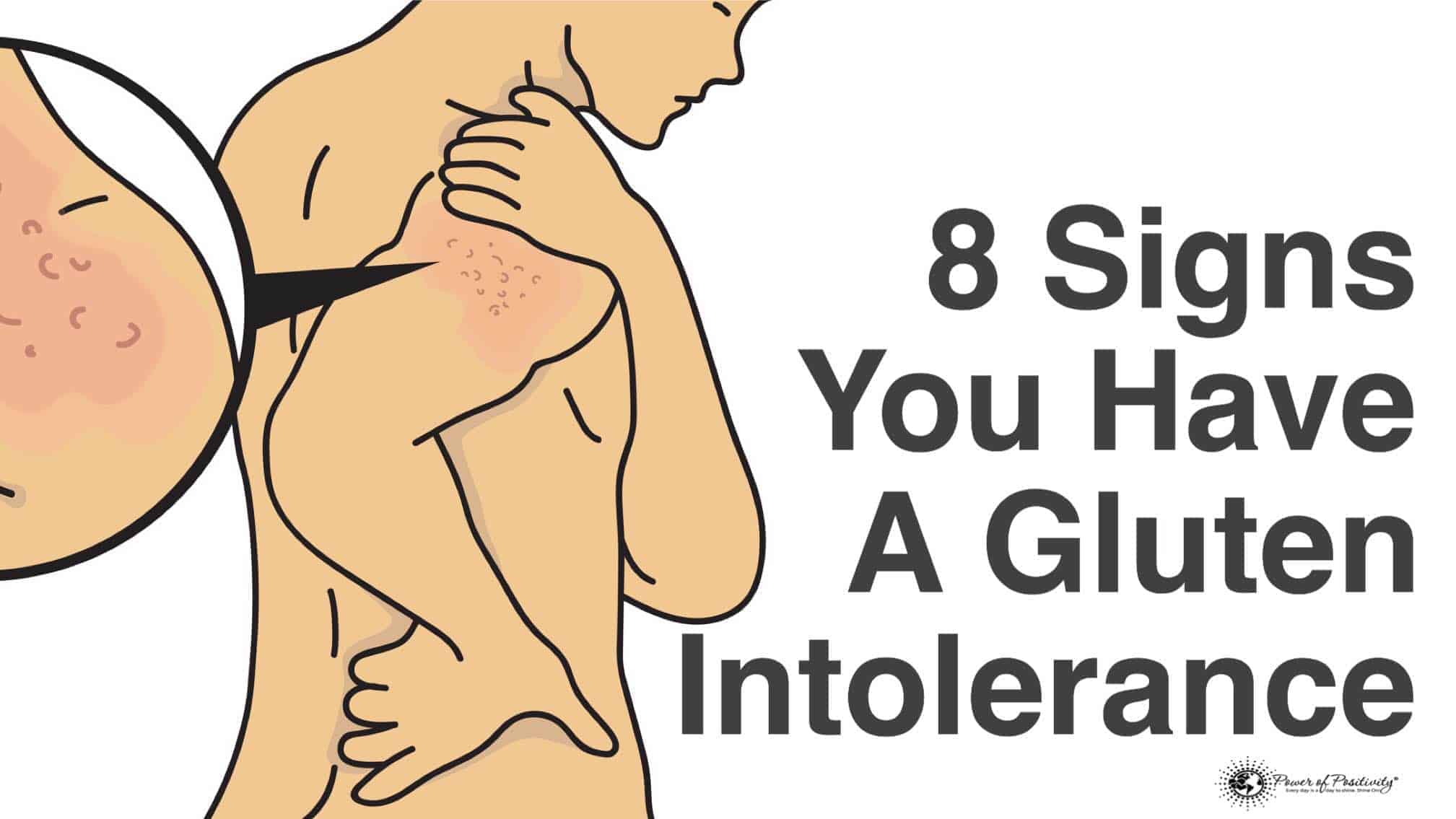
8 Signs You Have A Corn Intolerance

Corn intolerance?

Have you ever known someone with a corn intolerance? Do you deal with the condition? (If so, we’d love your opinion on the article. Please comment!)

A corn allergy is quite rare. Additionally, corn allergies are difficult to spot as the symptoms are similar to those of grain, grass pollen, and seed allergies.

Rare or not, food allergies can pose a severe threat to health. According to the Food and Drug Administration (FDA), 30,000 people require emergency room treatment, and 150 individuals die yearly from food allergies.

The problem got so bad that 2004, the (FDA) passed the Food Allergen Labeling and Consumer Protection Act (FALCPA). The law was necessary, as food manufacturers failed to label products that included common and rare allergens appropriately.

Astoundingly, the language within FALCPA did not list corn as an allergen! (Kickbacks, anyone?)

Anyways, despite this egregious mistake, knowing the ingredients and products derived from corn is crucial if you’re concerned about a potential allergy.

Here they are baking powder, caramel, cellulose, citric acid, dextrin, dextrose, inositol, malt, maltodextrin, monosodium glutamate (MSG), semolina, sodium erythorbate, sorbitol, starch, vanilla extract, xanthan gum, and xylitol.

If you have a physical reaction after eating corn or corn-derived products – if you develop hives or become nauseated, or your nose begins to run, for example – you may be allergic to corn. ~ American College of Allergy, Asthma & Immunology

Symptoms of a Corn Allergy

Physical reactions to corn and corn products may be from mild to severe. A life-threatening allergic reaction anaphylaxis (pronounced ‘anna-phil-axis’) can happen very quickly. Because it can cause airway swelling, breathing impairment, and a blood pressure drop, it is an emergency. In fact, it warrants a call to 911, as it can be fatal.

Anaphylaxis can send the body into shock. It results from a sudden drop in blood pressure to the brain, heart, and lungs. It’s worth noting that, in several medical studies, symptoms of anaphylaxis have been linked primarily to the corn-based products dextrose and cornstarch.

Besides anaphylaxis, here are eight other possible signs of corn allergy:

– Breathing trouble (a medical emergency)

– Diarrhea

– Headache

– Hives (red skin bumps) or skin rash

– Muscle cramps

– Nausea

– Runny or stuffed nose

– Vomiting

Due to the potentially life-threatening symptoms of food allergies, you should pay particular attention to how the food(s) affect your breathing.

If you suddenly experience trouble breathing, contact emergency services immediately!

Identifying a Corn Allergy

If particular foods are causing physical reactions, however mild, it is essential that you:

– Book a doctor’s appointment

– Write down what you eat

– Write down any symptoms

The above information will greatly assist the physician in narrowing down possible causes of your reaction.

After ruling out other health issues that may cause the same kind of response, the physician will perform what is called a prick test or scratch test. This particular examination involves the doctor putting a tiny amount of food solution onto the area of the skin that is pricked or scratched.

If the skin forms a bump, it usually indicates that an allergy is present.

(It’s worth mentioning here that allergists are licensed physicians who specialize in diagnosing and treating allergic diseases. Visiting a specialist is covered by most healthcare plans.)

If you are not experiencing breathing problems and cannot visit a physician or specialist, try staying away from corn or corn products for a few weeks. That gives you time to see if your symptoms reside.

Prevention and Treatment of Corn Allergy

Regarding prevention, your top priority must be avoiding any product containing corn.

This includes ‘no-brainer’ foods such as corn muffins, cornbread, corn oil, and corn syrup (please read the labels!)

Corn byproducts are used as an ingredient in many of the following foods:

– Bread

– Candies

– Canned fruits and juices

– Cereals

– Cheese

– Deli meat

– Jams

– Juices

– Salad dressing

– Sauces

– Soda (diet and regular)

– Yogurt

And some other non-food products:

– Clothing

– Crayons

– Dishwasher Soap

– Makeup

– Paint

– Pet food

– Shampoo

– Toothpaste

gluten

Here are some recommendations for anyone who is – or may be – suffering from a corn or other food allergy:

– Entirely avoid the following: baking powder, corn bran, cornmeal, corn oil, corn syrup (including fructose), maize, and vegetable oil.

– Avoid processed foods whenever possible. Instead, eat fresh fruits and vegetables, lean meats, whole grains, and whole (‘100%’) fruit juice.

– Be extra cautious at barbeques, dining halls, restaurants, and other places where you purchase a meal.

– Carry an antihistamine, e.g., Benedryl, in case you experience a sudden episode.

– Ensure that your child’s caretakers are aware of their condition. Additionally, remind them periodically.

– Wear a bracelet that states you suffer from a food allergy.

6 Brain Training Exercises That Make People Happier

What can you do to be happier? It turns out that the answer is simple–think positive thoughts. But that’s not as easy as it sounds without training your brain to embrace positivity.

“Your brain is simply built with a greater sensitivity to unpleasant news. The bias is so automatic that it can be detected at the earliest stage of the brain’s information processing.” ~ Hara Estroff Marano: “Our Brain’s Negative Bias”

The Negativity Bias

Many people make negative thinking a habit.

These eight words may be a tough pill to swallow, but it’s an unfortunate truth. Here’s an example of one of the several experiments by John Cacioppo, Ph.D., and professor at the University of Chicago:

Cacioppo showed a bunch of people some images known to produce positive feelings (for example, a cute animal or nice car); then showed the same group images associated with negative and neutral emotions.

Images of the cerebral cortex demonstrate that the brain produces more electrical activity following negative stimuli. (The cerebral cortex plays an essential part in consciousness.)

We attribute the brain’s tendencies to focus on the negative – once again – to our fight-or-flight response.

To override the innate negativity response, we must retrain our mind and brain. One of the best ways to do this is through positive thinking exercises.

If we make the practice of positive thinking habitual, we will witness positive transformations in just about every area of life.

We’ll begin to think, feel, and act with more positivity. In turn, these effects will improve our relationships, make us more productive, create powerful feelings of gratitude, and – in general – enable us to see things in a more positive light.

How great would that be?

Let’s get to it, then!

Here are Brain Training Exercises That Make People Happier
mindset

1. Relish the Present Moment 

Martin Seligman, director of the Positive Psychology Network, emphasizes the importance of defining what a “good life” looks like to us.

Seligman recommends what is called the “beautiful day” exercise. The beautiful day exercise involves outlining how your ideal day would look like. Once you have your outline, put each step into practice while enjoying the present moment of each situation.

2. Breathe Mindfully 

Of all six tips, this may be the most important. Breathing has an incredible amount of power when you simply pay attention to it.

Most times, we’re unaware of our breathing. Unless you’re a yogi master or something, your “regular” breath is probably suboptimal. Anger, anxiety, fear, stress, and tension almost automatically contribute to shallower breathing.

All you need is five minutes. Whether or not you’re anxious, sad or whatever, take five minutes a few times a day to focus on your breath.

Here’s a quick exercise:

– Sit upright, but not tight. Shoulders back, chest out.

– Rest your hands in a peaceful position.

– Now, focusing on the sensations of the nostrils, breath in deeply for 3 seconds. The inhale should fill your belly and diaphragm.

– Pursing your lips, exhale slowly for six seconds.

– Repeat six times.

An easy way to remember the exercise is to remember the numbers 3-6-6. 3-second inhales, 6-second exhales, 6 times!

Breathing has an incredible amount of power when you simply pay attention to it.

3. Listen to music to be happier

Whatever music puts you in a good mood, listen to it. Many people find that relaxing, meditative music and “white noise” mixes can work wonders.

Good music has been found in all sorts of studies to increase the “feel good” chemicals in the brain.

So jam out!

happiness

4. Express gratitude

It’s human nature to always think about the “next big thing” whatever that may entail.

Look at your own life. Have you ever constructed a scenario when the “ultimate happiness” would manifest?

“When I finish college, I’ll be happy.” “When I get that beautiful home…” “When I get the job I want…” “When I finally get the money I deserve…” When I get married…”

Make no mistake. These are all possibly beautiful things.

They lose their power to make us happy, however, when we forget about them! Practicing gratitude is so powerful because it’s a reminder of the things we already have. Further, it may remind us that we don’t need many of the things we think that we do.

Simple practice: write three things you’re grateful for every morning.

5. Smile

Flashing an ear-to-ear grinner has a particular type of magic.

Many studies show that smiling, whether or not we “feel” like it, produce “happiness” within the brain and body.

In a 30-year longitudinal study conducted at the University of California-Berkeley, researchers examined the smiles of students in an old yearbook and measured their well-being and success.

The researchers then hypothesized the following: how fulfilling and long-lasting their marriages would be, how highly they’d score on a standardized test of well-being, and how inspiring they’d be to others.

Those who smiled the widest in their yearbook photo reliably scored higher in all of the above measures.

6. Simplify 

Whether we’re addicted to our phones, buying things we don’t need, overeating, or overcomplicating work – many of us can benefit from simplifying our lives.

Simplifying, and it’s close cousins – minimalism or decluttering – can make life easier.

When it comes right down to it, less is more – and these three magic words apply to just about everything, including possessions. It’s beyond the scope of this article to delve into everything simplifying entails, but it could mean:

– less clothing

– less clutter

– more open space (at work and in your home)

– eliminating debt

– going carless

– limiting expectations

The list is endless. And the feedback is overwhelmingly positive.

Sources:
https://www.forbes.com/sites/ericsavitz/2011/03/22/the-untapped-power-of-smiling/#23351f467a67

https://www.livestrong.com/article/125062-positive-thinking-exercises/
https://www.psychologytoday.com/articles/200306/our-brains-negative-bias
Skip to content