Weekly tips, affirmations, and small actions to feel your best.

9 Signs You’re A Shy Extrovert

“I loved being in groups of people and sought acceptance, but I did not like talking or being the center of attention. I was very introspective, but I loved to share my thoughts with other people.” ~ A Shy Extrovert

What Is an Extrovert?

According to Isabel Briggs-Myers, founder of the widely-used Myers-Briggs Type Indicator (MBTI), “Extraverts orient their energy to the outer world.” In other words, extroverts recharge their energy by interacting with people, going places, and doing things. By contrast, introverts renew their reserves through solitude. While extroverts tend to be sociable or outgoing – and introvert shy or withdrawn – this is not always the case.

It is essential to understand that introversion and extroversion affect how one increases their energy. Extroverts gain their energy by being “out and about.” This doesn’t necessarily mean that they are social butterflies, however.

Shy extroverts are a rare breed. They also tend to be highly conscientious, intelligent, diplomatic, and friendly!

Are you a shy extrovert?

Here Are Nine Signs That Reveal a Shy Extrovert

extroverted intuitive

1. You’re outgoing but not a big talker

Unlike other extroverts, the shy variety doesn’t mind some peace and quiet. While an ‘outgoing extrovert’ (‘O.E’) may feel the need to keep the convo flowing, their shy counterpart doesn’t. The shy extrovert (‘S.E’) feels no discomfort if a conversation isn’t flowing, while this delay may just drive O.E nuts.

2. You’re a better listener than most extroverts

S.E’s are very interested in those around them and what they have to say – something that enables them to listen attentively. Additionally, the shy person understands the frustrations of not being heard and tries hard to let the person know that they’re listening to their words. “Sorry, O.E’s, but your eyes dart around way too mu—” …And now you’re walking away.

3. You dislike small parties

S.E’s are observers in every sense of the word. They love being where the action is, but they’d rather people watch, satisfied knowing they’re “part of things.” The shy aspect of their personality renders them uncomfortable at smaller, quieter gatherings where people are more likely to engage in personal talk.

4. You love deep conversation

O.E’s have the “gift of gab” that allows them to connect with darn near everybody. It’s an exceptional talent that helps explain why they’re among the most gifted politicians, executives, and salespeople. The shy ones often don’t fit this bill. S.E’s take a page out of the introvert playbook in that they detest small talk. (“Please don’t comment about the weather…”)

5. You want to be alone…until you don’t

Shy extroverts can play the introvert exceptionally well…for a little while. If they’ve had a long week, the SE may just lock themselves in their bedroom for few hours. Actually, a few may be a bit too long. Two (and a half?) hours are a bit more like it. Then they’ve got to get the hell out of there.

6. You detest being C.O.A.

Ah, the Center of Attention – something that our outgoing extroverts relish. By the way, this is a good thing. While introverted folks are kind and loving, they’re typically quite terrible at entertaining a crowd. Anyways, S.E’s play part-time introvert in this respect too. Straight-up wallflowers, baby!

7. You’re an introvert’s party buddy

Extroverts love parties. Introverts do, too, albeit for a (much) shorter period. Innies are also prone to feeling all types of awkwardness, which creates a dilemma. They’d hang out with other innies, but they’d already left. They’ve already said “hey…” to the loud people and – oh, there you are!

8. You’re a great confidant

Shy extroverts have great empathy. They love listening to other people and, as mentioned, don’t need to be at the center of attention. That means that people (introverts included) confide in them. When engaging in an authentic, deep conversation, nobody may be more up to the task than our shy extroverts.

shy extrovert


9. You’re the perfect friend

Regarding personality traits, you’re about as perfect an in-betweener as it gets. While there are plenty of smart extroverts to hang with, you may not feel like keeping up with the conversation. No problem, your innie friend wants to talk about a book she hasn’t finished. An hour later, your O.E. buddy comes along and wants to do a jello shot and go work out. Wait, what?

Sources:
http://www.lifehack.org/315307/9-signs-that-you-are-actually-shy-extrovert
http://www.lovepanky.com/my-life/better-life/shy-extrovert
http://www.myersbriggs.org/my-mbti-personality-type/mbti-basics/extravert-and-introvert.htm

10 Marriage Tricks That Make You Fall In Love Again

Marriage isn’t an easy endeavor; it’s one of the hardest, yet potentially rewarding, things someone can experience.

‘Love is a smoke and is made with the fume of sighs.’ ~ William Shakespeare: Romeo & Juliet

Sometimes, one or both people question whether or not they should stay in the relationship. This sense of inner conflict can feel torturous at times; because though one may not love the other as they used to, there’s often a deeply-felt sense of care and responsibility.

Relatedly, perhaps the most challenging moment comes when the person questions whether they’re still in love. It’s very, very hard because love is what defines marriage and, without it, there’s really no marriage at all.

According to therapist Randi Gunther, in a piece published in Huffington Post:

“By the time they come to me, they have usually struggled with their feelings for a long time, wanting to make absolutely sure they are not prematurely leaving. They’ve tried everything they can do to stay in love with their partner but just can’t seem to bring back the feelings … if they’re going to cause pain and sorrow to someone they once loved, maybe they should question themselves before giving up.” (Emphasis mine.)

Before delving further into this admittedly tough scenario, please remember this: if you’re the one who fears that you’re falling out of love, do not blame yourself. Dr. Gunther agrees: “Your feelings did not change overnight, and you might even have not realized it was happening.”

Every relationship, no matter how strong, includes phases of self-doubt, self-questioning, and passivity. If, deep down, you believe that you still love your husband or wife (or boyfriend/girlfriend) there are things you can do to rediscover your love bond.

Here are 10 ways to fall in love again:

1. Make The Choice

Nothing else on this list will matter if you aren’t committed to change. If you want to work towards what you once had as a couple, then there’s a good chance at making things work. On the other hand, if putting forth the effort required sounds more arduous than potentially rewarding, it may be time to consider other options.

2. Apologize If Needed

It’s common for one or both people in a hard relationship to become cold and distant. Though it may feel more comfortable and safer to ignore rather than resolve problems, this isn’t an option when trying to work things out. So apologize for the past and move forward!

3. Appreciate The Small Things

In today’s world, most of us experience frenzy and overwhelm. Add in any one of the countless numbers of distractions (technology!) – and there’s little wonder as to why we, at times, lack mindfulness. Pay attention to the details of your partner – their appearance, body language, mannerisms, and so on. Try to appreciate the little things.

difficult times in relationships

4. Look For The Positive

Evolution has left us with a negativity bias, or “the notion that … things of a more negative nature have a greater effect on one’s psychological state (than) neutral or positive things.” In other words, we’ll slowly begin paying more attention to the negative things our partner says or does. Look for and accentuate the positive things too!

5. Put Them First

Time moves on and relationships evolve. The place in your heart and mind once reserved for your love is impeded by something else (work, kids, etc.) Sound familiar? It should, as this appears to be the norm nowadays. During this time of transition, it is necessary for you to put them first to make things work again.

6. Set Date Nights

You’ll probably never be able to entirely escape the hurry of everyday life; which is precisely why date nights with your love are so important. Alone time doing something enjoyable allows you to both recharge and reconnect as a pair.

7. Disconnect the Tech

Get off of the damn smartphone/computer/tablet/phablet/Smart TV. Seriously, shut it down for an hour or two (try 24-48 hours; it’s great, really!) Technology is by far the most significant distraction in relationships.

8. Stop Being So Sensitive

If you’ve lived through any serious relationship for an extended period, the odds are that you’re quite attuned to disparities in the sense of humor, quirky mannerisms, and other things that can test your temper. Regardless, it may be time to toughen up a little and stop being so touchy-feely.

9. Practice Active Listening

Here’s another one where many couples (and people in general) experience their fair share of difficulty: paying 100 percent attention to a person when they’re talking – or active listening. Active listening is perhaps the most vital relationship component; especially when you’re trying to mend fences.

10. Start Dwelling on the ‘Do’s’

Here’s the negativity bias rearing its ugly head again. There are probably a few things that your wife or husband ‘doesn’t do.’ Here’s a question: When is the last time you’ve sat down and thought about what they DO for you? Try to override your innate biases once in a while – and appreciate the things your man or woman does for ya!

https://youtu.be/tHMUnm-vDNk

(C)Power of Positivity, LLC. All rights reserved
Sources:
https://confessionsofparenting.com/2018/02/06/10-ways-to-fall-back-in-love-with-your-husband/
https://en.wikipedia.org/wiki/Negativity_bias
https://www.huffingtonpost.com/randi-gunther/falling-out-of-love_b_6942680.html
https://www.nosweatshakespeare.com/quotes/shakespeare-love-quotes/

5 Warning Signs Your Digestive Tract Isn’t Functioning Properly

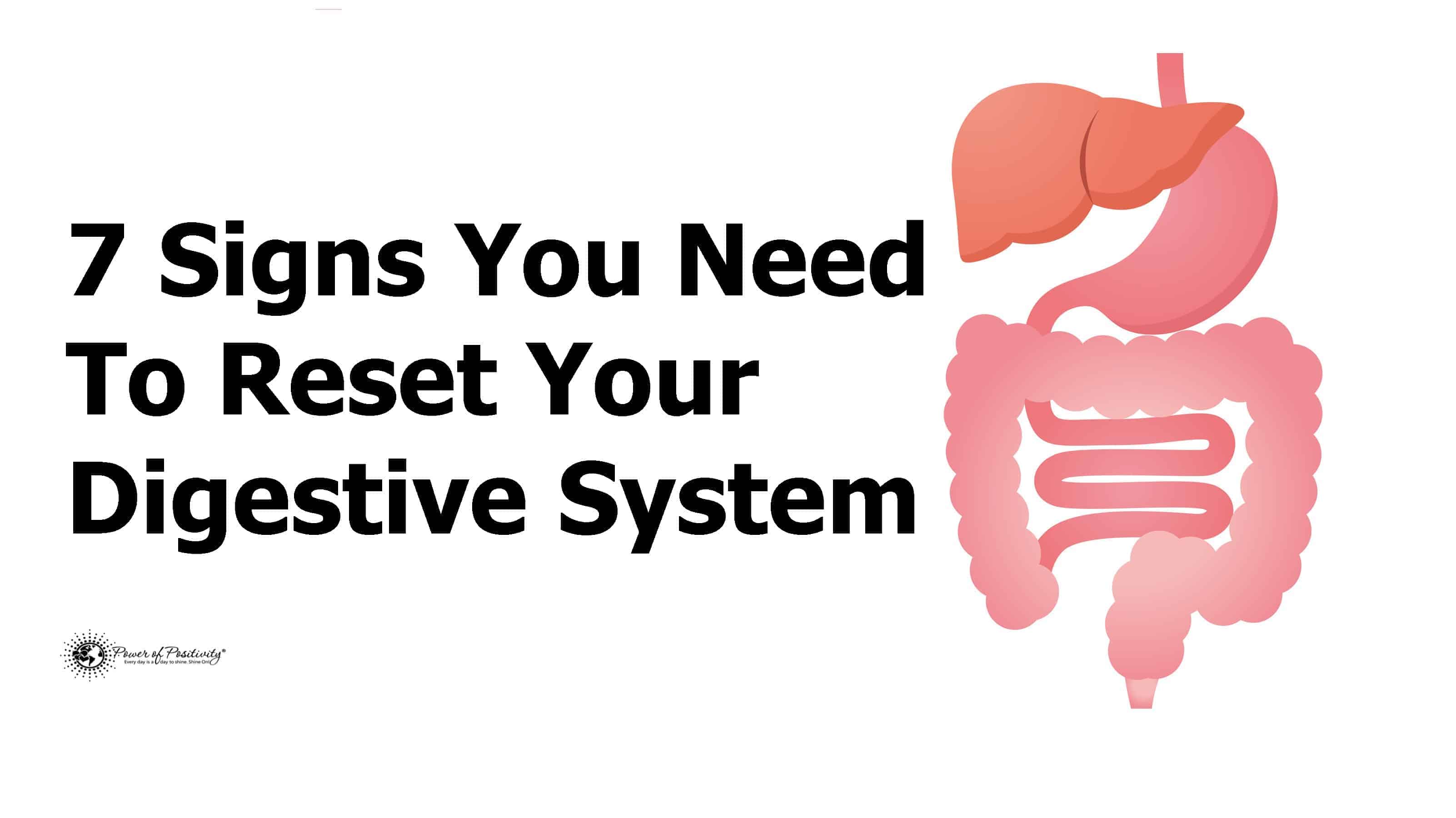
Your digestive system is a complex and wide-ranging part of the body, ranging from the mouth all the way to the rectum. The digestive system is responsible for getting rid of waste and helping your body absorb vital nutrients.

Given the varied nature of digestion problem symptoms, it is entirely possible to mistake “minor” problems with those that require expedient treatment.

Well, lucky for you (we think!), we’re here to help clear the air.

So without further ado…

Here are five signs that your digestive system isn’t functioning correctly – and how to fix it!

1. GERD

Heartburn is a sporadic problem for many (most?) adults. What happens is that the esophagus becomes backed up with stomach acid, causing chest pain and the notorious burning sensation.

Ongoing (chronic) heartburn may indicate a condition called gastroesophageal reflux disease, or GERD. GERD can interfere with daily life and potentially damage the esophagus.

Symptoms of GERD are:

– chest discomfort
– difficulty swallowing
– dry cough
– “sour mouth” taste
– sore throat

How To Fix: GERD is a medical condition that requires an examination, diagnosis, and potential treatment. Many of the symptoms may be eliminated, however, by modifying food intake, eating at a slower pace, or cutting back on – perhaps even eliminating – fatty and spicy foods.

2. IBD

Our apologies for all of the acronyms! IBD, otherwise called inflammatory bowel disease, is a chronic swelling of the digestive tract.

IBD is composed of two types; Chron’s disease and ulcerative colitis. Symptoms of Chron’s include abdominal pain, diarrhea, fever, and weight loss. Ulcerative colitis symptoms include those of Chron’s but may also include bloody stools, malnutrition, and rectal pain.

If you experience some of the above-mentioned symptoms on a regular basis, it’s necessary to visit a doctor to get an appropriate diagnosis. Even if you don’t “check all the boxes” of IBD, your doctor can – at the very least – work towards making you more comfortable.

How To Fix: IBD is a chronic medical condition that requires medical intervention. However, many symptoms can be relieved by cutting back on refined carbohydrates (sugars); eating a high-complex-carbohydrate, high-fiber diet; increasing intake of omega-3 oils, and eating more protein.

3. Chronic Constipation

Chronic (long-term) constipation is a frequent complaint of someone suffering from digestive tract problems. Often, ongoing constipation causes symptoms like abdominal pain, bloating, and less regular bowel movements. In many cases, bowel movements – when they do occur – are more painful than usual.

According to physicians, chronic constipation is one of the most frequently-reported medical problems in developed countries.

How to Fix: Incorporate more fiber into your diet; ensure that you drink 6-8 glasses of water daily; exercise for at least 30-45 minutes every day.

4. Food Intolerancedigestive system

If your body seems to act weirdly after eating certain foods, your gut may indeed be intolerant of what you’re putting in your stomach. Celiac disease – an autoimmune disorder – is one type of food intolerance. It causes digestive problems when you eat gluten, a protein found in barley, rye, and wheat.

Symptoms of food intolerance include:

– abdominal cramps
– bloating
– diarrhea
– headache
– heartburn
– irritability
– gas
– vomiting

How to Fix: Food intolerance is generally diagnosed by using a food diary. Recording what you eat and when can help you identify which foods are triggering your symptoms. After discovering a potential intolerance, it may be beneficial to visit a doctor to rule out a possible food allergy.

5. Other serious signs

A physician that specializes in diseases of the digestive system (gastroenterologist) can more definitively eliminate the possibilities of a serious gastrointestinal condition or disease. Scheduling an office appointment with a gastroenterologist may be in order if you experience any of the following:

– bloody stools
– frequent vomiting (sometimes daily)
– incessant sweating
– severe abdominal cramps
– sudden weight loss

Potential conditions of the symptoms mentioned above include gallstones, hepatitis, infection, or internal bleeding.

How to Fix: Clearly, serious symptoms like bloody stools, constant abdominal cramps, and sudden weight loss require immediate medical attention. Only a board-certified physician can properly address severe symptoms.

For the rest of us…

You may be able to overcome digestion problems with lifestyle changes – maybe a one-time doctor visit. Certain diseases of the digestive system might be long-term, but some medications and natural supplements can help alleviate many of the symptoms we mention in this article.

6 Early Warning Signs Your Body Needs Probiotics

Probiotics are live microorganisms that serve a vital role in our health: to prevent and treat diseases, promote a healthy immune system and – of course – improve the health of our gut (or digestive tract.) Healthy probiotic levels help absorb vitamins and minerals, regulate hormones, and help expel toxins and other harmful byproducts from the body.

Over 2,000 years ago, the famous Greek Physician Hypocrites declared “All disease begins in the gut.”

Fast forward to today, and radical advancements in medicine, imaging technology, and research have reached the same conclusion: gut health is dang important! Researchers cite as many as 170 medical conditions linked to the health of the gastrointestinal tract.

Here are a few other roles that probiotics play in our body:

  • Aid in the digestion of foods, ensuring breakdown and absorption of vitamins, minerals, fatty acids, and amino acids
  • Aid in the production of Vitamin K, folate, and certain B vitamins and short-chain fatty acids
  • ontribute to serotonin production. (Over 95 percent of all serotonin comes from the gut!)
  • Keep harmful microorganisms and bad bacteria in check
  • Improve mental clarity, focus, and memory

A lack of probiotics, on the other hand, can lead to some undesirable symptoms.

Here are 6 signs that your body may need more probiotics:

1. Antibiotic Use

When your doctor prescribes antibiotics, you should self-prescribe probiotics! While at times necessary, antibiotics don’t kill just harmful bacteria – they kill good ones too! Put simply, the drugs cannot discern the difference between “good” and “bad” bacteria – so they just eliminate them en masse.

Common antibiotics include: amoxicillin and penicillin, cephalexin (Keflex), erythromycin (E-mycin), clarithromycin (Biaxin), azithromycin (Zitromax), ciprofolxacin (Cipro), levofloxacin (Levaquin), and ofloxacin (Floxin)

2. Anxiety or Depression (prevention or treatment)

Some studies link probiotic imbalance with an increased risk of anxiety and depression. Per Harvard Medical School:

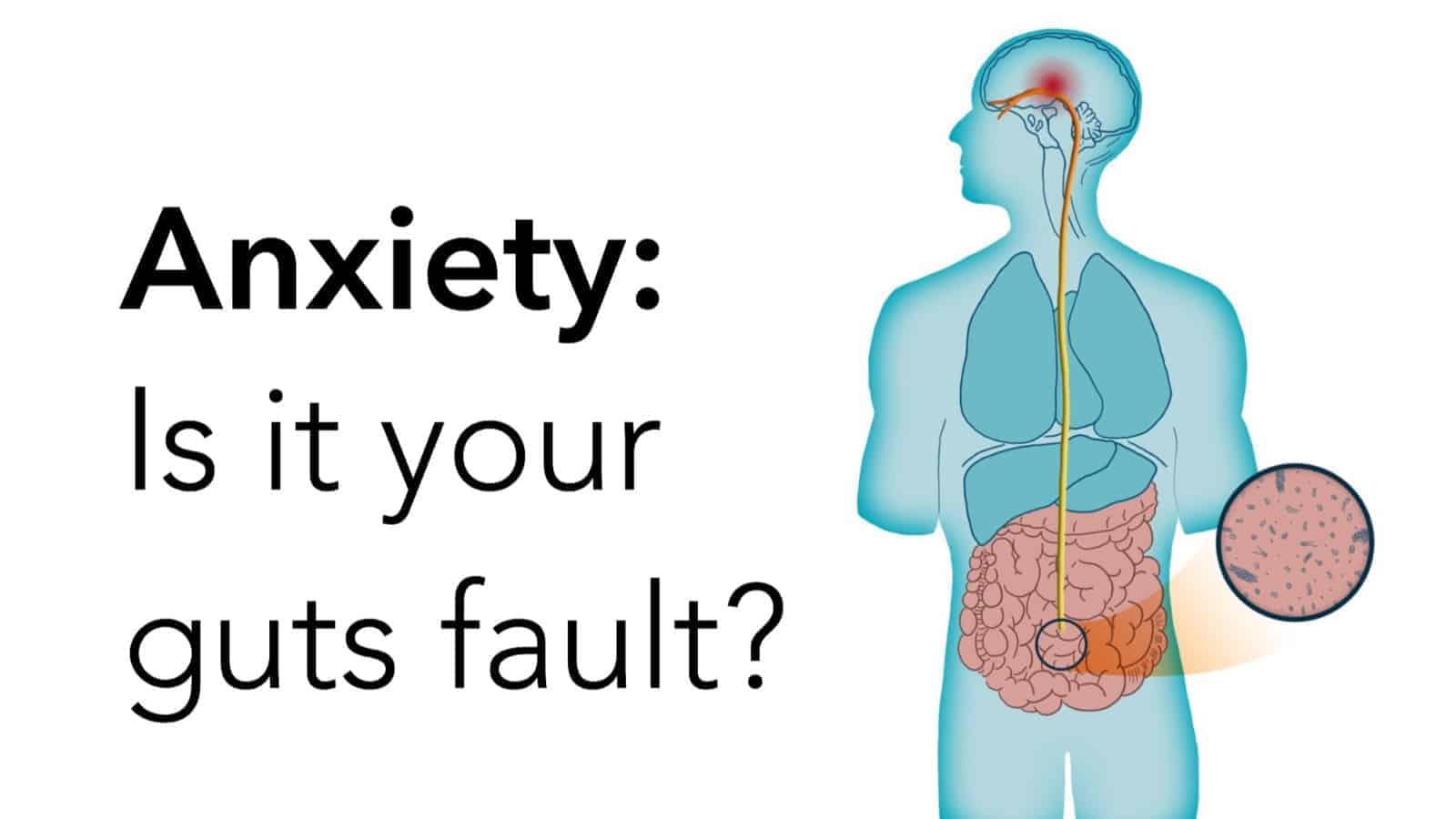
The brain has a direct effect on the stomach. For example, the very thought of eating can release the stomach’s juices before the food gets there. This connection goes both ways. A troubled intestine can send signals to the brain, just as a troubled brain can send signals to the gut. Therefore, a person’s stomach or intestinal distress can be the cause or the product of anxiety, stress, or depression. That’s because the brain and the gastrointestinal (GI) system are intimately connected.

anxiety

3. Chronic Fatigue/Low Energy

Our digestive system is almost always at work – and therefore, it requires a disproportionate amount of our energy to keep it “humming along.” Also, an imbalance of good gut bacteria makes it harder to digest foods which cause our body to use more energy!

Rebalancing your gut bacteria by eliminating hard to digest foods (e.g., dairy, gluten, and sugar) and taking high-quality probiotics should produce a noticeable spike in your energy levels!

4. Digestive problems

“Well…yeah!” you say. We know. We know…but it bears repeating: a healthy amount of good bacteria in your gut is essential to digestive health. And an imbalance of good bacteria can lead to **drum roll** problems with digestion!

Digestive issues such acid reflux, constipation, diarrhea, and/or nausea may indicate the need for more probiotics in your life! Probiotics may also decrease the risk of gut conditions such as irritable bowel syndrome (IBS) and leaky gut.

Try taking a high-quality probiotic for a week or two. It may just make a huge difference.

5. Skin problems

Some studies have shown a relationship between low levels of good bacteria in the gut and the development of acne, eczema, and skin rashes.

In a 2011 study published in the journal Gut Pathology, researchers cite evidence derived from other studies that Lactobacillus acidophilus – a particular strain of probiotic – is beneficial for the “gut-brain-skin connection” in acne and skin health:

Many aspects of this gut-brain-skin unifying theory have recently been validated. The ability of the gut microbiota and oral probiotics to influence systemic inflammation, oxidative stress, glycemic control, tissue lipid content and even mood itself, may have important implications for acne.

6. Weak Immunity

As mentioned, the gut and immune system are inextricably connected. The health of one directly affects the health of the other – for better or for worse.

Thus, an unhealthy gut – more specifically, a lack of healthy gut bacteria – can cause us to get sick more frequently. When gut bacteria levels are stable, the risk of disease, infection, and illness are greatly diminished.

So, if you find yourself getting sicker easier and more often, there’s no harm to be done in making it a habit of taking a high-quality probiotic!

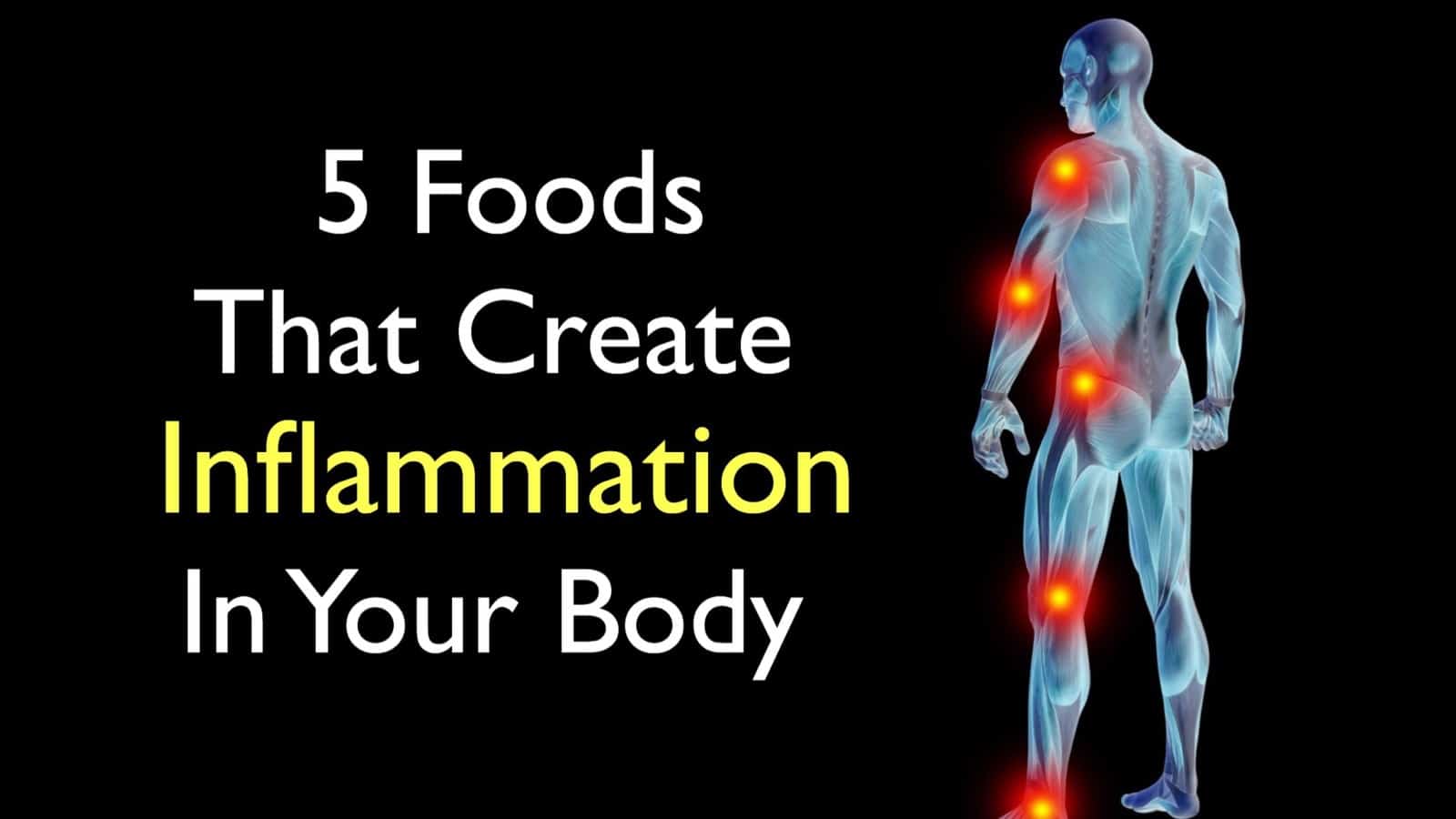
10 Foods People With Inflammation Should Never Eat

As we’ve repeatedly discussed, inflammation is not a bad thing; without an inflammatory response, healing from even the least-threatening wounds would not be possible.

Chronic (long-term) inflammation is not a good thing, however. Monsour Mohamadzadeh, Ph.D., and director of the Center for Inflammation and Mucosal Immunology at the University of Florida explains the difference:

“In a healthy situation, inflammation serves as a good friend to our body. But if immune cells start to overreact, that inflammation can be totally directed against us.”

Although the title of this article – and some of its contents – focuses on those with inflammatory diseases, the vast majority of information contained within applies to us all. With that in mind, we’re going to discuss foods to avoid to keep inflammation levels in check.

The Role of Food

Everything that we eat has an effect on the body. During digestion, food is broken down into its basic elements, most notably carbohydrates, fats, and protein. Vitamins and minerals contained in food are absorbed – as are unhealthy fats, refined carbohydrates, and other non-desirables.

Put simply, what food enters our mouths determines how our body functions. In this regard, the levels of inflammation are no different.

With this in mind, here are the ten foods to avoid:

1. Sugar/High-Fructose Corn Syrup

Surprise, surprise.

Sugar is perhaps the unhealthiest food (or ingredient) in existence. Consider this: just until very recently, scientists thought that obesity was the primary cause of diabetes. However, new research shows that sugar has a strong contributory effect on diabetes – beyond the simply caloric properties as it was once thought.

2. Refined Carbs

Researchers believe that the refined carbohydrates – adulterated and without their natural fiber – in modern diets stimulate the growth of inflammatory gut bacteria. This increases the risk of both cardiovascular disease and obesity.

While fiber promotes feelings of fullness and is beneficial for overall health, refined carbs cause cravings and boost inflammation levels.

3. Alcohol (in excess)

While moderate alcohol consumption provides some health benefits, higher amounts can lead to severe problems. One such problem is “leaky gut”: an influx of bad bacteria transferred from the colon to the body. This condition can drive widespread inflammation – and may even lead to organ damage.

4. Processed Meat

Processed meat is linked to an increased risk of diabetes, colon cancer, heart disease, and stomach cancer. Compounds called advanced glycation end products (AGEs) are abundant in processed meat; and are known to stimulate an elevated inflammatory response.

inflammation

5. Artificial Trans Fats

Trans fats are one of the unhealthiest foods you can eat. On food labels, trans fats display as “partially hydrogenated” oils. Regardless of what’s on the label, artificial trans fats connect to inflammatory disease and a higher risk of cancer.

6. Refined grains

Just FYI: whenever you see the word refined on a food label, it’s never a good thing. Consider “refined” grains – in which the “refinement” process removes all of the healthy stuff, like the bran and germs. Foods like noodles, pasta (not whole grain), pastries, and white flour cause a spike in blood sugar, which stimulates the inflammatory response.

7. Monosodium Glutamate (MSG)

MSG is known to trigger inflammation, particularly in those with arthritis. MSG consumption is associated with heart palpitations, muscle weakness, and numbness. Along with another artificial additive, aspartame, MSG may lead to inflammation of the liver.

8. Gluten

Gut inflammation comes from irritants contained in wheat proteins such as gluten. Scientific literature shows a correlation between wheat proteins and certain inflammatory conditions, such as celiac disease. Foods that often contain gluten include bread, cakes candies, pasta, and pastries.

9. High-Fat or high-sugar dairy

Unreliable information is abundant supposedly “proving” a relationship between dairy products and inflammation. However, a 52-study review published in the journal Critical Reviews in Food Science and Nutrition, reveals that some dairy has anti-inflammatory benefits.

However, they could not say the same of dairy’s high-fat and sugar-laden counterparts.

10. Some oils

Oils that are rich in some omega-6 fatty acids – notably corn, soybean, and safflower oil – increase inflammation markers. A good rule of thumb to remember: omega-3 is good, and omega-6 is bad – at least inflammation-wise. FYI: Olive oil is wonderful for warding off inflammation (please see the list below.)

Anti-Inflammatory Foods

Per Harvard Medical school, here are some of the healthiest foods to chow down on if you want to lower your inflammation.

– Fruits: Blueberries, cherries, oranges, strawberries, and tomatoes.

– Fatty fish: mackerel, salmon, sardines, and tuna.

– Leafy greens: collards, kale, spinach, and more.

– Nuts: almonds, walnuts.

– Olive oil

Sources:
http://www.health.com/health/article/0,,20637702,00.html
https://www.health.harvard.edu/staying-healthy/foods-that-fight-inflammation
https://www.healthline.com/nutrition/6-foods-that-cause-inflammation
https://www.ncbi.nlm.nih.gov/pubmed/26287637
https://www.prevention.com/food/10-foods-that-make-inflammation-worse/slide/7

Doctors Explain 3 Things You Need To Be Truly Healthy

“There’s nothing more important than our good health – that’s our principal capital asset.” – Arlen Specter

Plenty of websites and magazines have all kinds of ideas on how to boost your health and make you feel better. Not all of those are grounded in anything real, however. Experts have come together to start discussing the real way to help boost your health and make you feel great. Health is more than just our physical bodies. To be completely healthy, we need to take care of our bodies, our minds, and our spirits.

The truth is, spiritual health is inextricably connected to mental, emotional, social, and even physical health. When our spirit is healthy, our body is healthier, our brain is healthier, our relationships are healthier. Our entire soul is healthier,” says psychologist and author Dr. Christina Hibbert.

Taking care of ourselves in all three parts will make sure that we live long, healthy and happy existences. Experts in health all agree that making sure to take care of ourselves physically, mentally and spiritually will give us a positive boost to our health. Here are the top three ways to make a positive change in your health by making sure to cover all areas of your body and mind.

Here Are 3 Positive Ways To Boost Your Health

1. Take care of your mental health

Many people tend to forget their mental health when it comes to staying healthy. More so, many people don’t really know what taking care of their mental health means, entirely. Stress is something that can cause a lot of physical manifestations of illness, as well as mental manifestations. Negative emotions and energy can often get caught in a feedback loop. So, what is the best way to take care of your mental health?

First, find a support network. Whether it’s your family or your friends, or even a therapist, finding a support network is the best thing to start getting your mental health taken care of. Secondly, try meditation. Whether or not you believe it will help, sitting down with yourself and taking sometimes to sit with your emotions can do wonders for your mental state. Meditation is one of the best ways that experts have pinpointed in being able to keep your mind healthy.

Mindfulness meditation training is a relatively inexpensive and low-stigma treatment approach, and these findings strengthen the case that it can improve resilience to stress,” says Elizabeth A. Hoge, MD.

All you have to do is spend some time with yourself and your thoughts every day, for just a few minutes, to help you center your mind and de-stress.

mental health

2. Take care of your body

Experts have long been telling people to take care of their bodies and the rest will follow. Now, however, we know that physical health is only one part of keeping our whole selves healthy. Still, it is an incredibly important part that we don’t want to discredit. If you don’t know where to begin with taking care of your body, all you need to know are these key components: eat healthily, move your body and get enough rest. Taking care of your physical health really is that easy!

Eat balanced meals with all of the nutrients you need, and try to cut back on fast food. Drink water every day to stay hydrated. Move your body by doing exercise at least one hour every week. Taking care of your body by eating healthy and staying active is just one part of the rich tapestry of our lives.

Foods which have Vitamin B-12 and Omega 3 fatty acids keep up the levels of mood-regulating chemicals in the brain. Getting enough rest is also important; it is when we sleep that the body is able to heal its daily wear and tear,” adds the White Swan Foundation.

Just focusing on your mental health isn’t enough to stay entirely healthy, and neither is just focusing on your physical health. Keep your body healthy by making healthy food choices, exercising and getting a good night’s sleep!

3. Take care of your spirit

What does it mean to keep your spirit healthy, and what does that have to do with the overall positive benefits to your health? Keeping your spirit healthy is more important than you may think. It doesn’t have anything to do with spirituality or religion, though many people do find comfort and positivity in looking towards their spirituality when it comes to keeping their spirit healthy and taken care of.

Taking care of your spirit means focusing on how you’re connected with the world around you, and the people that you have in your life. It’s important to maintain this connection for your own health because otherwise, you would become isolated. Understanding your own values, and keeping a spiritual connection with those values, will give you a greater sense of peace and balance in your life.

When we neglect our spirit, it shows up in other areas of our life, whether we notice it or not. Taking care of our spirit makes all areas of life a little better,” adds Dr. Hibbert.

Final thoughts

Health is something that many people understand only at the surface level: eat well and exercise. There are so many more ways to boost your health and make you feel energized, positive, and connected with the world around you in a healthy manner. Experts agree that nurturing your mind, body, and soul is the only way to boost your health.

References:
http://www.drchristinahibbert.com/personal-growth-and-self-actualization/spritual/
https://www.sciencedirect.com/science/article/pii/S0165178116308472
http://www.whiteswanfoundation.org/article/ten-tips-for-mental-wellbeing/

4 Behaviors That Reveal Someone Is Silently Anxious

Anxiety is an umbrella condition (so named because of its many types) that affects up to 40 percent of U.S. adults and 10 percent of teenagers. In all likelihood, these numbers are applicable across the globe. But why are so many people silently anxious?

“I have anxiety. It feels like every cell in my body is moving so fast that my veins are blurry … It makes everyday tasks, such as making simple decisions, incredibly difficult, it feels like being out of your mind distant from reality … It’s like walking through the streets, but everything’s a blur.” ~ Lan Nguyen Ngoc

“You can never understand.” Sufferers of chronic anxiety will, with 99 percent probability, utter some variance of these four words. You can never understand – in part because THEY can’t understand.

The variations of anxiety include:

– Generalized anxiety disorder (GAD)
– Social anxiety
– Panic disorder
– Post-traumatic stress disorder (PTSD)
– Specific phobias
– Obsessive-compulsive disorder (OCD)

Consider some of these facts about anxiety, courtesy of dosomething.org:

– Despite its high level of treatability through therapy and/or medication, TWO-THIRDS of adults with anxiety DO NOT receive treatment. Teenagers with anxiety receive treatment even less frequently – only 1 in 5 teen sufferers do.

– War veterans are not the ones who suffer from PTSD. Others who commonly experience post-traumatic anxiety, including flashbacks, are survivors of sexual assault, domestic violence, child abuse, accidents, or natural disasters.

– Those who suffer from anxiety are prone to suffering from depression simultaneously.

– Although anxiety disorders can be triggered by extended environmental stress or traumatic life events, ANYONE can be afflicted with this form of mental illness.

While the symptoms of someone diagnosed with anxiety may slightly differ depending on the type, most anxiety sufferers attest to a common set of anxiety symptoms.

With this in mind, here are 4 telltale signs of anxiety, according to researchers:

1. Feelings of Overwhelm Can Make You Anxious

Anxiety tends to be ever-present. Symptoms of anxiety surface no matter what you’re doing or how much you try to suppress them. The underlying reason that anxiety is so overwhelming is that it triggers the brain’s fight-or-flight response, which quickly depletes all of the person’s energy.

The FoF response floods the brain and body with stress hormones such as cortisol and adrenaline. These chemicals can, and often do, distort regular thinking patterns. It is possible for someone to experience momentary paralysis, which has the effect of crippling logical thought.

Physically, anxiety can reek havoc on the body. Severe anxiety (e.g., panic attacks, PTSD) ratchet up these symptoms, which often include: chest pains, dizziness/lightheadedness, nausea, rapid heartbeat, and trouble breathing.

Suggestion from the experts: Find Distractions

When anxiety gets a strong grip, it can be hard to distract oneself. But there are some strategies that prove effective. Try playing a game, calling a friend, reading a book, or doing some controlled breathing. If you’re at work, take a bathroom break or step outside. (Tip: Many workplaces have Employee Assistance Programs, or EAP, that can help connect you with a licensed therapist.)

anxiety2. Depersonalization

Depersonalization can be a scary experience. It occurs when one’s mind seems separate from their physical body. The common symptom that is depersonalization causes some anxiety sufferers to feel as if they’re losing their mind.

Depersonalization occurs when the brain is subjected to constant overactivity. The rumination of anxious thoughts and feelings causes the brain to become overly-aware. This extreme awareness may cause the person to question every single thought or feeling that arises to no avail.

Suggestion from the experts: Be okay with depersonalization.

While depersonalization can be frightening, it isn’t serious or dangerous. When it occurs, don’t attempt to “fight back.” Wait it out, don’t interact, and the thoughts will eventually subside.

3. Insomnia/Trouble Occurs When You Are Anxious

When the brain is in a chronic state of worry, it’s chemical makeup is often changed. Researchers observe that trouble sleeping is one of the first problems to surface.

According to the Anxiety and Depression Association of America (ADAA), 54 percent of adults report “that stress or anxiety increased their anxiety about falling asleep at night.” As mentioned, anxiety symptoms don’t discriminate – they’re as likely to appear during our bedtime as any other time of day.

Suggestion from the experts: There are many recommendations here. Among them: exercise, eat lighter, drink decaffeinated beverages, set (and stick to) a regular bedtime, completely darken the sleeping area, keep a journal, mindfulness, meditation, controlled room temperature, and having a nighttime routine.

4. Focus and Concentration Problems

The chemical changes taking place within the brain during periods of anxiety leave few mental resources (read: energy) for conscious attention. These concentration and focus problems severely affect millions of peoples’ professional and academic lives.

University students, for example – must absorb huge amounts of information, contend with hours of homework, and study for exams – often find out that their anxiety condition depletes them of the brain power needed to get through their program.

Suggestion from the experts: Take advantage of corporate and college/university mental health programs. At the very minimum, talking to a psychologist or other expert will help alleviate some of the built-up stress.

Sources:
https://adaa.org/understanding-anxiety/related-illnesses/other-related-conditions/stress/stress-and-anxiety-interfere#

5 Exercises You Can Do Without Getting Out of Bed

What better way to get your heart pumping first thing in the morning than to do a few exercises while still in bed? You’ll immediately have more energy and may even see a difference in your waistline after spending some time!

Here are the five exercises:

1. Crisscross
2. Full Body Crunch
3. Leg Raises
4. Single Leg Pulses
5. Wide Leg Cross Sit-ups

Perform each move for fifty seconds with a 10-second break in-between exercises. If you have more time (say, on the weekends), feel free to repeat the exercise cycle a couple of times.

Here’s how to perform each move:

Give these a try.


care for your body

Crisscross Exercises

– Lie on your back in a neutral position (straight spine)

– Bend your knees and bring your shins up so that they are parallel to the floor.

– Place your hands behind your head, supporting the base of the skull. Keep the elbows wide.

– Use an exhale to pull your abs into a deep scoop, and leaving the pelvis in a neutral position (not tucked or tipped), curl the chin and shoulders off the mat up to the base of the shoulder blades.

Full Body Crunch

– Lie on your back with your legs out straight.

– Place your hands behind your head or across your chest.

– Lift your feet up off the bed, tucking your chest as you “crunch” your torso upwards. Keep a space between your chin and chest as you lift your shoulder blades.

– Crunch both your lower and upper body in unison. Then, relax your upper body as you kick your legs out straight. Don’t allow your heels to touch the bed until all repetitions are complete.

Leg Raise Exercises

– Lie flat on your bed, placing your hands under your lower buttock on each side to support the pelvis.

– Keeping your knees straight, raise your legs by flexing the hips to a full-flex position.

– Return to starting position. Don’t allow your heels to touch the bed until all repetitions are complete.

Single Leg Pulses

– Lie with your back flat on the bed, legs straight. Then, slowly lift your head and shoulders so that your shoulder blades barely touch the bed.

– Bend one leg and place your hands on this leg’s knee. Keep the other leg straight.

– Pull the knee towards your chest in a way that is quick (“pulsing”) and mindful of technique.

– Alternate with the other leg. This counts as one repetition.

(Single leg pulse exercise videos are available if you’d like a visual depiction of the exercise. This may help.)

Wide-Leg Cross Sit Up

– Lay flat with legs spread wide.

– Extend your arm behind your head. Using your core strength, push yourself forward to touch your left toe with your right arm, inhaling slowly.

– Lie down with both arms behind your head. Again, push yourself up to touch your right toe with your left arm. This counts as one repetition.

(Perform this move slowly using your core strength.)

8 Behaviors People Don’t Realize They Display Because They Are Zen

“Flow with whatever may happen, and let your mind be free: Stay centered by accepting whatever you are doing. This is the ultimate.” – Zhuangzi

Stress seems to be a permanent fixture in our modern life, mostly due to our “always on” culture. The stress epidemic stems from many sources but boils down to one main problem – our obsession with productivity. Many people don’t even know how to relax anymore because it’s become so ingrained in us to remain busy at all times. When we DO happen to get down time, a lot of us don’t even know what to do with this gift.

Most people live solely in the past or future, and entirely skip the present. This creates a constant feeling of anxiety and depression, because the mind can never relax – it is always either reminiscing or dreaming. Now more than ever, people need to learn how to cope with stress in a healthy manner so they can thrive, not just survive. To some, this comes easily, and to others, it takes some practice and dedication to learn how to remain calm in the midst of chaos.

With that said, we’d like to discuss some habits that emotionally stable people have so that you can learn to incorporate them into your daily life.

Here are 8 common behaviors of zen people:

1. They control their emotions.

Easier said than done, we know. It seems that life always demands a reaction from us, because we have so much stimuli to sift through. However, not everything in life needs a reaction, despite what you might think. If someone cuts you off in traffic, for example, your initial reaction might be to curse them out, give them the finger, and try to get in front of them. Next time that happens, though, try to do the opposite. Just allow them to get in front of you and take a few deep breaths. See, that wasn’t so hard, was it? It might hurt your pride a bit, but you will save a lot of unnecessary stress and emotion by keeping your cool.

You can apply this technique to anything in life. Remember, once people have gotten under your skin, they have control over you. Once a situation has your blood boiling, you have already lost the battle. It’s important to learn when a person or situation warrants a reaction – otherwise, you live in constant fight-or-flight mode, and this is neither healthy nor effective.

2. Zen people practice deep breathing.

Did you know most people breathe wrong? Yes, you read that correctly; even though we’ve been doing it since birth, most of us breathe much too quickly and shallowly. Instead, zen people practice deep breathing, which offers many benefits to the human brain and body.

According to an article by the Mayo Clinic: “The benefits of deep breathing extend beyond in-the-moment stress relief. Many studies have found that deep, yogic breathing helps balance the autonomic nervous system, which regulates involuntary bodily functions, such as temperature control and bladder function. This may help ease symptoms of stress-related disorders and mental health conditions such as anxiety, general stress, depression and post-traumatic stress disorder.

3. They take time for self-care.

It seems quite absurd that we tend to put ourselves last when the only person who can truly take care of us, is ourselves! We have to live in our bodies and minds our whole lives, and they take a lot of abuse. So, why do we feel that we can only treat ourselves to relaxation and indulge in peace when we “deserve” it? If you didn’t get the memo, you don’t have to do anything to deserve self-care. You exist, so therefore, you require some TLC from yourself, and lots of it!

Zen people don’t apologize for putting themselves first at times and putting the chaotic world on pause. They carve out time each day for things that bring them peace and joy, such as a relaxing Epsom salt bath, creative activities like drawing or writing, or maybe just going for a walk.

remain calm

4. Zen people stay away from drama.

To them, drama = stress, and they have no room for it in their lives. Calm people maintain their cool by choosing to eliminate drama, negative people, and stressful situations as much as possible. If they can’t avoid it, they use Habit #1 to help diffuse the situation so it doesn’t take control of them. Toxic people tend to engage in drama and gossip often, but zen people know that negativity will only kill their vibe, and don’t want any part of it.

5. They don’t hide their true selves.

A big part of having inner peace comes from bringing your authentic self wherever you go in life, and not holding back for the sake of others. The most zen people have mastered the art of being themselves, and have learned to not care what others think of them. You can’t possibly live a stress-free life if you put a mask on and pretend, so zen people have practiced the habit of doing and saying what feels right to them at all times. They’ve accepted themselves as they are, but also know where they need to improve and can admit their flaws. They don’t judge themselves too harshly however, which helps them accept others as well.

6. They accept reality as it is.

“What you resist, persists.” – Carl Jung

While they may not like it, zen people know that fighting reality will get them nowhere. In fact, it will just add more stress and anxiety to their daily life, which will get them even further from where they want to be energetically. Even the most zen people among us have their moments; however, they don’t allow themselves to remain stuck in a negative place for too long. They know that pain and stress are simply a part of life, and allow any negative emotions to come and go without judgment. Simply put, they don’t try to control reality; they just go with the flow.

7. They know how to say “No.”

Zen people know that they have a limited amount of energy and resources, and therefore, they don’t spread themselves too thin. They allocate their time and energy as needed, and they don’t do something if they simply can’t. If their boss asks them to stay late and they already have an obligation, they don’t feel bad about saying “Sorry, I can’t.” Even if the other person gets mad, the zen person knows that they only have control over their own emotions, and others have responsibility for theirs. Zen people have learned to move past people-pleasing behavior, because that only leads to dissatisfaction and stress.

8. Zen people look after their health.

They know that they can’t possibly remain calm if their mind and body don’t get looked after properly. Many studies have linked good gut health to better mental health, so zen people make sure to keep their guts happy by eating plenty of fruits and veggies, staying hydrated, and keeping active. They know that their bodies and minds need good fuel to thrive, so they don’t deprive themselves of their right to health.

Final thoughts

Being “Zen” might seem difficult in today’s world, but really, it just comes down to incorporating simple habits into your daily routine. After practicing them for a few weeks, you’ll start to feel calmer, happier, and more in control of your emotions, too!

Sources:
https://www.mayoclinic.org/healthy-lifestyle/stress-management/in-depth/decrease-stress-by-using-your-breath/art-20267197?pg=2
https://www.psychologytoday.com/blog/evolutionary-psychiatry/201404/the-gut-brain-connection-mental-illness-and-disease
Skip to content