

Weekly tips, affirmations, and small actions to feel your best.

Easy Vegan Meal Ideas: 10 Tasty, Budget-Friendly Recipes

Weight loss isn’t as hard as people may first think. You don’t need pricey diet plans, surgeries, or medications to get results. A smarter grocery list plus daily movement can go a long way—especially when you lean on easy vegan meal ideas that are satisfying and budget-friendly. For a primer on plant-based eating and weight control, see the Harvard T.H. Chan School of Public Health’s overview here. You can also explore the Academy of Nutrition and Dietetics’ guide to plant-based diets here.

Taste doesn’t have to be sacrificed for weight loss. Focusing on vegan recipes, below is a list of 10 delicious meals that support your goals without breaking the bank.

10 Easy Vegan Meal Ideas (Delicious & Budget-Friendly)

easy vegan meal ideas and vegan lifestyle

1) Guacamole Dip & Veggie Snacks – One of Our Easy Vegan Meal Ideas

We’ll begin with a snack because snacking is one of the hardest habits to curb when you’re trying to lose weight. With a fresh, homemade bowl of guacamole and crisp vegetables like carrots, celery, bell pepper, or cucumbers, you can curb your appetite while enjoying a healthy, low-fat bite.

The main ingredient in guacamole is avocado, and there are plenty of tasty add-ins: cilantro, lemon juice, tomato, and onion are just a few.

It’s hard to find a simpler, more wholesome snack than guacamole with veggie dippers—perfect for quick, easy vegan meal ideas.

2) Avocado Hummus (Quick Plant-Based Idea)

Here’s another crowd-pleaser made with avocado. This hummus combines chickpeas, avocado, cilantro, garlic, and lemon juice.

Use it as a spread or a dip. It’s perfect with crackers or veggie chips and makes an easy addition to any diet.

3) Parsnip Fries (Crispy, Oven-Baked)

If giving up fries sounds daunting, parsnip fries are a great substitute.

Regular fries are typically deep-fried in fatty oils and may contain additives. Instead, slice parsnips, toss with a little grapeseed oil and oregano, sprinkle with paprika, and bake. Add onion powder, pepper, and salt to taste. You’ll get a satisfying crunch without the heavy oil.

4) Roasted Broccoli (Simple Weeknight Side)

Broccoli is great with almost any meal—and it’s also delicious on its own, especially roasted with lemon juice and garlic.

Take 2 broccoli crowns and cut them in half. Toss with a small amount of olive oil, then add lemon juice, pepper, and garlic. Roast at 425°F (220°C) for about 35 minutes. This is one of those easy vegan meal ideas you can repeat all week.

5) Berry Almond Smoothie Bowl – Another Easy Vegan Meal Idea

Going plant-based doesn’t mean giving up sweet things; it means choosing natural sources. Several vegan breakfast recipes hit the spot.

Customize this bowl with your favorite fruit. A tasty combo: raspberries, cardamom, blueberries, coconut flakes, and almonds. It’s colorful, fiber-rich, and refreshingly simple.

6) Quinoa & Chia Oatmeal Mix (High-Fiber Start)

Here’s another breakfast favorite that feels classic yet fits a plant-based routine.

easy vegan meal ideas with oatmeal
Simply combine two cups of rolled oats, a cup of wheat, a cup of quinoa, and a cup of dried fruit. Mix with optional ingredients like cinnamon or a no-calorie sweetener and you’ll have a hearty base for multiple breakfasts.

7) Peanut Butter & Fig Crispbread (Protein-Rich Snack)

Transitioning to a vegan diet can feel tricky, but you still can (and should) get enough protein and healthy fats. This crunchy crispbread delivers both—and it’s fiber-rich, too.

easy vegan meal ideas peanut butter crispbread

It’s one of the easiest vegan recipes to make: spread peanut butter over two rye crispbreads, top with sliced figs, and add any extras you enjoy. That’s it.

8) Sauteed Carrots (10-Minute Side)

Carrots are naturally sweet and versatile. Sauté baby carrots low and slow in a bit of sesame oil, then finish with pure maple syrup and a pinch of salt. Simple ingredients, big flavor—an easy vegan meal idea for busy nights.

9) Carrot-Peanut “Noodle” Salad – Easy Vegan Meal Idea

Here’s a unique dish to add variety.

Despite the name, there are no noodles; thinly sliced carrots create that satisfying “noodle” texture. Toss with peanut oil, peanut butter, and a splash of lime or rice vinegar for brightness. Dinner in minutes, no boiling required.
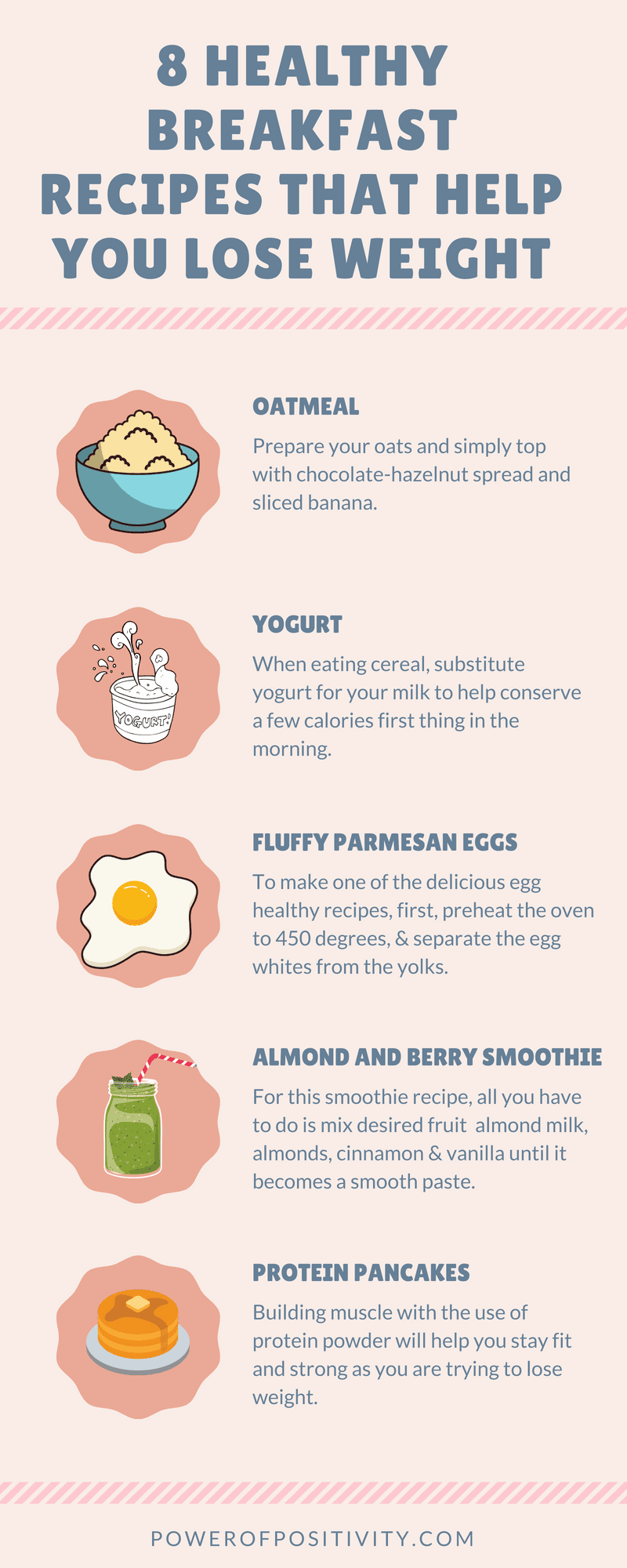
easy vegan meal ideas breakfast infographic

10) Moroccan Chickpea-Stuffed Acorn Squash (Family-Friendly Dinner Idea)

Here’s something for the whole family. This dish eats like a complete meal, with protein, fiber, and hearty squash.

Acorn squash, chopped onion, winter squash, and chickpeas are a great starting point—then season to taste. This meal invites customization, so experiment with spices and veggies until you find your perfect combination of easy vegan meal ideas.

What It Means When Someone Copies You (And Why It’s Really About Them, Not You)

Have you ever noticed someone suddenly dressing like you, using your phrases, or even borrowing your ideas?

At first, it might feel flattering — imitation is supposed to be the sincerest form of flattery, after all.

But when it happens too often, the charm can quickly fade.

Being copied stirs up mixed emotions.

Sometimes it feels harmless, like someone simply admires you.

Other times, it can feel frustrating, invasive, or even toxic — as if your identity is being chipped away.

These feelings are completely natural.

In this article, we’ll explore what it means when someone copies you — from the psychological reasons behind imitation to the deeper, spiritual perspectives.

You’ll also discover clear signs to watch for, how to respond with confidence, and how to protect your unique spark while still embracing your positive influence.

be patient


🧠 Psychological Reasons People Copy You

When someone copies you, it often says more about them than it does about you.

Psychologists explain that imitation is a natural part of how humans learn, connect, and sometimes cope with insecurity. Here are some of the most common reasons:

Admiration and Inspiration 💐

People are drawn to qualities they wish to embody. When someone copies your style, words, or ideas, it may be because they see you as a role model.

Insecurity and Lack of Self-Identity 🪞

Those who struggle with self-esteem sometimes mimic others to feel more confident. Copying can be a way of filling the gaps in their own sense of self.

Social Acceptance and Fitting In 🤝

Humans naturally mirror each other to build trust and feel included. In groups, copying helps people blend in and be accepted.

The “Chameleon Effect” and Mirroring 🦎

Subconscious imitation, like adopting someone’s gestures or speech patterns, can happen without intent.

It’s often driven by the brain’s mirror neurons, which encourage empathy and bonding.

When someone copies you, it often says more about them than it does about you.

Psychologists explain that imitation is a natural part of how humans learn, connect, and sometimes cope with insecurity.

To make it easier to see the differences, here are the most common psychological reasons people copy others — each one explained in a way that shows both the why and what it might look like in real life:

💐 Admiration and Inspiration

When someone copies your style, words, or ideas, it may be because they see you as a role model. They admire your spark and want to capture a piece of it for themselves.

🪞 Insecurity and Lack of Self-Identity

People with low self-esteem often mimic others to feel more confident. Copying can be their way of filling in the gaps of their own identity.

🤝 Social Acceptance and Fitting In

Humans naturally mirror each other to build trust and connection. Copying can be a way of blending in and feeling part of the group.

🦎 The “Chameleon Effect”

Sometimes people copy without realizing it. This subconscious mirroring is driven by empathy and the brain’s mirror neurons — a natural way of bonding.

👀 Signs Someone Is Copying You Too Much

A little imitation is normal — we all pick up habits, phrases, or styles from the people we admire.

But when someone starts echoing your every move, it can feel less like flattery and more like your identity is being borrowed.

Here are some red flags that show when copying has crossed the line:

🚩 Copying Behavior
What It Might Mean

👗 They copy your clothes or style
Admiration can drive this, but constant repetition may hint at envy or identity struggles.
🗣️ They repeat your phrases or jokes
This can be unconscious mirroring, but too much can feel like they’re taking your voice.
🎨 They pick up your hobbies or interests
Shared inspiration is natural, but copying every interest can signal lack of individuality.
📱 They mirror your online posts
When captions, ideas, or themes start looking identical, it may point to unhealthy comparison.
🏆 They try to replicate your achievements
Rather than finding their own path, they may be competing with you through imitation.

💛 The Positive Side of Imitation

Not all copying is a bad thing. In fact, some forms of imitation can be uplifting and even strengthen relationships. When someone reflects parts of you, it may be their way of showing admiration or building connection.

Here are some of the brighter sides of imitation:

A Silent Compliment 🌸

Copying can mean they see qualities in you they admire and want to carry into their own life.

A Learning Tool 📚

Just as children learn by modeling adults, adults sometimes mirror behaviors to grow or gain confidence.

A Way to Connect 🤗

Subtle mirroring of gestures or speech can foster trust and closeness — it’s how our brains are wired for empathy.

A Spark for Creativity 🔥

Your influence might give someone new ideas or inspire them to explore a path they wouldn’t have considered otherwise.

When imitation comes from a place of respect or inspiration, it can be taken as reassurance that you’re making a positive impact.

⚠️ The Negative Side: Toxic or Jealous Copycats

While some imitation feels flattering, other times it crosses a line.

Constant copying can feel like your identity is being stolen — and when jealousy or toxic intent is involved, it can drain your energy and confidence.

Here are a few ways copying can turn negative:

Driven by Envy 😒

Instead of admiring you, a jealous copycat may imitate you to compete, outshine, or undermine you.

Eroding Confidence 💔

When your words, ideas, or style are constantly repeated, you may feel like your originality is being diluted.

Toxic Patterns 🕸️

Some copycats — especially narcissists or manipulative personalities — may use imitation as a way to control, gaslight, or invade boundaries.

Recognizing when copying shifts from admiration to manipulation is the first step in protecting yourself.

✨ The Spiritual Meaning of Being Imitated

From a spiritual perspective, being copied can carry a deeper message. Sometimes it’s less about the person imitating you, and more about what the universe is reflecting back.

Your Light Inspires Others 🌟

People may be drawn to your energy, confidence, or joy. Their imitation is a sign that your presence influences those around you.

A Lesson in Boundaries 🛑

Copycats can also teach you where to draw the line. Spiritually, it may be an invitation to honor your individuality while protecting your space.

A Mirror for Self-Reflection 🔮

When someone copies you, it can reveal how strong your identity truly is. Their imitation is proof that what you carry is valuable and worth noticing.

Spiritually, copying is often less about theft and more about recognition — a reminder that your uniqueness has the power to awaken something in others.

🛡️ How to Respond When Someone Copies You

Knowing why someone copies you is helpful, but what matters most is how you respond. The goal isn’t to control the other person — it’s to protect your peace and reinforce your individuality.

Here are some empowering ways to handle it:

Stay Calm and Assess Intent 🌿

Ask yourself: is this innocent admiration, or does it feel competitive and draining?

Have an Honest Conversation 🗣️

Gently point out what you’ve noticed. Sometimes people don’t realize how much they’re copying until it’s addressed.

Set Healthy Boundaries 🚧

Limit what you share with them, or create space if the imitation continues. Boundaries protect your energy.

Protect Your Ideas and Work 📂

In professional or creative settings, document your work and share carefully. Safeguard what’s uniquely yours.

Walk Away from Toxic Copycats ✋

If imitation turns manipulative or narcissistic, it’s okay to cut ties. Protecting yourself is an act of self-respect.

FAQs

Why do people copy you?

People copy others for many reasons.

It might come from admiration, insecurity, or simply a desire to fit in.

Sometimes imitation is conscious, other times it’s subconscious mirroring.

Is copying someone a sign of jealousy?

It can be.

Jealousy often drives people to imitate those they feel threatened by or envious of.

Instead of finding their own path, they try to compete by copying yours.

What is the spiritual meaning of someone copying you?

Spiritually, it can mean your light is influencing others.

Copycats may be drawn to your energy or purpose.

It’s also a gentle reminder to honor your uniqueness and set boundaries.

How do I politely tell someone to stop copying me?

Approach them kindly.

You might say, “I’ve noticed we’re doing a lot of the same things.

I value my individuality, and I’d love for you to bring your own touch too.”

Framing it positively reduces defensiveness.

Can copying be a form of toxicity or abuse?

Yes. When copying turns into manipulation, gaslighting, or constant competition, it becomes unhealthy.

Trust your instincts — if it feels toxic, it’s important to distance yourself and protect your well-being.

being rude

🌈 Final Thoughts: Celebrate Your Uniqueness

Being copied can stir up a swirl of emotions — from feeling flattered to feeling frustrated.

But in the end, imitation says more about the other person than it does about you.

Their behavior often reflects admiration, insecurity, or even envy.

The most important thing to remember is this: no one can ever truly be you.

Your energy, creativity, and spirit are one-of-a-kind.

When you handle copycats with calm boundaries and self-respect, you protect your peace while continuing to shine.

What Does It Mean to Walk by Faith and Not by Sight?

As women, we carry so much on our shoulders—family, work, relationships, and the quiet struggles we rarely speak about.

Life often asks us to walk through seasons that don’t make sense, where the answers we long for feel hidden.

That’s why the following verse speaks so deeply to the heart:

“For we walk by faith, not by sight” (2 Corinthians 5:7)”💬

It reminds us that we don’t have to see the full picture to trust God’s plan.

Walking by faith is about stepping forward with courage, even when the path feels uncertain.

It’s about leaning on God’s promises, believing His goodness is bigger than what our eyes can see, and allowing His love to guide us through every unknown.

just breathe and have faith


📖 What Does “Walk by Faith, Not by Sight” Mean?

At its heart, walking by faith means trusting God even when life doesn’t look the way we hoped.

As women, we often want security, stability, and visible proof before we take the next step.

But faith asks us to move forward before everything makes sense.

Hebrews 11:1 reminds us that:

“Faith is confidence in what we hope for and assurance about what we do not see.”💬

This verse shows that faith isn’t about pretending problems don’t exist—it’s about leaning on God’s promises when our own strength feels small.

To walk by faith is to live with an open heart, believing that God is already working in the unseen.

It’s choosing to trust His timing, His love, and His bigger picture, even when the present feels unclear.

📖 What Does “Walk by Faith, Not by Sight” Mean?

At its heart, walking by faith means trusting God even when life doesn’t look the way we hoped.

As women, we often want security, stability, and visible proof before we take the next step.

But faith asks us to move forward before everything makes sense.

Hebrews 11:1 reminds us that “faith is confidence in what we hope for and assurance about what we do not see.

This verse shows that faith isn’t about pretending problems don’t exist—it’s about leaning on God’s promises when our own strength feels small.

To walk by faith is to live with an open heart, believing that God is already working in the unseen.

It’s choosing to trust His timing, His love, and His bigger picture, even when the present feels unclear.

✝️ The Biblical Context of 2 Corinthians 5:7

When Paul wrote the words “For we walk by faith, not by sight,” he was reminding the church in Corinth that this life is temporary, but God’s promises are eternal.

As women, it’s easy to get caught up in what we see every day—the bills on the table, the uncertainty in relationships, or the fears that keep us awake at night.

Paul wanted us to lift our eyes higher, beyond the visible struggles, to the unseen hope of eternity with Christ.

Walking by faith means remembering that this world is not our final home.

It’s living with the quiet confidence that God is preparing something greater, even when our present feels heavy.

This verse invites us to rest in His eternal perspective and live each day with trust instead of fear.

🚫 Common Misconceptions About Walking by Faith

Many women hear the phrase “walk by faith” and assume it means closing our eyes and hoping for the best, but that’s not what God calls us to.

Walking by faith doesn’t mean ignoring reality or pretending our struggles aren’t real.

It also doesn’t mean sitting back and waiting for life to happen without taking action.

Faith is active—it asks us to pray, listen, and then step forward with courage.

Another misconception is that women of faith never feel doubt or fear.

The truth is, even the strongest women of God wrestle with uncertainty. What sets faith apart is choosing to trust Him in spite of the unknowns.

Walking by faith is not weakness—it’s a strength rooted in God’s unshakable love.

👩‍👩‍👧 Examples of Walking by Faith in the Bible

The Bible highlights many women who inspire us with their courage and trust in God.

Their stories remind us that faith doesn’t mean having all the answers—it means leaning on God’s promises even when the future is uncertain.

👶 Sarah’s Waiting Faith

She believed God’s promise of motherhood long after hope seemed lost, teaching us patience in His timing.

🚶 Ruth’s Courageous Steps

She left behind everything familiar, showing that faith often means stepping into the unknown with love and loyalty.

👑 Esther’s Brave Stand

She risked her life to defend her people, proving that faith gives us courage beyond our fears.

😟 Why Walking by Faith Feels So Difficult

Even with the best intentions, walking by faith can feel overwhelming.

As women, we often crave certainty—we want to know the plan, see the results, and feel secure before taking the next step.

But faith requires us to let go of control, and that can stir up fear. It’s hard to trust what we can’t see when the visible world is shouting its doubts at us.

Our culture values proof and logic, often making faith seem impractical.

And let’s be honest: when life feels heavy, our emotions can drown out our hope.

That’s why walking by faith isn’t a one-time decision—it’s a daily practice of surrender.

It’s choosing to trust God in the middle of unanswered prayers, setbacks, or silence, believing He’s still working even when we can’t see it yet.

Challenge
Why It Feels Difficult

😨 Fear of the Unknown
We long for security and answers, but faith often calls us forward before we see the outcome.
🤲 Desire for Control
Letting go is hard—especially when we feel responsible for our families, work, and future.
🌍 Pressure from the World
We live in a culture that says “seeing is believing,” making unseen faith feel unreasonable.

🙏 Practical Ways for Women to Walk by Faith Daily

Walking by faith doesn’t happen overnight—it grows through daily choices.

As women, our lives are filled with responsibilities, emotions, and relationships that can easily distract us from God’s voice.

That’s why we need simple practices that anchor our hearts in faith.

One powerful way is through prayer and journaling—writing out your fears and then covering them with God’s promises brings peace to the mind and spirit.

Another step is speaking Scripture aloud when doubt creeps in, reminding yourself that God’s Word is stronger than fear.

Surrounding yourself with supportive, faith-filled women also makes a huge difference; when one of us feels weak, another can lift us up.

Faith grows when it’s shared.

And finally, trust begins in small steps—choosing to lean on God in little things makes it easier to surrender the big ones.

✨ To make this practical, here are four simple ways you can begin walking by faith each day:

📝 Prayer & Journaling

Write down your worries and cover them with God’s promises. Journaling turns anxious thoughts into faith-filled prayers.

📖 Speaking Scripture Aloud

Declare God’s Word over your fears. Speaking truth out loud shifts your focus from doubt to divine assurance.

🤝 Faith-Filled Community

Surround yourself with women of faith. Supportive voices lift you up when your own strength feels small.

👣 Small Daily Steps

Trust God in the little things—those small acts of faith prepare your heart for the bigger leaps ahead.

🌈 The Blessings of Walking by Faith

When we choose to walk by faith, God fills our lives with blessings that go far beyond what we can see.

Faith doesn’t remove life’s challenges, but it transforms how we experience them.

As women, we discover that faith gives us peace even in storms—reminding us we’re not walking alone.

It builds resilience, helping us rise again after setbacks with fresh hope.

Faith also deepens our relationship with God, drawing us closer to His heart as we learn to rely on Him instead of ourselves.

And perhaps one of the greatest blessings is how faith renews our sense of purpose—it reminds us that every season, even the hard ones, is shaping us for something greater.

When we walk by faith, our lives become a living testimony of God’s goodness.

FAQs

Is walking by faith the same as blind faith?

No. Walking by faith is not closing your eyes to reality—it’s opening your heart to God’s truth. Blind faith ignores wisdom, but real faith combines trust with discernment.

How do I strengthen my faith when I feel weak?

Faith grows like a muscle—through use. Prayer, Scripture, and surrounding yourself with women of faith will keep you encouraged when you feel weary.

What’s the difference between faith and sight in daily choices?

Sight relies on circumstances. Faith relies on God’s promises. One says, “I’ll believe it when I see it.” The other says, “I’ll trust because He said it.”

How can I encourage my children or family to walk by faith too?

The best way is by example. Let them see you trust God in both the small and big things. Your quiet confidence will become a powerful witness to them.

have faith stay positive

💖 Final Thoughts: Living by Faith With Confidence

Walking by faith and not by sight is more than a verse—it’s a daily invitation to trust God’s heart even when life feels uncertain.

As women, we often long for clarity, security, and reassurance, but faith teaches us that God’s love is our true foundation.

Each small step of trust brings peace, strength, and purpose that the world cannot give.

Remember, you don’t need to have everything figured out to move forward—you just need to hold onto the One who already sees the bigger picture.

Today, choose to take one faith-filled step, no matter how small, and trust that God is guiding your path. When you walk by faith, you are never walking alone.

The Science of Kindness: 7 Ways Being Civil Rewires Your Brain for Happiness

Kindness, in today’s fast-paced world, can often feel like a mere memory.

But researchers now say it’s one of the most powerful tools we have for happiness.

In fact, the science of kindness shows that simple acts of generosity and respect don’t just make others feel good, they actually rewire your brain.

From boosting mood-enhancing chemicals like dopamine and serotonin to lowering stress hormones, kindness works on a biological level to create lasting well-being.

Every smile, kind word, or thoughtful gesture has the power to change the way your brain responds to daily life.

And here’s the best part: the benefits ripple out, uplifting not only you but also those around you.

This means kindness isn’t just a moral choice, t’s a brain-boosting lifestyle that science continues to validate.

kind human


The Science of Kindness Explained 😊

The science of kindness shows it isn’t just a feel-good gesture, it’s a biological and psychological powerhouse. When you extend compassion, your brain releases a cocktail of chemicals designed to boost your mood and strengthen your well-being.

Researchers have found that acts of kindness increase oxytocin, often called the “love hormone,” which promotes bonding and trust. At the same time, dopamine and serotonin kick in, creating a natural high often referred to as the “helper’s high.”

But it doesn’t stop there. Studies in neuroscience show that practicing kindness reduces cortisol, the stress hormone, which helps you feel calmer and more centered.

Even small moments, like holding the door open or offering a genuine compliment, signal your brain to shift into a state of positivity. And here’s the surprising part: receiving kindness has a similar effect, lighting up the brain’s reward system as powerfully as giving it.

This means kindness isn’t just about making the world better, it’s about rewiring your own brain for happiness. With each kind act, you train your neural pathways toward more empathy, resilience, and joy.

The Science of Kindness Explained 😊

Kindness isn’t just a feel-good gesture, it’s a biological and psychological powerhouse.

When you extend compassion, your brain releases a cocktail of chemicals designed to boost your mood and strengthen your well-being.

Researchers have found that acts of kindness increase oxytocin, often called the “love hormone,” which promotes bonding and trust.

At the same time, dopamine and serotonin kick in, creating a natural high often referred to as the “helper’s high.”

But it doesn’t stop there. Studies in neuroscience show that practicing kindness reduces cortisol, the stress hormone, which helps you feel calmer and more centered.

Even small moments, like holding the door open or offering a genuine compliment, signal your brain to shift into a state of positivity.

And here’s the surprising part: receiving kindness has a similar effect, lighting up the brain’s reward system as powerfully as giving it.

This means kindness isn’t just about making the world better, it’s about rewiring your own brain for happiness.

With each kind act, you train your neural pathways toward more empathy, resilience, and joy.

🧪 Chemicals Released by Kindness

Chemical
Nickname
Effect on the Brain
Oxytocin
“Love Hormone”
Increases bonding, trust & connection
Dopamine
“Reward Chemical”
Creates feelings of pleasure & motivation
Serotonin
“Mood Stabilizer”
Improves mood, well-being & focus
Endorphins
“Natural Painkillers”
Reduce pain & boost relaxation

How Kindness Rewires the Brain 🧠

Your brain is constantly changing, adapting, and forming new connections, a process scientists call neuroplasticity. Every time you practice kindness, you reinforce the brain’s neural pathways linked to compassion, empathy, and positive emotions.

Over time, this repeated practice actually reshapes your brain, making kindness more of a natural response rather than a conscious effort.

Studies using brain imaging have shown that engaging in kind acts activates the prefrontal cortex, the area responsible for decision-making, emotional regulation, and empathy.

This strengthens your ability to stay calm under stress and to connect more deeply with others. Kindness also lowers activity in the amygdala, the brain’s fear center, which reduces anxiety and stress responses.

That means acts of kindness not only make you feel good in the moment, but they also help build long-term resilience. It’s like training your brain’s “happiness muscles”—the more you practice, the stronger they get.

⚡ Fear-Based Brain

When stress dominates, the amygdala goes into overdrive. This triggers constant “fight or flight” responses, raising cortisol levels and draining emotional energy. Over time, it makes focus, calm, and empathy harder to maintain.

🌟 Kindness-Rewired Brain

Acts of kindness activate the prefrontal cortex, calming the amygdala and releasing oxytocin. This rewires pathways toward empathy, resilience, and joy. Over time, the brain naturally shifts from survival mode to connection mode.

7 Powerful Ways Kindness Boosts Happiness 🌈

Kindness is more than a polite gesture—it’s a happiness generator built right into your biology. Every time you choose compassion, your brain and body light up with powerful benefits that extend far beyond the moment.

Here are seven ways being kind rewires your brain for lasting joy:

1. 😊 Increases Dopamine: The Brain’s Reward System

Kindness activates the brain’s reward pathways, causing a surge of dopamine—the “feel-good” chemical.

This creates what psychologists call the “helper’s high”: a natural mood boost that feels rewarding in itself.

Just like finishing a workout or achieving a goal, small acts of kindness reinforce motivation and pleasure.

Over time, these dopamine boosts train your brain to associate kindness with happiness, making you more likely to repeat it.

2. 💞 Builds Stronger Social Bonds & Trust

Human beings are wired for connection, and kindness strengthens those bonds.

When you perform kind acts, your brain releases oxytocin, which builds trust and deepens relationships.

This “love hormone” not only enhances intimacy with close friends and partners but also increases your sense of belonging in larger communities.

Stronger social ties are directly linked to higher life satisfaction and even longer lifespan, showing that kindness is both emotionally and physically protective.

3. 😌 Reduces Stress Hormones

Kindness actively lowers levels of cortisol, the stress hormone that keeps your body in fight-or-flight mode.

Studies indicate that people who regularly practice compassion report lower blood pressure, fewer physical symptoms of stress, and a greater sense of calm.

By reducing cortisol, kindness allows your nervous system to relax, helping you move out of survival mode and into a state of ease. It’s like giving your mind and body a natural stress reset.

4. 🤝 Strengthens Empathy and Compassion Circuits

When you practice kindness, you strengthen the neural networks linked to empathy and perspective-taking.

Brain scans show that areas like the prefrontal cortex and anterior cingulate cortex light up during compassionate acts.

These regions are directly tied to understanding others’ emotions and responding with care.

Over time, this creates a cycle where empathy fuels more kindness, and generosity deepens your empathy, a feedback loop that rewires your brain for connection.

5.🌱 Encourages Personal Growth and Resilience

Kindness builds resilience by shifting focus away from your own struggles and onto uplifting others.

When you choose compassion, you gain perspective, reminding yourself that everyone faces challenges.

This perspective lowers rumination, the tendency to overthink problems, and strengthens your ability to bounce back from setbacks.

Many therapists even recommend kindness practices, like volunteering or writing gratitude notes, as tools for building resilience and emotional strength.

6. 💡 Enhances Focus and Creativity

Kindness doesn’t just improve mood; it sharpens the mind.

When your stress levels drop and positive neurotransmitters rise, your brain has more energy for focus and creative problem-solving.

Acts of kindness stimulate areas of the brain linked to flexible thinking, which helps you generate fresh ideas and solutions.

This is why some workplaces encourage kindness initiatives: they fuel not only morale but also innovation and productivity.

7. ❤️ Cultivates Long-Lasting Life Satisfaction

Unlike temporary pleasures, kindness has a lasting effect on your sense of purpose and fulfillment.

Studies consistently show that people who engage in altruistic behaviors report higher levels of overall life satisfaction.

These aren’t fleeting bursts of happiness but deeper feelings of meaning and self-worth. In many ways, kindness acts like an anchor for happiness—keeping you grounded in joy no matter what life throws your way.

Transform Your Life With Kindness

Discover the Power of Random Acts

The Ripple Effect: How Kindness Spreads 🌍

One of the most fascinating discoveries in the science of kindness is how contagious it is.

When you perform a kind act, the positive effects don’t stop with you and the person receiving it.

Research shows that even bystanders who witness kindness experience a boost of oxytocin, dopamine, and serotonin, often called “moral elevation.”

This means your actions can inspire others to pass kindness forward, creating a ripple effect that extends far beyond the moment.

Think of kindness as emotional energy: when you offer it, you start a chain reaction that can reach people you’ll never even meet.

Something as simple as holding a door, paying a compliment, or sending an encouraging text can spark a cycle of positivity.

In this way, kindness becomes more than a personal habit, it transforms into a powerful cultural force that uplifts entire communities.

FAQs About the Science of Kindness

Is kindness really proven to change the brain?

Yes. Studies using brain imaging show that kindness activates regions linked to empathy, rewards, and emotional regulation, while lowering stress responses in the amygdala.

How fast do the effects of kindness show up?

Almost instantly. The release of dopamine, oxytocin, and serotonin happens within minutes of performing or receiving a kind act.

Can being kind help with depression or anxiety?

While kindness isn’t a replacement for professional care, research shows it can lower stress hormones, reduce rumination, and create positive emotions that support better mental health.

What’s the difference between empathy and kindness?

Empathy is feeling with someone; kindness is acting on that feeling. Kindness takes empathy a step further by transforming it into helpful action.

please be kind


Final Thoughts: Choosing Kindness as a Lifestyle ✨

The science of kindness is clear—being kind isn’t just good for others; it rewires your brain for happiness, resilience, and long-lasting well-being.

Each small act creates a ripple of positivity that touches lives in ways you may never fully see.

The best part? You don’t need grand gestures. A smile, a kind word, or a moment of patience can spark powerful change.

So if you want to live happier, healthier, and more connected—start with one act of kindness today. It may seem small, but your brain (and the world) will thank you.

Why White Tea Could Be the Secret to Your Weight Loss Journey

When it comes to natural weight loss solutions, few drinks are as underrated as white tea.

Unlike its more famous cousins—green and black tea—white tea is minimally processed, giving it a delicate flavor and a powerhouse of health-promoting compounds.

Recent research suggests that white tea could do more than simply refresh you—it may actually support your weight loss journey.

Thanks to its rich blend of antioxidants and metabolism-boosting catechins, white tea has been linked to fat burning, appetite regulation, and even the prevention of new fat cells forming.

But the benefits don’t stop at weight loss.

From heart health to glowing skin and even stronger bones, white tea is a small daily ritual with big potential rewards.

In this article, we’ll explore why white tea could be the secret to your weight loss journey, backed by science, and how you can use it to transform both your health and lifestyle.

weight you need to lose

🍵 What Is White Tea?

White tea is one of the most delicate teas in the world, harvested from the youngest buds and leaves of the Camellia sinensis plant.

Unlike black or green tea, it undergoes minimal processing—no heavy roasting or fermentation.

This gentle preparation helps it retain a higher level of natural antioxidants, especially catechins like EGCG, which play a major role in weight loss and overall health.

Originating in China’s Fujian province, white tea has been treasured for centuries not just for its health benefits but also for its light, subtly sweet flavor.

Today, it’s gaining global recognition as a functional beverage for wellness and weight management.

Nutritionally, white tea provides:

✅ Catechins and polyphenols that fight free radicals and support metabolism

✅ Lower caffeine levels than black or green tea, offering a gentler energy lift without jitters

✅ Fluoride, tannins, and micronutrients that support oral and bone health

This unique combination makes white tea more than just a soothing drink—it’s a natural ally for your body’s health and weight loss journey.

🔥 White Tea and Weight Loss: The Science

White tea isn’t just a soothing sip—it contains powerful compounds that may make it a natural weight loss ally. Here’s what science tells us:

⚡ Boosts Metabolism and Fat Burning

White tea is rich in catechins (especially EGCG) and a mild dose of caffeine.

Together, they stimulate thermogenesis—the process where your body burns calories to produce heat.

Studies suggest this combination may increase your daily calorie burn by 70–100 calories, giving your metabolism a gentle push.

🧬 Stops Fat Cells From Growing

A fascinating lab study found that white tea extract not only broke down existing fat cells but also prevented new ones from forming.

While this was done in a test-tube setting, it shows how powerful white tea’s antioxidants may be in tackling fat at the cellular level.

🍽️ Helps Regulate Appetite

Recent human studies reveal that drinking white tea may influence hormones like ghrelin and leptin, which control hunger and fullness.

Participants who added white tea to their diet showed reductions in waist size, body mass index (BMI), and improved fat-related hormone balance—suggesting it might help keep cravings in check.

🚰 A Smart Low-Calorie Swap

Replacing sugary drinks with white tea is an effortless way to cut hidden calories.

A cup of plain white tea has almost zero calories, yet provides flavor, hydration, and a calming ritual.

Over time, swapping soda or high-calorie coffee drinks for white tea can create the calorie deficit needed for steady weight loss.

💪 Other Health Benefits of White Tea

While white tea is celebrated for supporting weight loss, its advantages go far beyond trimming your waistline.

Packed with antioxidants and other protective compounds, this tea nurtures your body in multiple ways:

❤️ Supports Heart Health

Polyphenols in white tea relax blood vessels and help prevent cholesterol buildup, lowering the risk of cardiovascular disease.

🦷 Protects Teeth

Natural fluoride, catechins, and tannins in white tea help fight bacteria and strengthen enamel for a healthier smile.

🦴 Stronger Bones

Antioxidants protect bone cells from damage, supporting bone density and reducing osteoporosis risk.

🧠 Brain Health

Catechins and EGCG may lower the risk of Alzheimer’s and Parkinson’s by protecting brain cells from oxidative stress.

✨ Anti-Aging for Skin

White tea helps preserve collagen and elastin, slowing the appearance of wrinkles and skin damage.

☕ How to Brew White Tea for Best Results

To get the most out of white tea—both in terms of flavor and health benefits—it’s important to prepare it the right way.

Since the leaves are more delicate than green or black tea, a gentle brewing method ensures that antioxidants and natural sweetness are preserved.

🌡️ Water Temperature Matters

Boiling water can scorch white tea leaves, making the flavor bitter.

The ideal water temperature is 170–185°F (75–85°C).

If you don’t have a thermometer, let boiling water sit for about a minute before pouring it over the tea.

⏱️ Steeping Time

White tea needs a bit more time to release its delicate flavor.

Aim for 5–8 minutes if you’re using loose leaf tea. For tea bags, 2–3 minutes is usually enough.

The result should be a pale golden-yellow tea with a smooth taste.

🍃 Loose Leaf vs. Tea Bags

While both options are beneficial, loose leaf white tea generally contains more antioxidants and a fresher flavor than commercial tea bags.

Popular varieties include Silver Needle and White Peony.

🕒 Best Times to Drink for Weight Loss

  • Morning: A gentle caffeine boost to start your day.
  • Before Exercise: May improve fat burning during workouts.
  • Afternoon: Helps curb snack cravings without causing jitters.

❄️ Cold or Iced White Tea

White tea makes a refreshing iced drink.

Try cold-brewing by steeping leaves in cool water for 6–8 hours in the fridge.

This slow method creates a smooth, slightly sweet iced tea that’s naturally calorie-free.

🚫 Skip the Sugar

For weight loss, keep it simple.

Adding sugar or heavy cream turns a zero-calorie drink into a high-calorie one.

For flavor without guilt, try a slice of lemon, mint, or a cinnamon stick.

Why White Tea Could Be the Secret to Your Weight Loss Journey

Read the Full Article

⚠️ Precautions and Side Effects

White tea is generally safe and gentle, but there are a few things to keep in mind:

  • Caffeine Content: Though lower than black or green tea, white tea still contains caffeine (15–30 mg per cup). Too much may cause jitteriness, anxiety, or insomnia in sensitive individuals. Limit intake in the evening if you’re prone to sleep issues.
  • Pregnancy & Breastfeeding: Small amounts of white tea are usually fine, but excess caffeine can affect pregnancy and newborns. Stick to 1–2 cups daily and consult your healthcare provider if unsure.
  • Iron Absorption: Like other teas, white tea may slightly reduce the body’s absorption of iron from food. To avoid this, drink tea between meals rather than with them.
  • Quality Matters: Choose reputable brands to avoid contamination with pesticides or heavy metals. Organic or high-grade white tea ensures you get the full health benefits safely.

FAQs

How much white tea should I drink daily for weight loss?

Most studies suggest 2–3 cups per day is enough to support metabolism and fat burning while staying within safe caffeine levels.

Is white tea better than green tea for burning fat?

Both contain catechins and caffeine, but green tea is more researched. White tea may offer similar benefits with less caffeine and a milder flavor.

Can I drink white tea at night?

Yes, but it contains some caffeine. If you’re sensitive or struggle with sleep, enjoy it earlier in the day.

Does adding lemon or honey reduce its benefits?

Lemon enhances antioxidants, but honey adds calories. For weight loss, keep honey minimal or skip it.

How long does it take to see results from white tea?

Results vary, but when combined with a healthy diet and exercise, some people notice benefits in a few weeks.

six best doctors

🌟 Final Thoughts

White tea may be light in taste, but its benefits are powerful.

With catechins and gentle caffeine, it can boost metabolism, reduce fat cell growth, and support weight loss when paired with healthy habits.

At the same time, it nurtures your heart, bones, skin, teeth, and even brain health—making it one of the most well-rounded teas you can sip.

Remember, white tea isn’t a quick fix.

But replacing sugary drinks with this calorie-free, antioxidant-rich tea is a small daily choice that adds up over time.

Whether you enjoy it hot in the morning, iced in the afternoon, or as a calming ritual between meals, white tea is a natural way to support your body and your wellness journey.

8 Ways to Teach Your Child to See the World with Optimism

Life can feel overwhelming, even for children.

From school stress to social challenges, kids are constantly facing situations that shape the way they view the world.

If we don’t guide them, they may naturally lean toward worry or negativity.

But when parents teach their child to see the world with optimism, it creates a lasting foundation of resilience, confidence, and hope.

Optimism doesn’t mean ignoring life’s difficulties—it means helping kids understand that brighter possibilities always exist.

When your child learns this perspective early on, they’re better prepared to handle setbacks, build stronger relationships, and grow into adults who thrive in both good and challenging times.

annoyingly positive


🌱 What Does Optimism Really Mean for Children?

When we talk about optimism in children, we aren’t talking about forcing them to “always be happy” or pretending problems don’t exist.

True optimism is about teaching kids to balance reality with hope.

It’s the ability to face challenges and still believe that solutions and better days are possible.

For children, this can look like saying, “I didn’t do well on this test, but I can study differently next time,” instead of “I’ll never be good at math.”

It’s also important to separate optimism from toxic positivity.

Children should feel safe expressing sadness, frustration, or disappointment.

Teaching optimism means acknowledging emotions while guiding kids to see possibilities beyond the struggle.

This approach builds emotional strength, resilience, and a healthy way of handling life’s ups and downs.

💡 True Optimism

Teaching optimism means helping children see possibilities beyond the struggle.

🛑 Not Toxic Positivity

Kids should feel safe to express all emotions—optimism grows when feelings are acknowledged.

🌱 Growth in Balance

Resilience is built when children learn to pair honesty about challenges with hopeful solutions.

🪞 1. Model Optimism in Daily Life

Children learn more from what we do than what we say.

If you want to raise an optimistic child, the most powerful step is to model optimism yourself.

This doesn’t mean pretending everything is perfect—it means showing your child how to find light even in challenging moments.

For example, if a rainy day cancels your plans, you might say, “It’s disappointing, but now we get extra time for movies and popcorn together.

Simple shifts like this teach children that setbacks are not the end of the story. When they see you reframe challenges with hope, they naturally absorb that same perspective in their own lives.

🌱 2. Encourage a Growth Mindset

One of the most powerful ways to raise an optimistic child is by teaching them a growth mindset—the belief that skills and abilities can improve through effort and practice.

Instead of saying, “I can’t do this,” guide your child to add the word “yet.” That small shift to “I can’t do this yet” opens the door to possibility and hope.

A growth mindset helps kids see challenges not as proof of failure but as chances to learn and grow.

Over time, this outlook builds resilience, self-confidence, and the ability to handle setbacks with optimism.

🙏 3. Practice Gratitude Together

Gratitude is one of the simplest yet most powerful ways to nurture optimism in children.

By regularly focusing on what’s going well, kids begin to shift their attention away from what’s missing or difficult.

You can make this a family habit by sharing three good things at dinner or before bedtime. These can be small moments, like enjoying a favorite snack or playing with a friend.

Over time, gratitude helps children see that even on tough days, there are always reasons to be hopeful.

This practice not only boosts optimism but also strengthens emotional well-being and connection within the family.

💬 4. Use Positive Language at Home

The words children hear every day shape how they think about themselves and the world.

If the atmosphere at home is filled with encouragement, kids naturally develop a hopeful outlook.

For example, instead of saying, “This is too hard,” you can reframe it as, “This is a challenge we can figure out together.”

These subtle language shifts teach children that struggles are not permanent and that solutions are possible.

By consistently modeling positive language, you create an environment where optimism becomes the natural way of thinking and speaking.

Why Optimism Shapes a Better Life

Discover Why Optimism Matters

🎯 5. Help Them Reframe Challenges

Setbacks are an inevitable part of life, but how children interpret them makes all the difference.

When your child experiences failure or disappointment, guide them to look for the lesson instead of the loss.

For example, if they say, “I failed my test,” you might respond with, “You didn’t get the result you wanted, but now you know what to focus on next time.

This gentle shift helps them understand that challenges are not permanent roadblocks but stepping stones toward growth.

Over time, reframing difficulties this way builds resilience and reinforces the belief that brighter outcomes are always possible.

🤝 6. Surround Them with Positive Influences

Children absorb the attitudes of the people and environments around them.

If they spend time with supportive friends, encouraging teachers, and uplifting media, they’re more likely to develop an optimistic outlook.

As a parent, you can guide these influences by encouraging friendships that bring out the best in your child, choosing books or shows with positive themes, and modeling kindness within your own circle.

When optimism becomes the “norm” in their environment, kids naturally begin to mirror it in their own thoughts, words, and actions.

🌟 7. Celebrate Small Wins and Efforts

Optimism grows when children feel recognized for their progress, not just their end results.

Celebrating small wins—like finishing a homework assignment or practicing a new skill—helps kids see that effort truly matters.

Even when the outcome isn’t perfect, acknowledging their persistence reinforces hope and motivation.

A simple, “I’m proud of how hard you tried,” shows them that success is built step by step.

Over time, this focus on effort over perfection creates a mindset where challenges feel exciting rather than discouraging, and optimism becomes a natural part of their growth.

🧘 8. Teach Emotional Awareness and Balance

True optimism isn’t about ignoring hard feelings.

It’s about helping children understand that emotions—like sadness, anger, or frustration—are natural and temporary.

By teaching your child to name their feelings, you give them the tools to process emotions in healthy ways.

Once those feelings are acknowledged, you can gently guide them to see what positive step they can take next.

For example, after a tough day at school, encourage them to share what upset them and then brainstorm something uplifting to do together.

This balance between honesty and hope shows kids that it’s possible to face difficulties while still believing in brighter outcomes ahead.

🚫 Common Mistakes Parents Make When Teaching Optimism

Even with the best intentions, parents can accidentally send the wrong message about optimism.

One common mistake is pushing kids to “just stay positive” without first acknowledging their feelings.

This can leave children feeling dismissed or misunderstood. Another pitfall is being inconsistent—encouraging kids to be hopeful while parents model negativity at home.

Finally, relying only on cheerful phrases without showing practical strategies may frustrate children, because they need examples of how optimism works in real life.

The key is balance: validate emotions, model hopeful behavior, and provide tools children can actually use.

🌈 The Long-Term Benefits of Raising Optimistic Kids

When children learn to see the world with optimism, the benefits ripple through every area of their lives.

Optimistic kids often cope better with stress, bounce back faster from setbacks, and approach challenges with confidence.

They’re also more likely to form healthy relationships, succeed in school, and maintain stronger mental health.

Research even suggests that optimism is linked to improved physical well-being and a longer, healthier life.

By teaching your child optimism now, you’re giving them tools that will serve them for decades—a mindset that turns obstacles into opportunities and makes joy a regular part of their story.

Frequently Asked Questions

How can I teach my child to think positively?

Start with daily habits like gratitude journaling, using positive language at home, and modeling optimism yourself. Consistency is what makes the difference.

What age should I start teaching optimism to my child?

It’s never too early. Even toddlers can begin learning optimism when parents reframe challenges with hope and highlight positive moments.

How do I encourage optimism without ignoring real problems?

Always acknowledge feelings first. Once your child feels heard, gently guide them toward hopeful solutions and next steps. Optimism means balance, not denial.

Can optimism really improve my child’s mental health?

Yes. Studies show that optimistic children are more resilient, less likely to struggle with depression or anxiety, and better equipped to handle stress.

negative past


🌟 Final Thoughts: Building a Brighter Perspective Together

Teaching your child to see the world with optimism is one of the most meaningful gifts you can give.

It won’t happen overnight, but through patience, consistency, and your own example, optimism becomes part of how your child approaches life.

By helping them balance real emotions with hopeful solutions, you’re raising a child who can dream big, bounce back from challenges, and carry positivity into adulthood.

Every small step—every encouraging word, every reframed setback, every moment of gratitude—plants seeds of hope that will grow for a lifetime.

Faith Over Fear: Rewiring Your Mind for Courage and Confidence

Life often challenges us with fear, doubt, and uncertainty, which can shake our confidence and hold us back from fulfilling our potential.

Yet, by choosing faith over fear, it’s possible to literally rewire our minds to respond with courage and confidence instead of fear.

This transformation isn’t about simply ignoring fear but about reshaping our thinking patterns, grounding ourselves in God’s truth, and stepping boldly into the life He calls us to live. In this article, we’ll explore practical ways to reprogram your mind for courage and confidence, supported by biblical wisdom and real-life examples.

hold onto faith


Understanding the Mind’s Power to Change

Our minds are incredibly adaptable, capable of forming new thought patterns through repeated focus and practice—a concept supported by both neuroscience and scripture.

The apostle Paul urges us in Romans 12:2 to “be transformed by the renewing of your mind.”

This means we can choose to replace fearful, limiting thoughts with affirmations of God’s promises and power.

When you consistently meditate on verses like Isaiah 41:10 (“Do not fear, for I am with you”), you begin to interrupt old fear-based neural pathways and build new ones rooted in faith and assurance.

Step 1: Fill Your Mind with God’s Truth

The first step in rewiring your mind is to saturate it with God’s truth.

Fear often feeds on uncertainty and lies about our worth and future. By intentionally focusing on scripture, prayer, and worship, you retrain your brain to focus on confidence-building truths.

For example, 

“2 Timothy 1:7 reminds us, “God gave us a spirit not of fear but of power and love and self-control.”💬

When this truth becomes your mental anchor, it reshapes your self-perception and empowers you to face challenges boldly.

Step 2: Practice Courageous Action in Small Steps

Rewiring your mind requires not only new thoughts but new behaviors. Courage grows when you act despite fear, gradually building your confidence muscle.

Just as Peter stepped onto the water by faith (Matthew 14:29-31), you can take small steps outside your comfort zone, focusing on Jesus’s encouragement: 

““Take courage! It is I. Don’t be afraid.”💬

Each courageous act rewires your brain to associate faith-driven action with positive outcomes, strengthening your confidence over time.

Step 3: Engage in Prayer and Mindful Reflection

Prayer is a powerful tool for rewiring your mind. Philippians 4:6-7 teaches us to “present your requests to God” and promises that His peace will guard our hearts and minds.

Through prayer and meditation on God’s promises, you replace anxious thoughts with peace-filled confidence. Mindful reflection on answered prayers and God’s faithfulness helps solidify this new mindset.

Step 4: Surround Yourself with Faith-Filled Community

Our brains are influenced by the communities we engage with.

Hebrews 10:24-25 encourages believers to meet regularly and encourage one another.

Surrounding yourself with supportive, faith-filled people provides reinforcement for your new thought patterns. Sharing struggles and victories with others helps you stay accountable and strengthens your courage and confidence through collective faith.

Step 5: Cultivate Perseverance and Gratitude

Rewiring your mind is a process that requires patience and persistence. James 1:2-4 tells us to “consider it pure joy” when facing trials, knowing that perseverance produces maturity.

Maintaining a gratitude practice helps shift your focus from fear to faith. Psalm 34:4 says, “I sought the Lord, and he answered me; he delivered me from all my fears.

Regularly acknowledging God’s goodness rewires your brain to expect positive outcomes, boosting your confidence.

Practical tools:

  • Gratitude list: Each evening, write three specific ways you saw God’s goodness.
  • Streak tracker: Mark days you practiced your faith habits (prayer, scripture, courageous action). Let momentum work for you.
  • Reframe setbacks: When you stumble, replace “I failed” with “I’m learning perseverance” (Romans 5:3-5).
  • Rest rhythms: Courage requires rest. Honor a weekly Sabbath to reset your mind and restore perspective

Choose Faith Over Fear

Read the Full Article

A 30-Day Faith-Over-Fear Plan Use this simple structure to build momentum:

Week 1: Renew Your Inputs

  • Choose one anchor verse and memorize it.
  • Begin a daily 5-minute prayer and breath practice.
  • Create a worship playlist and use it during commutes or walks.

Week 2: Act in Small Steps

  • Build a fear ladder with 5 rungs related to a current challenge.
  • Take one small step each day and record the outcome.
  • Share your plan with an encouragement partner.

Week 3: Reflect and Reframe

  • Practice the daily examination for seven nights.
  • Identify one recurring fearful thought and write a truth-based response for it.
  • Fast from one fear-inducing media source.

Week 4: Deepen Community and Gratitude

  • Attend a small group or serve once this week.
  • Write three gratitude notes to people who’ve encouraged your faith.
  • Plan one restful activity that reconnects you to God’s presence.

Real-Life Examples of Rewiring the Mind

🌸 Sarah’s Story

Battling anxiety about her future, Sarah memorized Isaiah 41:10 and recited it daily. She paired it with a simple breath prayer each morning and a gratitude list each evening. Over six weeks, she noticed fewer panic spikes before work. Encouraged by her small steps, she reached out to a mentor for guidance and updated her resume. This consistent focus helped replace her fearful thoughts with peace and confidence, empowering her to pursue a career aligned with her calling.

💼 David’s Journey

Facing financial uncertainty after a downsizing, David chose to trust God’s promises and act courageously. He built a fear ladder: update LinkedIn, call two contacts, apply for three roles, pitch a freelance project, and explore training. His faith-inspired decisions led to unexpected opportunities—a short-term contract that bridged the gap and a scholarship for additional training. Each step reinforced his confidence in God’s provision and his own God-given abilities.

🙏 Elena’s Pivot

After a health scare, Elena feared returning to her demanding job. She began each day with Joshua 1:9 and a 10-minute walk while worshiping. She joined a church support group where she openly shared her fears and received prayer. With counsel, she negotiated a phased return and set new boundaries. Over months, her fear gave way to steady courage as she experienced God’s peace guiding her decisions.

💡 Faith Over Fear

Choosing faith over fear doesn’t mean ignoring wisdom. God often works through practical planning, counsel, and supportive resources. If anxiety becomes overwhelming or persistent, consider speaking with a trusted pastor, mentor, or a qualified counselor. Many people find that biblically grounded counseling complements spiritual practices and accelerates healing. Seeking help is not a failure of faith—it’s a step of faithful stewardship of your mind and heart.

Daily Rhythm for a Courageous Mindset

  • Morning: Scripture and declaration. Read your anchor verse, speak one truth declaration, and pray your day into God’s hands.
  • Midday: Breath prayer reset. Two minutes of “Inhale: You are with me. Exhale: I will not fear.”
  • Evening: Examen and gratitude. Notice God’s presence, name one moment of courage, and list three gratitudes.

Over time, this rhythm becomes a trellis where faith can grow strong and steady.

faith more potent than fears


Faith Over Fear: Final Thougts

Rewiring your mind for courage and confidence is a transformative journey anchored in faith.

By filling your heart with God’s truth, taking small but faithful steps, leaning on prayer, surrounding yourself with supportive community, and practicing perseverance and gratitude, you can overcome fear’s grip and live boldly.

Courage is not the absence of fear—it is the presence of God in the midst of it.

Every time you choose truth over lies, action over avoidance, and faith over fear, you are reshaping your mind and rewriting your story.

Remember 2 Timothy 1:7: “For God gave us a spirit not of fear but of power and love and self-control.”

Keep Isaiah 26:3 close as well: “You keep him in perfect peace whose mind stays on you, because he trusts in you.”

Fix your mind on Him, trust His heart toward you, and take the next step—courage will meet you on the way.

What Do Our Struggles Teach Us About God’s Love?

I’ve walked through seasons that tested everything I believed. Moments when I asked God, “Why me? Why now?”

As a man, I was taught to be strong, to carry the weight without breaking. But in those moments of struggle—when the plans I built fell apart and my strength wasn’t enough—I began to see something I’d missed before.

God’s love wasn’t just in the blessings.

It was in the difficult days, too. It was in the quiet whispers telling me to hold on, the unexpected help that showed up when I needed it most, and the peace that came when I should have been falling apart.

faith bigger than fear

🛡️ Why Struggles Don’t Mean God Has Abandoned Us

There was a time I thought hardship was a sign that God had stepped back from my life.

But the truth is, struggles are not proof of His absence—they’re often proof of His presence.

A loving Father doesn’t shield His sons from every challenge; He walks with them through it.

Just like a good coach pushes his player to train harder, God allows certain trials to strengthen us. He perceives the individual we have the potential to become, even when we are immersed in the chaos of the present.

“💬 I will never leave you nor forsake you.” – Hebrews 13:5

📖 Biblical Examples of God’s Love Through Trials

When I read the Bible, I see a pattern—God never promised an easy road, but He always promised His presence on it.

Job endured unimaginable loss, yet God restored him and deepened his faith. Paul carried a thorn in his flesh, a constant reminder of his weakness, yet he discovered God’s grace was all he needed.

Even Jesus, in the garden of Gethsemane, faced the weight of the cross, but He was strengthened to fulfill His purpose.

These stories remind me that struggles are not detours from God’s plan; they’re often the very path He uses to reveal His love.

“💬 My grace is sufficient for you, for my power is made perfect in weakness.” – 2 Corinthians 12:9

How Struggles Reveal the Depth of God’s Love

When life is easy, it’s tempting to measure God’s love by how pleasant things feel. But I’ve learned that comfort doesn’t always show the full depth of His love—struggles do.

It’s in the late-night prayers, the battles no one sees, and the moments I’ve felt too weak to stand that I’ve discovered just how present and powerful His love really is.

The difficult seasons don’t push Him away; they draw Him closer, and in those moments, I see sides of His heart I would have missed otherwise.

💖 His Love Shows Up in Hardship

I used to think God’s love was proven by blessings. But the real depth of His love often shows up when life feels like it’s falling apart. In those moments, He became my anchor.

🪞 Struggles Shape Who We Become

God doesn’t waste pain. He uses trials to strip away what’s holding us back and build the strength, patience, and faith we’ll need for what’s ahead.

🕊️ Peace That Defies Circumstances

Even in chaos, His love brings a peace I can’t explain. It doesn’t erase the storm—it anchors me in it.

Lessons Men Can Learn About God’s Love Through Struggles

Every struggle leaves a mark—but not all scars are negative.

Some remind us of where God met us, where He carried us, and where He changed us.

As men, we often measure ourselves by strength, success, or control. But in God’s eyes, real strength is built in the moments we have none, when we depend fully on Him.

Through my trials, I’ve learned lessons I couldn’t have gained any other way.

💪 Patience and Endurance

Waiting on God’s timing teaches me to lay down my desire for control and trust His perfect pace.

🤝 Compassion for Others

When you’ve been through the fire yourself, it’s easier to recognize another man’s pain and stand beside him without judgment.

🛡️ Trust in God’s Plan

Struggles remind me that my plans are fragile, but His plan is unshakable and always working for my good.

🧭 Practical Ways to Feel God’s Love During Hard Times

When life gets heavy, it can feel like God stepped back. He didn’t. His love is constant. I’ve learned that I notice His love most when I intentionally move toward Him.

🙏 Pray honestly. I drop the polished words and tell God the truth. Fear. Frustration. Hope. I say it like I feel it. He meets me in that honesty, not in perfection.

📜 Stay in Scripture. I keep a few promises close and read them morning and night. I speak them out loud and choose one to live that day. The more truth I take in, the louder His love feels.

👥 Connect with brothers. I reach out to men who will pray with me and check in on me. Strength grows when I stop carrying everything alone. Accountability keeps my faith steady.

🙌 Practice gratitude. I list three mercies every day. A calm moment. A kind text. A small win. Gratitude trains my eyes to see where God is already working.

These habits don’t always bring calmness to the situation. They help me stand in it with my Father.

Bible Verses to Keep Your Faith

Read the Verses

📖 Encouraging Scriptures About God’s Love in Struggle

🛡️ Isaiah 41:10

Do not fear, for I am with you.

❤️ Romans 8:38-39

Nothing can separate us from the love of God.

🤲 2 Corinthians 1:3-4

He comforts us in all our troubles so we can comfort others.

🔥 Romans 5:3-5

Suffering produces perseverance, character, and hope.

🌄 Psalm 23:4

Even in the valley, I will not fear, for You are with me.

🧱 1 Peter 5:10

After you have suffered a little while, He will restore, confirm, strengthen, and establish you.

🕊️ Philippians 4:6-7

The peace of God will guard your heart and mind in Christ Jesus.

🛡️ Hebrews 13:5

I will never leave you nor forsake you.

💪 2 Corinthians 12:9

My grace is sufficient for you. My power is made perfect in weakness.

🌿 Psalm 34:18

The Lord is close to the brokenhearted and saves the crushed in spirit.

🎯 James 1:2-3

Consider it pure joy when you face trials, because testing produces perseverance.

🤍 James 4:8

Draw near to God, and He will draw near to you.

Frequently Asked Questions

How can I know God loves me when life feels unfair?

Look for His presence in small provisions and unexpected peace. The cross is your proof, and His nearness in prayer confirms it day by day.

Why are my prayers not being answered?

God answers with yes, not yet, or I have something better. He cares about timing and formation. Keep praying, keep listening, and align your requests with His Word.

How do I lead my family through a tough season?

Lead with honesty and prayer, not performance. Set simple rhythms like a nightly verse and short prayer, ask for help from trusted friends, and let your kids see you trust God.

How do I stay strong when I want to give up?

Shrink the battle to today. Call a brother, read one promise, take one faithful step, and rest. Strength grows in dependence, not in pretending you are fine.

What practical steps help me feel God’s love right now?

Pray honestly, stay in Scripture, connect with men of faith, and practice daily gratitude. These habits do not remove the storm. They help you stand with your Father in it.

Is it okay to ask God “why”?

Yes. God welcomes honest questions. Ask “what are You forming in me” and “how can I walk faithfully today” as you wait for clarity.

How do I deal with shame and failure during struggle?

Bring it into the light. Confess, receive grace, and refuse isolation. God’s love restores and redirects rather than discarding you.

hold onto faith

Final Thoughts

Struggle is not the absence of God. It is where His love becomes real.

I have felt Him most when life is tight and answers are slow.

In that space I learn to trust, to listen, and to take one faithful step at a time. Not perfect. Present.

If today feels heavy, keep it simple. Pray honestly. Read one promise. Name three gifts you can see right now. Rest your mind in that truth. You are not falling behind. You are being formed.

Can Faith Help Us Heal from Emotional Wounds?

When life hits you hard—whether it’s heartbreak, losing someone you love, or betrayal that makes your chest feel hollow, it’s easy to feel like you’re drowning. I’ve been there. And during my most challenging times, what sustained me was not solely determination or resilience. It was faith—and I began to ask myself, can faith help us heal in a real way?

Over time, I realized that daily reliance on faith can facilitate the healing of emotional wounds.

💔 Understanding Emotional Wounds

miracles faith believe

Healing emotional wounds through faith isn’t about ignoring the pain—it’s about finding hope while carrying it. Emotional wounds may not always be visible, yet they are as genuine as a fractured bone.

I have experienced several personal losses, including those I couldn’t explain, mistakes I couldn’t rectify, and betrayals that took me by surprise.

These wounds can come from anywhere: the end of a relationship, a family rift, the death of someone you love, or even years of feeling like you’re not enough.

The thing about emotional wounds is they don’t just sit quietly in the background.

They mess with your mind, your mood, and even your body.

There is a connection between sleepless nights, constant tension in your shoulders, and snapping at people you care about. If you don’t confront them, they can affect your self-image and worldview for years.

💔 Heartbreak

You experience heartbreak when you lose someone you love or witness a relationship unravel.

🪞 Betrayal

Betrayal occurs when someone you trust unexpectedly betrays your trust.

⚰️ Loss

The loss of a loved one creates an emptiness that remains unfilled.

🕰 Long-Term Pain

Old wounds continue to influence your self-perception and future plans.

🔗 The Connection Between Faith and Healing

For me, faith wasn’t just a set of beliefs—it was the thread holding me together when everything else felt like it was falling apart.

When you believe there’s a purpose behind the pain, it changes the way you carry it. You cease perceiving your wounds as unresolvable obstacles and begin to perceive them as integral components of a broader narrative.

Faith provides a solid foundation when you’re too exhausted to stand alone.

It offers hope when logic says there’s none. And it’s not just about religion—it’s about having a guiding belief, a compass that points you forward when you’re lost.

For some men, that comes through prayer. For others, it’s through meditation, scripture, or even simply knowing there’s a community walking the same road.

🛡️ Strength in the Storm

“Faith doesn’t take away the storm—it gives you the courage to walk through it.” That truth carried me through nights when nothing else could.

🌄 Hope in the Darkness

When I had nothing left to give, faith whispered, “This isn’t the end of your story.” That kept me moving when I wanted to stop.

🗝️ Finding Meaning

Believing that my pain could be part of something bigger gave me the strength to keep going when the “why” didn’t make sense yet.

✨ Spiritual Practices That Promote Emotional Healing

During my darkest moments, I understood that faith required daily practice, not just contemplation.

Spiritual habits provided me with structure during times when my emotions were chaotic, and they served as a reminder that I was not alone on this journey.

For me, that started with prayer.

Some mornings, I didn’t have the words, so I’d just sit in silence, breathing and letting my thoughts settle.

Other days, I’d read scripture, looking for a line or verse that felt like it was written just for me. And when I could, I’d join a small group at my church.

Being surrounded by individuals who understand—men who have faced their own challenges and persevered—has a profound impact.

These practices didn’t erase my pain overnight, but they gave me the strength to face it without shutting down.

Over time, I started to see small signs of healing, like laughter coming back into my days and my thoughts feeling less heavy.

🤝 Faith Communities as Support Networks

I used to think healing was something I had to do alone. The idea of opening up to other people felt uncomfortable, even risky.

But the truth is, faith was never meant to be lived out in isolation. The men in my church group proved that to me. They didn’t just say, “I’ll pray for ”you”—they showed up, they listened, and they stood with me when I couldn’t stand on my own.

Faith communities, whether it’s a small group, a men’s ministry, or even an online forum, can provide you something individual prayer can’t: the reminder that you’re not walking through this valley alone.

Shared stories, practical help, and simple presence can alleviate your burden, even if only momentarily.

Faith grows deepest where the quiet of our hearts meets the strength of community.

📊 Scientific Evidence on Faith and Emotional Recovery

While I hold a strong belief in faith, I also value empirical evidence. It’s one thing to feel like prayer or scripture is helping, but I wanted to know if science backed that up. Turns out, it does.

Studies from institutions like the Mayo Clinic and Harvard have shown that people who engage in regular spiritual practices often report lower stress, better emotional resilience, and even improved physical health.

Faith-based coping has been linked to reduced anxiety, faster recovery after surgery, and stronger immune function.

Researchers believe this isn’t just “mind over matter”—it’s a real mind-body connection.

When you feel grounded, supported, and hopeful, your body responds by calming your nervous system and balancing stress hormones.

For me, this made sense. The more I leaned into faith—prayer, community, and spiritual reflection—the less I felt like my pain was controlling me.

My mind started to settle, and my body followed. Faith didn’t just change how I thought about my struggles—it changed how I physically felt living through them.

Faith-Based Coping
No Spiritual Practice

😌 Lower Stress Levels
Higher stress and slower emotional recovery.
💪 Stronger Resilience
More likely to feel overwhelmed and give up when challenges hit.
❤️ Improved Physical Recovery
Slower recovery after illness or surgery due to stress impact.
🧠 Better Emotional Regulation
More mood swings and difficulty managing emotions under pressure.

🛑 When Faith Alone Isn’t Enough

Faith, while powerful, is not a panacea.

There were times in my life when I prayed, read scripture, and showed up to church every week… and still felt like I was sinking.

At that point, I had to confront a difficult truth: God never required me to face every challenge alone, and sometimes, that required seeking professional assistance.

For me, that looked like talking to a counselor who respected my beliefs but also gave me practical tools to work through my emotions.

I didn’t lose my faith in the process—in fact, it grew stronger because I was finally addressing what was going on inside instead of just hoping it would disappear.

There’s also a danger in something called spiritual bypassing—using faith to avoid dealing with the real pain. It’s like putting a bandage over a wound that needs stitches.

Faith should be the foundation of your healing, not a replacement for the hard work of processing, forgiving, and rebuilding.

Signs of Emotional Wounds You Shouldn’t Ignore

Learn the Warning Signs Now

🌍 An Interfaith Perspective on Healing

While my journey is rooted in Christian faith, I’ve learned that healing isn’t limited to one tradition.

Across the world, men from every background have found strength through their spiritual beliefs.

In Islam, daily prayers (salat) create a rhythm that grounds both mind and heart.

In Buddhism, mindfulness and meditation teach you to sit with your pain instead of running from it.

Hindu practices like chanting mantras or performing rituals can create a deep sense of connection and peace. Even in non-religious spirituality, time in nature or mindful breathing can be a powerful way to restore balance.

What I’ve noticed is that the details may differ, but the core is the same—faith, in any form, offers meaning, structure, and hope.

It gives us a way to process loss, face challenges, and see ourselves as part of something bigger than the pain we’re carrying. And that, I believe, is where the true healing starts.

FAQs

Can faith heal physical illness too?

While faith can improve emotional resilience and reduce stress, which may support physical recovery, it shouldn’t replace medical treatment. Many people find the best results when they combine both.

What if I’ve lost my faith?

Healing is still possible. You can start by reconnecting with what brought you peace in the past—whether that’s prayer, meditation, time in nature, or meaningful conversations with people you trust.

How do I rebuild trust in God after trauma?

Start small. You can reconnect without pressure by praying honestly, journaling your doubts, and surrounding yourself with people who live out genuine faith.

Does faith help even if I’m not part of a religious community?

Yes. While community can add strength, personal spiritual practices like meditation, gratitude, and reflection can still help you process emotions and find peace.

✅ Conclusion: A Balanced Path to Wholeness

Looking back, I can see that faith didn’t erase my pain—it transformed how I walked through it.

Faith provided me with hope when I felt like giving up, and it kept me grounded when my emotions were overwhelming. But the most important lesson I’ve learned is that healing is layered.

Faith is the foundation, but it works best with self-reflection, practical steps, and the courage to ask for help.

If you’re carrying emotional wounds right now, know this: you’re not weak for hurting, and you’re not alone in the fight.

Faith can help you heal in ways you’ll be grateful for later.

Skip to content

