Weekly tips, affirmations, and small actions to feel your best.

10 Silent Symptoms of Breast Cancer to Never Ignore

Here’s how early detection of breast cancer saves lives!

Breast cancer. Those two words carry a weight of concern and awareness. Understanding the nuances and symptoms of this common yet complex disease is crucial. Breast cancer is, indeed, a formidable adversary in women’s health.

It impacts about 2.3 million adults globally, warns the World Health Organization. However, that number is not just a statistic. Rather, it is a reality that touches lives, families, and communities.

Amidst this reality lies a beacon of hope: awareness. Being informed about the silent symptoms of breast cancer, those subtle signs that often go unnoticed can make a world of difference. It’s not about inducing fear but fostering empowerment through knowledge. It’s about turning the tide in our favor by staying one step ahead. By recognizing these silent symptoms early, you can take proactive steps toward monitoring your health. 

Understanding Breast Cancer

“When life kicks you, let it kick you forward.” – Former NC State University women’s basketball coach, Kay Yow (a breast cancer warrior)

Breast cancer is a disease that happens after cells grow out of control, creating a tumor seen on an X-ray or felt by the woman as a lump. Breast cancer is predominantly a disease affecting women, but it’s important to remember that it can also occur in men.

The prevalence of breast cancer is both startling and a call to action. Breast cancer is one of the most often diagnosed cancers among women worldwide. The National Breast Cancer Foundation estimates that about 1 in 8 women Americans will develop invasive breast cancer throughout a lifetime. These statistics aren’t just numbers. Instead, they should be reminded of the importance of vigilance and early detection.

Understanding breast cancer means recognizing that it can manifest in various ways, and not all of them are easily noticeable. From lumps that don’t cause pain to subtle changes in the skin, these silent symptoms are often the body’s quiet alarms. Awareness of these symptoms and regular self-exams and screenings can significantly increase the odds of early detection. 

It’s also worth mentioning that some of the signs shared are noticed, but some people are embarrassed to discuss it. So they pretend the problem does not exist, imperiling their health. Never let fear of judgment come above your health! Your doctors have seen and heard it all, and your early notice could save your life.

Early detection, in turn, opens the door to the best treatment options. As a result, it leads to a better chance of recovery.

10 Early Signs of Breast Cancer That Many People Ignore

breast cancer symptoms

Breast cancer, like many other diseases, doesn’t have a single face or a uniform symptom. It’s a complex ailment with a myriad of manifestations. By educating ourselves about these diverse symptoms, we’re not just learning about a disease but how to better care for ourselves and our loved ones. This knowledge empowers us to take an active role in our health and to face the challenge of breast cancer with courage and hope.

Let’s look at the symptoms of breast cancer:

Symptom 1: Unusual Lumps or Masses

One of the most commonly known symptoms of breast cancer is the a lump or mass in someone’s breast. However, it’s crucial to understand that not all lumps are easily noticeable or painful. These unusual lumps, which might feel like a hard knot or a thickening in the breast or underarm area, can often be silent, making them easy to overlook.

According to the Centers for Disease Control and Prevention (CDC), the texture and appearance of breasts can vary. Likewise, changes look different from one to another. Some might feel soft and tender, while others could be hard and immovable. 

The key is to notice any changes or unusual occurrences in your breast tissue. Regular self-exams play a pivotal role in this early detection process. By becoming familiar with your breasts’ normal feel and appearance, you can be more alert to any changes, no matter how subtle they may seem. Self-exams don’t require special tools or techniques – it’s about being in tune with your body. 

All women should perform breast self-exams at least once a month. If you notice a lump, regardless of its size or pain level, it’s important not to panic. Not all lumps are cancerous. However, a doctor should always evaluate them.

Symptom 2: Changes in Breast Shape or Size

Alterations in the shape or size of one’s breasts can also be a silent symptom of breast cancer. These changes might be gradual and difficult to notice without regular monitoring. It’s not uncommon for these changes to be overlooked, as they can occur without any accompanying discomfort.

The Johns Hopkins Medicine website emphasizes the importance of being aware of any unexplained changes in breast size or shape, including swelling or shrinkage, particularly if it’s only in one breast. That could manifest as a noticeable difference in how your bra fits or how your breasts look compared to each other.

Regular comparison and monitoring can be instrumental in detecting these subtle changes. It’s advisable to look at and feel your breasts periodically to become familiar with their usual appearance and feel. This way, any deviation from what’s normal for you can be quickly identified. If you do notice a change in the shape or size of your breasts, it’s wise to consult a healthcare provider. While such changes can be due to various non-cancerous conditions, it’s always better to err on the side of caution.

Symptom 3: Nipple Discharge

Sometimes, women find the inside of the bra cup moist, but they chalk it up to sweat if clear. 

But nipple discharge, any fluid that seeps out of the nipple, can sometimes be a warning sign of breast cancer. While some types of discharge can be normal, particularly if they occur from both nipples, are milky, and are associated with breast manipulation, certain types of discharge may warrant a closer look.

The Mayo Clinic advises that nipple discharge, particularly when it is bloody, clear and occurs without squeezing, or is from only one breast, should be evaluated by a doctor. This symptom can be concerning, especially if accompanied by other changes in the breast or nipple area.

If you experience nipple discharge, especially if it’s a new development, it’s important to seek medical advice. It’s essential to remember that while nipple discharge can be alarming, it doesn’t automatically mean breast cancer. There are many benign causes of nipple discharge. However, a healthcare provider can conduct appropriate tests to learn the cause and advise you on the necessary steps.

Symptom 4: Nipple Retraction or Inversion

Nipple retraction or inversion is a lesser-known symptom of breast cancer but is equally important. This refers to a change in the nipple, particularly when it becomes inverted or indrawn, which was not previously so. This change can occur suddenly or over some time.

Sloan-Kettering Cancer Center mentions this symptom as something that also occurs in lesser-known male breast cancer.

Nipple inversion can be caused by the underlying tissue changes due to the presence of a tumor. This tumor might pull the nipple towards itself, leading to retraction. Identifying this change is vital. It’s especially noteworthy if the inversion is a recent change or occurs in only one nipple.

To detect nipple retraction or inversion, regularly observe the symmetry and usual position of your nipples. It might be helpful to compare the current appearance of your nipples with their past appearance in photos or front of a mirror. If you notice a change, particularly if one nipple becomes inverted while the other does not, it’s advised to seek medical attention. While nipple inversion can also occur due to benign conditions, consulting your doctor can provide clarity and appropriate guidance.

Symptom 5: Breast Cancer May Cause Skin Changes

One of the less obvious but significant symptoms of breast cancer is skin changes over the breast. These changes can include dimpling, puckering, a texture similar to an orange peel (peau d’orange), or thickening of breast skin. These alterations might be subtle initially, so paying close attention to any unusual changes in your skin’s appearance or texture is crucial. Some people attribute it to weight loss or gain, thus missing this sign

The American Cancer Society explains that such skin changes can be caused by breast cancer cells blocking lymph vessels in the skin. The reason these changes are important is that they can indicate a type of breast cancer known as inflammatory breast cancer, which can be particularly aggressive. Regularly inspecting your breasts in a mirror with your arms raised and lowered can help identify these skin changes.

If you notice any persistent skin changes, such as redness, dimpling, or other textural differences, it’s important to consult a healthcare professional. While other non-cancerous conditions can cause these symptoms, it’s always best to have them evaluated to ensure proper diagnosis and treatment if necessary.

breast cancer

Symptom 6: Swelling in the Armpit or Collarbone Area

Swelling in the armpit or around the collarbone can be a silent indicator of breast cancer. This symptom might be overlooked because it can occur before a tangible lump becomes noticeable in the breast. The swelling is often due to the spread of cancer to the lymph nodes in these regions, which can occur with some types of breast cancer.

Unusual swelling in these areas should be taken seriously, especially if it’s only on one side. Lymph node involvement is a factor in breast cancer, and early detection of changes in these nodes can play a crucial role in diagnosis and treatment planning.

If you experience unexplained swelling in the armpit or collarbone area, particularly if it’s localized and persistent, it’s advisable to see a healthcare provider for further evaluation. Early investigation of such symptoms can be crucial for effective treatment and better outcomes.

Symptom 7: Persistent Breast Pain May Reveal Breast Cancer

While breast pain is a common complaint among many women, persistent or unusual pain in the breasts can be a missed symptom of breast cancer. It’s important to differentiate this from the typical soreness or discomfort associated with menstrual cycles, strenuous workouts, pregnancy, or menopause.

As mentioned by the National Breast Cancer Foundation, breast pain related to cancer is often localized to a specific area and is continuous. This pain might be present regardless of your menstrual cycle and could be accompanied by other symptoms. These may include a lump or even a thickening in the breast.

If you experience persistent breast pain that is unusual for you, especially if it’s concentrated in one area and doesn’t seem to be related to your menstrual cycle, seeking medical advice is important. While breast pain is more commonly related to non-cancerous conditions, it’s essential to rule out breast cancer or any other serious issues. A doctor can provide a thorough evaluation. Then, they can recommend appropriate steps for diagnosis and treatment.

Symptom 8: Changes in Skin Texture

Changes in the breast’s skin texture can be a subtle but still significant sign of breast cancer. This symptom might manifest as thickening of the skin, increased firmness, or scaliness, particularly around the nipple. Such changes might not be immediately apparent. Therefore, it’s crucial to regularly check and note any differences in your breast skin’s texture.

The Johns Hopkins Medicine website points out that these changes in skin texture can be indicative of a type of breast cancer known as Paget’s disease of the breast. This rare form of breast cancer begins within the breast ducts. Then, it spreads to the skin of the nipple and later to the areola, the dark circle around the nipple.

Regular self-examination, paying close attention to the texture of your breast skin and the appearance of your nipple, can help in early detection. Suppose you observe any persistent or unusual changes in the texture of your breast skin, especially if they are localized and not due to a known skin condition. In that case, it’s advisable to seek medical evaluation.

Symptom 9: Redness or Flaky Skin

Redness or flakiness of the skin in the breast area, particularly around the nipple, can be another warning sign of breast cancer. This symptom may resemble eczema and can often be mistaken for a skin irritation or allergy. However, when such symptoms are persistent and localized to the breast area, they warrant closer attention.

According to the Mayo Clinic, these signs can be associated with inflammatory breast cancer, a rare and aggressive form of breast cancer that blocks the lymph vessels in the breast skin. Unlike other breast cancers, inflammatory breast cancer does not typically cause a distinct lump and can be particularly challenging to diagnose.

If you notice persistent redness, flakiness, or any other unusual changes in the skin of your breast or nipple area, it’s important to consult a healthcare professional. Early diagnosis and treatment are crucial. That’s especially true for inflammatory breast cancer, where symptoms can progress rapidly.

Symptom 10: Unexplained Fatigue Could Be Breast Cancer (or almost any other cancer!)

Unexplained fatigue, not alleviated by rest or sleep, can be a less recognized symptom of almost every cancer. Fatigue associated with cancer is not just ordinary tiredness; it’s a profound exhaustion that can significantly impact daily activities. This type of fatigue can be difficult to pinpoint as it is often a symptom common to many conditions.

If you’re experiencing persistent, unexplained fatigue unrelated to increased activity or other known factors, it’s important to consult a healthcare provider. While fatigue alone does not indicate breast cancer, it can be a key warning sign if you have other symptoms from this list. Thus, it warrants a thorough medical evaluation.

breast cancer symptoms

Final Thoughts: Spotting the Signs of Breast Cancer Early Saves Lives

The overarching message is clear: early detection saves lives. Each symptom, whether a subtle change in skin texture or an unexpected weight loss, serves as a potential clue in identifying breast cancer in its early stages. The power of awareness and timely action is critical to defeating breast cancer.


 

10 Signs of Partners With Unconditional Love

Here’s the importance of unconditional true love.

When we think of love, a spectrum of feelings and commitments come to mind. However, at the heart of the most fulfilling relationships lies unconditional love. 

Free from conditions and limitations, this form of love is not just a lofty ideal. Instead, it’s a cornerstone of deep, meaningful connections that enrich our mental and physical health and overall happiness. 

Understanding Unconditional Love

Unconditional love is often seen as the purest form of affection and care one person can offer another. It’s a love that’s given freely, without expecting anything in return and isn’t diminished by the trials and tribulations of life. At its core, unconditional love is about loving someone for who they are at their essence, not for what they do or how they make you feel.

This form of love is selfless and enduring. It does not judge or punish; instead, it forgives and accepts. Unconditional love is not about overlooking flaws or ignoring mistreatment. Rather, it’s about recognizing and embracing the whole person, including their imperfections, without a desire to change them.

One key aspect of understanding unconditional love is differentiating it from conditional love. Conditional love, as the name implies, is based on certain conditions or expectations. It’s a love that says, “I will love you if…” or “I will continue to love you as long as…”. This kind of love depends on fulfilling certain criteria, including success, behavior, or reciprocation of feelings.

In contrast, unconditional love is not bound by these requirements. It doesn’t fluctuate with life’s ups and downs. It’s steady and unwavering, offering a stable and nurturing presence in one’s life. That doesn’t mean that unconditional love accepts harmful or abusive behaviors; rather, it means that the love itself is not withdrawn due to challenges or changes in circumstances.

Ten Key Signs of Unconditional Love

unconditional love loving

Sign #1: Acceptance

A paramount sign of unconditional love is acceptance. Acceptance in this context doesn’t mean passive resignation; instead, it’s about embracing each other’s quirks, habits, and characteristics without a desire to change them. It’s loving someone with their flaws, not despite them.

Real-life examples of this can be seen in everyday interactions. Consider a couple where one partner has a quirky sense of humor that doesn’t always align with conventional tastes. Unconditional love is laughing together at these unique jokes, not because they are universally funny but because they are a part of who the person is.

Another example might be accepting and loving a partner through life changes that aren’t always glamorous, like supporting them through a career change that involves financial instability or during a health crisis that changes the dynamics of the relationship. Acceptance in unconditional love means standing by each other’s side, not only during the peak moments but also through the valleys of life.

Sign #2: Unwavering Support

Unconditional love is also characterized by unwavering support. This type of support is consistent and reliable, irrespective of the situation. It’s about being there for each other through thick and thin. It also means offering a shoulder to lean on and being each other’s cheerleader.

However, it’s important to highlight the balance between support and independence. Unwavering support in the context of unconditional love is not about becoming codependent or enabling unhealthy behaviors. It’s about empowering each other to grow and be the best versions of yourselves.

For example, if one partner returns to school to pursue their dream career, unconditional love would support this decision, even if it means short-term sacrifices like less time together or financial adjustments. It’s about understanding and supporting each other’s journeys and goals.

This balance is crucial. It ensures that while one person is supportive, they’re not sacrificing their needs or well-being. It’s a mutual exchange of support that fosters individual growth and growth as a couple. This kind of support builds a strong foundation for a relationship, allowing both partners to feel secure and valued.

Sign #3: Respect

In the tapestry of unconditional love, the thread of mutual respect is indispensable. Respect in the context of unconditional love isn’t just about polite interactions; it’s a deeper recognition and appreciation of each other as individuals. This respect acknowledges and values the other person’s thoughts, feelings, and experiences.

Mutual respect manifests in daily interactions in various ways. It’s evident when partners actively listen to each other without interrupting or dismissing each other’s points of view. It’s present when disagreements arise, and both parties engage in constructive rather than combative discussions, where the goal is understanding, not winning.

Respect also means honoring each other’s boundaries and personal space. It’s understanding that love does not equate to ownership, and each person is an individual with their own needs, desires, and rights. For instance, respecting your partner’s need for alone time or their choice to pursue hobbies and interests that you may not share.

This respect extends to the way partners talk about each other to others. It’s about speaking highly of your partner in their absence, not airing grievances publicly or belittling them in social settings. In essence, respect in unconditional love is treating the other person with dignity and consideration at all times, reflecting the deep admiration and esteem held for them.

Sign #4: Empathy

Empathy is a cornerstone of unconditional love. It’s the gift of understanding and sharing another person’s feelings, to step into their shoes and experience their emotions. Empathy in relationships goes beyond mere sympathy, pity, or sorrow for someone else’s misfortune. Empathy involves a deeper connection and understanding.

In the realm of unconditional love, empathy means being attuned to your partner’s emotions and being sensitive to what they are going through. It’s about being present and supportive, not just in times of joy but also in times of sorrow or stress. When one person is experiencing difficulties, the empathetic partner feels with them and tries to understand their perspective, offering comfort and solace.

For example, suppose your partner is going through a tough time at work. In that case, empathy is not just about acknowledging their stress but also about trying to understand their feelings, perhaps feeling the weight of their frustration or anxiety alongside them. It’s about offering a listening ear, a comforting word, or simply being silent when words are not enough.

Empathy also involves celebrating each other’s successes as if they were yours. When your partner achieves something, empathetic unconditional love rejoices in their happiness and achievements. The shared emotional experience strengthens the bond and deepens the connection between partners, making the relationship resilient and deeply connected.

Sign #5: Patience

Patience is a vital aspect of unconditional love. The quiet strength allows relationships to grow and flourish over time, even in the face of challenges. Loving someone unconditionally means being patient with their growth, mistakes, and journey, just as you are on your own.

Patience in unconditional love is particularly crucial when dealing with differences and challenges. It’s about giving your partner time to change and improve without pressuring them or holding their past mistakes against them. It’s understanding that personal growth and change are processes that can’t be rushed.

For instance, if your partner is trying to overcome a bad habit or working on personal improvement, patience means supporting them through this process without judgment or frustration. It’s about being a steady presence, offering encouragement and understanding, rather than expressing constant disappointment or urgency for them to change.

loving

Sign #6: Communication

Open and honest communication is the key to unconditional love. It’s through communication that we express our needs, our feelings, and our thoughts. In the context of unconditional love, communication is not only about speaking. It’s also about listening actively and empathically.

Effective communication in relationships involves expressing oneself clearly and respectfully. It’s about discussing difficult topics without fear of judgment or retribution and being open to hearing your partner’s perspective. It involves finding a common ground where both partners feel heard and understood.

Strategies for effective communication include active listening, which means fully focusing on what is being said rather than just passively hearing the words. It also involves using “I” statements to state your feelings without blaming your partner and practicing empathy to understand their origin.

Sign #7: Selflessness

Selflessness in the context of unconditional love is about putting the needs and well-being of your loved one before your own. It’s a willingness to make sacrifices for the happiness and growth of your partner. However, this doesn’t mean neglecting your needs or always putting yourself last; it’s about finding a healthy balance.

True selflessness in a relationship is about compromise and negotiation, where both partners’ needs are considered and met. For example, it might involve making a career move that benefits your partner’s aspirations or taking on more household responsibilities during a particularly stressful period for them.

Balancing selflessness with self-care is crucial. Taking care of your needs and well-being allows you to be a better partner and offer love and support more fully.

Sign #8: Trust

Trust is fundamental in unconditional love. It’s the foundation on which a healthy relationship is built. Trust in a relationship means feeling secure with your partner, knowing they will respect you and remain faithful in your bond.

Building and maintaining trust involves being reliable, consistent, and honest. It’s about being true to your word and following through on promises. It’s also about giving your partner the benefit of the doubt and believing in their good intentions.

A relationship grounded in trust allows for vulnerability and openness. When trust is present, partners feel safe to share their innermost thoughts without fearing betrayal or judgment. This level of trust creates a strong bond that can beat any obstacles that inevitably arise in any relationship.

Sign #9: Forgiveness

Forgiveness is a critical element in the realm of unconditional love. It’s letting go of resentment, anger, and bitterness towards your partner for their mistakes or misjudgments. This doesn’t mean what happened was okay, but rather that you move past it to foster a healthier relationship.

The role of forgiveness in unconditional love is about understanding and accepting that we are all fallible. We all make mistakes, and being able to forgive these mistakes is what allows love to continue to grow and thrive. It’s important, however, to distinguish between forgiving and forgetting. Forgiving means processing the hurt, learning from the experience, and moving forward without holding a grudge. Conversely, forgetting would mean ignoring the incident and not learning from it, potentially allowing harmful patterns to repeat.

For example, if a partner forgets an important date or event, forgiving them involves understanding the mistake, discussing how it made you feel, and finding ways to prevent a recurrence, rather than holding onto the hurt or using it as ammunition in future disagreements.

Sign #10: Enduring Commitment

Unconditional love is characterized by an enduring commitment that weathers the ups and downs of life. This commitment is not just about staying together; it’s about actively choosing each other daily through the good and bad times.

The long-term perspective of unconditional love is what sets it apart. It’s about seeing the relationship as a journey that evolves, grows, and deepens over time. It means standing by each other through life’s changes and challenges, whether personal, professional, or otherwise.

This enduring commitment involves a deep understanding that love is a feeling, choice, and action. It’s about continuing to invest in the relationship, keeping the connection alive through shared experiences, communication, and mutual support, even when difficult.

unconditional love

Final Thoughts on Recognizing the Value of Unconditional Love

In exploring the signs of unconditional love, we’ve delved into acceptance, unwavering support, respect, empathy, patience, effective communication, selflessness, trust, forgiveness, and enduring commitment. These signs are vital in nurturing and sustaining a relationship filled with unconditional love.

As you reflect on your relationships, consider the presence of these signs. Do you find these elements in your interactions with your loved ones? Are there areas where you could grow and improve? Remember, unconditional love is not just about how you are loved but also how you love others. It’s a two-way street that requires both parties’ effort, understanding, and dedication.

Unconditional love is a beautiful and rare treasure. If you find it, cherish it, nurture it, and watch it grow. It’s the kind of love that not only withstands the test of time but also enriches every aspect of life.


How to Attract a New Partner (Without Saying a Word)

Here’s how to foster new love.

Imagine you’re at a social gathering, surrounded by laughter and chatter. You notice someone across the room who catches your eye. You want to approach them, but words escape you. This scenario is all too common in the quest for companionship. The challenge of finding a new partner lies in what we say and, more significantly, in what we don’t say. How do you communicate your interest and personality and attract a new partner without uttering a word?

That is where the power of non-verbal communication comes into play. In the dance of attraction, our actions, gestures, and expressions often speak louder than words. By mastering the art of non-verbal cues, you can send signals of interest and attractiveness without saying a word. This guide looks into how you can harness these silent tools to attract a new partner, focusing on the subtle yet profound language of body language.

Mastering Confident Body Language

attract new partner

The Impact of Eye Contact

Eye contact is one of the most powerful forms of non-verbal communication. When done correctly, it can create an instant connection. Start by practicing holding eye contact for a few seconds longer than usual. It doesn’t mean staring intensely, which can be off-putting. Instead, aim for a soft gaze that signals interest and attentiveness. If direct eye contact feels too intense, try looking at the bridge of the person’s nose. It gives the impression of eye contact without the same intensity.

A Confident Walk

Your walk says a lot about your confidence. Practice walking with your shoulders back; head held high, and at a steady, relaxed pace. A confident walk is not rushed or sluggish; it strikes the perfect balance, exuding assurance and calm. Pay attention to your surroundings and walk as if you’re comfortable in your skin, which is a universally attractive trait.

Open Posture

An open posture invites connection and shows that you’re approachable. Avoid crossing your arms or legs. That’s because these can be seen as defensive gestures. Instead, let your arms hang loosely by your sides or place your hands in a relaxed position. When sitting, lean slightly forward to show interest in your environment or the people around you.

Mirroring Body Language

Mirroring someone’s body language is a subtle way to create rapport. If the person you’re interested in leans in, subtly lean in. You can do the same if they gesture with their hands while talking. You can do this discreetly and naturally. The key is subtlety; overt mirroring can be seen as mimicry, which might have the opposite effect.

Dressing to Impress a New Partner

Choosing Flattering Outfits

The clothes you wear play a key role in non-verbal communication. Start by selecting outfits that flatter your body type and reflect your style. That doesn’t mean you need to follow every fashion trend. Instead, focus on clothes that make you feel both confident and comfortable. For instance, a well-fitted pair of jeans with a crisp shirt can speak volumes about your style. Please pay attention to the clothing fit; they should neither be too tight nor too loose. The right fit enhances your appearance and naturally boosts your confidence.

Opt for Timeless Elegance

When it comes to dressing for a new partner, consider the timeless elegance of a well-chosen dress. Elegant dresses can effortlessly elevate your appearance while maintaining an air of sophistication. A modest midi dress, for example, strikes the perfect balance between refinement and comfort, allowing you to feel both stylish and at ease. Choose fabrics that complement your skin tone and the occasion, and make sure the dress fits well, accentuating your natural shape. With the right dress, you’ll radiate confidence and leave a lasting impression.

Importance of Grooming

Being well-groomed is equally important. It includes taking care of your hair, nails, and skin. Regular haircuts, a clean shave or neatly trimmed beard, and moisturized skin can significantly impact your overall appearance. Good grooming habits show you care about yourself, which is inherently attractive.

Color Psychology in Clothing

Colors play a subtle but powerful role in non-verbal communication. Different colors can evoke many emotions and perceptions. For example, blue is often associated with trust and stability, making it a great choice for first impressions. Red can symbolize passion and energy, while green can convey a sense of calmness. Choose colors that complement your skin tone and align with the message you want to convey.

Cultivating a Positive Aura

journal-book-img

Practicing Gratitude

A positive aura is often a result of an inner sense of contentment and gratitude. Practicing gratitude shifts your focus from lack to abundance. This internal shift is often visible externally. People enjoy meeting a new partner who exudes a sense of fulfillment and happiness.

Engaging in Endorphin-Boosting Activities

Activities that boost endorphins, like exercise, dancing, or engaging in hobbies, can elevate your mood and energy levels. This increased positivity is often visible in how you carry yourself and interact with others. Engaging in activities you love makes you more interesting and provides common ground for conversations, even without speaking.

The Subconscious Impact of Happiness

When you’re genuinely content and happy, it shows. Your eyes sparkle a little brighter, your smiles are more genuine, and your steps lighten. This subconscious projection of happiness can be incredibly attractive to others. It’s not about pretending to be happy but finding joy in the little things and letting that joy reflect in your non-verbal cues.

The Art of Subtle Gestures

The Power of a Warm Smile

Never underestimate the power of a warm and genuine smile. A smile makes you more approachable and friendly. It’s a universal sign of goodwill that can make others feel more at ease around you.

Gentle Nods and Subtle Mirroring

Nodding gently while someone else is speaking or responding to the environment around you shows that you’re engaged and present. As mentioned earlier, subtly mirroring someone’s actions can also create a sense of rapport. For instance, you can do the same if they lean back comfortably.

Making Others Feel Noticed

Small gestures can make others feel seen and appreciated. That might look like a slight tilt of the head when listening or a soft smile when making eye contact. Though small, these actions can significantly impact how others perceive and respond to you.

attract new partner

Engaging in Shared Interests to Attract a New Partner

Participation in Group Activities

One of the most natural ways to meet new people and potentially attract a partner is through shared interests. Participating in group activities that align with your hobbies or passions can be a game changer. For instance, joining a book club can offer opportunities to connect with fellow literature enthusiasts. Similarly, fitness classes or group sports not only keep you healthy but also put you in touch with others who value fitness and health. Volunteering for a cause you care for can connect you with like-minded individuals. These settings provide a relaxed atmosphere where conversations can flow more naturally without the pressure of forced interactions.

Foundation for Connection

Shared interests do more than bring people together; they provide a foundation for deeper connections. When you engage in activities you’re passionate about, you’re more likely to be your authentic self. This authenticity is attractive and can draw others to you. Additionally, shared interests create a common ground, making it easier to relate to others and engage in meaningful conversations without forced small talk.

The Importance of Listening and Observational Skills

Techniques for Showing Interest

Listening is a critical component of communication, especially in non-verbal scenarios. Show your interest and engagement without speaking by maintaining eye contact, nodding in agreement or understanding, and displaying open body language. For example, leaning slightly forward indicates you’re actively listening when someone else is speaking. Keep your arms uncrossed and maintain a relaxed posture, inviting further communication.

The Art of Being Observant

Being observant involves more than just listening; it’s about being fully present and aware of the other person’s body language and the context of the environment. Please pay attention to small details, like the tone of voice someone uses or their facial expressions. Reacting appropriately to these non-verbal cues can create a sense of empathy and understanding. For instance, if someone looks uncomfortable, stepping back can show that you respect their space.

Being observant also extends to noticing the interests and likes of others. If you observe someone wearing a t-shirt of your favorite band or sporting gear from a sport you enjoy, these can be cues for non-verbal bonding, like a smile or a nod of acknowledgment.

Respecting Personal Space to Attract a New Partner

Understanding Personal Space

Respecting personal space is crucial in non-verbal communication, especially when attracting a new partner. Personal space is an invisible boundary that provides comfort and security. Invading someone’s personal space can be perceived as intrusive and may create discomfort or tension. It’s important to know how close you are standing or sitting next to someone, especially if you’re meeting them for the first time.

Recognizing Non-Verbal Cues

People often give non-verbal cues to indicate their comfort level with proximity. Pay attention to these signs. If someone takes a step back, turns their body away, or shows signs of discomfort (like crossing their arms), it’s a clear indication that you need to give them more space. Conversely, if someone leans in when you’re talking or steps closer, it may signal comfort and openness to closer proximity. The key is to be attentive and responsive to these cues, always erring on the side of caution to respect personal boundaries.

Attract new partner

Final Thoughts on Learning to Attract a New Partner Without Words

In the quest to attract a new partner, non-verbal communication can be powerful. It’s about the confidence in your posture, the warmth of your smile, the style you exude through your attire, and the positive energy you radiate. Try some activities that align with your interests; being a good listener, observing and reacting to non-verbal cues, and respecting personal space are all integral parts of this silent language.

However, the most important element in all this is authenticity. Genuine connections are formed when you are true to yourself and when your non-verbal cues align with your inner feelings and intentions. Remember, non-verbal communication isn’t about creating a façade; it’s about enhancing your natural ability to communicate and connect with others.

As you step out into the world, keep these principles in mind. Practice and refine your non-verbal communication skills. Be patient with yourself as you learn and grow in this art. Genuine connections are built over time through sincere actions and presence. Embrace the journey of attracting a new partner, not just with words but with the powerful language of unspoken communication.

20 Phrases That Reveal a Man Really Cares

Here are the words that convey true love.

Our words often speak louder than actions. While gestures and deeds undoubtedly play a crucial role in expressing care, the spoken word often seals the emotional connection. When it comes to understanding men in relationships, deciphering what they say and, more importantly, what they mean, can be challenging and enlightening. 

This article will present twenty phrases that are not merely words uttered by a man. Rather, they are profound indicators of his genuine care and affection for you.

The art of communication extends beyond simple exchanges. It’s a bridge that connects two people. Thus, it allows them to share their thoughts and aspirations. Recognizing the depth and sincerity behind a man’s words can transform how you perceive and nurture your relationship. Let’s explore these expressions and understand why they are more than just a string of words.

NOTE: If you seek a greater understanding of what a woman says when she really cares, please check out our companion article.

Understanding Emotional Expressions

At the heart of every strong relationship is the ability to communicate and express emotions. Often stereotyped as less expressive, men have a unique way of conveying their feelings. When a man genuinely cares, his words are imbued with emotional expressions that resonate with sincerity, warmth, and depth. Understanding these emotional expressions is key to unlocking the subtleties of your partner’s affection.

Emotional expressions in a man’s language can be subtle yet impactful. They are the verbal embodiment of his feelings, thoughts, and intentions. These expressions can range from simple words of appreciation to deep confessions of love. Words are the building blocks of emotional intimacy, creating trust and understanding in the relationship.

Recognizing that men and women may express their emotions differently is crucial. Where women are often more open and descriptive in their emotional language, men might use fewer words but with greater weight. A man’s emotional expression is not just in the words he chooses but also in the tone, timing, and context in which he says them.

When a man uses phrases that reveal his inner thoughts and feelings, it signifies vulnerability and trust. It shows he’s not just sharing words; he’s sharing a piece of his heart. Understanding these expressions is not about decoding a hidden language but appreciating the sincerity and depth behind these words.

man really cares

20 Phrases That Reveal a Man Really Cares

These phrases are more than words; they are windows into his heart and mind, showing his true feelings for you.

1 – “How Was Your Day?”

This simple question is a classic yet powerful indicator of care. When a man asks about your day, it’s not just a routine inquiry; it’s a sign that he values your experiences and emotions. It shows he’s interested in the little details of your life, the ups and downs that you go through. This phrase indicates that he wants to be a part of your world and is ready to listen, empathize, and share in your daily journey.

2 – “I’m Here for You.”

When a man says, “I’m here for you,” he offers more than just his physical presence; he offers his emotional support. This phrase signifies his willingness to stand by your side, no matter what challenges you might face. It communicates a deep level of commitment and reassurance, letting you know that you’re not alone and that he’s a reliable source of comfort and stability.

3 – “I Respect Your Opinion.”

Respect is a cornerstone of every healthy relationship, and when a man explicitly expresses respect for your opinion, it’s a clear sign of his esteem for you. This phrase means he values your thoughts and perspectives and considers them important in decision-making. It’s a sign of a balanced partnership where your voice is heard. More importantly, he takes you seriously.

4 – “Let’s Plan This Together.”

Involvement in planning, whether a weekend getaway or major life decisions, indicates a man’s desire to share his future with you. This phrase shows that he sees you as an equal partner and wants to make joint decisions. It’s a sign that he values your input and envisions a shared path. This collaborative approach is a significant indication of care and commitment.

5 – “I Missed You.”

When a man expresses that he missed you, it’s a heartfelt admission of your impact on his life. This phrase conveys a sense of longing and affection. It’s an acknowledgment that your presence makes a significant difference in his life, and your absence is felt deeply. This expression is not just about physical proximity; it’s about the emotional void that your absence creates, highlighting the depth of his feelings for you.

6 – “I Apologize, I Was Wrong.”

This phrase is a potent admission of accountability. When a man openly acknowledges his mistakes and apologizes, it shows maturity and respect for the relationship. It’s not just about admitting wrongdoing; it’s about valuing your feelings and being committed to making things right. This expression of humility and willingness to grow clearly indicates a caring and responsible partner.

7 – “What Do You Think About This?”

When a man actively seeks your opinion, it’s a sign that he values your perspective and sees you as an integral part of his decision-making process. This phrase indicates that he doesn’t view you as a spectator in his life but as a co-pilot. It’s a sign of respect and a desire for partnership, showing that your thoughts and opinions matter deeply to him.

8 – “You Mean So Much to Me.”

This phrase is a direct and heartfelt expression of affection. When a man articulates your importance in his life, it’s more than just a romantic statement; it’s an acknowledgment of your profound impact on him. This expression conveys a deep emotional connection and is a powerful testament to your special place in his heart.

9 – “I Love How You…”

Specific compliments that focus on your unique characteristics or actions show that he pays attention to who you are and what you do. It’s not just about generic praise; it’s about appreciating the nuances that make you special. Whether it’s about your sense of humor, kindness, intelligence, or way of seeing the world, this phrase shows he cares for you, not just as a partner, but as you are.

10 – “We’re in This Together.”

This phrase signifies a sense of unity and partnership. When a man says this, he’s not just offering support; he’s expressing solidarity. It shows that he views challenges and experiences not just as yours or his but as something you both face together. This shared approach to life’s ups and downs strongly indicates a caring and committed partner who sees your relationship as a team effort.

man cares

11 – “I Trust You.”

Trust is a fundamental pillar of any strong relationship. When a man explicitly states his trust in you, it signifies a deep level of confidence and security in the relationship. This phrase goes beyond mere reassurance; it affirms that he values your integrity and judgment. It shows that he is comfortable being vulnerable with you and believes in your decisions and actions.

12 – “I Appreciate Everything You Do.”

Gratitude is a powerful expression of acknowledgment and appreciation. When a man regularly acknowledges and appreciates your actions, it demonstrates his attentive nature towards you. This phrase is about recognizing your efforts and contributions, big or small, and expressing genuine thanks for them. It’s a sign that he doesn’t take you for granted and values your role.

13 – “Your Happiness Is Important to Me.”

When a man prioritizes your happiness, it shows his care and affection. This phrase indicates that he is attentive to your needs and desires and is committed to contributing positively to your well-being. It shows that he derives joy from your happiness. It also suggests a man will go the extra mile to make you feel cherished and valued.

14 – “I’m Sorry You’re Going Through This, How Can I Help?”

Empathy and support are crucial in any relationship. This phrase does not sympathize with your challenges. Rather, it offers support and assistance. When a man says this, he’s indicating his willingness to be part of the solution. It shows that he doesn’t just stand by you in good times and is there to help and support you during tough times.

15 – “I Feel So Comfortable With You.”

Comfort and ease in a relationship are signs of a strong bond. When a man expresses how comfortable and at ease he feels with you, it indicates the deep connection and familiarity he shares with you. This phrase suggests that he can be his true self around you without pretenses or guards. It’s a testament to the safe and nurturing environment you have created in your relationship.

16 – “I Support Your Dreams.”

Support for your aspirations and dreams is a significant indicator of a caring partner. When a man says this, he’s not just acknowledging your ambitions; he’s committing to be by your side as you pursue them. This phrase shows he respects your individuality and is invested in your personal growth and happiness, not just within the relationship but in all aspects of your life.

17 – “You Make Me Want to Be a Better Man.”

This phrase is a profound admission of your impact on his life. It signifies that you inspire him to grow and improve himself. This expression of personal development, triggered by your influence, shows a deep admiration and respect for you. It’s a sign that he values the relationship to the extent that it catalyzes positive change in his life.

18 – “You’re My Best Friend.”

When a man refers to you as his best friend, it transcends the traditional romantic sphere; it indicates a deeper level of connection. This phrase suggests that he cherishes not just the romantic aspect of your relationship but also values the companionship, trust, and fun you share. It’s a testament to a robust and multifaceted bond where you are lovers and confidantes.

19 – “I Want to Protect You.”

This phrase often emerges from a deep-seated instinct to ensure safety and well-being. When a man expresses a desire to protect you, it’s not about viewing you as weak or incapable; rather, it’s about his instinctual drive to be your haven. This protective instinct is a classic expression of care, showcasing his commitment to be there for you physically and emotionally.

20 – “I Can’t Imagine My Life Without You.”

This is one of the most profound declarations of care and attachment. When a man says this, it acknowledges your significant and irreplaceable role in his life. This phrase conveys that he values your presence immensely and sees you as an integral part of his future.

man really cares

Final Thoughts on the Words That Reveal a Man Who Really Cares

The language of love and caring is evident in the simplest of phrases. As we’ve explored these twenty expressions, it’s clear that a man’s care and affection are not always shown through grand gestures but often through heartfelt words and sincere expressions. Understanding these phrases helps deepen your insight into your partner’s feelings and intentions, fostering a stronger, more connected relationship.

Remember, each relationship is unique, and so is how each person expresses their care. When uttered genuinely, these phrases are not just words but reflections of the depth of feeling and commitment your partner holds for you. In recognizing and valuing these expressions, you enrich your relationship and embrace the nuances of love and care that make it truly special.

10 Things a Cheating Partner Does Without Realizing It

Know these key signs of a cheater.

Relationships come from a place of love, trust, and understanding. Yet, beneath the surface, complexities and challenges can test these connections. One such challenge, often shrouded in secrecy and uncertainty, is the possibility of a cheating partner

Infidelity is a delicate subject. Besides that, it evokes many emotions ranging from confusion to heartbreak. While the signs of a cheating partner are often portrayed in stark clarity in popular culture, reality often paints a blurrier picture. It’s not always a blatant lipstick stain on a collar. Nor is it a furtive glance at a passing stranger that hints at infidelity. Sometimes, the signs can be subtle. They can also be buried beneath layers of everyday interactions and behaviors.

But also remember that sometimes behavioral changes don’t add up to anything other than a person’s natural evolution. Approach a maybe-cheating partner with caution and gather all the facts first. 

Ten Behaviors of a Cheating Partner

This article looks into the signs that your partner might cheat without realizing it themselves. By shedding light on these subtle cues, we hope you’ll consider your relationship with clarity and confidence. Remember that knowledge is power. So, by understanding these signs of infidelity, you can better find the truth amidst the shadows of doubt.

cheating partner

1 – Mysterious New Hobbies or Interests

Have you noticed your partner developing a sudden fascination with activities or hobbies that previously held little interest? Yes. Exploring new hobbies can be a positive and enriching experience in a relationship. But a sudden and unexplained shift in interests might warrant closer scrutiny.

Imagine this scenario: Your partner has always been indifferent towards cooking. But they suddenly become engrossed in gourmet cuisine. They invest in high-end kitchen gadgets, spend hours poring over cookbooks, and eagerly experiment with elaborate recipes. While initially, you may applaud their newfound passion for culinary arts, it’s essential to consider the underlying motives behind this sudden shift.

In many cases, new hobbies or interests can be a subtle diversion tactic. Your partner may be attempting to deflect attention away from the potential infidelity. These newfound pursuits provide a convenient excuse for spending time away from home or engaging in secretive behavior without arousing suspicion.

Furthermore, these hobbies may serve as an emotional escape for a cheating partner, allowing them to disconnect from the reality of their actions temporarily. The thrill of exploring unfamiliar territories and mastering new skills relieves the guilt and anxiety associated with their deceptive behavior.

While it’s essential to encourage personal growth and exploration within a relationship, it’s equally important to maintain open and honest communication. If you notice your partner’s newfound interests becoming a source of secrecy or tension in your relationship, it may be time to address your concerns openly and respectfully.

2 – Unexplained Generosity

Picture this: Your partner begins showering you with lavish gifts, extravagant gestures, and spontaneous acts of kindness, seemingly out of the blue. While generosity and thoughtfulness are undoubtedly admirable traits in a partner, an abrupt and unexplained surge in generosity may warrant a closer examination of their motivations.

At first glance, you may be thrilled and touched by your partner’s displays of affection and generosity. However, beneath the surface, these acts may be fueled by a deep-seated sense of guilt and remorse. A cheating partner eases their conscience by showering you with gifts and attention, hoping to alleviate the guilt stemming from their infidelity.

Moreover, these acts of generosity may compensate for the emotional distance and betrayal inherent in their actions. This partner may seek to maintain the illusion of a harmonious and fulfilling relationship while concealing their true intentions.

It’s essential to approach these gestures with a discerning eye and willingness to communicate openly and honestly. While it’s natural to appreciate and reciprocate acts of kindness from your partner, addressing any underlying issues fueling their behavior is equally important.

3 – Heightened Sensitivity to Privacy

Imagine a scenario where your partner suddenly becomes overly protective of their privacy, guarding their phone, social media accounts, and personal belongings with an almost obsessive vigilance. While respecting each other’s boundaries is crucial in any relationship, a sudden and excessive concern for privacy may raise red flags.

You may dismiss your partner’s behavior as a newfound appreciation for personal space. However, you may notice subtle signs of secrecy and evasion upon closer examination. Your partner may become defensive or evasive when questioned about their whereabouts or activities, refusing to share passwords or allow access to their devices.

This heightened sensitivity to privacy could be a subtle yet telling indication of a desire to conceal something. Whether it’s illicit conversations with a third party or incriminating evidence of infidelity, your partner may go to great lengths to protect their secrets from prying eyes.

4 – Inexplicable Mood Swings

Picture this: Your partner’s mood oscillates unpredictably between moments of inexplicable joy and sudden bouts of agitation or melancholy. While everyone experiences fluctuations in mood from time to time, unexplained mood swings that defy rational explanations may signal deeper underlying issues.

At first, you may attribute your partner’s mood swings to external stressors such as work or family obligations. However, upon closer observation, you may notice a pattern of inconsistency and volatility that goes beyond typical life stressors.

These unexplained mood swings could manifest internal conflict brewing within a cheating partner. The guilt and inner turmoil associated with infidelity can manifest in many ways, including mood instability and emotional volatility. Your partner may struggle with conflicting emotions. They might feel torn between their desire to maintain the facade of a happy relationship and the guilt of their deceptive actions.

Addressing these mood swings with empathy and patience can foster a deeper understanding of your relationship’s underlying issues. Together, you can navigate the complexities of infidelity with grace and resilience, working towards healing and reconciliation in the process.

4 – Excessive Nostalgia

Consider a scenario where your partner frequently indulges in reminiscing about past experiences, romanticizing moments shared, or dwelling on memories of happier times. While reflecting on cherished memories is a natural part of any relationship, an excessive preoccupation with nostalgia may signal a deeper underlying issue.

Perhaps you interpret your partner’s nostalgia as a sign of their affection and appreciation for your shared history. However, upon closer examination, you may notice a pattern of using memories to escape the present reality. Your partner may immerse themselves in nostalgia as a subconscious coping mechanism, seeking solace in the familiarity and comfort of the past to avoid confronting the present challenges.

This excessive nostalgia could be a subtle yet telling indication of dissatisfaction or disillusionment with the current state of the relationship. By romanticizing the past, your partner may be attempting to recapture feelings of happiness and fulfillment that have since dwindled, either due to their actions or external factors.

It’s essential to approach these nostalgic tendencies with empathy and understanding, acknowledging your partner’s need for emotional validation while addressing any underlying issues contributing to their escapist behavior. 

5 – Uncharacteristic Forgetfulness

Imagine a scenario where your partner frequently forgets important dates, appointments, or commitments despite having previously demonstrated a sharp memory and keen attention to detail. While occasional forgetfulness is common, a pattern of selective forgetfulness that conveniently aligns with their secretive behavior may raise suspicions.

At first, you may attribute your partner’s forgetfulness to external stressors or distractions. However, upon closer examination, you may notice a correlation between their lapses in memory and moments where slip-ups or inconsistencies in their behavior are likely to occur. Your partner’s selective forgetfulness could be a strategic attempt to avoid accountability or scrutiny, allowing them to deflect attention away from their deceptive actions.

It’s crucial to approach these instances of forgetfulness with discernment and compassion, recognizing that they may be symptomatic of deeper underlying issues within the relationship. Addressing your concerns openly and honestly creates a supportive space for your partner to acknowledge and confront their behavior, fostering trust and transparency.

cheating partner

6 – Disproportionate Reactions to Accusations

Consider a scenario where you confront your partner with suspicions or accusations of infidelity, only to be met with an exaggerated or disproportionate reaction. Instead of responding calmly and rationally to your concerns, your partner becomes defensive, argumentative, or dismissive, escalating the situation and deflecting blame onto you.

You might initially feel something’s off about your partner’s vehement denial or hostile response, questioning whether your concerns are valid or justified. However,  you may soon recognize these disproportionate reactions as a classic defense mechanism employed to deflect attention away from their guilt and blame.

These overly defensive reactions could be a subtle yet telling indication of underlying guilt and deceit. By vehemently denying accusations or deflecting blame onto you, your partner seeks to shift the focus away from their actions and onto your perceived shortcomings or insecurities.

It’s essential to approach these situations with both patience and empathy. You must recognize that your partner’s defensive behavior may stem from fear or insecurity. 

7 – Heightened Interest in Appearance

Picture a scenario where your partner suddenly begins to invest significant time and effort into their appearance, adopting new grooming habits, experimenting with different styles, or pursuing cosmetic enhancements. While self-care and personal grooming are important aspects of maintaining confidence and self-esteem, a sudden and drastic change in appearance may warrant closer scrutiny.

Initially, you may admire your partner’s newfound dedication to self-improvement, appreciating their efforts to look and feel their best. However, upon closer observation, you may notice a correlation between their heightened interest in appearance and other suspicious behaviors within the relationship.

These sudden changes in appearance could be a subconscious attempt to attract attention elsewhere, diverting the focus away from their infidelity or dissatisfaction within the relationship. By enhancing their physical appearance, your cheating partner may seek validation and admiration from external sources. It may be they crave the attention and validation they feel is lacking within the confines of the relationship.

It’s essential to approach these changes in appearance with empathy and understanding, recognizing that they may be symptomatic of deeper underlying issues within the relationship driving their behavior.

8 – Increased Social Media Activity

Consider a scenario where your partner’s social media activity suddenly spikes. You start noticing frequent posts, likes, and comments flooding their online profiles. While social media can be an innovative tool for staying connected to friends and family, an excessive preoccupation with online validation may raise suspicions.

At first, you may dismiss your partner’s increased social media activity as harmless behavior. You might chalk it up to a desire for connection or entertainment. But you may notice a pattern of excessive engagement with social media platforms. Furthermore, your partner seems preoccupied with maintaining a curated online persona.

This heightened social media activity could be a way for a cheating partner to seek validation and affirmation outside your relationship. A cheating partner may derive a sense of validation and self-worth by garnering likes, comments, and followers on their posts. Thus, they continue seeking fulfillment and validation from external sources.

It’s essential to approach these concerns with sensitivity and empathy. Know that your partner’s behavior may stem from insecurity or dissatisfaction. Of course, that does not excuse it. But it goes far toward explaining why.

9 – Unexplained Long Hours at Work

Imagine a scenario where your partner begins working uncharacteristically long hours, spending late nights at the office, or making frequent trips out of town on business. While dedication to one’s career is commendable, a sudden and unexplained increase in workload may raise suspicions.

Initially, you may attribute your partner’s long hours at work to professional ambition or a desire to excel in their career. However,  you note inconsistencies or discrepancies in their work schedule that hint at ulterior motives.

These unexplained long hours at work could be a cover for other activities outside the confines of the office. Worse, they could potentially illicit encounters with a third party. With this newfound “dedication” to work, a cheating partner may be attempting to conceal their infidelity or maintain secrecy surrounding their extramarital affairs.

It’s essential to approach these concerns with discernment and compassion, recognizing that your partner’s behavior may be symptomatic of deeper underlying issues within the relationship. 

10 – Intense Focus on Self-Improvement

Imagine a scenario where your partner becomes singularly focused on self-improvement. In fact, they start dedicating significant time and energy to personal development, such as fitness regimens or career advancement. Yes, self-improvement is a noble and admirable pursuit. However, an obsessive fixation on self-enhancement may be a subtle distraction from underlying relationship issues.

Initially, you may applaud your partner’s ambition and determination to better themselves. You might first see their efforts as a sign of growth and progress. But later, you start to notice a pattern of avoidance of addressing challenges within the relationship.

This intense focus on self-improvement could be a subconscious attempt to avoid confronting unresolved issues or conflicts within the relationship. But that may all be a ploy. A cheating partner may seek refuge from the discomfort and vulnerability of addressing relationship issues head-on.

It’s essential to approach these concerns with empathy and understanding. Recognize that your partner’s preoccupation with self-improvement may stem from fear or insecurity.

cheating partner

Final Thoughts on the Key Behaviors of a Cheating Partner

It is crucial to remain vigilant and attuned to subtle cues indicating underlying issues or challenges. From mysterious new hobbies to unexplained long hours at work, the signs of potential infidelity can manifest in unexpected ways.

By trusting your instincts and communicating openly with your partner, you can create a foundation of trust and transparency. As a result, you can have growth and resilience in your relationship. Remember that knowledge is power. So by acknowledging and addressing potential red flags, you can navigate the complexities of infidelity with grace.

Ultimately, every relationship requires effort, understanding, and a willingness to confront challenges head-on. You must find a safe way to confront a cheating partner and resolve it – one way or another.


Why Past Trauma Isn’t Worth It Anymore, But You Are

Here’s how you can turn a traumatic experience into triumph.

We all face challenges that shape us throughout our lives. Sometimes, these challenges include traumatic experiences that leave lasting marks. However, there’s a powerful truth that needs to be embraced: while your past trauma is a part of your story, it’s not the whole story. You are more than your past. So, moving beyond trauma and toward triumph is not just possible. 

Indeed, it is a healing journey worth taking. It is how you reclaim your mental, emotional, and physical wellness after a traumatic event.

Understanding the Impact of Trauma

It’s important to start by recognizing the profound impact trauma can have. Trauma, whether from a single event or a series of traumatic experiences, can affect every aspect of your life. It can influence how you think, feel, and behave, often leading to challenging emotions and reactions.

According to the National Institutes of Health (NIH), trauma can result in significant stress. It can contribute to numerous types of mental health issues, including anxiety, depression, and post-traumatic stress disorder (PTSD). These conditions can have ripple effects on your life. Indeed, they can influence your relationships, work, and overall quality of life.

The Power of Releasing Trauma (so it no longer controls you)

Letting go of the grip that past trauma has on you is not about denying what happened or minimizing its impact. It’s about acknowledging your experiences and then choosing to move forward. This process is often complex and can require time, patience, and support. But the journey toward healing and moving on is empowering and liberating.

trauma

Acknowledge and Accept the Trauma

The first step in turning trauma into triumph is to acknowledge and accept your traumatic experiences. This idea doesn’t mean agreeing that it was okay. Instead, you start recognizing that it is a part of your history. Acceptance is crucial for moving forward; healing can’t begin without it.

Embracing Change and Growth

Moving on from trauma is an opportunity for personal growth and transformation. It’s about redefining yourself not by what happened to you but by who you are now and aspire to be. This change often involves developing new coping strategies, building resilience, and finding new ways to find joy and meaning in your life.

The Role of Support Systems

One of the key elements in moving beyond trauma is having a strong support system. This network can include friends, family, therapists, support groups, or any combination. These support systems provide a safe space to process your experiences, feel understood, and receive encouragement as you navigate your healing journey.

Developing Healthy Coping Mechanisms

Developing healthy coping mechanisms is crucial in dealing with the aftermath of trauma. This activity might include mindfulness practices, exercise, creative expression, or engaging in activities that bring you joy and relaxation. 

What is the best activity? Well…there’s no right or wrong answer. You can do whatever makes YOU happy. Some examples of some ways to blow off the steam include these:

  • Running, jogging, or walking
  • Yoga or stretching
  • Escaping into the pages of a book
  • Doing a puzzle
  • Make a craft or do any hobby that relaxes you.

These practices help manage stress and anxiety and contribute to overall mental and physical well-being.

Transform Pain into Purpose after a Traumatic Experience

Your journey through trauma and beyond is uniquely yours, and there is power in owning and sharing your story. That doesn’t mean you need to share every detail with everyone, but rather find strength in the fact that you have survived and are moving forward. Embracing your story can be an empowering step toward healing.

Many find a sense of triumph in using their experiences to help others. That might involve advocacy or volunteering to help others heal after a traumatic experience. 

It can also simply mean sharing your trauma story to inspire and support others who have faced similar challenges. Transforming pain into purpose can provide a sense of meaning and fulfillment.

The Importance of Self-Care

Self-care is a necessary part of the healing process. It’s about consciously taking care of your physical, mental, and emotional health. That can include getting enough rest, eating healthily, staying active, and doing things you love. Remember, taking care of yourself is not selfish—it’s necessary.

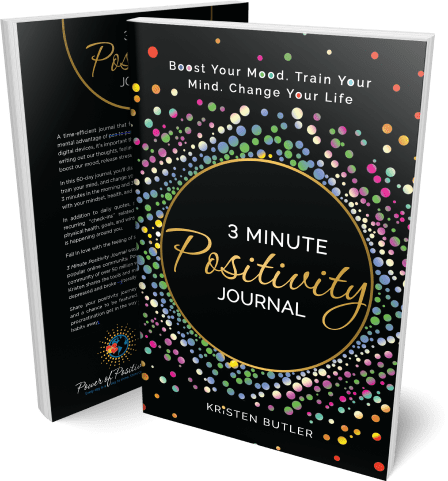
This emotional self-care can involve maintaining a positivity journal, a powerful tool for transforming negative thoughts into positive ones and rebuilding the confidence and self-esteem often eroded by traumatic experiences.

The Role of a Positivity Journal in Self-Care

A positivity journal is a dedicated space to focus on positive experiences, thoughts, and feelings. Here’s how it can be a transformative part of your self-care routine:

  1. Daily Reflections: Commit to writing in your journal every day, even if it’s just for a few minutes. This regular practice helps to develop a habit of focusing on positivity.
  2. Gratitude Entries: Start or end each entry by listing things you are grateful for. Gratitude can shift your focus from what’s missing or negative in your life to what is present and positive.
  3. Positive Experiences: Write about positive experiences you had during the day, no matter how small. It could include a pleasant conversation, a moment of laughter, or an achievement at work.
  4. Shift Negative Thoughts: When you notice negative thoughts (like your traumatic experience), write them down and challenge them. Try to reframe these thoughts into a more positive or realistic light. For example, instead of “I can’t do anything right,” you might write, “I had a setback today, but I’ve succeeded in many other instances.”
  5. Celebrate Small Wins: Acknowledge and celebrate your small victories in the journal. Even in small steps, recognizing your progress can boost your mood and self-esteem.
  6. Set Intentions: Use your journal to set positive intentions for the day or week. That can help you start your day with a positive mindset and a clear focus.
  7. Reflect on Growth: Periodically, reflect on your entries to reflect on your growth. You’ll soon start to notice a gradual shift in your mindset and attitude over time.
  8. Mindfulness and Affirmations: Incorporate mindfulness practices and positive affirmations into your journaling. Write down affirmations that resonate with you and reflect on them.
  9. Creative Expression: Feel free to get creative with your journal. Use colors, stickers, or doodles to express your emotions and thoughts. This creative process can be therapeutic in itself.
  10. Safe Space for Emotions: Remember that your positivity journal is a judgment-free zone. It’s a safe space to express your feelings honestly and openly.

Why a Positivity Journal Works

Maintaining a positivity journal helps your brain recognize and appreciate the positive aspects of life, which can be especially challenging in the aftermath of a traumatic experience. It encourages a shift from a mindset often dominated by harmful thoughts to one that acknowledges and celebrates positive experiences and personal strengths. Studies prove how this practice can improve mood, reduce stress, and a greater sense of overall wellness.

Furthermore, the physicality of writing itself can be therapeutic. It allows for a constructive outlet for expressing emotions and organizing thoughts, which can be particularly beneficial for those recovering from traumatic experiences. Over time, this practice can significantly contribute to rebuilding self-esteem and confidence, fostering a more positive and hopeful outlook.

Writing in a positive thinking journal is a valuable self-care tool for healing from trauma. It’s an easy and powerful way to nurture mental and emotional health. Plus, it helps you build a habit of positivity and gratitude that can lead to lasting change in how you view yourself and the world around you.

journal-book-img

Setting Boundaries for Healing

Setting boundaries is another critical aspect of moving on from trauma. It means you must master the art of saying now. Then, you start protecting your energy and distancing yourself from people or situations that are harmful or triggering. Setting boundaries is a way of honoring your own needs and prioritizing your well-being.

Why Boundaries with Family Are Important

Setting boundaries with family can be challenging because of the emotional ties and dynamics involved. However, it’s important to remember that healthy boundaries are a form of self-care and self-respect. They allow you to heal on your terms and can improve family relationships by fostering mutual respect and understanding.

Having these conversations can also help your family understand your healing process better and how they can support you. It’s about creating an environment where you feel safe and supported, which is crucial for anyone recovering from trauma.

Setting boundaries with your family is a significant step in your healing journey. It’s about protecting your emotional space, promoting healthy family dynamics, and ensuring your needs are met as you work towards healing and growth. Remember, it’s okay to prioritize your well-being. Indeed, setting boundaries is a fundamental part of that process.

Here’s a guide on how to have conversations about boundaries with your family:

Preparing for the Conversation

  1. Understand Your Needs: Before discussing boundaries with your family, clearly understand what you need from them. These needs could be space or support. It might also be respect for your privacy… or anything that helps you feel safe and respected.
  2. Choose the Right Time and Place: Select a time and place where you can talk without interruptions and where everyone feels comfortable. Avoid times of high stress or conflict.
  3. Plan Your Words: Think about how to express your needs clearly and calmly. You should practice or write down what you want to say.

Having a Conversation About Your Boundaries

  1. Express Your Feelings: Start the conversation by stating your feelings. Use “I” statements to avoid sounding accusatory. For example, “I feel overwhelmed when I’m constantly asked about my personal life.”
  2. Be Clear and Specific: Clearly and specifically describe the boundaries you need. For instance, “I need to have my personal space respected, and I’d appreciate it if my room is treated as private.”
  3. Explain the Importance: Help your family understand why these boundaries are important for your healing. You might say, “Setting these boundaries is a crucial part of my healing process and helps me feel more in control and safe.”
  4. Listen to Their Perspective: Give your family members a chance to share their thoughts about what you said. Understanding their perspective can help find a middle ground.
  5. Seek Compromise: Be open to compromise where possible without compromising your well-being. Find solutions that work for both you and your family.

After the Boundaries Conversation

  1. Reinforce the Set Boundaries: After setting boundaries, it’s important to reinforce them. If a boundary is crossed, then calmly remind your family members of your needs.
  2. Appreciate Respectful Behavior: When your family respects your boundaries, acknowledge and appreciate it. This positive reinforcement can encourage continued respect for your boundaries.
  3. Adjust as Needed: Be open to adjusting boundaries as your healing journey progresses. Keep the lines of communication open with your family.

HINT: You can apply this technique to any relationship. Friends. Co-workers. Housemates. It’s all the same script with a different cast of characters!

trauma traumatic experience

Seeking Professional Help

Sometimes, the best way to move forward is with the help of a professional. Therapists, counselors, and mental health professionals can provide you with the tools and guidance needed to process and overcome your trauma. There’s strength in seeking help, and it’s a brave step towards healing and recovery.

Embracing Hope and Optimism

Finally, having hope and optimism is vital in moving beyond trauma. It’s about believing in a brighter future and recognizing that your past does not define you. With hope and optimism, you can envision a life filled with possibilities and happiness.

An Exercise to Release the Traumatic Experience

Forgiving the person who caused the trauma is a powerful way to release their hold over you. You deserve to feel truly free from the past.

Forgiveness might mean forgiving someone who wronged you. However, it might also be crucial in healing from past emotional pain. You are letting go of anger and resentment. This step of healing is not to benefit those who caused that harm. Rather, it is for your peace and well-being.

Part of this process is writing a letter to the person who caused the pain, not necessarily to send it. This therapeutic exercise is for your closure and healing. 

Keep reading on for a step-by-step guide on how you can do it.

Writing a Letter of Forgiveness

  1. Find a Quiet Space: Choose a comfortable and quiet place to write without interruptions. This space should feel safe and peaceful.
  2. Reflect on Your Feelings: Before you begin to write, spend a moment to reflect on your feelings. Acknowledge your pain, anger, sadness, or other emotions.
  3. Start with Your Intentions: Begin the letter by stating your purpose. This first sentence could be, “I am writing this letter to express my feelings and work towards forgiveness…”
  4. Describe the Hurt: Clearly articulate the hurt you experienced. Be honest and direct about how their actions affected you. This statement is your chance to express everything you’ve been holding inside.
  5. Express Your Emotions: Share the emotions you felt due to this trauma. Being open and vulnerable in this part of the letter is important.
  6. Talk About the Impact: Discuss how the traumatic event has impacted your life. This explanation could include changes in your behavior, relationships, self-esteem, or outlook on life.
  7. Move Towards Forgiveness: Begin to shift the letter towards forgiveness. You might write about your desire to let go of these negative emotions or how holding onto this pain is no longer serving you.
  8. Forgive (Or Take Steps Towards It): If you’re ready, express forgiveness. If you’re not, it’s okay to acknowledge that you’re working towards it. Forgiveness is a process, and it’s fine if you’re not there yet.
  9. End with Hope and Healing: Conclude the letter with a statement of hope and healing. This conclusion could be a commitment to your ongoing healing journey, a wish for peace, or an affirmation for the future.
  10. Destroy the Letter: After you’ve written the letter, you can choose to destroy it. This act can be symbolic of letting go of the pain. Use a shredder or tear it up into small pieces, whatever feels cathartic. As you do this, imagine the weight of your pain being lifted and destroyed along with the letter.

Why Destroy the Letter?

Destroying the letter is a powerful symbol. It represents the release of negative emotions and the decision to let them no longer have power over you. This act is not about erasing what happened but freeing yourself from its emotional hold. Rather, it is a physical manifestation of an internal process, symbolizing a new chapter in your healing journey.

Forgiveness is a deeply personal process, especially after a deep emotional pain. It’s not about excusing or forgetting the harm done but about liberating yourself from the burden of anger and resentment. This exercise will aid in your healing and move you one step closer to peace and closure.

trauma traumatic experience

Final Thoughts on Healing After Trauma Because You Deserve Better

 Your past trauma is a significant part of your story; it doesn’t have to be the end of it. You have the strength, resilience, and power to move beyond your trauma and build a life filled with joy, purpose, and fulfillment. Remember, you are worth every step you take towards healing and happiness. You are worth the hard work to heal – and once you win back your inner peace, you will own it forever.

Psychologists Explain What Happens When You Don’t Love Yourself

Here’s what happens when you don’t have self-love.

Learning to love yourself truly is the key to a happy life. The journey to self-love is an incredibly transformative experience. Indeed, it is fundamental to our well-being. 

Imagine yourself standing at a crossroads. One path leads to a life enriched by self-compassion and understanding, and the other to a world shadowed by self-doubt and neglect. This choice forever impacts every facet of our existence. Learning to love yourself is more essential than ever in a world increasingly driven by external validations and relentless self-comparison. The absence of self-love is not just a silent threat to personal happiness. Rather, it is a barrier that impedes realizing our true potential.

As we leap into this topic, it’s essential to transition from merely recognizing the importance of self-love to understanding the concrete consequences of its absence. This article will reveal the multifaceted impacts of not loving oneself. From the intricate workings of our mental health to the subtleties of our social interactions, the lack of self-love casts a long shadow. 

Five Consequences When You Don’t Love Yourself

Below, we’ll explore these consequences through a factual lens. It is a journey towards recognizing the imperative need for self-love and the profound difference it can make in our lives.

love yourself

1 – Decreased Mental Well-being

The absence of self-love is intricately linked to various mental health issues. Psychologists have long established that low self-esteem, a core component of not loving oneself, can be a precursor to mood disorders, including depression and anxiety. 

According to a longitudinal study of 3000 people, individuals with low self-esteem exhibit a higher susceptibility to depression. They often engage in negative self-talk and possess a distorted perception of self-worth, which exacerbates feelings of helplessness and hopelessness – classic markers of depression. 

Similarly, anxiety disorders can stem from chronic self-doubt and fear of judgment. Thus, it proves the need for self-compassion.

2 – Impact on Physical Health

The mind-body connection plays an enormous role in our physical health, with self-love being a key factor. Harvard Health Publishing reports that negative self-perception can lead to stress, which, if chronic, disrupts the body’s balance, increasing the risk of conditions like hypertension and cardiovascular diseases. 

Stress hormones like cortisol can harm bodily systems when consistently elevated due to ongoing self-criticism and lack of self-care. This connection underscores the importance of self-love not just for mental peace but also for maintaining physical health.

3 – Relationships and Social Life

Self-love, or the lack thereof, also has profound implications for relationships and social interactions. A study from the Journal of Personality and Social Psychology found that individuals with low self-esteem tend to have poorer relationship quality, primarily due to their perceptions of unworthiness. 

They may struggle with trust, communication, and intimacy, as their lack of self-love manifests in insecurities that hinder healthy relationships. Furthermore, low self-esteem can affect one’s confidence, assertiveness, and ability to form constructive work relationships in professional settings.

4 – Reduced Life Satisfaction and Achievement

The journey towards personal achievements and overall life satisfaction is significantly impacted by the level of self-love one holds. Educational and career advancements, often markers of personal success, can be reduced by a lack of self-confidence and fear of failure. 

Research published by the National Institutes of Health indicates that self-esteem and personal satisfaction are closely linked, with higher self-esteem correlating with greater life satisfaction. The belief in one’s abilities, a component of self-love, is crucial for setting and achieving personal goals.

5 – Behavioral and Emotional Consequences

Neglecting self-love can lead to detrimental behavioral and emotional patterns. Individuals lacking self-love may engage in self-destructive behaviors. These may include substance abuse or self-harm. They start to rely on negative habits as coping mechanisms for their negative self-perceptions. 

Emotionally, the absence of self-love can manifest in chronic feelings of loneliness, unworthiness, and an overall sense of discontent. These emotions affect personal well-being. They also cause a ripple effect on one’s social interactions and life choices.

Ten Actions You Can Take to Love Yourself More

Now that you know the potential consequences of not loving yourself, how can you reverse the trend? Here are some new habits you can try:

self-love

1 – Practice Mindfulness and Self-Compassion

Adding mindfulness to your daily routine is a powerful way to love yourself. Mindfulness involves being fully present in the moment, aware of where we are and what we’re doing, without being overly reactive or overwhelmed by what’s happening around us. This practice allows you to recognize and accept your feelings and thoughts without judgment, leading to a deeper understanding and acceptance of yourself. Self-compassion goes hand in hand with mindfulness. It means treating yourself with the same kindness, concern, and support you would offer a good friend. When you’re going through tough times, instead of being hard on yourself, self-compassion encourages you to acknowledge your feelings and give yourself the comfort and care needed to heal.

2 – Love Yourself by Setting Realistic Expectations

To truly love yourself, it’s crucial to set realistic expectations. Reflecting on your goals and aspirations and setting achievable targets are essential steps. This practice involves understanding that perfection is an unattainable standard and everyone has limitations. Setting realistic goals allows you to progress at your own pace without undue stress or self-criticism. Celebrate your small victories and view setbacks as opportunities for learning and growth. This approach fosters a healthy mindset where you appreciate your efforts and understand that every step forward is significant, no matter how small.

3 – Engage in Positive Self-Affirmations

Starting your day with positive affirmations can impact how you view yourself and your life. These affirmations are positive phrases or statements to challenge and overcome self-sabotaging and negative thoughts. Regularly practicing positive self-affirmations can reinforce a belief in your values and capabilities, boosting self-esteem. Personalize these affirmations to address your specific needs and goals, and repeat them consistently. This habit can transform your mindset, helping you cultivate a more accepting attitude towards yourself.

4 – Seek Professional Help if Needed

Loving yourself can sometimes require seeking external support, especially if you find it challenging to navigate the complexities of self-love on your own. Don’t hesitate to seek help from a psychologist or therapist. Professional mental health practitioners can provide guidance and strategies tailored to your experiences and challenges. Therapy can be where you explore your feelings, understand your thought patterns, and develop tools to foster a healthier relationship with yourself. Remember that seeking help signifies strength and a step towards loving and understanding yourself better.

5 – Create a Self-Care Routine

Developing a self-care routine is a tangible expression of self-love. Self-care involves:

  • Engaging in activities that clear your mind, such as reading.
  • Exercising.
  • Journal writing.
  • Practicing a hobby.
  • Simply taking time to relax.

This routine should include activities that bring you joy and help you disconnect from the stresses of everyday life. Regular self-care is crucial for maintaining both mental and emotional well-being. By dedicating time to care for yourself, you send an impactful message of self-respect and self-love, reinforcing the belief that your needs are important and worth prioritizing.

6 – Love Yourself by Limiting Exposure to Negativity

To truly love yourself, it’s important to be mindful of the negative influences in your life. That means identifying and limiting exposure to people, social media, and media consumption that drain your energy or bring you down. Surround yourself with positivity and people who uplift you. It could involve unfollowing or muting accounts that trigger negative emotions on social media, spending less time with people who consistently criticize or belittle you, and choosing media that inspires and educates. Creating a more positive environment encourages a more loving and supportive relationship with yourself, nurturing your mental and emotional health.

7 – Love Yourself by Reflecting on Your Achievements

A key aspect of loving yourself is recognizing and celebrating your achievements. Regularly reflect on what you’ve accomplished, no matter how small these achievements may seem. This practice fosters a sense of accomplishment and boosts your self-esteem. Whether completing a task at work, making progress in a personal project, or overcoming a challenge, acknowledging these victories reinforces your self-worth. This habit of reflection can be a powerful tool in building a positive self-image and cultivating a deeper appreciation for your journey and growth.

8 – Love Yourself When You Practice Gratitude

Practicing gratitude is a transformative exercise in learning to love yourself. Keeping a gratitude journal or regularly contemplating things you’re grateful for can significantly shift your perspective. This practice helps you focus on the positives in your life, moving your attention away from what you perceive you lack to what you have. Gratitude enhances feelings of self-worth and contentment. By recognizing the good in your life, you nurture a positive mindset that supports self-love and appreciation for your life’s journey.

9 – Love Yourself by Setting Boundaries

Setting healthy boundaries plays a key role in self-love. It involves understanding your limits and communicating them to others. Learning to say no when necessary and protecting your time and energy are forms of self-respect. These boundaries might be in terms of how much time you commit to others, how you allow others to treat you, or how much of your personal life you share. Boundaries are essential for emotional health as they help you maintain a sense of self and meet your needs. Remember, setting boundaries is not selfish; it’s a necessary practice for a healthy, balanced life.

10 – Love Yourself Engaging in Positive Self-Talk

The way you talk to yourself impacts your ability to love yourself. Be conscious of your inner dialogue. Replace critical or negative thoughts with positive and constructive ones. When you are self-critical, pause and reframe it in a kinder, more encouraging way. Treat yourself as you would a close friend, with understanding and encouragement. Positive self-talk strengthens self-esteem and fosters a healthier, more loving relationship with yourself. Remember, the words you use with yourself shape your self-perception and your reality.

love yourself self-love

Final Thoughts on Learning to Love Yourself

Loving oneself is not a luxury but necessary for a healthy, fulfilling life. The journey of self-love is challenging but deeply rewarding. It is an investment in your mental, physical, and emotional health, impacting every aspect of your life. 

As you start to love yourself, remember that every step towards self-love is a big leap towards a happier, more fulfilling life. Treat yourself with the same compassion and understanding you would offer others. Your well-being is worth it.

Harvard Researchers Reveal: Parents of “Successful” Children Do These 5 Things

Harvard professor reveals the secrets to success in parenting.

In the parenting journey, the ultimate goal often centers around raising children who are successful in their endeavors. But it also means rearing well-rounded, happy, and resilient. It’s a quest that brings many challenges and joys. 

Harvard professor Ronald Ferguson has put a lot of time into understanding the intricate world of parenting in his groundbreaking research. Through his study, he uncovers parents’ crucial roles in shaping their children’s future.

But this article isn’t just a summary of Ferguson’s findings. Instead, it’s a guide, a companion for you, the parent, on this beautiful yet often bumpy road of raising successful children. 

Ferguson’s research is a treasure trove of insights, revealing key strategies that ‘master parents’ utilize to nurture their children’s development. These strategies are more than just tips; they are the foundational pillars that can support and guide you in your parenting journey.

As we explore these each strategy, remember that every child is unique. That means that you will not find any one-size-fits-all approach to parenting. However, the core principles you will read about are universally applicable. They serve as beacons, guiding you toward fostering an environment where your child can thrive emotionally and intellectually.

Five Parent Behaviors for Raising Successful Children

successful children child

Let’s embark on this enlightening journey together, unraveling the wisdom from Harvard’s research and translating it into practical, everyday parenting practices. Each tip can specifically help you raise a successful, well-rounded child.

1 – Parents of Successful Children Are Early Learning Partners

From the very first coo and giggle, your role as a parent in your child’s education is pivotal. The Harvard researcher emphasizes the significant impact of being an active ‘Early Learning Partner.’ This means engaging your little ones in educational activities, making learning a fun and integral part of their everyday life. It’s about reading bedtime stories, playing educational games, and fostering a sense of wonder and curiosity about the world around them. By doing so, you’re not just teaching them facts and figures but instilling a lifelong love for learning. This early foundation sets the stage for their future academic and personal success, making learning an exciting adventure rather than a tedious task.

In addition to parental involvement, quality daycare programs play a crucial role in supporting children’s education during their formative years. These early childhood education settings are designed to nurture curiosity, creativity, and critical thinking skills through structured activities and play-based learning. Daycare centers often incorporate children education programs that align with developmental milestones and cater to each child’s unique needs, providing a supportive environment where kids can thrive academically and socially.

2 – Parents as the Flight Engineer and Fixer

As your child grows, your role evolves into that of a ‘Flight Engineer’ and ‘Fixer.’ Harvard’s research highlights the importance of these roles in ensuring your child receives the right support from educational systems. Like a Flight Engineer, you monitor and guide your child’s educational journey, ensuring they have the resources and support they need to thrive. This might involve liaising with teachers, understanding educational policies, or advocating for your child’s needs.

Meanwhile, as a ‘Fixer,’ you become the problem-solver who navigates and overcomes obstacles that might hinder your child’s development. This could mean finding tutoring for difficult subjects, helping them navigate social challenges, or simply being there to listen and offer advice. In these roles, you’re not just a bystander in your child’s education but an active participant, helping to smooth the path and open doors to new opportunities.

3 – Parents of Successful Children Serve as Revealer, Philosopher, and Model

In the roles of ‘Revealer,’ ‘Philosopher,’ and ‘Model,’ you open new worlds for your child. As a Revealer, you expose them to diverse experiences, cultures, ideas, and activities. This exposure broadens their horizons, fostering adaptability and open-mindedness.

As a Philosopher, you guide your child in understanding life’s complexities. You help them find purpose, ask critical questions, and think deeply. This role is about nurturing their ability to ponder life’s big questions and find their place in the world.

Being a Model means embodying the values, behaviors, and attitudes you wish to see in your child. More than your words, your actions become the blueprint they will likely follow. This role underscores the importance of setting a positive example in all aspects of life.

successful children child

4 – Negotiator and GPS Navigational Voice

The roles of ‘Negotiator’ and ‘GPS Navigational Voice’ focus on empowering your child with key life skills. As a Negotiator, you teach them the art of negotiation and self-advocacy. This involves guiding them in understanding their needs, expressing themselves clearly, and navigating conflicts constructively. These skills are vital for their personal and professional relationships.

The GPS Navigational Voice is about guiding your child’s life, even in your absence. It involves instilling values and principles that help them make wise decisions independently. This role is crucial for helping your child develop a strong internal compass to navigate life’s challenges and opportunities.

5 – Building a Philosophy of Parenting

‘Master parents,’ according to Harvard’s research, develop a specific parenting philosophy that guides their every action and decision. This philosophy isn’t about rigid rules or strict guidelines; it’s a fluid, evolving set of principles that prioritizes the child’s overall development and success. It involves being intentional about the values you want to instill and the skills you wish to nurture.It sets the environment you create to raise successful children. It’s about finding a balance between guiding and supporting, teaching and listening, and providing structure while allowing for independence.

The concept of a parenting philosophy transcends strict, inflexible rules. This philosophy is dynamic, evolving alongside the growth and changing needs of the child. It’s about consciously choosing the values and skills you wish to impart, an intentional approach that shapes every interaction, decision, and nurturing environment you provide.

This philosophy is a delicate balance of guiding and supporting, a dance between teaching and listening. It recognizes the importance of setting boundaries and providing structure, yet it equally values fostering independence and self-discovery in children. It’s about being physically and emotionally present in your child’s life and adapting your parenting style to suit their personality and needs.

Parents must understand that each child is unique, and thus, the approach to their upbringing must be tailored to their individuality. It’s about celebrating their strengths and supporting them in their weaknesses, encouraging exploration and resilience in the face of challenges. This philosophy is not about controlling every aspect of a child’s life but equipping them with the tools, mindset, and confidence to navigate their path.

Ultimately, this philosophy fosters holistic development – nurturing academic or career success and emotional, social, and ethical growth. It’s a commitment to raising children who are accomplished in their pursuits and compassionate, curious, and well-rounded individuals.

successful children child

Final Thoughts on Parents Who Raise Successful Children

Harvard’s research into the roles of master parents sheds light on the multifaceted nature of parenting in fostering successful children. From being an Early Learning Partner to acting as a GPS Navigational Voice, each role plays a critical part in a child’s development. The key takeaway is the importance of being actively involved, adaptive, and intentional in your parenting approach. Adopting these roles and cultivating a thoughtful parenting philosophy creates a nurturing environment that supports your child’s current well-being and lays the foundation for their lifelong success. Remember, in parenting, your actions, philosophies, and roles intertwine to shape your child’s future, impacting their journey toward success and fulfillment.


Science Explains What a Sleepless Night Does to Your Body

Here’s how a lack of sleep hurts you.

Imagine lying in bed, eyes wide open, clock ticking towards dawn. You’re not alone; countless people experience the exasperation of sleepless nights. While many dismiss a night without sleep as a rough day ahead, the negative impact is much deeper, profoundly impacting your body. 

This article explores these effects, backed by scientific evidence, and offers actionable sleep hygiene tips to improve sleep quality.

What Does a Sleepless Night (or More!) Do to Your Body?

You might experience these outcomes the day after a sleepless night.

sleepless night

1 – Impaired Cognitive Function

The effects of a sleepless night on cognitive function are more significant than many realize. Apart from the obvious fatigue, it can lead to reduced alertness and impaired judgment. The lack of sleep hampers the brain’s ability to process information and solve problems. It can also negatively impact short-term memory, making remembering or learning new information harder. 

Studies have shown that chronic sleep deprivation usually has a cumulative effect, leading to long-term cognitive decline. This reduced cognition can manifest as a decreased attention span, worsened memory, and slower reaction times. 

Furthermore, persistent lack of sleep is linked to mood disturbances, including increased irritability and anxiety. It can also lead to troubling mental health concerns like depression. There’s also an increased likelihood of developing frequent infections, a sign of the broader impact of sleep deprivation on overall health​​​.

2 – A Sleepless Night May Cause a Weakened Immune System

The relationship between sleep and your immune system is complicated and vital. When you don’t get enough sleep, your immune response is weakened, making you more vulnerable to infections. 

During sleep, the body produces cytokines. That is a protein which helps the immune system fight infections and inflammation. Lack of sleep reduces the production of those protective cytokines, antibodies, and cells that fight infection. 

As a result, sleep deprivation can leave you more susceptible to common infections like the cold or flu. Moreover, chronic sleep deprivation has may cause more severe health issues, such as a heightened risk of chronic inflammation and autoimmune diseases. The weakened immune response due to inadequate sleep underscores the importance of quality sleep for maintaining a robust immune system​​​.

3 – Increased Risk of Chronic Health Issues

Sleep deprivation doesn’t just leave you tired. Indeed, it has far-reaching implications for your long-term health. Studies have established a strong link between insufficient sleep and an increased risk of chronic diseases such as cardiovascular disease, hypertension, diabetes, and/or obesity. 

Even short-term sleep loss can result in elevated blood pressure. That’s especially true in individuals with pre-existing hypertension, potentially leading to more severe cardiovascular conditions over time. Poor sleep quality also disrupts the body’s ability to regulate blood sugar, which can exacerbate or even lead to type 2 diabetes. 

Moreover, there’s a well-established connection between lack of sleep and weight gain, with sleep deprivation affecting hormones regulating hunger and appetite, leading to increased calorie intake and potential obesity. These findings highlight the critical role that adequate sleep plays in maintaining overall physical health and preventing the development of chronic diseases​​​​​.

4 – A Sleepless Night Can Mean Mood Alterations

The link between sleep deprivation and mood swings is a significant concern in sleep research. A single night of disrupted sleep can increase irritability, stress, and moodiness the next day. This immediate effect is just the tip of the iceberg. Prolonged sleep deprivation can lead to more consequential mood disorders such as depression and anxiety. The lack of sleep affects neurotransmitters and stress hormones, disrupting brain processes that regulate mood. 

In severe cases, chronic sleeplessness may exacerbate symptoms of existing mental health conditions or even contribute to the development of new ones. The impact on mood is not just a personal issue but can also affect interpersonal relationships and job performance, further compounding stress and mental health challenges​.

5 – Physical Appearance Chages

The effects of sleep deprivation extend beyond internal health and can visibly manifest in our appearance. Common signs include puffy, red eyes, dark under-eye circles, and sallow skin. These physical changes are not merely cosmetic. Rather, they are indicators of the body’s stress response to lack of sleep. 

Chronic sleep deprivation can also lead to premature skin aging, as sleep is when the body repairs and regenerates skin cells. Additionally, lack of sleep can affect hormonal balance. In turn, that can lead to acne or other skin problems. These visible signs serve as a reminder of the key role that sleep plays in maintaining internal health and our external appearance​.

6 – Hormonal Imbalance

A sleepless night can profoundly impact the body’s hormonal balance, which in turn affects a wide range of physiological and psychological functions. One of the main impacts of sleep deprivation is on the body’s stress hormones, particularly cortisol. Normally, cortisol follows a daily rhythm, peaking in the morning and declining throughout the day. However, lack of sleep disrupts this pattern, leading to elevated cortisol levels. This increase can heighten feelings of stress and anxiety. Over time, it can have detrimental effects on the body, including impairing immune function and increasing the risk of chronic diseases.

Another significant outcome of sleep deprivation is on the hormones that regulate appetite: ghrelin, which stimulates appetite, and leptin, which signals satiety. When you don’t get enough sleep, ghrelin levels rise while leptin levels fall. This imbalance can make you feel hungry – and with even more cravings. Thus, it makes it more difficult to maintain a healthy diet and potentially leading to weight gain.

Additionally, sleep has a key role in regulating insulin, the hormone controlling your blood sugar levels. Insufficient sleep can decrease the body’s sensitivity to insulin. That means it may increase your risk of developing type 2 diabetes. This effect is compounded by the fact that elevated cortisol levels can also contribute to impaired glucose tolerance.

Finally, growth hormone, vital for growth, body composition, cell repair, and metabolism, is predominantly released during sleep. Sleep deprivation can significantly reduce growth hormone production, impacting these essential bodily functions.

Sleep Hygiene Tips

Good sleep hygiene is crucial for counteracting the negative effects of a sleepless night. Here are some habits that can help:

  1. Create a Regular Sleep Routine: Retire and rise according to schedule daily, even on weekends. This consistent schedule helps regulate your body’s internal clock. It can also improve the quality of your sleep.
  2. Make Your Room a Comfortable Sleep Environment: Your bedroom should be quiet, dark, and comfortable. Treat yourself to a good quality mattress and pillows to ensure physical comfort.
  3. Avoid Stimulants: Limit caffeine and nicotine, especially in the hours just before bedtime. These substances tend to interfere with your ability to fall asleep.
  4. Limit Exposure to Screens Before Bedtime: The blue light emitted by phones, tablets, and computers can disrupt your body’s sleep-wake cycle.
  5. Relaxation Techniques: Try relaxation techniques like meditating or deep breathing. Even just reading a book before bed can help signal to your body that it’s time to wind down.
  6. Physical Activity: Regular physical activity can promote sounder sleep. However, avoid being overly active close to bedtime as it might have the opposite effect.
  7. Manage Worries: Try to relieve your worries or concerns before bedtime. Techniques like writing down your mind or planning the next day can be helpful. Keep a journal in your nightstand to jot down your thoughts.
  8. Avoid Large Meals and Beverages Before Bed: Eating a heavy meal or drinking too many fluids close to bedtime can cause bloating or gas and disrupt sleep. Large meals can lead to indigestion, and excessive fluids might result in frequent trips to the bathroom throughout the night.
  9. Limit Daytime Naps: Short power naps can be beneficial. However, too long or irregular napping during the day may negatively impact nighttime sleep. If you choose to nap, aim for early afternoon and keep it brief, around 20 to 30 minutes.
  10. Use the Bed Only for Sleep and Intimacy: Avoid using your bed for work, eating, or watching TV. This habit helps strengthen the association between your bed and sleep, making it easier to wind down at night.

You might improve your sleep quality when you try these sleep hygiene practices. As a result, you can positively impact your overall health and well-being. Remember, treating sleep as a priority rather than a luxury is critical to maintaining physical and mental health.

When a Sleepless Night Turns Into Many, Get Professional Help

If a single sleepless night turns into a persistent problem, it’s important to get professional help. Chronic insomnia, a condition where difficulties in falling or staying asleep occur regularly over a prolonged period, can have significant impacts on health and quality of life. Your primary care physician is your trusted partner in addressing these sleep issues.

Your doctor can conduct a thorough evaluation, including discussing your medical history, sleep patterns, and any underlying conditions contributing to your sleep disturbances. They can also assess lifestyle factors such as stress, diet, and exercise habits affecting sleep.

Sometimes, your physician may recommend a sleep study to diagnose sleep disorders. These might be sleep apnea, restless leg syndrome, or other conditions. These studies are usually conducted in a sleep lab, where professionals monitor your sleep patterns, brain waves, heart rate, and breathing throughout the night.

Based on the findings, your doctor can suggest appropriate treatments. These might include lifestyle changes, behavioral therapies, or medication. They can also guide you on improving sleep hygiene and, if necessary, refer you to a sleep specialist for more specialized care.

Addressing chronic insomnia is crucial for improving sleep quality and maintaining overall health and well-being. If you’re struggling with persistent sleep problems, don’t hesitate to contact your doctor for help.

sleepless night

Final Thoughts on the Harm a Sleepless Night Does to Your Body

Understanding the effects of a sleepless night is crucial. It’s not just about feeling tired the next day; it’s about the long-term implications on your health and quality of life. Prioritizing sleep is a simple, powerful way to enhance your physical, mental, and emotional well-being. Remember, every night is an opportunity to nourish your body with the rest it deserves.

Skip to content