Weekly tips, affirmations, and small actions to feel your best.

Top 20 Bible Verses for Positive Thinking

In a world that often feels overwhelming and filled with uncertainty, maintaining a positive mindset can be challenging. Yet, the Bible offers timeless wisdom and encouragement to help us cultivate hope, joy, and build resilience through Bible verses for positive thinking, no matter what we face.

Whether you’re struggling with doubt, anxiety, or simply looking for a fresh perspective, these top 20 Bible verses for positive thinking provide powerful reminders of God’s promises, love, and strength.

Dive into these uplifting scriptures to renew your mind, inspire your heart, and embrace a more hopeful outlook on life.

Verses to Renew Your Mindset and Focus Your Thoughts

cage made of thoughts

  1. Philippians 4:8

“Finally, brothers and sisters, whatever is true, whatever is noble, whatever is right, whatever is pure, whatever is lovely, whatever is admirable—if anything is excellent or praiseworthy—think about such things.”

Your mindset matters. This verse reminds us that when we focus on what is good, beautiful, and true, we invite more peace, clarity, and joy into our lives.

💭 God invites us to be intentional with our thoughts—because what we think about shapes how we live.

  1. Romans 12:2

“Do not conform to the pattern of this world, but be transformed by the renewing of your mind. Then you will be able to test and approve what God’s will is—his good, pleasing and perfect will.”

Paul wrote this to remind believers that true change comes from a renewed mind, not by following worldly values. Transformation happens when we align our thoughts with God’s truth, allowing us to discern His perfect plan for our lives.

🛤️ Let this verse encourage you to seek God’s guidance daily and allow Him to shape your thinking for a life of purpose and peace.

  1. Proverbs 4:23

“Above all else, guard your heart, for everything you do flows from it.”

This verse reminds us to guard our hearts carefully, as they influence our thoughts, feelings, and actions. By protecting our inner being from negativity and focusing on God’s truth, we cultivate peace and wisdom.

🛡️ Let this encourage you to be intentional about what you allow into your heart.

  1. Colossians 3:2

“Set your minds on things above, not on earthly things.”

Paul urges believers to focus on eternal, heavenly realities rather than temporary, worldly concerns. This mindset shift leads to lasting peace and purpose.

🎈 Let this verse encourage you to lift your thoughts beyond daily struggles and fix them on God’s eternal promises.

  1. Isaiah 26:3

“You will keep in perfect peace those whose minds are steadfast, because they trust in you.”

Isaiah assures us that trusting God and maintaining a focused mind brings true peace. In uncertain times, steadfast faith anchors our hearts.

🕊️ Allow this verse to inspire you to fix your thoughts on God and receive His perfect peace.

Verses to Build Strength, Courage, and Resilience

  1. Deuteronomy 31:6

“Be strong and courageous. Do not be afraid or terrified because of them, for the Lord your God goes with you; he will never leave you nor forsake you.”

This verse assures us and encourages positive thinking, reminding us that our God will never leave us or forsake us.

This promise serves as a powerful reminder that regardless of what fears or obstacles you face, God’s presence is constant and unchanging.

🗺️ Let this verse encourage you to step forward boldly, trusting that God will never leave your side.

  1. Psalm 62:5-6

“Yes, my soul, find rest in God; my hope comes from him. Truly he is my rock and my salvation; he is my fortress, I will not be shaken.”

These verses remind us that God is our rock, salvation, and fortress, giving us assurance that fosters positive thinking. May we continually remind ourselves that true rest and hope are found in the Lord alone.

🪨 Let this truth encourage you to place your trust in Him and find peace amid life’s challenges.

  1. Isaiah 43:2

“When you pass through the waters, I will be with you; and when you pass through the rivers, they will not sweep over you. When you walk through the fire, you will not be burned; the flames will not set you ablaze.”

This verse reassures us that no matter how fierce the challenges, whether like deep waters or raging fires—God is always with us to protect and sustain us.

These powerful images remind us that God’s presence keeps us safe and unharmed through life’s toughest trials.

🌊 Let this promise encourage you to face difficulties confidently, trusting that God is faithfully guiding and shielding you every step of the way.

  1. Isaiah 40:29

“He gives strength to the weary and increases the power of the weak.”

This verse assures us that God renews the strength of those who are weary and weak. His power is made perfect in our weakness, giving us the ability to keep going.

⚡ With this promise, we can think positively and trust that God will sustain and empower us through every challenge.

  1. Psalm 37:23-24

“The Lord makes firm the steps of the one who delights in him; though he may stumble, he will not fall, for the Lord upholds him with his hand.”

This passage reminds us that God lovingly guides and supports those who delight in Him. Even when we stumble, He promises to catch us and prevent us from falling.

🤝 Knowing this, we can think positively and trust that God will uphold us through every challenge.

Verses to Find Peace and Rest in God

  1. Psalm 23:1-3

“The Lord is my shepherd, I lack nothing. He makes me lie down in green pastures, he leads me beside quiet waters, he refreshes my soul.”

In this passage, David portrays God as a caring shepherd who provides for our needs and brings peace to our souls.

The imagery of green pastures and quiet waters reminds us that God refreshes and restores us, even when we feel weary.

🌿 Let this truth encourage you to trust God’s loving care and think positively, knowing He will sustain you through every season.

  1. Psalm 118:6

“The Lord is with me; I will not be afraid. What can mere mortals do to me?”

This verse expresses confident trust in God’s protection, knowing that with Him by our side, there is no reason to fear any human threat. It reminds us that God’s power surpasses all challenges, and fear loses its hold when we rely on His presence.

🌟 Let this assurance encourage you to face life boldly, trusting that God’s mighty protection is always with you.

  1. Psalm 121:1-2

“I lift up my eyes to the mountains—where does my help come from? My help comes from the Lord, the Maker of heaven and earth.”

In this psalm, the author recognizes that the Creator of heaven and earth is powerful enough to help us in every situation we face.

🏰 Let this truth inspire you to think positively, trusting with confidence that God is always by your side to guide and support you through every challenge.

  1. Nahum 1:7

“The Lord is good, a refuge in times of trouble. He cares for those who trust in him.”

This verse helps us to see that God is your safe place. When everything else feels shaky, you can lean into His goodness and rest in His care.

🏠 Let that truth reframe your fear and renew your faith.

  1. Psalm 103:2-4

“Praise the Lord, my soul, and forget not all his benefits—who forgives all your sins and heals all your diseases, who redeems your life from the pit and crowns you with love and compassion.”

In this passage, the psalmist invites us to remember and praise God for His abundant blessings, including forgiveness, healing, and redemption. These verses remind us of God’s constant mercy and life-giving love that restores us daily.

🏞️ Let the words encourage you to reflect on God’s goodness and respond with a grateful heart, trusting in His unfailing grace.

Verses to Cultivate Joy, Gratitude, and Hope

think positively verses

  1. 1 Thessalonians 5:16-18

“Rejoice always, pray continually, give thanks in all circumstances; for this is God’s will for you in Christ Jesus.”

In this passage, Paul urges believers to rejoice, pray continually, and give thanks in all circumstances, emphasizing that gratitude is essential to faith.

🎉 Let this verse encourage you to embrace joy and thankfulness daily, knowing that this attitude nurtures a positive and grateful heart.

  1. Zephaniah 3:17

“The Lord your God is with you, the Mighty Warrior who saves. He will take great delight in you; in his love he will no longer rebuke you, but will rejoice over you with singing.”

In this verse, God promises His constant presence and powerful protection as a mighty warrior who saves.

🎵 Knowing this reminds us to think positively, confident in the assurance that He is always with us, guiding and protecting every step of the way.

  1. Romans 8:28

“And we know that in all things God works for the good of those who love him, who have been called according to his purpose.”

Paul comforts believers with the truth that God orchestrates every circumstance for our good and His glory. Even hardships have a divine purpose in the bigger picture.

🧵 Take heart knowing God is actively working in your life, weaving all things together for your ultimate good.

  1. Hebrews 12:2

“Fixing our eyes on Jesus, the pioneer and perfecter of faith. For the joy set before him he endured the cross…”

The author of Hebrews points us to Jesus as our example of perseverance and faith. Despite suffering, Jesus focused on the joy and purpose ahead.

🏅 Let these verses inspire you to keep your focus on Christ, especially during trials, knowing that joy and victory await. Fixing your eyes on Jesus will always bring positive thoughts.

  1. Matthew 6:34

“Therefore do not worry about tomorrow, for tomorrow will worry about itself. Each day has enough trouble of its own.”

Jesus instructs us to embrace each day as it unfolds, releasing our worries about the future. Trusting in God’s provision for each moment brings peace and confidence.

☀️ Let this truth encourage you to focus on today and think positively, freeing yourself from overthinking.

Closing Thoughts

In conclusion, these Bible verses for positive thinking remind us that no matter the circumstances, God’s presence, love, and power are always with us.

They encourage us to renew our minds, trust in His promises, and embrace a hopeful, joyful perspective rooted in faith. As we navigate life’s ups and downs, we can find strength and peace by focusing on God’s unchanging truth.

Remember the words of Jesus in John 16:33: “I have told you these things, so that in me you may have peace. In this world you will have trouble. But take heart! I have overcome the world.”

Let this assurance inspire you to face every challenge with courage and confidence, knowing that through Christ, victory is already yours.

Daily Disciplines to Train Your Brain for Positivity

Your brain is more powerful than you think. And yes, you can train it for more joy, resilience, and calm. When you train your brain for positivity, you begin to shift how you experience the world, from reactive to intentional.

Just like building muscle, developing a positive mindset requires consistent effort. Science supports this shift.

Thanks to neuroplasticity, your brain is capable of change. The thoughts you repeat can rewire how you feel, react, and experience life.

This article will walk you through simple, daily disciplines that help you build a stronger, more positive inner world.

If you’re feeling stuck, heavy, or ready for a mindset refresh, you’re in the right place. Your brain is listening. Let’s feed it something uplifting.

The Science Behind Positive Thinking

train your brain for positivity

Your brain is always rewiring itself. This incredible ability, called neuroplasticity, means that your thoughts physically shape your brain over time.

If you constantly dwell on stress or negativity, those neural pathways get stronger. But when you focus on gratitude, optimism, and inner calm, your brain strengthens those patterns instead.

“The brain is like a muscle. The more you train it to see the good, the more naturally it will.”

Dr. Richard J. Davidson, neuroscientist, University of Wisconsin

Research continues to prove that positive thinking isn’t fluff, it’s biology in action.

Studies using brain scans and behavioral tracking show that people who practice positivity experience long-term shifts in emotional regulation, mood, and even immune health.

🔍 What Science Says

  • Positive affirmations and gratitude increase dopamine, the brain’s “feel-good” chemical
  • Meditation and mindfulness physically thicken the prefrontal cortex, which regulates emotion and decision-making
  • Optimistic thinking reduces cortisol levels, lowering stress and inflammation

“Gratitude and compassion aren’t just emotions—they rewire brain circuits to increase well-being.”

Journal of Neuroscience

Your thoughts aren’t just mental, they’re deeply physical. And the best part? You’re responsible for which pathways get stronger each day.

Daily Habits to Cultivate Positivity

Positivity isn’t something you wait to feel; it’s something you practice. Small daily habits send powerful signals to your brain, helping you shift from reactive to intentional living.

These aren’t grand gestures. They’re simple, science-backed behaviors that rewire your mindset and uplift your energy.

📝 Gratitude Journaling

Start or end your day by writing down three things you’re grateful for. According to researchers at UC Davis, people who kept gratitude journals felt more optimistic and reported better sleep and lower stress. It’s a quick way to retrain your brain to scan for the good.

💬 Speak Daily Affirmations

Use phrases like “I am safe,” “I am enough,” or “I choose peace.” Repeating affirmations activates the reward centers in your brain and helps replace negative self-talk with empowering language. Over time, this approach becomes your mental default.

🧘 Practice Mindfulness or Meditation

Just five to ten minutes a day of mindful breathing can reduce anxiety and boost emotional resilience. Mindfulness strengthens the prefrontal cortex, helping you stay grounded in the present and less reactive to stress.

🧡 Do One Kind Act Daily

Whether it’s complimenting a stranger or texting a friend a loving message, acts of kindness increase serotonin, the hormone linked to happiness and calm. Kindness benefits the giver as much as the receiver.

🚶 Move Your Body Intentionally

Physical activity doesn’t just benefit your body. It releases endorphins, reduces stress hormones, and clears mental fog. Even a short walk in nature can reset your mood and enhance mental clarity.

Cognitive Strategies to Reframe Negative Thoughts

negative mind positive life

Negative thoughts are normal, but they don’t have to rule your life. Your brain often defaults to fear, doubt, or worst-case scenarios as a form of self-protection.

But with conscious practice, you can challenge and change those thought patterns.

That’s where cognitive reframing comes in. It’s a tool used in cognitive behavioral therapy (CBT) to shift the way you interpret situations.

Instead of thinking, “I always mess things up,” you replace it with, “I’m still learning, and that’s okay.”

🧩 Try These Mindset Shifts:

  • Replace “What if I fail?” with “What if I grow?”
  • Instead of “I can’t handle this,” say “This is tough, but so am I.”
  • Swap “Nothing ever works out” with “There’s always a lesson here.”

✍️ Use the ABCDE Method (Developed by Dr. Martin Seligman):

  • A: Adversity – What happened?
  • B: Belief – What belief did you form?
  • C: Consequence – How did that belief affect your emotions or actions?
  • D: Disputation – Can you challenge or reframe that belief?
  • E: Energization – What new feeling or action follows?

Tracking Progress and Staying Motivated

Staying positive isn’t about never having a bad day; it’s about not letting one bad day erase your progress. When you track your habits and mindset shifts, you build evidence that you’re growing, even when it feels slow.

Progress doesn’t always look dramatic. Sometimes, it’s choosing peace when you could have chosen anger. Or showing up for yourself when you’d rather quit.

Measuring progress reminds your brain that the effort is working. It helps you stay motivated and anchored to your “why,” even on days when energy is low.

✅ Ways to Track and Sustain Your Progress

Keep a “positivity wins” journal

Write down daily highlights, no matter how small. It rewires your brain to notice good moments more often.

Use habit trackers

Track your daily gratitude, affirmations, or mindfulness practices. Consistency builds trust with yourself.

Set weekly mindset goals

Try one focus per week, like “respond with patience” or “speak kindly to myself.” Reflect on how it went.

Celebrate micro-wins

Not snapping in traffic or taking a deep breath before reacting, these are victories. Acknowledge them.

Create a monthly reflection ritual

Once a month, review your notes or journal. Look at how far you’ve come and reset your intention.

Building a Supportive Environment

Your surroundings play a big role in shaping your mindset. When you’re constantly exposed to negativity, whether through people, media, or clutter, it becomes harder to maintain a positive perspective.

That’s why creating a supportive environment matters. Spend more time with people who uplift you. Set boundaries with those who drain your energy. Clear physical spaces that feel chaotic or heavy.

Even small changes, like adding calming music or natural light, can improve your emotional state. You don’t need perfection, just intention.

Choose environments that match the positivity you’re building inside. It’s not just about where you are, but how that space makes you feel.

Overcoming Challenges on the Path to Positivity

Even with the best intentions, some days feel heavy. That’s normal. Staying positive doesn’t mean ignoring hard emotions or pretending everything is fine.

True positivity includes resilience, the ability to sit with discomfort, learn from it, and move forward with grace.

You might face setbacks, self-doubt, or moments where your old thought patterns resurface. Instead of judging yourself, offer compassion.

Progress isn’t linear, and no one gets it “right” every day. Be especially mindful of toxic positivity, the pressure to feel good all the time.

It’s okay to feel frustrated or sad. What matters is choosing to gently redirect when you’re ready.

Your strength isn’t in being perfect; it’s in returning to your practices again and again.

Frequently Asked Questions

?

How long does it take to train your brain to be more positive?

It varies, but studies suggest consistent positive practices like gratitude or affirmations can begin rewiring neural pathways in as little as 21 to 30 days. The key is repetition and daily effort.

?

Can positive thinking really change your brain structure?

Yes. Thanks to neuroplasticity, positive thinking strengthens neural networks associated with joy, calm, and emotional resilience. Over time, your default thinking patterns can shift toward optimism.

?

What are signs that your mindset is becoming more positive?

You’ll notice less reactive thinking, more emotional control, quicker recovery from setbacks, and an increased ability to find meaning—even in challenges.

?

Is it possible to stay positive during stressful life events?

Absolutely—but it requires intention. Positivity doesn’t mean denying emotions. It means choosing hope, self-compassion, and mindful coping strategies even during hard times.

Train Your Brain, Change Your Life

Positivity isn’t a personality trait. It’s a practice. And the more you train your brain to stay positive, the more natural it becomes.

It’s not about ignoring problems—it’s about approaching them with strength, grace, and a little optimism on your side.

So journal the good. Speak life into your mornings. Reroute that inner critic. You’re not just surviving—you’re rewiring.

And on the days you feel off? That’s okay. The reset button is always within reach.

Your brain is listening. Feed it hope. Feed it joy. Feed it truth.

Because when you think better, you live better.

Smile. That’s your brain doing pushups.

Power of Positivity Launches The Embody Collection | Mindful Apparel for Intentional Living

Apparel Designed to Invite Your Best Experience, From the Inside Out

Asheville, N.C. – June 11, 2025 — Power of Positivity, a global leader in personal growth and inspirational content, today expands its mission into mindful fashion with the launch of The Embody Collection—an apparel line designed to help individuals align their outer expression with their inner transformation. Rooted in the brand’s 16-year legacy of empowering millions worldwide, the collection offers wearable tools for emotional resilience, intentional living, and self-expression

Power of Positivity, the global brand inspiring over 60 million followers, proudly announces the launch of its first-ever apparel line: The Embody Collection. A purpose-driven capsule designed to help people dress not just for style, but for strength, intention, and emotional resilience.

Rooted in Power of Positivity’s 16-year mission to support personal growth, the Embody Collection offers a quiet revolution in what we wear. Each piece is crafted to invite your best experience—designed to help you feel aligned, confident, and grounded in who you’re becoming.

“For years, we’ve nurtured self-empowerment,” says Kristen Butler, founder of Power of Positivity. “Now, we’re helping people express that inner work outwardly—with softness, purpose, and positivity. This collection is for anyone ready to choose how they want to feel.”

The Embody Collection enters the market during a cultural shift toward “quiet strength” apparel and ritual-based fashion—designs made not to shout, but to support journaling, prayer, breathwork, healing, and growth. This collection reflects that shift with clean silhouettes, soothing tones, and mindful messages designed to meet you exactly where you are.

Whether it’s a moment of courage, a reset after stress, or simply a slow morning, each garment in The Embody Collection is designed to support your inner clarity and outward confidence.

The Embody Collection is now available at powerofpositivity.shop

🎁 Limited-Time Gift
Place any order by June 30, 2025 and receive a free copy of Kristen’s eBook Instant Positivity: 365 Ways to Become 1% Better Every Day.
No codes. No catches. Just added support for your journey.

Press Inquiries, Interviews, or Additional Info:
[email protected]

👉 Read Next: Story Behind the Embody Collection

Why I Wear What I Want to Feel: The Story Behind the Embody Collection

When we started Power of Positivity, our mission was simple: to be a trusted voice of encouragement in your everyday life. A reminder of your inner strength and your unshakable potential. Today, that reminder has taken on a new form—The Embody Collection—one you can feel, wear, and carry with you.

Introducing: The Embody Collection

the embody collection

Here’s something I’ve learned: feelings come and go. And while we don’t always choose how we feel in the moment, we do get to decide how we respond. We can choose not to let hard moments run or ruin our day.

We can choose to lean into strength, positivity, and resilience—even when it feels easier not to. That’s why this collection exists. It’s a daily reminder that you have more power than you think—and it’s always with you.

This collection began as a quiet conversation between me and myself. A way to realign before I speak, reset after a long day, and remember who I’m becoming—even in the middle of the messy, beautiful process. It’s not about outward perfection. It’s about inward commitment.

embody collection breathe

Every morning, we get dressed. It’s one of the most universal human rituals. And yet, I began to wonder—what if what I wore didn’t just cover me, but supported me? What if my clothing could reflect the same care, growth, and purpose I pour into the rest of my life?

That’s how this began. I didn’t want fashion. I wanted function—for the soul. I wanted softness with structure. Comfort with encouragement. Style with meaning.

These aren’t “statement” pieces in the traditional sense. They’re subtle declarations. They’re what I wear when I’m coaching, journaling, facing something difficult, or just taking a walk to get clear. They remind me who I am—and the direction I’m headed.

embody collection positivity

A Collection Rooted in the Ritual of Becoming

The Embody Collection is simple by design. Thoughtfully chosen fabrics. Timeless, easy silhouettes. Clean lines and comforting colors. Every piece was created to feel like support. Like a nudge. Like a soft place to land when everything feels loud or fast or out of sync.

Whether I’m leading a call, dropping into my quiet space, or having a slow morning with my journal, these are the pieces I reach for. Not to be seen—but to feel more like myself.

We didn’t design this collection to make people look good. We created it to help people feel more grounded in who they are and what they’re committed to. We created it because our community asked for it—reflections from people like you, who shared what helps you stay the course, reconnect after stress, and keep showing up.

embody collection men grateful

Dressing as a Daily Declaration

We live in a world of noise and urgency. That’s why dressing with intention is such a powerful act. When you choose to wear something that reinforces your values, your mindset, or your season—it’s no longer about appearance. It becomes a quiet expression of inner strength.

For me, these pieces are part of my rhythm. They help me return to what matters. They let me move through my day with a little more calm, a little more courage, and a lot more alignment.

Thank you for putting your faith in us—and even more so, for putting faith in yourself. We created this collection with deep reverence for your journey. For all the steps you’ve already taken, and the ones ahead.

Wear Your Growth From the Inside Out

We wanted these garments to feel like an encouraging hug from someone who knows what you’re walking through. Familiar, but strong. Supportive, not loud. Something you can depend on, whether you’re in motion or in stillness.

This is what I wear when I want to show up for my day—not perform, but participate. These aren’t just outfits. They’re reminders. Quiet reinforcements that say, “I’m here. I’m healing. I’m doing the work. I’m not quitting.”

Apparel Designed to Invite Your Best Experience

These pieces won’t transform you. You already have everything you need. But they can walk with you while you’re doing the work. They can meet you where you are—and help you return to yourself, again and again. 

I believe dressing is one more way we can support the quality of our day. And I believe your day matters and it’s up to YOU to invite your best experience in and claim it. 

What Are You Choosing to Claim and Embody Today?

Gratitude? Faith? Strength? Positivity? There’s no perfect answer—only the one that feels true.

For me, some days, I reach for the pieces that ground me in faith. Some days, it’s just about the softness against my skin and the steady reminder to stay present. Either way, I’m grateful they’re here for me.

This collection isn’t about fads or trends. It’s about alignment. It’s about creating simple, beautiful garments that help you feel more like you. I hope your Embody pieces become part of your reset routine. Your momentum. Your reminder. And most of all, I hope they help you hold onto what you already know:

You’re strong.
You’re becoming.
You’re enough.

Always Cheering for you,

kristen signature

🎁 Explore the Embody Collection at powerofpositivity.shop

Place any order by June 30, 2025 and receive a free copy of Kristen’s eBook Instant Positivity: 365 Ways to Become 1% Better Every Day. No codes. No catches. Just added support for your journey.

5 Questions to Ask Yourself When Feeling Depressed (That Actually Help)

Finding the right words, let alone the next step, can be challenging when you’re feeling down, overwhelmed, or just not like yourself. Depression doesn’t always announce itself clearly. Occasionally it arrives quietly, through exhaustion, disconnection, or that strange heaviness in your chest you can’t explain. In moments like these, it might feel easier to shut down or numb out.

But taking a moment to pause and ask yourself the right questions can offer something surprisingly powerful: awareness. The goal isn’t to resolve everything instantly but to assist you in comprehending the underlying issues.

These are the kinds of questions to ask yourself when feeling depressed — not as a test, but as small check-ins. These questions serve as a method to reestablish your connection with yourself during times of uncertainty. Whether you’re navigating a rough patch or starting to notice deeper patterns, these reflections are here to remind you: what you’re feeling matters, and you don’t have to go through it alone.

stress and anxiety

Feeling Stuck? 5 Questions to Ask Yourself When Feeling Depressed

🕰️ 1. How Long Have I Been Feeling This Way?

It’s easy to brush off sadness as just “one of those days.” But when low moods linger, it’s worth paying attention.

Ask yourself: Has this feeling lasted a few days, or has it stretched into weeks?

🧠 Mental health professionals often look at duration as a key indicator of something deeper, like depression. If you’ve been feeling low most of the day, nearly every day, for two weeks or more, that might signal more than a passing slump.

This question isn’t about self-diagnosing. It’s about gently noticing your patterns. The greater your awareness of your emotional timeline, the more equipped you are to take the next step, no matter how small.


Mood Over Time

😕

Week 1

😞

Week 2

😩

Week 3+


💬 2. Is This Affecting My Daily Functioning or Relationships?

Everyone has difficult days, but when sadness, exhaustion, or irritability start interfering with everyday life, it may be something more.

Ask yourself: Have I been pulling away from people I care about?
Is it harder to concentrate, work, or even get out of bed?

Depression often doesn’t just live in your head; it shows up in routines, responsibilities, and relationships. You might find yourself avoiding conversations, canceling plans, or feeling disconnected even when you’re around others.

This question helps you notice how your emotional state spills into the rest of your life, not to judge yourself, but to recognize that what you’re feeling matters and deserves attention.

🎯 3. Have I Lost Interest in Things I Used to Enjoy?

One of the most telling signs of depression is a shift in what brings you joy – or, rather, what doesn’t anymore.

Ask yourself: Do the things that used to excite me now feel dull, heavy, or pointless?

This feeling is known as anhedonia – the loss of interest or pleasure in activities you once enjoyed. It might look like skipping hobbies, ignoring messages, or forcing smiles during things that once made you feel alive.

Noticing this change isn’t about guilt. It’s about recognizing that your emotional energy has shifted. And that awareness can help you start reconnecting, even slowly, with the parts of life that once lit you up. That’s why this is one of the key questions to ask yourself when feeling depressed — it gently highlights what’s shifted in your inner world.

How Things Have Changed

Before Now
🎨 Enjoyed hobbies 😐 No motivation
😊 Looked forward to things 😞 Nothing excites me
📞 Connected with friends 🙈 Avoiding social stuff


🧩 4. What Might Be Contributing to These Feelings?

Depression doesn’t always have a clear cause, but occasionally, there are patterns, pressures, or pain points hiding just beneath the surface.

Ask yourself: Has something changed recently in my life?
Am I feeling overwhelmed, isolated, or emotionally drained?

Stressful events, unresolved emotions, burnout, or even physical health issues can quietly weigh us down over time. It’s not necessary to possess all the answers. This question isn’t about fixing anything right away – it’s about noticing. Gently.

Think of this as an emotional inventory. While not all of your feelings are your responsibility, allowing them the space to be acknowledged is often the initial step towards understanding them.

📞 5. Have I Considered Reaching Out for Help?

You don’t have to go through this alone,  even if your mind is telling you otherwise. When you’re feeling low, it’s easy to think no one would understand or that you’re “burdening” others. But here’s the truth: people care more than you think.

Ask yourself: Is there someone I trust that I could talk to – even just a little?
Would sharing how I feel take some of the weight off?

Whether it’s a friend, family member, therapist, or even a support line, opening up can be the first real step toward relief. You don’t need to explain everything. Just start where you are.


💬 Ways to Reach Out

📱
Text a friend
Just a quick check-in
📞
Call a helpline
Free & confidential
💻
Online therapy
From home, at your pace
📝
Write it out
Start with just one sentence
🙋‍♀️
Talk to someone you trust
A coworker, mentor, or loved one

Frequently Asked Questions to Ask Yourself When Feeling Depressed

You can use these questions to initiate a quiet, compassionate conversation with yourself when you’re feeling depressed. But if you’re still feeling uncertain or overwhelmed, you’re not alone. Below are some common questions people often carry silently — and honest, gentle answers to guide them forward.

1. What’s the difference between sadness and depression?

Sadness is a natural emotion. We all feel it from time to time, often tied to specific events like a breakup, disappointment, or loss. Depression, on the other hand, tends to linger. It can cloud your thoughts, numb your emotions, and affect your energy, sleep, appetite, and motivation for weeks or even months.

If you’re feeling low for most of the day, nearly every day, and it’s making daily life harder to manage, it may be more than just sadness, and that’s something worth paying attention to.

2. Can I be depressed even if everything in my life looks fine?

Yes. Depression doesn’t always follow logic, and it doesn’t need a visible reason to be real. You might have a good job, strong relat-ionships, or no recent trauma, and still feel heavy, disconnected, or emotionally flat.

Mental health isn’t just about what’s happening around you – it’s also about what’s happening within. If your feelings don’t seem to match your circumstances, that doesn’t make them any less valid. You’re allowed to acknowledge what you feel, even if you can’t explain why.

3. Is it okay if I don’t feel ready to talk to anyone yet?

Absolutely. Opening up can be challenging, especially when you’re not even sure how to explain what you’re feeling. The important thing is to stay connected to yourself first.

You might start by journaling, recording a voice note, or just writing down one word that describes your mood today. Small steps count. When and if you’re ready, reaching out to someone safe – even just to say “I’m struggling”-  can be a powerful next step. But there’s no deadline for that.

4. Do I need a diagnosis to take my feelings seriously?

No. You don’t need a clinical label to validate what you’re going through. If your mood is affecting your ability to function, focus, connect, or enjoy life, that’s enough reason to explore support.

A diagnosis can be helpful for treatment and understanding, but it’s not a requirement for care or compassion. You deserve support whether or not your struggle fits a checklist.

5. Can depression go away on its own, or do I need help?

Sometimes, especially when depression is tied to a specific life event or period of stress, it may ease up on its own with time, rest, and support. But if it lingers, if you find yourself feeling this way for weeks or months, it’s often more than a passing phase, and getting help can make a big difference.

Reaching out doesn’t mean you have to jump into therapy or take medication right away. Help can take many forms, and it can begin with small steps. Talking to someone you trust, writing down how you feel, or even scheduling a check-in with a doctor can be a powerful first step.

And no, it doesn’t need to be dramatic. A simple message like “Hey, I’ve been struggling lately; can we talk sometime?” is more than enough. It’s crucial to open the door. You don’t need to have everything figured out to ask for support. You just need to be willing to let someone in, even a little.

living in the present

There’s Light, Even If You Can’t See It Yet

If you’ve made it this far, take a breath –  that in itself is something. The truth is, depression can make everything feel foggy. It dulls the colors, flattens the moments, and convinces you that the way things feel right now is how they’ll always be.

But they won’t. What you’re feeling isn’t a failure – it’s a signal. It’s a subtle indication that something within you requires nurturing, not condemnation.

These five questions to ask yourself when feeling depressed aren’t a solution. But they are a beginning. These questions serve as a means to reconnect with yourself. And maybe, as you ask them—gently, honestly—you’ll start to remember: even if the light feels far away, it’s still there. And it’s still for you.

9 Gratitude Practices to Strengthen Your Relationships

It’s easy to overlook the small, everyday moments that quietly hold our relationships together. Your partner prepares coffee for you without asking. A friend reaches out to you after a long day. Your sibling sends you a meme that resonates with you. These are simple yet powerful practices that strengthen your relationship. Gratitude in relationships isn’t just about saying “thanks”; it’s about seeing each other clearly and showing that it matters.

When we stop appreciating the people closest to us, connection fades. But when we turn gratitude into a habit, relationships soften, deepen, and last longer. You don’t need grand gestures, just consistent, sincere recognition of the good.

In this article, you’ll find 9 simple, real-life ways to practice gratitude that can help rebuild connection, deepen trust, and make your relationships feel alive again — even in the smallest moments.

The Science of Gratitude in Relationships

practices to strengthen your relationship

Gratitude isn’t just polite; it’s powerful. When shared regularly, it creates emotional safety, increases connection, and even reduces conflict. Here’s how it actually works beneath the surface:

What Gratitude Does in a Relationship

Studies indicate that couples who express gratitude regularly feel more satisfied and more connected and even report stronger physical intimacy. It’s not about grand gestures; it’s about noticing, acknowledging, and appreciating the little things.


❤️ Releases Oxytocin

The hormone known as bonding fortifies trust and fosters emotional intimacy.

🛡️ Increases Emotional Resilience

It aids couples in managing stress and conflict with greater calmness and compassion.

👁️ Signals Appreciation

Reminds others they’re seen, reducing feelings of being taken for granted.

🧠 Strengthens Positive Memory

It reinforces the reasons you value and care about each other.

🔁 Encourages Reciprocity

People who feel appreciated are more likely to give appreciation in return.

Think of it as emotional fuel. Quiet, steady, and essential for the long haul.

How to Make Gratitude Stick (Without It Feeling Forced)

Your relationship should experience gratitude as a steady, natural, and vibrant pulse. But when we start treating it like a to-do list or a self-help assignment, it loses its spark. People can discern when you’re merely going through the routine.

What actually works is being specific. Instead of saying, “Thanks for everything,” try something like, “I really appreciated you folding the laundry; I know you were tired.” That kind of recognition lands. It makes people feel seen.

Timing also matters. Don’t save your appreciation for holidays or apologies. Say it in the moment, when it’s fresh and honest.

And don’t forget: gratitude speaks in different languages. For some, words matter. For others, it’s actions, gestures, or even just being fully present. Find what clicked for the person you’re showing love to, and meet them there.

Authentic gratitude not only endures but also has a profound effect on those who experience it.

9 Gratitude Practices to Strengthen Your Relationships

Gratitude doesn’t need to be complicated. It’s often the smallest gestures, done consistently, that shift the tone of a relationship. Below are nine practices you can start using today.

You don’t need to master them all. Just pick one that feels doable, and build from there. These ideas work in romantic relationships, friendships, and even family dynamics, anywhere emotional connection matters.

#1 Say It in the Moment

Gratitude doesn’t need to be saved for birthdays or big talks. In fact, it’s more powerful when you say it the moment you feel it. When your partner brings you coffee, your friend listens without interrupting, or someone texts you just to check in, that’s your cue.

Saying “thank you” immediately, along with a bit of detail, such as “I really needed that today”, makes the appreciation feel genuine. This response communicates to them that I noticed their actions and that they were meaningful to me. The more you practice this, the more emotionally connected you both feel.

#2 Start a Shared Gratitude Journal

Keeping a shared gratitude journal is a low-pressure way to stay emotionally connected. It could be a notebook on your nightstand, a note on your phone, or a message thread you take turns adding to. Every day or week, write one small thing you’re grateful for, about the other person or your shared life.

It only takes a minute, but over time, it becomes a beautiful log of kindness, effort, and love. When tension shows up (and it will), looking back at this collection of appreciation helps reset your focus to what’s strong, not just what’s wrong.

#3 Thank Them for the Invisible Work

Planning meals, remembering birthdays, and checking in after a difficult day are examples of the emotional and logistical labor people perform without asking. Often, it goes unnoticed because it’s considered normal or simply “what they do.”

But it matters. And acknowledging it is powerful.

Saying something like, “I see how much you handle behind the scenes, and I sincerely appreciate it,” lets them feel recognized. This kind of gratitude hits deep, especially for people who rarely hear it. It’s not just thanks, it’s validation. This statement expresses that I don’t take your quiet effort for granted.

#4 Write a Gratitude Letter (Then Read It Out Loud)

A gratitude letter isn’t about being poetic; it’s about being honest. Write to someone who’s made an impact. Mention little things they did, how they shaped you, or what you’ve always appreciated but never said. Then read it to them. Yes, you should say it aloud.

It might feel awkward at first, but it creates a rare kind of moment, vulnerable, personal, unforgettable. Gratitude, spoken directly, hits harder than any text ever could. It’s a gift people carry with them long after the words fade.

#5 Use Gratitude Prompts During Dinner or Bedtime

grateful for what you have

When life’s busy, a quick prompt can help spark connection. Try slipping one of these into your routine:

  • “What made you feel appreciated today?”
  • “Who showed up for you in a small way?”
  • “What did someone do that made you smile?”

These simple questions nudge people to reflect, and recognize each other. You don’t need deep talks every night. Tiny check-ins maintain the flow of appreciation.

#6 Make Celebrations About Appreciation, Not Just Gifts

Special occasions can be more than cards and gifts; they’re a perfect chance to say what often goes unsaid. Instead of just buying something, take a moment to reflect on the relationship. What do you value most about the person? How have they grown? What moments from the past year meant something?

A few honest words can make a deeper impact than anything you wrap. Try sharing your gratitude during birthdays, anniversaries, or even small milestones. When you make appreciation the center of celebration, the day becomes more than just a formality; it becomes emotional fuel.

#7 Public Praise, Private Thanks

Gratitude lands differently depending on where and how it’s expressed. Some moments call for quiet, one-on-one appreciation. Others excel at publicly praising someone, allowing the world to witness their brilliance.

Private Thanks
Public Praise
“I loved how you handled that today.”
“Just wanted to shout out how thoughtful they were today.”
A quiet hug or handwritten note
A kind post, toast, or group mention
Safe, intimate, emotionally grounding
Confidence-boosting, affirming, visible

Use both intentionally. Private thanks builds intimacy. Public praise builds pride and visibility. The combination conveys value to people not only within your own world but also in the broader one.

#8 Reflect on Hard Times Together

Gratitude isn’t only for the good days. In fact, it becomes even more meaningful when you look back at hard seasons; the arguments, the stress, and the uncertainty and recognize how you got through them together.

Maybe one of you held the other up when things fell apart. Maybe you both stumbled but kept showing up anyway. Talking about those moments with appreciation softens the memory and strengthens the bond. It reframes your shared story not as one of struggle, but as one of resilience, support, and quiet loyalty. That kind of gratitude runs deep.

#9 Practice “Micro-Gratitude” daily

Grand gestures are wonderful, but it’s the tiny, consistent expressions of gratitude that really hold a relationship together. The gesture can be as simple as a warm glance. A quick “I see you.” It requires a genuine moment of focus.

Micro-gratitude isn’t about being dramatic; it’s about being intentional with the little things. You thank them for who they are and how they affect your life.

Over time, these small sparks of recognition build emotional warmth, create a sense of being cherished, and remind both of you that love lives in the details.

Start Small, Stay Real

Gratitude doesn’t need to be grand. It just needs to be honest. One thank-you at the right moment can shift the tone of a whole relationship.

Don’t overthink it. Don’t wait for perfect timing. Start with what’s genuine and express it verbally.

Whether it’s your partner, your best friend, or the sibling who never texts back but always shows up, let them know they matter.

Gratitude in relationships is less about effort and more about intention. Keep it simple. Keep it human.

If you’ve made it this far, congratulations! You’re already paying attention. That’s step one.

Now go say thank you. Make sure to express your gratitude with sincerity. Ensure you express your gratitude before someone else surpasses you.

Signs You Are Growing Closer to Christ (Even if You Don’t Feel It)

One of the most important questions every Christian wrestles with is, “Am I truly growing in my faith?” 

Spiritual maturity isn’t just a goal; it’s an ongoing process of becoming more like Jesus in every part of our lives. The Bible makes it clear that genuine faith results in transformation, reflecting Christ’s character, love, and obedience as we fulfill God’s purpose for us (Ephesians 2:8-10). 

Spiritual growth involves actively following Christ and emulating His example on a daily basis.

Here are key signs that demonstrate a growing faith and spiritual maturity:

Imitating Christ

faith stronger than fears

As Paul encourages in 1 Corinthians 11:1, “Be imitators of me, as I am of Christ.”

A growing faith is marked by a sincere desire to follow Christ’s example in our thoughts, words, and actions. This means cultivating Christlike thoughts, having a heart full of compassion, humility, and forgiveness rather than pride, bitterness, or anger.

It means speaking words that bring encouragement, truth, and grace, just as Jesus spoke with love and authority to both comfort the hurting and challenge the self-righteous.

In our actions, imitating Christ involves serving others selflessly, showing kindness to the marginalized, and living with integrity and obedience to God’s will. By aligning our entire being with Christ’s example, we reflect His character and demonstrate that our faith is truly growing.

Loving Others Like Christ

True faith expresses itself in love. 1 John 4:7 reminds us, “Let us love one another, for love is from God.”

When our faith deepens, we love others selflessly and unconditionally, just as Christ loves us. Our society is filled with pain, division, and hatred, sometimes so much that we barely recognize it around us.

Despite this, God’s love for us remains constant and unconditional. He loved us even when we were undeserving, broken, and far from Him, demonstrating the ultimate example of grace and mercy through Jesus Christ.

As our faith grows, we begin to love others in the same selfless and unconditional way. This means choosing kindness over judgment, forgiveness over bitterness, and compassion over indifference, even when it’s difficult.

For example, imagine someone who has hurt or wronged us deeply. A growing faith empowers us to love them not by ignoring the pain, but by seeking reconciliation and extending grace, just as Christ did for us.

Loving like the Gospel reflects a heart transformed by God’s love, showing the world what true faith looks like in action.

Giving Yourself Up Like Christ

Ephesians 5:1-2 calls us to “walk in love, as Christ loved us and gave himself up for us.”

The Lord’s ultimate act of giving was His sacrifice on the cross, laying down His life to redeem us from sin and restore our relationship with God. He willingly endured suffering and death out of love, putting our needs above His own.

As our faith grows, we too learn to give ourselves up for Christ by surrendering our personal desires, comforts, and ambitions tos follow Him more fully and serve others.

This might look like choosing to forgive someone who’s wronged us, even when it’s difficult, or dedicating time and resources to help those in need instead of focusing solely on ourselves.

For instance, a person growing in faith might volunteer regularly at a shelter, giving their time and energy to uplift others, or they might stand firm in their beliefs despite peer pressure, sacrificing popularity to honor Christ.

These acts of self-giving show that faith is not just belief but a living, active commitment to reflect Christ’s love and sacrifice in everyday life.

Keeping the Commandments of Christ

Jesus said in John 14:15, “If you love me, keep my commandments.” 

A clear sign of spiritual maturity and growing faith is obedience to God’s commandments, not out of duty or pressure, but from a genuine love and desire to honor Christ. When we truly love Jesus, following His teachings becomes a natural expression of that love, guiding our choices and actions each day.

Keeping God’s commandments can take many forms in daily life. It might mean speaking truthfully even when it’s difficult, showing kindness to those who are different from us, or choosing purity and integrity in our relationships.

It could also look like regularly setting aside time for prayer and worship or forgiving someone who has hurt us instead of holding onto resentment. These everyday decisions reflect a heart that is growing closer to God and committed to living according to His will.

Growing in Holiness Like Christ

1 Peter 1:16 tells us, “Be holy, because I am holy.” 

Growing in holiness is a clear indication of our faith’s maturation, as it demonstrates our increasing separation for God’s purposes. 

Holiness means living differently from the world, reflecting God’s purity, righteousness, and love in our character and daily choices. It’s evidence that the Holy Spirit is transforming us from the inside out, helping us to overcome sinful habits and pursue a life that honors God.

For example, a person growing in holiness might choose honesty even when lying would be easier or more beneficial. They might avoid harmful gossip, choosing instead to speak words that build others up.

It could also mean practicing self-control in difficult situations, responding with patience and kindness rather than anger or frustration. These everyday choices show a heart striving to live according to God’s standards and demonstrate that faith is truly rooted and growing.

Suffering Like Christ

have faith stay positive

Finally, 1 Peter 2:21 encourages believers to accept suffering as Christ did: “To this you were called, because Christ suffered for you, leaving you an example.” 

Jesus endured unimaginable suffering, rejection, betrayal, physical pain, and ultimately death on the cross, all to save us from sin and restore our relationship with God. His suffering was not in vain; it was the ultimate act of love and obedience.

Suffering for Christ is a sign of spiritual maturity because it shows that our faith is strong enough to endure hardship without losing hope or turning away from God. It means we are willing to stand firm in our beliefs, even when it leads to criticism, rejection, or hardship.

To suffer for Christ can look like facing persecution for your faith, standing up for biblical truths in a culture that opposes them, or enduring personal trials with trust in God’s plan.

Signs that we are suffering for Christ include being misunderstood or rejected because of our faith, experiencing opposition when we live according to God’s commands, or facing challenges that test our commitment to follow Jesus.

When we endure these trials with patience and faith, we reflect Christ’s example and demonstrate that our spiritual growth is deepening.

Closing Thoughts

Growing in faith is a transformative journey marked by becoming more like Christ in every aspect of our lives. It begins with imitating His compassion, humility, and selfless actions, reflecting His love in our thoughts, words, and deeds.

True faith is revealed through loving others unconditionally, even in a world filled with pain and division, mirroring the grace God has shown us.

Together, these signs reveal a faith that is not static but alive, continually growing, shaping us into the image of Christ, and equipping us to live out His love and truth in the world.

As we strive to embody these qualities, we demonstrate that our relationship with God is deepening and our commitment to Him is firmly rooted.

24 Bible Verses to Build Emotional Resilience

Life’s challenges can leave us feeling emotionally drained, weary, or even broken. Whether you’re juggling responsibilities, caring for loved ones, or facing personal hardships, it takes courage to keep moving forward. That’s why turning to Bible verses to build emotional resilience can provide the inner strength to recover, maintain a firm foundation in faith, and overcome life’s challenges.

God’s Word is a powerful source of resilience. These scriptures aren’t just words on a page; they’re living promises that can renew your mind, heal your heart, and empower you to face each day with courage and hope.

In this article, you’ll discover 24 Bible verses that will help you build emotional resilience. Whether you’re battling anxiety, self-doubt, sadness, or simply feeling overwhelmed, let these verses be a steady anchor for your soul.

Speak to them. Pray to them. Let them shape the way you think, feel, and live.

Let’s walk through them together and step into the unshakable strength God offers you today.

The Power of Emotional Resilience on Your Mind and Body

Emotional resilience doesn’t just help us cope; it strengthens both mind and body. Research shows that building resilience can improve heart health, boost cognitive performance, reduce stress levels, and promote overall well-being.

Through Scripture, prayer, and a renewed focus, you can nurture resilience that protects and restores your whole being.

Effect
Scientific Insight
🧠 Supports Healthy Brain Wiring
Positive thinking and resilience improve brain plasticity and reduce anxiety loops
💓 Lowers Heart Disease Risk
Optimism and resilience are linked to lower cardiovascular risk.
😌 Reduces Cortisol Levels
Resilient individuals show healthier cortisol responses to stress.
🧓 Supports Cognitive Health
A positive mindset is linked to slower cognitive decline.

What is the beautiful truth? Resilience allows your brain and body to grow stronger. As you meditate on Scripture, pray, and shift your focus, you’ll cultivate inner strength that impacts every part of your life.

Let’s delve into the verses that can assist you in enhancing your resilience from within.

💧 Bible Verses to Find Inner Strength in Challenging Times

1. Psalm 61:2 (NIV)

“From the ends of the earth I call to you, I call as my heart grows faint; lead me to the rock that is higher than I.”

When life feels overwhelming and your inner strength feels depleted, this verse reminds you that there is a solid foundation you can rely on. God is your unshakable refuge, ready to renew your resilience and lift you higher, even when you feel at your lowest.

2. Isaiah 41:10 (NIV)

“So do not fear, for I am with you; do not be dismayed, for I am your God. I will strengthen you and help you; I will uphold you with my righteous right hand.”

Emotional resilience grows when we know we are not alone. This verse offers a powerful promise of God’s unwavering support. In moments when fear and exhaustion press in, His presence infuses you with courage, strength, and a steady heart to face each challenge.

3. 1 Peter 5:7 (NIV)

“Cast all your anxiety on him because he cares for you.”

Resilience doesn’t mean carrying every burden alone. This verse invites you to release what weighs you down and trust God’s loving care. As you surrender your worries, you create space for renewed strength, emotional healing, and lasting peace within.

🤍 Bible Verses to Build Confidence and Courage

what courage means

4. Jeremiah 29:11 (NIV)

“For I know the plans I have for you,” declares the Lord, “plans to prosper you and not to harm you, plans to give you hope and a future.”

Self-doubt whispers that you’re not enough. This verse counters that with divine assurance: God holds your life in His hands, and His plans are filled with hope.

5. Romans 8:31 (NIV)

“If God is for us, who can be against us?”

True resilience comes when you know where your confidence lies. This verse anchors your heart in God’s unwavering support. No matter what opposition or inner doubt you face, His strength surrounds you, and with Him by your side, you can face anything with courage.

6. 2 Timothy 1:7 (NIV)

“For the Spirit God gave us does not make us timid, but gives us power, love and self-discipline.”

Resilience is not about shrinking back; it’s about stepping forward with strength and grace. This verse reminds you that God has equipped you with power, love, and a steady spirit. Lean into this truth and let it silence the voice of fear within.

🌫️ Bible Verses for Emotional Healing and Renewal

7. Psalm 34:17-18 (NIV)

“The righteous cry out, and the Lord hears them; he delivers them from all their troubles. The Lord is close to the brokenhearted and saves those who are crushed in spirit.”

In moments of deep sadness, this verse is a lifeline. God hears every cry and draws near to those who feel broken inside.

8. Matthew 11:28-30 (NIV)

“Come to me, all you who are weary and burdened, and I will give you rest… For my yoke is easy and my burden is light.”

Jesus offers something the world can’t: rest for the soul. When life feels too heavy, He invites you to exchange your burden for His peace.

9. Psalm 30:5 (NIV)

“Weeping may stay for the night, but rejoicing comes in the morning.”

Hard seasons do not last forever. This verse is a beacon of hope—reminding you that emotional healing is possible and that new joy will rise again. Hold onto this promise and trust that each day brings new opportunities for renewal and resilience.

🛡️ Bible Verses to Cultivate a Resilient Mindset

10. Proverbs 4:23 (NIV)

“Above all else, guard your heart, for everything you do flows from it.”

You don’t have to absorb the negativity around you. This verse reminds you to protect your inner peace, because it shapes your entire life.

11. Psalm 118:6 (NIV)

“The Lord is with me; I will not be afraid. What can mere mortals do to me?”

People may criticize or judge, but their words don’t define you. When God is with you, you can stand confidently, unshaken and unafraid.

12. Isaiah 54:17 (NIV)

“No weapon forged against you will prevail, and you will refute every tongue that accuses you.”

Emotional resilience equips you to withstand attacks on your character or spirit. This powerful promise assures you that no words or judgments will ultimately defeat you.

Ground yourself in God’s truth and let your inner strength shine through.

☀️ Bible Verses to Build Perseverance and Faith

13. Philippians 4:8 (NIV)

“Whatever is true, whatever is noble, whatever is right… think about such things.”

A resilient mind begins with intentional focus. This verse encourages you to fill your thoughts with what uplifts and strengthens.

By choosing to dwell on truth, goodness, and beauty, you build mental patterns that foster greater resilience and hope.

14. Romans 12:2 (NIV)

“Do not conform to the pattern of this world, but be transformed by the renewing of your mind.”

You don’t have to think like everyone else. God invites you to a mental reset, a transformation that begins in your thoughts.

15. Colossians 3:2 (NIV)

“Set your minds on things above, not on earthly things.”

The world will pull you toward negativity. This verse reminds you to keep your mind lifted, and focus on what is eternal and life-giving.

🔥 Bible Verses to Build Perseverance and Faith

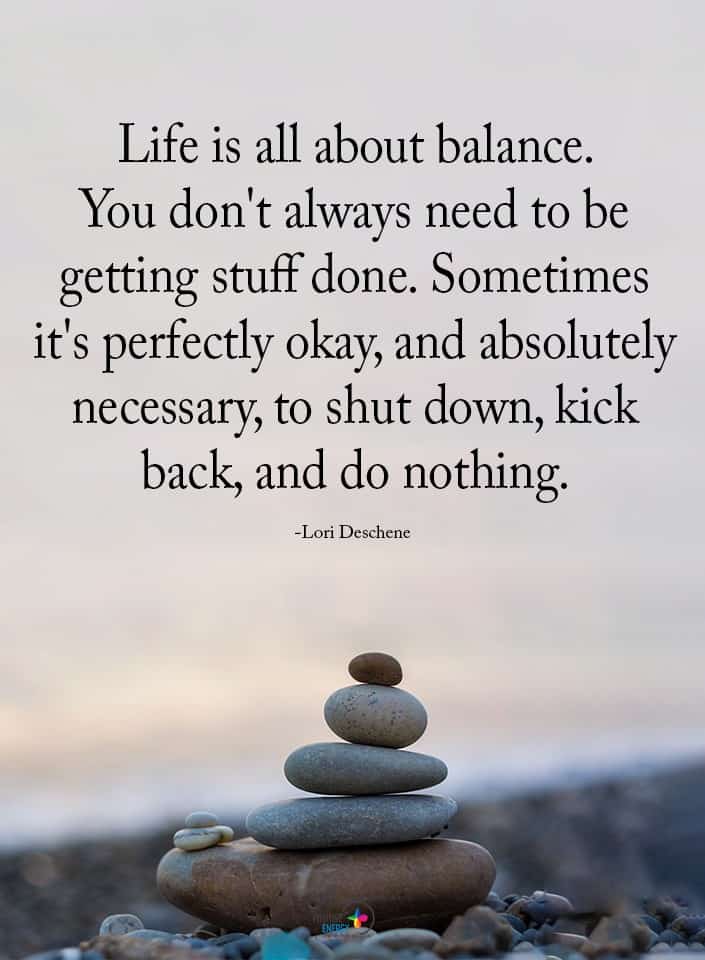
lifes about balance

16. James 1:2-4 (NIV)

“Consider it pure joy… whenever you face trials… because you know that the testing of your faith produces perseverance.”

Trials don’t mean you’re failing; they mean you’re becoming stronger, even when the world doesn’t see the tears behind your strength. God uses challenging seasons to strengthen what’s eternal in you.

17. Romans 5:3-5 (NIV)

“We also glory in our sufferings, because we know that suffering produces perseverance; perseverance, character; and character, hope.”

Even pain has a purpose. This verse reveals how God transforms struggle into strength and despair into unshakable hope.

18. Deuteronomy 31:6 (NIV)

“Be strong and courageous. Do not be afraid… for the Lord your God goes with you; he will never leave you nor forsake you.”

No matter how uncertain things feel, you’re never walking through it alone. God’s presence is your courage.

💖 Bible Verses That Nurture Self-Worth and Resilience

19. Romans 8:38-39 (NIV)

“Nothing… will be able to separate us from the love of God that is in Christ Jesus our Lord.”

At the core of resilience is knowing you are deeply loved. This verse offers unwavering assurance that nothing—no circumstance, no mistake—can separate you from God’s love.

Rooted in this truth, your sense of worth and inner strength can flourish.

20. Zephaniah 3:17 (NIV)

“The Lord your God is with you… he will take great delight in you… He will rejoice over you with singing.”

God doesn’t just love you; He delights in you. Even in your struggles, you’re treasured beyond words.

21. John 15:9 (NIV)

“As the Father has loved me, so have I loved you. Now remain in my love.”

Remaining in God’s love anchors your resilience. This verse reminds you that your value does not depend on performance, achievement, or approval.

Rest in His unchanging love and let it become the wellspring of your confidence and emotional strength.

🌿 Bible Verses for Emotional Surrender and Trust

22. Proverbs 3:5-6 (NIV)

“Trust in the Lord with all your heart and lean not on your own understanding; in all your ways submit to him, and he will make your paths straight.”

You won’t always have the answers, but you don’t need to. Trusting God entails relinquishing control and proceeding with faith, even when the path is unclear.

23. Psalm 55:22 (NIV)

“Cast your cares on the Lord and he will sustain you; he will never let the righteous be shaken.”

Letting go doesn’t mean giving up. It means handing your weight to God and trusting that He’ll carry what you can’t.

24. Matthew 6:34 (NIV)

“Do not worry about tomorrow, for tomorrow will worry about itself. Each day has enough trouble of its own.”

This verse allows you to breathe, rest, and stop trying to do it all alone. Stay here, in this moment. God’s grace is for today, and that’s more than enough.

Speak Life. Breathe Strength.

Challenges will come, but emotional resilience empowers you to rise through them—not with striving, but with steady trust in God. These Bible verses aren’t just meant to be read—they’re meant to be lived, to shape the way you think, feel, and respond to life.

Speak to them. Write them. Pray to them.

Let them renew your heart and rebuild your strength.

Remember this: the same God who strengthens mountains can steady your spirit. You are more capable than you know,  because you are never walking alone.

So go ahead. Smile. Breathe. Trust. And let His Word fill you with resilience that lasts.

How Faith Can Transform Your Everyday Life

Skip to content