Weekly tips, affirmations, and small actions to feel your best.

5 Ways To End Your Relationship With Stress

Stress is not a physical thing you can go out and pick up or buy. Neither can you put it down or throw it away. Stress exists solely in your own mind as a response to things, people or actions in your environment. Stress happens when you react to a perceived threat, whether real or imagined, to your person or to resources you need to survive. You generate stress as a response to your environment, which means that it is completely within your means to reduce your stress. You have complete control over yourself and how your respond to things.

Here are five things that you can do to finally end your relationship with stress:

1. Learn To Say No

Time is a precious resource. You only have so much of it in a day, or a lifetime. Just because someone asks you to do something for them doesn’t mean you have to say yes. Saying no doesn’t mean you don’t like them or that they are not important to you. You are not saying no to them. You are saying yes to something else higher up your priority list. Saying no can be incredibly liberating and if people truly love you then they will understand when you respectfully decline. Work can be difficult to say no to because you depend on them for your paycheck. If they value you as a person and as an employee, they will understand if you have obligations outside of work that are important to you.

Saying no can be incredibly liberating and if people truly love you then they will understand when you respectfully decline. Work can be difficult to say no to because you depend on them for your paycheck. If they value you as a person and as an employee, they will understand if you have obligations outside of work that are important to you.

2. Face Your Fear

“Fear is the mind-killer, fear is the little death that brings total obliteration.” Frank Herbert knew what he was talking about when he wrote those lines. A little fear is a good thing and prevents us from doing really stupid stuff that could get us or others hurt, but fear has been used to manipulate you all your life through various forms of media. You fear not having enough money. You fear losing your job to someone else. Perhaps you fear criminals and terrorists on the other side of the globe.

Fear is the reason stress exists in the first place. Stress gets the mind and body ready to either face their fear or run from it. If you run, you will always be afraid. But if you face your fear and conquer it, then your stress goes away because now you know it cannot harm you. If you truly want to reduce your stress, then stare your fears down and deal with them before they overwhelm you.

Fear is the reason stress exists in the first place. Stress gets the mind and body ready to either face their fear or run from it. If you run, you will always be afraid. If you face your fear and conquer it, then your stress goes away because now you know it cannot harm you. So if you truly want to reduce your stress, then stare your fears down and deal with them before they overwhelm you.

3. Eliminate Negative Thoughts

Fear causes stress and negative thinking recirculates and reinforces those fears. Those negative thoughts and fears will chase each other around your head until you are overcome with panic. When you identify negative thoughts like, “I am going to fail” or “I am never getting out of this mess” you are one step closer to reducing your stress. Once you identify those thoughts, stop and call them out for what they are; irrational fears and self-doubt. Replace them with positive and courageous thoughts like, “I’ve got this.” or “I am going to get through this.” Be your own cheerleader. There are no unsolvable problems – just complex solutions. Once you look at your problems as just obstacles to be overcome instead of inescapable prisons, then your stress level will come down to a normal level.
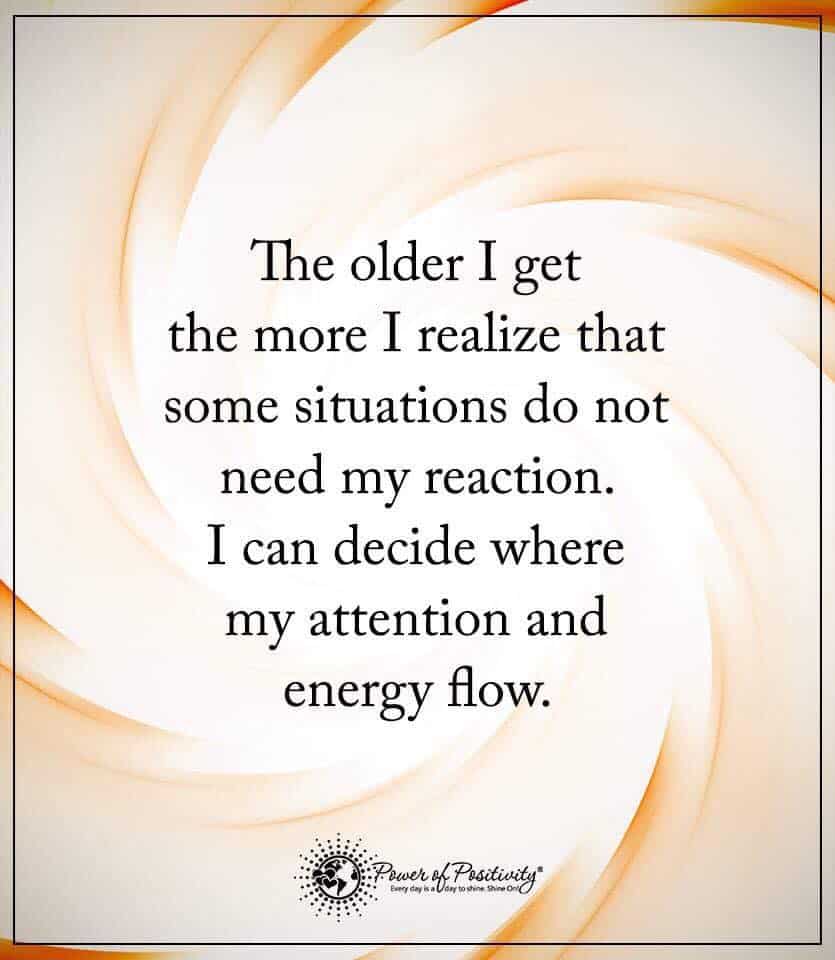
Replace them with positive and courageous thoughts like, “I’ve got this.” or “I am going to get through this.” Be your own cheerleader. There are no unsolvable problems – just complex solutions. Once you look at your problems as just obstacles to be overcome instead of inescapable prisons, then your stress level will come down to a normal level.

15283994_10154013646067371_5902811895962627459_n

4. Let’s Get Physical

Sex and exercise are both physical activities that are great at reducing stress hormones and releasing other hormones like dopamine that increase your mood. By getting physical exercise in, you can increase your heart rate and flush those stress hormones out of your body. Everyone has a different form of physical activity that works best for them. Find yours and watch your stress evaporate in a cloud of sweat.

Related article: 9 Signs You’re Overstressed And Don’t Know It

5. Take Care of Mind and Body

The mind and the body are linked. Eating an unhealthy diet can cause physical disability or discomfort. When we are uncomfortable physically, we tend to get irritable mentally. When your body is healthy and well taken care of, then your mind tends to be more optimistic and positive in its outlook. Likewise, when you feel better emotionally, your body will be less tense, your heart rate and blood pressure will lower and your digestive tract will be more at ease. Both your mind and body have to be healthy and relaxed for your stress level to be reduced. If you want to live stress-free, then feed your body healthy food and your mind healthy thoughts.


11 Ways Men And Women Think Differently

Men and women are different–and they think differently, too!

There are some good biological reasons for that. Studies of brain scans of men and women show that women tend to use both sides of their brain because they have a larger corpus callosum. This is the bridge between the two hemispheres of the brain and allows women to share information between those two halves of the brain faster than men. Men tend to use the left side of the brain which is the more logical and rational side of the brain.

Scans also reveal other interesting ways in which men and women do things differently or process information differently from each other.

Here are 11 ways men and women think differently:

strong women

1. Perception

Women have smaller brains that are more tightly packed with connections. This allows them to perform better at tasks involving the bigger picture and situational thinking. A man’s brain tends to perform better at spatial thinking involving recognizing patterns and problem solving with objects in a spatial environment.

2. One Track Mind

Men tend to excel better at singular tasks while women are better at juggling a number of tasks at once. This may stem from the primordial male role of the hunter who is fixated on a singular objective while the traditional female role of manager of the home forced her to juggle many tasks simultaneously.

3. Social Interactions

Women tend to perform better in social situations than men do. Men tend to excel at more abstract thinking and task-oriented jobs. Again, this may stem from the traditional gender roles whereby women had to work together to accomplish more complex tasks while men spent more time alone stalking prey.

4. Dealing With Emotions

Women have a larger limbic system in their brains which allows them to be more in touch and expressive about their emotions. Men tend to be a little oblivious with emotions that are not explicitly verbalized. Men tend to be more logical in their thinking and dismiss information that is not directly involved with the issue they are tackling. Women tend to be much more empathetic and susceptible to emotions influencing their thinking.

5. Do the Math

Men tend to have larger inferior parietal lobules than women. This area of the brain is thought to control mathematical ability and processes. Men tend to do better with math because of this. This isn’t to say that there are not women who are great at math, but that men have a small biological advantage when it comes to math and logic based skills.

6. Dealing With Pain

The amygdala is the area of the brain responsible for pain. Pain is activated in either the right (men) or left (women) hemispheres. The right side is more connected with external stimuli, while the left is more connected to internal stimuli. Women tend to feel pain more intensely than men do because of this.

7. Learn Languages

Women tend to be better at learning languages and are more attuned to words and sounds. This may be why men tend to find it harder to express themselves verbally. It may stem from the increased demand on women over millions of years to cooperate and organize in order to manage large complex tasks.

8. Women Remember Better

Women tend to have higher activity in their hippocampus, the region responsible for forming and storing memories, than men do. Studies have shown that women tend to remember faces, names, objects and events better than men.

9. Ask for Directions

Men tend to have better spatial-reasoning skills and are better at remembering geographic details. They tend to have a better innate sense of direction and remember where areas and locations are. This ability most likely stems from their days as hunters when men had to navigate long distances without the aid of a map and compass.

10. Risk Taking

Men tend to be more likely to take risks. Women tend to be more risk-averse. Men get a bigger dose of endorphins when they take risks. The bigger the risk, the larger the pleasure derived from the risky behavior. Men may be specialized to take more risks because of early human’s need to hunt down food which may be larger, stronger, and more dangerous than a single man. Hunting is also inherently dangerous as you think some predator may be stalking you while you are stalking another prey animal.

calming your mind

11. Sex

Men tend to be more visual in what arouses them, while women tend to be turned on by a combination of things like ambiance, emotions, scents as well as visual perceptions.

While equal, men and women have different biological strengths and weaknesses. These differences may stem from a very long period of specialization between genders. Humans have been hunter/gatherers much longer than we have been civilized farmers and tradesmen. This long period of adaptation to changing environments may be responsible in some small part for traditional gender roles based on biology and physical specialization. Men and women, while different, are complementary like a knife and a fork.

(C)Power of Positivity, LLC. All rights reserved

7 Reasons Why It’s Never Too Late in Life

It is never too late to find happiness and fulfillment.

“You must live in the present, launch yourself on every wave, find your eternity in each moment. Fools stand on their island of opportunities and look toward another island. There is no other land; there is no other life but this.” – Henry David Thoreau

Our life is limited – at least in the number of years spent on Earth. As such, many individuals try to fit in as much “living” into those finite number of years as possible. Sometimes, a person begins to take on a should’ve/could’ve/would’ve mindset. Some of these people experience a deep sense of regret, with some actually developing depression or other health conditions. Others go through temporary phases, such as the dreaded “mid-life crisis.”

But what does this type of thinking ever accomplish? It’s natural that we experience regret from time to time; however, the hard truth is that the past is unchangeable. Sure, we can change ourselves as a result of the past. We can maybe even mitigate the damage done a little bit.

We cannot add or subtract years from our life…we can only live for the moment and try to make the best out of it. With that said, we segue into the topic of this article.

7 Reasons Why It’s Never Too Late in Life

late

1. All that exists in the present

Think about this for a moment. How many of us get so wrapped up in what was done in the past, and what we’re going to do in the future…all the while abandoning the present? How many of us really live in the moment anymore?

Some prolific scientists have posited that time – as a construct, along with its finite nature – is an illusion. Whether it’s an illusion or not, most of us agree that life is just a series of events, or moments, that we experience.

So why not focus on the only thing we can truly experience right now…the present moment?

2. We can change one thing at a time

There is one blunder that many of us make as we experience regret later in life. Instead of concentrating our efforts on changing one aspect of us, we instead dwell on everything we perceive to have done wrong. As a result, we are overwhelmed and experience “analysis paralysis.”

When we’re too busy thinking about the things we need to change, it’s impossible to take constructive action. When we focus on one thing about us to improve, it’s much, much easier.

We don’t need to address everything at once…we just need to focus on one thing and do our best!

3. We can take baby steps, it is not too late

Sure we may be a bit older now, but that doesn’t mean that we need to change everything overnight (remember that whole ‘moments’ thing?) Not to mention, when we try to progress too quickly our results suffer. What’s the point of rushing in this case?

Much better to slow down and really change what you want! You’ll be much happier with the results.

4. The future is uncertain

Of course, nobody knows what will happen in the future! Think about how much better life would be if we lived each day like it was our last…

While it may seem that we’re rehashing a bit of what was discussed earlier, it is very important to remind ourselves of this fact. This is especially true if one is trying to make positive changes in life.

15073532_10153986293997371_7681317142540898521_n

5. We still have our will

“Where there’s a will, there’s a way!” How many times have we heard this? But how true it is. Without our will, we are nothing.

If you’re breathing, your will is active and ready to be put to use. One could argue that our will is one of the most important human elements of being human… perhaps second only to the soul.

You have your mind, you have your soul, and you have your will…act on them!

6. Self-improvement doesn’t expire

Almost without exception, some of the regret experienced later in life is a result of not “achieving” something. When one feels that haven’t fulfilled their true potential, it can leave a painful mark. But the ability to improve oneself does not expire.

But perhaps this point is better explained with one woman’s story. Doreetha Daniels, an elderly woman with vision and hearing problems, and a multiple-stroke victim – received her college degree at the age of 99 from College of the Canyons in Santa Clara, California.

One faculty member said: “Doreetha is a living testament to the saying ‘if there is a will, there is a way…”

7. It’s never too late to change you legacy

Ah yes, then there is the matter of what we leave behind. How will future generations think of us when we’ve long departed this Earth? Will they be inspired and heartened by your life? Or will they be neutral…maybe even a bit disappointed?

It’s quite surprising that few people think of legacy until very late in life. But what we leave behind for our descendants is one of the greatest gifts we can give.

Related article: The Top 10 Regrets of the Dying

Once again, we go back to a quote about 99-year old Doreetha Daniels:

“She is truly an amazing woman who has impacted my life and I feel so fortunate that I was able to experience her journey alongside her.”

In essence, this faculty member is discussing Daniels’ journey…her inspiration…and her legacy.

Will we be able to say the same? It is not too late.

10 Things You Should Do Every Day Before 10PM

Do you hit the bed around 10pm with the feeling that you did not complete all that you should have?

Days are busy with work and family obligations, and it’s increasingly harder to get everything done within those 24 precious hours. We get up, get the kids dressed for school, prepare breakfast and lunches, get ourselves ready, go to work, pick up the kids from school or soccer practice, make dinner, clean up, get ready for bed, and hope we sleep well enough to do it all over again the next day. Nighttime is sacred; it’s a time for rejuvenation, relaxation, and restoration. So, before you hit the sack tonight, make sure to attend to a few things first.

Here are 10 things you should do before 10pm:

10am

1. Clean Yourself

You are exhausted and you feel like crap. We get it. One of the signs of emotional pain is that you start neglecting personal hygiene. It is easy to skip the shower and collapse onto the couch. Getting a shower and washing from head to toe will clean your body and rinse off your soul. Let the warm water soak into you and refresh your mind. This small act of devotion to yourself can work wonders on your perspective. Besides, who wants to go to bed dirty? Jump in the shower real quick. You will feel better.

2. Make a To-do List

Make a shortlist of the things you want to get done the next day. It doesn’t have to be exhaustive. Just make either a mental or physical note to yourself that you have a goal for tomorrow. Setting a goal or goals pushes you to get moving and stay moving until the tasks are complete. A body in motion stays in motion and a list can give you some early momentum to work with for the rest of the day.

3. Talk To A Friend

Another symptom of emotional pain is for someone to isolate themselves from others. Make it a habit to talk with friends or family, even when you don’t have to. People are social creatures and need social interactions. When we let ourselves become isolated, we cut off mental and emotional lifelines to other people. Talking with friends and family can get us out of our own heads and break unhealthy loops of negative thoughts.

4. Listen To Some Music

Put on your tunes. Rock out for a few minutes to something happy and upbeat. Avoid music with depressing themes as these will turn your thoughts into negative subjects which could interfere with your sleep. Sing something silly with your kids. Plat something nice and relaxing to help you transition from a busy day to a relaxing sleep. Music can improve your mood and help you drift off to sleep.

5. Do Something Physical

Do something to get the juices flowing. Get on the floor and do some yoga stretches. Go for a short run before your shower. Dance with your kids in the kitchen to silly music. Get your heart pumping and burn off some of the stress from the day. Getting the body active releases hormones in your brain that will raise your mood. Free your butt and your mind will follow. Just ensure you exercise before 7 pm, or you might be wired when it comes time to hit the hay.

6. Make and Eat Dinner As a Family

Making and eating dinner as a family helps you to bond and share your experiences. Make sure the television is off and everyone isn’t surfing the web instead of talking and hanging out. Just make sure dinner is light as you do not want to load up on carbs right before bed.

7. Get Chores Done

Make sure you resolve any lingering issues before heading off to bed. Leaving things undone could cause stress and anxiety of the uncompleted tasks. Getting those things knocked off the list or at least letting someone know you will follow up with them in the morning can relieve stress and allow you to relax.

8. Unplug

We are bombarded with so much information daily that sometimes we need a break from the information overflow. Turn off the television. Put away your phone or tablet. Pick up a book. Listen to some soothing music. Talk with your partner. Sit on your porch or balcony and watch the sunset. Enjoy the moments of quiet and stillness.

9. No Caffeine After 7 PM

Make sure you cut off the caffeine early. Otherwise, you might be up half the night. Caffeine is a mild stimulant and can prevent you from getting a good night’s rest.

10pm

10. Dim The Lights

People are tied into the cycle of day/night, and the amount of light in our spaces can affect our ability to sleep and wake at the right times. Bright lights from room lights to tablets, phones, computers, and television can adversely affect our circadian rhythm. Dimming the lights tricks our bodies into thinking that the day is over and it is time to sleep.

10 Parenting Behaviors That Create Empathetic Children

The ability to display an empathetic demeanor – that is, feeling, understanding, and sharing each other’s emotions – is a very noble personality trait. Quite frankly, a personality trait that this world needs much more of. Desperately…just take a look around.

The only way that we’re going to effectively promote the ability to empathize, for future generations, is to teach children to do likewise. To accomplish this, we – as mature adults – must be willing to take on the responsibility. Of course, much of this responsibility rests on the shoulders of the most influential people in a child’s life: the parent(s).

Definition of Empathy

1: the imaginative projection of a subjective state into an object so that the object appears to be infused with it

2: the action of understanding, being aware of, being sensitive to, and vicariously experiencing the feelings, thoughts, and experience of another of either the past or present without having the feelings, thoughts, and experience fully communicated in an objectively explicit matter

– Merriam Webster Dictionary

Raising Empathetic Children

But, children are immature (albeit, some more than others). It’s just the nature of being a child, and there is absolutely nothing wrong with that. Taking this into consideration, instilling a value, trait, characteristic, etc., can be a difficult task. Teaching empathy is no different in this respect.

As parents, it is important to understand that empathy is also an essential social skill. A skill that builds relationships, strengthens communities, and simply be more caring and kind people.

There ARE many ways that we can teach our children this valuable social skill.

In fact, here are the ways to teach them to become more empathetic:

grateful meme

1. Don’t suppress the child’s emotions

Parents often attempt to suppress children’s emotions, saying things like “Stop yelling,” “Don’t cry,” “Be a big boy/girl,” etc. This is actually a natural tendency, as parents do not like seeing their children hurt or in pain. However, this can actually stunt a child’s emotional development. More specifically, the child may be less willing to share emotions after being interacted with in such a way.

Instead, just acknowledge the child’s feelings and keep the door of communication open.

2. Emphasize and practice gratitude

The ability to express gratitude is a common trait among happy people. In a study conducted by Dr. Robert Emmons,  researcher at the University of California-Davis, expression of gratitude increases happiness levels by about 25 percent.

Parents can teach and encourage gratitude in their children by simply displaying it themselves; or, asking a child to think about the good things in their life. Simply asking a child what their favorite part of the day way can build the foundation for a life of gratitude.

3. Provide opportunities to practice empathy

One great thing about children is they love to be of help to others. It makes them feel good. This is why it is very important at this stage to provide opportunities for them to do just that. Think: donating something (e.g. money, food, time) to people in need.

Behavioral and developmental practitioners state that a child’s desire to help others is innate, and revolves around three main points. First, in the beginning, helping others helps the child get what they want. Second, helping others gets them praise. Finally, the ability to anticipate the needs of others develops; as it does, helping others becomes its own reward.

4. Allow the child to see you vulnerable

Shared experiences among fellow humans is a very powerful thing, and children are no different in this respect. When they witness their parent’s willingness to share their own vulnerabilities, it helps to develop a sense of stability and normalcy within the child.

This display of vulnerability can be as simple as apologizing to a child when you’ve made a mistake.

5. Give names for feelings

The development of emotional intelligence is vital to one’s success later on in life. During childhood, this skill can be developed by naming feelings that the child is having. For example, if the child is having difficulty with homework, share something like: “I know. When I can’t figure something out, I get frustrated too. You may be getting frustrated. Do you want some help?”

All feelings – embarrassment, fear, shame, sadness, joy, jealously, etc., – can be named the same way.

6. Non-judgmentally acknowledge emotions

One prominent child psychologist put it this way: “Acknowledging isn’t condoning our child’s actions; it’s validating the feelings behind them.” In other words, while we may see the behavior as silly, the child is only acting on their emotions. As such, acknowledging emotions evokes a sense of communication, safety, and belonging in the relationship.

Remember, childhood is a developmental phase. It’s perfectly okay to acknowledge emotions (e.g. “I understand your angry/frustrated/hurt because…) since we just don’t any better, really, at that age.

7. Ask about feelings hypothetically

There are many times parents will observe a heightened emotional situation. We’re able to – at least to some degree – process what’s going on and maybe even the reason behind it. Children don’t have that capability.

As such, it can be valuable to simply interact with a child about the situation (“How do you think he/she feels?,” “Why do you think that?”) This teaches children the importance of rationally evaluating and interpreting emotions.

8. Discuss other people’s feelings

Kind of a no-brainer here, right? Children often have difficulty understanding the rationale behind why someone feels the way that they do. Sadly, there are a multitude of adults that have the exact same problem.

Hence, the importance of having dialogue with children about the “why behind the what” when it comes to emotions.

9. Display empathetic behavior towards others

Children learn by what they see and hear…it’s that simple. If parents are caring and empathetic, even to people they don’t know, the child will likely learn to do the same. Conversely, if parents are cold and repelling to people they don’t know (maybe even to do those they do), the child will likely learn that lesson, unfortunately.

empathy affirmation

10. See the world through the child’s eyes

Children must feel safe when expressing their emotions in order for them to feel loved and welcomed. Parents, understandably so, often praise positive emotions (e.g. joy, laughter) and criticize negative emotions (e.g. crying, screaming). However, this is not always the best way to go about it.

We, too, were children once. We undoubtedly acted impulsively and “irrationally.” But, childhood is a phase of life that we adults often forget about. Try seeing the world through a young child’s eyes instead of your own, as difficult as that can be at times.

Source: Emmons, R. A., & McCullough, M. E. (2003). Counting Blessings Versus Burdens: An Experimental Investigation of Gratitude and Subjective Well-Being in Daily Life. Journal of Personality & Social Psychology84(2), 377–389.

10 Signs Your Relationship Is Suffering From Stress

Stress is pretty much unavoidable in a relationship – any relationship. Intimate relationships, such as marriage or boyfriend/girlfriend, can be particularly taxing. But, while stress is unavoidable in relationships, it doesn’t need to define it.

Frequent stressful episodes, however, are never a good thing. When you and your partner are constantly under the pressures that stress brings, the relationship is at risk of failing. To avoid this, it is necessary to identify and attempt to mitigate the stressors.

Here, we’ll discuss ten common signs that a relationship suffers from stress. Hopefully, should you identify with any of them, you and your partner can work things out!

Here are ten signs that your relationship is suffering from stress:

stress reduction

 1. You don’t have any ‘me’ time

Because our lives are so busy, it is easy to feel that alone time is near-impossible. When things begin to create a sense of emotional overwhelm, it is a clear-cut sign of too much stress. This affects the relationship because internal stressors will (almost always) surface in the home. This creates a sense of disconnect.

It’s important to schedule some time – even if it’s just a few minutes each day – for doing things that are enjoyable to you. Discuss this with your partner.

 2. Intimacy and sex are increasingly rare

In the early stages of a relationship, intimacy and sex are usually not a problem. There’s a sense of novelty, and excitement – not to mention adoration – of your partner. It’s normal for this sexual excitement to wane a bit; but it’s not normal for intimacy or sex to be very rare.

Intimacy is vital in a relationship. As such, it is necessary to have constructive dialogue with your partner. Even if one of you lacks the drive for sex, find other ways to be physical and nurturing.

 3. You/your partner are not listening to each other

When either you/your partner try to engage in a conversation, and it becomes increasingly one-sided, it may be a sign that stress is present. Short, sharp answers – ones that don’t require any thought – are another pretty obvious sign.

Try to ask what’s wrong, and work on finding a solution to any underlying problems. This may help promote an environment for more constructive communication.

4. You/your partner are not interested in communicating

This one is similar to #3, but is a bit more serious. When communication is nearly absent, it’s likely that a serious problem exists that is causing significant stress. Effective communication is absolutely critical in a relationship; the lack of which can quickly end it.

It’s important that this is addressed, and done so quickly. Whether through the help of a counselor, or an obligatory sit-down with your partner, a solution is needed.

 5. You/your partner are spending more time with others than each other

There’s actually a term for this – it’s called “escapism.” Also known as avoidance behavior, allocating more time for others, and less for their partner, is almost always a very bad sign. This can even take place in the home, where your partner is spending more time with kids or pets.

The solution is to convey how such behavior makes your feel, and seek out professional guidance, if necessary.

 6. You/your partner are spending much more time pursuing hobbies

Every man or woman has things that they really enjoy doing, which is great. We all need an escape from time-to-time. However, when hobbies become what appears to be an obsession, this could mean trouble for a relationship.

Try to empathize here, telling your partner that it’s great that they have hobbies. Perhaps suggest things that both of you could do together that would be fun.

 7. You/your partner’s common habits begin annoying you more

Rising agitation at your partners well-known habits could be the result of accumulating stress. Snoring, for example, is common habit that can be annoying. Normally, either a solution is found or the other person learns to simply accept it. But, when it becomes almost unbearable – maybe ever to the point of sleeping on the couch – it’s a stress problem.

Once again, communication is critical here. The agitated partner needs to convey their feelings in an honest, constructive manner.

8. You/your partner are drinking more frequently

Excessive alcohol consumption during a relationship usually stems from one of two things: alcoholic tendencies, or as a means of stress relief. Either way, this sudden abuse of alcohol can quickly destroy a relationship; as it is much more likely that underlying stress will exacerbate – for both people involved.

The person doing the drinking must be open to feedback, which can be difficult if many relationship stressors are present. It may be necessary see a professional in this case for advice.

 9. You/your partner mention separation or divorce

Pretty obvious one here. When stress levels reach a point where the relationship is damaged, it is common for one or both people to mention separation or divorce. This is not to be taken lightly, as the suggestion of such can cause severe emotional harm.

Related article: The Singlemost Important Thing Married Couples Can Do To Stay In Love

That said, sometimes divorce or separation is the answer. Before making such a life-changing decision, however, a constructive dialogue must be possible. This may require the intervention of a relationship counselor, lawyer, or other professional.

10. You/your partner make excuses why you can’t “be there”

Really, this is just another example of avoidance behavior. If someone comes up with excuses why they can’t be present for something – especially something important – it may indicate that the person is already disconnecting from the relationship. Obviously, there’s a lot of stress involved; not to mention the emotional harm inflicted on the people affected by their absence.

First, honest communication from both people is essential in resolving the problem. However, the intervention of a relationship counselor or other professional is often necessary.

10 Early Warning Signs You’re Catching A Cold (And How to Prevent It)

No one really likes cold and flu season; we dread it even more should we acquire either one. Terrible.

Sore throat, runny nose, chest congestion, sinus congestion, cough. Ugh, ugh, ugh, and freaking UGH. Oh, and sometimes you can come down with a fever. A cold is never a “24-hour” thing either; instead, we can expect the dreadfulness to stick around for a week, maybe even two. Meanwhile, everyone else avoids us like the plague – and rightfully so.

Here’s the good news: if we learn some basic prevention stuff, we may be able to stave off a cold. You see, a cold is one of those sicknesses that sends us subtle “pre-symptom” signs; if we learn to pay attention to our bodies, we can be effective in preventing it.

So, we have two choices: (a) do some basic preventative stuff and avoid being sick, or (b) enjoy a cold and all of its dreadfulness.

We’ll ALL go with (a).

And here are 10 early warning signs of the common cold, and how you can prevent it:

cold shower showering

1. Your energy levels are depleted.

We can feel when our energy reserves are getting low. This is especially true at the workplace, when our energy levels must maintain equilibrium in order to accomplish anything. If – at the end of the day – you’re completely spent, a cold may be surfacing.

The Solution: Find some way to relax. Chronic stress suppresses the immune system, making it more difficult to ward off any impending illness. A break is in order to correct this.

2. Your throat begins to feel “scratchy.”

Colds are upper respiratory illnesses; as such, it is common for areas of the upper body to feel early symptoms. Obviously, this includes the throat, where a cold virus can cause inflammation of the throat.

The Solution: Gargle with salt water. While it may sound funny, gargling with salt water reduces inflammation and mucus accumulation.

3. You’re blowing your nose more

If you’re beginning to blow your nose more often than usual, it may be a sign of impending illness. The areas surrounding the nose and sinuses are often the first to feel the effects of a cold virus.

The Solution: Take hot showers. A hot shower can be a cure-all for nasal symptoms. The steam that hot water emits reduces swelling into the nasal membranes, which also makes it much easier to breathe better.

4. Pressure in your sinuses

It’s common during the onset of a cold to feel pain around your sinuses. Symptoms include headache, pressure, or watery and tired eyes. This is one of the first symptoms that a cold virus is trying to invade the sinuses.

The Solution: Eat chicken soup. Yes, chicken soup really is good for feeling better. Specifically, the electrolytes, heat, and salt within the soup is terrific for hydration; while the ingredients reduce congestion.

5. Your nose is a bit stuffed up

When you can’t breathe through the nose easily, the nasal passages are susceptible to cold germs. As mentioned, symptoms will often appear around the nose and nasal passageways; it is important to address these symptoms before full onset of a cold.

The Solution: Drink a lot of liquids. Hydrating your body thins out mucus and keeping nasal membranes moist.

6. You’re coughing more

It seems obvious, but we have a way of disregarding something as “harmless” as a simple cough. Noticeably frequent coughing, however, can be a telltale sign of a surfacing cold.

The Solution: Prop yourself up. With pillows, that is. The reason? Lying flat on a surface actually allows congestion in the sinuses to permeate your throat – a byproduct of gravitational pull. So, counteract this natural law and use pillows to keep these areas clear.

7. Your chest is kind of stuffed up

As a cold virus works its way downward, it’s common to feel tightness in the chest. Germs contained within the lungs manifest into congestion of the airways. Oftentimes, this tightness is quite subtle, and can be difficult to “detect.”

The Solution: Get some light exercise. Light exercise is a wonderful in a variety of ways, which includes keeping us healthy. Various studies demonstrate that light exercise can: result in fewer illnesses and reduce illness symptoms.

8. You feel super tired

No real big surprise here. When our bodies are being invaded by germs, our immune system kicks into overdrive. As a result, we feel more fatigued – and even exhausted. Fatigue symptoms can be minor or severe, but it’s essential that they’re addressed.

The Solution: Get plenty of sleep. It doesn’t matter if you feel slightly tired or exhausted…it is absolutely crucial that we listen to our bodies. Consider this study by Carnegie Mellon University: people who got less than seven hours of sleep per night were three times more likely to get a cold.

cold

9. Your sleep is disrupted

When we’re getting sick, viruses have a way of interfering with our regular sleeping patterns. This is hardly surprising, as our bodies have an innate talent for detecting anything wrong. If you’re being woken up frequently throughout the night, it could be sign of an impending illness.

The Solution: Melatonin or Valerian Supplementation. Melatonin helps to regulate the body’s natural sleep patterns by normalizing circadian rhythms – the sleep/wake cycle. Valerian is an herb that has been around for centuries, and has been thought to contain properties that reduce symptoms of sleeplessness.

10. You just feel “off”

Yes, the phrase “You just feel ‘off’” is very abstract. However, it is nonetheless true. As mentioned above, it is very important that we listen to our bodies in order to ward off impending illnesses, including colds.

The Solution: Herbs and/or Vitamins. Vitamin C and Zinc for reducing illness duration; Vitamin D for cold prevention. The herbs Echinacea and Elderberry to strengthen the immune system.

Sources:
Donvito, T. (n.d.) Cold symptoms: Signs a Cold is Coming. Retrieved November 27, 2016  from http://www.rd.com/health/wellness/cold-symptoms/
Natural sleep aids and remedies. (2015, September 2). Retrieved November 27, 2016, from WebMD, http://www.webmd.com/women/natural-sleep-remedies#1
(C)Power of Positivity, LLC. All rights reserved

Researchers Reveal The Single-Most Important Thing You Need to Be Happy

It is safe to say that we are all in the pursuit of happiness, and for most of us, being happy is directly related to acquiring wealth. They say money can’t buy happiness, but studies have proven that money does indeed make us happier, which shouldn’t come as a huge surprise as we simply need money in order to meet our most basic needs and wants. The real question lies in what we do with that money. How do we get the most bang for our buck when we spend in the pursuit of happiness?

Thanks to a study conducted by a psychology professor at Cornell University we now have answers. The results? Forget about that jewelry, fancy new smart phone, or luxury car. Invest in travel and other experiences.

The Problem with Material Wealth

That’s right. Travel and other experiences have been proven to make us the happiest the longest. Sounds backwards doesn’t it? One would think purchasing a physical object that we desire, that will last forever, will make us happy much longer than spending money on a one time experience. Dr. Thomas Gilovich from Cornell University explains this through the concept of adaptation. Simply put, buying the things we desire does make us happy for a while, but we soon adapt to these things and are no longer excited by them. “The grass is always greener on the other side” is a phrase that immediately comes to mind and one many can relate to. You might be super excited to buy that new luxury car and it will make you very happy, but only for a while. Soon you will adapt, and it will no longer be exciting and new and you will be left wanting.

The Power of Experience

It’s a vicious cycle, but one that can be corrected by allocating our money and priorities in new directions, specifically by spending our hard earned cash on travel and experiences. Gilovich’s study determined that peoples satisfaction with physical purchases went down over time, while satisfaction with money spent on experiences, even one-time trips, only increased over time. Our experiences are truly a part of who we are, and the same simply can’t be said for our material goods.

A separate study conducted by Gilovich determined that even negative experiences eventually bring more satisfaction than material goods. On the surface this might not make sense. We have all had bad experiences, and they are never pleasant at the time, but how often do we look back on these experiences and laugh at our misfortune or even bond with others who have had similar bad experiences. You may have even learned something from that bad experience that will always stay with you.

These are universal feelings that can be easily shared with other people, which leads to yet another benefit of travel experiences over the purchase of material goods. We are much more likely to bond with others over a shared experience than a shared material good. You can only chat with someone about your mutually new smart phone for so long. Meet someone who also traveled to an interesting place? That conversation is going to go on much longer and create a more meaningful bond. Comparing material goods on the other hand can be quite toxic as they often lead to questions of economic status which leads to unhealthy envy. This is much less of an issue when discussing experiences, even if one experience was more luxurious than another.

Focus On Your Next Great Experience

What does all this mean? Take the simple step of prioritizing travel and experiences over the purchase of material goods. You will create long lasting happiness that will lead to a healthy full life. When you feel like you absolutely have to have something, simply step back and ask yourself if you really need it. Will it make you truly happy? Or is your money better spent on a great experience you will remember for the rest of your life.

Related article: Buying This ONE Thing Will Make You Happier Than Anything Else

Travel doesn’t have to be expensive. Start with a small trip and be open to any experiences that may come along. Sooner or later, you’re likely to get hooked on these new experiences, and you’ll find yourself happily skipping that trip to the mall and planning a vacation instead. Travel is a great opportunity to experience a lot of new things at once. You can stay at new places, participate in new activities, and meet new people, all of which will provide you with meaningful experiences and memories.

Your Story is Based on Your Experiences, Not Your Things

Happiness is everyone’s right and it shouldn’t be out of reach for anyone. You truly are the sum of your experiences and the story of your life will be built on those experiences; it will have nothing to do with how much money you left in the bank, how big your house was, or how fancy your car was. The secret to a happy, healthy life? It’s simple. Get out and experience the world first-hand. You will create memories that you can treasure and share for the rest of your life.

11 Major Differences Between Busy vs Productive People

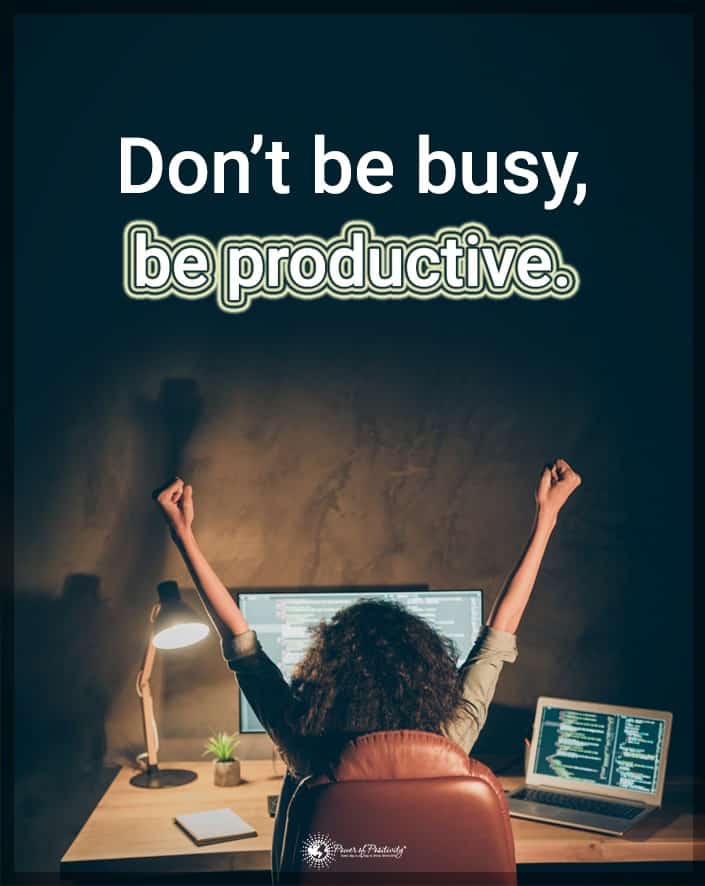
Do you know the difference between busy vs productive people? If not, you might feel like you aren’t making any progress even though you’re always doing something. By being busy but not productive, you waste your precious time and interfere with your advancement in life.

One difference is that a busy person rushes around frantically, talking about how busy they are. Productive people, on the other hand, stay calm, in control, and prioritizes essential tasks. They don’t constantly talk about their busy lives because they’re too busy managing their time wisely.

Busy vs productive might sound similar, but they are more different than you might realize. To be busy means that someone is always doing something, whereas being productive means getting things done. Productivity leads to better results and more free time, while business only causes stress.

Learning about the habits of a busy vs productive person can help you make a positive change in your life. You can begin eliminating your old ways of thinking and developing beneficial habits that lead to productivity. This change will make all the difference in your life.

You can ask me for anything you like, except time.”  -Napolean Bonaparte

Eleven Habits That Differentiate Between Busy Vs Productive People

Here are eleven ways you can see the difference between busy vs productive people:

busy vs productive1. They Prioritize

Productive people identify and prioritize the important and necessary tasks in their life. They keep these things separate from the things that aren’t as pressing or have no deadline. This type of person makes it a habit to quickly figure out the critical tasks to put at the top of their list.

Busy people will always have something to do, but they might not do the most important things first. They will work on things that aren’t due yet or don’t have a deadline at all while letting pressing matters wait. This habit causes them to feel stressed out and like they can’t get everything finished.

2. They Plan

Once a productive person has figured out the essential tasks, they create a plan. They schedule their day and make plans around their deadlines, allowing for plenty of work time. If they have a non-work-related event coming up, they plan their tasks around that, allotting time off for themselves.

This type of person also plans things like taking the best route for quickly accomplishing more than one errand. They plan anything that they can that will save time or energy, and they even plan for unexpected setbacks. By thinking about things that might come up, they prevent getting behind when an obstacle occurs.

Busy people will make multiple trips for separate errands because they didn’t plan. They will miss out on fun experiences because they didn’t accomplish enough during their dedicated work time. Plus, they will often feel overwhelmed and forget what to do next.

3. They Are Efficient

Being efficient goes along with planning, in a way. Once a plan is in place, an efficient person will use their time wisely. They stick to their plan and do what they intended to each day without unnecessarily wavering. Plus, they make sure to utilize every opportunity put in their path.

If they know they have to go somewhere, they consider what else they can get done there, too. So, if a productive person is getting a vehicle repair, they will get an oil change at the same time.

They will also bring work with them while traveling if they have to ride for a while. The downtime of travel is a time for the person to brainstorm, take notes, or focus on any reading material they have been putting off.

Busy people don’t think about how they can use their time more efficiently. They won’t use downtime to get other important tasks done, and they don’t think ahead about minimizing trips. Because of this, they end up wasting time and causing unnecessary stress for themselves.

4. They Say No

Productive people understand that they must say no sometimes, and they don’t take on more than they can handle. This type of person knows what is important in their life, and if another task threatens to interfere, they won’t agree to do it. Knowing when to say no gives them the time and energy to focus on their projects.

Busy people, however, take on more than they can handle. They don’t say no to anything, causing overwhelming stress. Plus, they won’t be as focused as they should be, potentially ruining their efforts.

5. They Do One Thing At A Time

Rather than jumping from task to task, the most productive people focus on one thing at a time. They do this to ensure they don’t miss something by getting sidetracked or distracted. When they focus on one thing, it also helps them work faster as they won’t have to keep shifting their focus.

Busy people try to multitask and do many things at once, however. Multitasking isn’t beneficial, and studies show that it may cause poor results. Plus, constantly shifting your focus will cause everything to take longer.

be productive6. They Do It Right The First Time

Efficient people do their best to do everything right the first time. It saves them time later as they won’t have to go back and fix things or redo them. They might take longer to get the task finished, but it saves them time in the end.

Busy people tend to rush through things to get it done quicker. Then, they have to go back and fix their mistakes later. Sometimes, they will even have to start all over again, resulting in more wasted time.

7. They Close The Door

When productive people have deadlines, they close their door. They do this as a signal to others not to disturb them, and it forces out distractions. When they do this, they can focus better and eliminate unnecessary interruptions.

Busy people enjoy interruptions, or at least they seem to welcome them by leaving their door open. They want to be a part of everything going on, even when that means their work takes longer. It disrupts their focus and can disrupt the quality of their work.

8. They Get The Job Done

Efficient people do whatever it takes to get things done. Once they set their mind to it, create a plan, and get started, they don’t stop until they are finished. Having this type of focus prevents procrastination and avoidance.

Busy people find any other task they can do before they sit down and focus on the big ones. They have excuses and waste time because the job seems too daunting. So, while they always have something to work on, they aren’t always getting things done.

9. Surround Themselves With Effective People

The people you spend your time around influence your mind more than you might initially realize. By surrounding themselves with other effective people, productive people can maintain their motivated mindset. This type of person wants people in their life that will encourage and inspire them.

On the other hand, busy people don’t pay attention to or care about the mindset of the people they spend their time around. If they are close to a slacker, they will begin to slack off, as well. They often give in to peer pressure, even when they know they should be working on something productive.

10. They Spend Their Time Wisely

Productive people understand that life isn’t all about work-related tasks or making money. They recognize the importance of being present for the people in your life. This acknowledgment allows them to let loose, forget about work, and enjoy their life regularly.

When they enjoy life, they learn to appreciate what they already have. Having a more positive mindset will further their productivity and lead to less stress in their lives. So, while it seems like productive people are sitting around having fun, they are actually preparing for their focused work time.

Busy people, however, often miss out on the joy in life because they aren’t spending their time wisely. Rather than being present and giving themselves a break from work-related thoughts, they continually do work-related tasks. This habit doesn’t allow them to get more work done, though, because it makes it harder to focus and be productive.

11. They Grow And Change

Change is part of life, and productive people don’t resist it. They adapt and grow based on the changes taking place in their lives. Forming new habits and letting go of old ones isn’t an issue for them, and they always continue moving forward.

Busy people hold onto the past as life changes, hindering their ability to grow. They resist change and struggle to develop new skills based on the changes. This mindset causes even the most basic tasks to be more difficult.

busy vs productiveFinal Thoughts on Habits That Differentiate Between Busy Vs Productive People

Differentiating between busy vs productive people is easy once you know the habits. If you notice that you do any of the things that busy people are guilty of, make it a point to implement new habits. There is always room for growth and development, so use this as your learning opportunity.

When people seem busy all of the time but aren’t productive, the problem lies in the habits of busy vs productive people. These habits are sure ways to recognize the difference.

Skip to content