Weekly tips, affirmations, and small actions to feel your best.

How Does Faith Influence a Positive Outlook in Challenging Times?

Faith can illuminate the way forward when life feels heavy, the path ahead is unclear, and the heart is weary. In fact, this is exactly how faith influences a positive outlook, by shifting our focus from fear to trust, from confusion to clarity. In times of struggle, it’s not just a belief system. It becomes a source of strength, comfort, and inner clarity.

But how does faith influence a positive outlook when everything around us feels broken?

It helps us see through the lens of hope instead of fear. Faith reminds us that pain has purpose, that growth is still possible, and that we are never walking alone.

Whether through prayer, scripture, or quiet trust in a higher plan, faith can anchor our mindset. It offers peace in chaos and joy in the waiting.

This article explores how faith truly shapes the way we rise in challenging times.

What Does It Mean to Have a Positive Outlook?

stay positive good day

A positive outlook isn’t about denying hardship. It’s about choosing to see life through a lens of hope, even when things feel uncertain.

It’s the quiet strength that whispers, “This is hard, but I’ll get through it.” And it’s very different from blind optimism or toxic positivity.

Here’s what defines a genuine positive outlook:

  • 🌧️ It faces reality
    It doesn’t ignore pain or pretend everything is fine. It acknowledges the storm but believes the sun will rise again.
  • 🌱 It looks for meaning in struggle
    People with a positive mindset ask, “What can I learn from this?” instead of “Why me?”
  • 🧘 It chooses calm over chaos
    Positivity brings emotional regulation. It doesn’t mean you don’t feel pain. It means you don’t live there.
  • 🧠 It’s backed by science
    Studies show that a hopeful mindset protects against anxiety, improves well-being, and increases resilience.
  • 🙏 It draws strength from something greater
    For many, that strength comes from faith. A deep trust in a bigger plan can shift everything.

How Faith Shapes Our Inner Narrative

Faith shifts our perspective in ways that logic alone cannot.

When faced with difficulty, faith reframes the experience. Instead of asking, “Why is this happening to me?” faith invites us to wonder, “What is God showing me through this?”

This deeper perspective softens fear, strengthens patience, and opens space for meaning to emerge.

📖 “And we know that in all things God works for the good of those who love him, who have been called according to his purpose.”

This verse reminds us that even when we don’t understand what’s happening, we can still trust that God is working behind the scenes – shaping something purposeful from our pain.

It offers reassurance that we’re not being punished. We’re being prepared.

People of faith are more likely to view trials as part of a refining process. Instead of getting lost in confusion, they anchor their trust in something greater than themselves.

📖 “Trust in the Lord with all your heart and lean not on your own understanding; in all your ways submit to him, and he will make your paths straight.”

Spiritual surrender isn’t weakness. It’s strength that says, “I don’t have to carry this alone.”

Faith provides a steady voice when the world feels unstable, helping us release control and rest in divine timing.

📖 “So we fix our eyes not on what is seen, but on what is unseen, since what is seen is temporary, but what is unseen is eternal.”

This mindset allows us to hold onto hope even when circumstances haven’t changed.

Faith speaks to the eternal story, reminding us that what we see today is only part of a much bigger picture.

Scientific and Psychological Insights on Faith and Positivity

Science increasingly confirms what many people of faith already believe, that spiritual practices can positively influence emotional well-being and mental health.

Research highlights include:

These studies show that faith not only offers spiritual hope, it also strengthens our psychological foundation during life’s storms.

Biblical Stories That Model Faith-Based Optimism

The Bible gives us powerful examples of people who faced hardship but held onto faith. Their stories remind us that hope rooted in God can thrive even in the most painful circumstances.

Job: Endurance Through Unimaginable Loss

Job lost everything, his health, his children, his wealth, yet he didn’t lose his faith.

He questioned, wept, and wrestled with God but still chose trust over bitterness.

📖 “Though he slay me, yet will I hope in him.”

— Job 13:15 (NIV)

David: Vulnerability and Trust in Uncertainty

David poured his heart out in the Psalms during times of deep despair. His words reflected fear and sadness, but also a steady return to trust.

📖 “Why, my soul, are you downcast? Put your hope in God, for I will yet praise him.”

– Psalm 42:5 (NIV)

Paul: Joy in the Midst of Trials

Paul endured imprisonment, beatings, and rejection, yet his writings overflow with peace, joy, and resilience rooted in Christ.

📖 “I have learned the secret of being content in any and every situation… I can do all this through him who gives me strength.”

– Philippians 4:12–13 (NIV)

Esther: Courage to Act in Uncertainty

Esther risked her life to protect her people, stepping forward at a time when fear could have kept her silent.

Her story reminds us that faith often calls us to be brave, even when we don’t feel ready.

📖 “And who knows but that you have come to your royal position for such a time as this?”

– Esther 4:14 (NIV)

Esther’s courage wasn’t rooted in confidence – it was rooted in purpose and quiet trust. Her faith allowed her to see herself as part of a divine plan.

These stories reveal that faith doesn’t erase pain – it reshapes how we walk through it. With God, trials become testimonies.

Modern-Day Examples of Faith in Action

faith more potent than fears

Faith isn’t just a concept from ancient texts, it’s alive in the everyday stories of people facing real struggles with courage and grace.

Maria, a mother navigating grief

After losing her husband suddenly, Maria felt her world collapse. For weeks, she couldn’t get out of bed.

But slowly, through prayer, Scripture, and the support of her church community, she began to feel a quiet strength return.

One verse carried her forward: “The Lord is close to the brokenhearted.” She still grieves but now carries peace in her pain.

Darnell, battling illness with peace

Darnell was diagnosed with cancer at 38. At first, fear consumed him. But instead of letting it harden him, he leaned into his faith.

He began each chemo treatment with a prayer, asking God for strength and calm.

His nurses often commented on the light he carried. “I don’t know what the future holds,” he said, “but I know who holds it.”

Lena, rebuilding after a job loss

When Lena was laid off unexpectedly, anxiety took over. She questioned her worth, her direction, and her stability.

But one night, after rereading Jeremiah 29:11, she shifted her focus. Instead of despairing, she started each morning declaring God’s promises.

Within months, she launched a new career she never would have pursued otherwise. “It was never a detour,” she says. “It was redirection.”

Each of these stories shows how faith doesn’t erase hardship; it transforms the way we rise through it.

Daily Practices to Strengthen Faith and Positivity

Faith grows through simple, consistent actions. You don’t need hours or perfection; just a few moments each day can shift your mindset and strengthen your spirit.

Here are a few gentle practices you can begin today:

  • 🙏 Start your morning with a short prayer
    Ask God for peace, direction, or simply to walk beside you through the day.
  • ✍️ Journal one way God showed up for you
    It could be something small, a kind word, an answered prayer, or unexpected strength.
  • 🎧 Play uplifting worship music or a spiritual podcast
    Let your environment support your faith and positivity.
  • 📖 Reflect on a Bible verse each morning
    Choose one that anchors your heart and write it somewhere visible.
  • 🤲 End the day with gratitude
    Thank God for one thing that brought light into your day, even if it was small.
  • 🕊️ Practice breath prayers or stillness
    Just five minutes of quiet reflection can help you feel more grounded and connected.

Small steps. Simple rhythms. Big impact.

How Faith Influences a Positive Outlook

So, how does faith influence a positive outlook? It gives you hope when logic runs out. It quiets fear when chaos gets loud. Faith doesn’t promise easy – it promises anchored. Rooted. Steady.

With faith, even the hard days can have meaning. Even the waiting can feel purposeful.

You don’t need perfect faith. Just honest faith. The kind that says, “I don’t see the way, but I know I’m not alone.”

Keep showing up. Keep trusting. Keep walking forward.

Fear loses when faith takes the lead.

This is how the light enters our lives.

How Does Faith Contribute to Developing a Growth Mindset?

When life feels heavy or uncertain, some people stay stuck while others rise stronger. What makes the difference? It’s not just talent or effort. It’s mindset. And more specifically, it’s faith mindset growth, the belief that with God’s help, you are always becoming more, even in the middle of setbacks.

Faith provides the anchor. It reminds you that you are guided, supported, and growing for a reason. A growth mindset helps you see every challenge as an opportunity to improve. Together, they form a powerful foundation for resilience, purpose, and peace.

This combination isn’t about perfection. It’s about progress. It’s about believing that even in hard moments, you are being shaped for something greater.

If you’re ready to grow with grace, this message is for you.

What Is a Growth Mindset, Really?

exercise body mind

A growth mindset is the belief that you can improve, adapt, and grow through effort and learning. It helps you see challenges not as roadblocks, but as stepping stones toward becoming who you’re meant to be.

By contrast, a fixed mindset believes your talents, intelligence, or situation can’t change.

Here’s how they differ:

❌ Fixed Mindset
✅ Growth Mindset
“I’m just not good at this.”
“I can learn this with effort.”
Avoids challenges to stay comfortable
Welcomes challenges to stretch and grow
Gets discouraged by failure or feedback
Learns and adapts from failure and feedback
Believes abilities are fixed and limited
Believes growth is always possible

This concept, made popular by psychologist Carol Dweck, is more than a mindset shift. It’s a life shift.

And when you add faith to it, your growth becomes spiritually grounded. You don’t just believe in progress – you trust the process is part of a bigger purpose.

How Faith Nurtures a Growth Mindset
Faith and mindset may seem like separate worlds, one spiritual, the other psychological. But when they work together, they build something powerful: deep resilience, unshakable hope, and lasting transformation.

Here’s how faith naturally fuels a growth mindset:

Faith Builds Perseverance

Believing that God has a plan helps you stay grounded during uncertainty. Even when you can’t see the outcome, faith whispers, “Keep going – you’re being shaped, not stalled.”

This trust gives you the strength to move forward, even when it’s slow.

  • 🔄 Faith Reframes Failure
    Mistakes don’t mean you’re broken. In faith, they’re opportunities to grow spiritually and mentally. Failure becomes feedback, not a verdict. Through grace, you’re allowed to try again, wiser and stronger than before.
  • 🧠 Faith Quietly Dismantles Fear
    When your identity is rooted in something greater than your performance, fear loses its grip. You stop fearing failure, rejection, or imperfection because your worth isn’t on the line. It’s already secure.
  • 🌤 Faith Keeps You Hopeful in Hard Seasons
    A growth mindset says, “This is temporary.” Faith adds, “And it’s meaningful.” Even in the waiting, even in the hurt, faith brings a sense of divine timing, a reason to believe you’re still on the right path.
  • 🙏 Faith Practices Strengthen Your Mental Muscles
    Prayer. Gratitude. Reflection. These aren’t just spiritual rituals. They also train your mindset to focus on what’s good, possible, and healing. The more you practice them, the more natural growth becomes.

Bible Verses That Support a Growth Mindset

God created you to grow. Not just physically, but mentally, emotionally, and spiritually.

Scripture may not use the phrase “growth mindset,” but it’s filled with encouragement to rise again, to press forward, and to trust the process of becoming.

These verses remind us that faith and growth walk hand in hand.

📖 Romans 5:3–4 (NIV)

📖 “And we know that in all things God works for the good of those who love him, who have been called according to his purpose.”

“Not only so, but we also glory in our sufferings, because we know that suffering produces perseverance; perseverance, character; and character, hope.”

➡ This verse is a blueprint for spiritual growth. Pain isn’t pointless. Through trials, God shapes your endurance. As you persevere, your character deepens.

And out of that struggle? Hope blooms. This is the heart of a growth mindset knowing that discomfort can lead to divine development.

📖 Philippians 4:13 (NIV)

📖 “And we know that in all things God works for the good of those who love him, who have been called according to his purpose.”

“I can do all this through him who gives me strength.”

➡ A growth mindset says, “I’ll try again.” Faith adds, “Because God is strengthening me.”

This verse is more than motivation, it’s a spiritual reminder that your effort is supported by divine energy.

When you lean on God, your limitations don’t have the last word.

📖 Proverbs 24:16 (NIV)

📖 “And we know that in all things God works for the good of those who love him, who have been called according to his purpose.”

“For though the righteous fall seven times, they rise again.”

➡ You don’t need to fear failure. Even the most faithful stumble. What matters is rising again.

This verse breaks the myth of perfection and celebrates progress. Every time you get up, you’re growing, and God honors that persistence.

📖 James 1:2–4 (NIV)

📖 “And we know that in all things God works for the good of those who love him, who have been called according to his purpose.”

“Consider it pure joy, my brothers and sisters, whenever you face trials of many kinds, because you know that the testing of your faith produces perseverance. Let perseverance finish its work so that you may be mature and complete, not lacking anything.”

➡ This is spiritual growth in motion. The trial isn’t the end, it’s the training ground. God uses resistance to build your spiritual muscles.

When you stay with it, you don’t just survive. You mature. You become completein Him.

📖 2 Corinthians 4:16 (NIV)

📖 “And we know that in all things God works for the good of those who love him, who have been called according to his purpose.”

“Though outwardly we are wasting away, yet inwardly we are being renewed day by day.”

➡ Some growth is invisible. You may not see instant change, but faith reminds you that God is working behind the scenes, renewing, rebuilding, and reshaping.

This verse invites you to trust the quiet progress, even when it doesn’t feel dramatic.

Modern-Day Examples of Faith and Growth Mindset in Action

It’s one thing to talk about faith and mindset. It’s another to live it, especially when life feels heavy.

These real-world stories show what it looks like when everyday people lean on God and grow through what they go through.

💔 Maya’s Story: Finding Strength in Divorce

When Maya’s marriage ended, she felt shattered. The future she imagined was gone. At first, she spiraled into shame and regret.

But then she began journaling scriptures about identity and healing. She started each day with Philippians 4:13 and spoke affirmations like, “God is rebuilding me.”

Within months, she wasn’t just surviving, she was rising. She went back to school, joined a faith-based support group, and said yes to becoming the woman she was always meant to be.

🌱 Derrick’s Story: Overcoming Job Loss with Faith

Derrick lost his job unexpectedly after 15 years. It crushed his confidence. But instead of giving up, he leaned into prayer. Each morning, he declared Proverbs 3:5 over his day: “Trust in the Lord with all your heart.”

He began seeing closed doors as redirection. He learned new skills, applied to positions outside his comfort zone, and landed a role that aligned with his purpose. Losing that job didn’t end his path, it expanded it.

🌤 Tina’s Story: Battling Depression with Daily Faith Habits

Tina struggled with depression for years. Therapy helped, but what transformed her mindset was building a faith-filled routine.

She started with 10 minutes of worship each morning, writing three things she was grateful for, and reading one scripture about hope.

Her go-to was James 1:2–4, a reminder that trials can lead to maturity. Slowly, light returned. Her emotions didn’t control her anymore.

She learned to fight back with faith and rewire her thoughts through grace.

Faith Mindset Growth Starts Now

Growth isn’t about getting it all right. It’s about staying open, even when life feels hard. With a faith mindset, growth isn’t forced – it flows.

You don’t have to see the whole path. You just need to trust the next step.

Fall seven times? Rise eight. Mess up? Learn and pray again.

Faith gives you the roots. Mindset gives you the wings.

And together, they help you rise with purpose, not pressure.

This isn’t just personal development. It’s divine development.

So take the pressure off. Trust the process.

You’re not just growing. You’re being guided.

Now that’s a mindset worth keeping.

25 Bible Verses to Spark Positivity

Bible verses to spark positivity can be a powerful tool when life feels overwhelming—whether from work stress, family challenges, or the quiet battles we face within.

As a man of faith, I’ve learned that true strength isn’t just about willpower or plans but about holding onto the promises found in God’s Word. The Bible is more than a spiritual guide; it’s a daily source of encouragement, reminding us that God’s presence and hope are constant.

That’s why I’ve gathered these Bible verses to spark positivity—verses that have lifted me in dark seasons and that I believe can do the same for you.

faith bigger than fear


Bible Verses for Joy 😊

Joy isn’t just a fleeting emotion—it’s a spiritual anchor. When life feels chaotic or uncertain, I’ve found that choosing joy through Scripture reshapes my mindset and restores my strength. These Bible verses serve as a reminder that joy is available to us, no matter the season. It’s not about ignoring pain, but about holding onto the deeper gladness that comes from knowing God is with us.

📖 Psalm 118:24

“This is the day the Lord has made; we will rejoice and be glad in it..”

📖 Nehemiah 8:10

“Do not grieve, for the joy of the Lord is your strength.”

Bible Verses for Encouragement 💪

There are days when confidence runs low—when doubts creep in and I question if I’m doing enough, being enough, or even moving in the right direction. In those moments, I turn to Scripture for a mental and spiritual reset.

God’s Word reminds me that I don’t have to rely on my own strength. These verses are like a steady hand on my back, helping me stand a little taller.

📖 Joshua 1:9

“Have I not commanded you? Be strong and courageous. Do not be afraid; do not be discouraged, for the Lord your God will be with you wherever you go.”

📖 Isaiah 41:10

“So do not fear, for I am with you; do not be dismayed, for I am your God. I will strengthen you and help you; I will uphold you with my righteous right hand.”

Bible Verses for Peace and Calm 🕊️

As a man, I’ve been taught to stay composed, to push through stress, and to “man up” when things get rough. But sometimes, what I really need is inner stillness—the kind that can’t be earned, only received. That’s where Scripture steps in. These verses have helped me quiet my thoughts, slow my heart, and remember that peace isn’t found in control—it’s found in trust.

📖 Philippians 4:6–7

“Do not be anxious about anything, but in every situation, by prayer and petition, with thanksgiving, present your requests to God. And the peace of God… will guard your hearts and your minds in Christ Jesus.”

📖 John 14:27

“Peace I leave with you; my peace I give you… Do not let your hearts be troubled and do not be afraid.”

Bible Verses for Hope 🌅

Hope is that quiet fire in the gut that keeps us moving forward—even when life feels like it’s falling apart at the seams.

As a man, I’ve had seasons where I felt stuck in a dark valley, wondering if things would ever turn around. But the truth is, hope isn’t about blind optimism. It’s about anchoring ourselves to God’s promises—knowing that He holds tomorrow, no matter what today looks like.

These verses have been my lifeline when doubts start whispering and when the future feels foggy. They remind me to lift my head, breathe deep, and trust that He’s still writing my story.

Here’s a set of verses you can hold onto:

Romans 15:13 🌱

“May the God of hope fill you with all joy and peace as you trust in him, so that you may overflow with hope by the power of the Holy Spirit.”

Jeremiah 29:11 🌟

“For I know the plans I have for you,” declares the Lord, “plans to prosper you and not to harm you, plans to give you hope and a future.”

Isaiah 40:31 🦅

“But those who hope in the Lord will renew their strength. They will soar on wings like eagles; they will run and not grow weary, they will walk and not be faint.”

Bible Verses to Lift a Heavy Heart ❤️‍🩹

Life can hit hard sometimes, and when the weight feels overwhelming, it’s easy to feel alone or broken. As a man who’s walked through tough seasons, I know how powerful it is to lean into Scripture during those moments.

These verses have been a source of comfort and strength for me, reminding me that God is close to the brokenhearted and ready to bring healing and rest.

📖 Psalm 34:17–18

“The righteous cry out, and the Lord hears them; he delivers them from all their troubles. The Lord is close to the brokenhearted and saves those who are crushed in spirit.”

📖Matthew 11:28–30

“Come to me, all you who are weary and burdened, and I will give you rest. Take my yoke upon you and learn from me…”

📖 2 Corinthians 1:3–4

“Praise be to the God and Father of our Lord Jesus Christ, the Father of compassion and the God of all comfort, who comforts us in all our troubles…”

📖 Psalm 147:3

“He heals the brokenhearted and binds up their wounds.”

Bible Verses to Start Your Day Positively 🌞

Mornings set the tone for the entire day, and I’ve learned that starting mine with Scripture helps me step into the day with focus and peace.

These verses remind me to lean on God’s guidance early on, giving me the strength and clarity to face whatever comes my way.

📖 Psalm 5:3

“In the morning, Lord, you hear my voice; in the morning I lay my requests before you and wait expectantly.”

📖 Lamentations 3:23

“They are new every morning; great is your faithfulness.”

Closing Thoughts: Choosing Positivity Through Faith 🙏

Choosing positivity isn’t always easy, especially when life throws challenges our way.

But as a man who’s leaned on faith through every season, I’ve found that God’s Word is a constant source of hope, courage, and renewal. These last verses remind us that positivity starts in the heart—rooted in trust, gratitude, and the knowledge that we’re never alone.

I encourage you to carry these scriptures with you, reflect on them, and let them transform your mindset one day at a time.

🌈 Philippians 4:13

“I can do all this through him who gives me strength.”

🔥 2 Timothy 1:7

“For the Spirit God gave us does not make us timid; it gives us power, love, and self-discipline.”

🙏 Hebrews 10:23

“Let us hold unswervingly to the hope we profess, for he who promised is faithful.”

💪 Psalm 46:1

“God is our refuge and strength, an ever-present help in trouble.”

🌟 Romans 15:13

“May the God of hope fill you with all joy and peace as you trust in him…”

⚡ Isaiah 40:31

“But those who hope in the Lord will renew their strength. They will soar on wings like eagles…”

🌞 Psalm 118:24

“This is the day the Lord has made; let us rejoice and be glad in it.”

FAQ About Bible Verses to Spark Positivity

Why are Bible verses so powerful in changing our mindset?

Bible verses carry timeless truths that speak directly to our hearts.

When life feels heavy, these scriptures remind us of God’s promises, reshape our thoughts, and help us see challenges through the lens of hope and faith. It’s not just motivation—it’s spiritual transformation.

Can memorizing Bible verses really impact my daily attitude?

Yes! Memorizing verses equips you with spiritual armor to combat negativity.

When you recall God’s Word in tough moments, it rewires your brain to focus on hope and strength, helping you respond with peace instead of panic.

How do I choose which Bible verses to focus on for positivity?

Start with verses that resonate with your current season—whether you need courage, peace, joy, or hope. Reflect on what’s stirring your heart, and build a small collection that you can turn to often. Over time, these become pillars of faith that sustain you daily.

be so positive

Final Thoughts: Embracing Positivity Through God’s Word 🙏

Life will always bring its ups and downs, but what defines us is how we respond. For me, embracing positivity isn’t about ignoring struggles—it’s about choosing to stand firm on the promises of Scripture even when things feel uncertain or hard. These Bible verses aren’t just words on a page; they are lifelines that have lifted me, challenged me, and renewed my hope time and time again.

I encourage you to make these verses part of your daily rhythm. Meditate on them during quiet moments, speak them aloud when you need strength, and let God’s truth transform your mindset. Positivity rooted in faith is powerful—it changes how we see ourselves, our challenges, and the future.

Remember, you’re not walking this journey alone. God’s Word lights the path forward, and with it, every day becomes a new opportunity to live with hope, courage, and joy.

10 Daily Spiritual Rituals to Ground and Uplift Your Energy

Life moves fast and in the rush of daily demands, your energy can become scattered, heavy, or drained. That’s where daily spiritual rituals to uplift your energy come in. These gentle, soul-anchoring practices aren’t about religion or rules, they’re about returning to yourself.

A spiritual ritual can be as simple as lighting a candle, whispering a mantra, or walking barefoot on the earth. When done consistently, these sacred moments reconnect you to your peace, your purpose, and the present moment.

In this article, you’ll discover 10 powerful yet daily spiritual rituals to ground and uplift your energy and raise your vibration – so you can show up each day with clarity, calm, and confidence.

things you prayed for


🌞 Morning Gratitude Activation

How you begin your day sets the tone for your entire energy field. When you wake up and immediately focus on gratitude, even before checking your phone or heading into your routine, you shift your mindset from reaction to intention.

Gratitude is more than just a positive thought. It’s a spiritual anchor. A daily practice of naming just 3 things you’re thankful for can rewire your brain, lower anxiety, and open your heart to receive more goodness. Even on stressful days, this ritual brings light to the moment.

Here’s how it works on both an emotional and biological level:

Benefit
Scientific Insight
💓 Lowers Stress Hormones

Gratitude lowers cortisol levels and increases well-being

🧘‍♀️ Increases Emotional Resilience
Boosts serotonin and dopamine levels, improving emotional regulation
😌 Calms the Nervous System

Activates parasympathetic nervous system for grounded energy

🌟 Boosts Overall Positivity
Increases optimism and reduces feelings of envy resentment, and regret

✨ Try This: 3-Minute Morning Gratitude Ritual

🪞 Look Inward

Begin by sitting quietly. Place your hand over your heart and take 3 deep breaths. Feel your energy soften as you become present.

📖 Name 3 Blessings

Gently name three things you’re grateful for—no matter how small. It could be your morning coffee, your breath, or the light coming through the window.

✍️ Write or Whisper

If you have a few extra moments, write them in a journal or whisper them softly. Speaking gratitude anchors it into your nervous system.

🔥 Light a Candle with Intention

There’s something sacred about lighting a candle. It’s more than ambiance, it’s a signal to the Universe that you’re present, awake, and open to connection. Fire has long symbolized transformation, clarity, and divine energy. When you light a flame with intention, you invite that symbolism into your space.

This daily ritual can be as simple as pausing in silence while the flame flickers. Hold a thought, whisper a prayer, or speak your intention aloud.

Try:

🕯️ “I welcome peace today.”
🕯️ “I release what I can’t control.”
🕯️ “Let light enter where there’s been fear.”

There is no need for elaborate ceremonies, just sincerity. Choose a candle that feels special to you.

Perhaps you’ve infused it with essential oils, or perhaps it’s simply the candle sitting on your kitchen counter. What matters most is the presence you bring to the moment.

This ritual is most effective in the early morning or just before sleep, when your mind is most open.

📿 Whisper or Chant a Personal Mantra

Your words carry energy – and mantras are one of the simplest ways to center your spirit and shift your vibration. A mantra is more than a phrase; it’s a frequency you align with.

When you whisper it, chant it, or even think it repeatedly, you begin to anchor your energy in a higher state of calm, clarity, or courage.

This ritual doesn’t require special training. All you need is your breath and a word or phrase that speaks to your soul.

Here are a few examples to try:

🔁 “I am grounded and free.”
🔁 “Peace flows through me now.”
🔁 “I am supported, I am enough.”

You can speak your mantra during your morning routine, while driving, meditating, or walking. Say it aloud or in your mind. Repeat it slowly, like a rhythm. Let the words become a heartbeat that steadies your soul.

The power of a mantra isn’t in saying it once – it’s in letting it echo through your day.

🧘‍♀️ Grounding Breath or Meditation

When your thoughts are spinning or your energy feels scattered, your breath is your anchor. Grounding breathwork or meditation doesn’t have to be long or complicated, just consistent.

A few intentional moments of stillness can quiet your nervous system, reconnect you to the present, and lift your energetic frequency.

Try this simple practice:

🌬️ Sit comfortably.
🌬️ Inhale slowly for 4 counts, hold for 4, exhale for 4. Repeat for 3 rounds.
🌬️ With each breath, imagine your energy returning to your center.

If meditation feels hard at first, that’s okay. You’re not doing it wrong, your awareness is the practice. Even just closing your eyes and listening to your breath for one minute is enough to shift your inner state.

Want more guidance? Apps, calming music, or nature sounds can help create a sacred space until silence starts to feel like a friend.

The key is this: when your breath is calm, your spirit remembers it’s safe.

🪞 Spiritual Mirror Work

Looking into your own eyes with love can feel surprisingly difficult, and that’s exactly why it’s so powerful. Spiritual mirror work is about more than self-esteem. It’s a ritual of remembrance. You’re not just seeing your reflection; you’re witnessing your soul.

Each day, take a quiet moment to stand in front of a mirror. Look into your eyes, not to judge, but to connect. Speak gently to yourself, like someone you love.

Here are a few affirmations to try:

💖 “I am proud of who I’m becoming.”
💖 “You are enough, just as you are.”
💖 “I see you. I love you. I’ve got you.”

At first, it may feel awkward or emotional. Let that be part of the process. The more you do it, the more your inner voice shifts from critical to compassionate.

Mirror work is a daily act of radical self-acceptance, and it has the power to rewrite your relationship with yourself.

🕊️ Smudging or Scent Ritual

Your energy doesn’t just get tired, it holds onto emotions, thoughts, and even the moods of others. That’s why cleansing your energetic field is just as important as resting your body.

Smudging with sage or palo santo or even using essential oils is a sacred way to release stuck energy and invite in clarity.

This daily ritual isn’t about burning smoke just for tradition, it’s about creating a shift. When you light a smudge stick or diffuse a grounding scent like frankincense or lavender, you signal to your mind and spirit, I’m letting go. I’m choosing peace.

Here’s what scent rituals and smudging can do for your body and mind:

Benefit
Scientific Insight
😌 Reduces Anxiety

Lavender aromatherapy shown to reduce anxiety and cortisol levels

🦠 Antibacterial Properties

White sage smoke reduces airborne bacteria by up to 94% for 24 hours

💤 Improves Sleep

Essential oils like chamomile & sandalwood promote deeper rest

📖 Journaling with the Divine

Sometimes, the answers you’re looking for aren’t out in the world -they’re already within you. Journaling is one of the most powerful ways to access them. When you put pen to paper with intention, you’re not just writing, you’re listening.

Think of this ritual as a sacred conversation between you and your higher self, God, the Universe – whatever source you connect with. You don’t need to be a writer. You just need to be honest.

Here are a few prompts to help you start:

📝 “What does my spirit need to hear today?”
📝 “What energy am I carrying, and what can I release?”
📝 “Where do I need more trust, and where do I feel strong?”

Let the words flow without judgment. Some days it might be one sentence. Other days, pages. Both are perfect.

If mornings are busy, try journaling before bed as a nightly energy reset. Even 2–3 minutes of conscious writing can bring relief, insight, or simply stillness. Over time, your journal becomes a record of healing and a map of your soul.

🌿 Nature Connection Walk

strength and happiness

Your body knows how to ground. You were made to walk barefoot on the earth, breathe fresh air, and sync with the rhythms of nature.

A short walk outside, done with presence, can clear heavy thoughts, lift your energy, and realign your spirit.

This isn’t about getting steps in. It’s about tuning in. Whether it’s five minutes in your backyard or a slow stroll at the park, let nature hold space for you.

FAQs About Daily Spiritual Rituals to Ground and Uplift Your Energy

What’s the easiest daily spiritual ritual to start with?

Start with morning gratitude. It only takes 30 seconds and shifts your energy immediately. Just name three things you’re grateful for as you wake up – no tools, no pressure.

Do I have to be religious to benefit from spiritual rituals?

Not at all. These rituals are about personal connection, not religious belief. Whether you call it God, Universe, Higher Self, or simply peace, the benefits are the same.

How long should a spiritual ritual take?

Even one minute is enough. A single deep breath with intention can reset your nervous system. Choose what works for your lifestyle and be consistent, not perfect.

💫 Final Thoughts on the Daily Spiritual Rituals to Ground and Uplift Your Energy

Daily spiritual rituals aren’t about doing it all—they’re about doing what feels real.

Start with one that speaks to you. Light a candle. Whisper a mantra. Place your hand on your heart and breathe.

These moments may seem small, but over time, they shift everything. They soften your thoughts, ground your body, and realign your energy with peace, purpose, and presence.

You don’t need perfection. You just need intention.

✨ One ritual. One breath. One sacred pause at a time.

Let your life become your sanctuary.

How Sitting Too Much Increases Risk of Disease (And What to Do)

We live in a world designed for sitting at desks, in cars, on couches. However, despite its seemingly innocuous nature, a growing body of research warns that excessive sitting can significantly raise your risk of serious diseases. In fact, experts now warn that prolonged sitting could be as harmful as smoking.

So, how sitting too much increases risk of disease? It affects your metabolism, circulation, and even mental health. Over time, this stillness builds up into something bigger raising your chances of heart problems, obesity, type 2 diabetes, and even certain cancers.

The scary part? Even if you engage in daily exercise, prolonged periods of sitting can still have detrimental effects. But here’s the good news: awareness is the first step. By understanding the risks and learning how to move more throughout your day, you can take back control of your health one step at a time.

inner health


2. The Science Behind Sedentary Behavior 🧠

When you sit for long periods, your body shifts into low-power mode, literally. Your muscles burn less fat. Your blood flows more slowly.

And your insulin response starts to weaken, making it harder to regulate blood sugar. Over time, this quiet sedentary lifestyle leads to biological changes that set the stage for disease.

Here’s how sitting too much increases risk of disease on a cellular level:

  • Metabolism slows down, reducing the number of calories burned.
  • Insulin sensitivity drops, increasing the risk of type 2 diabetes.
  • Blood circulation stagnates, which raises the chances of blood clots and heart issues.
  • Inflammation increases, especially in visceral fat, fueling chronic disease.

Even posture plays a role slouching for hours compresses organs, restricts breathing, and affects digestion. Your body was built to move. And when it doesn’t? It starts to break down in subtle but serious ways.

3. Top Health Risks of Prolonged Sitting 🚨

While sitting may appear harmless, its long-term effects on the body are far from benign. Research shows that the more hours you spend seated, the higher your risk for chronic illness and not just one kind. Sitting quietly can negatively impact your health in powerful ways, affecting everything from your heart to your hormones.

Even if you feel fine now, these hidden risks can build up over time, especially without daily movement breaks. Here’s a breakdown of the top diseases linked to prolonged sitting:

Health Risk
Scientific Insight
🫀 Heart Disease

Sitting 10+ hours/day increases cardiovascular risk by 147%

🍩 Type 2 Diabetes

Up to 90% increased risk due to reduced insulin sensitivity

⚖️ Obesity

Disrupts fat-burning enzymes and leads to belly fat storage

🎗️ Certain Cancers
Linked to breast, colon, and endometrial cancer—even in active people
⏳ Early Death

Sitting 6+ hrs/day linked to 24% higher chance of premature death

4. Surprising Mental Health Effects of Sitting Too Long 🧘

It’s not just your body that suffers from sitting too long – your mind feels it too. Extended periods of stillness have been linked to increased feelings of anxiety, stress, and even depression.

Your brain, like your muscles, thrives on movement. Without it, mood-regulating chemicals like serotonin and dopamine can drop, leaving you foggy, unmotivated, and emotionally drained.

Studies show that people who sit for more than six hours a day are more likely to report moderate to severe psychological distress, even if they appear physically healthy. Lack of movement dulls your energy and disrupts your sleep, which can set off a domino effect on mental clarity and emotional balance.

When asking how sitting too much increases the risk of disease, we often forget the emotional cost. But the mind-body connection is real, and honoring it means getting up, stretching, and creating space to move both physically and mentally.

5. Why Exercise Alone Doesn’t Cancel Out Sitting 🏋️

You might think that squeezing in a workout before or after work protects you from the dangers of sitting.

Unfortunately, this is not entirely accurate. Studies reveal that even consistent exercisers still face increased health risks if they spend most of the day sitting.

Here’s Why

Sitting for hours at a time causes your muscles to go dormant, your calorie burn to slow down, and the enzymes responsible for regulating fat and blood sugar to shut down.

Just an hour at the gym doesn’t reverse these effects.

A 2015 study published in the Annals of Internal Medicine found that prolonged sitting increased the risk of heart disease, diabetes, and even death, even among those who exercised daily.

So yes, exercise is vital.

However, movement throughout the entire day significantly reduces the risk of disease associated with excessive sitting.

6. Real-Life Signs You’re Sitting Too Much ⏱️

Sometimes your body whispers before it screams. You might not notice the health risks building up from long hours of sitting – but your body does. It sends quiet signals every day. The trick is learning to listen.

Here are some common red flags that you’re sitting too much:

  • 🪑 Tight hips or stiff lower back after a long day at your desk
  • 💤 Low energy levels that don’t improve with caffeine or sleep
  • 🍭 Blood sugar crashes or cravings, especially after meals
  • 🧍‍♂️ Feeling restless or mentally foggy even after resting
  • ⚡ Tingling or numbness in legs and feet from poor circulation
  • 📉 Slower metabolism and gradual weight gain around the waist

These aren’t random annoyances – they’re early signs of how sitting too much increases risk of disease.

But the good news? Small shifts in your daily routine can make a big difference.

7. Simple Ways to Sit Less and Move More 💡

stay positive

You don’t have to overhaul your life to break up long sitting hours. The key is consistent, low-effort movement throughout the day.

These micro-movements may seem small, but they activate your muscles, boost your metabolism, and protect your long-term health.

The goal isn’t perfection. It’s momentum. Here are easy ways to sit less without flipping your schedule upside down:

  • Use a standing desk or try a high table during certain tasks
  • Walk around during phone calls or meetings
  • Set a timer to stand every 30–60 minutes
  • Stretch while watching TV or scrolling your phone
  • Take the stairs when possible, even at home
  • Leave a water bottle across the room (so you have to go get it)
  • Turn music on and move while doing chores

Below is a quick table to inspire small, science-backed shifts:

Movement Tip
Why It Works
🚶 5-Minute Walk Every Hour
Improves blood flow and stabilizes blood sugar
(*BMJ Study*)
🧍 Alternate Sitting & Standing
Engages postural muscles and reduces fatigue
(*Ergonomics Journal*)
🪑 Sit on a Stability Ball
Promotes core engagement and better posture
📱 Walk While on Calls
Burns calories and keeps blood circulating
🎵 Dance During Chores
Boosts endorphins while staying productive

FAQs About How Sitting Too Much Increases Risk of Disease

How many hours of sitting per day is too much?

Studies show that sitting more than 6 to 8 hours a day significantly increases your risk of chronic disease. But breaking it up with even light activity helps reduce the impact.

Does standing at work actually help?

Yes – alternating between sitting and standing can reduce fatigue, improve posture, and activate more muscle groups. But don’t just stand still, shift your weight, stretch, or take walking breaks.

What’s worse – sitting or lying down?

Both can be harmful when done for long periods. Lying down during sleep is essential. But prolonged sedentary behavior (sitting or lying while awake) is linked to worse health outcomes.

Can I reverse the effects of sitting too much?

Absolutely. Small changes make a big difference, frequent movement, strength training, and improved posture can help restore circulation, metabolism, and energy levels over time.

What’s one simple thing I can do today?

Set a timer to move every hour, even if it’s just stretching, walking to get water, or doing 10 squats. That tiny habit can interrupt the cycle and protect your health.

Final Thoughts: Small Movements, Big Impact 🌱

The truth about how sitting too much increases risk of disease isn’t meant to scare you, it’s here to wake you up. You don’t need to run marathons or rearrange your life overnight. What matters most is the little things you do consistently.

Every stretch. Every step. Every time you choose to stand when you could sit, it all adds up. Movement is medicine, and your body is always ready to respond, no matter how long you’ve been sitting still.

So be kind to yourself, but also take action. Set a reminder. Walk while you think. Dance during chores. Reclaim your energy one motion at a time.

You don’t have to be perfect. You just have to start. 🌿

Understanding Attachment Styles in Love

Attachment styles in love play a huge role in how we connect, communicate, and experience love.

These patterns—formed early in life—shape the way we give and receive emotional support with our partners. Whether you find yourself feeling secure and confident, or sometimes anxious or distant, understanding your attachment style can unlock powerful insights to help you build deeper, healthier bonds.

This article will guide you through the four main attachment styles, how they affect your love life, and practical steps to cultivate secure connections.

attachment styles in love


The Science Behind Attachment Styles 🧠

Attachment theory began with the work of psychologist John Bowlby, who believed that the bonds we form with our caregivers in childhood shape how we connect with others as adults. Later, researcher Mary Ainsworth expanded on his work by identifying specific attachment patterns through her famous “Strange Situation” study.

When a child’s emotional needs are consistently met, they usually grow up feeling secure in relationships. But if those needs are ignored, inconsistently met, or overly controlled, different attachment styles, like anxious or avoidant, can develop.

These early patterns don’t disappear when we grow up; they often show up in our romantic lives, quietly influencing how we love, trust, and communicate.

The 4 Main Attachment Styles in Love Explained 💞

Just like everyone has their own love language, we also have a unique way of emotionally attaching to others. These patterns—called attachment styles—develop early in life but often follow us into adult relationships. While no one style is “good” or “bad,” understanding yours can help you build stronger, healthier connections.

Below is a table outlining the core emotional benefits of developing a secure attachment style, paired with scientific insights that show how emotional security can even support physical well-being:

Benefit
Scientific Insight
🫀 Lowers Risk of Heart Disease
Strengthens heart muscle and improves circulation
(American Heart Association)
🔻 Reduces Blood Pressure
Meta-analysis in Atherosclerosis confirms lowered systolic/diastolic BP
😊 Boosts Mood
10 days of treadmill walking reduced depression by up to 77%
(Arch Intern Med)
🧠 Enhances Brain Function
Stimulates neurogenesis and brain plasticity
(PNAS)
😴 Improves Sleep Quality
16-week study showed better sleep duration and efficiency
(Sleep Medicine)

Now let’s explore each of the four styles and how they show up in everyday romantic relationships.

🔒 Secure Attachment

People with a secure attachment style tend to feel comfortable with both intimacy and independence. They’re able to trust others without being clingy, and they don’t panic when their partner needs space.

In relationships, they’re open, supportive, and not afraid to express their needs, or to hear their partner’s needs in return.

Securely attached individuals usually grew up with caregivers who were responsive and emotionally available. As a result, they carry a strong sense of self-worth and view others as trustworthy.

This doesn’t mean they never argue or feel insecure, it just means they have the tools to work through challenges without spiraling into fear or defensiveness.

✅ In relationships:

  • Communicate clearly and honestly
  • Set healthy boundaries without guilt
  • Offer reassurance and emotional presence
  • Tend to create stable, satisfying long-term bonds

😟 Anxious (Preoccupied) Attachment

People with an anxious attachment style often crave closeness but worry that their love won’t be returned. They may overthink texts, fear abandonment, or feel unsettled if they sense emotional distance. This isn’t because they’re “too much”, it’s because, deep down, they long for reassurance and consistency.

This style often forms when a caregiver is inconsistent, sometimes loving and attentive, other times distant or distracted.

As adults, these individuals may become hyper-aware of shifts in their partner’s mood and can mistake small signals for signs of rejection.

✅ In relationships:

  • May need frequent reassurance of love and commitment
  • Often feel anxious when communication is unclear
  • Can be generous, loving, and deeply devoted
  • Thrive in relationships that offer emotional safety and stability

🚪 Avoidant (Dismissive) Attachment

Those with an avoidant attachment style tend to value independence and self-reliance, sometimes to the point of pushing others away emotionally. They might seem distant, struggle to express feelings, or prefer keeping their emotions to themselves, even in close relationships.

This style often develops when caregivers were emotionally unavailable, dismissive, or discouraged emotional expression. As a result, these individuals may have learned to suppress their needs and view vulnerability as a weakness.

✅ In relationships:

  • Prefer autonomy and space
  • May feel overwhelmed by too much closeness
  • Can appear emotionally distant or “shut down” during conflict
  • Benefit from partners who respect their space while gently encouraging emotional openness

⚡ Fearful-Avoidant (Disorganized) Attachment

People with a fearful-avoidant (disorganized) attachment style often find themselves torn, they deeply want connection but are also afraid of getting hurt. This inner conflict can create push-pull dynamics in relationships: they may get close, then suddenly pull away. It’s not a lack of love, it’s a fear of vulnerability and emotional pain.

This style typically develops in response to trauma, neglect, or chaotic caregiving environments, where love and fear were closely linked. As adults, they may struggle with trust, feel overwhelmed by intimacy, or react strongly to emotional triggers.

✅ In relationships:

  • May alternate between clinginess and withdrawal
  • Fear rejection but also fear being too close
  • Often have trouble regulating emotions in conflict
  • Heal best in supportive, trauma-aware relationships where they feel truly safe

How Attachment Styles Affect Romantic Relationships 💬

Your attachment style isn’t just something you carry quietly in the background, it actively shapes how you show love, handle conflict, and respond to emotional closeness. From the way you text your partner to how you react during an argument, attachment patterns can either strengthen a bond or stir up misunderstandings.

For example, someone with a secure style tends to navigate challenges calmly, offering support without losing their sense of self. In contrast, a person with an anxious style may need frequent reassurance and feel unsettled by emotional distance.

Avoidant partners often prefer space and independence, which can unintentionally make their more anxious partners feel unloved. Meanwhile, fearful-avoidant individuals may experience intense emotional highs and lows, wanting connection but fearing it at the same time.

Understanding these patterns isn’t about blaming yourself or your partner, it’s about recognizing where the emotional “static” comes from, so you can respond with compassion rather than confusion.

Can Your Attachment Style Change Over Time? 🔄

The great news is that attachment styles aren’t set in stone. While they often begin in childhood, they can evolve throughout your life, especially when you become more aware of your patterns and work toward healthier ways of relating.

With intentional effort, many people move toward a more secure attachment style. This can happen through therapy, self-reflection, supportive relationships, and learning new communication skills.

For example, someone with an anxious attachment can practice self-soothing and build trust, while an avoidant partner can work on expressing emotions more openly.

Changing your attachment style doesn’t happen overnight, but every step toward awareness brings greater emotional freedom and deeper connection. Your past doesn’t have to define your future love life.

How to Cultivate a Secure Attachment Style 🌱

having a good heart

Moving toward a secure attachment style is a journey – and it starts with small, mindful steps. Here are some ways to nurture emotional security in yourself and your relationships:

  • Build Self-Awareness: Notice your reactions and patterns without judgment. Journaling or talking with a trusted friend or therapist can help.
  • Practice Open Communication: Share your needs and feelings honestly, and invite your partner to do the same.
  • Set Healthy Boundaries: Respect your limits and others’ boundaries to create a balanced connection.
  • Develop Self-Compassion: Be kind to yourself when old fears or habits arise. Change takes time.
  • Seek Support: Therapy or relationship coaching can provide guidance and tools tailored to your experience.
  • Foster Trust: Engage in consistent, reliable actions with your partner to build mutual safety.

Remember, secure attachment isn’t about perfection – it’s about feeling safe enough to be your true self, even when things get tough.

Attachment Style Compatibility in Relationships ❤️

Not all attachment styles mix easily – but understanding compatibility can help you navigate challenges and grow together. Here’s a quick look at common pairings:

Secure + Any Style: Secure partners often provide a calming, stabilizing influence, helping anxious or avoidant partners feel safer.

Anxious + Avoidant: This combo can create a “push-pull” dynamic, where anxious partners seek closeness and avoidant partners withdraw. Awareness and communication are key to breaking this cycle.

Fearful-Avoidant + Any Style: Fearful-avoidant individuals often find relationships especially challenging due to their deep internal conflict, but they can thrive with patient, trauma-informed partners.

Anxious + Anxious or Avoidant + Avoidant: Similar styles can mean shared understanding but might also reinforce unhealthy patterns without outside support.

Compatibility isn’t about “perfect matches” – it”’s about recognizing patterns, respecting differences, and choosing to grow with empathy and honest

Attachment Pair
Compatibility Insight
Secure + Any Style
✅ Safe, stabilizing match. Offers security and emotional balance.
Anxious + Avoidant
⚠️ Push-pull pattern. Needs awareness and honest communication.
Fearful-Avoidant + Any Style
⚠️ Emotionally intense. Thrives with trauma-informed, patient partners.
Anxious + Anxious
⚠️ Emotionally reactive. Can escalate anxiety unless well-supported.
Avoidant + Avoidant
⚠️ Emotionally distant. May struggle to build connection.

Attachment Styles in Love (FAQs)

Can I have traits from more than one attachment style?

Yes! Many people show a mix of styles depending on the relationship or situation.

Is it possible to change my attachment style?

Absolutely. With self-awareness and effort, most people can move toward a more secure style.

Can two avoidant partners have a healthy relationship?

It can be challenging since both may avoid emotional closeness, but with communication and effort, it’s possible.

How do attachment styles affect breakups?

Attachment patterns influence how we handle separation—secure individuals tend to cope more healthily, while anxious or fearful styles may struggle more.

Conclusion: Navigating Love with Awareness ❤️

Understanding your attachment style is more than just a psychological concept, it’s a meaningful key to unlocking healthier, happier relationships. When you recognize how your early experiences shape the way you give and receive love, you gain the power to break old patterns and choose new ways of connecting.

No one is stuck with a single style forever. Growth is possible through self-awareness, patience, and sometimes seeking support from therapists or trusted loved ones. As you learn to nurture a secure attachment within yourself, you’ll find your relationships becoming more trusting, compassionate, and resilient.

Remember, every relationship comes with its challenges. But by approaching love with kindness, both toward yourself and your partner, you create space for authentic connection and healing. Whether you’re just starting to explore these ideas or have been on this journey for a while, embracing your attachment style is a courageous step toward the fulfilling, loving relationships you deserve.

Love isn’t about being perfect. It’s about being real, open, and willing to grow. And that starts with understanding yourself.

How Does Faith Affect Mental Health in Times of Crisis and Anxiety?

How does faith affect mental health? Mental health is a vital aspect of overall well-being, influencing how we think, feel, and cope with life’s challenges. Recently, the relationship between faith and mental health has garnered increasing attention.

Faith, particularly within the Christian tradition, offers a unique perspective and practical resources that can profoundly impact mental health. 

The Bible doesn’t use the modern term “mental health,” but it contains many stories and passages that address emotional struggles, anxiety, depression, stress, and restoration of the mind and soul.

These narratives and teachings provide insight into how people dealt with inner turmoil and how faith offered healing and hope.

Biblical Stories Related to Mental and Emotional Well-Being

1️⃣ King David’s Struggles and Psalms

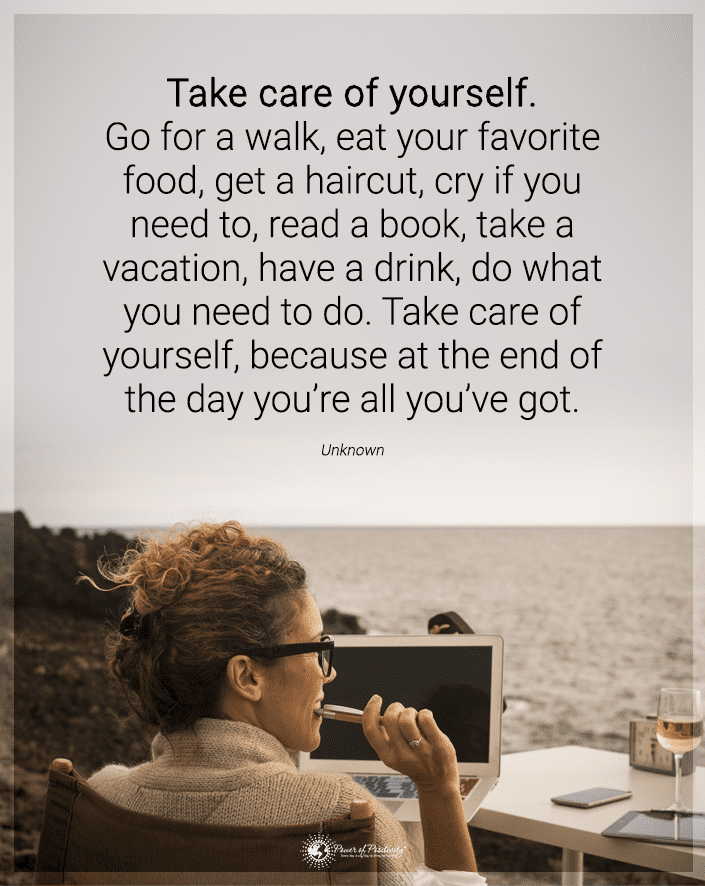
take care of yourself

David, a central figure in the Bible, often experienced intense emotional distress, fear, and despair.

Many of the Psalms are attributed to him and reveal his honest struggles with anxiety, depression, and feelings of abandonment.

Yet, throughout these, David turns to God for comfort and strength.

📖 “Why, my soul, are you downcast? Why so disturbed within me? Put your hope in God, for I will yet praise him, my Savior and my God.”

David’s story shows that it’s normal to experience emotional lows but also encourages seeking God’s help as a source of hope and renewal.

2️⃣ Elijah’s Depression and God’s Care

The prophet Elijah experienced burnout and despair after facing opposition and threats to his life.

He fled into the wilderness feeling hopeless and even asked God to take his life.

📖 “He came to a broom bush, sat down under it and prayed that he might die. ‘I have had enough, Lord,’ he said. ‘Take my life; I am no better than my ancestors.’ Then he lay down under the bush and fell asleep.”

God responded not by rebuking Elijah but by providing rest, nourishment, and gentle encouragement.

This story highlights the importance of rest, self-care, and God’s compassionate presence during mental and emotional crises.

3️⃣ Job’s Suffering and Lament

Job endured great loss, physical suffering, and emotional anguish. The book of Job explores profound questions about suffering, despair, and faith.

Job’s honest laments show that expressing pain and wrestling with difficult emotions is part of the human experience.

📖 “Why did I not perish at birth, and die as I came from the womb?”

Though Job struggled deeply, he maintained his faith in God, which ultimately led to restoration.

His story encourages perseverance and trust in God through mental and emotional trials.

4️⃣ Jesus’ Own Emotional Struggles

Jesus, fully God and fully human, experienced distress and sorrow.

Before his crucifixion, he prayed earnestly in the Garden of Gethsemane, clearly troubled and overwhelmed.

📖 “He took Peter and the two sons of Zebedee along with him, and he began to be sorrowful and troubled. Then he said to them, ‘My soul is overwhelmed with sorrow to the point of death.”

Jesus’ example shows that feeling deep sorrow and anxiety is not a sign of weakness but part of the human condition. He also models turning to prayer and God in such moments.

5️⃣ Paul’s Struggles and Strength in Weakness

The Apostle Paul frequently spoke about his own hardships and emotional challenges, including what he called a “thorn in the flesh,” which may have been a physical or emotional struggle.

📖 “But he said to me, ‘My grace is sufficient for you, for my power is made perfect in weakness.’ Therefore I will boast all the more gladly about my weaknesses, so that Christ’s power may rest on me.”

Paul’s perspective encourages embracing vulnerability and relying on God’s strength rather than our own, which can be a powerful mindset for mental health.

Biblical Themes for Mental and Emotional Well-being

While the Bible does not use clinical language for mental health, these stories and others reveal important truths:

  • Honest expression of emotions like fear, sorrow, and despair is normal and accepted.
  • God’s presence offers comfort, hope, and restoration.
  • Rest, community, prayer, and faith are important resources for healing.
  • Struggles are part of the human experience but can be overcome or endured with God’s help.

The Power of God’s Word Specifically in Mental Well-being

The Word of God is more than ancient text—it is living and active, able to penetrate our deepest thoughts and emotions.

📖 “For the word of God is alive and active. Sharper than any double-edged sword, it penetrates even to dividing soul and spirit, joints and marrow; it judges the thoughts and attitudes of the heart.”

This means Scripture can expose harmful thought patterns, challenge lies we believe about ourselves, and replace them with life-giving truth.

It acts as a spiritual medicine that heals the mind and heart.

When we meditate on promises like God’s unfailing love, peace, and strength, our mental outlook changes, often leading to decreases in anxiety and depression.

For example, focusing on verses like Philippians 4:8 can encourage a positive mindset that supports mental health.

📖 “Whatever is true, whatever is noble, whatever is right… think about such things.”

How Faith Shapes Mental Health

mental health quote

Faith plays a profound role in shaping mental health by providing hope, peace, purpose, and resilience in the face of life’s challenges.

For many believers, faith is not only a spiritual experience but a practical source of mental and emotional strength.

Central to this faith is the Word of God, the Bible, which holds transformative power for our minds and hearts.

  1. Faith Provides Hope and Reduces Anxiety

Faith invites us to trust in a loving God who has control over all things, including our circumstances.

This trust can significantly reduce anxiety and fear, which are common mental health struggles.

📖 “Cast all your anxiety on him because he cares for you.”

When we place our worries in God’s hands, it lightens the mental burden and opens the door to peace.

  1. The Word of God Renews the Mind

The Bible teaches that transformation begins in the mind. Through engaging with Scripture, our thinking patterns can be renewed, replacing negative or destructive thoughts with truth and hope.

📖 “Do not conform to the pattern of this world, but be transformed by the renewing of your mind.”

This renewal is critical for mental health because it helps break cycles of anxiety, depression, and hopelessness by realigning our thoughts with God’s promises and perspective.

  1. God’s Word Offers Comfort and Encouragement

During difficult times, Scripture provides comfort and reassurance. Verses that speak of God’s love, faithfulness, and presence can soothe a troubled mind and uplift the spirit.

📖 “The Lord is close to the brokenhearted and saves those who are crushed in spirit.”

Reading and meditating on such verses can calm emotional distress and foster resilience.

  1. Faith Encourages a Sense of Purpose and Meaning

Mental health often suffers when life feels meaningless or chaotic.

Faith connects us to a bigger story, God’s purpose for our lives, which can provide deep meaning, direction, and motivation.

📖 “For I know the plans I have for you…plans to prosper you and not to harm you, plans to give you hope and a future.”

Having a divine purpose helps combat feelings of emptiness and despair, fostering mental well-being.

  1. Prayer and Meditation Promote Mental Peace

Faith encourages practices such as prayer, meditation on God’s Word, and worship. These spiritual disciplines can reduce stress, improve focus, and enhance emotional regulation.

📖 “Be still, and know that I am God.”

Taking intentional time to connect with God through prayer and Scripture quiets the mind and rejuvenates the soul.

  1. Faith Builds Community and Support

Mental health thrives in connection. Faith communities provide social support, encouragement, and accountability, which are vital for emotional health.

📖 “Encourage one another and build each other up.” 

Belonging to a loving community rooted in faith reduces loneliness and promotes healing.

Final Thoughts

Faith and the Word of God have a powerful, positive impact on mental health.

Through hope, renewal of the mind, comfort, purpose, and community, believers find resources for emotional healing and resilience.

Scripture, prayer, and fellowship provide practical support that complements professional mental health care and fosters holistic well-being.

What Are Common Doubts About Faith in God and How to Overcome Them?

Have you ever found yourself questioning your faith—wondering if what you believe is really true or if you’re just going through the motions?

Maybe you’ve felt comfort and purpose in your beliefs at times, but other moments left you feeling uncertain or even lost. If that sounds familiar, you’re not alone. Faith is deeply personal and can be pretty complex.

It’s completely normal—actually, healthy—to have doubts now and then. These doubts don’t mean your faith is failing; often, they’re a sign that you’re growing, reflecting, and searching for deeper understanding.

In this article, we’ll dive into some of the most common doubts people face about faith and share practical ways to work through them.

Common Doubts About Faith

🔍 “Does God (or a higher power) really exist?”

This is perhaps the most fundamental question many grapple with. Doubting the existence of God or a higher power can stem from intellectual curiosity, personal suffering, or exposure to differing worldviews.

💔 “Why do evil and suffering exist if God is loving and all-powerful?”

Known as the problem of evil, this doubt challenges the idea of a benevolent deity in the face of injustice, pain, and tragedy in the world.

🧭 “Is my faith genuine or just a habit?”

Some people wonder if their faith is truly heartfelt or simply a product of upbringing, social pressure, or routine.

🌫️ “Why don’t I feel God’s presence or answers to my prayers?”

Feeling spiritually distant or unheard can lead to doubts about whether God is real or cares about one’s life.

🔬 “How can I reconcile science and faith?”

Many struggle with perceived conflicts between scientific understanding and religious teachings.

⚖️ “Am I being judged or condemned for my doubts?”

Fear of judgment from one’s faith community or even internally can cause guilt or shame around doubt.

🕯️ “What if I lose my faith entirely?”

The fear of losing faith can itself be a source of anxiety and confusion.

How to Overcome Doubts About Faith

see why god had you wait

Doubts don’t have to be the end of faith; they can be a doorway to deeper understanding and stronger belief. Here are some ways to navigate and overcome common doubts:

  1. Embrace Doubt as Part of the Journey

The Bible doesn’t condemn doubt outright; even faithful figures like Thomas (John 20:24-29) and Elijah (1 Kings 19) experienced moments of doubt and fear. Doubt can lead to deeper seeking when met with faith.

While Scripture encourages belief and trust in God (Hebrews 11:6), it also shows that God meets us in our questions and doubts, inviting us closer rather than rejecting us.

Doubt is not the enemy of faith but can be a catalyst for growth when we respond in trust.

  1. Seek Knowledge and Understanding

Proverbs encourages seeking wisdom and understanding (Proverbs 2:2-6). The Bereans in Acts 17:11 were commended for examining the Scriptures daily to understand and confirm the teachings they received.

God values a heart that seeks truth and understanding. Studying Scripture, asking questions, and seeking guidance are encouraged ways to strengthen faith.

  1. Engage in Honest Reflection and Prayer

The Psalms are full of honest prayers expressing doubt, confusion, and longing (Psalm 13, Psalm 42). Jesus often prayed honestly to the Father (e.g., Luke 22:42).

Prayer is a means to bring all thoughts and feelings before God, including doubts. Honest reflection and prayer cultivate intimacy with God and can bring peace even before answers come.

  1. Talk With Trusted Mentors or Community Members

Hebrews 10:24-25 urges believers to encourage one another and meet together regularly. Proverbs 27:17 asserts that “Iron enhances iron.” The early church model shows believers supporting each other in faith.

Community is essential for spiritual growth. Sharing doubts with trusted believers can provide encouragement, correction, and wisdom.

  1. Focus on Personal Experience

While Scripture warns against relying solely on feelings (John 20:29), it also recognizes the role of personal experience in faith (Psalm 34:8, “Taste and see that the Lord is good”).

Faith is both relational and experiential. Remembering how God has acted in your life can strengthen belief, but faith ultimately rests on God’s promises, not just feelings.

  1. Practice Patience and Perseverance

James 1:2-4 teaches that trials produce perseverance, which matures faith. Hebrews 12:1 encourages running the race with endurance.

Faith is a lifelong journey. Patience and perseverance through doubt and difficulty are marks of growing faith.

  1. Cultivate a Spirit of Humility

Proverbs 3:5-6 calls for trusting God with humility. Jesus modeled humility (Philippians 2:5-8) and taught that the humble will be exalted (Matthew 23:12).

Humility acknowledges our limited understanding and dependence on God. Faith includes trusting God’s wisdom even when we don’t have all the answers.

  1. Serve Others and Live Out Your Faith

James 2:14-26 emphasizes that faith without works is dead. Jesus taught that loving and serving others is evidence of genuine faith (Matthew 25:35-40).

What the Bible teaches: Faith naturally expresses itself through love and service. Serving others strengthens faith by living out God’s commands and experiencing His work in tangible ways.

Biblical Answers to Common Doubt Questions

living inside answered prayers

Having posed the aforementioned questions, I hope this list provides assistance if you’re currently feeling stuck or grappling with doubt.

Remember, questioning is a natural part of faith, and seeking answers is a courageous step toward deeper understanding and peace.

  1. “Does God (or the Higher Power) really exist?”

The Bible affirms that God’s existence is evident through His creation and invites us to seek Him with faith.

In Romans 1:20, Paul explains that God’s invisible qualities—His eternal power and divine nature—are clearly perceived in the natural world, making His existence evident to all.

However, Hebrews 11:6 underscores the crucial role of faith: “It is impossible to please God without faith.”

This means that while evidence points to God’s reality, embracing His existence requires a step of trust. God invites honest seekers to explore and find Him.

  1. “Why does evil and suffering exist if God is loving and all-powerful?”

Suffering is one of the most profound challenges to faith, but Scripture explains that God allows trials for a purpose.

Romans 8:28 assures believers that God works all things for good for those who love Him, even when circumstances are painful.

James 1:2-4 encourages us to view trials as tests that build perseverance and spiritual maturity. While evil exists because of human free will and a fallen world, God remains close to the brokenhearted (Psalm 34:18) and promises ultimate justice and restoration.

Our present suffering is temporary compared to the eternal hope God offers.

  1. “Is my faith genuine or just a habit?”

The Bible challenges superficial faith and calls for heartfelt commitment. James 2:17 teaches that faith without accompanying actions is dead, emphasizing that genuine faith produces change and good works.

Paul’s exhortation in 2 Corinthians 13:5 to examine ourselves invites honest self-reflection about the authenticity of our beliefs.

Jesus’ command in Matthew 22:37 to love God with all heart, soul, and mind highlights that true faith is a full devotion, not mere routine.

Faith becomes real when it touches every part of our lives.

  1. “Why don’t I feel God’s presence or answers to my prayers?”

Spiritual dryness or silence does not mean God is absent. Isaiah 41:10 reassures believers that God is always with them, offering strength and help even when unseen.

Psalm 34:4 reminds us that God answers those who seek Him, though answers may come in unexpected ways or timing.

Jesus’ parable in Luke 18:1 encourages persistent prayer, teaching that maintaining faith amid silence is part of spiritual growth. God’s presence is constant, though our feelings may fluctuate.

  1. “How can I reconcile science and faith?”

The Bible portrays God as the Creator and sustainer of all things (Colossians 1:16-17), inviting us to explore His creation with curiosity and reverence.

Proverbs 25:2 highlights the glory of seeking understanding, encouraging inquiry and wisdom. Science can ponder the greatness of God’s works, as celebrated in Psalm 111:2.

Science and faith need not conflict; rather, they can complement each other as ways to understand God’s handiwork.

  1. “Am I being judged or condemned for my doubts?

The Bible offers assurance that God does not condemn us for doubts or struggles. Romans 8:1 promises no condemnation for those in Christ Jesus, emphasizing God’s grace rather than judgment.

Psalm 34:18 reveals that God is near to those who are brokenhearted, including those wrestling with doubt.

1 John 1:9 encourages confession and honesty, assuring forgiveness and cleansing. Doubts are part of the human experience, and God welcomes us with grace, not condemnation.

  1. “What if I lose my faith entirely?”

Fear of losing faith is a common struggle, but Scripture offers hope for restoration. Jeremiah 29:11 shares God’s plans for hope and a future, reminding believers He desires their well-being.

Psalm 73:26 acknowledges human weakness but points to God as the eternal strength of our hearts. Hebrews 10:23 encourages holding firmly to hope, trusting in God’s faithfulness.

Even when faith falters, God’s love remains steadfast, and He is always ready to restore those who turn to Him.

Doubts About Faith Are Not Signs of Weakness But Opportunities for Growth

By facing these doubts with courage, openness, and a desire for deeper understanding, you can transform uncertainty into a stronger, more authentic faith.

Remember, faith is a personal journey filled with questions, experiences, and discoveries. Embrace the process, and you may find your beliefs enriched in ways you never expected.

The Ripple Effect of Faith: Inspiring Others Through Your Journey

Have you ever dropped a pebble into a still pond? The ripples radiate outward, touching parts of the water far beyond the point of impact. Faith works the same way.

Life’s journey is rarely a straight path. It twists and turns, rises and falls, and sometimes feels like an uphill battle with no end in sight. When we’re in the thick of it—facing challenges, doubts, or heartbreak—it can be hard to see beyond our own struggles.

But what if I told you that your journey, with all its ups and downs, can become a powerful source of hope and inspiration for others? That your faith, lived out authentically, creates ripples far beyond what you might imagine?

Today, let’s explore how your faith journey—imperfect, raw, and real—can light the way for others, even when you feel like you’re simply trying to hold it together.

Esther: A Biblical Example of Faith’s Ripple Effect

relax and have faith

In the Bible, the story of Esther beautifully illustrates how one person’s courageous faith can create a ripple effect with life-changing impact.

Here’s why Esther’s story is a perfect example of how one person’s faith journey can inspire and influence others far beyond what she could see in the moment.

Five Points of Esther’s Faith That Created a Ripple Effect

  1. Courageous Confidence

Esther shows courageous confidence by deciding to approach the king despite the risk.

“Go, gather together all the Jews who are in Susa, and fast for me. Do not eat or drink for three days, night or day. I and my attendants will fast as you do. When this is done, I will go to the king, even though it is against the law. And if I perish, I perish.”
Esther 4:16 (NIV)

This verse explicitly shows Esther’s bold decision to risk her life by going to the king uninvited, which was punishable by death.

Her words, “And if I perish, I perish,” express her courageous acceptance of potential consequences, highlighting her confident faith.

This strongly supports the point of courageous confidence.

  1. Purposeful Positioning

Esther is reminded that her position as queen is divinely purposed for such a time as this.

“For if you remain silent at this time, relief and deliverance for the Jews will arise from another place, but you and your father’s family will perish. And who knows but that you have come to your royal position for such a time as this?”
Esther 4:14 (NIV)

Mordecai’s words clearly affirm that Esther’s rise to queen is providential and that she has a unique opportunity and responsibility at this moment. This verse directly anchors the point about purposeful positioning and God’s sovereign plan.

  1. Faithful Fasting

Esther calls for a fast to seek God’s guidance and strengthen her resolve before acting.

“Then Esther sent this reply to Mordecai: ‘Go, gather together all the Jews who are in Susa, and fast for me. Do not eat or drink for three days, night or day. I and my attendants will fast as you do. When this is done, I will go to the king, even though it is against the law.”
Esther 4:15-16 (NIV)

This passage confirms Esther’s request for communal fasting and prayer, showing her dependence on God before taking bold action. It demonstrates her faithfulness in seeking divine help and spiritual preparation, validating the point fully.

  1. Resilient Resolve

Esther exhibits resilient resolve by accepting the possibility of death but committing to act anyway.

“Then I will go to the king, though it is against the law…”
Esther 4:16a (NIV)

Though brief, this phrase is one of the most powerful in the narrative. It shows Esther’s steadfastness and acceptance of risk, underscoring her determination and faith in God’s sovereignty. This verse clearly supports the point about resilient resolve.

  1. Inspiring Influence

Esther’s story inspires generations, as seen in the establishment of the Purim festival celebrating deliverance.

“As the days on which the Jews got relief from their enemies, and as the month that their sorrow was turned into joy and their mourning into a day of celebration.”
Esther 9:22 (NIV)

While this verse doesn’t mention Esther by name, it describes the institution of Purim, which commemorates the deliverance she secured through her faith and bravery. The ongoing celebration reflects her lasting influence and the ripple effect of her actions on Jewish history and faith. This supports the point about inspiring influence across generations.

Sometimes, when we think about inspiring others through faith, our minds jump to grand gestures (like the story of Esther): leading a big event, delivering a stirring message, or being a shining example of perfection.

But the truth is, faith’s most profound influence often comes through the quiet, everyday moments—the struggles we face, the prayers we whisper, the hope we cling to when things seem bleak.

Your story matters. Not because it’s flawless, but because it’s real.

When you share your journey—the doubts you wrestle with, the moments you felt lost, the times you wanted to give up but chose to keep believing—you open a door for others to feel less alone. This kind of vulnerability is magnetic. It shows others that faith isn’t about having all the answers; it’s about trusting God through the questions.

Faith’s ripple effect isn’t about presenting a perfect image. If anything, the most inspiring stories often come from those who are transparent about their flaws and failures.

If you’re worried that your struggles make you less inspiring, I want to encourage you: your honesty is your strength. Your faith, lived out in the middle of imperfection, can be the light someone else desperately needs.

How to Embrace Your Role as an Inspiration

You might feel unsure about how to share your faith journey in a way that will encourage others. Here are a few gentle ways to embrace that role:

1️⃣ Share Your Story When You Can

You don’t have to broadcast your entire life story. Sometimes, a simple conversation about how you discovered hope during a difficult time can resonate with someone. Be open to sharing pieces of your journey as they come up naturally.

2️⃣ Be Present and Listen

Inspiration isn’t always about speaking; often it’s about showing up. When someone is going through a hard time, your presence and your willingness to listen without judgment can be incredibly encouraging.

3️⃣ Live Your Faith Out Loud

Actions often carry more weight than mere words. When you choose kindness, patience, and forgiveness in everyday moments, you silently demonstrate to others what faith looks like in practice.

4️⃣ Pray for Others

Prayer is powerful. Offering to pray for someone, or simply holding them in your heart, can create ripples of peace and hope that extend far beyond what you see.

When You Feel Like Giving Up—Remember the Ripples

energy intentions mindset

There will be days when the weight of your journey feels too heavy. On those days, when doubt creeps in or you wonder whether your faith truly matters, remember the ripple effect. On those days, remember the ripple effect.

Even when you can’t see it, your faith is working in ways you never imagined. Your prayers, the hope you hold on to, and the love you extend are never wasted. They are seeds falling into the soil of someone else’s heart.

And just like ripples on a pond, the impact spreads far beyond what the eye can see.

Closing Thoughts: Your Journey is a Gift

Friend, your faith journey is a gift—not only to you but to everyone around you. It’s a story of resilience, hope, and love that can inspire others to keep going, even when the road is tough.

You don’t have to be perfect or have all the answers to make a difference. Simply living your faith authentically, with openness and courage, is enough to create a ripple effect that touches lives in beautiful and unexpected ways.

So, keep walking your path. Keep trusting, keep believing, keep shining your light. Your faith matters. Your journey matters. And the ripples you create? They’re changing the world, one heart at a time.

Remember: Like Esther, who stepped out in faith to save her people, you too are placed exactly where you need to be to make a difference. Trust in God’s plan and courageously embrace your journey.

“And who knows but that you have come to your royal position for such a time as this?” — Esther 4:14 (NIV)

If this message touched your heart, consider sharing your journey with someone today. You never know whose life you might brighten.

Thank you for reading. May your weekend be filled with peace, hope, and renewed courage.

Skip to content