Some people walk into a room and ensure everyone knows how successful or important they are.
Others simply settle in quietly, yet somehow make an indelible mark.
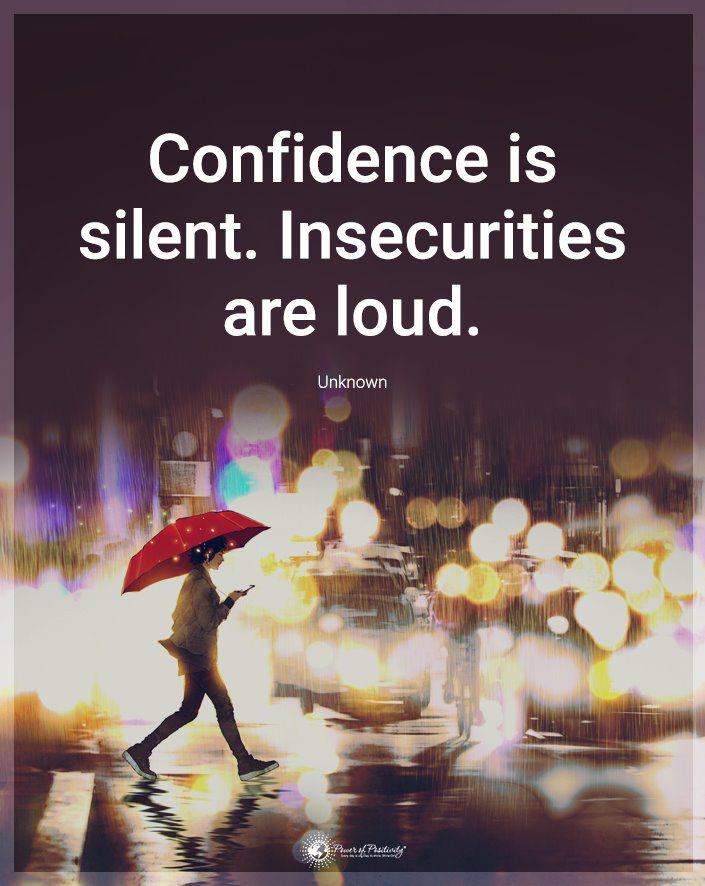
The difference often lies in quiet confidence. Unlike loud ego, which depends on attention to feel valid, quiet confidence comes from within. It does not need applause or constant recognition to feel secure, and it shows up in small, everyday behaviors rather than big declarations.
Here are seven behaviors that reveal true quiet confidence and how they differ from the louder version of self-assurance many people mistake for it.
🤫 They Don’t Need to Announce Their Wins
People with quiet confidence rarely feel the urge to broadcast every accomplishment.
They might land a promotion or hit a personal goal and simply move on without turning it into a performance.
This does not mean they hide their wins. They just do not need outside praise to validate the effort. They already know what they did, and that feels like enough.
Loud ego often needs an audience, turning wins into reminders of one’s value. Quiet confidence skips that step. The satisfaction comes from within, not from who noticed.
🎧 They Listen More Than They Speak
In conversations, people with quiet confidence tend to listen first.
They are genuinely curious about what others say and do not feel the need to fill every silence with their thoughts. This habit comes from a place of security.
They do not need to prove their intelligence by constantly jumping in or steering the conversation back to themselves. Listening well also allows them to respond more thoughtfully when they do speak.
Loud ego often shows up as interrupting, redirecting topics, or waiting for a pause just to talk about oneself.
Quiet confidence, by contrast, makes space for others, and that generosity often makes people feel more comfortable and valued around them.
🧭 They Stay Grounded Without External Validation
People with quiet confidence do not need constant reassurance to feel comfortable about themselves.
A missed text, an unanswered compliment, or someone else’s opinion does not shake their sense of self.
This groundedness comes from knowing their worth, independent of outside approval. They have done the inner work to feel secure without needing others to confirm it for them.
Loud ego often seeks validation everywhere, through likes, praise, or constant feedback. Quiet confidence finds that steadiness internally, which makes it far more resilient over time.
🌱 What does it actually feel like to be grounded?
🤍 Why do some people need constant approval?
🌿 How can someone become more grounded?
💬 They Speak Calmly, Even Under Pressure
When things become tense, people with quiet confidence tend to slow down rather than react.
They pause before responding, choose their words carefully, and avoid raising their voice even when emotions run high.
This calm comes from a sense of internal control. They do not feel the need to dominate a conversation or prove a point through volume or intensity. Their steadiness often helps de-escalate situations rather than add to them.
Loud ego, on the other hand, often equates confidence with forcefulness, talking over others or reacting sharply under stress.
Quiet confidence shows that real strength often looks like composure, not control.
🤝 They Give Credit Generously
People with quiet confidence have no problem highlighting the contributions of others.
They mention a colleague’s idea, thank a teammate publicly, or acknowledge the help they received along the way, without worrying that doing so will make them look less capable.
This generosity comes from a secure sense of self.
They do not see someone else’s recognition as a threat to their value, because their confidence does not depend on being the center of attention.
Loud ego often struggles to share the spotlight, sometimes downplaying others’ roles to keep the focus on itself.
Quiet confidence, by contrast, lifts others up freely, which often earns deeper respect and trust in return.
🌿 They’re Comfortable With Silence
For many people, silence feels awkward, something to be filled with small talk or nervous chatter.
People with quiet confidence, however, are at ease in quiet moments. They do not feel pressure to perform or entertain just to avoid a pause.
This comfort comes from not needing constant validation through conversation.
They are content simply being present, without filling every gap with words.
Loud ego often treats silence as a void that needs filling, sometimes with stories or opinions just to stay relevant.
Quiet confidence sees silence as natural, even comfortable, a space that does not need to be managed.
🔄 They Don’t Take Things Personally
When someone offers criticism or has a difficult day, people with quiet confidence do not automatically assume it is about them.
They can separate other people’s moods, opinions, or reactions from their sense of worth.
This comes from a stable inner foundation. They know their value is not determined by how someone else behaves or what someone else thinks, so they can stay calm rather than getting defensive.
Loud ego often reacts strongly to criticism, treating it as a personal attack.
Quiet confidence allows space for feedback without it shaking one’s identity, making growth feel less threatening and more natural.
FAQs
Quiet confidence comes from a place of security, while low self-esteem often involves self-doubt hidden behind a calm exterior.
A quietly confident person feels secure in themselves, while someone with low self-esteem may avoid drawing attention because they are afraid.
Yes. Quiet confidence is not about being shy or reserved; it is about not needing external validation.
Someone can be social, talkative, and energetic while still carrying that inner steadiness that does not depend on others’ approval.
It can absolutely be developed. While some people may naturally lean toward calmer temperaments, quiet confidence often grows through self-awareness, self-acceptance, and consistently choosing inner validation over outer approval.
Because their behavior is consistent regardless of who is watching.
There is no performance to maintain, which makes their actions and words feel more genuine and reliable.

🌟 Conclusion
Quiet confidence is not about being shy, reserved, or unnoticed.
It is about carrying a steady sense of self that does not need outside approval to feel real.
The behaviors above, staying calm under pressure, listening more than speaking, and giving credit freely, all point to the same thing: a person who feels secure enough not to perform.
If you recognize these traits in someone close to you, or in yourself, that steadiness is worth appreciating.
In a world that often rewards the loudest voice, quiet confidence remains one of the most grounded and lasting forms of strength.